2025 Guide: How to Choose the Best Fiber Cement Cladding for Your Home
In recent years, the demand for fiber cement cladding has surged, driven by its exceptional durability, aesthetic versatility, and low maintenance requirements. According to a report by Freedonia Group, the fiber cement siding market is projected to reach $7.3 billion by 2023, highlighting the growing recognition among homeowners and builders of its benefits over traditional materials. As we look ahead to 2025, it's crucial to understand the various factors that contribute to selecting the best fiber cement cladding for your home.
With advancements in manufacturing techniques and an expanded variety of styles and finishes, fiber cement cladding has become a favorite choice for residential and commercial properties alike. In fact, the National Association of Home Builders indicates that approximately 25% of new homes are now using fiber cement siding, a shift that illustrates its increasing prominence in the construction industry. This guide aims to provide a comprehensive overview of how to navigate the diverse options available, ensuring that you make an informed decision tailored to your specific needs and preferences.
Understanding Fiber Cement Cladding: Key Features and Benefits for Homeowners
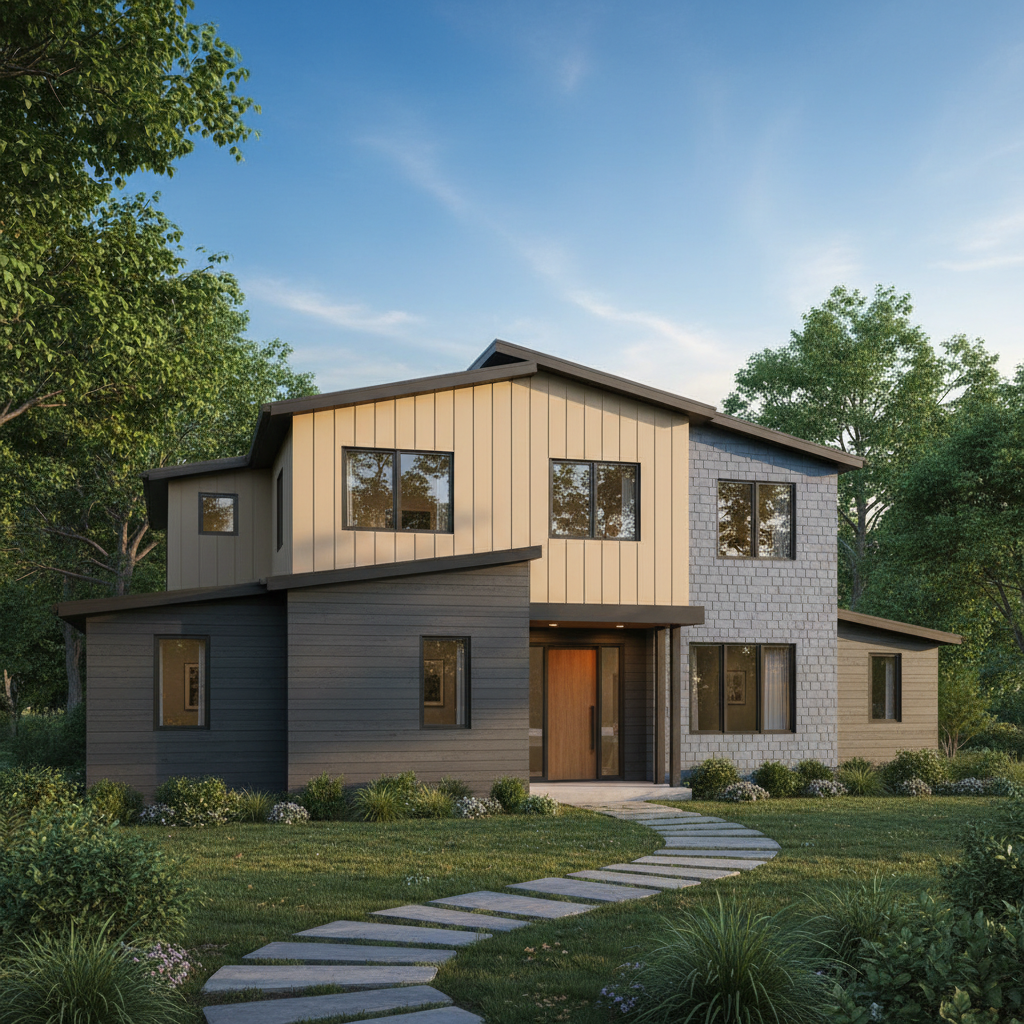
Fiber cement cladding is increasingly popular among homeowners for its durability and aesthetic appeal. Comprised of cement, sand, and cellulose fibers, this material offers exceptional resistance to weather conditions, pests, and rot. Homeowners can benefit from its longevity, as fiber cement can last for decades with minimal maintenance. Additionally, it can be molded into various textures and colors, allowing for customization that suits individual architectural styles and personal preferences.
One of the key features of fiber cement cladding is its fire resistance, which enhances the safety of any home. This material does not ignite, making it a suitable choice in areas prone to wildfires or extreme heat. Moreover, fiber cement is environmentally friendly, as it can be made from recycled materials and is often low in volatile organic compounds (VOCs). With its weather resistance, aesthetic versatility, and sustainability, fiber cement cladding presents a compelling option for homeowners looking to enhance their property's exterior while enjoying peace of mind.

Evaluating Durability: Industry Standards for Fiber Cement Cladding Longevity
When selecting fiber cement cladding for your home, evaluating durability is paramount. The longevity of fiber cement products largely depends on adherence to industry standards, which have been established to ensure quality and performance. Look for cladding options that meet ASTM (American Society for Testing and Materials) specifications, which include tests for water absorption, impact resistance, and flexural strength. These criteria are crucial in assessing how well the cladding can withstand various environmental stresses and avoid common issues such as cracking or moisture infiltration over time.
Additionally, consider the manufacturer's warranty, as a longer warranty period often indicates confidence in the durability of the product. Opt for brands that undergo rigorous testing and comply with standards set by organizations such as the Tile Council of North America or the International Code Council. These certifications not only highlight the cladding’s resistance to fading, warping, and other forms of degradation but also reflect its ability to maintain its aesthetic appeal throughout its lifespan. By prioritizing these durability standards, you can ensure that your investment in fiber cement cladding will yield long-lasting benefits for your home.
Aesthetic Choices: Exploring Colors and Textures in Fiber Cement Options
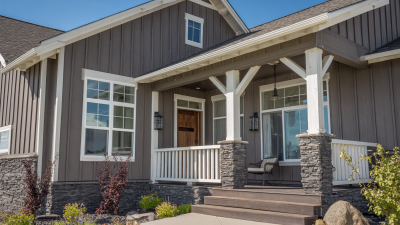
When selecting fiber cement cladding for your home, aesthetic choices play a crucial role in establishing the overall look and feel of your exterior. Fiber cement comes in a diverse range of colors and textures, allowing homeowners to express their unique style. Whether you prefer modern sleek lines, rustic charm, or a coastal vibe, you can find options that suit your vision. For instance, lighter colors can create a fresh and airy atmosphere, while darker shades can convey sophistication and warmth.
Tips: When choosing the color, consider the surrounding environment and architectural style. It’s essential to visualize how your selected hues will complement your roof, windows, and landscaping. Additionally, think about the long-term effects of local climate on color retention; lighter colors may fade more slowly in sunny areas compared to darker ones.
The textures offered by fiber cement cladding can drastically alter the perception of your home. From smooth finishes to rough-hewn looks, the texture can add depth and interest to your façade. Mixing textures, like pairing smooth panels with shingles, can create a visually dynamic effect.
Tips: Visit showrooms or design centers to physically feel and see the textures in different lighting conditions. This hands-on experience will help you make an informed choice and ensure your selection harmonizes well with your overall design theme.
Cost Analysis: Comparing Fiber Cement Cladding Costs and ROI for Your Home
When considering fiber cement cladding for your home, a crucial aspect to evaluate is the cost versus the return on investment (ROI). Recent industry reports indicate that fiber cement cladding typically ranges from $5 to $10 per square foot, depending on the quality and brand. This cost can be offset by the long lifespan of fiber cement materials, which can last up to 50 years with minimal maintenance. In terms of ROI, homeowners can expect to recoup about 86% of their investment through increased home value, making fiber cement an attractive option for both aesthetics and finance.
Moreover, the durability of fiber cement significantly contributes to its value proposition. According to the 2022 Remodeling Cost vs. Value Report, homes with fiber cement siding not only show a higher selling price but also attract buyers due to the minimal upkeep and superior resistance to weather elements compared to traditional siding options. This emphasizes the importance of analyzing both upfront costs and potential long-term savings to determine the best fiber cement cladding selection for your home. Investing in quality fiber cement cladding can lead to a sustainable and valuable enhancement for any property.
Cost Analysis: Comparing Fiber Cement Cladding Costs and ROI for Your Home
Installation Considerations: Best Practices and Professional Advice for Fiber Cement Cladding
When considering fiber cement cladding for your home, adhering to best installation practices is crucial to achieving a durable and aesthetically pleasing finish. According to the 2023 Fiber Cement Association report, correctly installed fiber cement cladding can reduce maintenance needs by up to 50% over its lifespan. One common best practice is to ensure proper ventilation behind the cladding to prevent moisture buildup, which can lead to rot and mold. Utilizing spacer systems and allowing for appropriate air gaps can enhance the cladding's longevity.
Professional advice often emphasizes the importance of selecting the right fasteners for installation. The 2023 Building Materials Market Analysis suggests that using corrosion-resistant screws can significantly extend the durability of the cladding, especially in coastal environments where exposure to salty air is common. Furthermore, ensuring that the cladding is correctly aligned and followed by sealing any joints with high-quality caulk will not only improve the visual appeal but also contribute to the overall performance of the fiber cement system, preventing potential water intrusion and damage.
2025 Guide: How to Choose the Best Fiber Cement Cladding for Your Home
| Dimension |
Description |
Best Practices |
Professional Advice |
| Material Type |
Choose between fiber cement, wood veneer, or synthetic options. |
Inspect for moisture resistance. |
Consult with a professional for specific climate suitability. |
| Thickness |
Common thicknesses range from 5/16" to 1". |
Select thickness based on local building codes. |
Thicker panels may offer better insulation. |
| Finish |
Options include pre-primed, painted, or textured. |
Choose finishes that require minimal maintenance. |
Ensure workmanship standards are met for painted surfaces. |
| Installation Method |
Can be installed horizontally or vertically. |
Follow manufacturer guidelines for seams and fasteners. |
Professional installation is recommended for optimal performance. |
| Maintenance |
Routine cleaning and inspection are crucial. |
Wash with mild soap and water annually. |
Address any repairs immediately to prevent moisture damage. |

 LEAO®Deco Ceiling
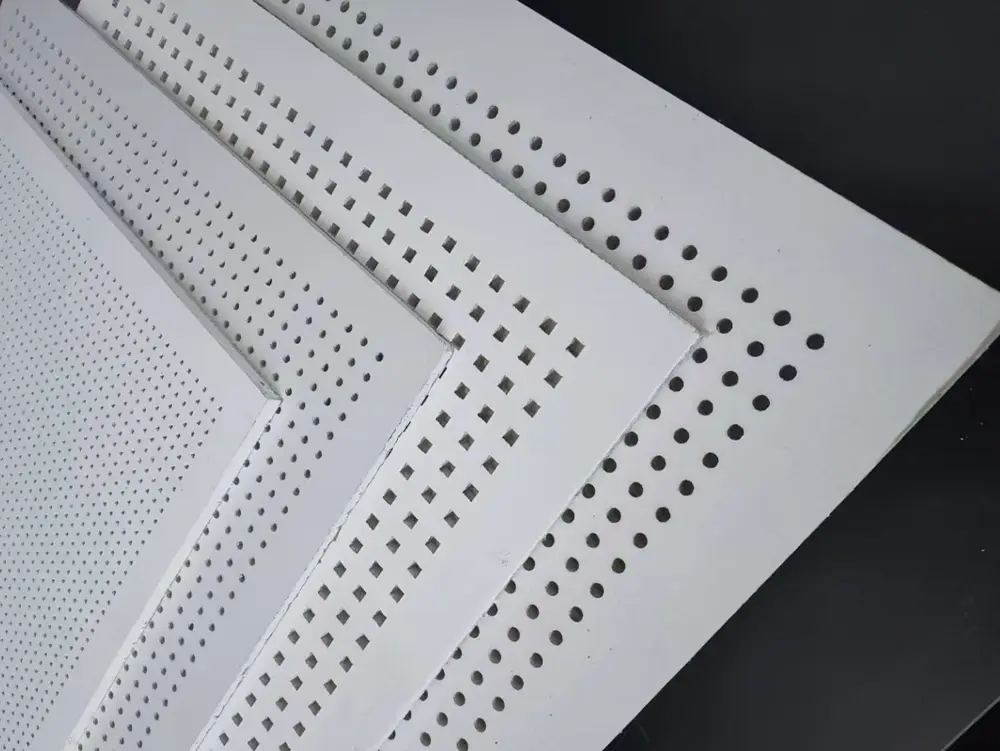 LEAO® Perforated Ceiling
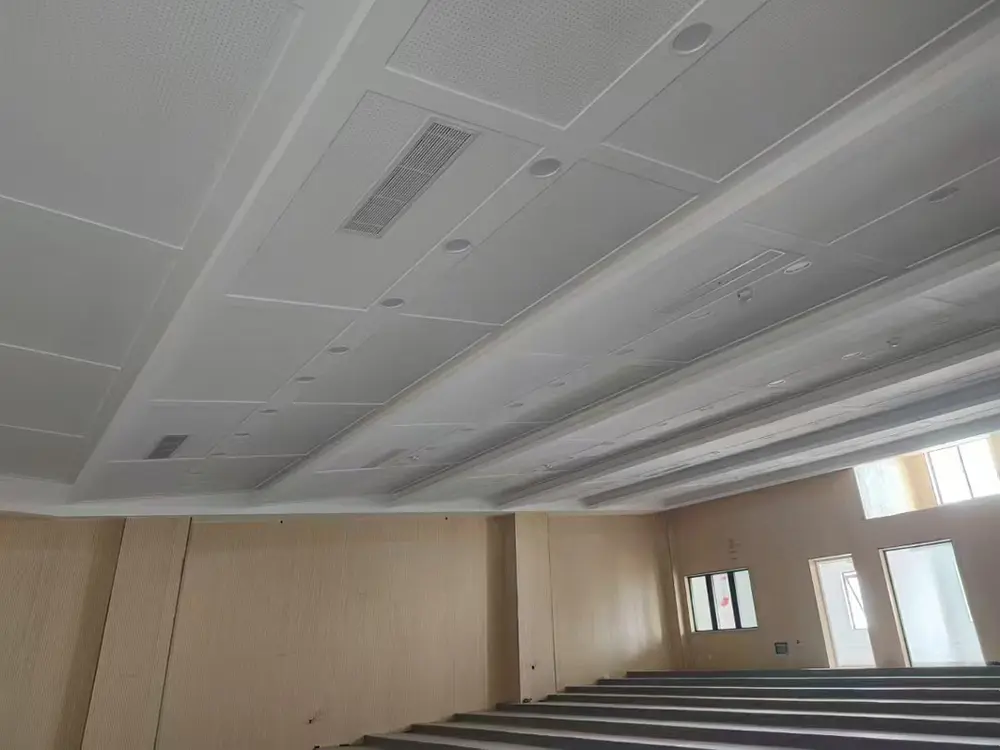 LEAO® Ceiling Board
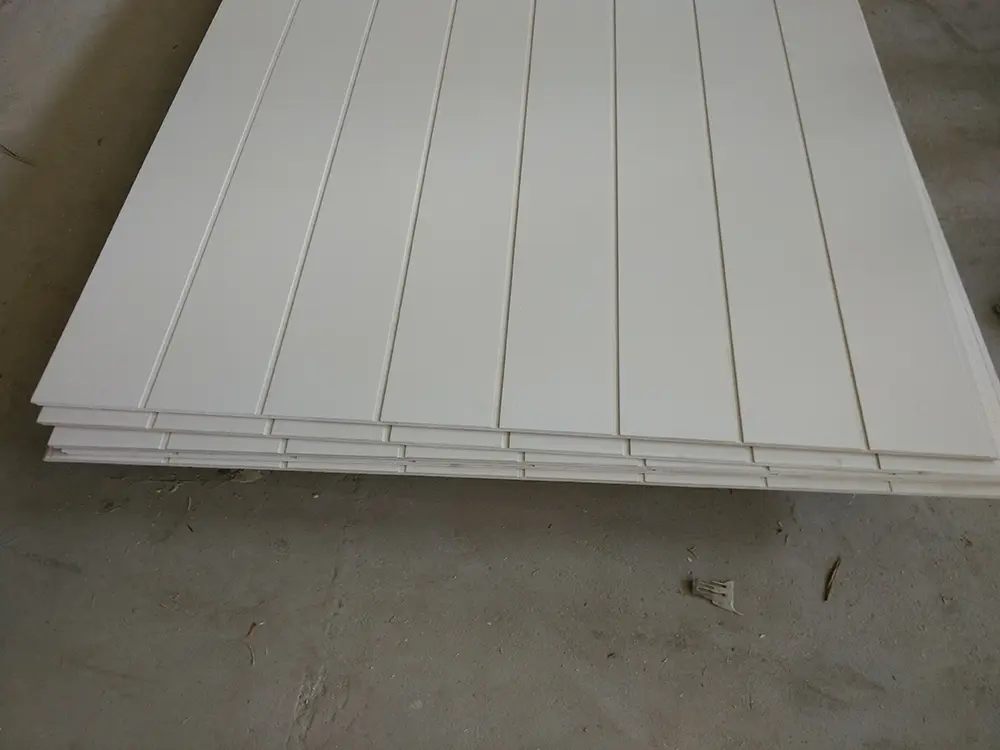 LEAO® Groove Interior Panel
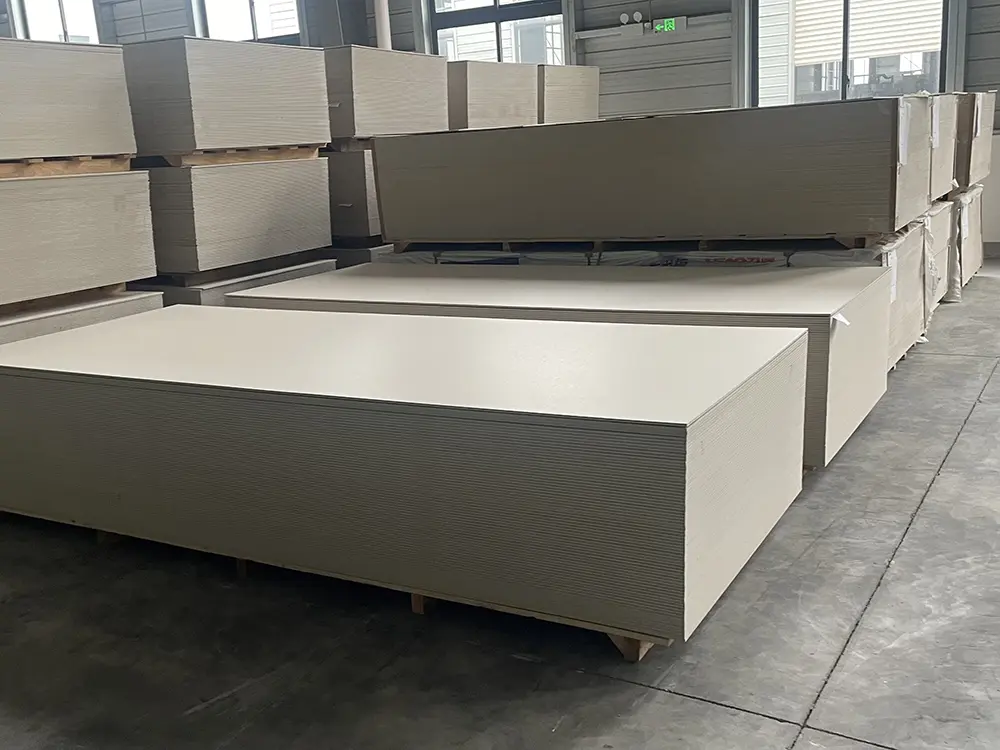 LEAO® Interior Board
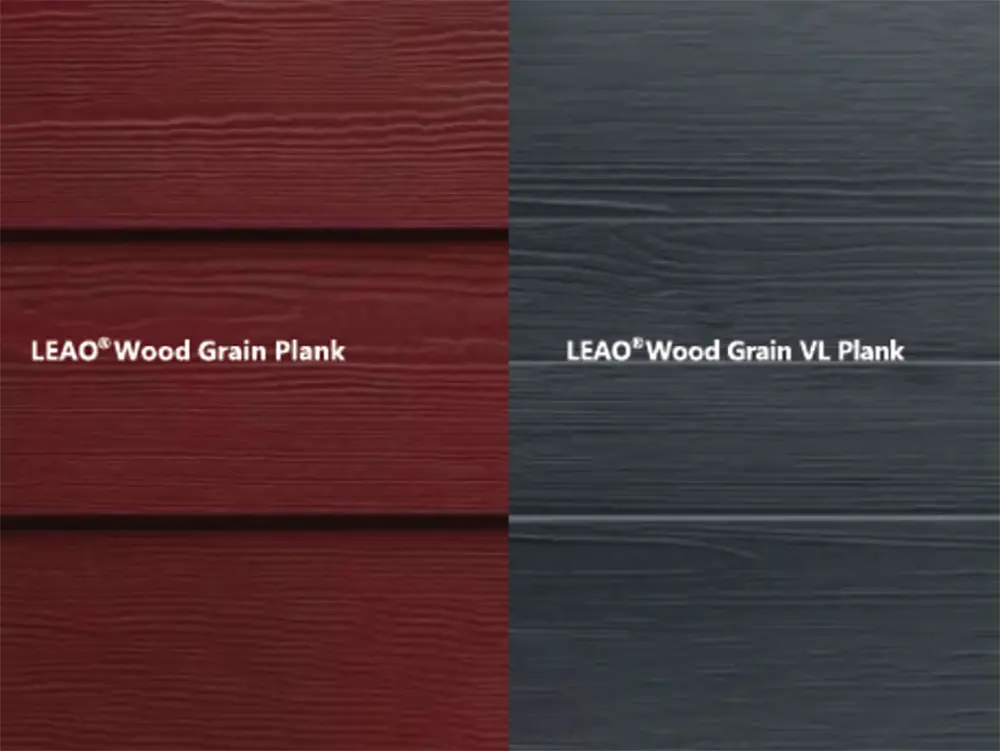 LEAO® Wood Grain Plank
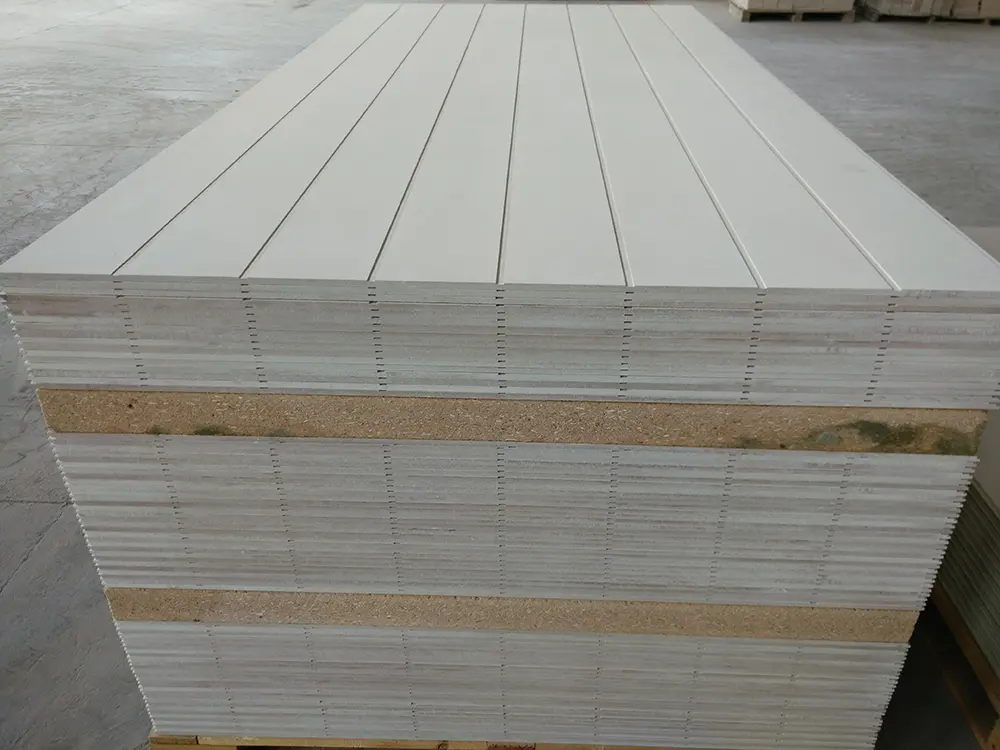 LEAO® Grooved Exterior Panel
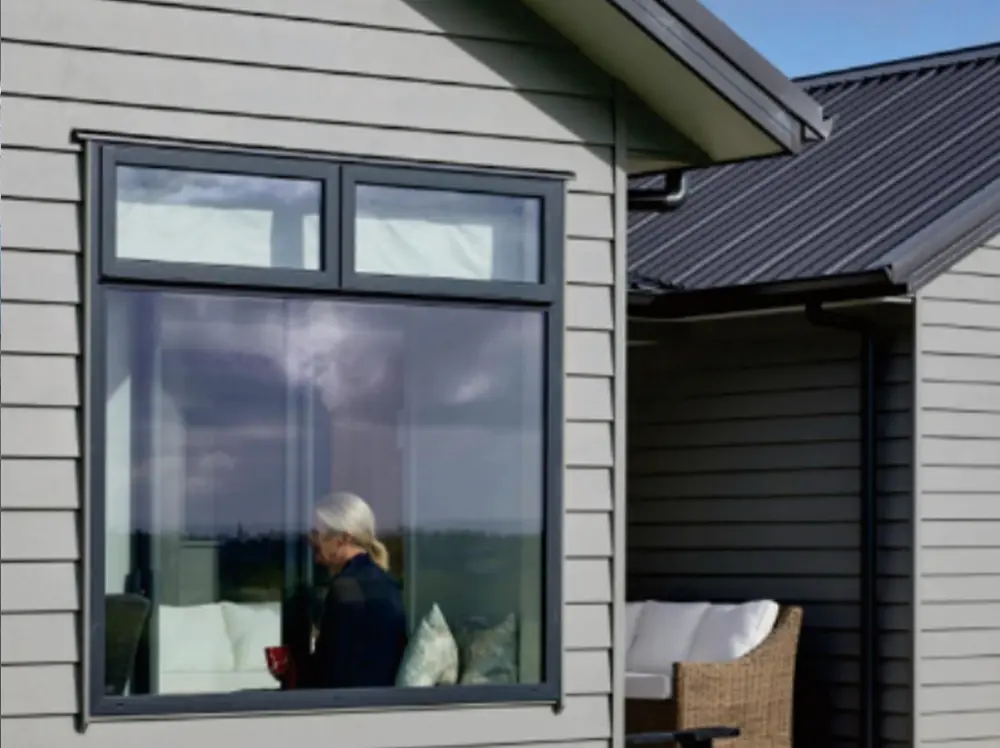 LEAO® Weatherboard
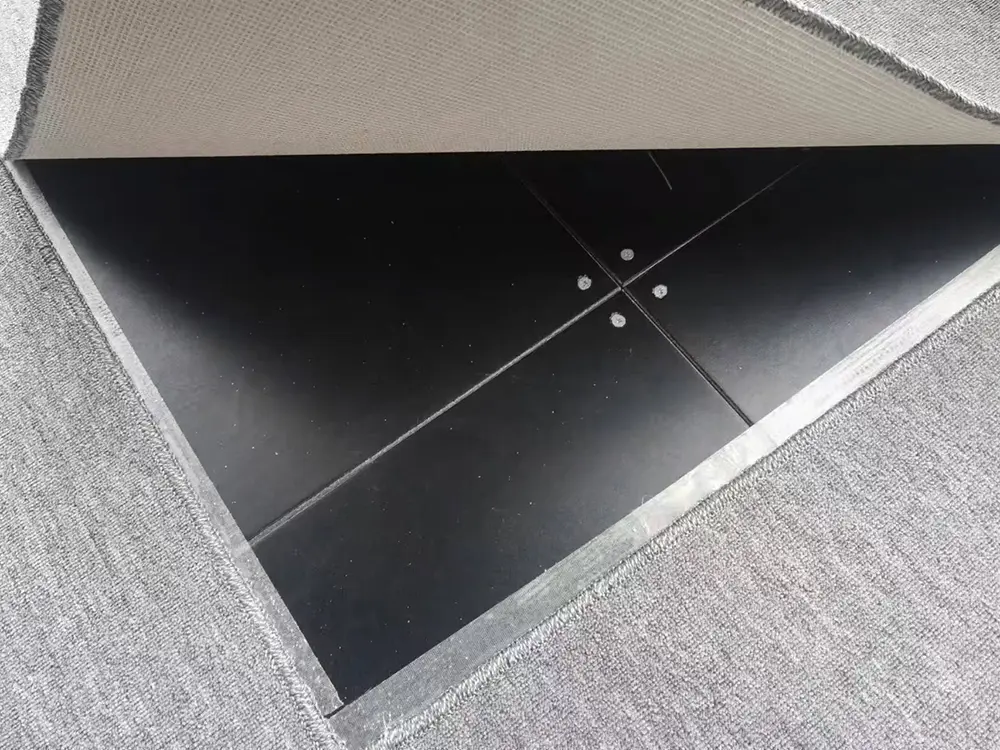 LEAO® Access Floors
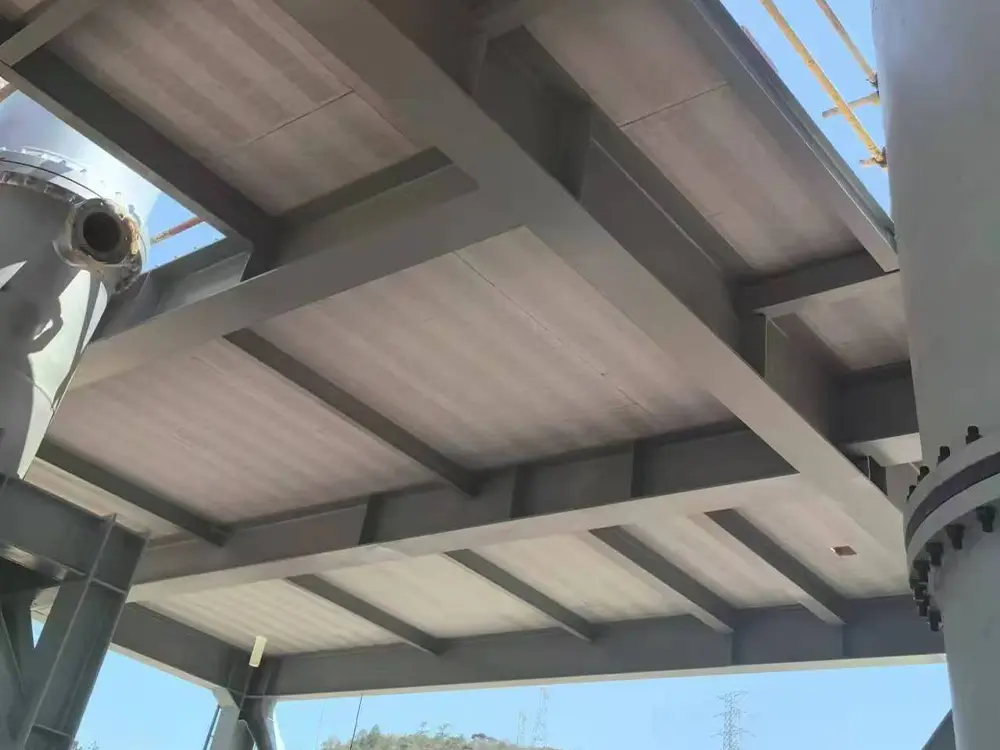 LEAO® Non-removable Formwork
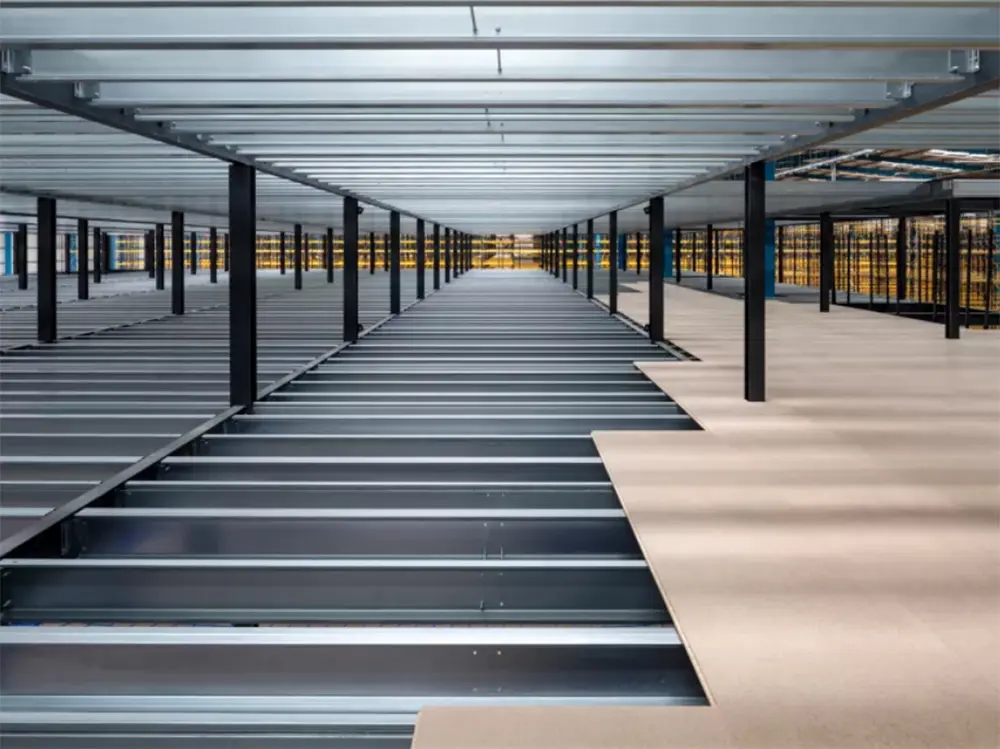 LEAO® Mezzanine Board
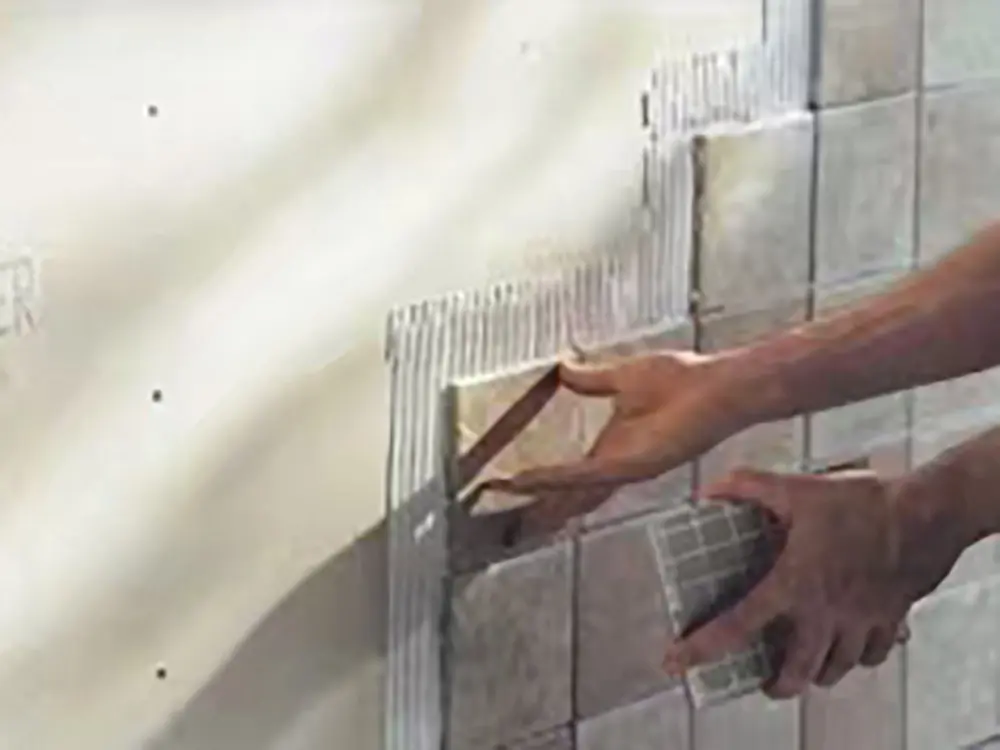 LEAO® Ceramic Tile Underlay
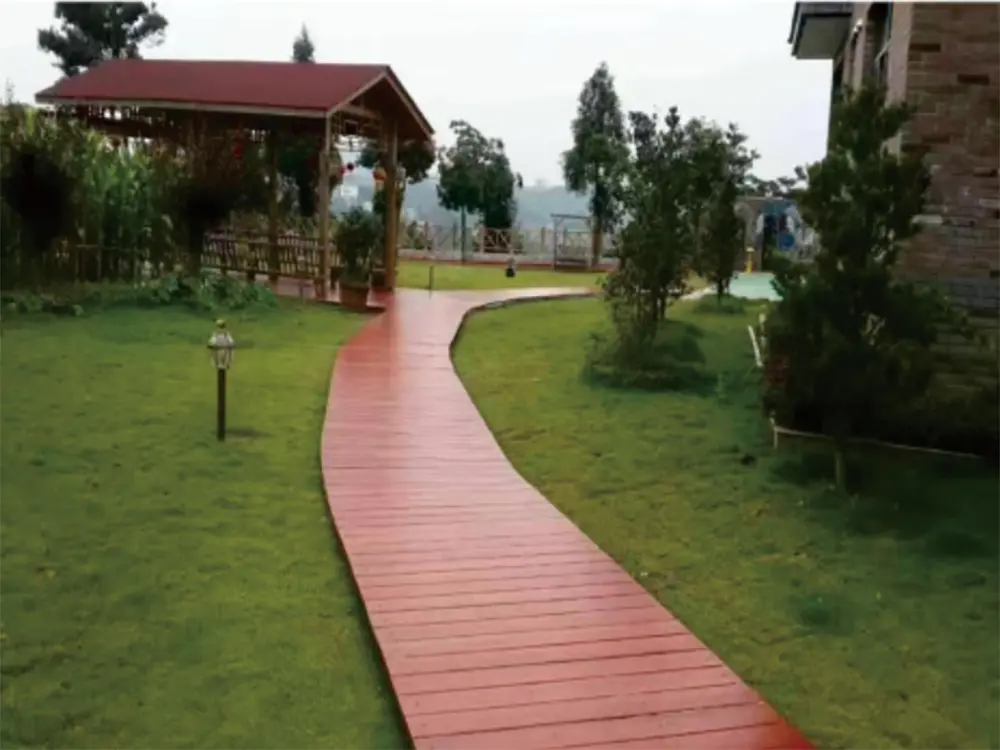 LEAO® Floor Plank
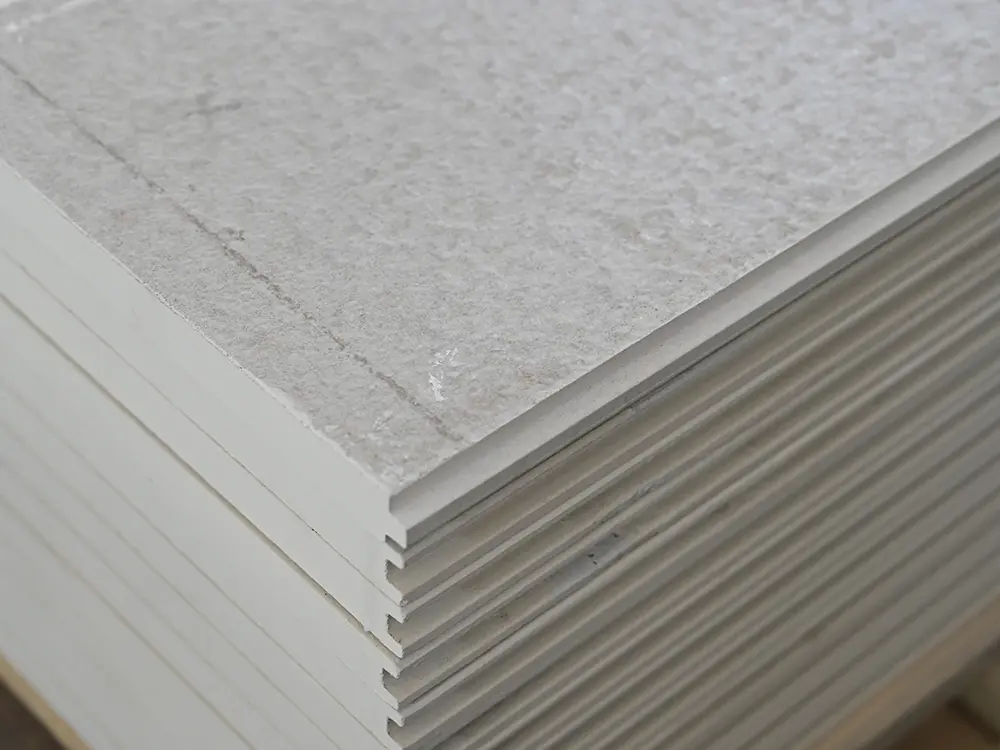 LEAO® Flooring
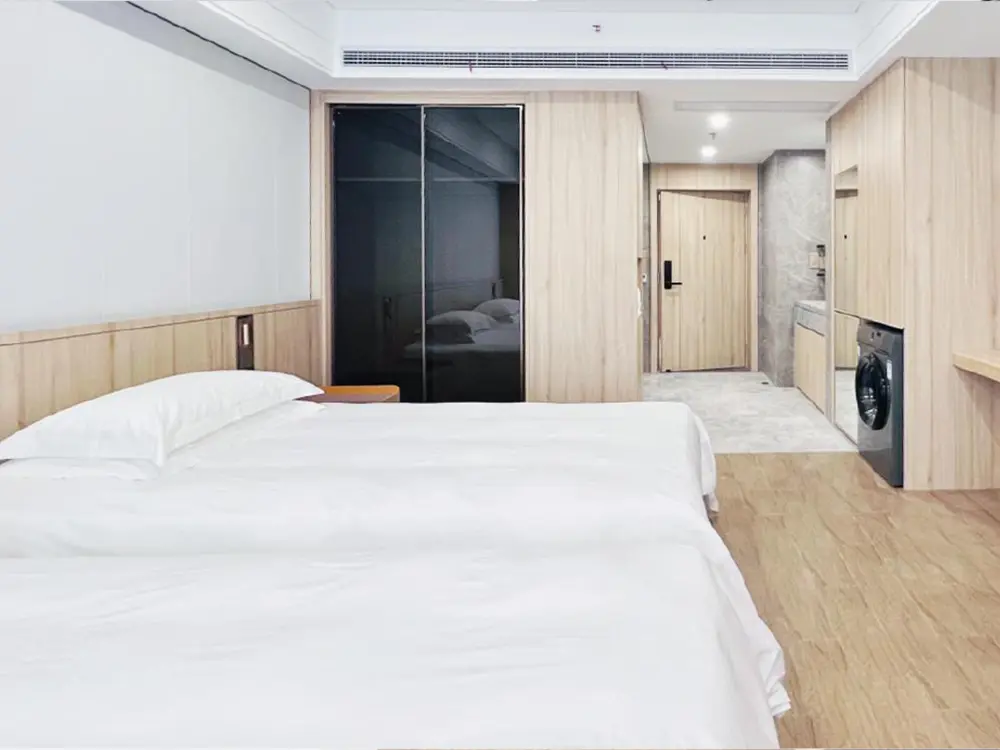 LEAO® Wood Style Decorative Panel
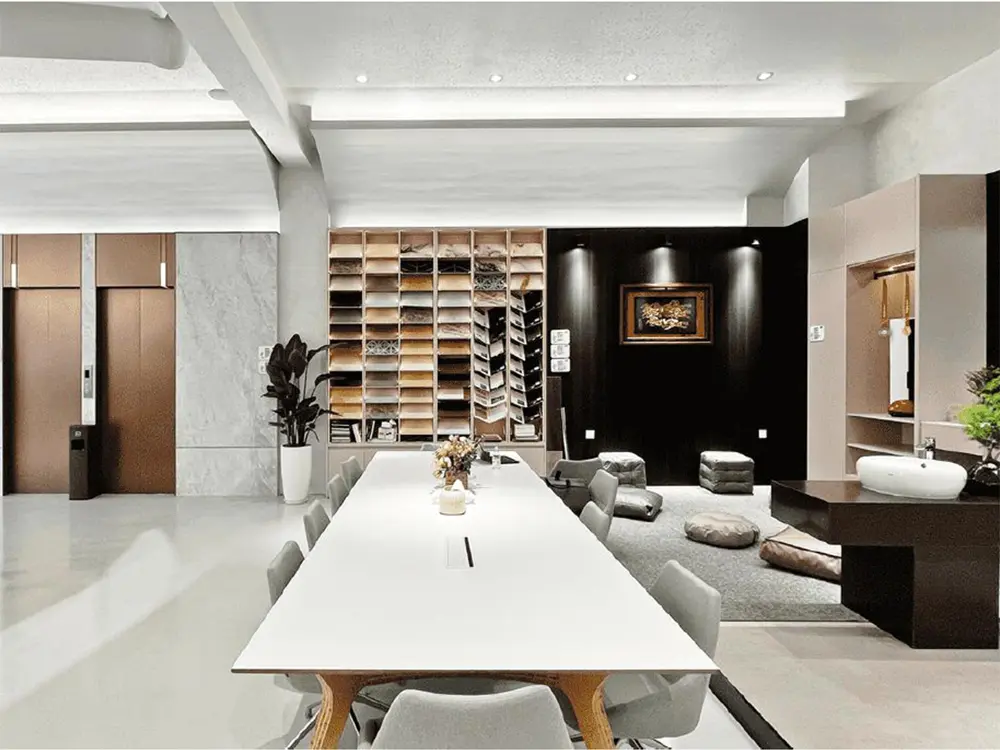 LEAO® Stone Style Decorative Panel
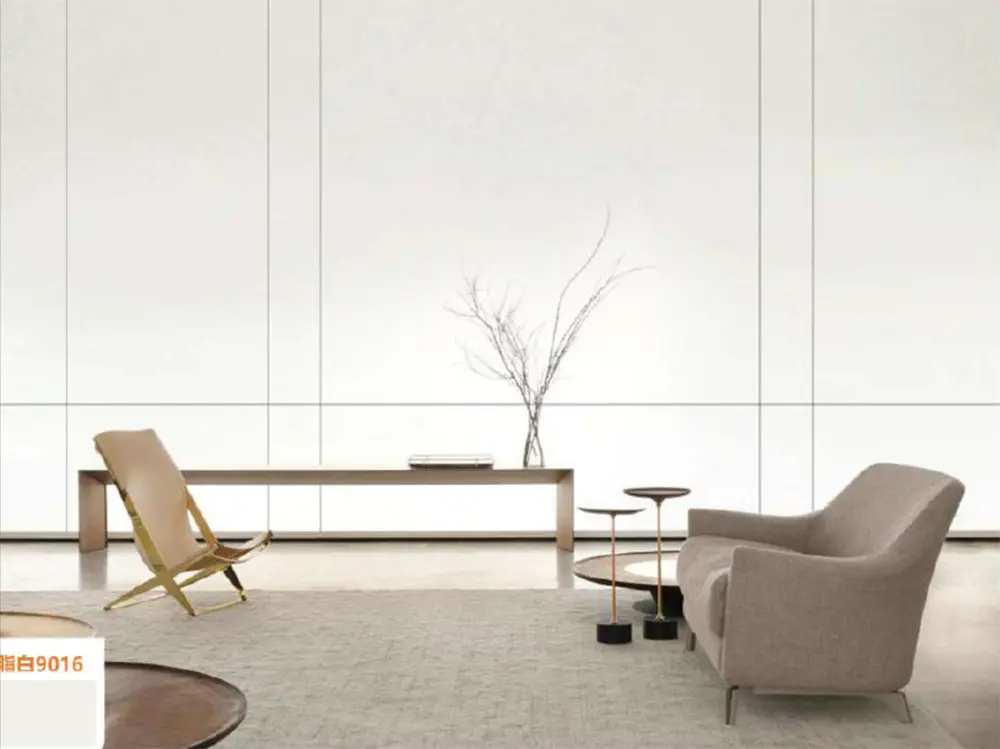 LEAO® Pure Style Decorative Panel