2025 Top Trends in Fiber Cement Partition Boards: Durability and Design Insights
In recent years, the construction industry has witnessed a significant shift towards innovative materials that combine functionality, sustainability, and aesthetics. Among these materials, the Fiber Cement Partition Board has emerged as a leading choice for architects and builders alike, thanks to its exceptional durability and versatile design options. As we look toward 2025, understanding the evolving trends in fiber cement partition boards becomes essential for professionals aiming to create modern, resilient spaces that meet the demands of contemporary living and working environments.
The rise of fiber cement partition boards not only reflects a growing preference for sustainable building materials but also highlights the importance of durability in design. These boards offer superior resistance to moisture, fire, and pests, making them ideal for various applications in both residential and commercial settings. Moreover, their ability to mimic natural materials while providing a lightweight solution allows for creative possibilities that can enhance aesthetic appeal.
As we delve deeper into the top trends expected to shape the use of fiber cement partition boards in the coming years, we will explore how designers and builders can leverage these materials to achieve both functional and visually striking results. By embracing the latest advancements in this field, professionals can ensure that their projects stand the test of time, reflecting a commitment to quality and innovation in construction.

Overview of Fiber Cement Partition Boards: Definition and Uses
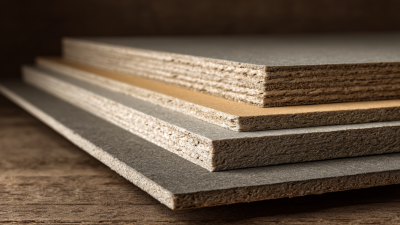
Fiber cement partition boards are a versatile building material made from a combination of cement, sand, and cellulose fibers. These boards are designed primarily for interior applications, providing structural and aesthetic benefits. Their composition gives them enhanced resistance to moisture, fire, and pests, making them an ideal choice for various environments, including commercial buildings, residential homes, and industrial spaces. Due to their durability, they are often used for creating non-load bearing walls and partitions, enabling efficient space management without compromising safety.
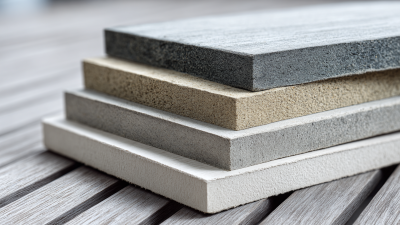
The versatility of fiber cement partition boards extends beyond their functional uses. They can be easily customized in terms of texture, color, and finish, allowing architects and designers the flexibility to create visually appealing interiors. These boards can mimic the appearance of wood, stone, or other materials, contributing to modern design trends that prioritize both durability and aesthetics. Additionally, their lightweight nature simplifies installation, reducing labor costs and time, while still providing high performance in terms of sound insulation and thermal regulation. As the trend for sustainable building materials grows, fiber cement partition boards are becoming an increasingly popular choice among builders and designers alike.
Key Characteristics of Durability in Fiber Cement Materials
Fiber cement partition boards have emerged as a favored choice in modern construction due to their exceptional durability and aesthetic versatility. One of the key characteristics of durability in fiber cement materials is their remarkable resistance to weather and moisture. Unlike traditional materials, fiber cement is designed to withstand extreme environmental conditions, reducing the likelihood of warping, cracking, or decay over time. This makes it an ideal option for both interior and exterior applications, ensuring longevity without compromising on design.
When considering fiber cement for your projects, here are some tips to enhance durability: First, ensure proper installation techniques are followed to prevent issues related to voids or gaps. Second, select appropriate finishes or coatings that can provide additional protection against moisture and environmental wear. Lastly, regular maintenance checks can help identify potential problems early, maintaining both the integrity and appearance of the partition boards.
In addition to weather resistance, fiber cement materials also offer fire safety advantages, as they are non-combustible, adding another layer of security to your design. Their ability to hold paint and other finishes well further enhances their appeal, allowing for a variety of looks while maintaining their durability. By focusing on these characteristics, builders and designers can create stunning, resilient spaces that endure the test of time.
Innovative Design Trends for Fiber Cement Partition Boards in 2025
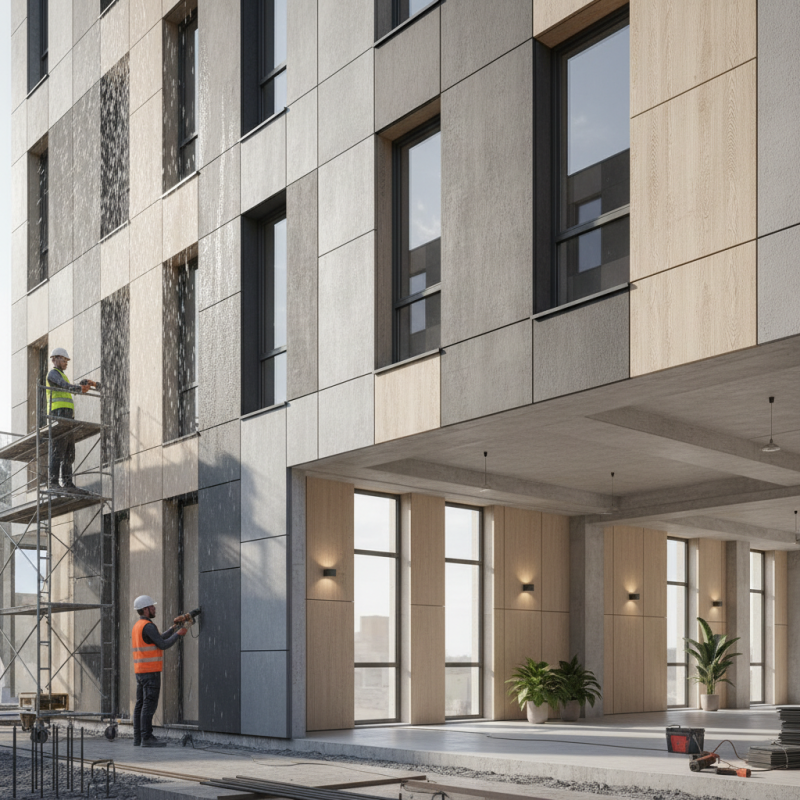
In 2025, the design landscape for fiber cement partition boards is set to be redefined with a focus on both aesthetic appeal and functionality. One of the most notable trends is the integration of natural textures and earthy tones, which not only provide visual warmth but also promote a sense of connection to nature. This design philosophy aligns with the growing trend of biophilic design, where indoor environments reflect the beauty of the outdoors. With advancements in manufacturing technologies, fiber cement boards can now be produced with intricate patterns and finishes that replicate natural materials like wood and stone, offering versatility in modern interior design.
Additionally, sustainability continues to be a driving force in the development of fiber cement partition boards. In 2025, designers are increasingly prioritizing eco-friendly materials and practices, leading to innovations in low-impact production processes and the use of recycled materials. This shift not only caters to the environmentally conscious consumer but also enhances the appeal of fiber cement boards in commercial projects, where green building certifications are becoming more prevalent. These trends highlight a movement towards design solutions that are not just visually striking but also contribute positively to the environment, making fiber cement partition boards a favored choice for contemporary interiors.
2025 Top Trends in Fiber Cement Partition Boards: Durability and Design Insights
| Trend |
Key Features |
Benefits |
Design Applications |
| Sustainable Materials |
Use of recycled fibers and eco-friendly compositions |
Reduces environmental impact, promotes green building practices |
Commercial and residential construction |
| Textured Finishes |
Variety of surface textures available |
Adds aesthetic appeal, customizable for different designs |
Interior design and feature walls |
| Fire Resistance |
High resistance to fire and extreme temperatures |
Enhanced safety for occupants, compliance with regulations |
High-rise buildings and industrial facilities |
| Lightweight Options |
Reduced weight compared to traditional materials |
Easier handling and installation, cost-effective transport |
Prefabrication and modular construction |
| Innovative Color Technology |
Vibrant, long-lasting color finishes |
Increases lifespan of aesthetics, enhances visual impact |
Exterior cladding and interior spaces |
Sustainability and Environmental Impact of Fiber Cement Products
The growing awareness of sustainability has placed
fiber cement products at the forefront of modern building materials. Their composition typically includes sustainable raw materials such as cement, cellulose fibers, and sand, which not only lend the boards impressive durability but also contribute to environmental preservation.
Fiber cement partition boards are increasingly sought after for their ability to reduce waste during construction and their long lifespan, which diminishes the need for frequent replacements.
This makes them a wise choice for environmentally-conscious builders and architects aiming to minimize their ecological footprint.
Furthermore, the environmental impact of fiber cement extends beyond their lifespan. These products are often manufactured using processes that optimize energy efficiency and reduce greenhouse gas emissions. The ability to recycle fiber cement materials at the end of their life-cycle also underscores their role in promoting a circular economy within construction. As the architectural and construction industries increasingly prioritize sustainable practices, fiber cement partition boards not only promise excellent performance and versatility in design but also align with the growing commitment to a greener planet.
Future Market Projections for Fiber Cement Partition Board Applications
As the construction industry continues to evolve, the demand for
fiber cement partition boards is projected to rise significantly by 2025.
These materials are increasingly favored for their exceptional durability
and versatility, making them ideal for a variety of applications, from
residential to commercial spaces. Market analysts predict that advancements
in manufacturing technologies will lead to even more robust design variations,
allowing architects and builders to explore innovative uses for fiber
cement boards. The increasing emphasis on
sustainable building practices is also expected to fuel market growth, as these boards provide
eco-friendly solutions that meet modern environmental standards.
The future market projections indicate a shift toward not only greater
durability but also enhanced aesthetic appeal in fiber cement partition boards.
As consumer preferences lean towards designs that align with contemporary
architecture while maintaining functionality, manufacturers are likely to invest
in research and development to create products that meet these demands.
Additionally, the integration of
smart technology into construction materials may open new avenues for
fiber cement applications, equipping spaces with features that improve
energy efficiency and user comfort. This evolving landscape presents a
significant opportunity for industry stakeholders to capitalize on the
growing trend of
sustainable and innovative building solutions.

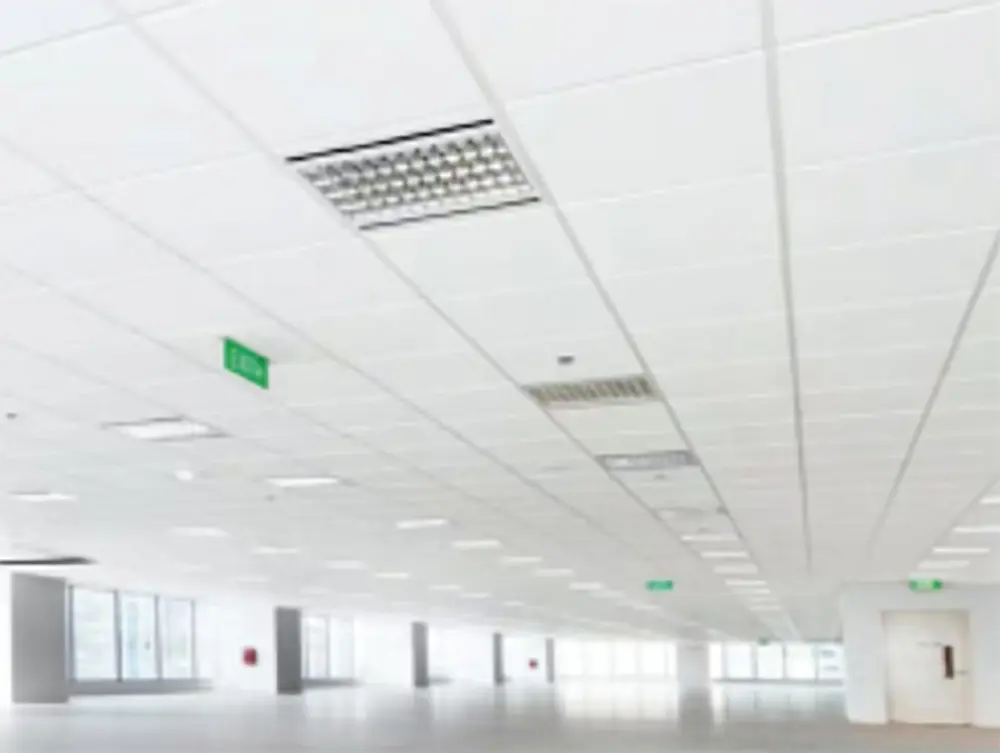 LEAO®Deco Ceiling
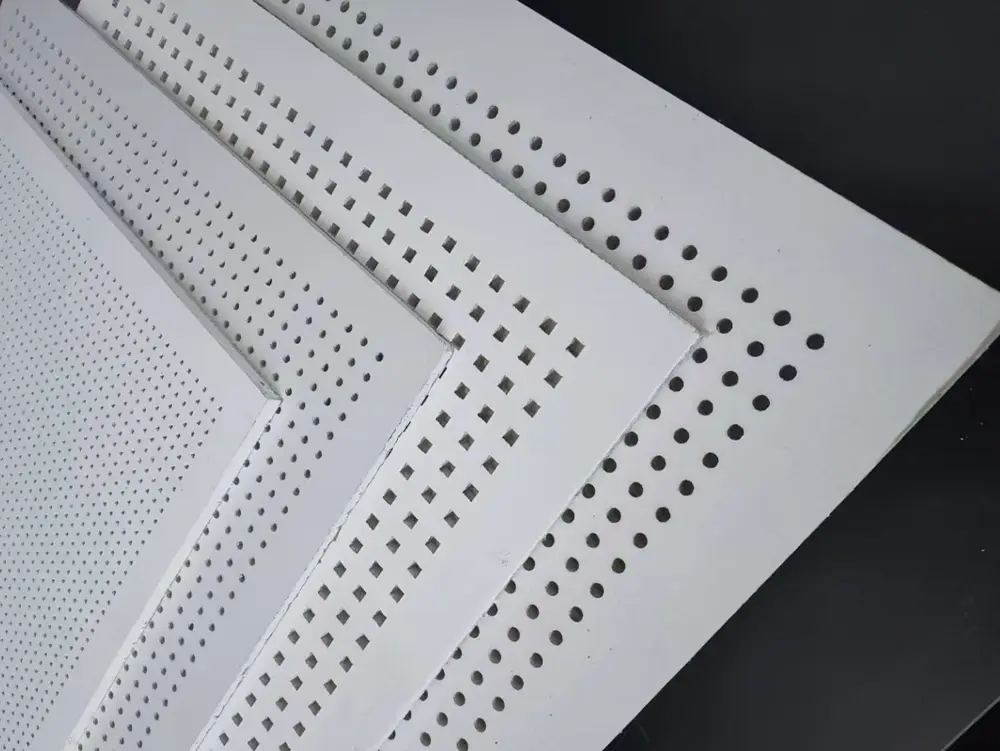 LEAO® Perforated Ceiling
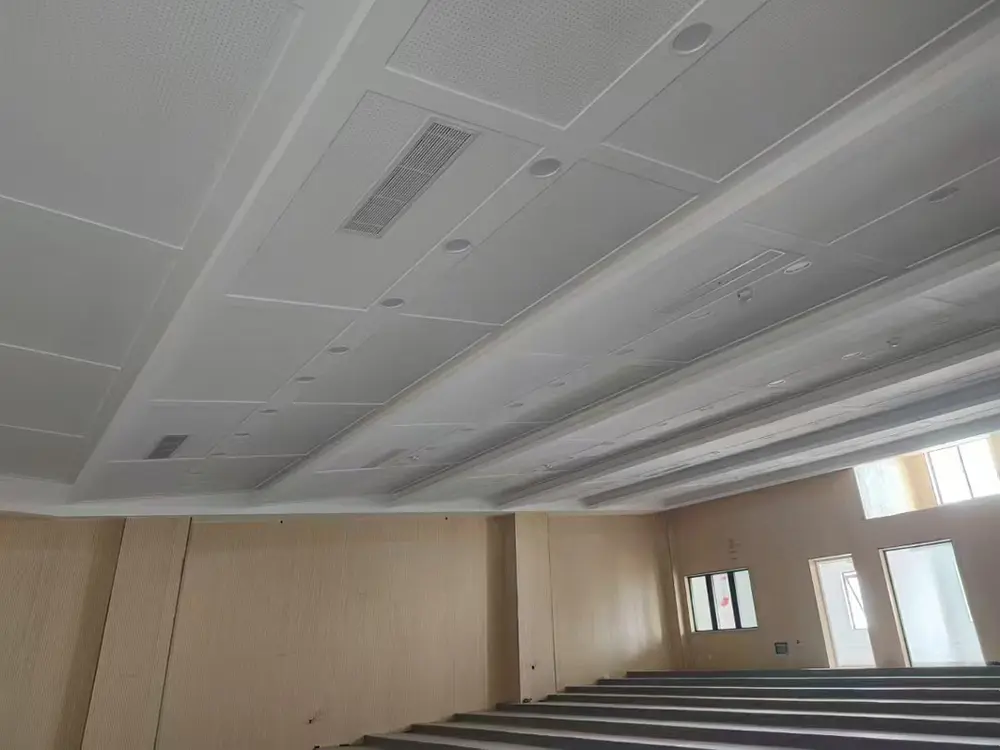 LEAO® Ceiling Board
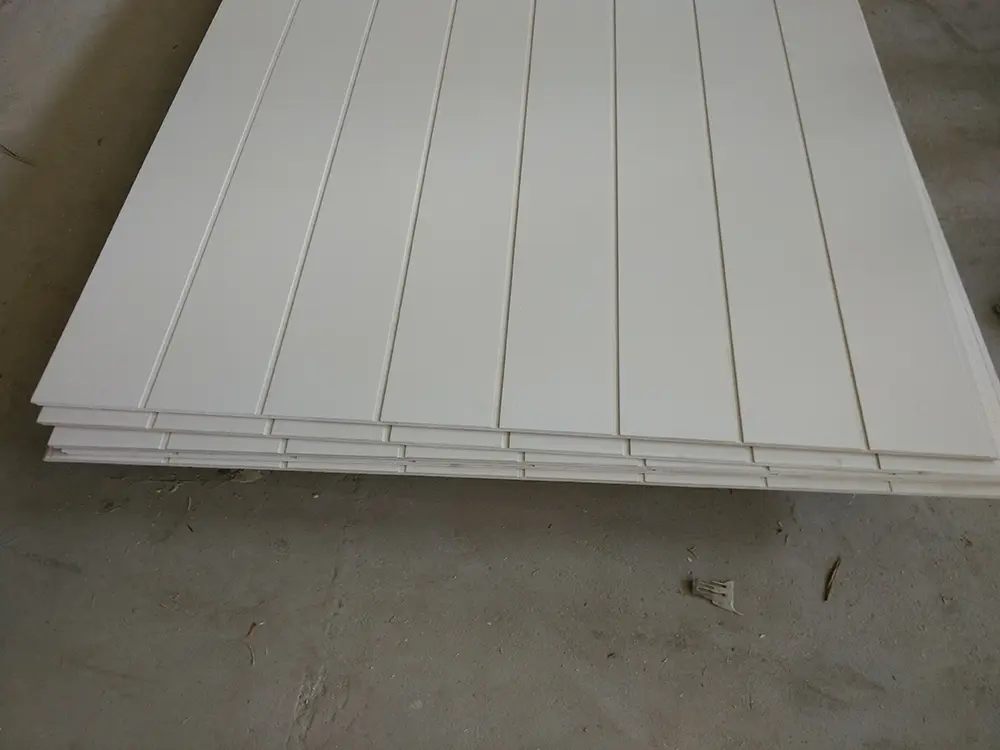 LEAO® Groove Interior Panel
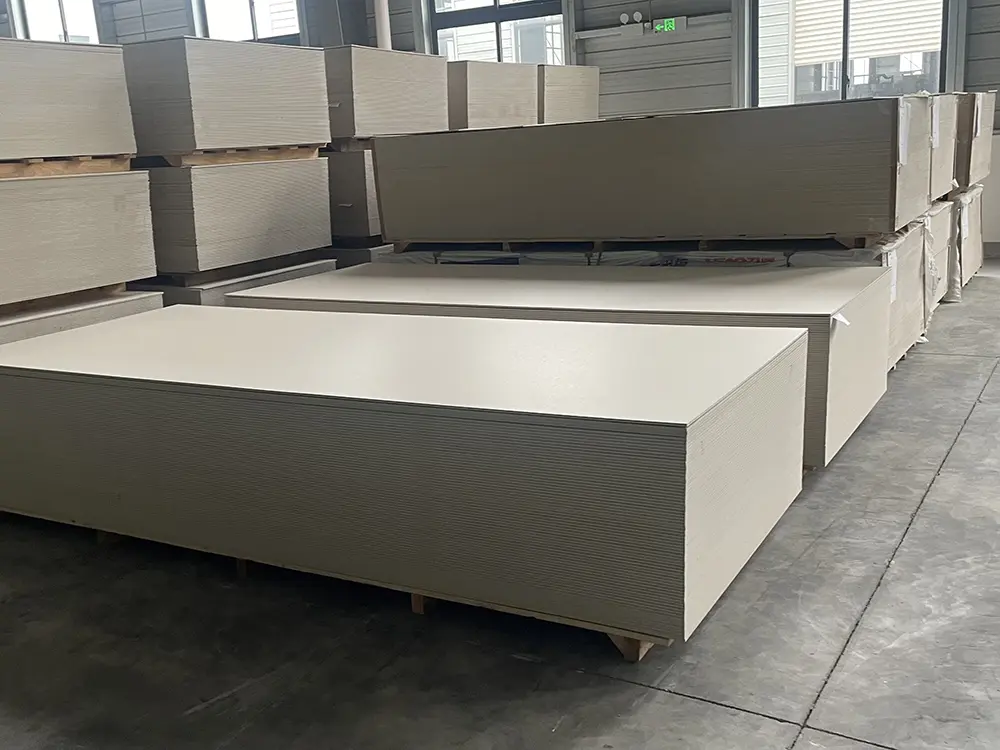 LEAO® Interior Board
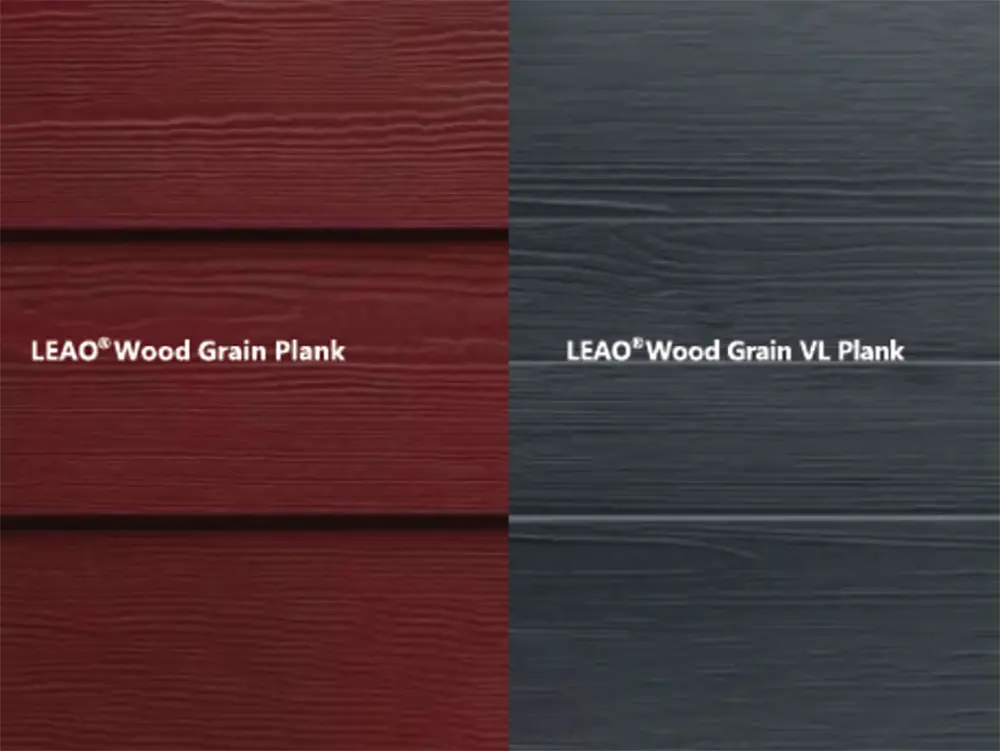 LEAO® Wood Grain Plank
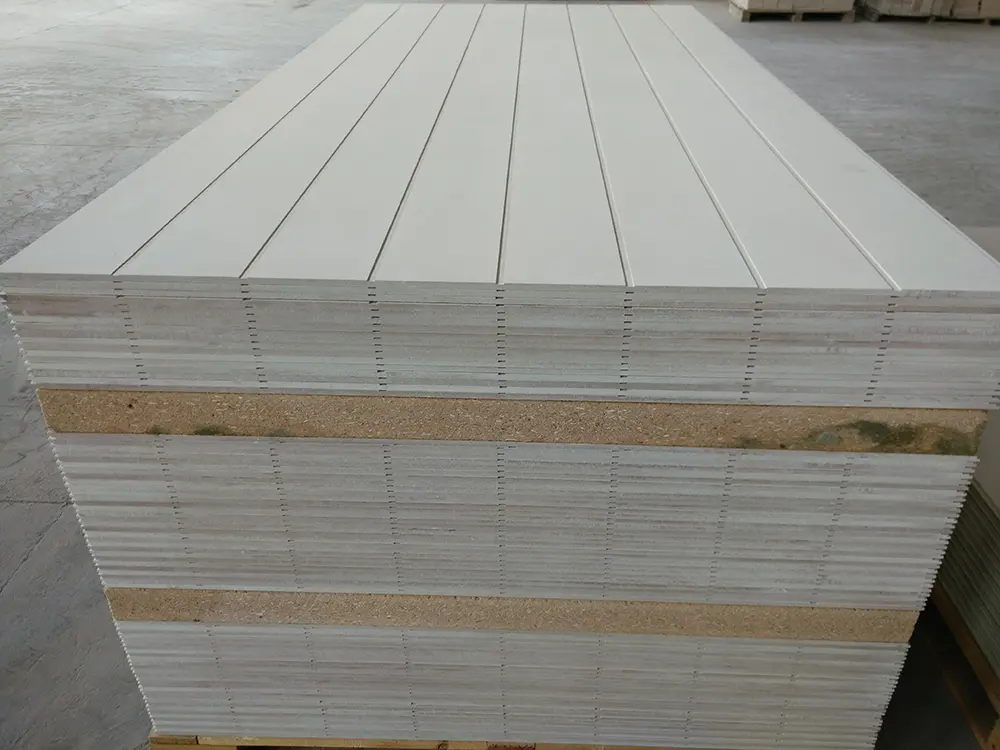 LEAO® Grooved Exterior Panel
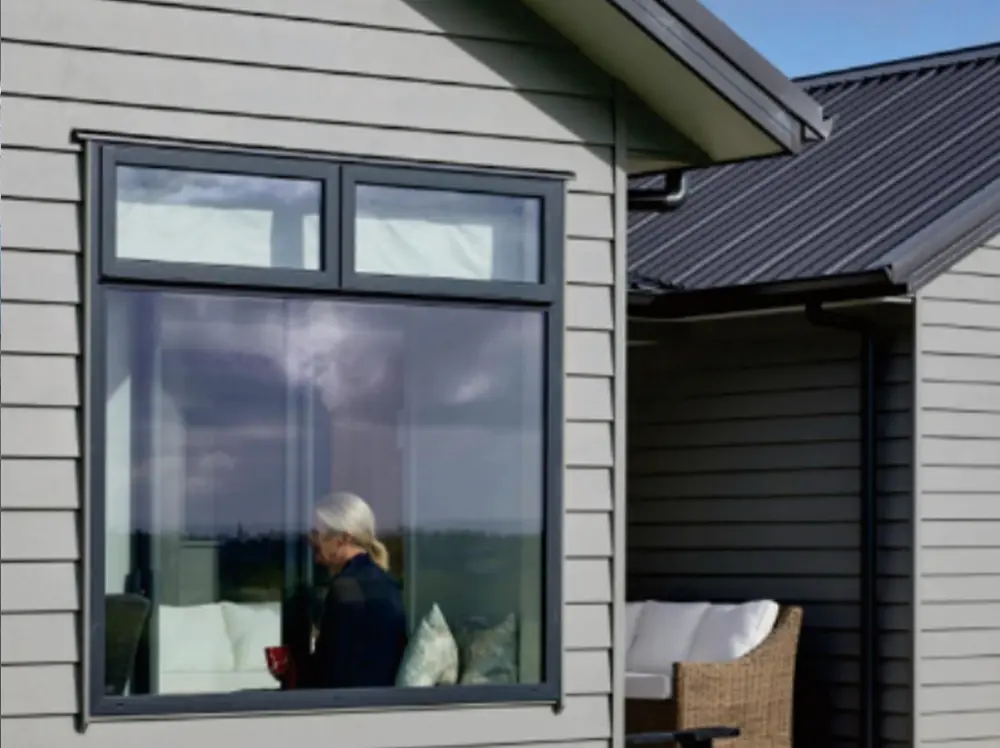 LEAO® Weatherboard
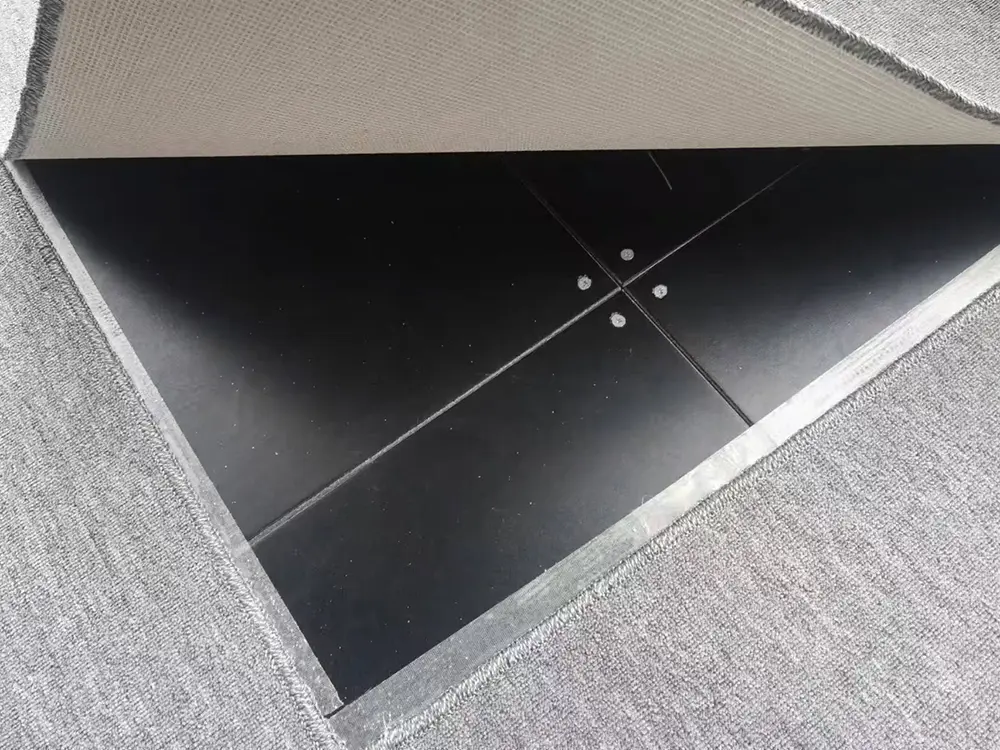 LEAO® Access Floors
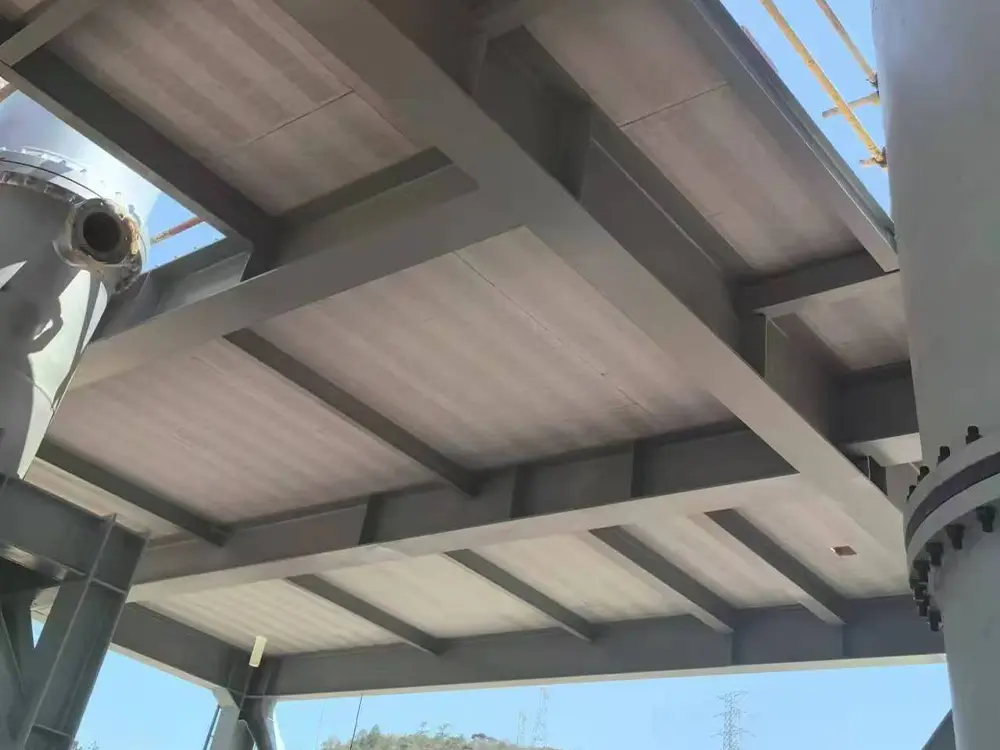 LEAO® Non-removable Formwork
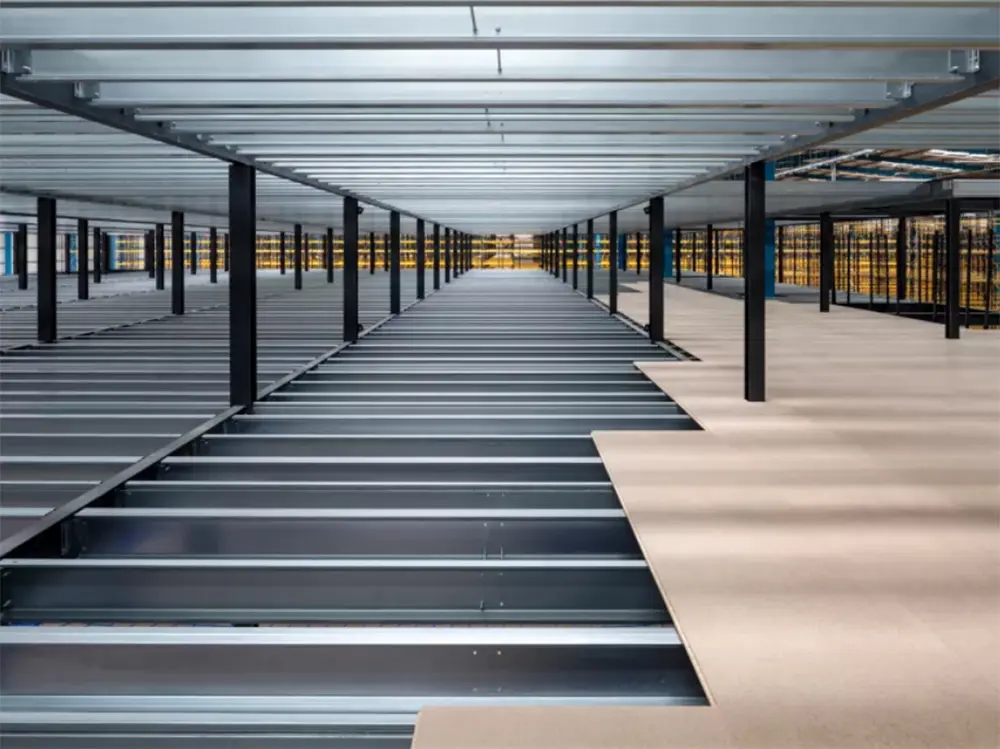 LEAO® Mezzanine Board
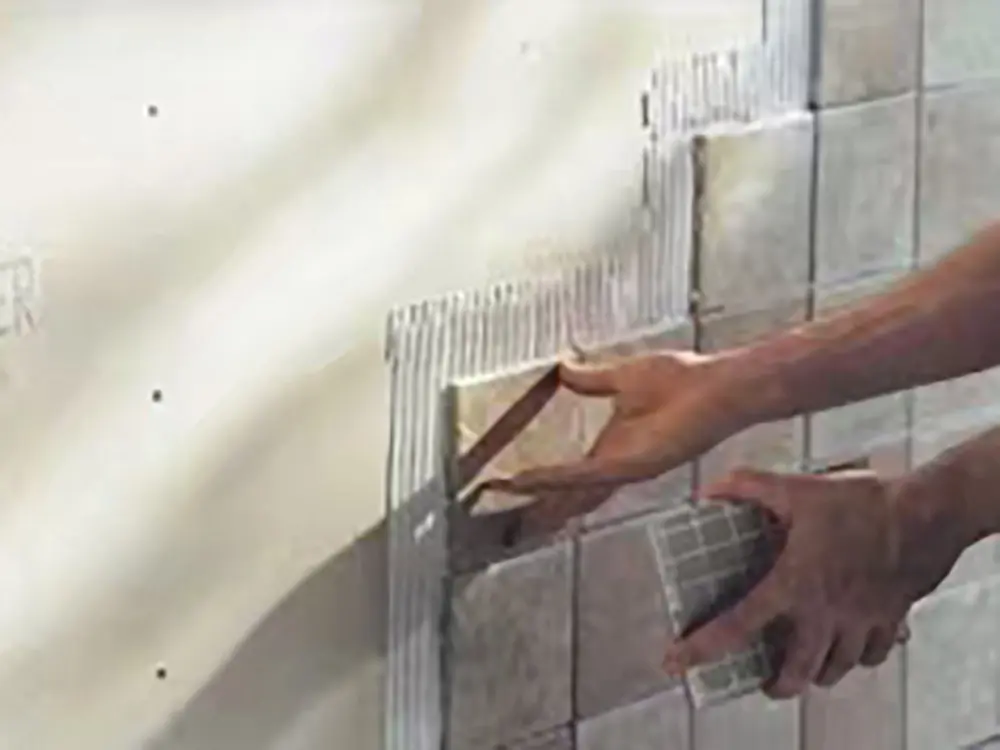 LEAO® Ceramic Tile Underlay
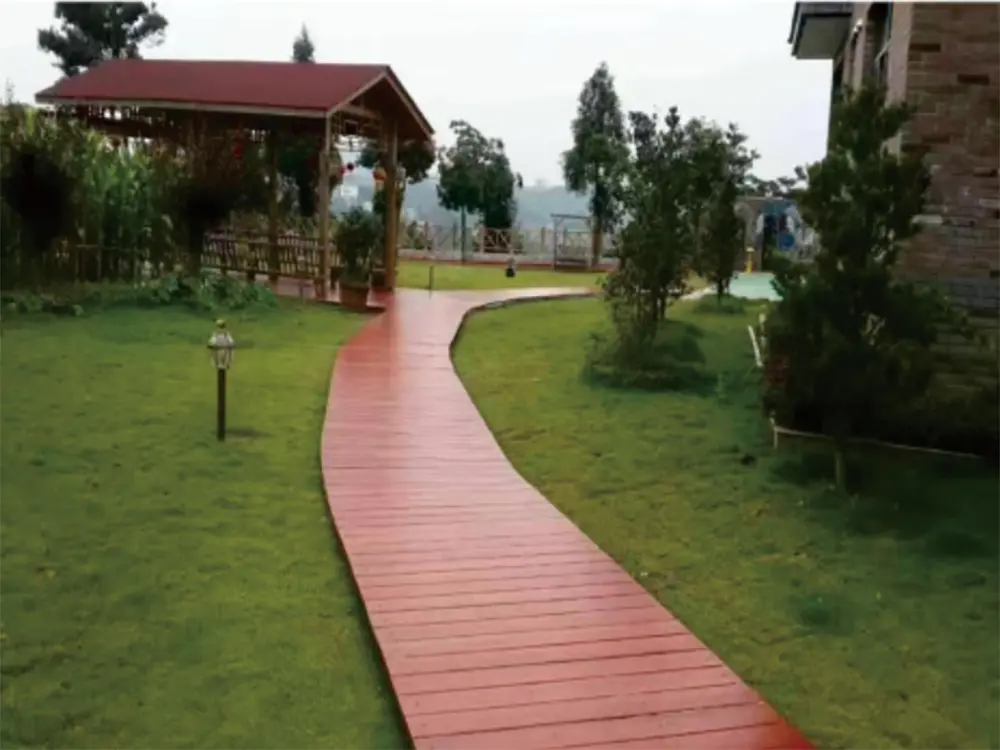 LEAO® Floor Plank
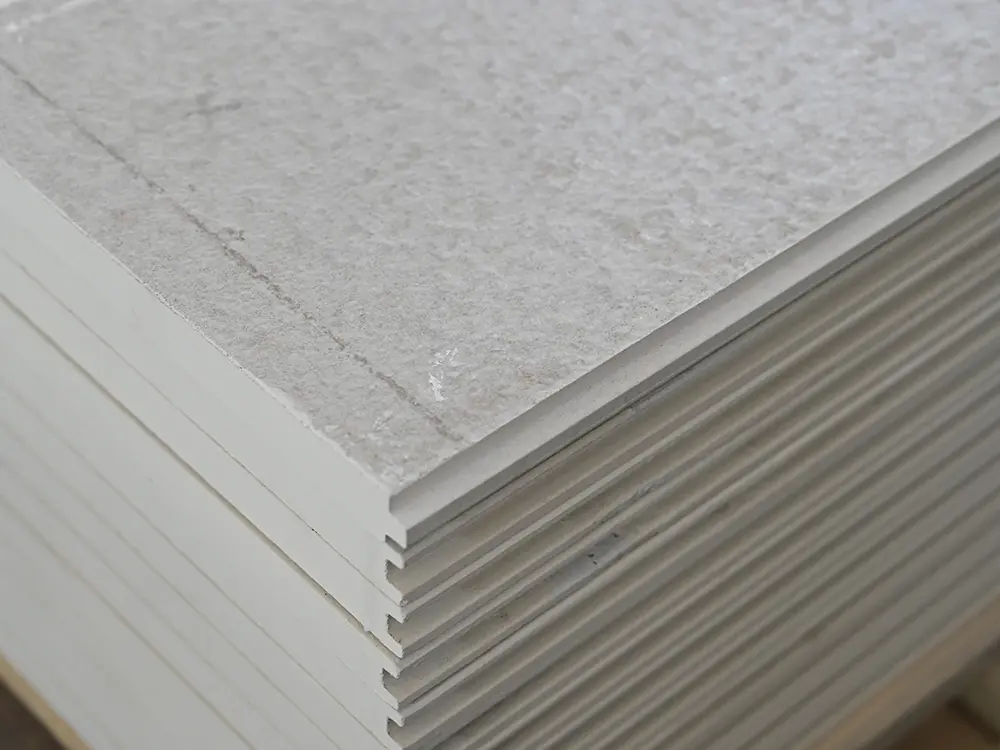 LEAO® Flooring
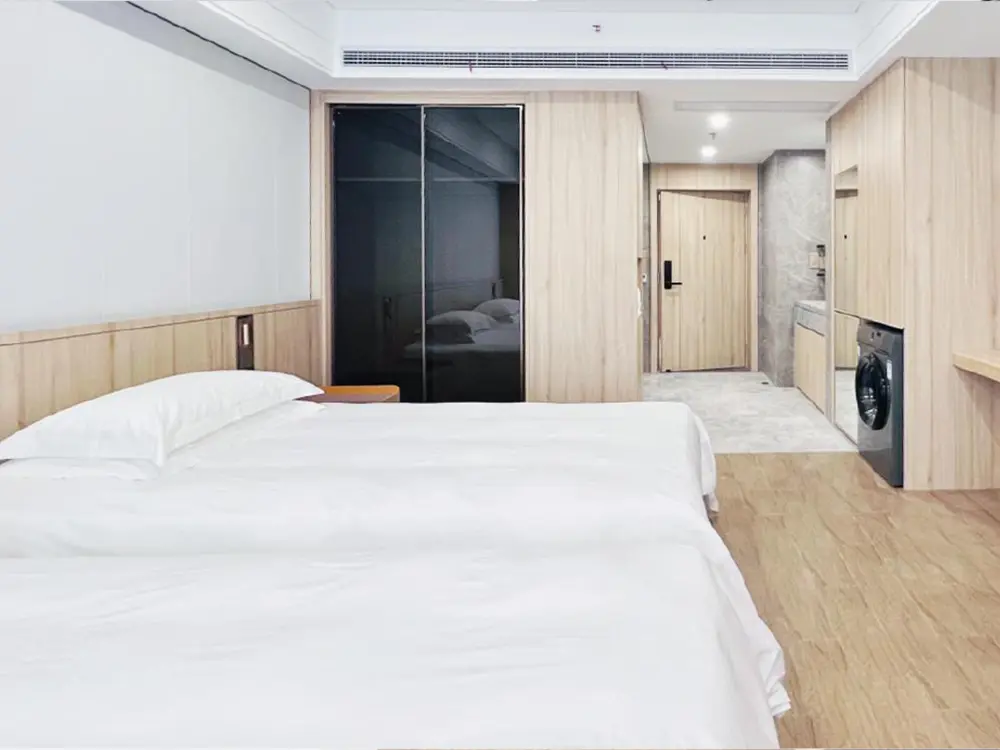 LEAO® Wood Style Decorative Panel
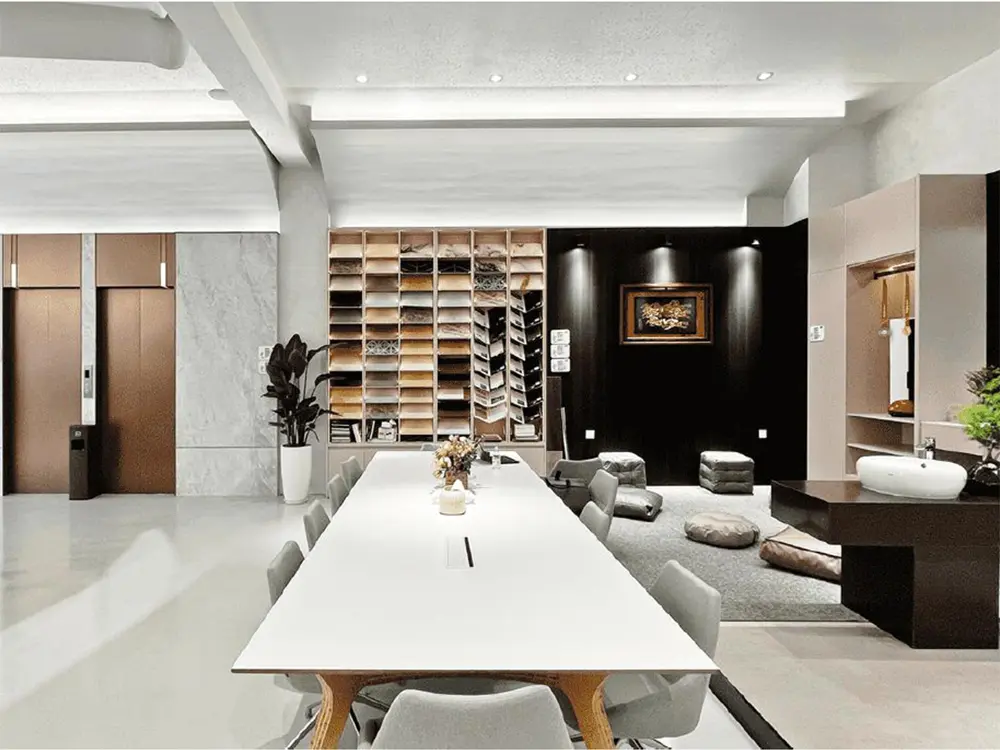 LEAO® Stone Style Decorative Panel
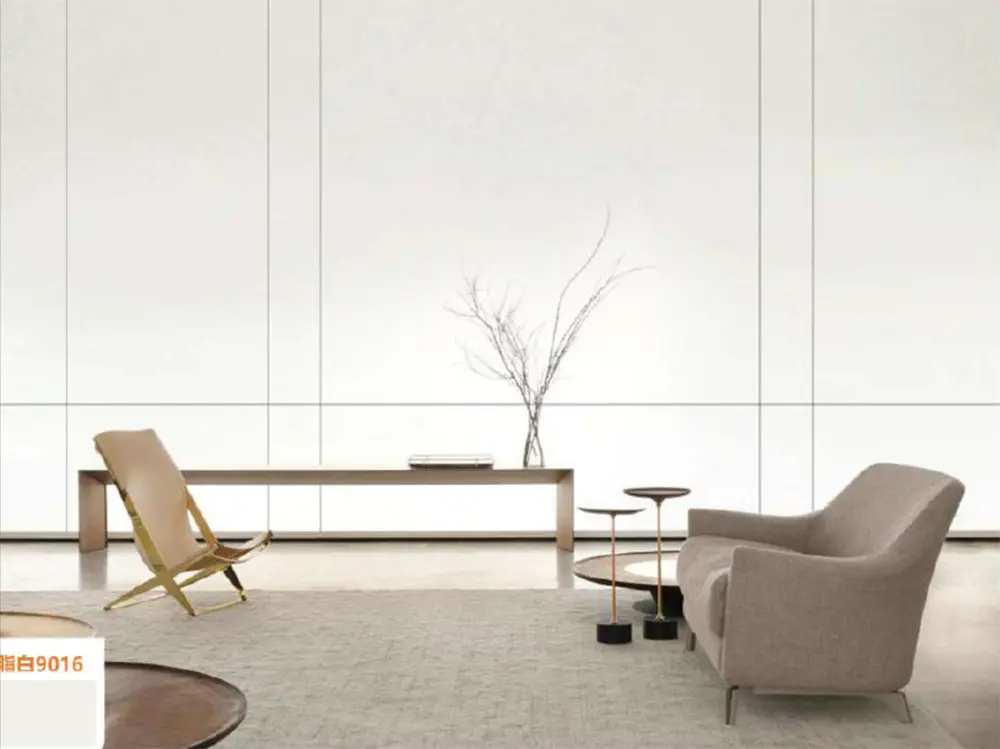 LEAO® Pure Style Decorative Panel