2026 Top Fiber Cement Board Siding Trends for Global Buyers?
In recent years, the demand for Fiber Cement Board Siding has surged, reflecting its durability and aesthetic appeal. According to industry expert Dr. Emily Carter, "Fiber Cement Board Siding is revolutionizing the way we think about exterior materials." With sustainability and longevity at the forefront of global trends, this material has gained traction among builders and homeowners alike.
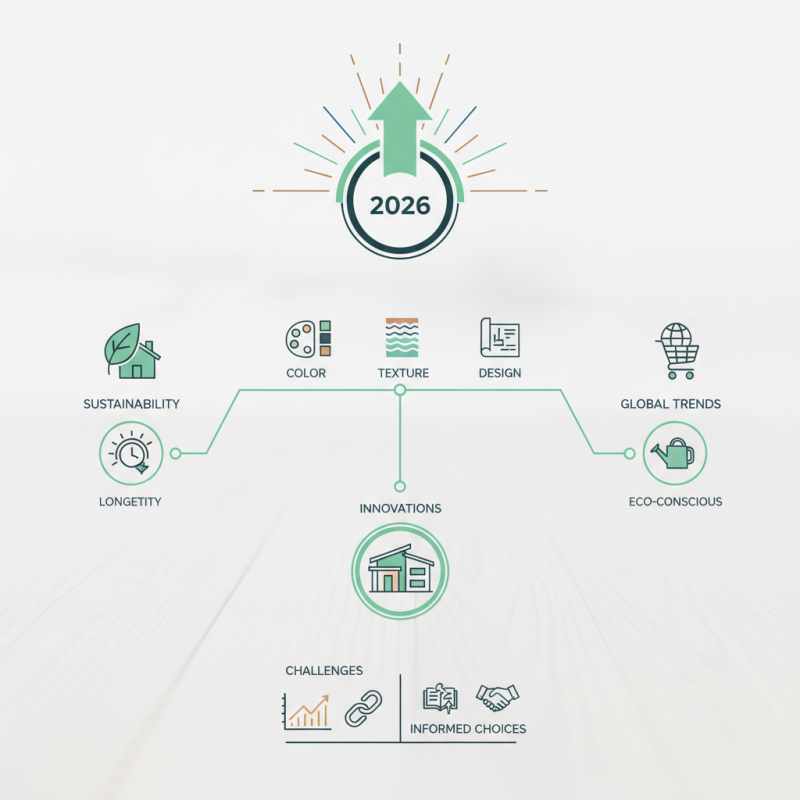
As we approach 2026, understanding the emerging trends in Fiber Cement Board Siding becomes crucial for global buyers. Innovations in design, texture, and color are shaping the preferences of consumers. These developments are influenced by eco-conscious choices and the quest for low-maintenance options. However, the market is not without challenges; cost fluctuations and supply chain disruptions could impact accessibility.
During this transformative period, it is essential to remain informed about the latest trends in Fiber Cement Board Siding. Buyers should evaluate not only the visual enhancements but also the environmental implications of their choices. Engaging with knowledgeable suppliers can bridge the gap between trends and practical application.
2026 Market Overview of Fiber Cement Board Siding
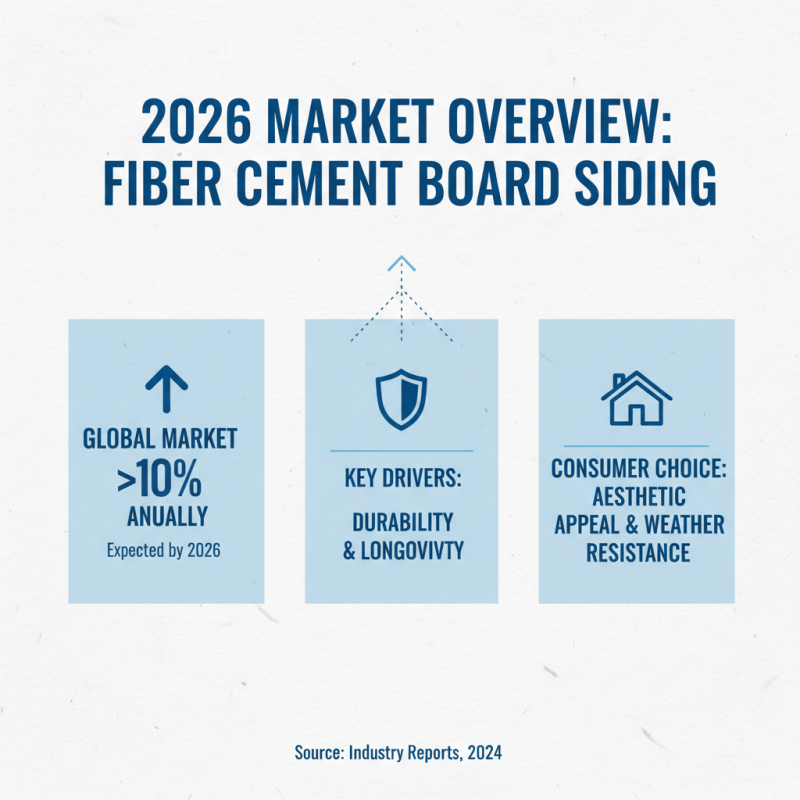
The fiber cement board siding market is seeing notable changes as we approach 2026. Industry reports show that the global market is expected to grow by over 10% annually. Key factors include rising demand for durable, long-lasting materials. Consumers are increasingly choosing fiber cement for its aesthetic appeal and weather resistance.
In recent years, sustainability has emerged as a defining trend. Many manufacturers use recycled materials in production. This commitment to eco-friendliness is influencing buyer preferences. Research indicates that buyers are willing to pay a premium for sustainable products. However, challenges remain in sourcing materials and managing production costs.
Emerging markets in Asia-Pacific and Latin America are driving growth. Local builders are adopting fiber cement siding due to its versatility. Despite this growth, there are concerns about supply chain disruptions. The pandemic highlighted vulnerabilities in sourcing. As we look ahead, companies must address these issues to ensure stability.
Emerging Design Trends in Fiber Cement Board Siding for 2026
In 2026, fiber cement board siding is set to capture attention with fresh design trends. These trends aim to enhance aesthetic appeal while maintaining durability. One emerging design is the use of textured finishes. Homeowners desire unique visual aspects that differentiate their homes. Texturing adds dimension and character, making surfaces stand out.
Another focus is on color versatility. Earthy tones are gaining popularity. Shades like terracotta and olive green evoke natural beauty. These colors resonate with eco-conscious buyers. Additionally, lighter hues offer a contemporary feel. Yet, the challenge lies in maintaining consistency across batches. Ensuring quality control becomes essential for manufacturers.
Sustainability remains at the forefront. Increasingly, buyers seek eco-friendly materials. Fiber cement siding fits this demand, but its production methods need scrutiny. Innovations aim to reduce environmental impact. However, more transparency in practices is needed. Addressing these concerns will foster trust among consumers and strengthen market credibility.
2026 Top Fiber Cement Board Siding Trends
Sustainability and Eco-Friendly Innovations in Fiber Cement Sidings
In recent years, fiber cement board siding has gained traction due to its sustainable and eco-friendly characteristics. These materials are crafted primarily from natural substances, minimizing environmental impact. Many manufacturers are now focused on reducing emissions during production. By using recycled materials, they decrease waste and the ecological footprint.
The trend towards sustainability goes beyond raw materials. Innovative treatments enhance durability while maintaining environmental standards. Some sidings are treated with natural protective coatings. This not only extends lifespan but also reduces maintenance needs. The challenge lies in balancing aesthetic appeal with functionality. Buyers often prioritize looks but must consider longevity and sustainability.
Clients are becoming more informed. They seek products that align with their values. Eco-friendly options are no longer niche; they are gaining mainstream approval. However, the industry must continually adapt. Questions about sourcing practices and long-term environmental impacts persist. Continuous feedback from users is crucial for evolving these materials.
Comparative Analysis: Fiber Cement Vs. Traditional Siding Materials in 2026
In 2026, homeowners face an important choice: fiber cement siding or traditional materials. Fiber cement boards have gained popularity due to their durability and lower maintenance needs. They resist rot and insects, making them ideal for various climates. Unlike traditional wood or vinyl, fiber cement maintains its appearance over time, offering long-term value for buyers.
However, the initial installation cost of fiber cement siding can be higher. Many homeowners are concerned about this factor. Traditional siding materials, while often cheaper, may lead to higher maintenance costs later. Wood requires frequent painting and treatment, while vinyl can fade and crack over time. These drawbacks can add up financially and impact the overall aesthetic of a home.
Quality matters in the decision-making process. Fiber cement offers a range of textures and colors, simulating wood or stone effectively. Yet, the heavy weight of fiber cement can complicate installation. Homeowners should consider these practical aspects. Overall, while fiber cement presents a promising option, its heavier hands-on requirements demand careful planning and consideration.
2026 Top Fiber Cement Board Siding Trends for Global Buyers
| Material Type |
Durability (Years) |
Installation Cost ($/sqft) |
Maintenance Frequency (Years) |
Energy Efficiency |
Market Growth Rate (%) |
| Fiber Cement Board |
50 |
$6.00 |
15 |
High |
8 |
| Vinyl Siding |
30 |
$4.50 |
10 |
Medium |
3 |
| Wood Siding |
20 |
$5.50 |
5 |
Low |
2 |
| Aluminum Siding |
40 |
$7.00 |
20 |
Medium |
4 |

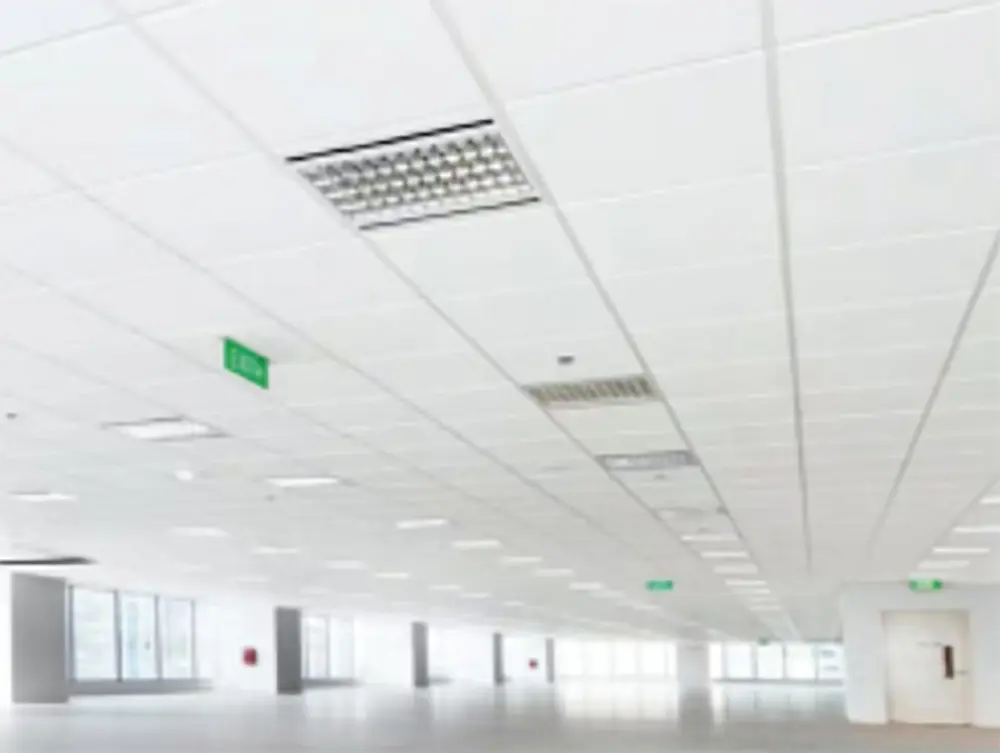 LEAO®Deco Ceiling
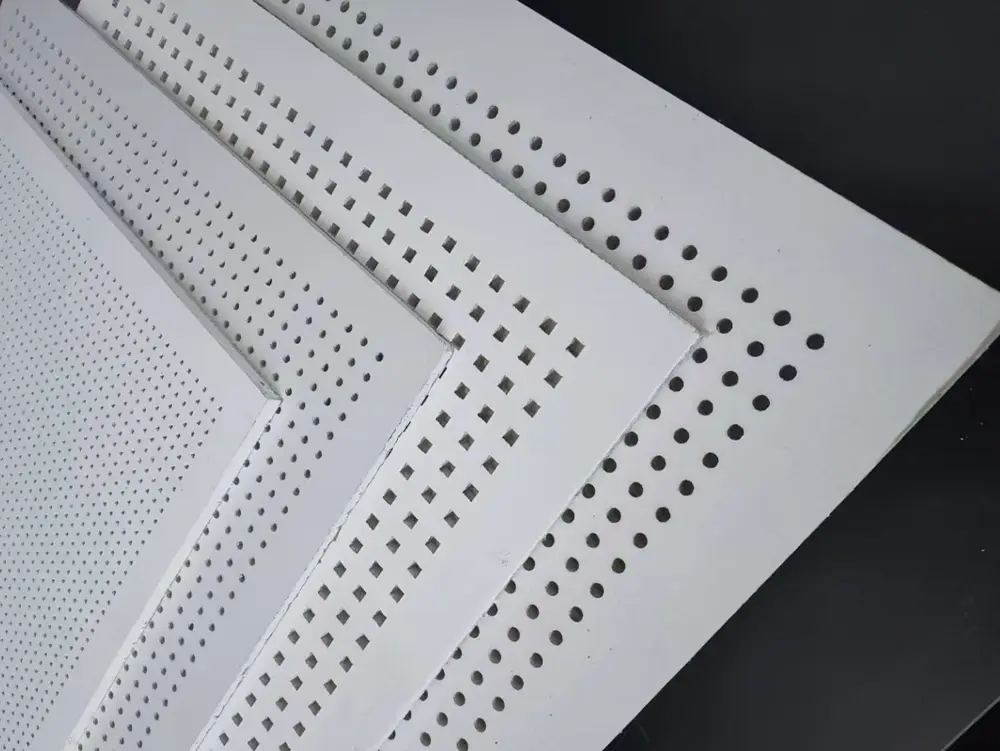 LEAO® Perforated Ceiling
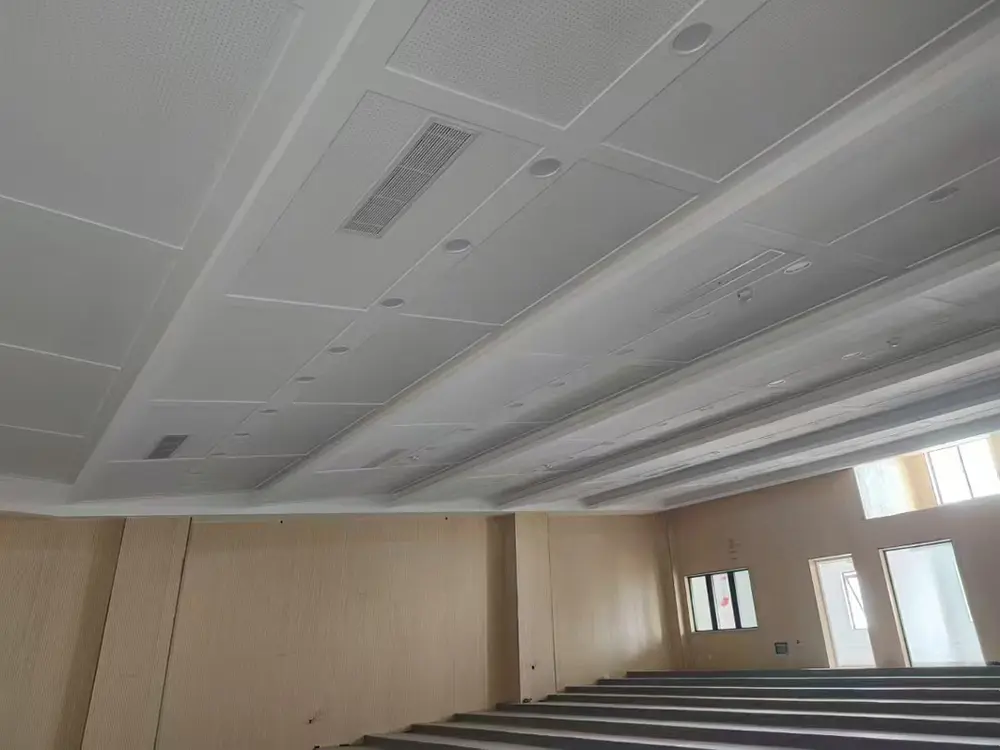 LEAO® Ceiling Board
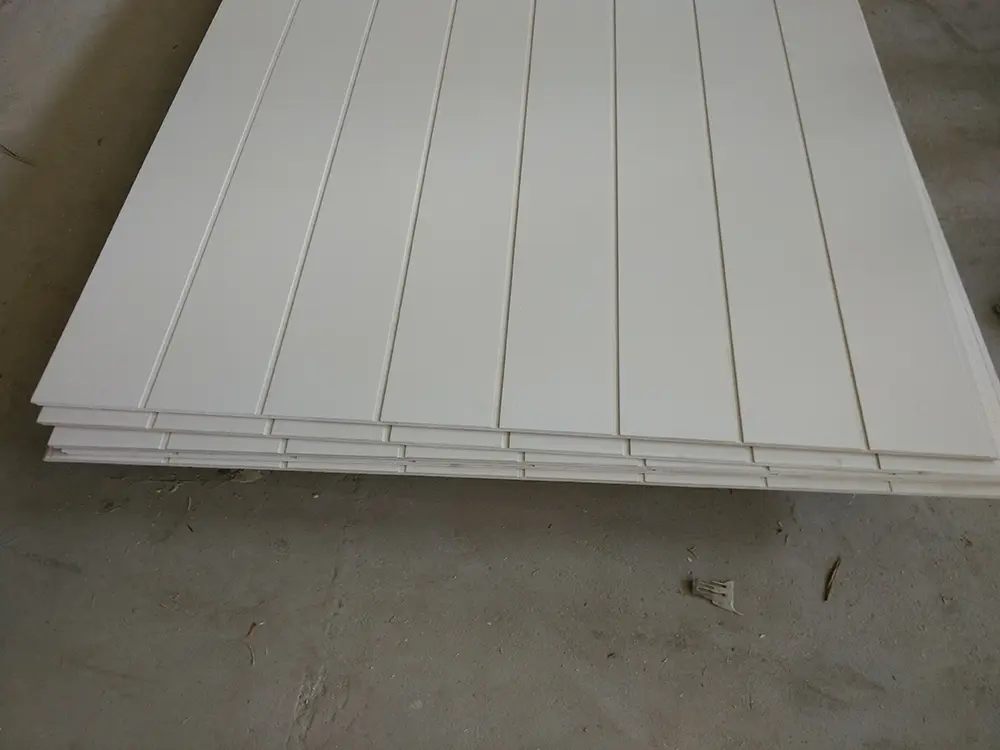 LEAO® Groove Interior Panel
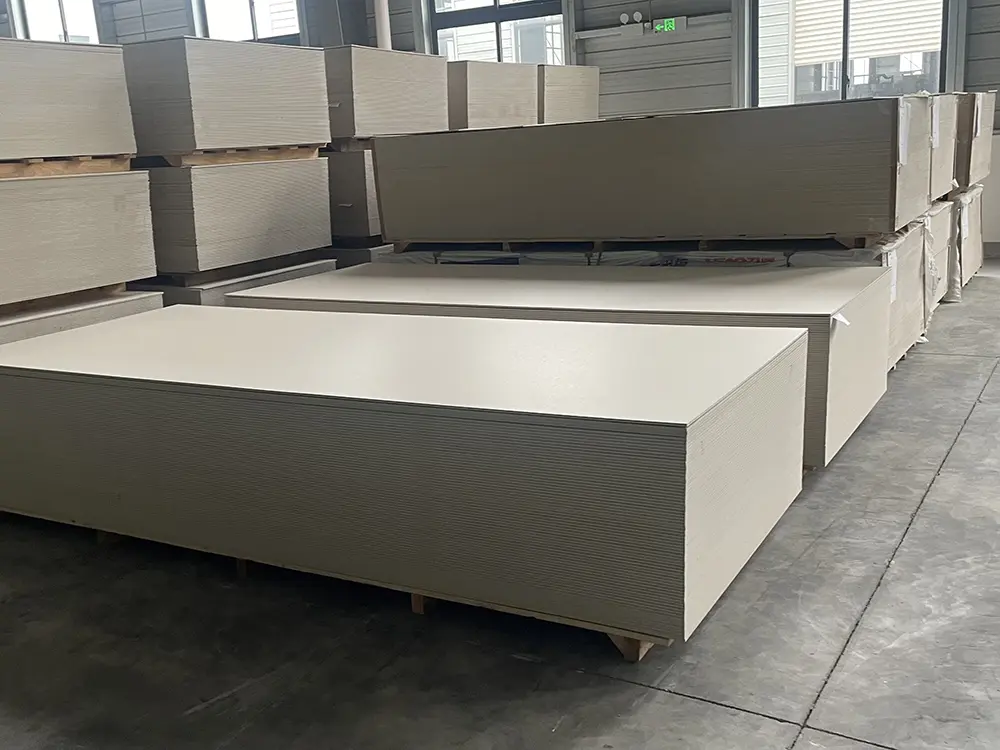 LEAO® Interior Board
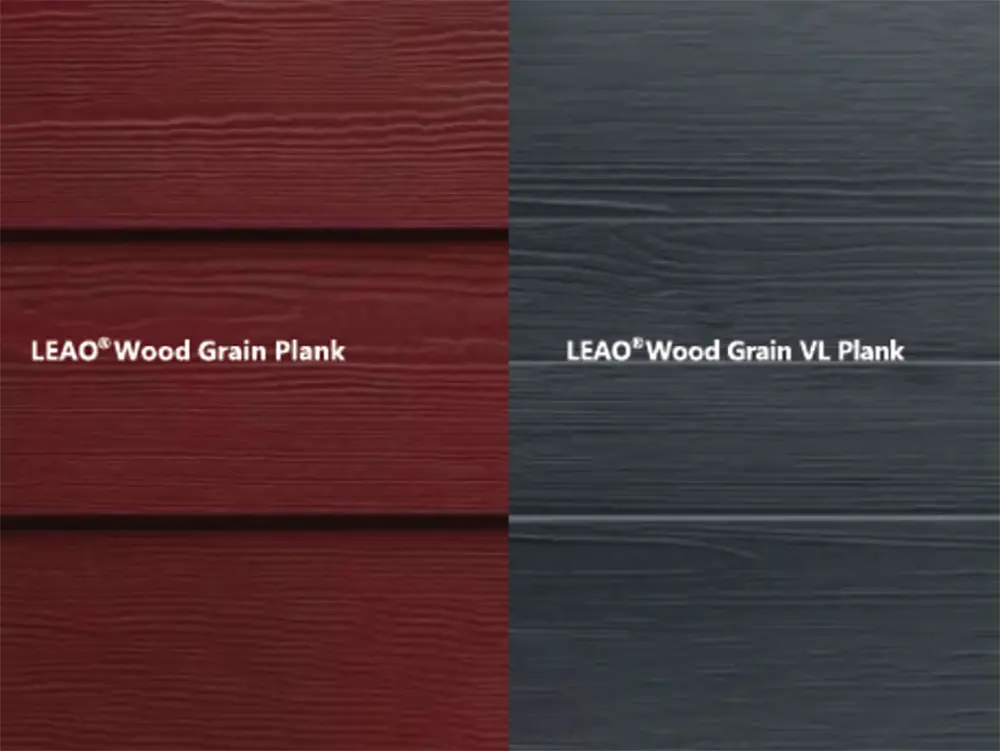 LEAO® Wood Grain Plank
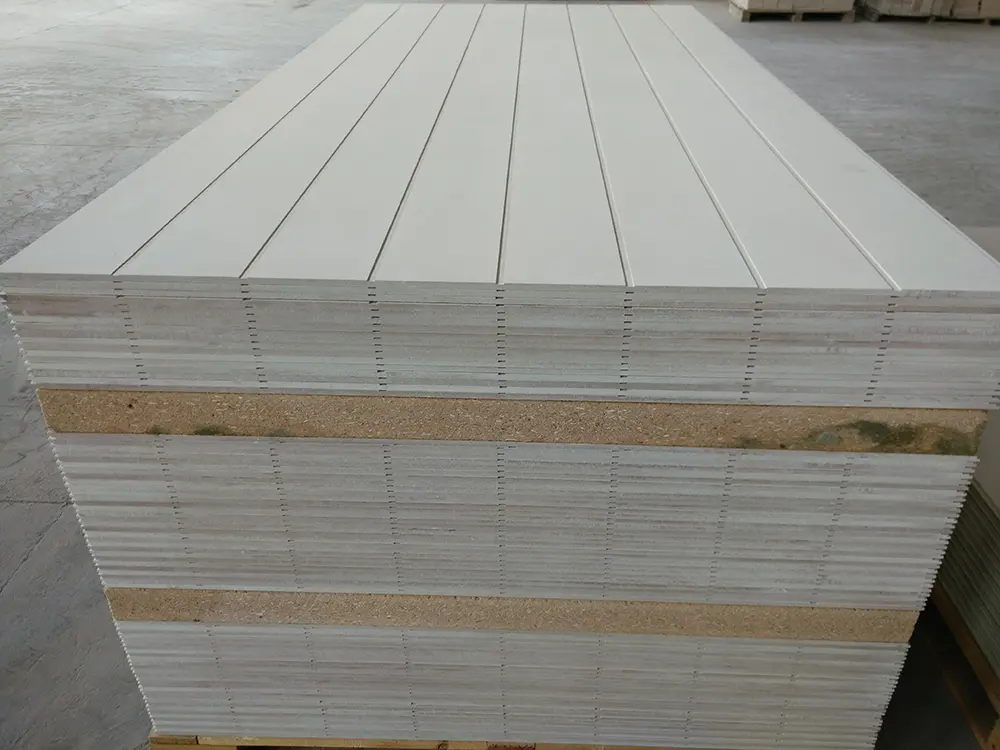 LEAO® Grooved Exterior Panel
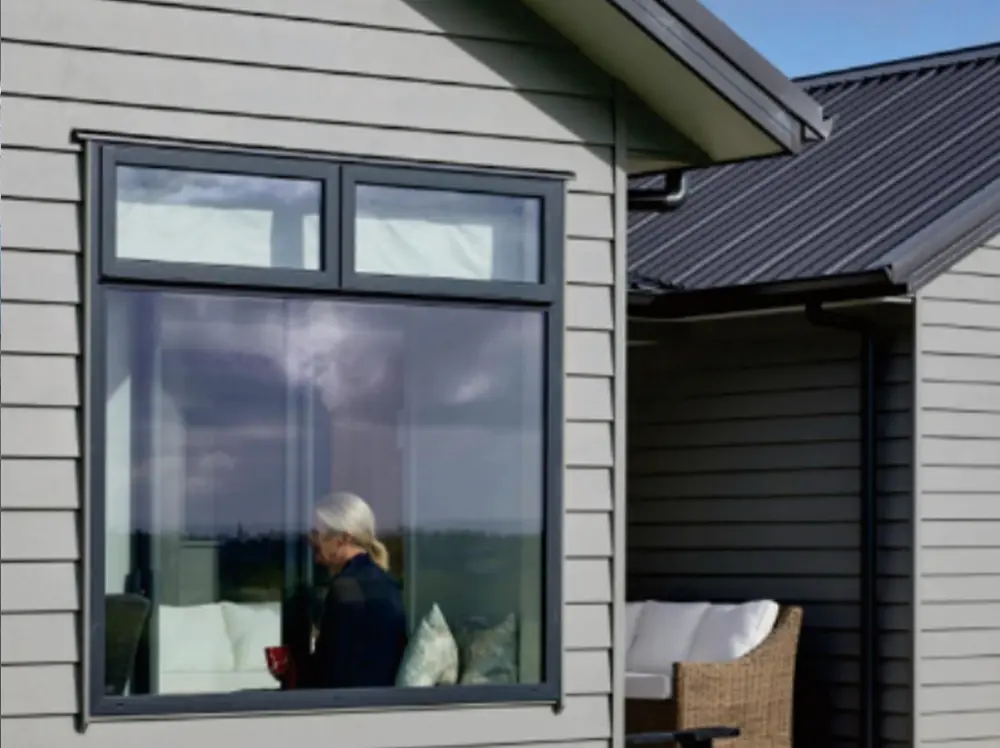 LEAO® Weatherboard
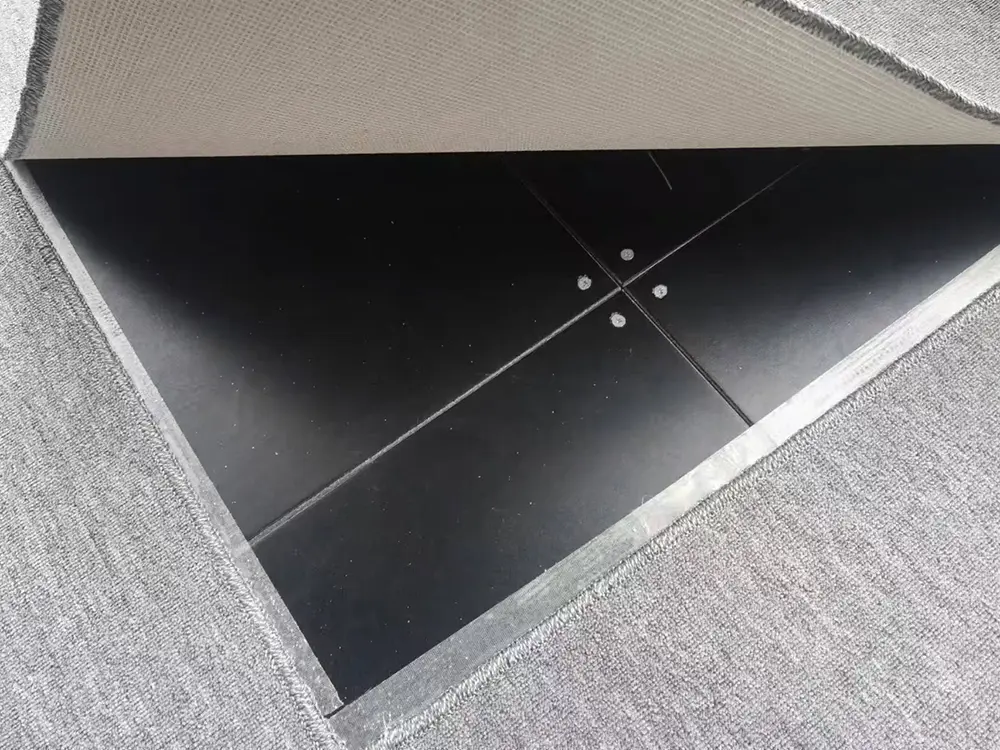 LEAO® Access Floors
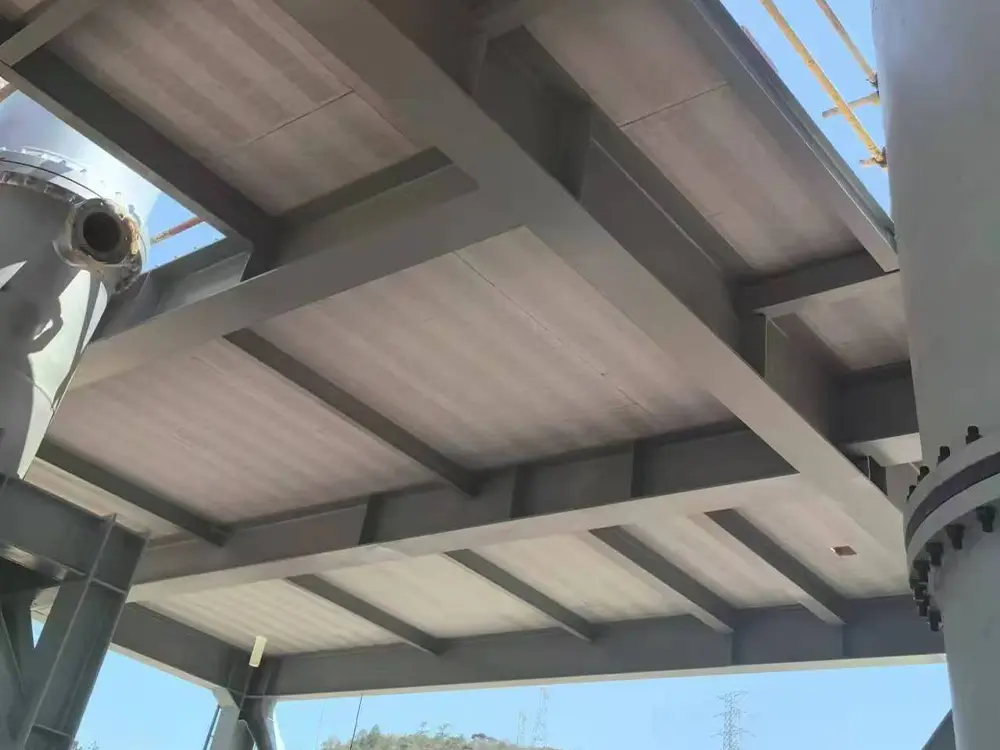 LEAO® Non-removable Formwork
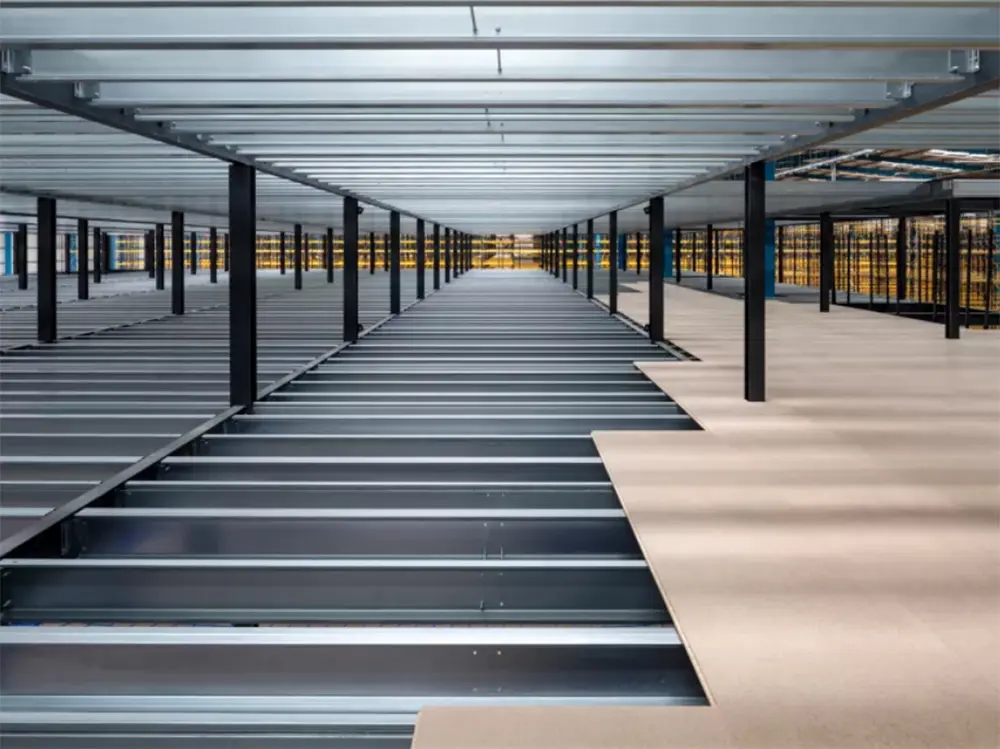 LEAO® Mezzanine Board
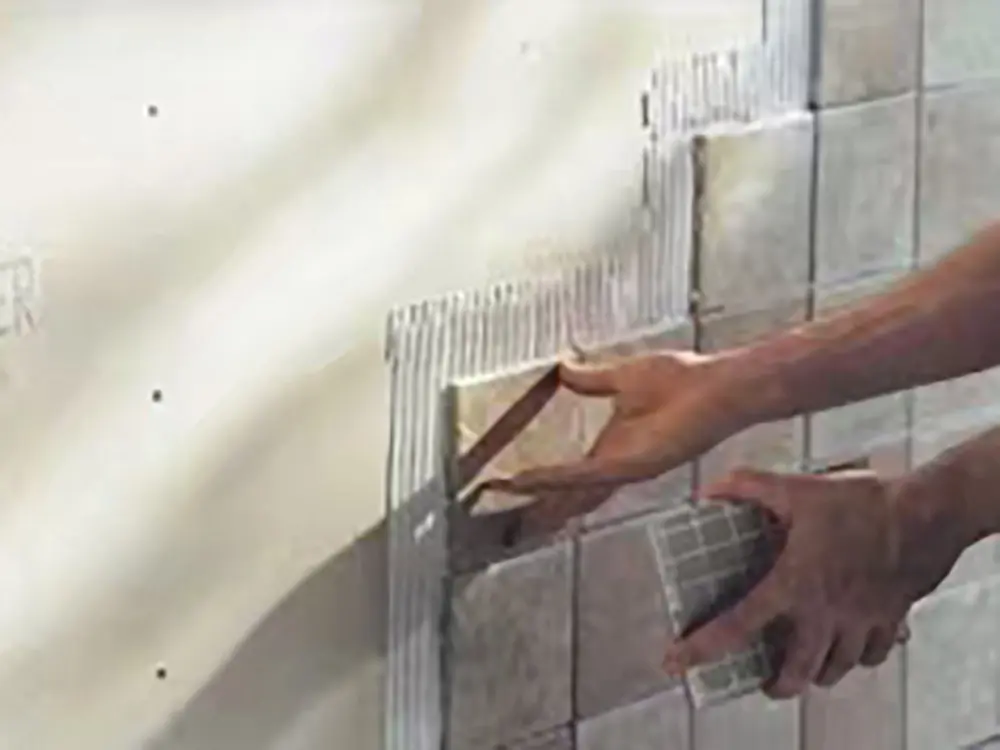 LEAO® Ceramic Tile Underlay
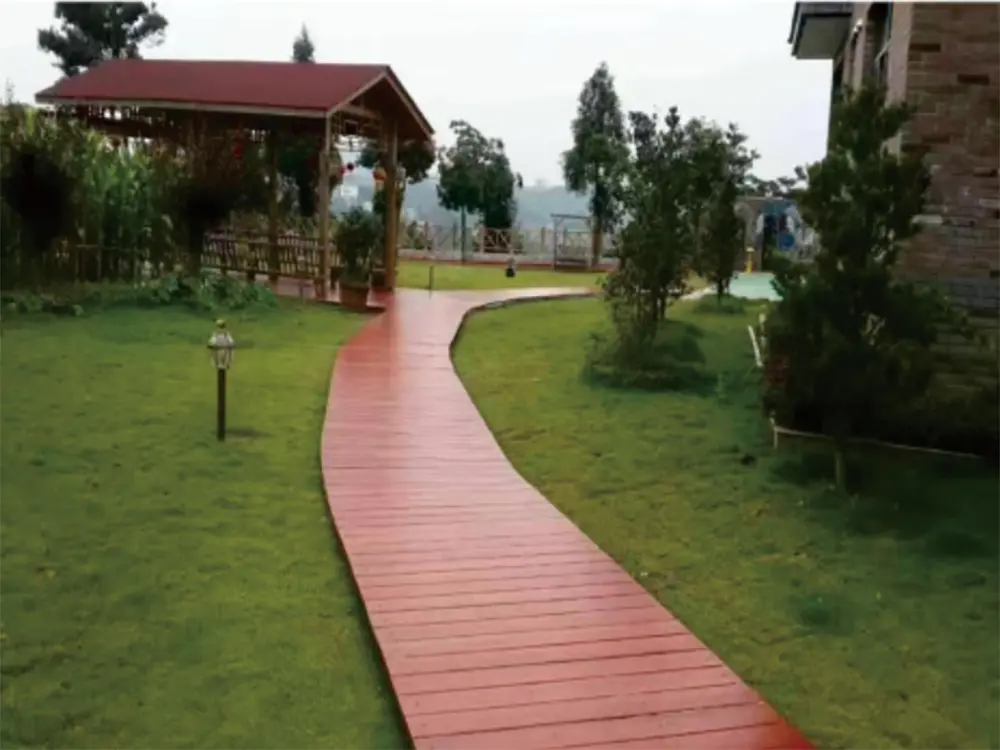 LEAO® Floor Plank
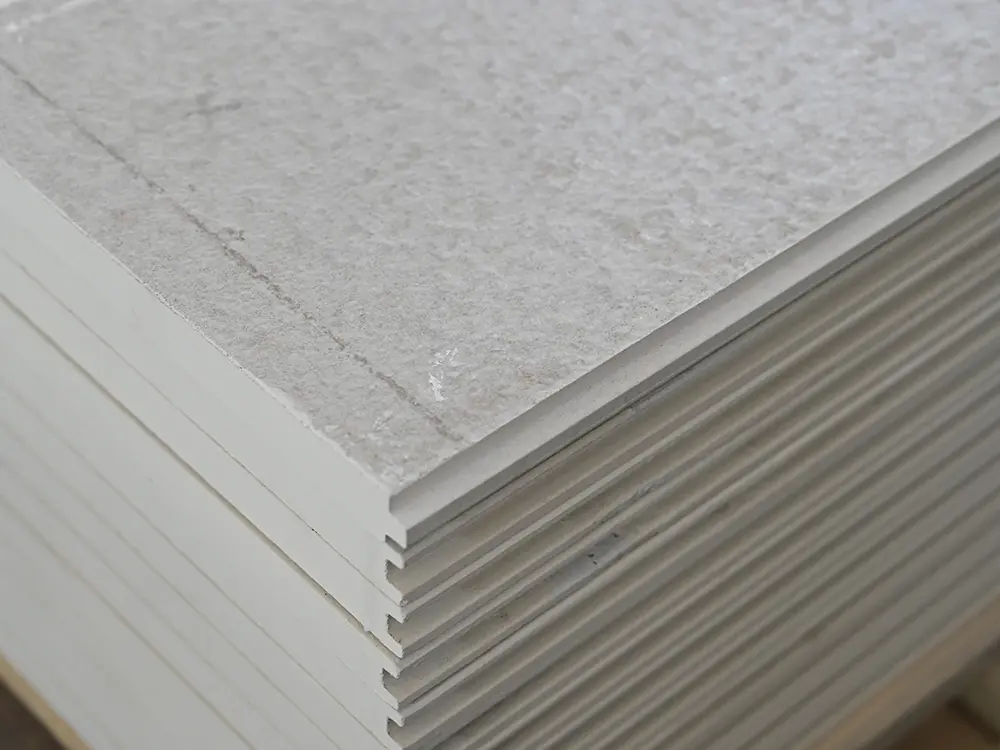 LEAO® Flooring
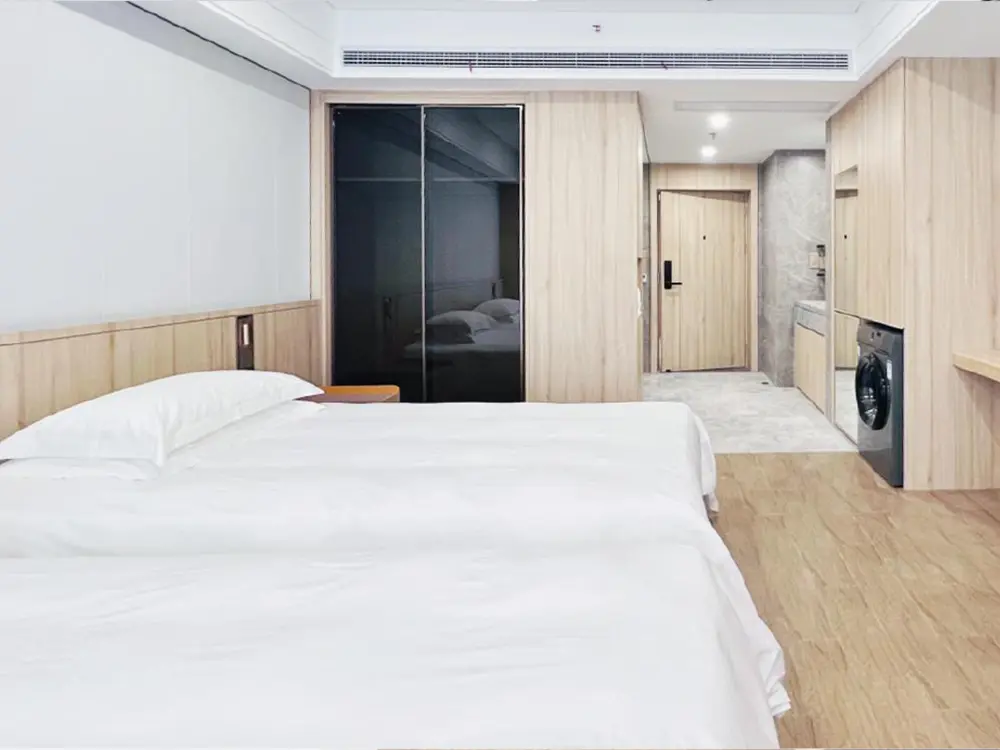 LEAO® Wood Style Decorative Panel
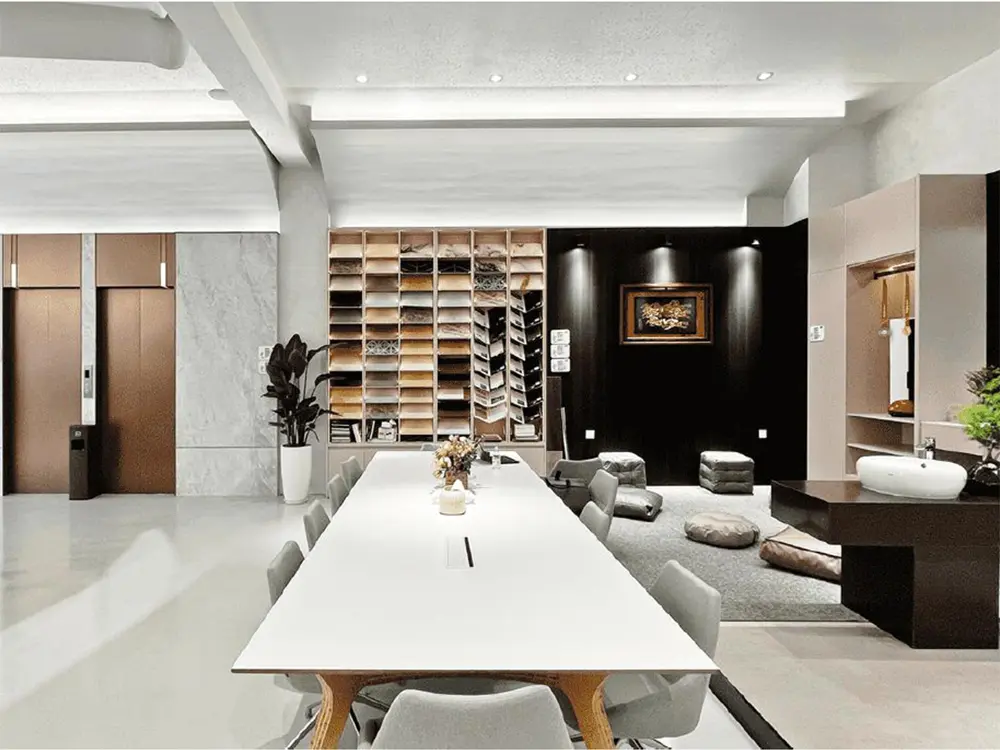 LEAO® Stone Style Decorative Panel
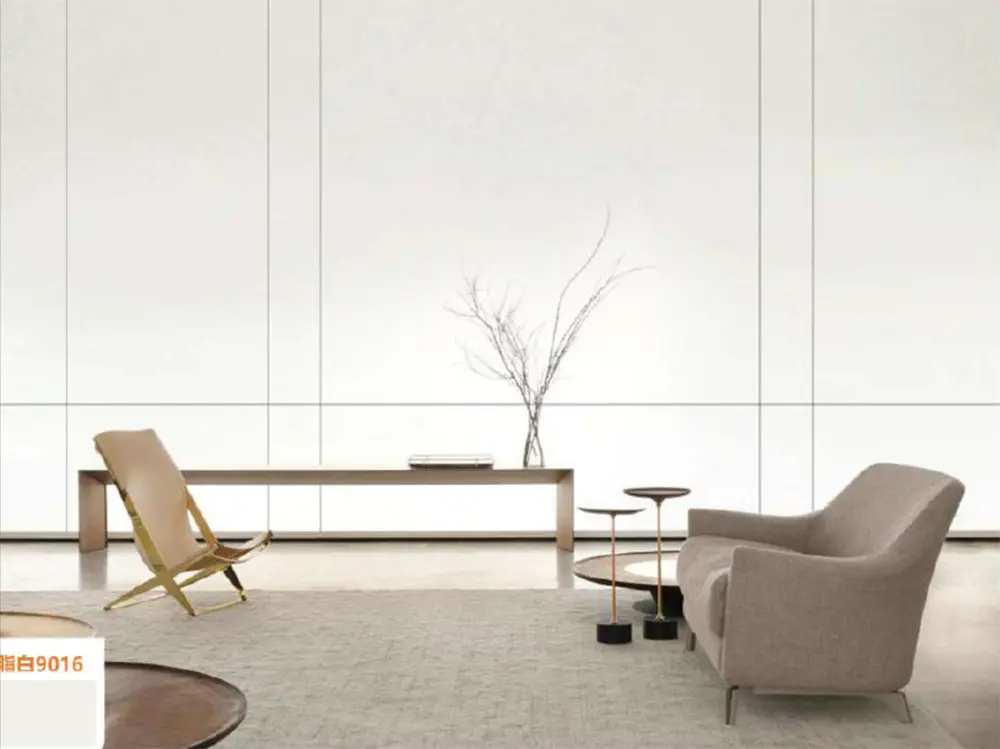 LEAO® Pure Style Decorative Panel