2026 Top Fiber Cement Formwork Board Innovations and Benefits?
The construction industry constantly seeks innovative solutions. One standout product is the Fiber Cement Formwork Board. This board has transformed how concrete structures are built. Its unique properties make it a preferred choice for many contractors.
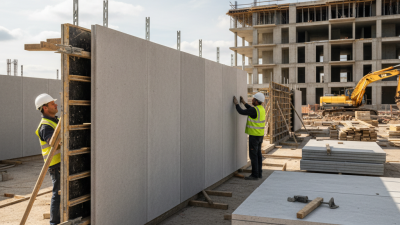
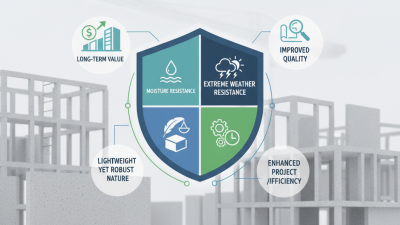
Fiber Cement Formwork Boards are lightweight yet incredibly strong. They offer excellent resistance to moisture and pests. These boards reduce construction time and enhance durability. However, some challenges arise in sourcing and installation. Understanding these issues is key for successful application.
In 2026, advancements in Fiber Cement Formwork Boards promise to improve efficiency. Innovations may focus on sustainability and cost reduction. While the benefits are clear, it's essential to recognize potential drawbacks. Continuous feedback from users helps refine these products.
Innovative Features of 2026 Fiber Cement Formwork Boards
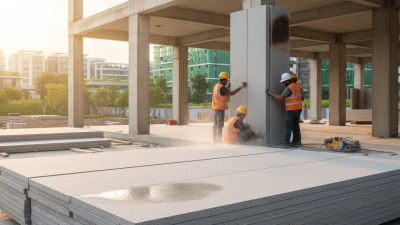
The innovative features of fiber cement formwork boards in 2026 promise substantial advancements in construction. These boards are engineered for durability and versatility. Their moisture resistance is crucial for outdoor projects. This quality helps prevent structural damage over time. Additionally, the lightweight design enhances ease of handling and installation. Workers can maneuver and position these boards with less effort.
Another notable innovation is the improved thermal insulation. This feature helps maintain energy efficiency in buildings. As construction standards evolve, the demand for energy-efficient materials rises. However, some issues persist. The production process can still yield variations in quality. This inconsistency may affect overall performance in specific situations. Builders must stay vigilant and select boards from reliable sources.
Furthermore, these boards can be customized for specific projects. Their adaptability allows for creative designs without compromising strength. However, not all designs may be practical or cost-effective. It's essential to balance aesthetics and functionality. Innovations in fiber cement formwork boards highlight a shift toward more sustainable construction practices, but challenges remain. Ongoing research is necessary to optimize these features and efficiency.
2026 Top Fiber Cement Formwork Board Innovations and Benefits
| Feature |
Description |
Benefits |
Applications |
| High Durability |
Resistant to impact, moisture, and pests. |
Long lifespan and reduced replacement costs. |
Residential and commercial construction. |
| Ease of Installation |
Lightweight and modular design for quick assembly. |
Reduces labor time and costs. |
Various construction projects. |
| Fire Resistance |
Non-combustible materials for enhanced safety. |
Increases safety ratings for buildings. |
Fire-prone areas and public buildings. |
| Sustainable Materials |
Made from eco-friendly raw materials. |
Less environmental impact and promotes sustainability. |
Green building projects. |
| Versatile Design |
Can be molded into various shapes and sizes. |
Offers creative design possibilities for architects. |
Unique and customized structures. |
Advantages of Using Fiber Cement Formwork in Construction Projects
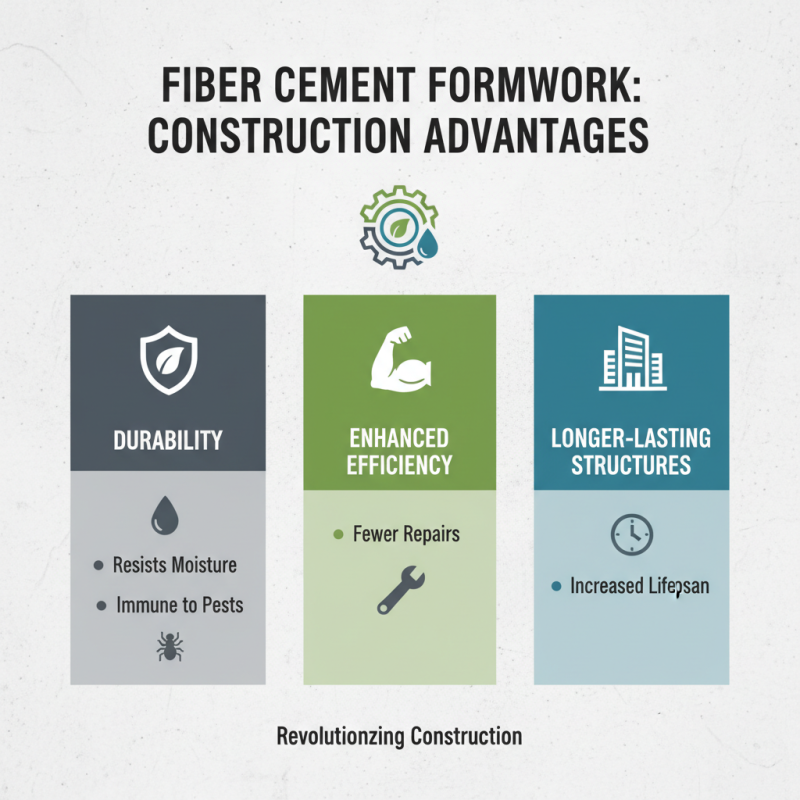
Fiber cement formwork is revolutionizing the construction industry. It offers multiple advantages that enhance project efficiency. Its durability is a key benefit. Unlike traditional materials, fiber cement withstands moisture and pests without degradation. This resilience leads to fewer repairs and longer-lasting structures.
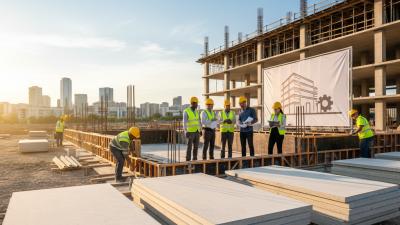
Another advantage is the ease of installation. Fiber cement boards are lightweight yet strong. This contrasts with heavier alternatives that require more labor. Construction teams can save time and reduce labor costs. Moreover, fiber cement is fire-resistant, adding an extra layer of safety to buildings.
Tips for using fiber cement formwork effectively: Ensure proper measurements before cutting. Fit the boards snugly to prevent gaps. Consider using protective gear, as the cutting process can create dust. Re-evaluating your methods regularly can improve project outcomes. Assess how fiber cement impacts your timeline and budget, adjusting as necessary for future projects.
Comparative Analysis of Traditional vs. Fiber Cement Formwork
The construction industry continues to evolve, particularly in formwork solutions. Fiber cement formwork is gaining traction due to its numerous advantages over traditional materials. According to recent studies, fiber cement formwork can reduce labor costs by up to 30% and enhance durability, making it a compelling choice for modern building projects.
In comparison to traditional wood or metal formwork, fiber cement offers superior water resistance and better insulation properties. This can lead to substantial energy savings in the long term. Furthermore, fiber cement forms are less susceptible to weather-related damage, thus minimizing downtime during construction.
However, challenges remain. Some builders report difficulties in handling and installing these boards due to their weight. This can hinder the efficiency of some teams.
Environmental sustainability is also a key consideration. Traditional formwork can contribute significantly to waste in landfills. In contrast, fiber cement, made from natural fibers and cement, is more eco-friendly. Nevertheless, environmental impacts vary based on production processes. A comprehensive analysis reveals that not all fiber cement products are created equal; sourcing methods and production quality are critical factors for sustainability.
Sustainability and Environmental Impact of Fiber Cement Boards
Fiber cement boards have gained popularity due to their sustainability and environmental benefits. These boards are made from a blend of cement, cellulose fibers, and other raw materials. The incorporation of materials like recycled content contributes to their eco-friendliness. A report by the World Resources Institute highlights that using fiber cement can reduce construction waste by up to 30%. This is a significant factor for builders aiming to minimize their ecological footprint.
One notable aspect is their durability. Fiber cement boards can withstand harsh weather, insects, and rot. However, not all fiber cement products perform equally. Some may release harmful substances during production. It's crucial for manufacturers to adhere to sustainable practices. This ensures that the overall environmental impact is minimized.
**Tip:** Ask your supplier about the recycled content in their fiber cement boards. Knowledge about production processes can guide sustainable choices.
Additionally, fiber cement boards are energy-efficient. They provide good insulation, which can lead to lower energy bills. But, achieving optimal insulation requires proper installation, which is often overlooked. Some constructions may still face inefficiencies due to poor application.
**Tip:** Look for installation guidelines from reputable sources to enhance performance. Investing in quality installation can make a notable difference in sustainability.
Future Trends in Fiber Cement Formwork Technology for 2026
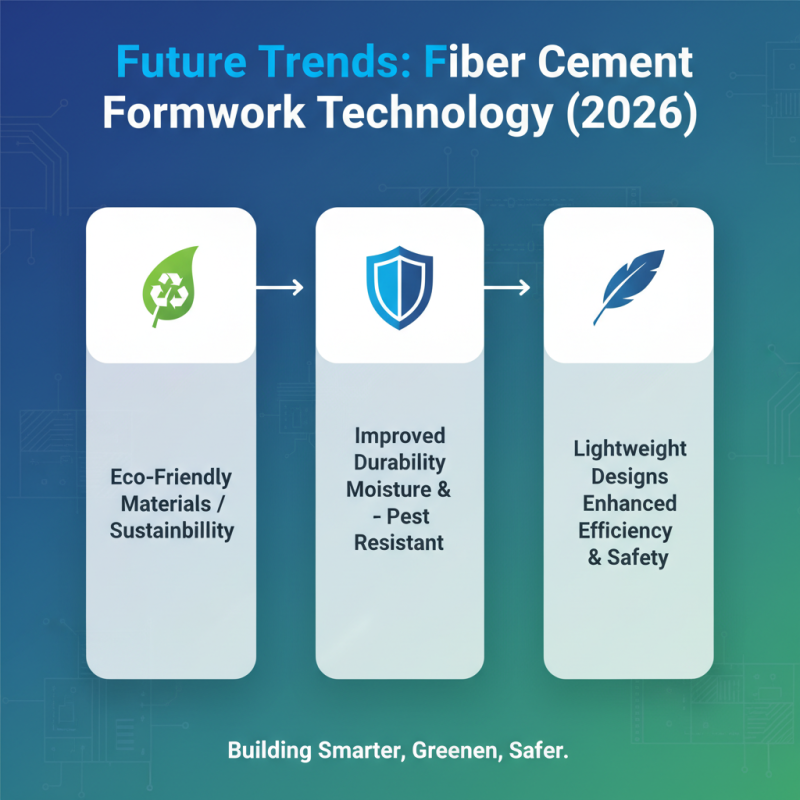
The future of fiber cement formwork technology looks promising as we approach 2026. Innovations are focusing on improved durability and sustainability. The industry is shifting towards eco-friendly materials, and fiber cement boards are at the forefront. Their resistance to moisture and pests makes them a preferred choice. Furthermore, lightweight designs are enhancing efficiency in construction. Workers can handle these boards easily, reducing labor-related injuries.
Another emerging trend is digital integration. Smart technology is being employed to monitor the quality of the materials in real-time. This allows for early detection of issues, ensuring structural integrity. Yet, companies must address the learning curve associated with new technologies. Training workers to use digital tools can be challenging. Some may resist change, affecting productivity initially.
Lastly, the emphasis on design is growing. Architects are seeking versatile formwork solutions. The aesthetic appeal of fiber cement boards is a game-changer. However, balancing form with function remains a concern. Future innovations must not overlook structural performance while enhancing visual aspects. Attention to both details is essential for the industry's evolution.

 LEAO®Deco Ceiling
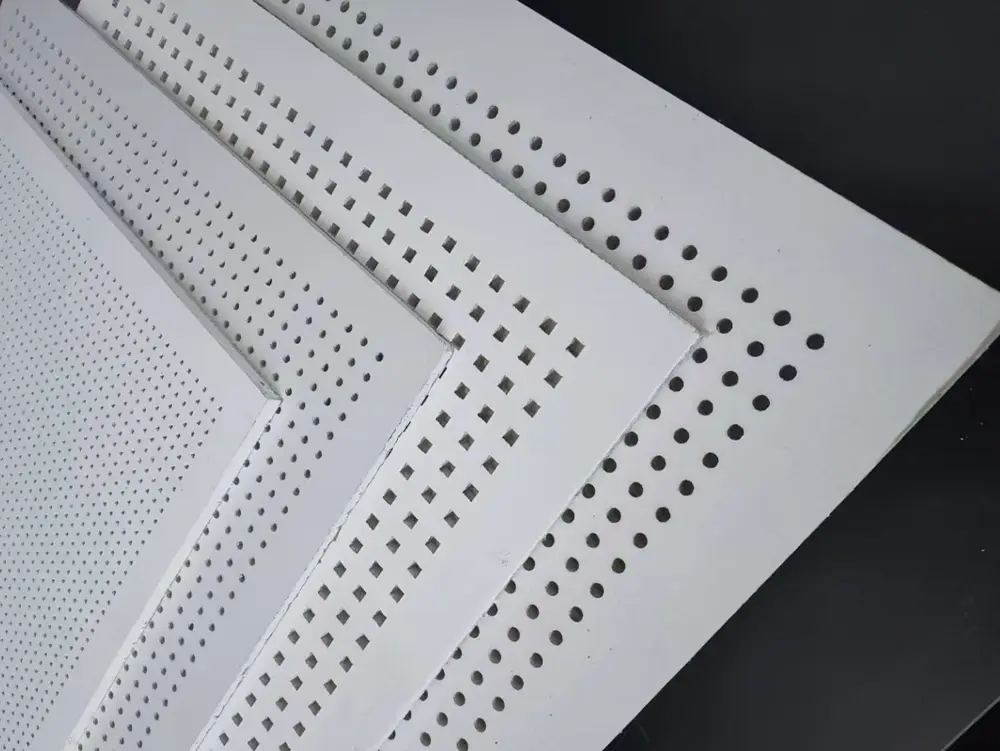 LEAO® Perforated Ceiling
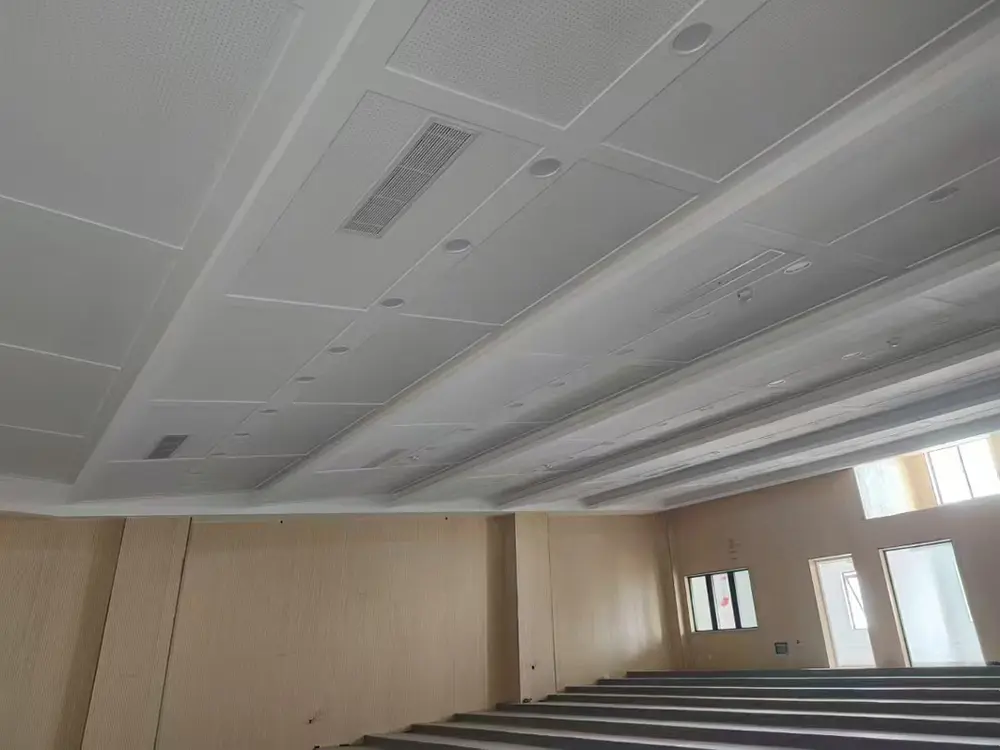 LEAO® Ceiling Board
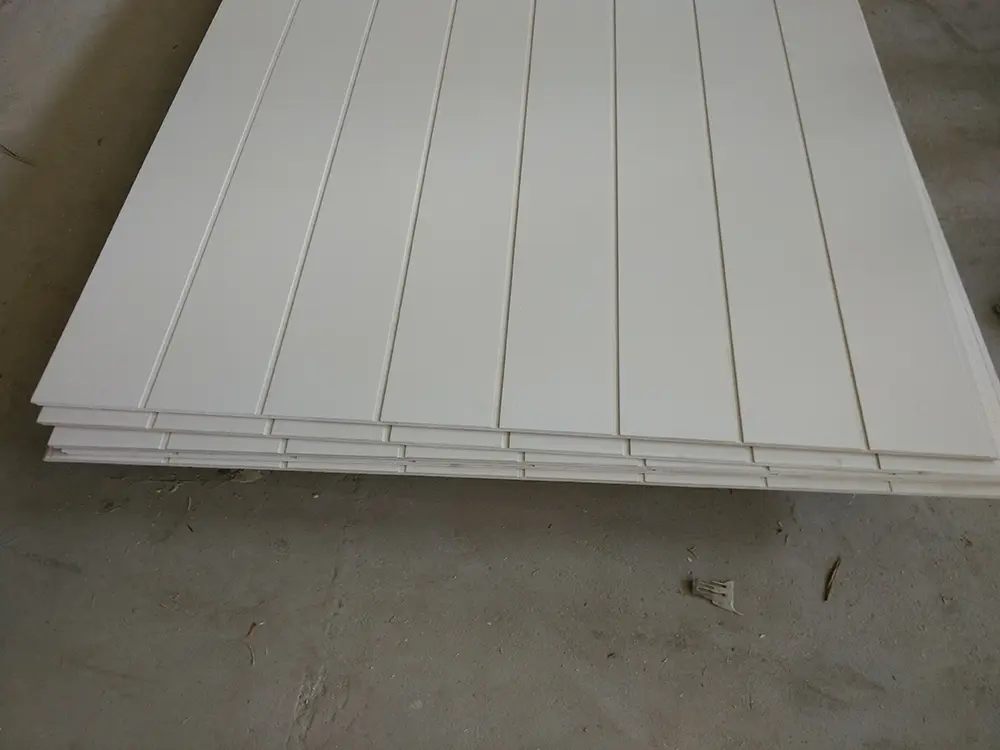 LEAO® Groove Interior Panel
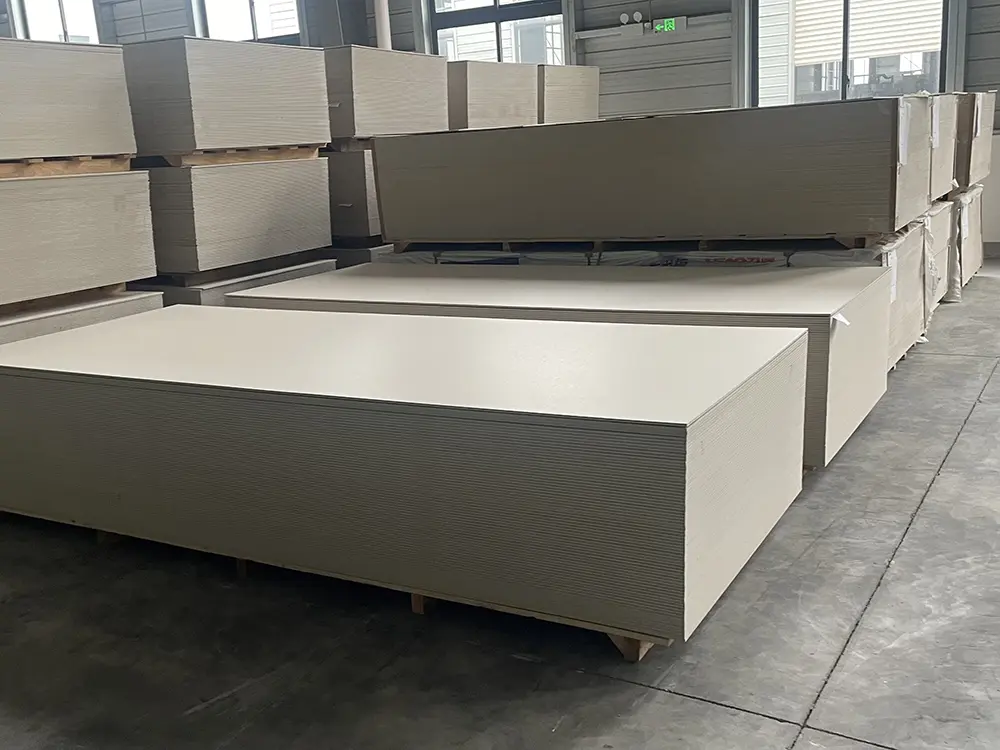 LEAO® Interior Board
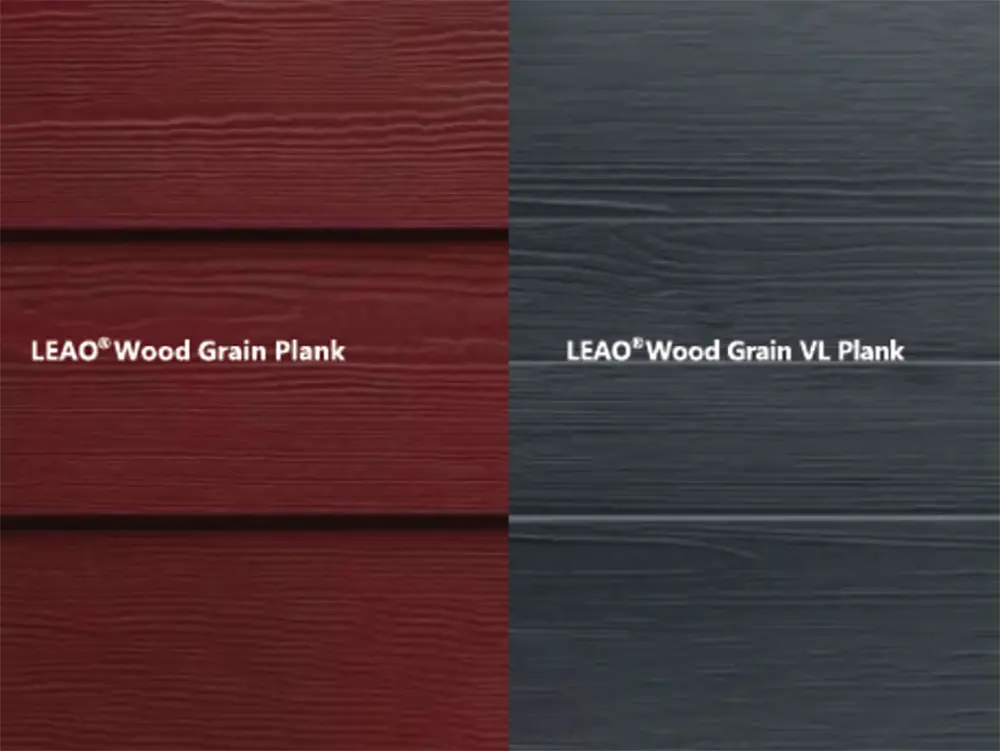 LEAO® Wood Grain Plank
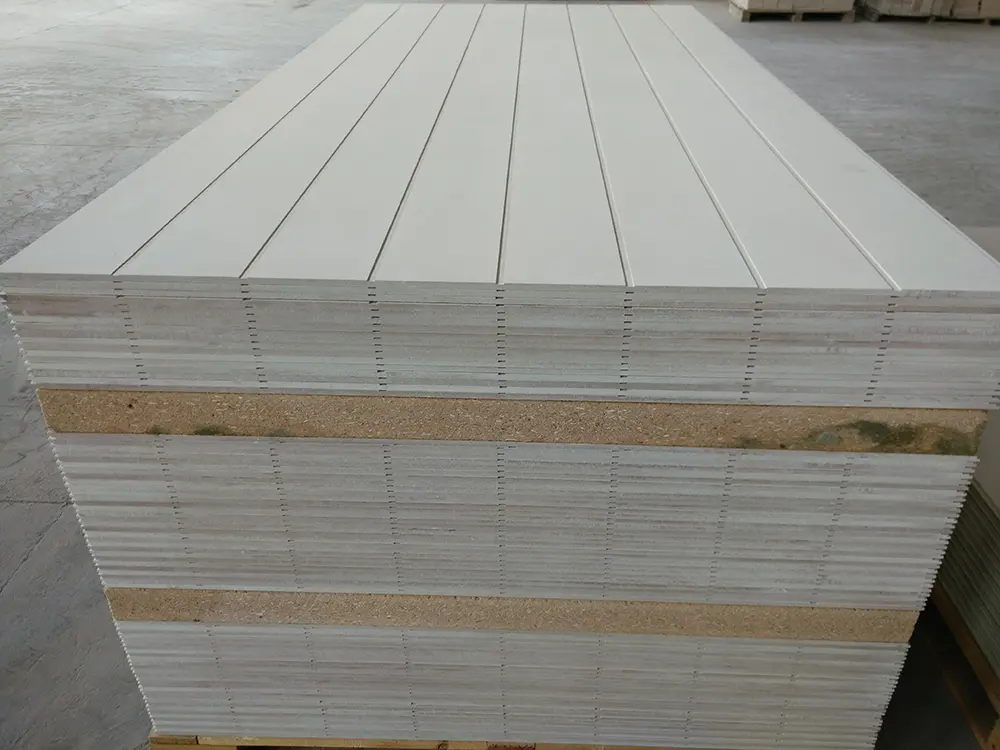 LEAO® Grooved Exterior Panel
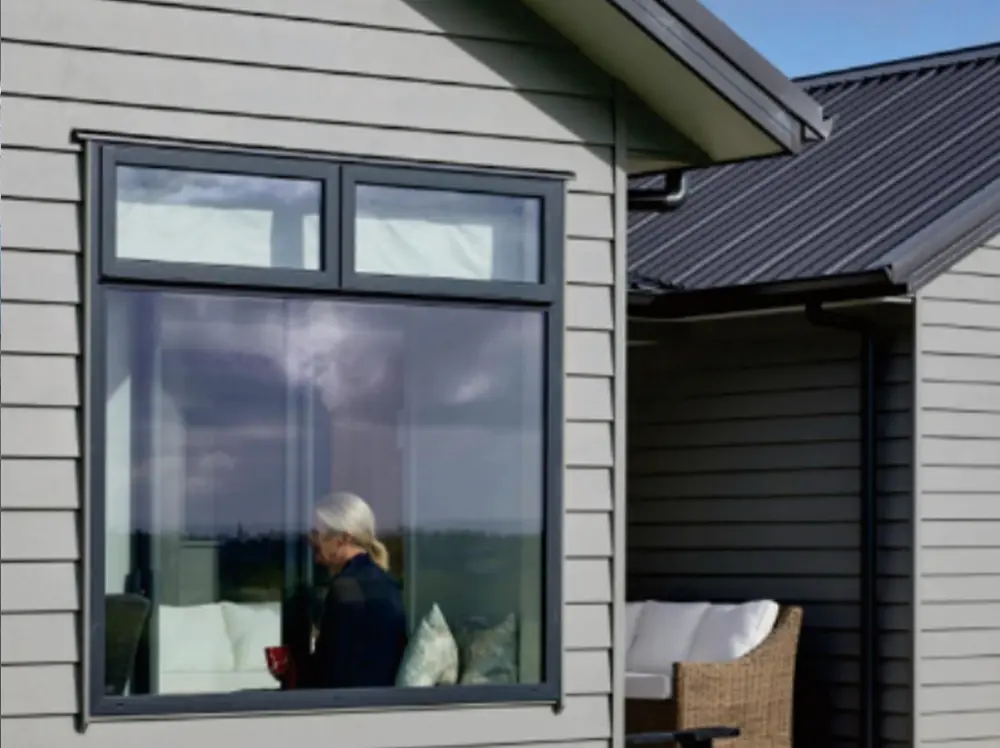 LEAO® Weatherboard
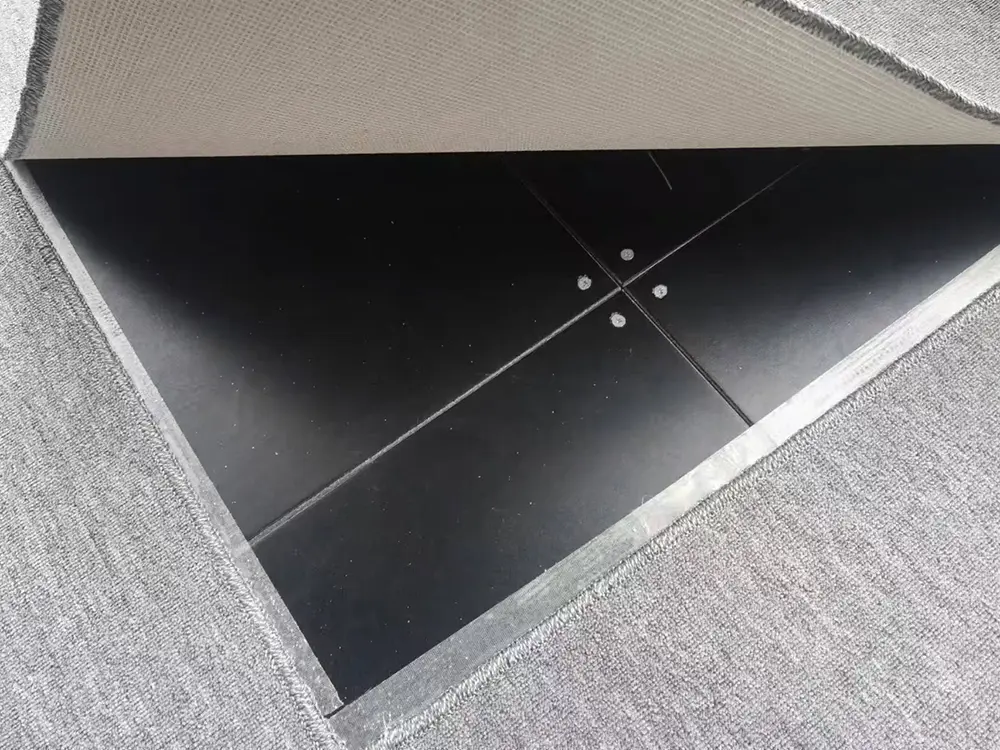 LEAO® Access Floors
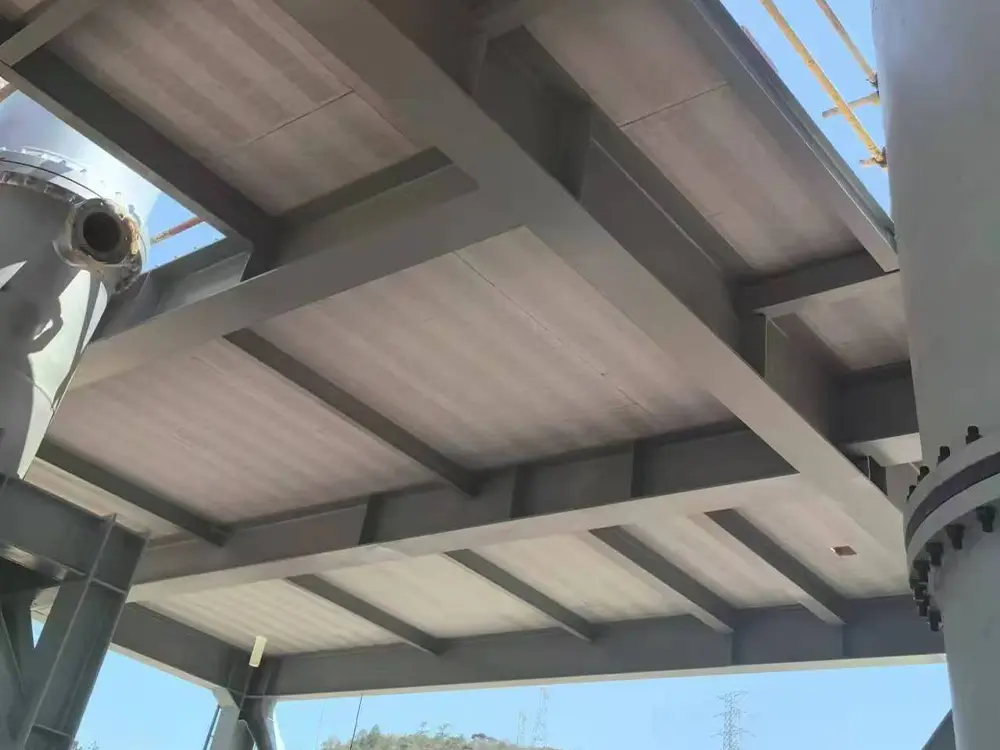 LEAO® Non-removable Formwork
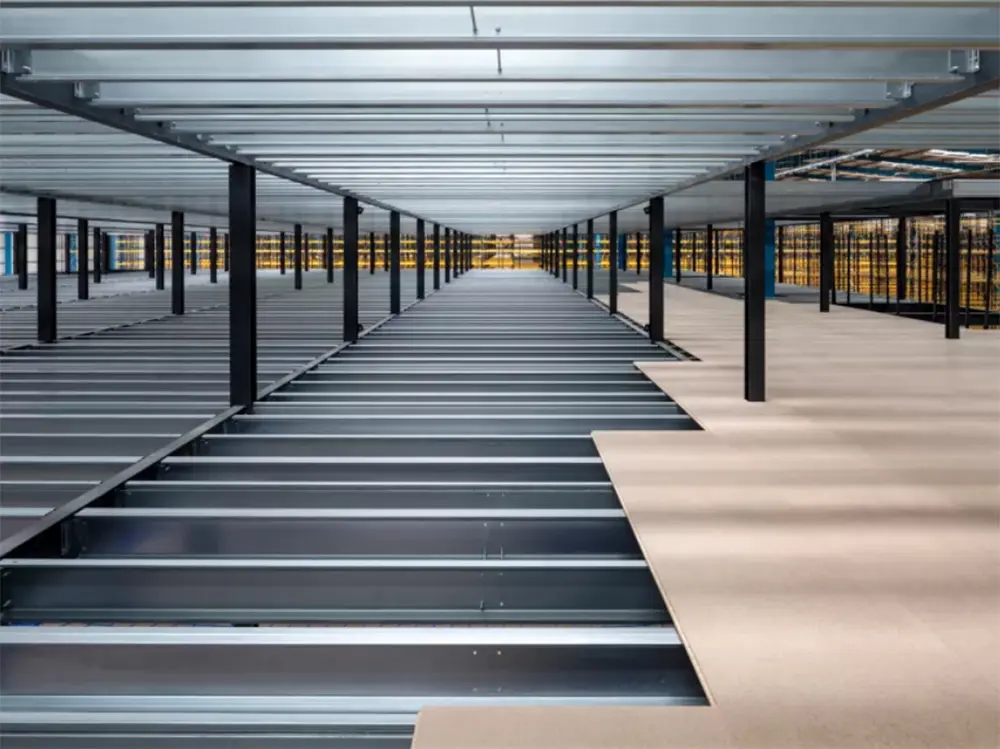 LEAO® Mezzanine Board
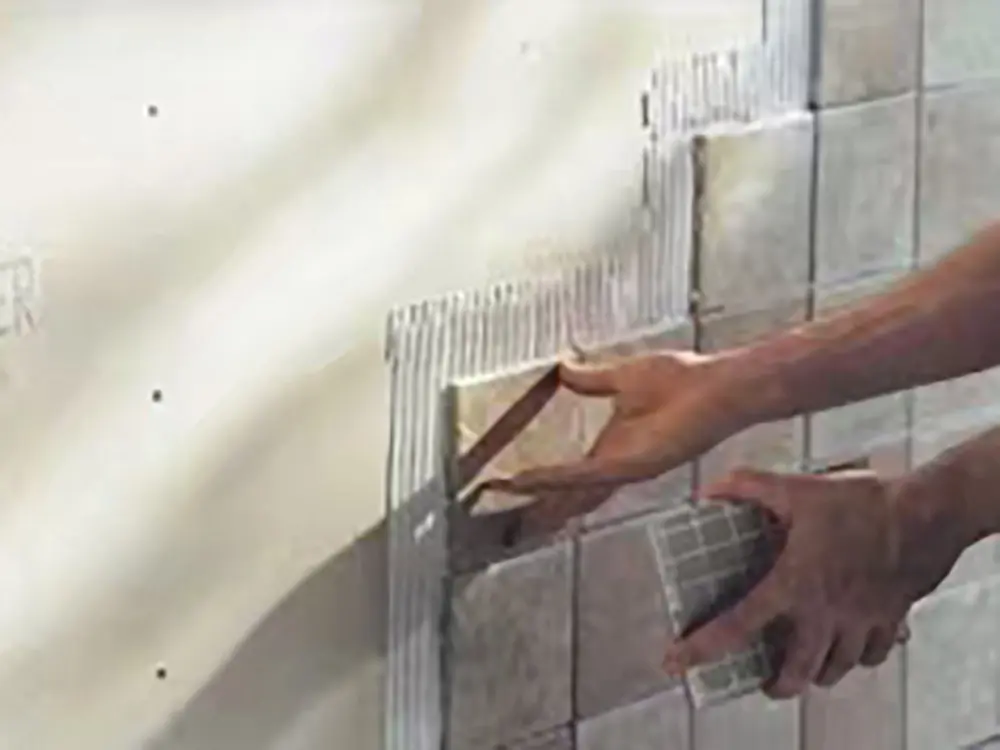 LEAO® Ceramic Tile Underlay
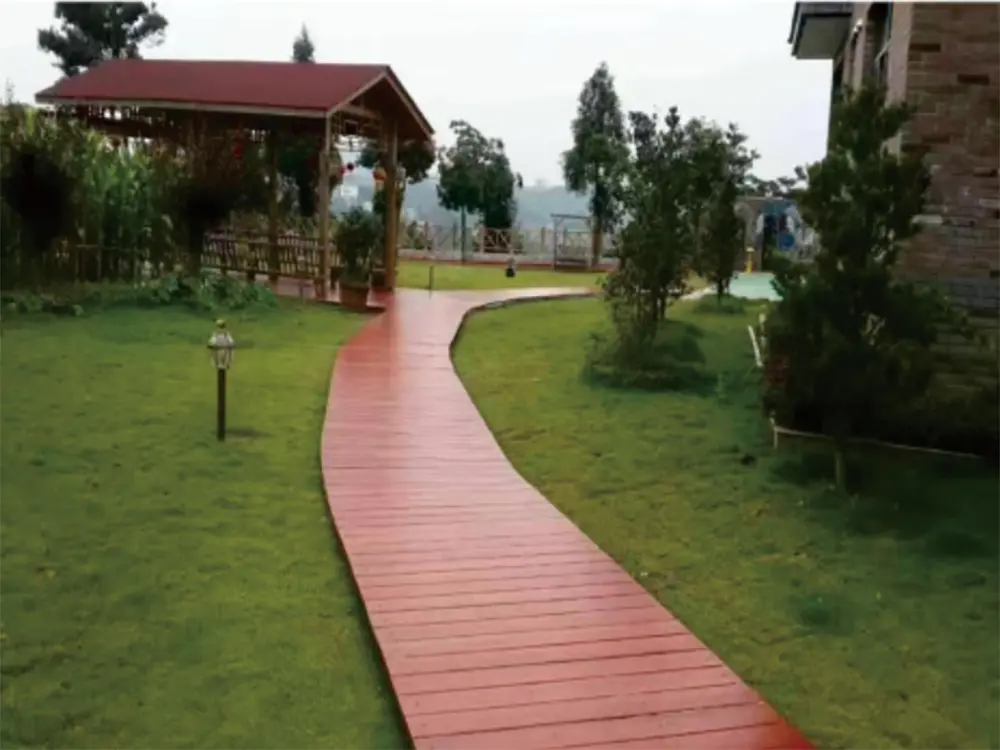 LEAO® Floor Plank
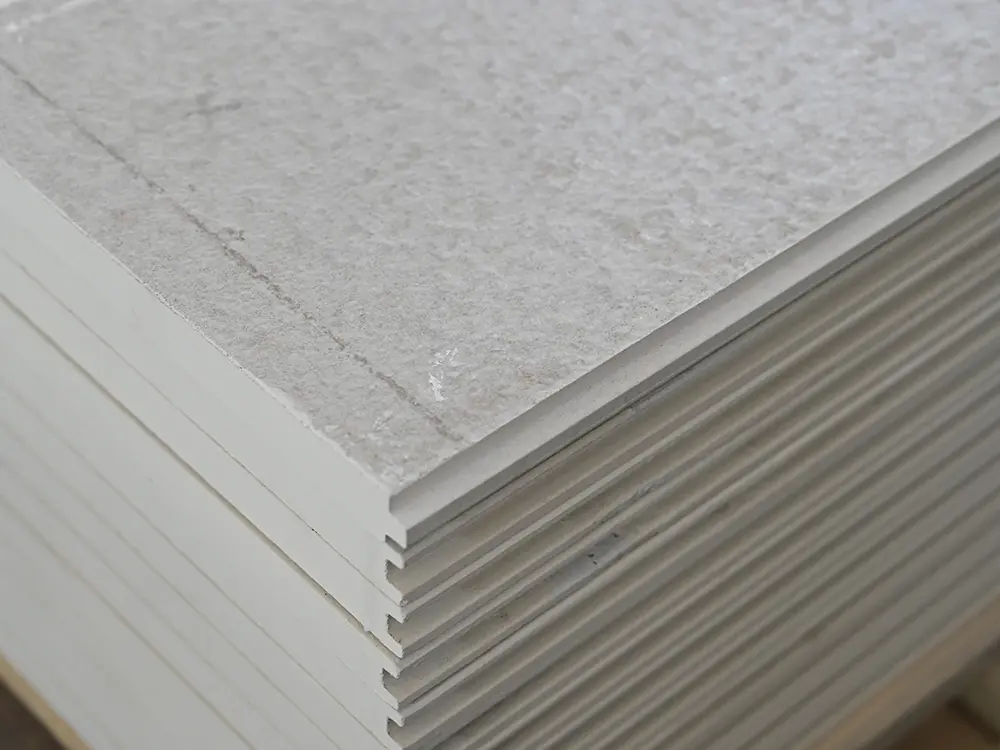 LEAO® Flooring
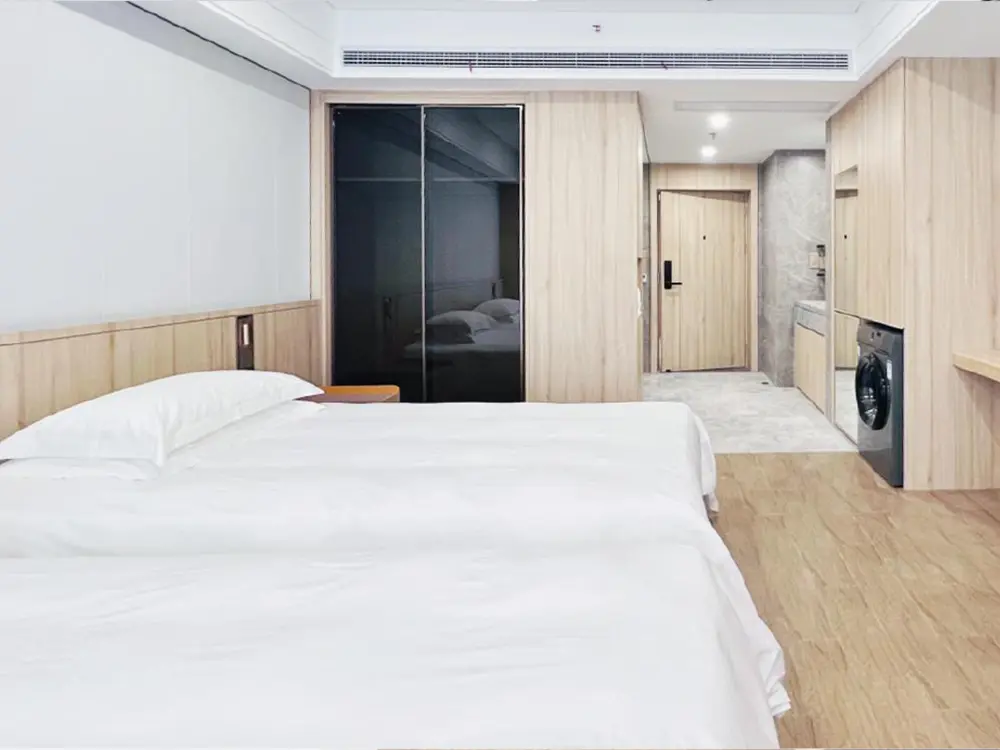 LEAO® Wood Style Decorative Panel
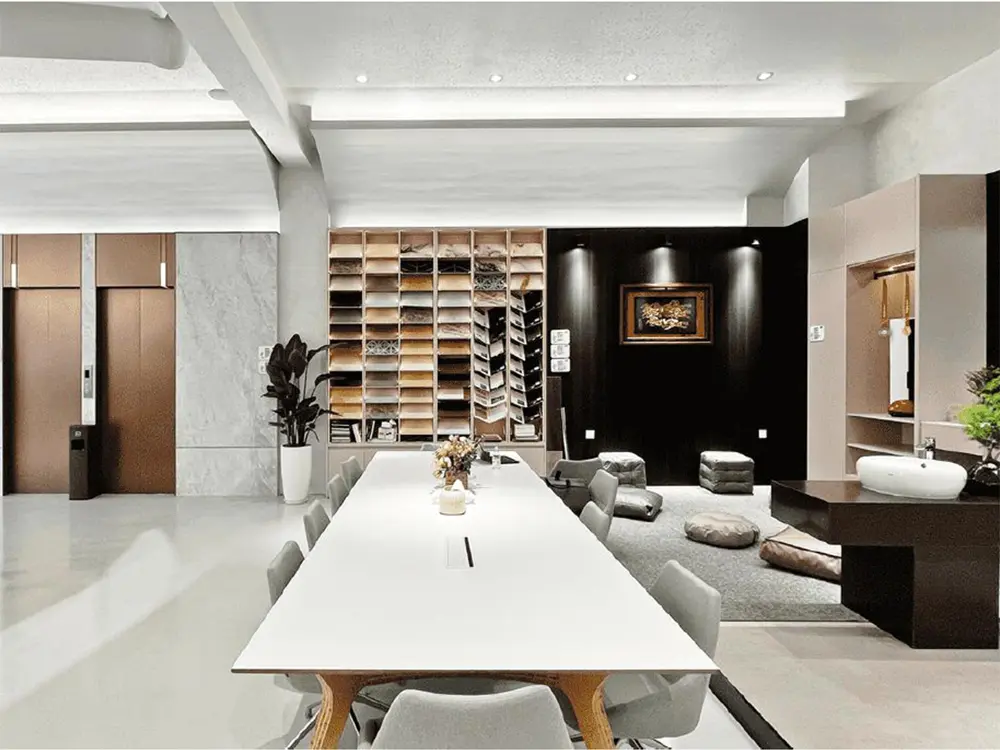 LEAO® Stone Style Decorative Panel
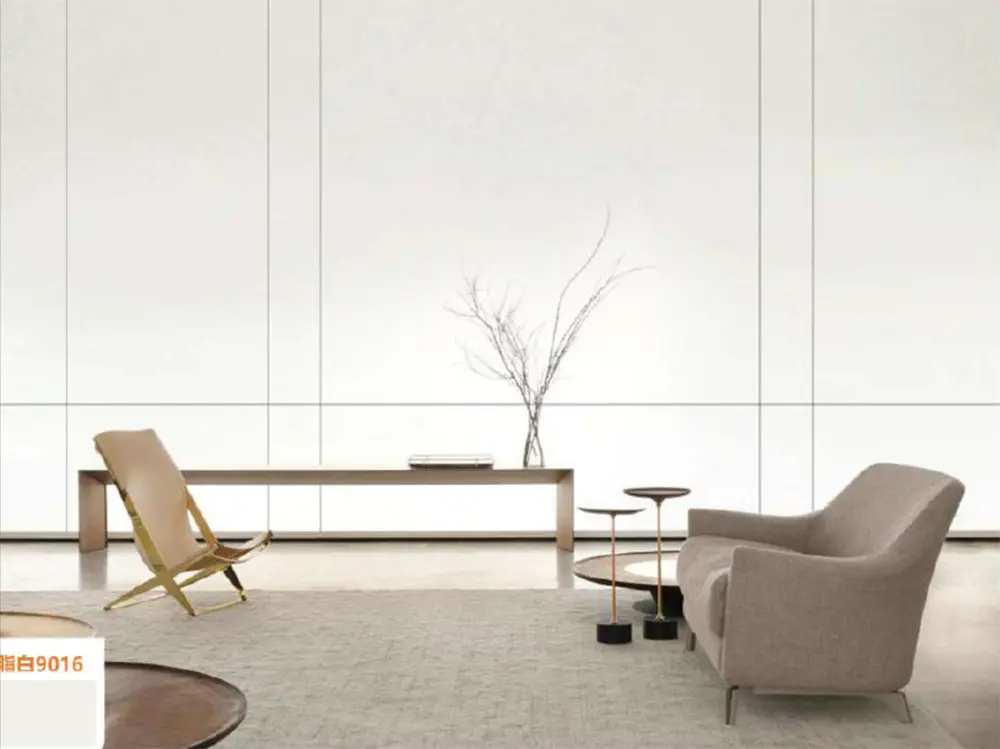 LEAO® Pure Style Decorative Panel