The construction industry is evolving rapidly, with focus shifting to sustainable materials. One standout innovation is the Fiber Cement Trim Board. This material combines durability with aesthetic appeal, attracting builders and homeowners alike.
In 2026, we will see cutting-edge trends in Fiber Cement Trim Board usage. Many companies are experimenting with textures and colors. This allows for unique designs that reflect individual styles. However, while innovation is exciting, challenges remain. Not every new product meets environmental standards. Manufacturers must balance creativity with sustainability.
As we explore these trends, we will reflect on their impact. The Fiber Cement Trim Board represents not only a building material but also a step toward greener construction. Some improvements in production processes require further refinement. With thought and innovation, the future of Fiber Cement Trim Board looks promising.
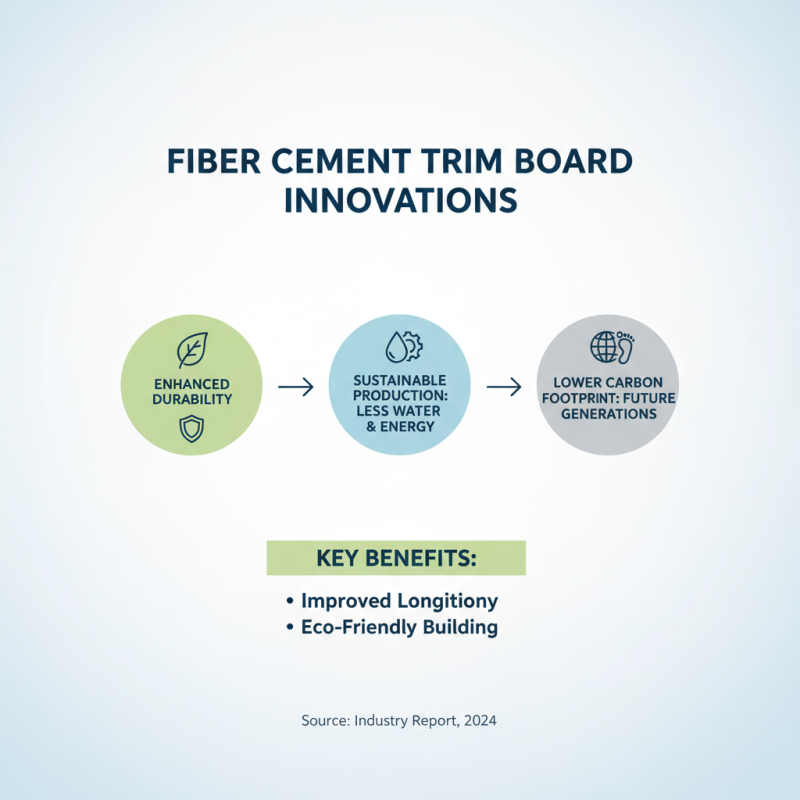
The fiber cement trim board industry is experiencing notable innovations in production technologies. These advancements focus on enhancing durability and reducing environmental impact. Modern production methods prioritize sustainability, using less water and energy. This shift contributes to lower carbon footprints, which is vital for future generations.
Emerging technologies include automated processes that improve efficiency. Some manufacturers have introduced smart manufacturing tools. These tools monitor production in real time and adjust flow rates accordingly. However, not all companies have embraced these changes. Adopting such technologies can be costly and complex. There is still a learning curve in integration.
Additionally, new formulations for fiber cement trim boards are being developed. These blends aim for better weather resistance and longer lifespans. Experimentation with natural fibers might lead to lighter and stronger boards. Yet, the industry must address the balance between cost and performance. Not every innovation yields immediate real-world benefits, and careful assessment is needed.
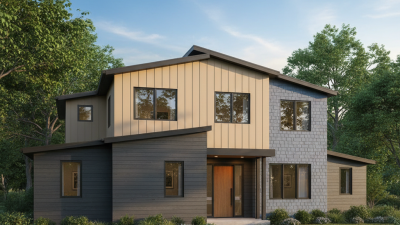
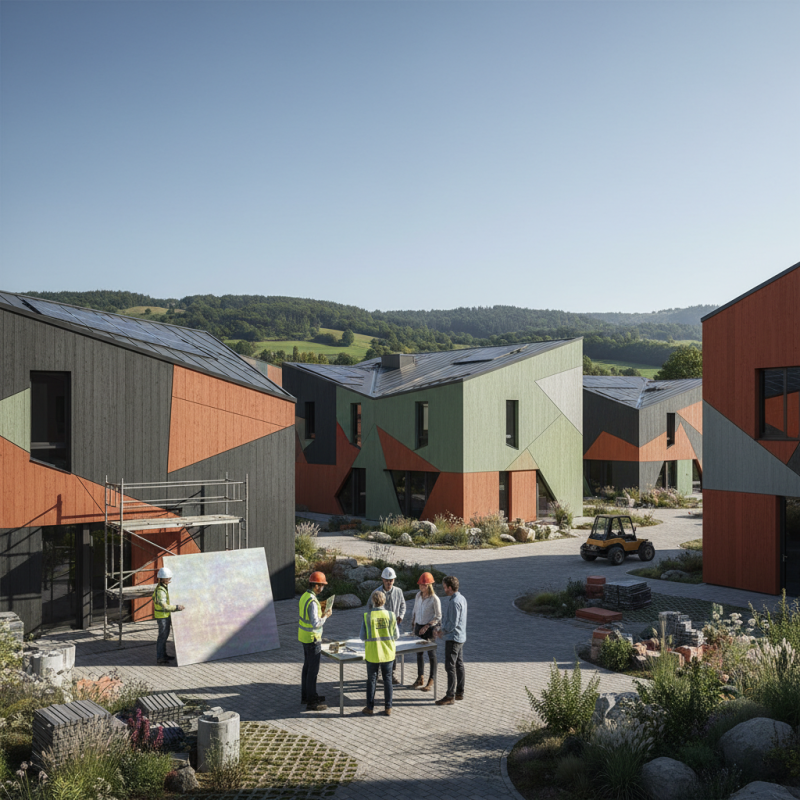
Sustainability is reshaping the fiber cement industry. Innovations in fiber cement trim boards focus on environmental concerns. This trend caters to builders and homeowners who value eco-friendly materials. Manufacturers are adopting recycled content in their products. These changes not only reduce waste but also create durable options.
Yet, there are challenges. Sourcing sustainable materials can be inconsistent. Some manufacturers still face a learning curve. They may struggle to maintain quality while using recycled inputs. This raises questions: Are we sacrificing performance for sustainability? Addressing these issues requires industry collaboration.
Future trends suggest a stronger emphasis on life cycle assessments. Understanding the environmental impact is key to making informed choices. Improved transparency is needed in the supply chain. As awareness grows, consumers will demand better practices. Balancing sustainability with performance remains essential.
In recent years, fiber cement trim boards have gained immense popularity due to their versatility and aesthetic appeal. Design trends are shaping how these materials are used in residential and commercial buildings. A report by the Freedonia Group indicates a steady growth rate of 3.6% annually for fiber cement demand through 2026, reflecting a shift towards sustainable building materials. Homeowners are increasingly choosing these durable options for their long-lasting benefits.
Color palettes play a crucial role in the aesthetics of fiber cement trim boards. Earthy tones and muted colors are in vogue. A survey conducted by Houzz revealed that 40% of homeowners prefer neutral shades to complement modern architecture. However, the quest for bold and vibrant designs often clashes with the desire for timeless elegance. While color innovation is exciting, it raises questions about long-term appeal.
Texture is another critical element influencing design choices. Many architects are experimenting with varied surfaces and finishes. Textured fibers can add depth and character to a project. Yet, there is a lingering concern that overly elaborate textures might distract from a home’s overall silhouette. The balance between creativity and coherence remains a challenge for designers. As the industry evolves, it will be essential to address these contradictions in aesthetics and practicality.
Fiber cement trim boards have seen significant innovations in durability features in recent years. A study by the American Society of Composites revealed that fiber cement products can withstand extreme weather conditions 30% better than traditional wood alternatives. This is critical as homeowners seek longevity in their exterior materials. High resistance to rot and pests is a game changer. Houses in coastal areas can better endure harsh saltwater environments.
Innovations in manufacturing processes also play a role. The integration of advanced polymer technology enhances the structural integrity of these boards. According to a report by the Building Materials Research Institute, new formulations are now 25% lighter, easing installation without sacrificing strength. However, challenges remain. Many products still struggle with color retention under prolonged UV exposure. Homeowners often face issues with fading that require periodic maintenance.
Further developments involve moisture-resistant coatings, which are gaining attention. Recent findings indicate that trim boards with these coatings can reduce water absorption by 40%. Still, the market lacks widespread access to these innovations. Feedback from contractors suggests a need for better education on product benefits. Without it, many potential users may be unaware of their options.
| Trend | Description | Benefits | Expected Impact |
|---|---|---|---|
| Sustainability Advancements | Increased use of recycled materials in production. | Reduced environmental footprint, improved resource efficiency. | Positive consumer perception, increased market demand. |
| Enhanced Weather Resistance | Improvements in performance against extreme weather conditions. | Longer lifespan, less frequent replacement. | Higher customer satisfaction and loyalty. |
| Improved Aesthetic Options | Diverse finishes and textures to mimic natural materials. | Greater design flexibility, enhanced curb appeal. | Increased market competitiveness. |
| Fire Resistance Measures | Integration of non-combustible materials. | Improved safety ratings and compliance with building codes. | Attraction to safety-conscious consumers. |
| Lightweight Innovations | Development of lighter fiber cement products. | Ease of installation, reduced shipping costs. | Increased adoption by contractors and builders. |
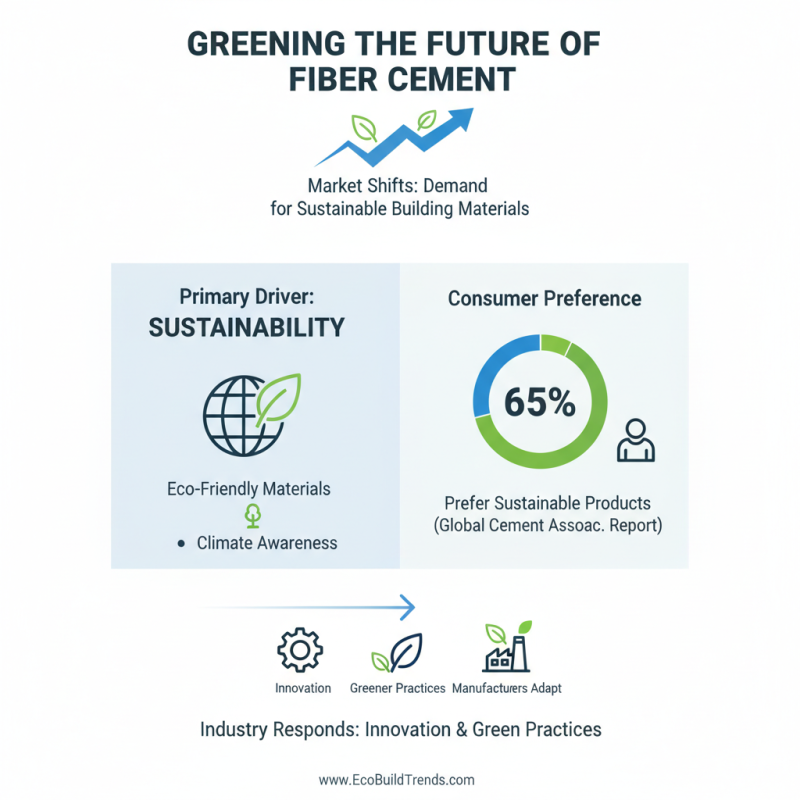
The fiber cement trim board market is experiencing notable shifts in demand. Recent studies show that sustainability is a primary driver. Buyers favor eco-friendly materials due to climate awareness. A report from the Global Cement Association states that 65% of consumers prefer sustainable building products. This trend pushes manufacturers to innovate, adopting greener practices.
Sustainability is not only about materials. It also involves manufacturing processes. Fiber cement producers now seek energy-efficient techniques. New technologies are emerging to reduce carbon footprints. Additionally, circular economy principles are gaining traction. Companies aim to recycle materials and minimize waste. These shifts can enhance the market's overall appeal.
Tips: When choosing fiber cement trim boards, focus on sustainability ratings. Check if the product meets local environmental standards. Visualize your project and think about long-term impacts. Investing in sustainable options may be initially higher, but they often provide better durability and lower maintenance costs. Always consider the life cycle of materials to make informed decisions.