2026 Top Fiber Cement Cladding Trends for Global Buyers?
The rise of Fiber Cement Cladding reflects growing preferences for durable, sustainable building materials. As the construction industry evolves, more global buyers seek innovative options. According to a report by SMR Research, the fiber cement market is projected to reach $15 billion by 2026, indicating a significant shift in material choice.
Experts like Dr. Jane Harlow, a leading authority in building materials, emphasize the benefits, stating, "Fiber Cement Cladding combines aesthetic appeal with unmatched durability." This combination is crucial for buyers prioritizing longevity and visual appeal in their projects. Many architects now incorporate Fiber Cement Cladding into designs, recognizing its versatility and low maintenance requirements.
However, challenges persist in the industry. The installation process can be complex, requiring skilled labor. Understanding the long-term implications of material choices is essential for buyers. Investing in Fiber Cement Cladding can yield substantial returns, but it is important to consider all aspects of the installation and maintenance processes.
2026 Top Innovations in Fiber Cement Cladding Design and Functionality
The fiber cement cladding market is evolving rapidly. Innovations in design and functionality are at the forefront. The global fiber cement cladding market is projected to reach $2.29 billion by 2026, according to a report from Research and Markets. Newer materials enhance durability while maintaining style.
A notable trend is the integration of eco-friendly materials. Sustainable options appeal to environmentally conscious consumers. Reports indicate a 20% rise in demand for green building materials over the past year. This trend compels manufacturers to think beyond traditional methods. Simpler structures often result in lower costs but may lack the aesthetic appeal some buyers expect.
Tips: Always assess the balance between sustainability and design. Consider how your choices affect both the environment and look. Real-world feedback is essential for improvements. Engaging with customer insights can lead to better products. Regularly reflect on how these innovations align with your needs. This helps ensure that your selections are not just trendy but also practical.
Sustainable Materials and Eco-Friendly Practices in Fiber Cement Cladding
The increasing focus on sustainable materials in construction sets the stage for the evolution of fiber cement cladding. Recent data from market analysts indicate that the fiber cement segment is expected to grow at a compound annual growth rate (CAGR) of approximately 4.8% from 2023 to 2028. This growth is driven by a heightened demand for eco-friendly building solutions.
Manufacturers are now focusing on producing fiber cement panels that utilize recycled materials, thus minimizing waste. Reports reveal that incorporating recycled fibers can reduce energy consumption in production by up to 30%. However, the challenge remains in maintaining the durability and aesthetic appeal that modern buildings require. Many companies are still fine-tuning their processes to strike the right balance.
While fiber cement offers advantages like fire resistance and low maintenance costs, producers must also grapple with potential environmental impacts during its lifecycle. Recent studies have pointed out that improper disposal of fiber cement can lead to waste management challenges. The need for continual improvement in eco-friendly practices remains essential. The trend toward sustainability in fiber cement cladding is promising, yet there are hurdles to overcome.
Emerging Color Trends and Aesthetic Choices for Fiber Cement Cladding
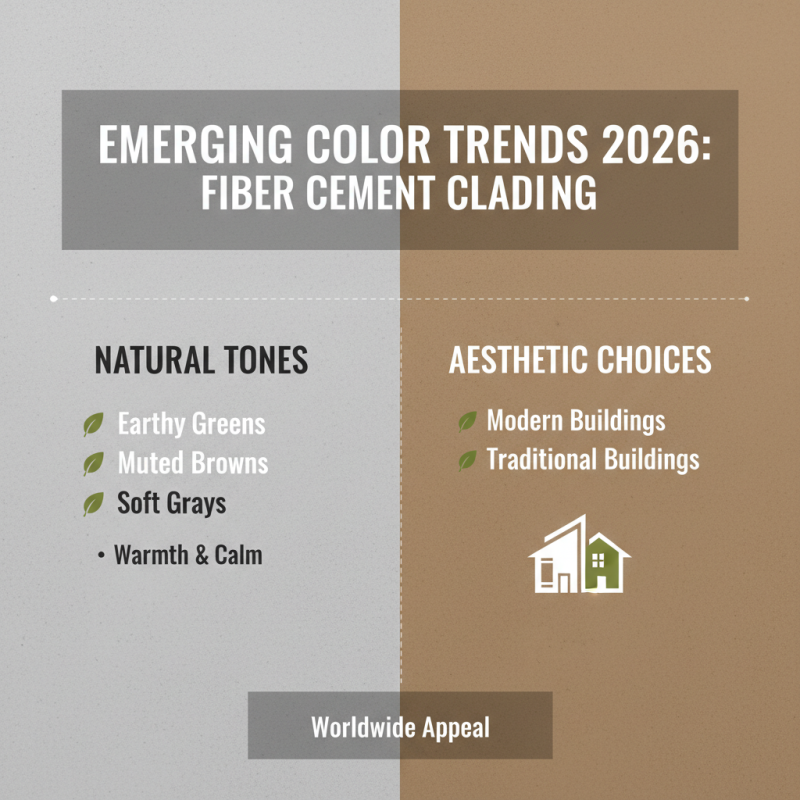
Fiber cement cladding is gaining attention worldwide. In 2026, significant trends will highlight emerging color palettes and aesthetic choices. Buyers are increasingly drawn to natural tones that evoke warmth. Earthy greens, muted browns, and soft grays will dominate the market. These colors can bring a calming vibe to both modern and traditional buildings.
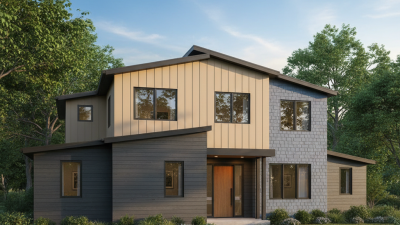
Design possibilities are expanding. Textured finishes, like wood grain or stone, add depth and character. This trend reflects a desire for authenticity. Alongside this, bold colors will emerge as statement pieces. Vibrant hues, such as deep reds or navy blues, serve as eye-catching accents. They can energize spaces and enhance architectural details.
Tips: When choosing colors, consider your location and climate. Certain shades may fade faster in harsh sunlight. Testing samples on your building will guide your decision. Pay attention to trends but stay true to your vision. Balancing personal style with current trends often yields the best results. Embrace imperfections; they can add unique charm and character to your project.
Global Market Insights: Demand Drivers for Fiber Cement Cladding in 2026
The fiber cement cladding market is evolving rapidly as we approach 2026. Rising awareness of sustainability is a major driver of demand. Architects and builders seek materials that reduce environmental impact. Fiber cement cladding meets these requirements, providing durability and energy efficiency.
Global urbanization is another significant trend influencing the market. More people are moving to cities, increasing the need for varied housing solutions. Fiber cement is often chosen for its aesthetic versatility. It can mimic wood, stone, or even metal, appealing to diverse consumer tastes.
Despite its advantages, there are challenges. Some consumers may have misconceptions about the product's installation and maintenance. Education is essential to address these gaps. Encouraging feedback from users helps improve perceptions. As demand grows, so does the responsibility for manufacturers to ensure quality and innovation.
2026 Top Fiber Cement Cladding Trends for Global Buyers
| Trend |
Demand Driver |
Projected Growth (%) |
Key Regions |
| Sustainable Materials |
Increased demand for eco-friendly construction |
15% |
North America, Europe |
| Lightweight Solutions |
Improved handling and installation benefits |
10% |
Asia Pacific, Latin America |
| Aesthetic Versatility |
Design trends favoring unique finishes |
12% |
Global |
| Enhanced Durability |
Growing need for long-lasting materials |
18% |
Europe, North America |
| Fire Resistance |
Regulatory changes and safety considerations |
20% |
Asia Pacific, North America |
Technological Advances Influencing Fiber Cement Cladding Installation Methods
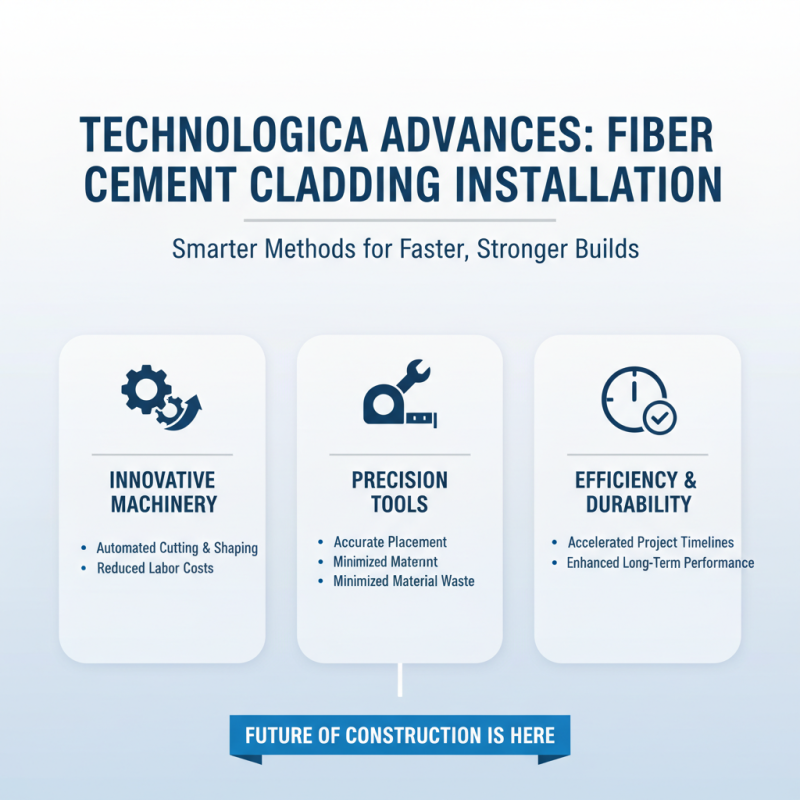
Technological advancements are reshaping the fiber cement cladding industry. New installation methods are driving efficiency and reducing labor costs. Innovations in machinery allow for faster cutting and shaping of panels. This streamlining is crucial as builders focus on project timelines. Advanced tools help achieve precise results, minimizing waste and maximizing durability.
Training is essential for professionals in this evolving landscape. Many workers need time to adapt to new techniques. Some companies struggle with the transition, emphasizing the importance of ongoing education. Workshops and certifications can enhance skills, but they require investment. A deep understanding of materials is vital for successful application.
Sustainability plays a significant role in these methods. Eco-friendly practices are now a priority. However, not all producers prioritize green technology. This inconsistency can confuse buyers. A thorough examination of a manufacturer’s practices is essential. Industry standards are evolving, but many are still catching up. Building strong relationships and knowledge sharing is essential for long-term success.

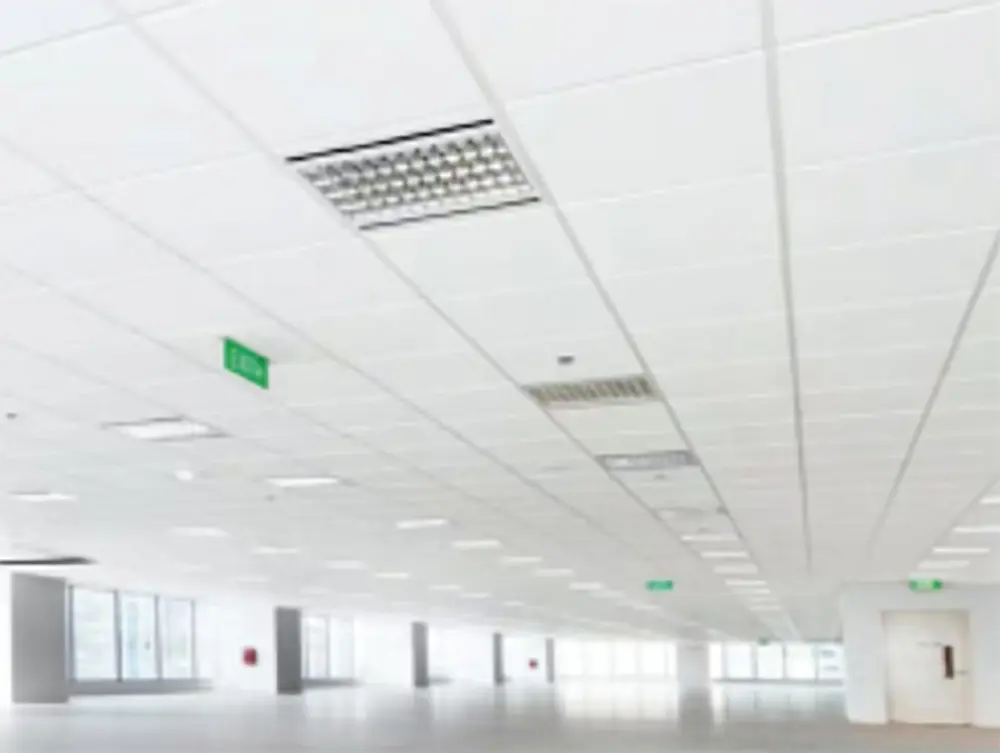 LEAO®Deco Ceiling
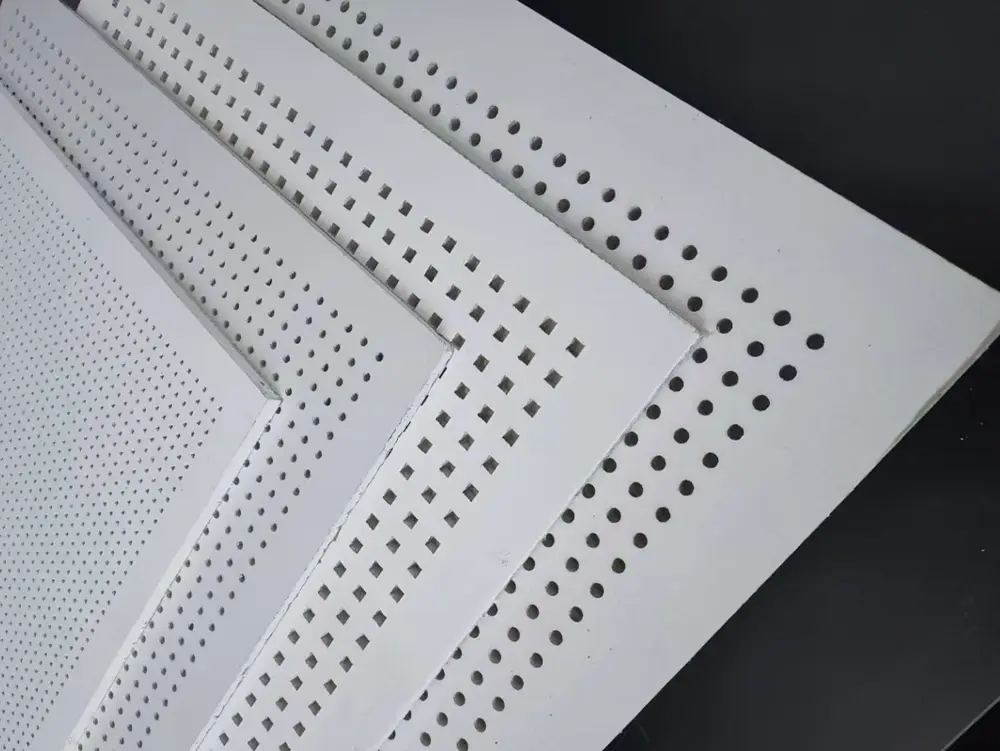 LEAO® Perforated Ceiling
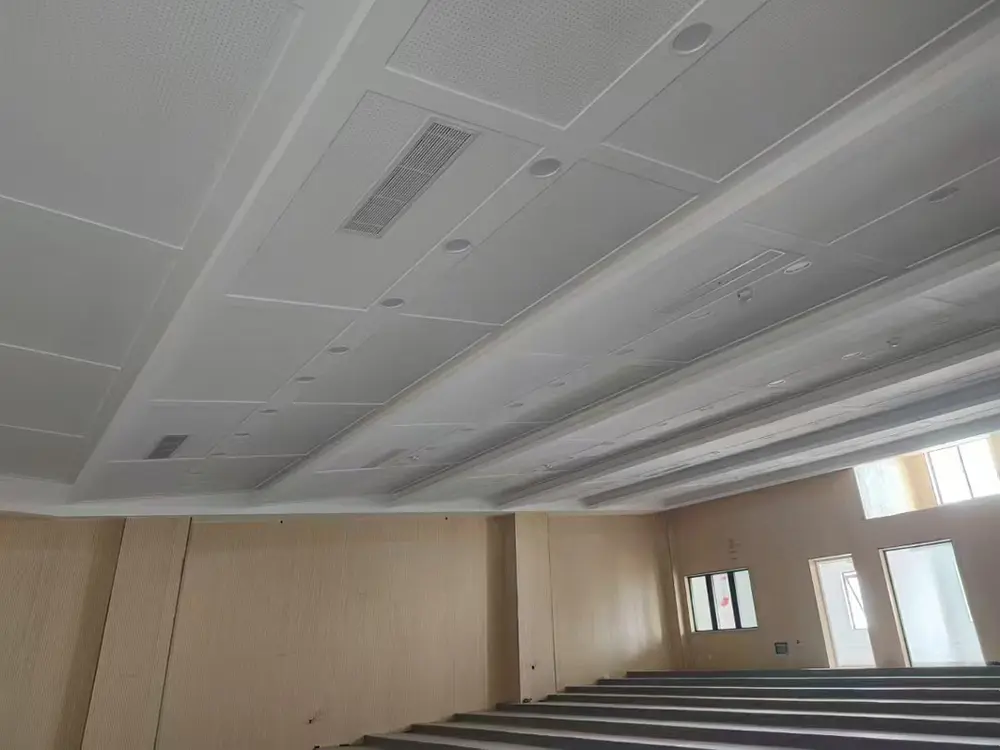 LEAO® Ceiling Board
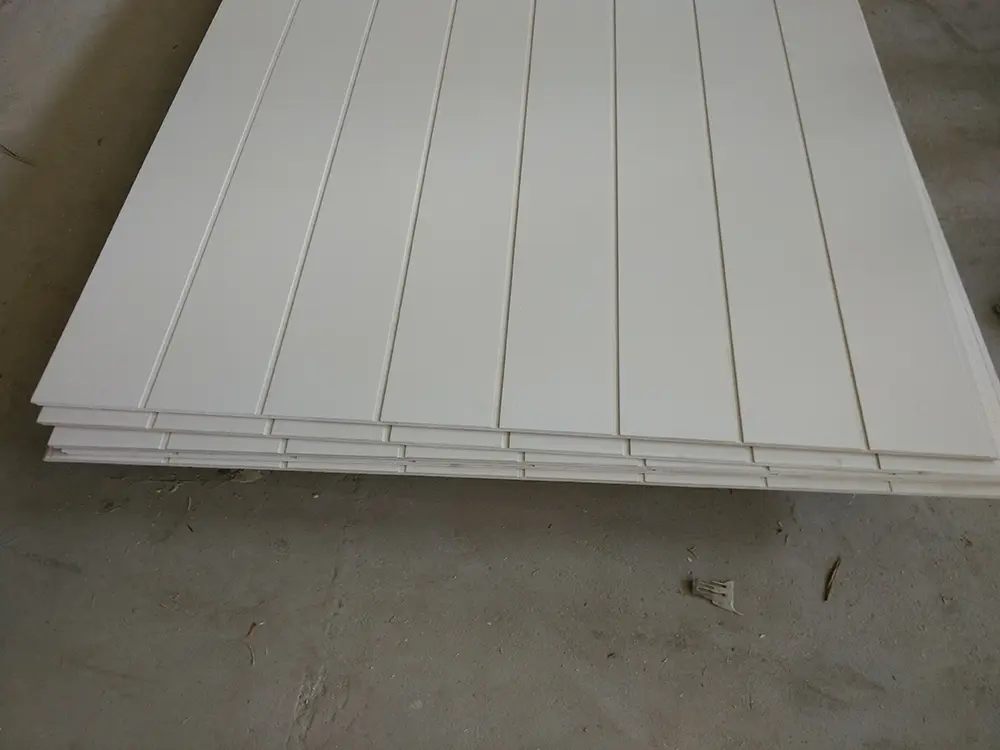 LEAO® Groove Interior Panel
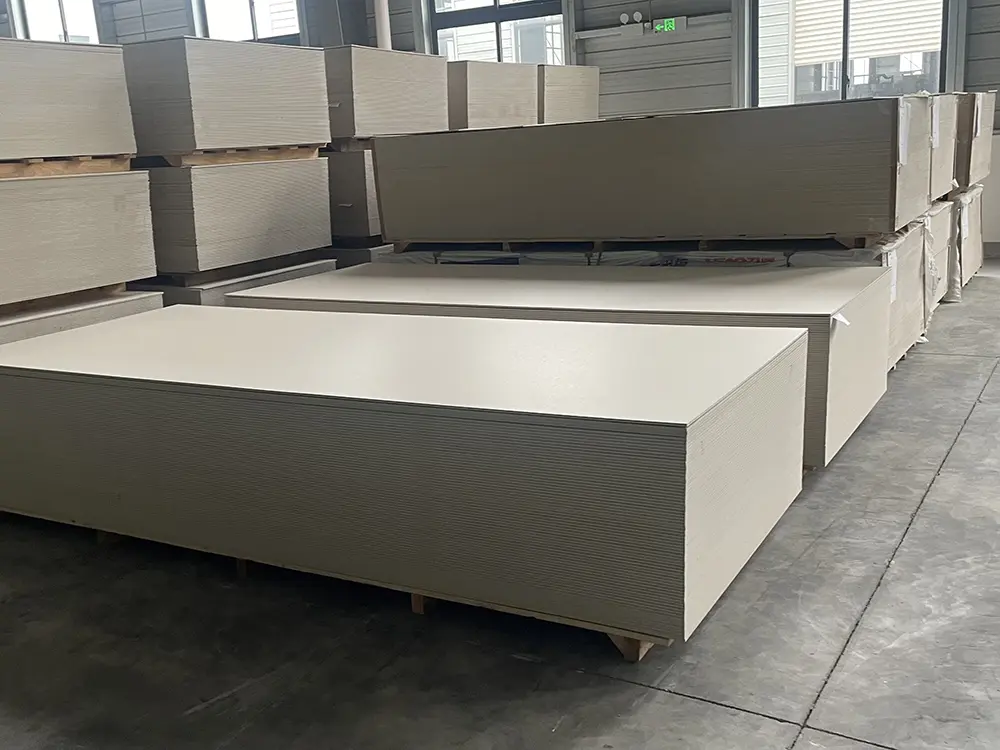 LEAO® Interior Board
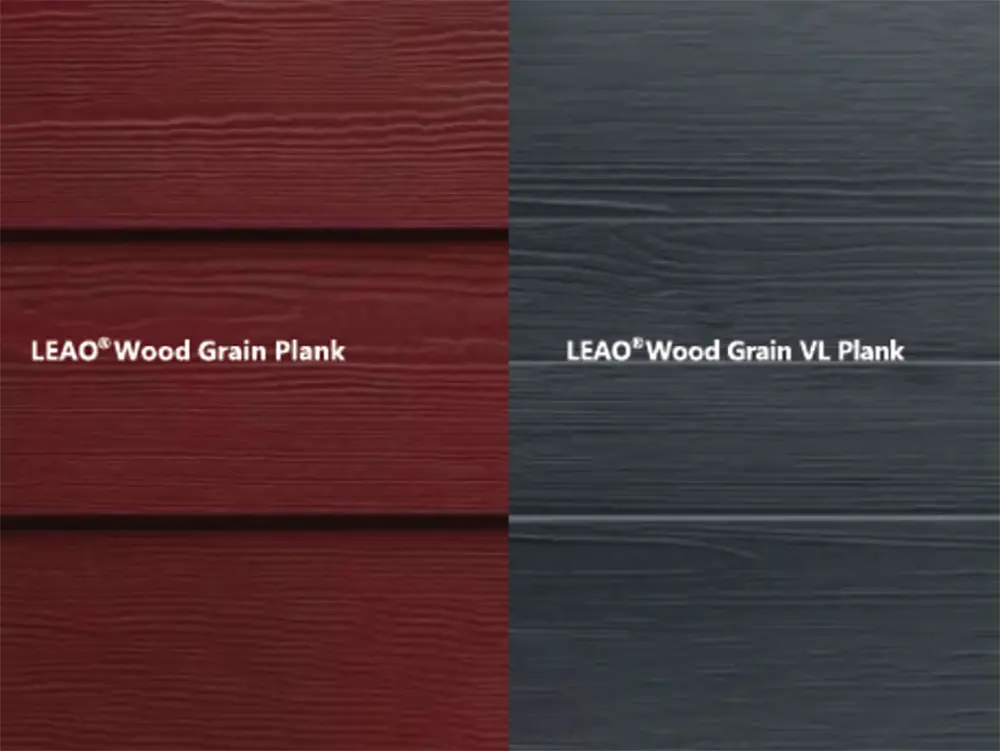 LEAO® Wood Grain Plank
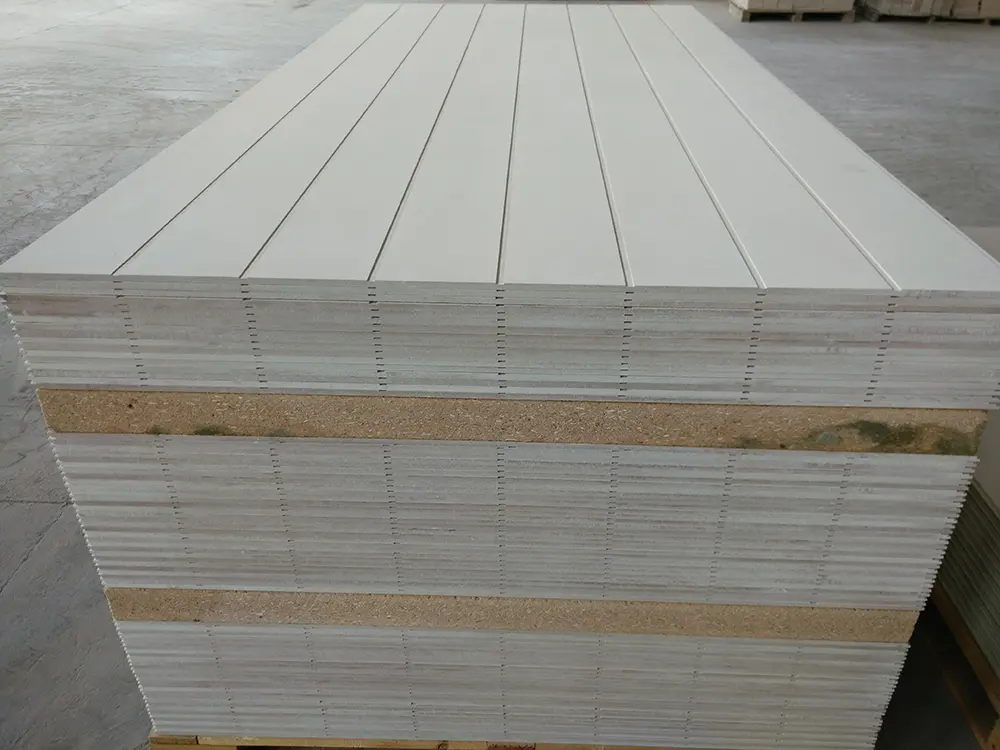 LEAO® Grooved Exterior Panel
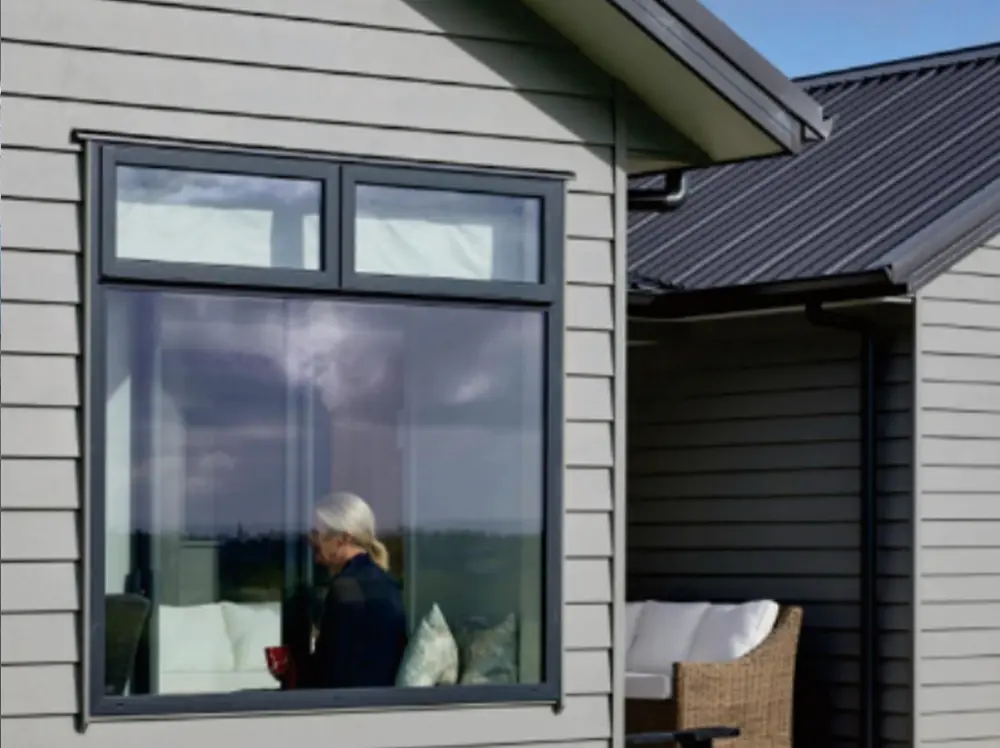 LEAO® Weatherboard
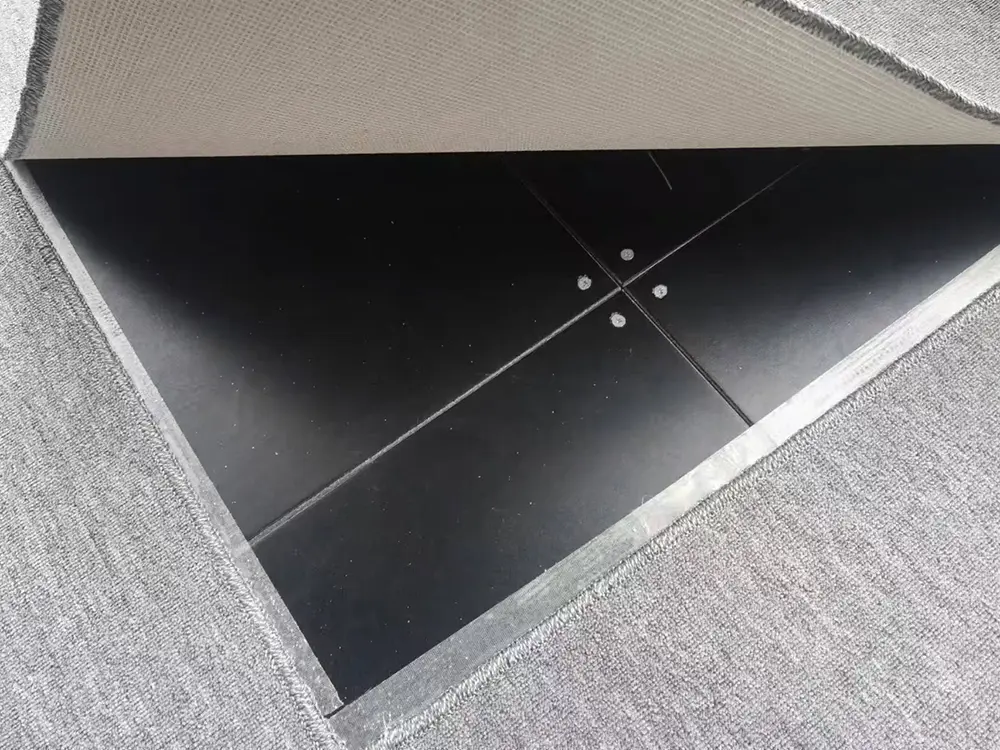 LEAO® Access Floors
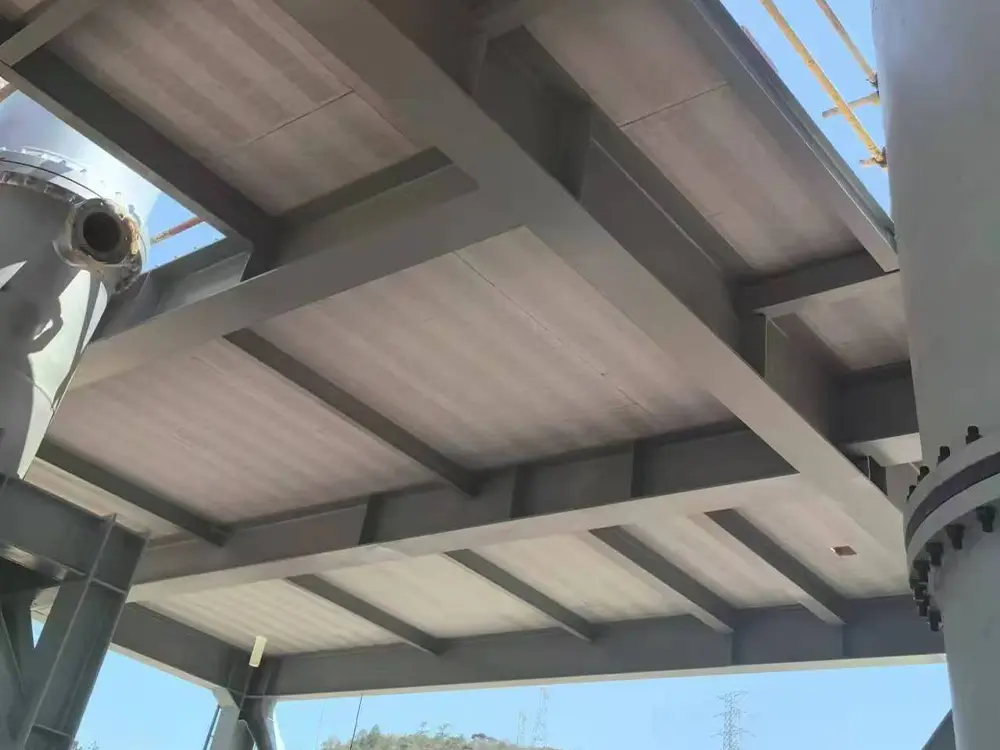 LEAO® Non-removable Formwork
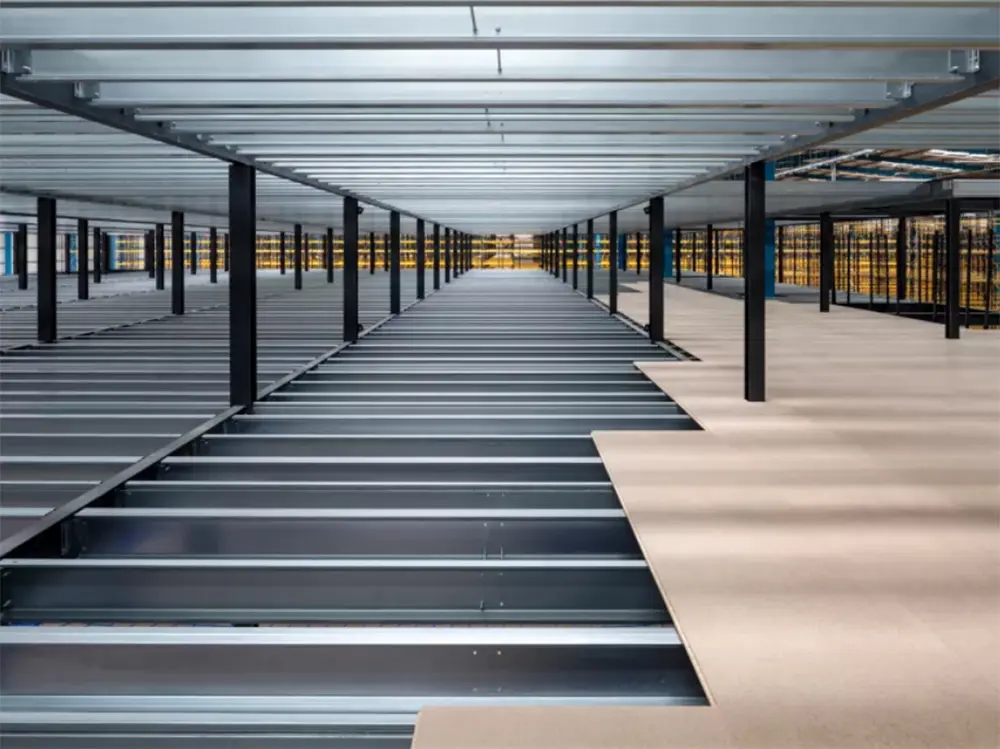 LEAO® Mezzanine Board
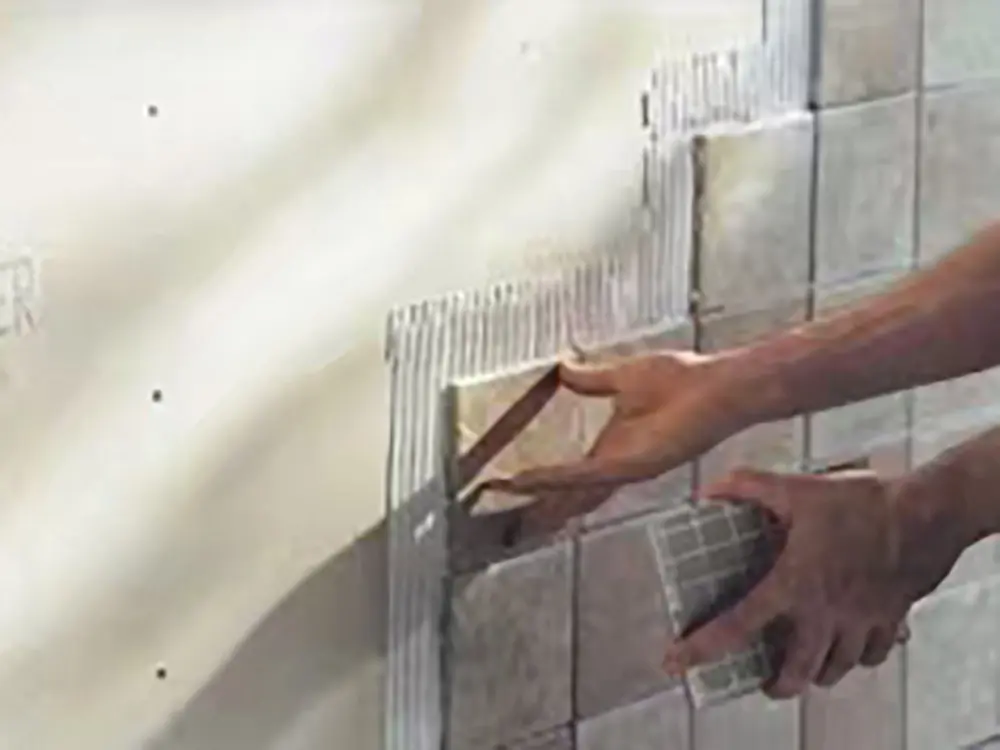 LEAO® Ceramic Tile Underlay
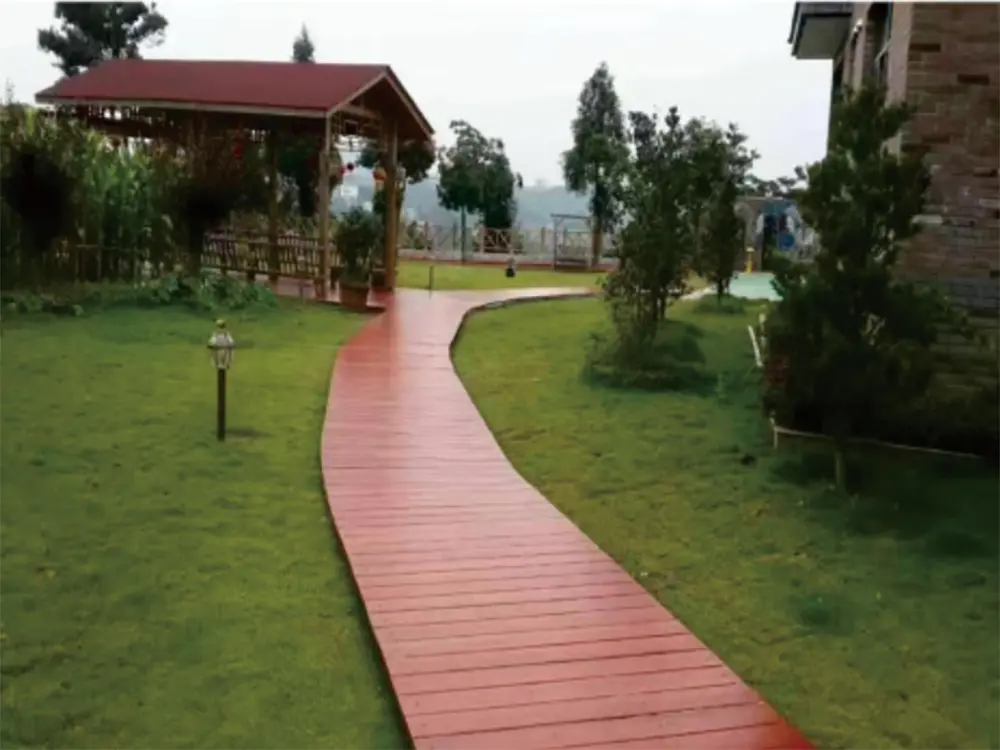 LEAO® Floor Plank
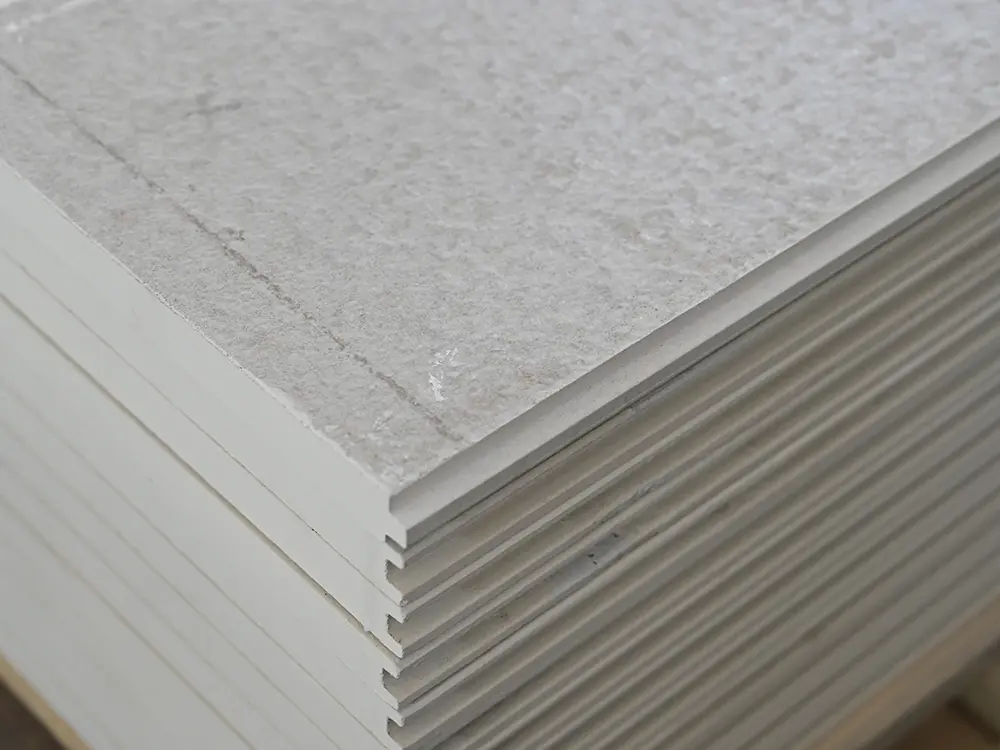 LEAO® Flooring
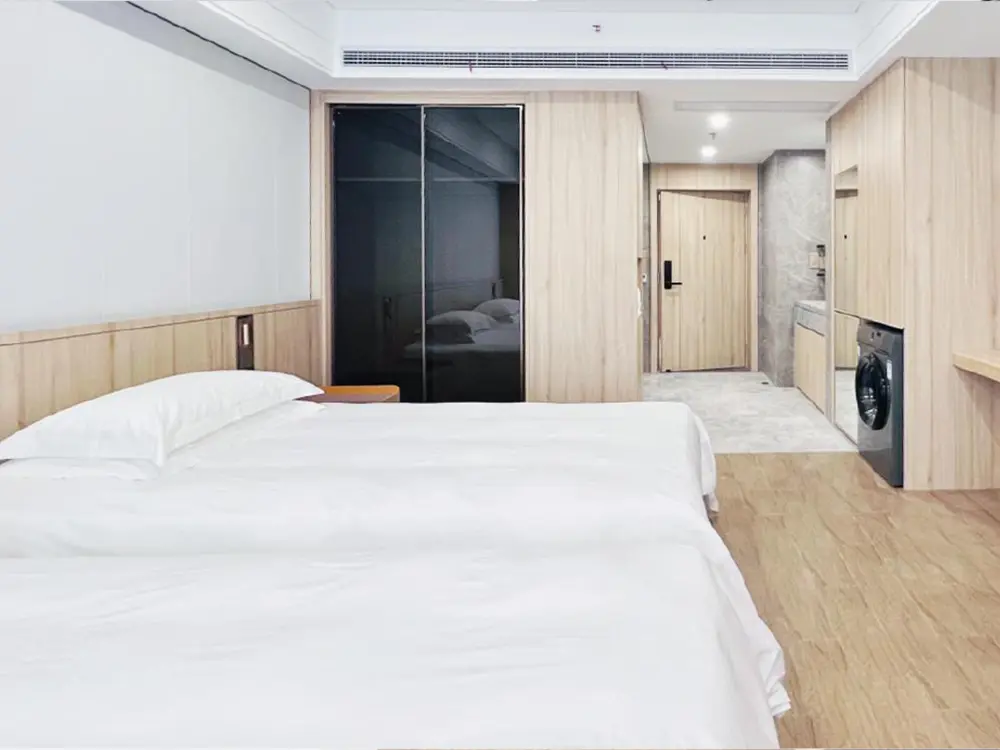 LEAO® Wood Style Decorative Panel
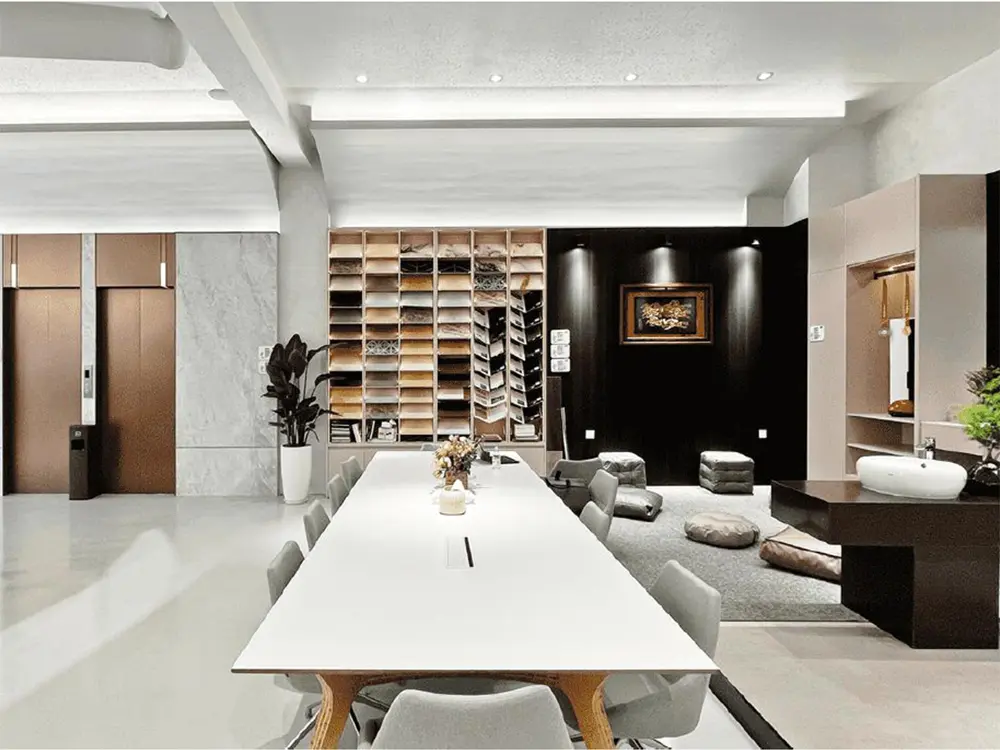 LEAO® Stone Style Decorative Panel
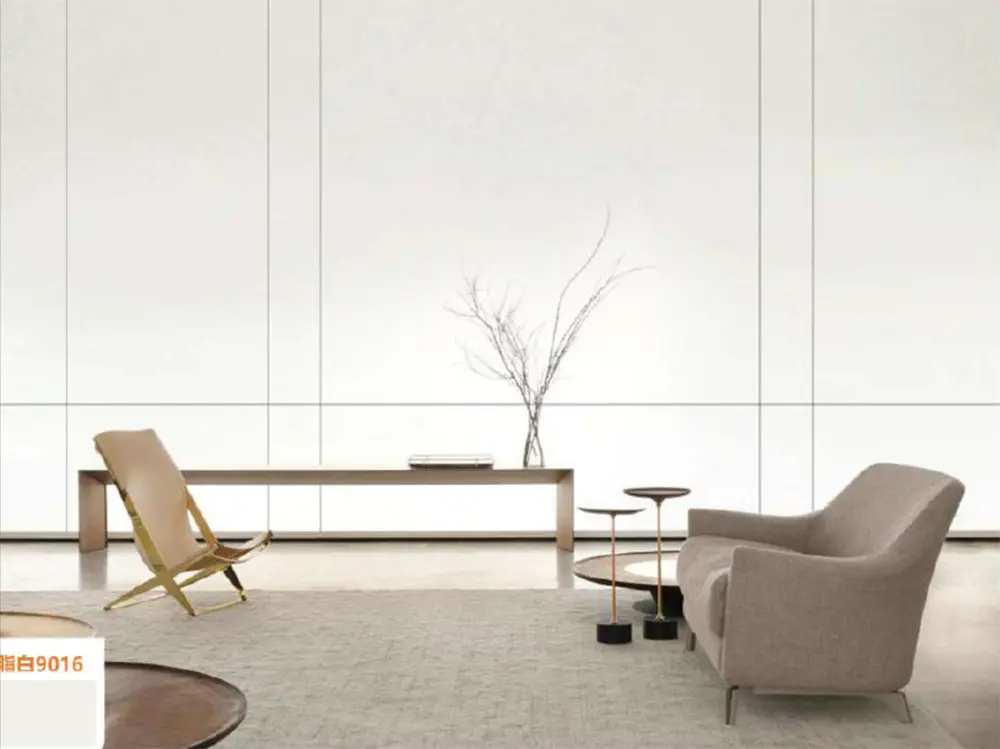 LEAO® Pure Style Decorative Panel