2026 Top Trends in Fiber Cement Fascia Board for Home Design?
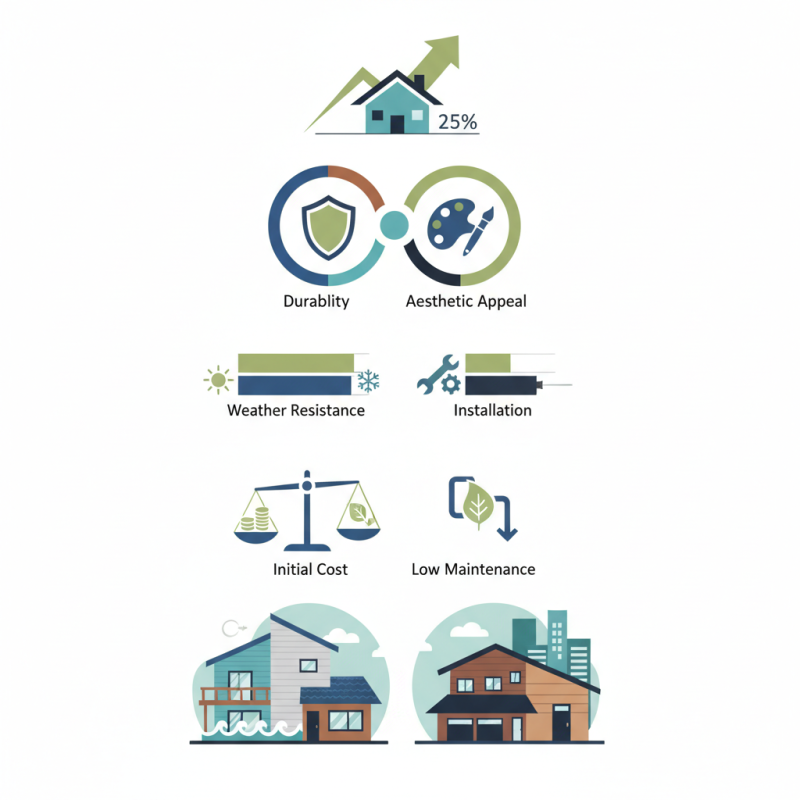
In the evolving landscape of home design, the Fiber Cement Fascia Board is gaining significant attention. As reported by the American Institute of Architects, fiber cement materials are expected to see a 25% increase in usage by 2026. This trend reflects homeowners' growing preference for durability and aesthetic appeal. The Fiber Cement Fascia Board is not just functional; it enhances curb appeal with its versatile finishes.
Industry experts note that fiber cement products withstand harsh weather conditions better than traditional materials. They retain their color and integrity, reducing maintenance costs. However, some homeowners still grapple with installation challenges. Although these boards offer long-term benefits, initial costs can be higher than alternatives like vinyl. This prompts a reflection on budget considerations.
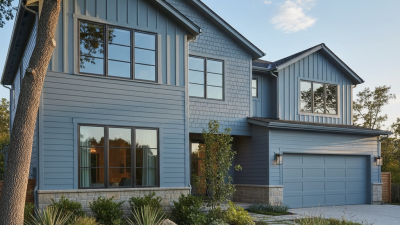
Visualizing homes with Fiber Cement Fascia Boards reveals a blend of traditional and modern styles. Whether in coastal settings or urban environments, their adaptability is striking. Yet, it's essential to weigh these advantages against potential installation complexities. The growing trend is exciting, but homeowners must navigate the balance of aesthetics, function, and financial implications.
Emerging Aesthetics in Fiber Cement Fascia Board Designs for 2026
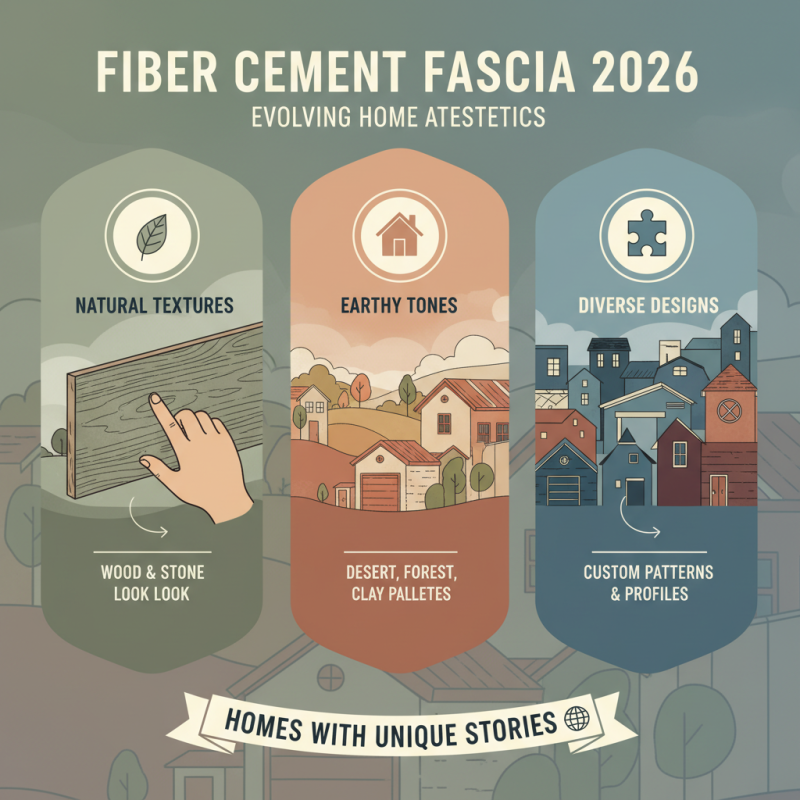
As we approach 2026, the aesthetics of fiber cement fascia boards are evolving. Homeowners are embracing more diverse designs. Natural textures and earthy tones are gaining popularity. These elements connect homes to their surroundings. Imagine walking through a neighborhood where every house tells a unique story through its facade.
Some designs incorporate bold colors that make a statement. Vibrant blues and greens are starting to emerge alongside classic neutrals. Homeowners want their houses to stand out. Still, finding the right balance can be challenging. Too much color can overwhelm, while too little might seem uninspired.
Sustainability is also a focal point in design trends. Eco-friendly materials appeal to many buyers today. However, achieving this while maintaining durability can be tricky. Many designers are experimenting with finishes that mimic organic materials. These choices invite warmth yet require continual evaluation for longevity and impact. The future of fiber cement fascia boards looks promising, but reflection on choices will be vital.
Sustainability Trends Influencing Fiber Cement Material Choices
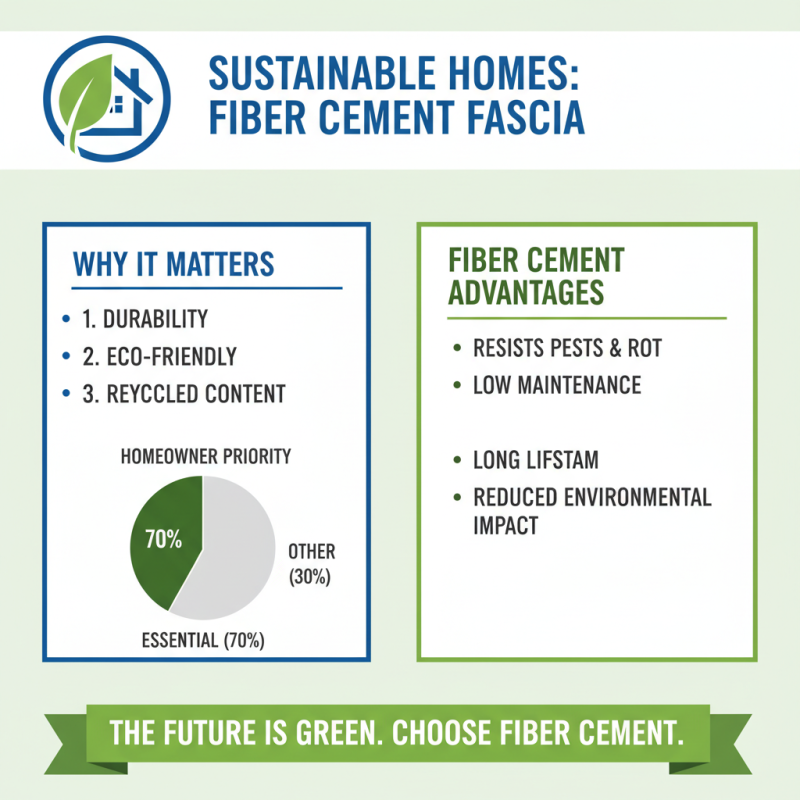
As homeowners prioritize sustainability, fiber cement fascia boards have emerged as a favored choice. This material offers durability while minimizing environmental impact. A recent industry report indicates that nearly 70% of homeowners consider sustainability essential in their building materials. Fiber cement stands out due to its composition, which often includes recycled substances.
The shift toward sustainable materials is reshaping the construction industry. Fiber cement boards typically have a longer lifespan than traditional wood options. Studies show that they can last up to 50 years, reducing the need for replacements. However, challenges remain. Not all fiber cement products are created equal; some contain harmful additives, leading to potential environmental concerns. Homeowners must research and choose wisely to ensure they support truly green options.
Incorporating these materials into home design also means considering aesthetics. Manufacturers are now producing a variety of designs to mimic natural wood, allowing for both beauty and sustainability. Yet, innovation requires continuous improvement. The industry must strive to further reduce carbon footprints in the manufacturing process. Sustainability can only thrive with ongoing commitment and transparency.
Technological Innovations Enhancing Fiber Cement Fascia Durability
Fiber cement fascia boards are gaining popularity in home design. Their durability is essential for protecting homes against weather damage. Recent technological innovations are enhancing these materials. For example, advanced formulations increase resistance to moisture and insects. These changes lead to longer-lasting products, which homeowners appreciate.
Innovative manufacturing techniques are also making a difference. Some processes involve adding unique polymers, improving flexibility and strength. This makes installation easier and reduces the risk of cracks. However, not all options provide the same level of quality. It's crucial to research and select the right products that fit your needs.
While the advancements are exciting, challenges remain. Not every product benefits from these innovations. Some may still fade over time or lose their structural integrity. Homeowners should consider the long-term impact of their choices. Being informed can lead to better decisions in the long run.
2026 Trends in Fiber Cement Fascia Board Durability
Color and Texture Selection for Modern Home Designs in 2026
As we look toward 2026, the trends in fiber cement fascia boards are evolving. Homeowners are increasingly drawn to unique color palettes that enhance their modern designs. Deep, rich hues like navy blue and forest green are making their mark. These shades bring depth and sophistication to the exterior of homes. Lighter, neutral tones continue to gain popularity as well. They create a clean, airy feel. Texture choices are equally important. Smooth finishes give a sleek look, while rougher textures introduce a rustic charm.
Incorporating contrasting elements can lead to striking aesthetics. Imagine a warm beige fascia paired with dark wood accents. This combination highlights the natural beauty of both materials. However, choosing colors and textures can be challenging. What looks good in theory may not translate well in reality. Lighting changes throughout the day can affect how colors appear. Homeowners should test samples in various conditions before making a final choice.
Additionally, personal style plays a critical role. Some might prefer bold statements, while others lean toward subtle elegance. It’s essential to reflect on how these choices align with the overall vision for the home. Every decision carries weight, and the right selection can transform a space into something extraordinary or leave it feeling incomplete. There is no one-size-fits-all answer in home design. Each project should tell its own story.
2026 Top Trends in Fiber Cement Fascia Board for Home Design
| Trend |
Color Options |
Texture Choices |
Popular Styles |
| Sustainability Focus |
Earth Tones, Soft Greens |
Matte Finish, Textured |
Modern Farmhouse, Eco-friendly Designs |
| Bold Colors |
Deep Blues, Charcoal Grays |
Smooth, Glossy |
Contemporary, Urban |
| Textured Surfaces |
Natural Wood Colors, Slate |
Rough, Pebbled |
Rustic, Cottage Style |
| Minimalist Designs |
Whites, Soft Grays |
Clean Lines, Smooth |
Scandinavian, Zen |
| Composite Materials |
Mixed Colors, Custom Palettes |
Varied Textures |
Hybrid Styles, Modern Eclectic |
Installation Techniques and Best Practices for Fiber Cement Fascia Boards
Fiber cement fascia boards are gaining popularity due to their durability and aesthetic appeal. Installation techniques are crucial for maximizing performance. Proper sealing and caulking are essential. A report from the Fiber Cement Manufacturers Association indicates about 30% of installation issues arise from inadequate sealing. It’s vital to ensure that edges are sealed well to prevent water ingress.
A common error in installation is improper fastening. Boards should be aligned correctly to avoid warping. The ideal spacing for fasteners is 16 inches apart, as recommended by industry guidelines. Studies show that 40% of installations may have fastener issues, leading to future damage. Choosing the right tools can streamline the process. An electric drill with precise torque settings is recommended.
Weather can impact installation time. Unpredictable conditions may require adjustments. It’s important to check forecasts before beginning any installation. Research suggests that about 20% of installers face delays due to unforeseen weather changes. Proper planning can mitigate these risks. Always allow for adequate curing time after installation, which is often overlooked. This step is crucial for ensuring long-lasting results in home design.

 LEAO®Deco Ceiling
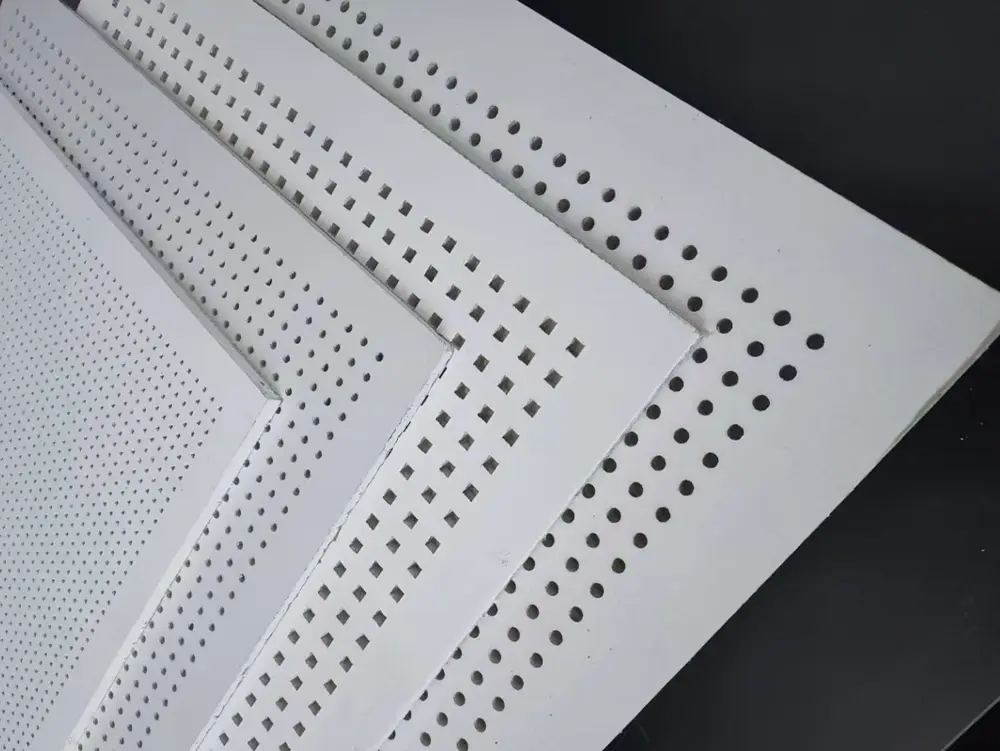 LEAO® Perforated Ceiling
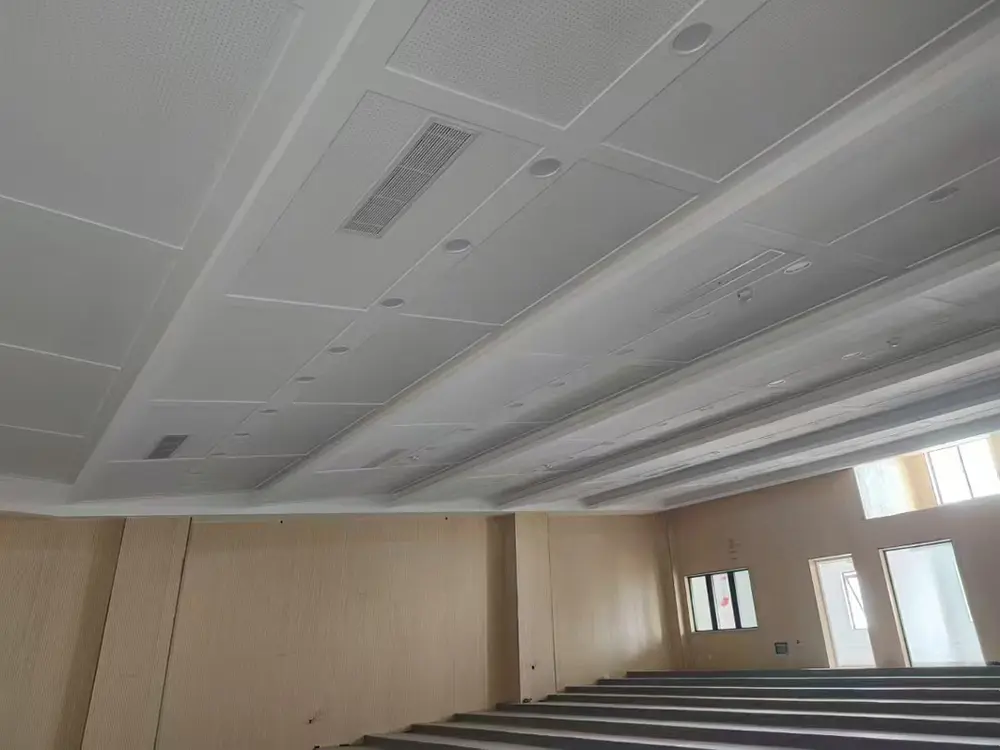 LEAO® Ceiling Board
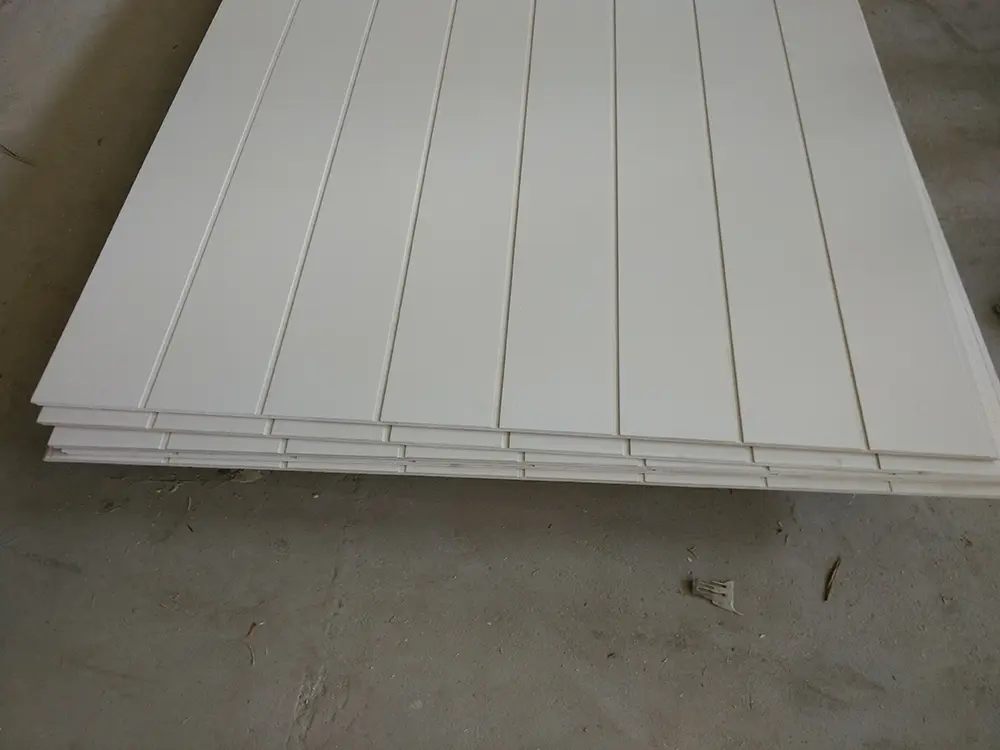 LEAO® Groove Interior Panel
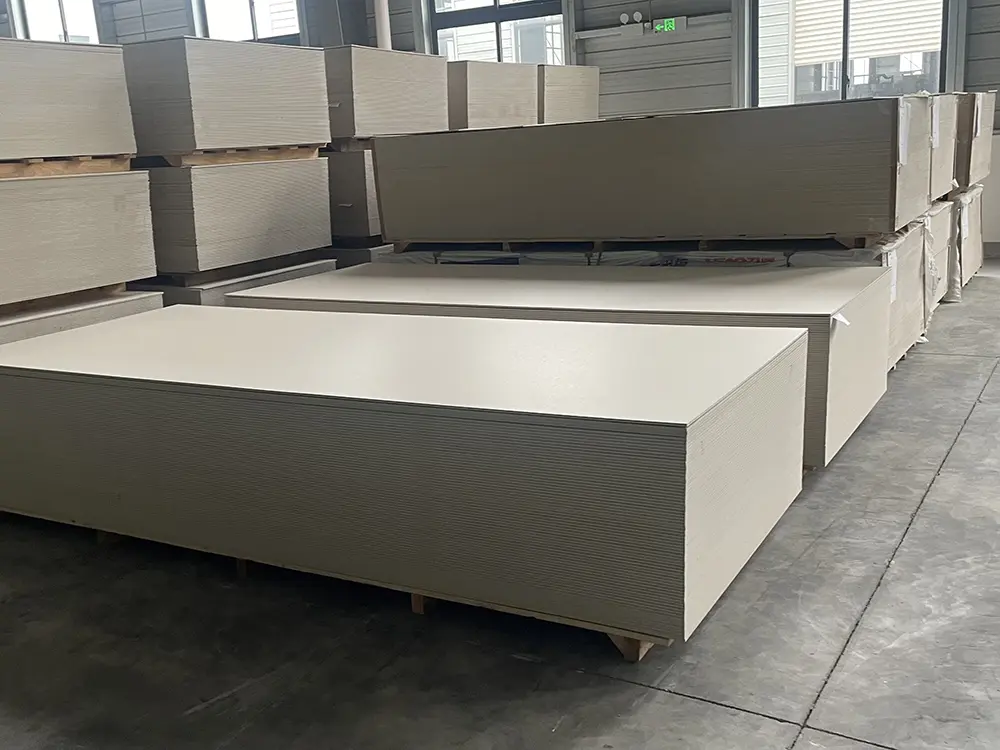 LEAO® Interior Board
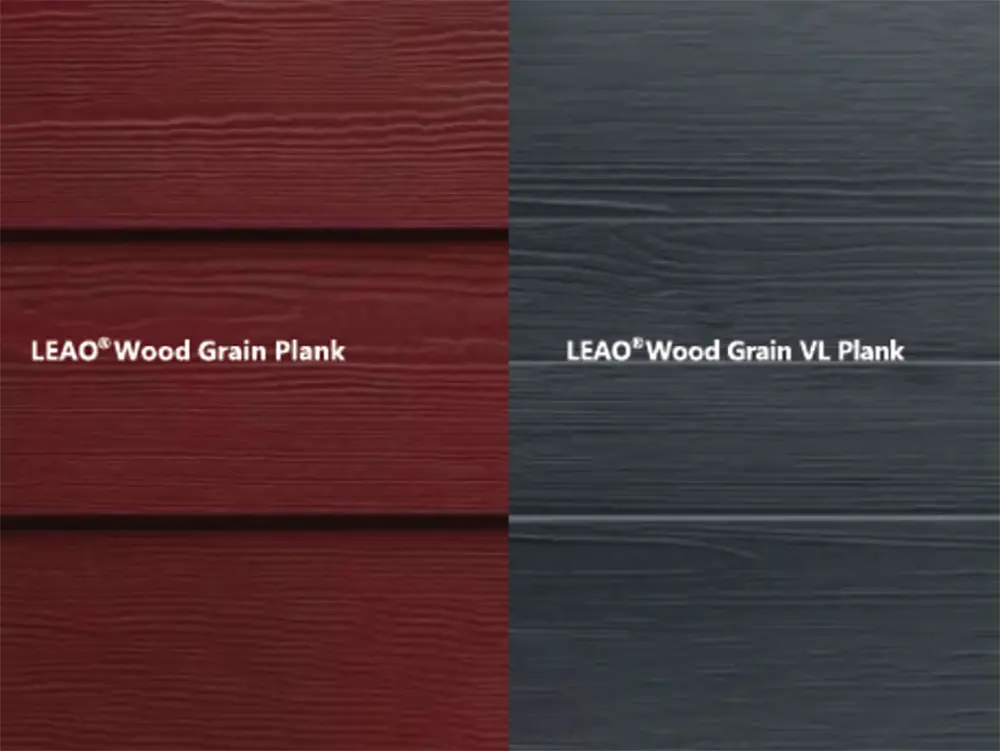 LEAO® Wood Grain Plank
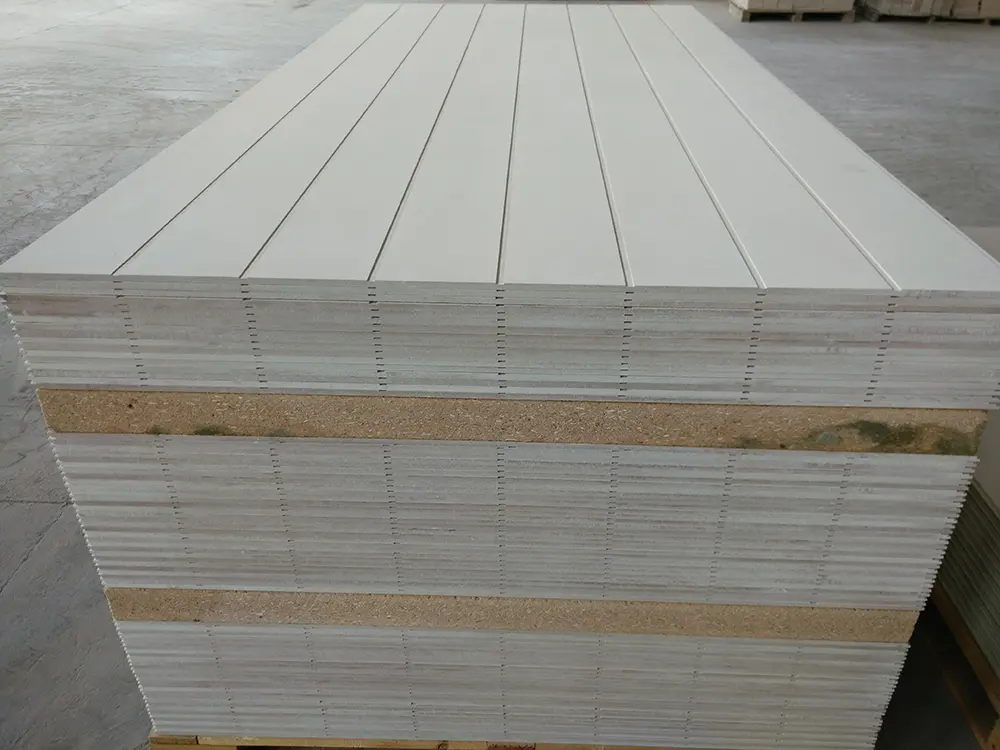 LEAO® Grooved Exterior Panel
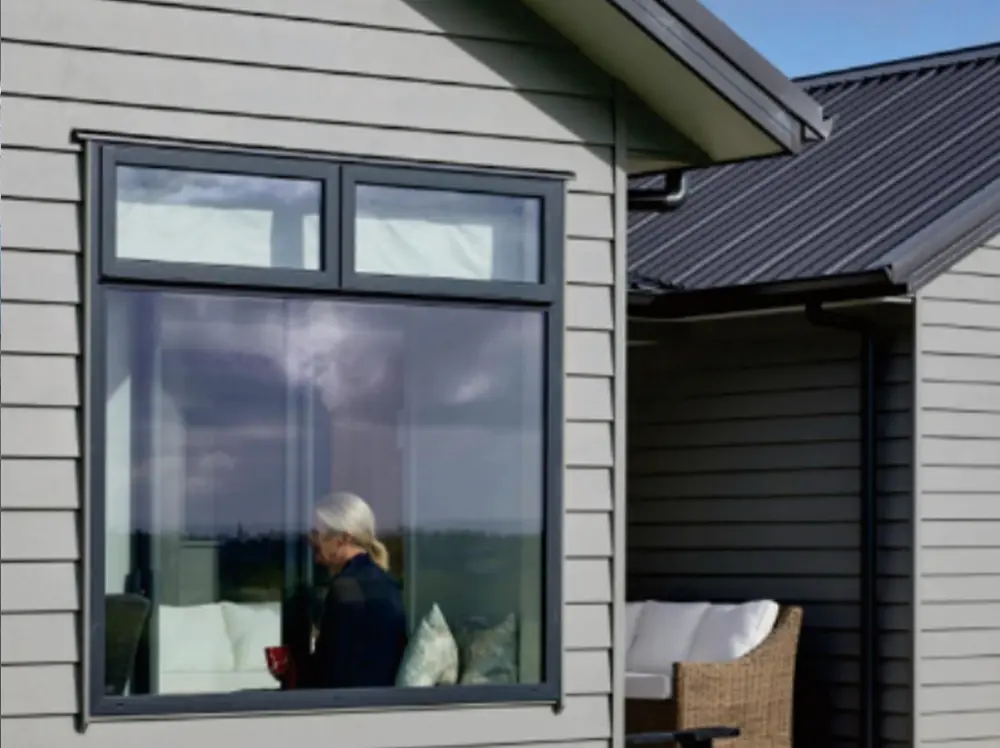 LEAO® Weatherboard
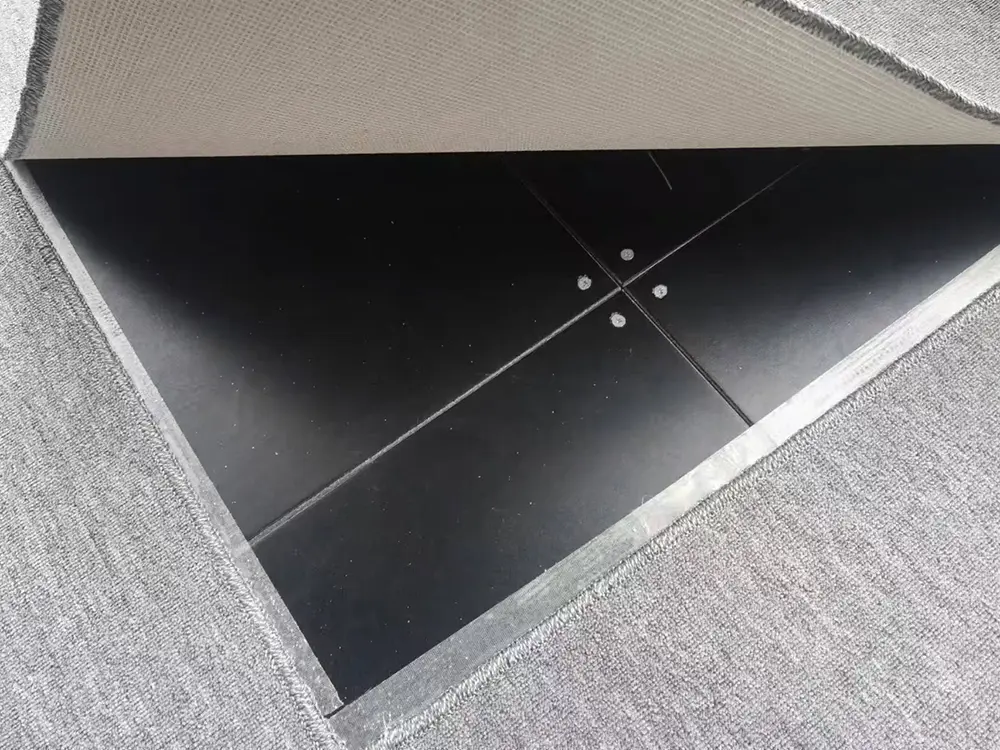 LEAO® Access Floors
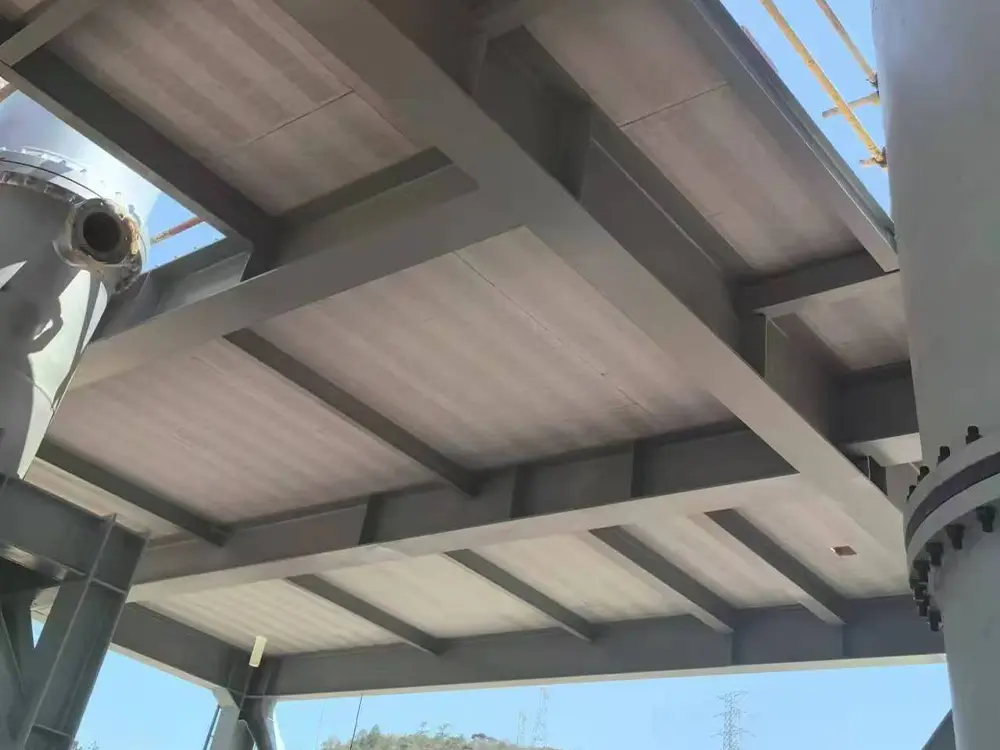 LEAO® Non-removable Formwork
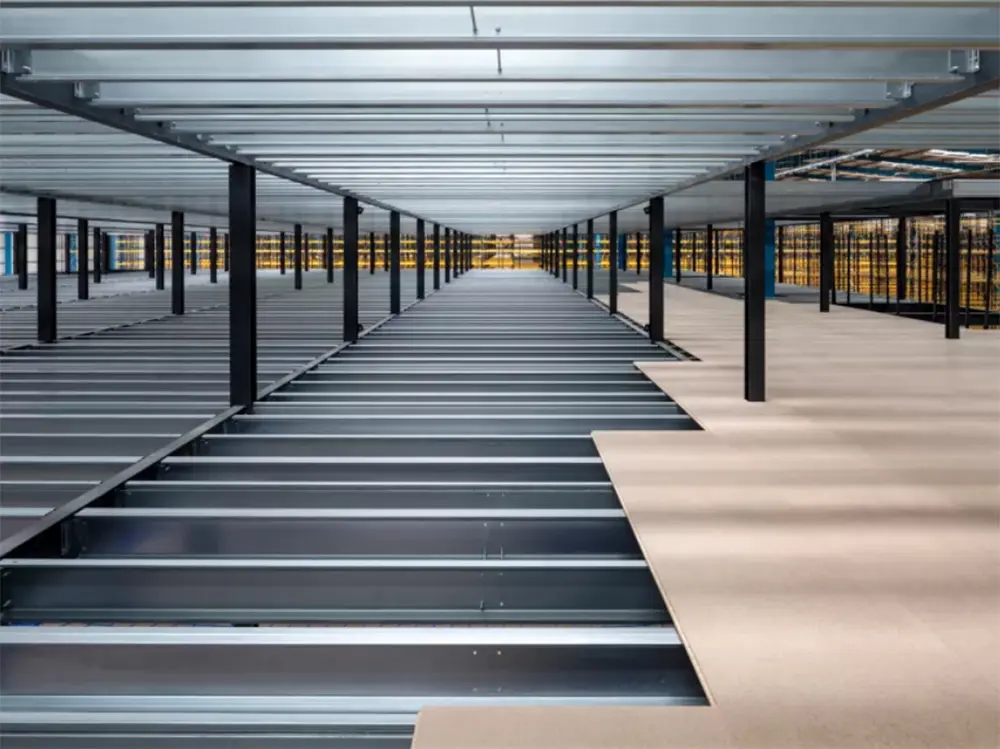 LEAO® Mezzanine Board
 LEAO® Ceramic Tile Underlay
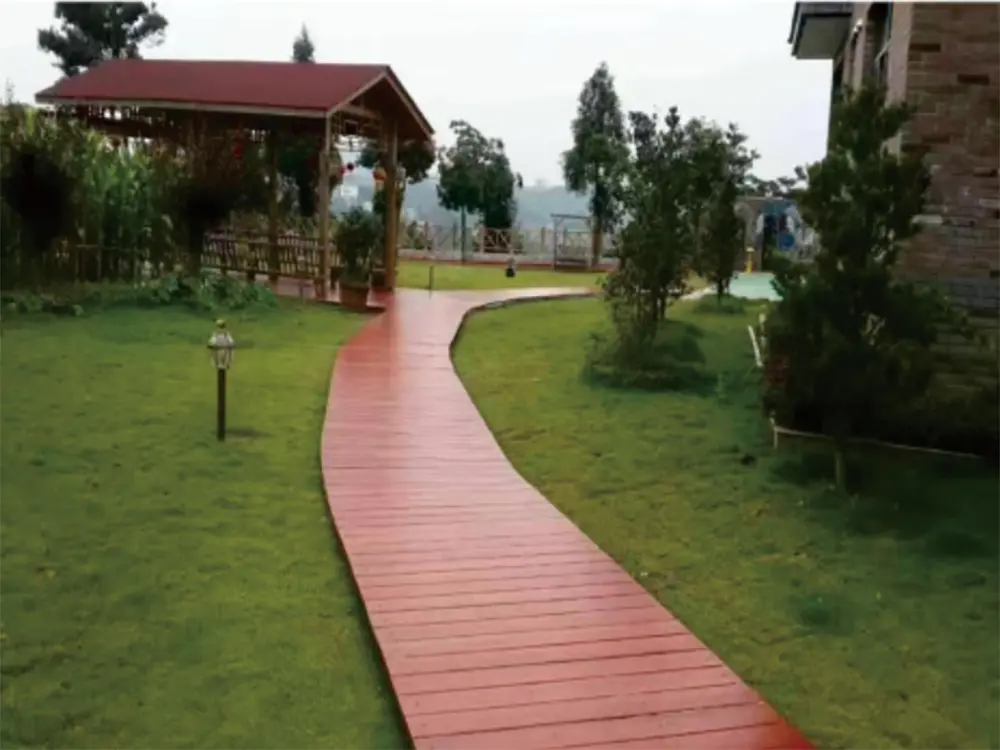 LEAO® Floor Plank
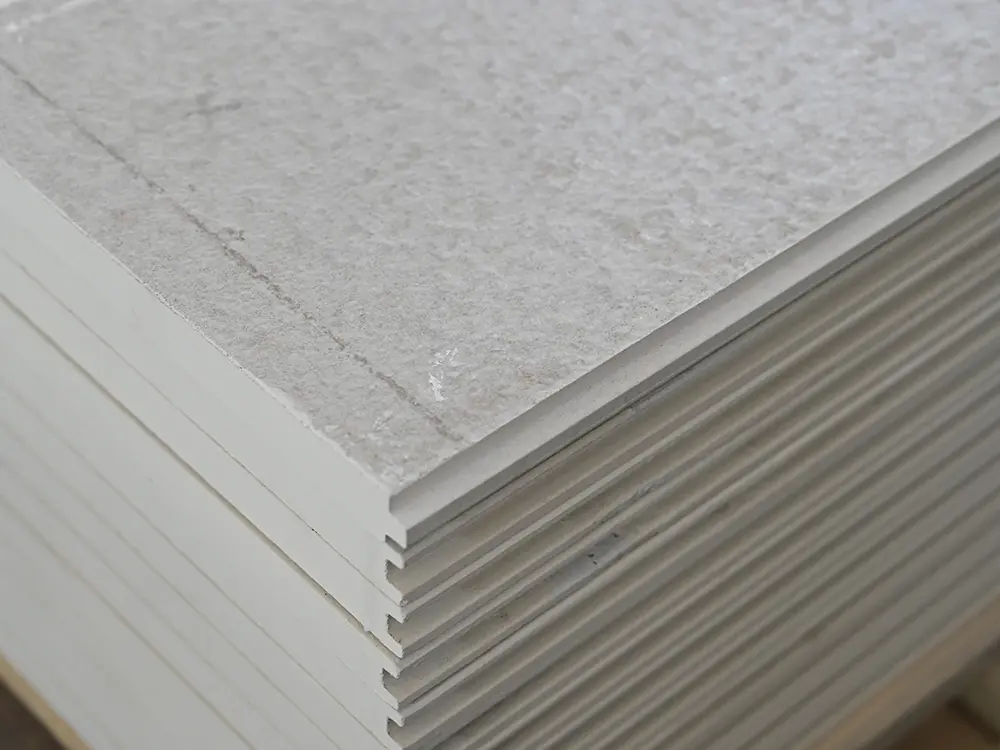 LEAO® Flooring
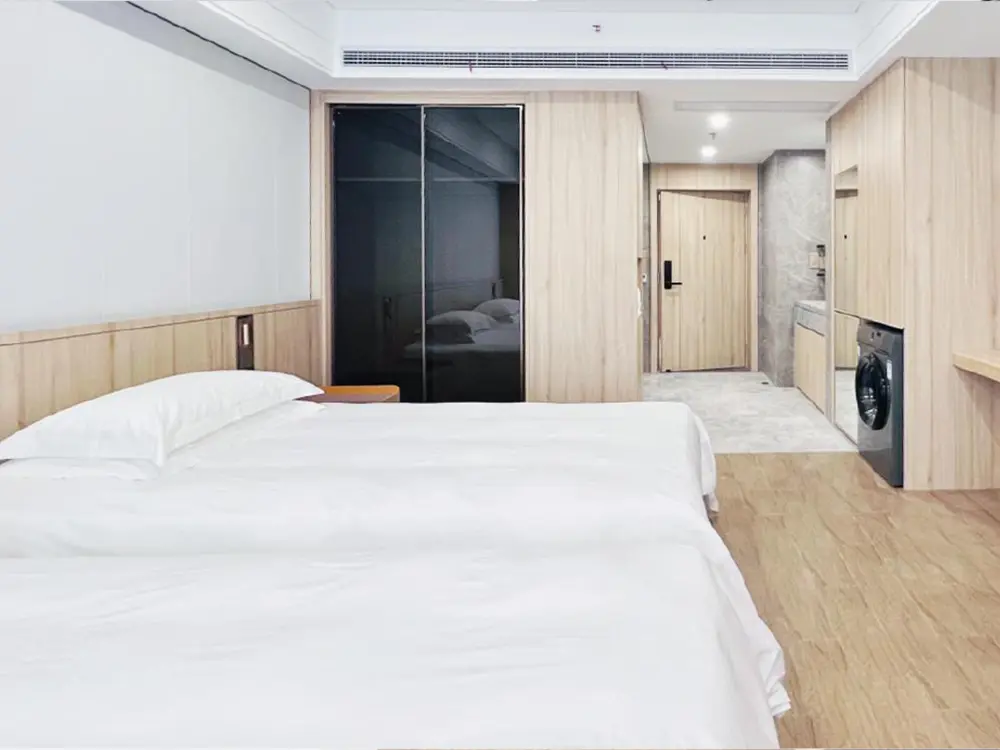 LEAO® Wood Style Decorative Panel
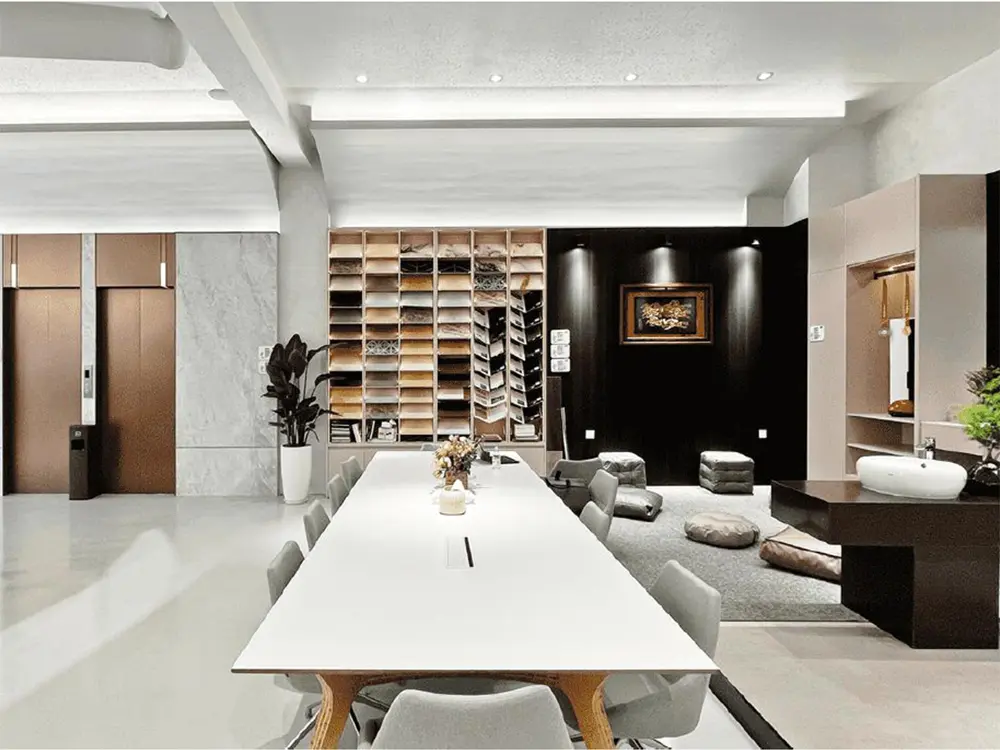 LEAO® Stone Style Decorative Panel
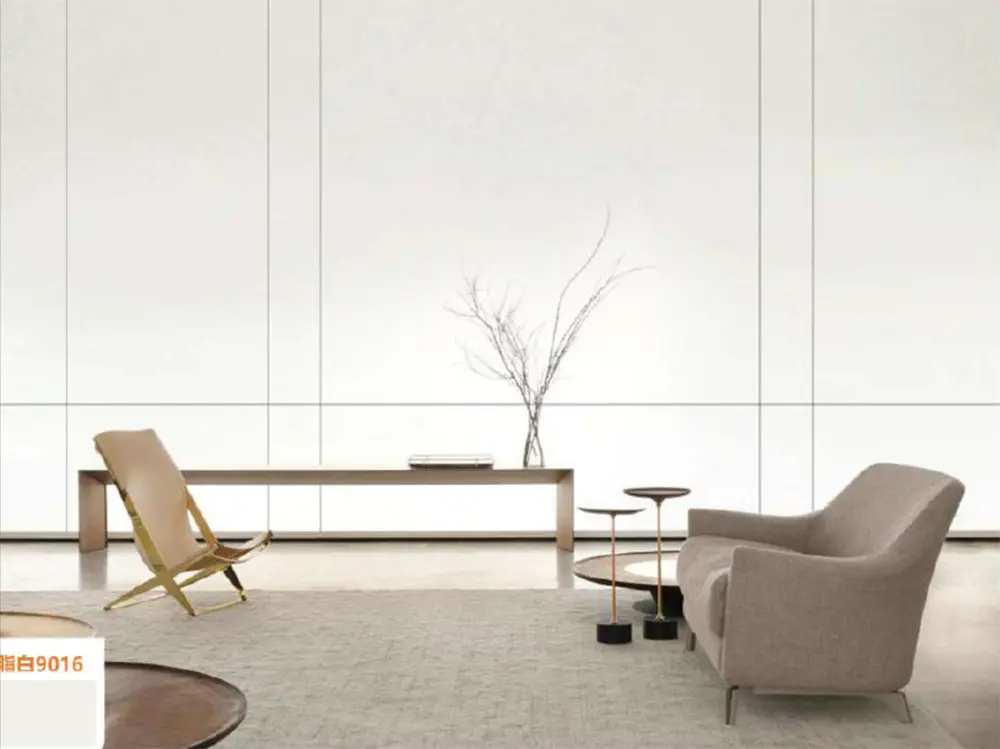 LEAO® Pure Style Decorative Panel