Top Advantages of Calcium Silicate Board for Global Buyers?
Calcium Silicate Board is rapidly gaining popularity among global buyers for its unique properties. Renowned expert Dr. Emily Chen states, "The versatility of Calcium Silicate Board makes it an essential material in modern construction." This material offers exceptional fire resistance, moisture control, and sound insulation.
Many businesses are turning to Calcium Silicate Board to meet sustainability goals. Its eco-friendly composition contributes to greener buildings. Additionally, the durability of this board ensures long-term performance, reducing maintenance costs over time. However, not all suppliers provide the same quality. Buyers need to carefully evaluate their options.
The growing demand for Calcium Silicate Board raises questions about sourcing and reliability. It’s essential for buyers to identify trustworthy manufacturers. As markets evolve, potential challenges may arise, but the advantages of Calcium Silicate Board are undeniable. Engaging with industry experts can help navigate these complexities and ensure informed decisions.
Key Properties of Calcium Silicate Board
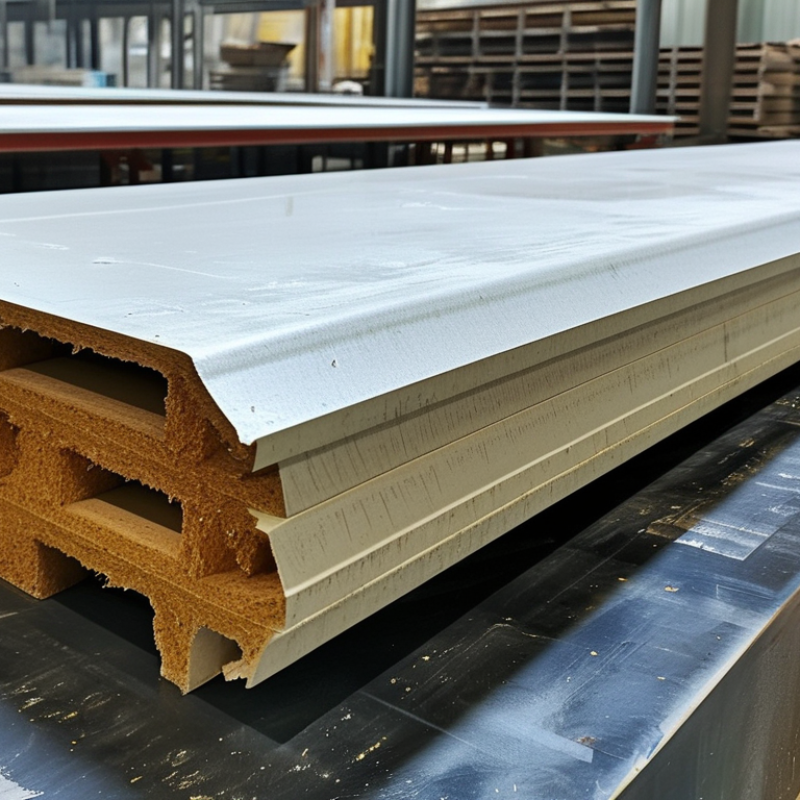
Calcium silicate board is gaining popularity among global buyers for its unique properties. This material offers excellent fire resistance, making it a top choice for construction. It can withstand high temperatures without burning or melting. This feature is crucial in safety-sensitive areas, such as commercial buildings and industrial facilities. Many architects appreciate its ability to enhance fire safety standards.
Another key property of calcium silicate board is its moisture resistance. Unlike traditional materials, it does not warp or swell when exposed to water. This characteristic makes it ideal for humid environments like bathrooms and kitchens. Additionally, it possesses sound insulation qualities, reducing noise transfer between spaces. Many users find that these features significantly improve comfort in both residential and commercial settings.
However, calcium silicate board is not without its challenges. It can be heavier than other materials, which may complicate installation. Buyers need to consider transportation logistics carefully. Furthermore, the product often requires specialized tools for cutting and handling. These factors can lead to increased labor costs. As with any building material, it's important to weigh these considerations against the benefits.
Applications of Calcium Silicate Board in Construction
Calcium silicate board is increasingly popular in the construction sector due to its versatility and durability. This lightweight material is resistant to fire, moisture, and pests. According to a recent industry report, demand for calcium silicate boards is expected to grow by 6% annually over the next five years. This growth is primarily attributed to the rising awareness of sustainable building practices.
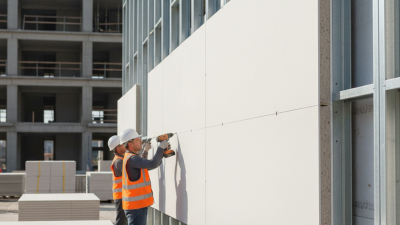
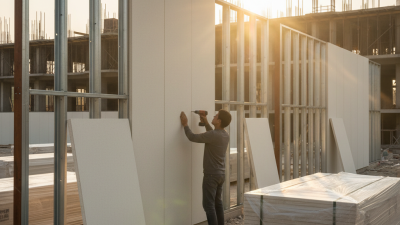
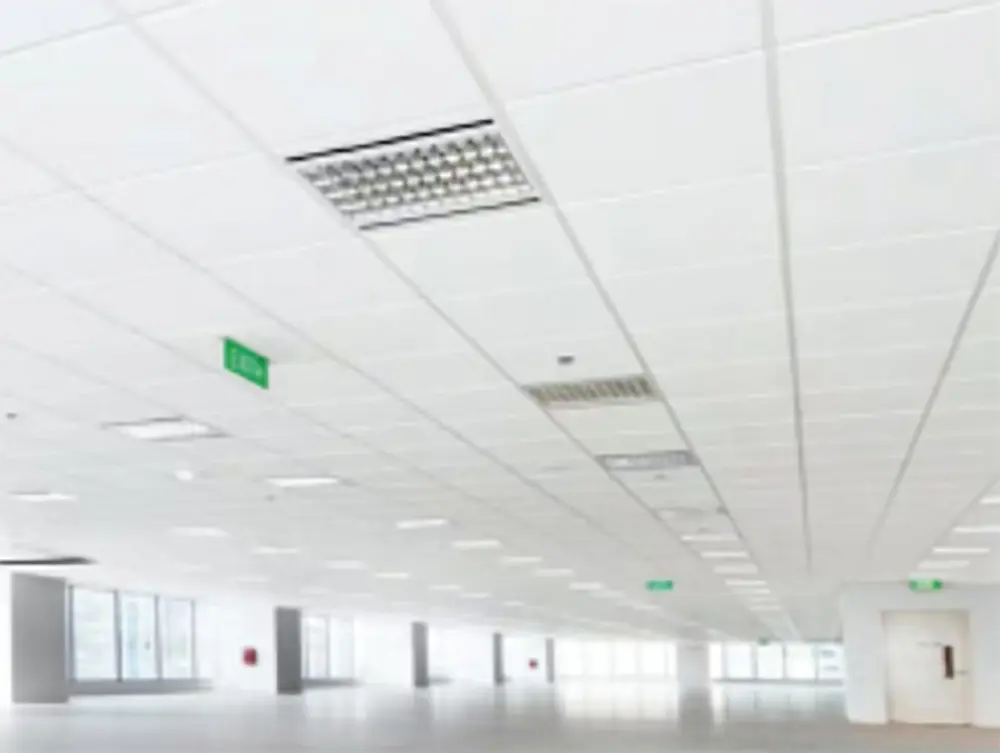
The applications of calcium silicate board are diverse. They are commonly used for wall systems, ceilings, and partitions. Architects often favor this material in commercial buildings for its excellent thermal and acoustic insulation properties. A study by the International Journal of Industrial Research indicated that projects utilizing calcium silicate board showed a 30% improvement in energy efficiency. Such features not only enhance comfort but also reduce operational costs.
However, there are challenges to consider. The installation process can be complex and requires skilled workers. If not installed correctly, it can lead to moisture issues or structural integrity problems down the line. Ensuring proper training for installers and following best practices is crucial for maximizing the benefits of this material. Awareness of these limitations can guide project managers in making informed decisions.
Top Advantages of Calcium Silicate Board
Benefits of Using Calcium Silicate Board for Insulation
Calcium silicate board is gaining favor among builders and architects globally. One key benefit of using calcium silicate board for insulation is its impressive thermal performance. It acts as an effective barrier, reducing heat transfer within buildings. This leads to lower energy consumption. Consequently, it helps in maintaining comfortable indoor temperatures.
Another advantage lies in its fire resistance. Calcium silicate boards can withstand high temperatures. This characteristic enhances safety in residential and commercial properties. In addition, these boards resist moisture and mold, making them ideal for humid environments. This resistance ensures longevity and durability, minimizing maintenance needs over time.
While the benefits are substantial, some challenges exist. The installation process can be intricate, requiring skilled labor. Additionally, sourcing quality products consistently can be tricky. Buyers must conduct thorough research to ensure reliability. Balancing these pros and cons is essential for making informed choices.
Comparison of Calcium Silicate Board with Other Building Materials
When comparing calcium silicate board with other building materials, several factors come into play. This board is known for its impressive fire resistance. Unlike traditional wooden products, it does not combust easily. This property is crucial for safety in building designs.
In terms of moisture resistance, calcium silicate boards outperform gypsum boards. Gypsum can weaken when exposed to high humidity over time. Conversely, calcium silicate maintains its integrity, making it ideal for areas prone to dampness, such as bathrooms and basements. This durability adds to its practical value in construction.
Cost-effectiveness is another aspect worth considering. While some materials may have a lower upfront cost, they can lead to higher maintenance expenses. Calcium silicate boards might require more investment initially, but their longevity compensates for the price. Reflecting on these contrasts can guide buyers toward more informed decisions.
Top Advantages of Calcium Silicate Board for Global Buyers
| Property |
Calcium Silicate Board |
Gypsum Board |
Plywood |
Cement Board |
| Fire Resistance |
Excellent |
Moderate |
Low |
High |
| Moisture Resistance |
High |
Low |
Medium |
High |
| Sound Insulation |
Good |
Moderate |
Low |
Moderate |
| Weight |
Light |
Moderate |
Heavy |
Heavy |
| Cost |
Moderate |
Low |
Moderate |
High |
Challenges and Considerations in the Use of Calcium Silicate Board
Calcium silicate board is increasingly favored in construction. However, its use comes with challenges that buyers must navigate. One key concern is moisture resistance. Although many suppliers claim high levels of water durability, real-world conditions often reveal vulnerabilities. Data indicates that moisture can weaken the structural integrity over time.
Another consideration is fire resistance. While calcium silicate boards are generally flame retardant, they can still emit harmful gases when exposed to extreme heat. This can pose risks to indoor air quality. Studies show that improper installation can exacerbate these issues, raising questions about compliance with safety standards.
Cost is also a significant factor. Though prices can be competitive, buyers should be aware of potential hidden costs in long-term maintenance and replacements. Experts suggest relying on thorough research and reviews from other users to make informed decisions. The balance between performance and cost must carefully be evaluated to avoid future regrets.

 LEAO®Deco Ceiling
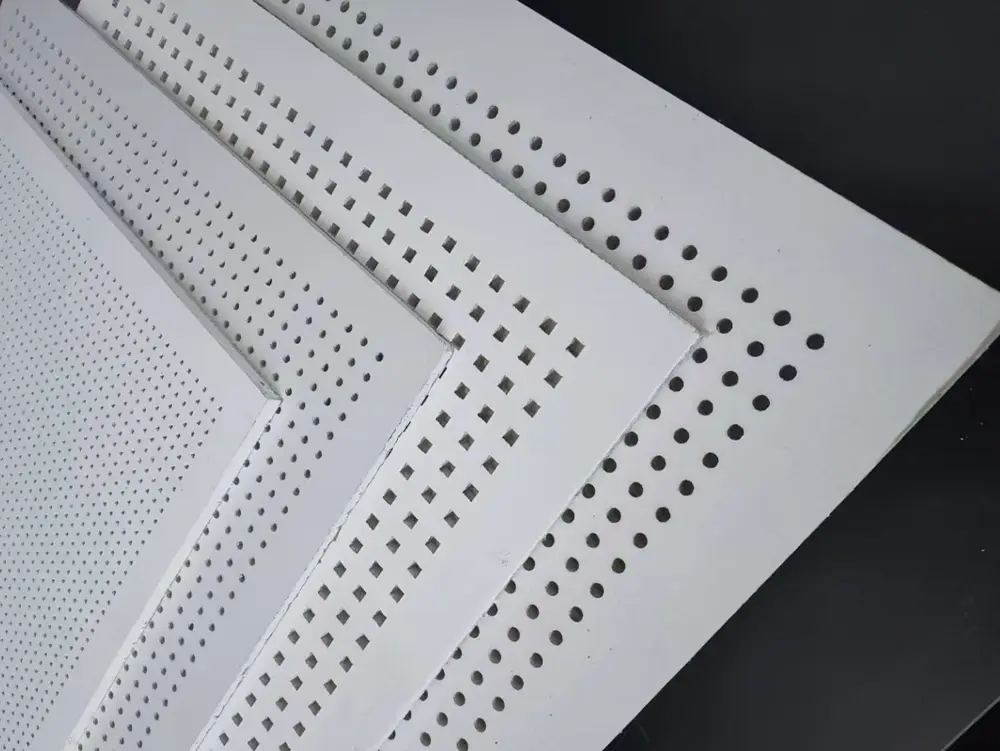 LEAO® Perforated Ceiling
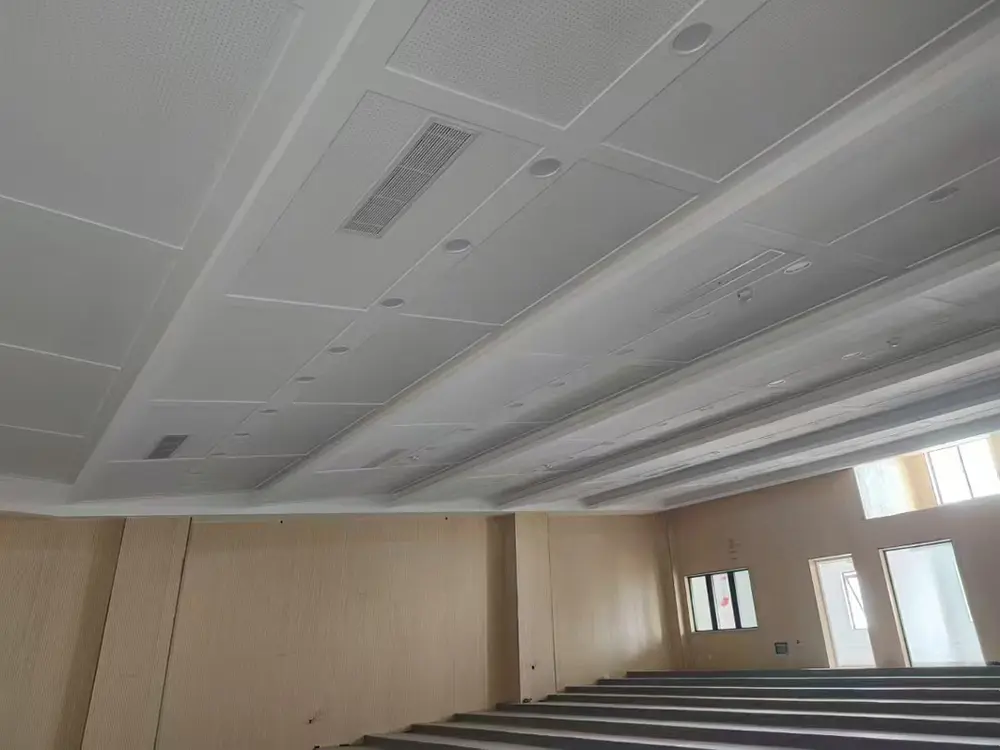 LEAO® Ceiling Board
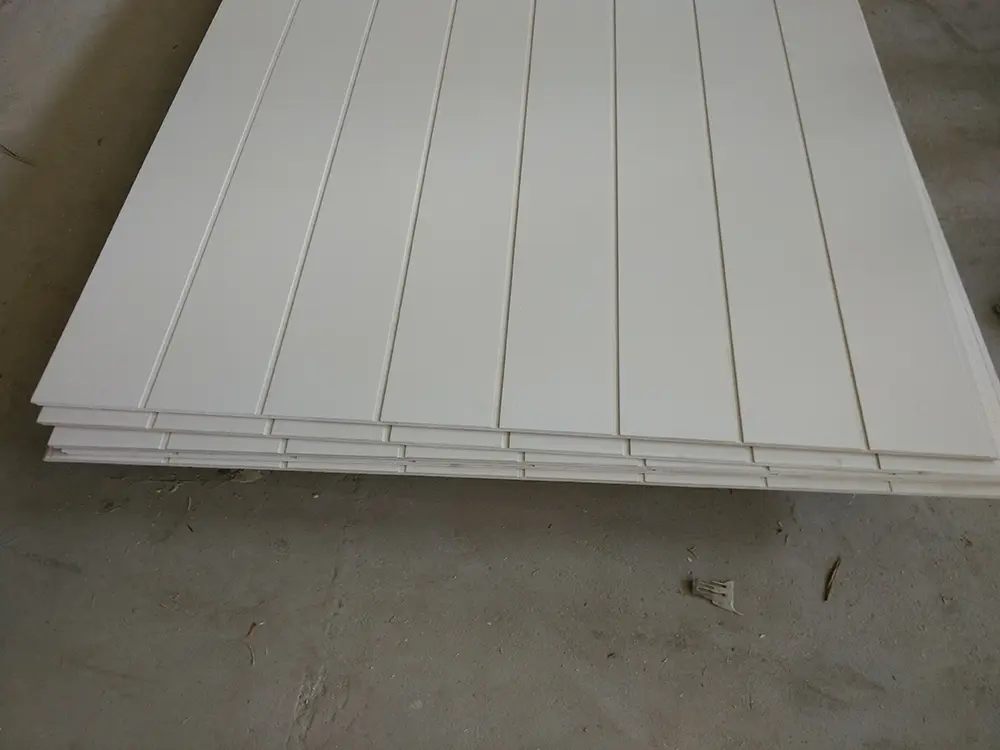 LEAO® Groove Interior Panel
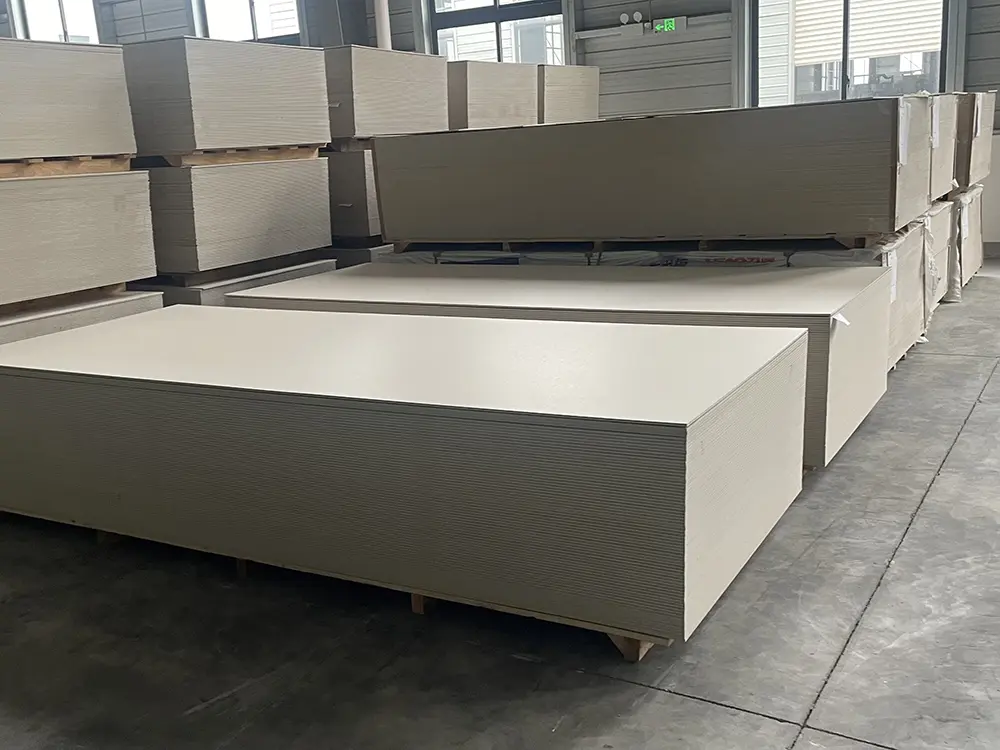 LEAO® Interior Board
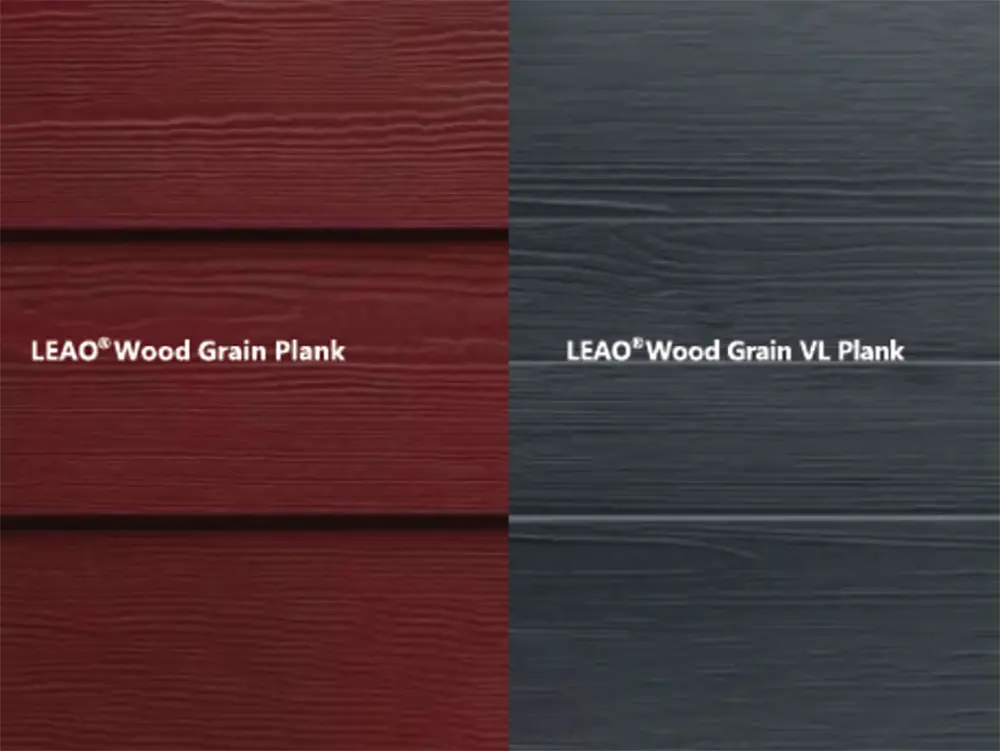 LEAO® Wood Grain Plank
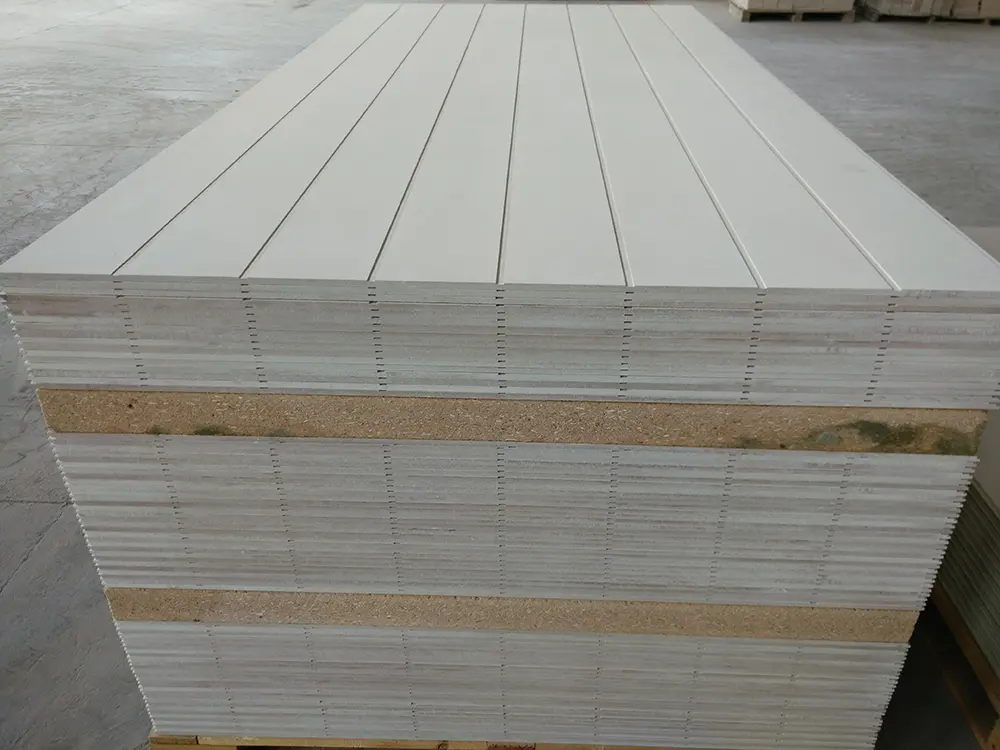 LEAO® Grooved Exterior Panel
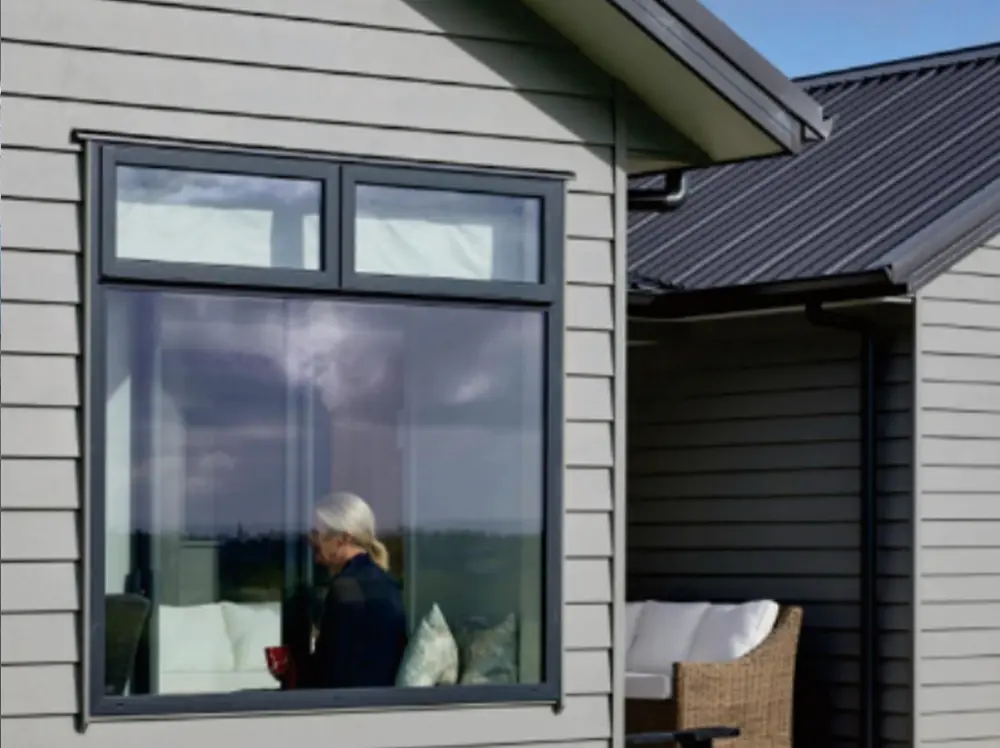 LEAO® Weatherboard
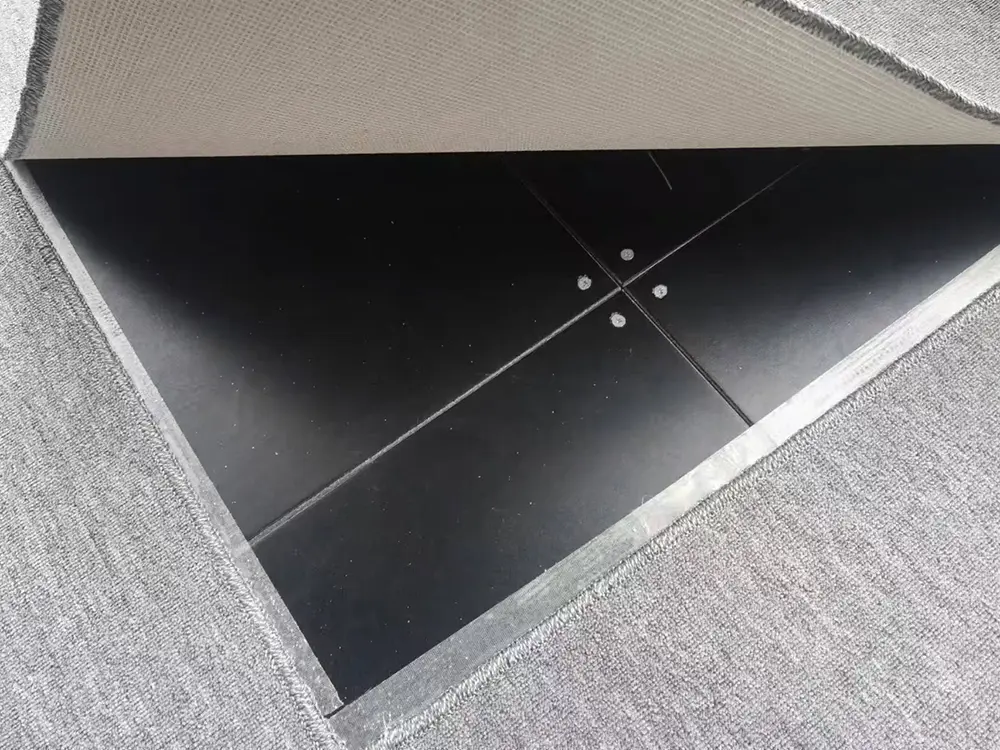 LEAO® Access Floors
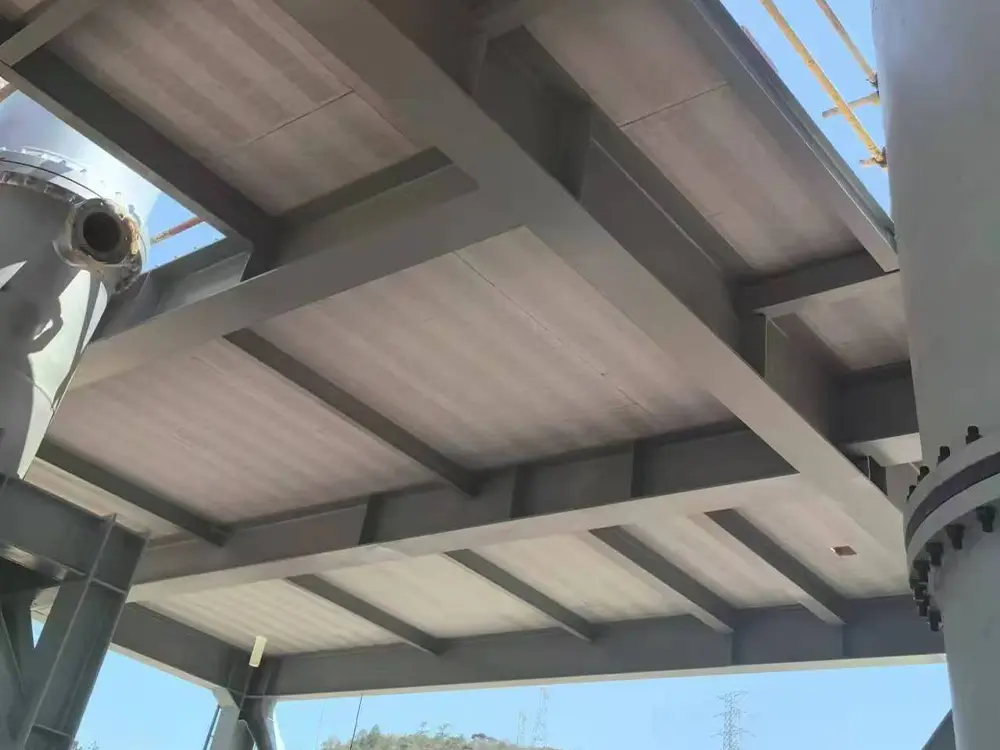 LEAO® Non-removable Formwork
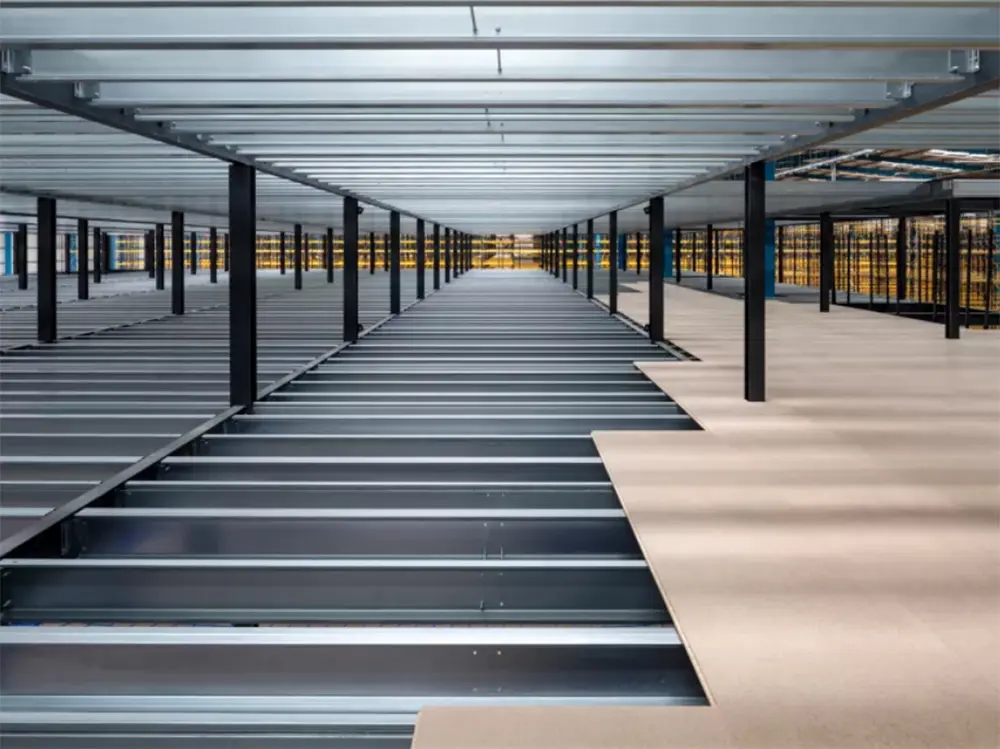 LEAO® Mezzanine Board
 LEAO® Ceramic Tile Underlay
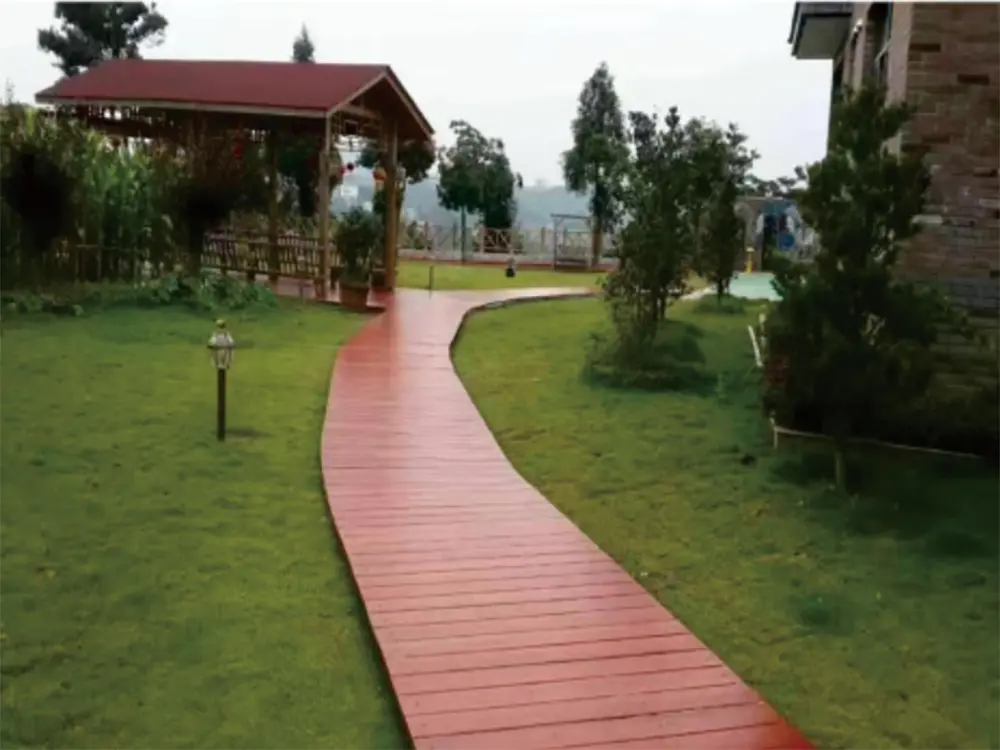 LEAO® Floor Plank
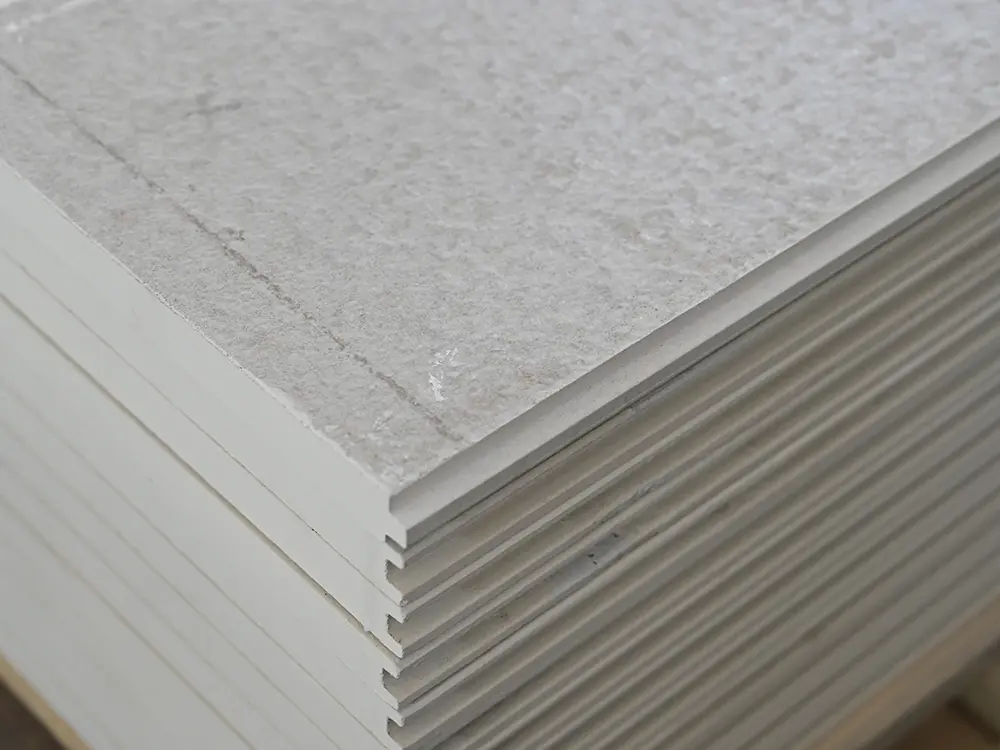 LEAO® Flooring
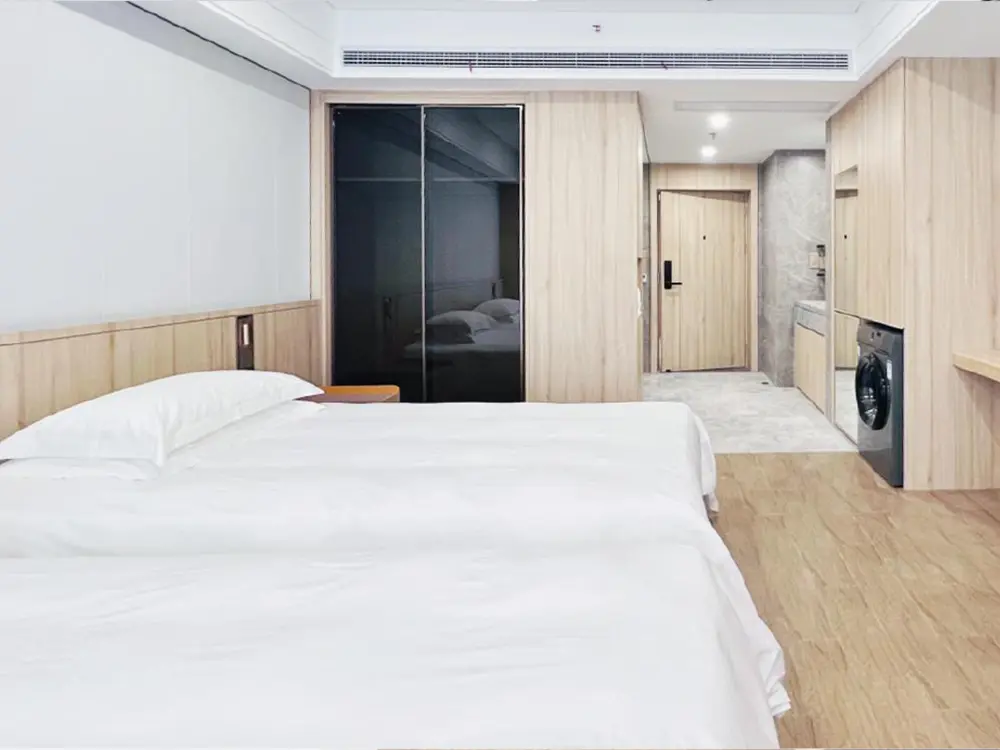 LEAO® Wood Style Decorative Panel
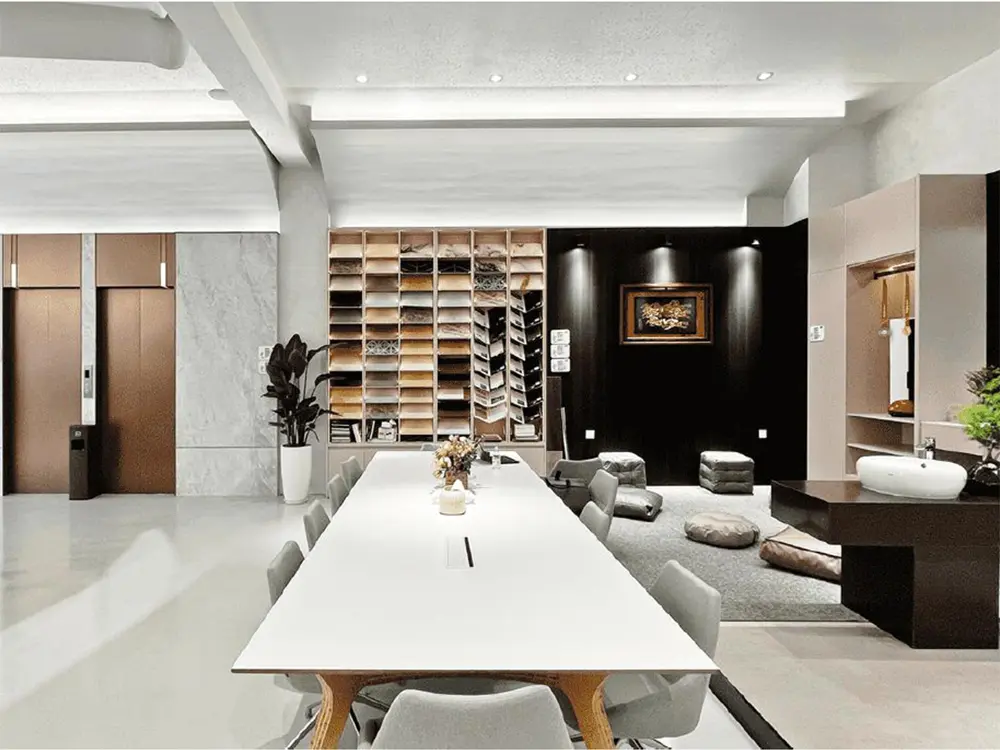 LEAO® Stone Style Decorative Panel
 LEAO® Pure Style Decorative Panel