Top Benefits of Using Fiber Cement Backer Board in Construction Projects?
In the construction industry, the benefits of using Fiber Cement Backer Board are increasingly recognized. According to John Smith, a renowned expert in building materials, “Fiber Cement Backer Board offers unmatched durability and moisture resistance.” This insight highlights the key advantages that professionals seek when selecting materials for their projects.
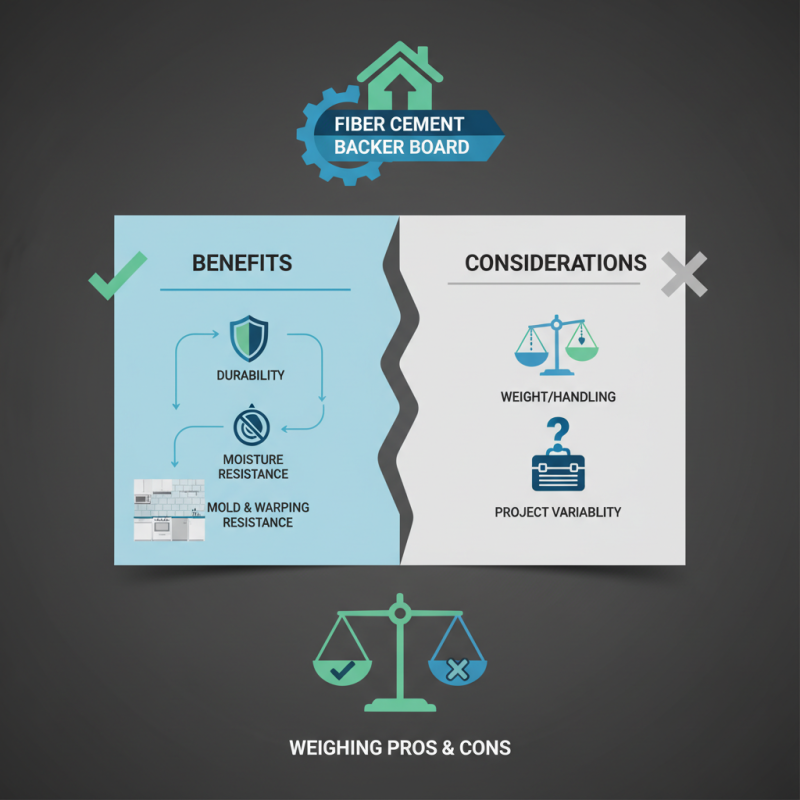
One of the primary reasons for choosing Fiber Cement Backer Board is its ability to withstand harsh environments. Unlike traditional backer boards, it resists water damage, mold, and warping. This durability makes it an excellent choice for areas prone to moisture, such as kitchens and bathrooms. The investment in such a reliable material often pays off in the long run.
However, not all projects may benefit equally from Fiber Cement Backer Board. Some builders may find it heavier and more challenging to work with compared to alternatives. It's essential to weigh these considerations against the benefits. Every construction project has unique requirements, and the best material may vary.
Key Characteristics of Fiber Cement Backer Board
Fiber cement backer board is increasingly preferred in construction projects due to its unique characteristics. One major aspect is its moisture resistance. According to a report by the American Concrete Institute, fiber cement can withstand prolonged exposure to moisture without degrading. This is crucial for areas like bathrooms and kitchens where humidity levels fluctuate significantly.
Beyond moisture resistance, fiber cement backer board boasts outstanding durability. Its resistance to mold and fire makes it an ideal choice for different climates and applications. The National Fire Protection Association notes that fiber cement products typically achieve a Class-A fire rating. This feature can enhance the safety of buildings, leading to lower insurance premiums for property owners.
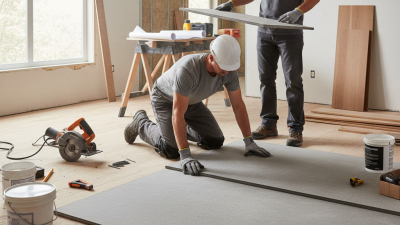
However, it's important to consider installation challenges. While fiber cement is robust, it requires specialized tools for cutting, which can complicate the building process. Some contractors find the weight of fiber cement boards to be an issue, impacting transportation and handling during projects. Balancing these drawbacks with the long-term benefits is essential for informed decision-making in construction.
Top Benefits of Using Fiber Cement Backer Board
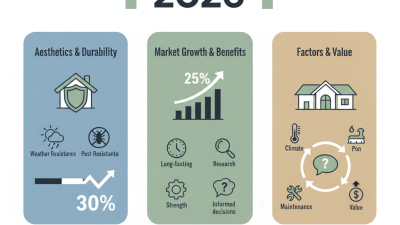
Fiber cement backer board is praised for its excellent durability, moisture resistance, and fire resistance. This chart illustrates the key benefits of using fiber cement backer board in construction projects, rated out of 10, highlighting its fundamental characteristics that make it a preferred choice in various applications.
Durability and Longevity of Fiber Cement in Construction
Fiber cement backer board is renowned for its durability and longevity in construction projects. Unlike traditional materials, fiber cement resists harsh weather, moisture, and even pests. This makes it an ideal choice for areas prone to humidity, such as bathrooms and kitchens. Homeowners and builders alike appreciate its ability to withstand the test of time, reducing the need for frequent repairs or replacements.
Additionally, while fiber cement is celebrated for its robustness, it also poses some challenges. Installation requires careful handling and specific tools, and improper installation can lead to issues. It’s essential to follow best practices to avoid potential pitfalls. Overall, when applied correctly, fiber cement backer board can significantly enhance the lifespan of a structure, adding value and resilience to any construction project.
Moisture Resistance: A Crucial Benefit for Wet Areas
Moisture resistance is a key benefit of using fiber cement backer board in construction projects, especially in wet areas like bathrooms and kitchens. This material does not absorb water like traditional backer boards. It can withstand high humidity, preventing mold and mildew growth. Thus, it ensures a longer lifespan for the structure.
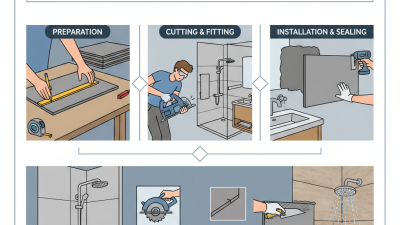
Installing the backer board correctly is essential for maximizing its moisture resistance. Ensure all seams are properly sealed with waterproof tape. Avoid leaving any gaps that could allow moisture penetration. Regularly inspect areas, especially around sinks and tubs, for any signs of leaks.
Keep in mind that while fiber cement boards are durable, they still require care. Sometimes, they need to be replaced if damaged. Maintain a consistent cleaning schedule to avoid long-term issues. The choice of the right materials significantly impacts the overall quality of construction projects.
Top Benefits of Using Fiber Cement Backer Board in Construction Projects
| Benefit |
Description |
Importance in Construction |
| Moisture Resistance |
Fiber cement backer board is highly resistant to moisture, making it ideal for wet areas like bathrooms and kitchens. |
Prevents mold, mildew, and water damage, ensuring longevity of the structure. |
| Durability |
Offers better durability than traditional materials, withstanding impacts and extreme conditions. |
Reduces the need for frequent repairs or replacements. |
| Non-combustible |
Fiber cement is fire-resistant, contributing to fire safety in buildings. |
Enhances overall safety standards in construction. |
| Ease of Installation |
Can be easily cut and installed, saving time during construction. |
Increases efficiency, reducing labor costs. |
| Eco-friendly |
Made from natural materials and generally has a lower environmental impact. |
Aligns with sustainable building practices. |
Fire Resistance Properties of Fiber Cement Backer Board
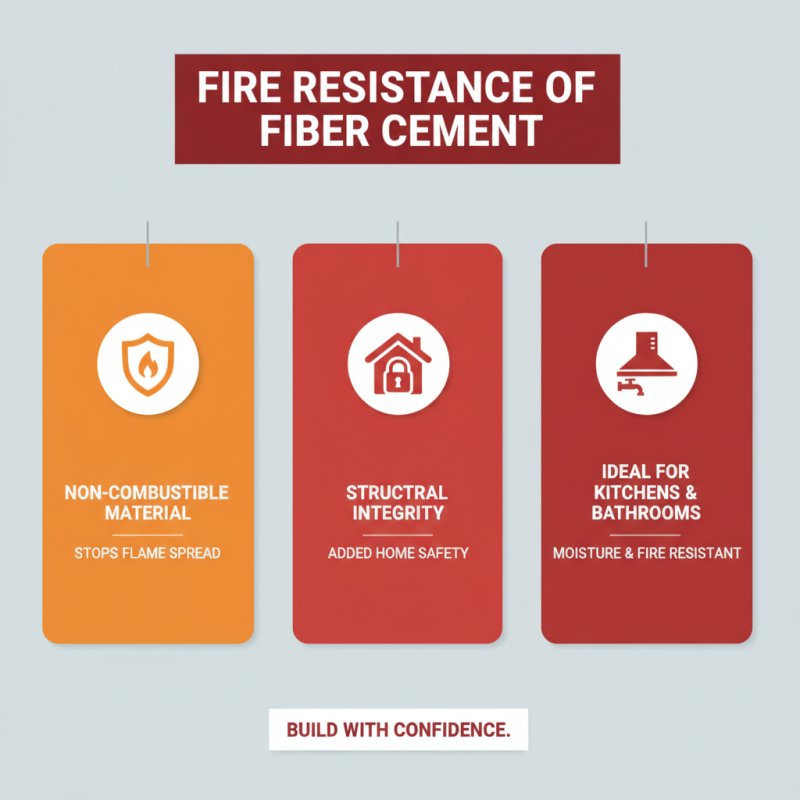
Fiber cement backer board has become a popular choice in construction projects, especially in moisture-prone areas. One of its standout features is its impressive fire resistance properties. This ensures that structures retain their integrity during a fire, offering builders and homeowners peace of mind. The non-combustible nature of fiber cement helps prevent the spread of flames. This quality makes it suitable for various applications, including kitchens and bathrooms.
When choosing materials, consider the environment. Fiber cement is durable and can endure extreme weather conditions. However, its heavy weight may require additional structural support. Ensure your framing can handle the load. While installation is generally straightforward, using the right tools is essential.
Tip: Always wear protective gear when cutting fiber cement board. Dust can be harmful. Additionally, double-check your measurements before installation. Accuracy saves time and materials. While fiber cement offers many benefits, be mindful of its limitations. It may crack if not handled properly. Adjust your approach when working with this material for best results.
Eco-Friendly Aspects of Using Fiber Cement in Projects
Fiber cement backer board is gaining attention for its eco-friendly properties. Made from natural materials, it serves as a sustainable alternative in construction. Its durability reduces the need for frequent replacements. This not only conserves resources but also minimizes waste in landfills.
Consider these tips when choosing fiber cement for your project. Verify the source of your materials. Ensure they are sustainably harvested and processed. Assess the lifecycle of the product. It should have a minimal environmental impact from production to disposal. Also, explore local suppliers to reduce transportation emissions.
Be aware that while fiber cement provides many benefits, it can be heavy. This might lead to increased shipping costs or challenges during installation. Balancing the eco-friendliness with practical applications is essential. Make informed decisions that resonate with your sustainability goals.

 LEAO®Deco Ceiling
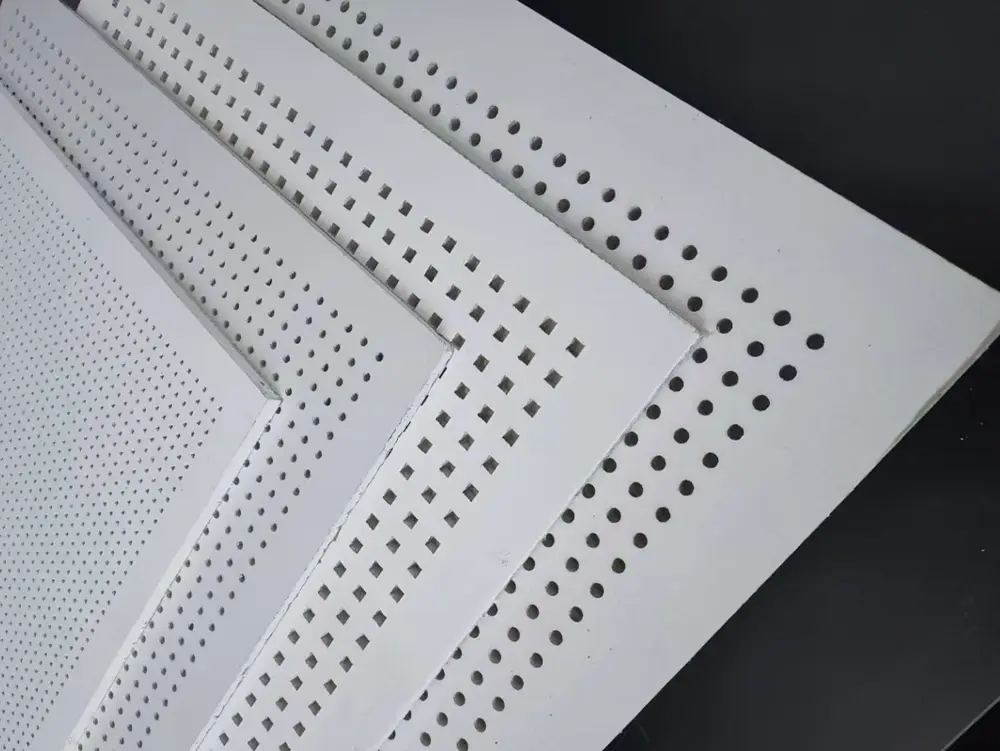 LEAO® Perforated Ceiling
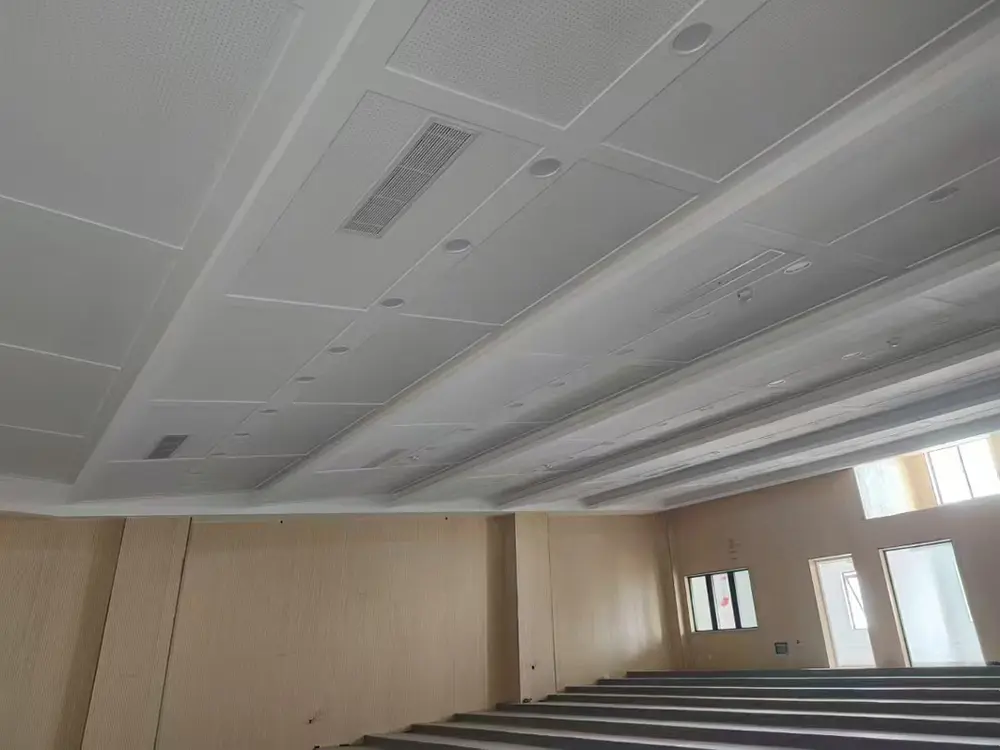 LEAO® Ceiling Board
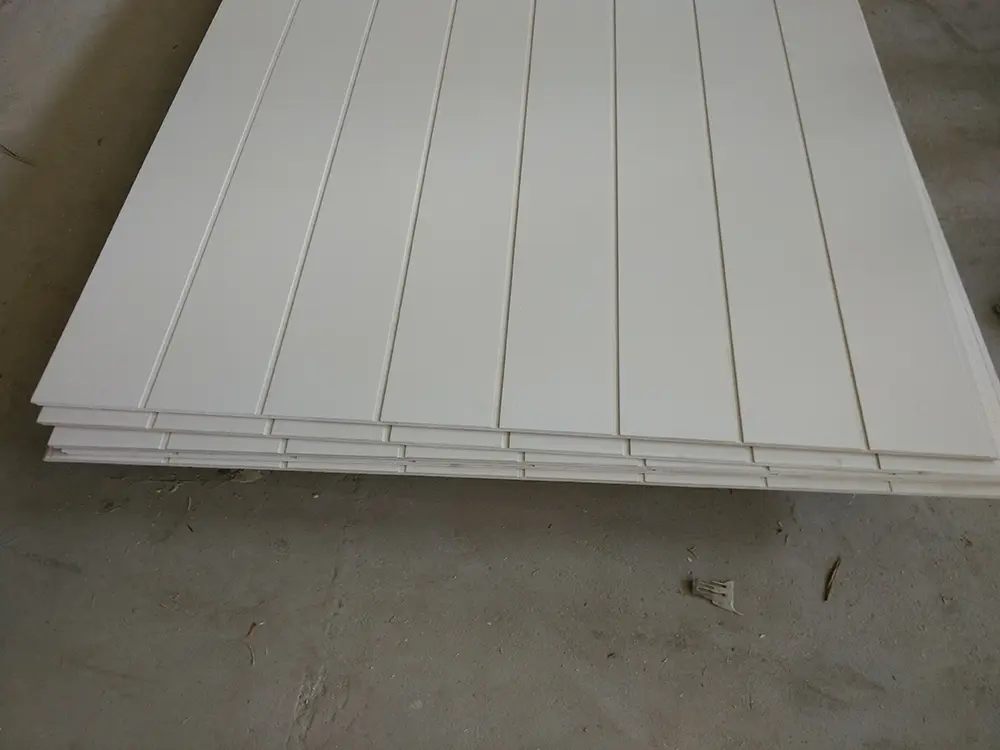 LEAO® Groove Interior Panel
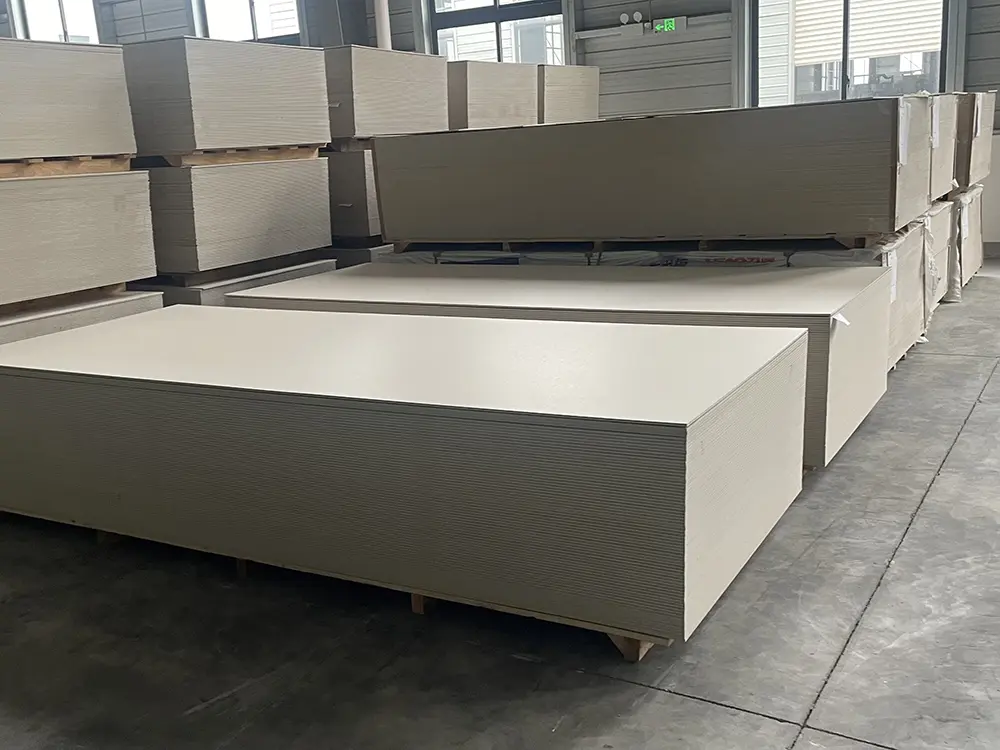 LEAO® Interior Board
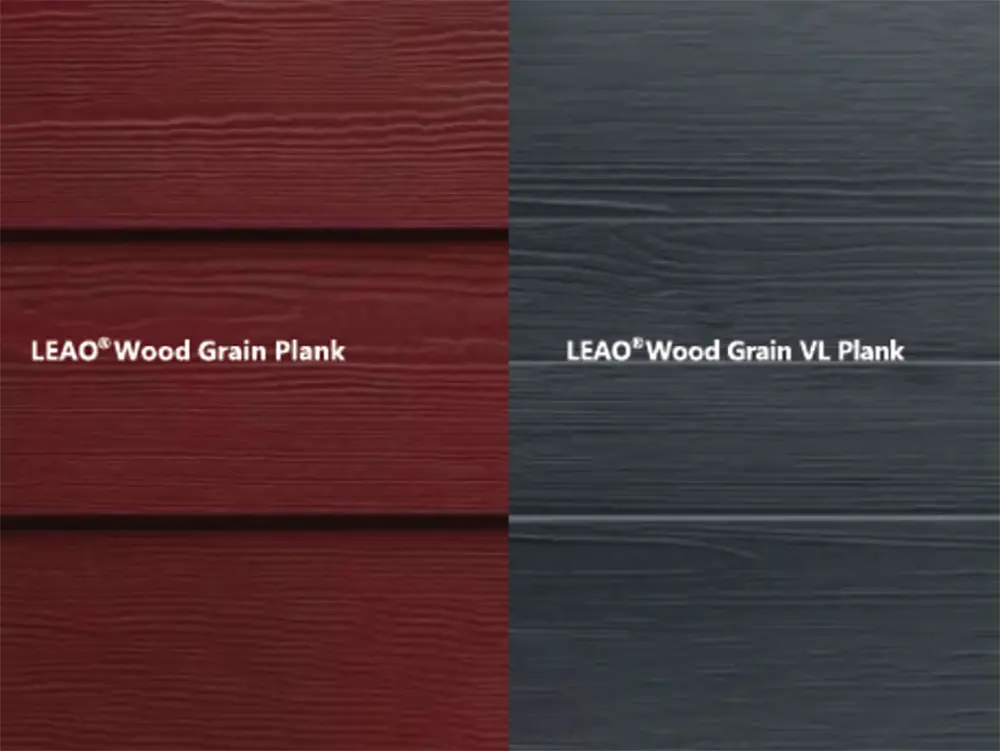 LEAO® Wood Grain Plank
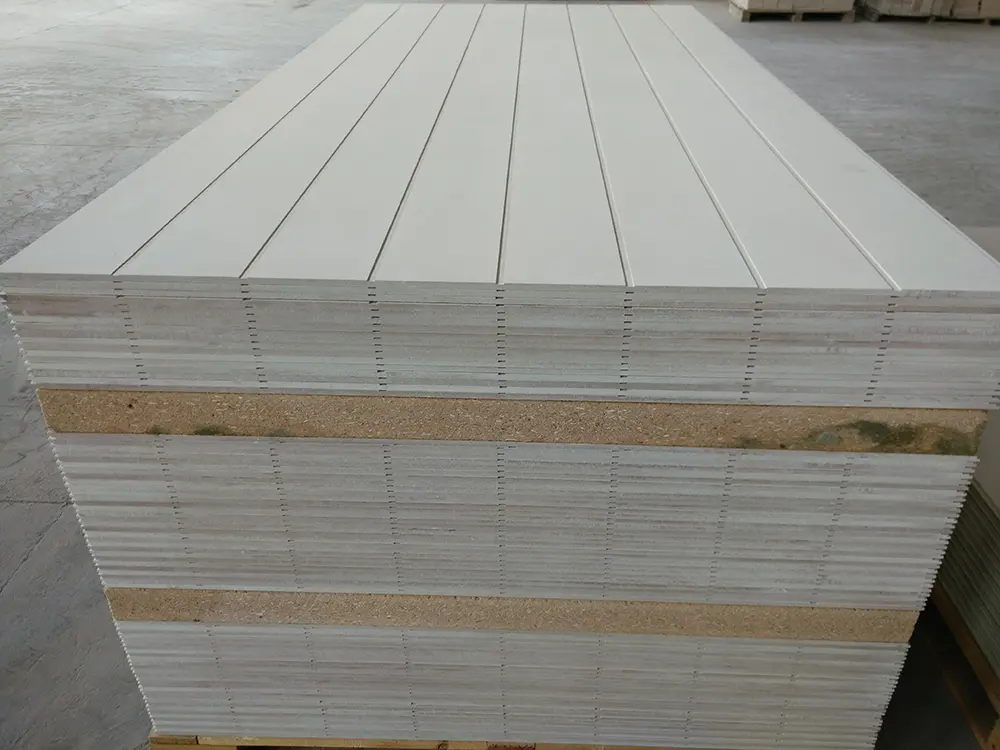 LEAO® Grooved Exterior Panel
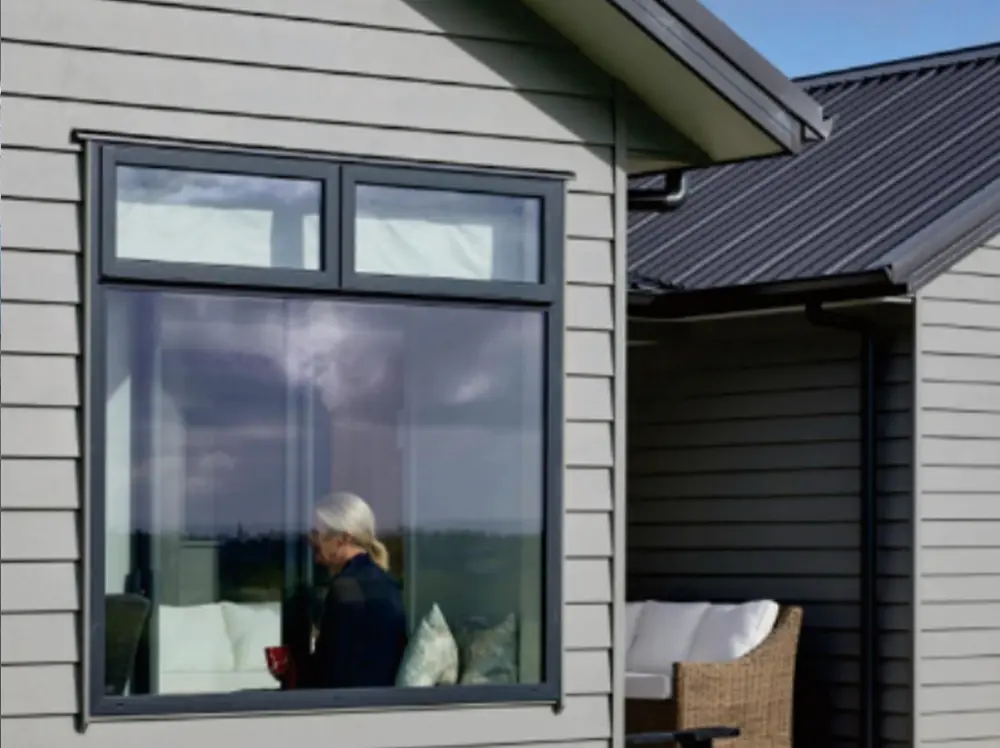 LEAO® Weatherboard
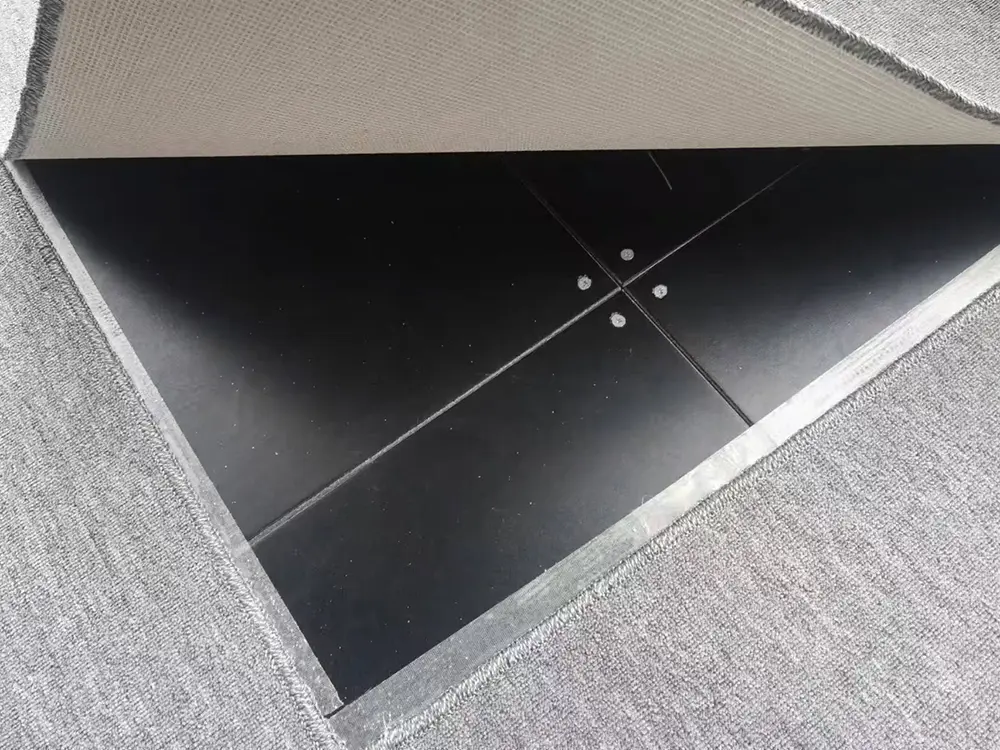 LEAO® Access Floors
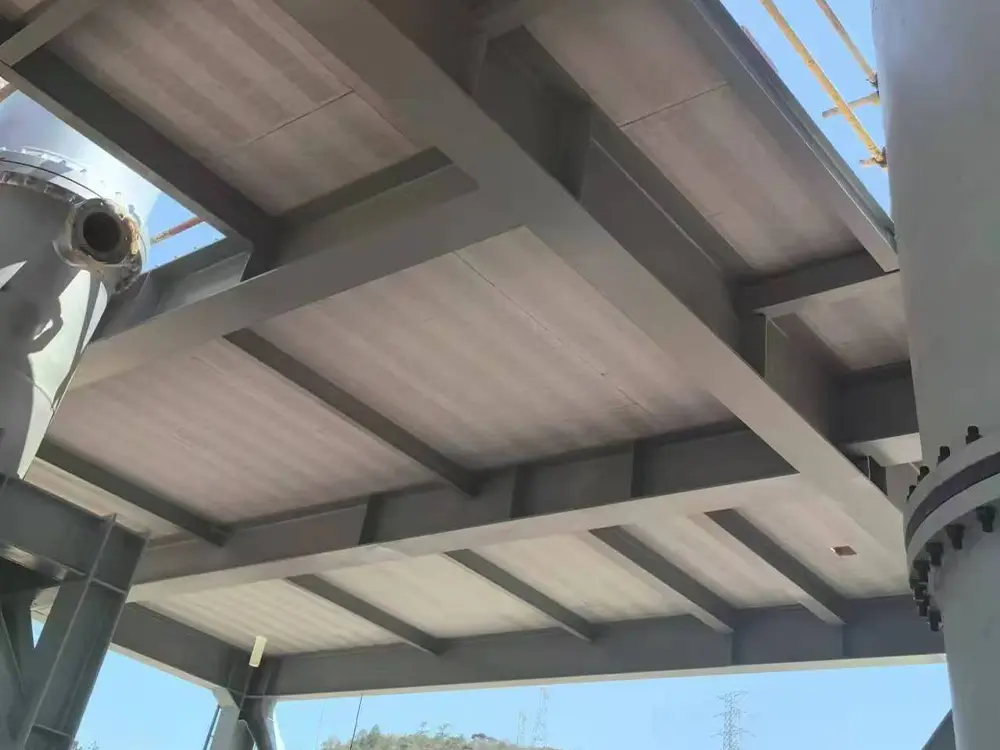 LEAO® Non-removable Formwork
 LEAO® Mezzanine Board
 LEAO® Ceramic Tile Underlay
 LEAO® Floor Plank
 LEAO® Flooring
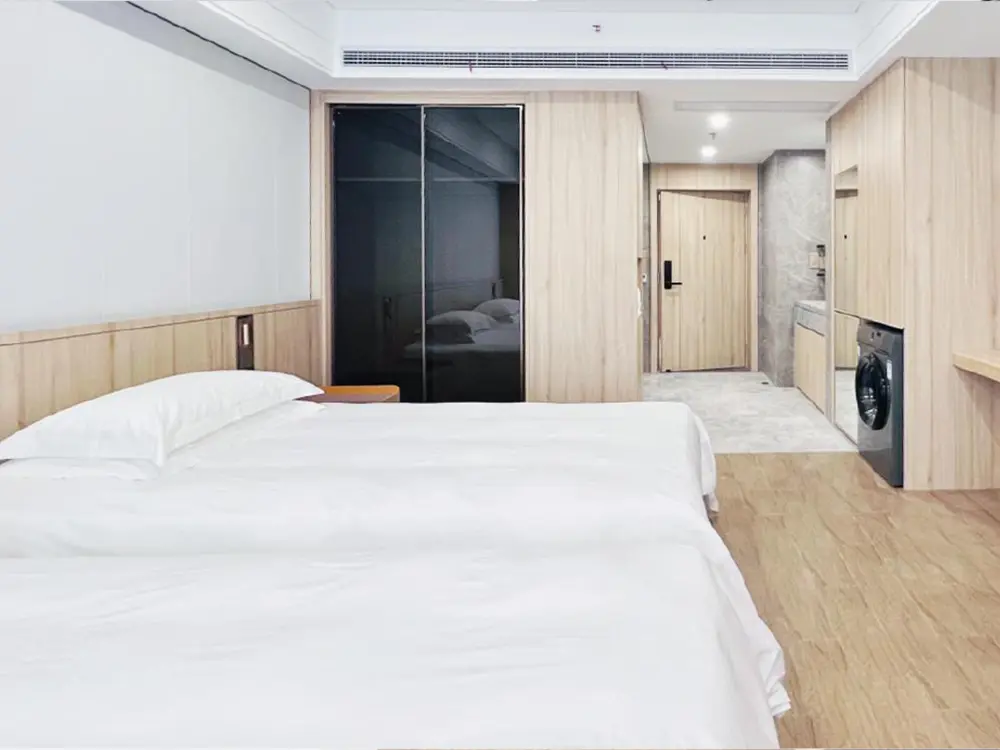 LEAO® Wood Style Decorative Panel
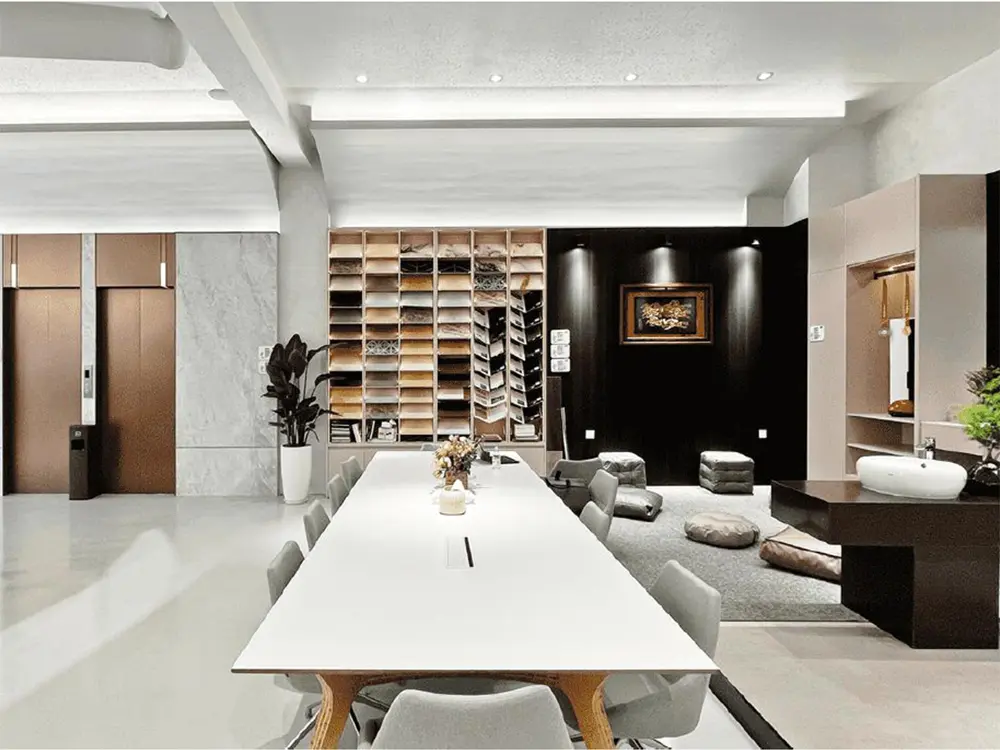 LEAO® Stone Style Decorative Panel
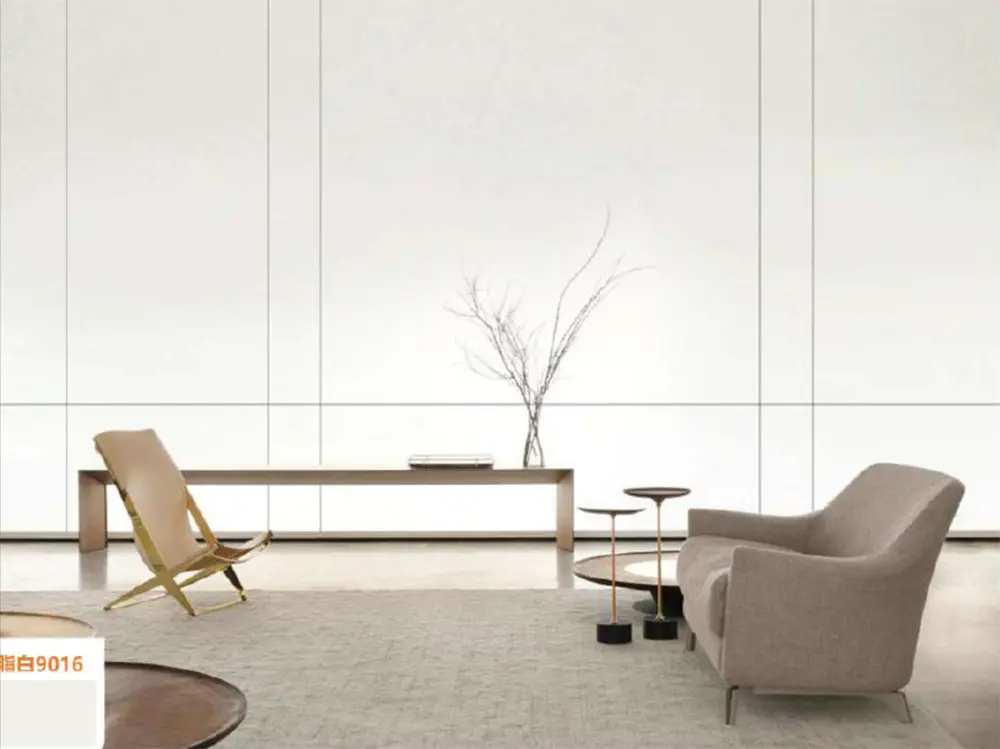 LEAO® Pure Style Decorative Panel