Top 10 Benefits of Fiber Cement Formwork Board for Construction?
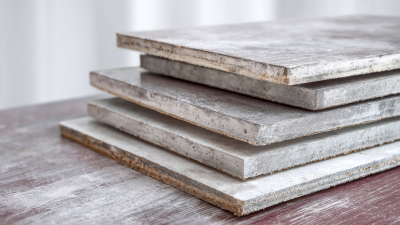
Fiber Cement Formwork Board has emerged as a game changer in the construction industry. This innovative material offers numerous advantages that can enhance building projects. Unlike traditional materials, fiber cement boards are durable and long-lasting. They provide superior strength and resistance to harsh weather conditions.
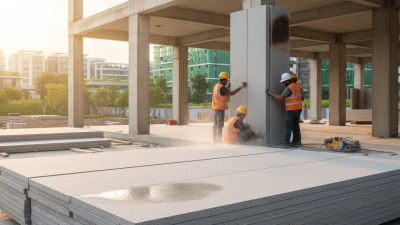
Many construction professionals now prefer fiber cement for its efficiency. It reduces labor costs and speeds up the construction process. The lightweight nature of the fiber cement formwork board makes it easy to handle. Workers can install it quickly without compromising quality. This efficiency translates to timely project completions.
Another key benefit is safety. Fiber cement does not warp, sag, or swell, which minimizes the risk of structural failures. It ensures that projects maintain integrity over time. However, the adoption of this material requires proper training and understanding. Construction teams must be educated about its best practices to maximize benefits. This continuous learning will bridge gaps in knowledge and address any shortcomings in application.
Advantages of Fiber Cement Formwork Board in Construction Projects
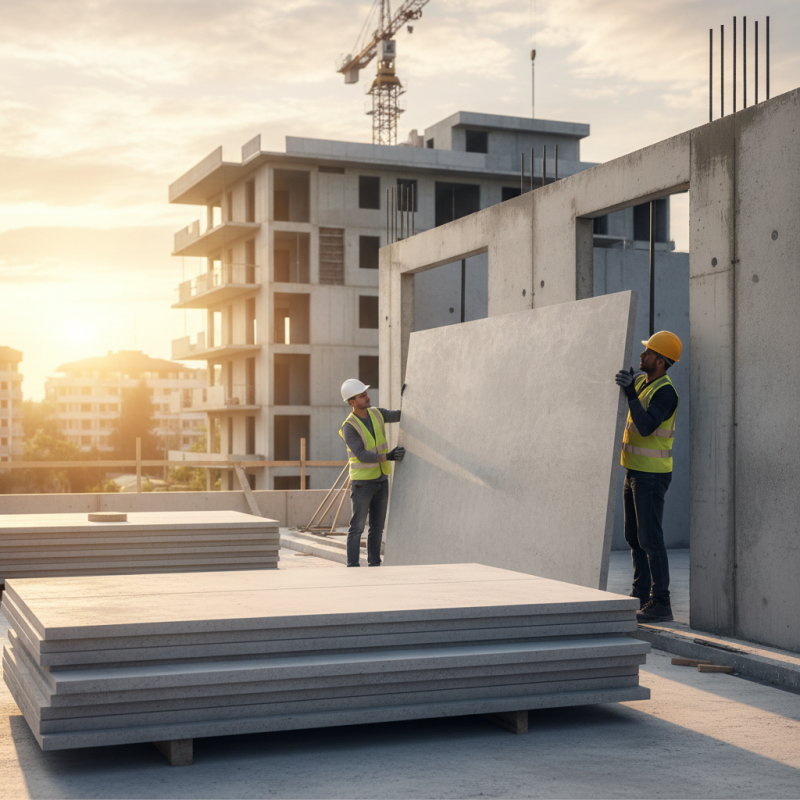
Fiber cement formwork boards are becoming increasingly popular in construction projects. They offer several advantages that make them a preferred choice among builders and architects. Their durability is a significant benefit. These boards can withstand harsh weather conditions and resist water damage. This resistance leads to longer-lasting structures.
Another crucial advantage is their lightweight nature. This makes them easy to handle and transport on-site. Workers can install them efficiently, reducing labor costs and time. In addition, fiber cement boards require minimal maintenance. They are less likely to warp or crack, ensuring the quality of the construction over time.
Environmental sustainability is also worth noting. Fiber cement is made from natural materials, making it a safer option than traditional materials. However, some may need to consider the energy used in the production process. Despite this drawback, the overall benefits of fiber cement formwork boards outweigh these concerns, making them a viable option for modern construction projects.
Durability and Longevity of Fiber Cement Formwork Board
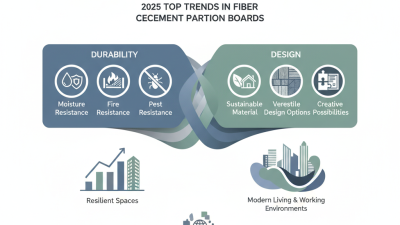
Fiber cement formwork boards have gained recognition in construction for their durability and longevity. According to industry reports, these boards can last up to 50 years with minimal maintenance. Their resistance to moisture, fire, and pests significantly extends their lifespan. This durability makes them a preferred choice for various construction applications.
The ability of fiber cement to withstand harsh weather conditions is notable. Studies indicate that buildings using fiber cement formwork have fewer repair needs over time. This leads to lower lifecycle costs, an essential factor for budgeting. Additionally, fiber cement boards do not warp or crack easily. Such stability contributes to the long-term integrity of structures.
However, it is essential to note that improper installation can affect their performance. Ensuring proper techniques during setup is critical. Some reports suggest that even minor errors can lead to deterioration. Thus, training and expertise in installation are vital. This focus on implementation is often overlooked, but it is crucial for maximizing the benefits of fiber cement formwork boards.
Top 10 Benefits of Fiber Cement Formwork Board for Construction
| Benefit |
Description |
| Durability |
Resistant to extreme weather conditions, ensuring long-lasting performance. |
| Fire Resistance |
Non-combustible material that offers protection against fire hazards. |
| Low Maintenance |
Requires minimal upkeep compared to traditional formwork materials. |
| Eco-Friendly |
Made from sustainable materials, reducing environmental impact. |
| Versatility |
Suitable for a wide range of construction applications and projects. |
| Moisture Resistance |
Prevents water absorption, reducing the risk of mold and decay. |
| Lightweight |
Easier to handle and transport, which accelerates construction timelines. |
| Aesthetic Appeal |
Available in a variety of finishes and colors for visual enhancement. |
| Cost Efficiency |
Offers a durable solution that is cost-effective in the long run. |
Cost-Effectiveness Compared to Traditional Formwork Solutions
Fiber cement formwork board is making waves in the construction industry due to its cost-effectiveness. Traditional formwork solutions often require frequent replacement and high labor costs. In contrast, fiber cement boards last longer and reduce overall project expenses. They offer a more sustainable option by minimizing waste associated with disposable materials.
Another advantage of fiber cement boards is their ease of installation. Workers can set up these boards quickly, reducing labor time on-site. This translates into savings on both labor costs and project timeline. However, installation might require specific skills, leading to potential training needs for workers. Without proper training, the efficiency gains can diminish. Ensuring workers are adequately trained is vital for maximizing benefits.
Moreover, fiber cement formwork boards provide excellent performance characteristics. They are resistant to moisture, fire, and pests, which enhances safety and reliability. On the downside, the initial investment may still seem high compared to wood or plastic options. Evaluating long-term savings against upfront costs is essential for decision-making. Construction leaders must weigh these facets carefully to optimize their projects.
Sustainability and Environmental Benefits of Fiber Cement Formwork
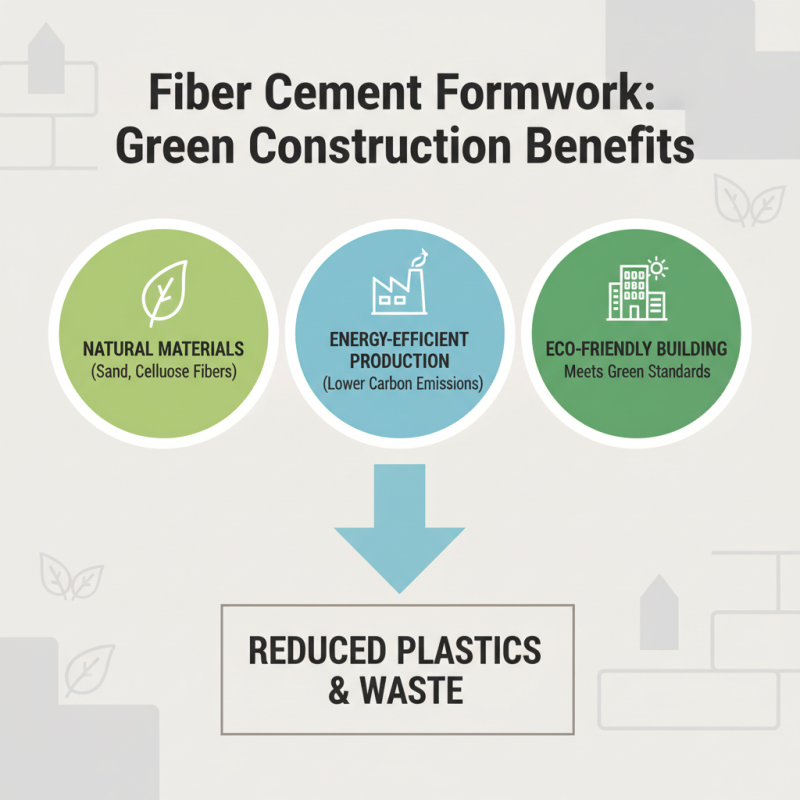
Fiber cement formwork boards offer significant sustainability benefits in construction. These boards are made from natural materials, such as sand and cellulose fibers. This reduces reliance on plastics and other non-biodegradable materials. The production process for fiber cement is energy-efficient, leading to lower carbon emissions. Using fiber cement in projects promotes eco-friendly building practices and can help meet green building standards.
One of the impressive features of fiber cement boards is their durability. They can withstand harsh weather conditions, contributing to longer-lasting structures. This reduces the need for frequent repairs or replacements, which can lead to waste. When choosing construction materials, consider the lifecycle impacts. High-quality products can save costs over time.
Tips for using fiber cement formwork boards: Always check for certifications that confirm their eco-friendly claims. Ensure proper installation to maximize durability. Consider local suppliers to reduce transportation emissions. These small steps can contribute significantly to sustainable construction practices.
Ease of Installation and Versatility in Various Construction Applications
Fiber cement formwork boards are gaining traction in the construction industry due to their ease of installation. These boards are lightweight yet durable, making them accessible for workers of varying expertise. The installation process typically requires minimal tools, allowing for quick assembly. This efficiency contributes to faster project timelines, which is critical for many construction schedules.
Versatility is another significant advantage of fiber cement formwork boards. They can be utilized in various applications, from residential buildings to commercial projects. Their adaptability allows for use in different weather conditions without compromising quality. Workers appreciate their resistance to moisture and temperature changes, which can prolong the board's lifespan. This flexibility reduces the need for multiple materials on site, simplifying the supply chain.
However, the reliance on fiber cement boards isn't without faults. Some users report that improper handling can lead to chips or cracks. Regular training on proper usage is essential to mitigate issues. Furthermore, while installation is generally straightforward, complex designs may require additional support or more skilled labor. Reflecting on these challenges can help manufacturers improve product design and educate users better.
Top 10 Benefits of Fiber Cement Formwork Board for Construction

 LEAO®Deco Ceiling
 LEAO® Perforated Ceiling
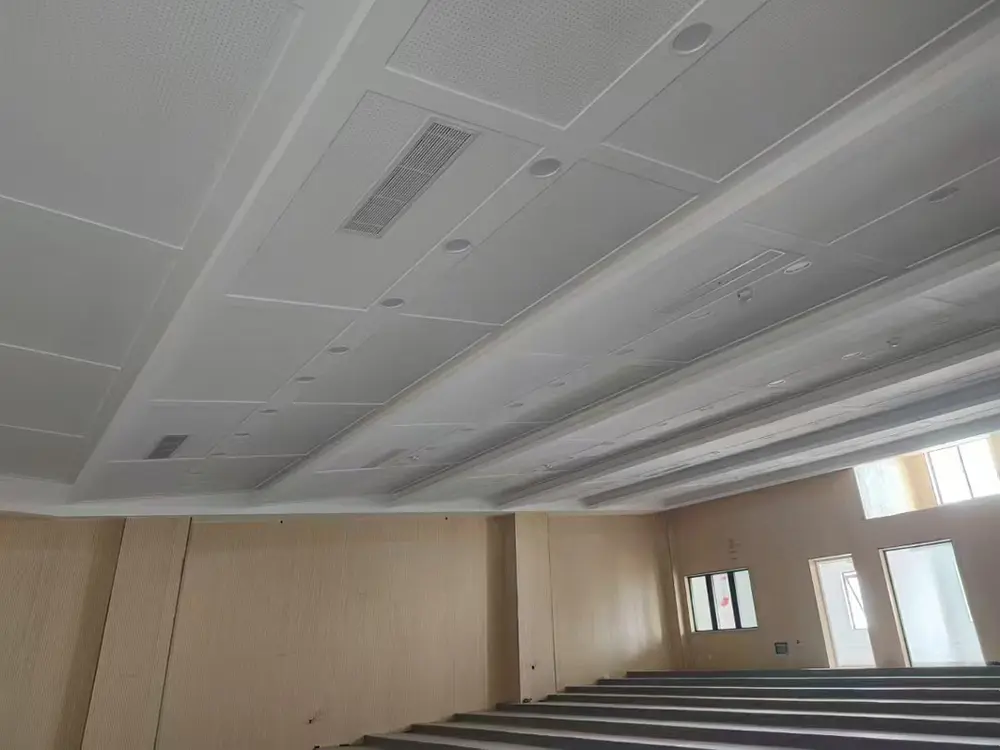 LEAO® Ceiling Board
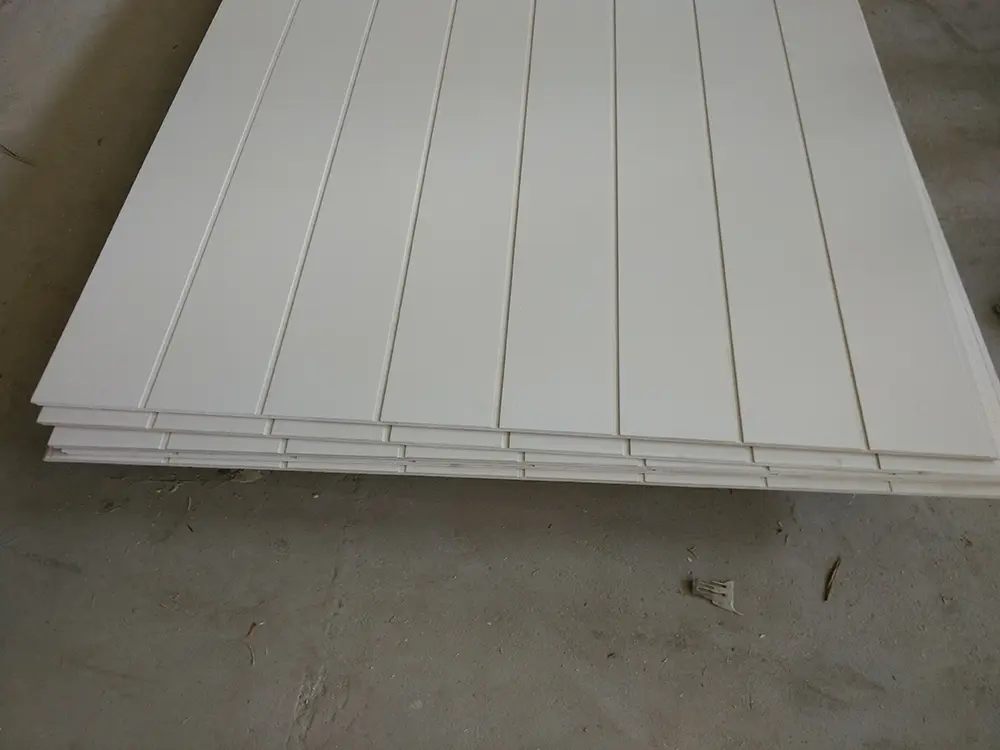 LEAO® Groove Interior Panel
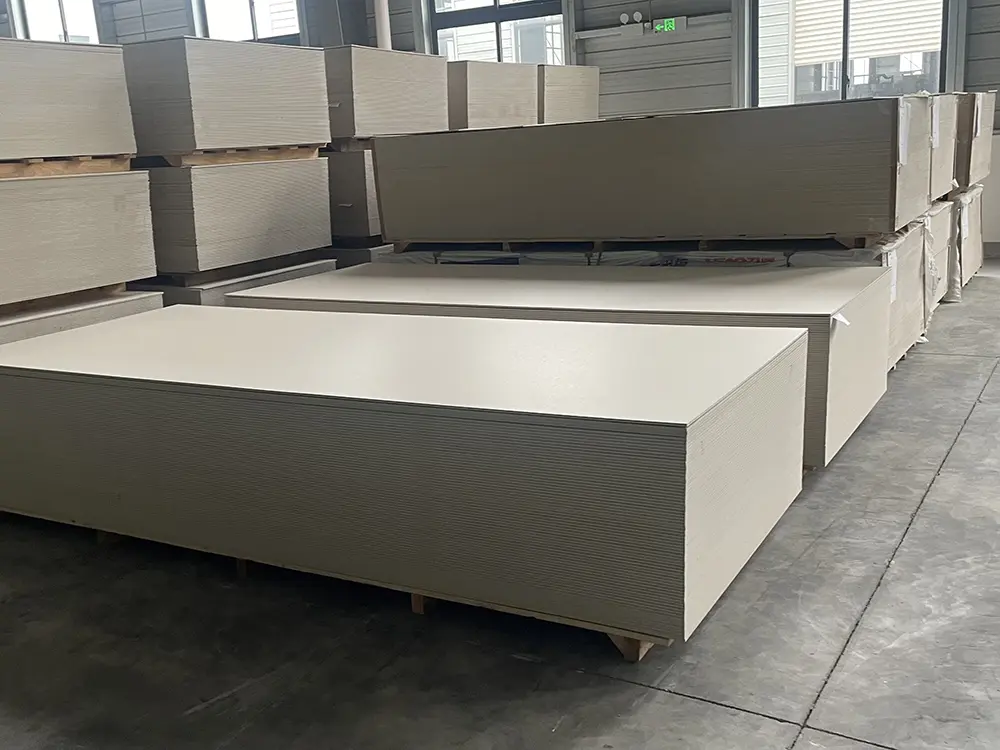 LEAO® Interior Board
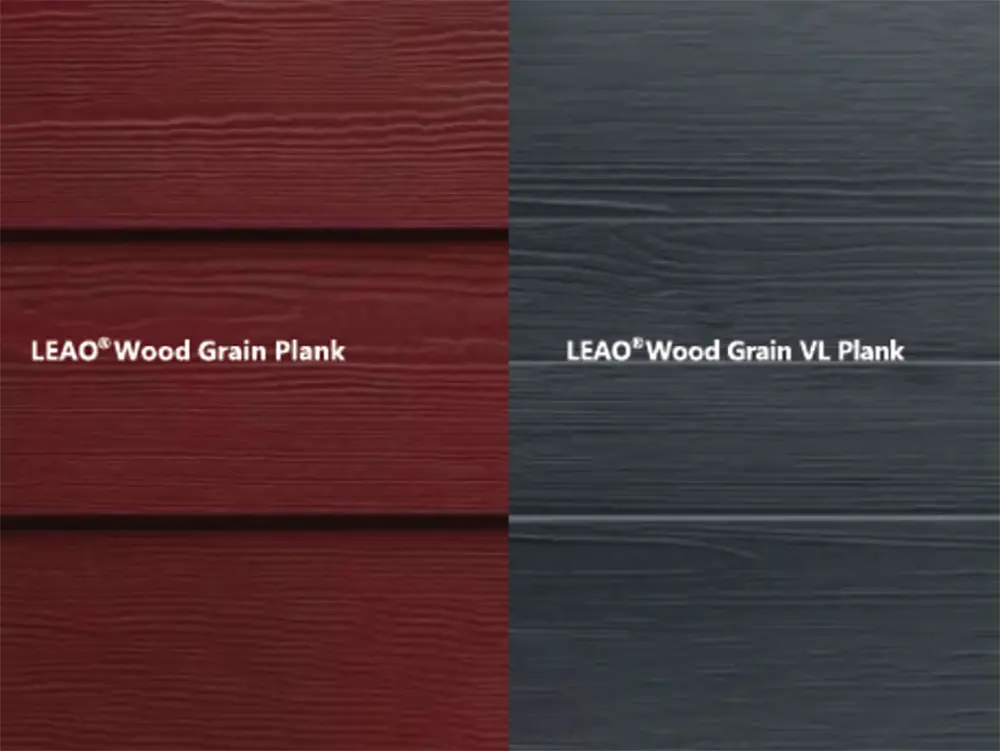 LEAO® Wood Grain Plank
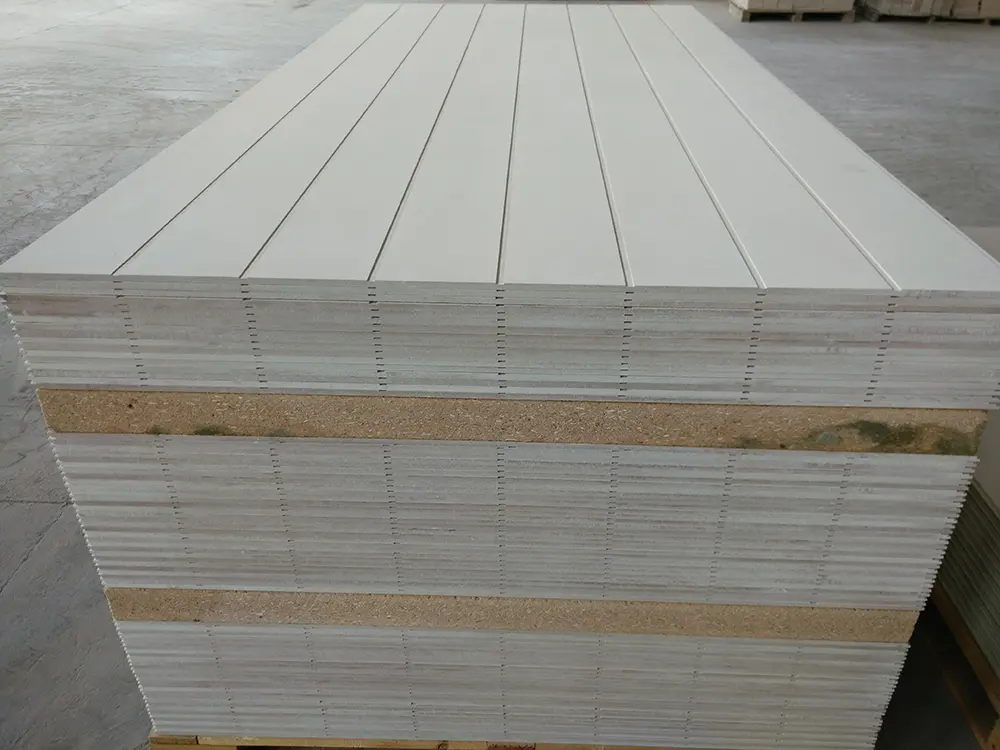 LEAO® Grooved Exterior Panel
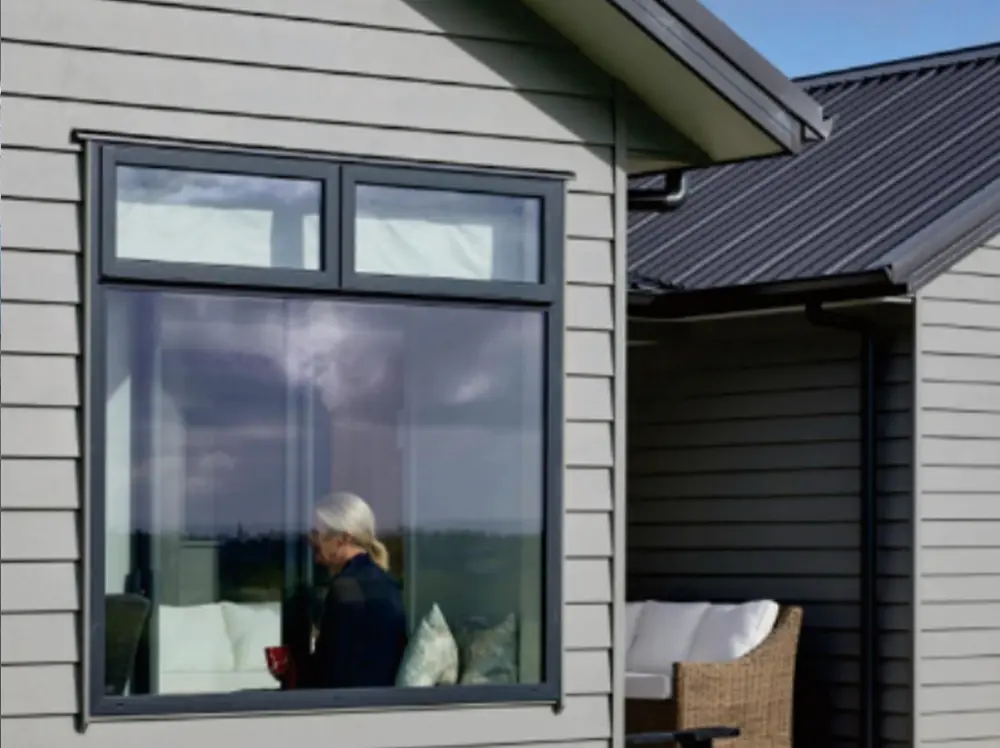 LEAO® Weatherboard
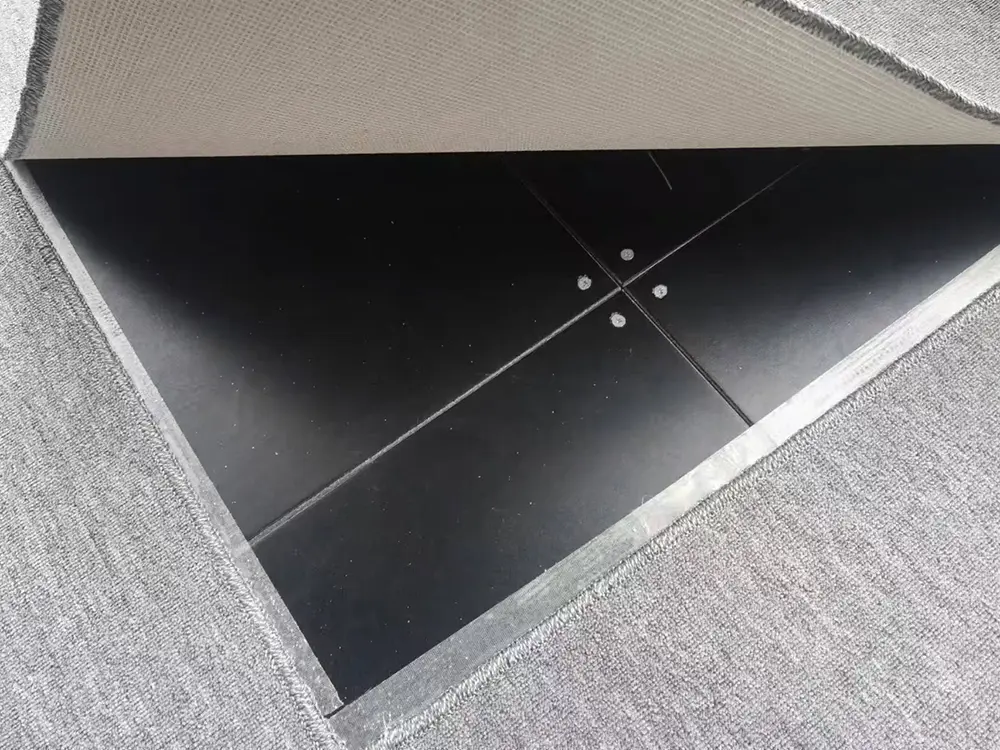 LEAO® Access Floors
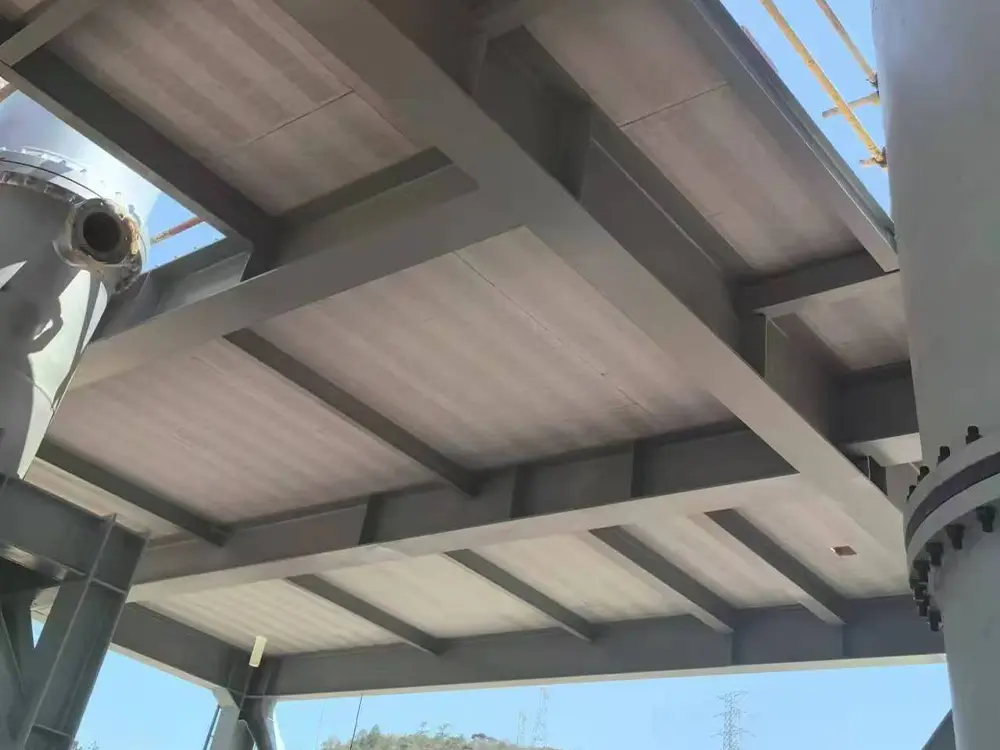 LEAO® Non-removable Formwork
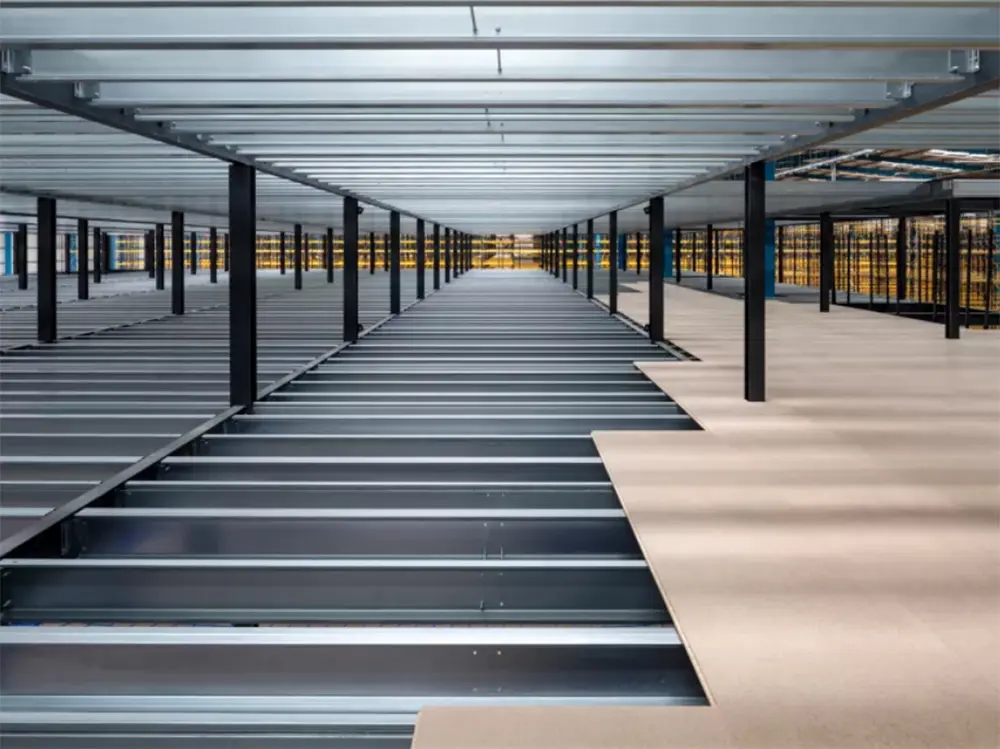 LEAO® Mezzanine Board
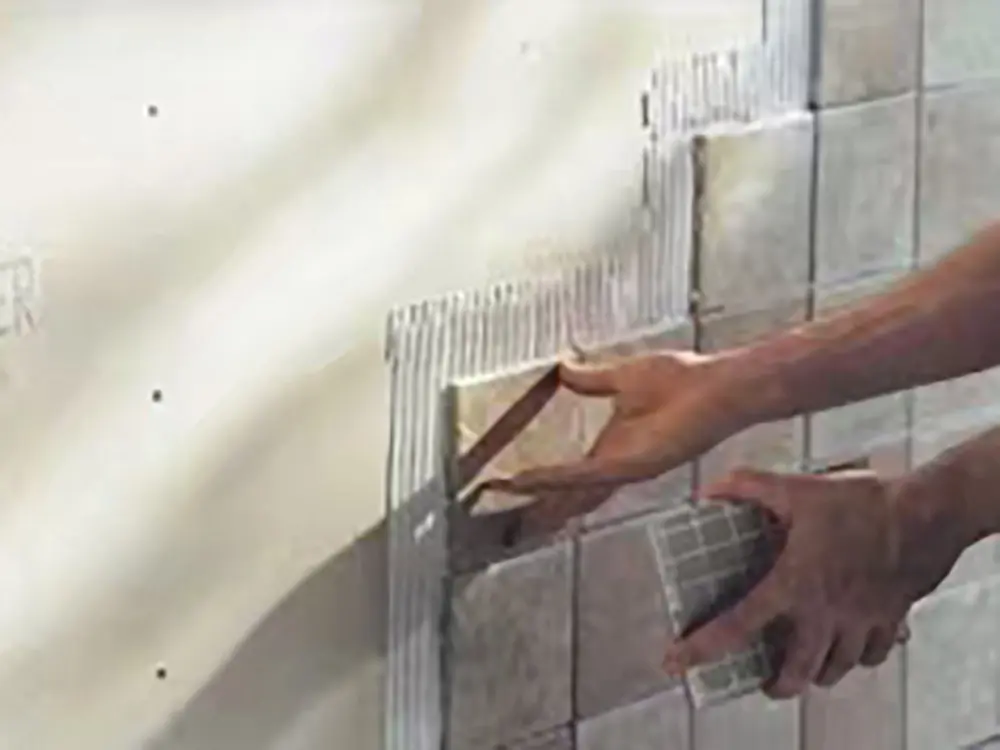 LEAO® Ceramic Tile Underlay
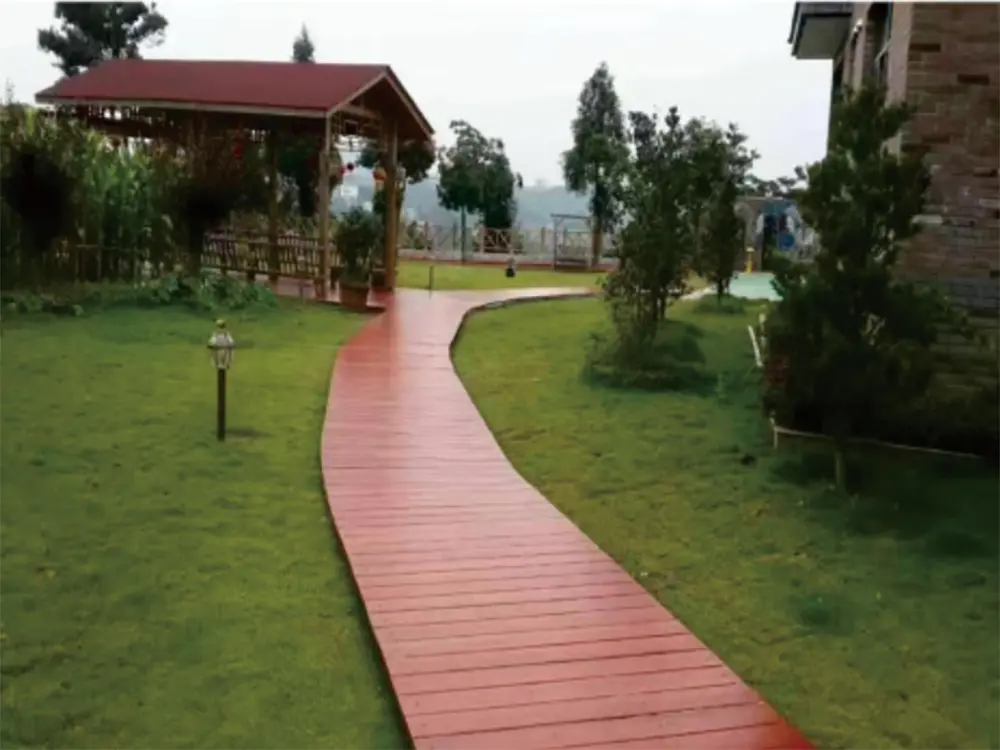 LEAO® Floor Plank
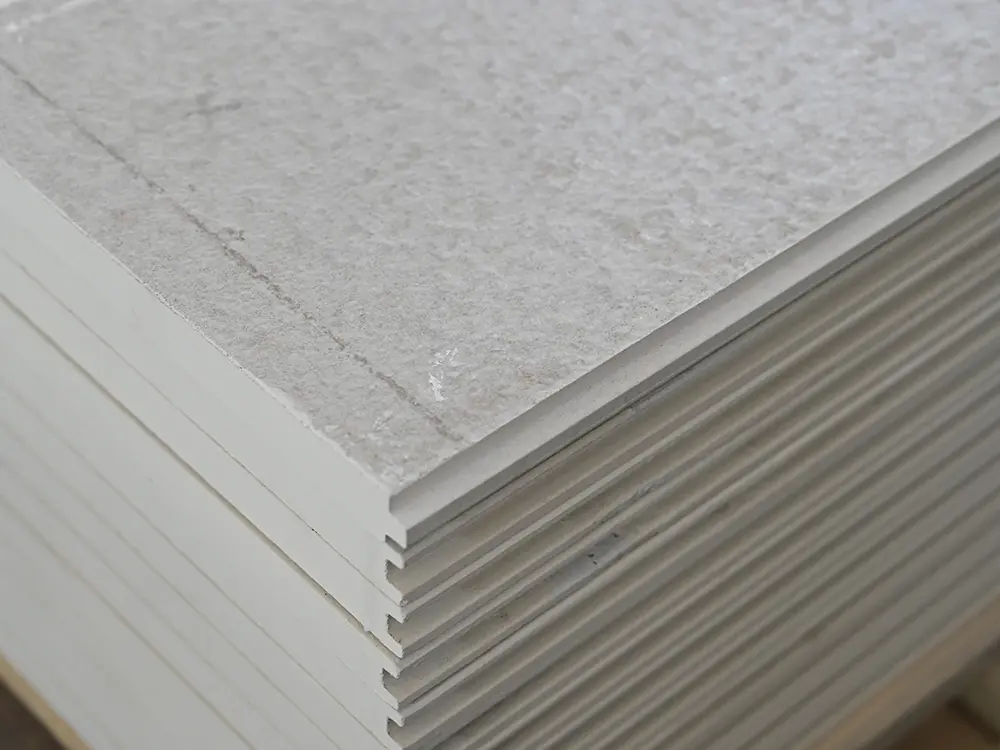 LEAO® Flooring
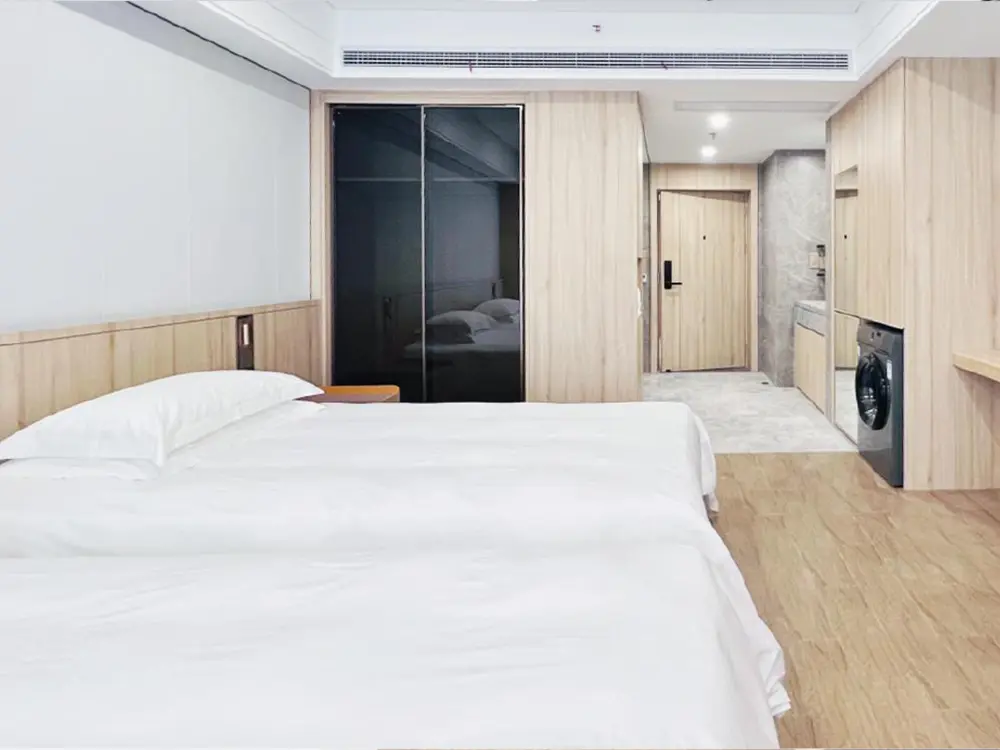 LEAO® Wood Style Decorative Panel
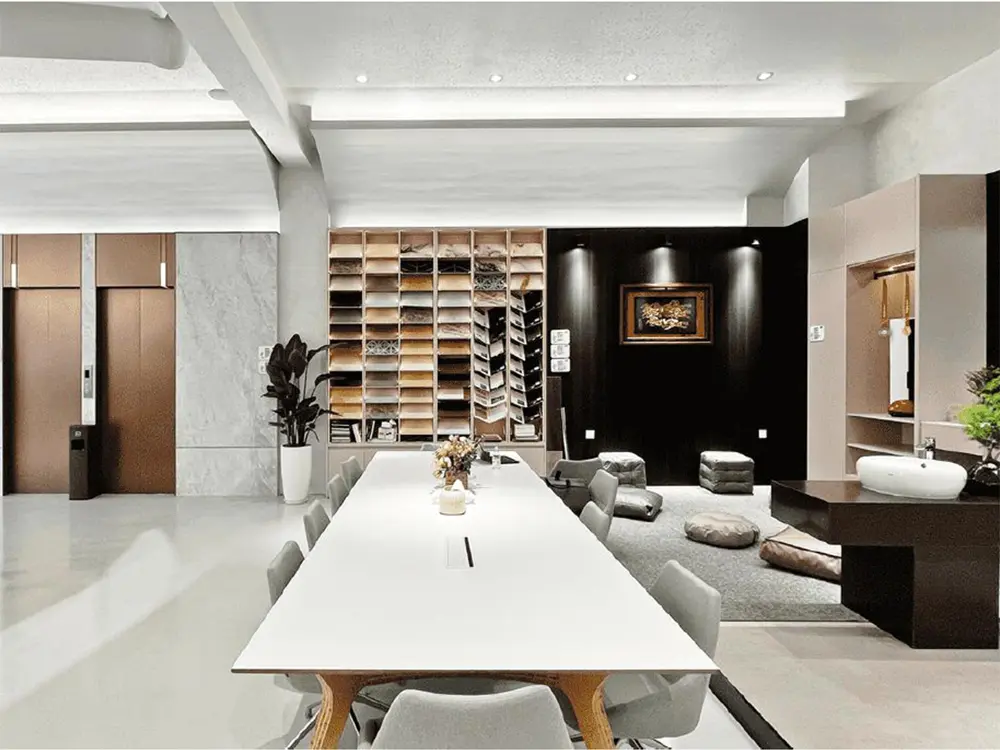 LEAO® Stone Style Decorative Panel
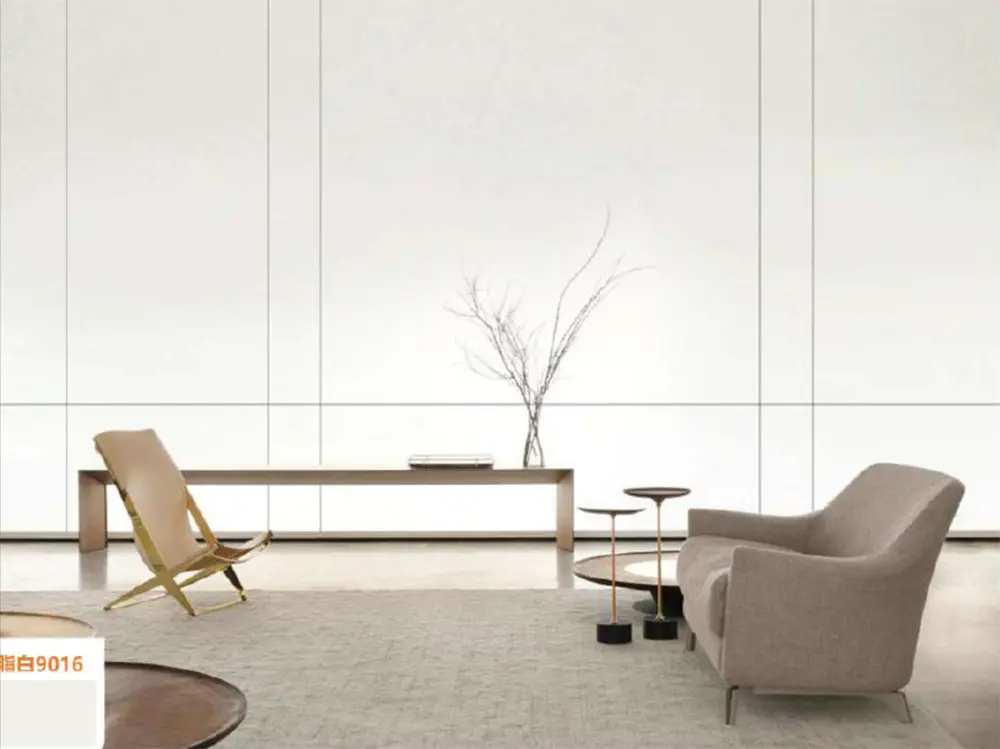 LEAO® Pure Style Decorative Panel