Top Benefits of Fiber Cement Formwork Board for Construction Projects?
In the world of construction, the choice of materials significantly impacts project efficiency and outcomes. One material gaining acclaim is the Fiber Cement Formwork Board. Renowned industry expert, John Doe, states, "Fiber Cement Formwork Boards revolutionize the way we approach construction." This board combines durability with versatility, providing a strong foundation for various applications.
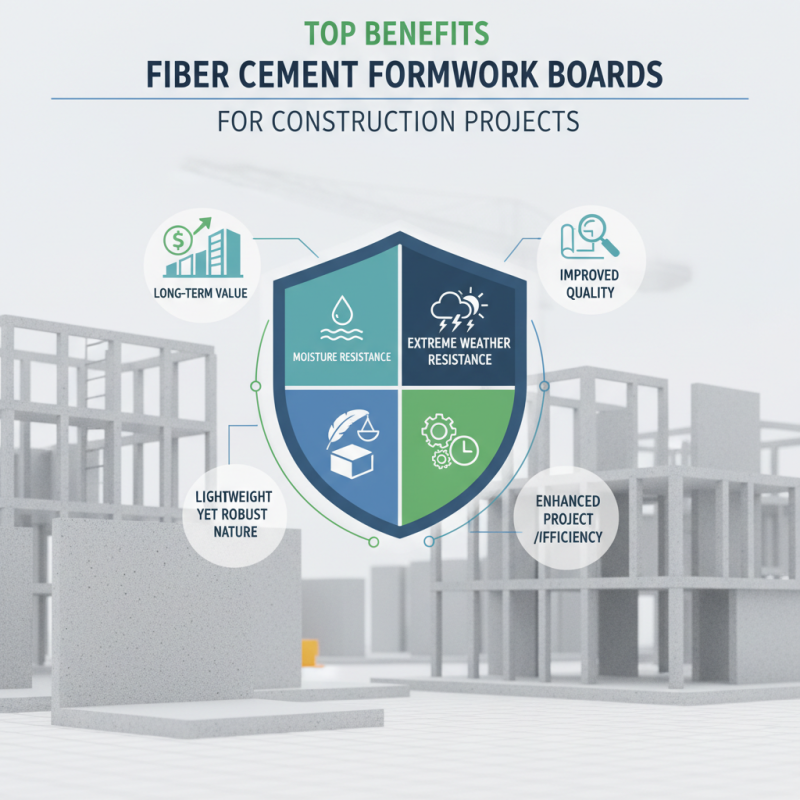
Not only is the Fiber Cement Formwork Board resistant to moisture, it also withstands extreme weather conditions. Many projects have benefited from its light weight yet robust nature. However, some may overlook its initial cost, reflecting on budget constraints. This thought raises questions about long-term value versus upfront investment.
As construction sites become more innovative, the integration of Fiber Cement Formwork Boards can enhance project timelines. Yet, it requires careful consideration. Ultimately, embracing this material can lead to improved quality and efficiency. Still, it’s essential to balance its advantages with potential challenges.
Top Benefits of Fiber Cement Formwork Board for Construction Projects
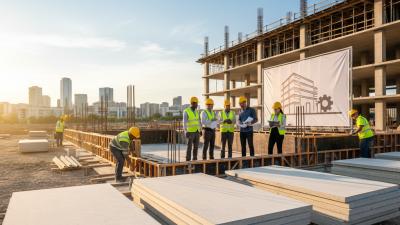
Fiber cement formwork board is revolutionizing construction projects. It offers several advantages over traditional materials. One prominent benefit is its durability. According to a recent industry report, fiber cement boards can last up to 50 years with proper maintenance. They are resistant to moisture, rot, and pests, making them ideal for various environmental conditions.
Using fiber cement boards can significantly reduce construction time. A study indicated that projects utilizing these boards can see a decrease of 30% in labor hours. This efficiency can lead to cost savings in large projects. Moreover, they are lightweight, which simplifies handling and installation for construction teams.
Tip: Always check the board’s specifications before purchase. Not all fiber cement boards are equal. Some may have higher water resistance than others.
While fiber cement offers many benefits, there are concerns with installation. Misalignment during setup can lead to issues later on. Builders must be diligent in planning and executing the installation process. Small mistakes can result in larger problems down the road.
Durability and Longevity: Understanding the Lifespan Statistics
Fiber cement formwork boards offer significant advantages for construction projects, particularly in terms of durability and longevity. These boards resist moisture, ensuring that structural integrity remains intact over time. Many constructions using fiber cement can last for decades without requiring major repairs. This makes them a cost-effective choice for builders, as they reduce the need for frequent replacements.
It's interesting to note that fiber cement is inherently resistant to pests and fungi. Therefore, projects involving these materials can face fewer interruptions. However, it’s crucial to choose high-quality boards. Sometimes, lower-priced options may seem tempting but could compromise lifespan.
Tips: Always research the specific lifespan statistics of the products you consider. Look for materials that have been tested under real conditions. Checking customer reviews can provide insights into any shortcomings or unexpected issues. Each construction project is unique, and what works for one may not work for another. So, reflect on your project's specific needs before making decisions.
Enhanced Fire Resistance: Industry Standards and Performance Metrics
Fiber cement formwork board stands out for its enhanced fire resistance, aligning with industry standards. According to a report from the National Fire Protection Association, building materials must meet strict criteria for fire safety. Fiber cement materials often achieve ratings that exceed those of traditional wood. This makes them a reliable choice in high-risk fire zones.
Performance metrics for fiber cement boards show a fire resistance rating of up to 2 hours in controlled tests. This level of protection can make a significant difference in emergencies. It gives builders confidence. However, not all fiber cement products are created equal. Variability in manufacturing can lead to inconsistencies. It’s crucial for project managers to verify certifications.
A key challenge lies in the installation process. Proper installation is essential for achieving the touted fire resistance. Misalignment or poor sealing can negate benefits. Regular training for workers can help mitigate these issues. Still, some projects may overlook these aspects, leading to potential vulnerabilities.
Cost-Effectiveness: Analyzing Long-Term Savings and Initial Investments
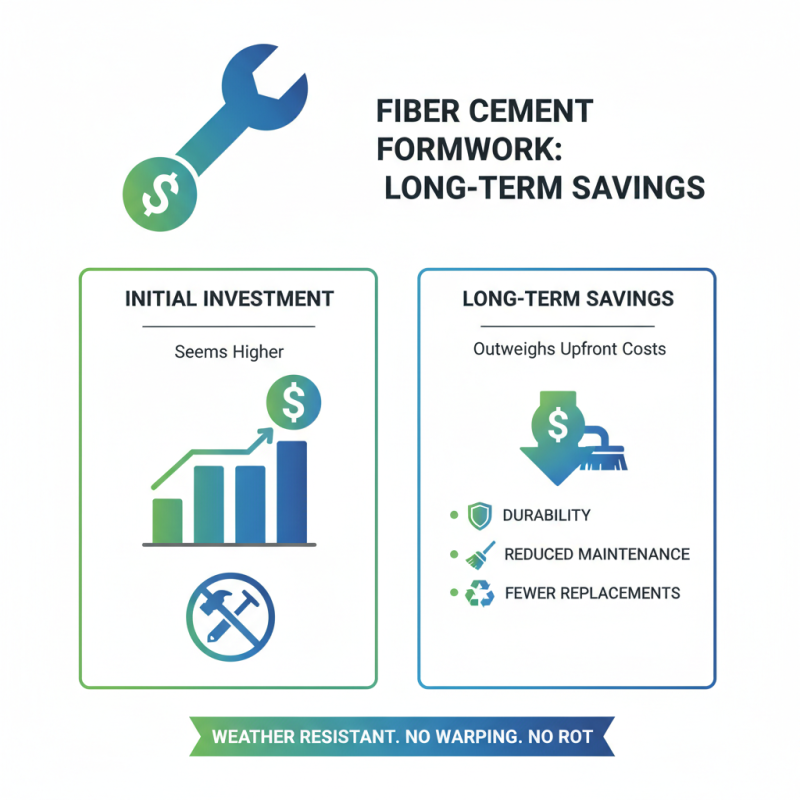
Fiber cement formwork board offers notable cost-effectiveness in construction projects. Initially, the investment may seem high. However, the long-term savings often outweigh these upfront costs. The durability of fiber cement reduces maintenance expenses. It withstands harsh weather without warping, splintering, or rotting. This quality means fewer replacements over time.
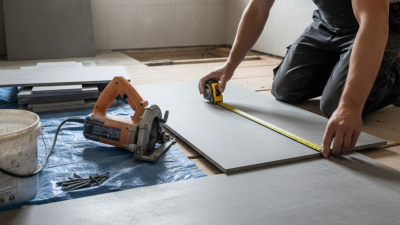
Labor costs are also a factor. Lightweight and easy to handle, fiber cement boards speed up assembly. Workers can install them quickly, improving overall project timelines. Yet, there can be a learning curve. Some teams may need training to maximize this benefit. Quality control might be challenging if workers aren’t accustomed.
In the end, the decision to use fiber cement should consider both immediate and future expenses. Think about the project lifespan. While the initial price appears daunting, the savings on repairs and labor can be significant. Awareness of this balance is essential, yet it's often overlooked in project budgeting.
Environmental Impact: Sustainability and Recyclability of Fiber Cement
Fiber cement formwork boards are increasingly embraced in construction. Their environmental impact makes them a standout choice. This material is made from a mix of cement, cellulose fibers, and various fillers. The production process involves less energy compared to traditional materials, leading to reduced carbon emissions. According to a report by the European Cement Research Academy, the carbon footprint of cement-based products can be cut by up to 40% when using fiber cement.
Recyclability is a key advantage. Fiber cement boards can be reused multiple times before they need disposal. Once they reach the end of their lifecycle, they can be crushed and reconstituted into new products, which helps reduce landfill waste. The Environmental Protection Agency highlights that recycling construction materials can divert up to 90% of waste from landfills.
Despite their benefits, some challenges remain. Understanding the best practices for recycling is still evolving. Not all construction sites have the facilities to recycle fiber cement effectively. Therefore, there is a pressing need for ongoing education within the industry. Awareness around proper disposal methods is crucial for maximizing sustainability efforts. This helps ensure fiber cement formwork boards contribute positively to construction’s environmental goals.
Conclusion
Fiber Cement Formwork Board has emerged as a highly beneficial material in construction projects, offering numerous advantages that contribute to its growing popularity. One of the key benefits is its exceptional durability and longevity, which are crucial for minimizing maintenance costs and ensuring structural integrity over time. Additionally, it boasts enhanced fire resistance, adhering to industry standards that promote safety in construction environments.
Cost-effectiveness is another significant aspect, as Fiber Cement Formwork Board can lead to long-term savings despite higher initial investments. Its environmental impact is favorable, given its sustainability and recyclability, aligning with modern construction's eco-friendly trends. Lastly, the versatility of Fiber Cement Formwork Board allows for its application across various construction types and methods, making it a valuable asset for diverse project needs. Overall, this material presents a comprehensive solution that balances performance with environmental considerations in the construction industry.

 LEAO®Deco Ceiling
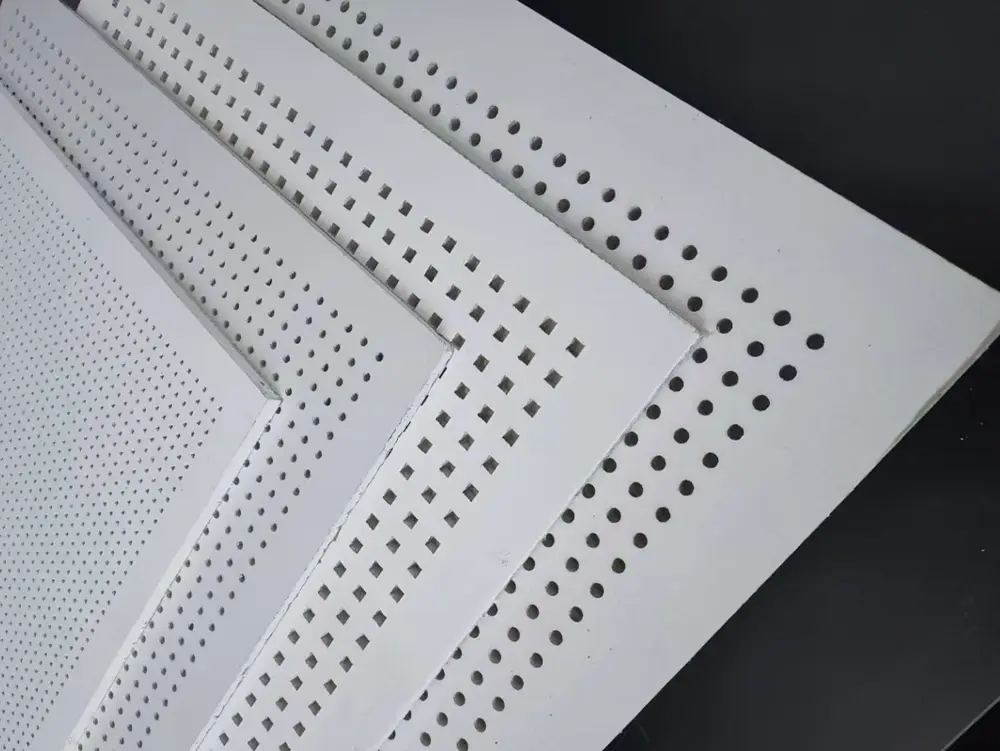 LEAO® Perforated Ceiling
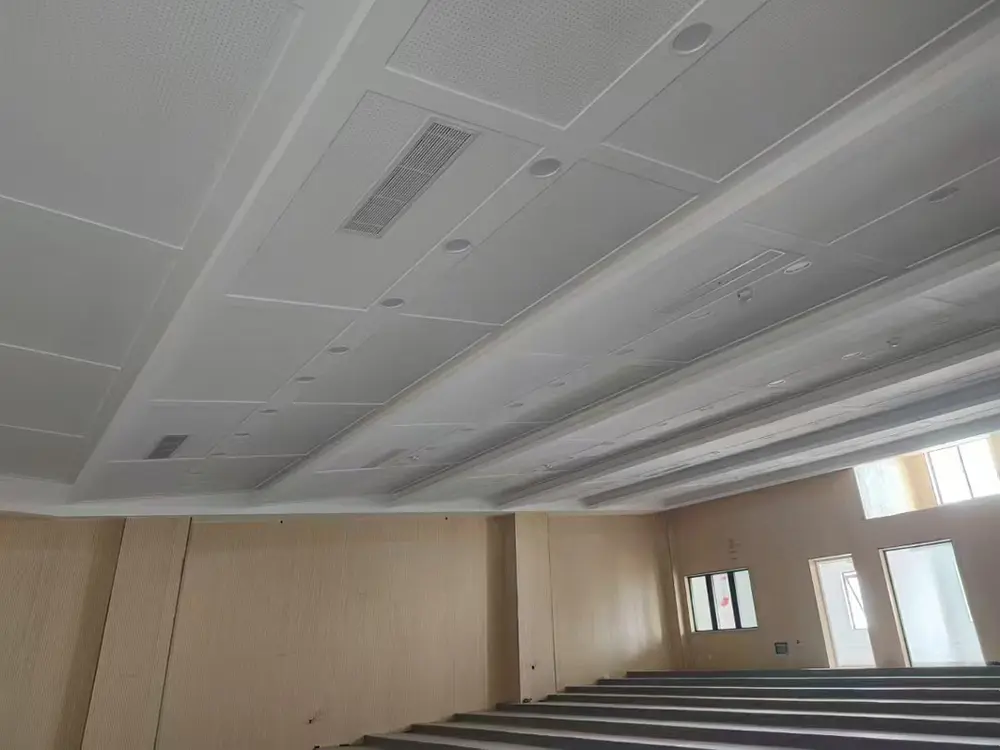 LEAO® Ceiling Board
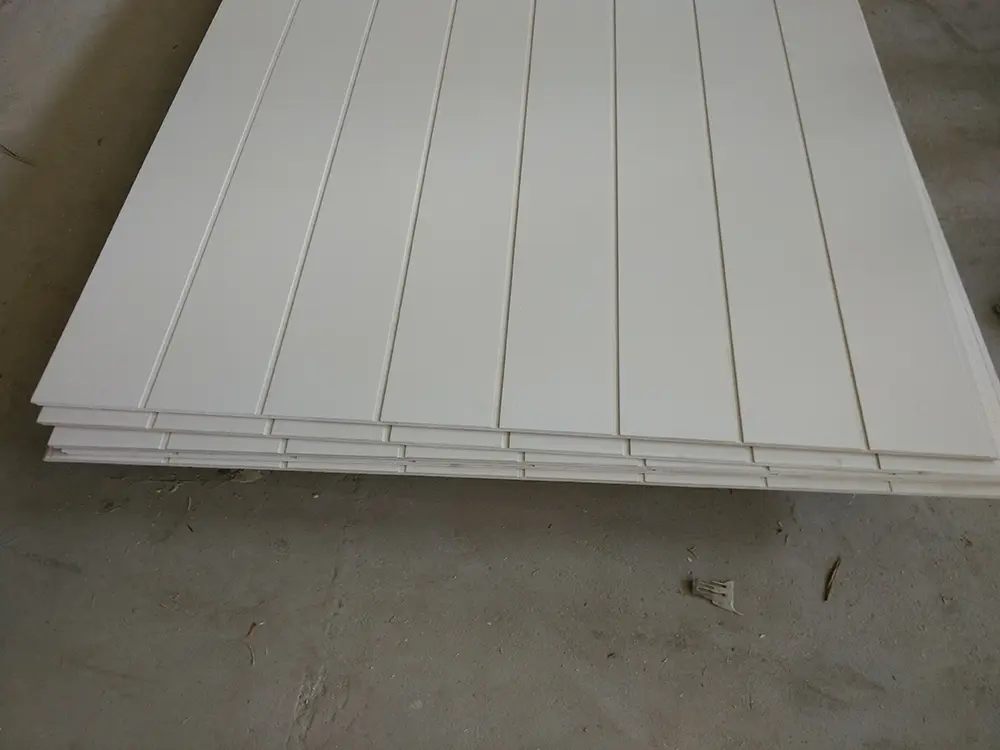 LEAO® Groove Interior Panel
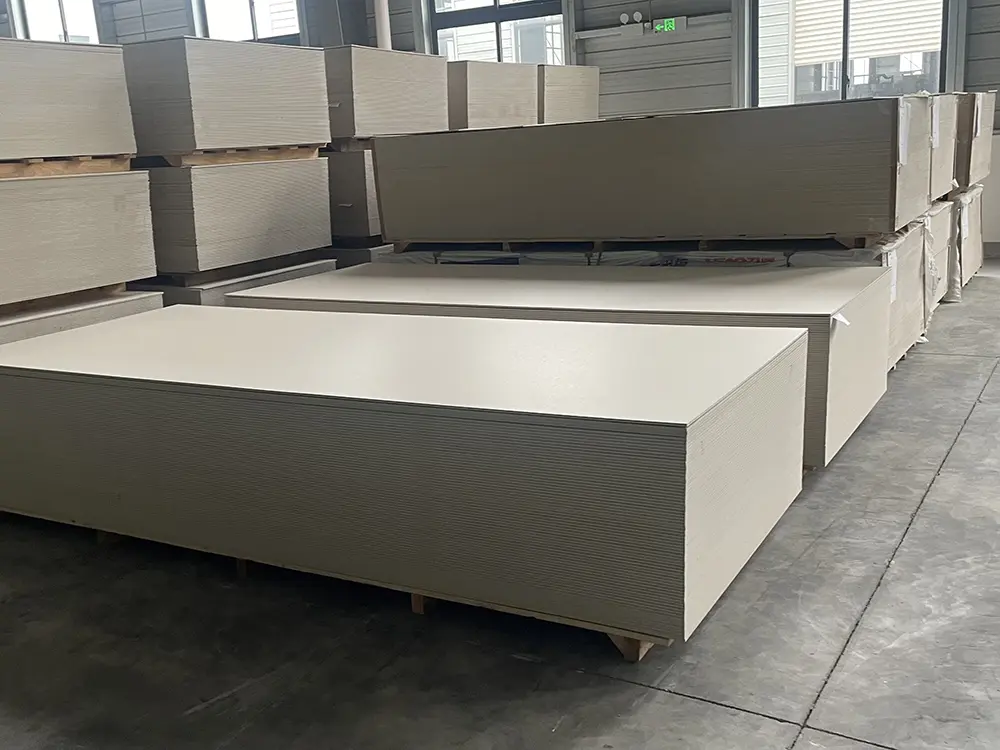 LEAO® Interior Board
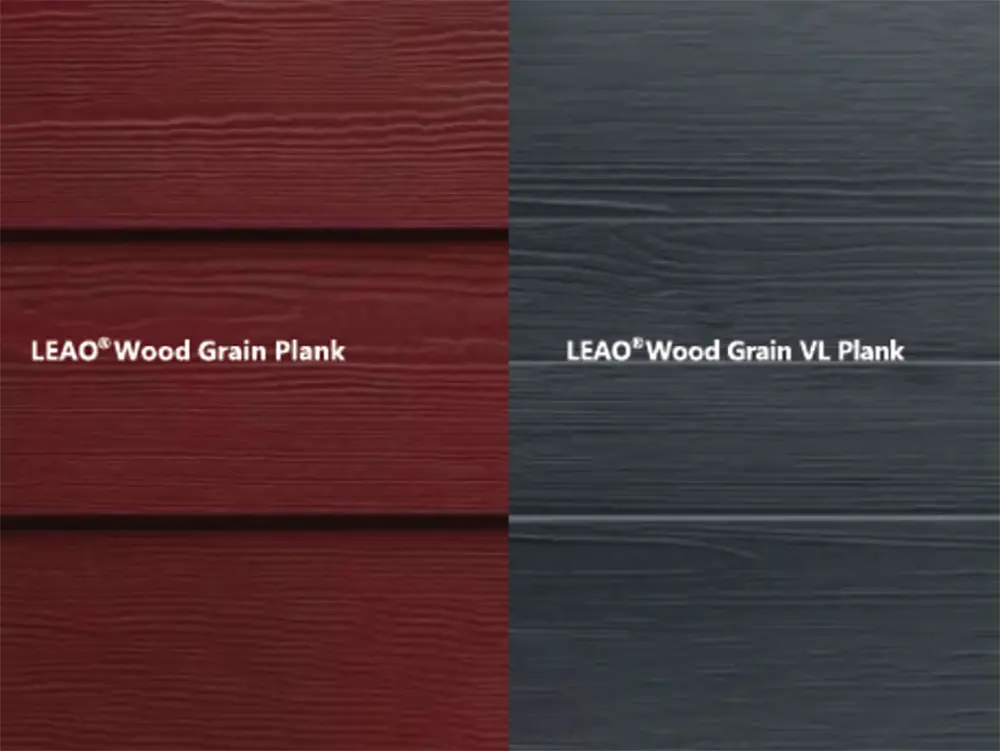 LEAO® Wood Grain Plank
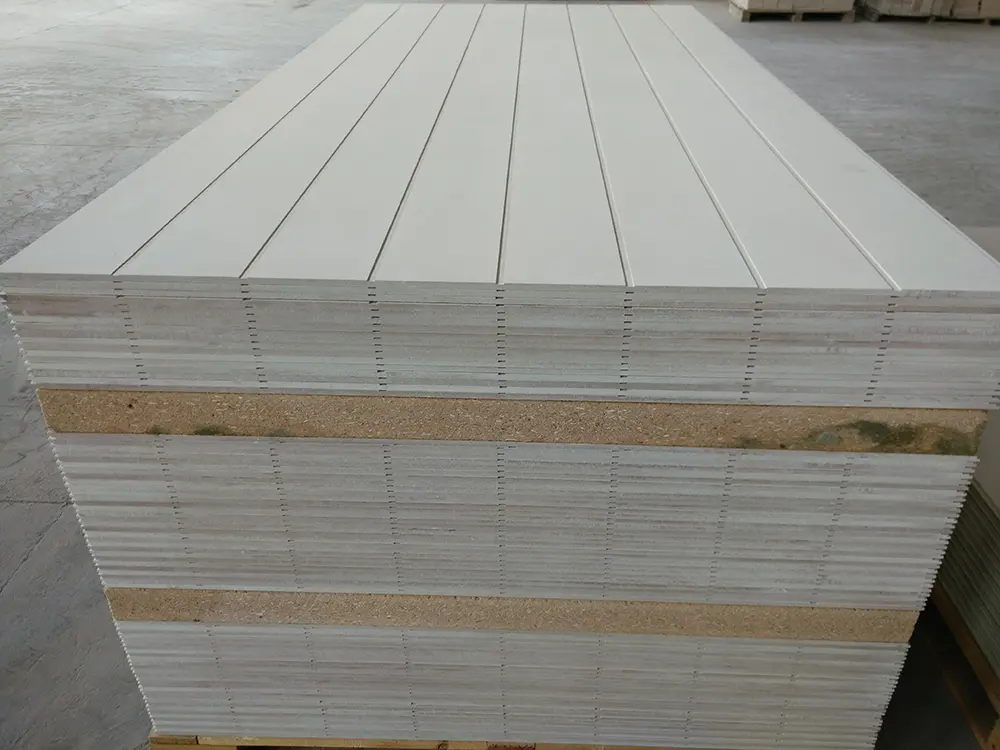 LEAO® Grooved Exterior Panel
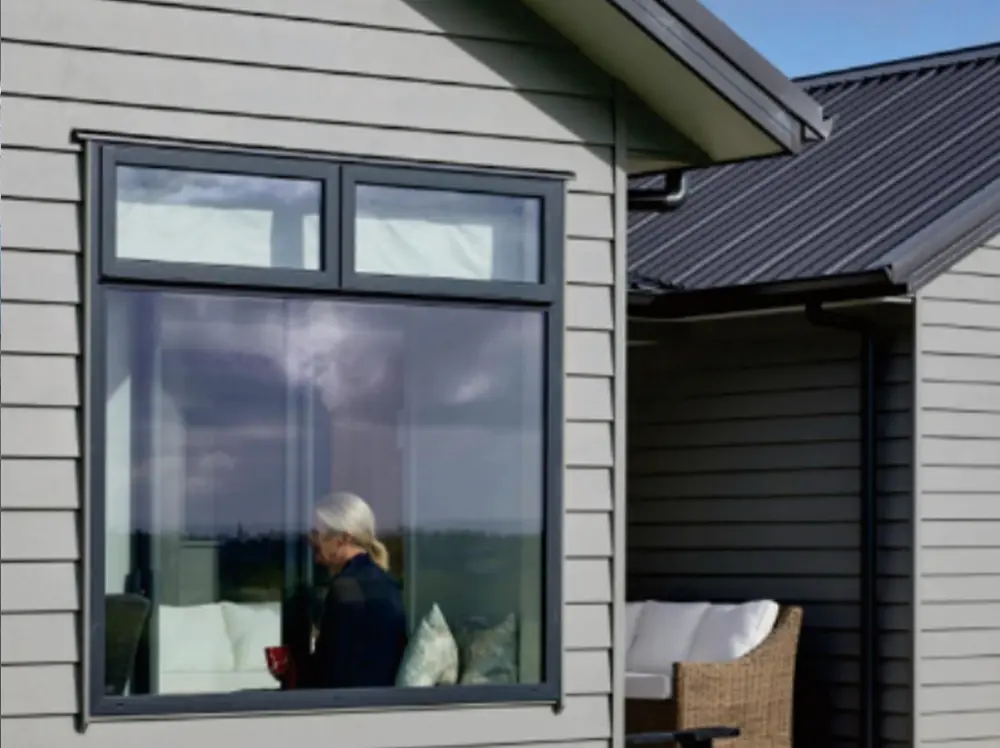 LEAO® Weatherboard
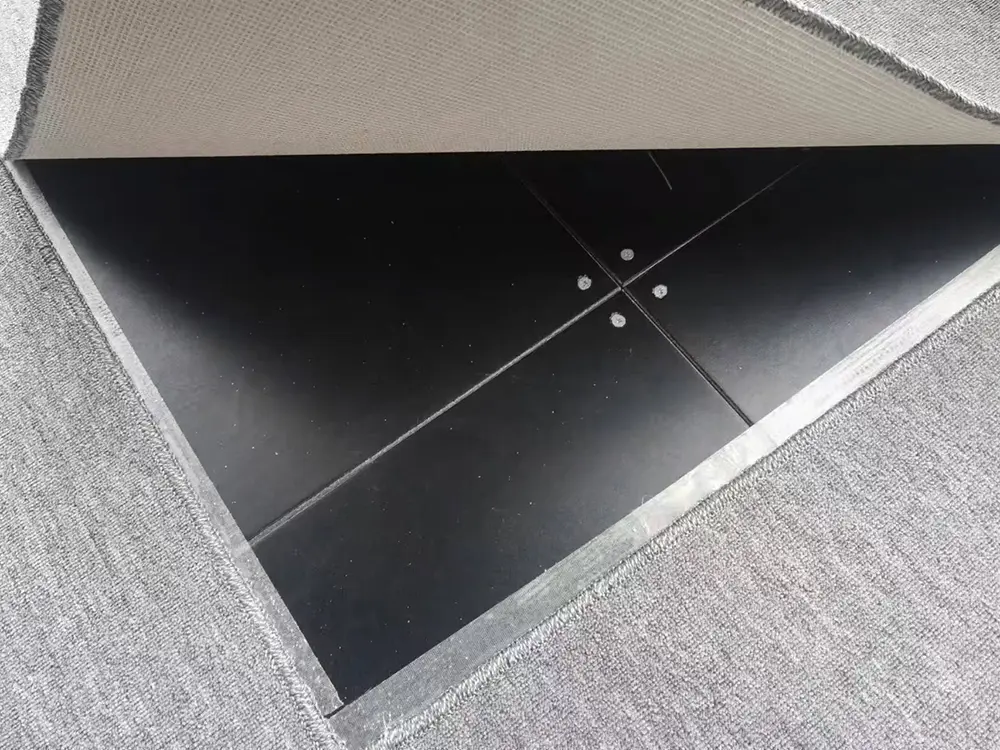 LEAO® Access Floors
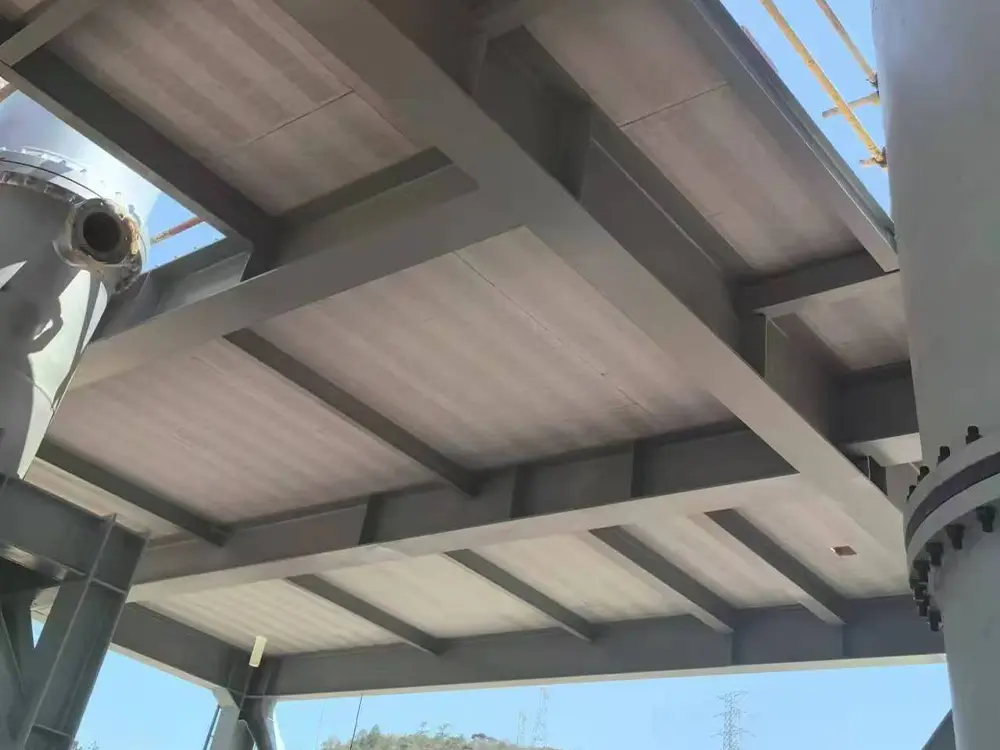 LEAO® Non-removable Formwork
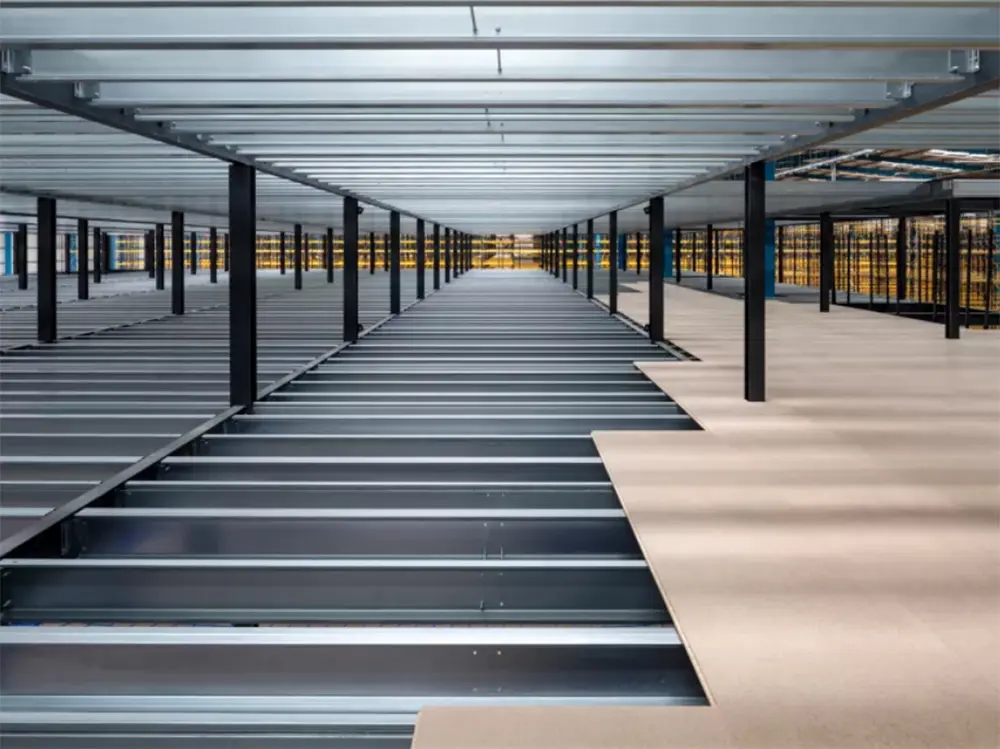 LEAO® Mezzanine Board
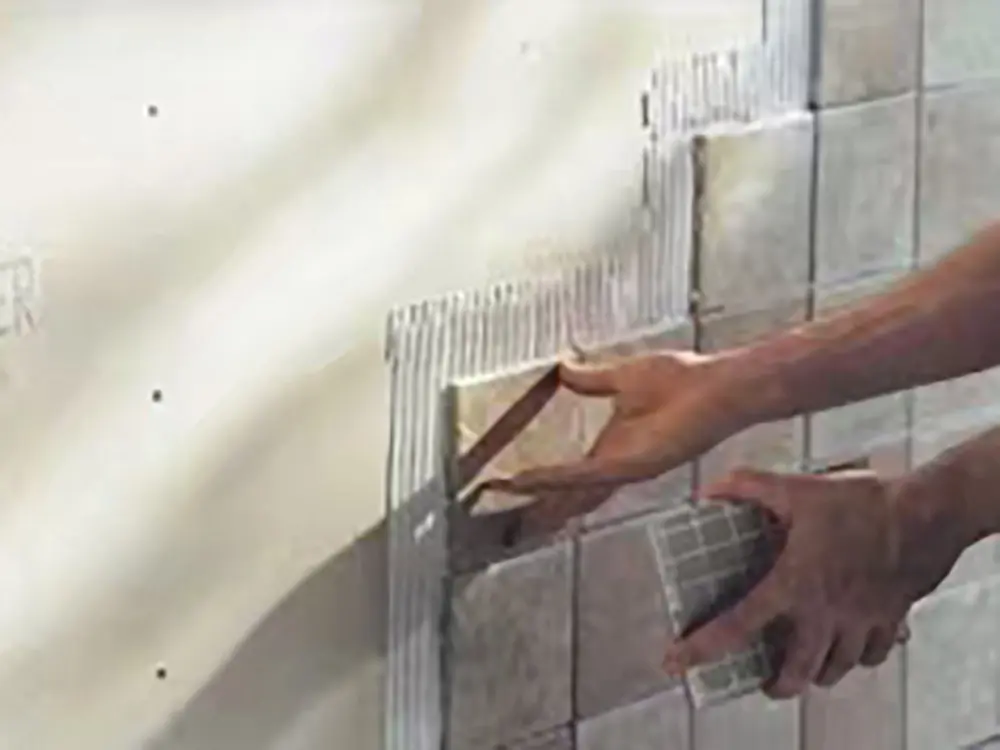 LEAO® Ceramic Tile Underlay
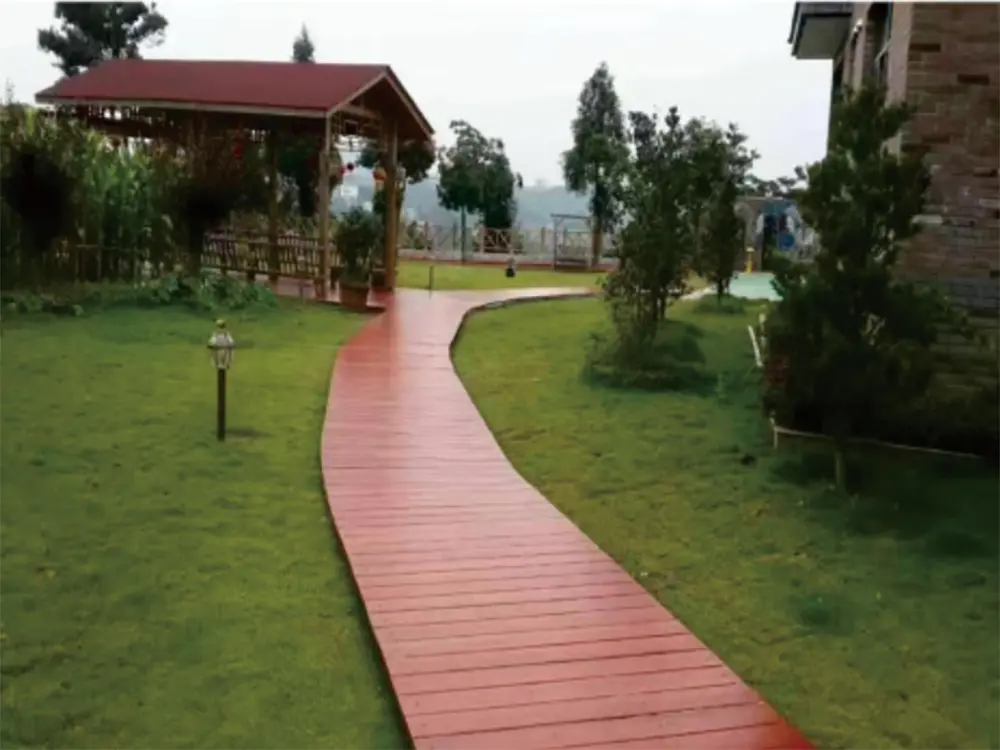 LEAO® Floor Plank
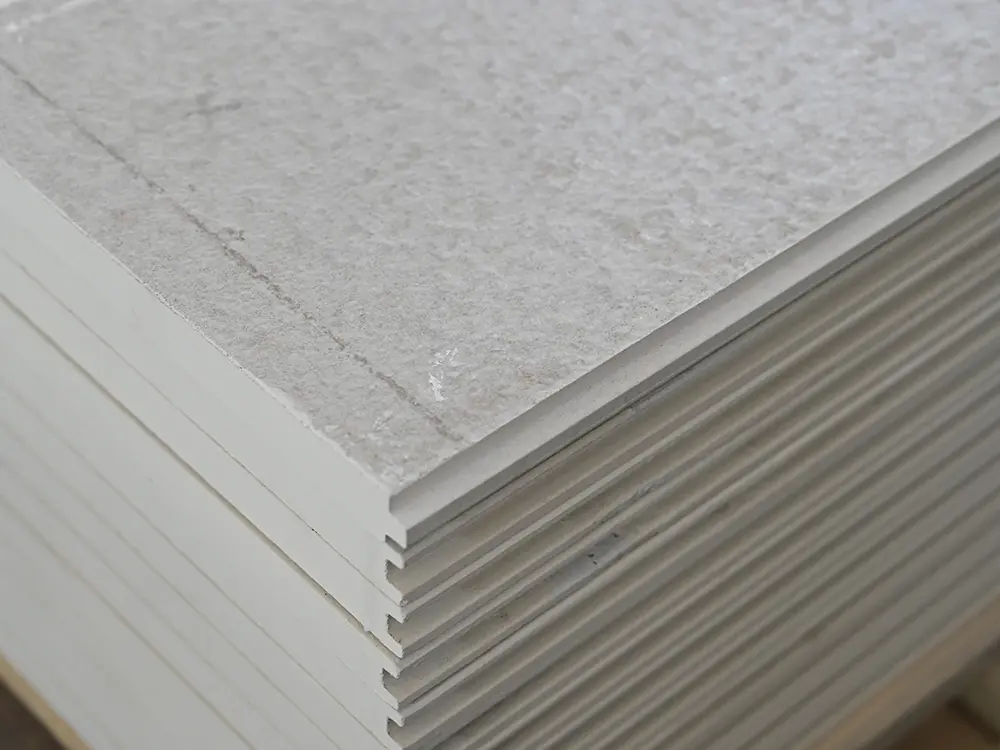 LEAO® Flooring
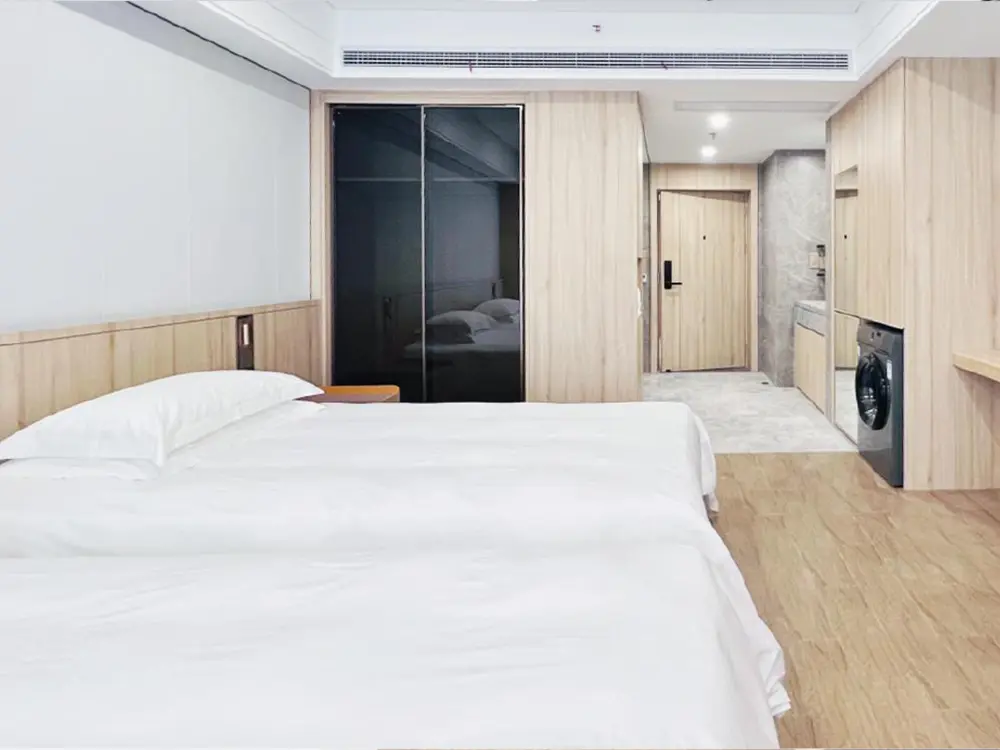 LEAO® Wood Style Decorative Panel
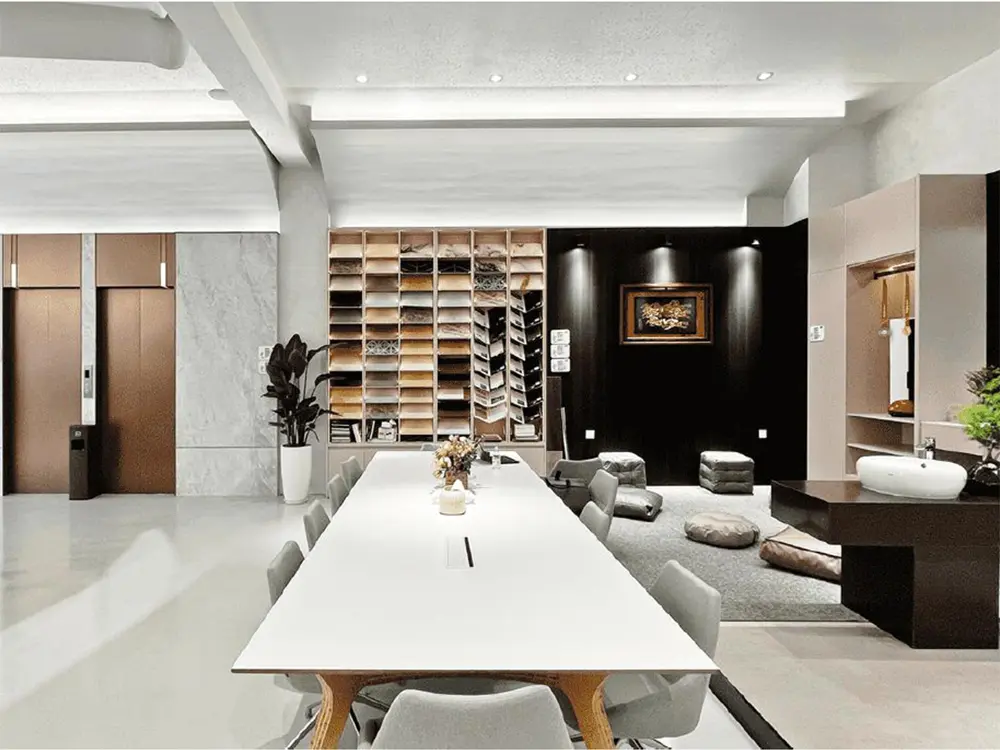 LEAO® Stone Style Decorative Panel
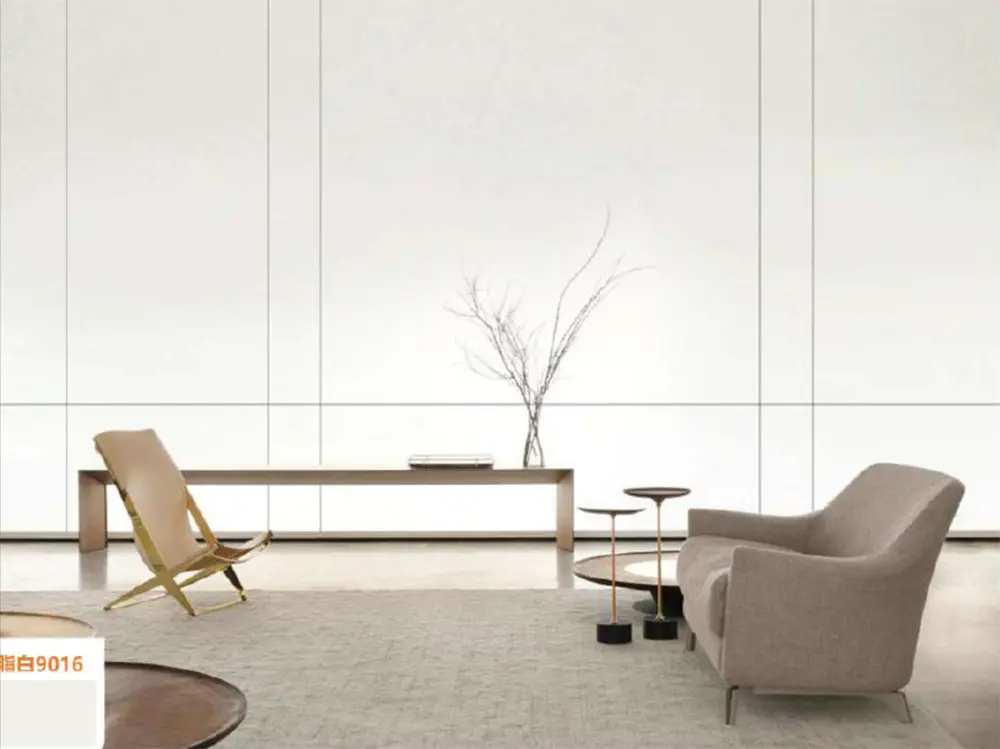 LEAO® Pure Style Decorative Panel