Discover the Benefits of Fiber Cement Trim Board for Your Projects?
Fiber Cement Trim Board has emerged as a pivotal material in construction and remodeling projects. According to a report by the Portland Cement Association, fiber cement products have gained popularity due to their durability and resistance to harsh weather conditions. This trend highlights the growing recognition of the benefits that fiber cement trim can offer.
The versatility of Fiber Cement Trim Board makes it suitable for various applications, from residential homes to commercial buildings. Data from the National Association of Home Builders indicates that 70% of builders prefer fiber cement for its low maintenance and longevity. While many materials fall short in terms of performance, the reliability of fiber cement stands out, ensuring long-term satisfaction for both contractors and homeowners.
However, like any material, it is essential to consider the environmental impact and production processes of Fiber Cement Trim Board. While it offers numerous advantages, some concerns regarding resource use and manufacturing emissions need addressing. A balanced approach ensures we embrace the benefits while reflecting on potential drawbacks. In exploring the advantages of Fiber Cement Trim Board, a comprehensive understanding of its applications is vital to making informed decisions for your projects.
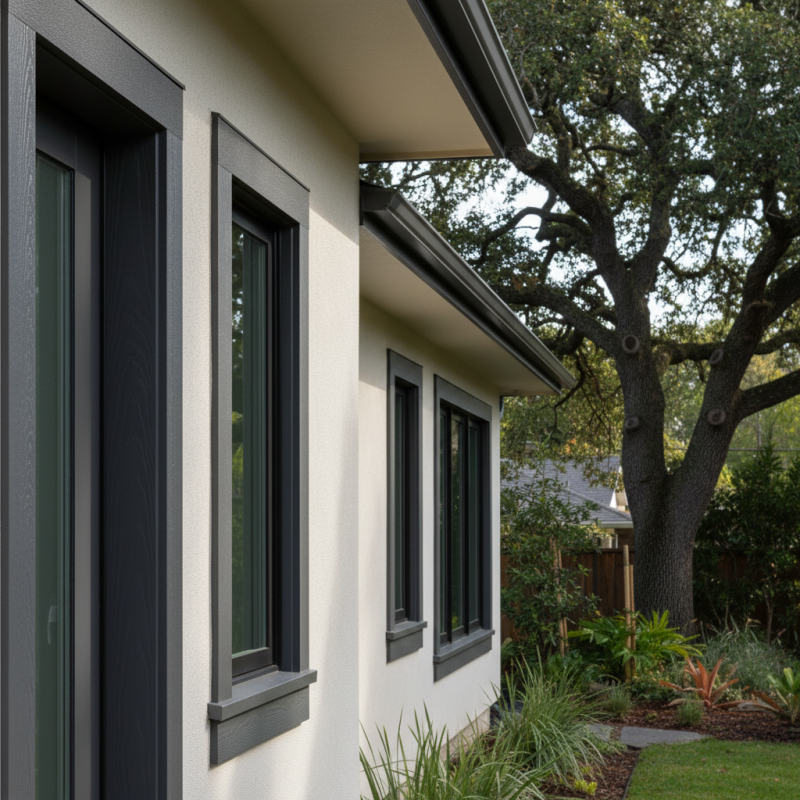
What is Fiber Cement Trim Board and Its Composition?
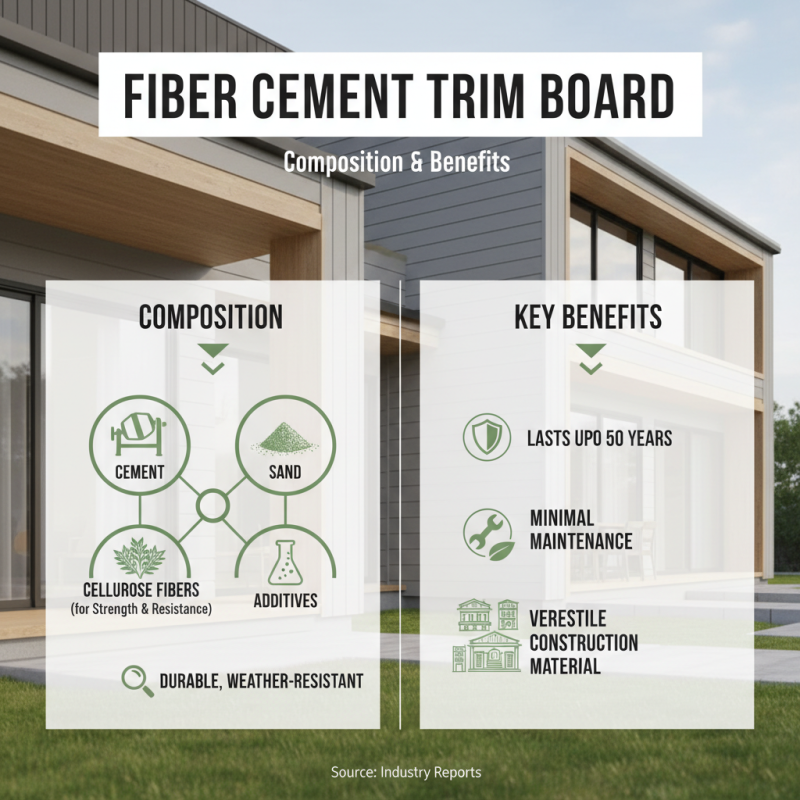
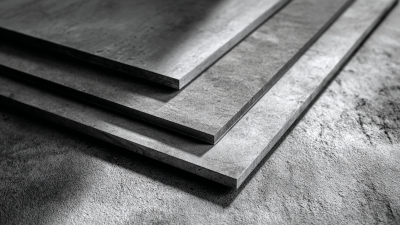
Fiber cement trim board is a versatile building material made from a mixture of cement, sand, cellulose fibers, and additives. This composition provides it with unique properties, making it an excellent choice for various applications in construction. The cellulose fibers enhance strength and resistance, ensuring durability against harsh weather conditions. Reports indicate that fiber cement products can last up to 50 years with minimal maintenance.
When it comes to performance, fiber cement trim board stands out for its moisture resistance. Unlike traditional wood products, it does not warp, swell, or rot when exposed to moisture. This quality is particularly beneficial in humid climates, where wood alternatives tend to deteriorate. According to the American Institute of Architects, using fiber cement in exterior applications can reduce repair and replacement costs by up to 30%.
In addition, fiber cement trim board is an energy-efficient option. It can contribute to lower energy costs due to its insulating properties. The National Association of Home Builders highlights that using fiber cement materials enhances a building's overall energy performance. Despite its benefits, some challenges exist. Installation may require specialized tools, and not every contractor is familiar with the specific techniques needed for optimal results. This can lead to mistakes if proper training is not provided.
Key Advantages of Using Fiber Cement Trim Board in Construction
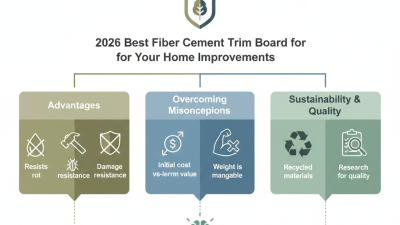
Fiber cement trim boards offer numerous benefits for construction projects. These boards are made from a blend of cement, sand, and cellulose fibers. This composition makes them durable yet lightweight. They resist rot, pests, and fire, which can be significant advantages in various climates and environments. This material is suited for both residential and commercial applications.
Another notable aspect is maintenance. Unlike wood trim, fiber cement requires less upkeep over time. It can be painted or finished to match diverse design aesthetics, making it a flexible choice for builders and architects. While installation is generally straightforward, some may find cutting and handling the material challenging. This can lead to wasted material if not managed properly.
Sustainability is a key advantage of fiber cement. It is often made from recycled materials, reducing environmental impact. Still, it’s essential to evaluate sourcing and manufacturing processes. Each project may present unique challenges. Being mindful of these factors ensures that fiber cement trim boards meet specific needs effectively.
Comparison of Fiber Cement Trim Board with Traditional Materials
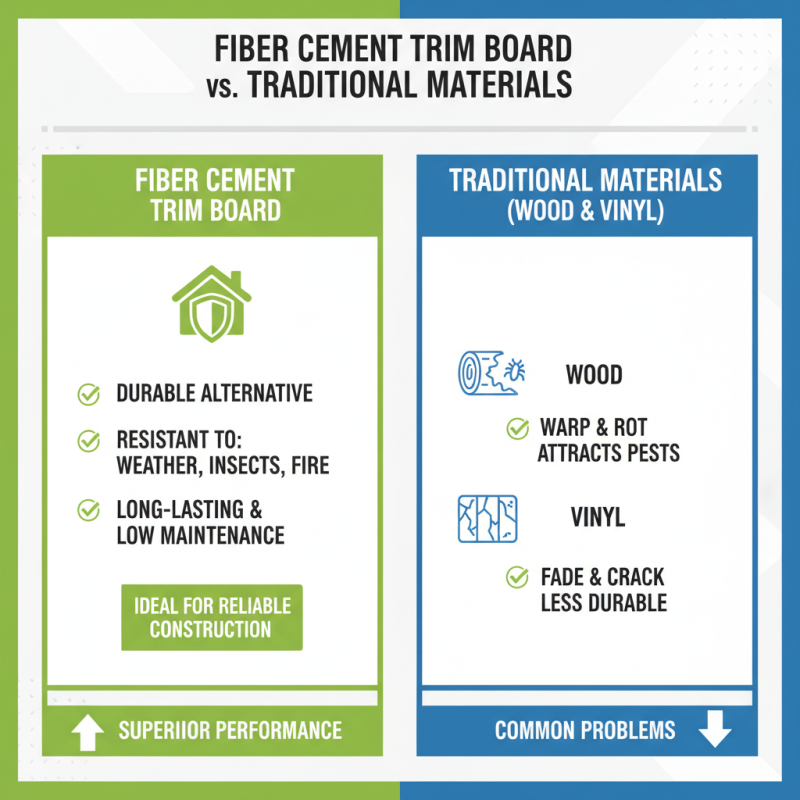
Fiber cement trim boards are gaining popularity in construction. They serve as a durable alternative to traditional wood and vinyl materials. Wood can warp, rot, or attract pests. Vinyl often fades or cracks over time. In contrast, fiber cement offers superior resistance to weather, insects, and fire. This makes it a reliable choice for various projects.
When comparing fiber cement to wood, maintenance is a key factor. Wood requires regular painting and sealing. This adds time and cost to upkeep. Fiber cement, however, generally requires less maintenance. A simple wash is often enough to keep it looking fresh. Its longevity can be an advantage in the long run, although initial costs might be higher.
Furthermore, environmental considerations play a role. Fiber cement is often made from sustainable materials. Its production can have a lower carbon footprint compared to traditional materials. This, however, can vary based on sourcing practices. Understanding these nuances helps make informed decisions. It’s essential to weigh the benefits against potential drawbacks.
Installation and Maintenance Best Practices for Fiber Cement Trim Board
When installing fiber cement trim boards, attention to detail is crucial. Begin by ensuring a flat and even substrate. This will prevent future issues like warping or cracking. Use a circular saw to cut the trim to the correct lengths. Always wear safety goggles and a mask while cutting. Proper safety measures are essential during this process.
Once cut, it's important to use high-quality screws or nails. They should be rust-resistant to ensure longevity. When fastening, maintain a consistent distance between each nail or screw. This helps in distributing stress evenly across the board. Regularly check that your fasteners penetrate the material deeply. Over time, improper installation can lead to gaps and water infiltration.
For maintenance, inspect the trim boards periodically. Look for signs of wear, such as paint peeling or small cracks. Prompt repairs can extend the life of the trim. Keep in mind that weather conditions can also affect the material. Make adjustments based on your local climate, and don't hesitate to consult professionals if unsure. Taking these steps can greatly enhance the durability and aesthetic appeal of your projects.
Discover the Benefits of Fiber Cement Trim Board for Your Projects? - Installation and Maintenance Best Practices for Fiber Cement Trim Board
| Aspect |
Details |
| Material Composition |
Made from a mixture of cement, sand, and cellulose fibers. |
| Durability |
Resistant to rot, insects, and extreme weather conditions. |
| Aesthetic Appeal |
Available in various styles and colors, mimicking wood, stone, and other materials. |
| Installation Process |
Can be installed using standard tools; requires proper sealing and moisture management. |
| Maintenance Requirements |
Minimal maintenance; regular cleaning and inspection for paint touch-ups recommended. |
| Sustainability |
Made from sustainable materials; recyclable at the end of its life cycle. |
Environmental Impact and Sustainability of Fiber Cement Trim Board
Fiber cement trim boards are gaining attention for their environmental benefits. This innovative material is made from a blend of cement, sand, and cellulose fibers. Its production process often uses recycled materials. This helps to reduce waste and lessen the demand for fresh resources.
Choosing fiber cement trim boards can be a sustainable choice for building projects. Unlike traditional wood, it doesn’t require deforestation. Moreover, it offers excellent durability and resistance to pests. This longevity minimizes the need for frequent replacements, which can be a significant factor in sustainability. However, it is essential to consider the manufacturing energy required, as it can vary.
Some might argue that fiber cement trim boards are not perfect. The installation process can generate dust, which poses a health risk without proper precautions. Also, while it is recyclable, not all recycling facilities accept it. As designers and builders, it's crucial to weigh these factors against the benefits. We must continually seek solutions to improve the sustainability of our materials and practices.

 LEAO®Deco Ceiling
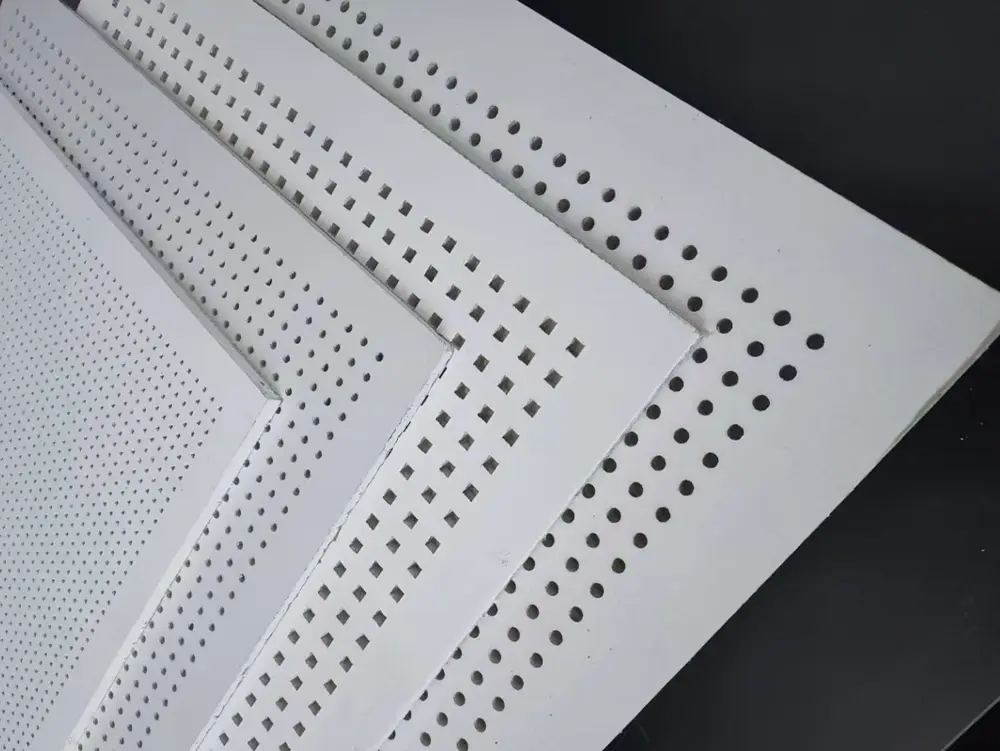 LEAO® Perforated Ceiling
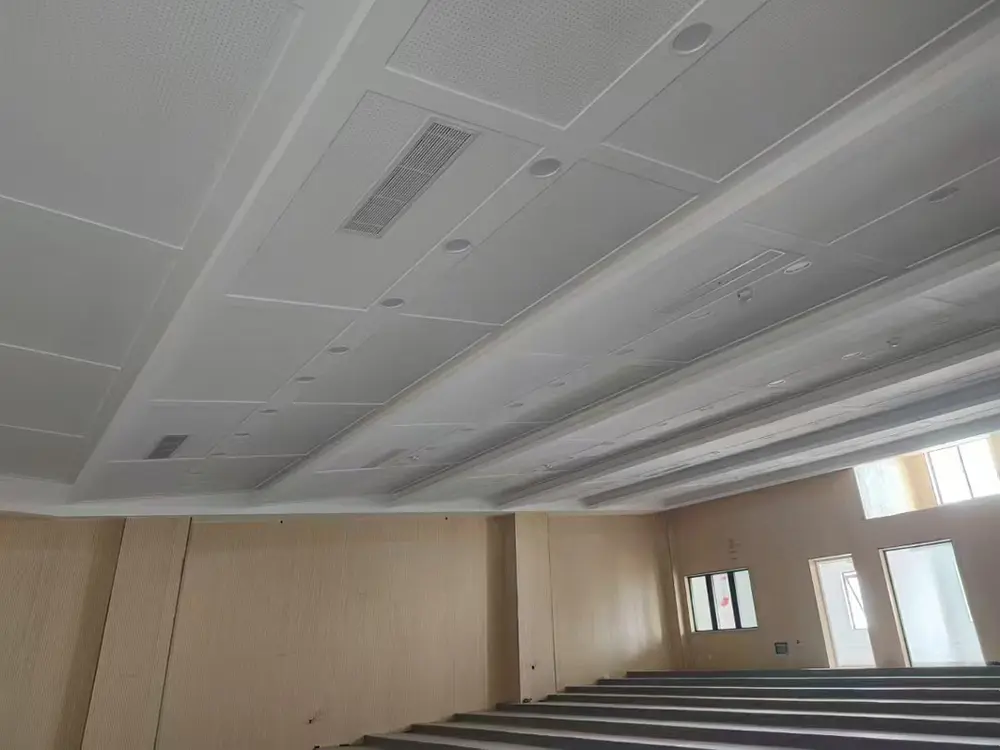 LEAO® Ceiling Board
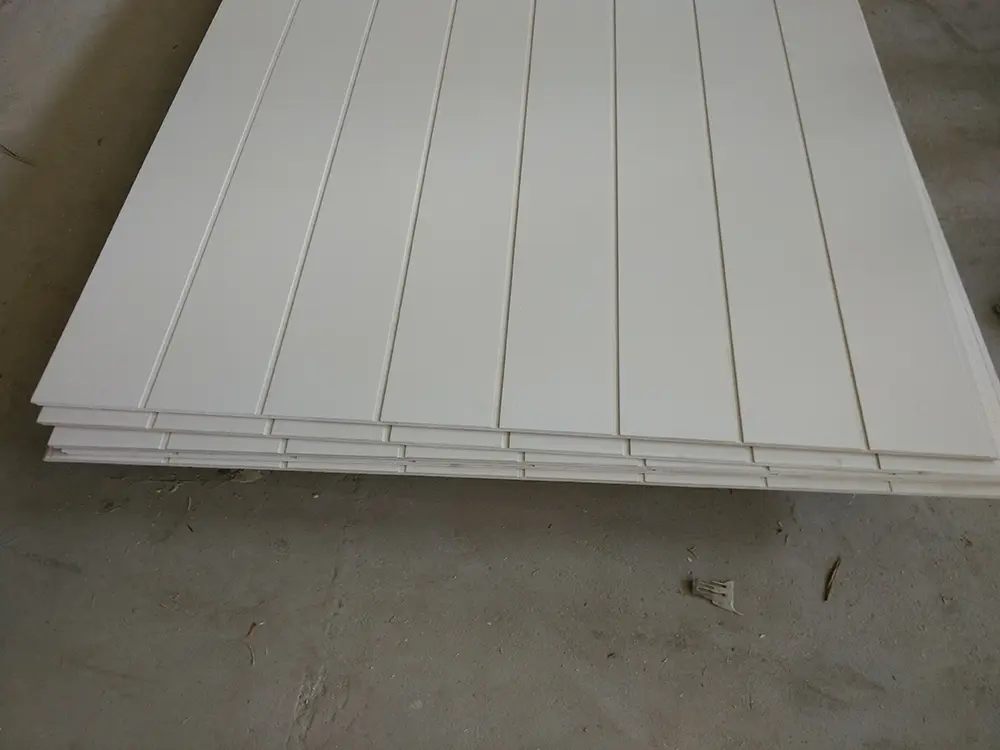 LEAO® Groove Interior Panel
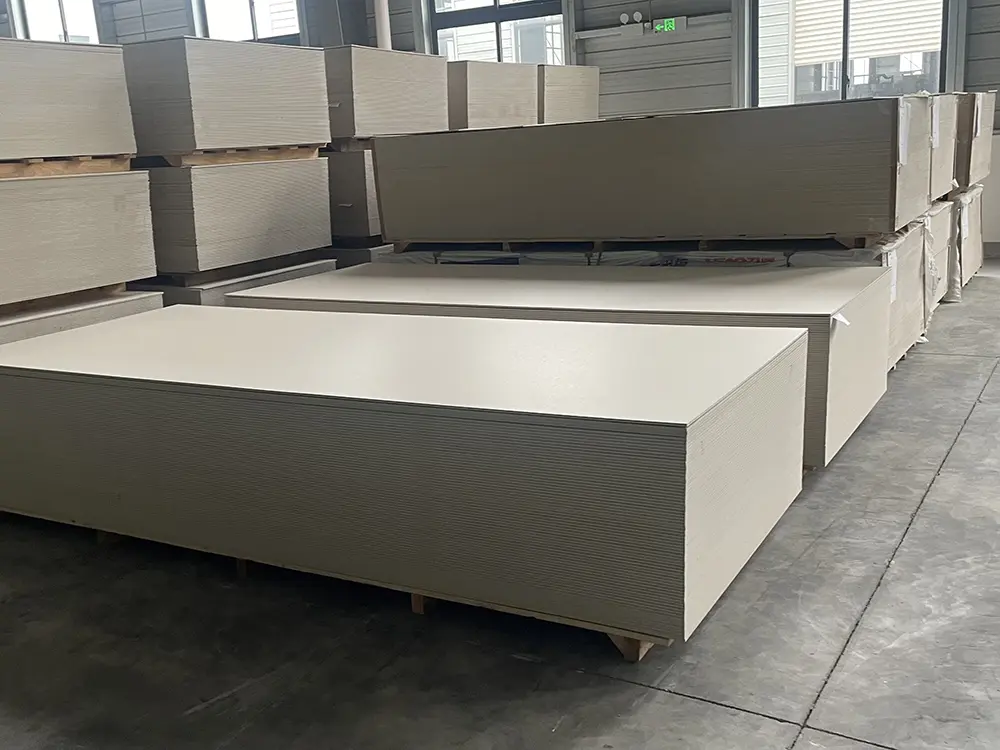 LEAO® Interior Board
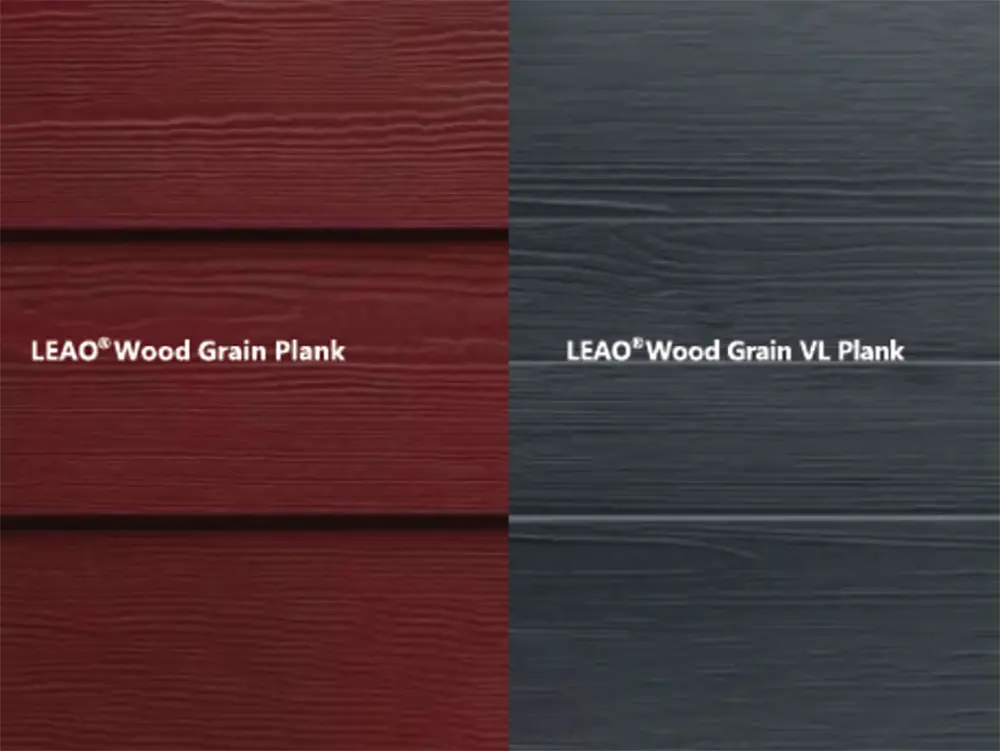 LEAO® Wood Grain Plank
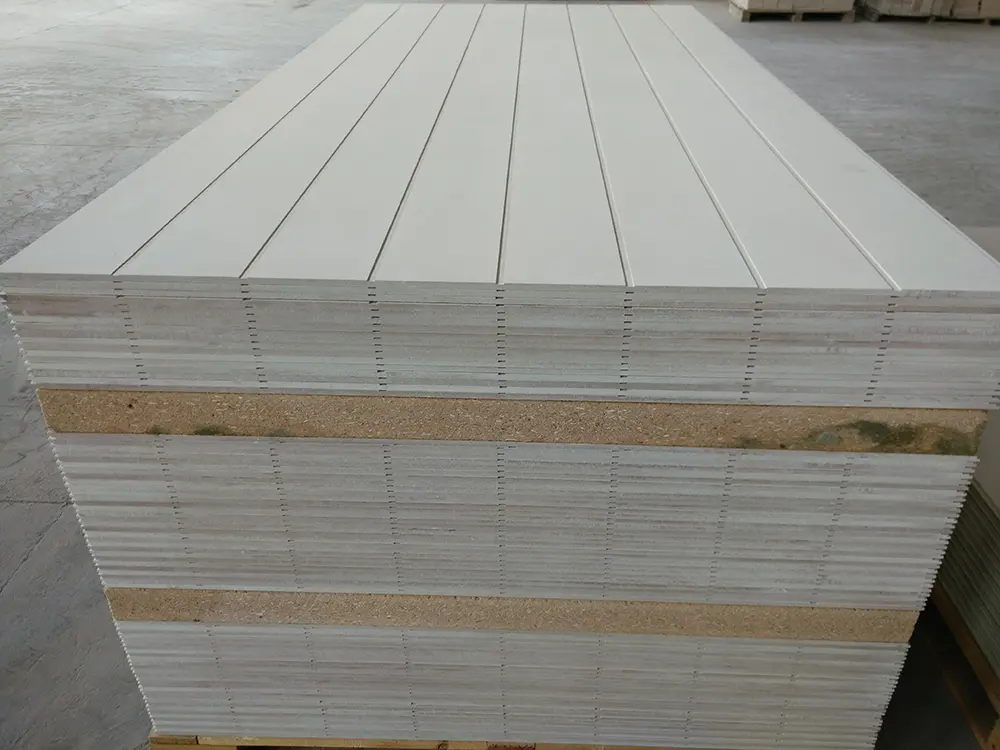 LEAO® Grooved Exterior Panel
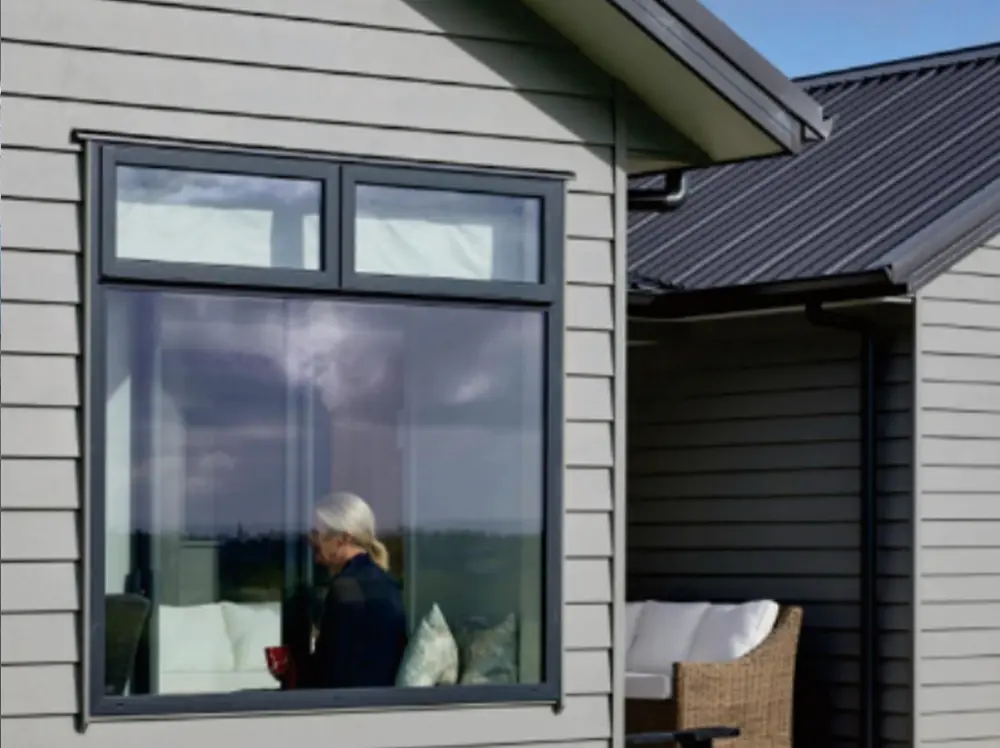 LEAO® Weatherboard
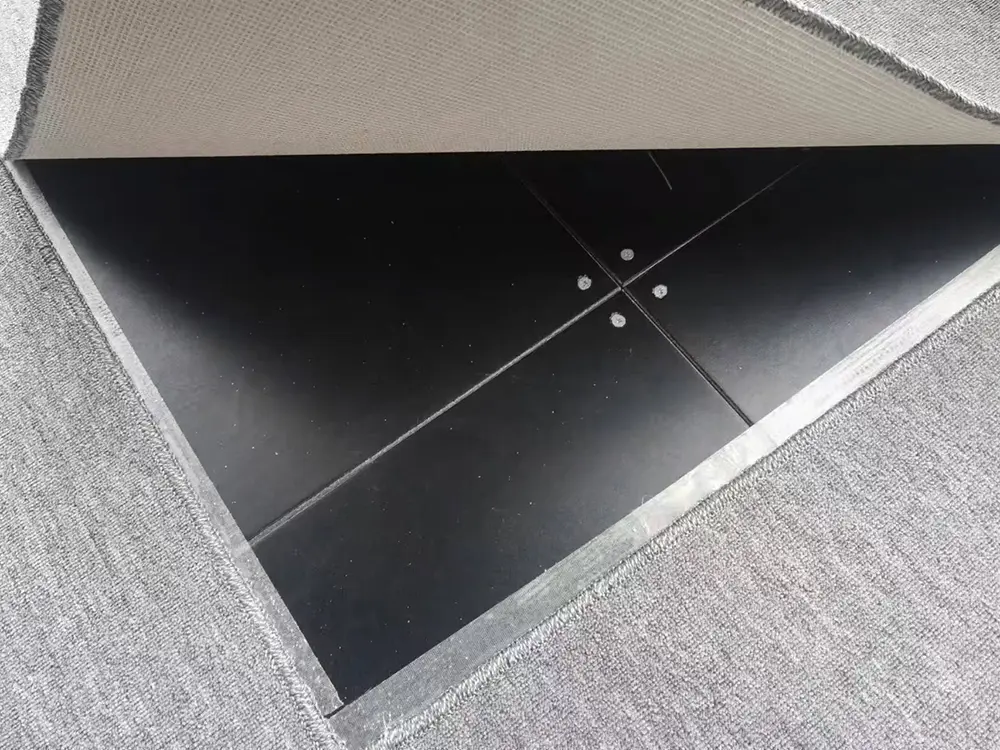 LEAO® Access Floors
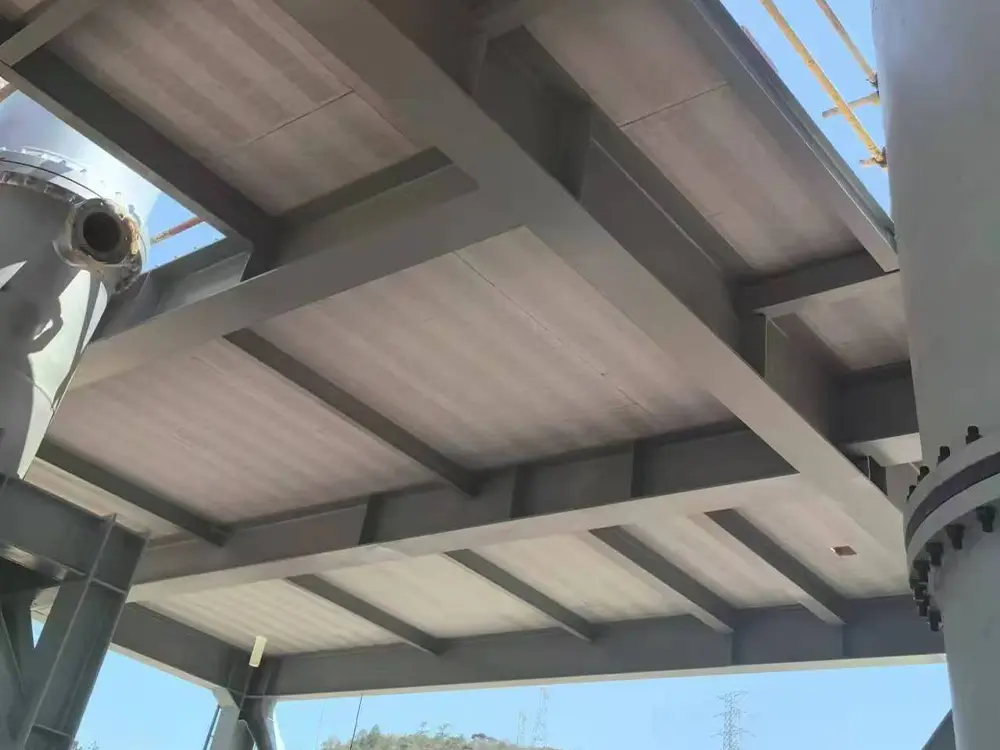 LEAO® Non-removable Formwork
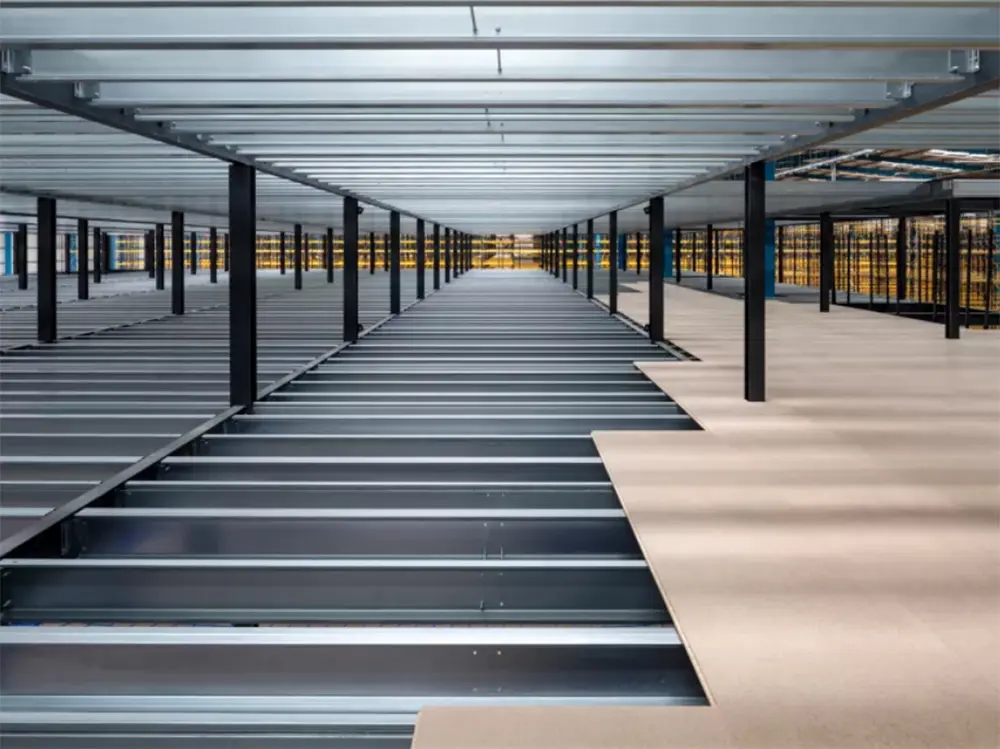 LEAO® Mezzanine Board
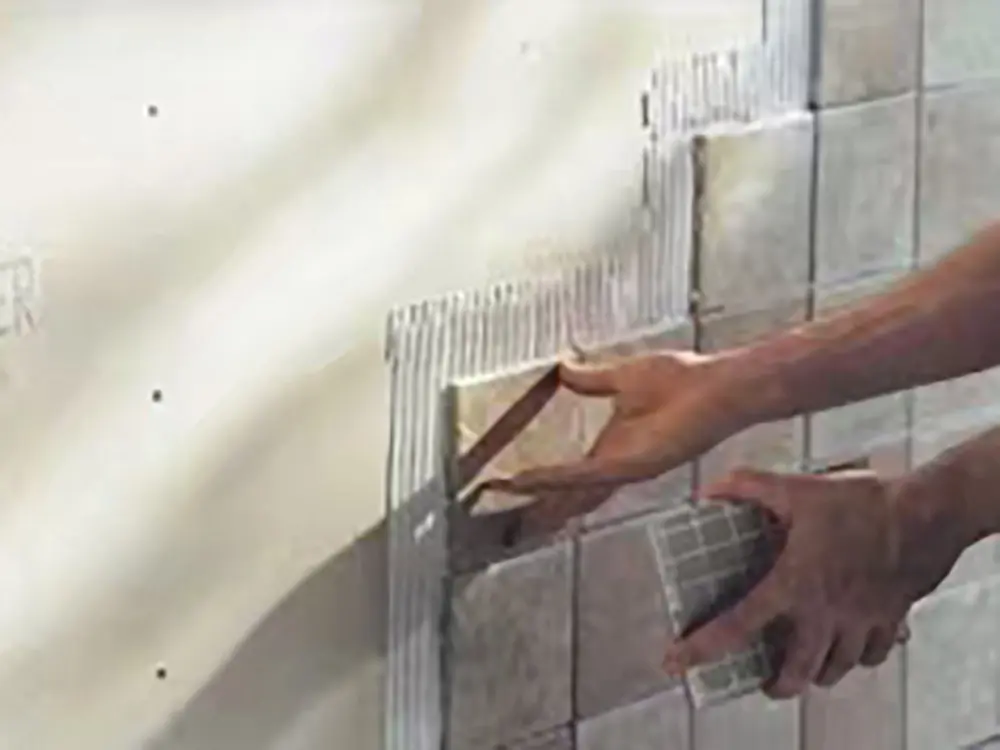 LEAO® Ceramic Tile Underlay
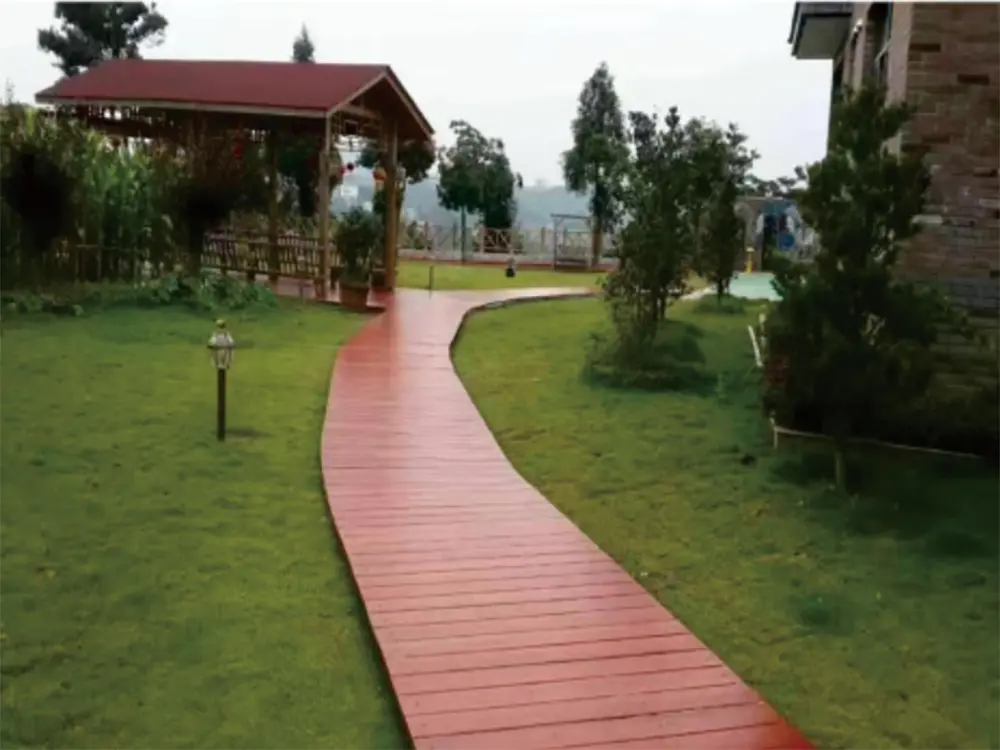 LEAO® Floor Plank
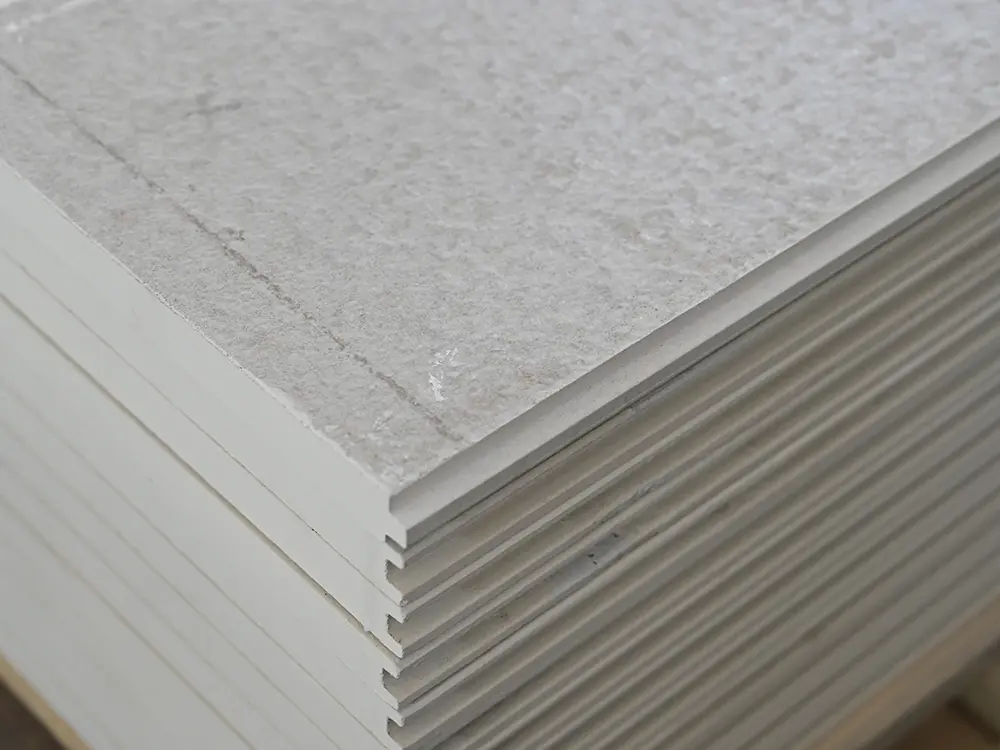 LEAO® Flooring
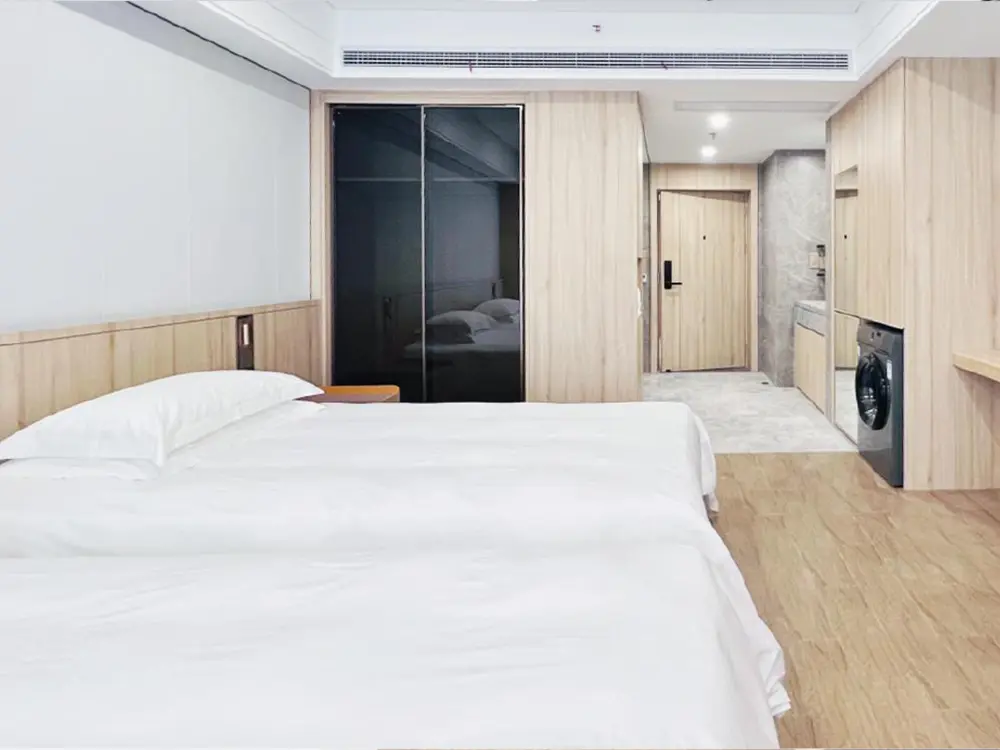 LEAO® Wood Style Decorative Panel
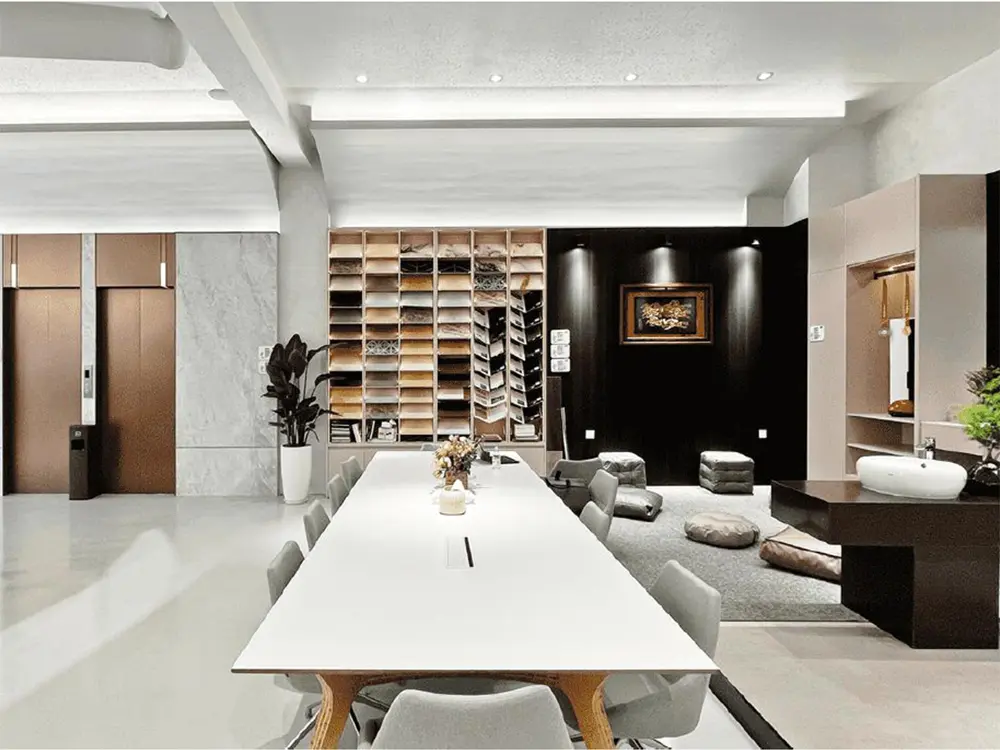 LEAO® Stone Style Decorative Panel
 LEAO® Pure Style Decorative Panel