Top 5 Benefits of Using Fiber Cement Trim Board for Your Home
In recent years, homeowners and builders have increasingly embraced the use of
Fiber Cement Trim Board, driven by its superior
performance and durability. According to a report by the National Association of Home Builders (NAHB), homes that utilize
high-quality siding and trim materials can achieve a significant increase in overall energy efficiency, with fiber cement products
often standing out due to their resilience against harsh weather conditions. As homeowners look for sustainable options,
Fiber Cement Trim Board has emerged as a top choice, offering not only
aesthetic appeal but also long-term savings in maintenance and repairs.
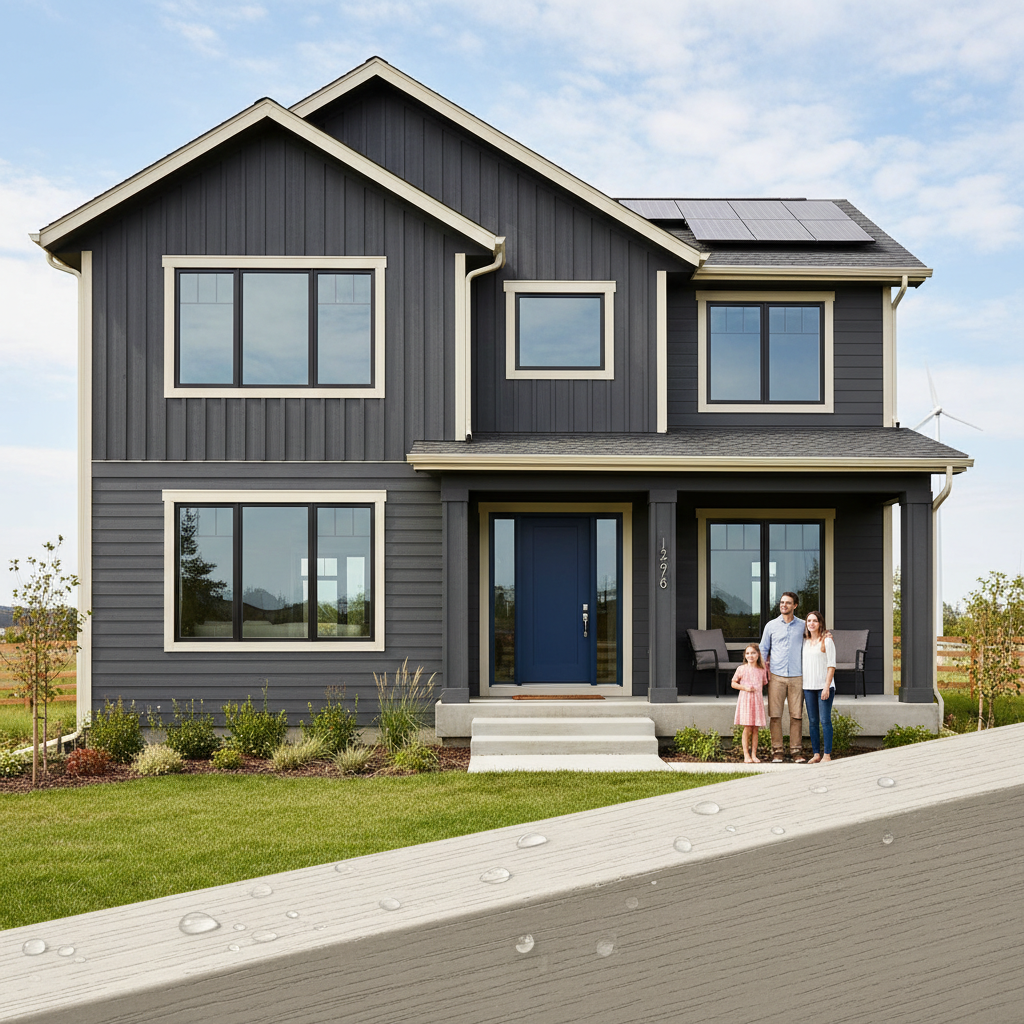
Moreover, studies indicate that fiber cement materials have a lifespan of over 50 years,
far exceeding traditional wood options, which typically require frequent upkeep and replacement. The durability of
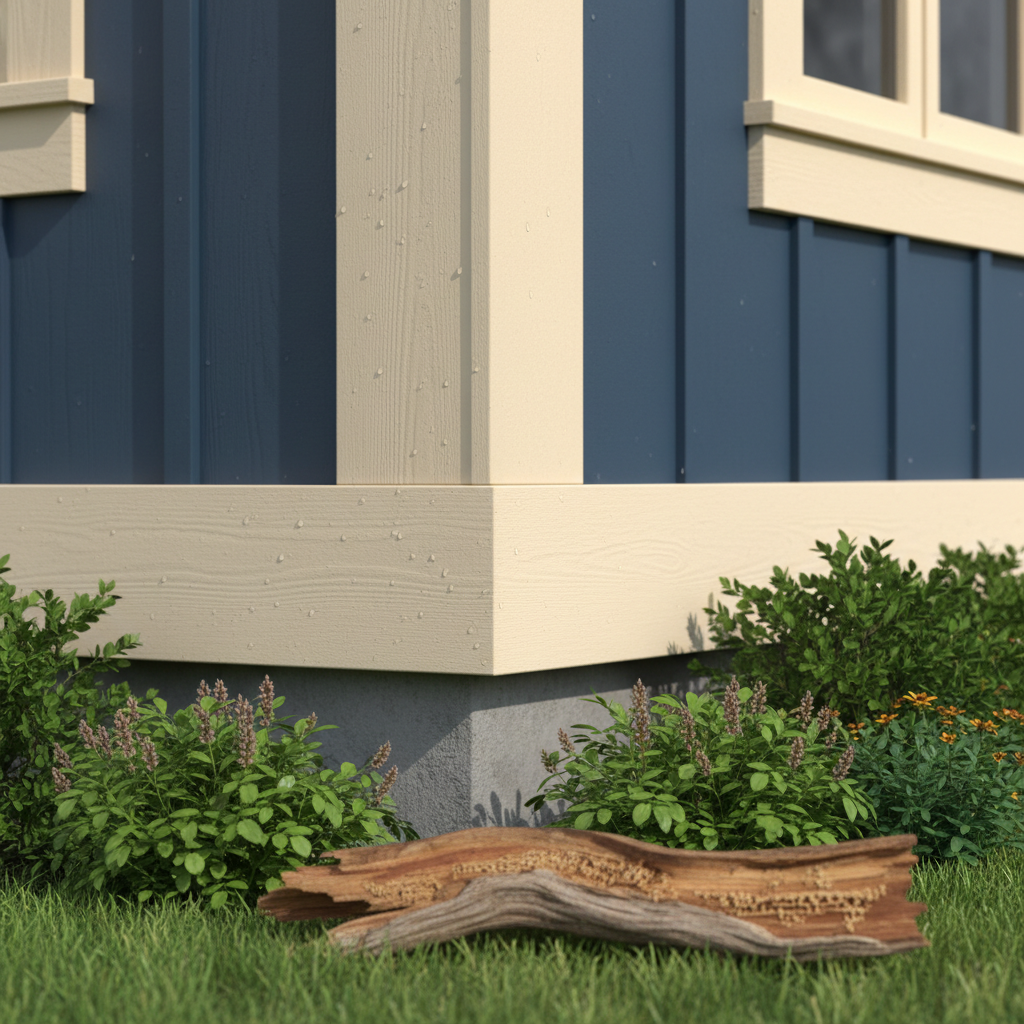
Fiber Cement Trim Board contributes to lower long-term costs, as it is impervious to rot, insects,
and warping, issues that often plague wooden trim. This combination of longevity and low maintenance makes it an attractive investment
for modern homes, aligning with the growing trend toward sustainable building practices. As we explore the top five benefits of utilizing
Fiber Cement Trim Board, it becomes clear that homeowners
are not only investing in their property's appearance but also its security and efficiency.
The Durability Advantage: Fiber Cement Trim Boards Lasting for Decades
Fiber cement trim boards offer a remarkable durability advantage that sets them apart from other building materials. Unlike traditional wood or even some composites, fiber cement trim boards are engineered to withstand the test of time, resisting issues such as warping, rotting, and insect damage. Their resilience ensures that homeowners enjoy vibrant, maintenance-free exteriors for decades, making them an excellent investment for long-term property value.
Additionally, as the demand for durable building materials grows, fiber cement is evolving alongside market trends. Manufacturers are increasingly focusing on both aesthetics and functionality, leading to new product lines that cater to diverse architectural styles. With advancements in technology, fiber cement trims can mimic the appearance of wood while providing superior strength and weather resistance. This versatility makes them an attractive option for homeowners looking to enhance their exterior while prioritizing longevity and low maintenance costs.
Cost-Effectiveness: Long-Term Savings Compared to Traditional Materials
When it comes to home improvement, fiber cement trim boards stand out for their cost-effectiveness. According to the National Association of Home Builders (NAHB), fiber cement siding can last over 50 years with minimal maintenance, significantly outpacing traditional wood or vinyl options, which typically last only 20-30 years. This longevity means homeowners can save thousands over time by reducing the frequency and costs associated with repairs and replacements.
Additionally, a report from the Remodeling 2020 Cost vs. Value Study reveals that fiber cement products offer a high return on investment (ROI) of about 77% due to their durability and aesthetic appeal. Unlike wood, which may require regular painting, fiber cement boards maintain their color and integrity, thereby eliminating ongoing maintenance costs. This translates to long-term savings that not only enhance your property's value but also reduce the total cost of ownership, making fiber cement an ideal choice for budget-conscious homeowners focused on long-term financial benefits.
Low Maintenance Requirements: How Fiber Cement Stands Against Damage
Fiber cement trim boards are increasingly popular among homeowners due to their low maintenance requirements, offering a long-lasting solution without the frequent upkeep associated with traditional materials. Unlike wood, which can warp, crack, or rot over time, fiber cement is designed to withstand the elements, making it an ideal choice for both exterior and interior applications. This resilience ensures that homeowners can enjoy their beautiful trim without the constant worry of repairs or replacements.
In addition to its durability, fiber cement trim is resistant to damage from pests, such as termites and carpenter bees, which can be a significant concern for wooden products. Its non-combustible nature also adds an extra layer of safety, providing peace of mind, especially in areas that are prone to wildfires. This combination of strength and durability allows homeowners to invest in a trim solution that not only enhances the aesthetic appeal of their property but also minimizes the time and money spent on maintenance, making it the perfect choice for modern living.
Top 5 Benefits of Using Fiber Cement Trim Board for Your Home
This bar chart illustrates the top five benefits of using fiber cement trim boards for home improvement, rated on a scale from 1 to 10. Low maintenance and durability stand out as the most advantageous features, making fiber cement an excellent choice for homeowners.
Environmental Impact: Eco-Friendly Characteristics of Fiber Cement Boards
Fiber cement trim boards are gaining recognition not only for their durability and aesthetic appeal but also for their eco-friendly characteristics. Made primarily from recycled materials, including cement, sand, and cellulose fibers, fiber cement boards have a significantly lower environmental impact compared to traditional wood options. According to the United States Environmental Protection Agency (EPA), using products made from recycled materials can reduce landfill waste and lower the carbon footprint associated with producing new materials.
Moreover, fiber cement boards are designed to last longer, which further contributes to their sustainability. A study by the American Institute of Architects (AIA) indicates that composite materials like fiber cement can last over 50 years with minimal maintenance, effectively reducing the frequency of replacements and conserving resources. Unlike wood, fiber cement is resistant to termites, rot, and weather influences, eliminating the need for harmful chemical treatments, thereby maintaining a healthier environment both indoors and outdoors. By choosing fiber cement trim, homeowners not only enhance their property but also contribute to a more sustainable future.
Top 5 Benefits of Using Fiber Cement Trim Board for Your Home - Environmental Impact: Eco-Friendly Characteristics of Fiber Cement Boards
| Benefit |
Description |
Environmental Impact |
| Durability |
Resistant to rot, pests, and extreme weather conditions. |
Lowers the need for replacements, reducing waste. |
| Low Maintenance |
Requires minimal upkeep compared to traditional wood trim. |
Saves resources over time, lowering environmental footprint. |
| Fire Resistance |
Offers a higher fire rating than many materials. |
Enhances safety and reduces fire-related destruction. |
| Eco-Friendly Materials |
Composed of sustainable natural resources. |
Supports responsible sourcing and reduces carbon footprint. |
| Aesthetic Versatility |
Available in various styles and colors for design flexibility. |
Enhances the overall value of the property without harm to the environment. |
Aesthetic Versatility: Design Options That Enhance Home Value and Curb Appeal
Fiber cement trim boards offer remarkable aesthetic versatility, enabling homeowners to create visually striking designs that significantly enhance curb appeal and increase property value. According to a recent report by the Joint Center for Housing Studies at Harvard University, homes with well-designed exteriors can achieve a resale value up to 15% higher than similar homes without such enhancements. This statistic underscores the importance of careful selection in exterior materials, and fiber cement trim boards stand out for their ability to mimic the appearance of wood, stone, or even traditional stucco, giving homeowners creative freedom without compromising on durability.
Moreover, the variety of textures, colors, and styles available in fiber cement trim allows for unparalleled customization. A survey by Remodeling Magazine reveals that homeowners prioritized exterior upgrades, with 75% stating they planned to undertake some form of exterior enhancement to improve their home's visual appeal. Fiber cement trim boards are particularly advantageous in this regard, as they are not only aesthetically pleasing but also resistant to rot, weather, and pests—factors that can otherwise detract from a home’s appearance over time. By integrating fiber cement trim boards into their design, homeowners can enjoy a balance of beauty and resilience that ultimately contributes to long-term investment in their property.

 LEAO®Deco Ceiling
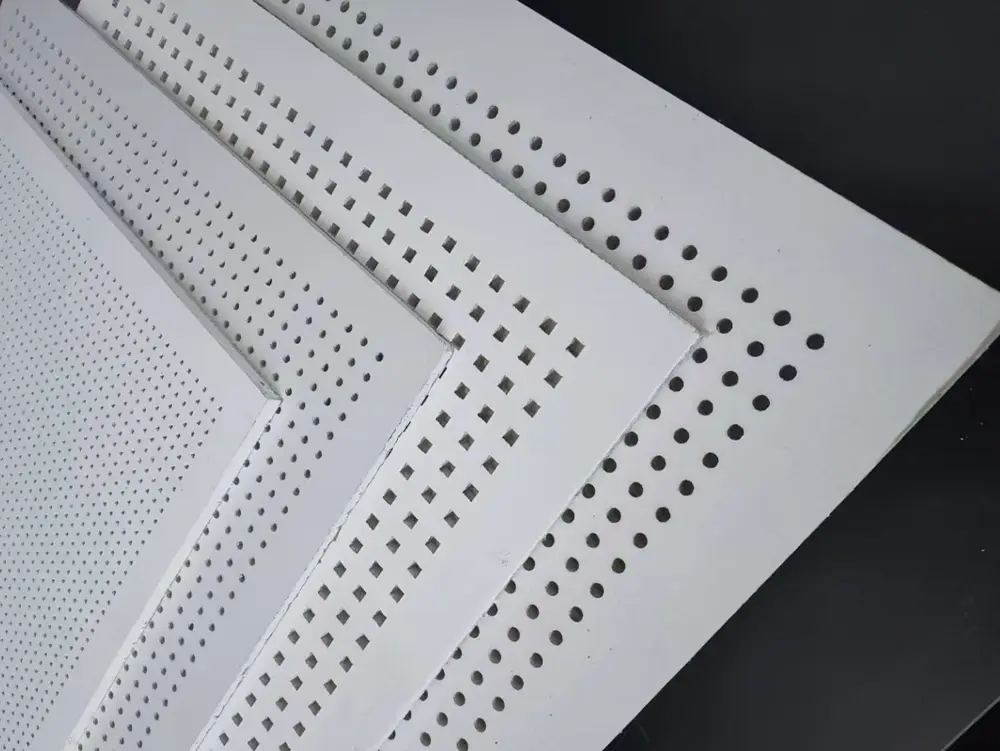 LEAO® Perforated Ceiling
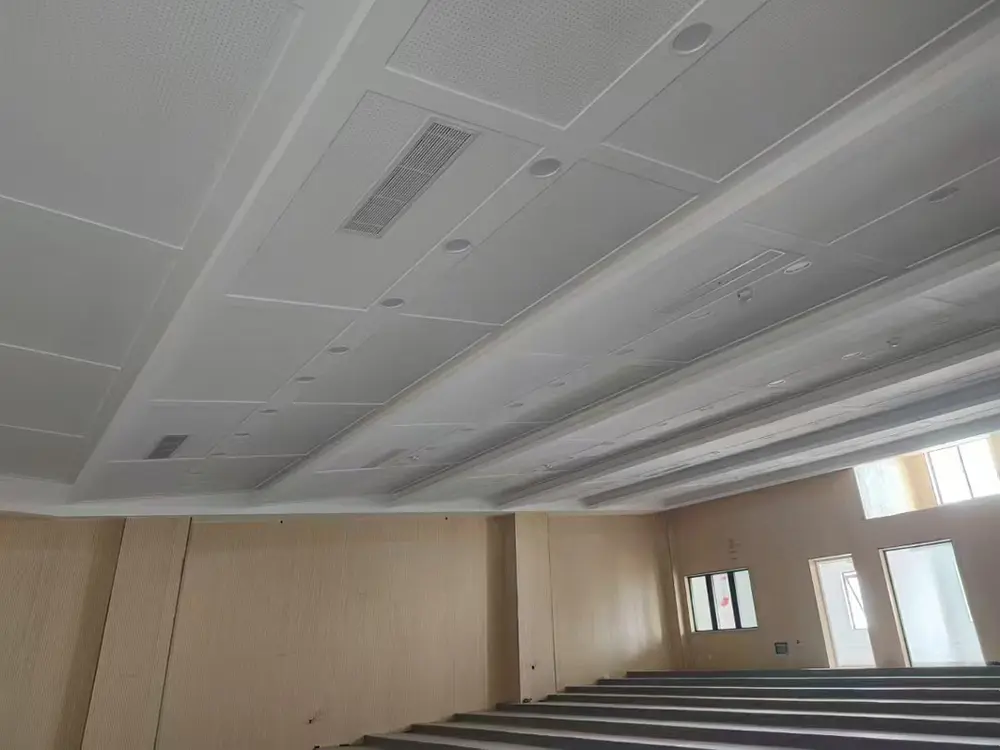 LEAO® Ceiling Board
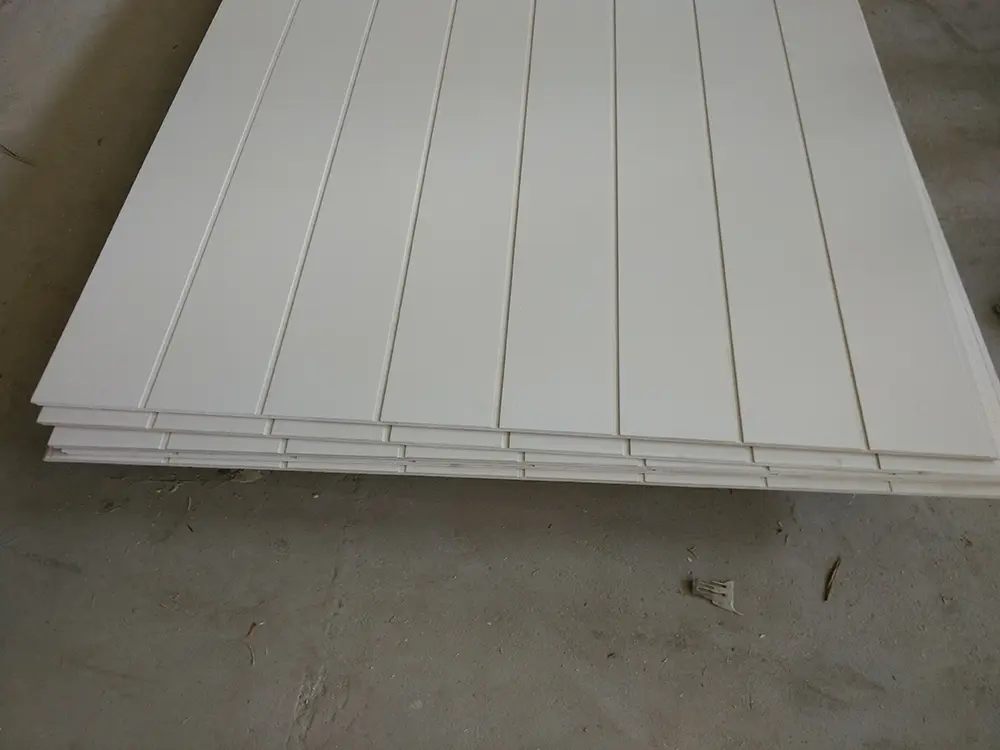 LEAO® Groove Interior Panel
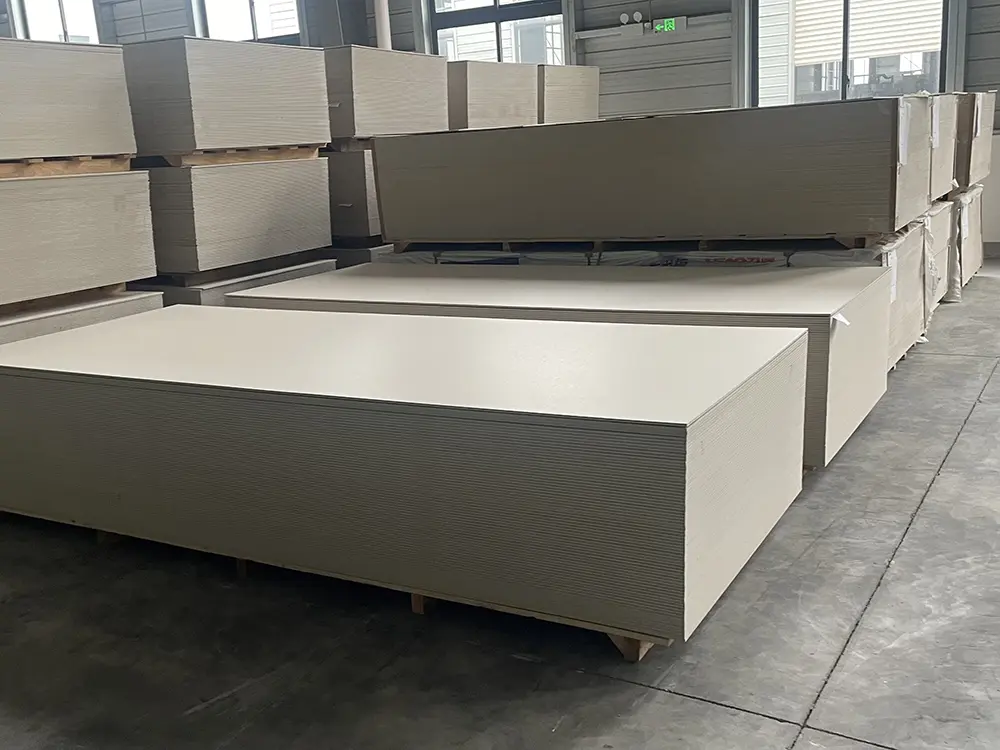 LEAO® Interior Board
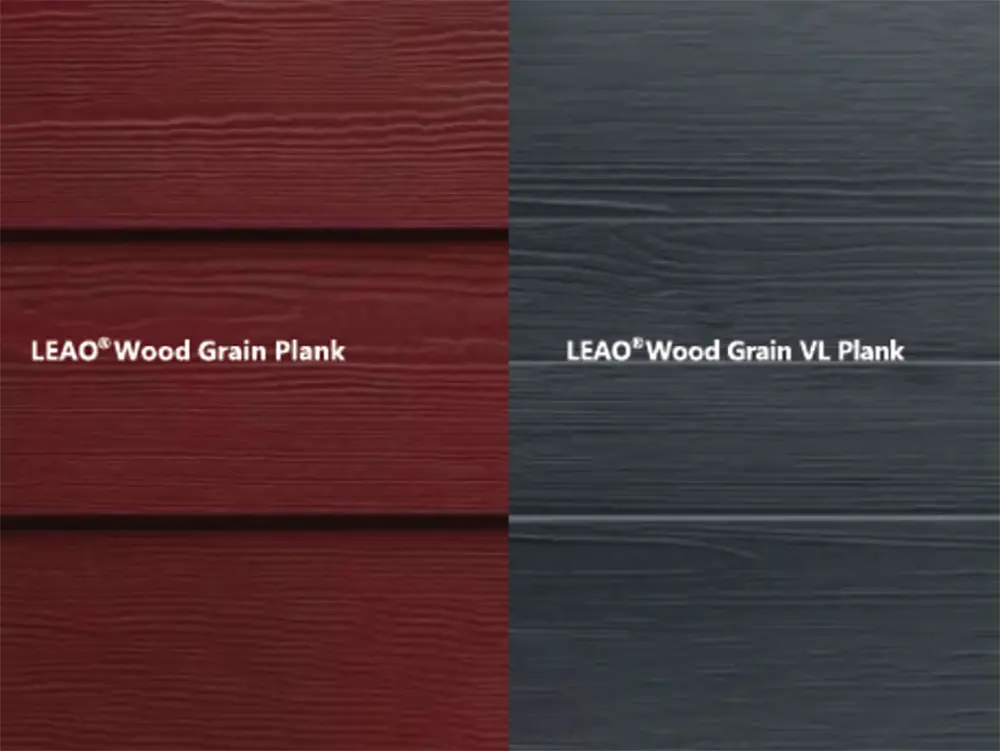 LEAO® Wood Grain Plank
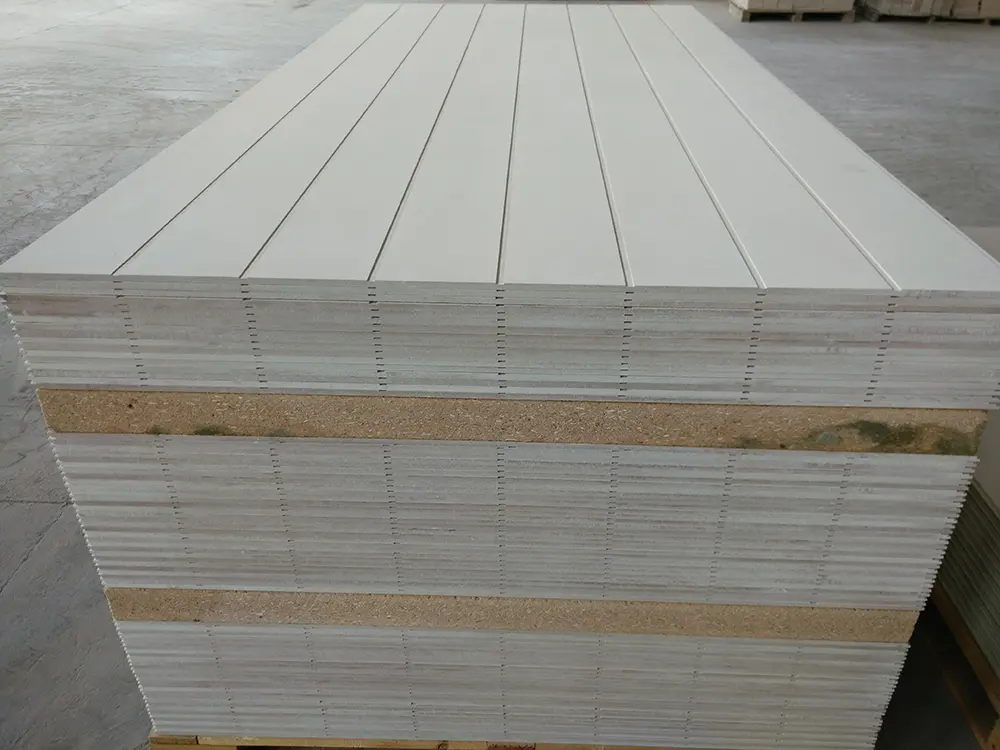 LEAO® Grooved Exterior Panel
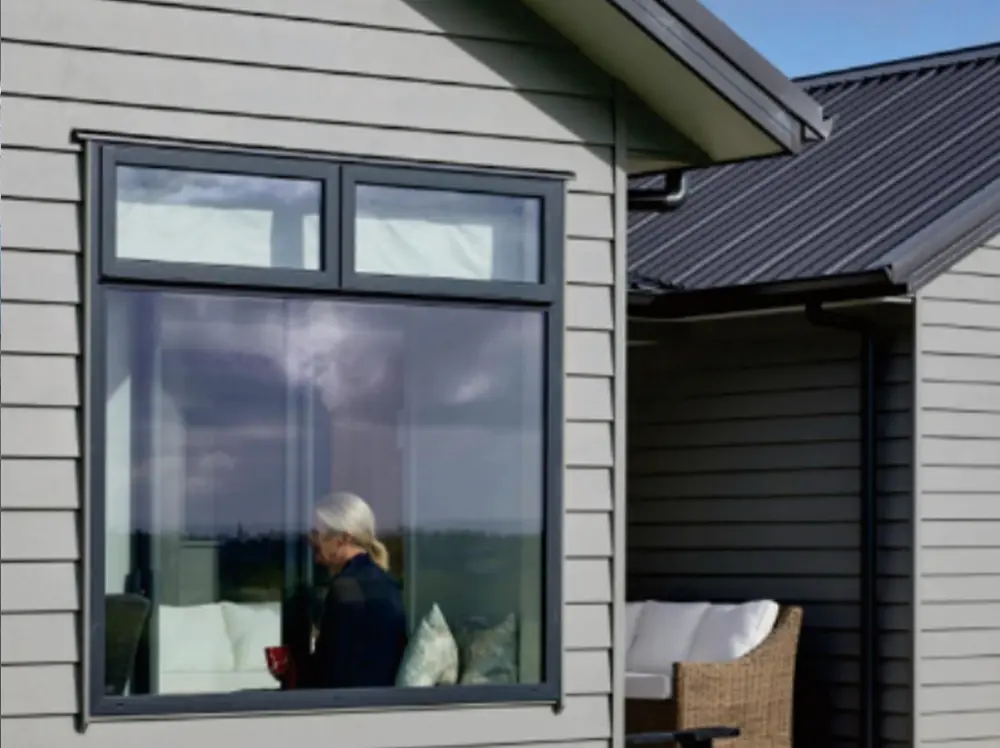 LEAO® Weatherboard
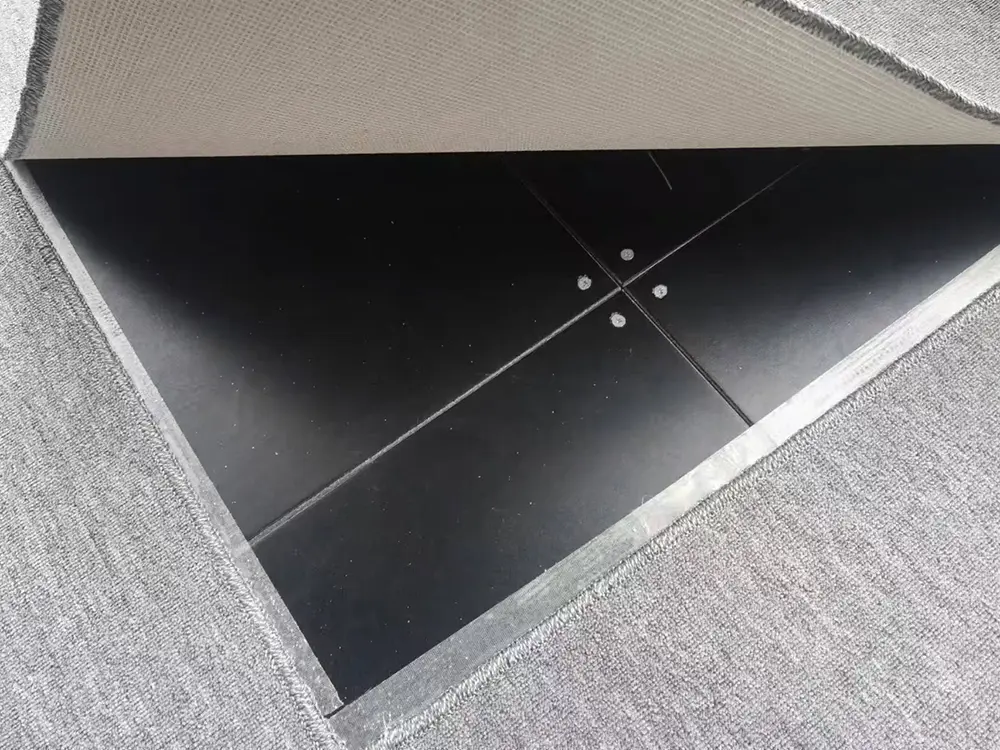 LEAO® Access Floors
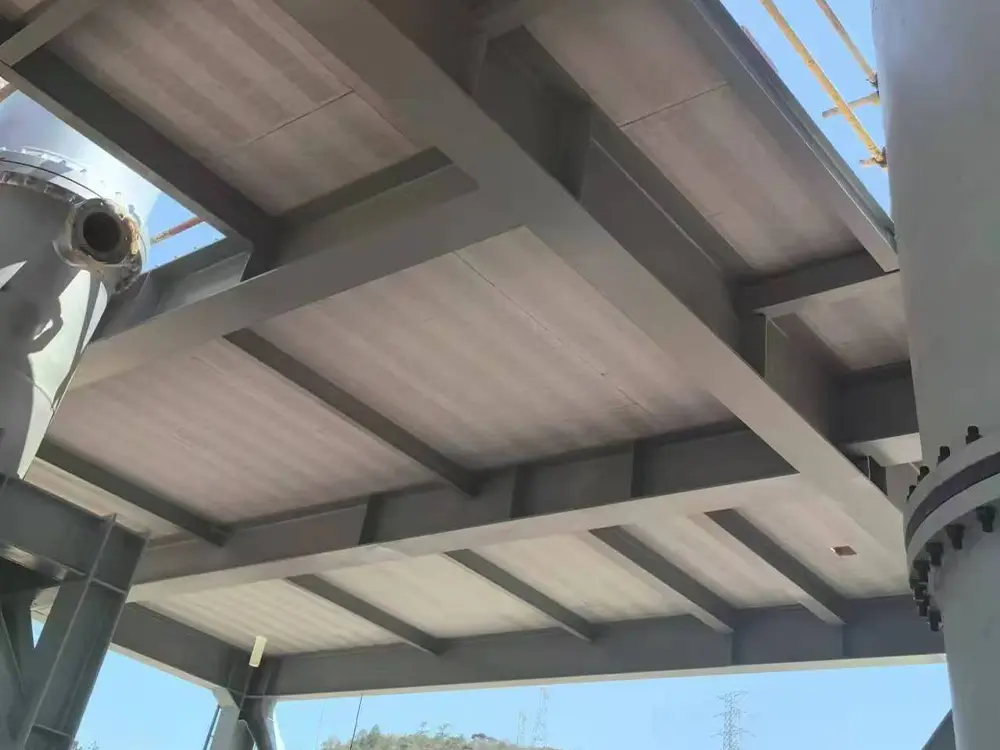 LEAO® Non-removable Formwork
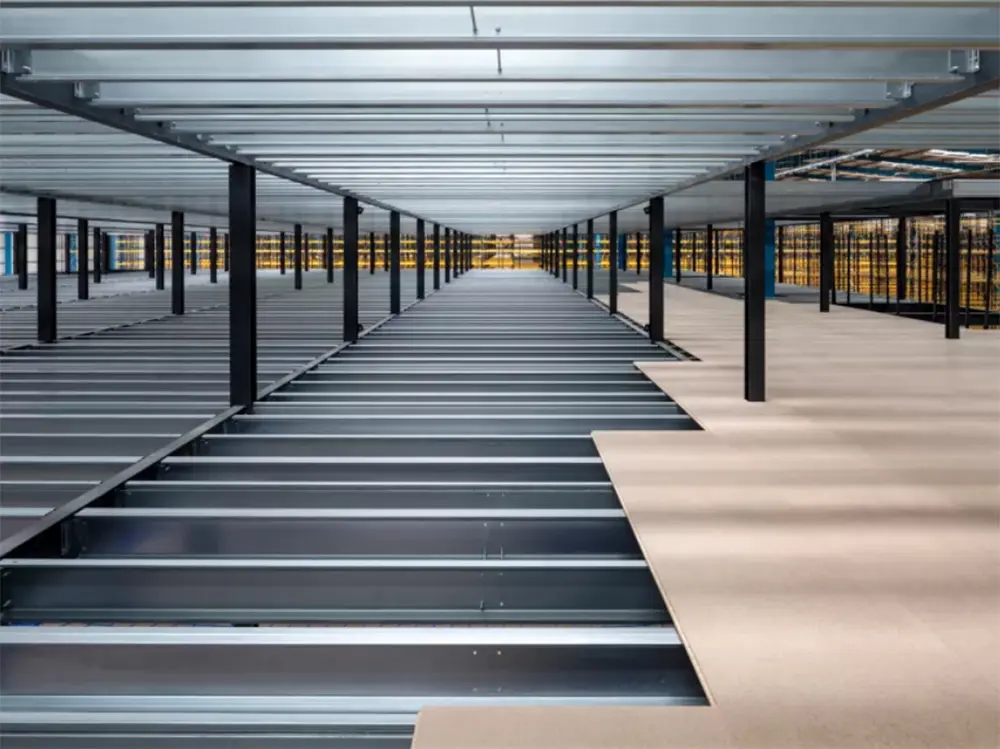 LEAO® Mezzanine Board
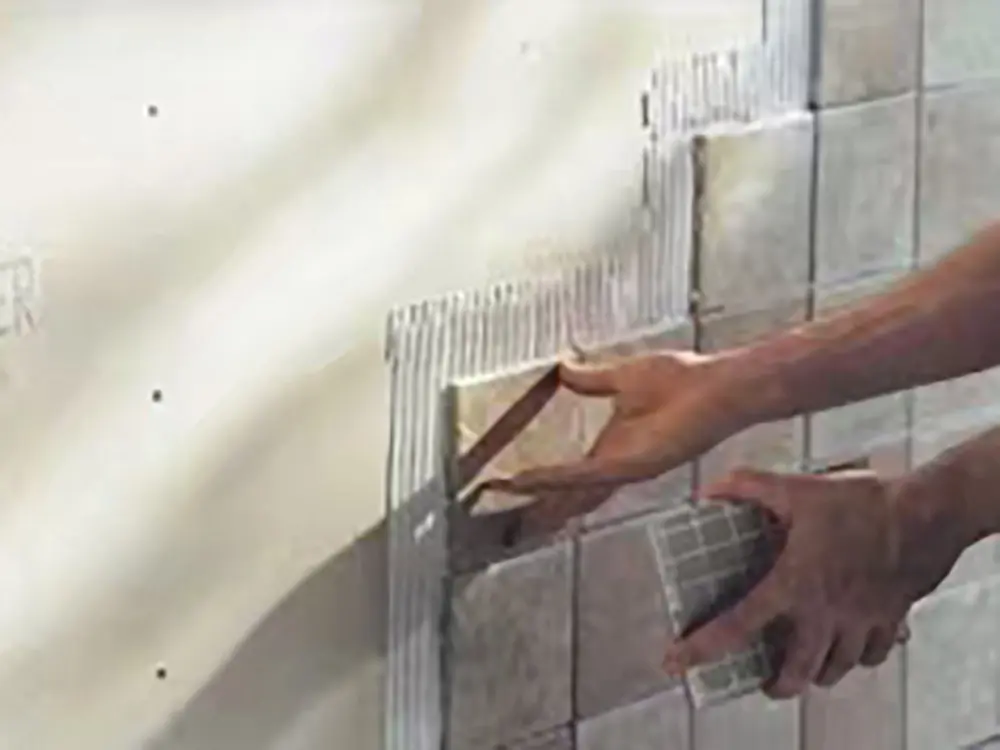 LEAO® Ceramic Tile Underlay
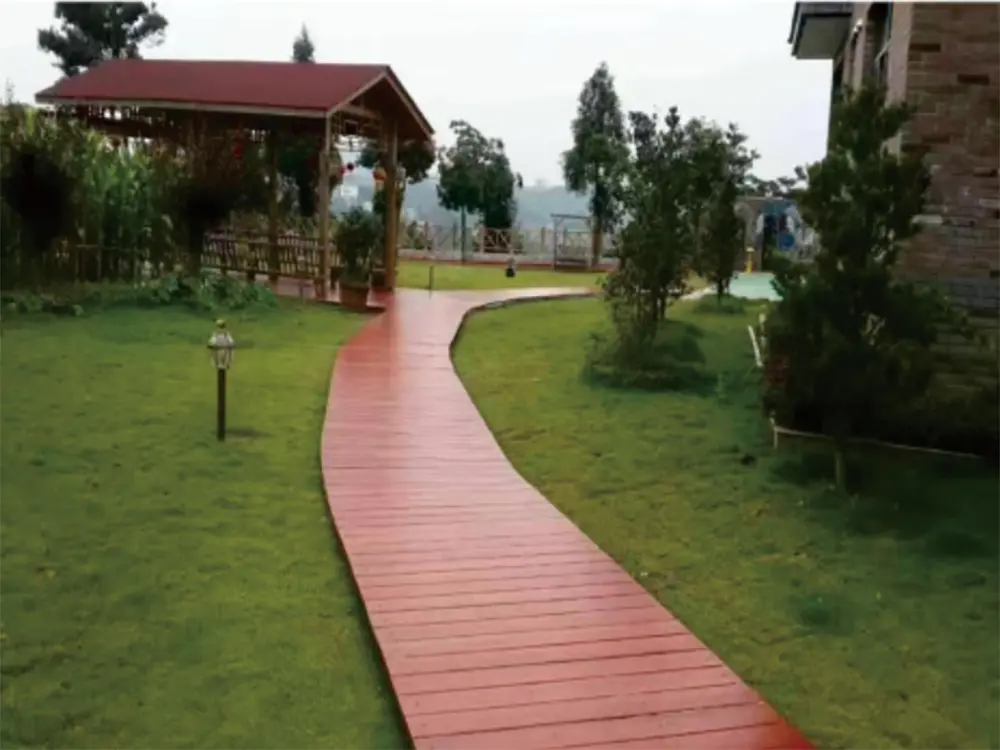 LEAO® Floor Plank
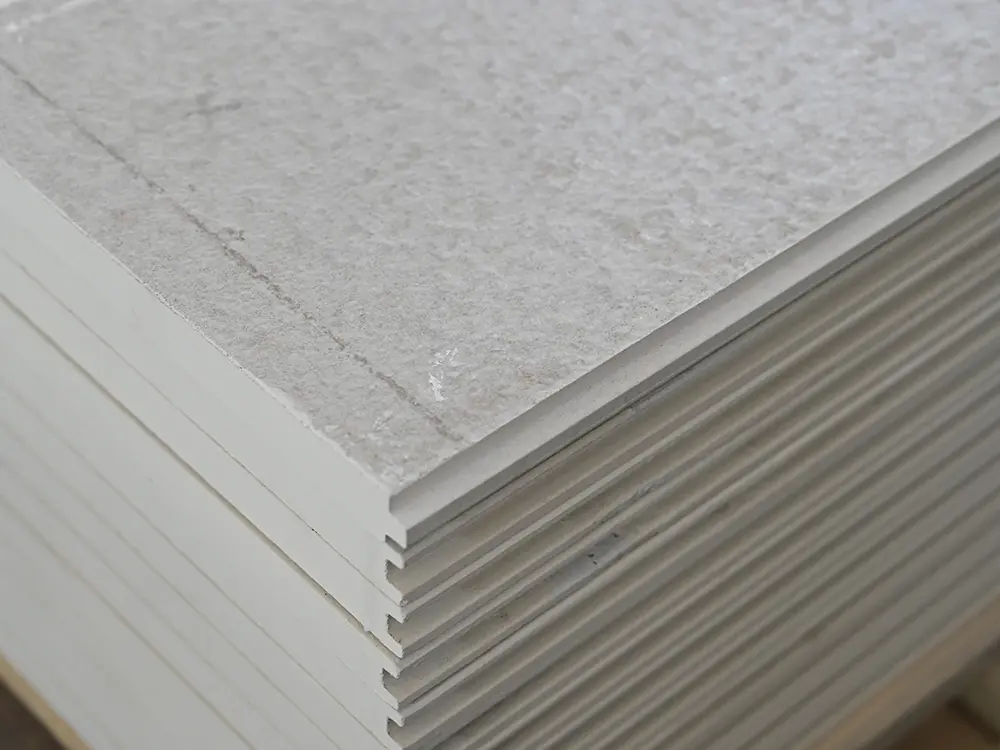 LEAO® Flooring
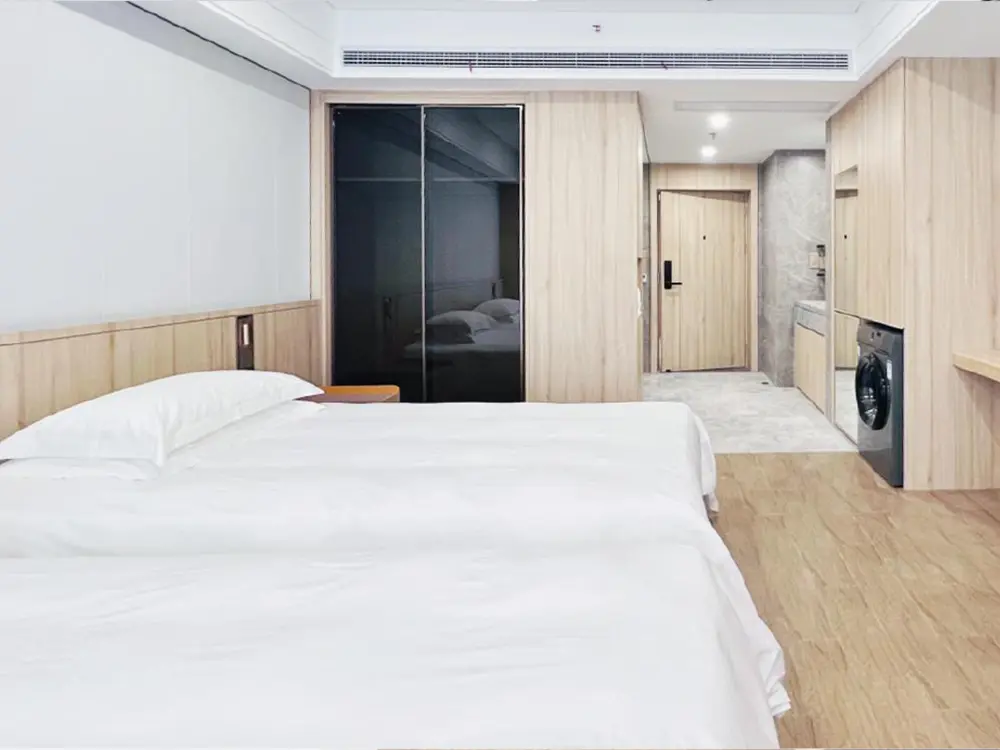 LEAO® Wood Style Decorative Panel
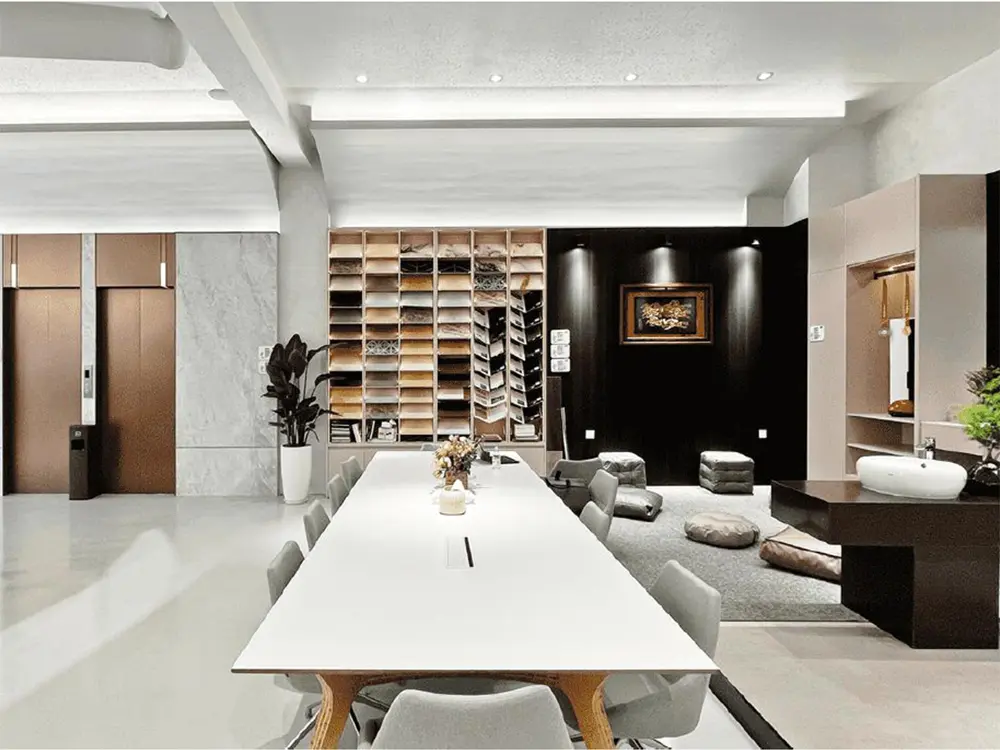 LEAO® Stone Style Decorative Panel
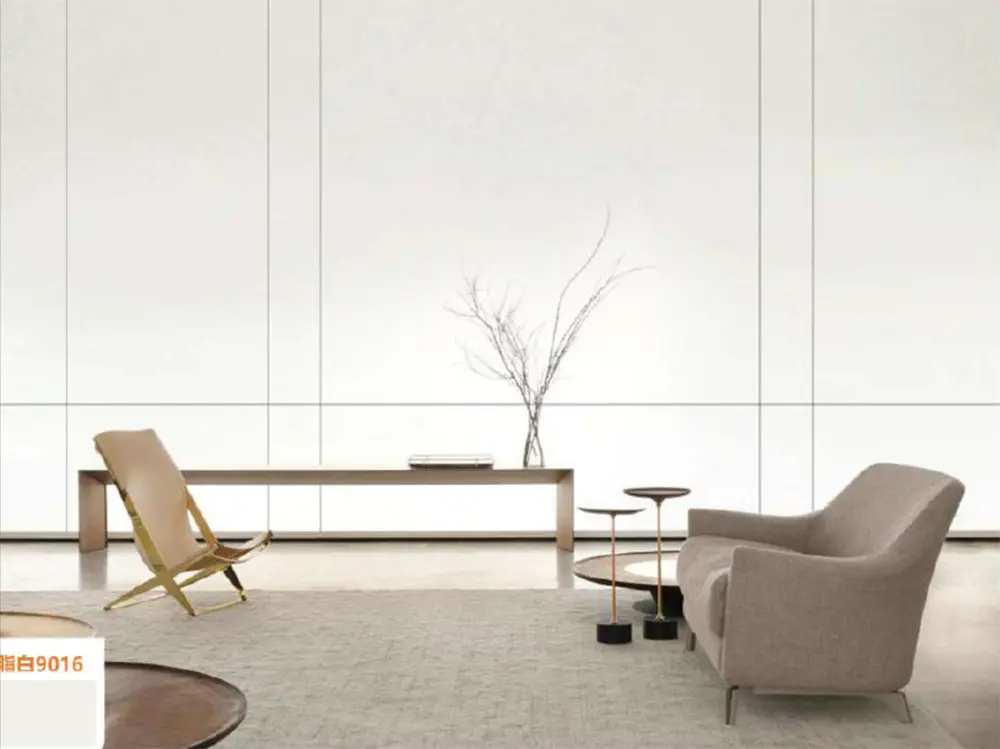 LEAO® Pure Style Decorative Panel