Best Fiber Cement Board Types for 2026 What You Need to Know
Fiber Cement Board has become a crucial material in construction and design. Its durability and versatility make it a popular choice. As we approach 2026, understanding the best types of Fiber Cement Board is essential. This material is used for siding, flooring, and more. Its resistance to weather and fire enhances safety in buildings.
Choosing the right Fiber Cement Board can be challenging. Different types cater to various needs. It is important to consider aesthetic options as well as performance. Some boards are smooth, while others have texture. Each type offers distinct advantages and disadvantages. Reflecting on your project requirements will help guide your decision.
As we move forward, innovation in Fiber Cement Board continues to evolve. New technologies and designs emerge often. Evaluating these changes ensures that you select the best for your construction needs. This exploration aims to provide insights and clarity in a complex field. In the end, the right choice can significantly impact your project's success.
Overview of Fiber Cement Boards and Their Applications
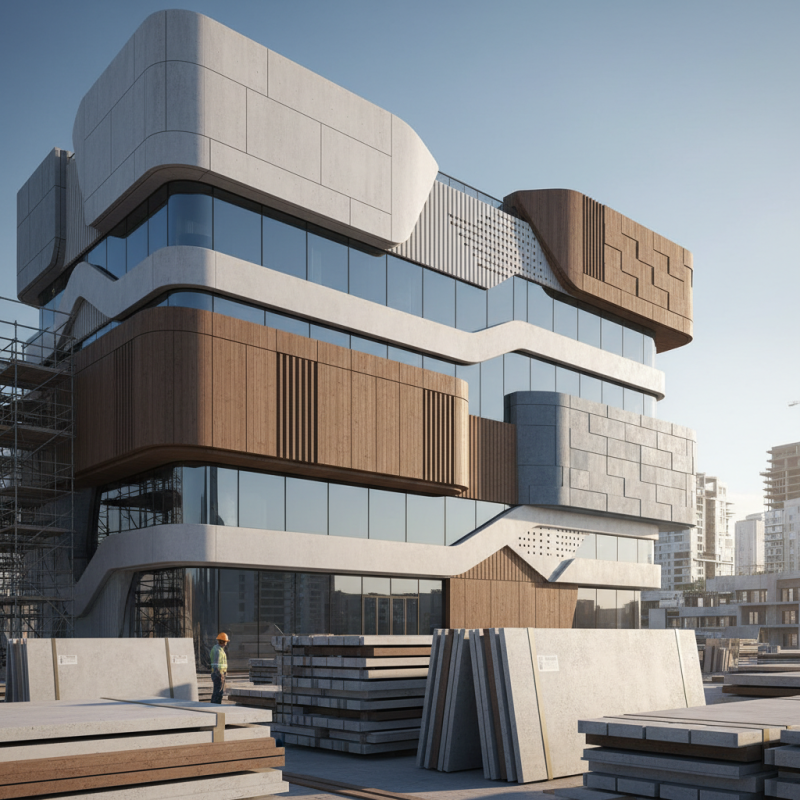
Fiber cement boards are versatile building materials widely used in construction. They consist of cement, sand, and cellulose fibers. This combination creates a durable product ideal for various applications. Homeowners often choose fiber cement boards for exterior siding. Their weather-resistant properties make them suitable for harsh climates.
In addition to siding, fiber cement boards serve well in interior applications. They are often used in flooring and wall sheathing. These boards can mimic the look of wood or stone, providing aesthetic appeal. However, the installation process requires careful attention. Mistakes can lead to unsightly finishes or structural issues.
While these boards offer many benefits, there are limitations to consider. For instance, they can be heavier than traditional materials. This may pose challenges during handling and installation. Additionally, if not properly sealed, they can absorb moisture. This could eventually lead to damage or reduced lifespan. It’s essential to weigh these factors when considering fiber cement boards for your project.
Best Fiber Cement Board Types for 2026
| Type |
Thickness (inches) |
Density (lbs/ft³) |
Applications |
Fire Rating |
| Standard Fiber Cement Board |
0.25 - 1.0 |
50 - 70 |
Siding, Interior Walls |
Class A |
| Insulated Fiber Cement Board |
0.5 - 1.5 |
40 - 60 |
Insulation, Exterior Cladding |
Class A |
| High-Performance Fiber Cement Board |
0.375 - 0.75 |
60 - 80 |
Commercial, Heavy Traffic Areas |
Class A |
| Vented Fiber Cement Board |
0.5 - 1.0 |
50 - 70 |
Roofing, Wall Ventilation |
Class B |
| Decorative Fiber Cement Board |
0.25 - 0.75 |
40 - 50 |
Interior Décor, Exteriors |
Class A |
Key Properties and Advantages of Fiber Cement Boards
Fiber cement boards are becoming popular due to their durability and versatility. They are made from a mix of cellulose fibers, sand, cement, and water. This unique composition offers impressive resistance to weather and decay. Homeowners appreciate this material for its long-lasting properties.
One of the key advantages of fiber cement boards is their fire resistance. They do not ignite easily, which enhances safety in homes. Additionally, these boards can withstand extreme temperatures, making them ideal for various climates. Their low maintenance requirements are also attractive. A simple wash can keep them looking fresh.
However, there are some challenges with this material. Installation can be labor-intensive, requiring skilled workers. Cutting fiber cement boards can produce dust, necessitating protective gear. Not all boards are equal; some fail to meet certain performance standards. It's important to research thoroughly before making a decision. Overall, fiber cement boards can be an excellent choice if you weigh the pros and cons carefully.
Popular Types of Fiber Cement Boards for 2026
Fiber cement boards are becoming increasingly popular for various construction projects in 2026. These boards offer durability and versatility. They can withstand a range of weather conditions, making them a great choice for exteriors. Homeowners often choose them for their aesthetic appeal as well.
There are several popular types of fiber cement boards. Some mimic the look of wood while remaining low maintenance. Others come in vibrant colors, allowing for creative designs. The boards are available in different thicknesses, catering to various structural needs.
Tips: Always check installation guidelines. Incorrect placement can lead to moisture issues. Consider ventilation as well. Some boards need room to breathe. Look for boards that offer warranties. This ensures quality and longevity. Be prepared to research thoroughly. It may take time to find the right type.
Installation Techniques and Best Practices
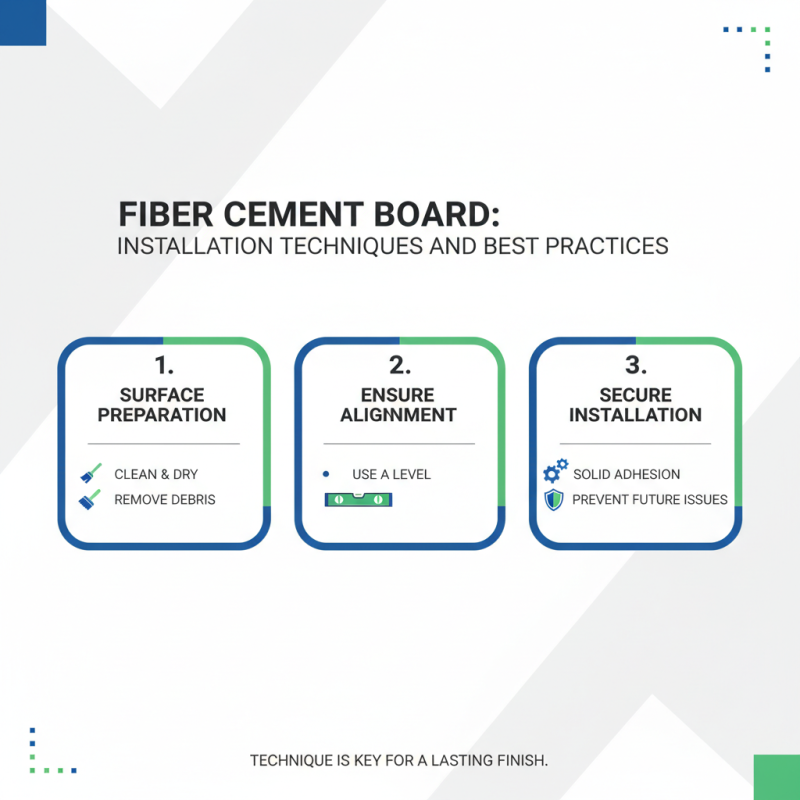
When it comes to installing fiber cement boards, technique is key. Start by ensuring the surface is clean and dry. Check for any debris that might hinder adhesion. Some may overlook this step, but it’s crucial for a solid installation. Use a level to ensure the boards are straight. Uneven boards can lead to issues later.
Next is cutting the boards. A circular saw with a carbide-tipped blade works well. Remember to wear safety gear. Dust can be an issue. Some installers skip this, thinking it’s unnecessary, but inhaling dust is not advisable. Measure twice and cut once. A small mistake can lead to wasted materials.
Fastening the boards requires attention too. Use the correct fasteners for your chosen board type. Space them appropriately to avoid buckling. Some may rush this process, but taking the time to do it right pays off later. Always pre-drill holes to prevent cracking. Installation is not just about speed. It’s about getting it done well.
Maintenance Tips for Longevity of Fiber Cement Boards
Maintaining fiber cement boards is crucial for their longevity and performance. Regular cleaning is essential. Dust and dirt can accumulate, affecting appearance and durability. A simple wash with mild soap and water can make a big difference. Use a soft brush or cloth to avoid damage. Yearly inspections help discover hidden issues early. Look for cracks or chips and address them promptly.
Sealing your fiber cement boards is another important step. Applying a quality sealant can protect against moisture. Over time, moisture can lead to mold and rot. However, choosing the right sealant can be tricky. Make sure it’s compatible with your board material. Sometimes, DIY solutions may not work as expected. When in doubt, seek professional advice.
Weather elements cause wear over time. Sun, rain, and snow impact their integrity. Consider adding protective coverings or awnings if possible. Remember, neglect can lead to costly repairs. Keep track of maintenance schedules to ensure attention is consistent. Managing fiber cement boards requires effort, but it pays off in the long run.
Best Fiber Cement Board Types for 2026
This chart displays the popularity and suitability ratings of different fiber cement board types for 2026, based on key attributes such as durability, maintenance needs, and aesthetic appeal. Understanding these factors can help in selecting the right board for your construction needs.

 LEAO®Deco Ceiling
 LEAO® Perforated Ceiling
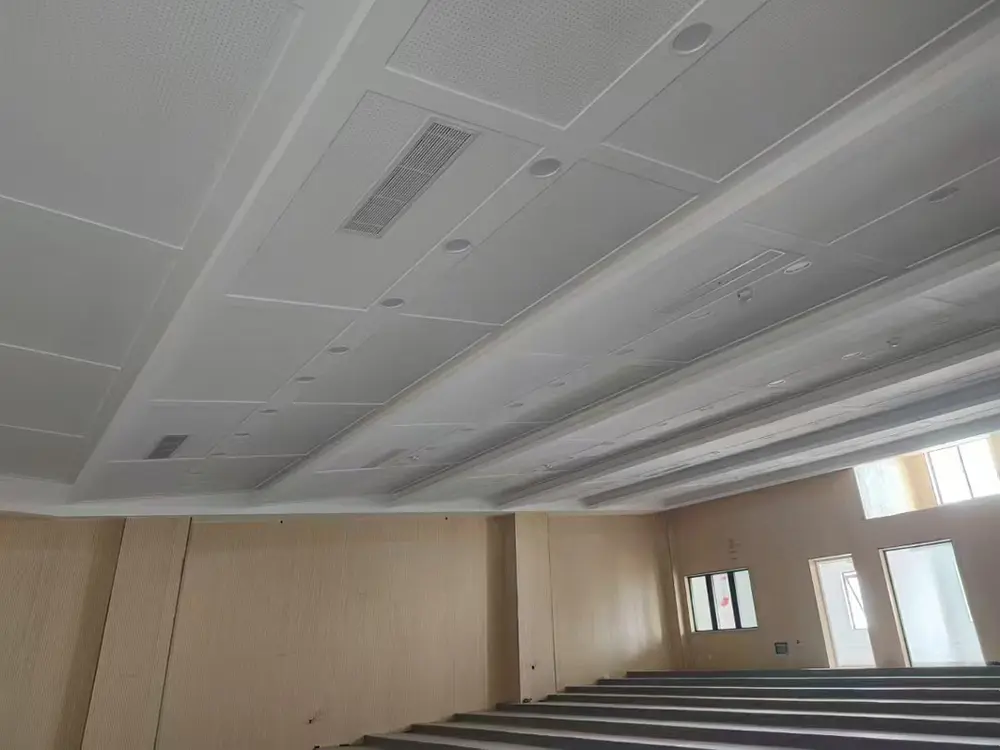 LEAO® Ceiling Board
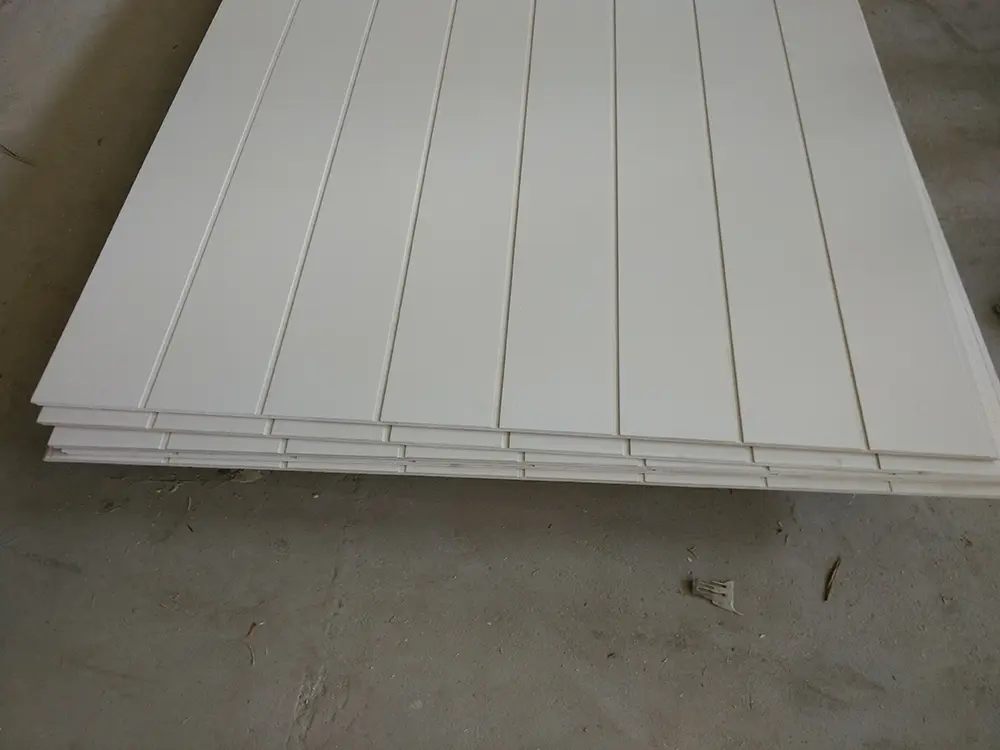 LEAO® Groove Interior Panel
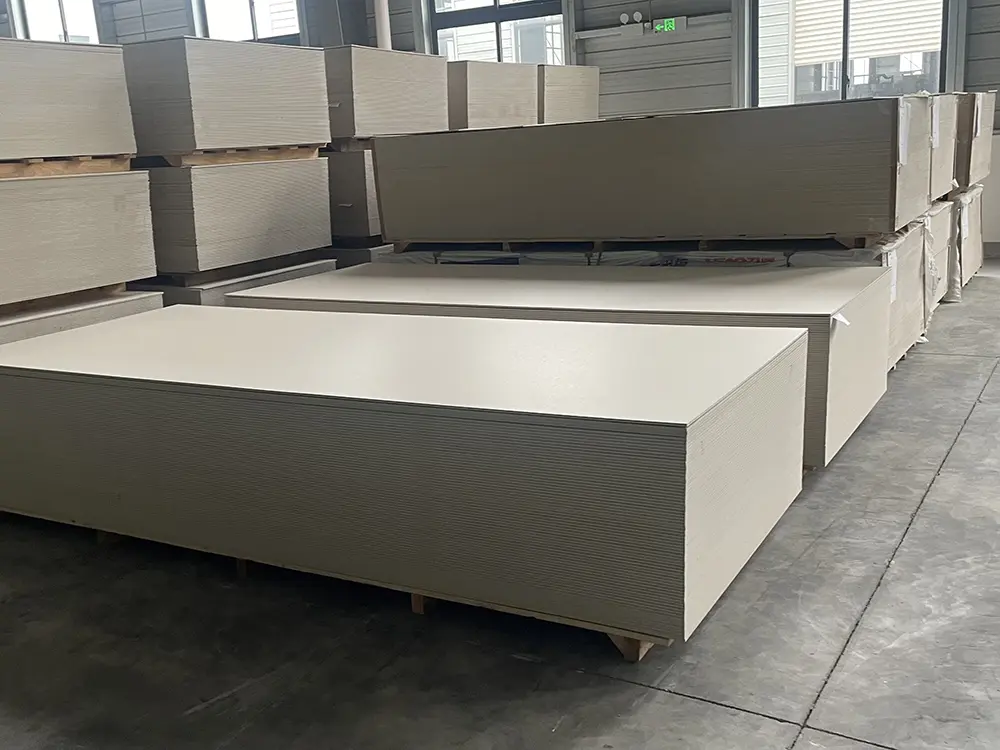 LEAO® Interior Board
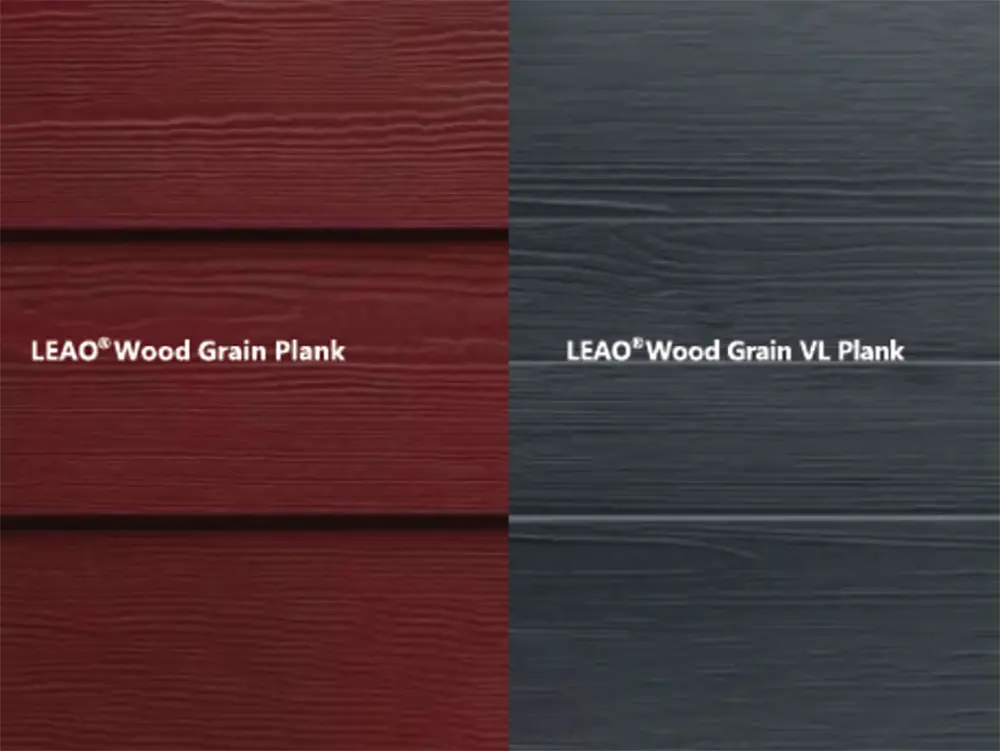 LEAO® Wood Grain Plank
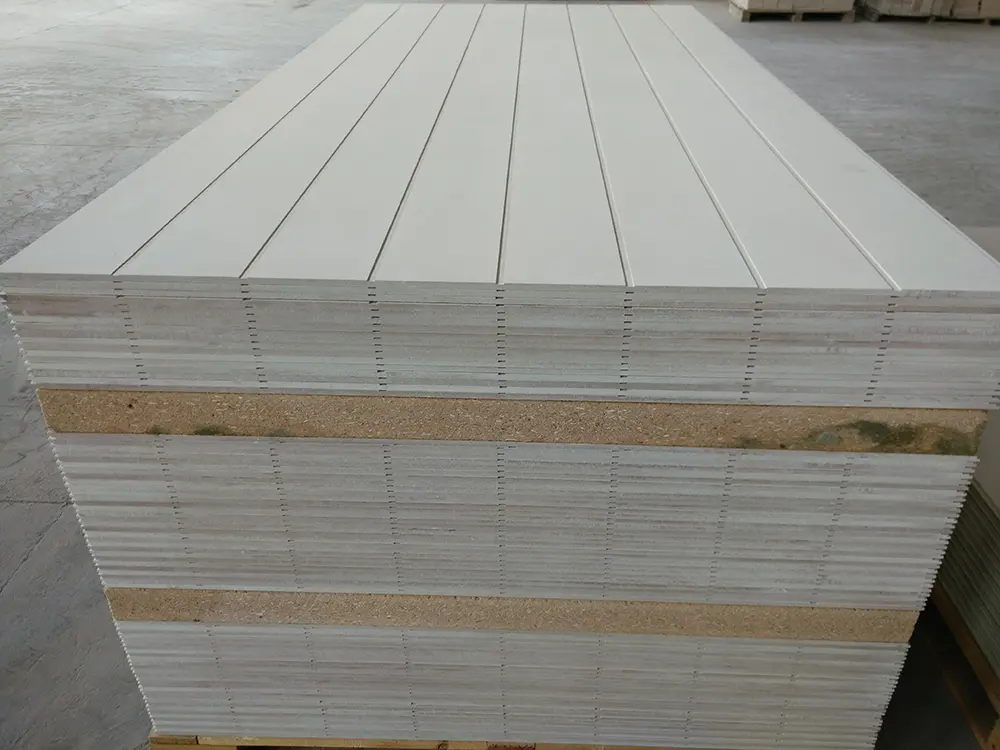 LEAO® Grooved Exterior Panel
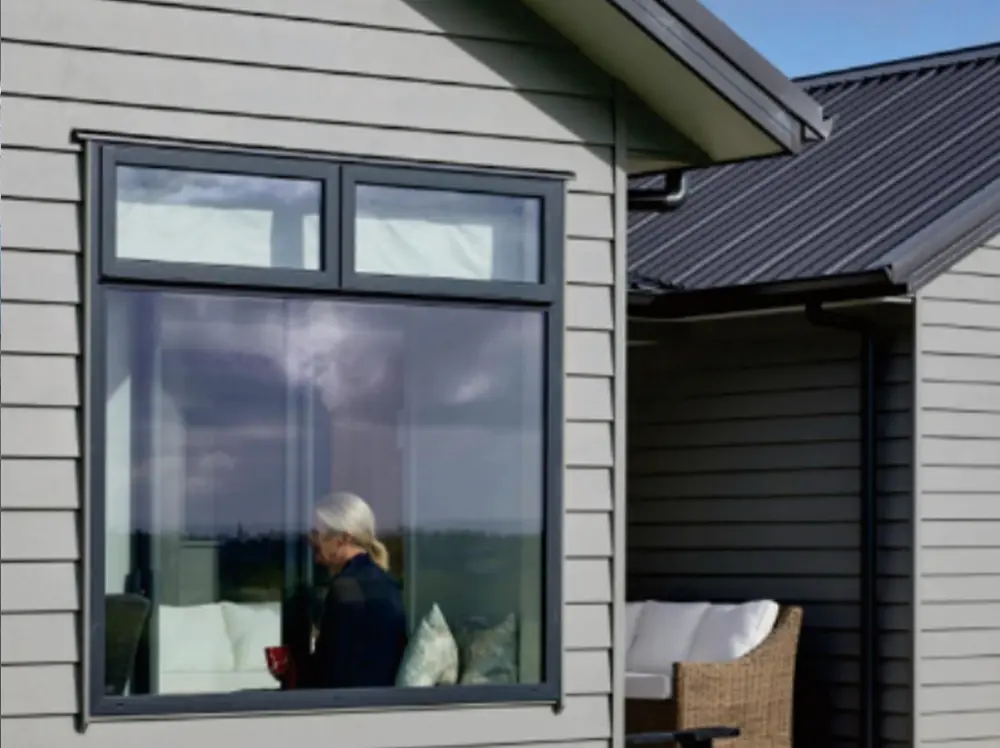 LEAO® Weatherboard
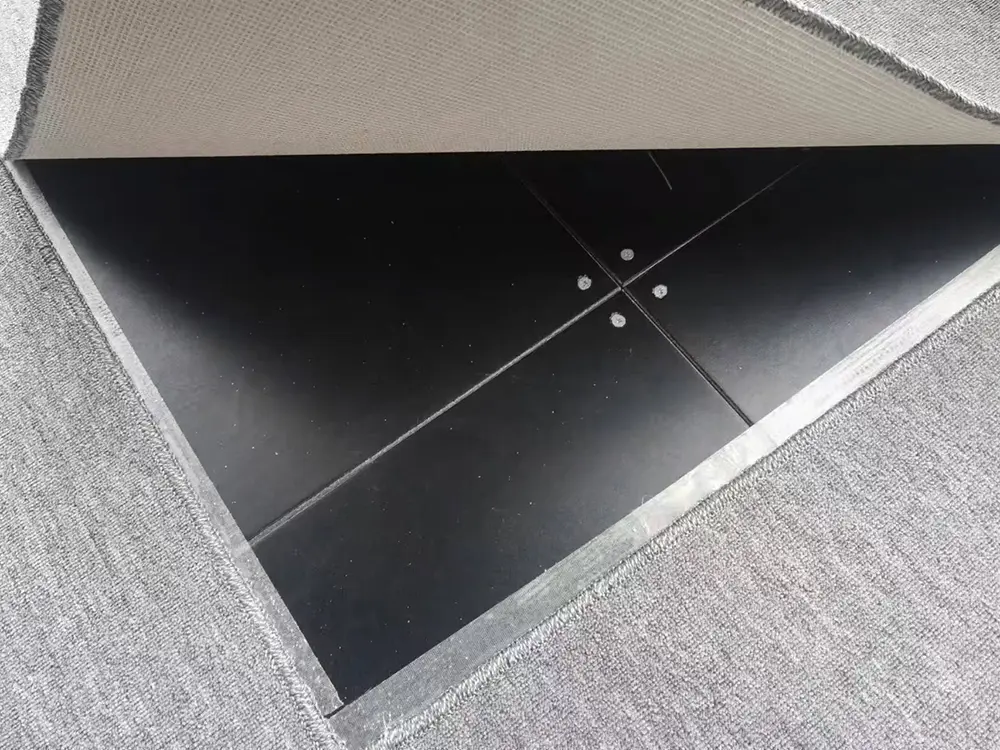 LEAO® Access Floors
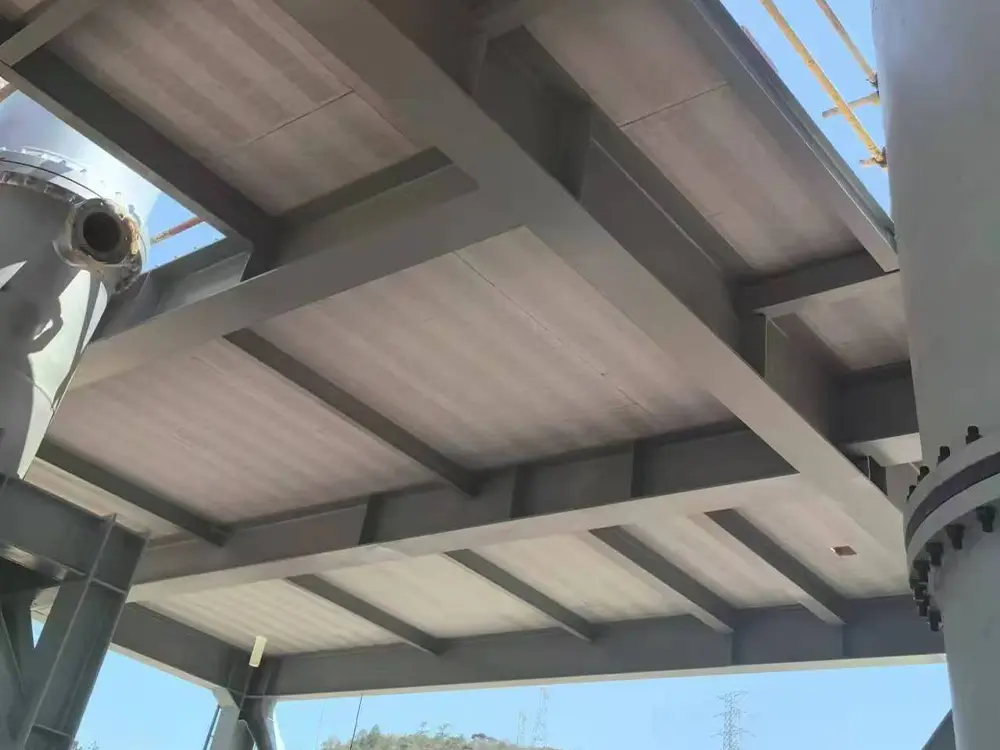 LEAO® Non-removable Formwork
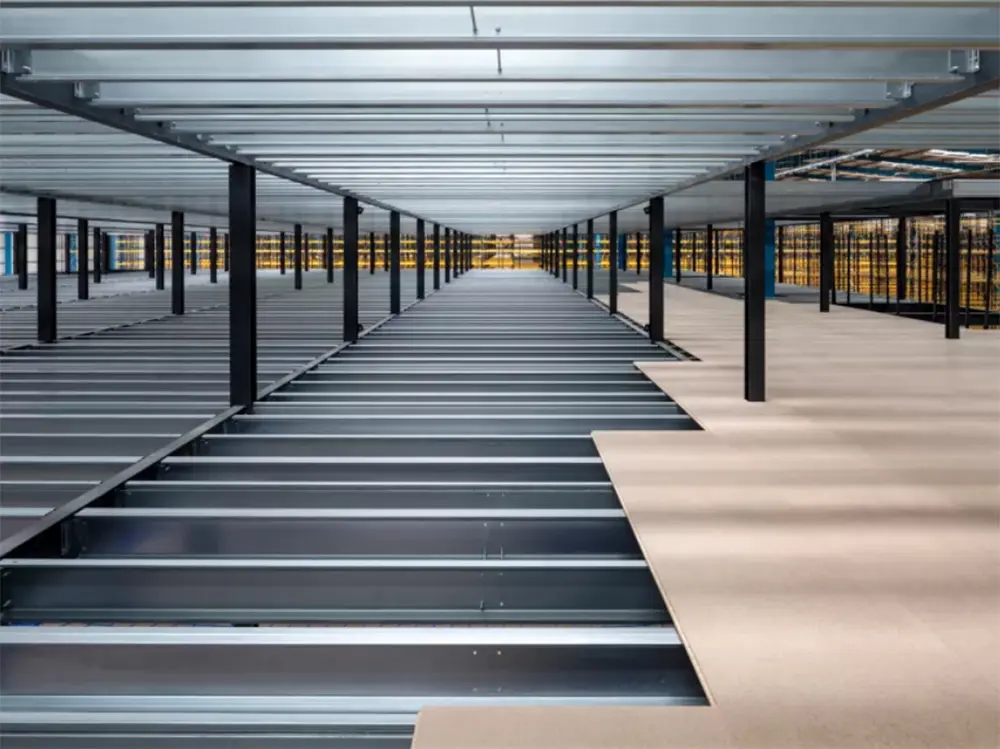 LEAO® Mezzanine Board
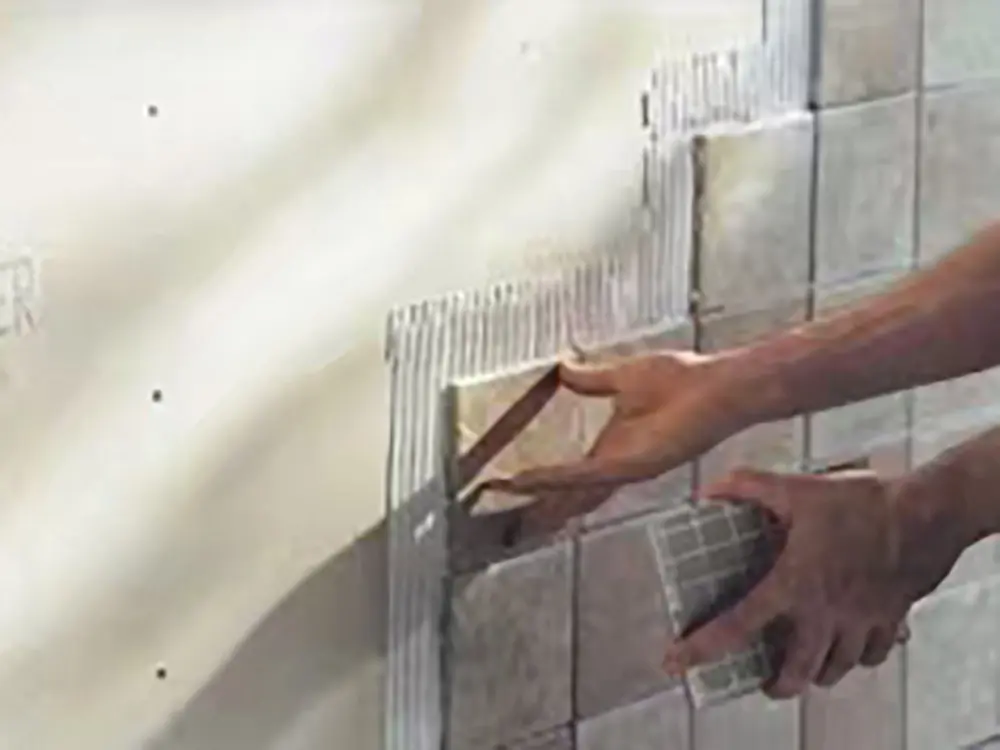 LEAO® Ceramic Tile Underlay
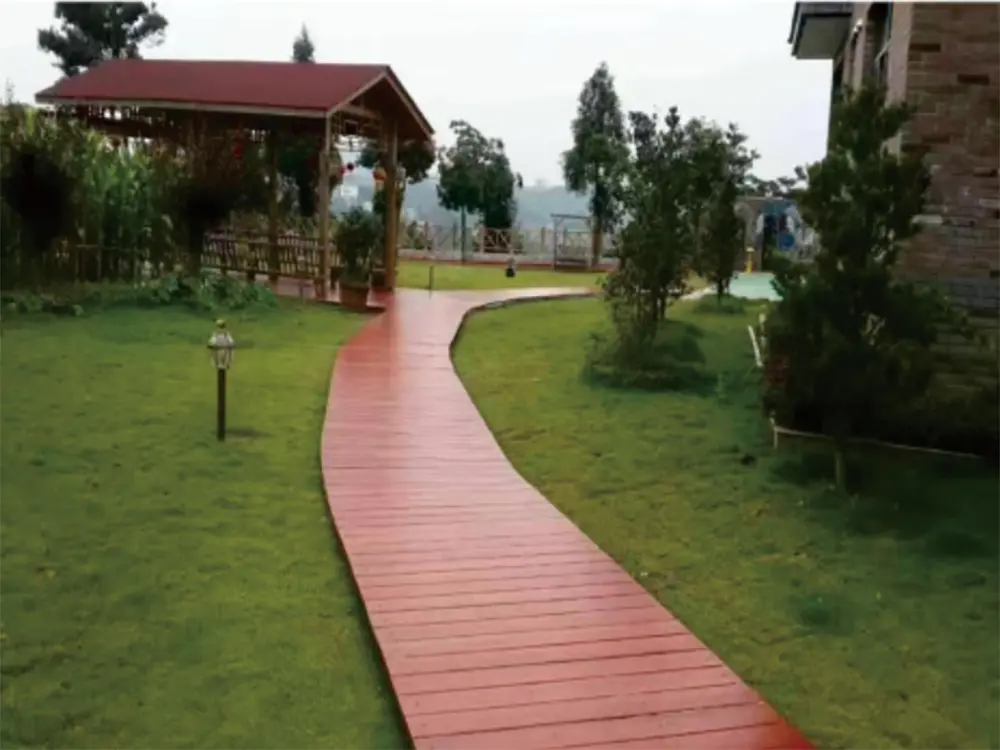 LEAO® Floor Plank
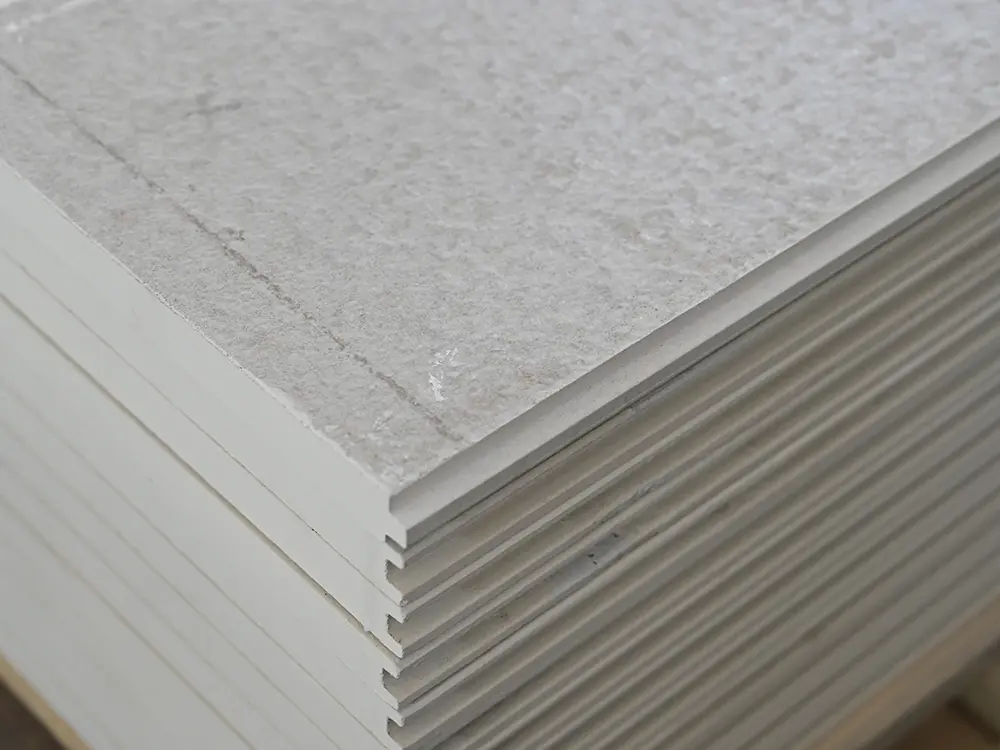 LEAO® Flooring
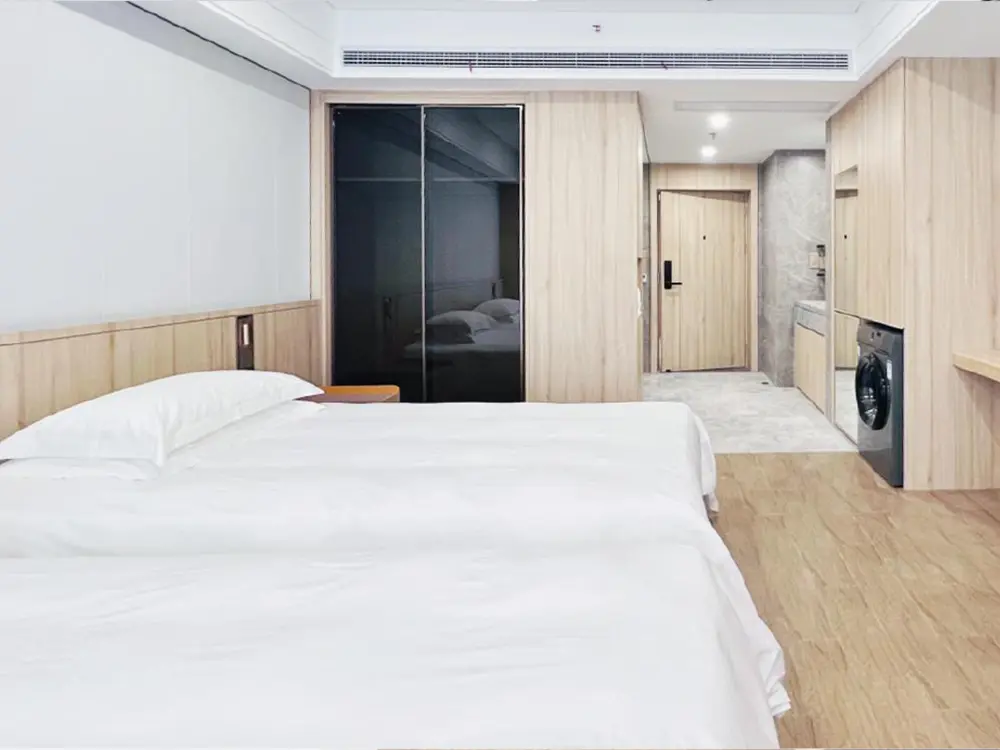 LEAO® Wood Style Decorative Panel
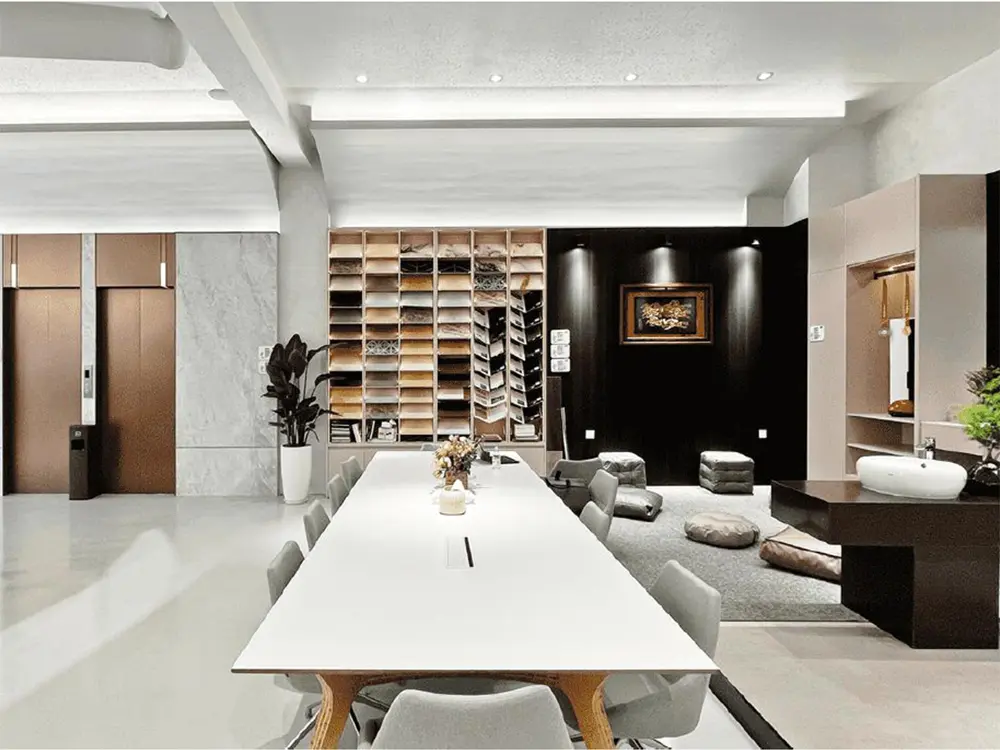 LEAO® Stone Style Decorative Panel
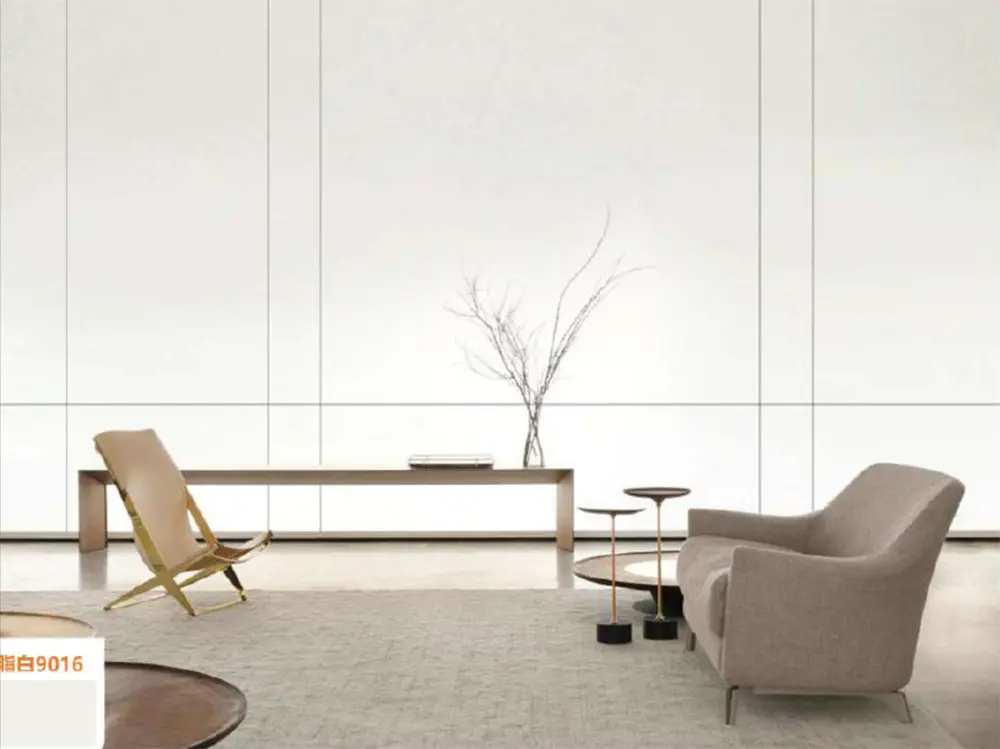 LEAO® Pure Style Decorative Panel