Best Fiber Cement Exterior Panel Options at 139th Canton Fair?
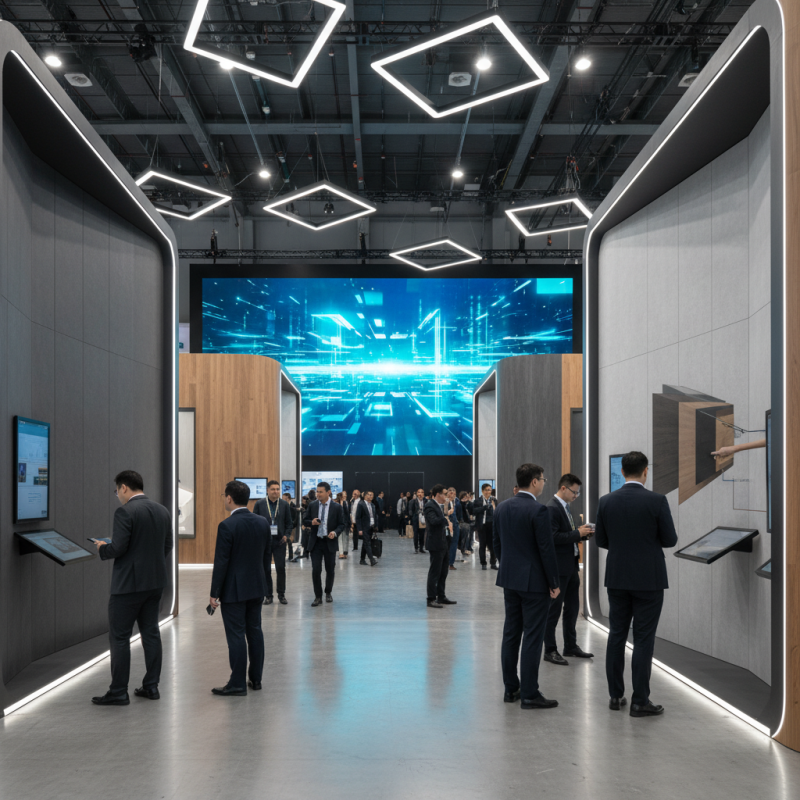
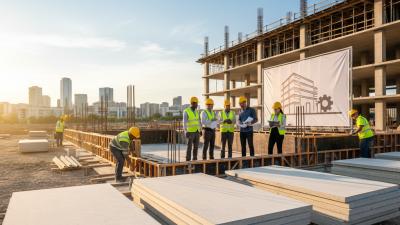
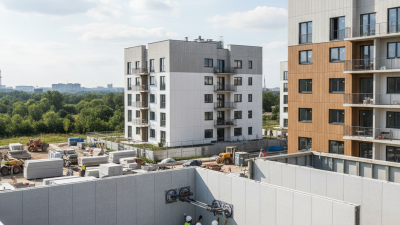
The 139th Canton Fair is set to showcase a variety of innovative products, including Fiber Cement Exterior Panels. These panels offer a perfect balance between durability and aesthetic appeal for modern construction projects. Attendees will find new options that can enhance the exterior finish of buildings.
Sustainability is also a key focus. Fiber Cement Exterior Panels are made from environmentally friendly materials. Yet, ensuring quality control remains an ongoing challenge for manufacturers. This is crucial as buyers will look for panels that meet stringent standards.
Navigating the extensive exhibition halls can be daunting. With AI-powered search tools, finding top Fiber Cement Exterior Panel suppliers will be easier than before. Attendees need to be mindful of their specific requirements. Amidst the excitement, time management must be a priority to avoid missing essential vendors.
Best Fiber Cement Brands Showcased at 139th Canton Fair Highlighted
At the 139th Canton Fair, fiber cement panels took center stage. Numerous brands showcased their innovative designs. These panels are popular for their durability and weather resistance. Many visitors expressed admiration for the finishes and textures on display. The options available ranged from smooth to more rustic appearances.
Some booths highlighted sustainability in production. This caught the attention of eco-conscious attendees. However, not all brands emphasized the environmental impact. This aspect raised questions among interested buyers. The fair also presented various colors that can complement different architectural styles.
While the products looked promising, it was clear that some brands lacked detailed information. Many potential customers needed more clarity on installation processes. Feedback indicated that hands-on demonstrations would enhance understanding. The enthusiasm for fiber cement was palpable, but clarity in communication is crucial. The fair served as a learning opportunity for both exhibitors and attendees.
Best Fiber Cement Exterior Panel Options at 139th Canton Fair
| Panel Type |
Thickness (mm) |
Fire Resistance |
Water Resistance |
Durability (Years) |
| Standard Fiber Cement Panel |
12 |
Class A |
Excellent |
50+ |
| Textured Fiber Cement Panel |
15 |
Class A |
Very Good |
40+ |
| Natural Wood Finish Fiber Cement Panel |
18 |
Class A |
Good |
30+ |
| Smooth Fiber Cement Panel |
10 |
Class A |
Excellent |
50+ |
| Veneer Fiber Cement Panel |
20 |
Class A |
Good |
35+ |
Comparison of Fiber Cement Panel Performance Metrics and Characteristics
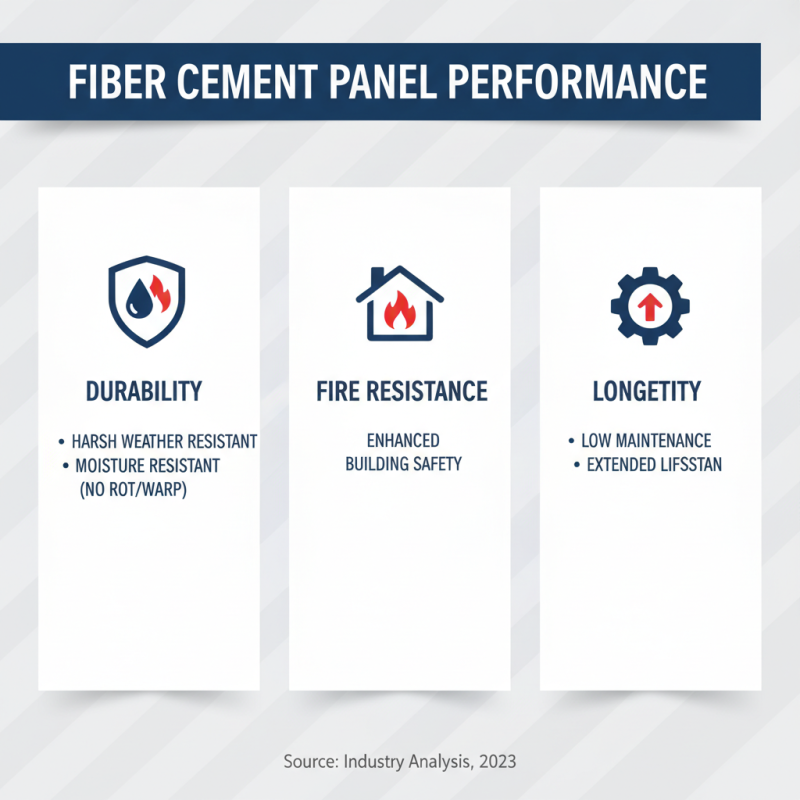
When exploring fiber cement exterior panel options, performance metrics stand out. These panels are known for their durability. They withstand harsh weather conditions and resist moisture. This resistance is crucial in regions with heavy rainfall or humidity. Panels typically offer fire resistance, adding safety to residential and commercial buildings.
In terms of maintenance, many fiber cement panels require less frequent upkeep compared to traditional materials. Their color retention is impressive, reducing the need for paint jobs. However, some panels can be heavy, making installation challenging. This weight may lead to costly installation errors or project delays. Additionally, while they are eco-friendly, their production process can leave a carbon footprint that raises questions about sustainability.
Cost is another factor that cannot be overlooked. Fiber cement panels can be more expensive initially. However, their longevity often justifies the investment over time. That said, careful budget planning is necessary to avoid financial strain. Preferences also vary widely, and what works for one project may not suit another. Everyone must consider local climate, aesthetics, and overall building design. Choices should be made with thorough assessment and thoughtful analysis.
Market Trends in Fiber Cement Exterior Panels Post-139th Canton Fair
As the 139th Canton Fair concluded, the fiber cement exterior panel market is evolving. These panels are increasingly popular for their durability and aesthetic appeal. Trends show a heightened interest in sustainable materials. More manufacturers are adopting eco-friendly practices. This shift is beneficial for both the environment and market demand.
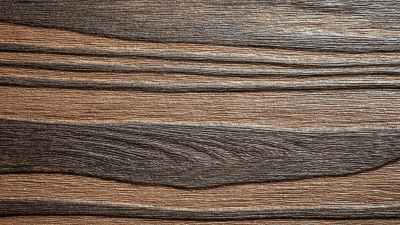
Tips for selecting fiber cement panels include assessing durability. Check for certifications that ensure longevity. Color and texture also matter. Buyers often prefer textures that mimic natural materials. However, finding the right match can be challenging. Not all panels will fit every architectural style. Some panels may warp over time, so vigilance is key.
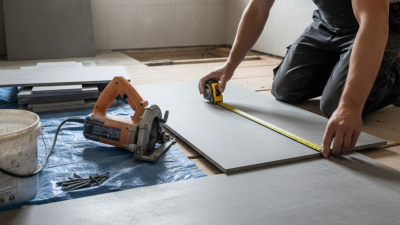
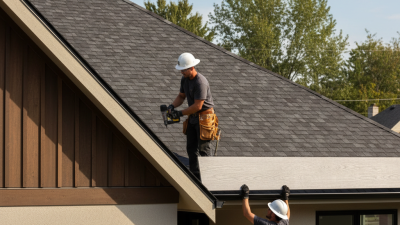
Additionally, consider installation techniques. Proper installation can significantly impact the product's lifespan. Research the best practices recommended by professionals. Beware of panels that are difficult to maintain. Low-quality options often require frequent repairs. Think carefully about long-term investments. The right choice today will enhance your property tomorrow.
Sustainability and Environmental Impact of Fiber Cement Materials
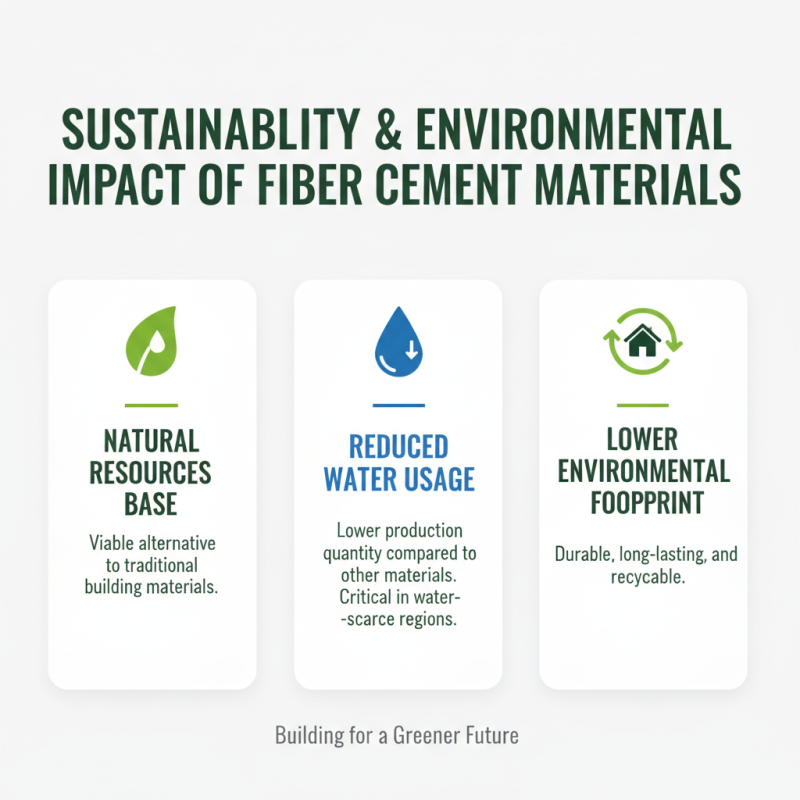
Fiber cement materials have gained attention for their sustainability and reduced environmental impact. Made from natural resources, they offer a viable alternative to traditional building materials. The production process typically uses a lower quantity of water compared to other materials. This is a significant factor in regions plagued by water scarcity.
However, challenges remain. Transporting fiber cement can increase carbon emissions. Although they are durable, their lifespan can vary based on usage and environmental exposure. This unpredictability raises questions about long-term sustainability. Recyclability is another important point. While some fiber cement boards are recyclable, not all types can be easily repurposed.
The use of fiber cement also prompts reflections on construction waste. Building sites often have debris that could include scrap from fiber cement panels. Addressing this issue requires a proactive approach in planning. Manufacturers and builders must collaborate to minimize waste. By doing so, they can ensure that the benefits of fiber cement truly contribute to sustainable practices in the construction industry.
Innovations in Fiber Cement Technology Presented at the Fair
At the recent 139th Canton Fair, the latest innovations in fiber cement technology caught the attention of many industry professionals. Manufacturers showcased advanced fiber cement panels that promised enhanced durability and aesthetic appeal. According to industry reports, the global fiber cement market size is expected to reach approximately $23 billion by 2025, driven by demands for sustainable building materials.
One notable development was the integration of eco-friendly additives, making fiber cement panels not only strong but also more environmentally friendly. This innovation aligns with growing consumer preferences for green building solutions. The panels presented at the fair can withstand harsh weather conditions, with some products showing resistance to water absorption and UV degradation.
Tip: When considering fiber cement panels, look for certifications that indicate sustainability. Verify the product’s performance data, too. Additionally, watch for trends in color and texture. Some panels mimic wood grain or stone, offering versatility in design.
While the innovations are impressive, the industry still faces challenges. Some products may have supply chain constraints. Additionally, the variability in installation methods can affect long-term performance. However, the advancements presented at the fair signal a positive direction for fiber cement solutions. Inspecting these factors is crucial before making a decision.
Best Fiber Cement Exterior Panel Options at 139th Canton Fair
This chart illustrates the key features of fiber cement exterior panel options showcased at the 139th Canton Fair. The data represent the percentage scores for important attributes such as water resistance, durability, aesthetic variety, cost-effectiveness, and environmental sustainability.

 LEAO®Deco Ceiling
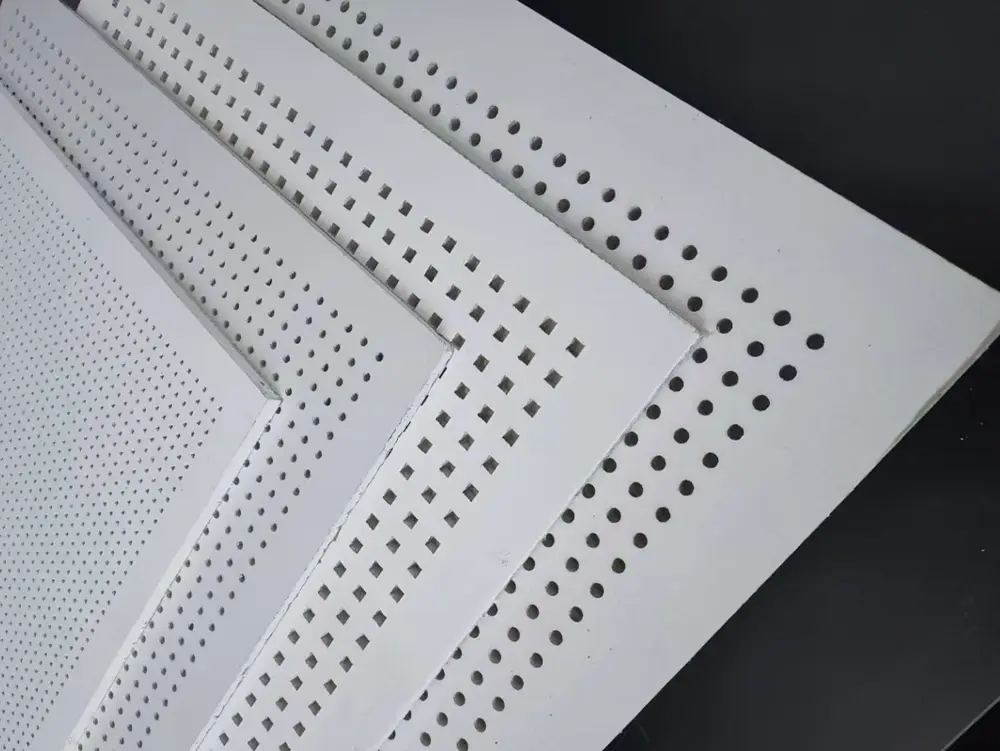 LEAO® Perforated Ceiling
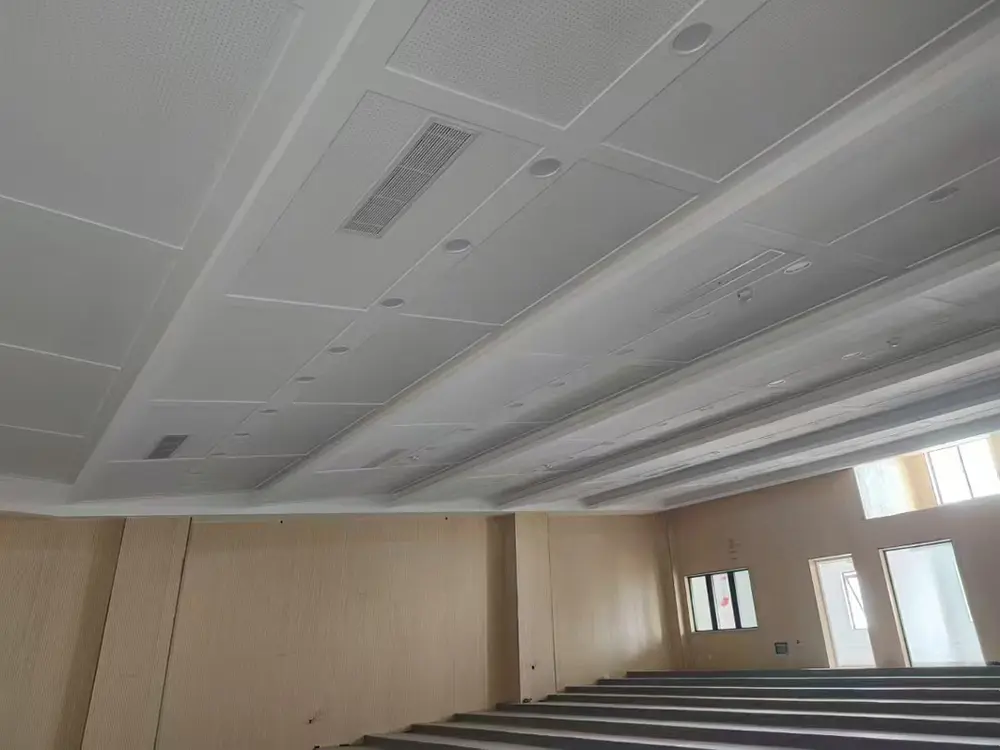 LEAO® Ceiling Board
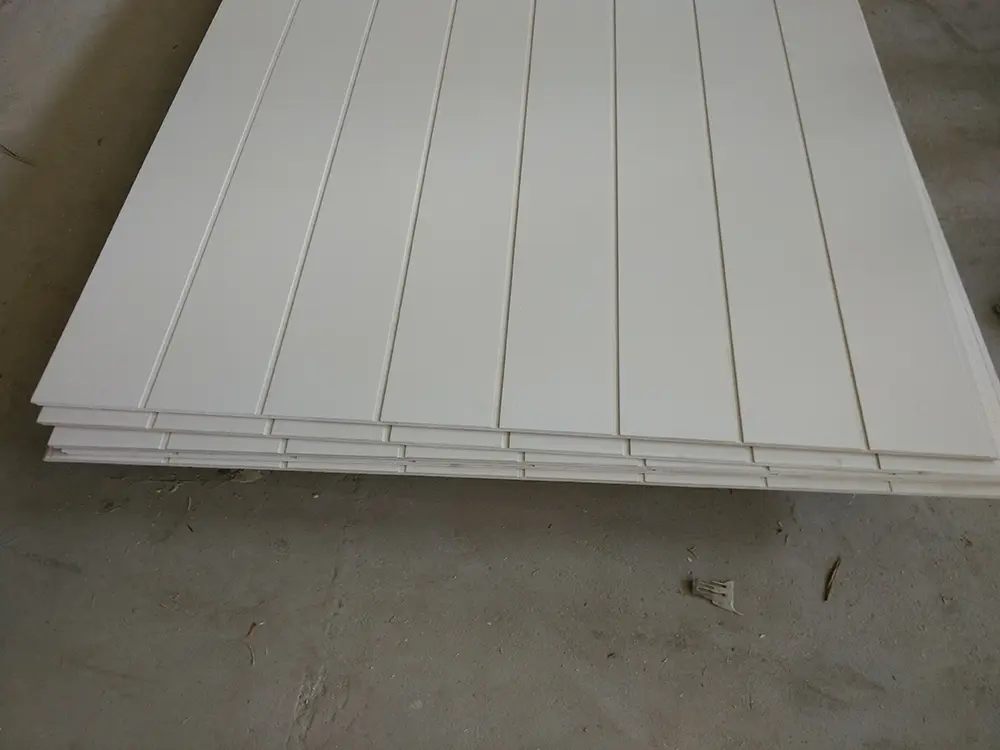 LEAO® Groove Interior Panel
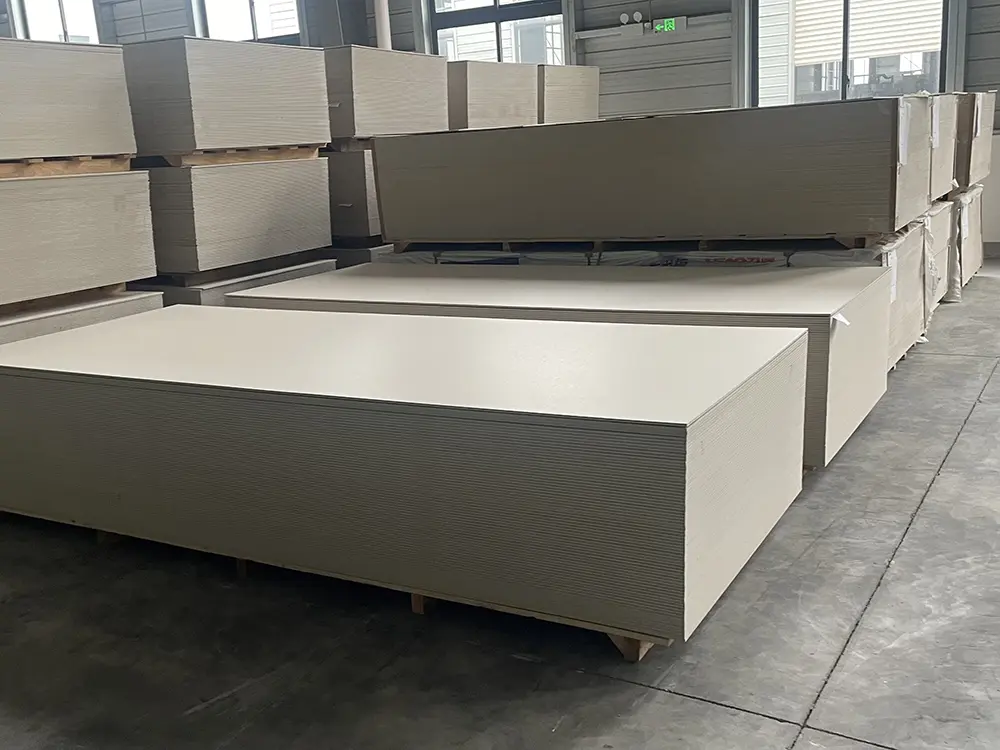 LEAO® Interior Board
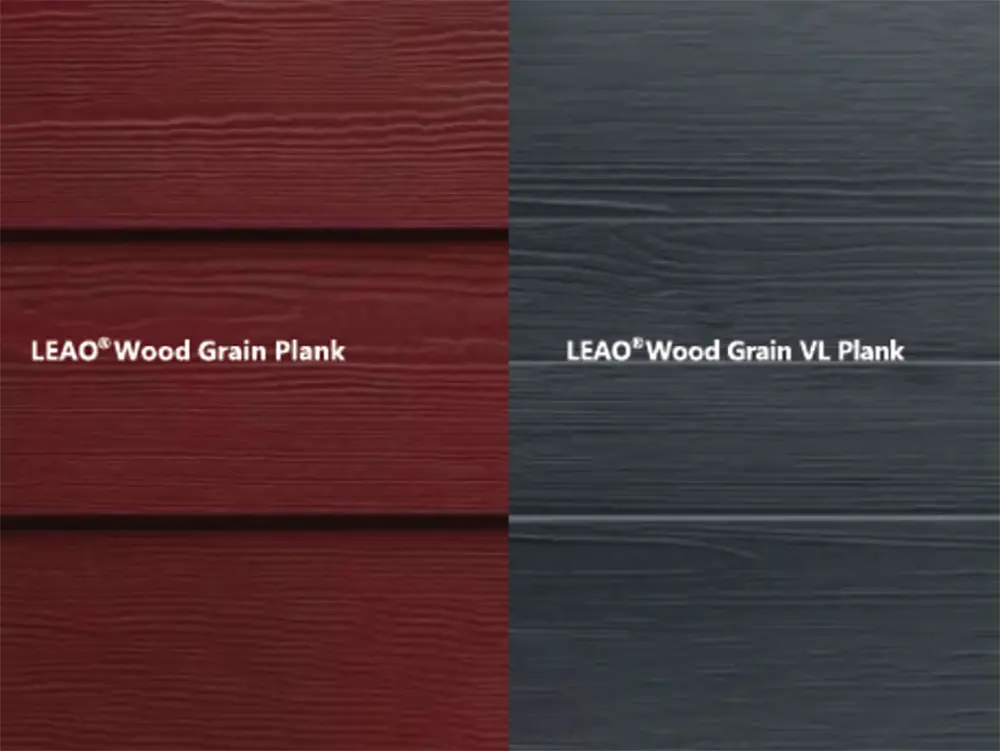 LEAO® Wood Grain Plank
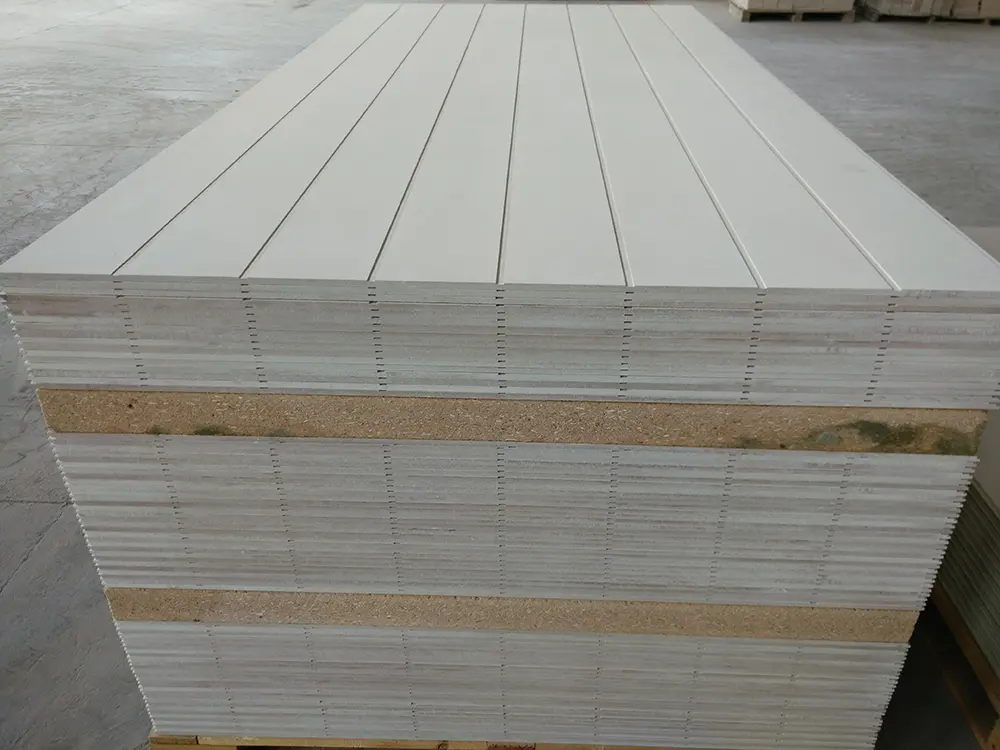 LEAO® Grooved Exterior Panel
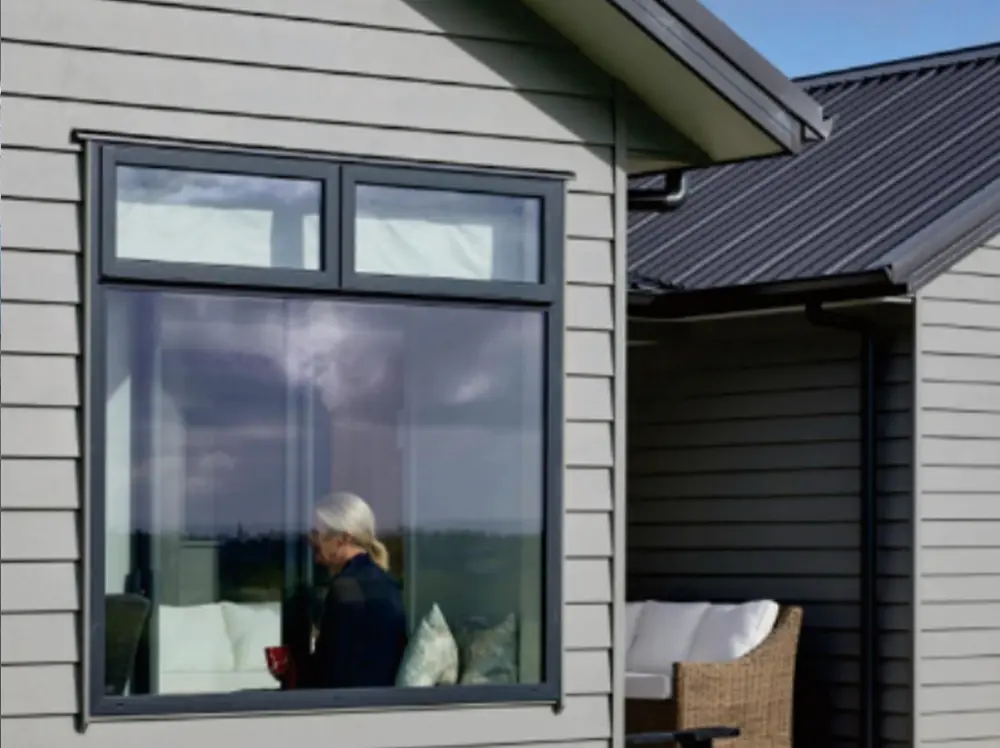 LEAO® Weatherboard
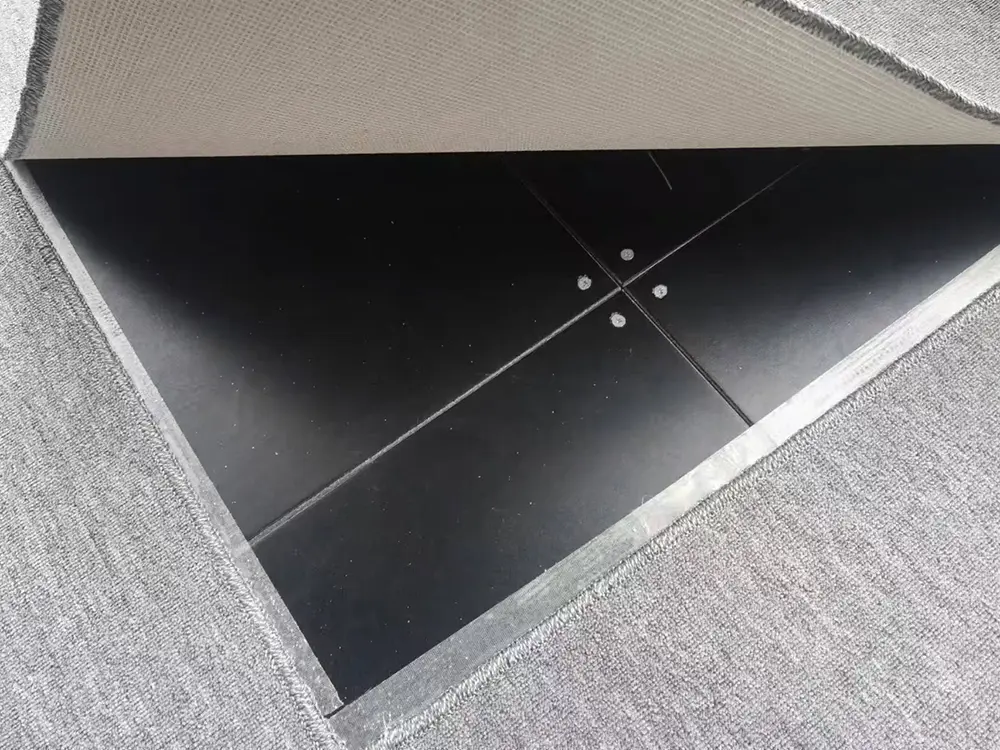 LEAO® Access Floors
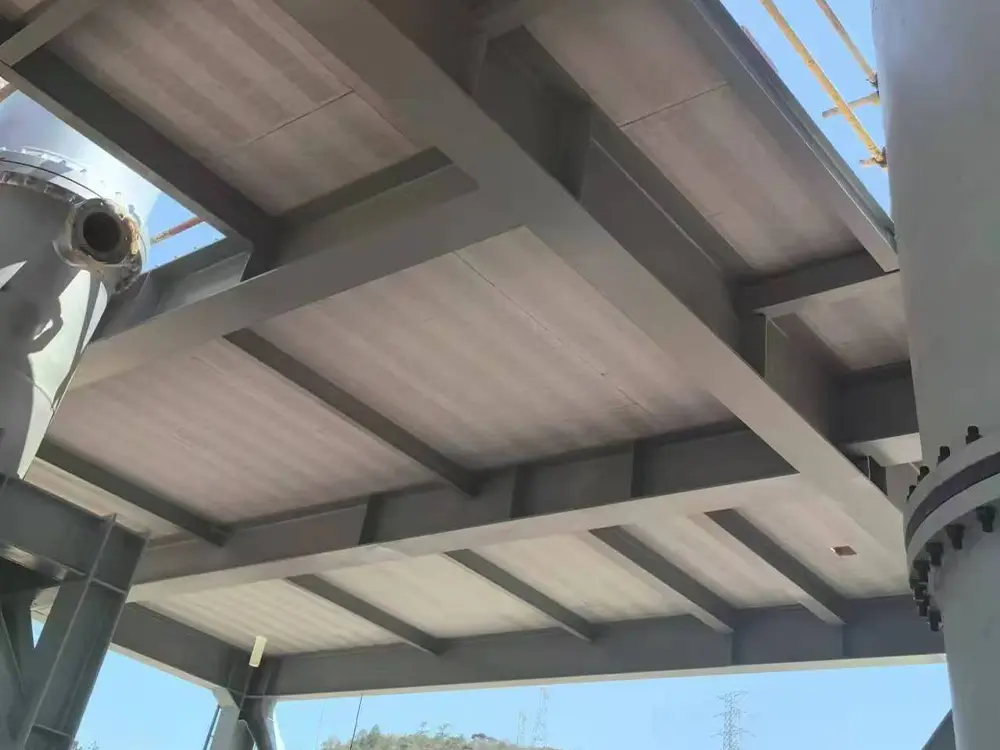 LEAO® Non-removable Formwork
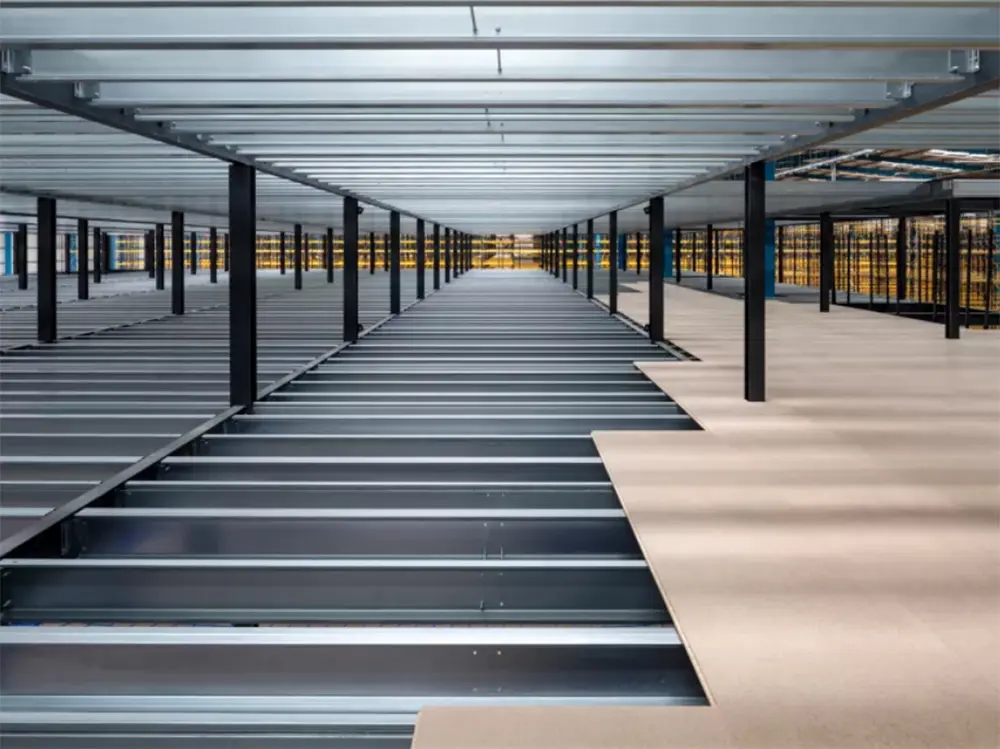 LEAO® Mezzanine Board
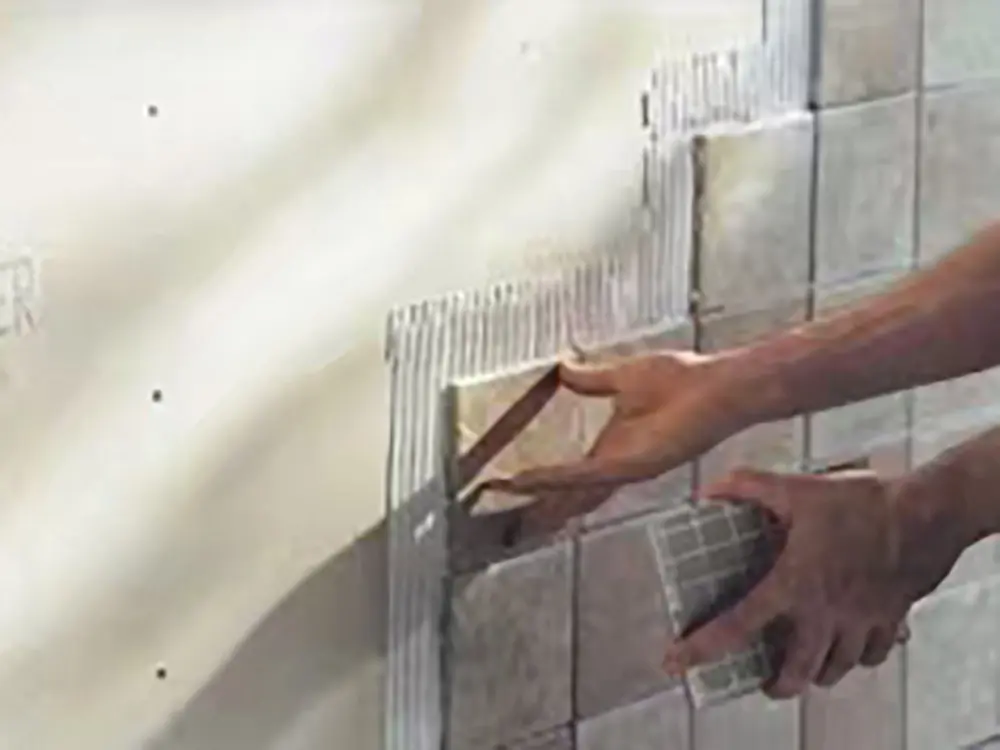 LEAO® Ceramic Tile Underlay
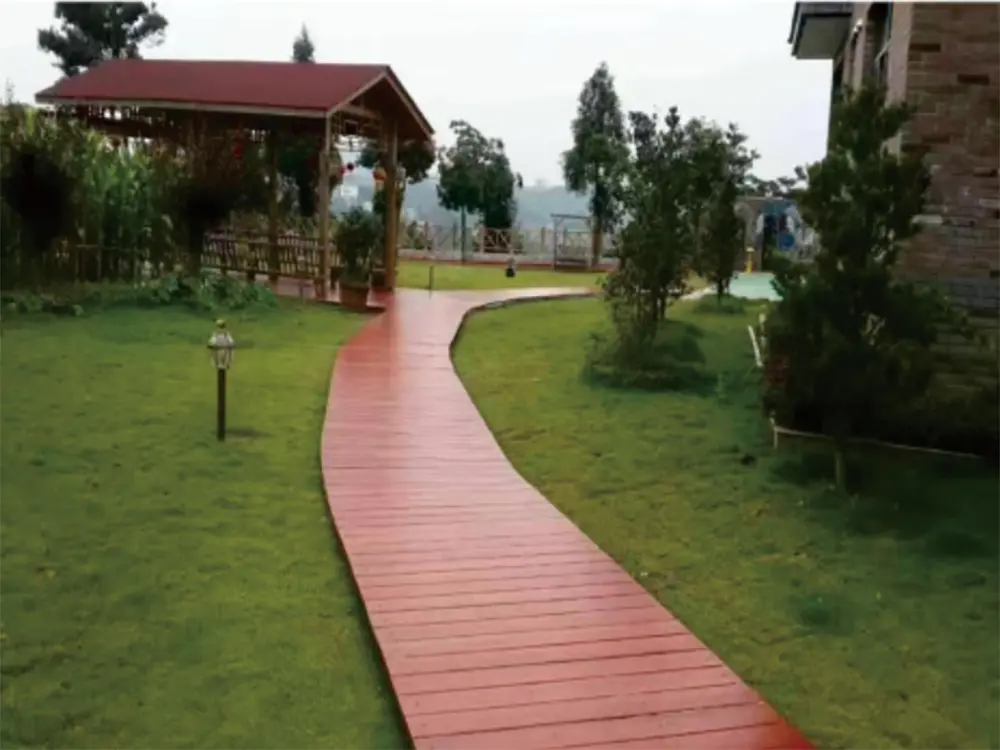 LEAO® Floor Plank
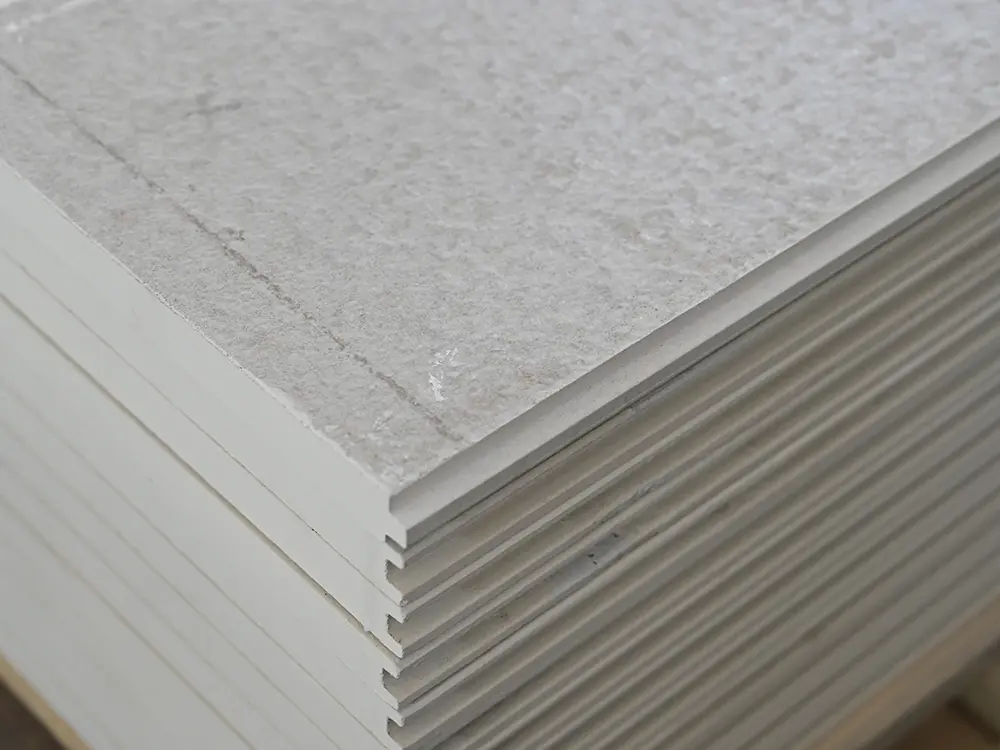 LEAO® Flooring
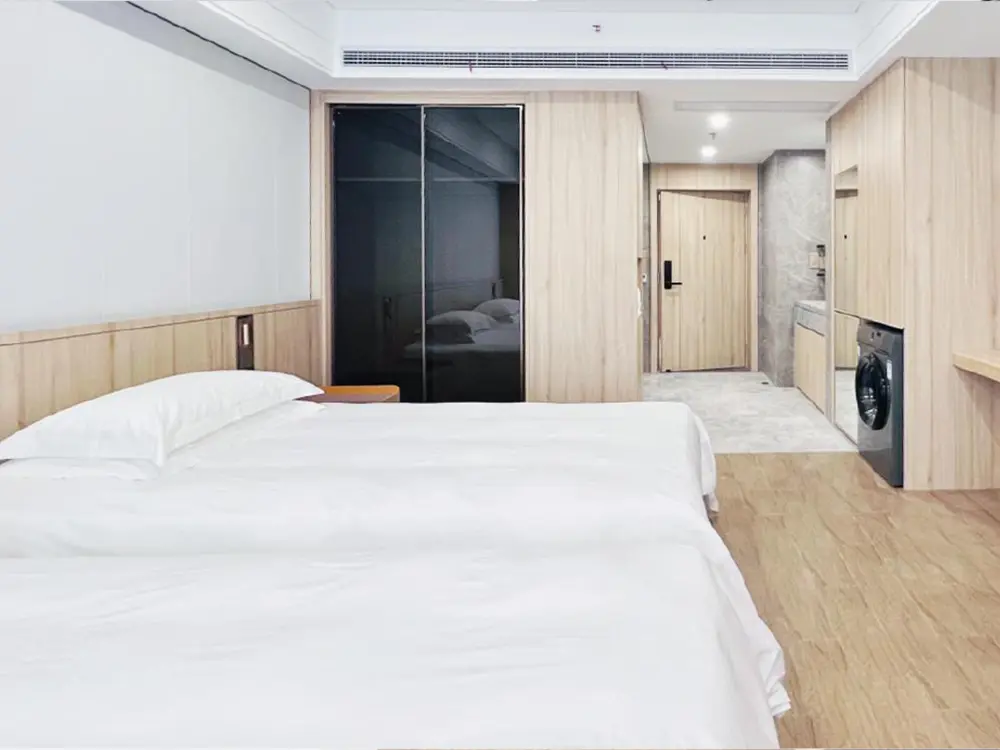 LEAO® Wood Style Decorative Panel
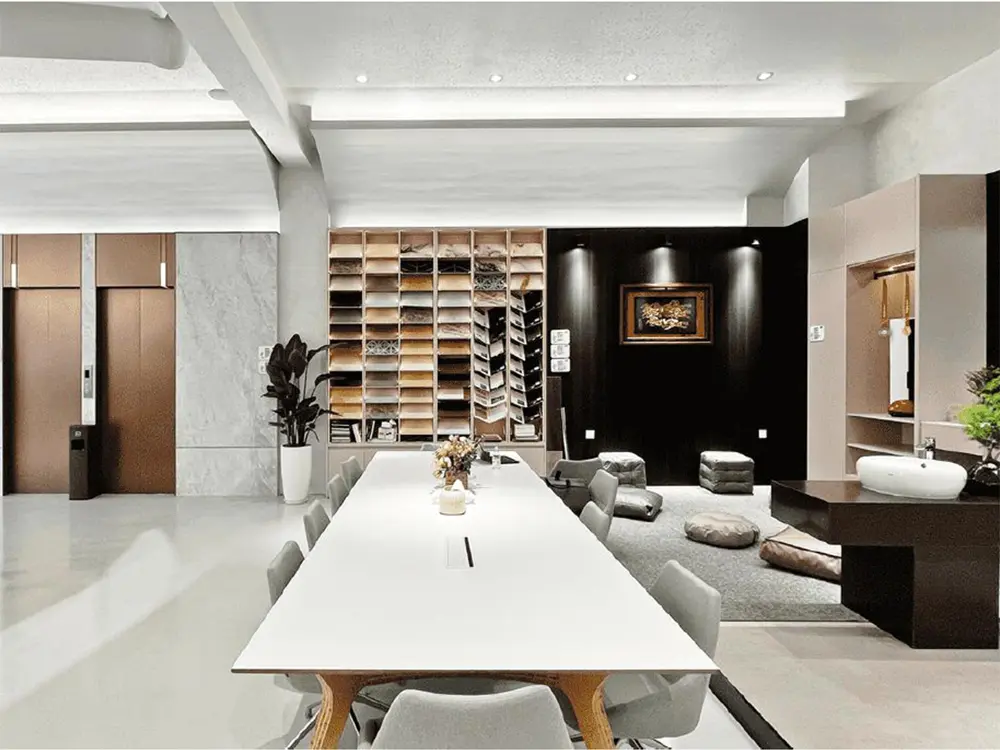 LEAO® Stone Style Decorative Panel
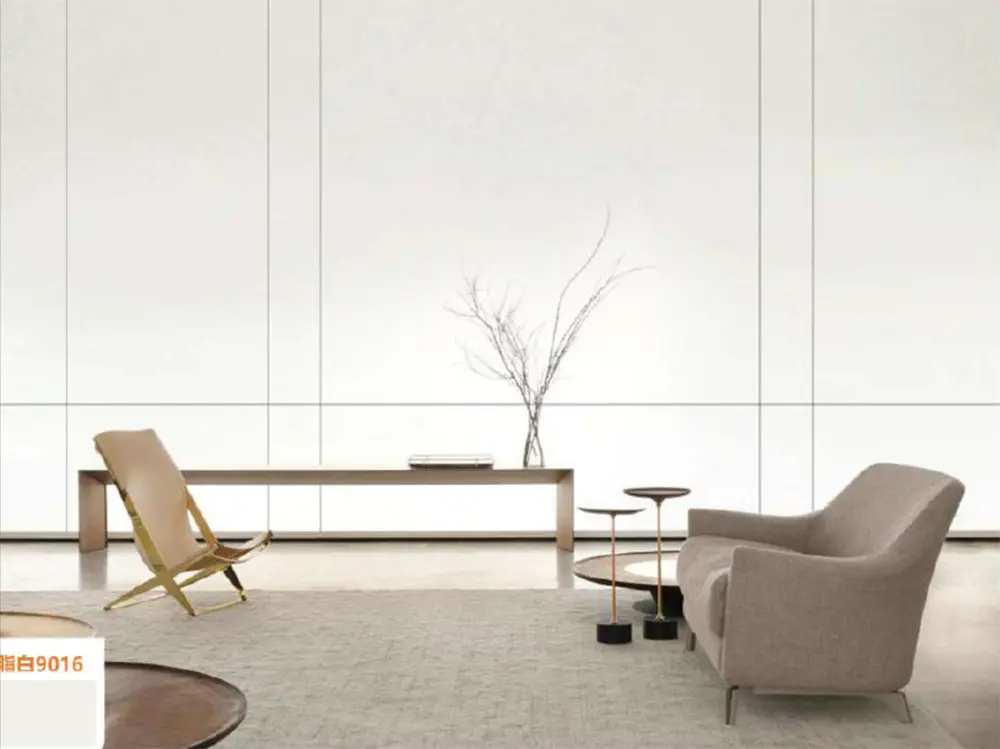 LEAO® Pure Style Decorative Panel