Best Fiber Cement Panels for Global Buyers in 2026?
As the global construction industry evolves, the demand for high-quality building materials continues to rise. One of the most noteworthy innovations in this area is the Fiber Cement Panel. Experts believe these panels are revolutionizing construction. John Smith, a leading authority in building materials, once stated, "Fiber Cement Panels combine durability with aesthetic appeal, making them a top choice for modern architecture."
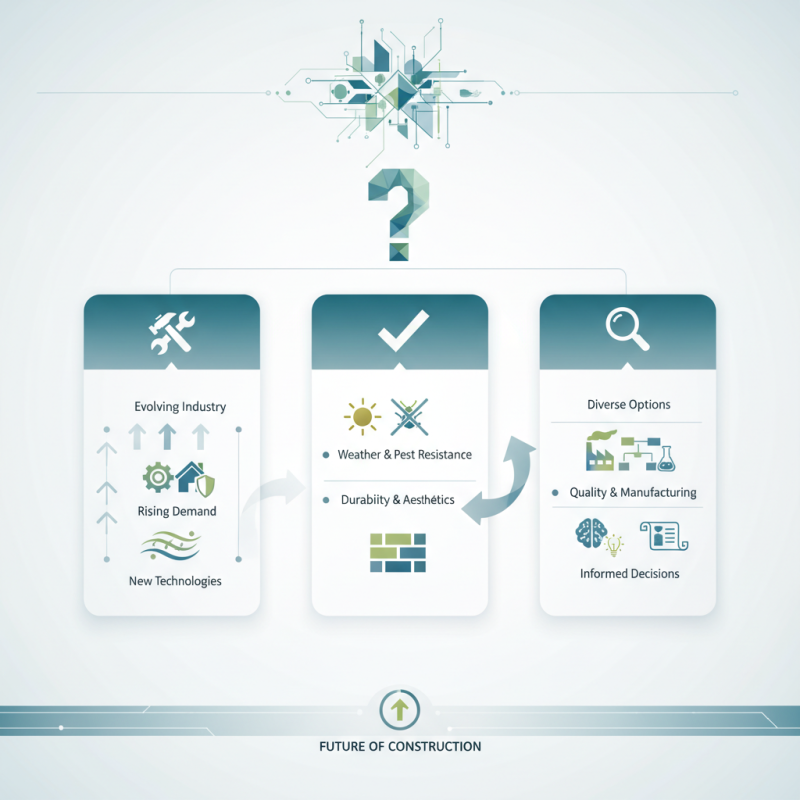
In 2026, buyers will face increased options for Fiber Cement Panels. These panels are known for their resistance to weather and pests, providing long-lasting solutions for diverse climates. As the industry grows, it can be challenging to identify the best products on the market. Professionals and builders must navigate different brands and technologies. Buyers often seek panels that meet their specific design and functional needs.
However, not all Fiber Cement Panels are created equal. Some may lack the quality that professionals expect. It is essential to evaluate the manufacturing processes and material compositions used. Therefore, understanding the specific qualities and applications of Fiber Cement Panels will be crucial for making informed decisions in the coming years.
Best Fiber Cement Panels Overview for Global Buyers
Fiber cement panels are gaining popularity in construction due to their durability and versatility. A report by MarketsandMarkets predicts that the global fiber cement market will reach $23 billion by 2026, driven by the increasing demand for sustainable building materials. These panels are not only weather-resistant but also fire-resistant, making them suitable for various climates.
Industry studies highlight that fiber cement panels can last over 50 years with minimal maintenance. They offer excellent insulation properties, which can lead to energy savings for homeowners and businesses alike. However, the installation process can be labor-intensive, requiring skilled labor. This aspect may create challenges for project timelines and budgets.
While many buyers appreciate fiber cement's longevity and aesthetic appeal, some have expressed concerns about its weight. Heavy panels can complicate transportation and handling. It is crucial to weigh the pros and cons when choosing materials for construction projects. Balancing cost, durability, and ease of installation can lead to better decision-making for builders and homeowners alike.
Key Features and Benefits of Fiber Cement Panels
Fiber cement panels are gaining popularity in construction due to their durability and versatility. These materials are composed of sand, cement, and cellulose fibers, making them resistant to moisture, fire, and pests. Analysts predict a steady growth in the fiber cement market, expected to reach USD 16.45 billion by 2026, driven by increased urbanization and infrastructure projects.
One key feature of fiber cement panels is their ability to mimic the appearance of natural materials, such as wood or stone, without the associated maintenance issues. Reports indicate that homeowners and builders appreciate their aesthetic appeal and the longevity they offer. The average lifespan of fiber cement panels can exceed 50 years, significantly longer than traditional siding options.
However, challenges exist. Installation requires skilled labor and proper tools, which can increase total project costs. Additionally, environmental concerns about production processes have emerged, prompting manufacturers to seek more sustainable practices. It's essential for buyers to weigh these factors against the many benefits they provide in terms of energy efficiency and cost savings over time.
Best Fiber Cement Panels for Global Buyers in 2026
Market Trends Influencing Fiber Cement Panel Choices
The global market for fiber cement panels is witnessing exciting trends. Buyers are increasingly drawn to eco-friendly products. Sustainability is now a primary consideration for many projects. People want materials that minimize environmental impact. This shift is reshaping how manufacturers approach design and production.
Versatility also plays a significant role. Buyers seek panels that suit various architectural styles. Whether it’s modern or traditional, fiber cement panels can adapt. This adaptability encourages innovation in product offerings. However, the challenge remains to meet aesthetic demands without compromising durability. Finding a balance can be tough.
Cost is another vital factor influencing buyer decisions. While some panels offer superior performance, they may come with a higher price tag. Budget-conscious buyers might hesitate. Exploring options that provide value without sacrifice is essential. This deliberation often brings about new ideas in material sourcing and design techniques. Buyers must weigh aesthetics, sustainability, and cost-effectiveness. The decision process can be complex and requires careful thought.
Sustainability and Environmental Impact of Fiber Cement Products
Fiber cement panels have gained popularity due to their sustainability profile. These products often contain cellulose fibers, cement, and sand, which can lead to a reduced environmental footprint compared to traditional materials. A report from the Global Cement and Concrete Association states that fiber cement products can lower greenhouse gas emissions by up to 30% during their lifecycle.
Manufacturing processes for fiber cement panels are also evolving. Recent studies indicate that the use of recycled materials in production can significantly reduce resource consumption. However, challenges remain. The energy used in manufacturing still presents concerns. Striking a balance between efficiency and environmental impact is crucial for future advancements in this industry.
Fiber cement panels are typically durable and long-lasting, contributing less to landfill waste over time. Yet, questions about their end-of-life impact linger. Recycling fiber cement is possible but not widely practiced. The industry must navigate these complexities to enhance sustainability further. Collaboration among stakeholders can drive innovation and improvements in overall environmental performance.
Best Fiber Cement Panels for Global Buyers in 2026? - Sustainability and Environmental Impact of Fiber Cement Products
| Product Type |
Sustainability Rating |
Recycled Content (%) |
Thermal Performance (R-value) |
Durability (Years) |
Carbon Footprint (kg CO2/m²) |
| Standard Fiber Cement Board |
A+ |
30 |
3.5 |
50 |
15 |
| High-Performance Fiber Cement Panel |
A |
40 |
4.2 |
60 |
12 |
| Architectural Fiber Cement Cladding |
A |
35 |
4.0 |
70 |
10 |
| Eco-Friendly Fiber Cement Panel |
A++ |
50 |
5.0 |
55 |
8 |
| Insulated Fiber Cement Panel |
A+ |
25 |
6.0 |
65 |
14 |

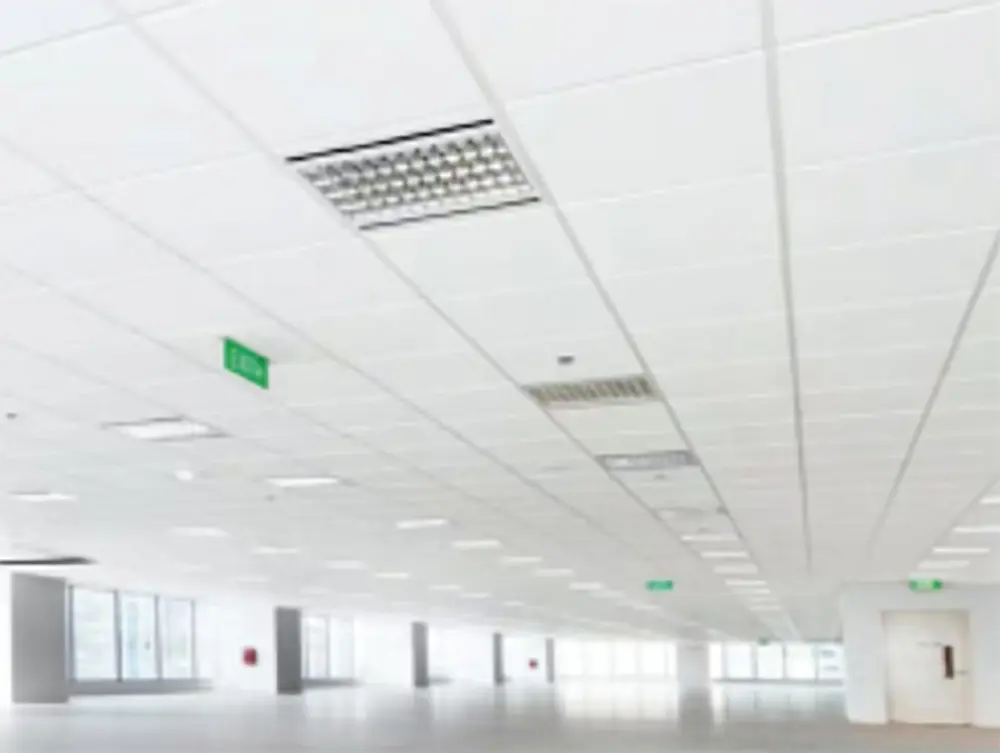 LEAO®Deco Ceiling
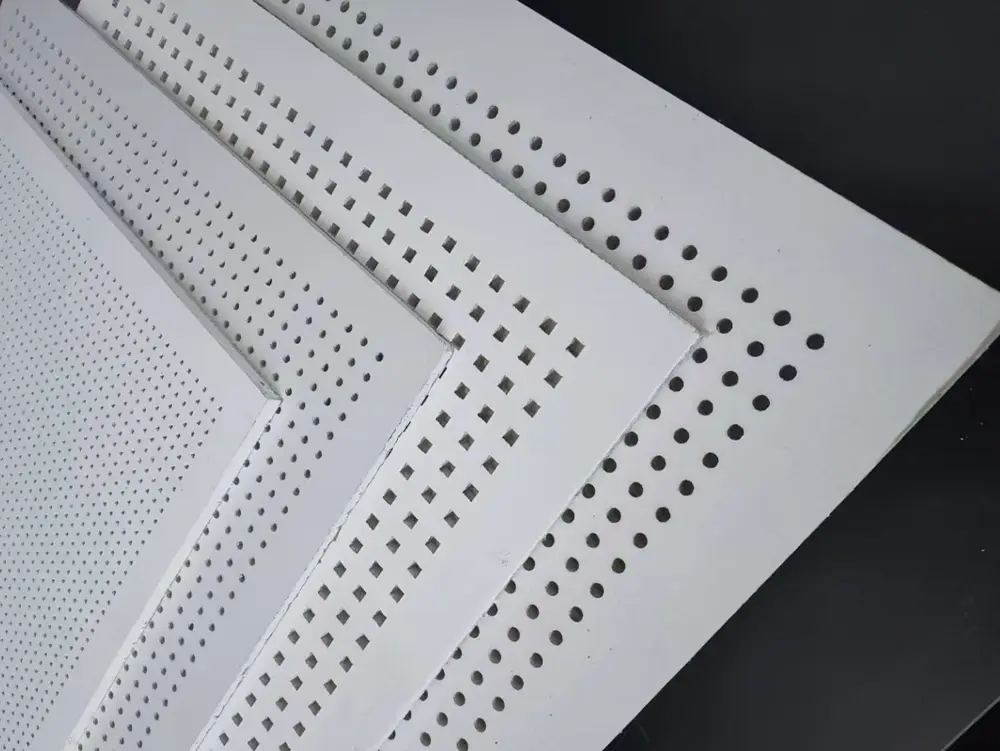 LEAO® Perforated Ceiling
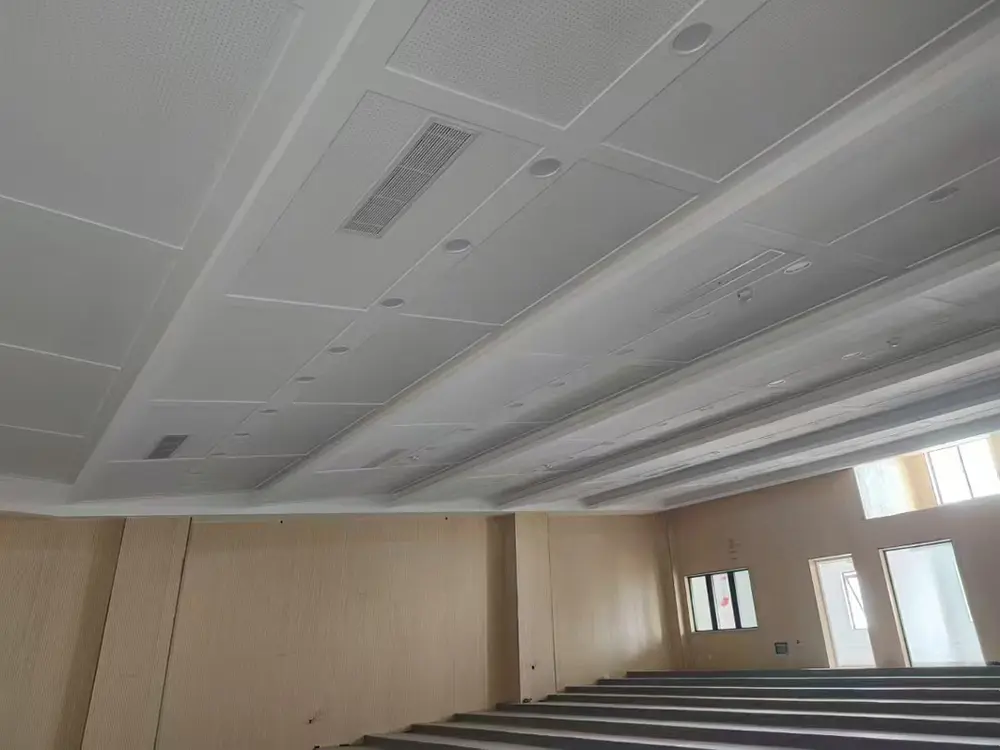 LEAO® Ceiling Board
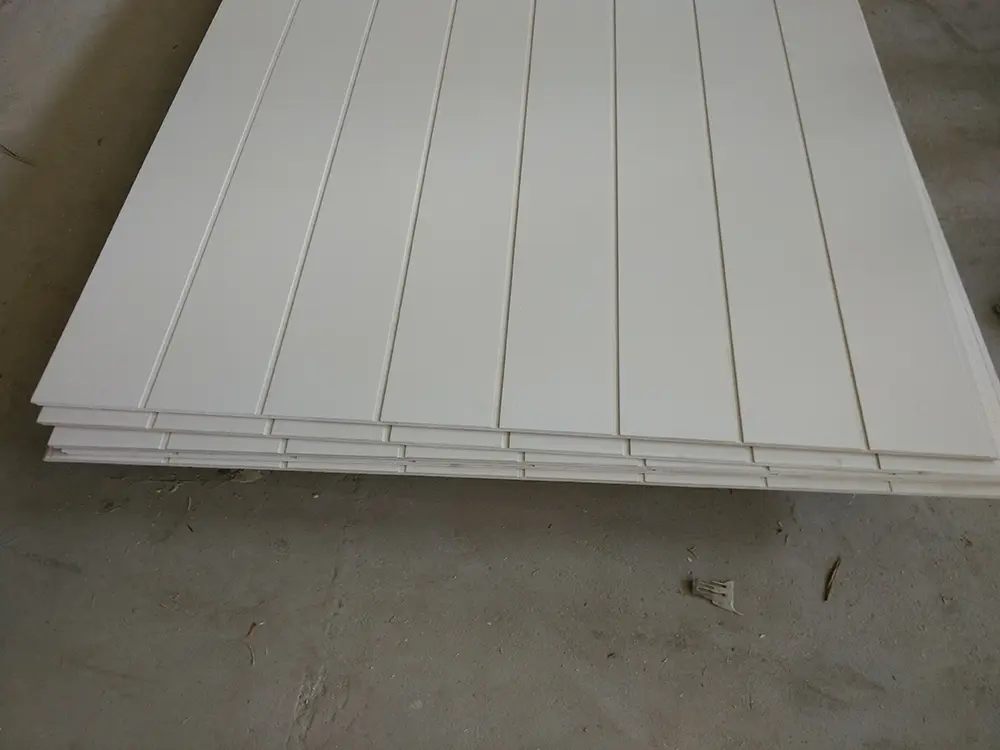 LEAO® Groove Interior Panel
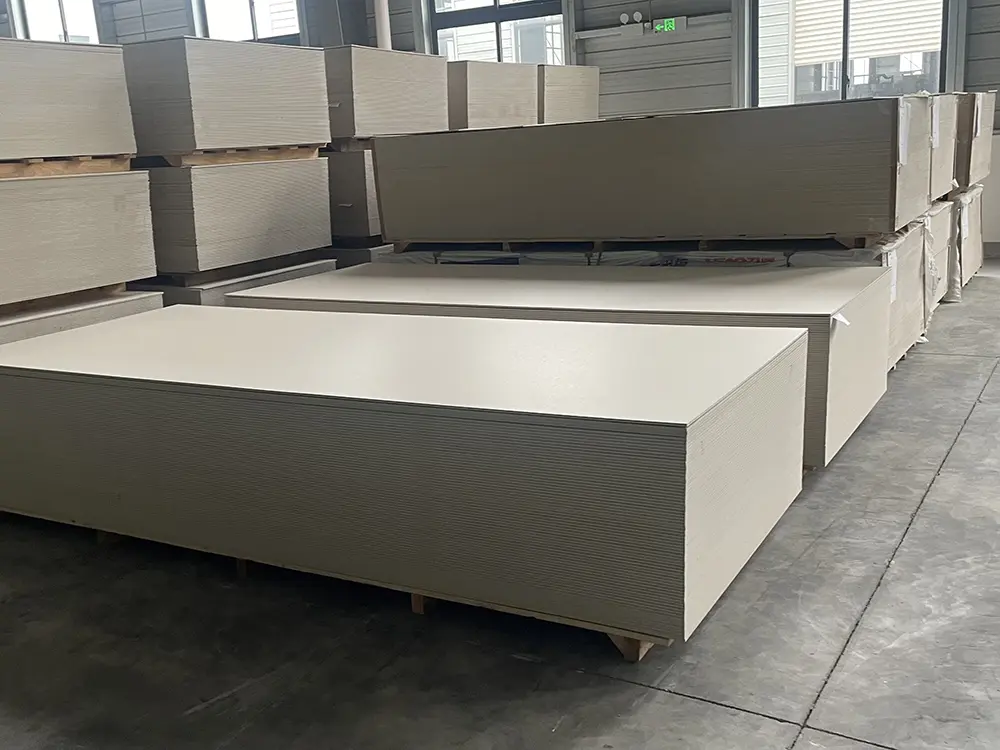 LEAO® Interior Board
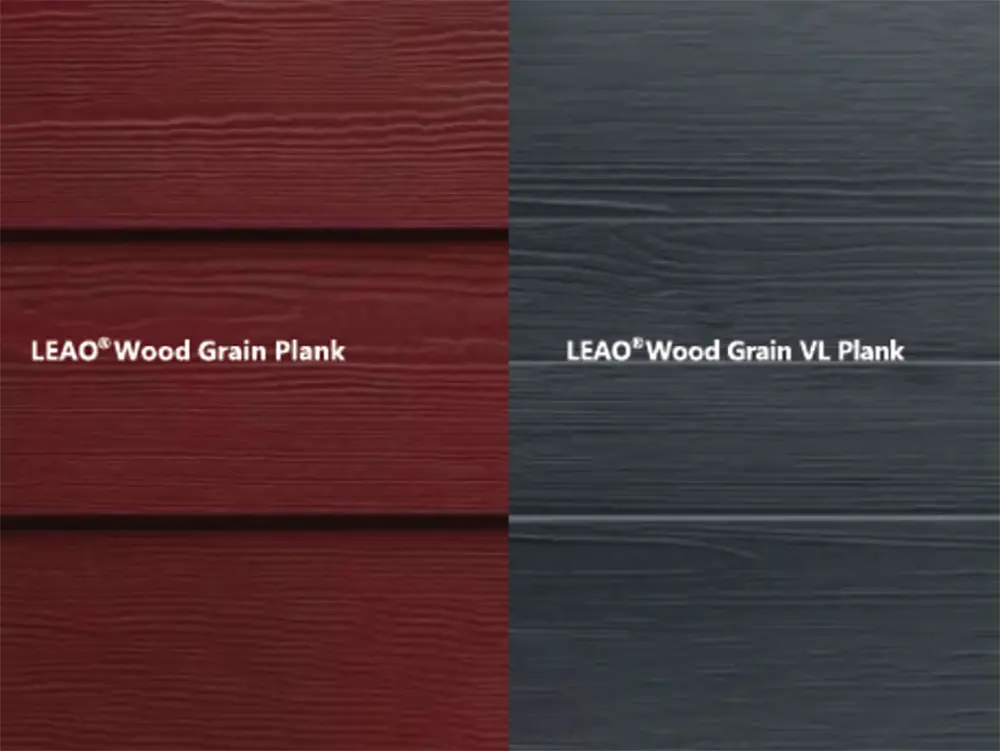 LEAO® Wood Grain Plank
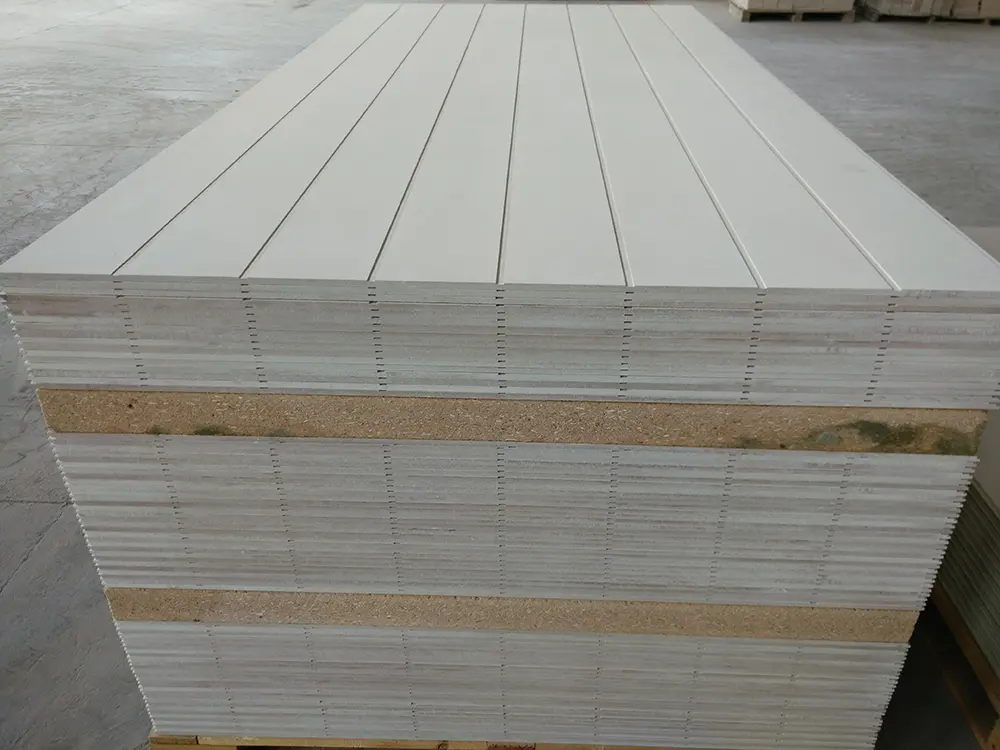 LEAO® Grooved Exterior Panel
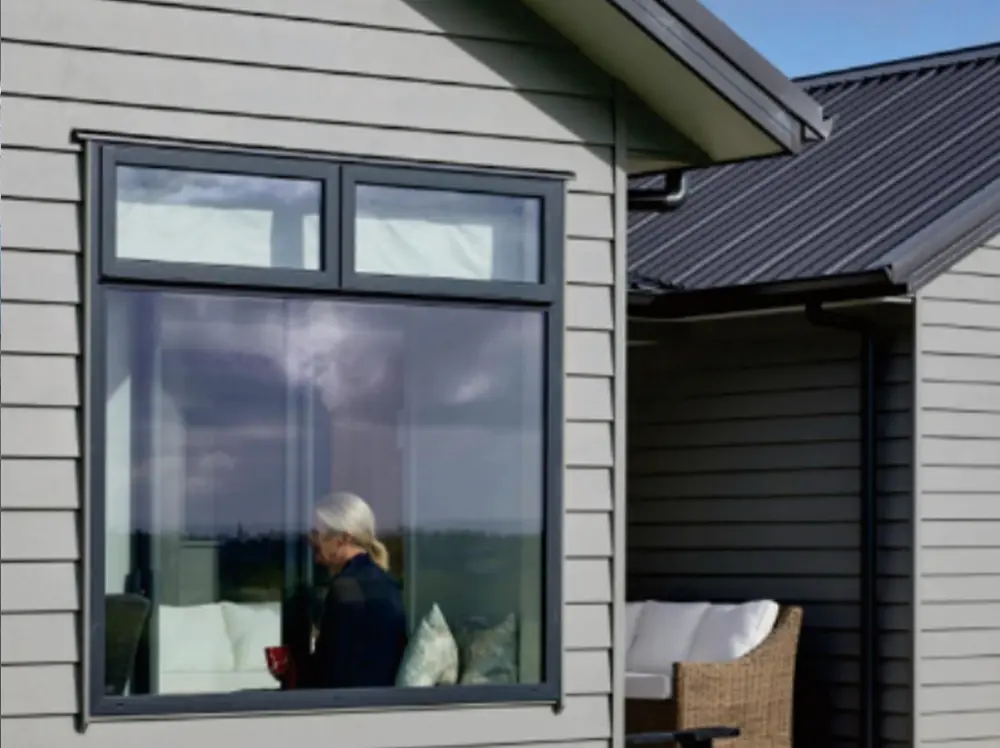 LEAO® Weatherboard
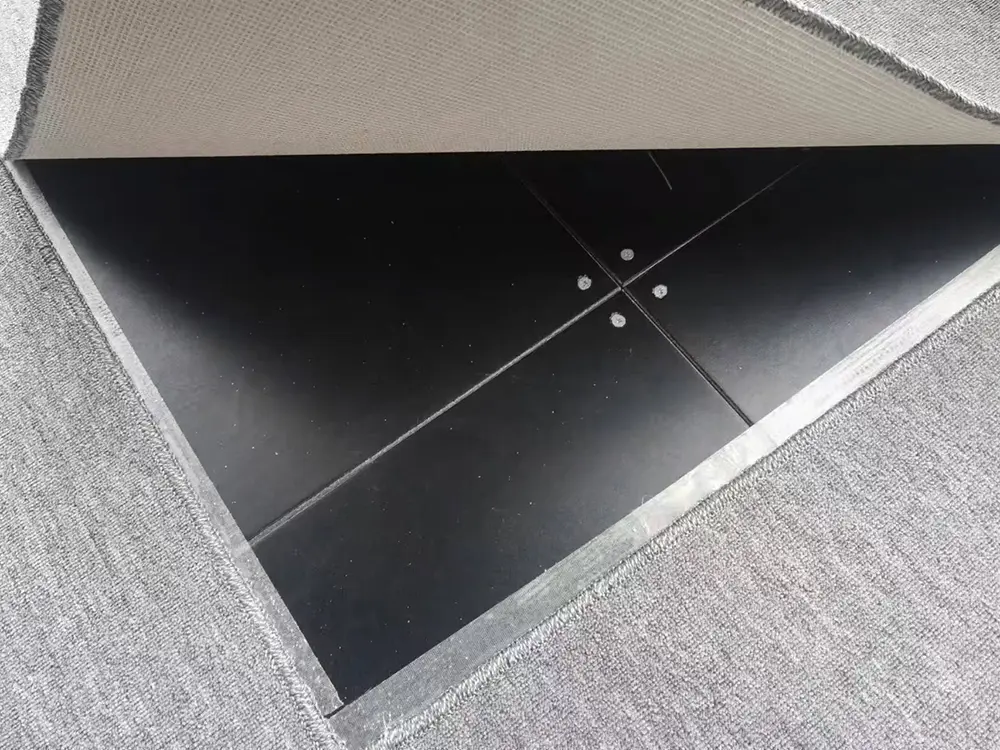 LEAO® Access Floors
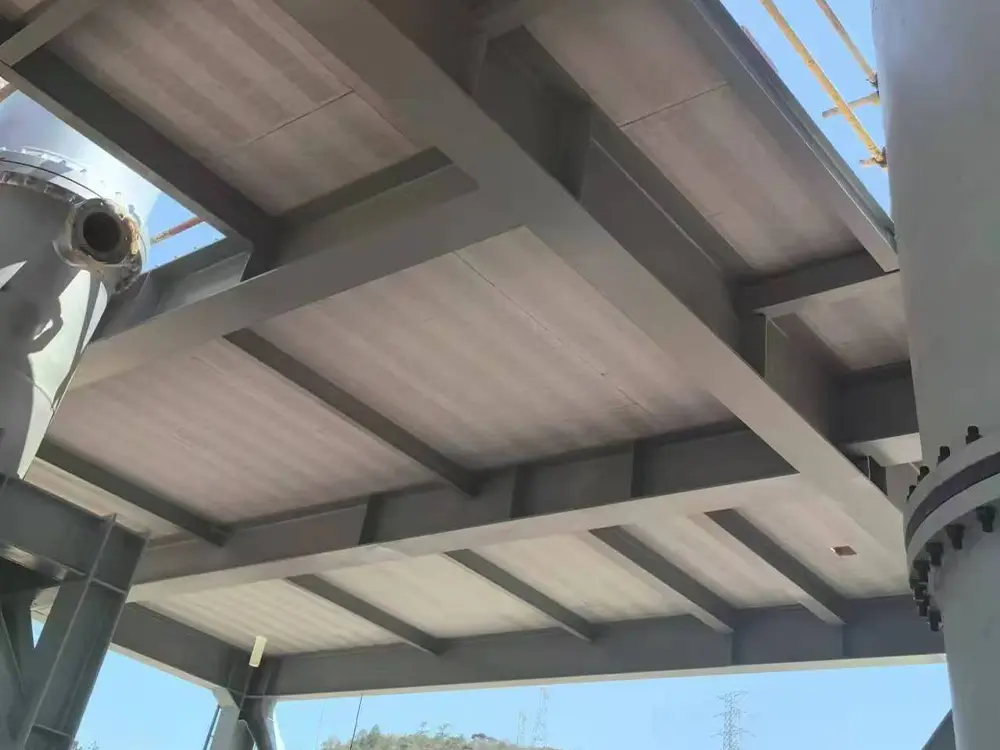 LEAO® Non-removable Formwork
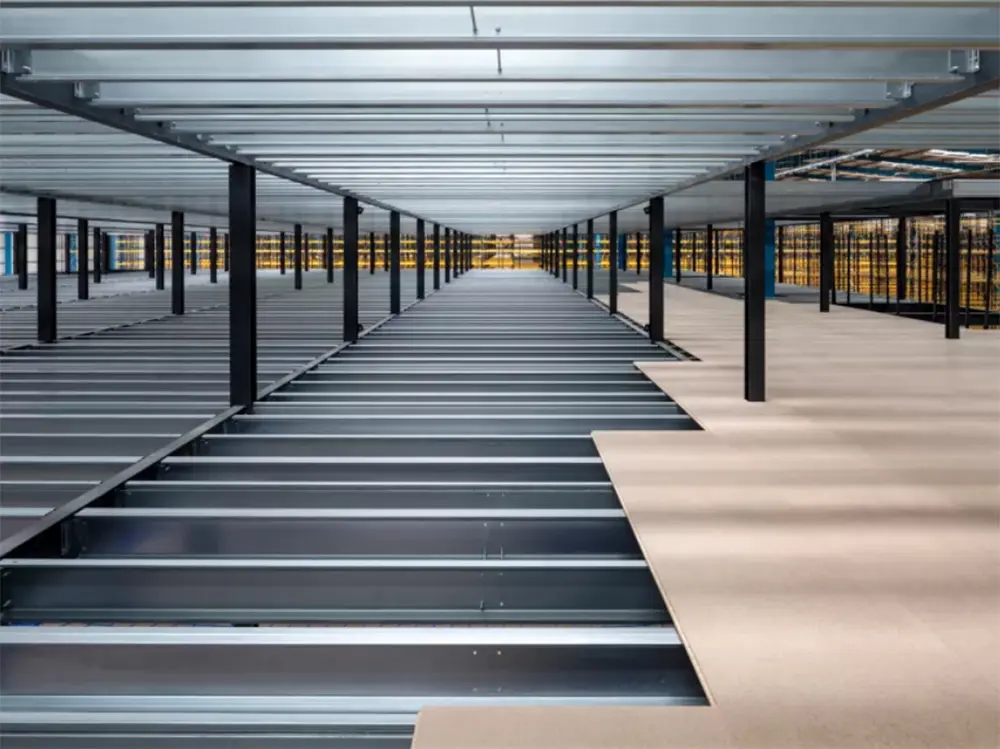 LEAO® Mezzanine Board
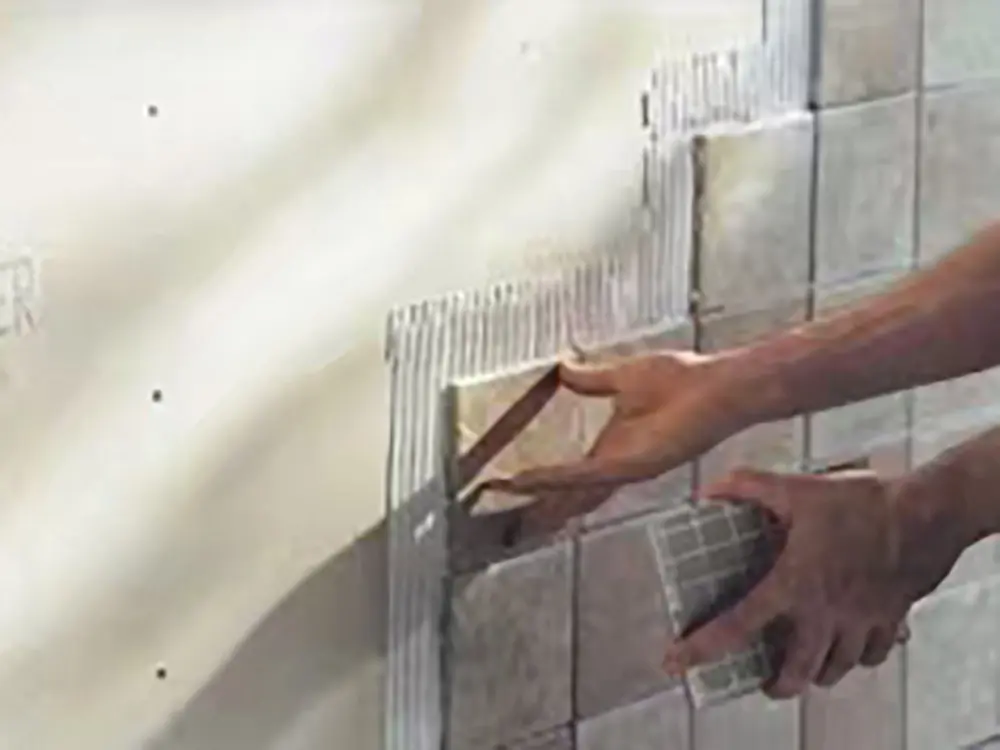 LEAO® Ceramic Tile Underlay
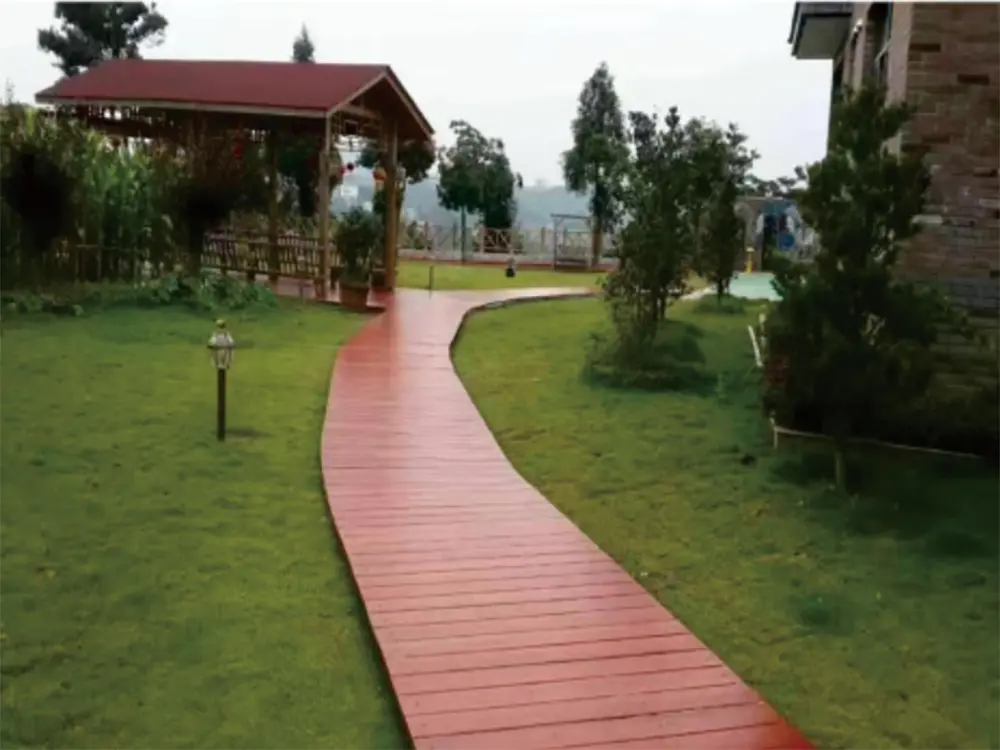 LEAO® Floor Plank
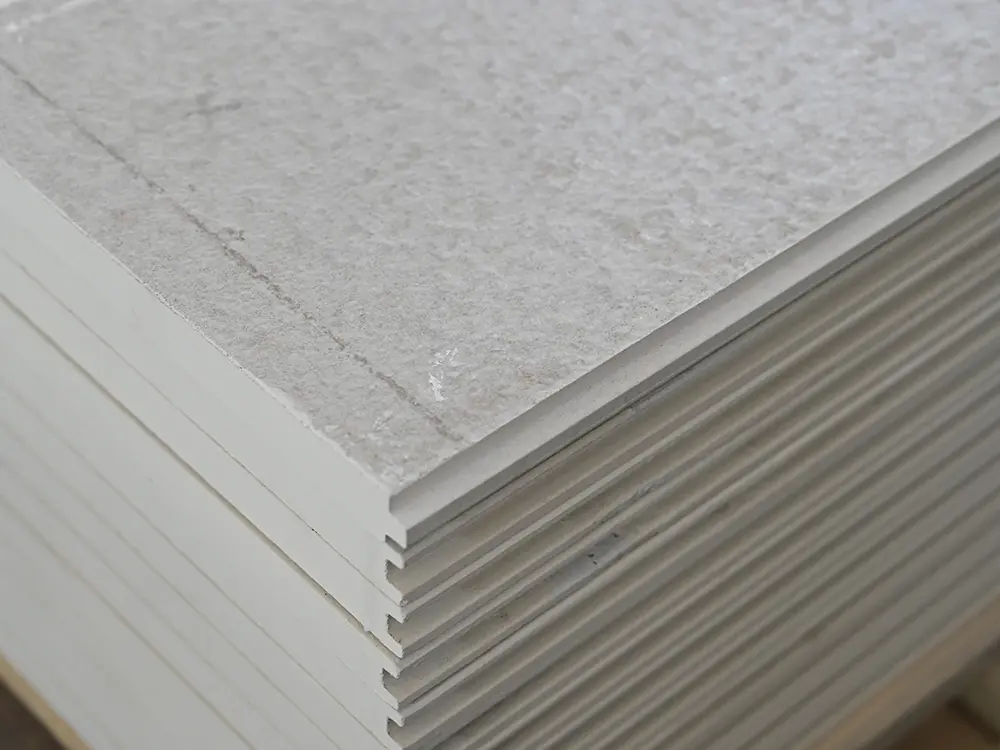 LEAO® Flooring
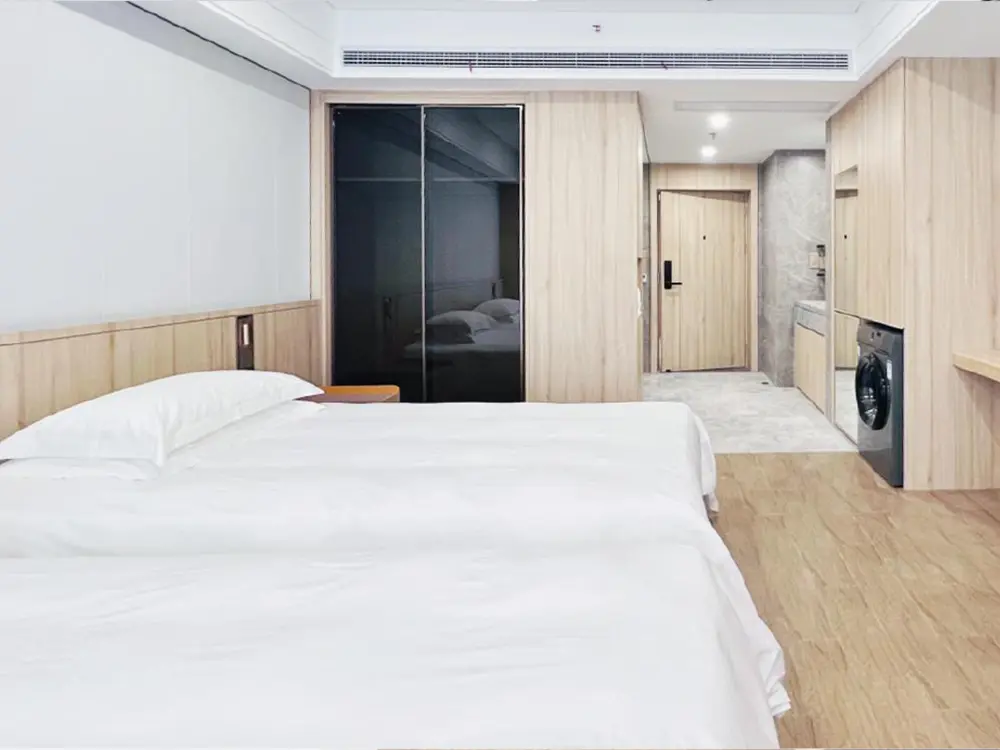 LEAO® Wood Style Decorative Panel
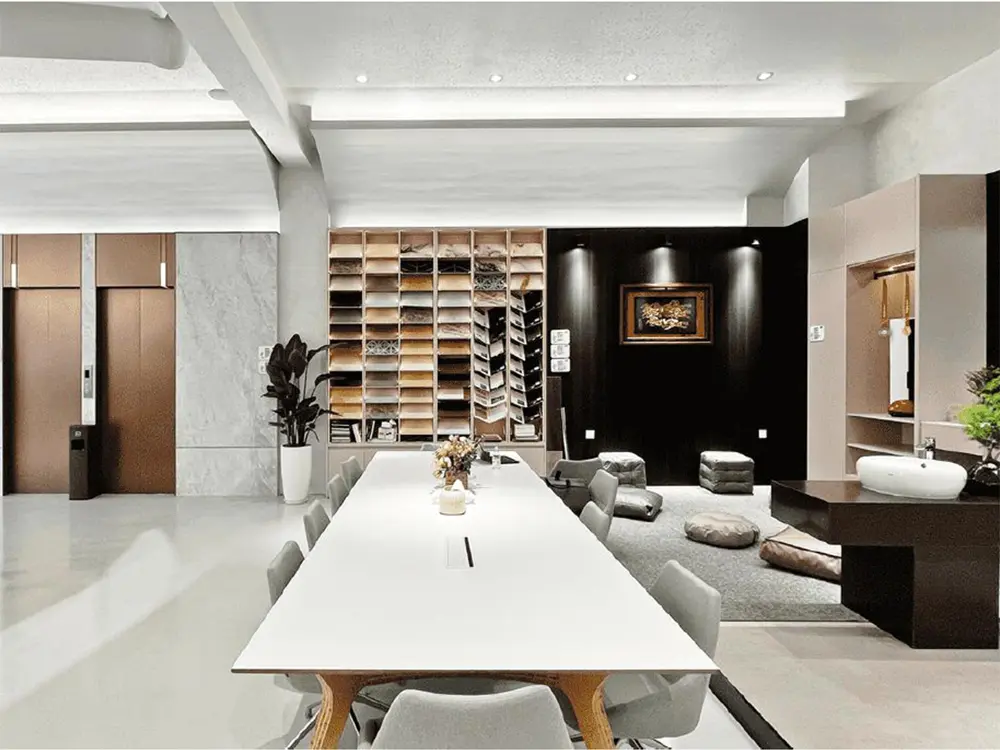 LEAO® Stone Style Decorative Panel
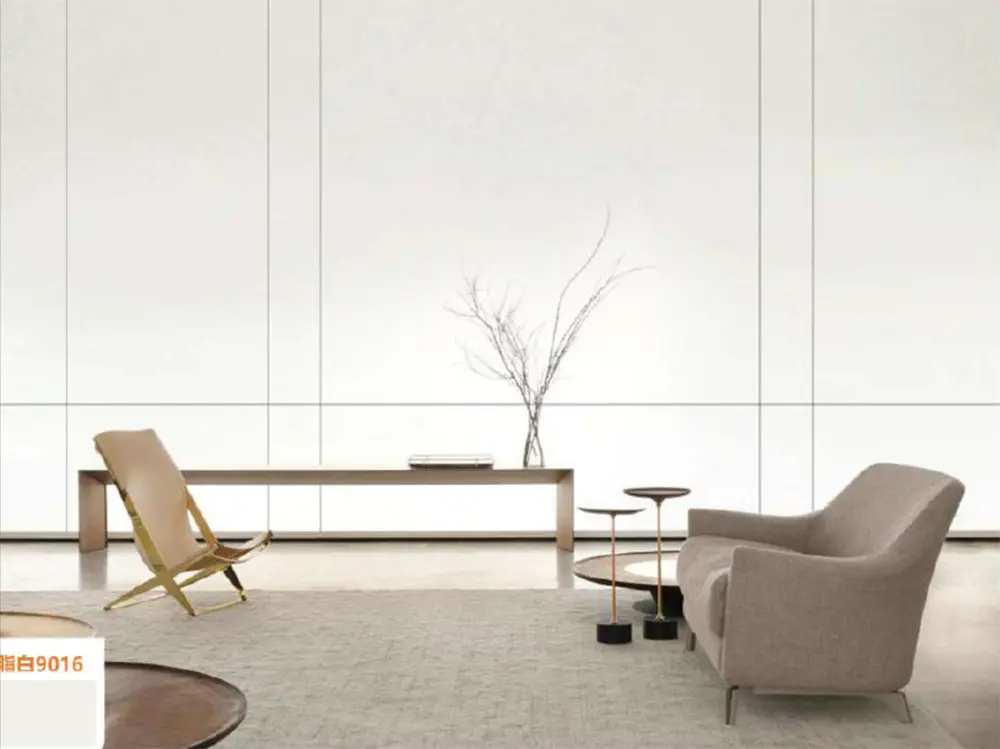 LEAO® Pure Style Decorative Panel