Top 5 Best Fiber Cement Woodgrain Boards for Your Home Project?
Introducing the concept of Fiber Cement Woodgrain Board can transform your home project. These boards offer the elegance of wood with the durability of cement. As John McKenzie, an industry expert, states, "Fiber Cement Woodgrain Board combines aesthetics and resilience seamlessly."
Homeowners often seek lasting solutions for siding and fencing. Fiber Cement Woodgrain Board delivers on both fronts. Its textured finish mimics natural wood, enhancing your home's curb appeal. Additionally, it resists rot, pests, and harsh weather. These attributes ensure long-term value for your investment.
However, choosing the best fiber cement woodgrain boards requires careful consideration. Many options exist, and not all are created equal. Understanding the features and benefits of each board is crucial. Each product may vary in installation processes, maintenance needs, and overall performance. Reflecting on these aspects can save you time and money in the long run.
What is Fiber Cement Woodgrain Board and Its Advantages?
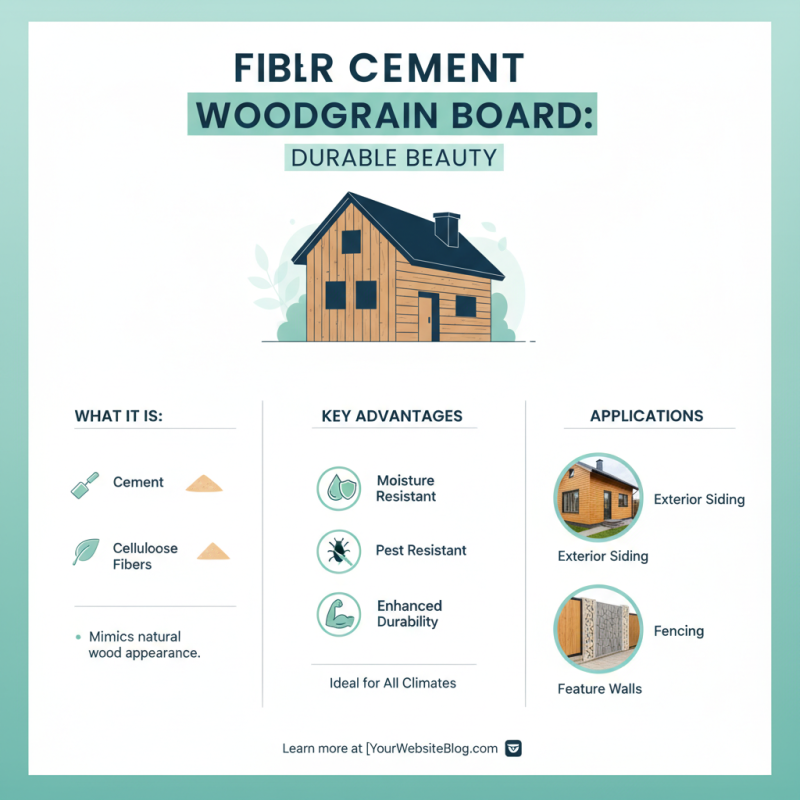
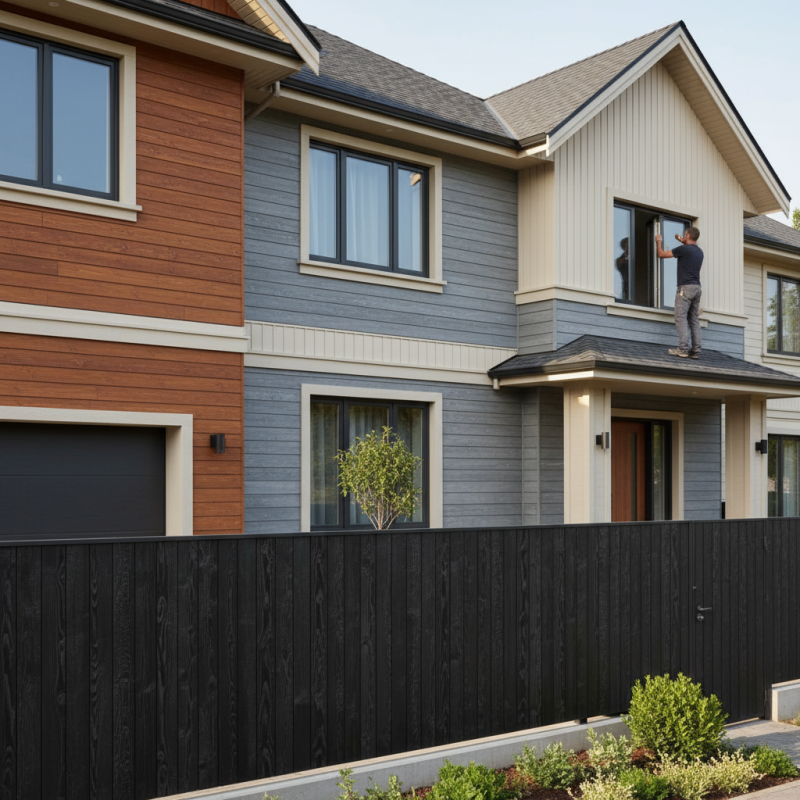
Fiber cement woodgrain boards are gaining popularity in home design. They mimic the appearance of natural wood while offering enhanced durability. These boards combine cement, cellulose fibers, and sand, creating a resilient material that withstands moisture and pests. This makes them an ideal option for various climates.
One significant advantage is their low maintenance requirement. Unlike traditional wood, fiber cement boards do not rot or warp under extreme weather conditions. Homeowners enjoy minimal upkeep, which saves time and costs. Also, they provide excellent insulation properties, contributing to energy efficiency.
However, choosing the right product can be challenging. Not all options are created equal. Some boards may fade over time, losing their natural look. It's essential to research and consult experts to find the best fit for your project. Weighing aesthetic appeal against performance is crucial. After all, it's about enhancing your home while making sensible choices.
Top Brands Offering High-Quality Fiber Cement Woodgrain Boards
When considering fiber cement woodgrain boards for your home, choosing a reputable brand is essential. High-quality boards offer durability and resistance to the elements. They mimic real wood, making them an attractive option for various projects. A competent supplier will also ensure the material meets safety standards and environmental regulations.
Several brands stand out in the fiber cement industry. They invest in research and development, enhancing their products' longevity and performance. Customer reviews play a crucial role in evaluating these brands. Observing feedback can reveal real-life experiences, which is important. It can highlight both successes and potential shortcomings of different products.
Some companies offer a range of finishes and styles, giving you options for unique designs. However, it’s important to be aware that not all brands are equal. Some may prioritize aesthetics over durability. Always weigh the pros and cons before making a selection. Engaging with community forums can provide deeper insights into the long-term performance of your chosen fiber cement boards.
Top 5 Best Fiber Cement Woodgrain Boards
Key Features to Consider When Choosing Fiber Cement Boards
When selecting fiber cement woodgrain boards for your home project, several key features should guide your choice. Durability is paramount; these boards should withstand harsh weather without warping or cracking. According to industry research, fiber cement boards have a lifespan of over 50 years when properly maintained, making them a reliable choice for homeowners.
Another important aspect is the board's moisture resistance. Homes in humid climates benefit significantly from this feature. Studies have shown that moisture-related damages can account for up to 80% of repairs in residential properties. Choosing boards designed to repel moisture can mitigate this risk.
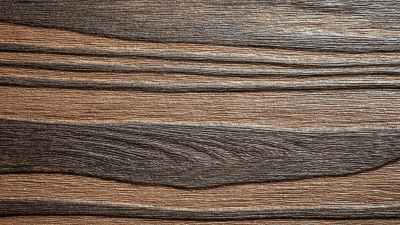
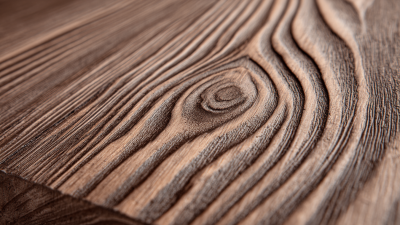
Aesthetics play a role too. Fiber cement boards offer diverse designs that mimic natural wood without the drawbacks. Their woodgrain texture can enhance your home's curb appeal, creating a warm and inviting look. However, it's essential to note that while these boards are visually appealing, achieving the perfect paint finish can be challenging. In some cases, homeowners report inconsistencies in color application, which requires careful consideration during the aesthetic planning phase.
Top 5 Best Fiber Cement Woodgrain Boards for Your Home Project
| Feature |
Option 1 |
Option 2 |
Option 3 |
Option 4 |
Option 5 |
| Thickness |
0.25 inches |
0.30 inches |
0.35 inches |
0.40 inches |
0.45 inches |
| Color Options |
Light Oak, Dark Walnut |
Maple, Chestnut |
Teak, Redwood |
Mahogany, Beech |
Birch, Pine |
| Ease of Installation |
Easy |
Moderate |
Difficult |
Easy |
Moderate |
| Warranty Period |
10 years |
15 years |
20 years |
10 years |
15 years |
| Price per Square Foot |
$1.40 |
$1.75 |
$2.00 |
$1.50 |
$2.25 |
Installation Tips for Fiber Cement Woodgrain Boards
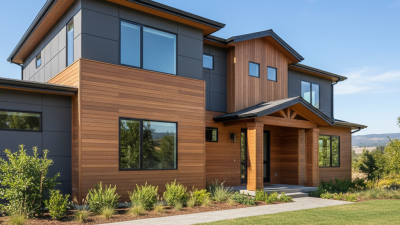
Installing fiber cement woodgrain boards can enhance your home’s aesthetic while providing durability. These boards mimic natural wood, offering a stylish option for exteriors. According to a recent industry report, fiber cement siding can increase a home's value by up to 80% of the material's cost. However, a successful installation needs careful planning and execution.
Start by measuring your walls accurately. This step ensures you purchase the correct amount of material and helps minimize waste. Ensure that your tools, such as a level and a saw, are ready before you begin. An important tip: if the boards are too heavy, consider using a helper. Heavy lifting can lead to accidents or damage to the product.
Before installation begins, prepare the surface. For optimal adhesion, clean the area, removing any debris or old paint. The installation should start from the bottom up, with boards overlapping to prevent water intrusion. Use proper fasteners as specified in the manufacturer’s guidelines for secure and lasting attachment. Each fastener should be positioned correctly to avoid future issues, as misplacement can lead to costly repairs. Keeping moisture in check is vital; ensuring proper sealing during installation can save time and money later on.

 LEAO®Deco Ceiling
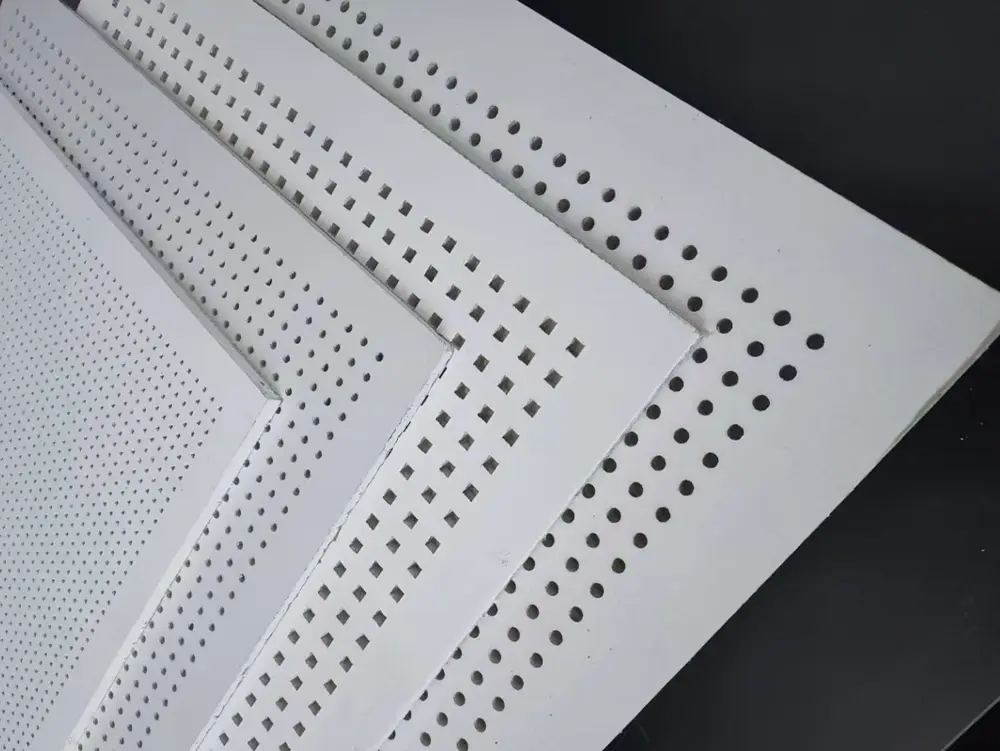 LEAO® Perforated Ceiling
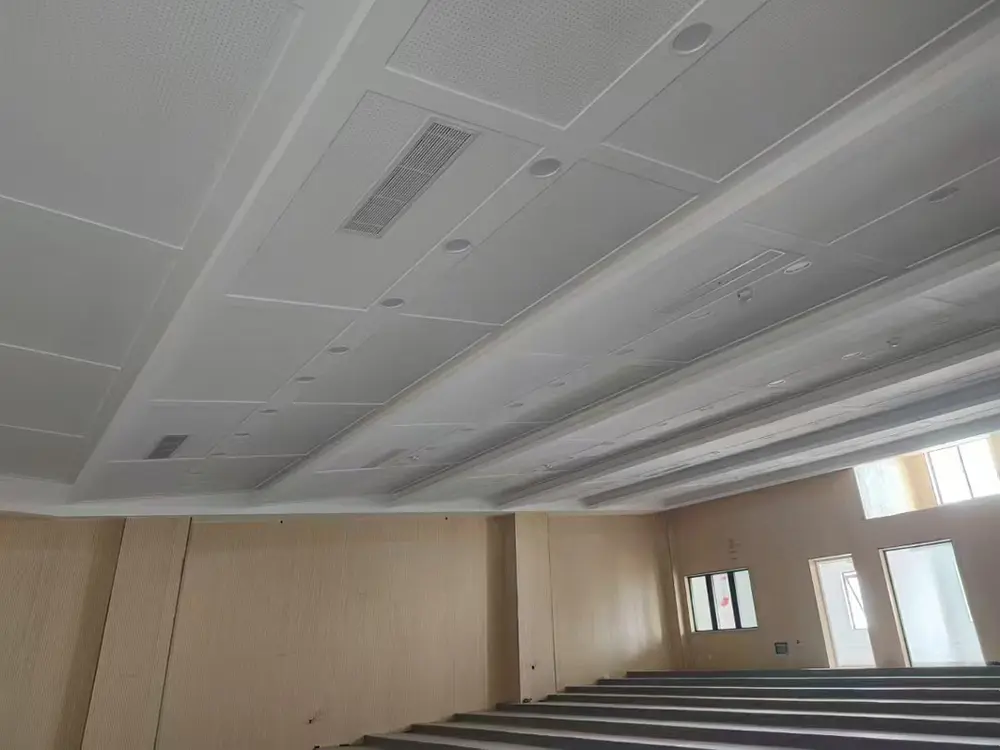 LEAO® Ceiling Board
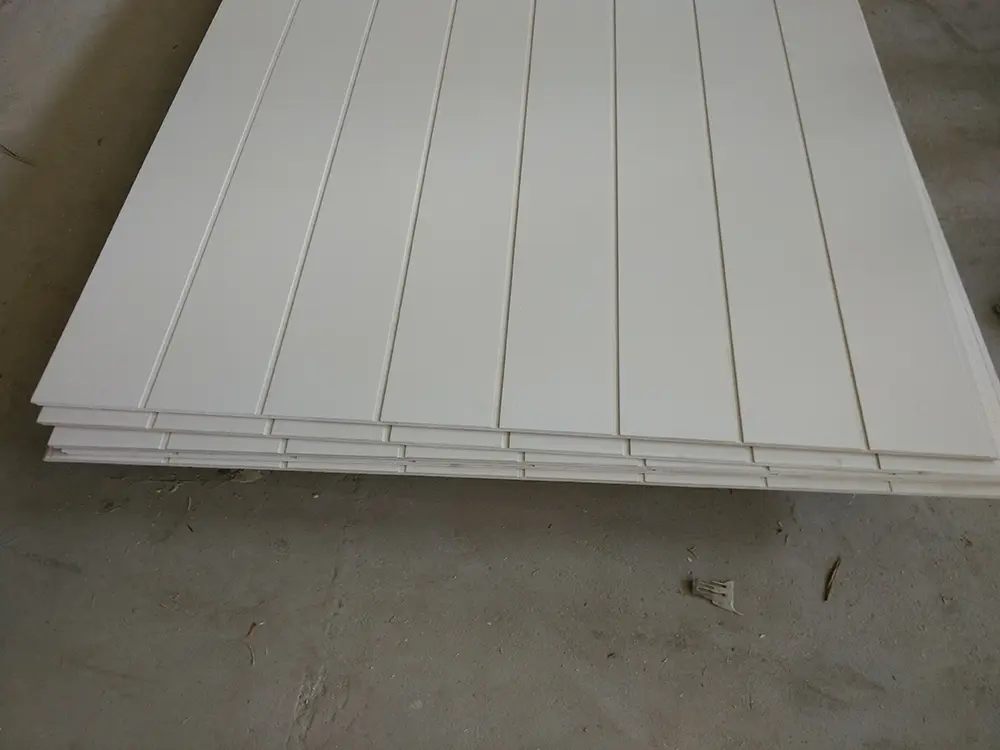 LEAO® Groove Interior Panel
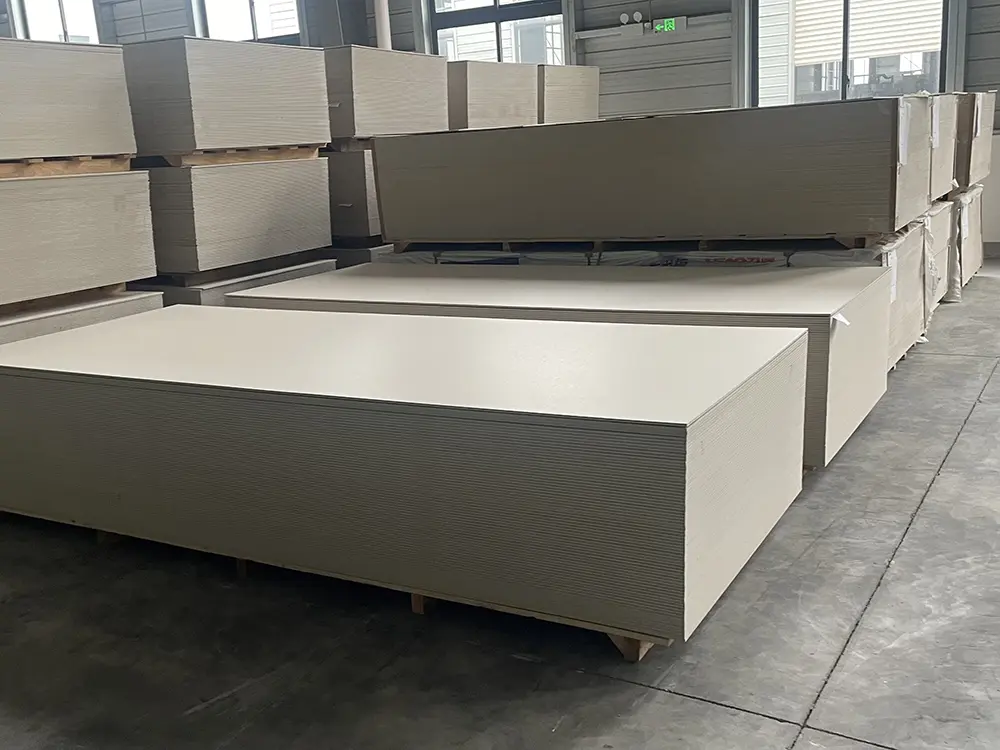 LEAO® Interior Board
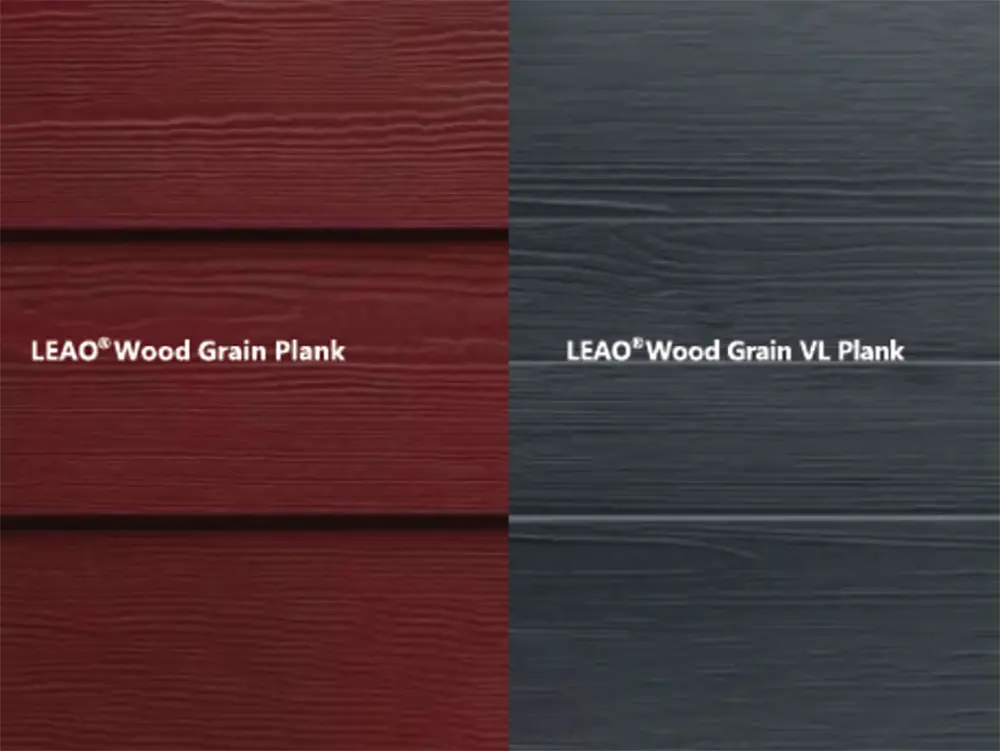 LEAO® Wood Grain Plank
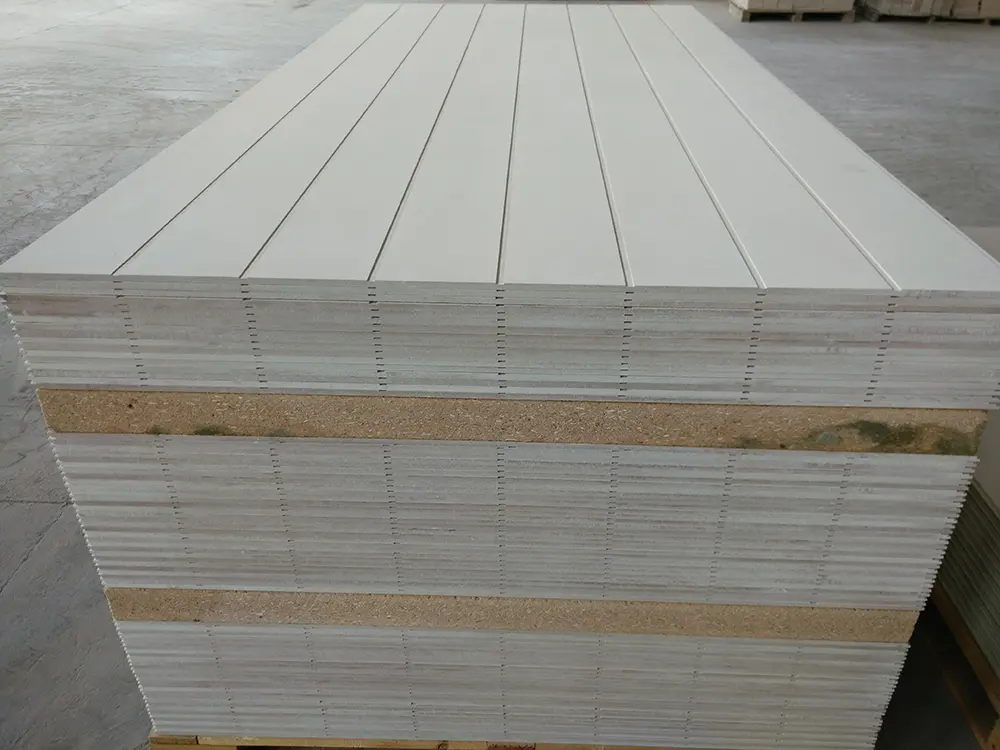 LEAO® Grooved Exterior Panel
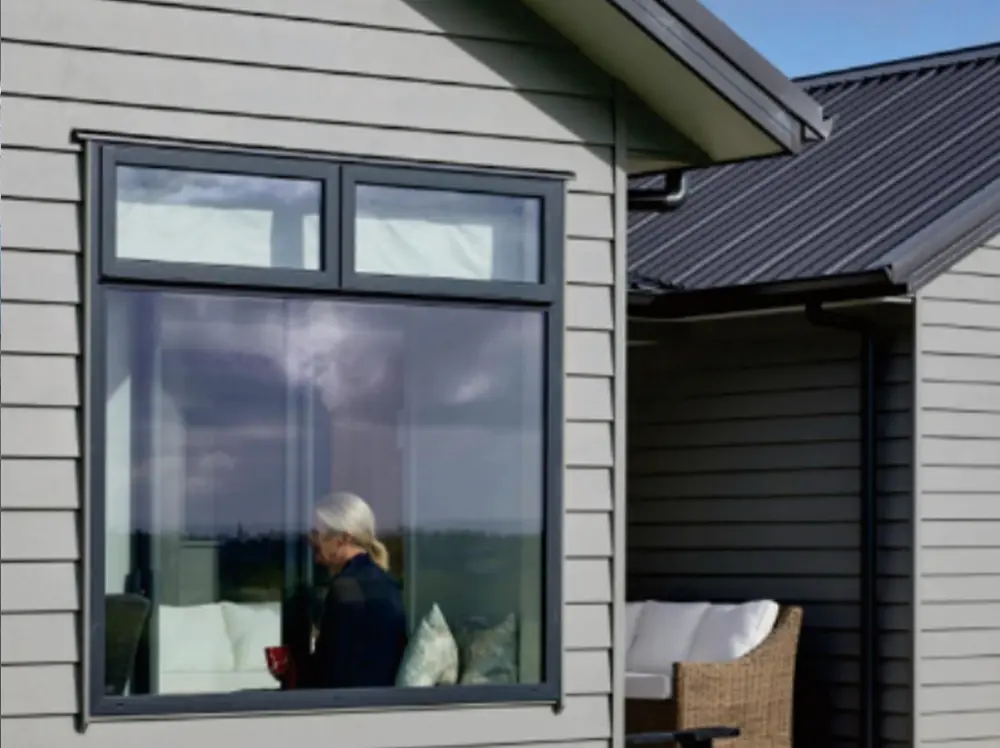 LEAO® Weatherboard
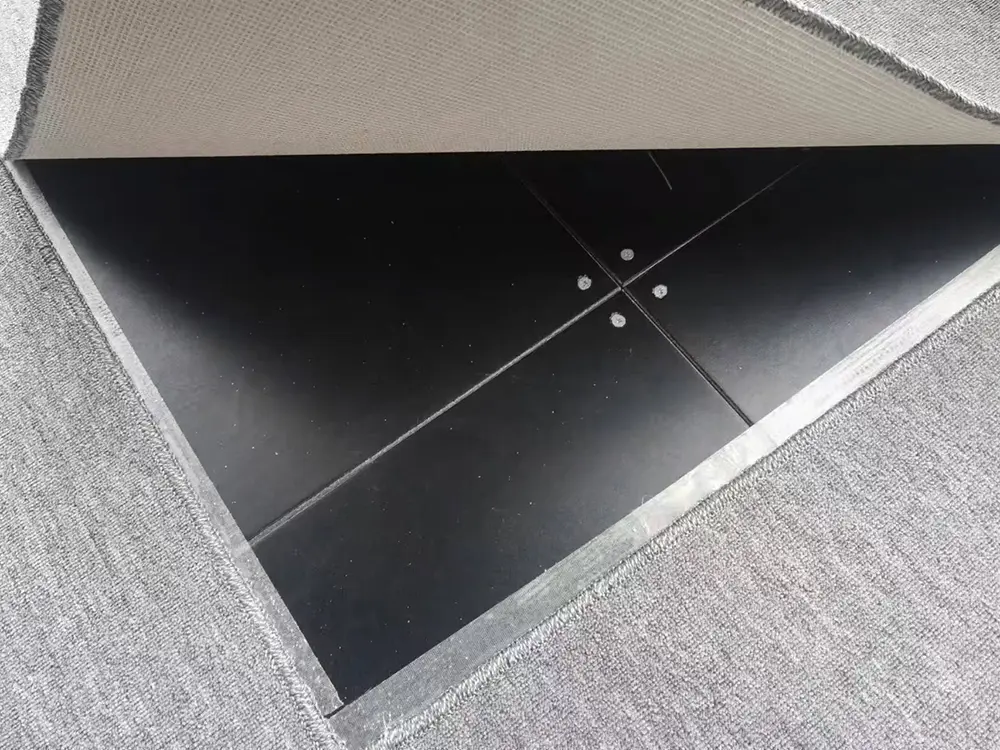 LEAO® Access Floors
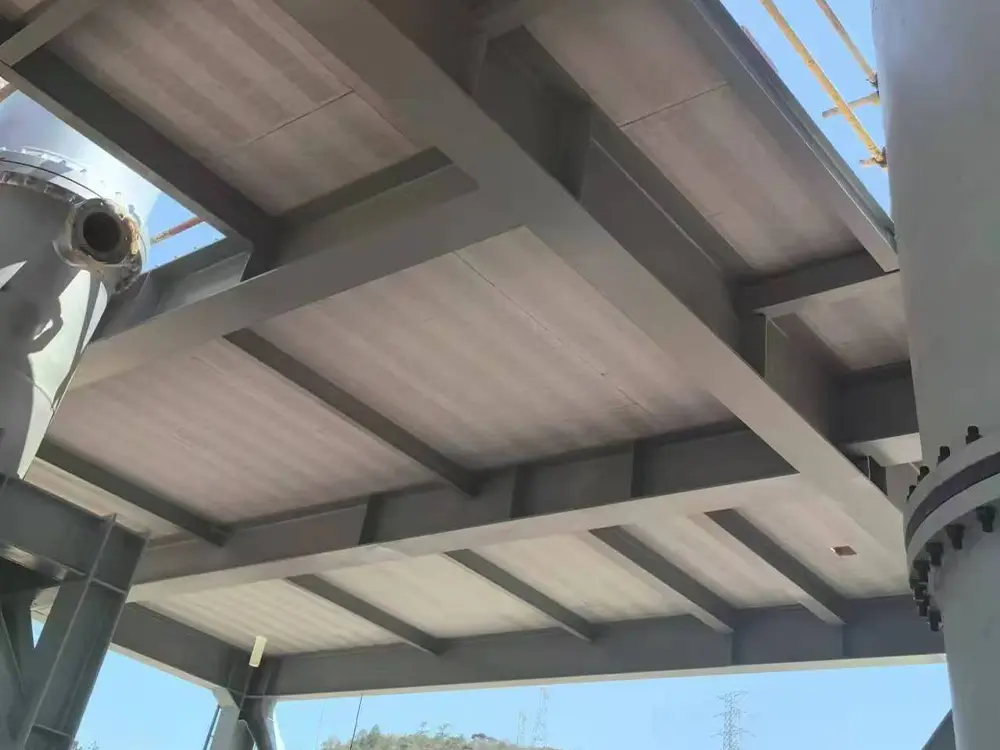 LEAO® Non-removable Formwork
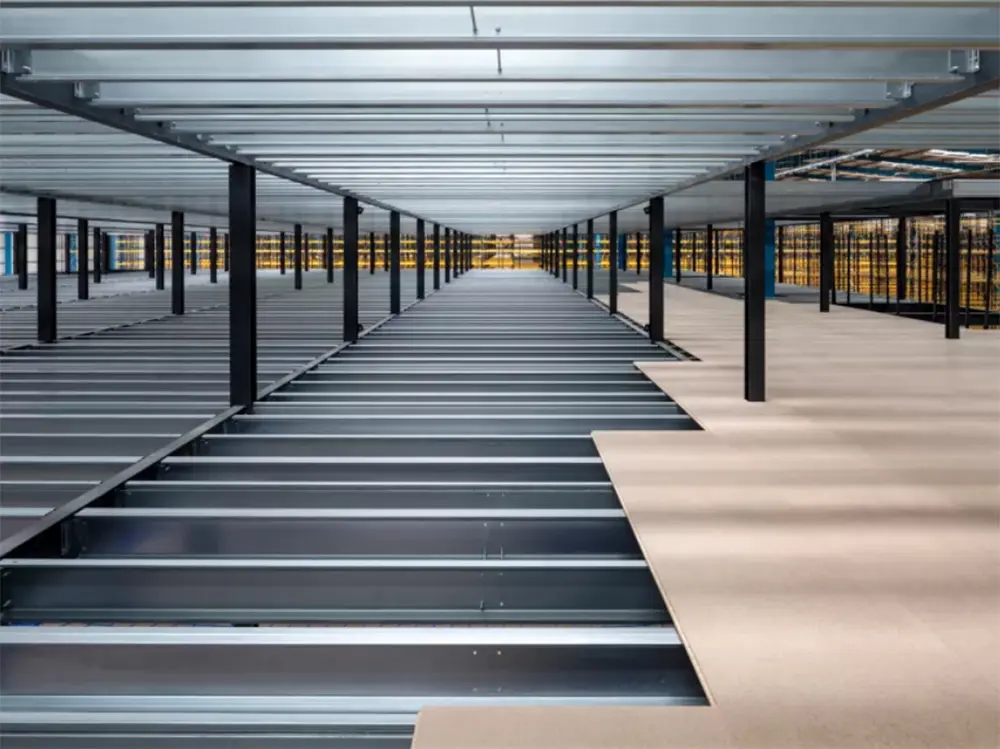 LEAO® Mezzanine Board
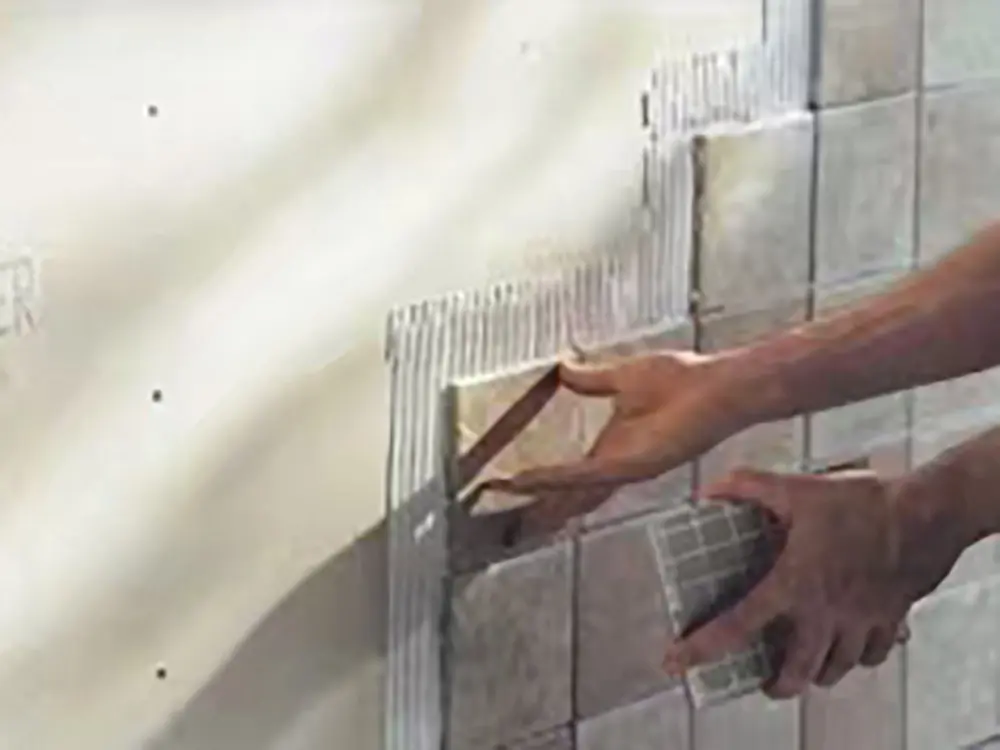 LEAO® Ceramic Tile Underlay
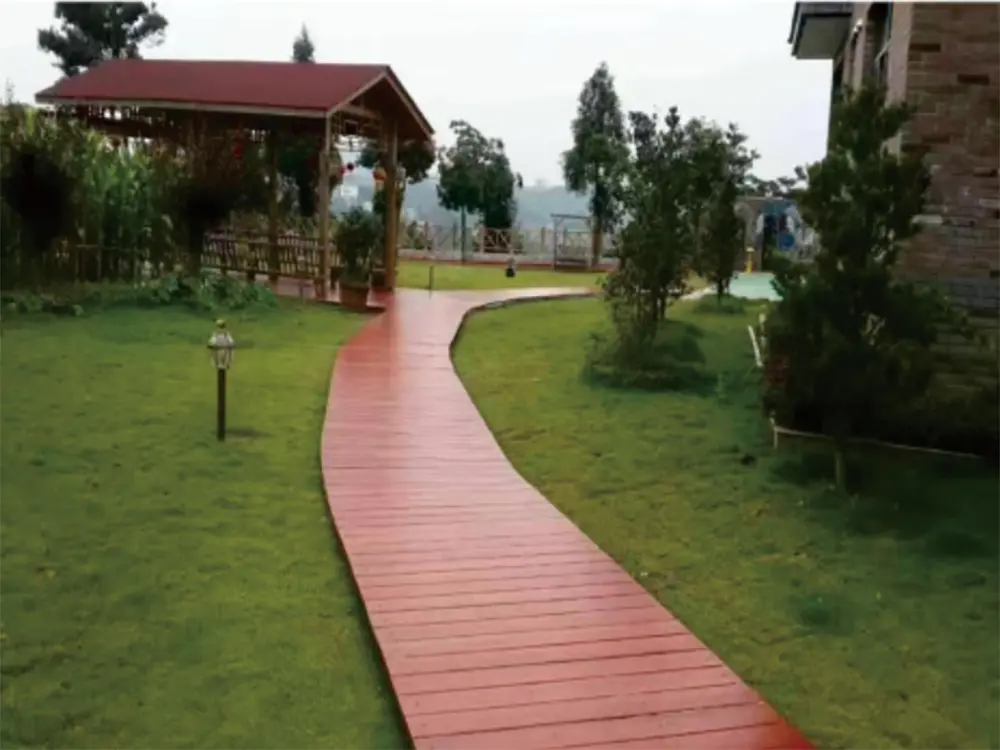 LEAO® Floor Plank
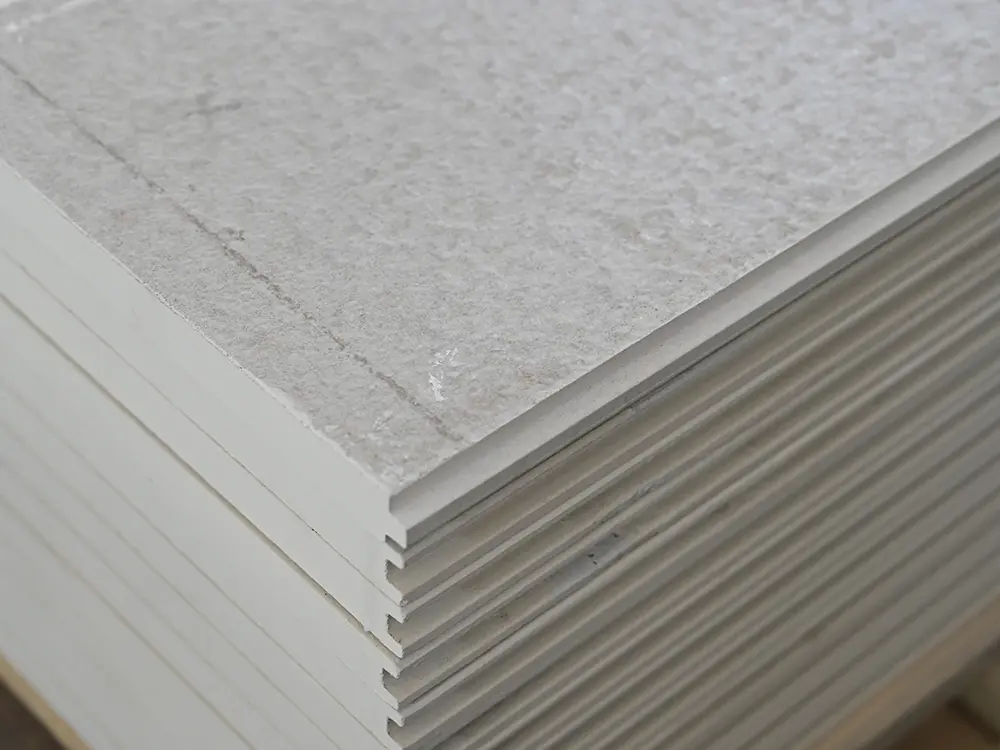 LEAO® Flooring
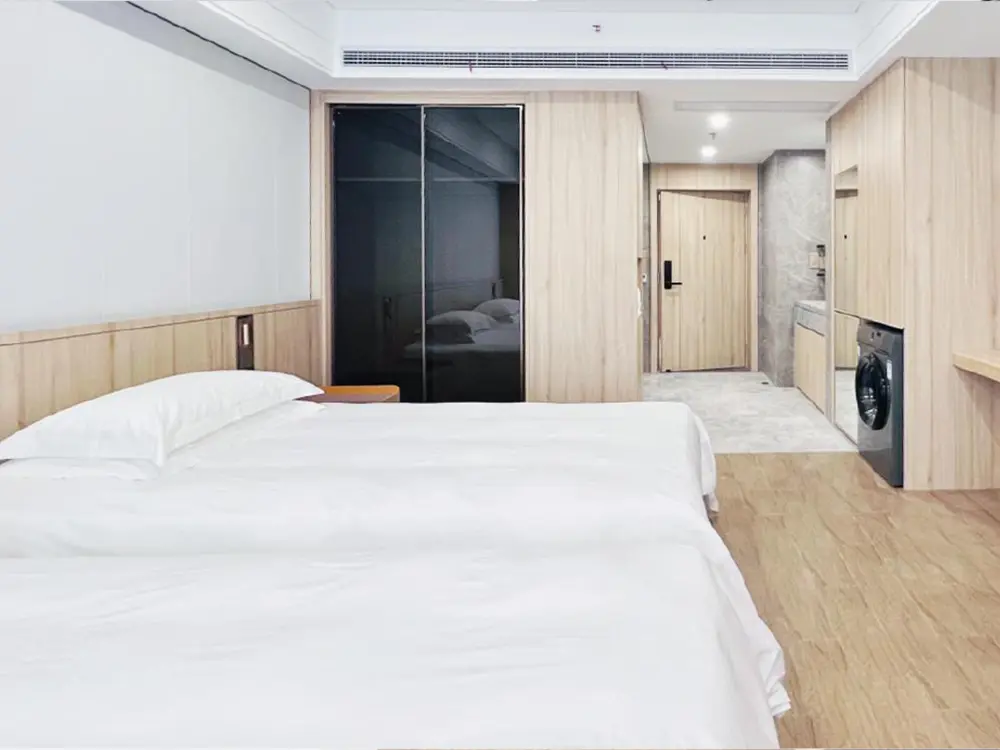 LEAO® Wood Style Decorative Panel
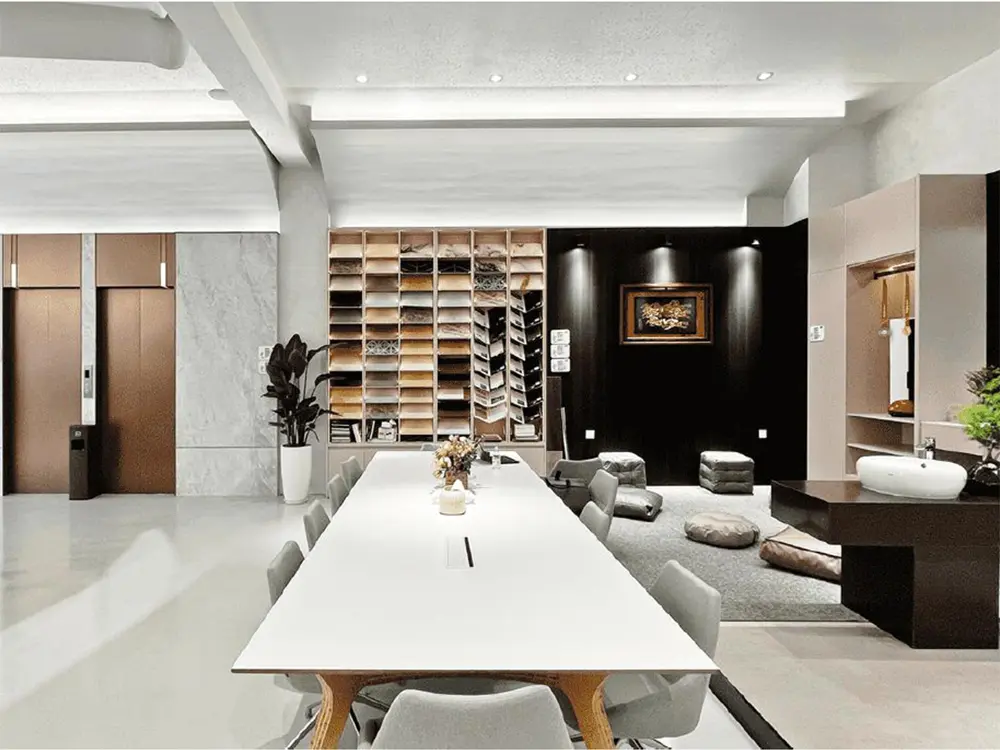 LEAO® Stone Style Decorative Panel
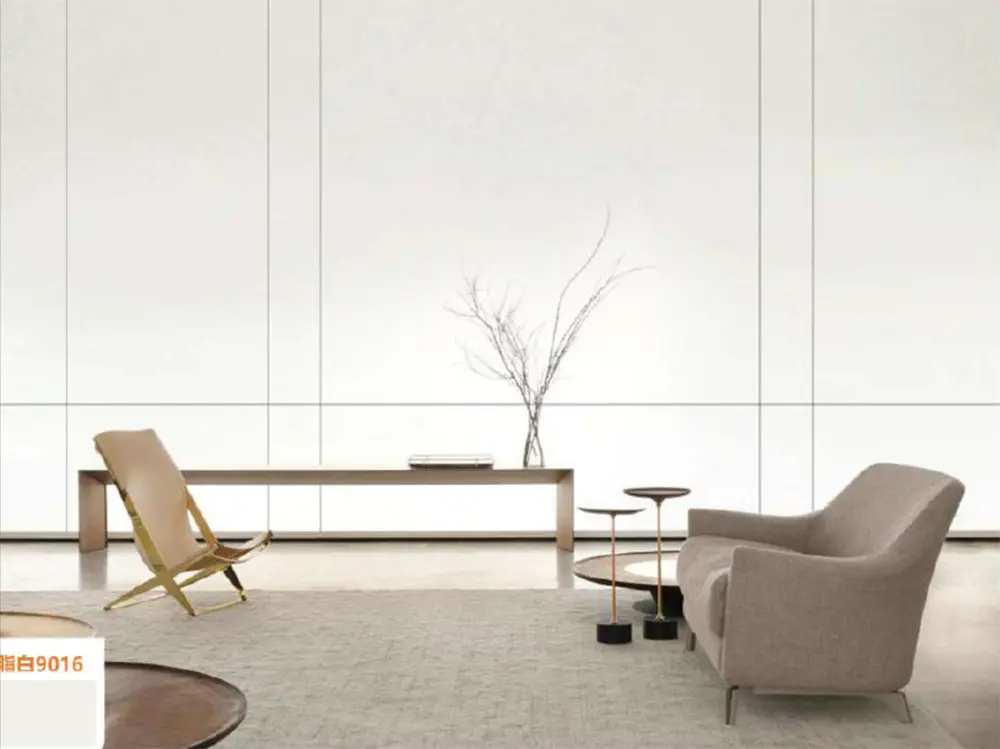 LEAO® Pure Style Decorative Panel