What is Calcium Silicate Board and Its Uses in Construction?
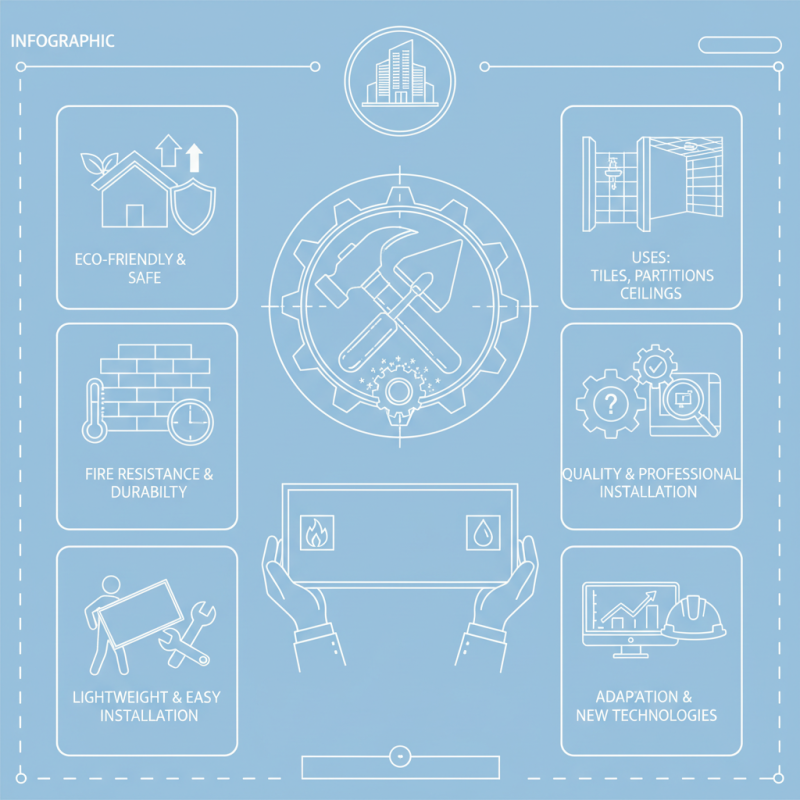
Calcium Silicate Board has become a staple in modern construction due to its unique properties. Known for its fire resistance and durability, it offers solutions for various building applications. Architect and construction expert Dr. Emily Chen states, “Calcium Silicate Board is a game changer for eco-friendly and safe building materials.” This highlights the significance of incorporating such materials in sustainable construction practices.
In the realm of construction, Calcium Silicate Board stands out with its versatility. It serves effectively as a backing for tiles, partition walls, and even ceilings. This board's ability to withstand high temperatures is crucial. Furthermore, its lightweight nature makes it easy to handle and install.
However, there are considerations that need reflection. Not all calcium silicate boards are created equal. Improper installation can lead to performance issues. It's essential to choose high-quality boards and skilled professionals for installation. As the industry evolves, adapting to new technologies and standards becomes necessary. Investing time in understanding Calcium Silicate Board can lead to better building choices.
Definition and Composition of Calcium Silicate Board
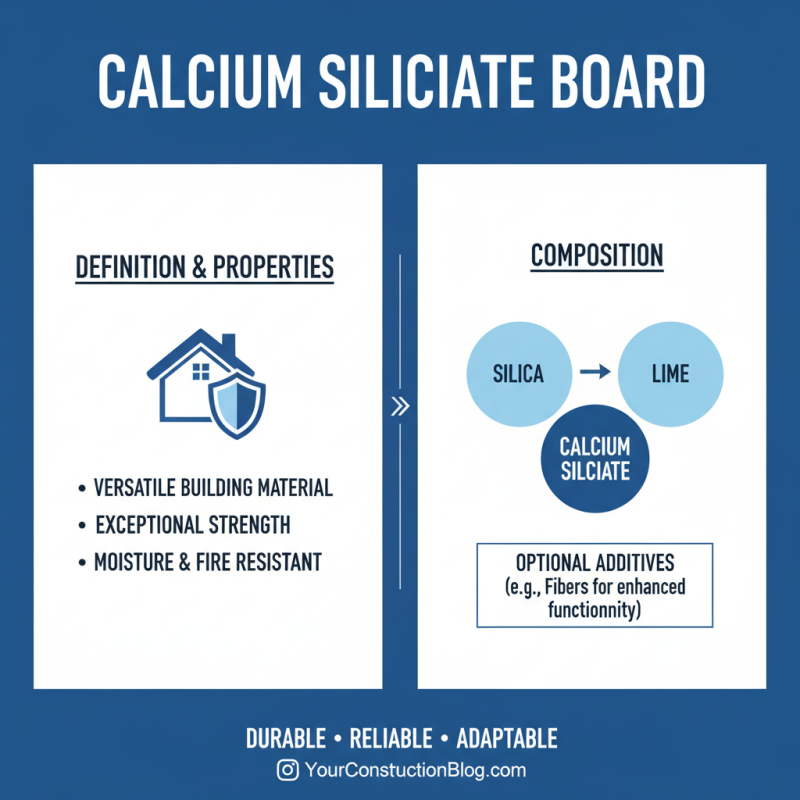
Calcium silicate board is a versatile building material. It is widely used in construction due to its exceptional properties. The board consists primarily of silica and lime, combining to form a highly durable product. Other materials may be added for specific functionalities. This composition contributes to its strength and resilience against moisture and fire.
The unique structure of calcium silicate board enhances its thermal insulation properties. It is lightweight yet sturdy, making it easy to install. In many projects, it serves as an ideal partition wall, ceiling board, or a backing sheet for tiles. Its resistance to mold and mildew makes it a preferred choice in humid environments. However, it is crucial to ensure proper sealing during installation to maximize its benefits.
Despite its advantages, challenges exist in its installation. Proper handling is key, as the edges can be fragile if not managed correctly. Some workers may overlook this, leading to potential damages. Training and experience play vital roles in overcoming these issues. Understanding the material's properties enhances both performance and longevity in construction applications.
Manufacturing Process of Calcium Silicate Board
Calcium silicate board is gaining popularity in construction due to its excellent properties. The manufacturing process is essential to understand its advantages. Typically, these boards are made by mixing calcium silicate hydrate, reinforcing fibers, and additives. This mixture is then formed into sheets under high pressure and heat, which helps achieve desired properties like fire resistance and moisture resistance.
Data from the Global Calcium Silicate Board Market Report indicates that the growth rate is projected at over 5% annually. This trend highlights the increasing demand for calcium silicate boards in commercial and residential construction. They can withstand temperatures up to 1200 degrees Celsius, making them suitable for fireproofing applications. The boards also have low thermal conductivity, which adds to energy efficiency in buildings.
However, the manufacturing process isn't without challenges. Producing consistent quality remains a concern. Minor variations can affect strength and durability. Moreover, the need for specific environmental conditions during production raises practical issues. Companies must invest in advanced technology to ensure high standards. Addressing these challenges is key to meeting the rising demand and enhancing overall product reliability.
Calcium Silicate Board Production and Usage Overview
This bar chart illustrates the distribution of the main components involved in the production and application of Calcium Silicate Boards. It highlights the percentages of raw materials, the manufacturing process, and various applications within the construction industry.
Key Properties and Benefits of Calcium Silicate Board
Calcium silicate board is an innovative construction material. It is widely used for its excellent fire resistance. This property is crucial in safeguarding structures and enhancing safety measures. According to the National Fire Protection Association, fire-related incidents cause billions in damages annually. Utilizing calcium silicate boards can significantly reduce these risks.
The key properties of calcium silicate boards include moisture resistance and thermal insulation. Moisture can lead to mold growth and structural damage. Calcium silicate boards effectively combat these issues, ensuring a healthier indoor environment.
Research indicates that buildings using these boards maintain energy efficiency better, saving up to 30% in energy costs compared to those without.
Tip: Always check the installation guidelines. Improper handling may lead to reduced effectiveness. Note that some boards may be heavier, requiring additional support. Consider consulting with experts for optimal performance.
Common Applications of Calcium Silicate Board in Construction
Calcium silicate board is a widely used material in the construction industry. Its lightweight and fire-resistant properties make it a prime choice for various applications. A recent report by the Global Market Insights shows that the calcium silicate board market is expected to exceed $1.5 billion by 2027. This growth is driven by its versatile applications.
In commercial buildings, calcium silicate board is often used for ceilings and walls. It provides excellent insulation and helps in soundproofing. In 2022, studies showed that buildings with calcium silicate board utilized around
30% less energy for cooling, thanks to its thermal resistance. Moreover, it is commonly adopted in fire-rated assemblies, helping to enhance safety. However, challenges exist in installation, where proper handling is crucial to avoid surface damage.
For residential projects, this board is often utilized in kitchens and bathrooms due to its moisture resistance. It is vital to ensure secure sealing around joints to prevent any water ingress. Implementing these measures can enhance durability. Test reports indicate that failure to follow installation guidelines can lead to premature deterioration of the board.
Tips: Always check for local building codes regarding the use of calcium silicate board. Researching installation techniques can save time and resources. Inspecting the material upon delivery can prevent potential issues later.
Installation Methods and Considerations for Calcium Silicate Board
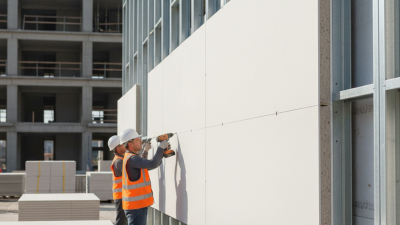
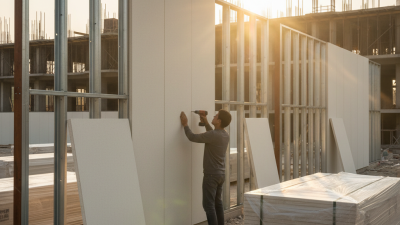
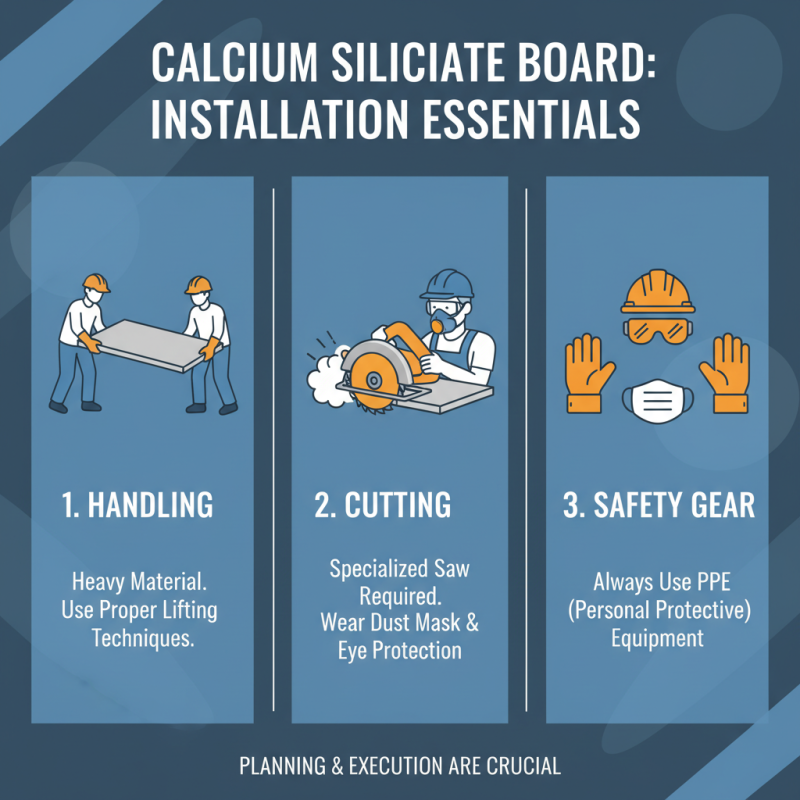
Installing calcium silicate board requires careful planning and execution. The boards are heavy, making proper handling essential. It's crucial to use the right tools, like a saw specifically designed for cutting these boards. Always wear protective gear when cutting or installing. Dust can be harmful, so masks are necessary.
Before installation, assess the area where the board will go. Ensure the surface is clean and dry. It helps to mark guidelines on the substrate for precise fitting. Take your time during this step; inaccurate markings can lead to wasted materials and time. The boards can be fixed using screws or adhesive, depending on the design. Follow the manufacturer’s suggested spacing to avoid weak points.
After installation, it’s important to check for gaps or defects. Uneven surfaces can lead to problems later on. Seal any joints properly to improve durability and moisture resistance. While calcium silicate board is strong, improper installation can undermine its benefits. Reflect on the installation process to enhance future projects. Continuous improvement is key in construction.

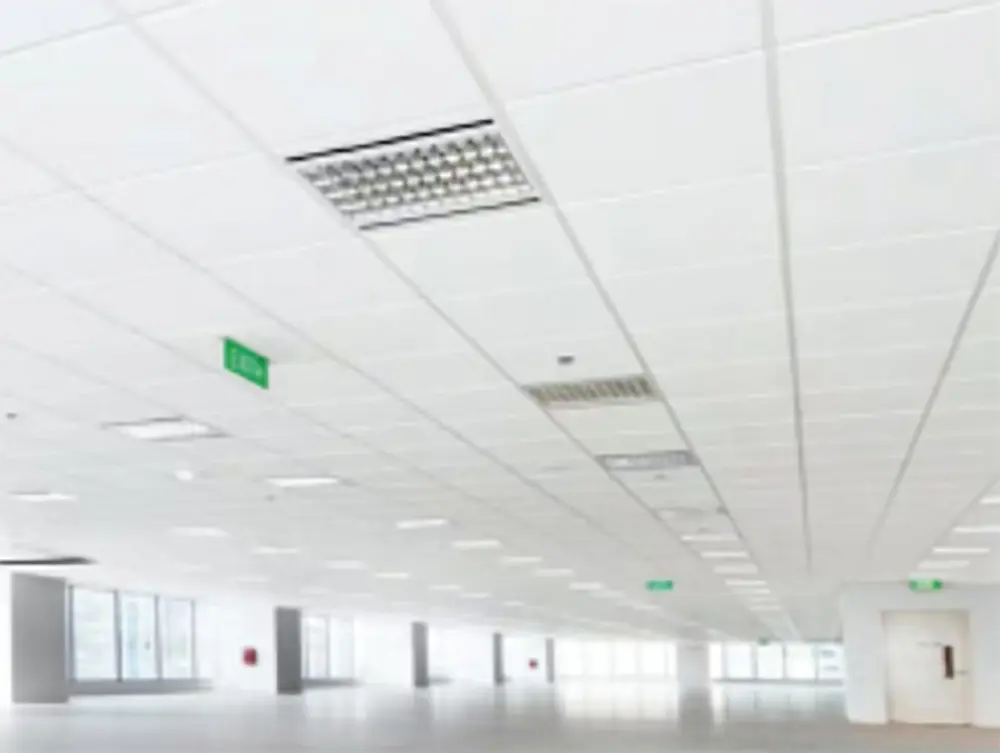 LEAO®Deco Ceiling
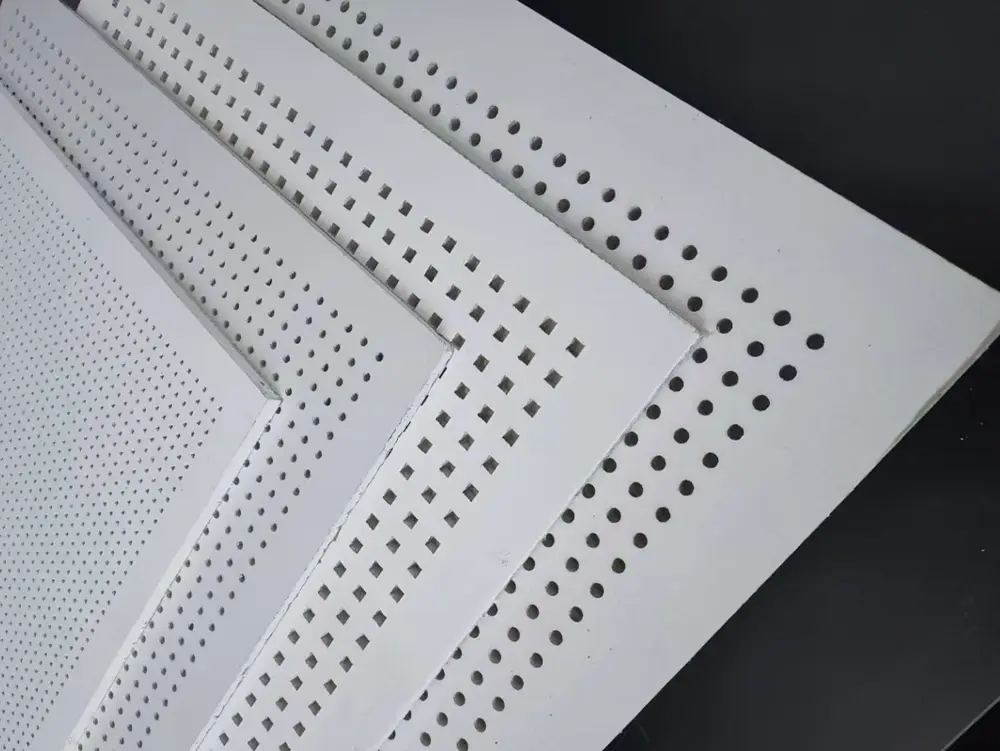 LEAO® Perforated Ceiling
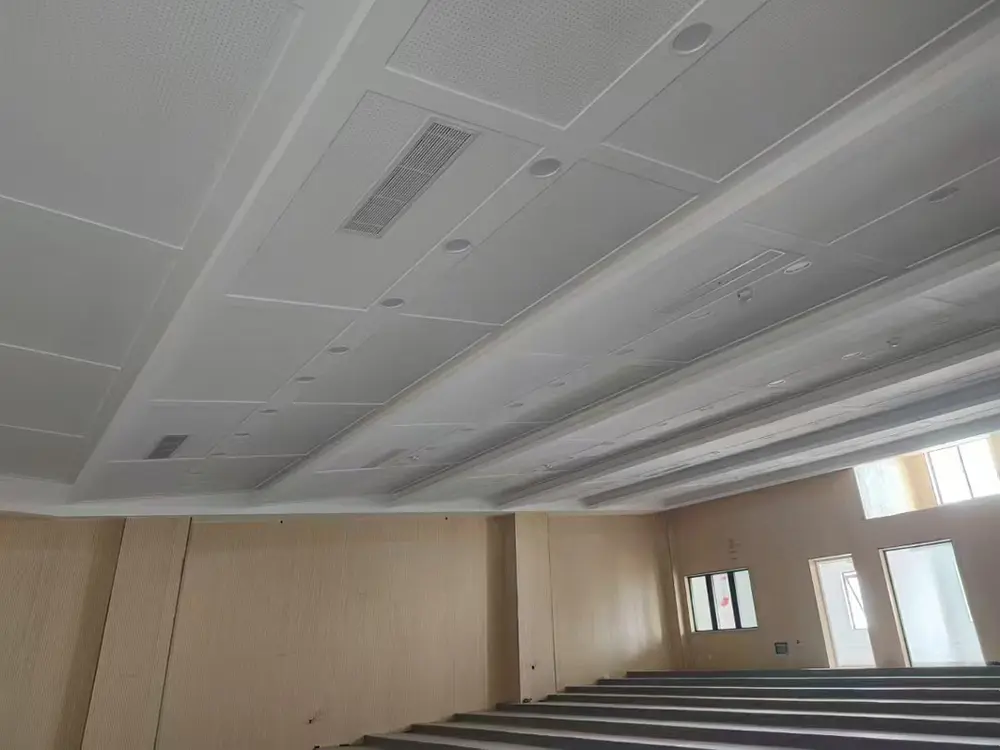 LEAO® Ceiling Board
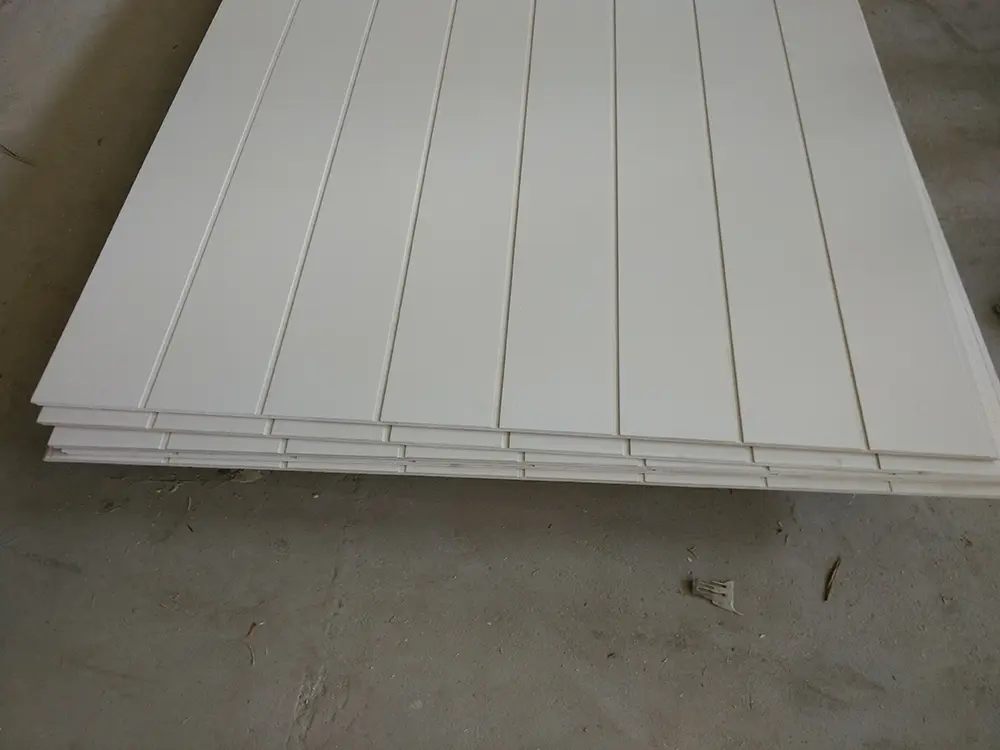 LEAO® Groove Interior Panel
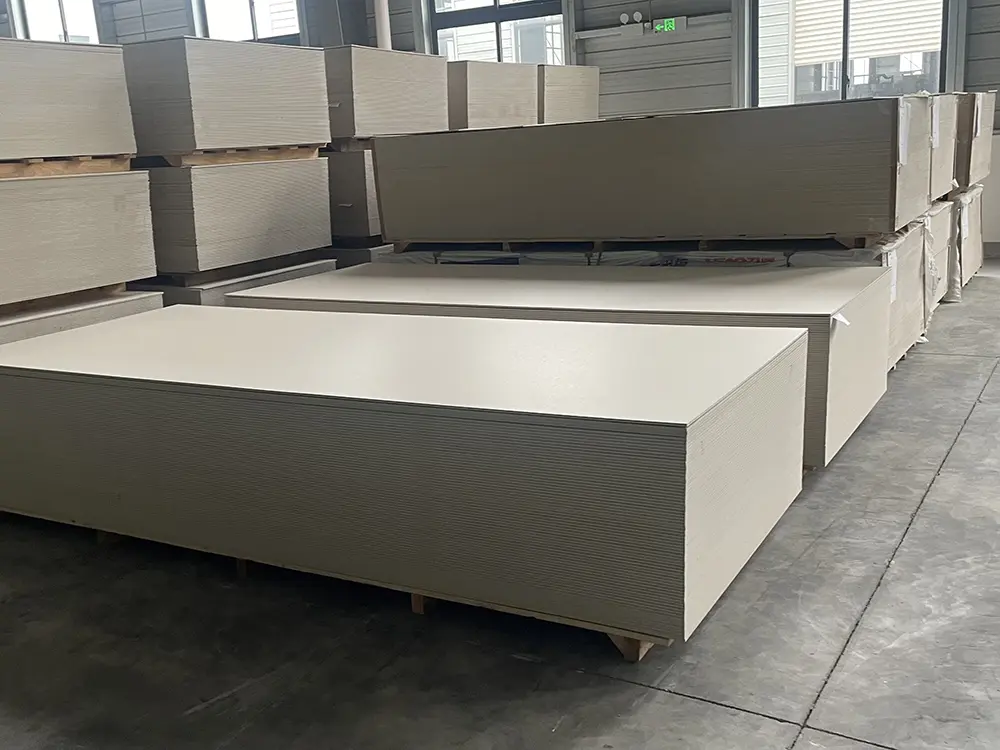 LEAO® Interior Board
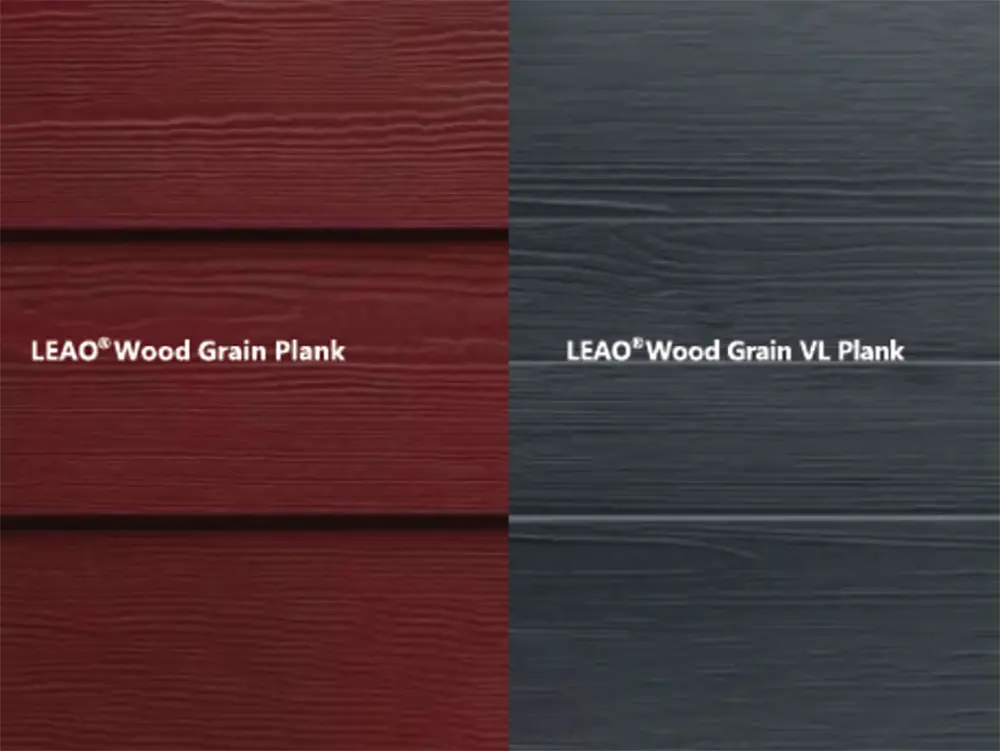 LEAO® Wood Grain Plank
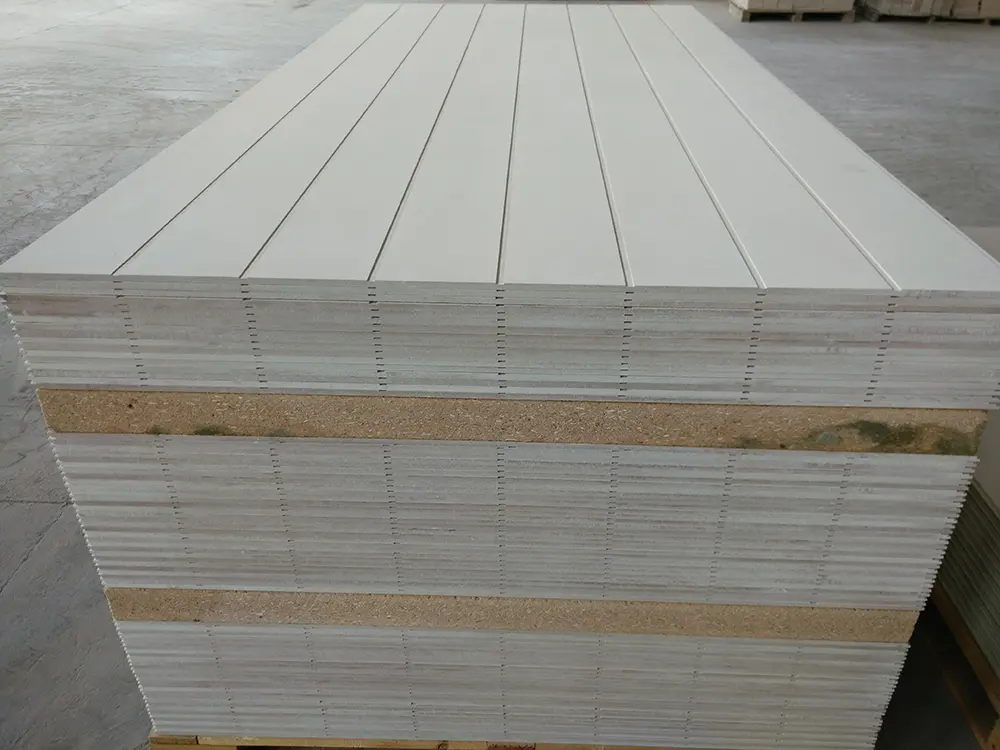 LEAO® Grooved Exterior Panel
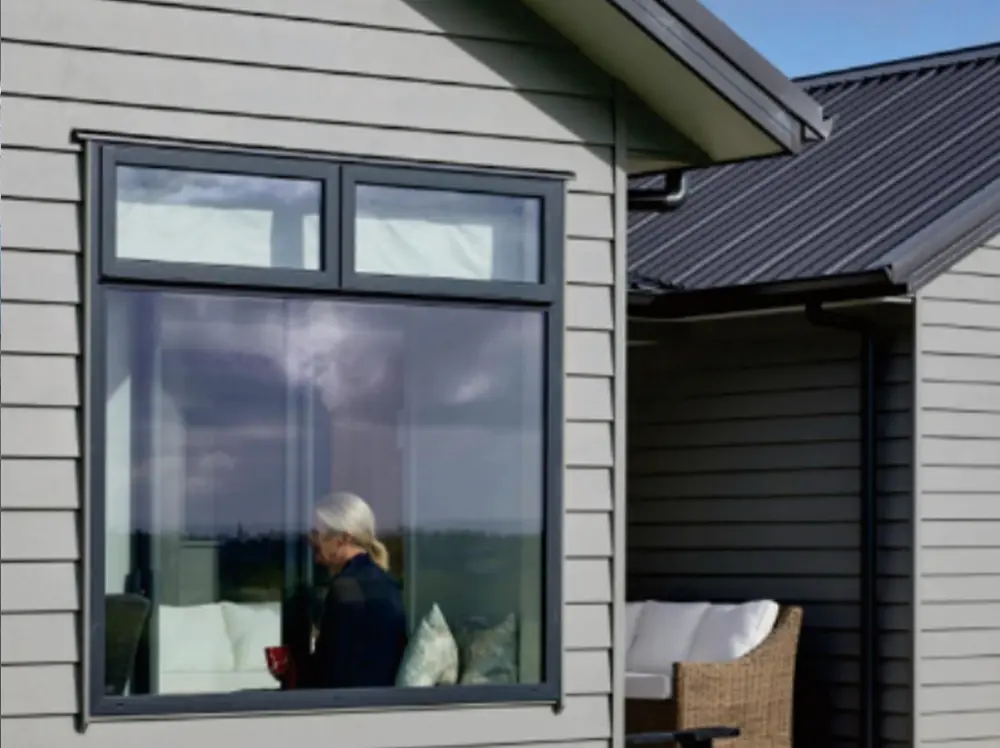 LEAO® Weatherboard
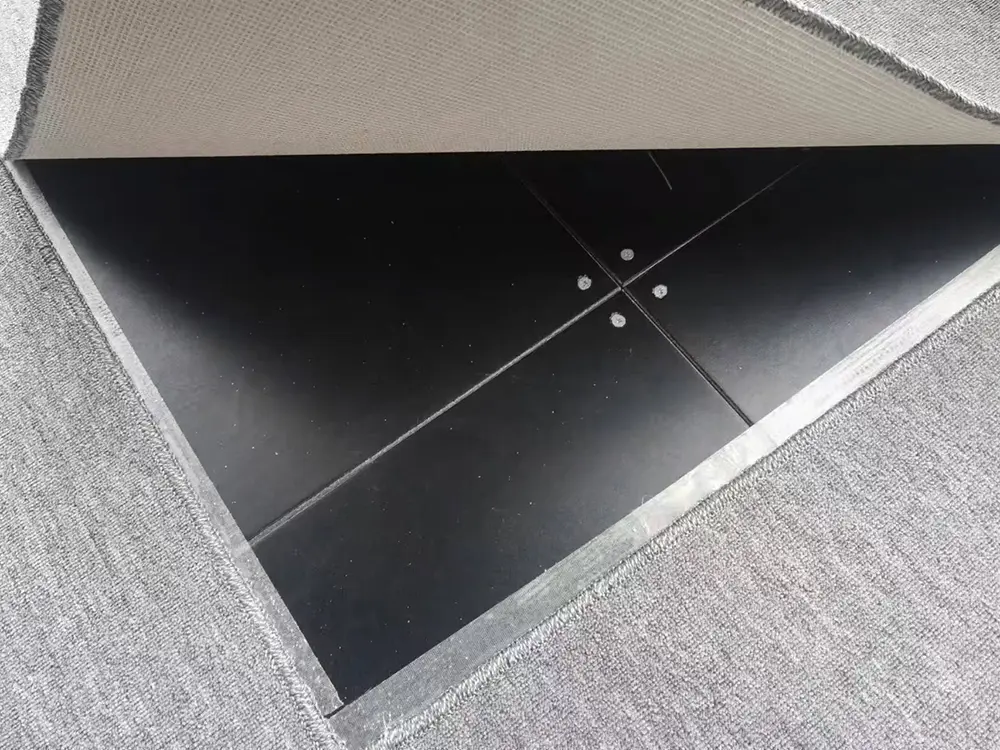 LEAO® Access Floors
 LEAO® Non-removable Formwork
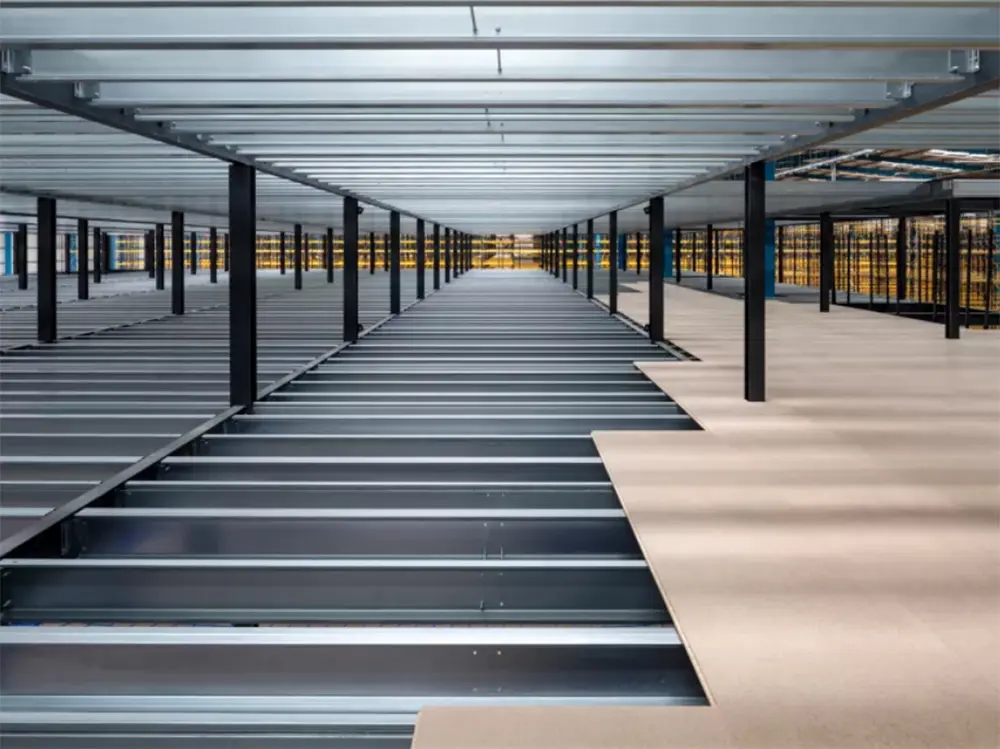 LEAO® Mezzanine Board
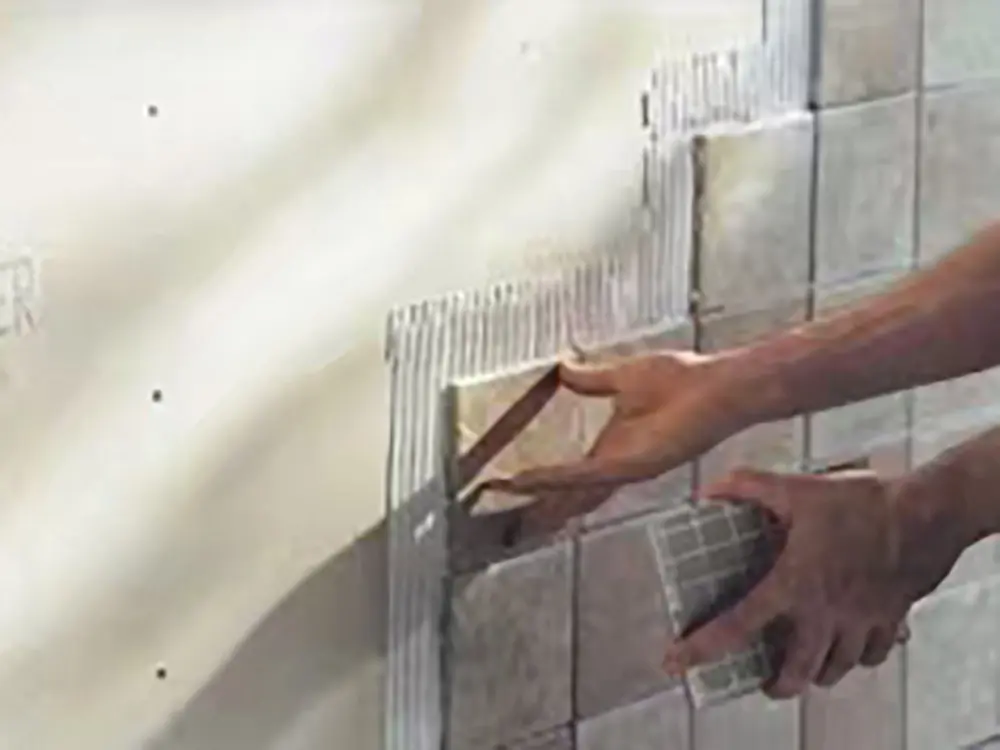 LEAO® Ceramic Tile Underlay
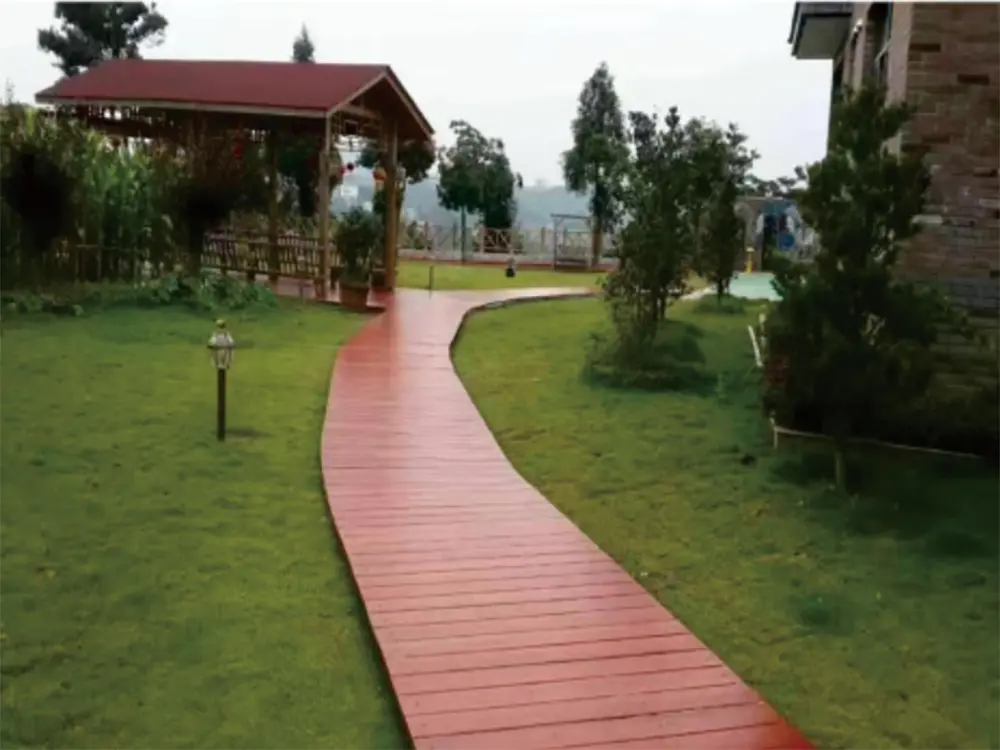 LEAO® Floor Plank
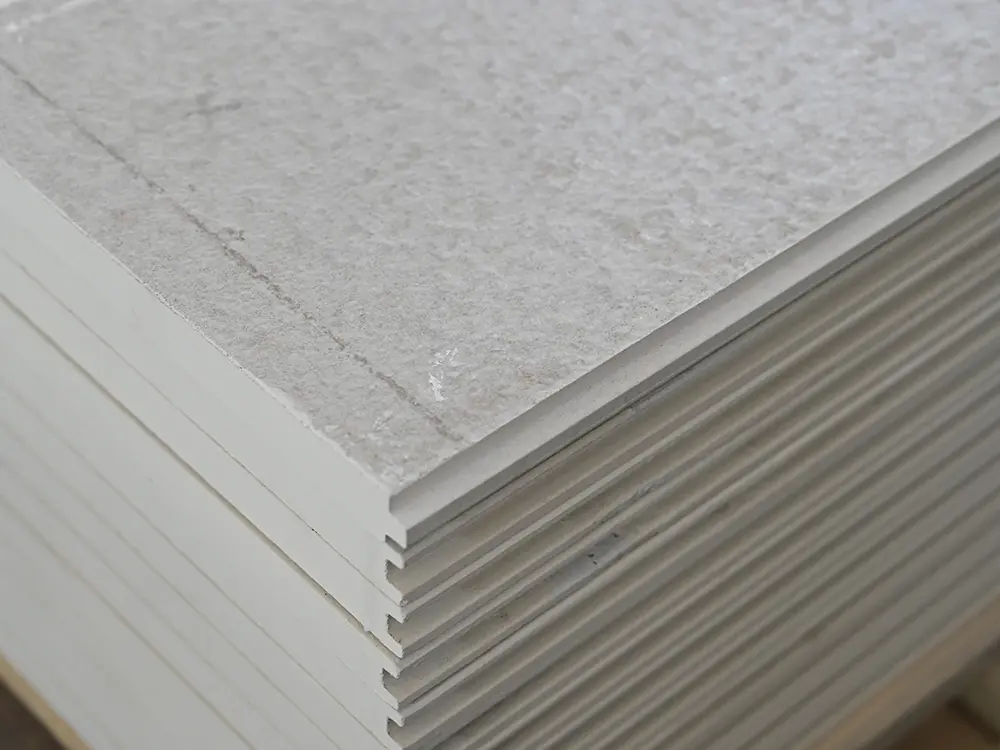 LEAO® Flooring
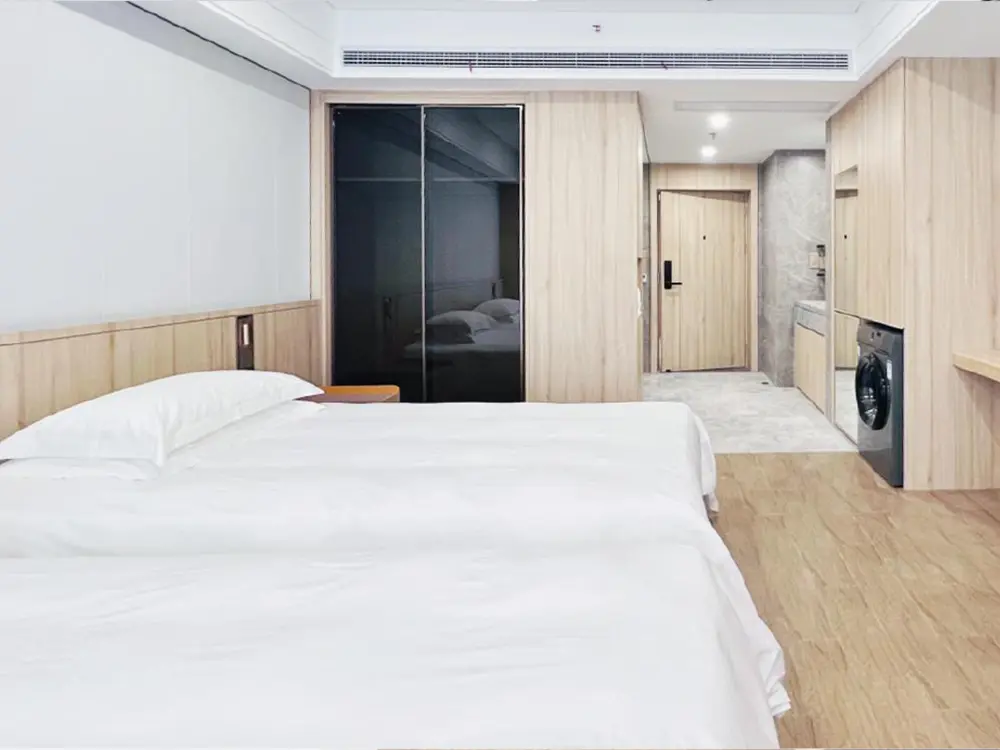 LEAO® Wood Style Decorative Panel
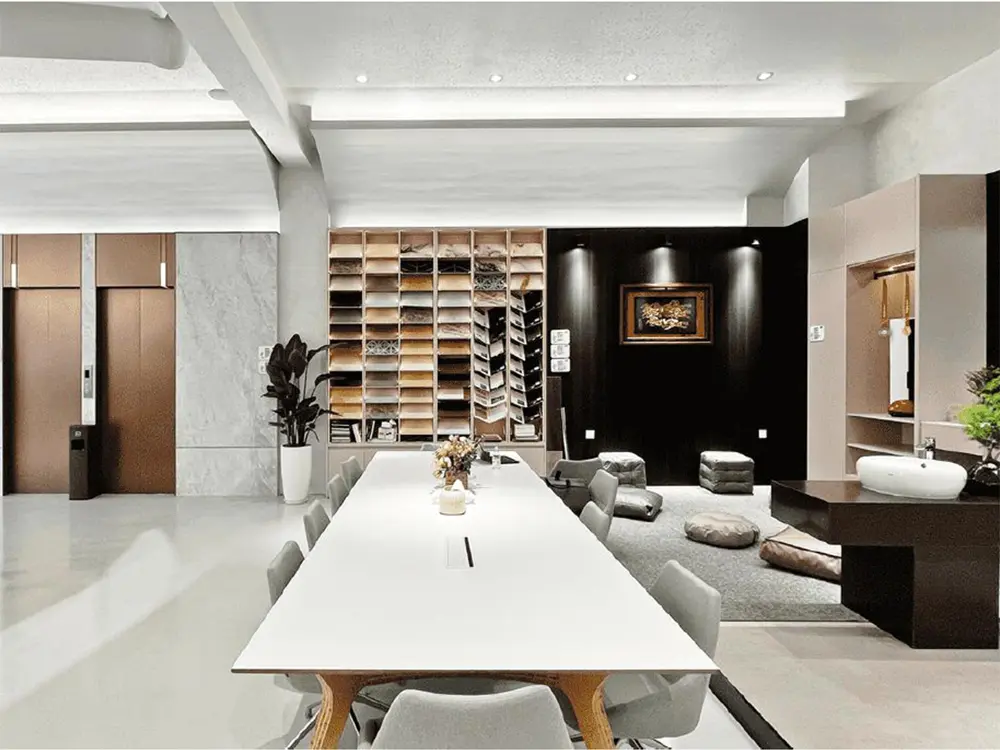 LEAO® Stone Style Decorative Panel
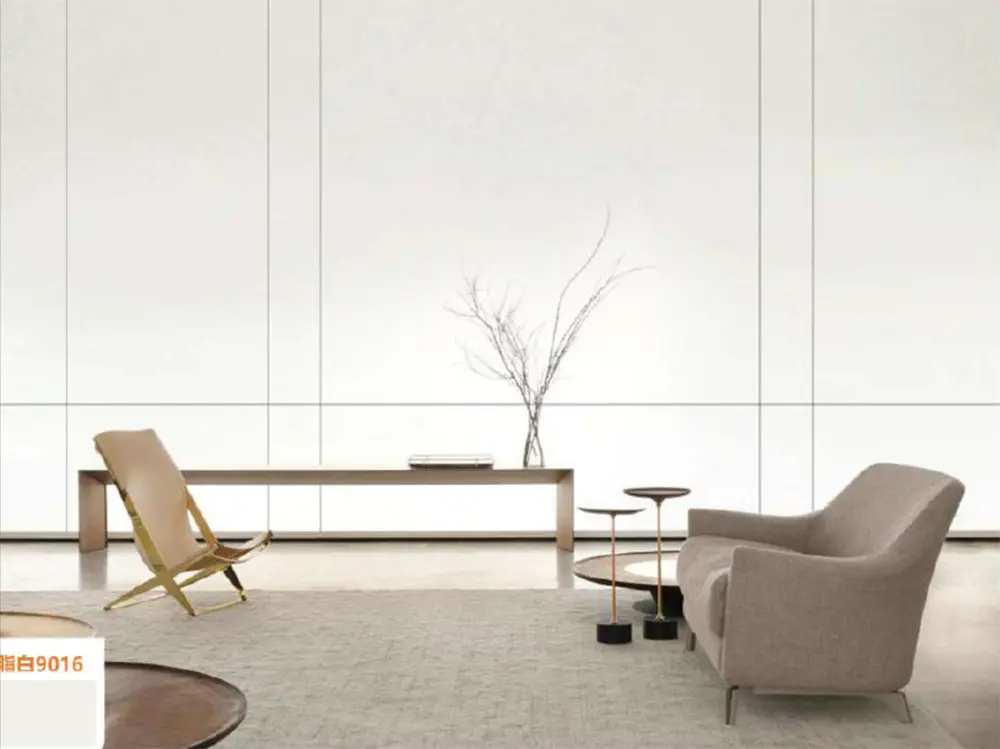 LEAO® Pure Style Decorative Panel