China Top Fiber Cement Floor Underlay Benefits and Applications?
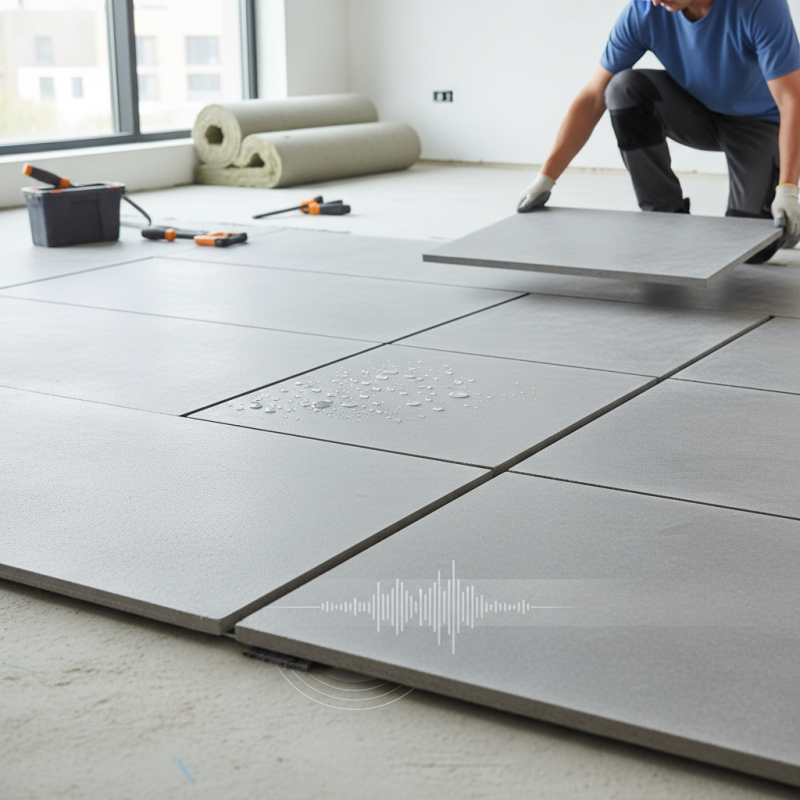
Fiber Cement Floor Underlay has gained significant attention in modern construction. This innovative product offers numerous benefits that enhance flooring durability and performance. It consists of a blend of cement and cellulose fibers, providing an effective solution for various flooring systems.
One of the key advantages of Fiber Cement Floor Underlay is its moisture resistance. Unlike traditional underlays, it stands strong against water damage. This quality makes it ideal for areas prone to spills and humidity. Additionally, it contributes to sound insulation. Homeowners often seek quieter environments, and this material reduces noise significantly.
Installation is another area where Fiber Cement Floor Underlay excels. It's lightweight and easy to handle, simplifying the process. Yet, it's essential to ensure proper fitting to achieve optimal results. Some users may overlook this detail, leading to performance issues. Overall, the benefits of this underlay are impressive, but careful attention during installation is crucial for maximizing its potential.
Benefits of Fiber Cement Floor Underlays in China’s Construction Industry
Fiber cement floor underlays are becoming essential in China’s construction industry. These materials provide numerous benefits that align with current building practices. Research indicates that fiber cement underlays improve floor stability and enhance sound insulation. According to a recent industry report, over 70% of construction professionals prefer these underlays for their durability.
One key advantage is moisture resistance. Fiber cement underlays can effectively prevent water damage, which is critical in humid regions. Additionally, they offer fire-resistant properties, contributing to overall safety standards. Statistics show that buildings using fiber cement products have a lower risk of fire-related incidents. This has led many architects and builders to advocate for their use.
However, the adoption of fiber cement underlays is not without challenges. Some workers find them heavier compared to traditional materials, leading to increased labor costs. Furthermore, the initial investment can be higher. Despite these concerns, the long-term benefits often outweigh the drawbacks. The right application may require a thoughtful approach to optimize both performance and cost.
China Top Fiber Cement Floor Underlay Benefits and Applications
| Benefit |
Description |
Application |
Durability (Years) |
| Moisture Resistance |
Prevents mold and mildew growth. |
Residential and commercial buildings. |
30+ |
| Sound Insulation |
Reduces noise transmission between floors. |
Multi-story homes and apartments. |
25+ |
| Fire Resistance |
Withstands high temperatures, reducing fire hazards. |
Commercial kitchens and industrial settings. |
40+ |
| Eco-Friendly |
Made from sustainable materials, low VOC emissions. |
Green buildings and environmentally conscious projects. |
35+ |
| Easy Installation |
Lightweight and easy to cut, reducing labor time. |
Residential flooring projects. |
20+ |
Key Technical Specifications of Fiber Cement Underlays and Their Impact
Fiber cement floor underlays have gained popularity for their strength and eco-friendliness. One critical aspect is their technical specifications. High-density fiber cement boards typically have a density ranging from 1.5 to 1.9 g/cm³. This density enhances impact resistance and provides excellent sound insulation. Additionally, they can withstand moisture, making them suitable for various environments.
Research indicates that these underlays can reduce sound transmission by up to 35 dB, significantly decreasing airborne noise. This is particularly beneficial in multi-story buildings where noise control is crucial. Their fire resistance is another essential feature. Most fiber cement underlays feature a non-combustibility rating, making them safe for high-rise applications. The material can handle extreme temperatures, ensuring durability.
While fiber cement technology shows promise, it's crucial to evaluate installation methods. Improper installation can negate their benefits, leading to issues like cracking or moisture infiltration. Industry reports suggest that up to 20% of flooring problems stem from installation errors. Continuous training and adherence to best practices are vital. Engaging with experienced professionals can mitigate risks and enhance the overall performance of fiber cement underlays.
China Top Fiber Cement Floor Underlay Benefits and Applications
The chart above illustrates the key benefits of fiber cement floor underlays in China, rated on a scale from 1 to 10. Each benefit, such as moisture resistance and fire resistance, highlights the applications and importance of fiber cement underlays in construction and building projects.
Comparative Analysis: Fiber Cement Underlays vs. Traditional Materials
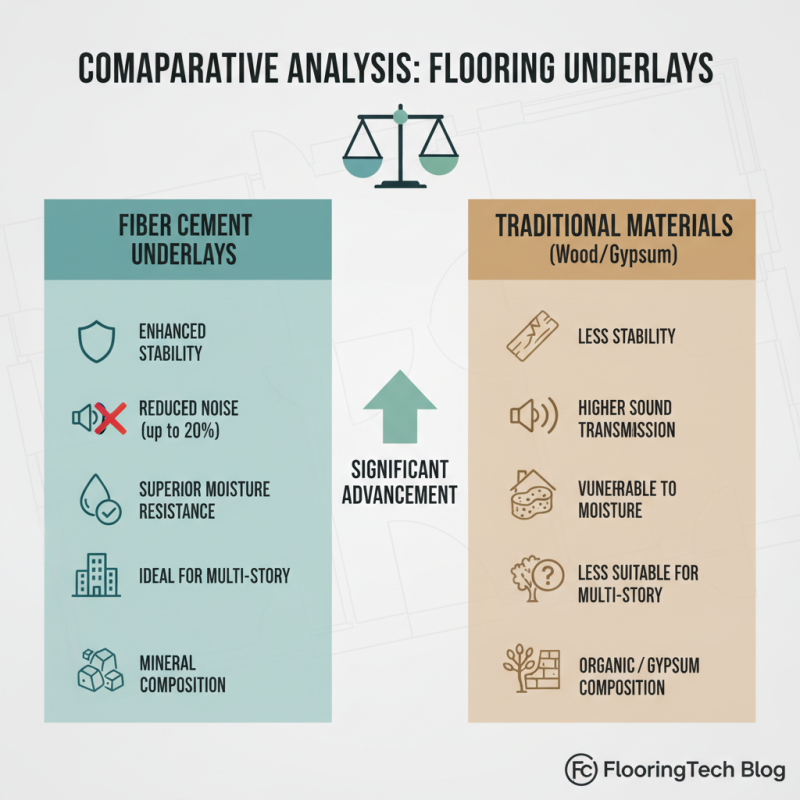
Fiber cement underlays represent a significant advancement over traditional flooring materials. Research highlights that these innovative underlays enhance stability and reduce noise. The mineral composition provides superior moisture resistance. Reports indicate that fiber cement underlays can decrease sound transmission by up to 20% compared to wood or gypsum alternatives. This makes them ideal for multi-story buildings.
A key consideration in this comparison is durability. Fiber cement boasts a lifespan exceeding 50 years with minimal degradation, while traditional materials like plywood often require replacement within 10 to 20 years. However, installation can be more complicated for fiber cement. It may require specialized tools and skills, unlike traditional materials that are easier for DIY projects. This complexity can deter some consumers from choosing fiber cement underlays despite their long-term benefits.
Additionally, the eco-friendliness of fiber cement deserves attention. Many versions use recycled materials, contributing to sustainable building practices. However, the carbon footprint from production can be substantial. Some reports suggest that while recycling helps, the overall environmental impact needs further examination. Therefore, while fiber cement underlays present clear advantages, careful consideration of all factors is essential.
Market Trends: Growth and Demand for Fiber Cement Products in China
The demand for fiber cement products in China is witnessing significant growth. A recent report indicated that the market for fiber cement is expected to expand at a compound annual growth rate (CAGR) of over 9% from 2023 to 2028. This surge is attributed to the increasing focus on sustainable building materials and the need for more resilient construction solutions. The rise in urbanization and infrastructure projects across China further fuels this demand.
In particular, fiber cement floor underlays offer various benefits. They provide excellent moisture resistance and sound insulation. This makes them an attractive option for both residential and commercial applications. Additionally, these underlays are fire-resistant and customizable, serving diverse design needs. Data from industry analysts suggest that installations of fiber cement underlays in flooring are projected to increase by 15% in urban areas by 2025.
Tips:
When selecting floor underlays, consider the acoustic performance required for your space. Ensure that your choice aligns with local building regulations, which are always evolving. Also, think about the environmental impact of your materials. Sustainable choices can lead to long-term benefits.
Applications of Fiber Cement Underlays in Residential and Commercial Projects
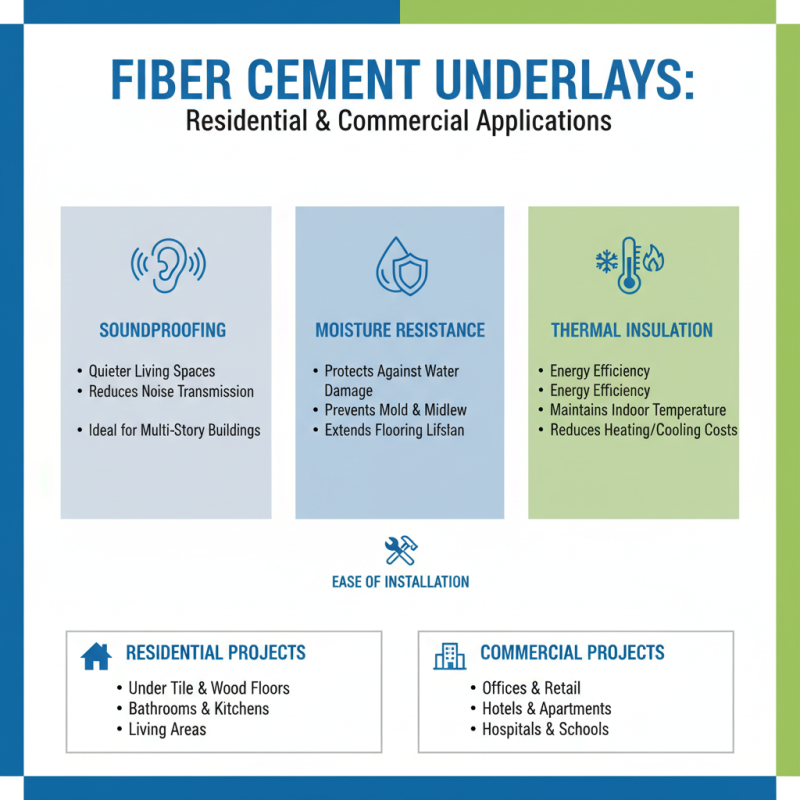
Fiber cement underlays are gaining popularity in both residential and commercial projects. These materials offer a range of benefits, making them ideal for various applications. They are particularly effective in soundproofing, moisture resistance, and thermal insulation. Homeowners value their ability to create a quiet living environment, while builders appreciate their ease of installation.
In residential settings, fiber cement underlays are commonly used under tiles and timber flooring. They provide a stable base that enhances durability. In kitchens and bathrooms, these underlays act as a barrier against moisture, preventing damage to the flooring. On the commercial side, offices and retail spaces utilize fiber cement for its fire resistance and longevity. It’s essential to note that not all environments suit fiber cement. Some projects may require additional moisture mitigation measures.
Despite the numerous advantages, there are challenges. Installation can be more labor-intensive than traditional options. Also, the weight of fiber cement might cause concerns for structural integrity in high-rise buildings. But with proper planning and professional guidance, these issues can often be addressed effectively. Understanding the nuances of fiber cement underlays can lead to more informed choices in flooring projects.

 LEAO®Deco Ceiling
 LEAO® Perforated Ceiling
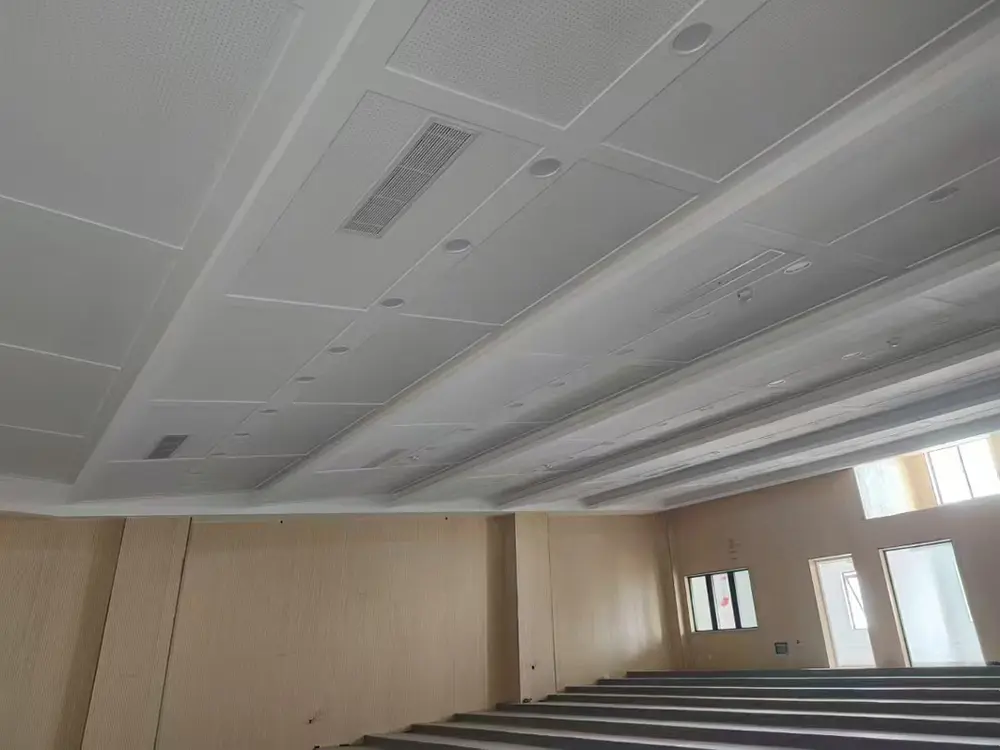 LEAO® Ceiling Board
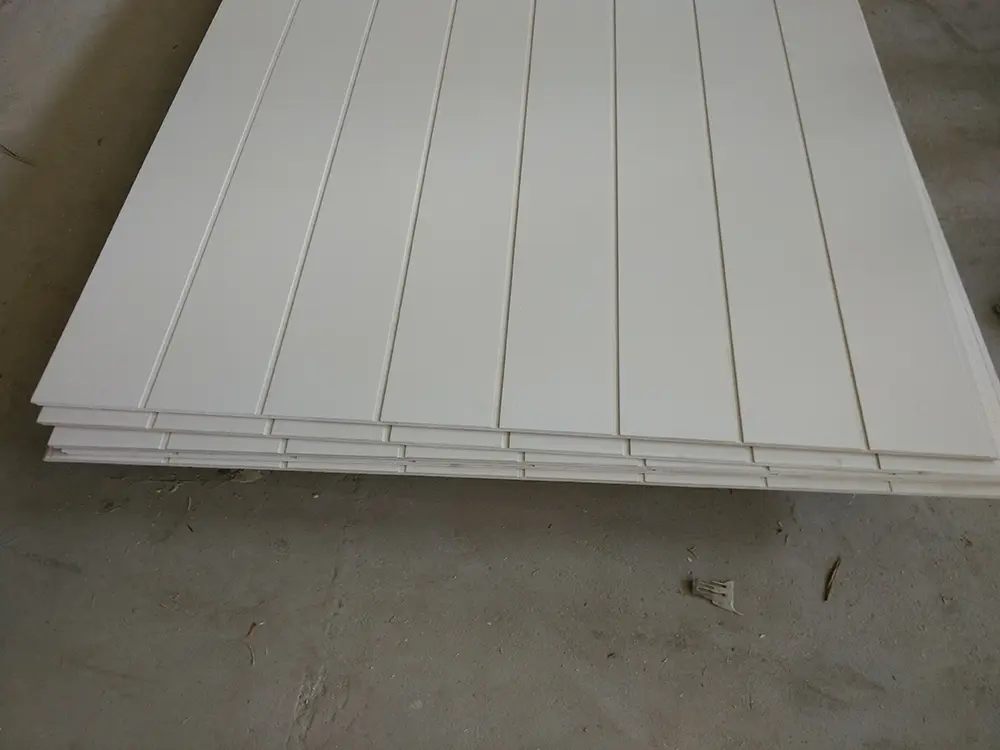 LEAO® Groove Interior Panel
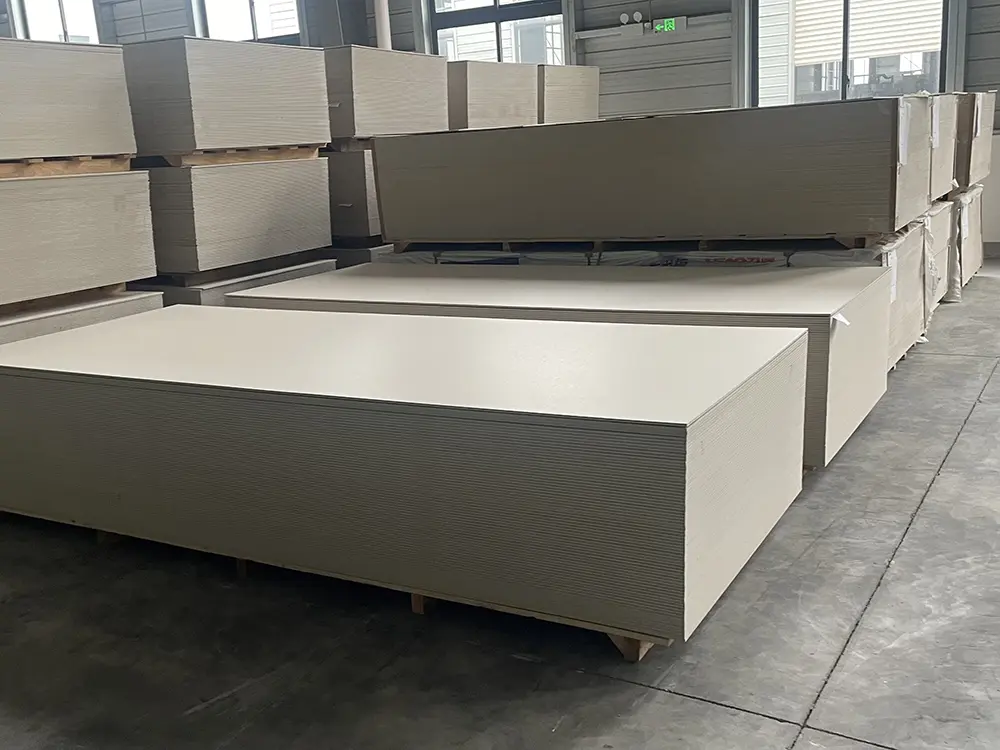 LEAO® Interior Board
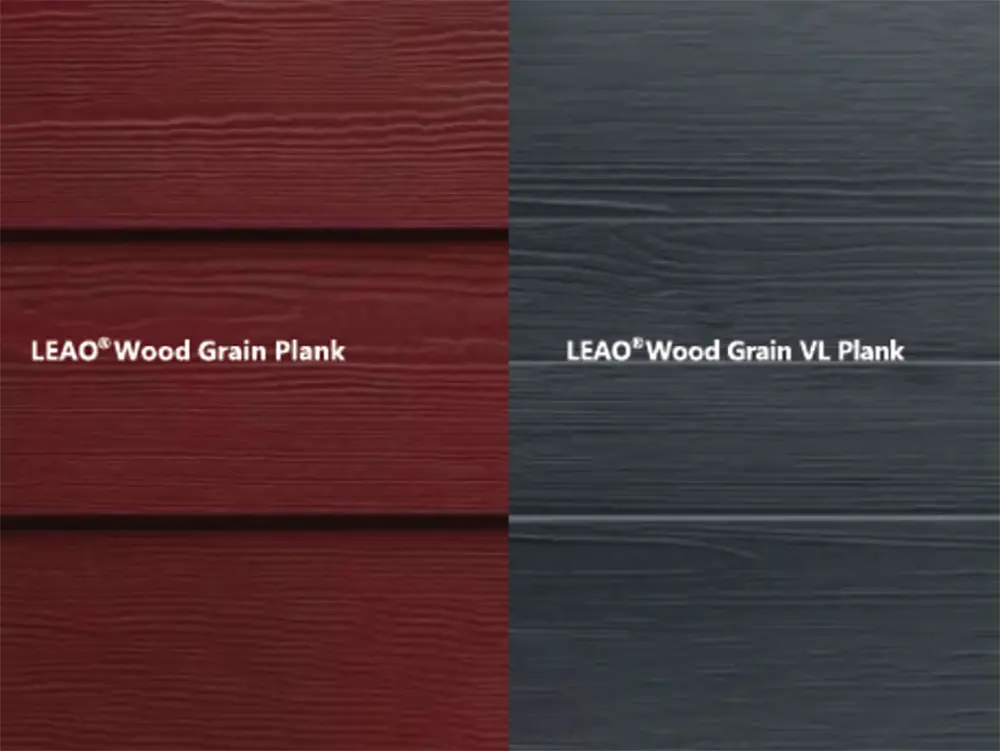 LEAO® Wood Grain Plank
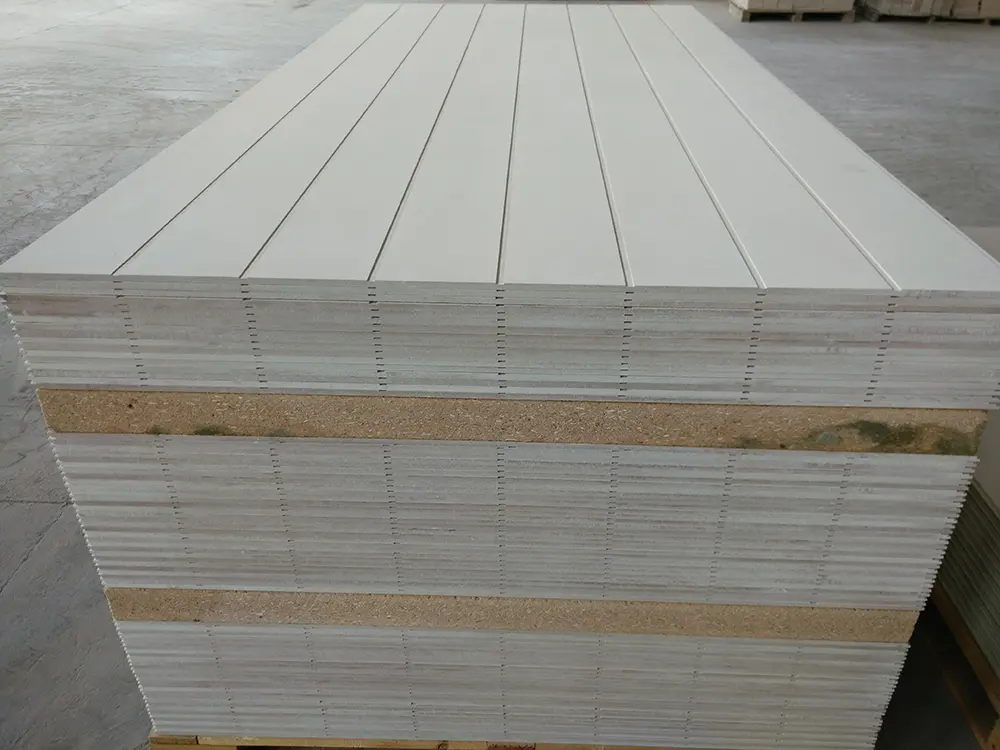 LEAO® Grooved Exterior Panel
 LEAO® Weatherboard
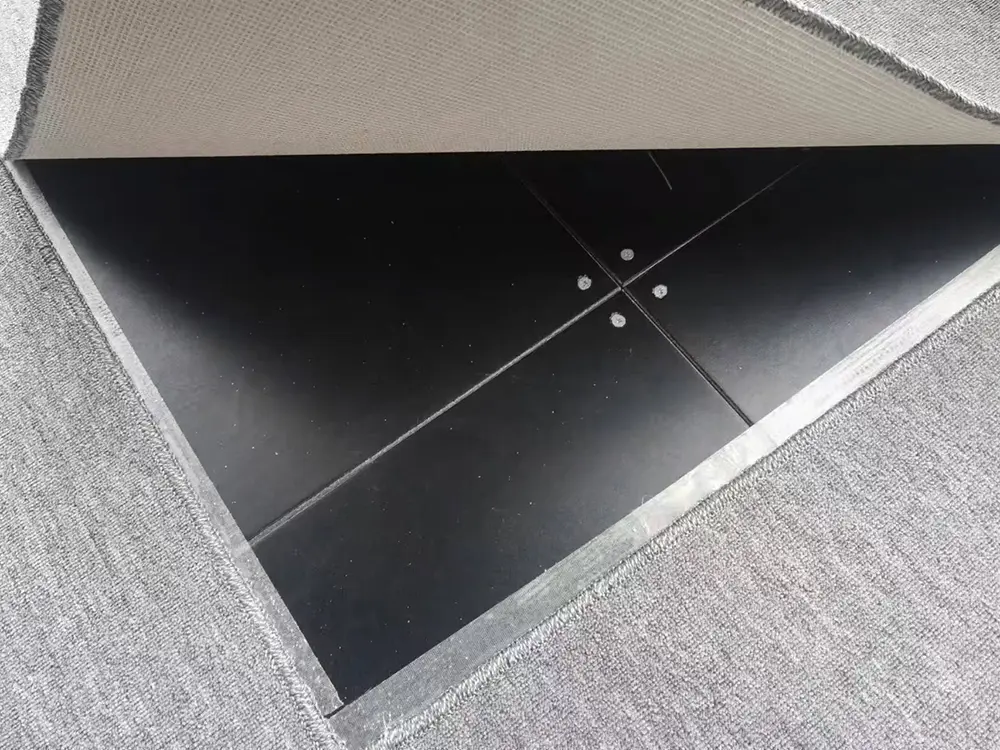 LEAO® Access Floors
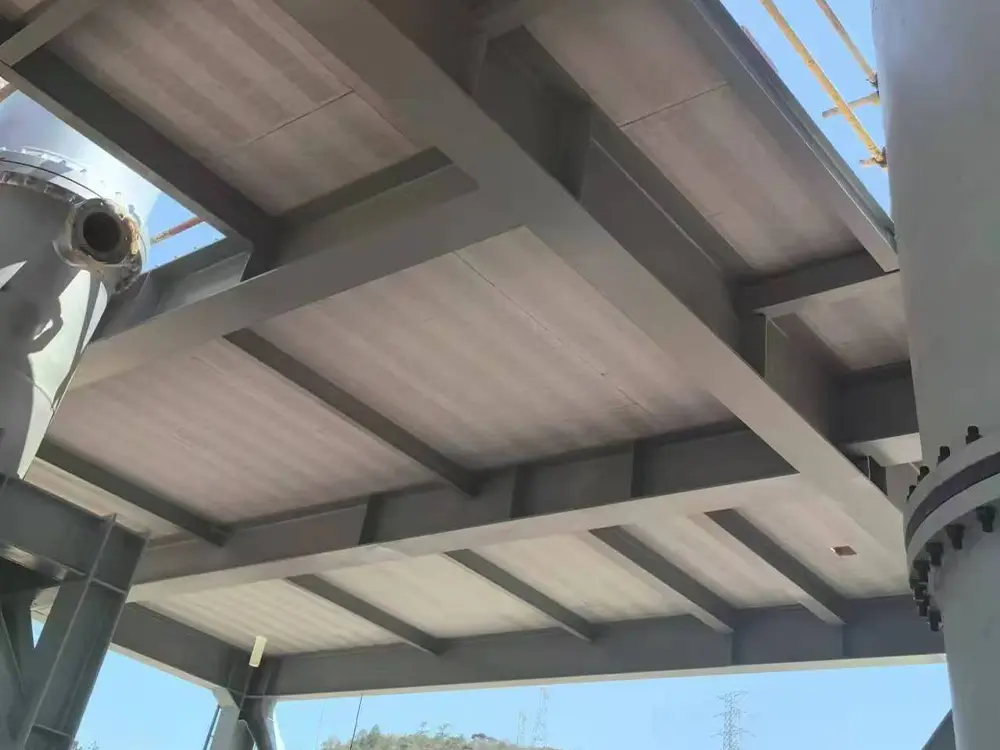 LEAO® Non-removable Formwork
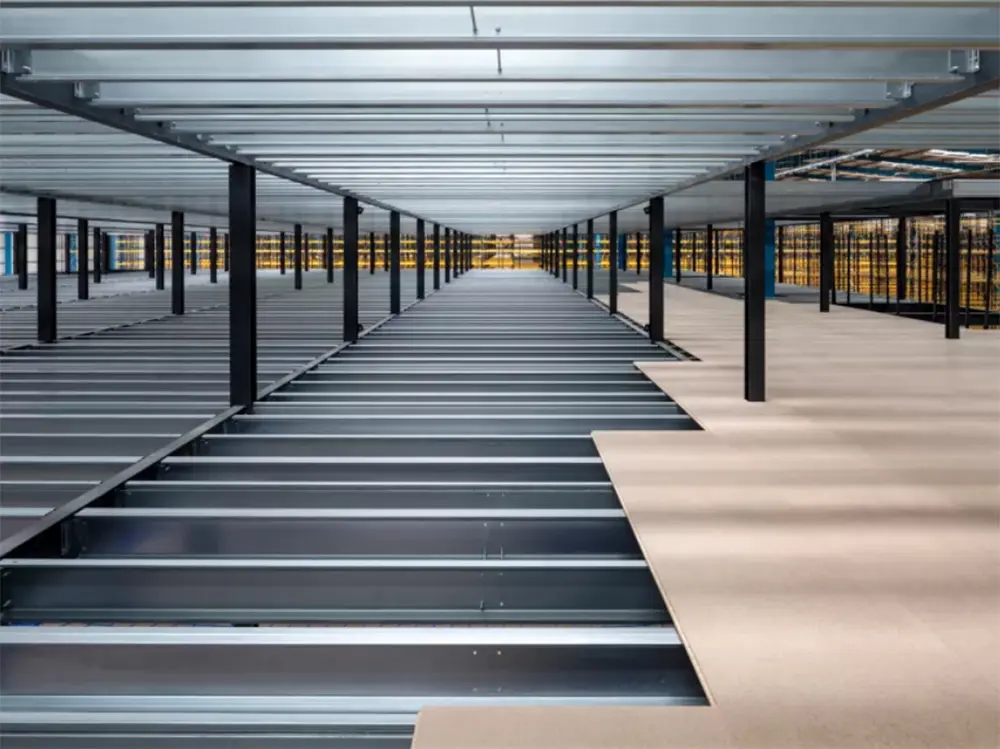 LEAO® Mezzanine Board
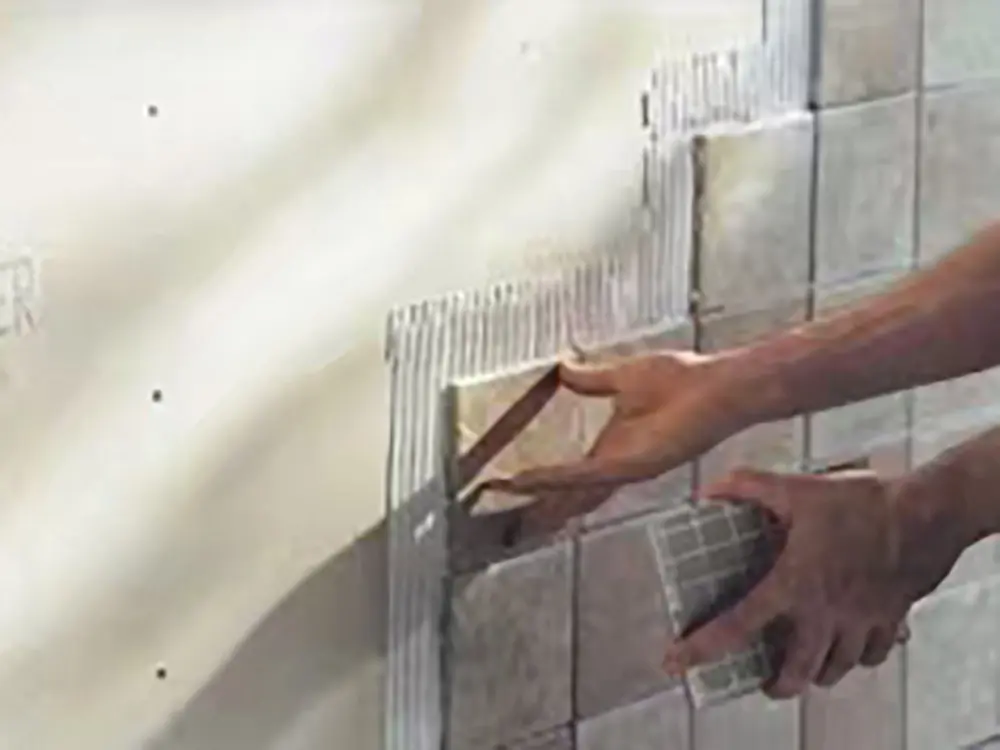 LEAO® Ceramic Tile Underlay
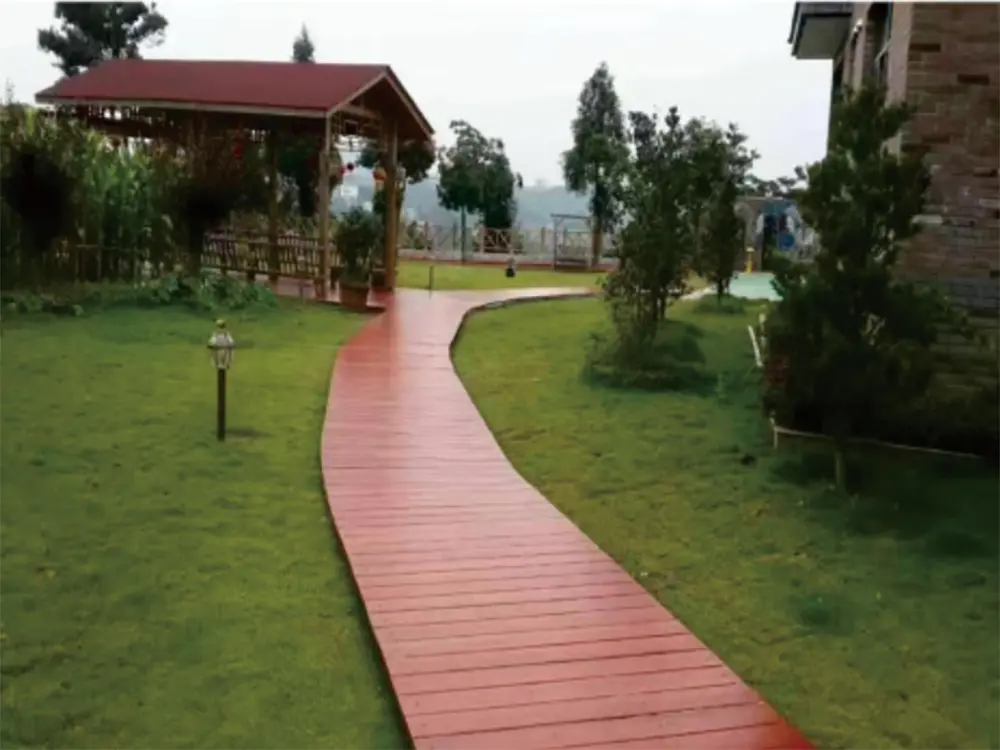 LEAO® Floor Plank
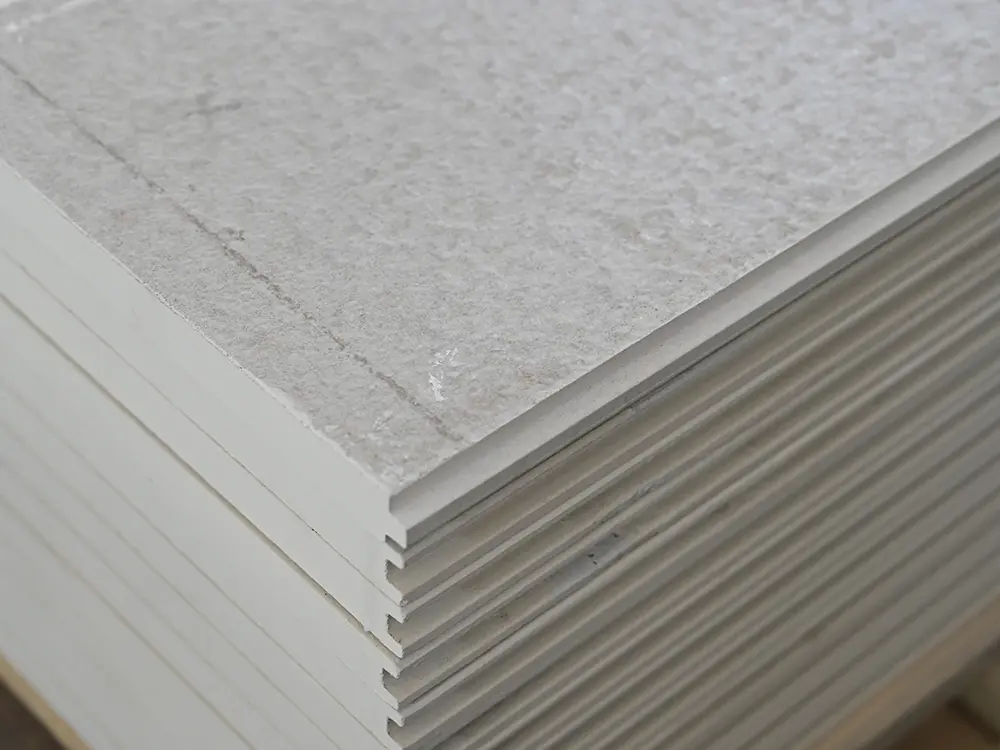 LEAO® Flooring
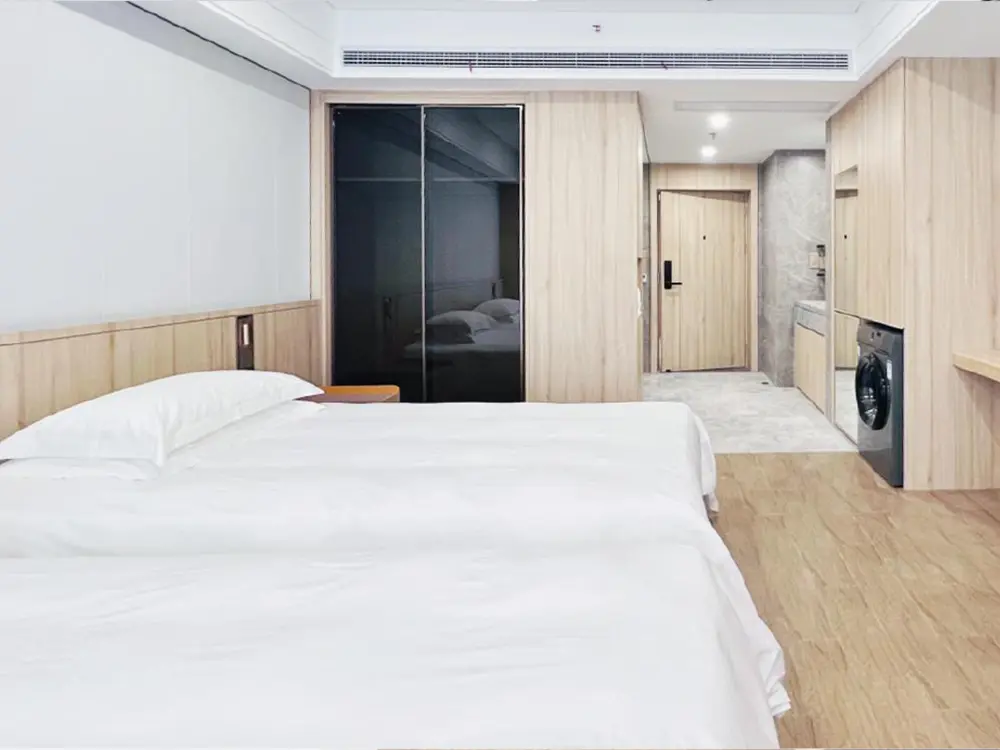 LEAO® Wood Style Decorative Panel
 LEAO® Stone Style Decorative Panel
 LEAO® Pure Style Decorative Panel