How to Choose and Install Fiber Cement Floor Underlay for Your Home
When considering home renovations, the importance of selecting the right flooring options cannot be overstated. One crucial component often overlooked is the **Fiber Cement Floor Underlay**. According to expert Michael Thompson, a renowned flooring consultant, "Proper underlay not only enhances the longevity of your flooring but also contributes to the overall comfort and performance of your home’s environment." This insight underscores the vital role that Fiber Cement Floor Underlay plays in a successful flooring installation.
A well-chosen underlay can significantly improve insulation, reduce noise transmission, and provide moisture resistance, making it an essential element for any flooring project. With various materials and styles available, understanding how to select and install Fiber Cement Floor Underlay can save homeowners time and money while ensuring their floors remain beautiful and durable for years to come.
In this guide, we will delve into the key considerations for selecting the right Fiber Cement Floor Underlay for your home, covering factors such as compatibility with different floor types, installation techniques, and maintenance tips to maximize its benefits. By making informed decisions guided by expert advice, homeowners can create a solid foundation for their flooring choice, ultimately leading to a more satisfying living space.
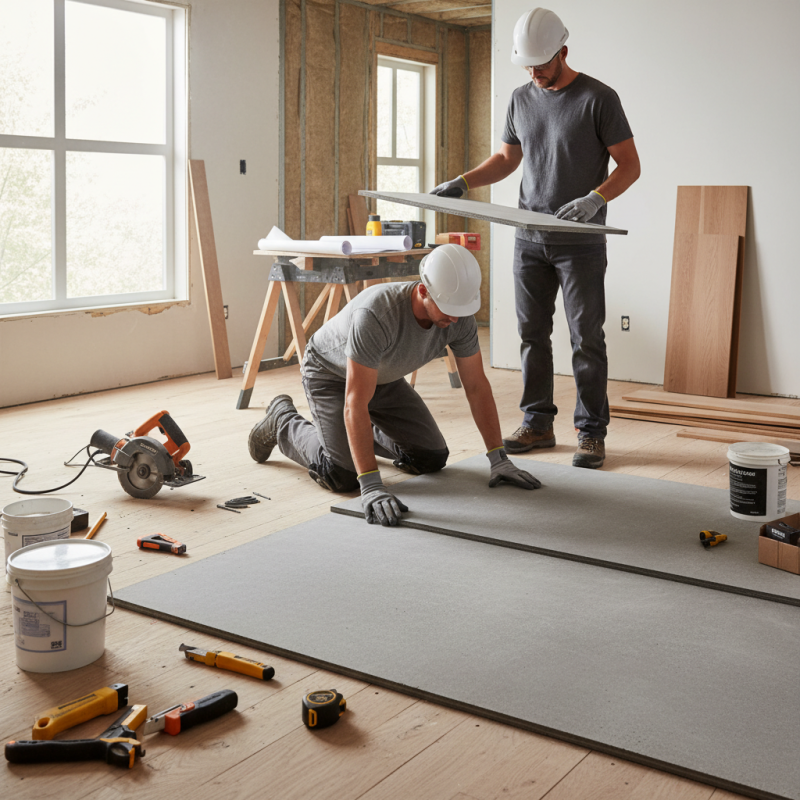
Introduction to Fiber Cement Floor Underlay
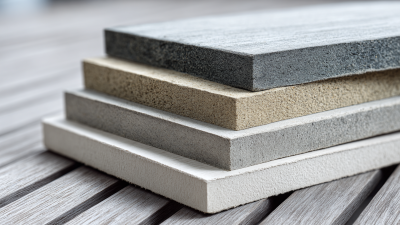
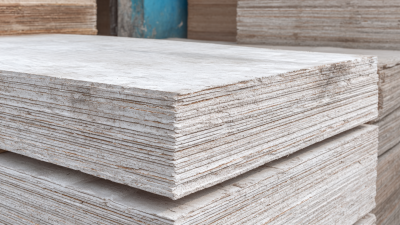
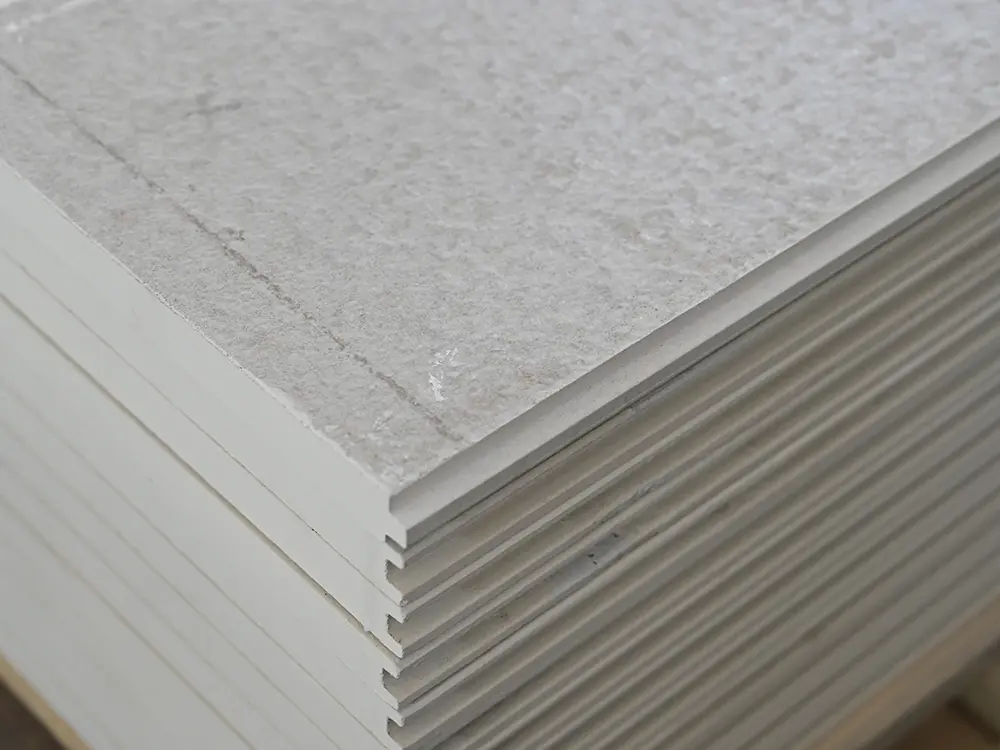
Fiber cement floor underlay is an excellent choice for homeowners seeking durability and moisture resistance in their flooring solutions. This type of underlay consists of a composite material that combines wood fibers, sand, and cement, resulting in a robust substrate that can withstand temperature fluctuations and resist warping. Its unique construction makes it suitable for various applications, including areas prone to high humidity such as bathrooms and kitchens.
When selecting fiber cement floor underlay, consider its thickness and density, as these factors can influence insulation and soundproofing properties. It's crucial to ensure the underlay is appropriate for the type of flooring you plan to install over it, as compatibility can affect the overall performance and longevity of your floors.
Tips: Always check for a manufacturer’s specification to guarantee proper installation and avoid potential issues down the road. Additionally, it’s advisable to acclimate the underlay in the room where it will be installed to minimize expansion or contraction after installation. Employing a level surface and firm subfloor will ensure that the underlay performs optimally, enhancing your flooring experience.
Benefits of Using Fiber Cement Underlay in Your Home
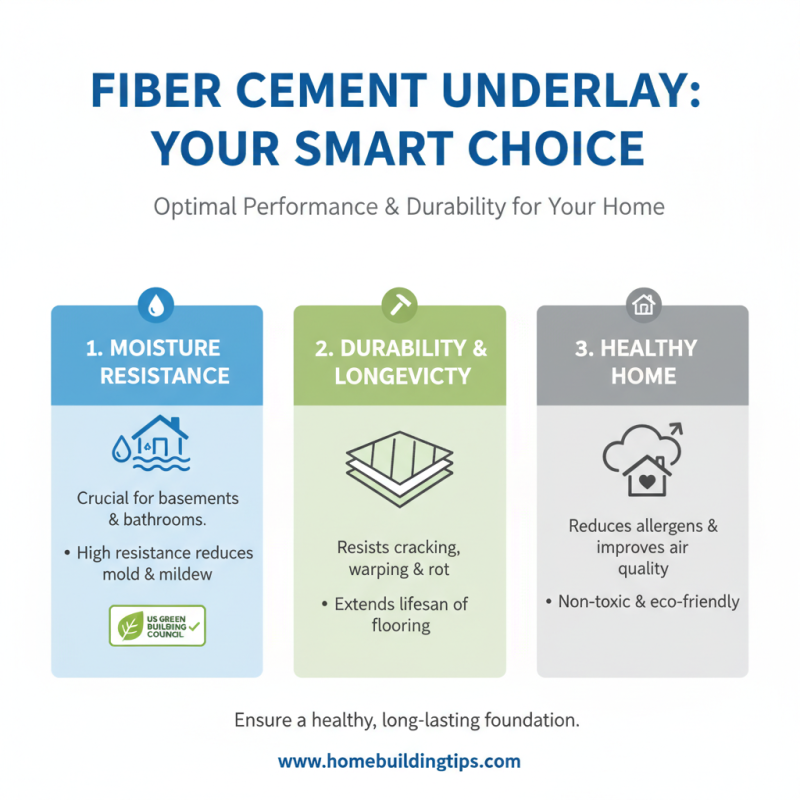
Fiber cement underlay is quickly gaining popularity among homeowners for its numerous benefits. One of the primary advantages is its exceptional durability. Unlike traditional underlay materials, fiber cement is resistant to moisture, rot, and pests, making it an ideal choice for areas prone to humidity. This resilience not only extends the lifespan of the flooring above but also contributes to a healthier living environment by minimizing the risk of mold and mildew growth.
Another significant benefit of fiber cement underlay is its excellent sound insulation properties. The denser composition of fiber cement helps to dampen noise transmission, making it an excellent option for multi-story homes or apartments. This feature enhances comfort by providing a quieter indoor environment, which is particularly beneficial in busy households or urban settings. Additionally, fiber cement underlay contributes to better thermal insulation, helping to maintain consistent temperatures within the home and potentially leading to energy savings over time.
Steps to Choose the Right Fiber Cement Underlay
When selecting the right fiber cement underlay for your home, it is essential to consider several factors to ensure optimal performance and durability. First, evaluate the moisture resistance of the underlay, particularly if you are installing floors in areas prone to humidity, such as basements or bathrooms. According to the U.S. Green Building Council, fiber cement products typically offer high moisture resistance, reducing the potential for mold and mildew growth, which is crucial in maintaining a healthy living environment.
Next, assess the acoustic properties of the fiber cement underlay. Studies indicate that fiber cement offers superior sound insulation compared to traditional underlays, with a sound transmission class (STC) rating that can significantly dampen noise between floors. This feature is especially valuable in multi-story homes or apartment settings. Additionally, ensure that the underlay thickness aligns with the manufacturer’s recommendations for your chosen floor type to maintain adequate support and enhance floor performance. With careful consideration of these factors, you can confidently choose a fiber cement underlay that meets your needs and improves your home’s comfort and efficiency.
Preparing Your Space for Fiber Cement Underlay Installation
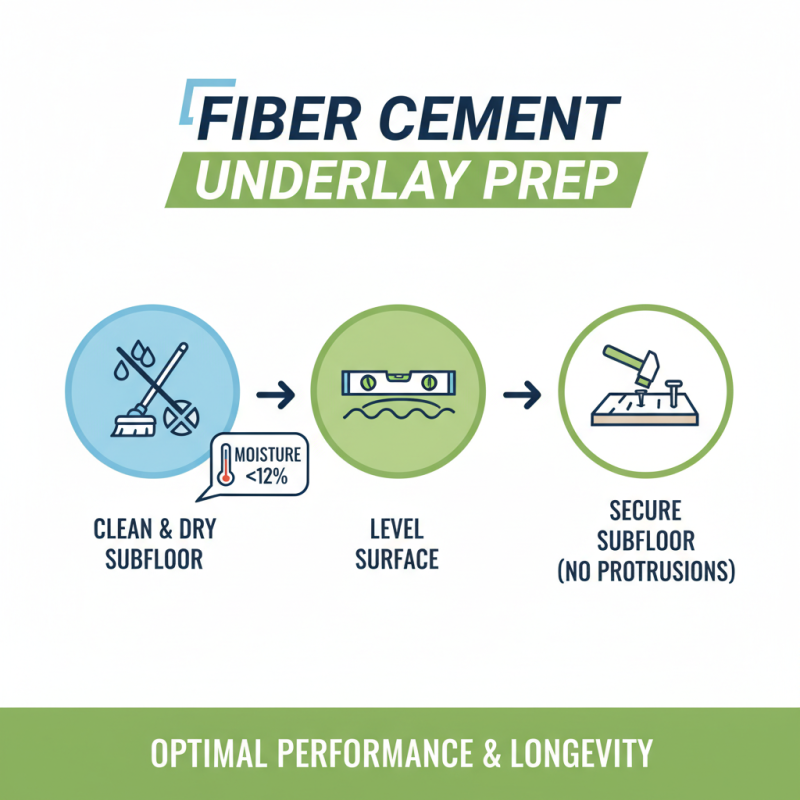
When preparing your space for the installation of fiber cement floor underlay, it's essential to create an environment that ensures optimal performance and longevity. The first step is to ensure that your subfloor is clean, dry, and level. According to industry reports, having a moisture content of less than 12% is ideal for avoiding problems such as mold and warping. Perform a thorough inspection for any loose boards or protruding nails, as these can compromise the integrity of the underlay.
**Tips:** Take the time to measure the space accurately, considering door frames and transitions to adjacent rooms. This will allow you to cut your fiber cement underlay to the right size, minimizing waste and ensuring a snug fit.
Next, it’s crucial to manage the acclimatization of the underlay. Fiber cement is sensitive to moisture and temperature changes, so allowing it to adjust to your home's environment for at least 48 hours prior to installation can prevent issues such as cracking. Moreover, you should use a vapor barrier if you're working on a concrete subfloor, as this can enhance the underlay's performance and protect against moisture from the ground.
**Tips:** Don’t forget to wear protective gear, such as masks and gloves, when handling fiber cement products, as the particles can irritate the skin and respiratory system. Always follow safety guidelines to ensure a smooth installation process.
Installation Process for Fiber Cement Floor Underlay
Fiber cement floor underlay is an excellent choice for enhancing soundproofing and moisture resistance in your home. The installation process requires careful preparation and adherence to best practices to ensure a long-lasting and effective barrier. The first step involves assessing your subfloor for any damages, leveling imperfections, and ensuring cleanliness to promote proper adhesion. According to industry reports, a well-prepared subfloor can improve the installation efficiency by up to 30% and extend the lifespan of the floor covering.
Once the subfloor is ready, measure and cut the fiber cement boards to fit the area. It's essential to use a sharp utility knife or a power saw with a dust control system to minimize hazardous silica dust. As you lay the boards, ensure they are staggered and spaced adequately to avoid creating direct lines, which can compromise integrity. According to data from recent industry studies, proper staggering can reduce sound transmission by up to 25% and improve overall acoustical performance.
**Tips:** Always wear protective gear, including a dust mask and safety goggles, during installation to mitigate exposure to dust and debris. Additionally, consider using a cement backer rod along the edges of the underlay to enhance moisture protection, particularly in areas prone to spills or high humidity. Ensuring that proper expansion joints are incorporated will also help accommodate natural movement, preventing cracks and extending the life of your flooring.
Installation Process for Fiber Cement Floor Underlay

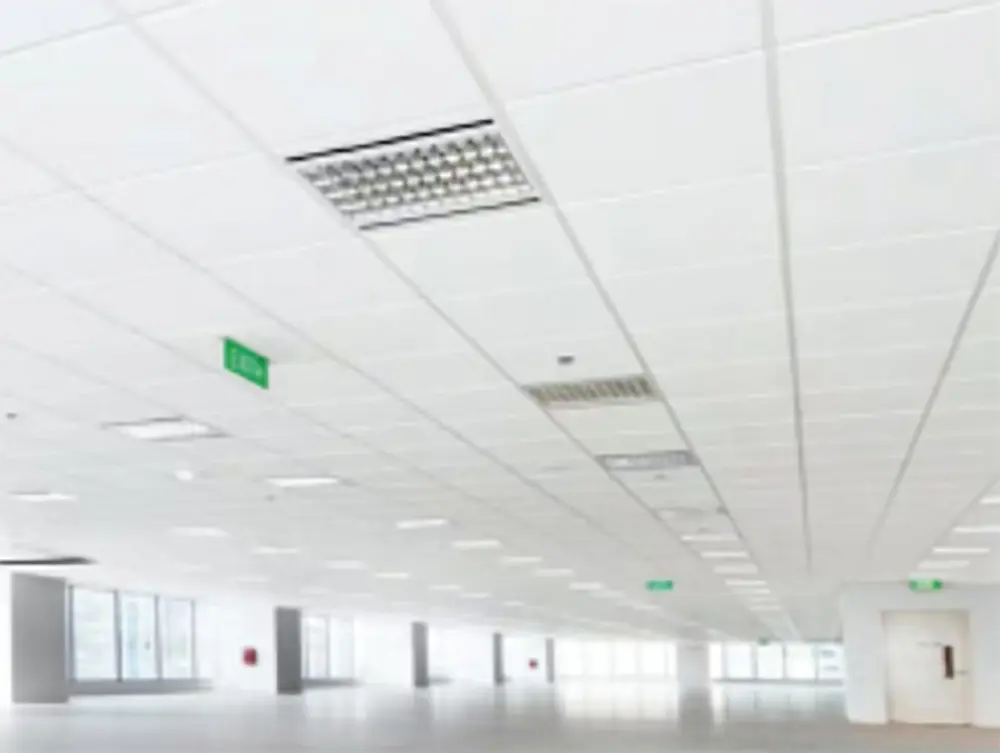 LEAO®Deco Ceiling
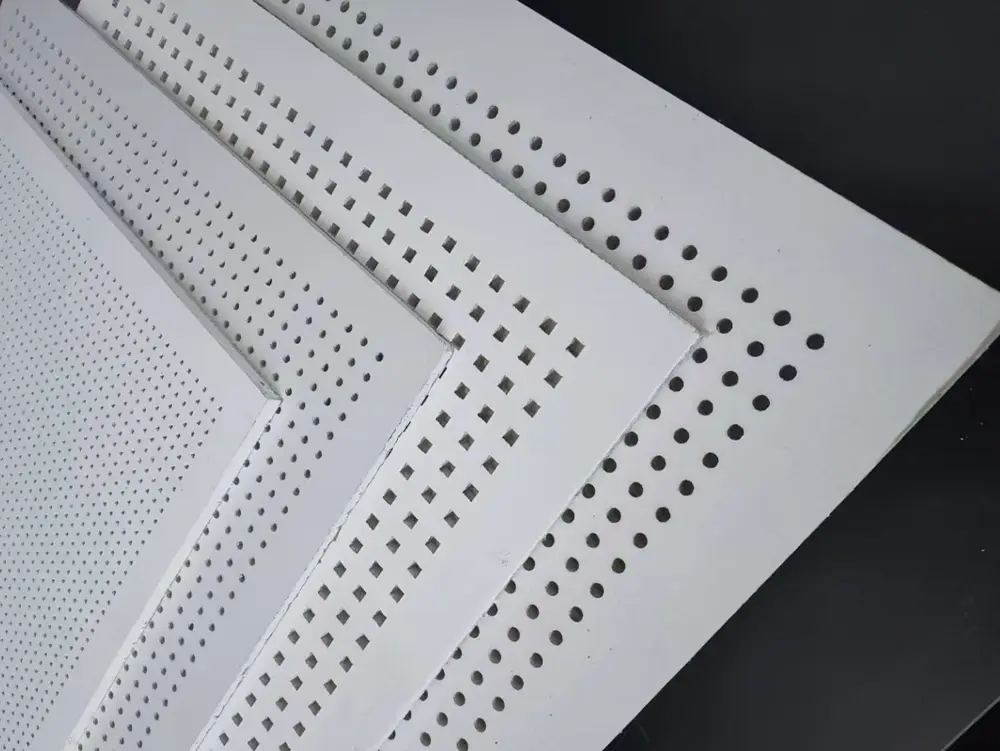 LEAO® Perforated Ceiling
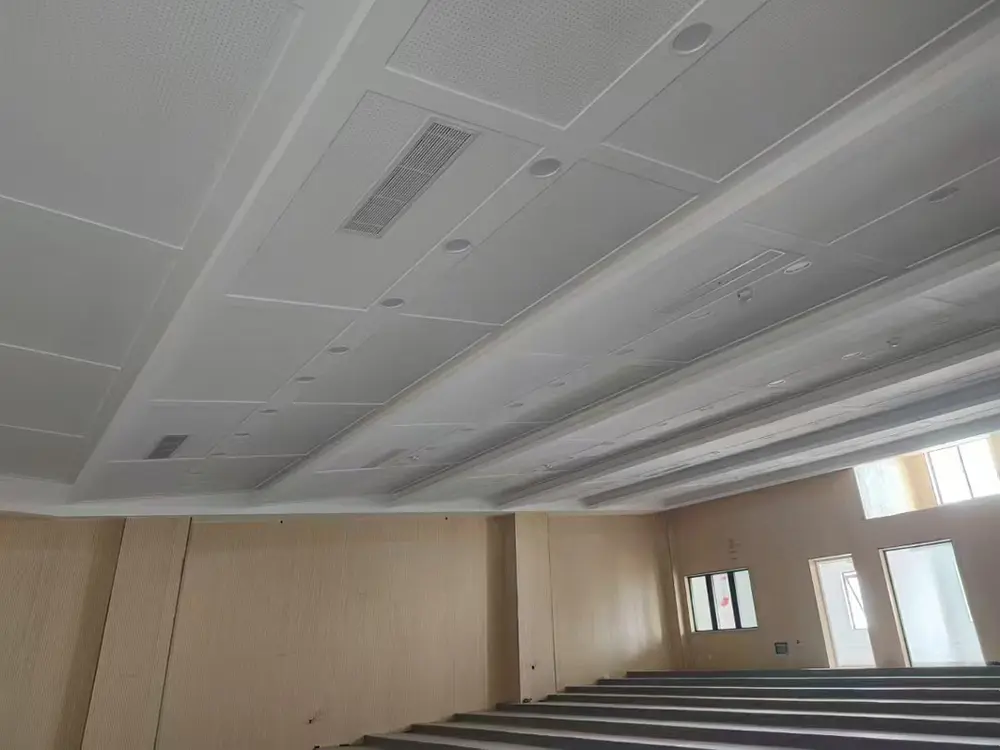 LEAO® Ceiling Board
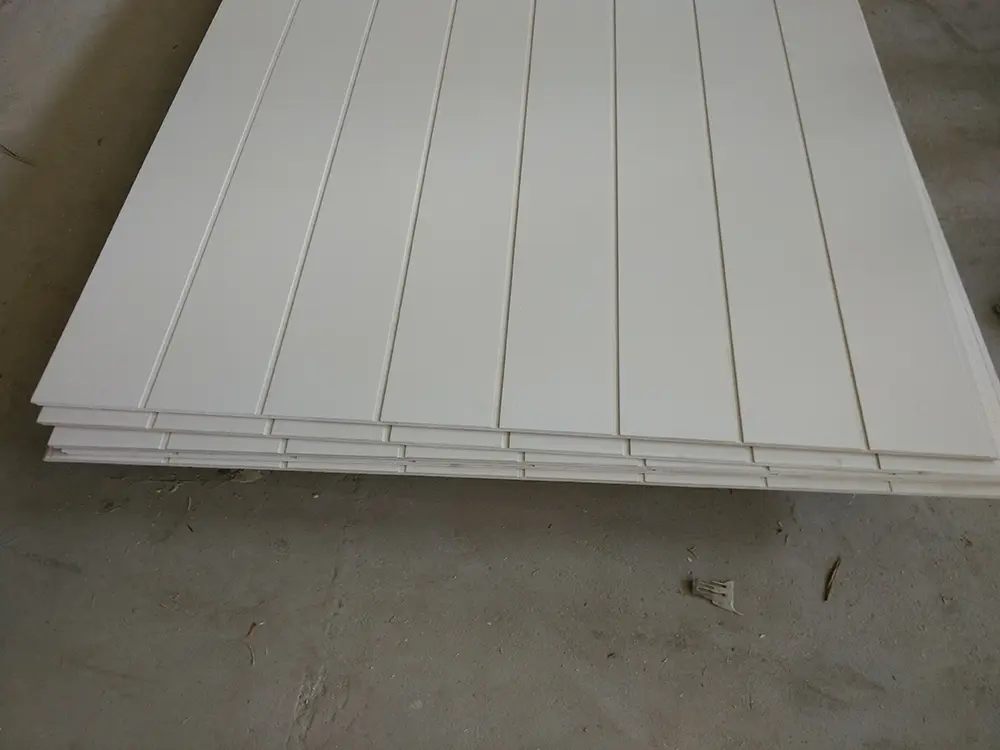 LEAO® Groove Interior Panel
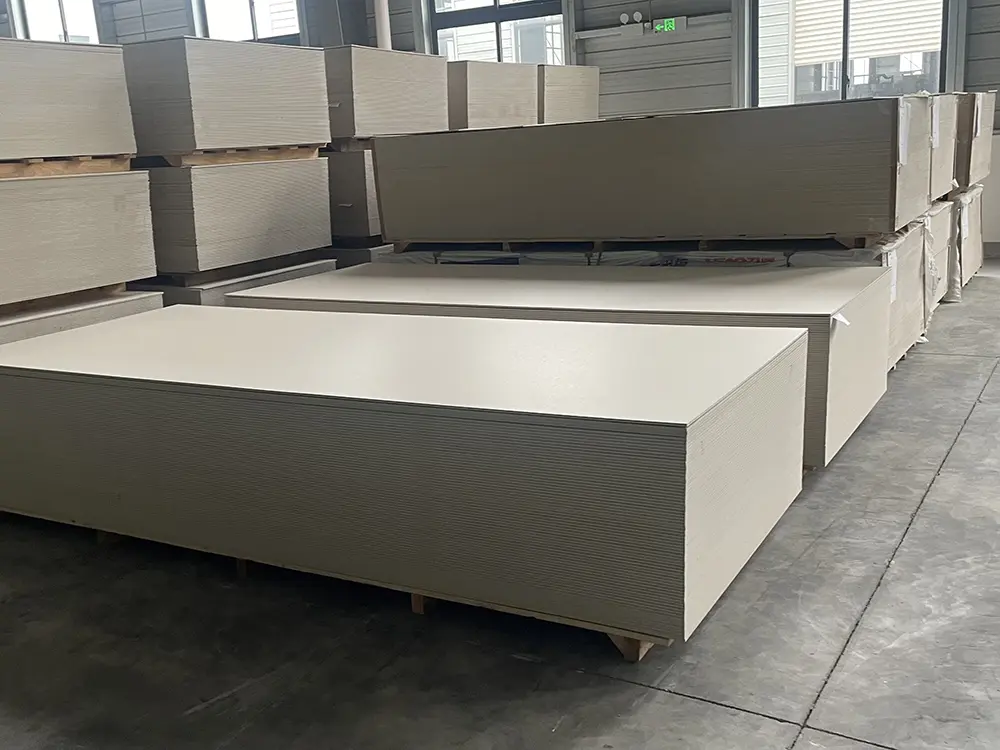 LEAO® Interior Board
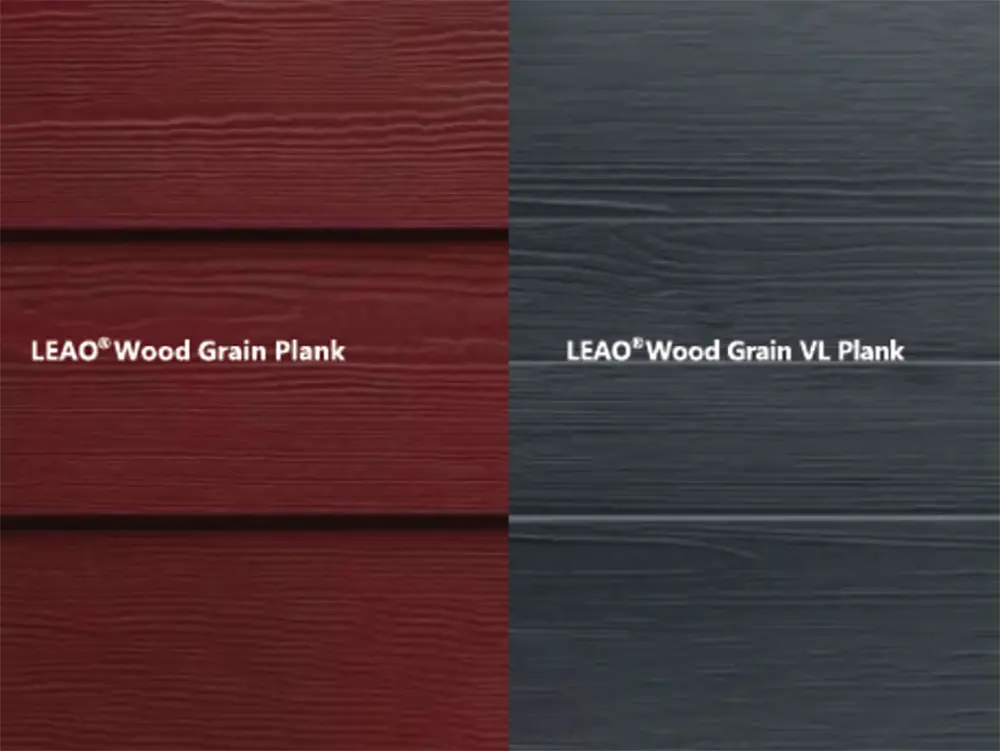 LEAO® Wood Grain Plank
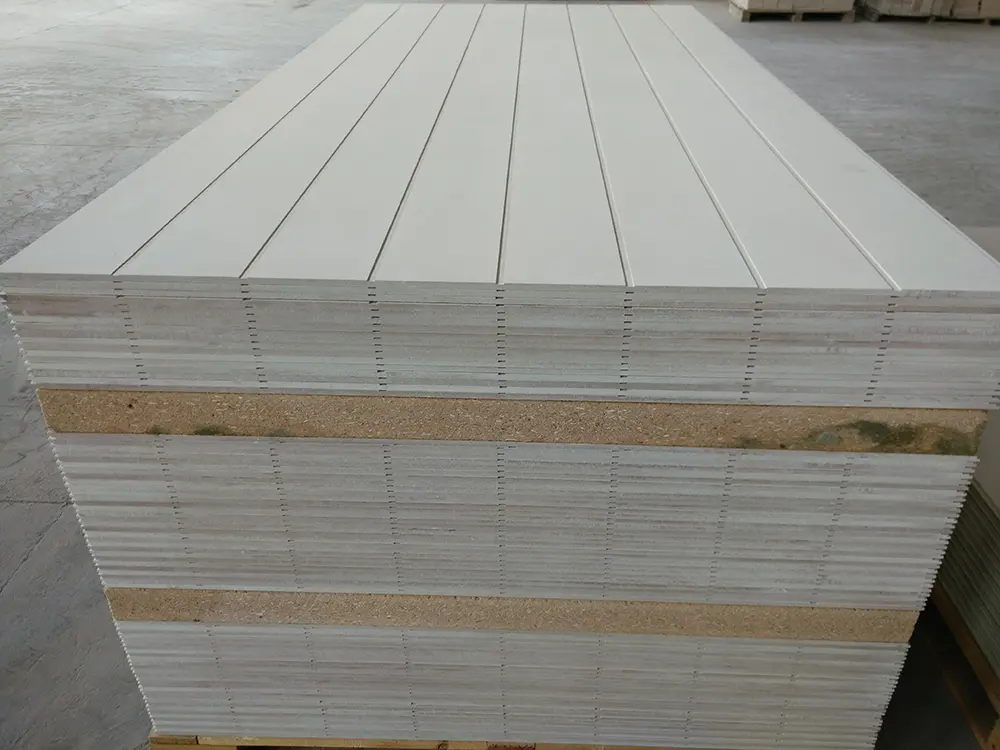 LEAO® Grooved Exterior Panel
 LEAO® Weatherboard
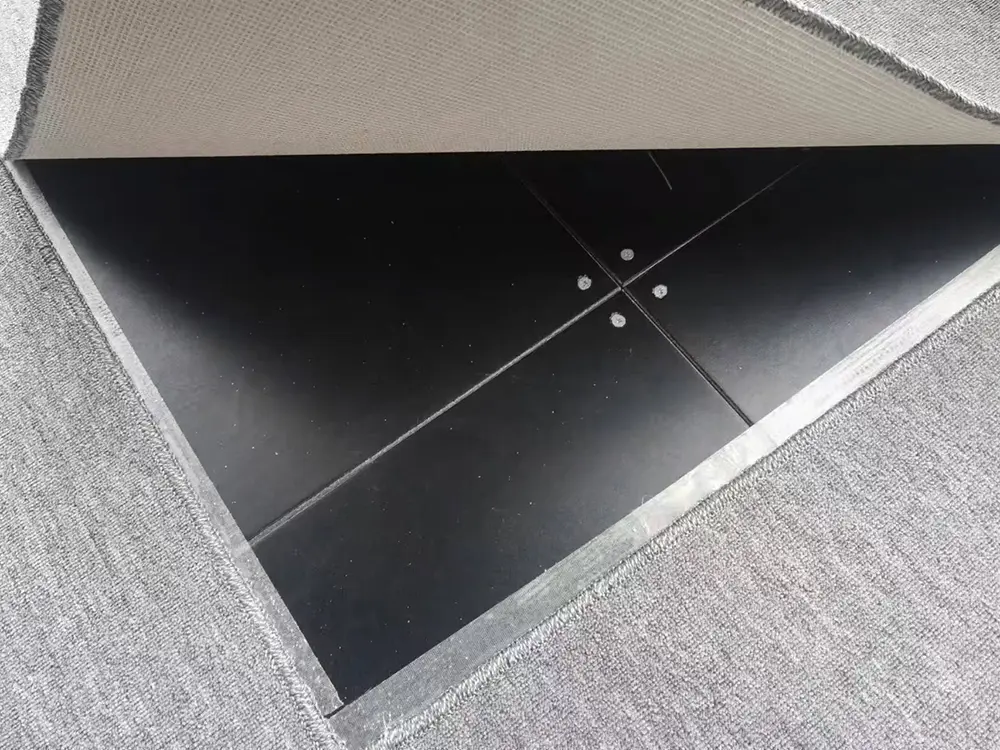 LEAO® Access Floors
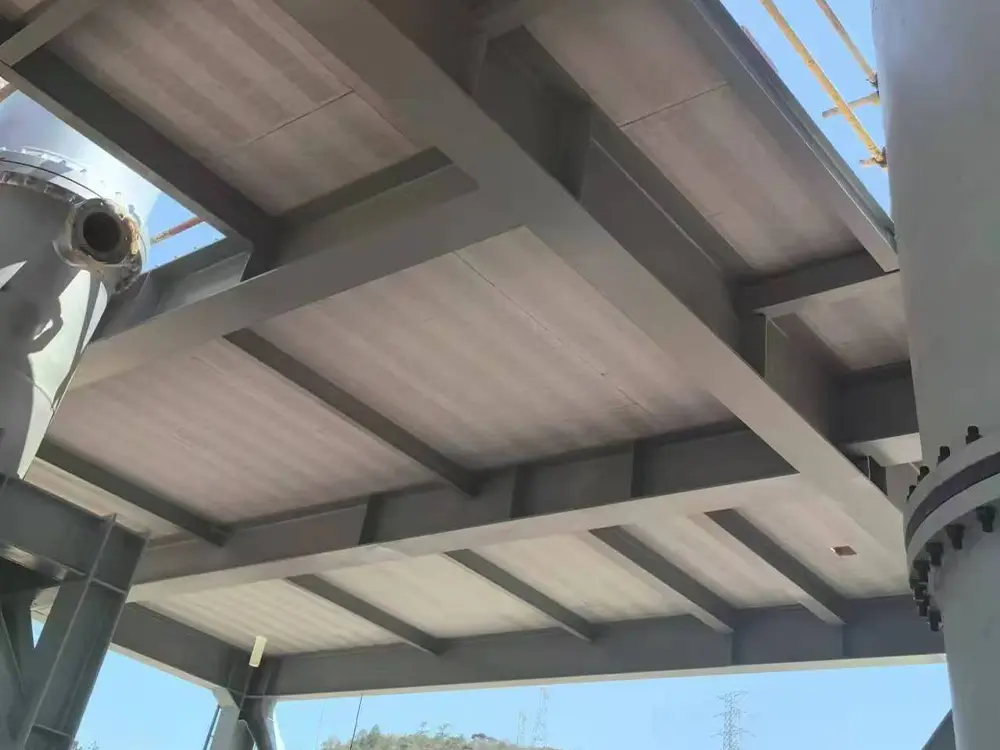 LEAO® Non-removable Formwork
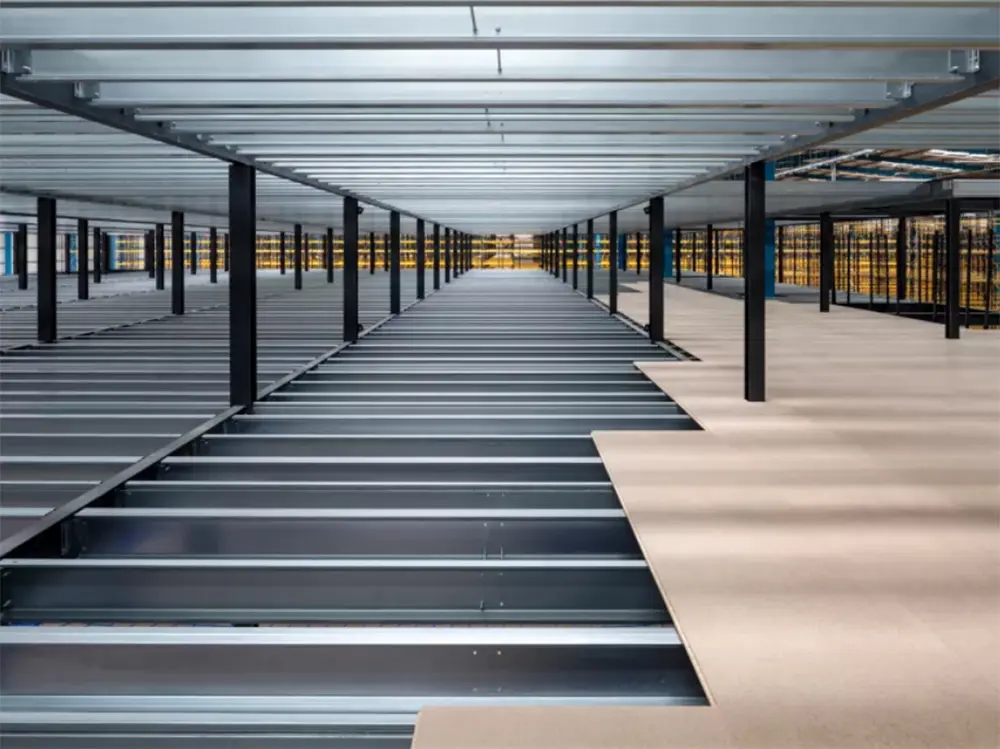 LEAO® Mezzanine Board
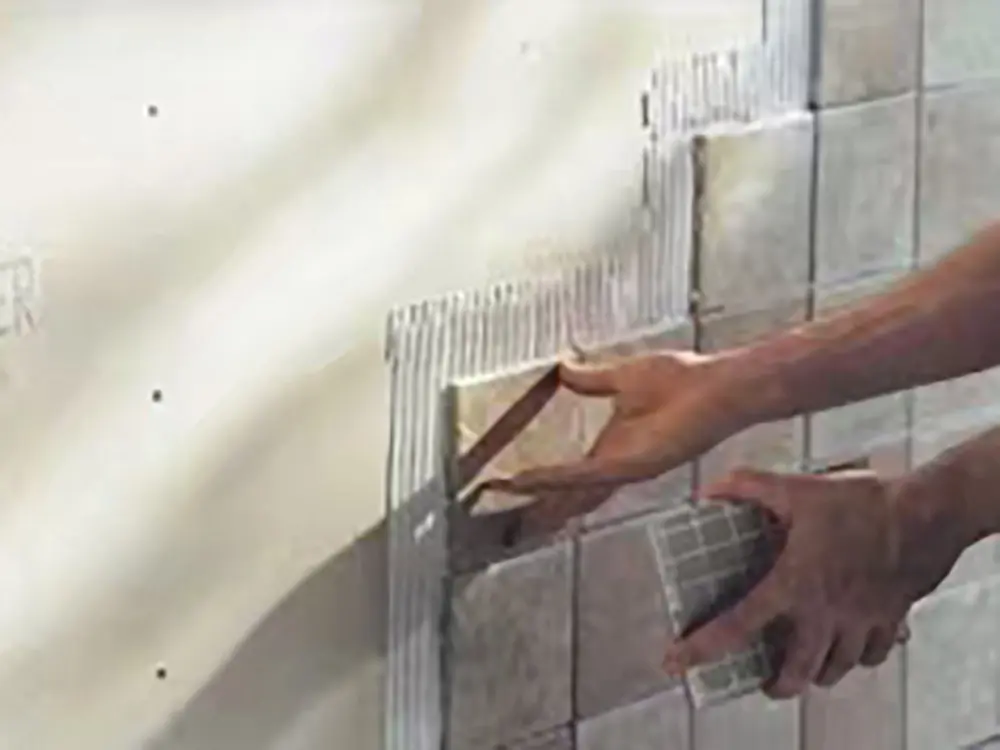 LEAO® Ceramic Tile Underlay
 LEAO® Floor Plank
 LEAO® Flooring
 LEAO® Wood Style Decorative Panel
 LEAO® Stone Style Decorative Panel
 LEAO® Pure Style Decorative Panel