How to Choose the Best Digital Print Board for Your Needs?
Choosing the right Digital Print Board can significantly impact your projects. There are various options available, each catering to different needs. Knowing what to look for is crucial.
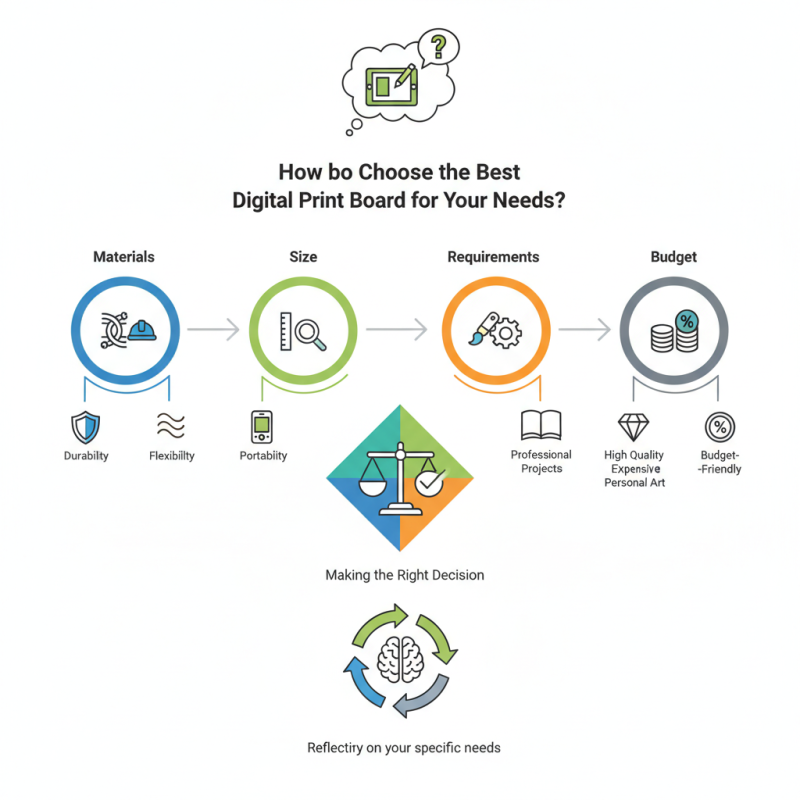
Consider the materials used. Some boards are made from more durable options, while others focus on flexibility. This impacts the quality of your prints. Think about the size too. Smaller boards are portable, but larger ones offer more space for creativity.
Reflecting on your specific requirements can help narrow down your choices. How will you use the board? Is it for professional projects or personal art? Additionally, think about your budget. Some boards may be expensive but offer great quality. Others are budget-friendly, yet they might lack in performance. Balancing these factors is essential for making the right decision.
Understanding Your Printing Needs and Objectives
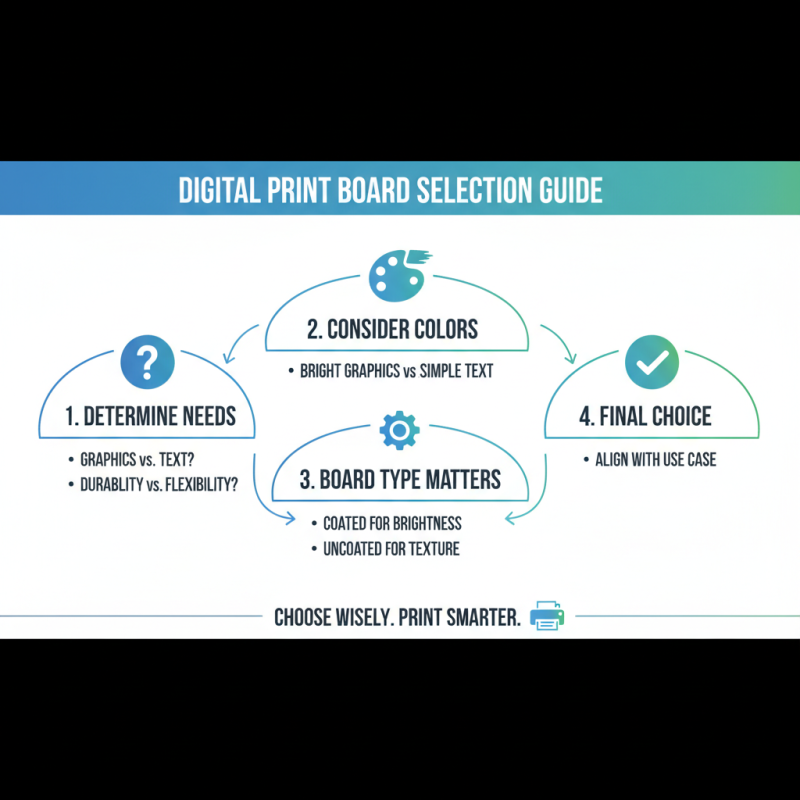
When choosing a digital print board, it’s essential to understand your specific needs. Are you printing graphics or text? Do you need durability or flexibility? These questions shape your choice. Think about the colors you want. Bright graphics might require a different type of board than simple text designs.
Tip: Always consider the medium. Some boards work better with certain inks. Test a few options to see how they hold up. This can save you time and resources in the long run.
Budget matters too. High-quality boards are pricey, but cheaper options may compromise quality. Reflect on your printing objectives. Will you use this board for professional displays or personal projects? Your purpose will guide your budgetary constraints.
Tip: Keep an eye on the reviews. User experiences can highlight potential issues. Sometimes what seems perfect isn't, and that feedback can be crucial. Don’t hesitate to ask others about their choices.
Types of Digital Print Boards and Their Applications
Digital print boards come in various types, each suited for different applications. Rigid boards are widely used in signage and displays. They offer durability and vibrant colors. According to a recent industry report, the demand for rigid print boards is growing steadily, with an expected growth rate of 5.6% annually through 2026. This increase is driven by their versatility in both indoor and outdoor settings. Flexible print boards, on the other hand, cater to the apparel and packaging industries. These boards are lightweight and easy to handle. A study shows that flexible print materials account for over 30% of the digital print market. Their adaptability allows for intricate designs and quick production times. However, they may not offer the longevity required for some applications, leaving businesses to consider the trade-offs. Another option is eco-friendly digital print boards that utilize sustainable materials. These boards are gaining traction due to growing environmental awareness. While they can be more expensive, the long-term benefits often outweigh the initial costs. Still, some manufacturers face challenges in sourcing materials without compromising quality. A survey found that 40% of businesses are exploring eco-friendly options, but many still hesitate due to perceived performance issues.
How to Choose the Best Digital Print Board for Your Needs? - Types of Digital Print Boards and Their Applications
| Type of Digital Print Board | Material | Thickness | Price Range | Common Applications |
| PVC Foam Board | PVC | 3mm - 10mm | $10 - $50 | Indoor signage, displays |
| Acrylic Board | Acrylic | 2mm - 25mm | $20 - $100 | Retail displays, awards |
| Aluminum Composite Panel | Aluminum + Plastic | 3mm - 6mm | $15 - $70 | Outdoor signage, building facades |
| MDF Board | Medium-Density Fiberboard | 3mm - 25mm | $5 - $30 | Interior displays, furniture |
| Corrugated Plastic Board | Polypropylene | 4mm - 10mm | $10 - $40 | Political signs, temporary displays |
Key Features to Consider When Selecting a Digital Print Board
When selecting a digital print board, several key features stand out. Resolution plays a crucial role. Aim for at least 1200 DPI for crisp details. Research indicates that high-resolution boards produce sharper images and are preferred in various industries. Moreover, consider the color accuracy. A board with a color gamut exceeding 90% is desirable. This allows for vibrant imaging, vital for professional applications.
Another significant factor is the board’s durability. Data shows that boards constructed from high-quality materials last longer and resist wear. Many users overlook the importance of substrate compatibility. Ensuring that your chosen print board works with your preferred inks can save time and frustration. This compatibility can often determine the quality of the finished product, impacting overall satisfaction.
Moreover, think about the board’s size options and print area. Larger boards provide flexibility for different projects. However, they may require more space and specific equipment. Some creatives find this challenging, yet it forces a reflection on the workspace's organization and efficiency. Ultimately, weighing these features carefully leads to a more successful choice.
Evaluating Quality and Performance of Digital Print Boards
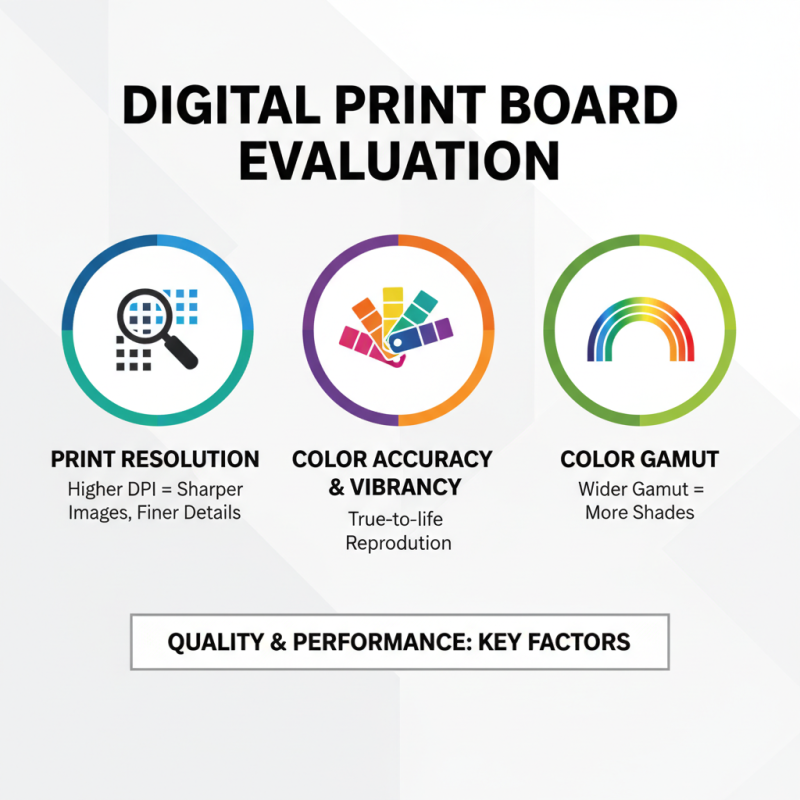
When evaluating digital print boards, quality and performance are key factors to consider. Start by examining the print resolution. A higher resolution offers sharper images and finer details. How well a board handles color can make a difference too. Look for boards that provide accurate and vibrant color reproduction. It's crucial to check the color gamut. The wider the gamut, the better the board can represent various shades.
Durability matters in digital print boards. Boards can take a beating, especially in commercial settings. Assess their resistance to scratches, moisture, and UV exposure. This can significantly extend the lifespan of your prints. Additionally, consider the substrate material. Some materials may not hold ink as well or could warp over time.
User reviews can provide insights into real-world performance. Feedback often highlights both strengths and weaknesses. Be cautious of claims that seem too good to be true. It's wise to seek boards that have been tested in similar environments as yours. Ultimately, weighing these factors can lead to more informed decisions in your digital printing journey.
Budget Considerations and Long-term Cost of Ownership
When selecting a digital print board, budget considerations are crucial. Many businesses overlook long-term costs associated with these devices. Initial purchase costs may seem low, but maintenance can add up. According to a recent industry report, nearly 30% of total printing costs stem from maintenance and consumables. Smart investment requires evaluating both upfront and ongoing expenses. Another factor is durability and lifespan. A good digital print board may come with a higher price tag, but it can save money long-term. Studies show that boards with better build quality often last 5-10 years longer. For instance, boards that require fewer repairs and have lower replacement parts frequency can reduce annual costs significantly. Quality often trumps price when considering how long the board will serve your needs. It's also important to consider operational efficiency. Boards with advanced features might have a steeper initial cost but can enhance productivity. A report noted that businesses using high-efficiency printers often see a 20% increase in production speed. However, this means weighing the immediate budget against potential gains in productivity and reduced downtime. Balancing initial investment with long-term benefits can be challenging but is essential for strategic planning.
Comparison of Digital Print Boards: Budget and Long-term Cost of Ownership

 LEAO®Deco Ceiling
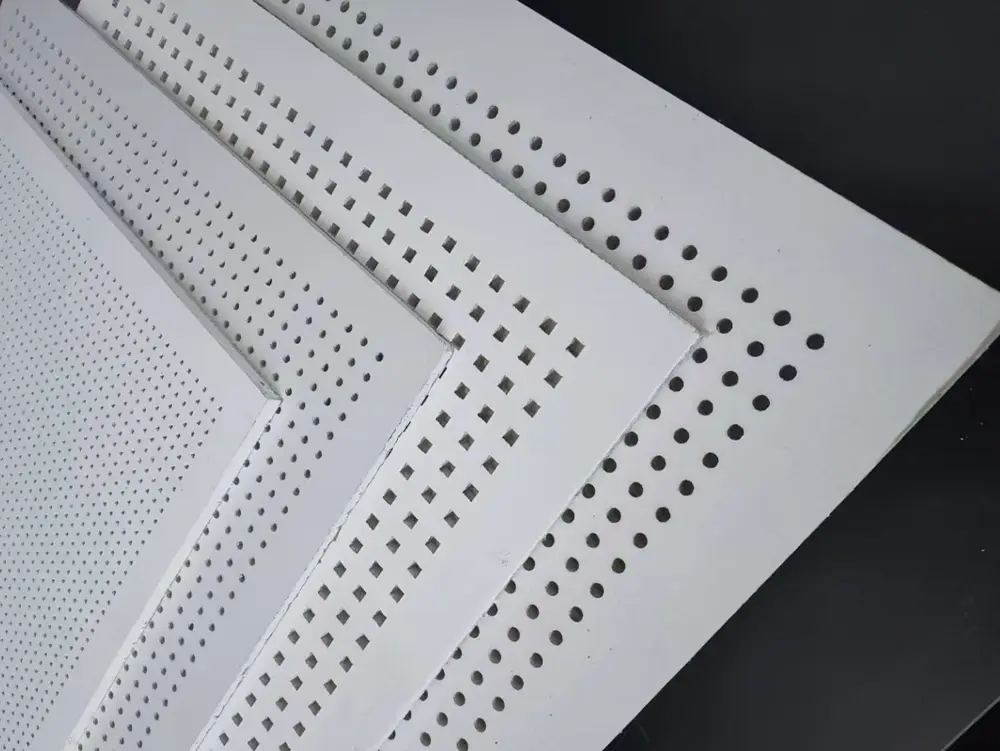 LEAO® Perforated Ceiling
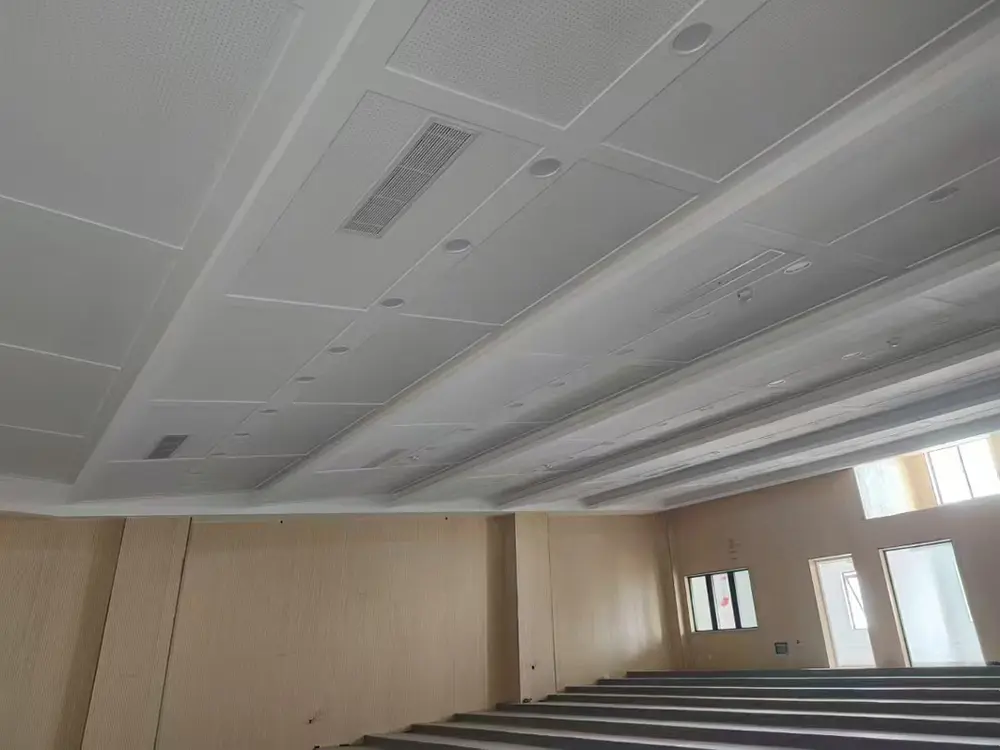 LEAO® Ceiling Board
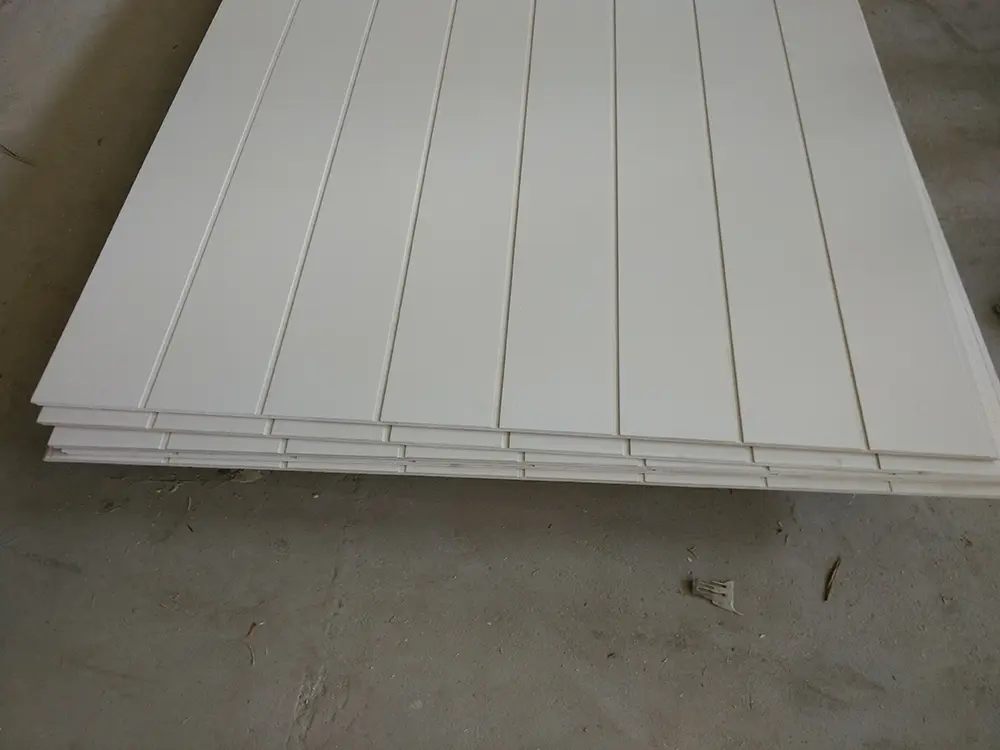 LEAO® Groove Interior Panel
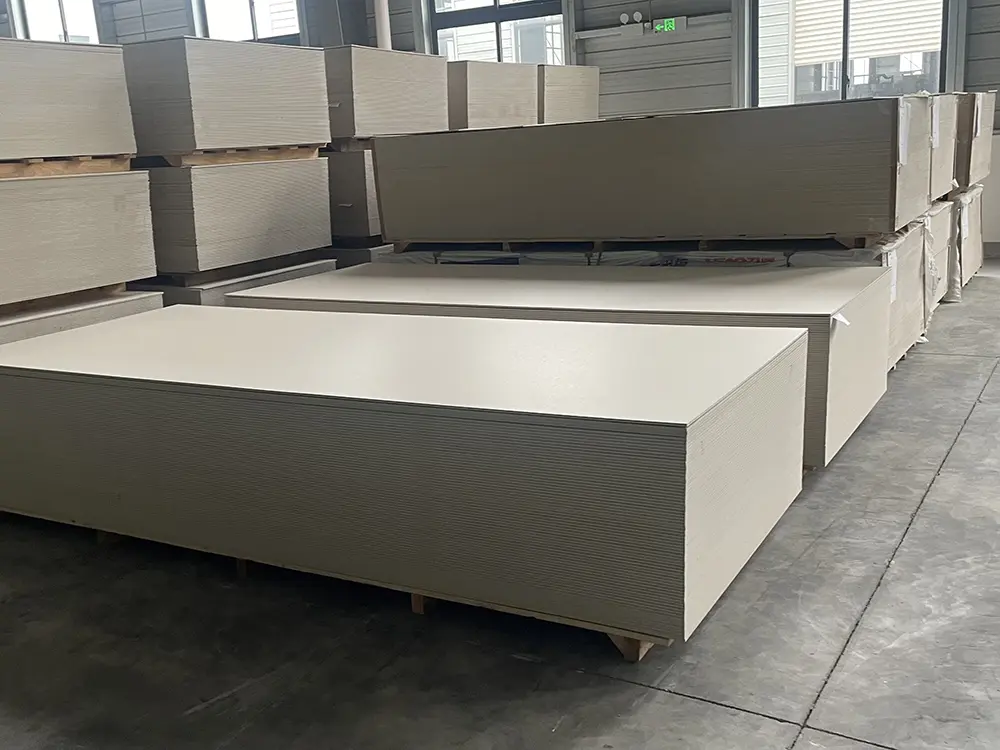 LEAO® Interior Board
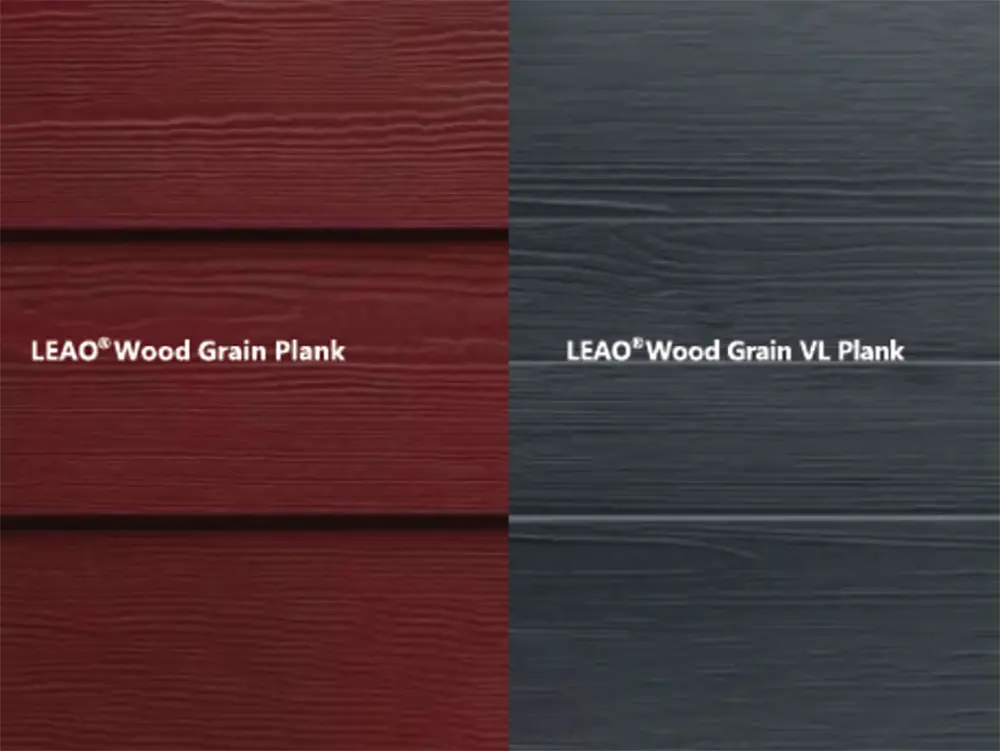 LEAO® Wood Grain Plank
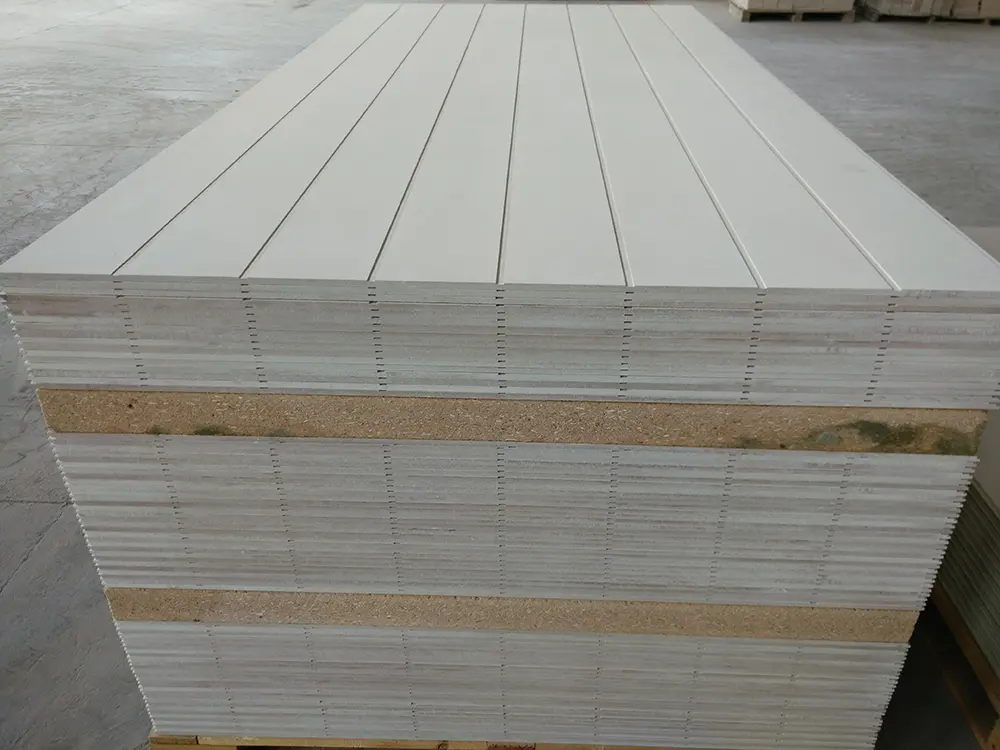 LEAO® Grooved Exterior Panel
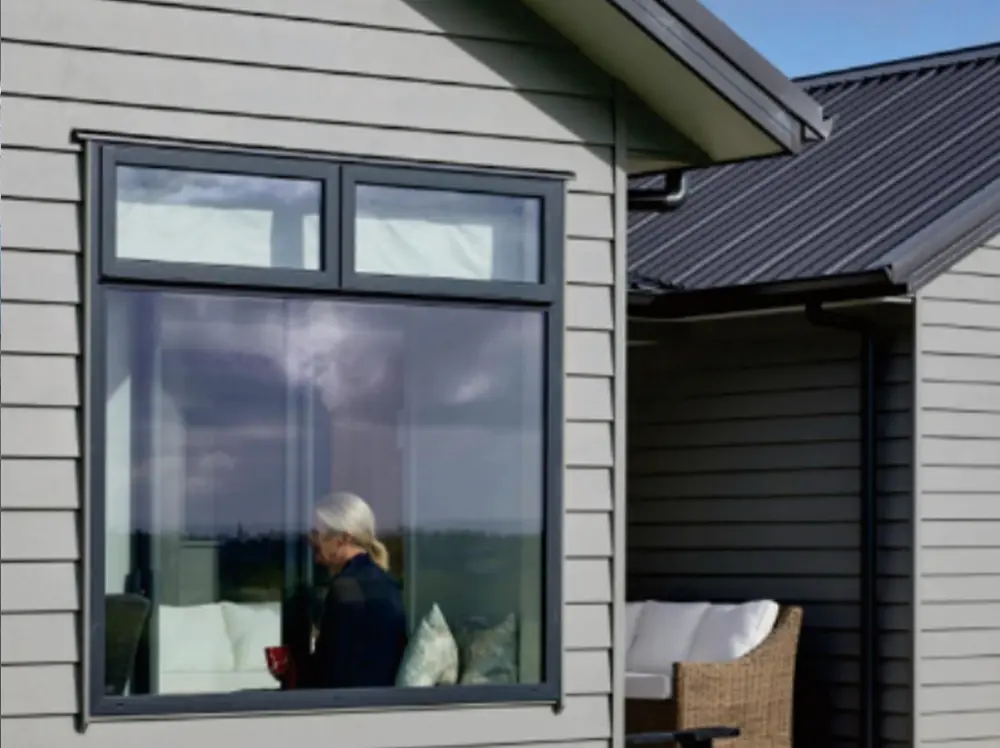 LEAO® Weatherboard
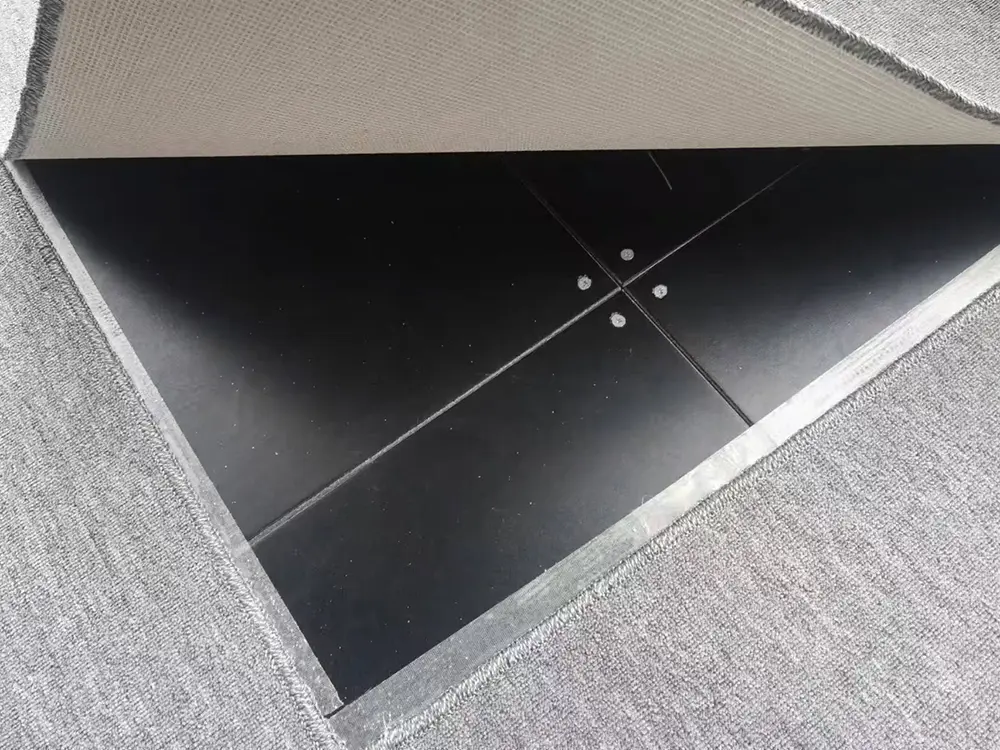 LEAO® Access Floors
 LEAO® Non-removable Formwork
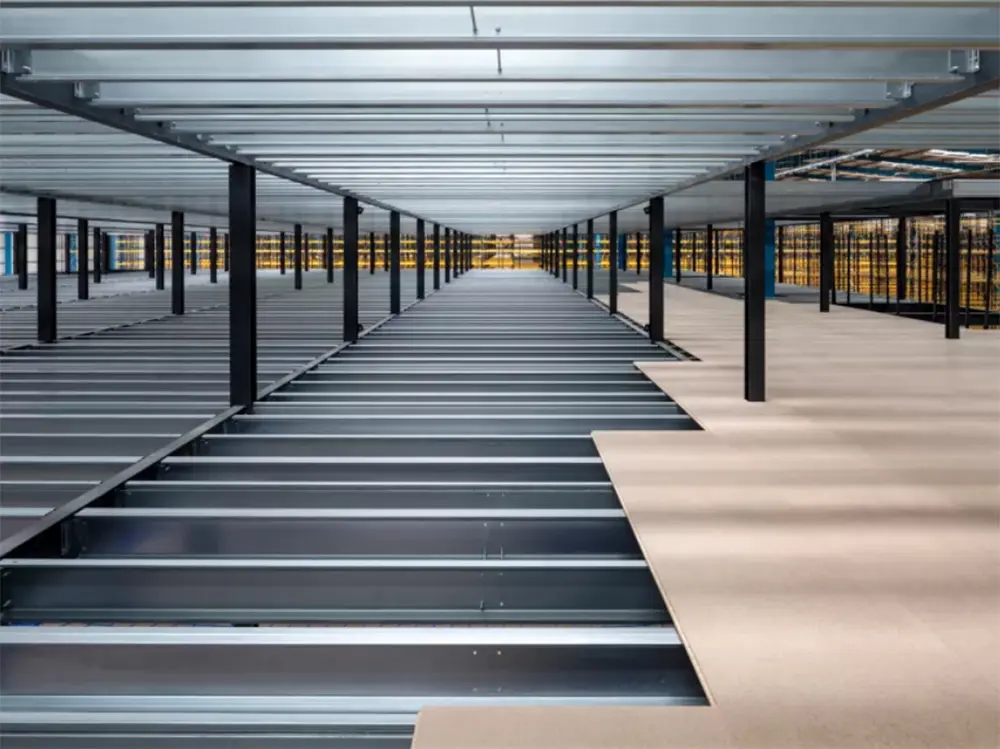 LEAO® Mezzanine Board
 LEAO® Ceramic Tile Underlay
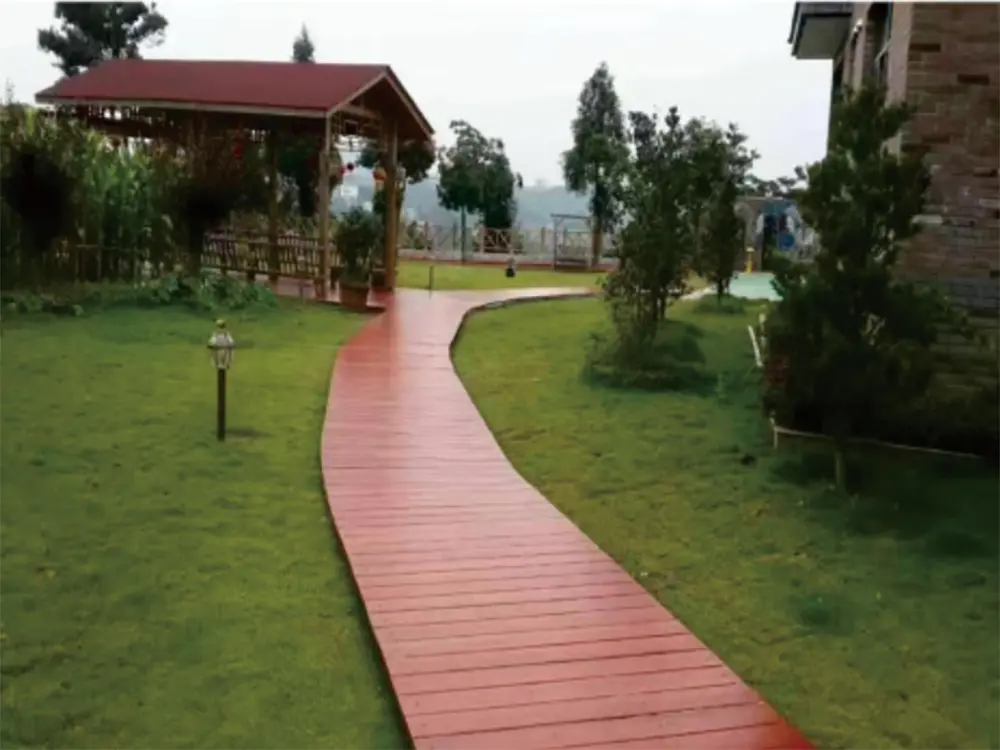 LEAO® Floor Plank
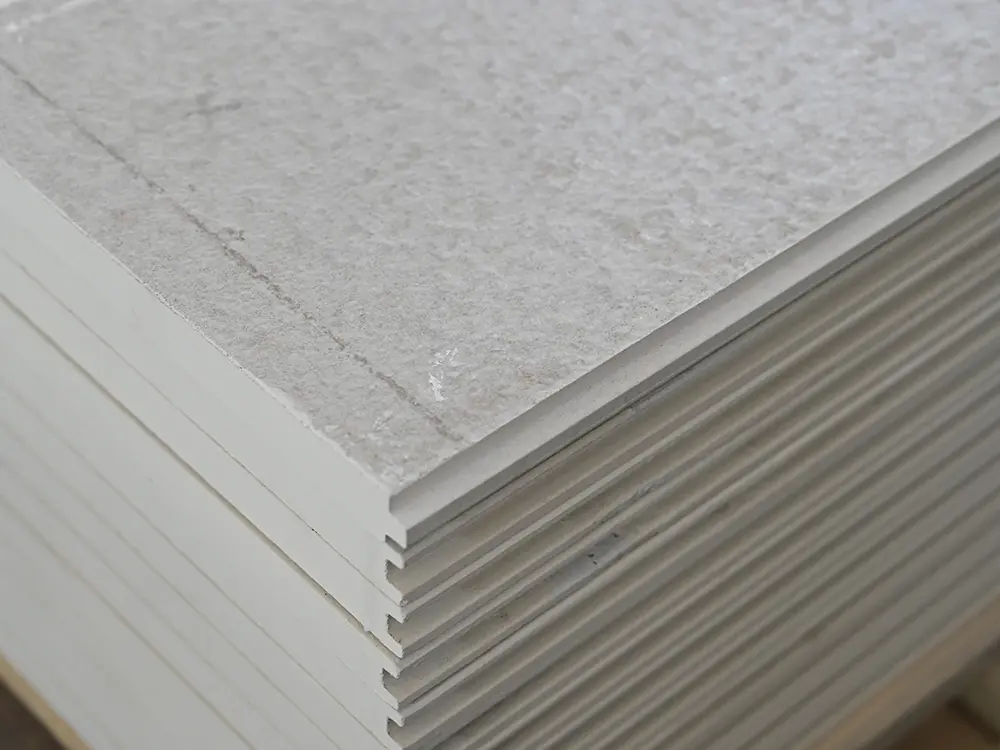 LEAO® Flooring
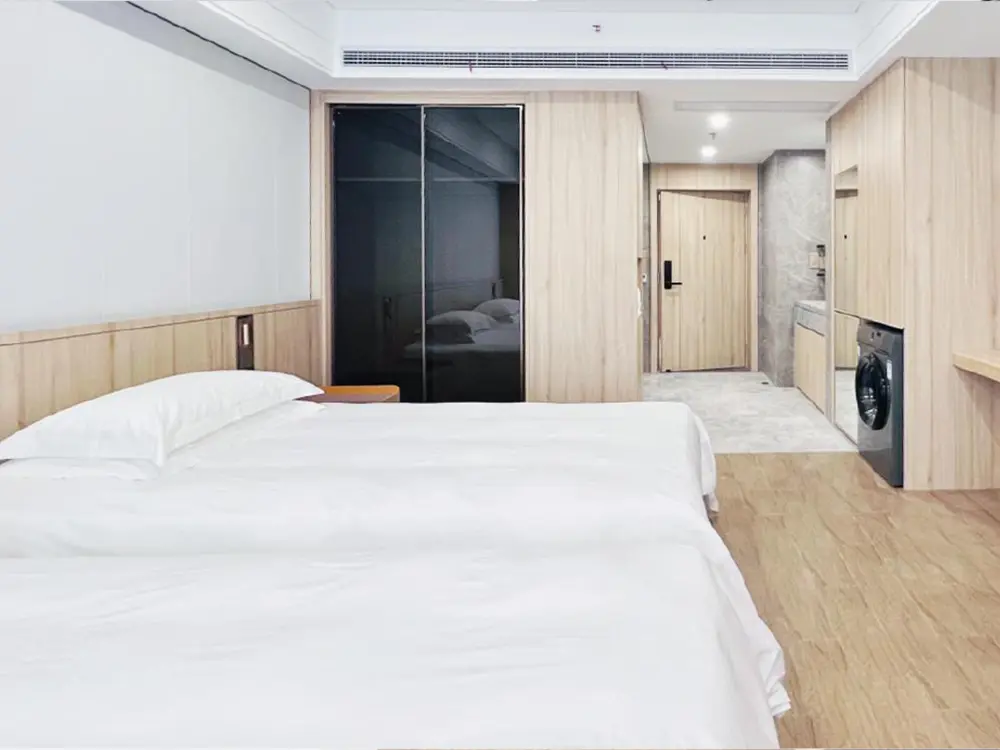 LEAO® Wood Style Decorative Panel
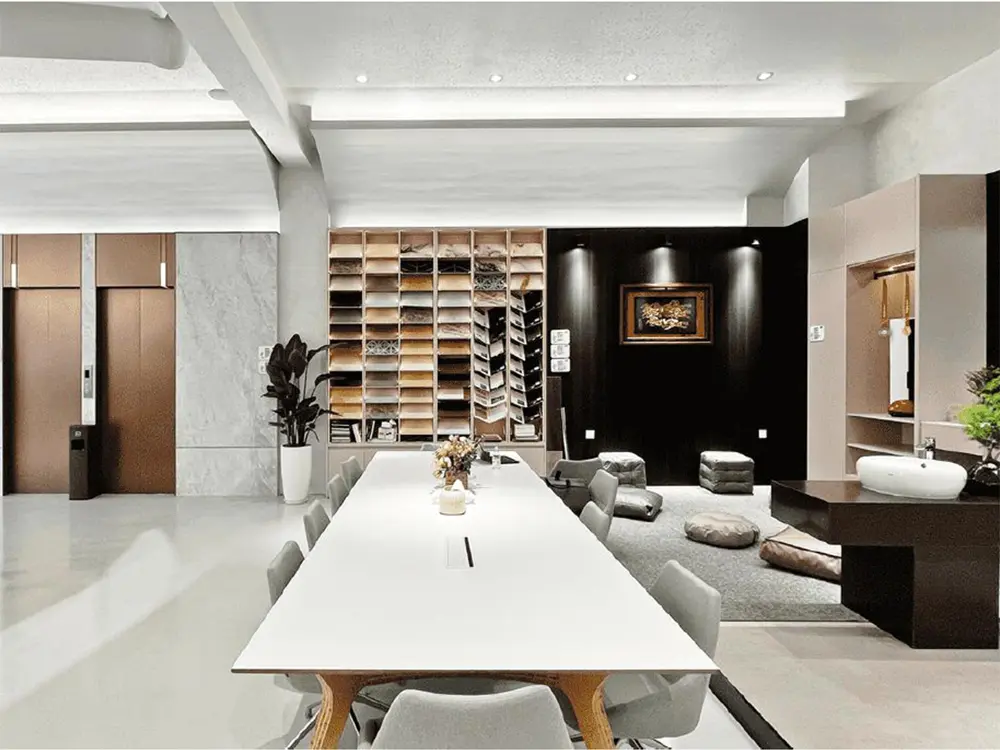 LEAO® Stone Style Decorative Panel
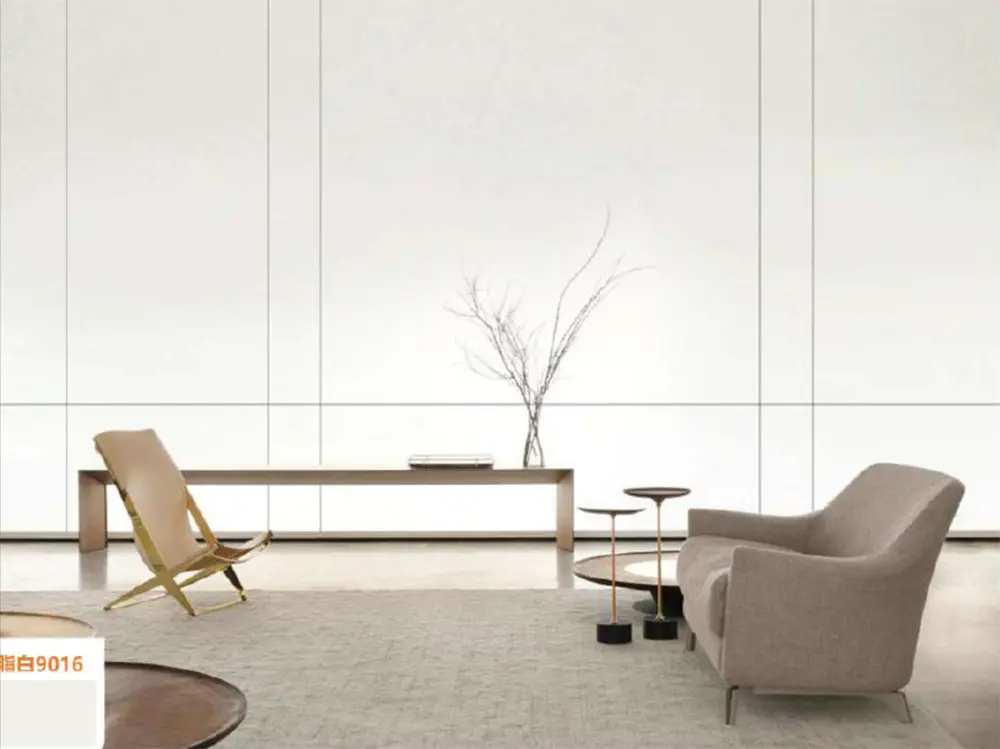 LEAO® Pure Style Decorative Panel