How to Choose Fiber Cement Façade at the 2026 Canton Fair?
Choosing the right Fiber Cement Façade is crucial for any construction project. At the 2026 Canton Fair, industry expert Dr. Alex Harrison said, "Quality and innovation in Fiber Cement Façade can transform buildings." This highlights the importance of understanding materials and suppliers.
As the fair approaches, attendees will experience advanced technologies like AI-driven search tools. These innovations allow buyers to filter suppliers with certifications like ISO and CE efficiently. This streamlines the selection process significantly, making it easier to find high-quality Fiber Cement Façade options.
However, even with these advancements, challenges remain. Many buyers might still struggle to assess material quality thoroughly. Moreover, the vast size of the fair—over 1.55 million square meters—can be overwhelming. Reflecting on previous experiences, it’s clear that careful planning is essential to navigate the complex landscape of Fiber Cement Façade choices.
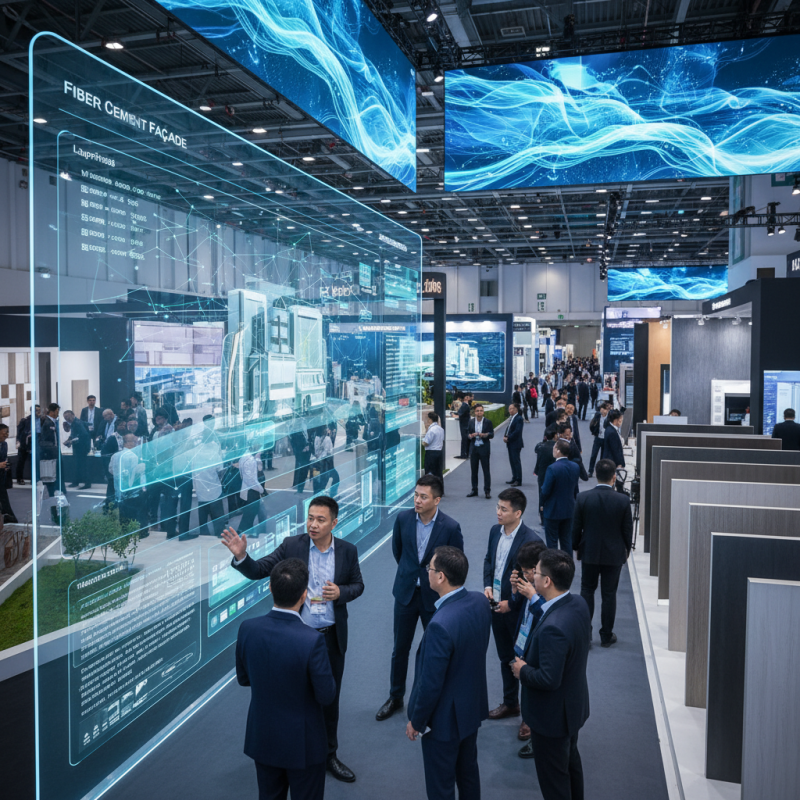
Factors to Consider When Selecting Fiber Cement Façade Materials
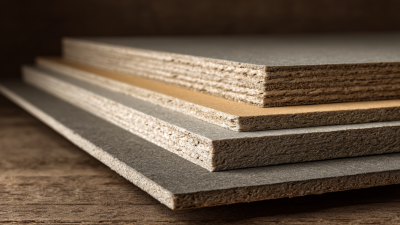
When selecting fiber cement façade materials at the 2026 Canton Fair, several factors come into play. One crucial aspect is durability. Choose a material that can withstand harsh weather conditions. Fiber cement is often praised for its resistance to moisture and pests. However, not all products are created equal. Look for options with a proven track record.
Another consideration is aesthetics. The façade should enhance the building’s overall look. Various textures and colors are available. It's important to visualize how these choices affect the building's character. Take samples to compare and find the best match.
Cost is also vital. Balance your budget with quality. Sometimes, cheaper options may lead to more expense later due to repairs. Researching different suppliers can reveal discrepancies in pricing. Visit booths and ask questions. Each discussion helps clarify options, even if some answers may be less satisfying than expected.
Comparing Different Types of Fiber Cement Façade Products
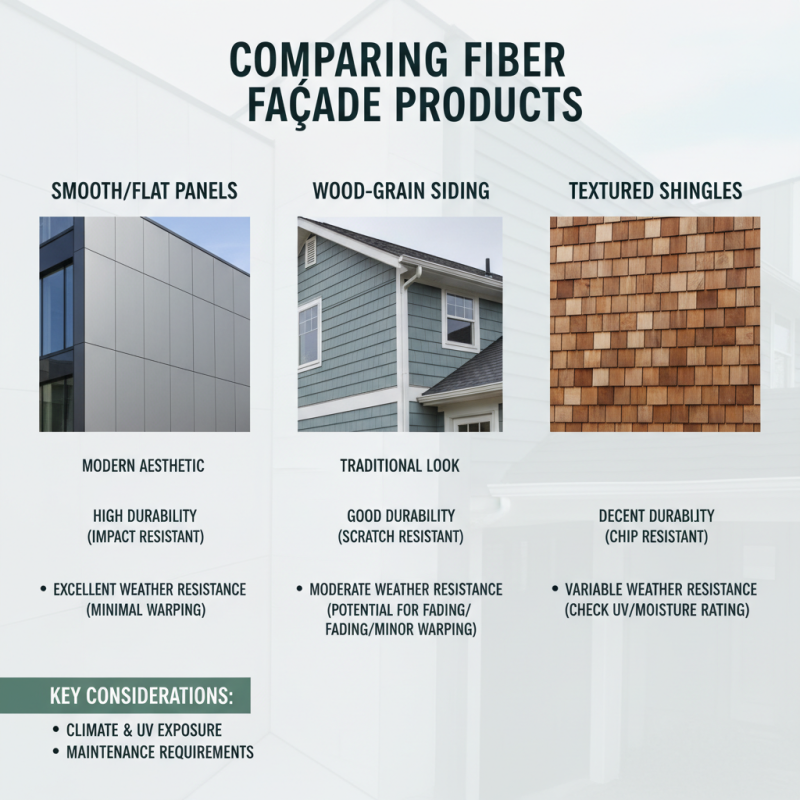
When choosing fiber cement façade products, it’s essential to compare available options. Different types have unique characteristics. Some are designed for durability, while others offer aesthetic appeal. Consider how each type holds up against weather elements. Certain styles might warp or degrade over time, which is a concern.
Thickness matters significantly in fiber cement façades. Thicker panels tend to provide better insulation. However, they can be heavier and harder to install. Some lighter options can be more cost-effective but might not offer the same longevity. It's important to weigh these factors carefully.
Textured finishes can also influence your choice. Some surfaces are smooth and easy to clean. Others have a rough texture that can attract dirt. Remember, ease of maintenance can affect long-term satisfaction. Take time to reflect on what features are most important for your project. Understanding these nuances will guide you in making a thoughtful decision.
Evaluating Durability and Maintenance Requirements of Fiber Cement
When choosing a fiber cement façade at the 2026 Canton Fair, durability and maintenance are crucial. Fiber cement typically lasts over 50 years with proper care. This longevity can make it cost-effective. However, not all products are created equal. A recent industry report indicated that certain fiber cement boards can warp or crack under extreme weather conditions. It’s essential to examine performance ratings and testing results when assessing durability.
Maintenance requirements can vary significantly. While fiber cement is generally low-maintenance, its surface may require periodic cleaning. A study from a building materials association revealed that 25% of homeowners reported paint peeling on their façades within seven years. This could lead to additional maintenance costs. Choosing high-quality finishes can mitigate such issues but may come at a higher upfront cost.
Inspecting warranty specifics is also vital. Many fiber cement products have warranties that only cover defects, not performance under climatic stress. An insightful observation reveals that not all suppliers provide clear information regarding maintenance protocols. Inadequate knowledge can lead to more significant problems down the line. Buyers should prioritize products that include comprehensive maintenance guidelines.
Durability and Maintenance Requirements of Fiber Cement Façade
Understanding Aesthetic Options and Design Flexibility in Façades
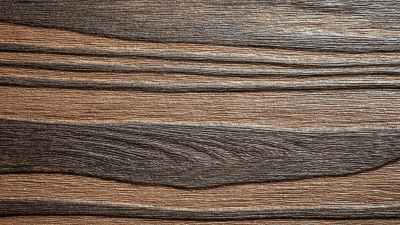
When choosing a fiber cement façade, aesthetics and design flexibility are crucial. Fiber cement offers various textures, colors, and finishes. You can mimic wood, stone, or even sleek metal. This variety allows your design to blend in or stand out, depending on your vision.
Consider these tips: match the façade style with the overall architecture. It helps create harmony. Also, keep in mind the local environment. Some colors may fade quicker in strong sunlight. Selecting maintenance-free finishes is smart. They save time and costs in the long run.
Design flexibility is a benefit of fiber cement. You can easily create unique shapes and patterns. However, remember that the installation process can be complex. It's essential to consult with professionals familiar with fiber cement. Think about the long-term implications of your choices. Test mock-ups can help visualize the outcome before finalizing your decision.
How to Choose Fiber Cement Façade at the 2026 Canton Fair? - Understanding Aesthetic Options and Design Flexibility in Façades
| Aspect |
Details |
| Material Composition |
Cement, cellulose fiber, sand, and water |
| Design Flexibility |
Available in various textures and finishes, customizable shapes |
| Aesthetic Options |
Various colors, finishes, and patterns |
| Durability |
Resistant to fire, termites, and weather conditions |
| Maintenance |
Low maintenance; requires occasional cleaning |
| Environmental Impact |
Made from sustainable resources, recyclable |
| Installation Process |
Easy to install; can be done by professionals or skilled DIYers |
Tips for Negotiating and Sourcing Fiber Cement at the Canton Fair
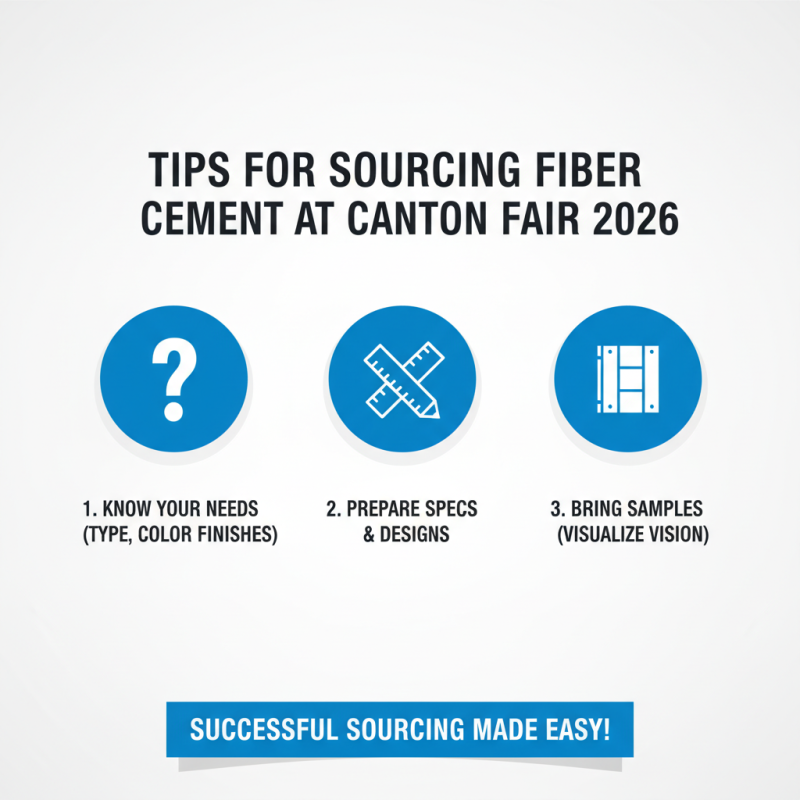
Attending the 2026 Canton Fair offers a unique opportunity to source fiber cement façades. When negotiating, it's crucial to establish a clear understanding of your needs. Know what type of fiber cement you prefer. This can range from colors to finishes. Be prepared with specifications and potential designs. Having samples helps illustrate your vision.
Negotiation can be tricky. Prices may vary significantly from one supplier to another. Don’t hesitate to ask for discounts or bulk pricing. However, be mindful of quality. Cheaper isn’t always better. Check the physical properties and ensure they meet safety standards. Take notes during discussions—small details can easily slip away.
Time management is vital. The fair is large, and many suppliers may catch your interest. Prioritize visits based on your requirements. But, try not to rush. Sometimes, taking a moment to assess a supplier's booth can lead to unexpected opportunities. Reflect on what you see and ask yourself if it aligns with your vision. Flexibility may lead you to better deals.

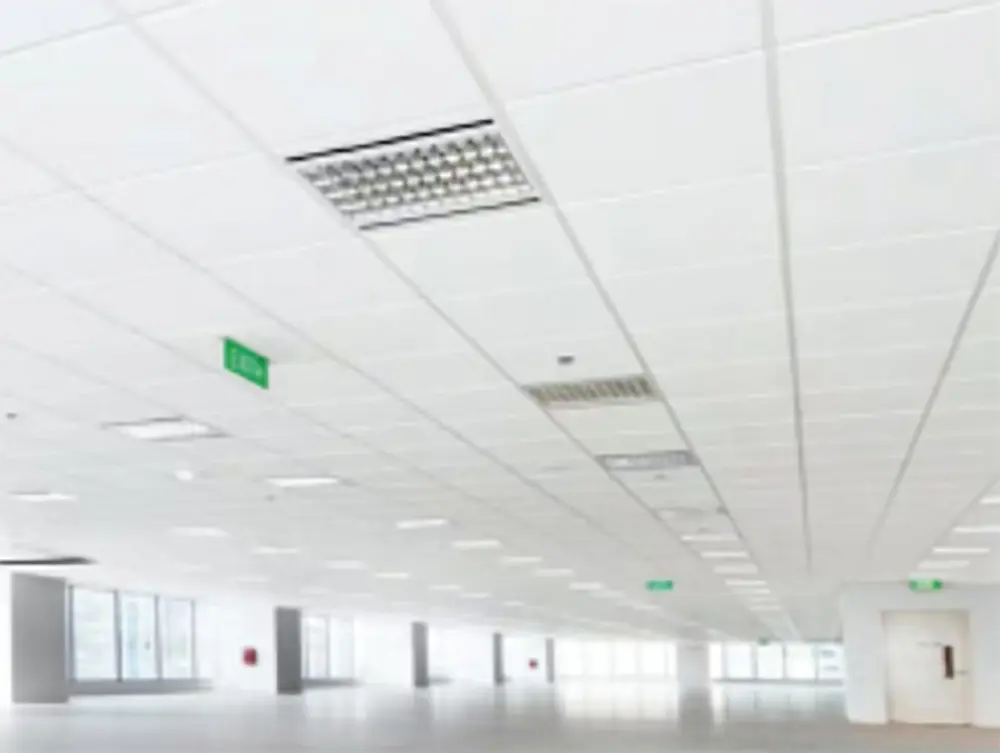 LEAO®Deco Ceiling
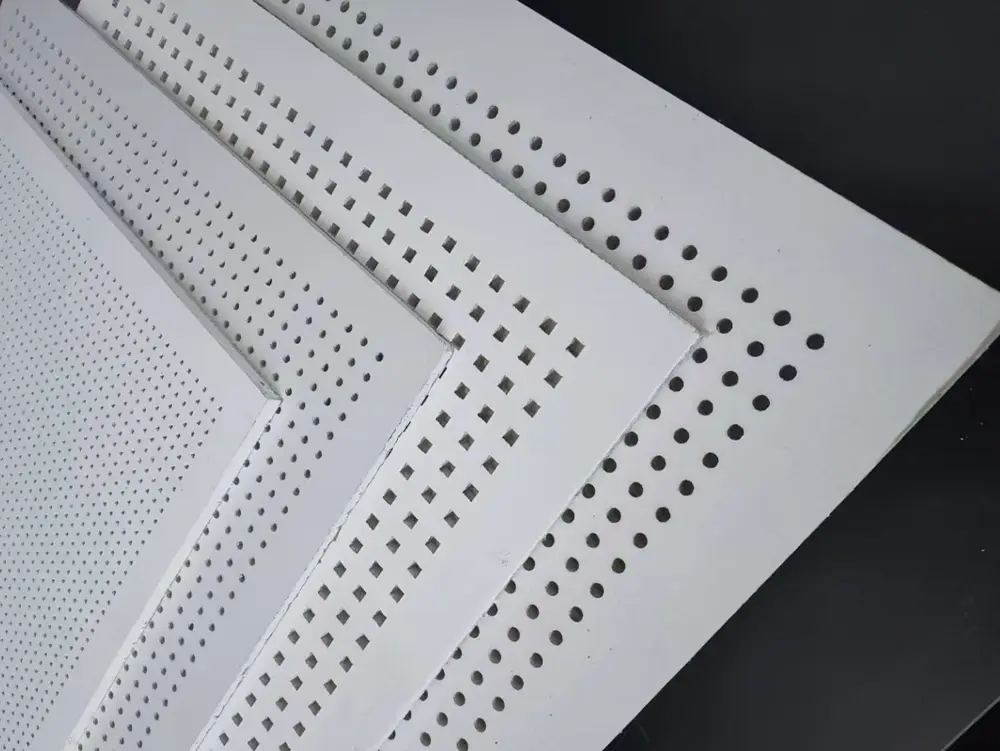 LEAO® Perforated Ceiling
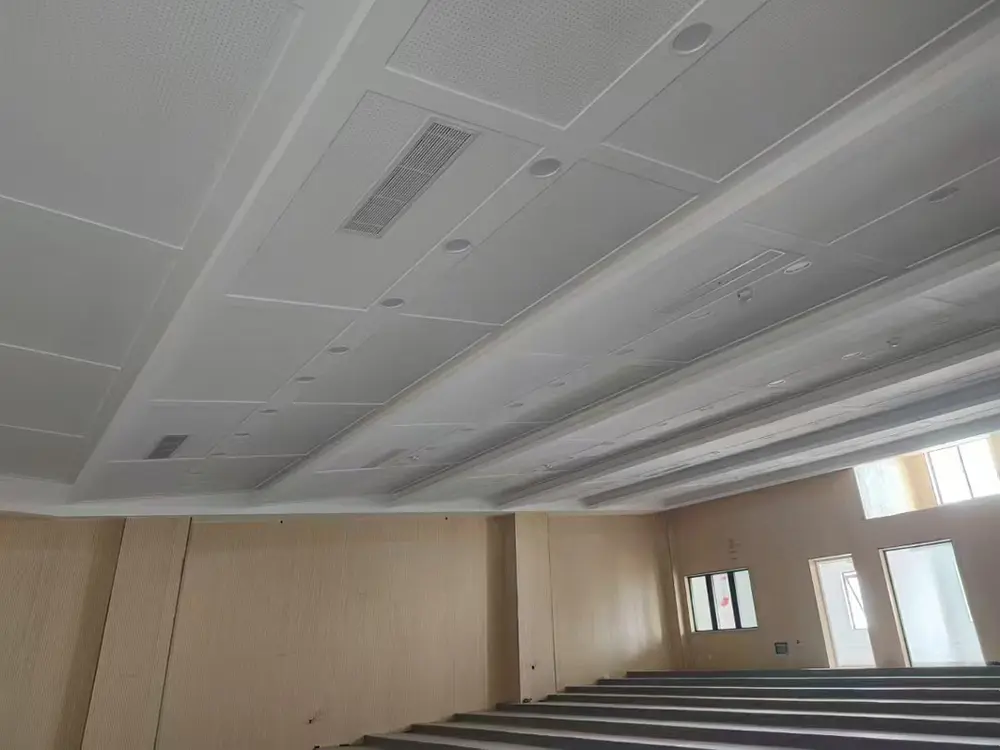 LEAO® Ceiling Board
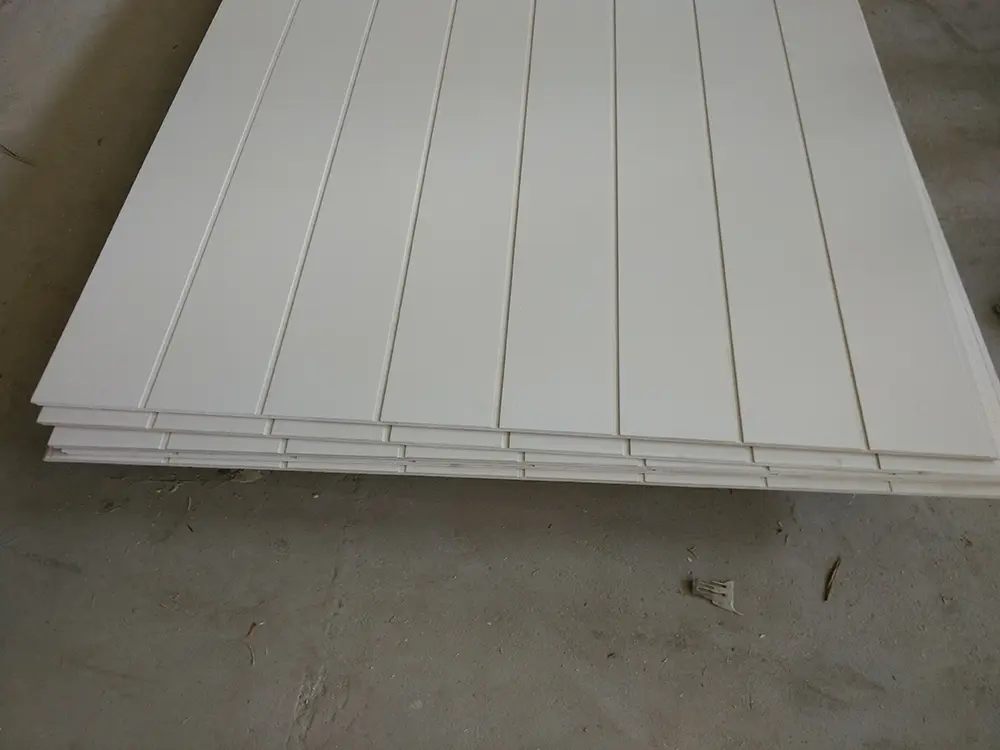 LEAO® Groove Interior Panel
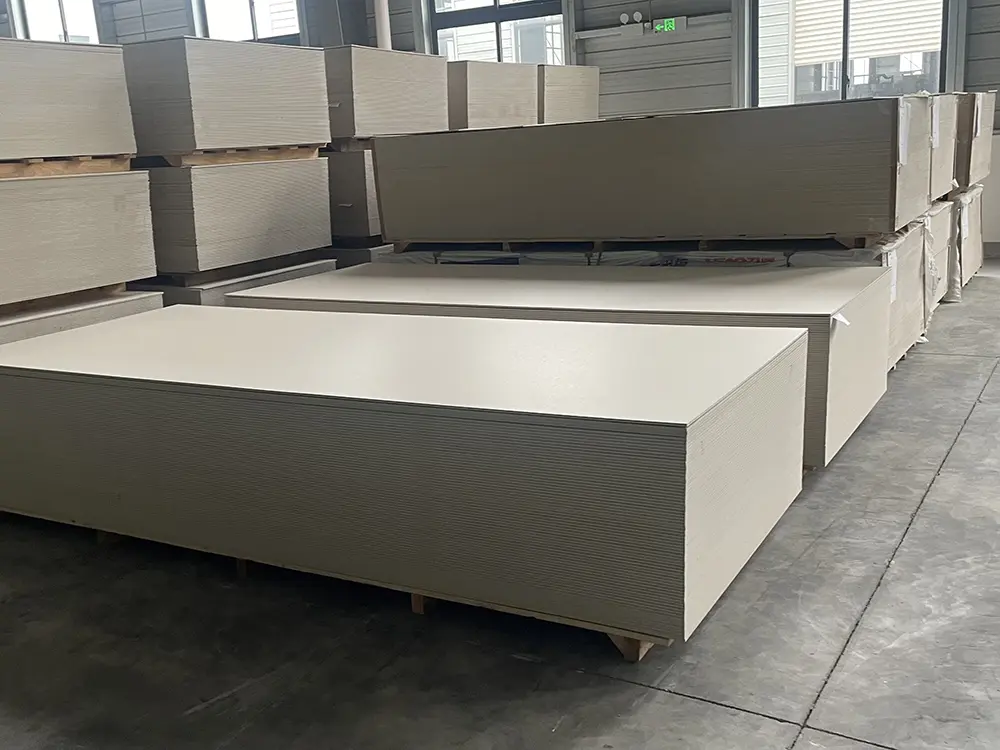 LEAO® Interior Board
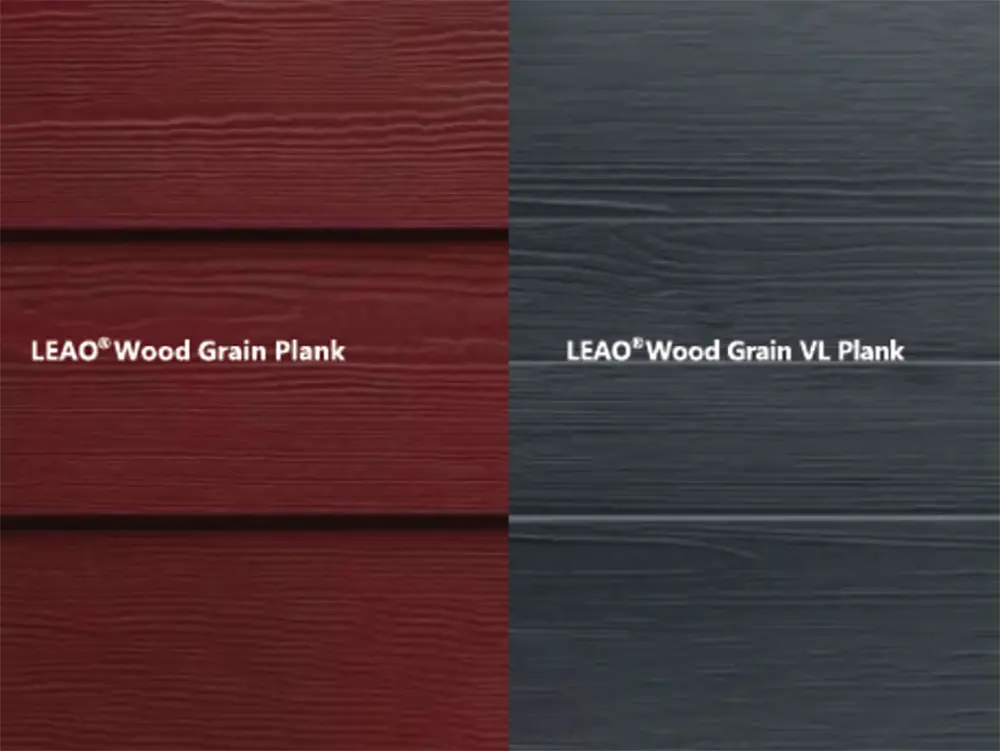 LEAO® Wood Grain Plank
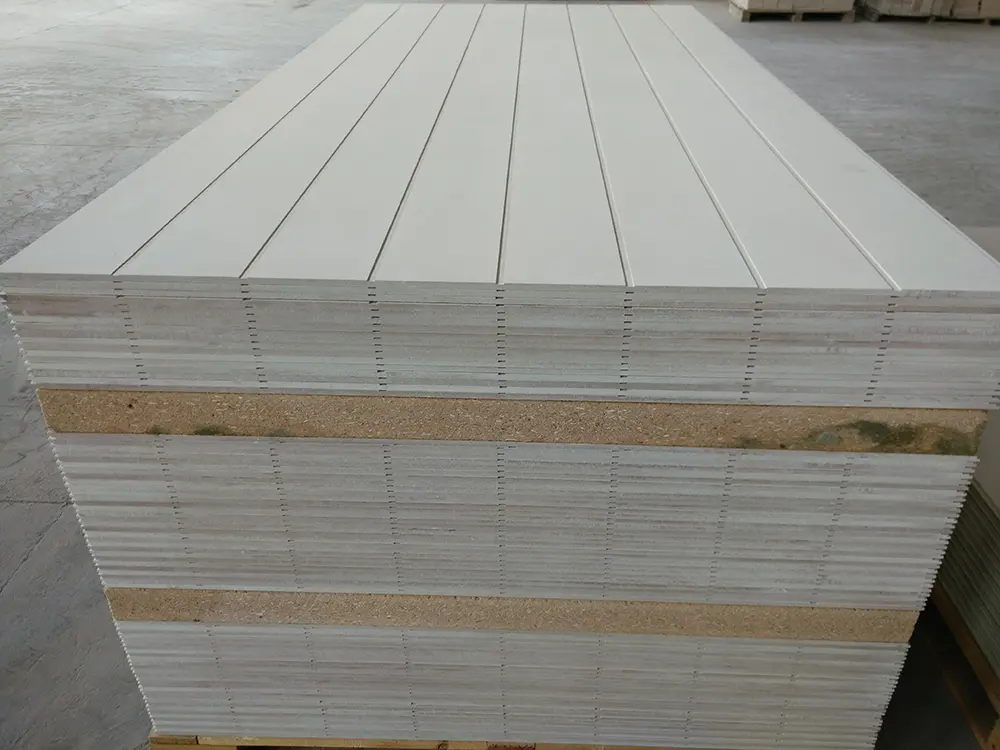 LEAO® Grooved Exterior Panel
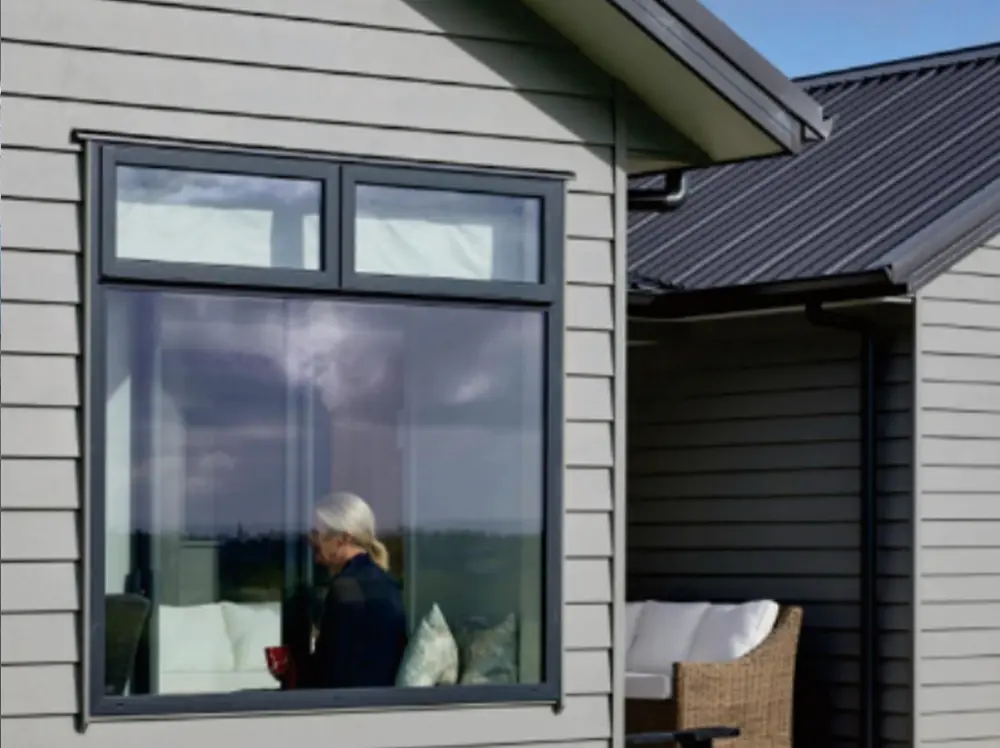 LEAO® Weatherboard
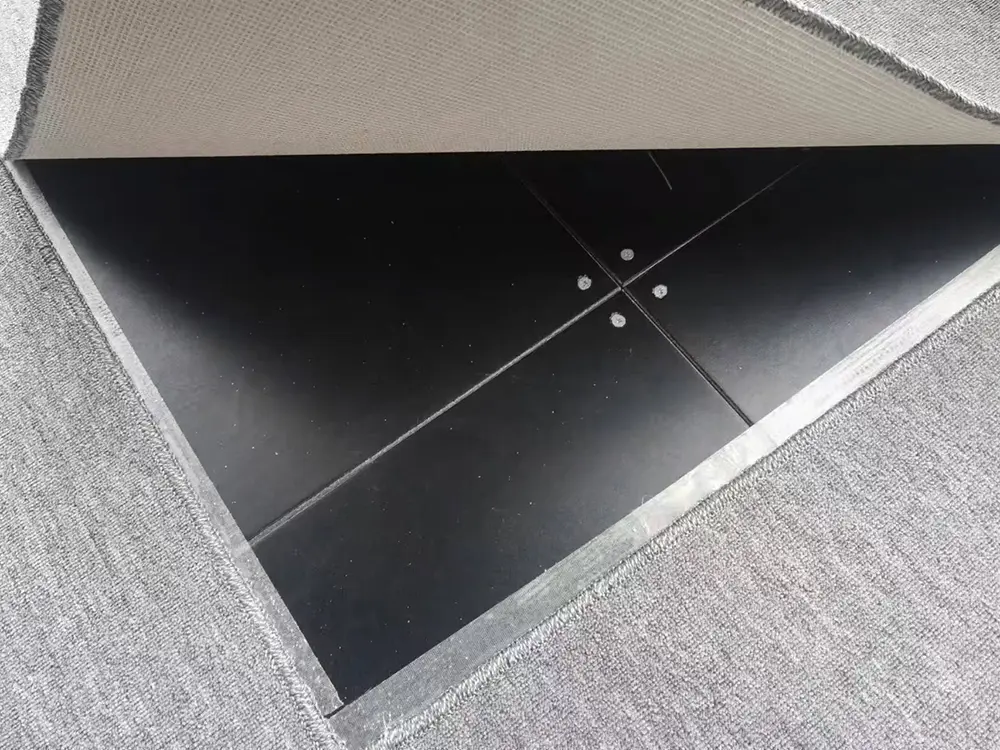 LEAO® Access Floors
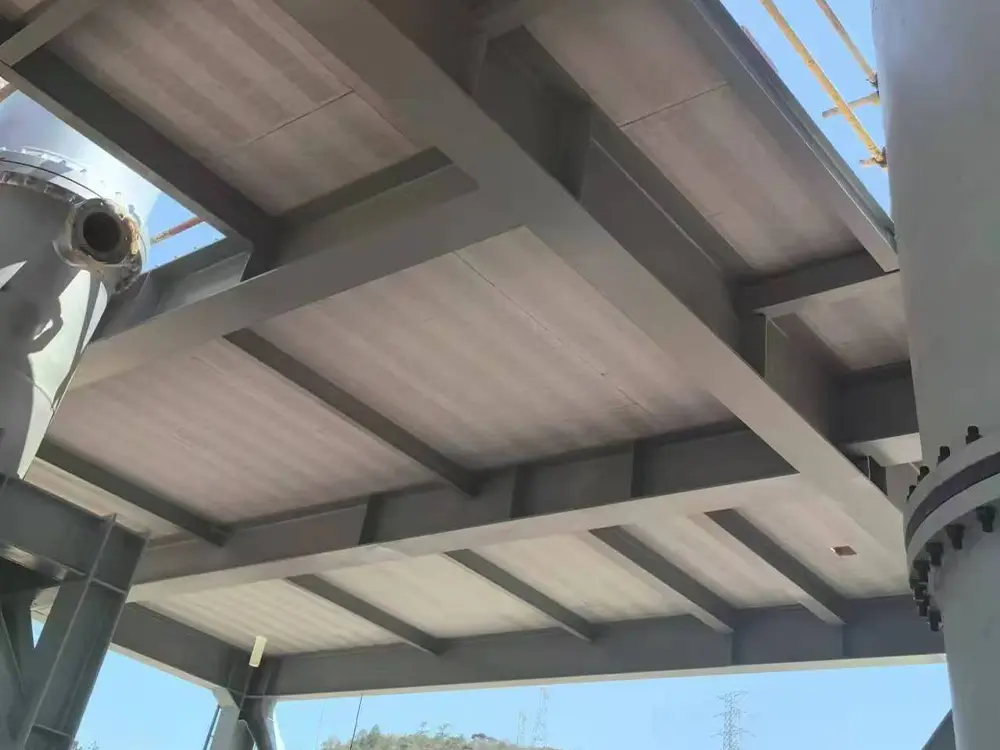 LEAO® Non-removable Formwork
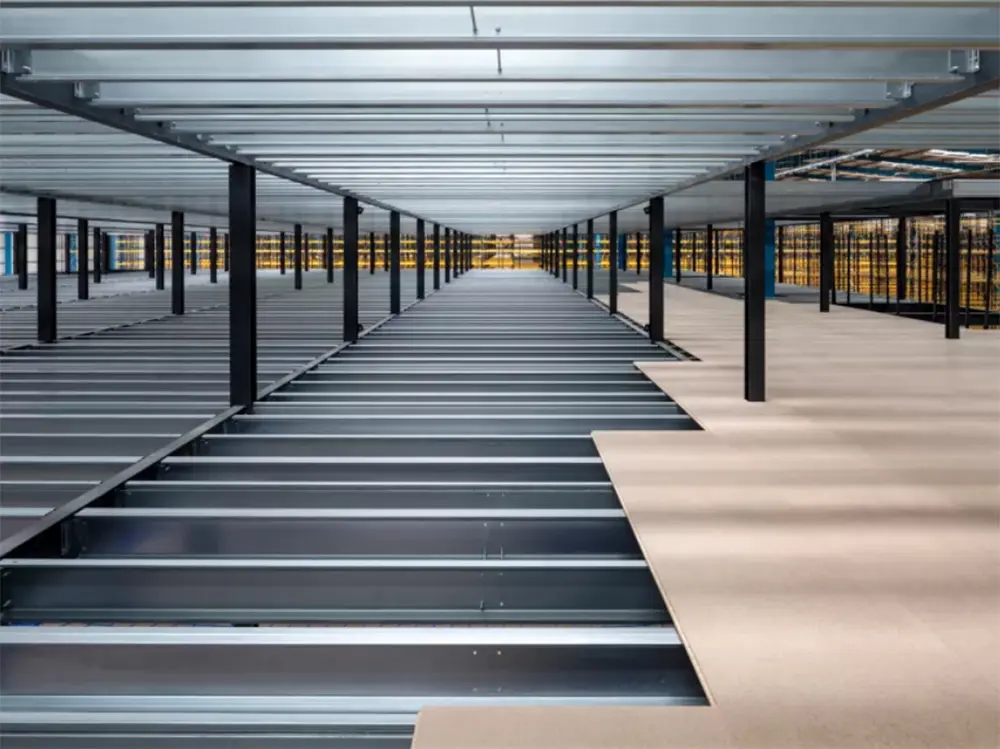 LEAO® Mezzanine Board
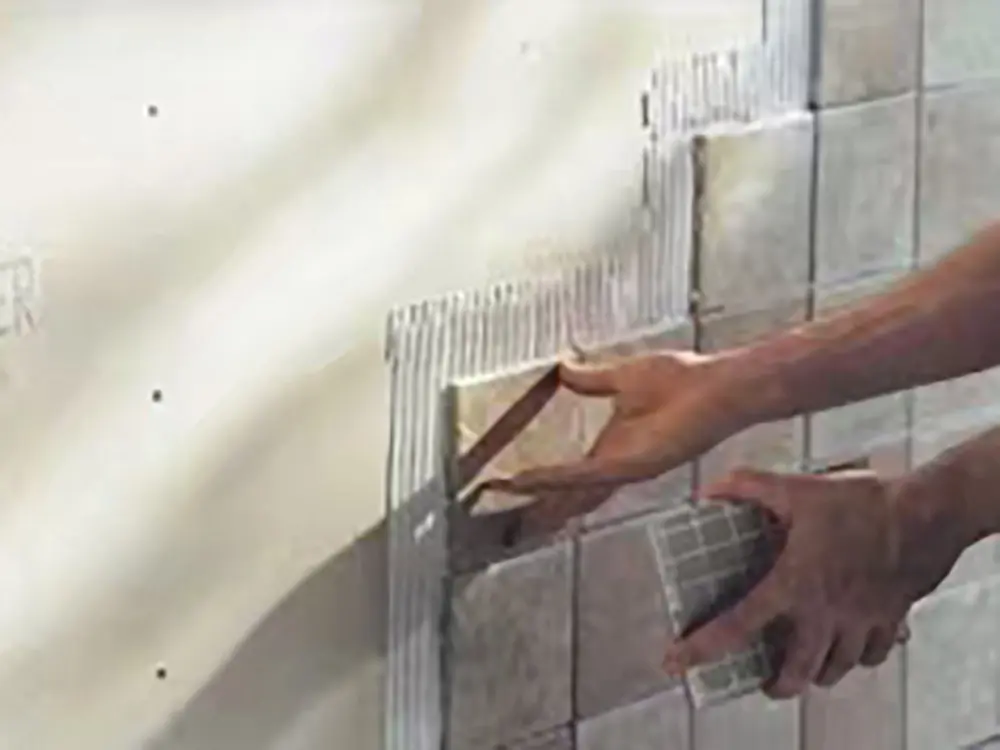 LEAO® Ceramic Tile Underlay
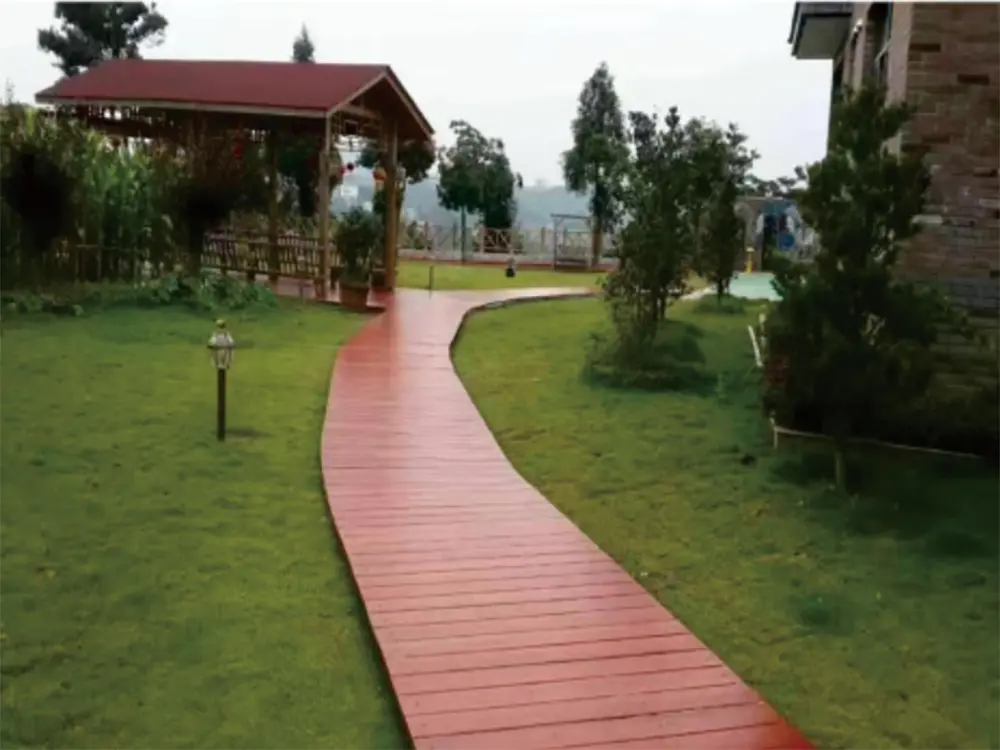 LEAO® Floor Plank
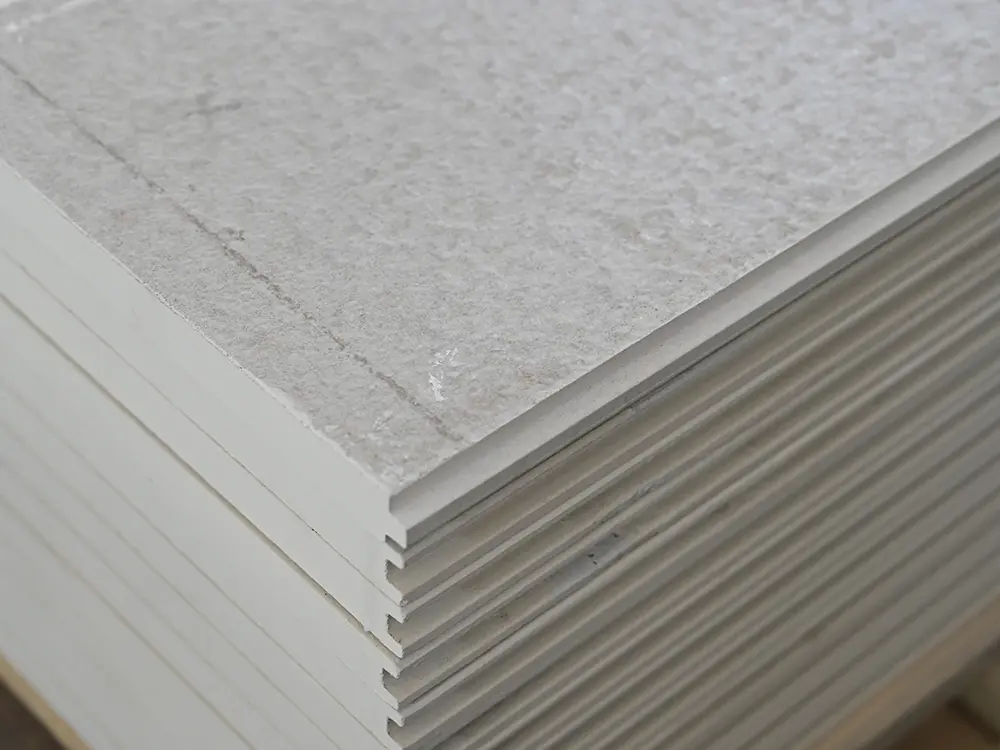 LEAO® Flooring
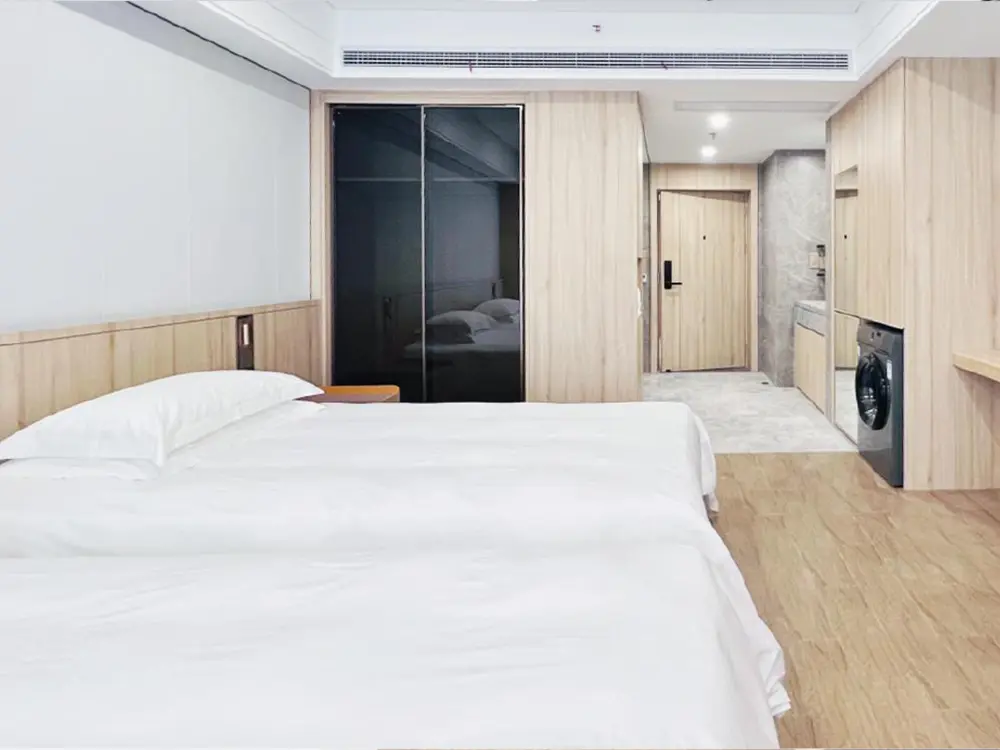 LEAO® Wood Style Decorative Panel
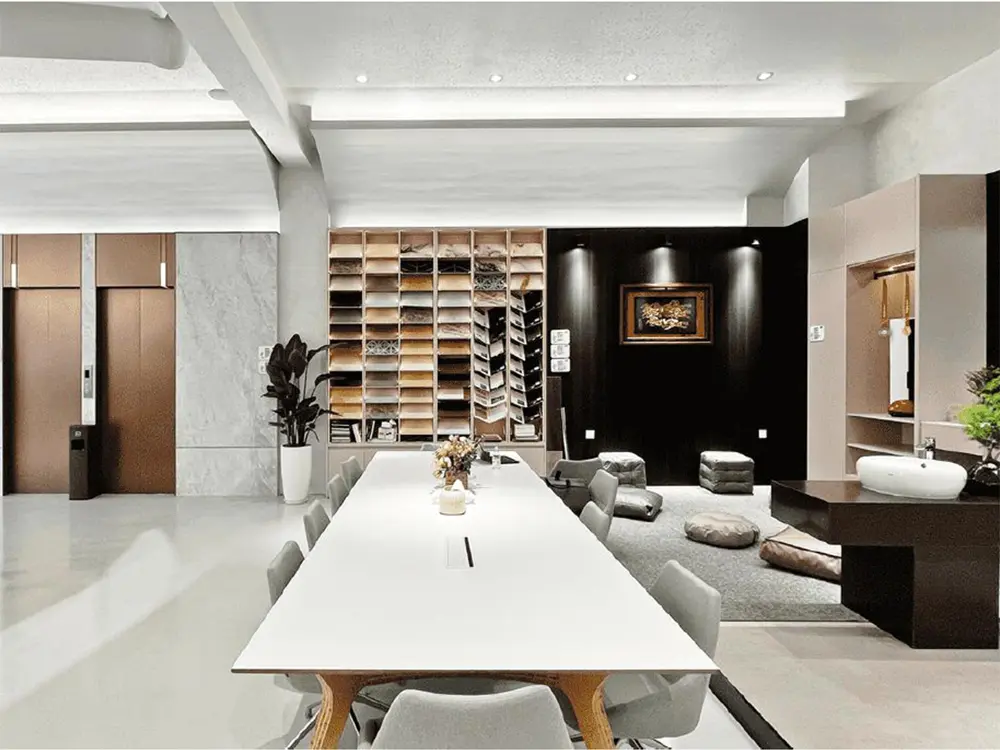 LEAO® Stone Style Decorative Panel
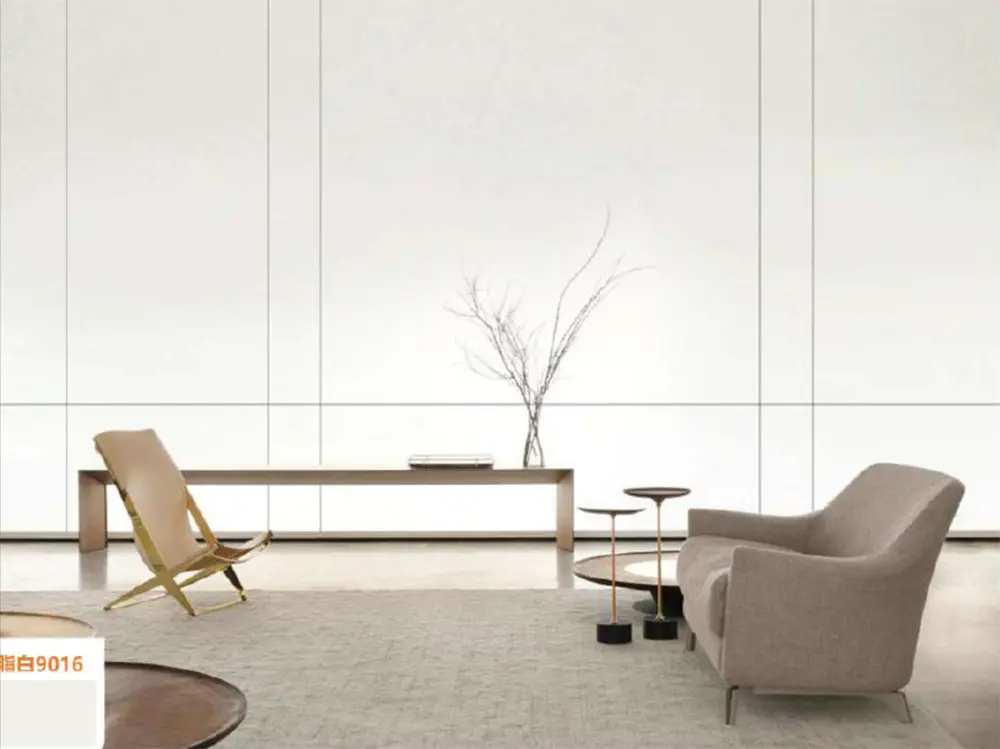 LEAO® Pure Style Decorative Panel