Why Choose Fiber Cement Floor Board for Your Home?
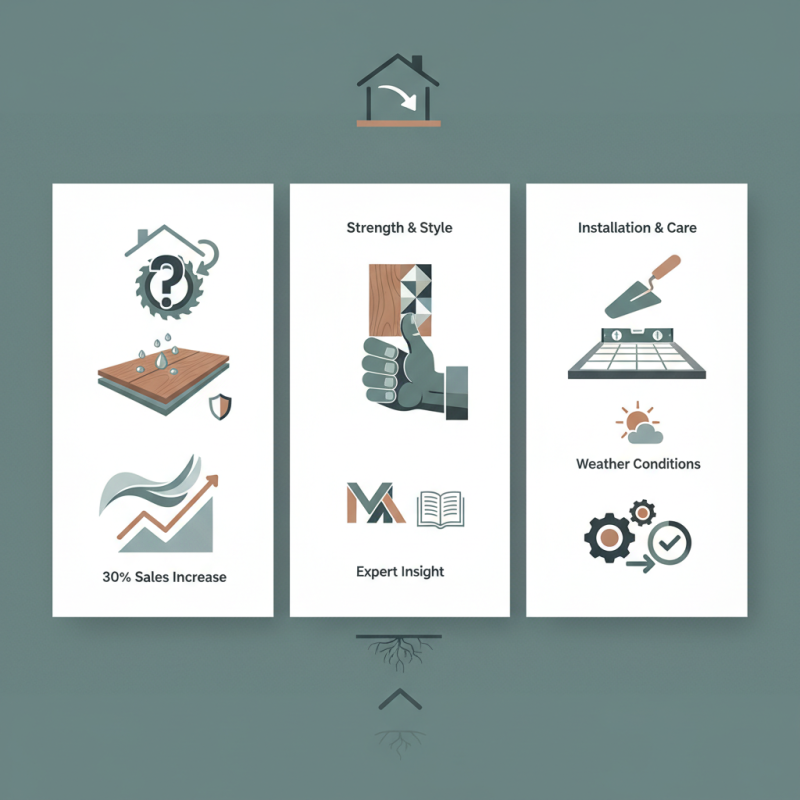
When building or renovating a home, choosing the right flooring is crucial. "Fiber Cement Floor Board" has gained popularity for its durability and aesthetic appeal. According to a recent industry report by the Floor Covering Industry Association, sales of fiber cement products have surged by over 30% in the past five years. This increase reflects a growing awareness of the benefits of fiber cement materials.
Expert Michael Anderson, a leading authority in building materials, stated, “The fiber cement floor board is an innovative choice that balances both strength and style.” His insights highlight the practicality of these boards, which resist moisture, pests, and wear. The versatility of fiber cement allows it to mimic wood and tile, giving homeowners various design options.
However, some may overlook its installation process. Proper installation is essential to maximize the benefits of fiber cement. Ensuring a well-prepared foundation and considering local weather conditions can influence its long-term performance. Reflecting on these factors is important when choosing the right flooring for your home.
Benefits of Fiber Cement Floor Boards for Residential Applications
Fiber cement floor boards have become increasingly popular for residential applications. These boards are comprised of a mixture of cement, sand, and natural fibers. This composition offers outstanding durability. In fact, studies show that fiber cement products can withstand harsh weather conditions much better than traditional wood flooring.
A major benefit of fiber cement boards is their resistance to pests and mold. According to industry reports, homes with fiber cement flooring show a 35% lower incidence of mold-related issues compared to homes with wood flooring. This can lead to healthier indoor air quality. Many families are concerned about allergens. Choosing fiber cement can be a proactive step.
Another detail worth noting is the energy efficiency of fiber cement flooring. Reports indicate these boards help in regulating indoor temperatures. Thus, homeowners can save on heating and cooling costs. Walking on fiber cement can feel solid and comfortable. Yet, some homeowners find the installation process requires more planning and expertise. This can be a drawback, as not all contractors are familiar with them. Overall, the advantages of fiber cement boards often outweigh these minor challenges.
Benefits of Fiber Cement Floor Boards for Residential Applications
Durability and Longevity: Industry Standards and Performance Metrics
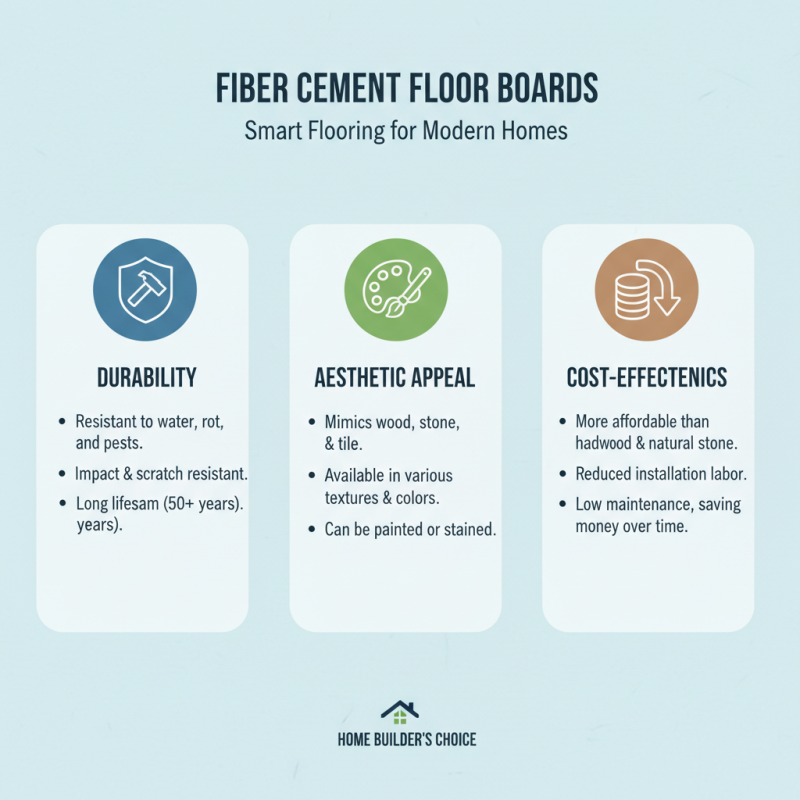
Fiber cement floor boards have gained popularity due to their impressive durability. According to industry reports, they can last over 50 years with minimal maintenance. This longevity outperforms traditional materials like wood and vinyl, which often require more frequent replacement. Fiber cement is resistant to moisture, rot, and termites, making it an excellent choice for various climates. Homeowners can feel confident in their investment.
Tips: Choose a reputable installer to maximize the performance of your floor boards. Proper installation is crucial for longevity and durability.
Another aspect to consider is the ability of fiber cement floor boards to withstand harsh conditions. Materials often fail due to extreme temperatures or excessive wear. Fiber cement has excellent tolerance, rated for temperatures ranging from -40°F to 130°F. This resilience means fewer repairs and replacements over time.
Tips: Regular inspections can help catch any early signs of damage. Addressing issues promptly can prevent larger problems down the road.
While these boards offer fantastic benefits, some might experience issues with color fading. Not all flooring options are perfect. Regular maintenance can help manage these imperfections and extend overall lifespan.
Cost-Effectiveness: Comparing Fiber Cement to Traditional Flooring Materials
Fiber cement floor boards have emerged as a popular choice among homeowners. They offer a unique blend of durability and aesthetic appeal. However, one of the most significant advantages lies in their cost-effectiveness when compared to traditional flooring materials.
When you think about traditional options like hardwood, tile, or carpet, the initial costs can be quite daunting. Hardwood may look beautiful, but it requires maintenance and can warp in humid environments. Tile can crack, and carpets may need frequent replacement. On the other hand, fiber cement floor boards withstand various weather conditions. They require far less upkeep over time.
In terms of investment, fiber cement boards often come out ahead. They typically last longer and do not degrade easily. However, installation costs can be slightly higher than other materials. This might give some homeowners pause. It’s worth reflecting on that initial investment against long-term durability and lower maintenance expenses. While nothing is perfect, fiber cement floor boards could be a wise choice for those looking to balance beauty with practicality.
Maintenance Requirements: Ease of Care and Cleaning in Fiber Cement
Fiber cement floor boards offer remarkable ease of care and maintenance for homeowners.
Unlike traditional wood or vinyl flooring, fiber cement is inherently resistant to moisture, mold, and pests.
This translates to fewer worries about staining or water damage. In fact, studies indicate that homes with fiber cement materials experience a
30% reduction in maintenance costs over time.
Cleaning is straightforward. A simple sweep and occasional mopping are usually sufficient.
This low upkeep aligns with lifestyle demands, especially for busy families.
However, some owners find that periodic sealing is recommended to maintain appearance.
It's a minor hassle but worthwhile for longevity.
Nevertheless, challenges exist.
While fiber cement boards are durable, they require proper installation—performed by skilled professionals for best results.
If not correctly installed, they can warp or show seams over time.
Awareness of these nuances helps homeowners make informed choices. Ultimately, the benefits of low maintenance and durability often outweigh these concerns.
Sustainability: Environmental Impact and Eco-Friendly Certifications
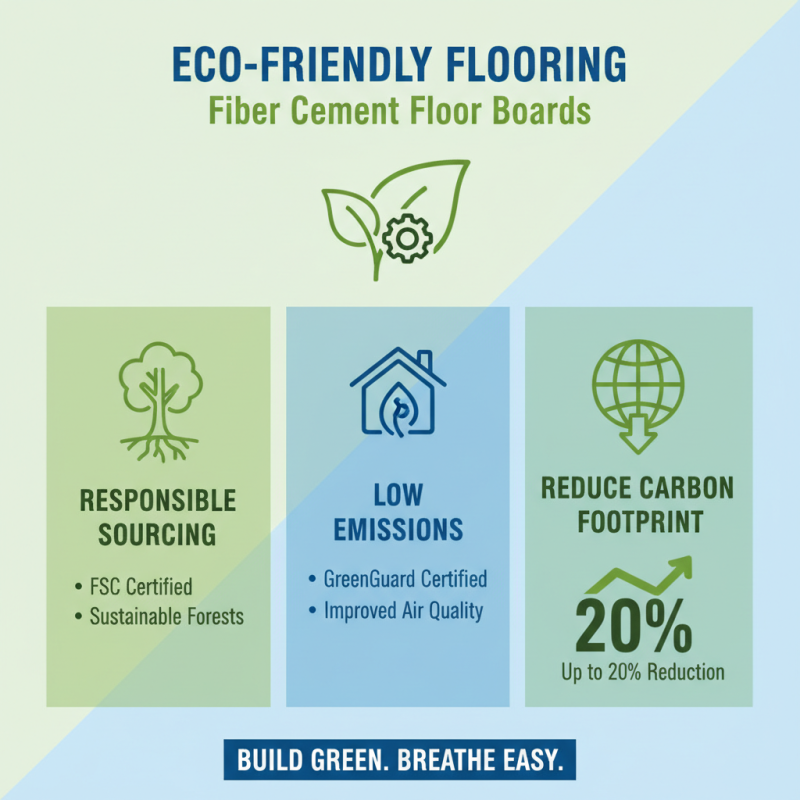
Fiber cement floor boards stand out for their eco-friendliness. They often come with certifications such as FSC and GreenGuard. These certifications indicate responsible sourcing and low emissions. Research shows that sustainable materials can reduce your carbon footprint by up to 20%. This is crucial in the face of climate change.
The manufacturing process of fiber cement is less energy-intensive compared to other flooring materials. It uses natural resources more efficiently, minimizing waste. A report from the National Association of Home Builders states that using sustainable materials, like fiber cement, can lead to better indoor air quality. This creates a healthier living space.
However, not all fiber cement boards are created equal. The impact of transport can offset some benefits. It’s essential to consider local sourcing to mitigate this issue. Additionally, installation waste can arise, affecting overall sustainability. Homeowners should weigh these factors carefully. The goal is to create a home that truly respects the environment.

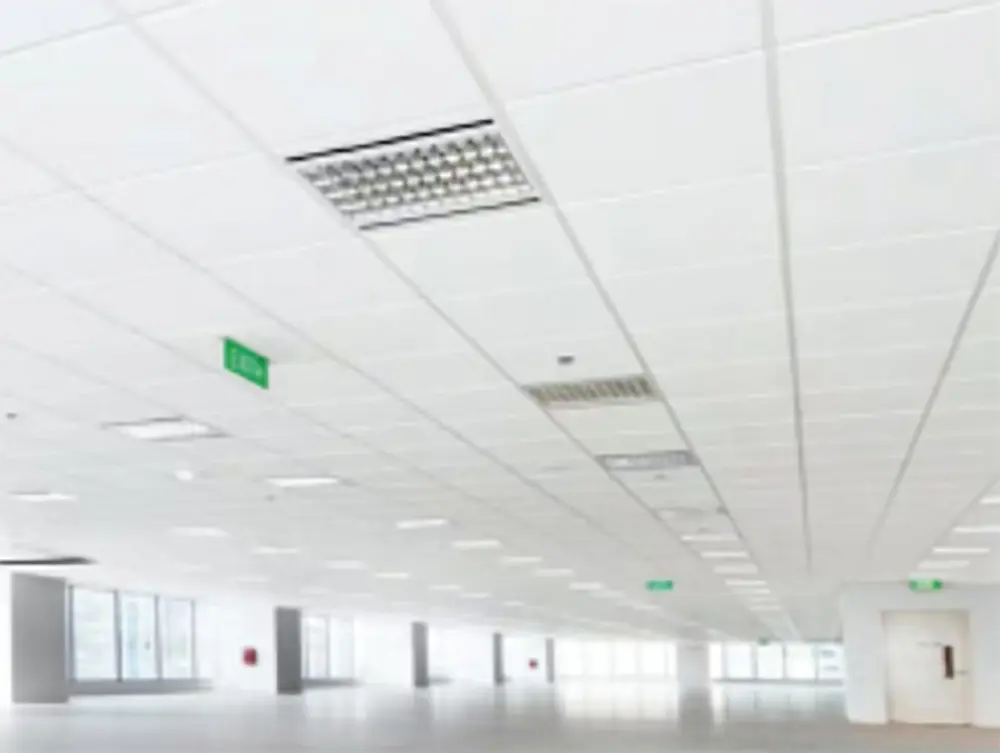 LEAO®Deco Ceiling
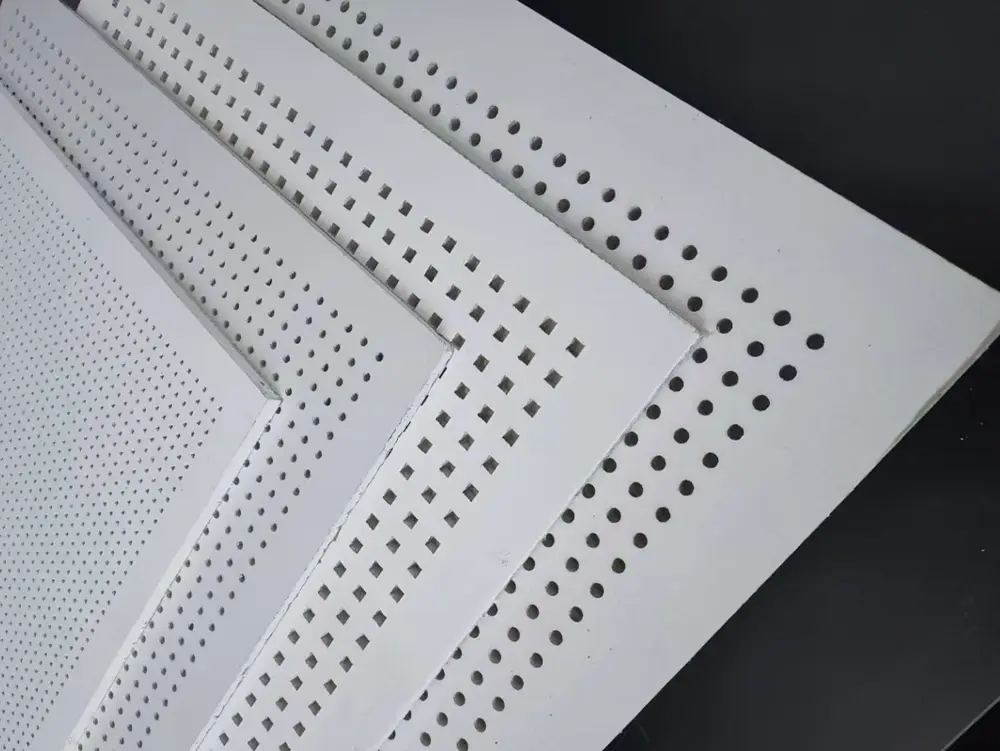 LEAO® Perforated Ceiling
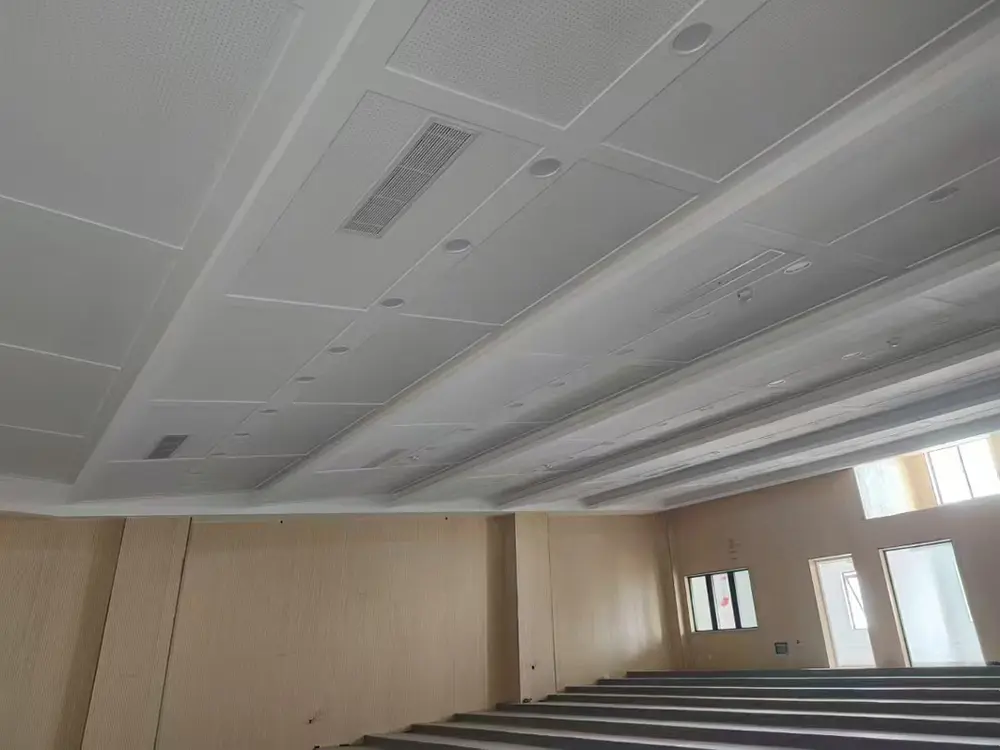 LEAO® Ceiling Board
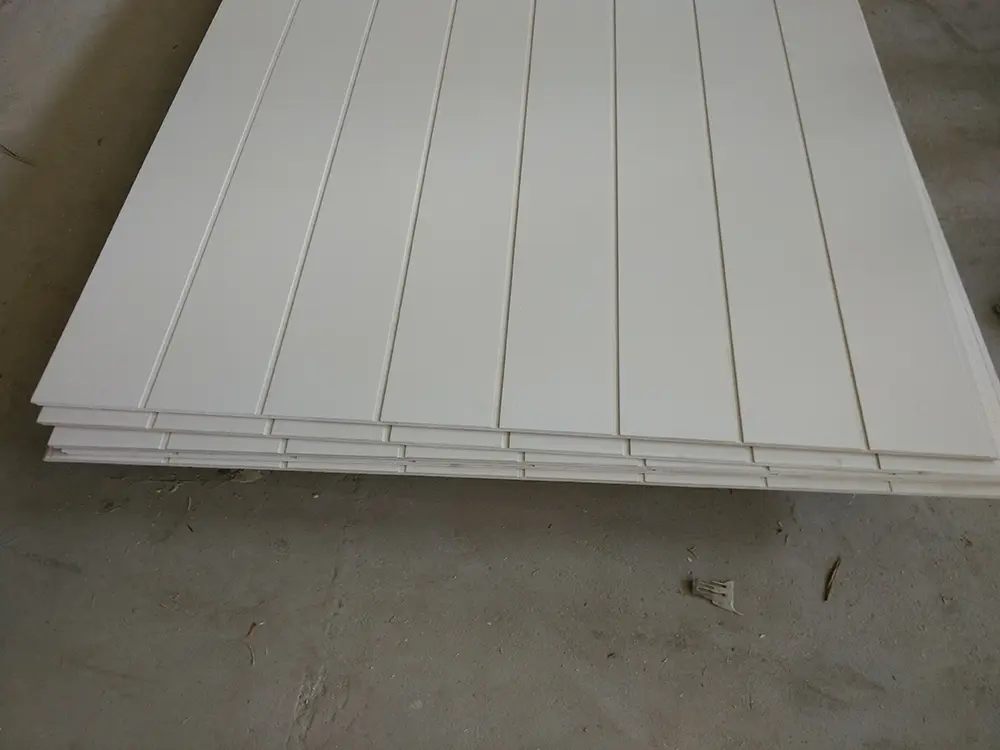 LEAO® Groove Interior Panel
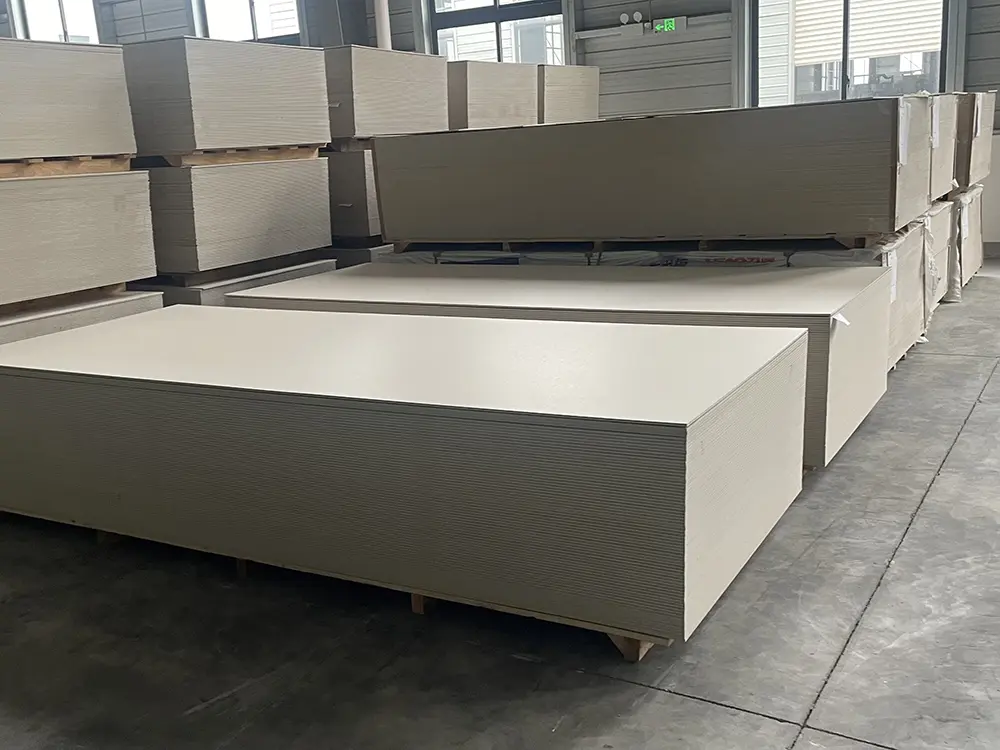 LEAO® Interior Board
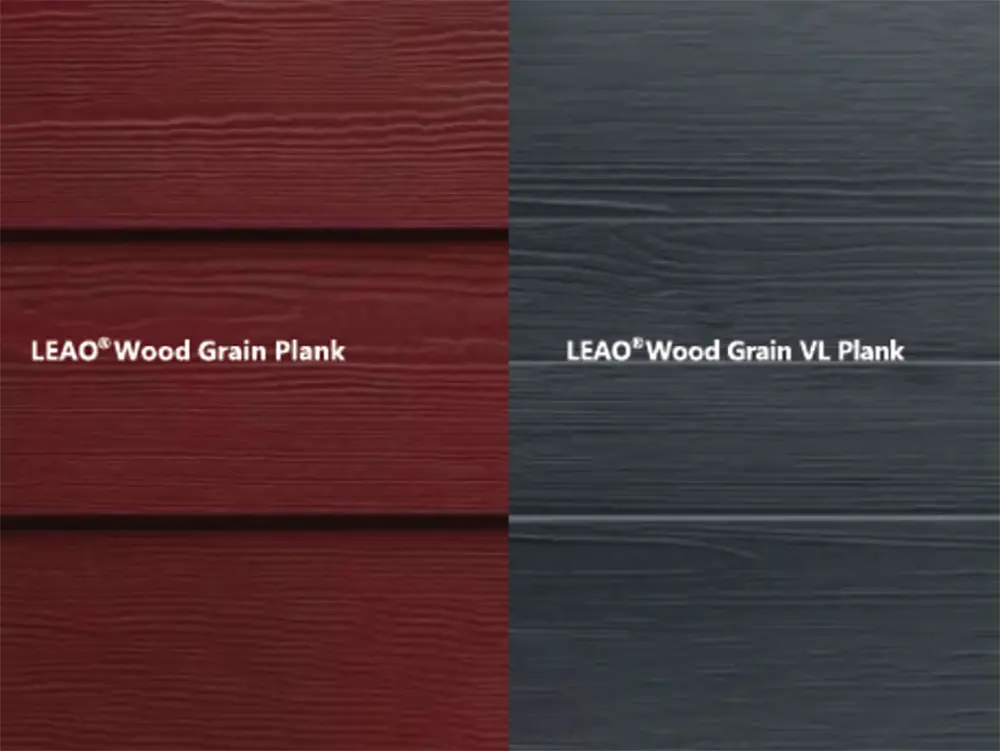 LEAO® Wood Grain Plank
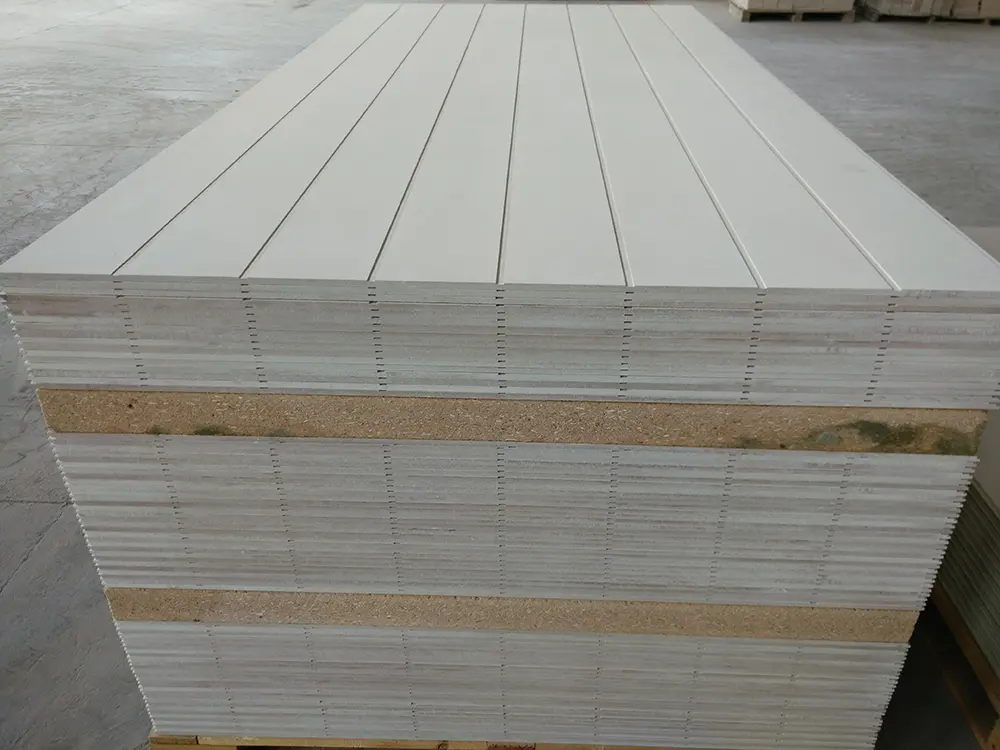 LEAO® Grooved Exterior Panel
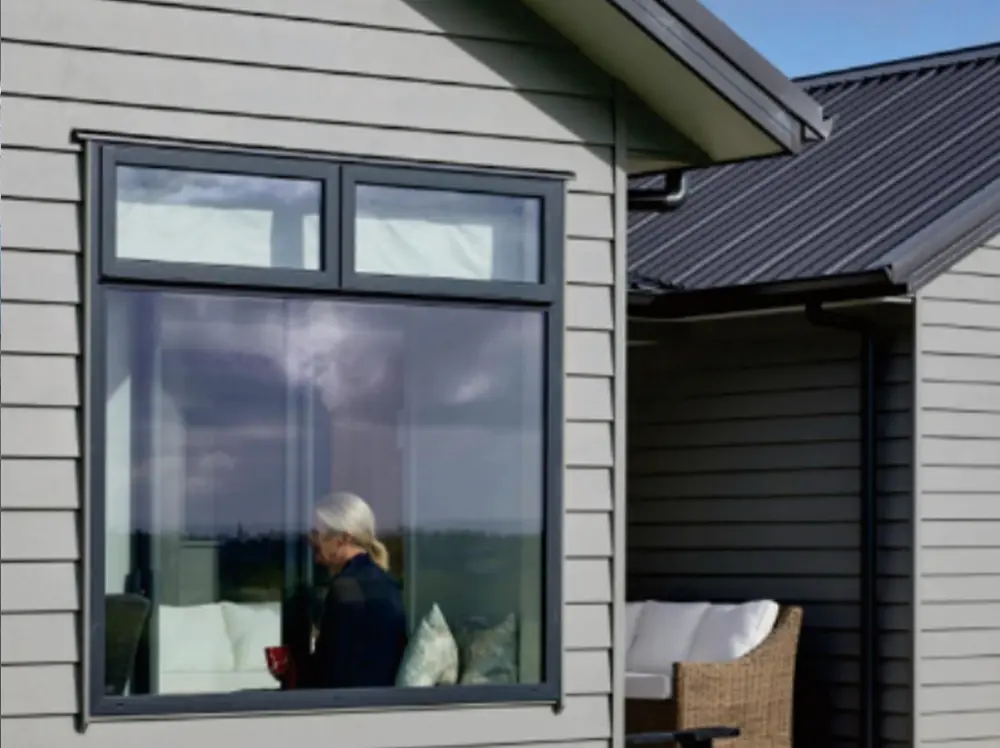 LEAO® Weatherboard
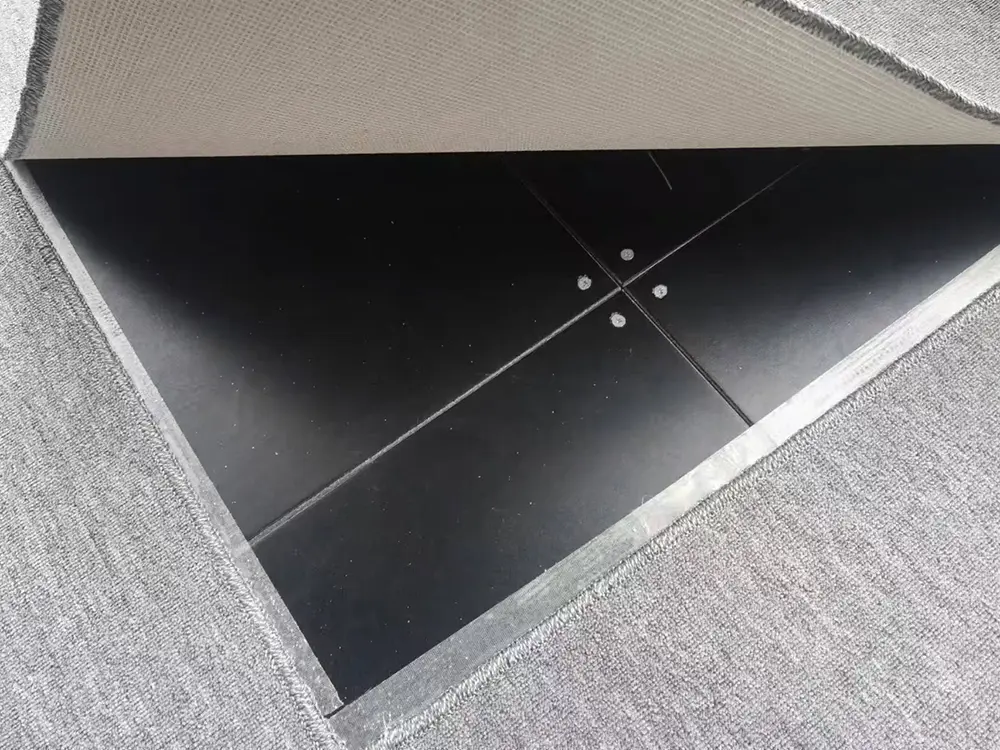 LEAO® Access Floors
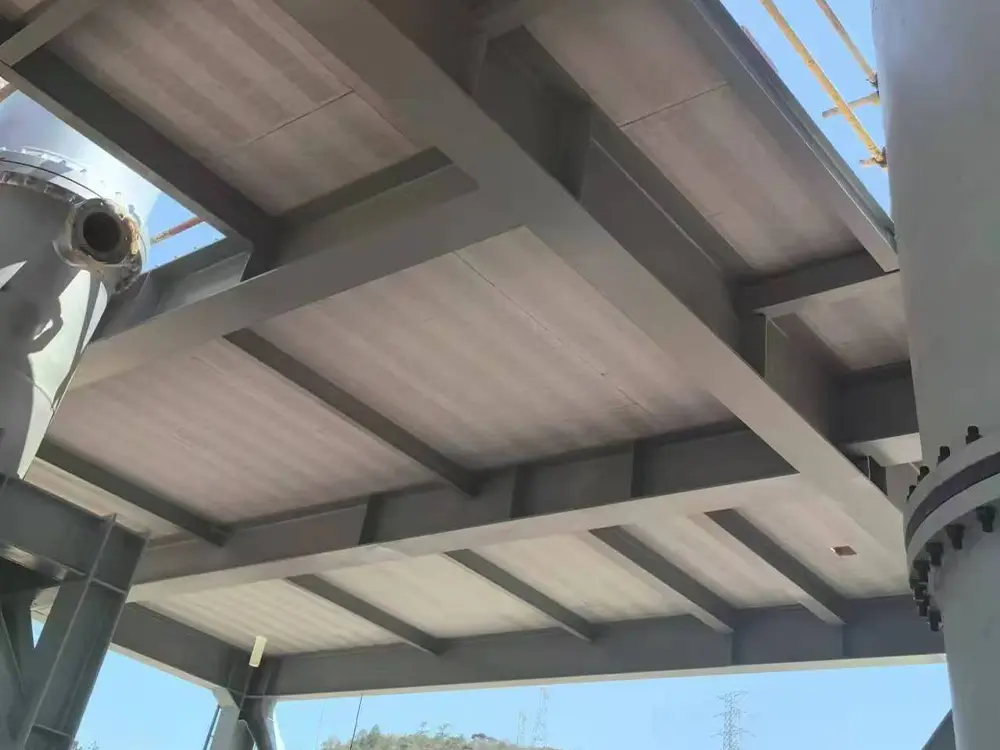 LEAO® Non-removable Formwork
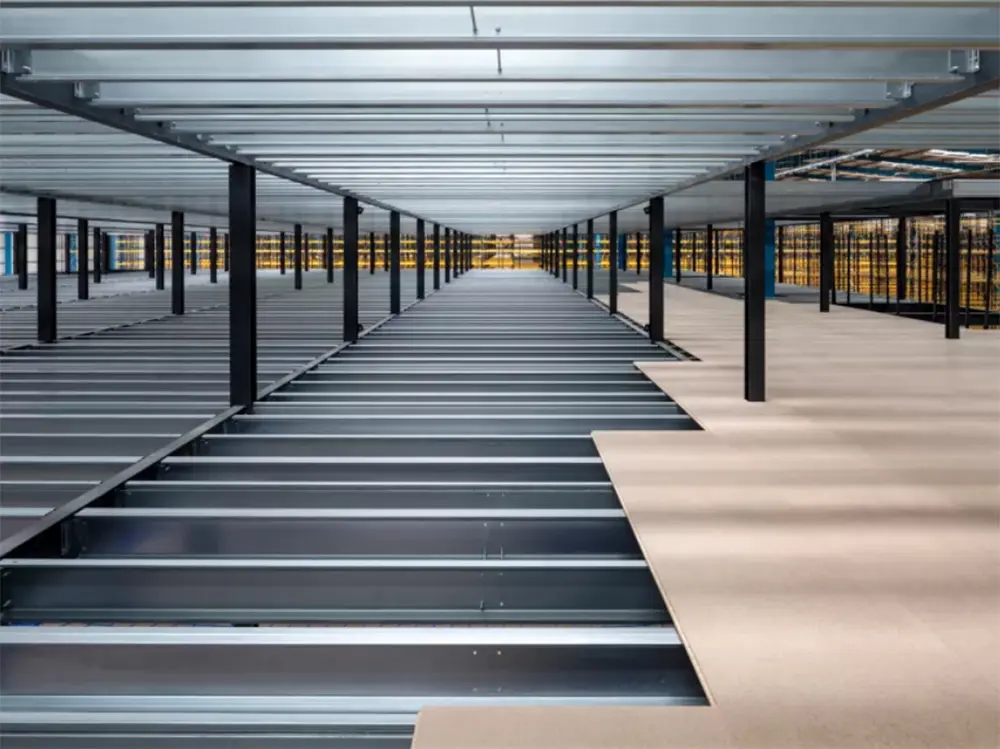 LEAO® Mezzanine Board
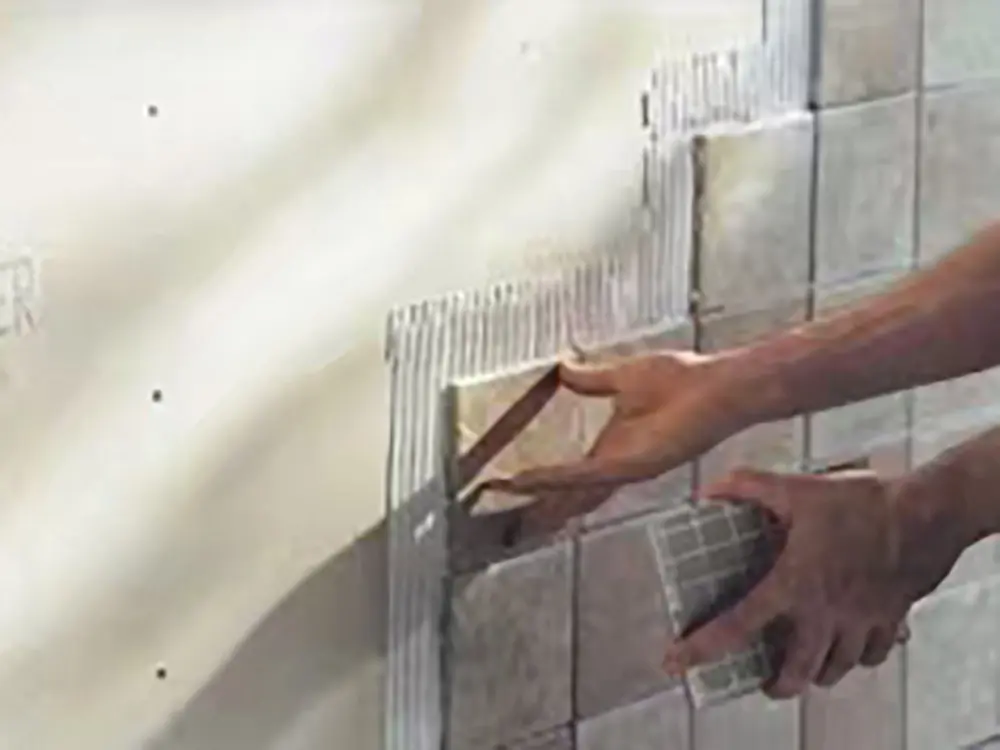 LEAO® Ceramic Tile Underlay
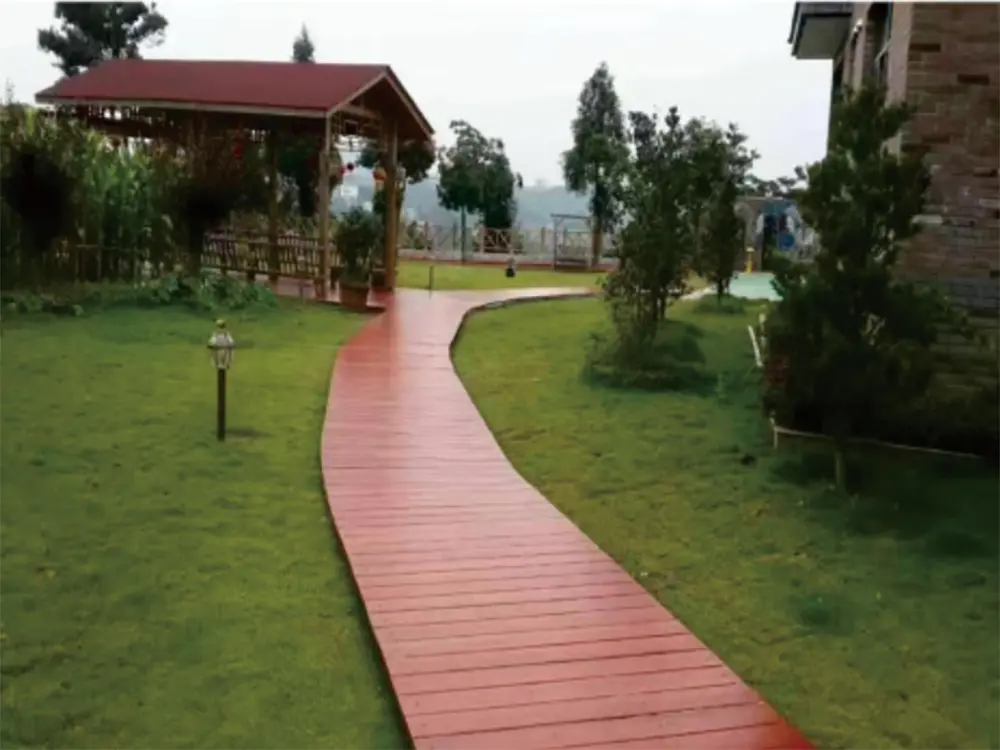 LEAO® Floor Plank
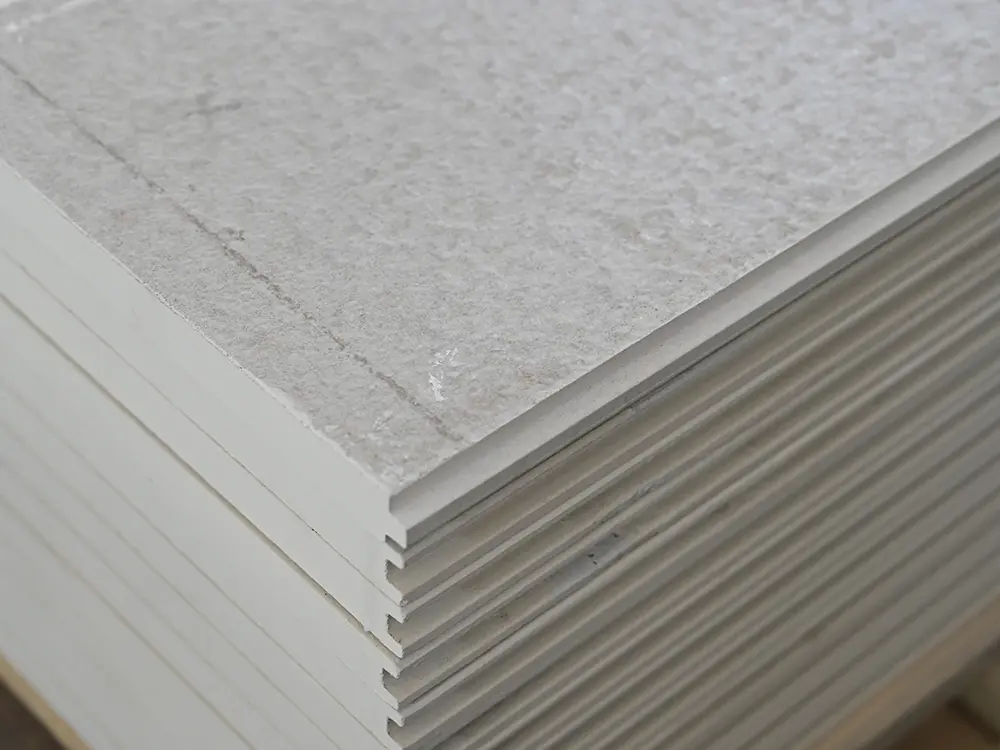 LEAO® Flooring
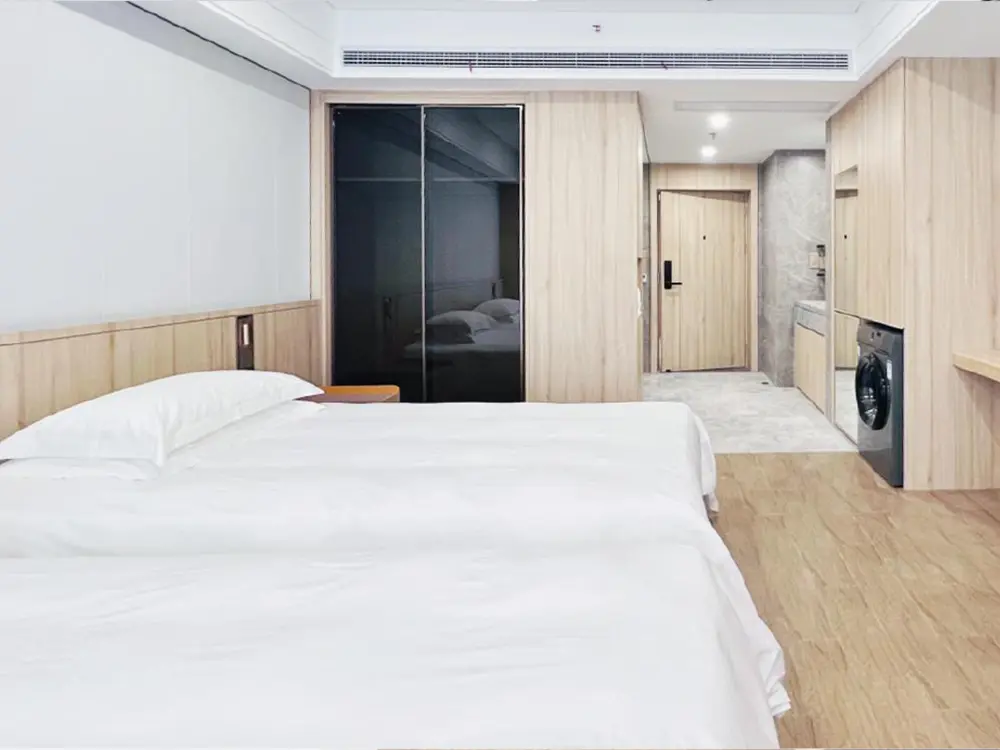 LEAO® Wood Style Decorative Panel
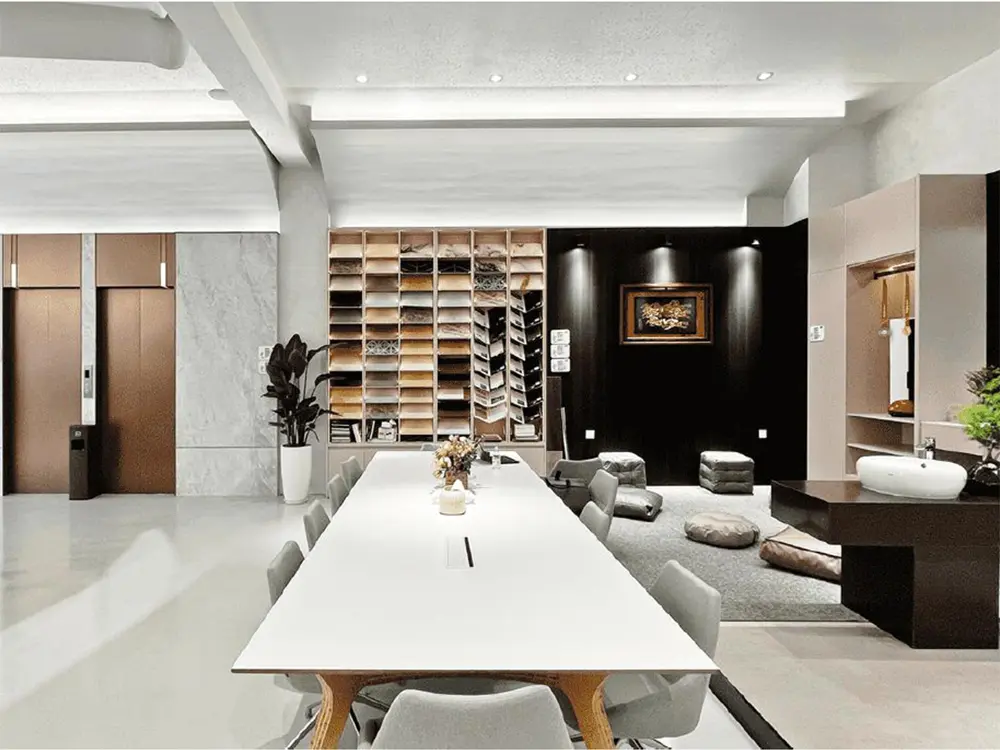 LEAO® Stone Style Decorative Panel
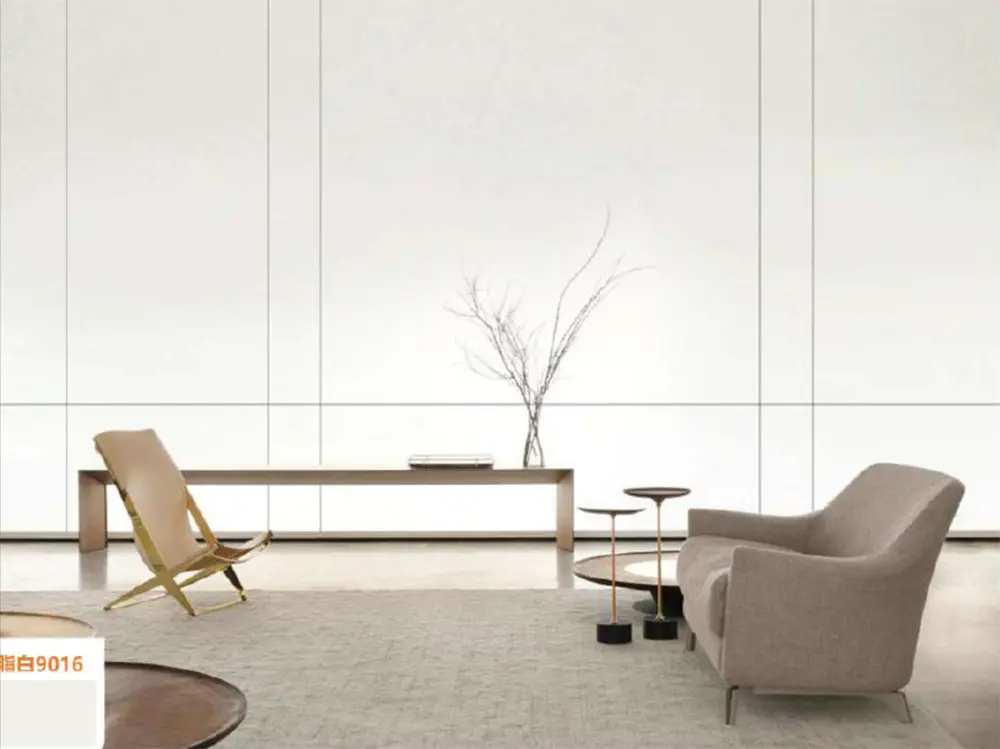 LEAO® Pure Style Decorative Panel