Why Choose Fiber Cement Partition Board for Your Construction Needs?
In the world of construction materials, the choice of partition boards can significantly impact project outcomes. Experts emphasize this importance. John Smith, a leading authority in construction materials, once stated, “Fiber Cement Partition Boards offer superior durability and resistance.” This highlights why many builders are turning to fiber cement options.
Fiber Cement Partition Boards are not just practical; they are versatile. They can withstand moisture and fire, making them ideal for various environments. However, there are concerns about their installation. While these boards are durable, improper installation can lead to issues down the line. This is something that needs careful consideration.
Moreover, the aesthetic appeal of Fiber Cement Partition Boards cannot be overlooked. They can mimic natural materials, providing a modern look. Many builders appreciate the design flexibility they offer. Yet, it’s essential to weigh both the advantages and potential challenges. Choosing the right material requires thorough evaluation and thoughtful planning.
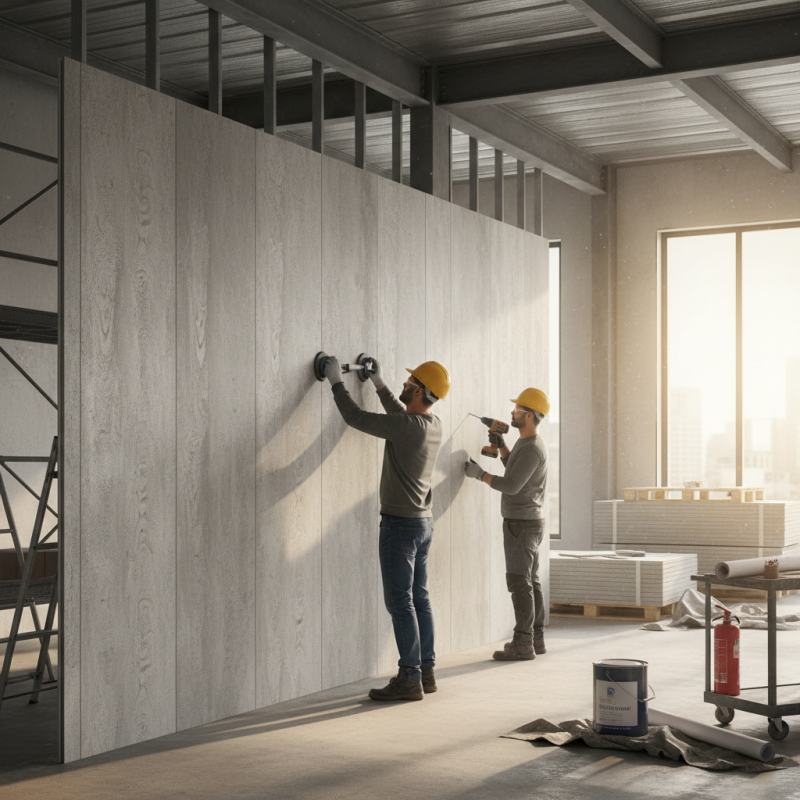
Overview of Fiber Cement Partition Boards and Their Composition
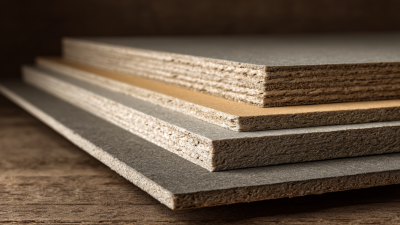
Fiber cement partition boards are a popular choice in modern construction due to their durable and versatile nature. These boards consist of a mixture of cement, cellulose fibers, and sand, providing strength and resilience. The unique composition allows them to withstand moisture and resist pests, making them suitable for various environments. Unlike traditional materials, fiber cement does not warp or swell, ensuring a long-lasting solution for interior and exterior applications.
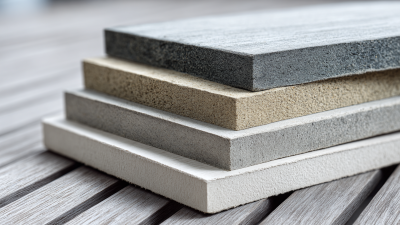
When selecting fiber cement boards, consider their thickness. Thicker boards tend to offer better sound insulation. They come in various textures and finishes, allowing for creative design choices. Often, these boards can mimic wood or stucco, providing aesthetic appeal without compromising on structural integrity.
Tips: Always check for water resistance ratings. This feature can significantly affect longevity in humid areas. It's advisable to ensure proper installation for optimal performance. Misalignment can lead to gaps and reduce effectiveness. Pay attention to the manufacturer's guidelines to avoid common pitfalls.
Benefits of Using Fiber Cement for Interior and Exterior Walls
Fiber cement partition boards are increasingly popular in construction. They offer significant advantages for both interior and exterior walls. According to a study by the Portland Cement Association, fiber cement materials can enhance energy efficiency by up to 20%. This is due to their excellent insulation properties. This efficiency helps reduce energy costs over time.
The durability of fiber cement is another key benefit. It is resistant to moisture, fire, and pests. A report from the National Association of Home Builders noted that homes with fiber cement siding have a lower risk of damage during extreme weather events. This resilience can extend the lifespan of a building considerably.
However, installation can be challenging. Workers may need extra training to handle this material effectively. Improper installation can lead to future issues, such as leaks or structural weaknesses. While the benefits are clear, addressing these potential pitfalls early in the process is crucial for optimal performance.
Why Choose Fiber Cement Partition Board for Your Construction Needs? - Benefits of Using Fiber Cement for Interior and Exterior Walls
| Feature |
Description |
Benefits |
| Durability |
Resistant to harsh weather conditions and impact |
Longer lifespan, less maintenance required |
| Fire Resistance |
Non-combustible material |
Enhanced safety, compliance with building codes |
| Moisture Resistance |
Does not absorb water |
Prevents mold and mildew growth, suitable for wet areas |
| Versatility |
Can be used for both interior and exterior applications |
Flexible design options, suitable for various styles |
| Eco-Friendliness |
Made from sustainable materials with low environmental impact |
Contributes to green building certifications |
| Aesthetic Appeal |
Available in various finishes and colors |
Enhances the visual appeal of any structure |
Comparison of Fiber Cement Boards with Traditional Partition Materials
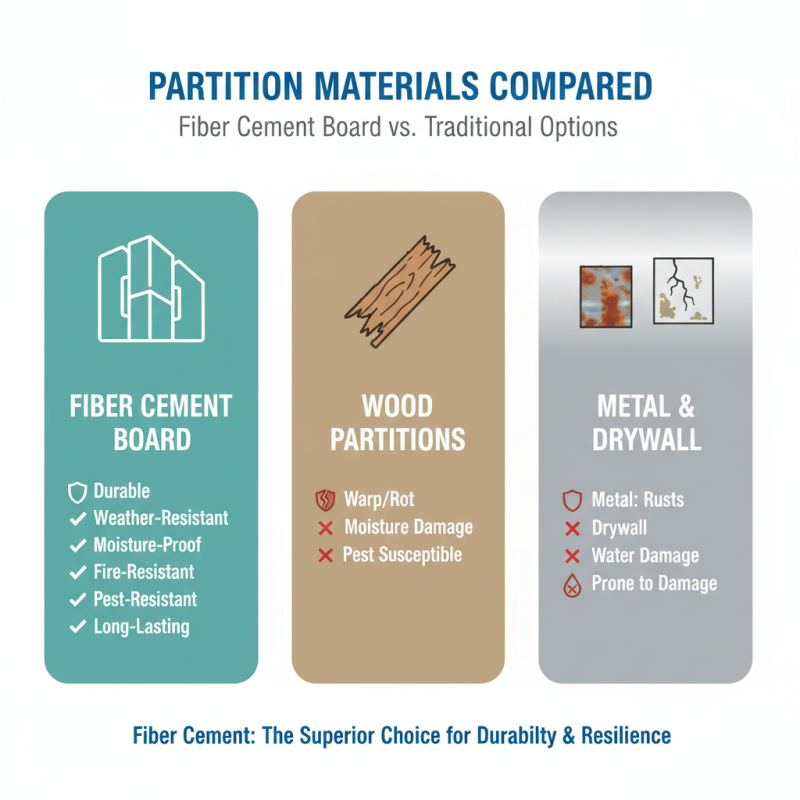
When considering partition materials, fiber cement boards offer notable advantages. These boards are durable and weather-resistant. They can withstand moisture, fire, and pests better than traditional materials. In contrast, wood partitions may warp or rot over time. Metal partitions can rust, while drywall is prone to damage from water.
Another aspect to evaluate is installation. Fiber cement boards are lightweight yet strong. This makes them easier to handle on-site. However, they require specific tools for cutting and finishing, which can be a challenge for some teams. Traditional methods might seem easier at first. Yet, they often lead to recurring maintenance issues.
Cost is another factor. Fiber cement might have a higher upfront price. However, its longevity can lead to lower costs over time. Traditional materials might initially seem cheaper but often need replacement sooner. This can create a false sense of savings. Each choice has its strengths and weaknesses. Careful thought is needed to determine the best fit for your project.
Installation Process and Technical Considerations for Fiber Cement Boards
When considering fiber cement boards for construction, the installation process and technical details are key. The boards can be easily cut with a utility knife, which is convenient. However, managing dust during installation is crucial. Proper ventilation helps, but it can be challenging in enclosed spaces. Also, ensure you wear protective gear to avoid inhaling dust particles.
The boards need to be stored properly before installation. They should be kept flat and dry to prevent warping. Pay attention to alignment while installing. Even a slight misalignment can lead to issues later, such as cracks or poor insulation. Use a level to check each panel. Additionally, securing the edges properly is essential for durability.
Consider moisture barriers in areas prone to dampness. This step is often overlooked. Not using them may lead to mold growth or structural damage. Regularly check for any signs of wear after installation. This is a necessary process; ignoring it can result in more significant repairs down the line. With careful planning and attention to these details, fiber cement boards can be a reliable choice for many construction projects.
Fiber Cement Partition Board: Key Benefits vs Traditional Materials
Environmental Impact and Sustainability of Fiber Cement Solutions
Fiber cement partition boards are gaining attention for their sustainable benefits. These materials are made from a mix of cellulose fibers, cement, and sand. This blend allows them to resist fire, moisture, and pests. According to a report by the American Institute of Architects, fiber cement products can last up to 50 years with proper maintenance. This longevity reduces waste, as fewer materials are needed over time.
The environmental impact of fiber cement is worth noting. Its production emits less carbon dioxide compared to traditional materials. For example, fiber cement boards have a carbon footprint of approximately 0.3 tons of CO2 per ton of product, which is notably lower than that of conventional concrete. Moreover, fiber cement can be recycled, further minimizing landfill contributions.
Tips: Consider life cycle assessments when choosing materials. Evaluate how products contribute to overall sustainability. Also, think about sourcing locally to reduce transportation emissions. These small steps make a significant impact in sustainable construction practices.

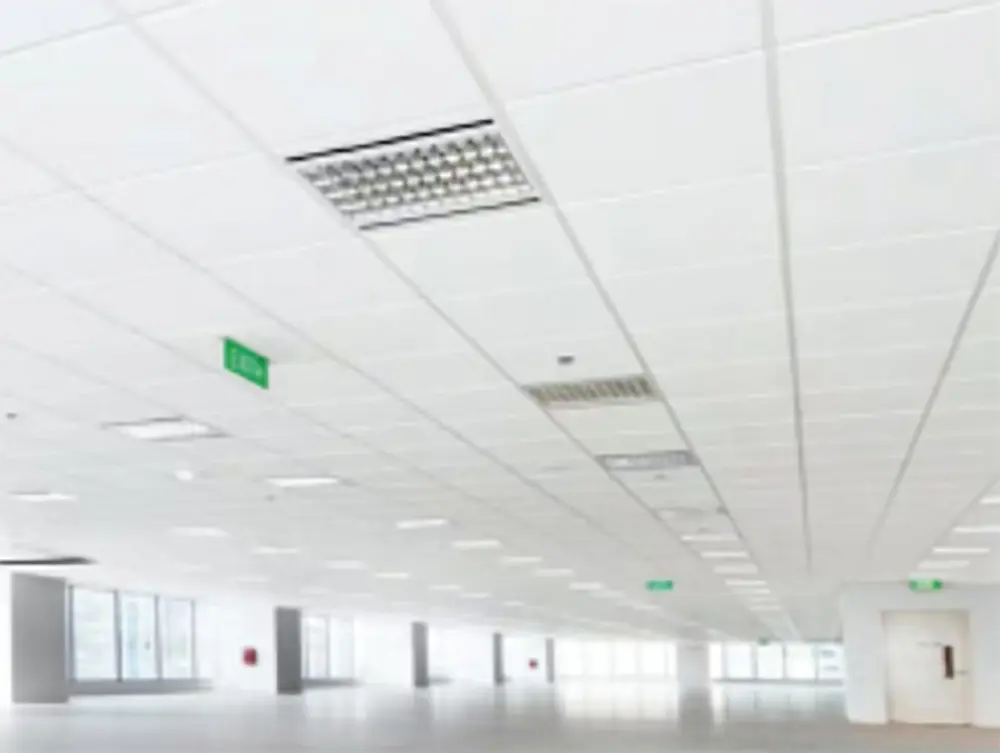 LEAO®Deco Ceiling
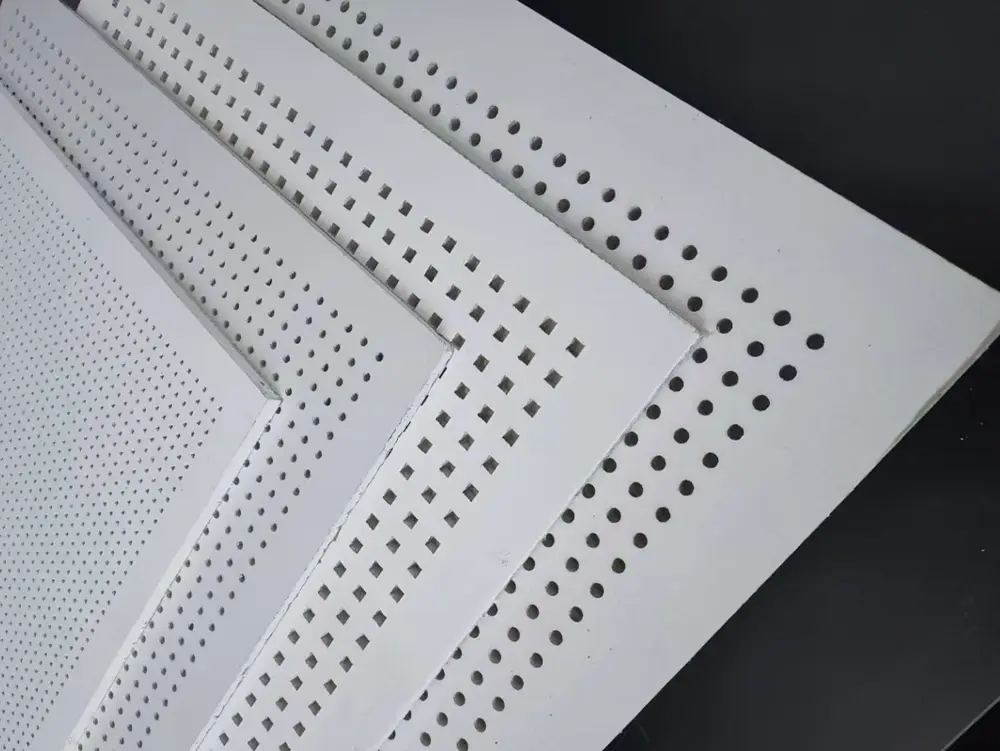 LEAO® Perforated Ceiling
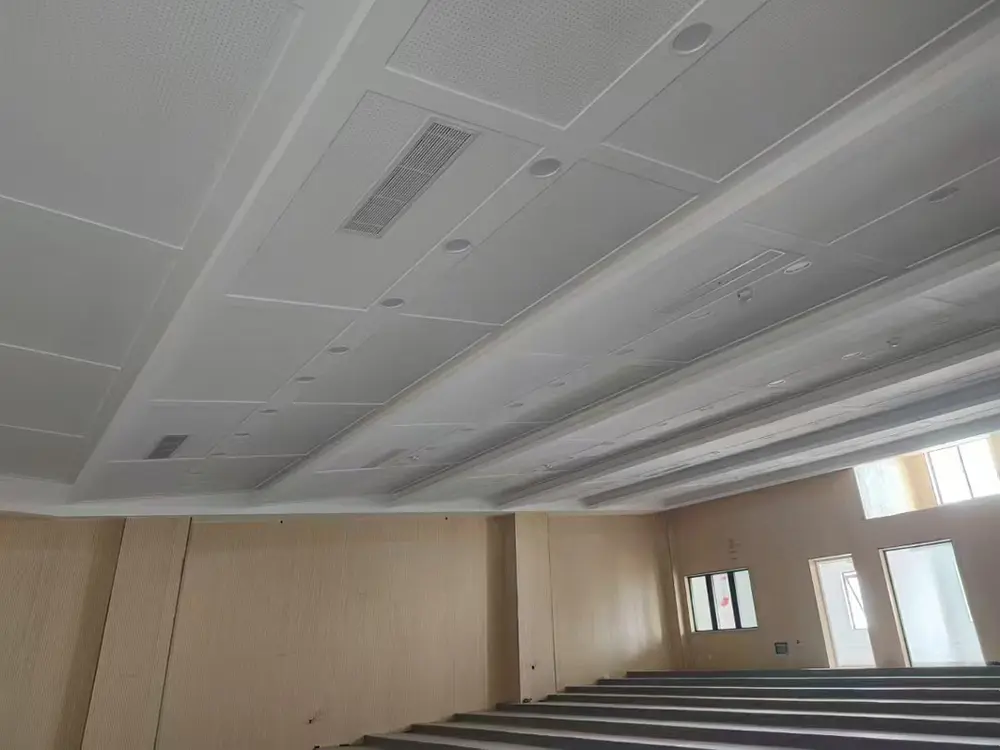 LEAO® Ceiling Board
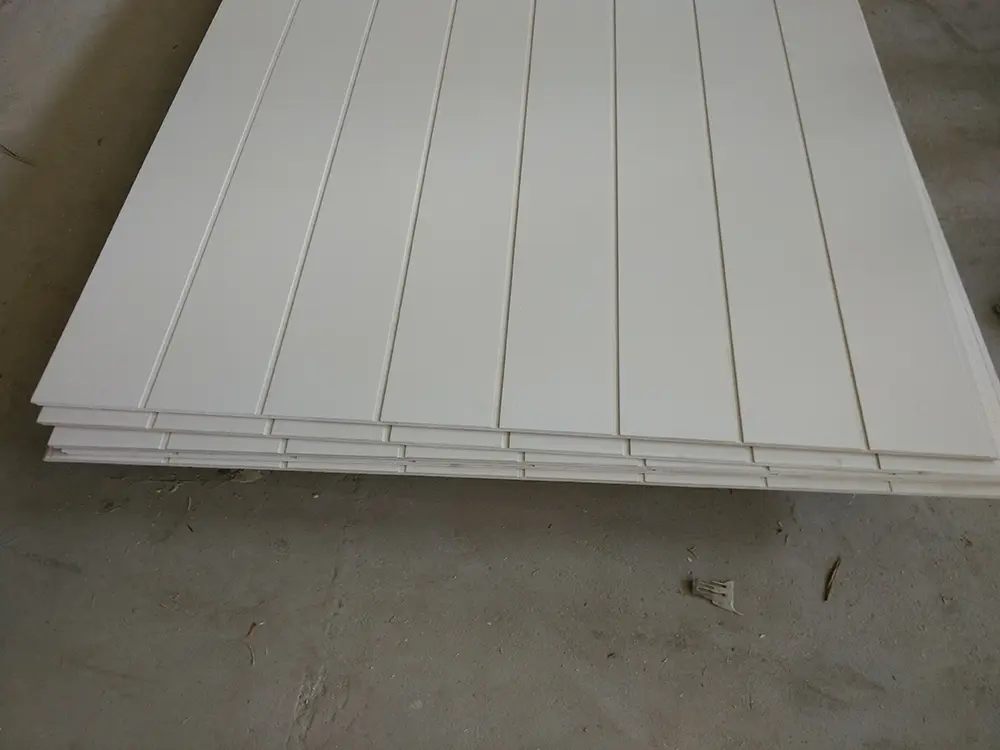 LEAO® Groove Interior Panel
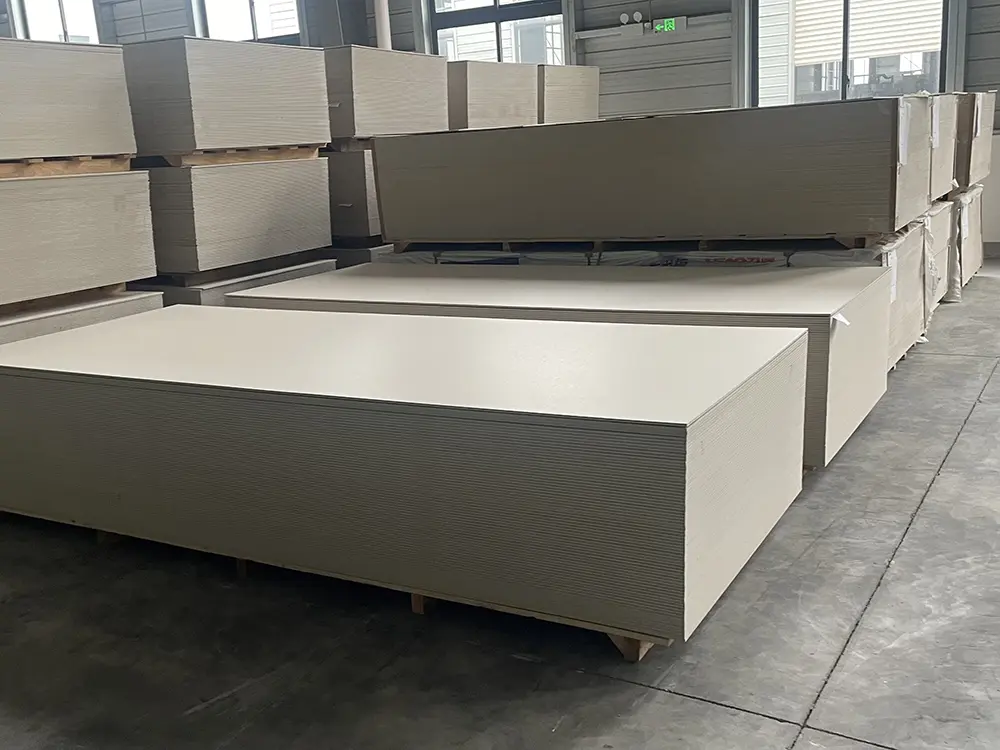 LEAO® Interior Board
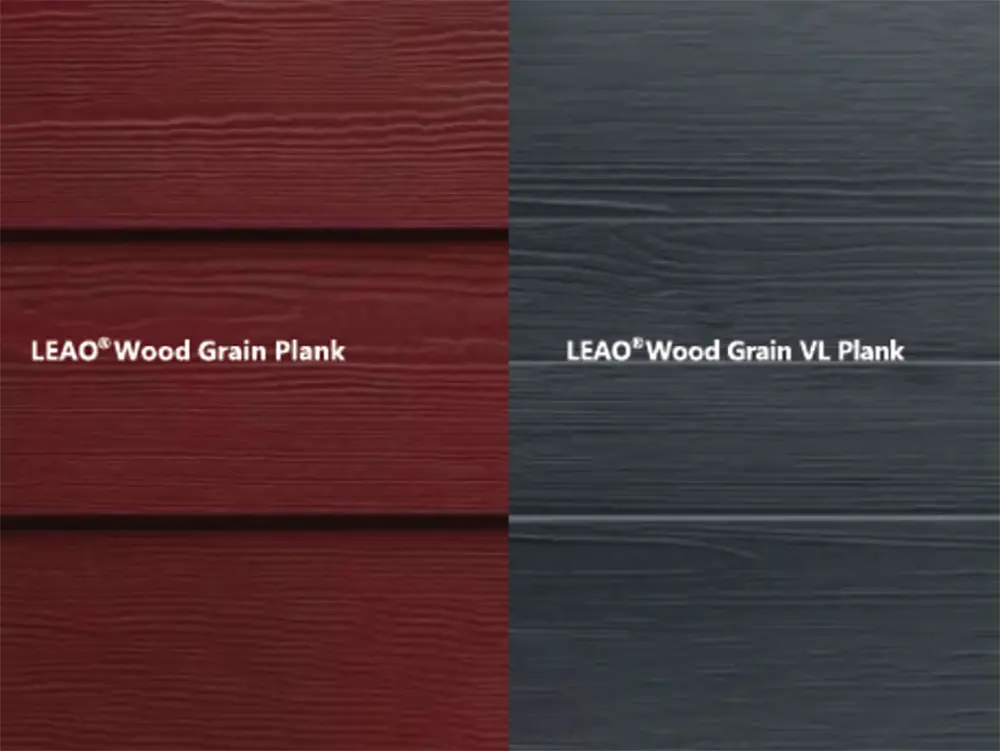 LEAO® Wood Grain Plank
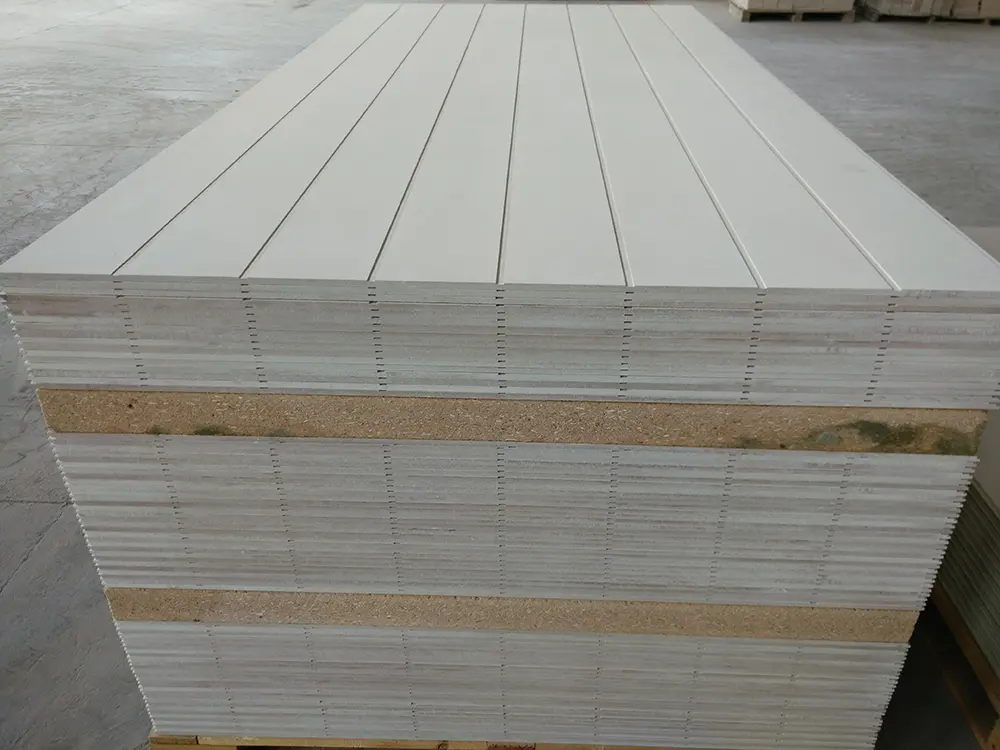 LEAO® Grooved Exterior Panel
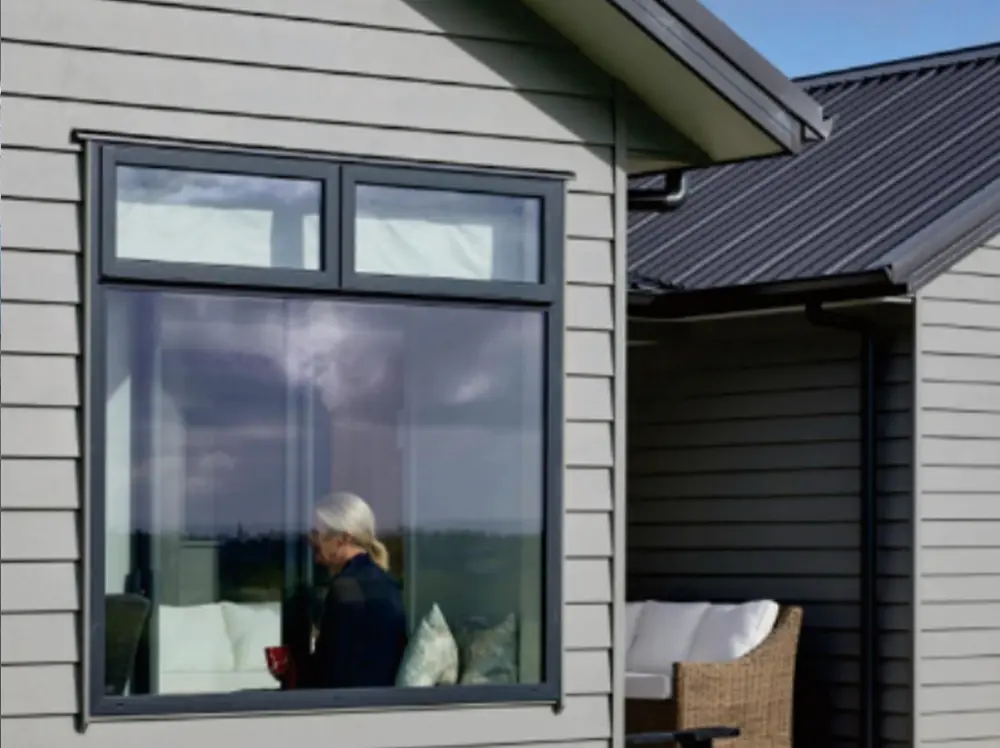 LEAO® Weatherboard
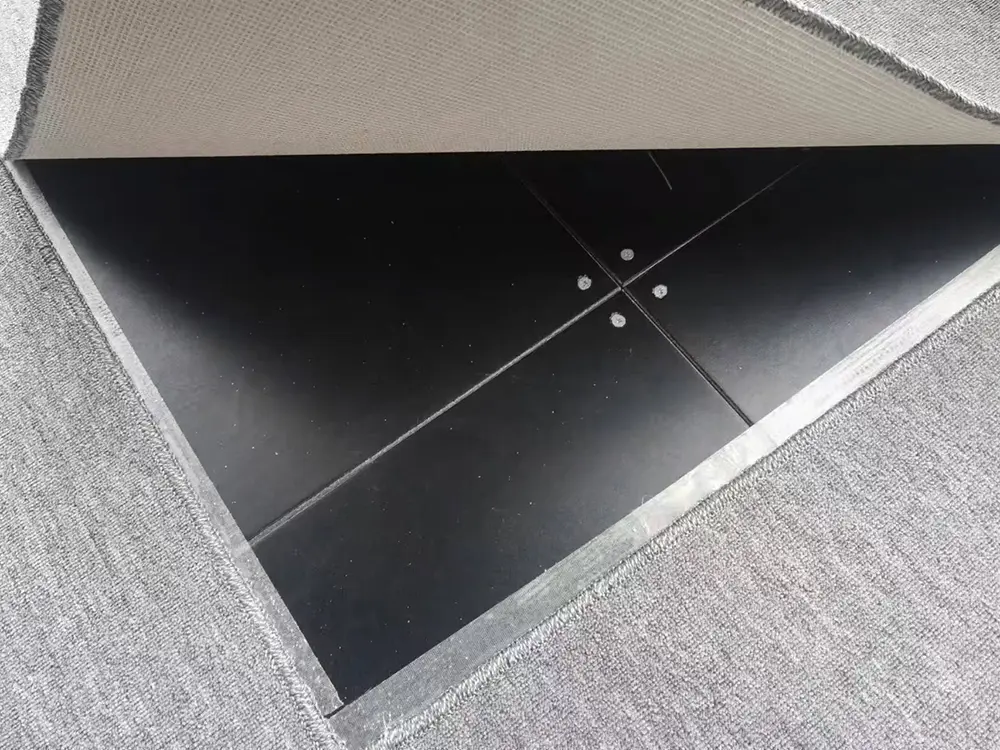 LEAO® Access Floors
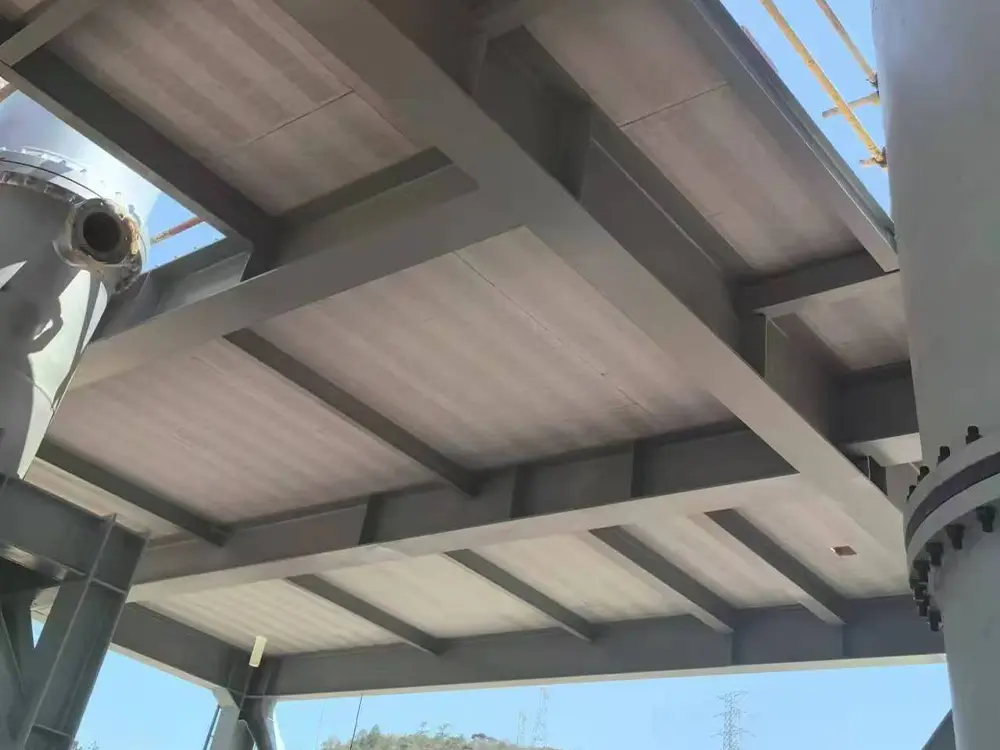 LEAO® Non-removable Formwork
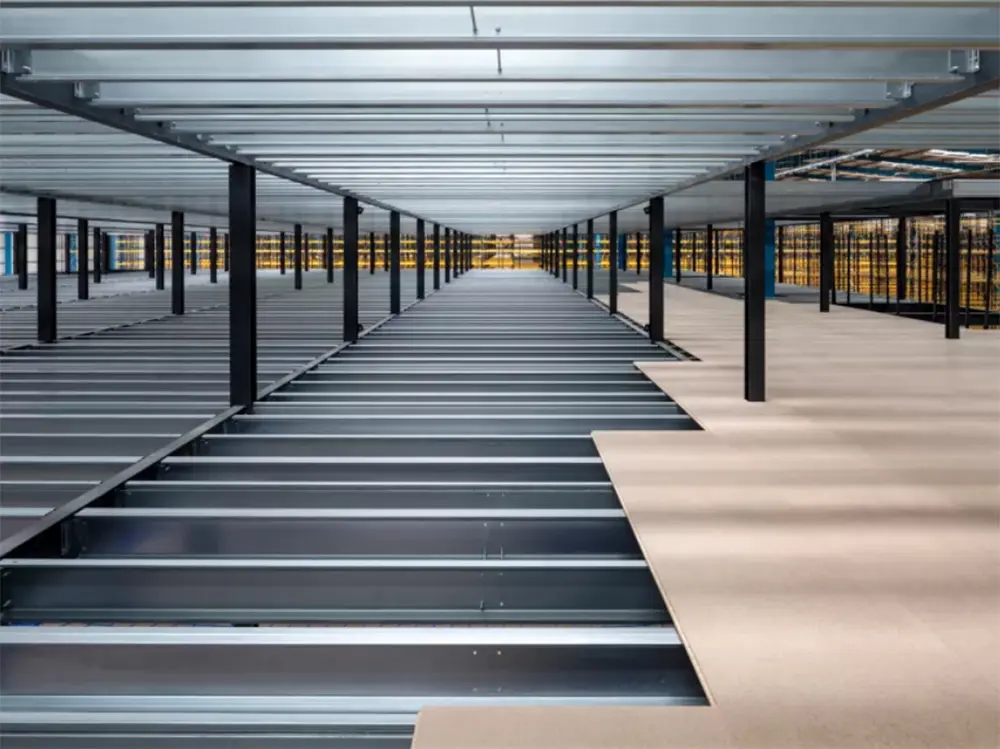 LEAO® Mezzanine Board
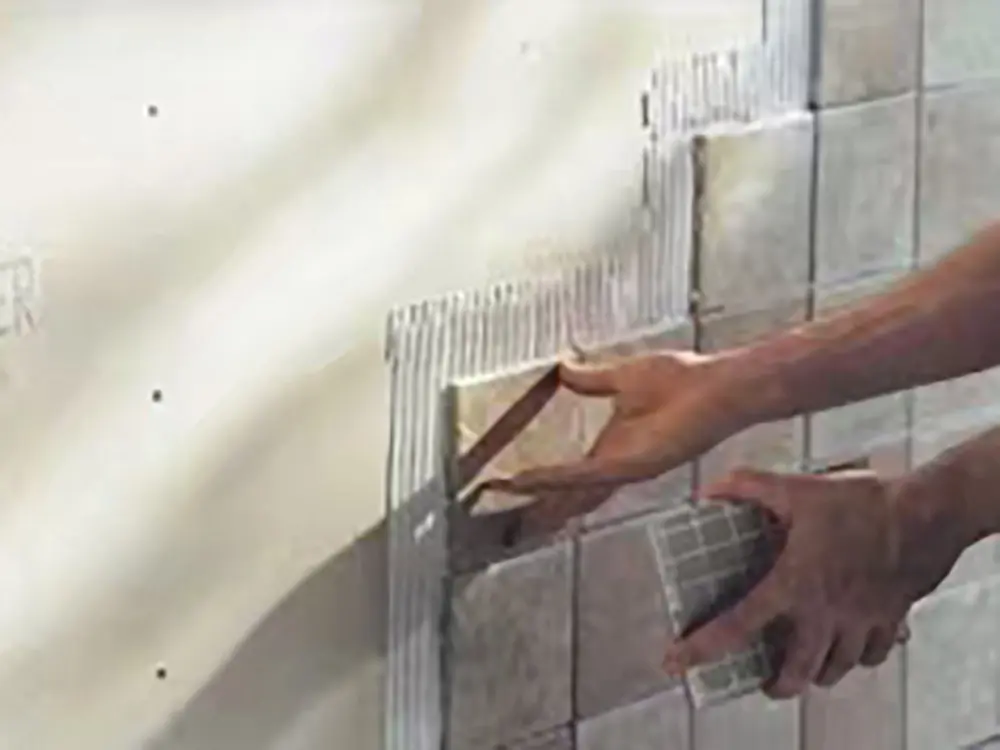 LEAO® Ceramic Tile Underlay
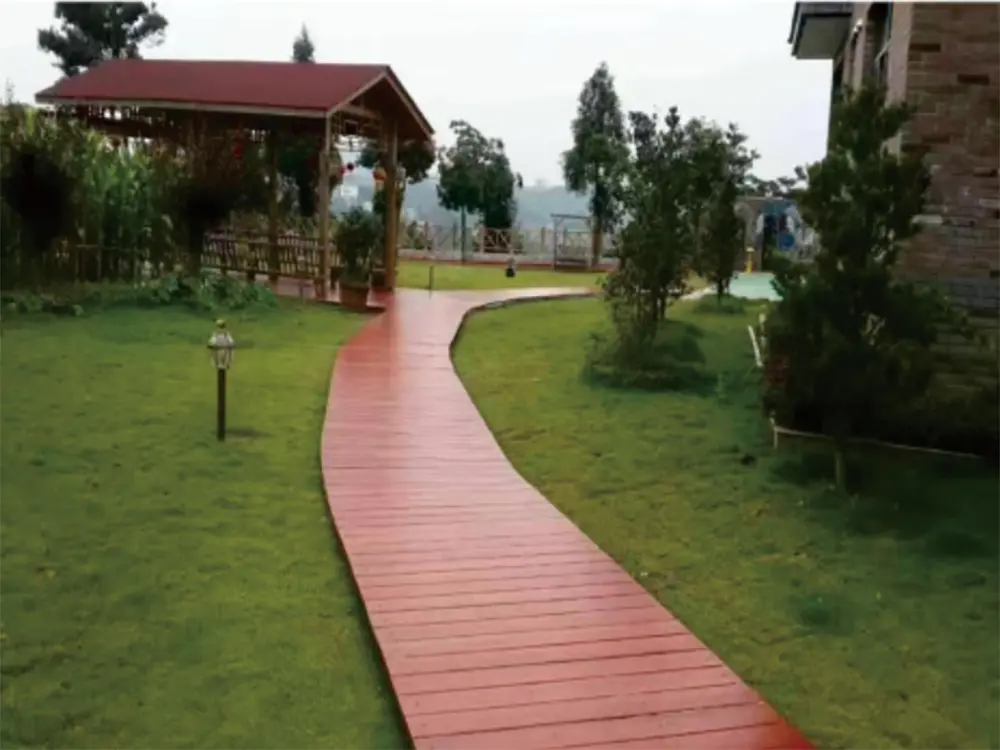 LEAO® Floor Plank
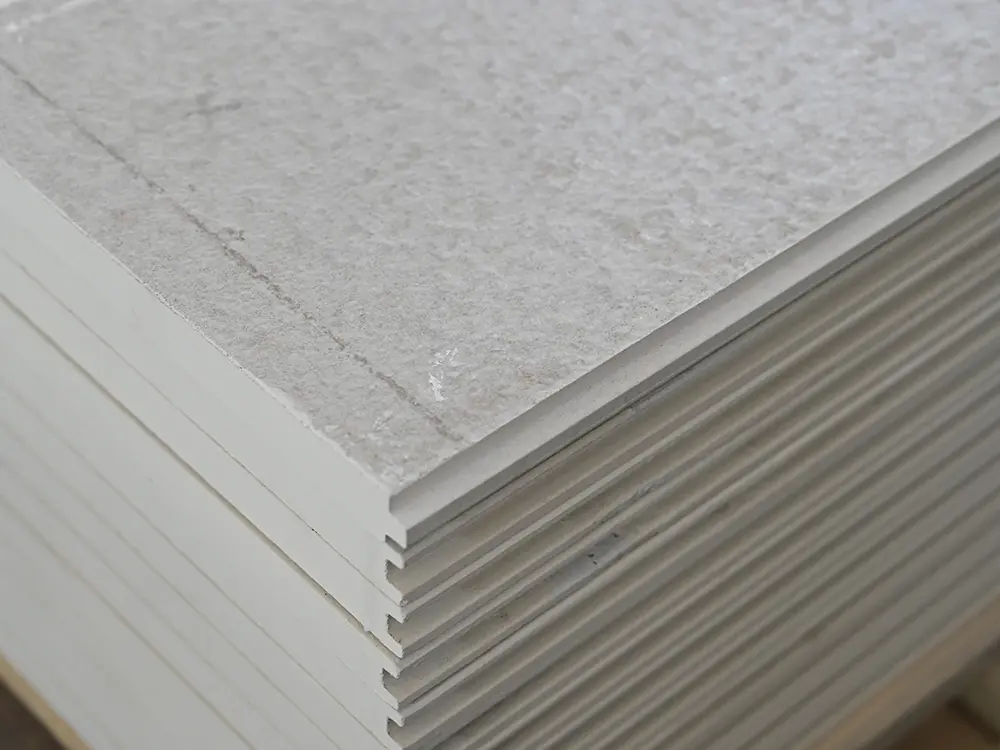 LEAO® Flooring
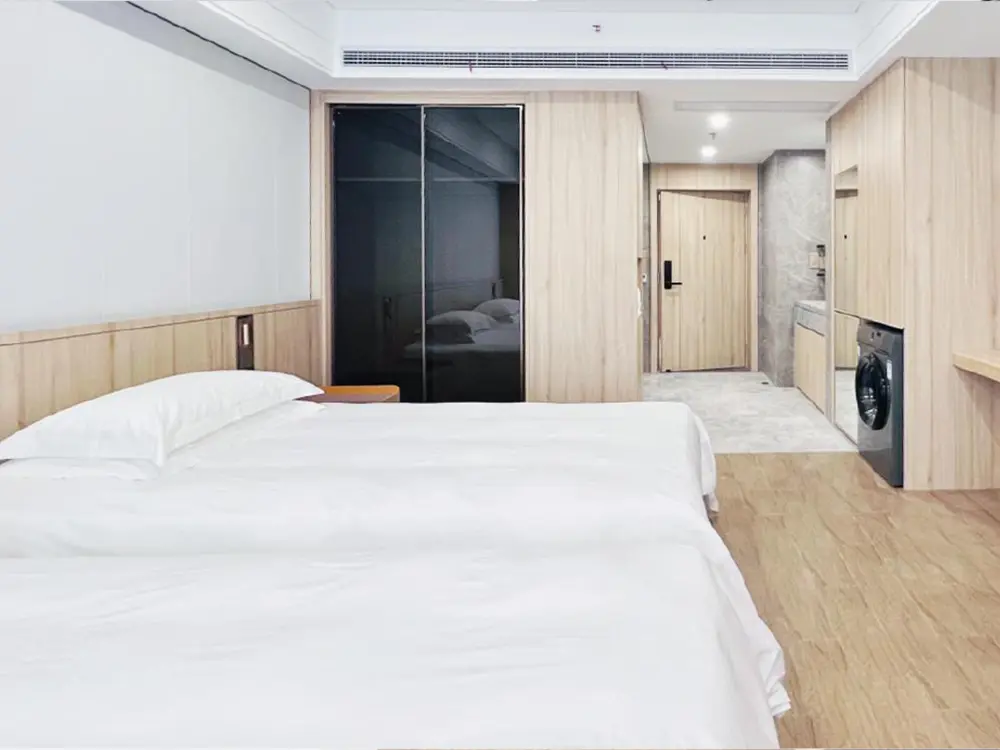 LEAO® Wood Style Decorative Panel
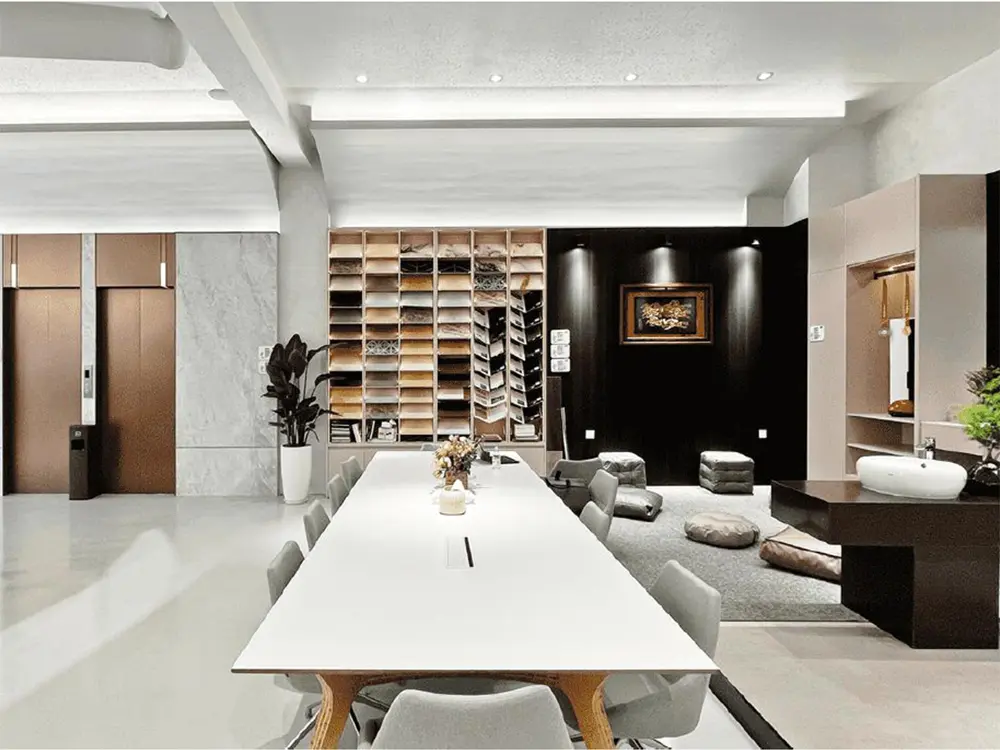 LEAO® Stone Style Decorative Panel
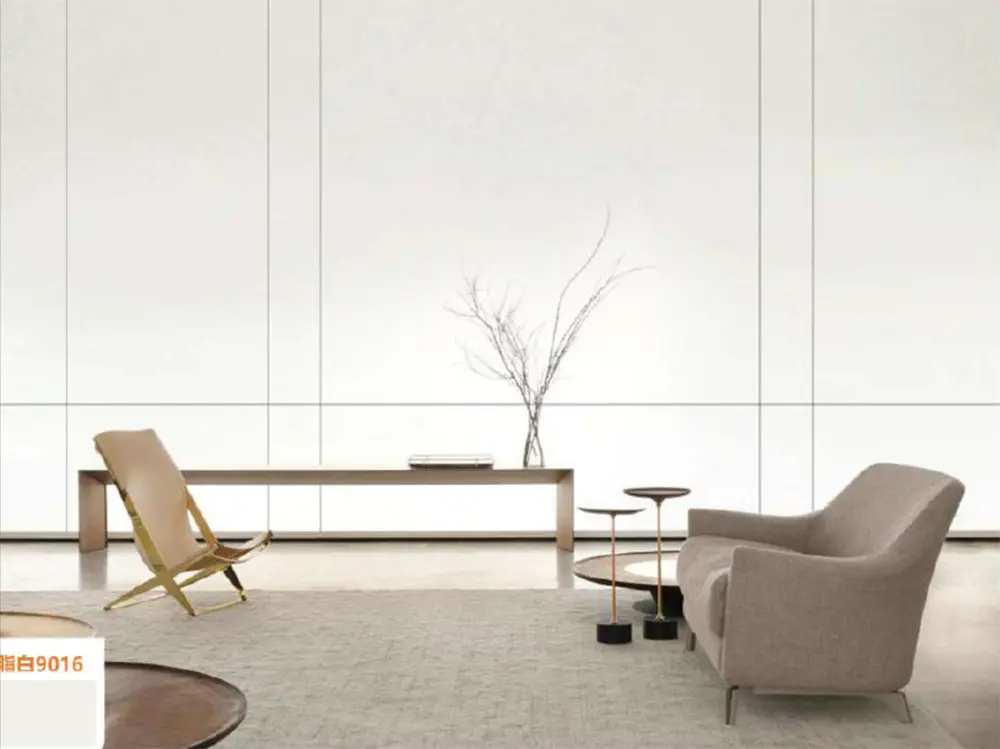 LEAO® Pure Style Decorative Panel