Why Choose Fiber Cement Soffit Board for Your Next Project?
Fiber Cement Soffit Board has gained significant traction in the construction industry. A recent report from the Building Materials Association indicates that this material has seen a 23% increase in usage over the past year. This trend emphasizes the growing recognition of its durability and aesthetic appeal.
According to Dr. Emily Lawson, a leading expert in building materials, "Fiber Cement Soffit Boards are reshaping the way we approach design and longevity in construction." Her insights reflect a broader consensus that emphasizes the benefits of this product. Homeowners and builders alike appreciate its resistance to moisture and pests, making it an ideal choice for various climates.
Despite its advantages, Fiber Cement Soffit Board is not without challenges. Installation can be more complex compared to traditional materials, requiring skilled labor. Additionally, while the benefits are clear, the initial investment may be higher. It’s crucial to weigh these factors when considering this option for your next project.
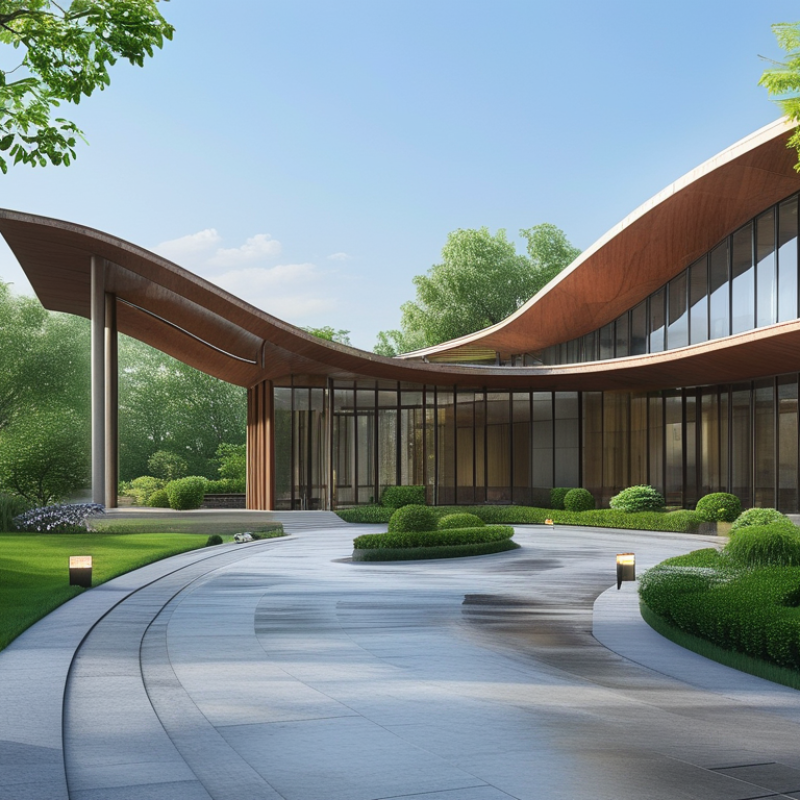
Benefits of Fiber Cement Soffit Board Over Traditional Materials
Fiber cement soffit boards offer numerous advantages over traditional materials like wood and vinyl. One significant benefit is their durability. Unlike wood, fiber cement does not warp, crack, or rot. It withstands harsh weather, resisting strong winds and heavy rains. This longevity means fewer replacements and repairs over time, making it a cost-effective option.
When using fiber cement, consider its low maintenance needs. Cleaning is simple, requiring just soap and water. Homeowners save time and effort compared to wooden soffits, which often need painting or sealing.
Tip: Always check local building codes before installation. Regulations might affect your choice of materials.
A challenge with fiber cement is its weight. This can make handling and installation more complex. Ensure you have the right tools and support. Working with professionals experienced in fiber cement can alleviate some of these concerns.
Tip: Utilize proper safety gear during installation to prevent accidents.
Why Choose Fiber Cement Soffit Board for Your Next Project? - Benefits of Fiber Cement Soffit Board Over Traditional Materials
| Feature |
Fiber Cement Soffit Board |
Traditional Materials |
| Durability |
High resistance to rot, pests, and weathering |
Prone to rot and insect damage |
| Maintenance |
Low maintenance, needs painting every 10-15 years |
Requires frequent maintenance and painting |
| Fire Resistance |
Non-combustible |
Flammable materials |
| Environmental Impact |
Made from sustainable materials |
May contain harmful chemicals |
| Aesthetic Options |
Available in various styles and colors |
Limited design options |
Durability and Longevity of Fiber Cement Soffit Board
Fiber cement soffit boards have become a popular choice in construction. Their durability is a key factor. These boards resist moisture, insects, and rot far better than traditional materials. Whether it's rain, humidity, or temperature fluctuations, fiber cement stands strong. Imagine a home in a wet climate; fiber cement protects the structure, reducing maintenance costs over time.
Longevity is another impressive feature. Fiber cement can last for decades when installed correctly. Unlike wood, it does not warp or crack easily. This means fewer replacements and repairs. Homeowners can focus on aesthetics without worrying about frequent upkeep. However, not all installations are flawless. Poor installation can lead to issues, such as gaps or leaks. It's crucial to hire experienced professionals to ensure the job is done right.
Beyond its strength, fiber cement offers versatility in design. It can be painted or finished to match any style. This flexibility allows home builders to be creative. Yet, it's essential to choose the right colors and finishes. An incorrect choice can change the aesthetic appeal negatively. Balancing durability with personal style can be challenging, but it’s worth the consideration.
Aesthetic Appeal: Customization Options for Fiber Cement Soffit Board
Fiber cement soffit board offers a unique opportunity for customization. Homeowners can choose from various colors, textures, and finishes. This flexibility allows for integration with different architectural styles. For example, a smooth finish may complement a modern home, while a wood-grain texture can enhance a rustic aesthetic.
Customization extends beyond mere appearance. The board can also be cut to specific shapes and sizes. This adaptability is essential for projects that require precision. Whether it's a subtle overhang or an elaborate design, fiber cement can meet these needs. However, some might find the installation process challenging, necessitating skilled labor.
Durability does not mean sacrificing beauty. Fiber cement is weather-resistant, reducing maintenance over time. Still, the variety of options can make decision-making overwhelming. It requires time to weigh one's choices. Aesthetic appeal paired with functional longevity makes fiber cement soffit board a thoughtful investment.
Cost-Effectiveness of Fiber Cement Soffit Board in Home Projects
When considering home projects, fiber cement soffit board stands out for its cost-effectiveness. The material is durable and weather-resistant, making it an ideal choice for homeowners. According to a report from the American Institute of Architects, fiber cement can last up to 50 years with minimal maintenance. This longevity significantly reduces replacement costs over time.
Installation costs are essential in any home project budget. Fiber cement soffit board can be less expensive to install compared to other materials. A study by the Building Materials Association noted that labor costs for fiber cement installation were 10% lower than for vinyl installation. This reduction can add up, especially on larger projects.
The initial price may seem higher compared to alternatives like vinyl. However, homeowners often overlook the long-term savings. Fiber cement offers superior resistance to mold and rot, which translates to fewer repairs. Investing in fiber cement could mean fewer headaches in the future. Choosing this material requires consideration, but the potential benefits make it worth the effort.
Eco-Friendly Properties of Fiber Cement Soffit Board Explained
Fiber cement soffit boards are becoming popular in construction due to their eco-friendly properties. Made from natural materials like sand, cement, and cellulose fibers, they reduce the environmental impact. These boards do not contain harmful chemicals, making them a safe choice for indoor air quality. Their production often involves recycling, which supports sustainability.
Additionally, fiber cement soffit boards offer impressive durability. They resist pests, moisture, and fire, minimizing the need for replacements. Longevity means fewer materials end up in landfills. Despite this, some may find the initial investment higher compared to other materials. However, the long-term benefits often outweigh this concern.
Using fiber cement can lead to energy savings. Their insulative properties help maintain temperature, reducing heating and cooling costs. It’s essential to weigh your options, considering both environmental impact and your budget. Opting for eco-friendly materials like fiber cement is a step towards sustainable building practices.

 LEAO®Deco Ceiling
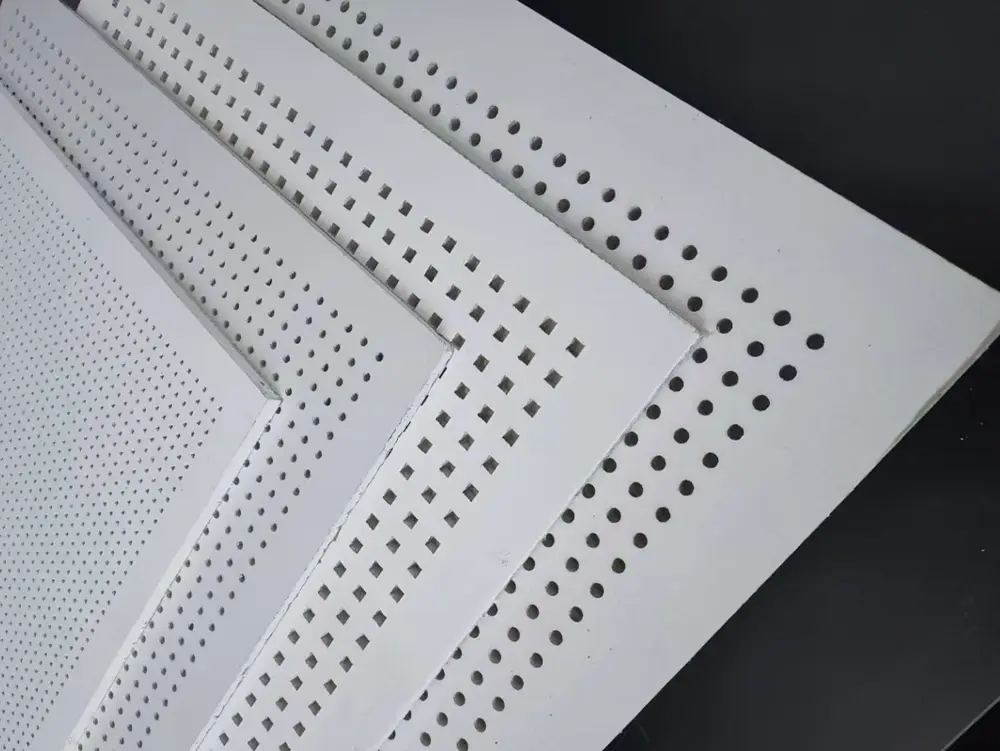 LEAO® Perforated Ceiling
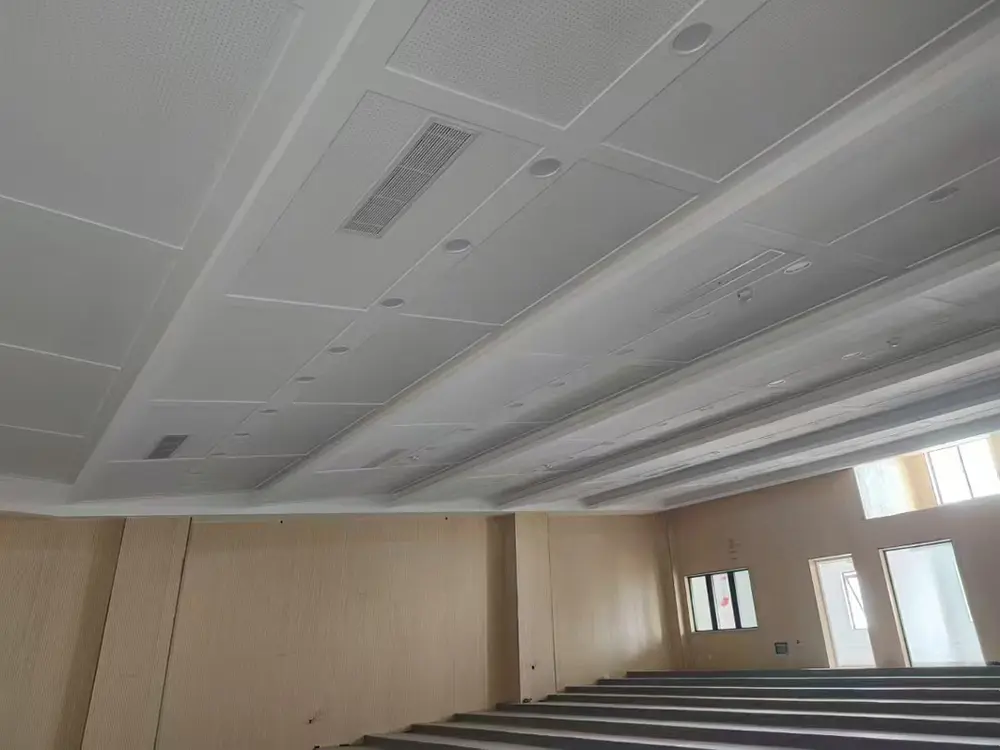 LEAO® Ceiling Board
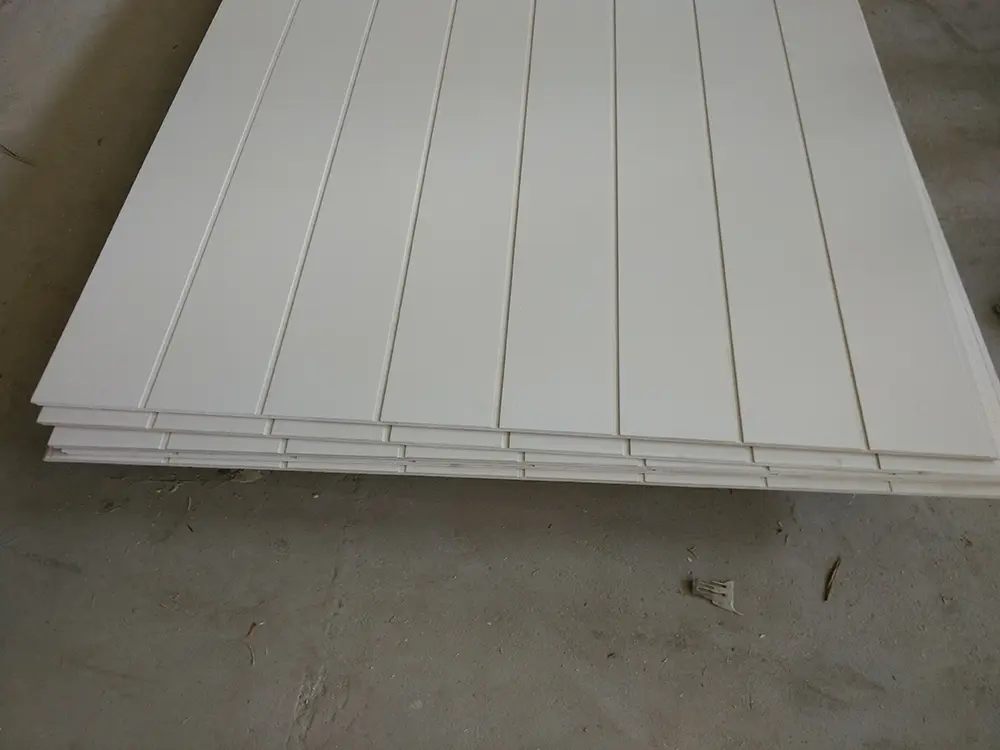 LEAO® Groove Interior Panel
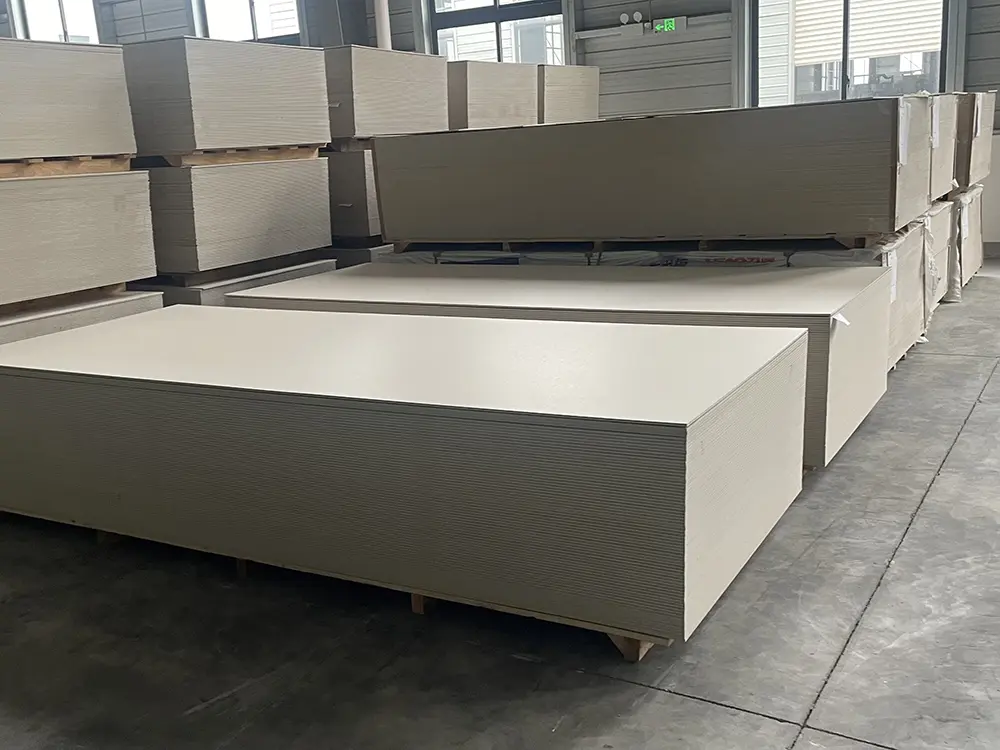 LEAO® Interior Board
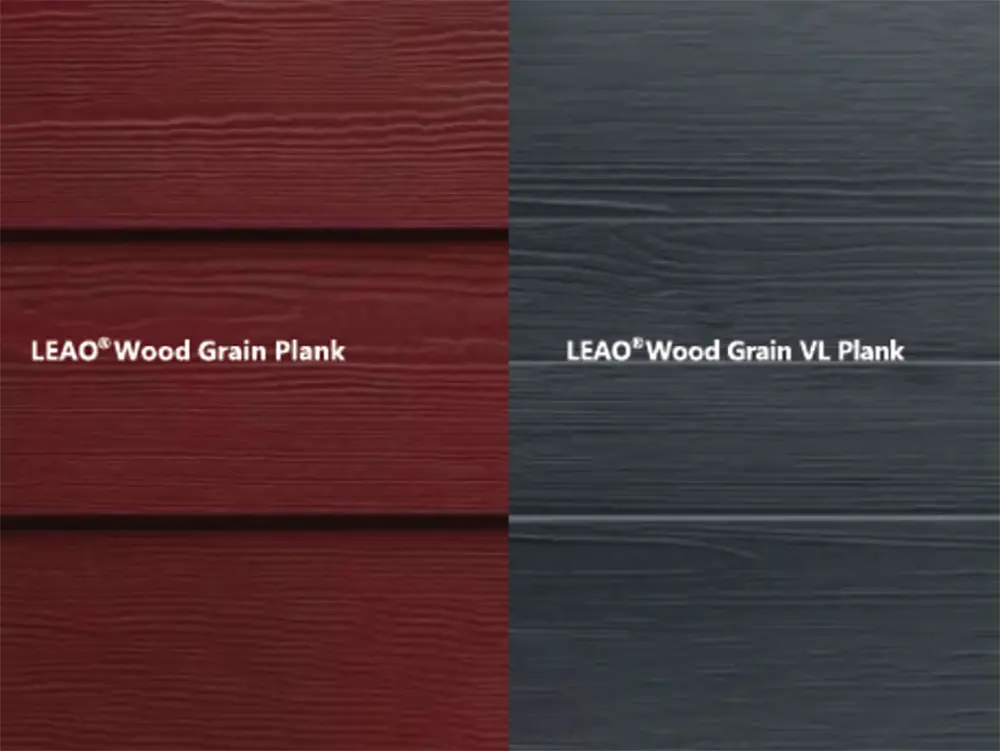 LEAO® Wood Grain Plank
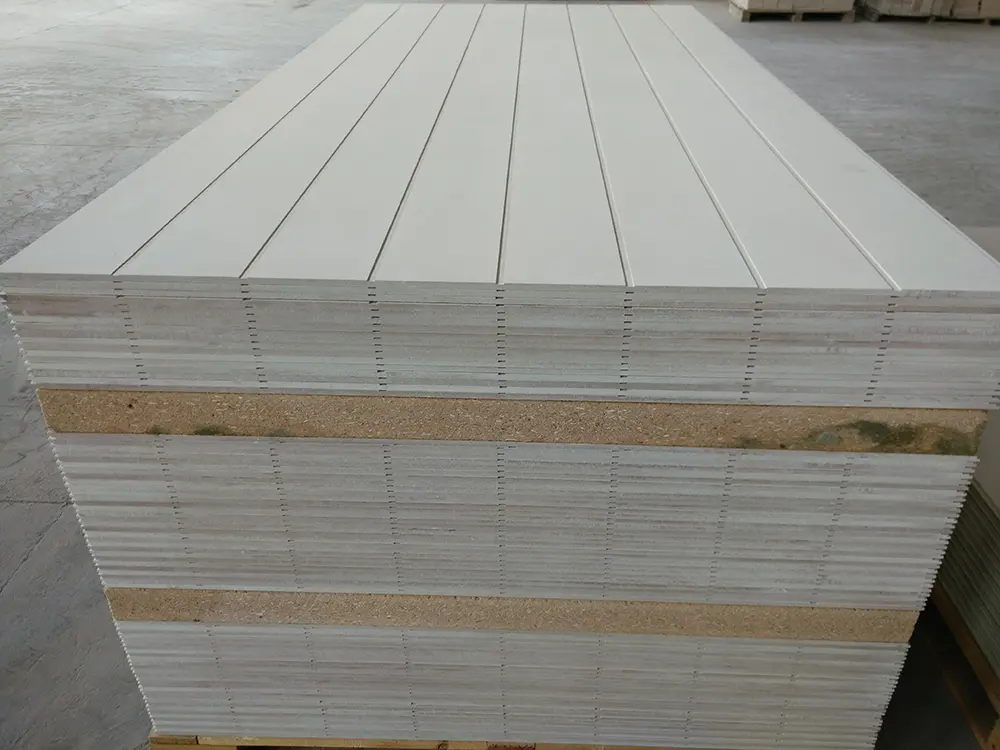 LEAO® Grooved Exterior Panel
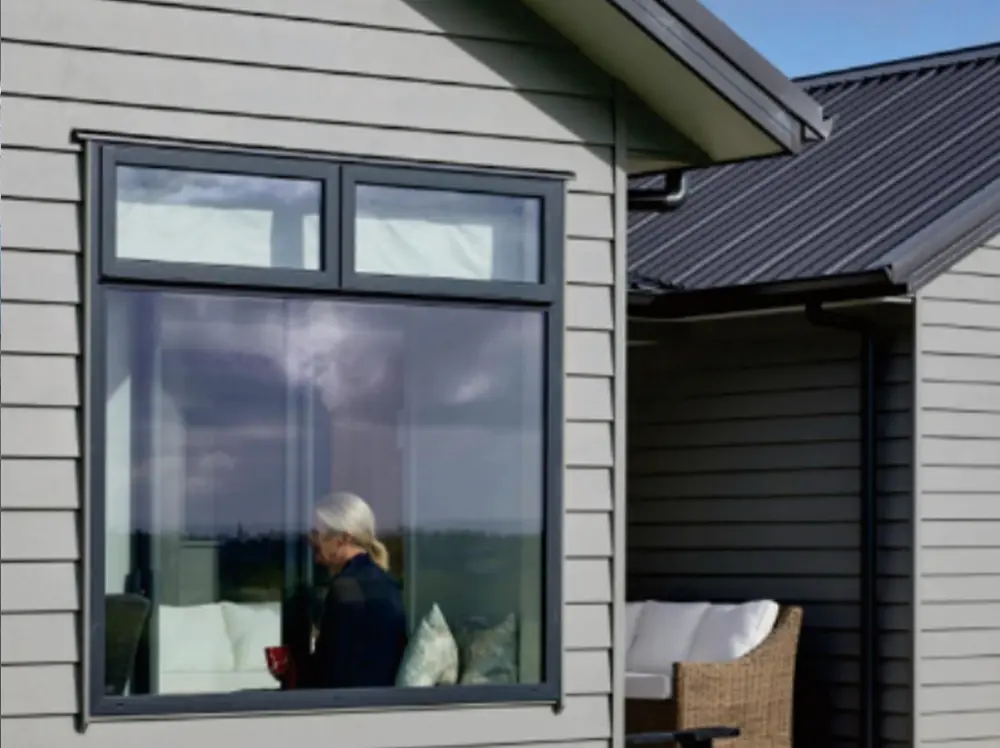 LEAO® Weatherboard
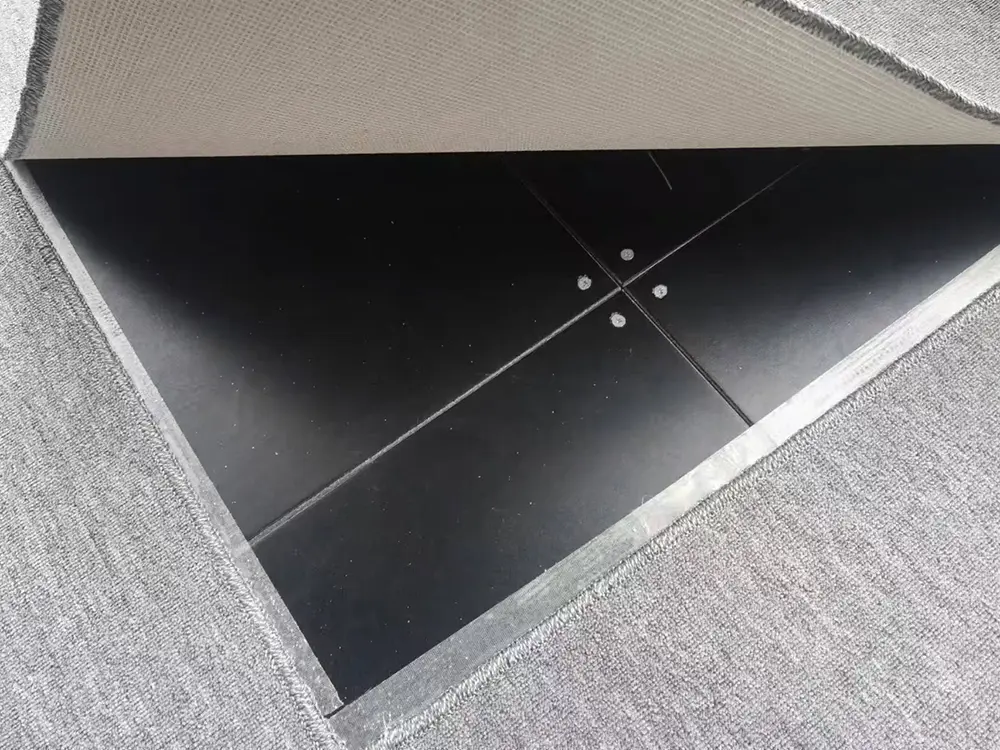 LEAO® Access Floors
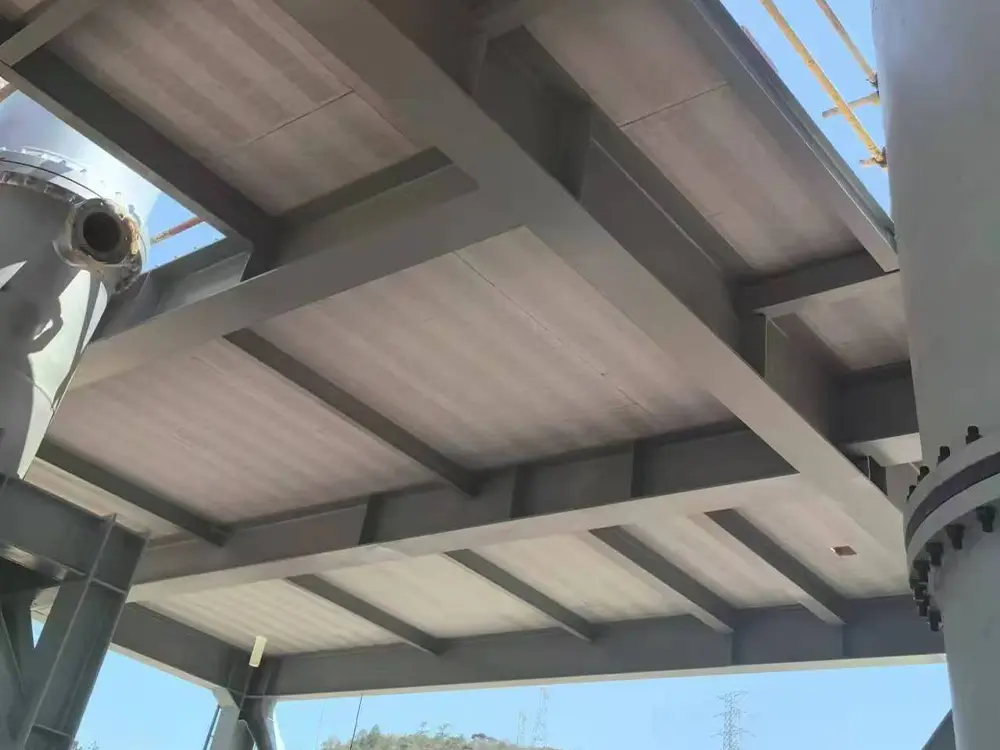 LEAO® Non-removable Formwork
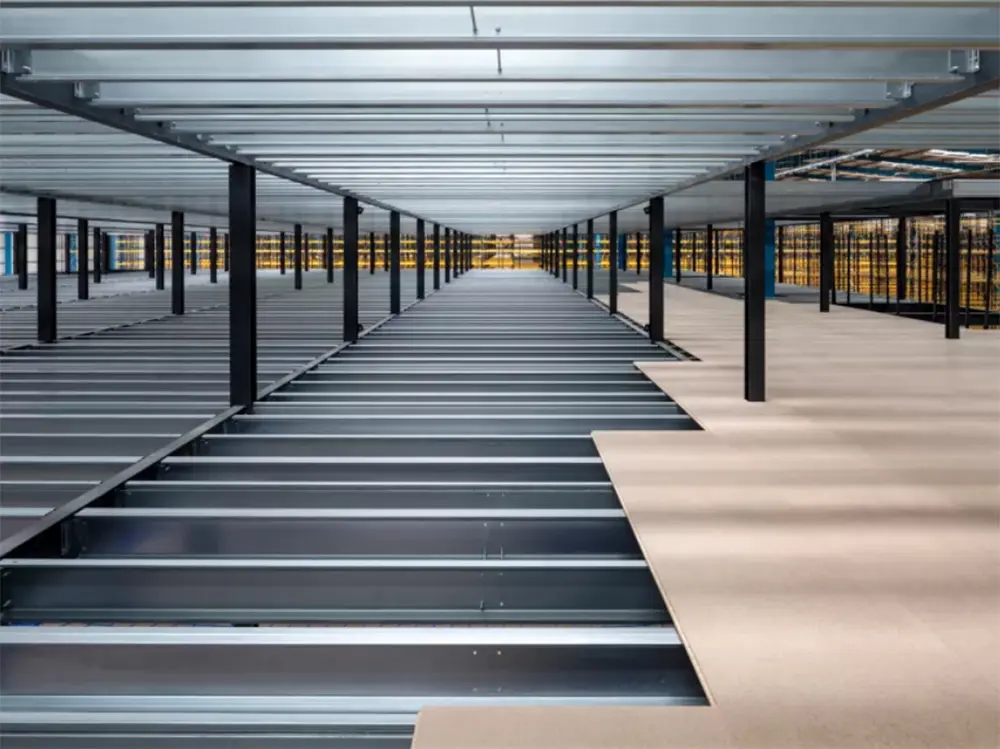 LEAO® Mezzanine Board
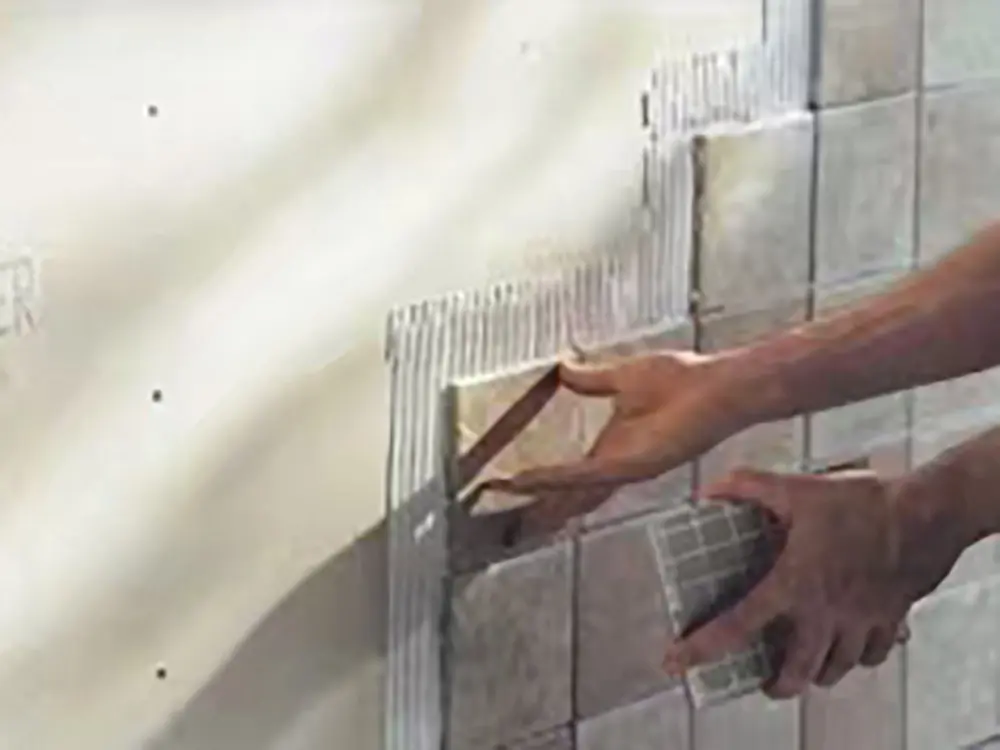 LEAO® Ceramic Tile Underlay
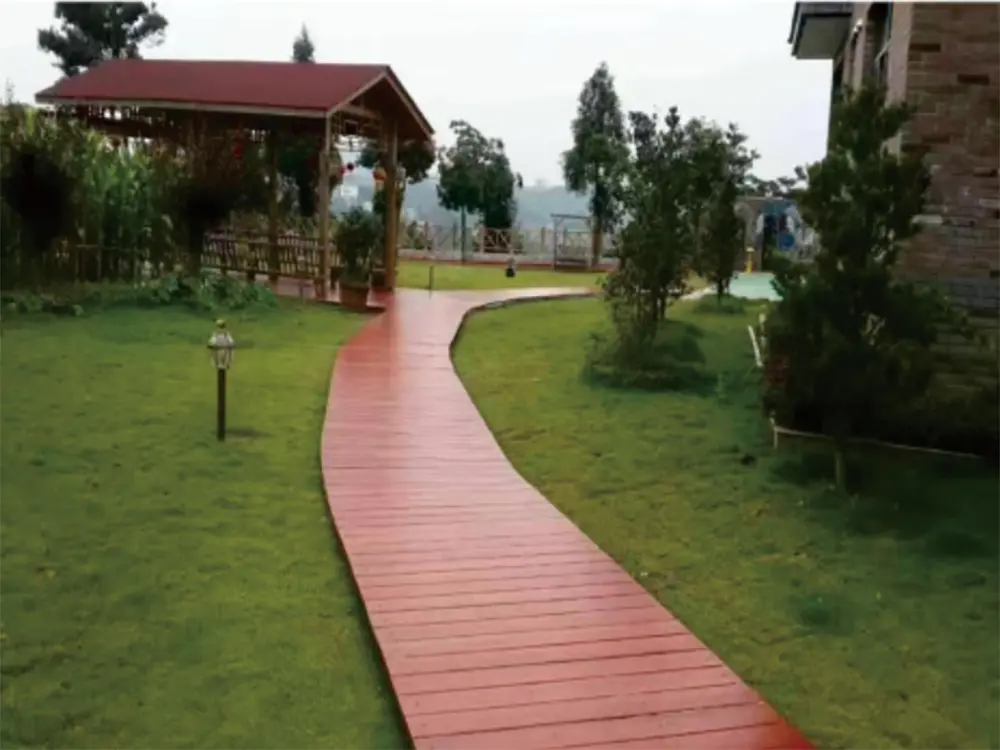 LEAO® Floor Plank
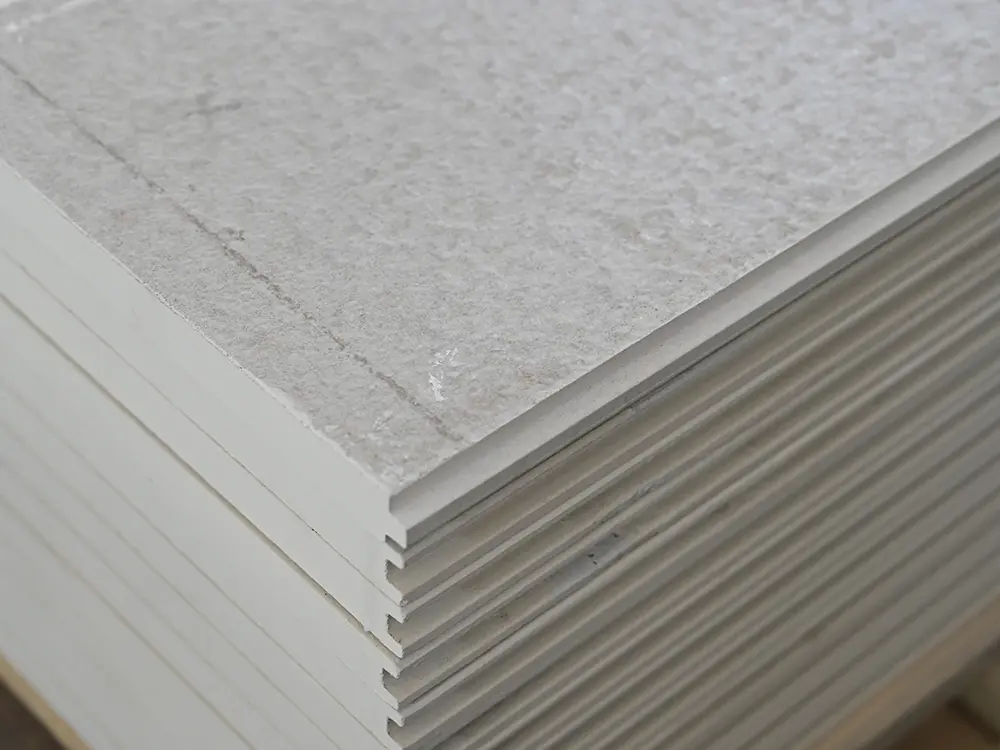 LEAO® Flooring
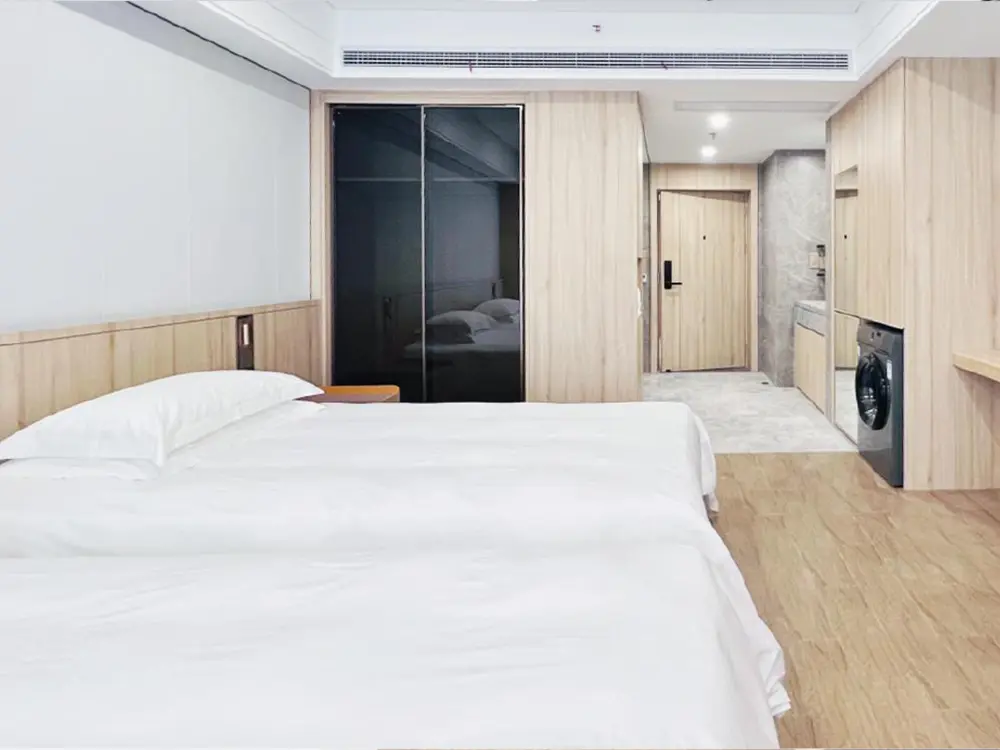 LEAO® Wood Style Decorative Panel
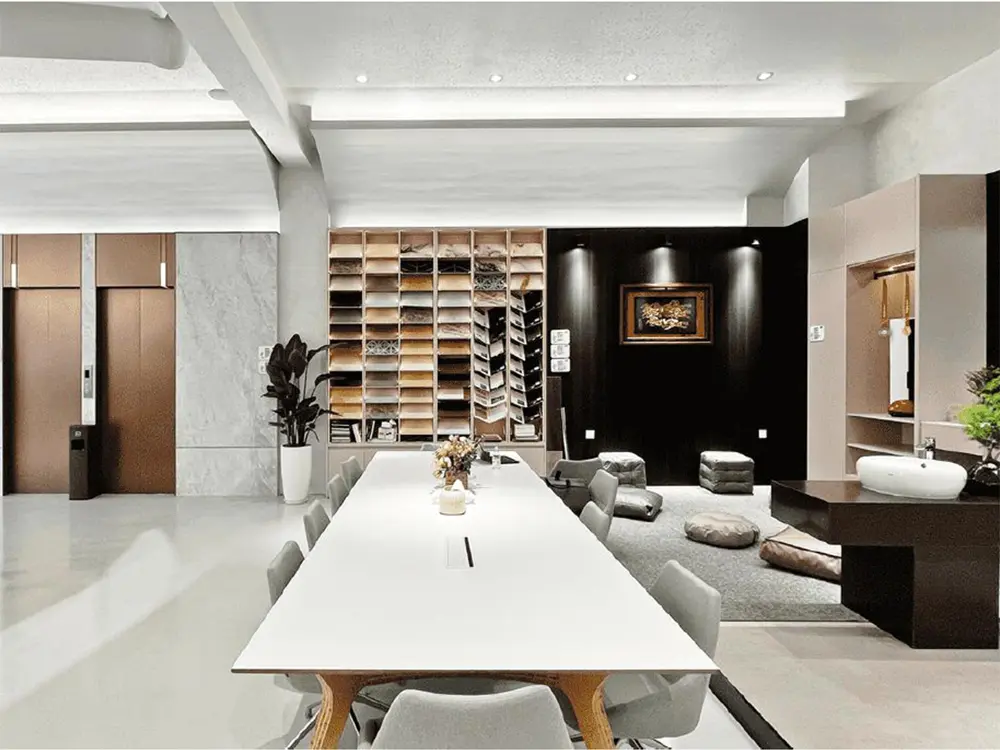 LEAO® Stone Style Decorative Panel
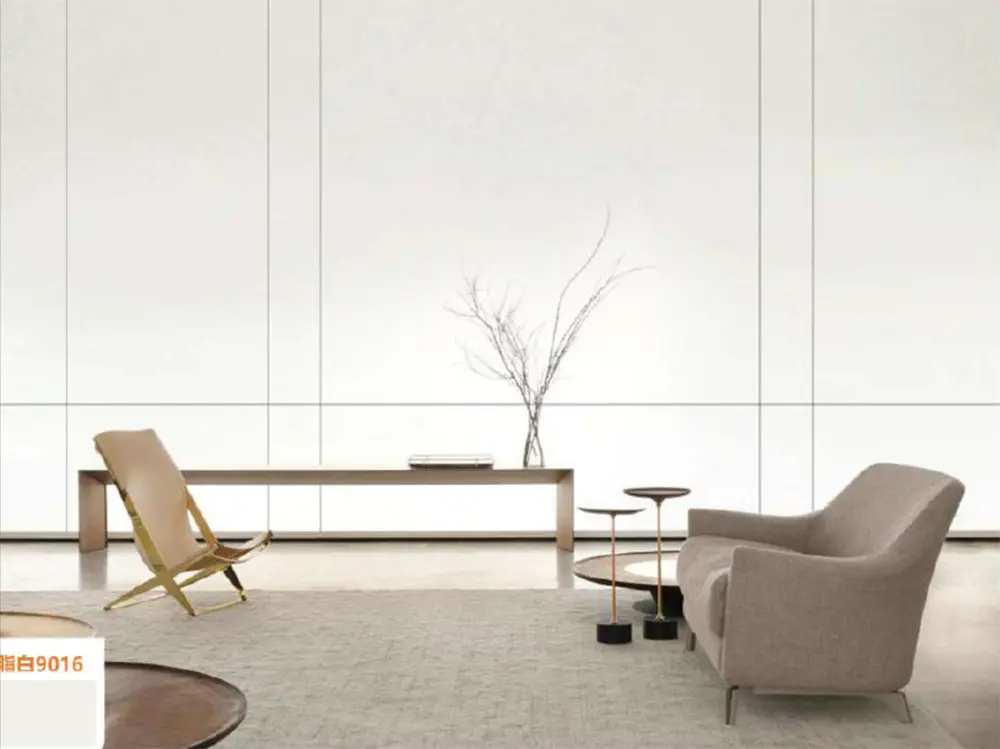 LEAO® Pure Style Decorative Panel