Inquiry
Form loading...

How to Choose Uv Coated Fiber Cement Board for Your Project?

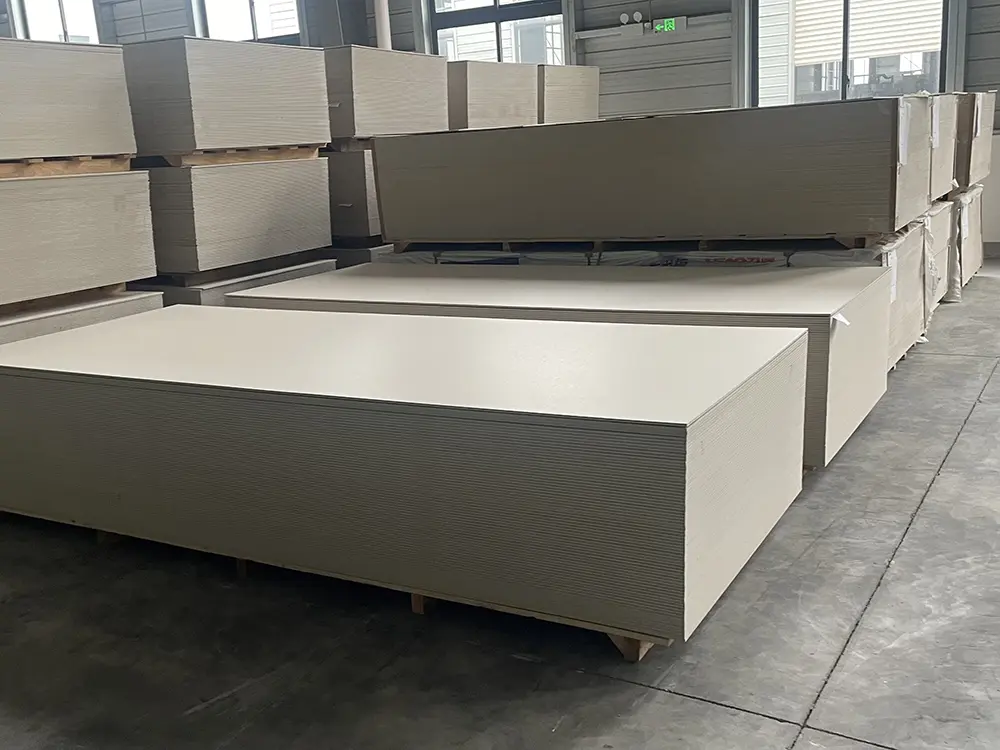
Choosing the right materials for your project is critical. One option that stands out is the Uv Coated Fiber Cement Board. This board offers durability and weather resistance, making it suitable for various applications.

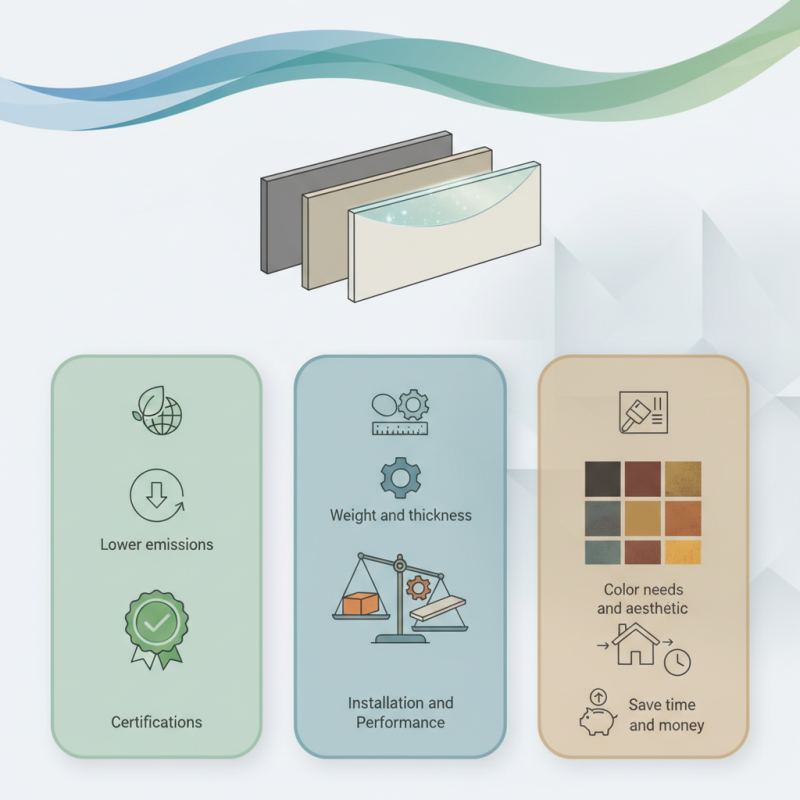
When selecting the Uv Coated Fiber Cement Board, consider its environmental impact. Many boards claim to be eco-friendly, but the truth varies. Look for certifications that guarantee lower emissions. Pay attention to the board's weight and thickness. These factors influence installation and overall performance.

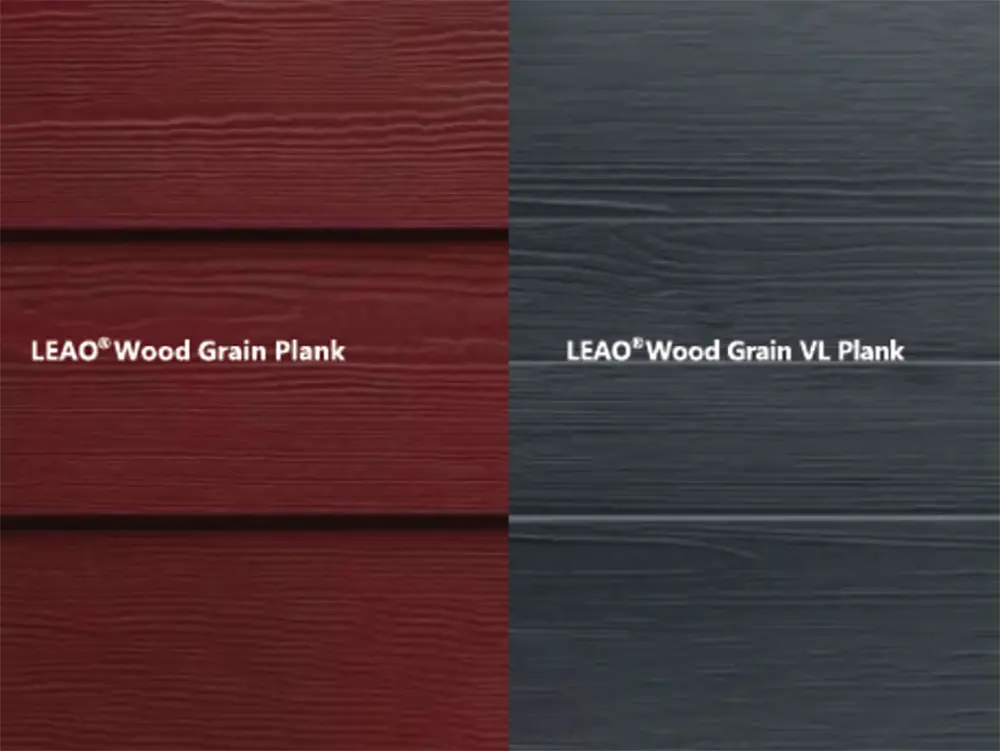
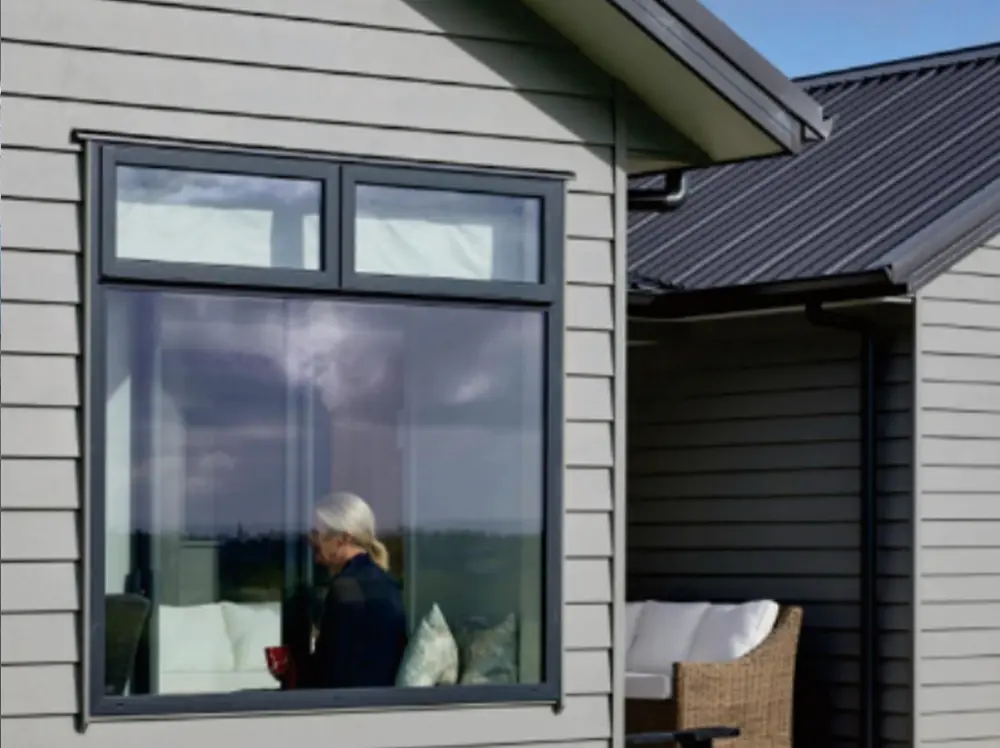
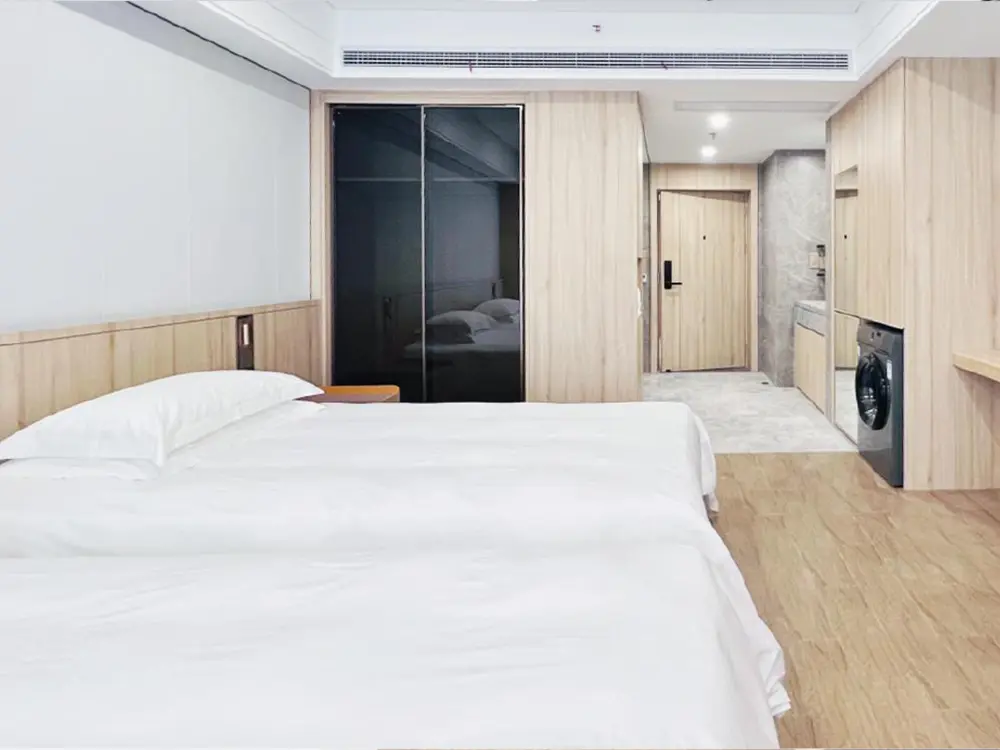
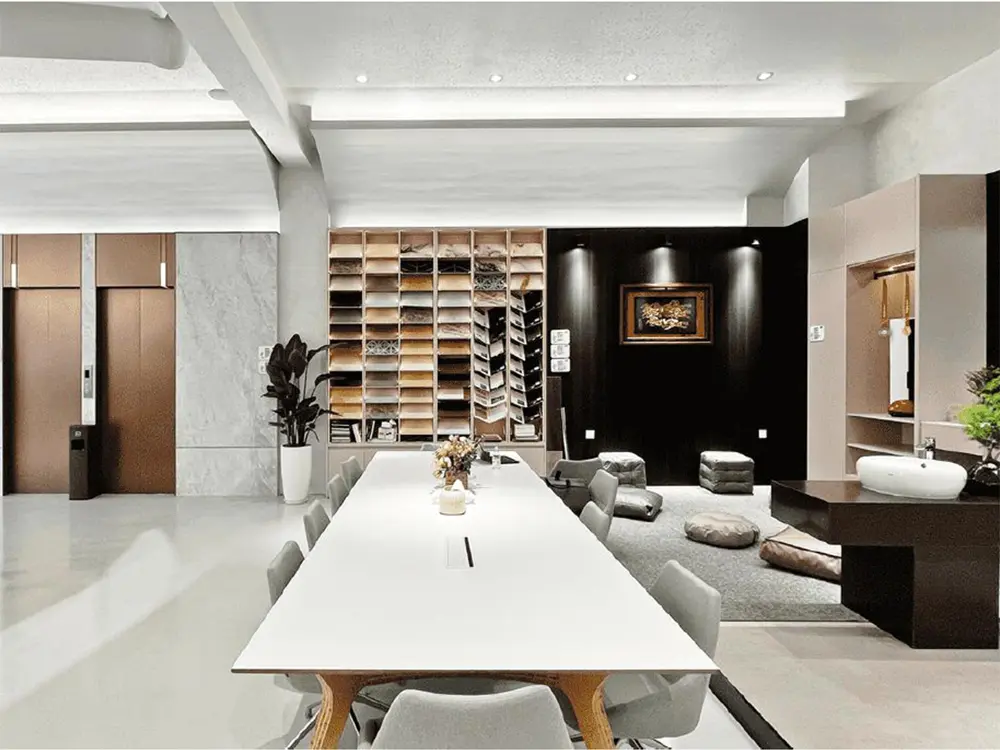
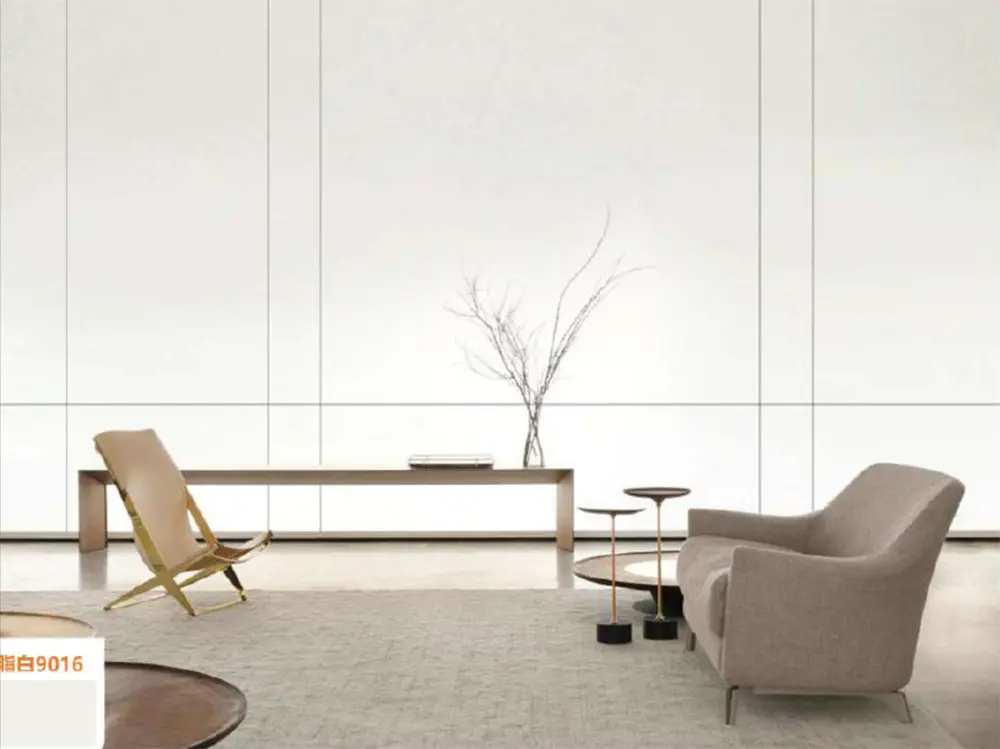
Visualize your project needs clearly. Think about color and texture as well. A well-chosen Uv Coated Fiber Cement Board enhances the aesthetic of any space. Reflect on these choices and remember that what works for one project may not suit another. Choosing wisely can save time and money in the long run.
How to Choose Uv Coated Fiber Cement Board for Your Project?

Understanding UV Coated Fiber Cement Board and Its Benefits

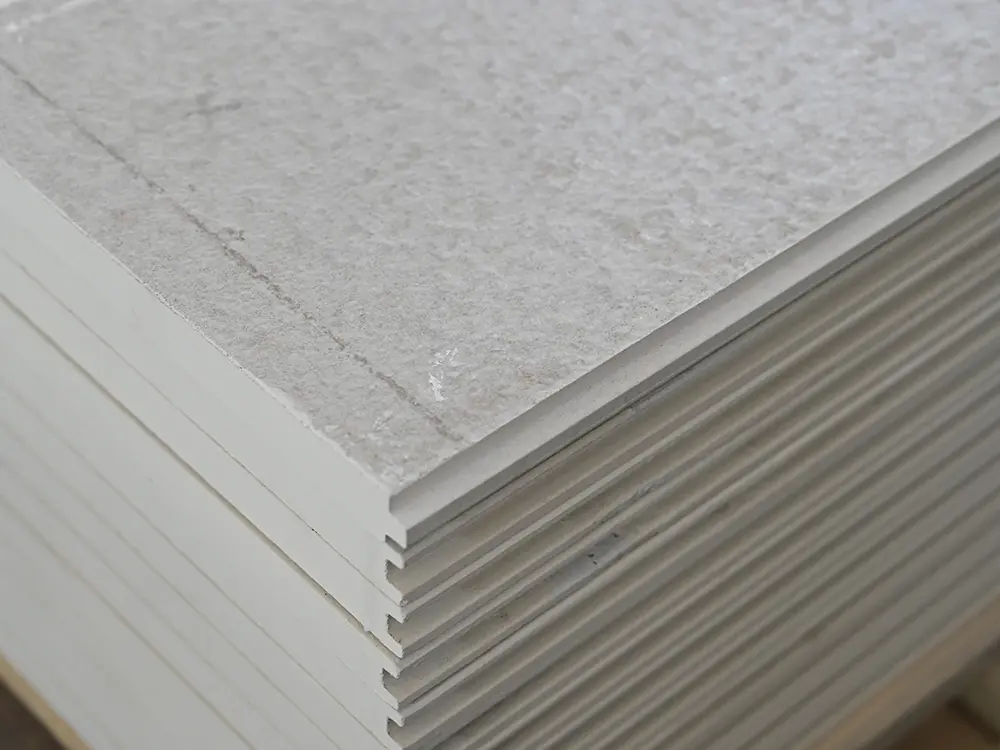
UV coated fiber cement board is a versatile material. It offers durability and aesthetic appeal. This board is resistant to moisture and weathering, making it suitable for various environments. The UV coating provides an extra layer of protection. It helps prevent fading and deterioration from sunlight. This means your project will maintain its look longer.


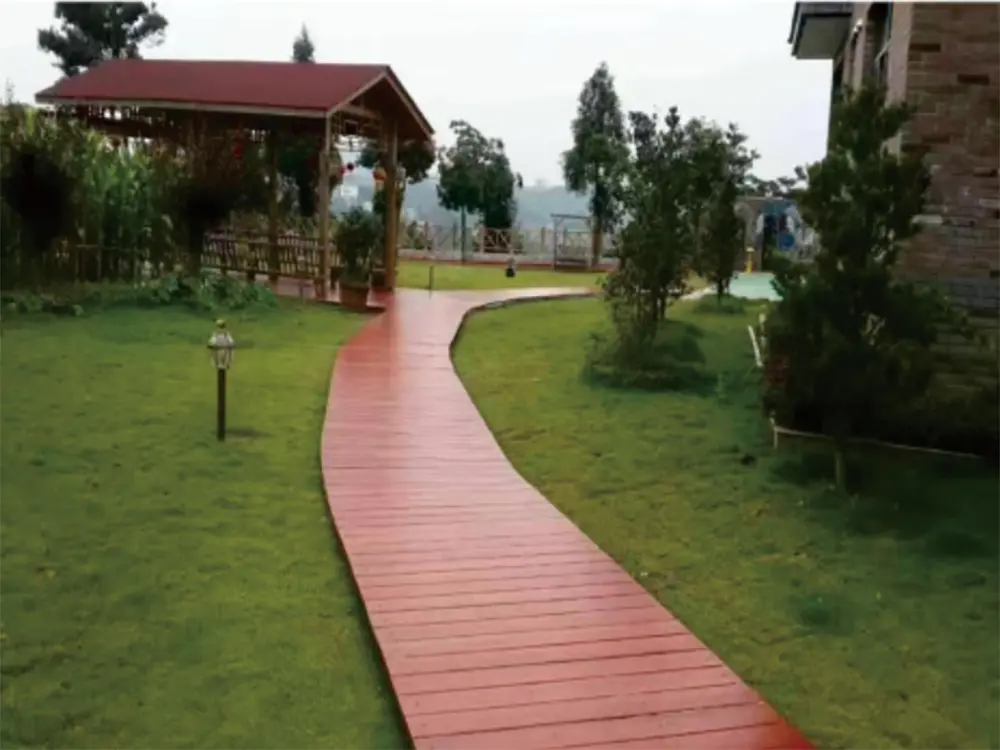
When selecting this material, consider your project requirements. Think about the climate and conditions it will face. For example, in coastal areas, the UV coating is crucial due to salt exposure. Look for textures and colors that match your design. The right choice can enhance the overall appearance of your space.


However, not every UV coated fiber cement board is equal. Some coatings may wear off faster. Others may not adhere well to the board. It’s vital to do thorough research. Testing a small sample could save you time and money. Reflect on the long-term benefits of your choice. It’s important to invest in quality for lasting results.
Key Factors to Consider When Choosing UV Coated Fiber Cement Board

How to Choose Uv Coated Fiber Cement Board for Your Project?

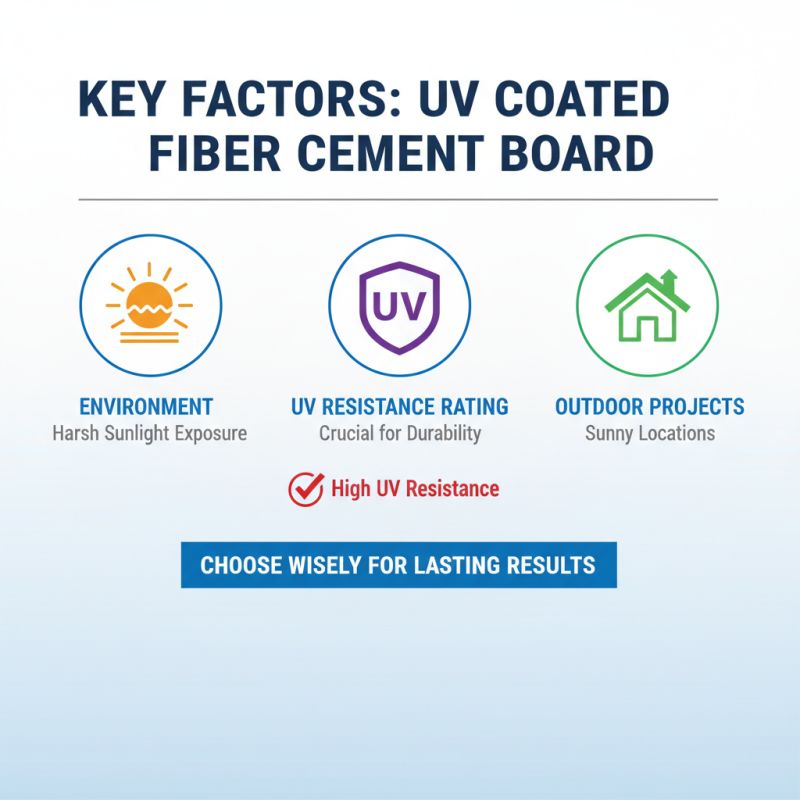
When selecting UV coated fiber cement board, consider the environment. Exposure to harsh sunlight can affect the durability of the board. Look for a product with a high UV resistance rating. This is crucial if it's for outdoor projects, especially in sunny locations.

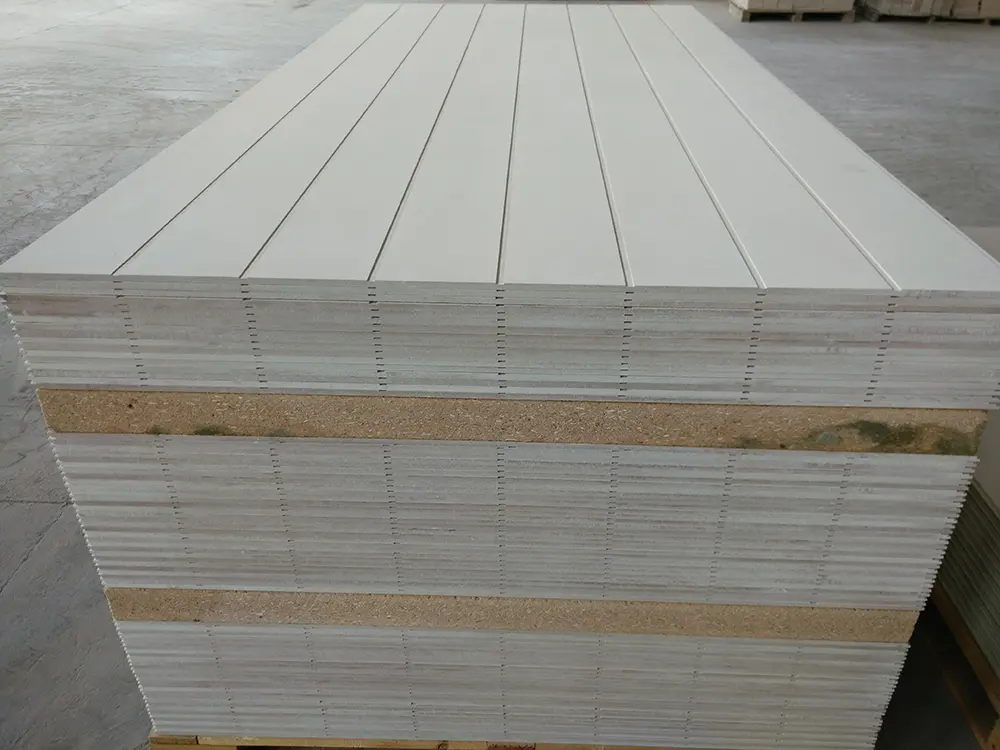
Another factor is thickness. Thicker boards typically offer better insulation and sturdiness. However, they can be heavier and more difficult to install. Assess your project's needs carefully. Weight can influence not just installation but also the structure's overall integrity.

Additionally, examine the finish. A smooth finish may look appealing but could diminish the board's grip during application. Textured surfaces often provide better adhesion for paint or sealants. It’s important to balance aesthetics with functionality. careful consideration of these factors can prevent future issues and lead to better results.

Comparing UV Coated Fiber Cement Boards: Quality and Price

How to Choose Uv Coated Fiber Cement Board for Your Project?

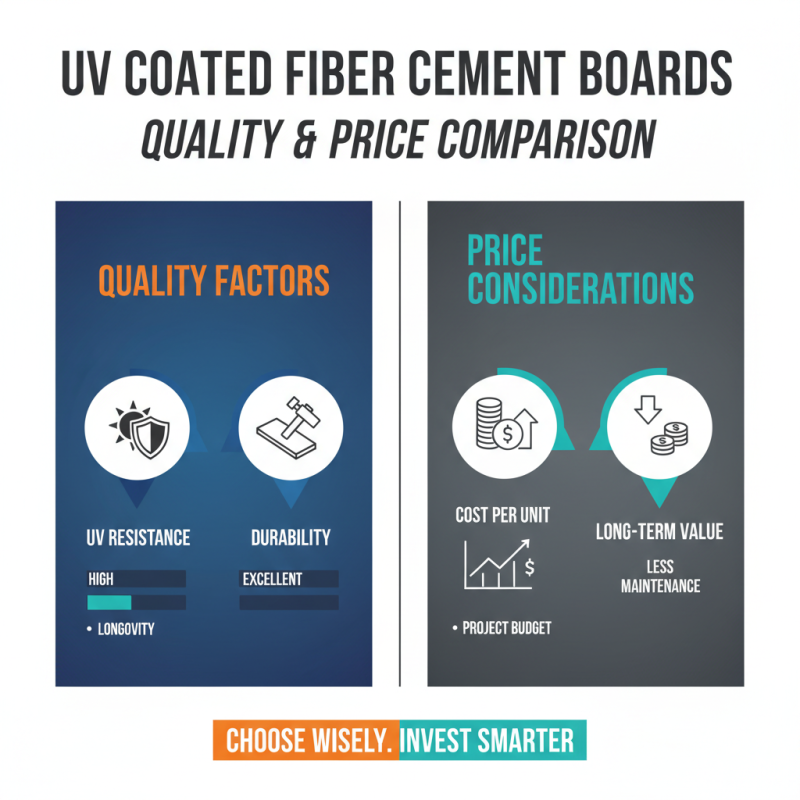
When selecting UV coated fiber cement boards, it's vital to compare different options. Quality varies significantly among products. Some boards may offer better resistance to UV rays, while others might excel in durability. Understanding these differences can impact your project's longevity.

Price is another crucial factor. Some boards might seem affordable but could compromise on quality. It’s essential to balance cost and performance. Sometimes, investing in a slightly pricier option pays off in the long run. Think about additional costs for maintenance and replacement.

Take note of the specifications. Standards can vary across manufacturers. A board that seems perfect might lack critical features, like moisture resistance. Features might not be as advertised. It's wise to seek feedback from others who have used different fiber cement boards. Their insights can shine a light on practical experiences.

Installation Guidelines for UV Coated Fiber Cement Board

When installing UV coated fiber cement boards, attention to detail is key. The surface should be clean and dry before starting. Ensure you have the right tools ready, such as a saw and drill. Measuring precisely is crucial; one wrong cut can waste materials. Start with the framing. This will provide a strong support system for the boards.

When placing the boards, use proper spacers. They help maintain alignment and prevent warping. It’s important to check for levelness frequently. Mistakes can occur if you rush this phase. Be methodical; taking the time to fix minor errors can save bigger problems later.

Secure the boards tightly, but don’t over-tighten screws. Doing so can crack the material. Allow for expansion, especially in fluctuating temperatures. After installation, reviewing the final look can reveal spots needing improvement. Inspect joints and edges carefully. This step often goes overlooked but is essential for a polished finish.

Installation Guidelines for UV Coated Fiber Cement Board

Maintenance Tips for Longevity of UV Coated Fiber Cement Board

Maintaining UV coated fiber cement board is essential for its longevity. Regular cleaning is vital. Dust, grime, and pollutants can settle and degrade the coating. Using a soft cloth and mild detergent keeps the surface clean. Experts recommend cleaning at least twice a year. This practice can enhance the product's lifespan.

Another important aspect is inspection. Check for any cracks or chips in the board regularly. These imperfections can lead to water infiltration. According to industry reports, damaged boards can significantly decrease durability, often cutting lifespan by 30%. If you notice issues, address them promptly. Repairs may help avoid costly replacements down the line.

Finally, consider environmental factors. UV exposure, humidity, and temperature fluctuations affect the board. In high UV areas, the coating may degrade faster. Applying a new UV protective layer every few years can fortify the board. This step is often overlooked but can prevent premature wear. Data suggests that proactive maintenance increases the lifespan by up to 50%.