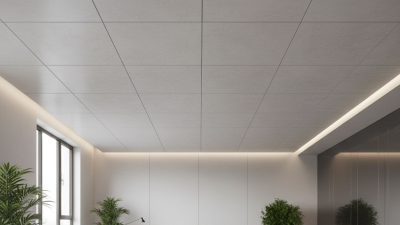
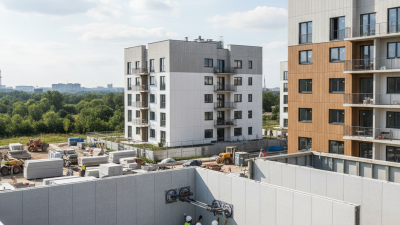
How to Choose the Best Fiber Cement Ceiling Board for Your Home?
Choosing the right Fiber Cement Ceiling Board for your home can be a daunting task. So many options exist. Each option has its pros and cons. The right choice can impact your home’s aesthetics and maintenance for years. Fiber Cement Ceiling Boards are known for their durability and versatility. They resist moisture and pests better than many alternatives.
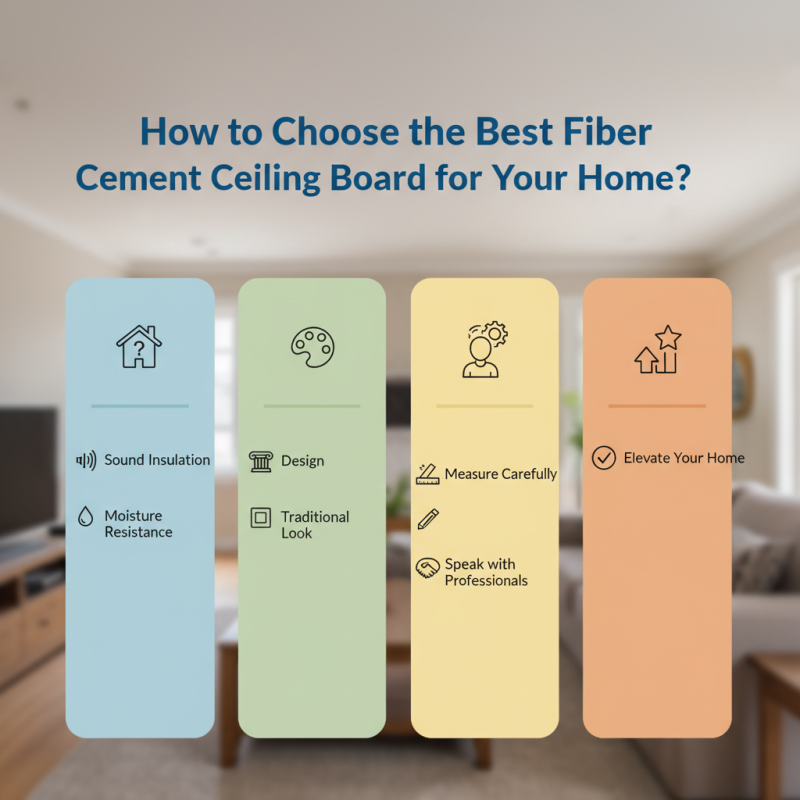
Start by considering your specific needs. Do you need sound insulation? Is moisture resistance a priority? The style is another important factor. Fiber Cement Ceiling Boards come in various designs. A traditional look may suit one room, while a modern task could call for sleek finishes.
Take time to reflect on your choices. Sometimes, the most popular option may not fit your vision. Measure your space carefully. Speak with professionals if uncertain. A hasty decision may lead to regret later on. Finding the perfect Fiber Cement Ceiling Board can elevate your home. It deserves thoughtful consideration.
Understanding Fiber Cement Ceiling Boards and Their Benefits
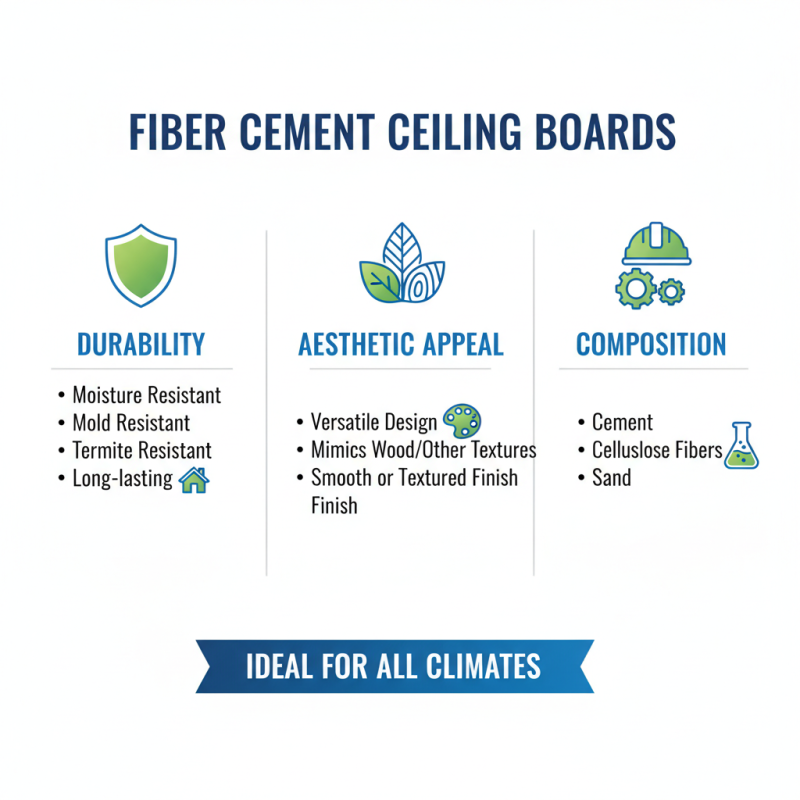
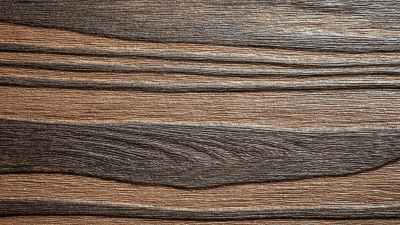
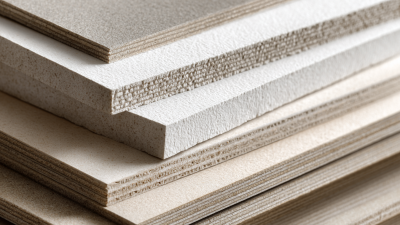
Fiber cement ceiling boards are gaining popularity for good reasons. They combine durability with aesthetic appeal. These boards are made from a mixture of cement, cellulose fibers, and sand. They resist moisture, mold, and termites, making them ideal for various climates. Moreover, they can mimic the look of wood or other materials, allowing versatility in design.
When choosing fiber cement boards, consider the finish. A smooth finish provides a modern look, while textured options add depth. Always check the weight of the boards. Heavier boards often indicate better quality and durability.
Tips: Ensure proper installation to maximize the benefits. Moisture barriers may be necessary in humid areas. Regular cleaning will keep them looking fresh. Give yourself time to research different styles and products. Check reviews and ask for recommendations from professionals.
Key Factors to Consider When Choosing Fiber Cement Ceiling Boards
When selecting fiber cement ceiling boards, several key factors can greatly influence your choice. Durability is paramount. According to a 2021 industry report, fiber cement boards can last up to 50 years in various climates. This longevity makes them a cost-effective option for homeowners. However, not all products provide equal resistance to moisture and pests. Checking for warranty terms and performance ratings is crucial.
Aesthetic appeal cannot be overlooked. Fiber cement boards come in various textures and colors, allowing for unique designs. The National Association of Home Builders notes that well-designed ceilings can increase property value by up to 15%. It’s important to visualize how different finishes will complement your overall interior style. Measure your space carefully, as improper sizing can lead to waste, affecting both budget and look.
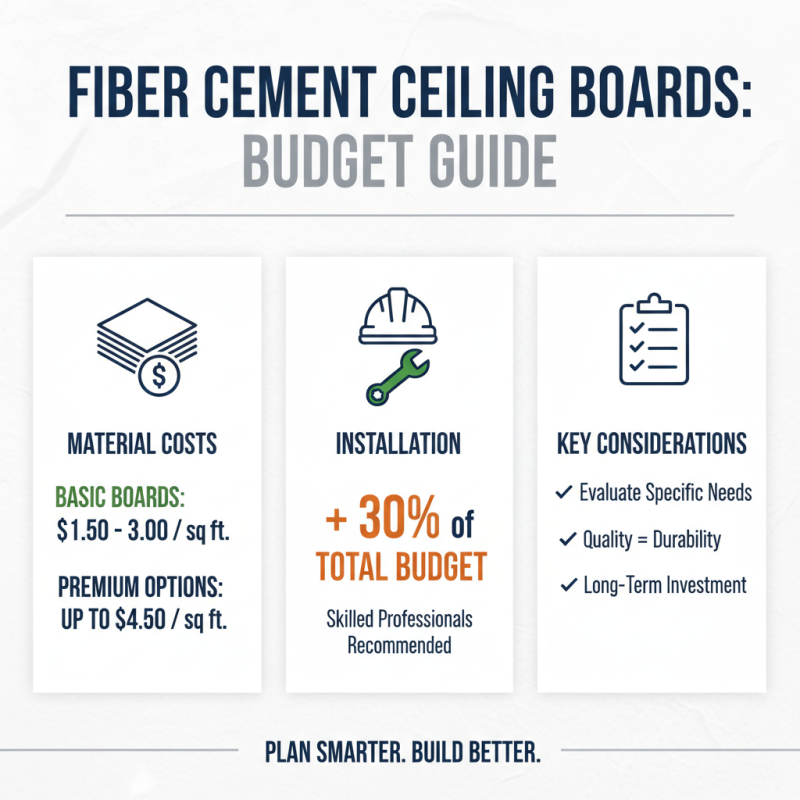
Installation should also be considered. While fiber cement boards are relatively easy to install, improper techniques can lead to issues. Poor cutting and fixing may compromise the board's effectiveness against elements. Furthermore, research indicates that skilled labor may elevate installation costs by 20%, complicating budgeting. Balancing aesthetics, durability, and installation factors will guide you toward the best choices for your home.
Comparing Different Types of Fiber Cement Ceiling Boards
When comparing different types of fiber cement ceiling boards, several factors come into play. Fiber cement boards are versatile, often used for their durability and resistance to moisture. However, not all boards are created equal. Some may crack or warp under specific conditions, so it’s essential to evaluate their characteristics before making a choice.
Different finishes can affect appearance and performance. Smooth finishes may look sleek but can show imperfections easily. Textured finishes can hide minor flaws and offer more grip for paint. Consider how much maintenance you’re willing to do. Some boards require regular cleaning to maintain their aesthetics, while others may only need an occasional wipe down.
Color options are another important consideration. Lighter shades can make a space feel larger, while darker tones may add warmth. However, color fades over time, especially in direct sunlight. Ensuring you choose a board that retains its hue can be a challenge. Overall, while fiber cement boards offer many benefits, weighing the pros and cons is crucial for making an informed decision.
Installation and Maintenance Tips for Fiber Cement Ceiling Boards
When installing fiber cement ceiling boards, proper techniques can make a significant difference in durability and appearance. Start by ensuring the ceiling frame is level and properly supported. According to industry reports, a well-installed board can last over 50 years, thanks to fiber cement's resistance to rot and pests. Use stainless steel screws instead of nails for better securing. This method can prevent unsightly sagging over time.
Once your boards are installed, maintenance is key. Regular inspections can help identify potential issues early. Dust buildup can affect airflow and aesthetic appeal. Clean the boards with a mild detergent and water. Applying a clear sealant every few years ensures a longer-lasting finish and enhances moisture resistance. However, be cautious; over-sealing can trap moisture, leading to mold.
In areas with extreme weather, the overall performance of fiber cement boards can be affected. Some reports indicate that extreme humidity might reduce their structural integrity. Hence, periodic checks are essential, especially around seams and edges. Regular care ensures your investment in fiber cement boards holds up over time.

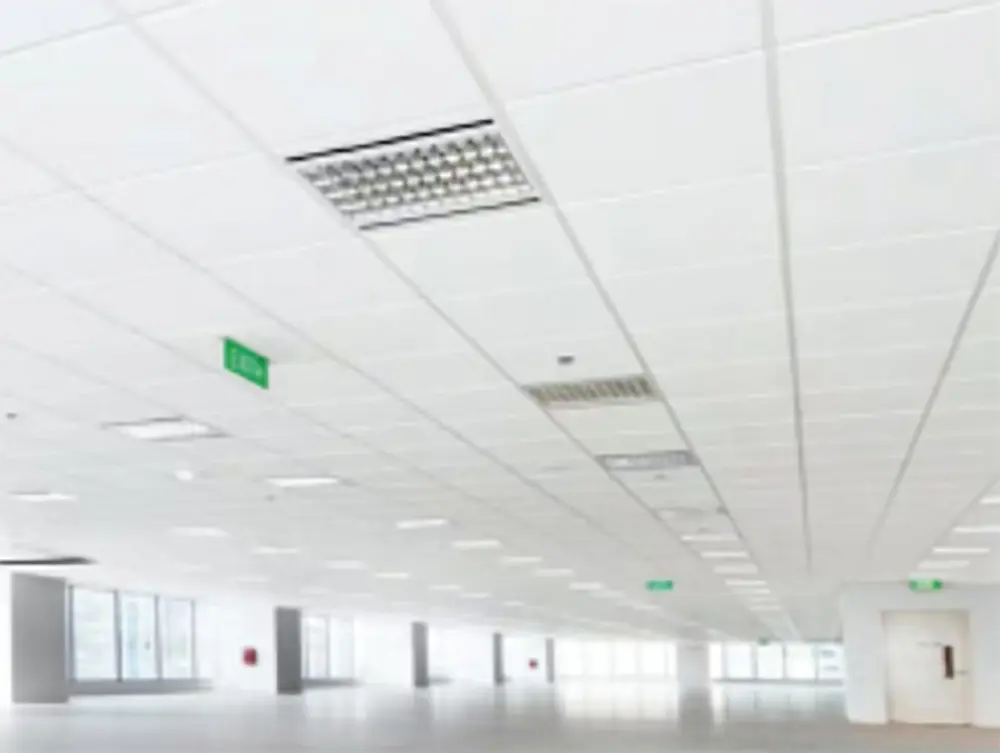 LEAO®Deco Ceiling
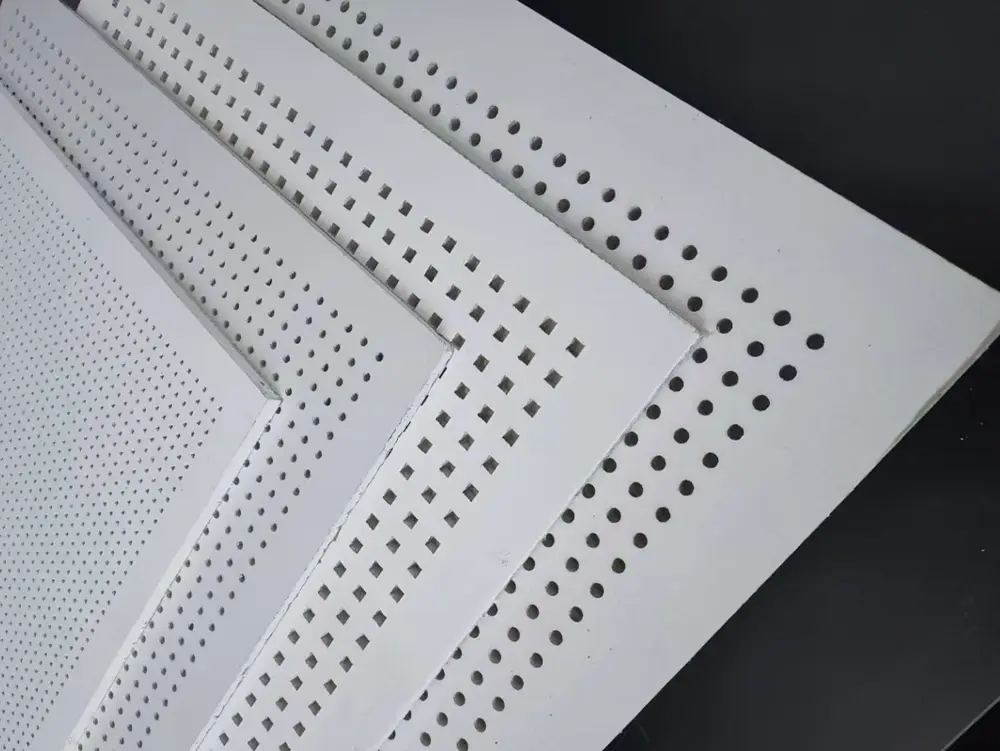 LEAO® Perforated Ceiling
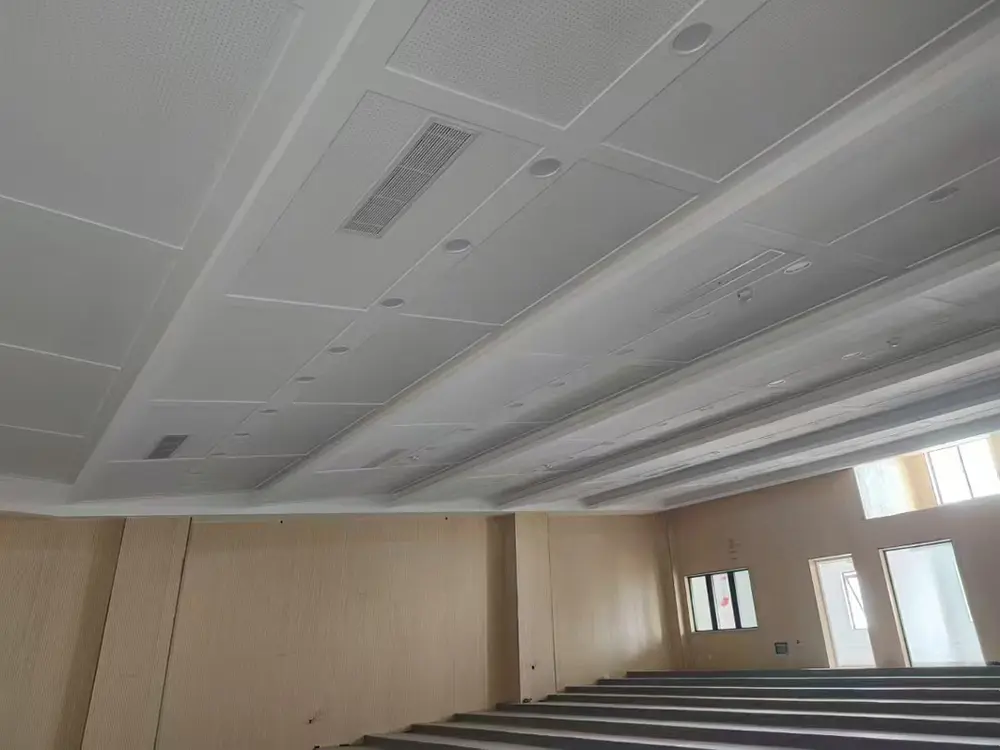 LEAO® Ceiling Board
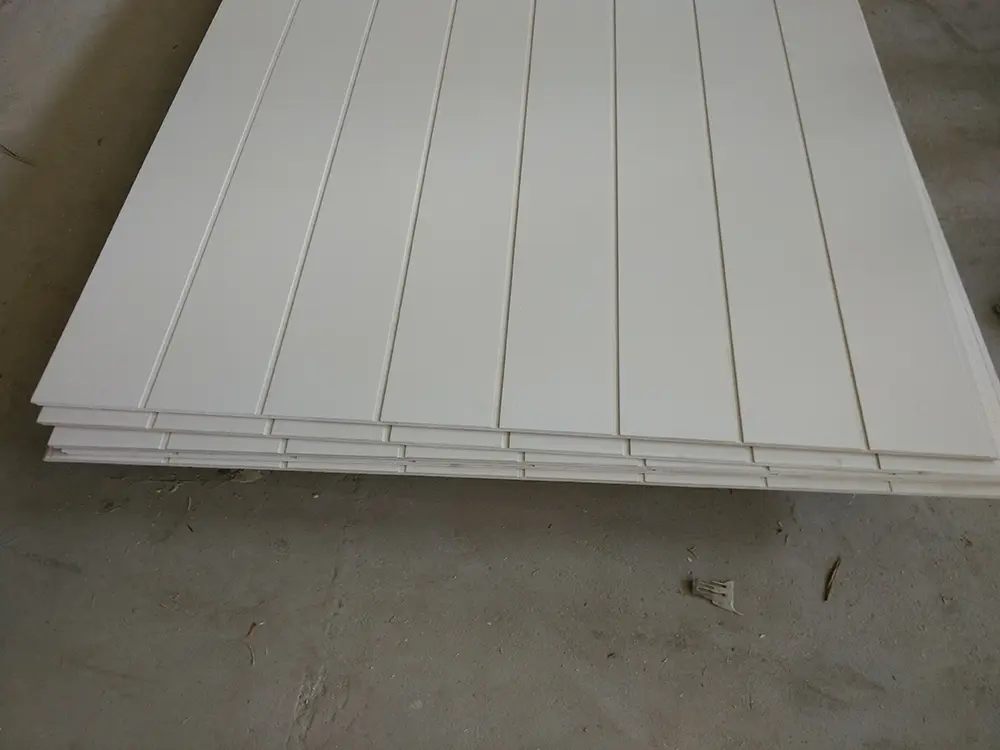 LEAO® Groove Interior Panel
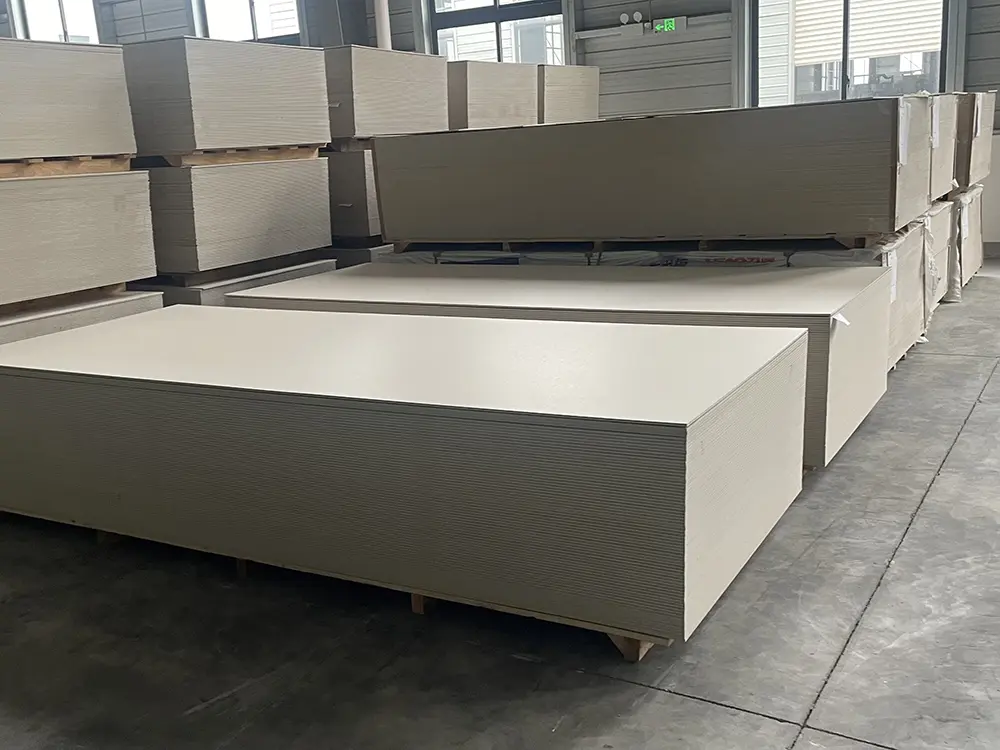 LEAO® Interior Board
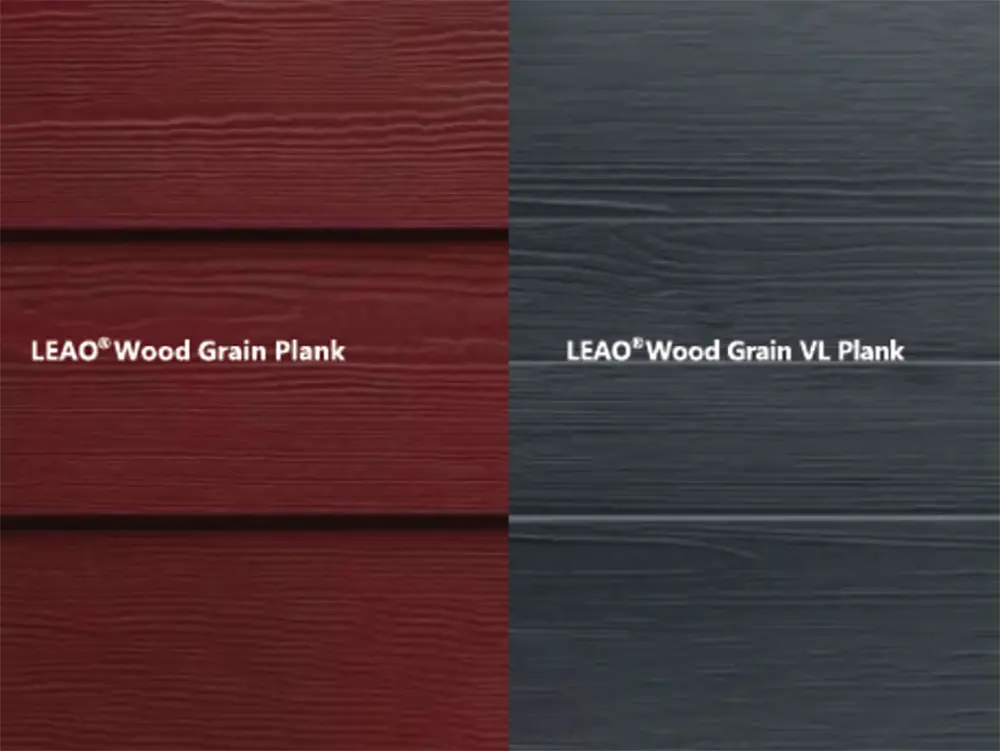 LEAO® Wood Grain Plank
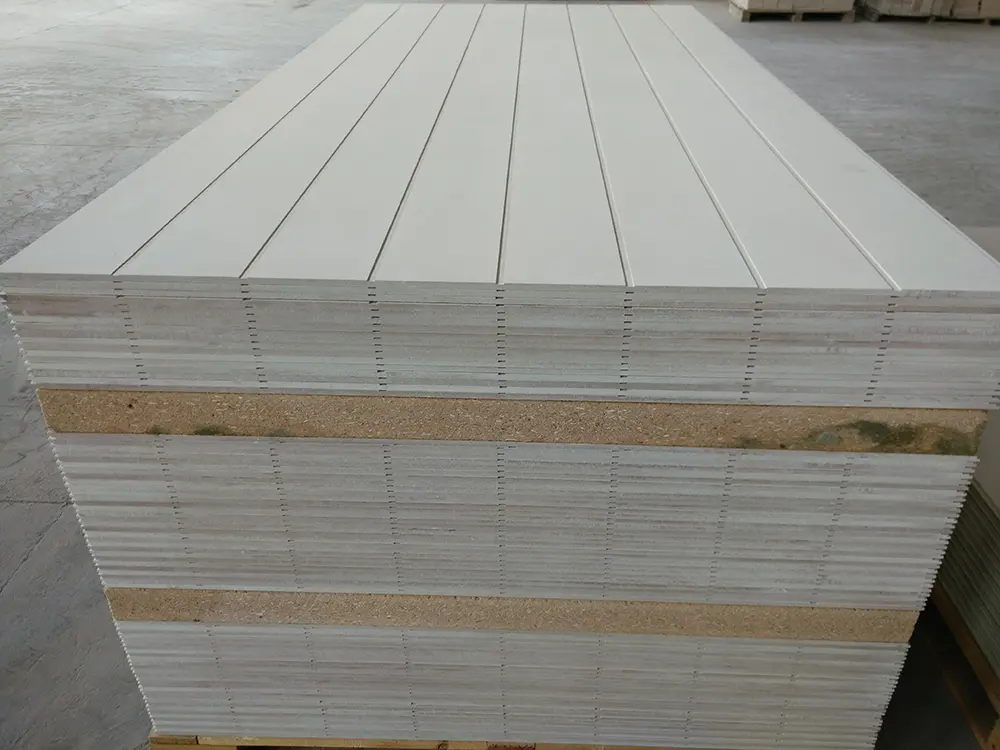 LEAO® Grooved Exterior Panel
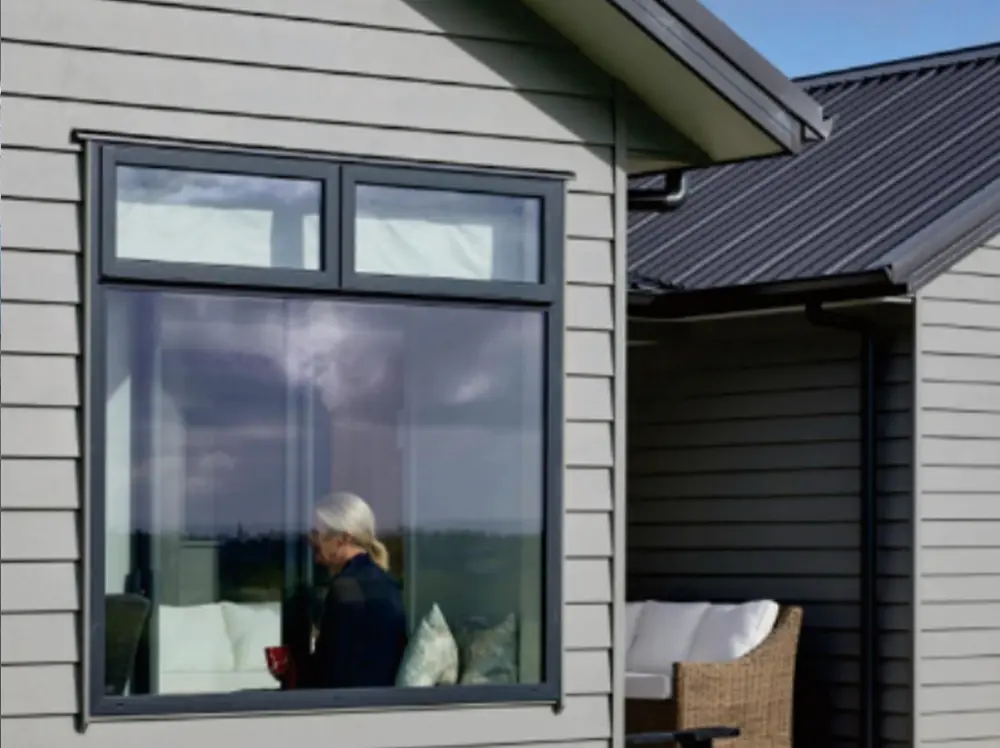 LEAO® Weatherboard
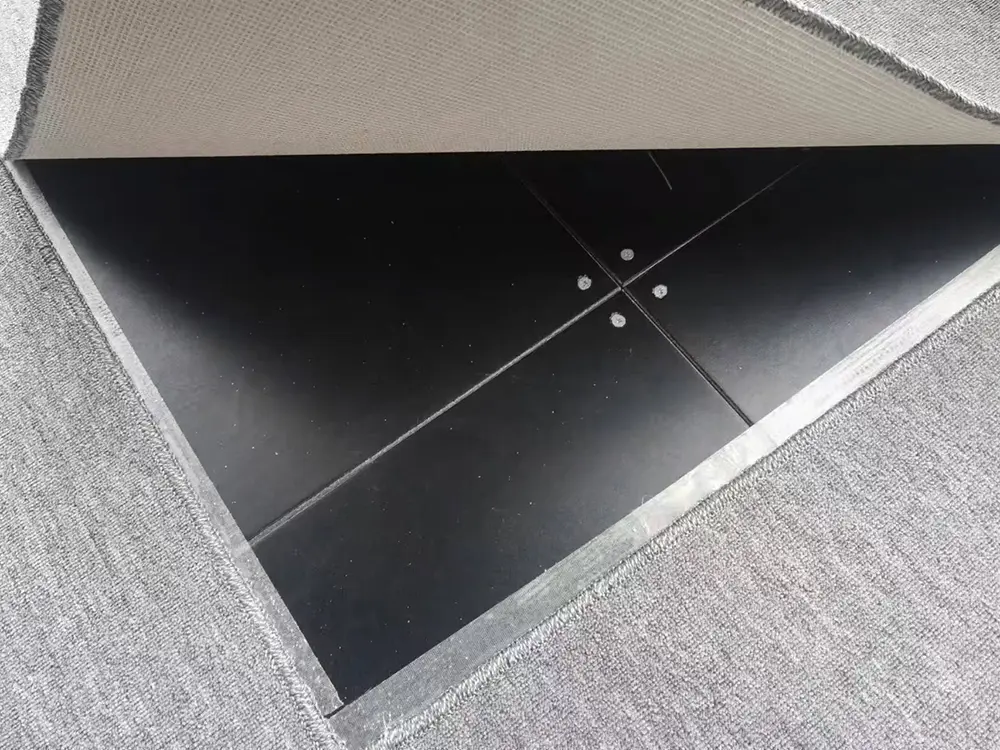 LEAO® Access Floors
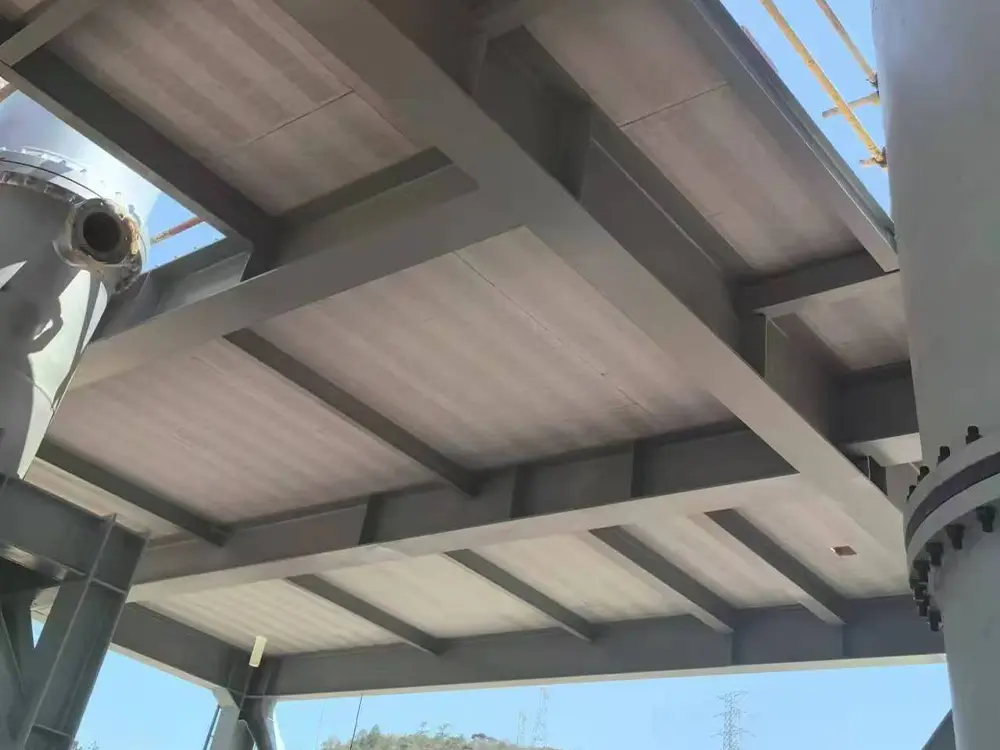 LEAO® Non-removable Formwork
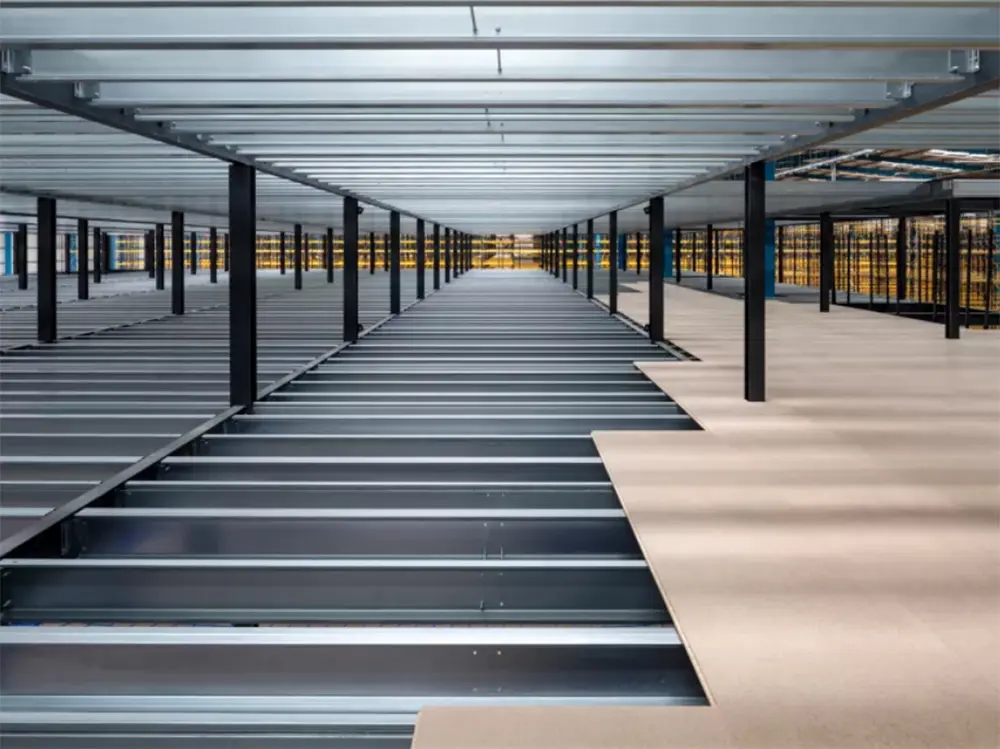 LEAO® Mezzanine Board
 LEAO® Ceramic Tile Underlay
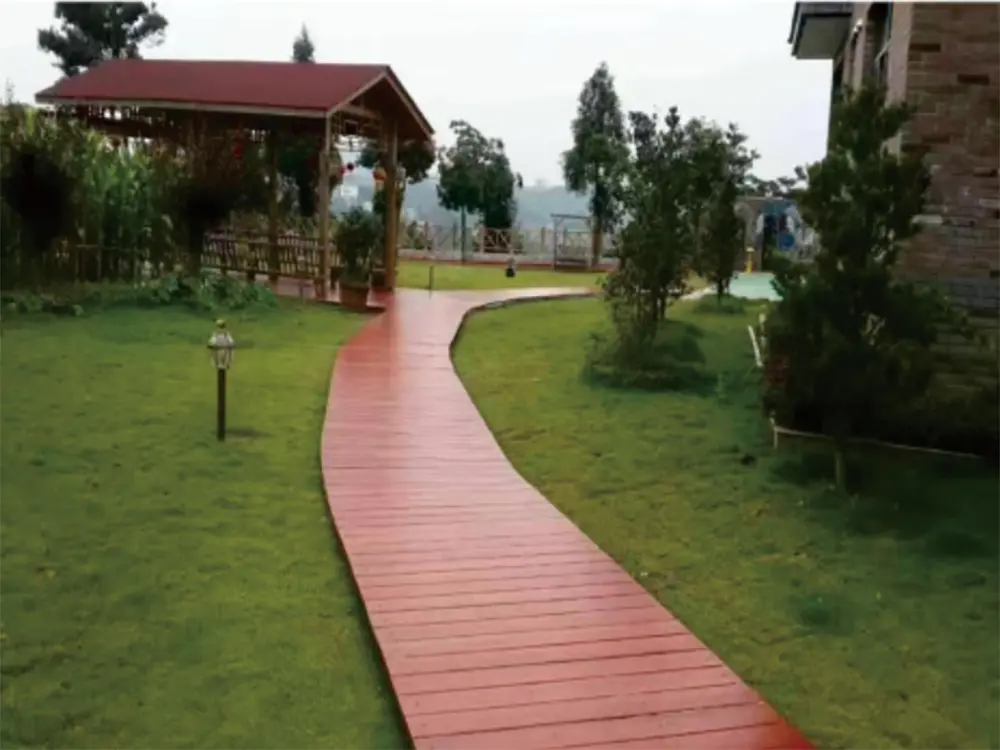 LEAO® Floor Plank
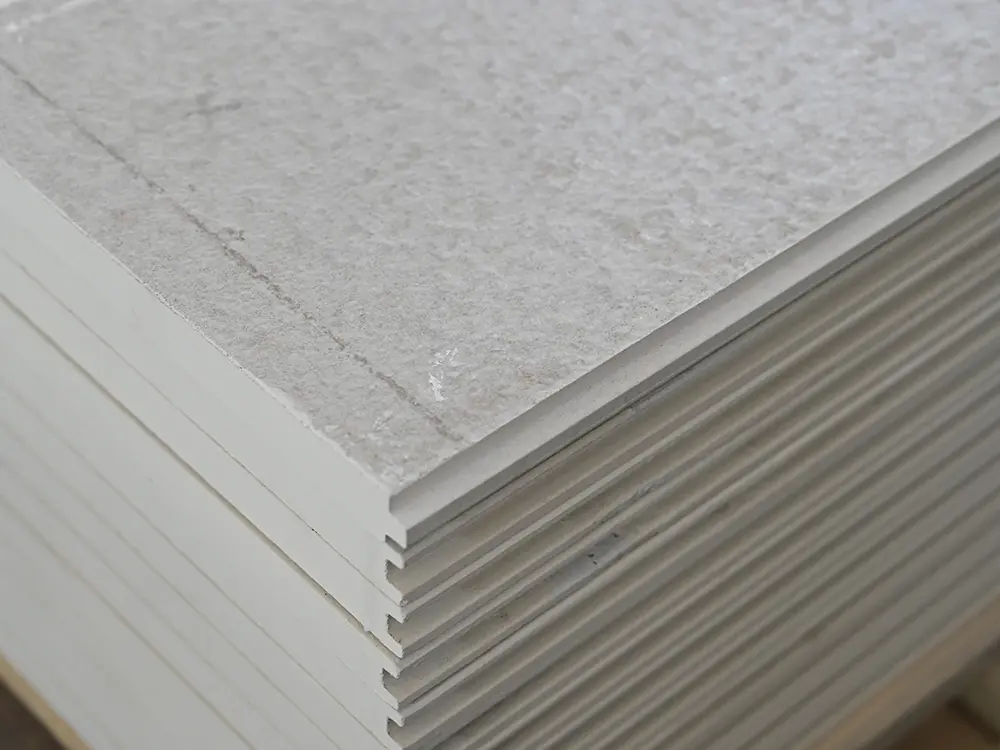 LEAO® Flooring
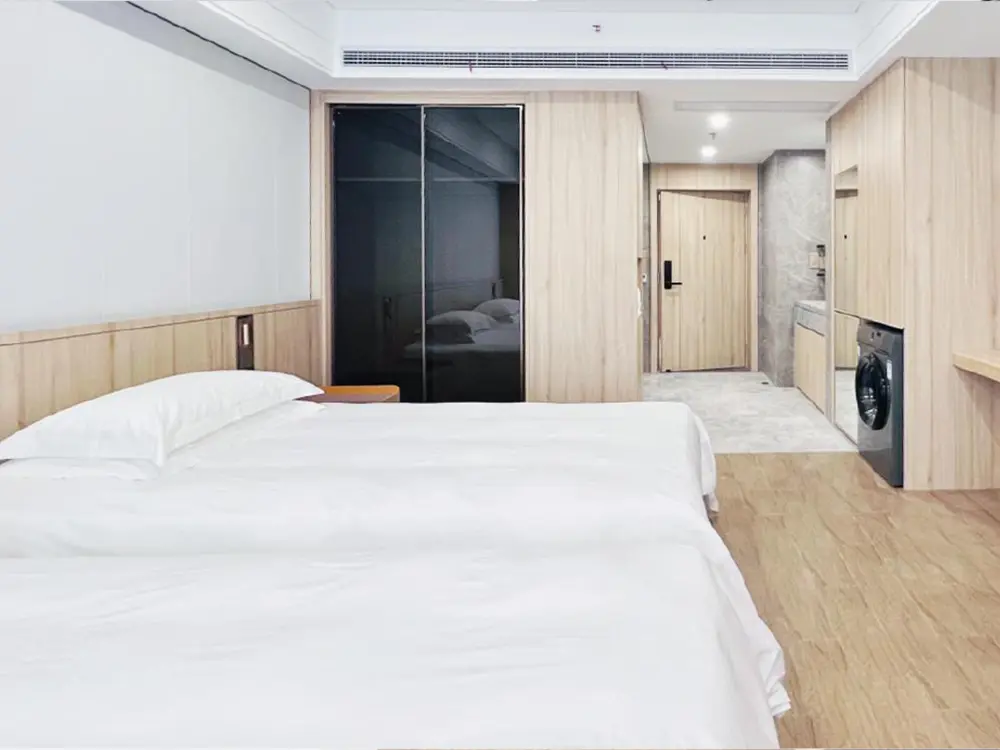 LEAO® Wood Style Decorative Panel
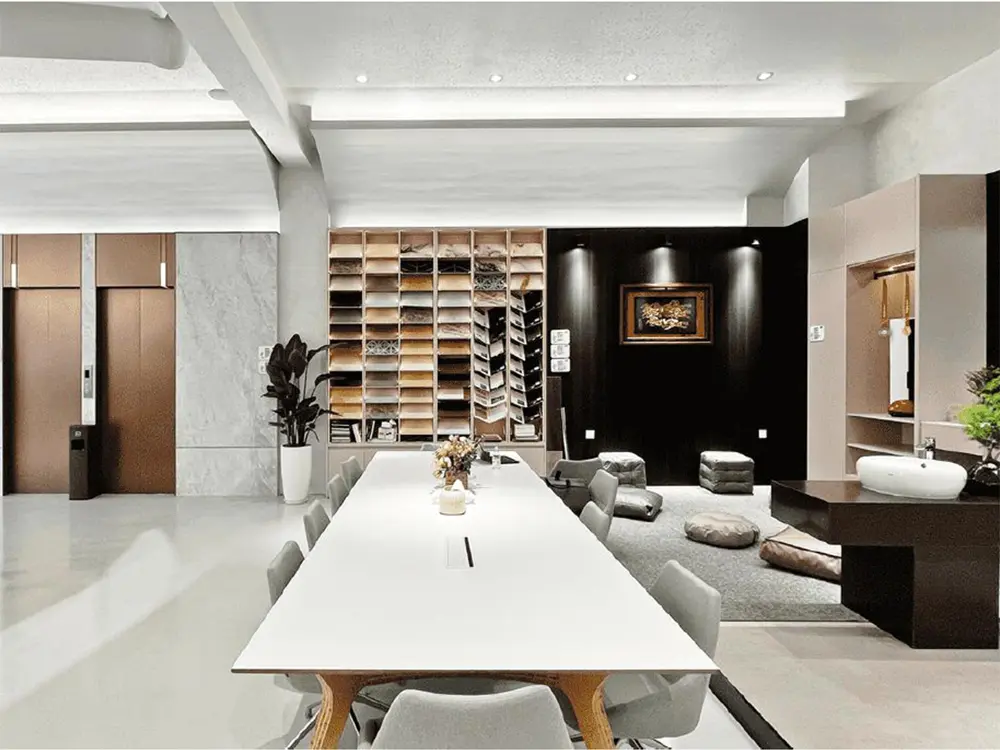 LEAO® Stone Style Decorative Panel
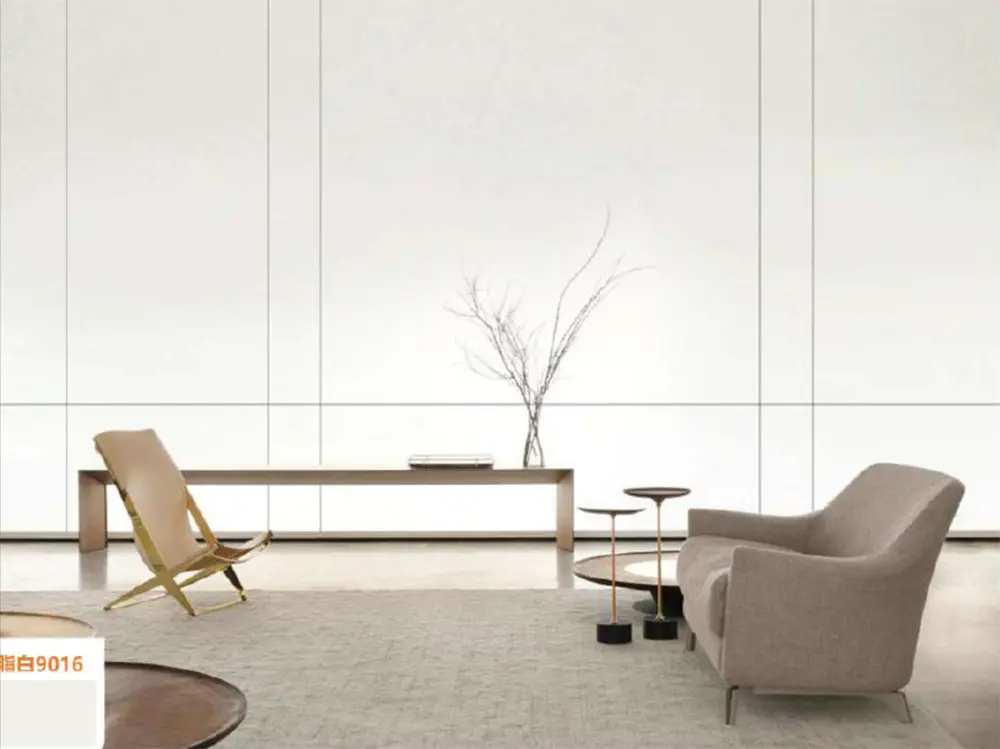 LEAO® Pure Style Decorative Panel