How to Choose the Best Fiber Cement Woodgrain Board for Your Project?
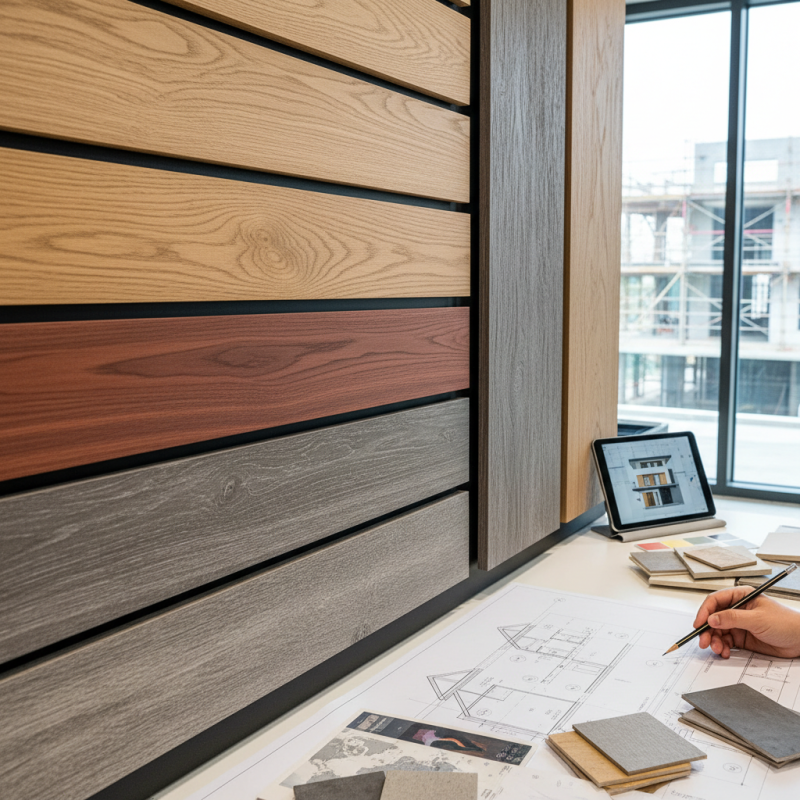
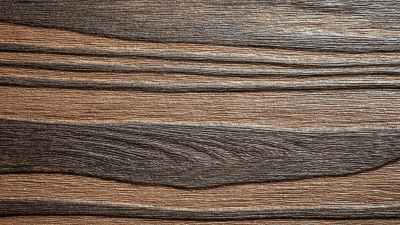
Choosing the right materials for your project can be challenging. One popular option is the Fiber Cement Woodgrain Board. This product has gained attention for its durability and aesthetic appeal. It mimics the look of natural wood while offering superior resistance to weather and pests.
However, not all Fiber Cement Woodgrain Boards are created equal. The market offers various options, each with unique features and capabilities. Understanding these differences is crucial for achieving desired results in your project. For instance, some boards may provide better insulation than others.
Assessing your specific needs is vital. Consider factors like climate, design preferences, and maintenance requirements. It’s important to reflect on what matters most for your project. In doing so, you can make an informed choice that balances beauty and function.
Understanding Fiber Cement Woodgrain Board: Key Features and Benefits
Fiber cement woodgrain boards are becoming increasingly popular for various construction projects. They combine the aesthetic appeal of wood with enhanced durability. Understanding their key features can help you make informed decisions.
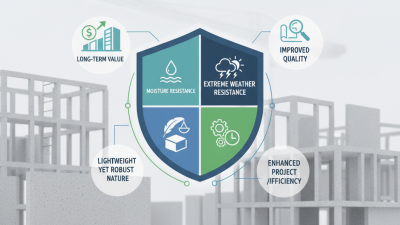
One significant benefit is weather resistance. These boards can withstand harsh conditions, such as heavy rains and extreme temperatures. Homeowners appreciate their longevity, which means less frequent replacements. However, installation can be a bit challenging. Taking the time to learn proper techniques is crucial.
Another feature is low maintenance. Unlike traditional wood, fiber cement does not require frequent staining or sealing. This aspect can save time and money in the long run. Still, ensuring proper care is important. Regular inspections can help catch any issues early, maintaining the boards' integrity. While fiber cement boards offer many advantages, understanding your specific needs is essential for the best outcome.
Comparative Analysis: Fiber Cement vs Traditional Wood in Construction
When considering materials for construction, the debate between fiber cement and traditional wood surfaces remains prominent. Fiber cement woodgrain boards offer a unique blend of durability and aesthetics. They resist moisture, pests, and warping, unlike traditional wood which can deteriorate over time. According to a 2021 report by the American Institute of Architects, fiber cement can last up to 50 years with minimal maintenance, making it a reliable choice for long-term projects.
Traditional wood, while visually appealing, often requires more upkeep. It can be vulnerable to rot if exposed to the elements without proper treatment. Additionally, the cost of maintaining wooden surfaces can accumulate over the years. In fact, studies show that homeowners can spend 20% more annually on maintenance for wood materials compared to fiber cement options. This might encourage some individuals to question the longevity and cost-effectiveness of their initial choices.
Tips for decision-making: Consider climate factors in your area. If moisture is a concern, fiber cement may be best. Assess your budget realistically; factor in both installation and maintenance costs. Lastly, consult with construction professionals for insights tailored to your specific project. Remember, the right choice can save you headaches down the road.
Selecting the Right Thickness for Durability and Aesthetics in Projects
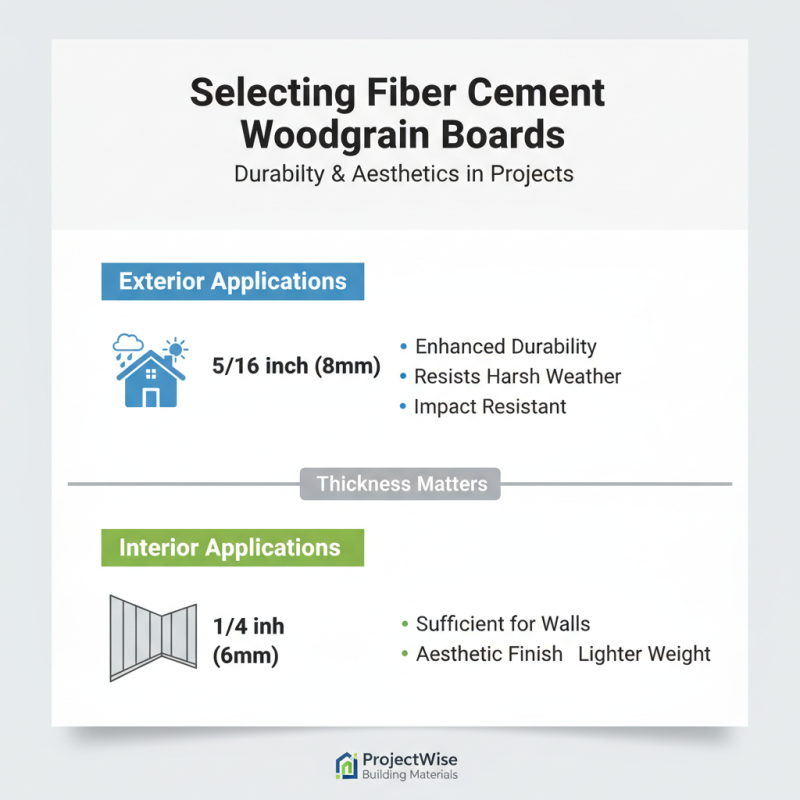
When it comes to choosing fiber cement woodgrain boards, thickness plays a crucial role. The ideal thickness varies depending on your project’s requirements. Thicker boards often provide better durability and resistance to environmental factors. A 5/16-inch thickness can handle harsh weather, while a 1/4-inch thickness might suffice for interior applications.
Aesthetically, the right thickness helps achieve a more authentic wood-like appearance. Thicker boards tend to have a more pronounced grain pattern, enhancing visual appeal. Nonetheless, thicker boards can be heavier and may require additional support during installation. Balancing durability with ease of handling can be challenging.
Installing boards that are too thick may lead to difficulties in cutting or fitting. Evaluating your project scope is essential; consider factors such as weight, support structures, and visual requirements. Customizing your choice based on unique project needs ensures longevity and aesthetic satisfaction. Always reflect on how thickness influences both functionality and style.
Evaluating Environmental Impact: Sustainable Practices in Fiber Cement Use
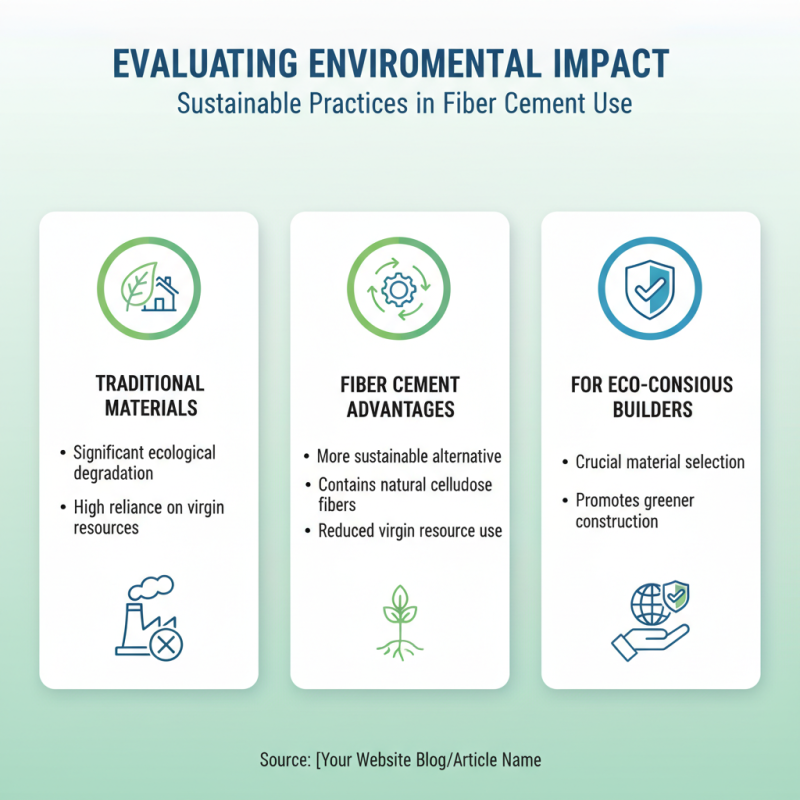
When selecting fiber cement woodgrain boards, assessing their environmental impact is crucial. Many materials contribute significantly to ecological degradation. Fiber cement, however, can be a more sustainable alternative. It often contains natural materials like cellulose fibers that reduce reliance on virgin resources. This is a vital consideration for eco-conscious builders.
Using fiber cement may still have drawbacks. The production process can be energy-intensive, leading to higher carbon emissions. It's essential to choose manufacturers committed to sustainable practices. Check for certifications that demonstrate environmental responsibility. Sustainable sourcing and reduced waste can help mitigate some of the negative effects.
Take a moment to think about the lifecycle of these products. From manufacturing to disposal, every step matters. It’s important to analyze the full impact before making a choice. This reflection can lead to more informed decisions for environmentally-friendly projects. Consider not just aesthetics, but also how fiber cement fits into the bigger picture.
Installation Guidelines: Best Practices for Achieving Optimal Results
When installing fiber cement woodgrain boards, precision matters. Begin by preparing the surface, ensuring it is clean and dry. This step prevents moisture intrusion and enhances the board’s longevity. Use high-quality fasteners, as low-grade options may fail. Remember, improper installation can lead to costly repairs.
Tips for cutting boards: Always wear protective gear. A fine-toothed saw blade minimizes chipping on the edges. Measure twice and cut once to maintain uniformity. If you're unsure about your cuts, practice on scrap pieces first. This habit can save you from mistakes during the actual installation.
Weather conditions can greatly affect the results. Avoid installation during extreme heat or cold, as expansion or contraction may occur. Install boards with gaps to allow for natural movement. Be mindful of local regulations or guidelines that may affect your project. Proper research ensures your work is both compliant and aesthetically pleasing.
How to Choose the Best Fiber Cement Woodgrain Board for Your Project?
| Dimension |
Material Type |
Thickness (inches) |
Finish Type |
Recommended Uses |
| 4'x8' |
Fiber Cement |
0.25 |
Smooth |
Siding, Interior Wall Panels |
| 4'x10' |
Fiber Cement |
0.3125 |
Textured |
Exteriors, Facades |
| 5'x8' |
Fiber Cement |
0.375 |
Woodgrain |
Decorative Panels, Ceilings |
| 3'x6' |
Fiber Cement |
0.5 |
Primed |
Interior Walls, Trim |

 LEAO®Deco Ceiling
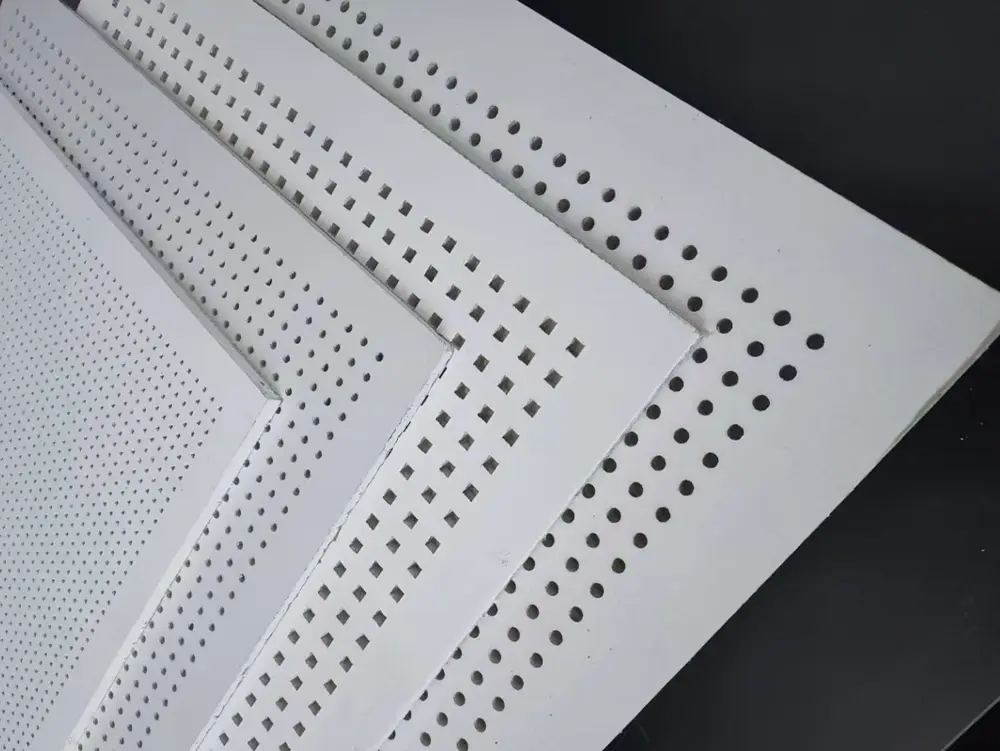 LEAO® Perforated Ceiling
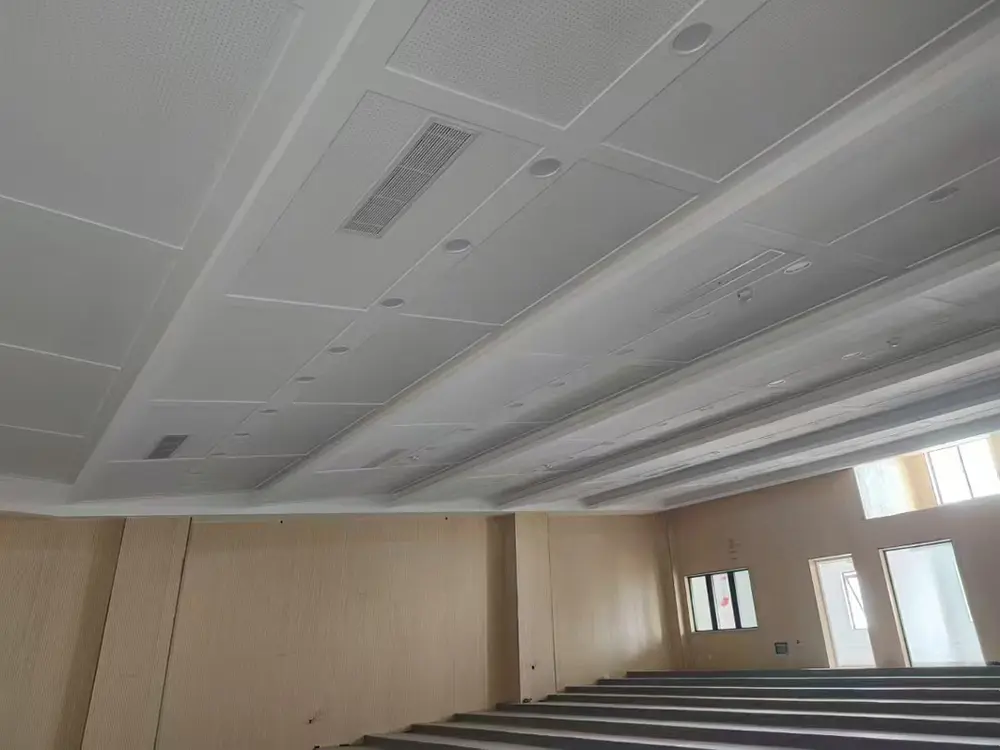 LEAO® Ceiling Board
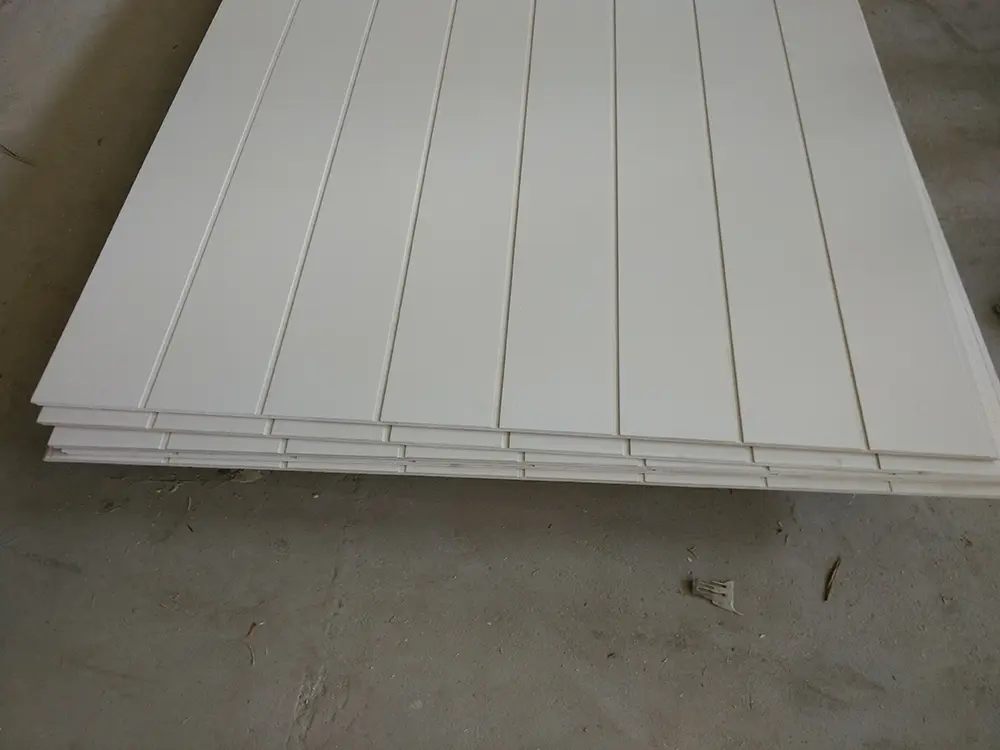 LEAO® Groove Interior Panel
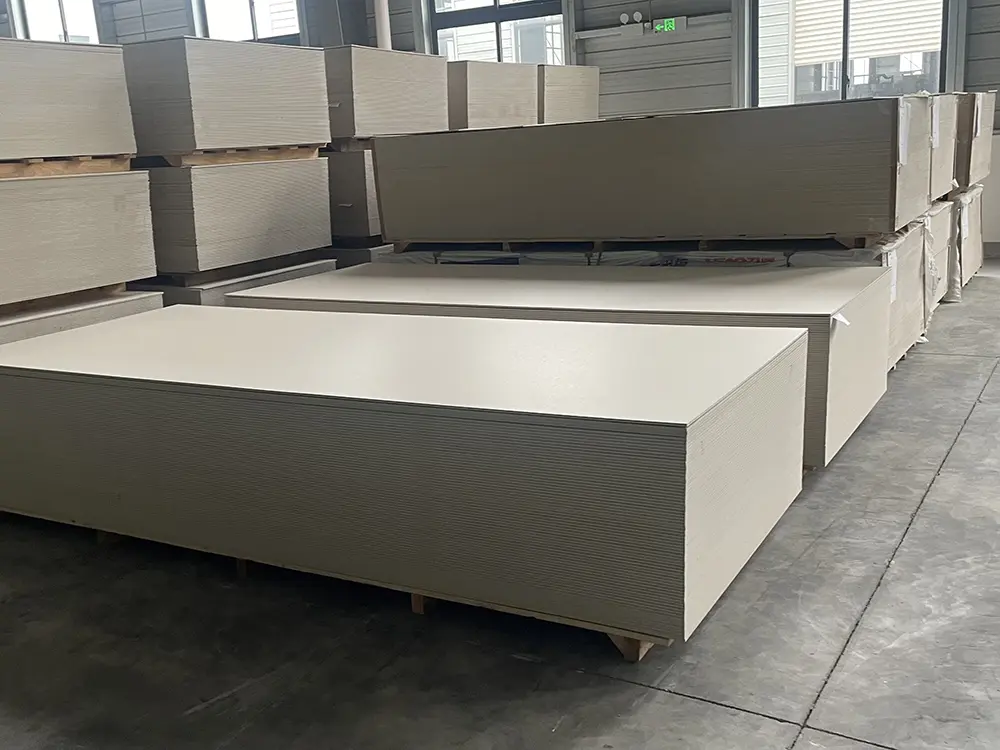 LEAO® Interior Board
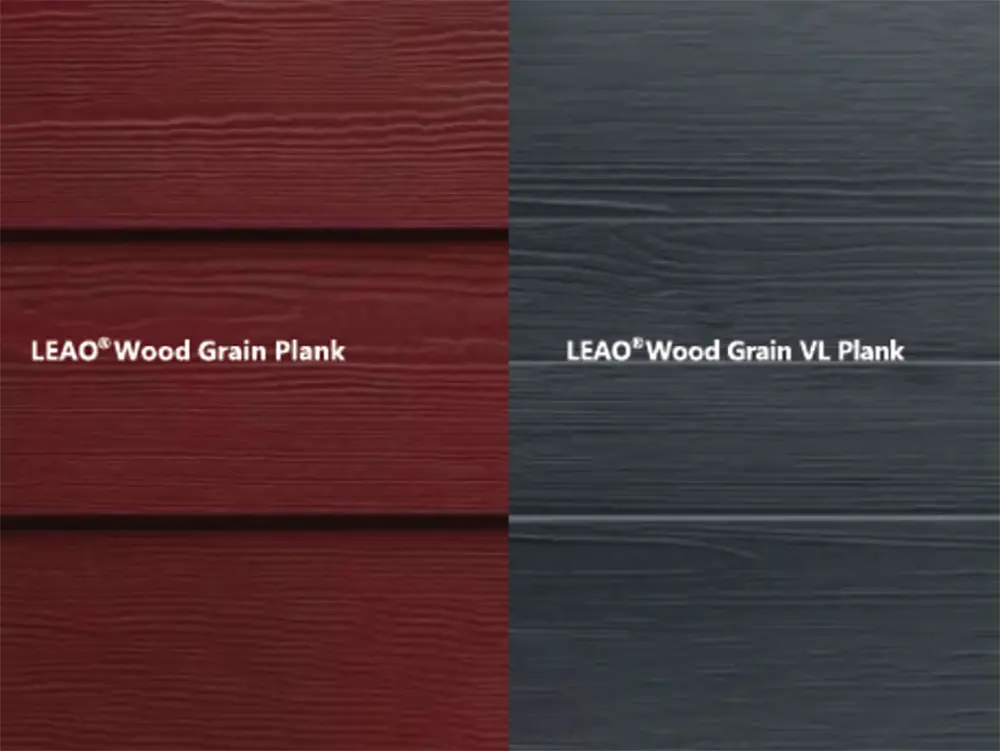 LEAO® Wood Grain Plank
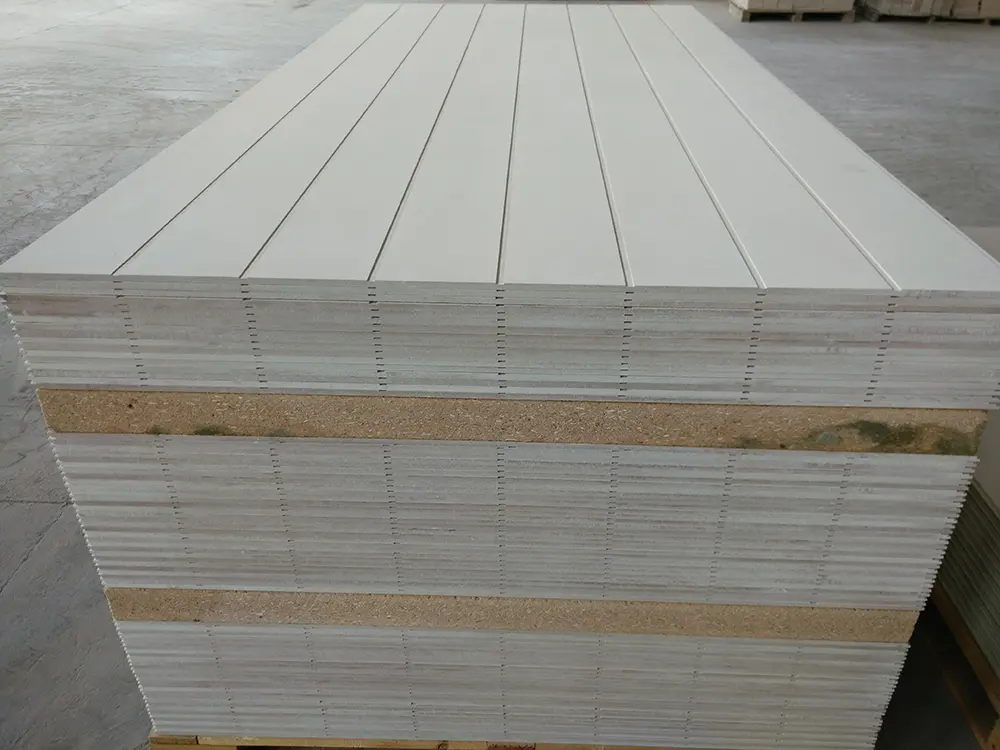 LEAO® Grooved Exterior Panel
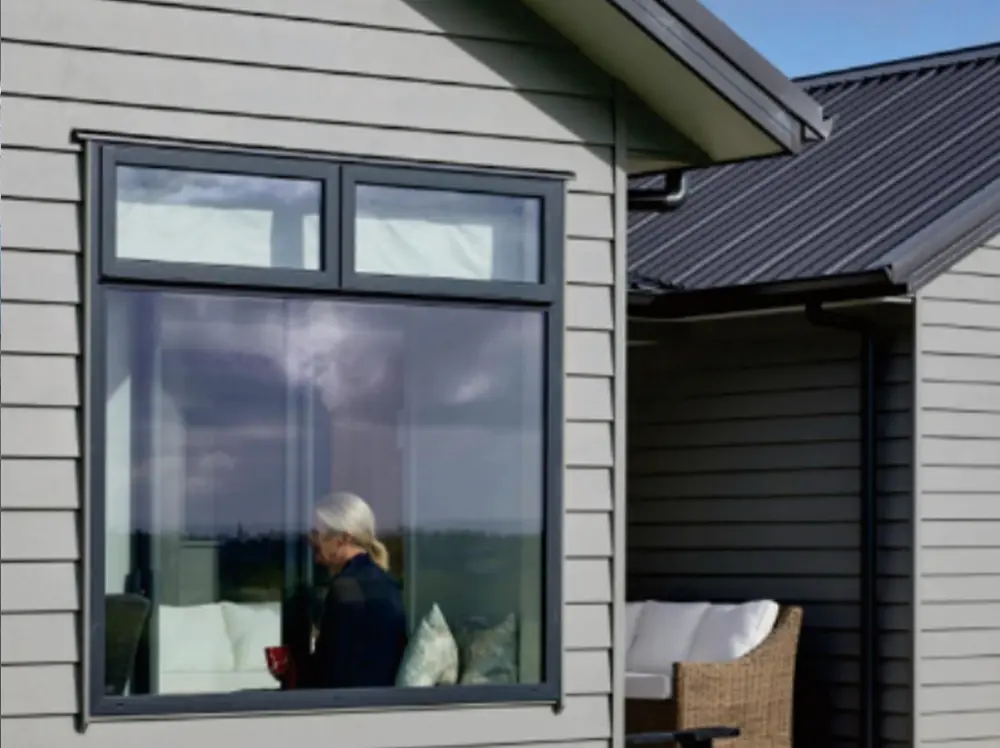 LEAO® Weatherboard
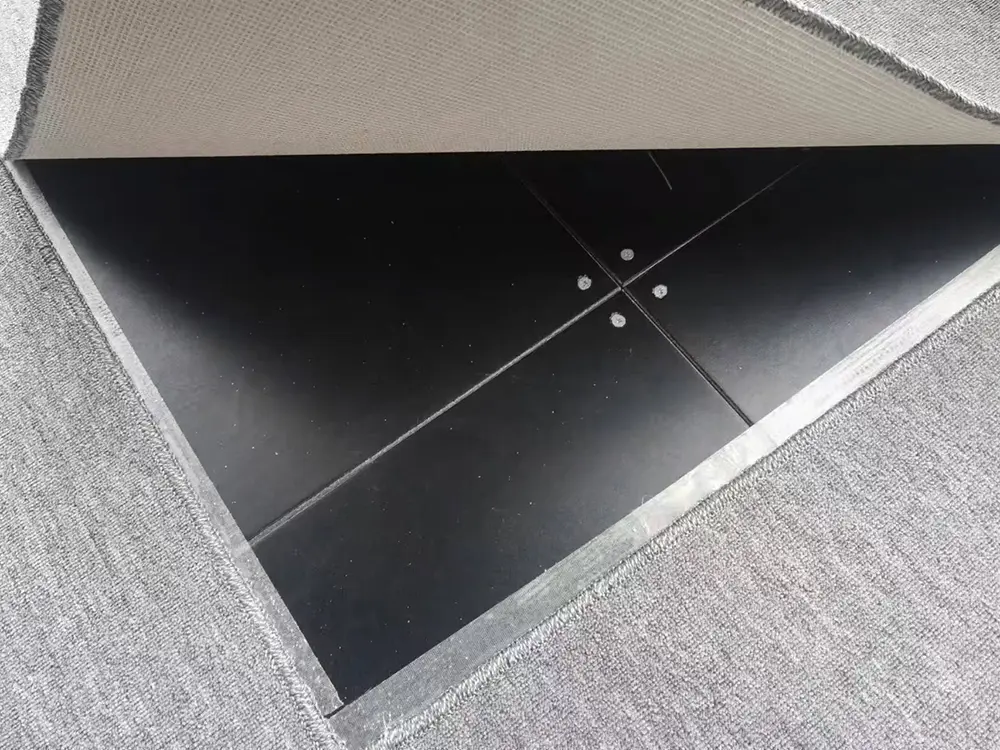 LEAO® Access Floors
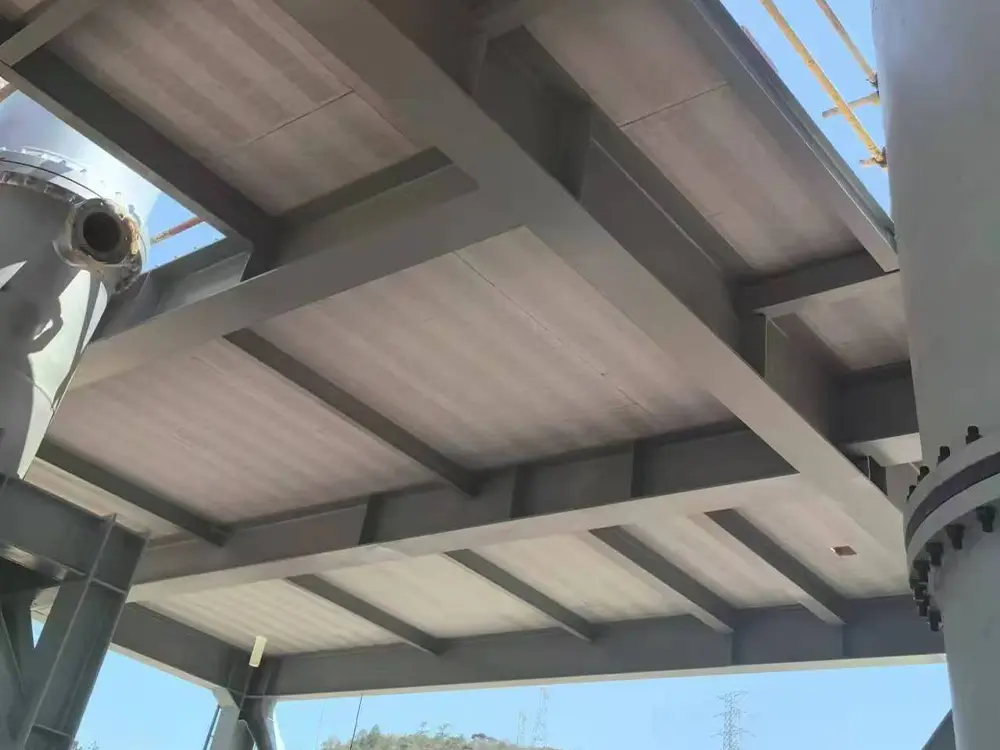 LEAO® Non-removable Formwork
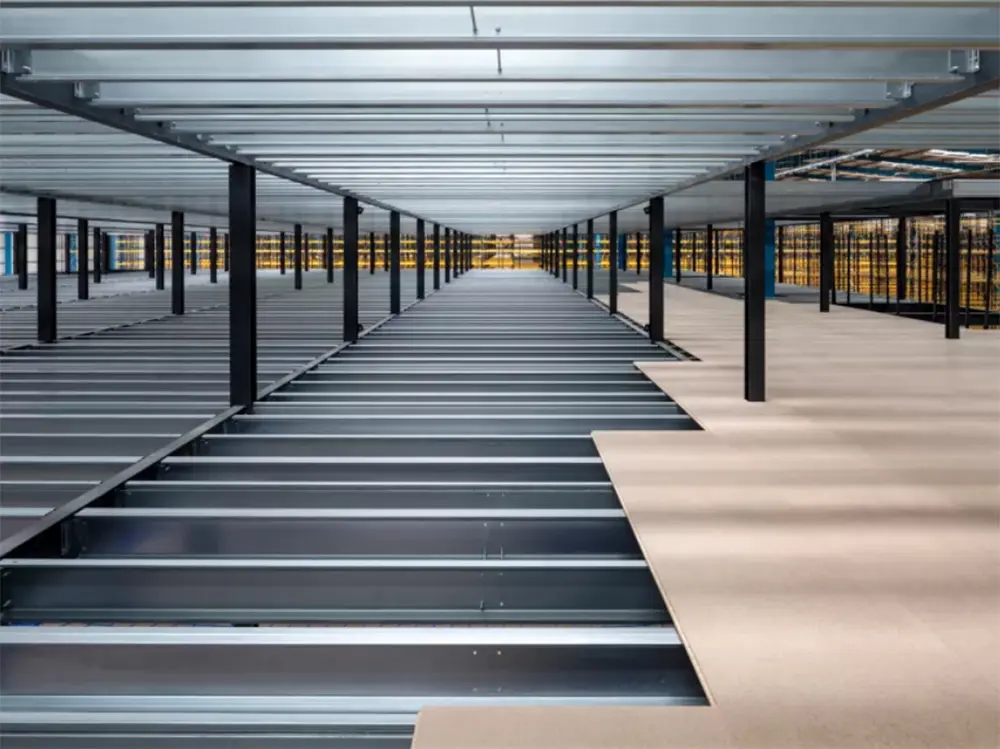 LEAO® Mezzanine Board
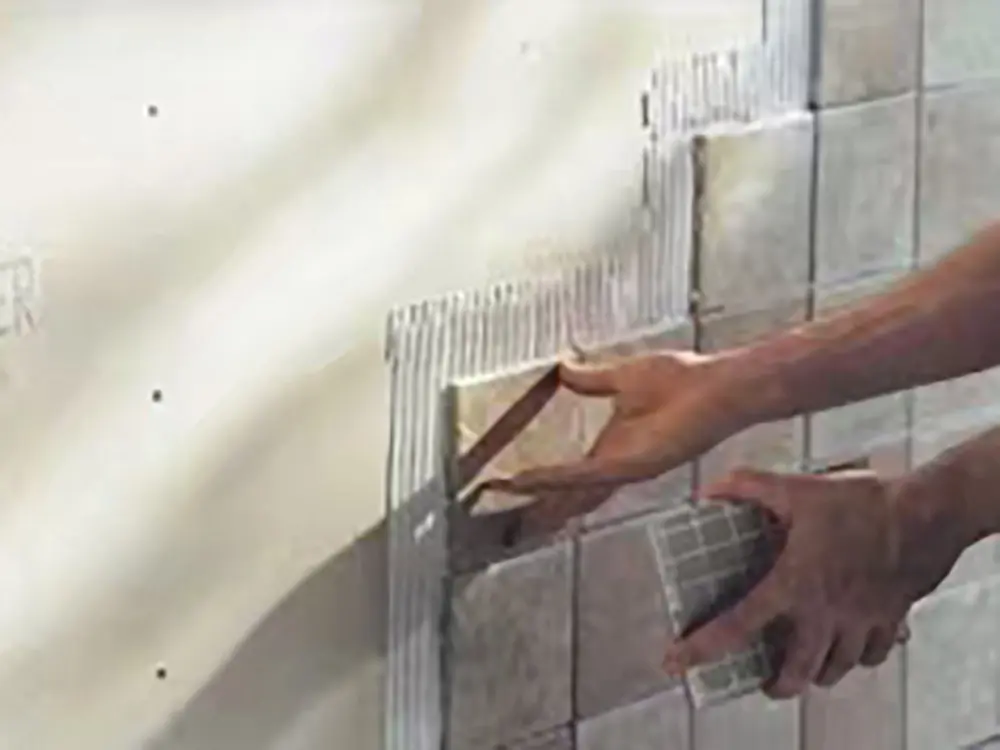 LEAO® Ceramic Tile Underlay
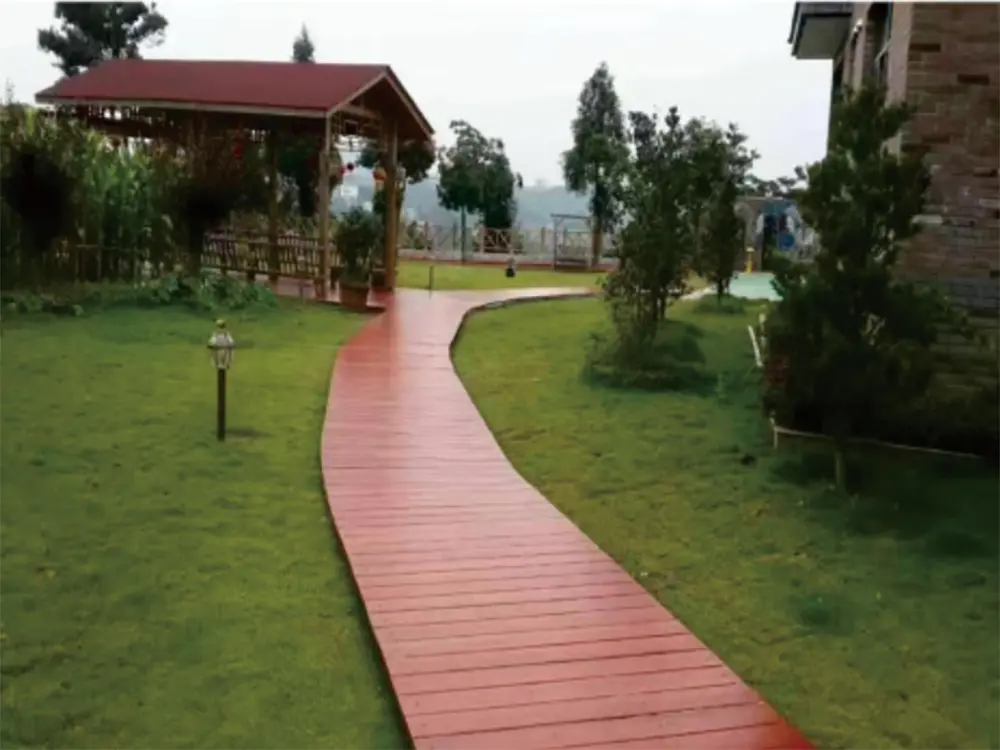 LEAO® Floor Plank
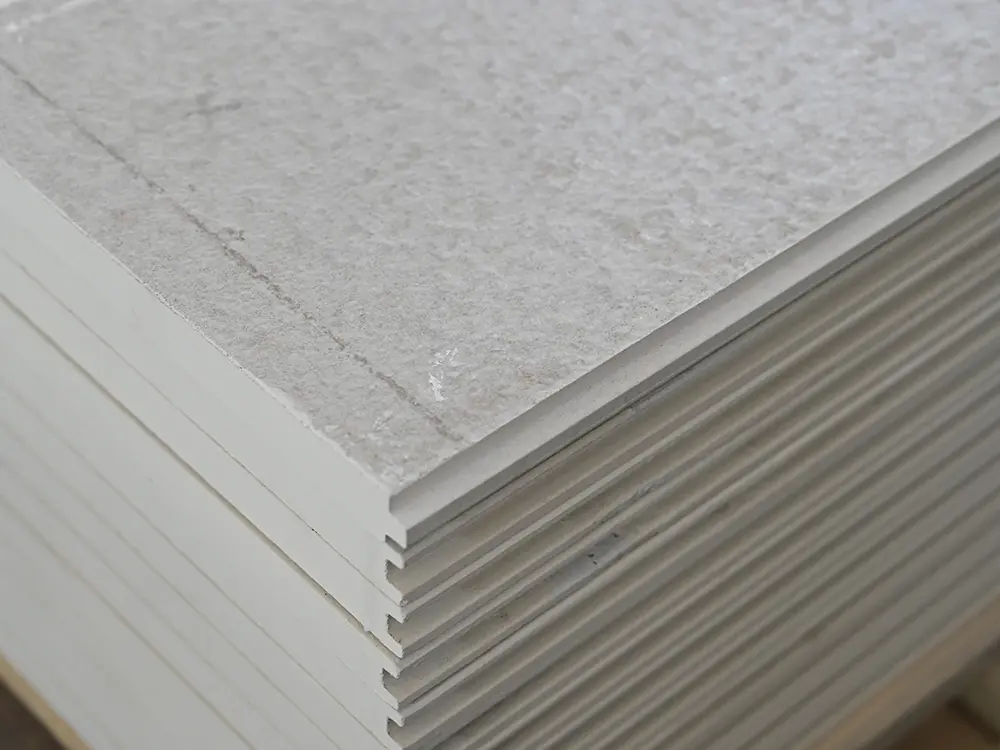 LEAO® Flooring
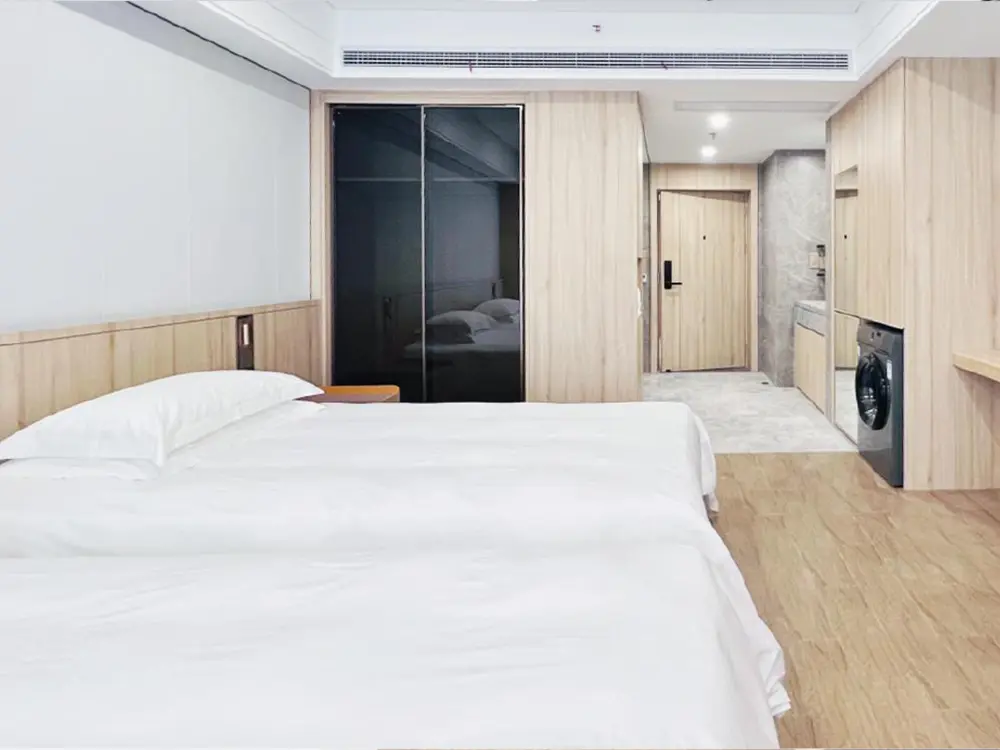 LEAO® Wood Style Decorative Panel
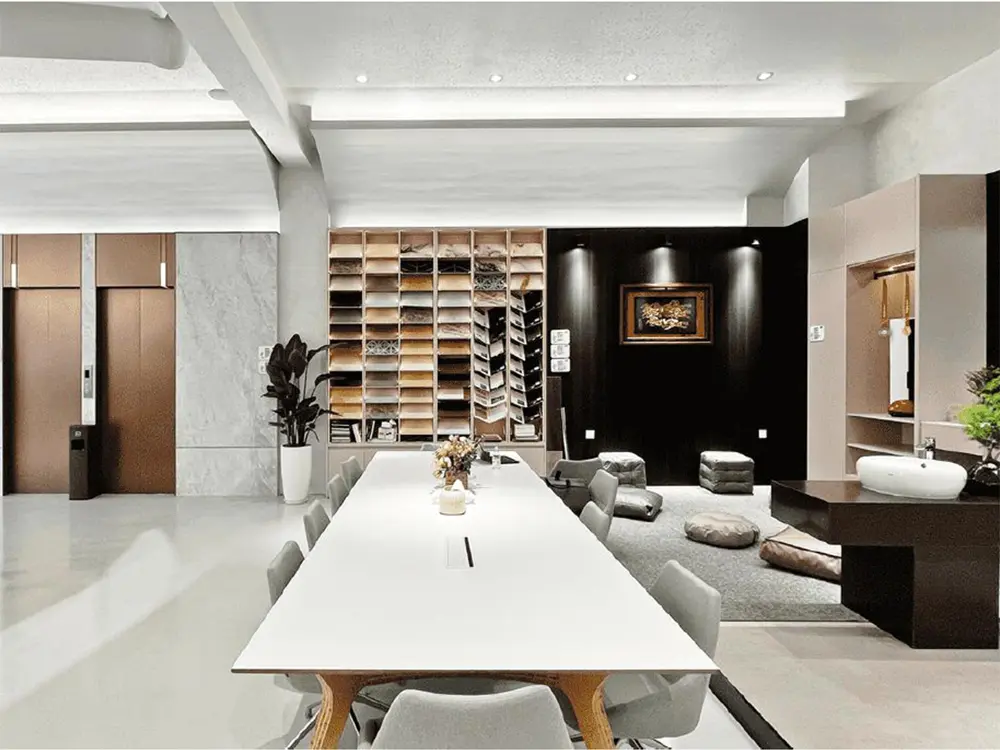 LEAO® Stone Style Decorative Panel
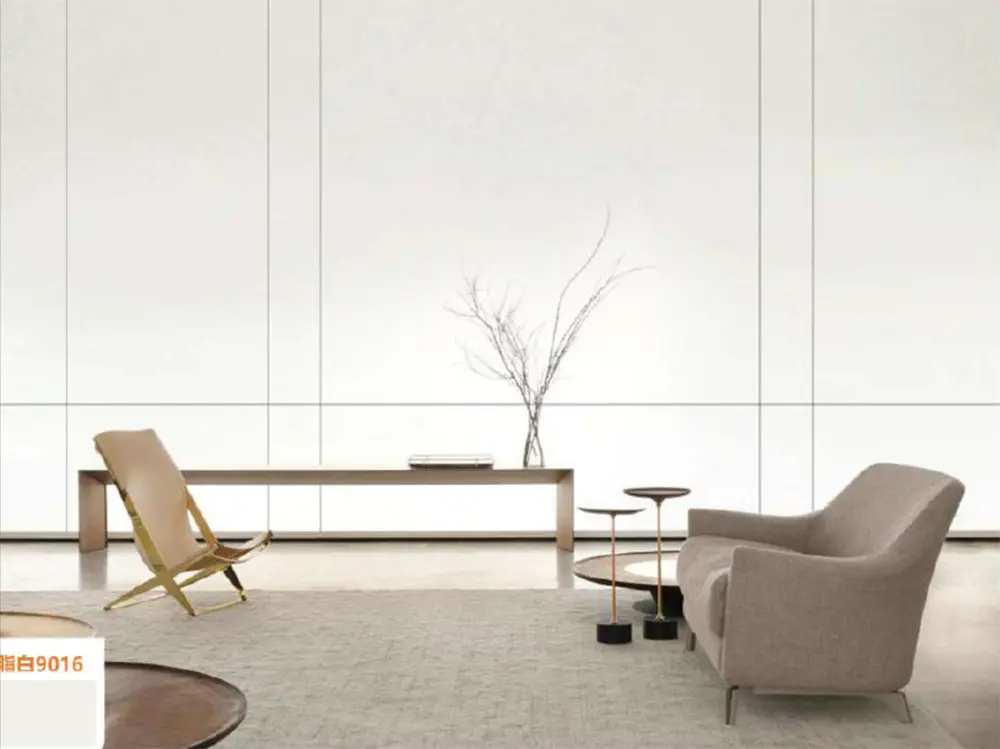 LEAO® Pure Style Decorative Panel