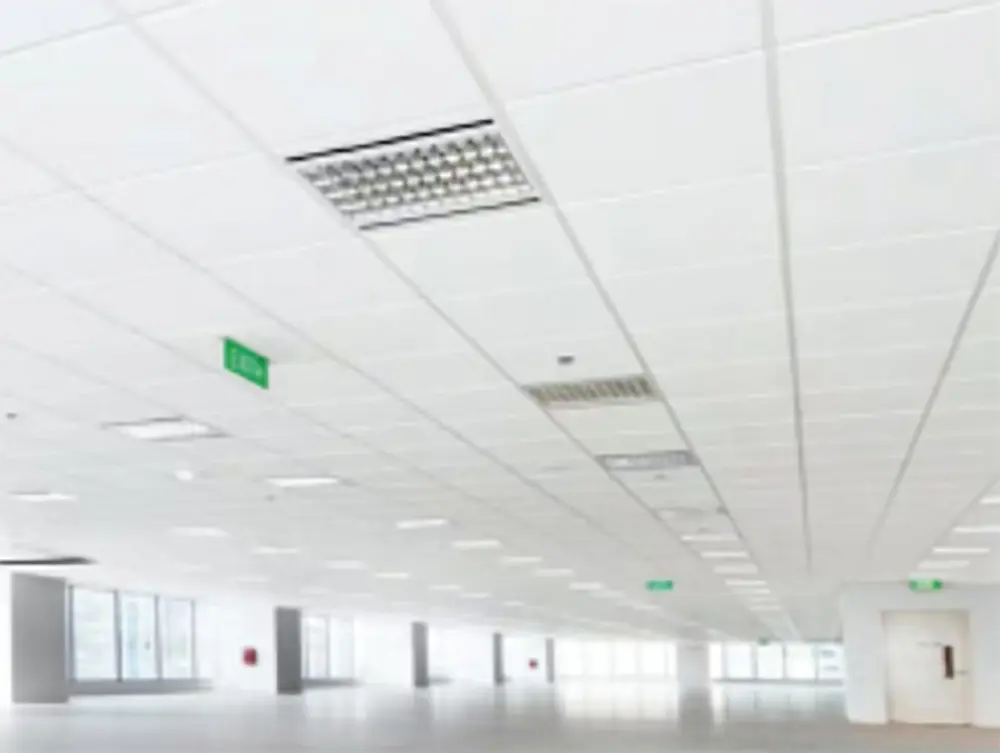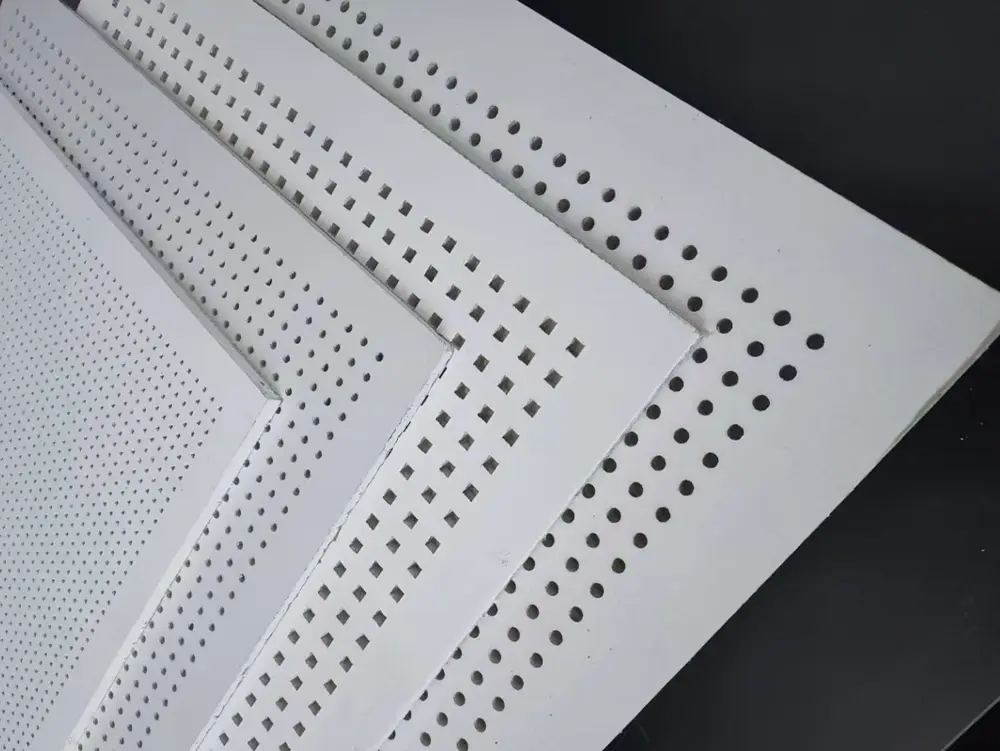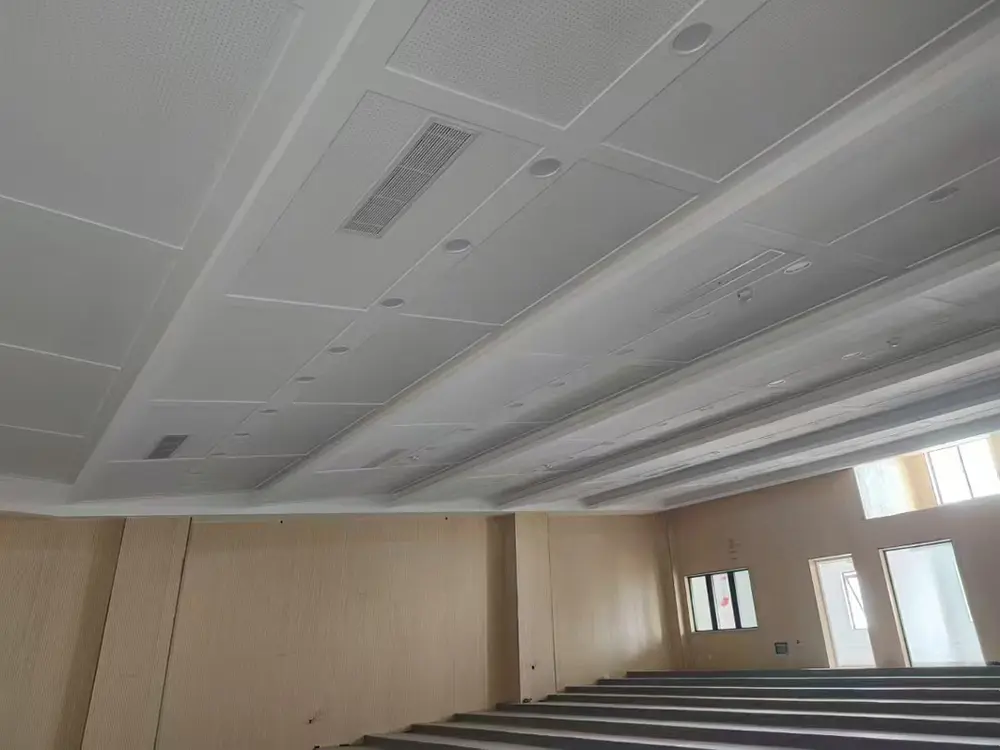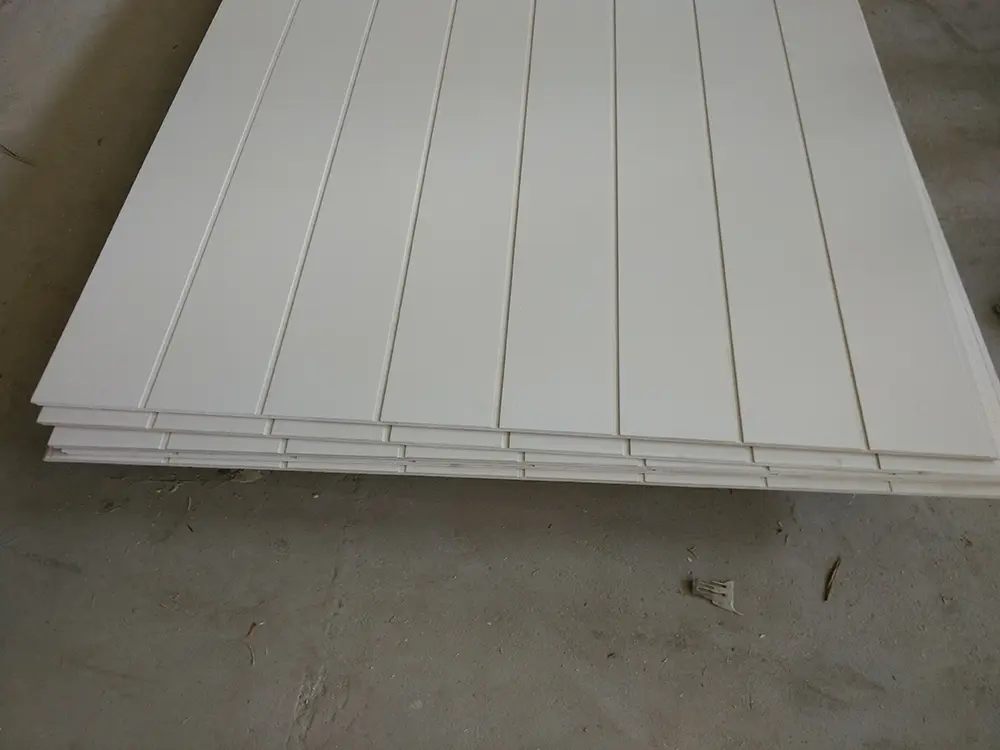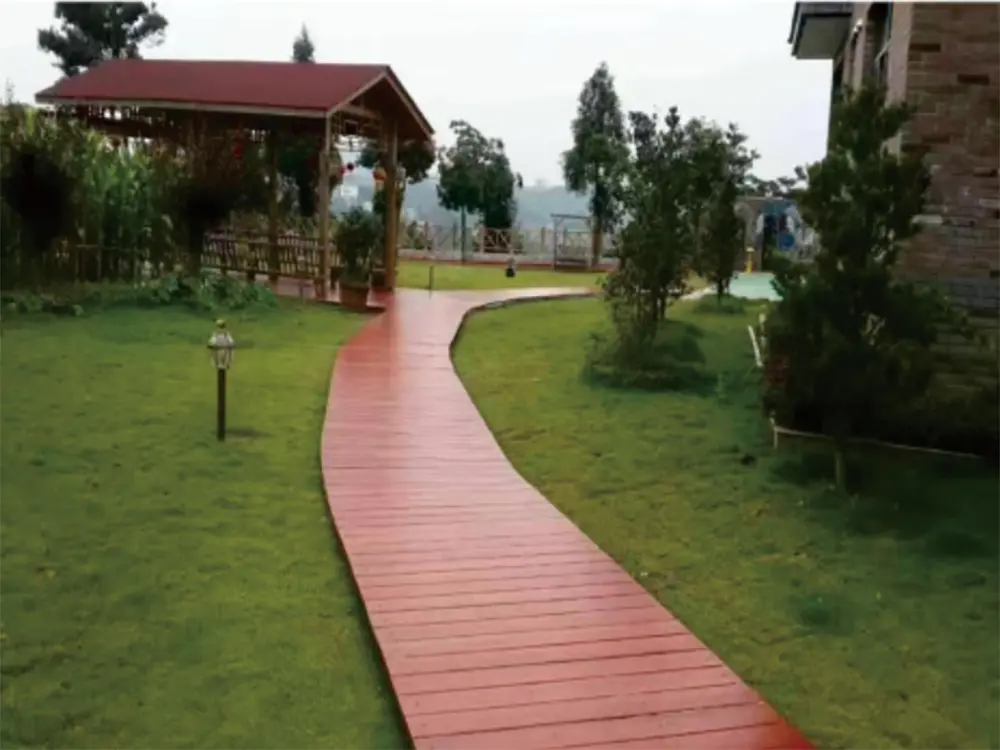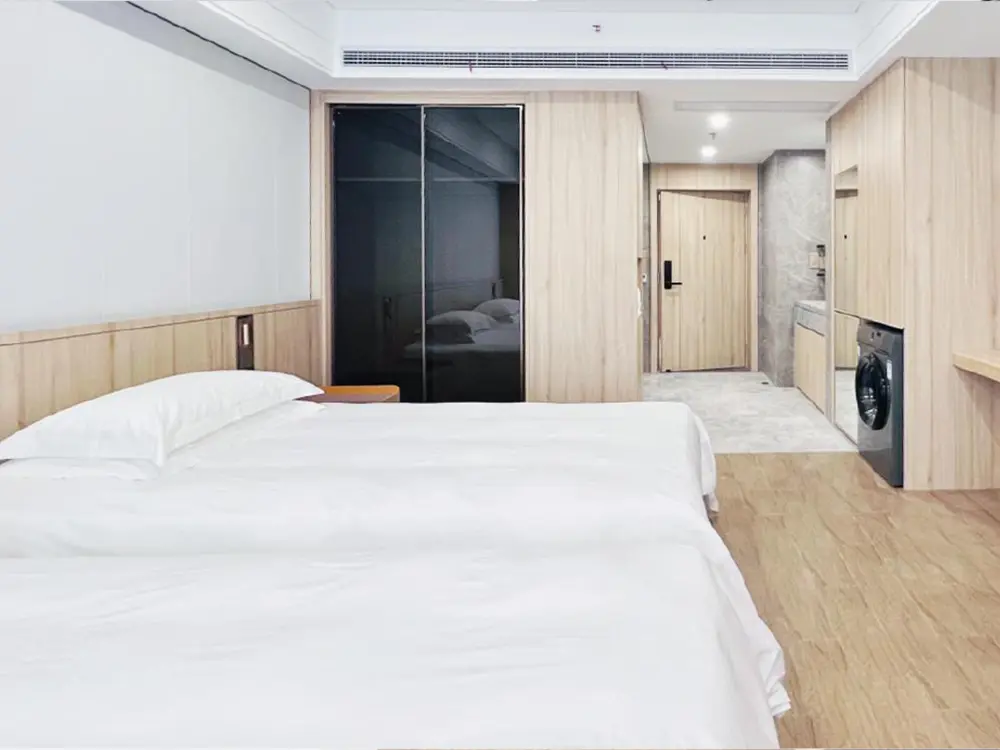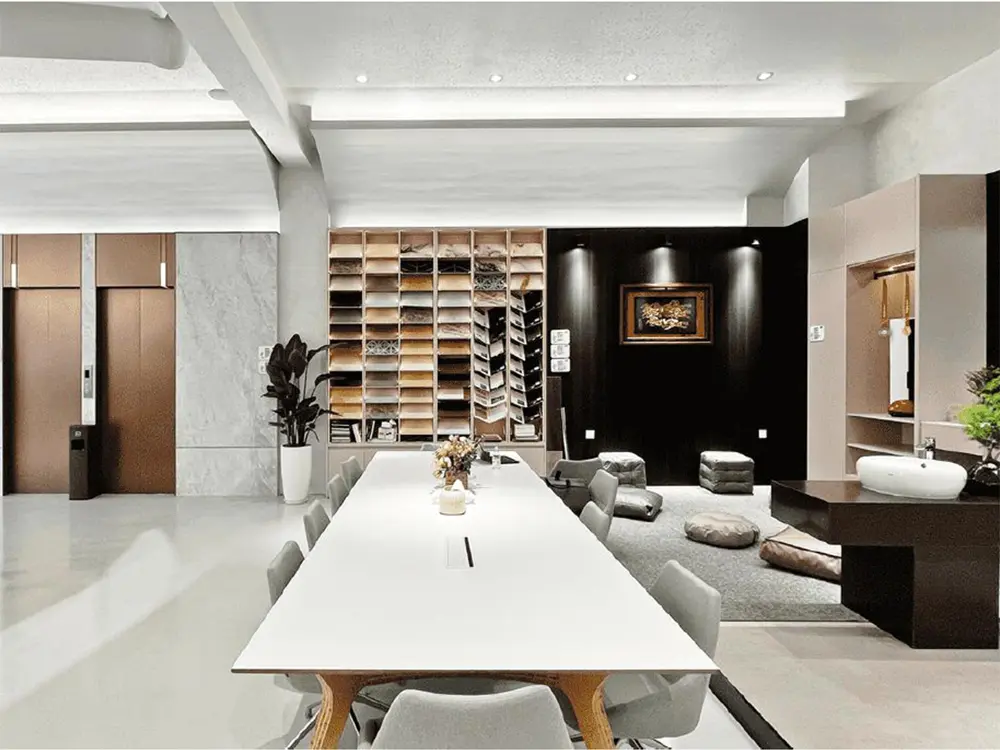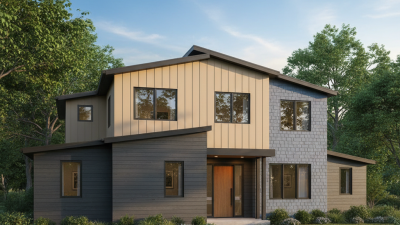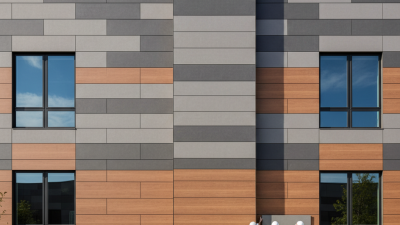
Choosing Fiber Cement Cladding in 2026 requires more than comparing colors, textures, and supplier prices. A successful decision begins with the building’s climate, wall structure, exposure, and maintenance expectations. Start with climate. Coastal homes face salt air, strong wind, and driving rain. Inland projects may face sharp temperature changes, intense sunlight, or freeze-thaw cycles. These conditions influence panel thickness, joint design, coating durability, and fixing systems.
Building-science expert Joseph Lstiburek offers a useful warning: “There is no such thing as a perfect wall.” His point matters when selecting Fiber Cement Cladding. Even a durable panel can fail when moisture enters through poorly detailed joints, unsealed penetrations, or an inadequate drainage cavity. Look behind the surface. Confirm the rainscreen design, ventilation path, flashing details, fire-performance documentation, and installation tolerances. Ask for tested data, not attractive samples alone.
In 2026, embodied carbon also deserves closer attention. Compare product declarations, recycled content, transport distance, expected service life, and replacement requirements. A lower-carbon panel may still create waste if it needs early replacement. That uncomfortable possibility deserves honest review. Check the supplier’s warranty conditions, local technical support, and installer experience. Details matter.
The best choice balances appearance, resilience, compliance, cost, and repairability. No checklist is perfect. However, a careful assessment can prevent expensive surprises behind a clean, modern façade. Think beyond the first photograph. Think about the wall after ten wet winters.
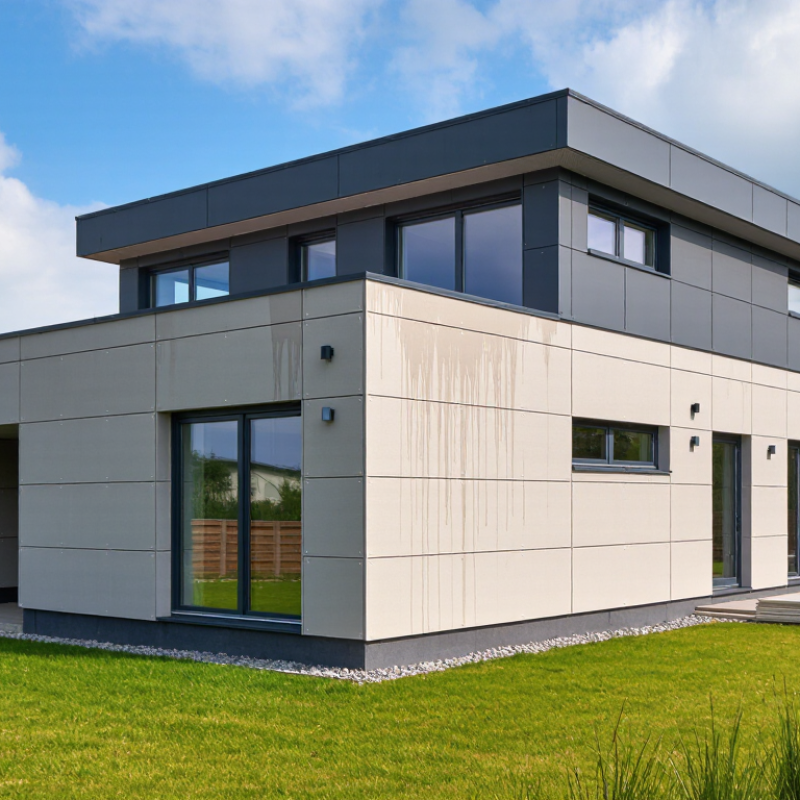
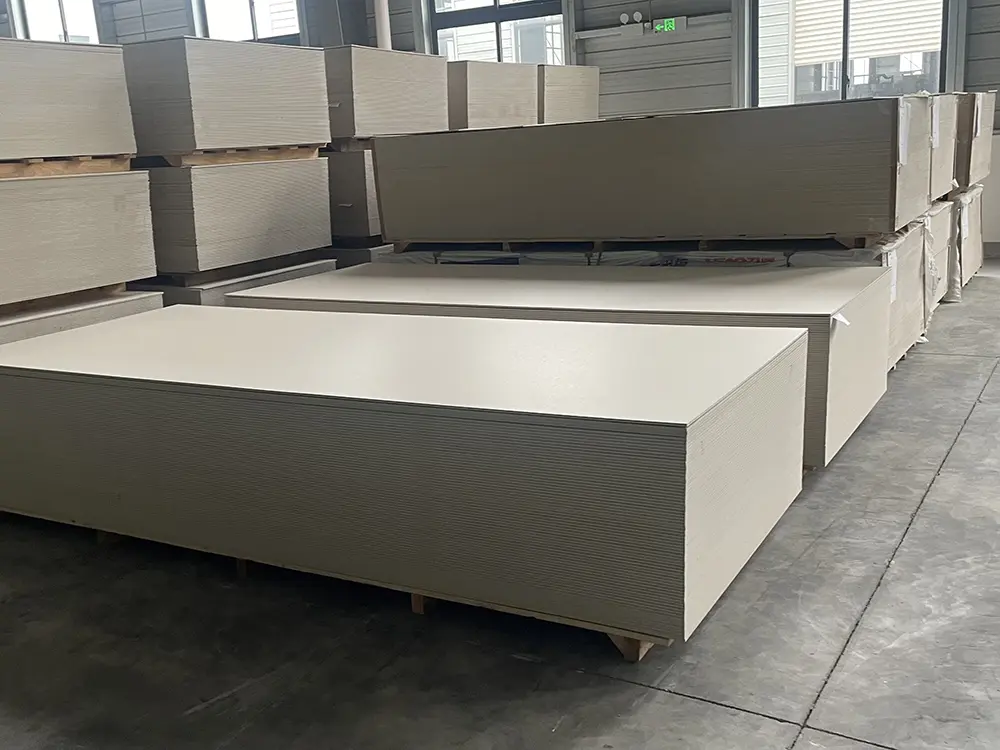
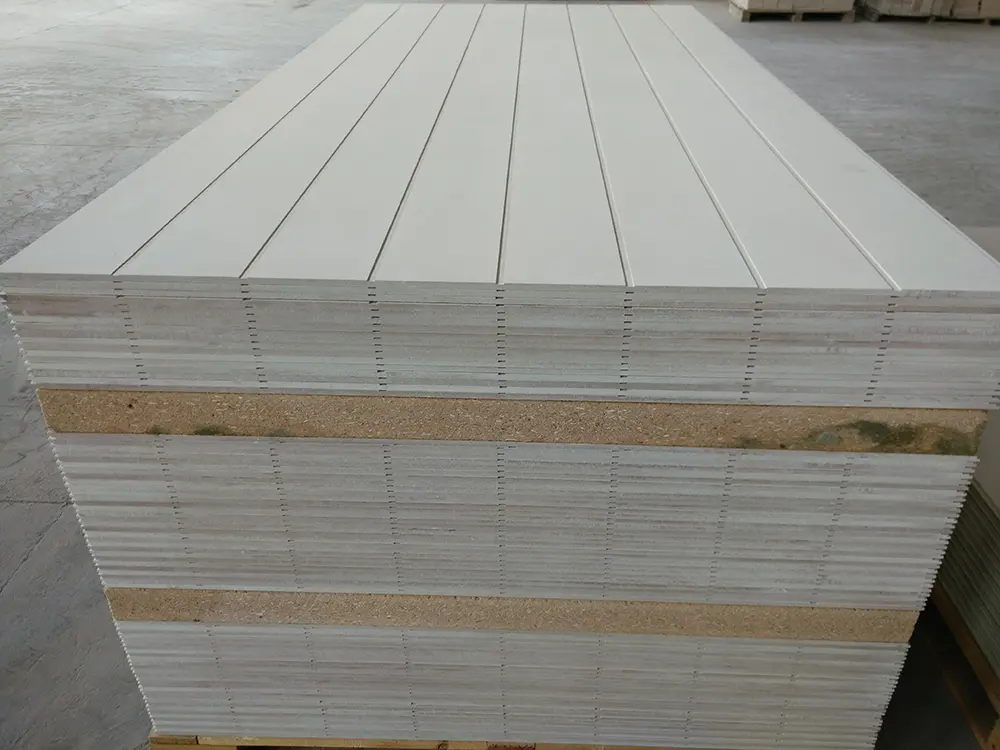
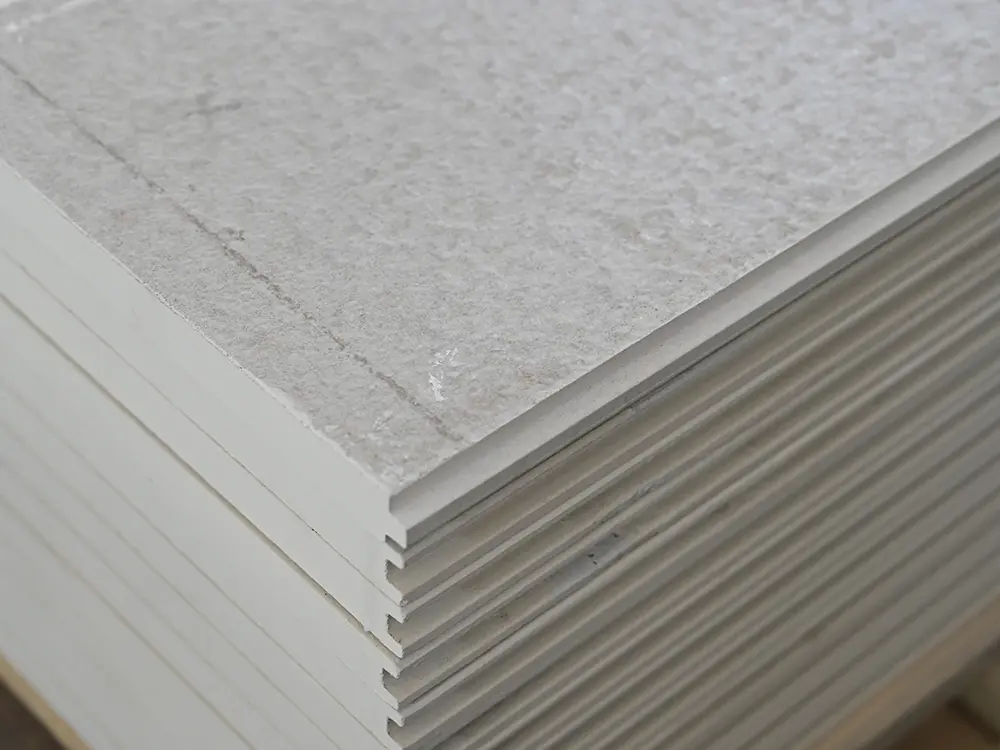
Fiber cement cladding is an exterior covering made from cement, cellulose fibers, water, and mineral fillers. Manufacturers press and cure this mixture into boards, shingles, or narrow planks. The cement provides hardness, while the fibers help control cracking.
Not structural framing. The cladding forms a weather-facing layer over a drained and ventilated cavity. Rain meets the panels first, while the air gap helps trapped moisture escape. That gap matters.
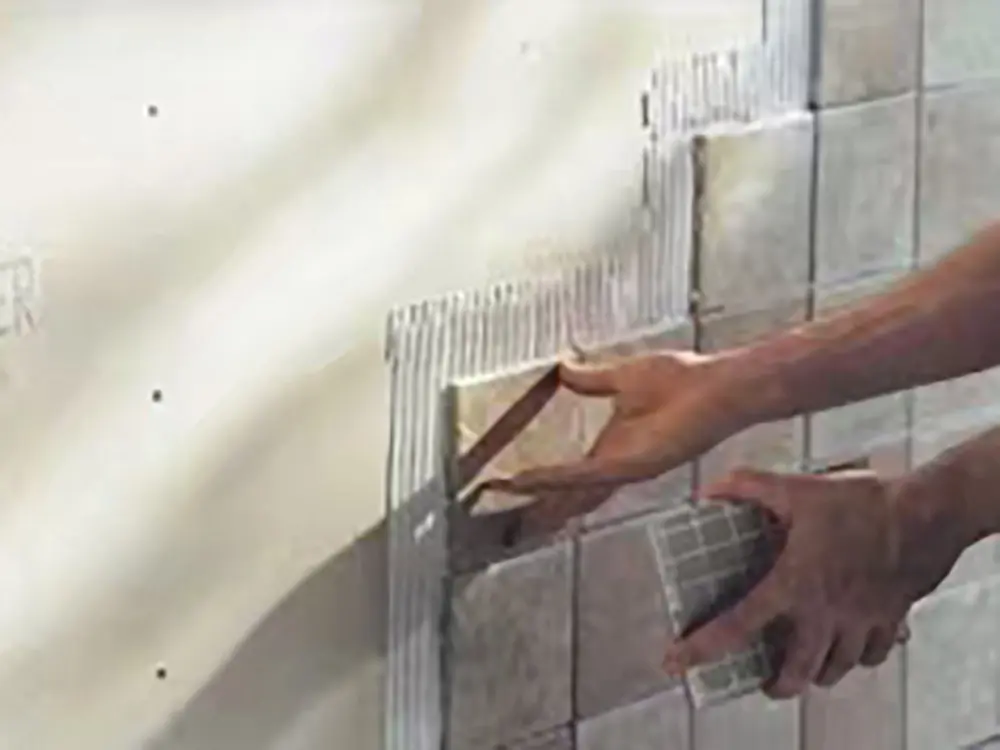
Installers attach panels to framing with corrosion-resistant fasteners. They also create planned joints around windows, corners, and doors. These details allow movement and guide water away from vulnerable edges.
In practice, accurate flashing can matter as much as panel quality.
When choosing fiber cement cladding in 2026, examine the complete wall assembly, not only its color or texture. Review panel thickness, weight, impact resistance, finish warranty, and local installation requirements.
Ask for tested data on fire, moisture, wind, and freeze-thaw exposure. Product ratings alone can mislead. The full wall system decides performance.
Dark finishes may absorb more solar heat, while textured surfaces can hold dust in sheltered areas. Inspect cut edges and sealants during installation. Small mistakes become obvious after several wet seasons.
Details decide performance.
It is easy to underestimate scaffolding, trimming, and disposal costs. Fiber cement can last for decades, but workmanship remains a weak point.
Check cracked joints, loose fasteners, and damaged coatings every year.
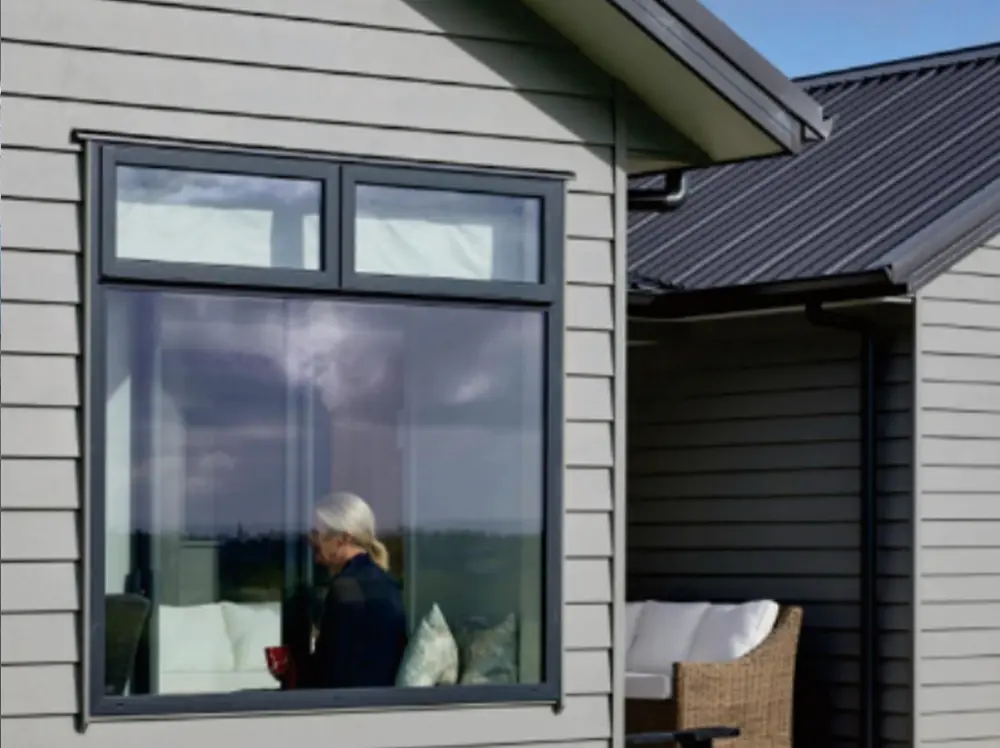
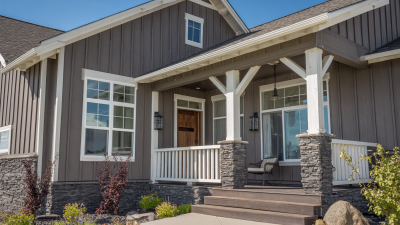
Fiber cement cladding is available in several practical forms for different building styles. The main options include horizontal planks, vertical boards, large panels, shingles, and narrow trim pieces. Long planks can create a familiar residential appearance. Large panels suit modern façades with fewer visible joints. Shingles add texture around entrances, gables, or upper walls. Use them carefully. Excessive mixing may make the elevation look unsettled.
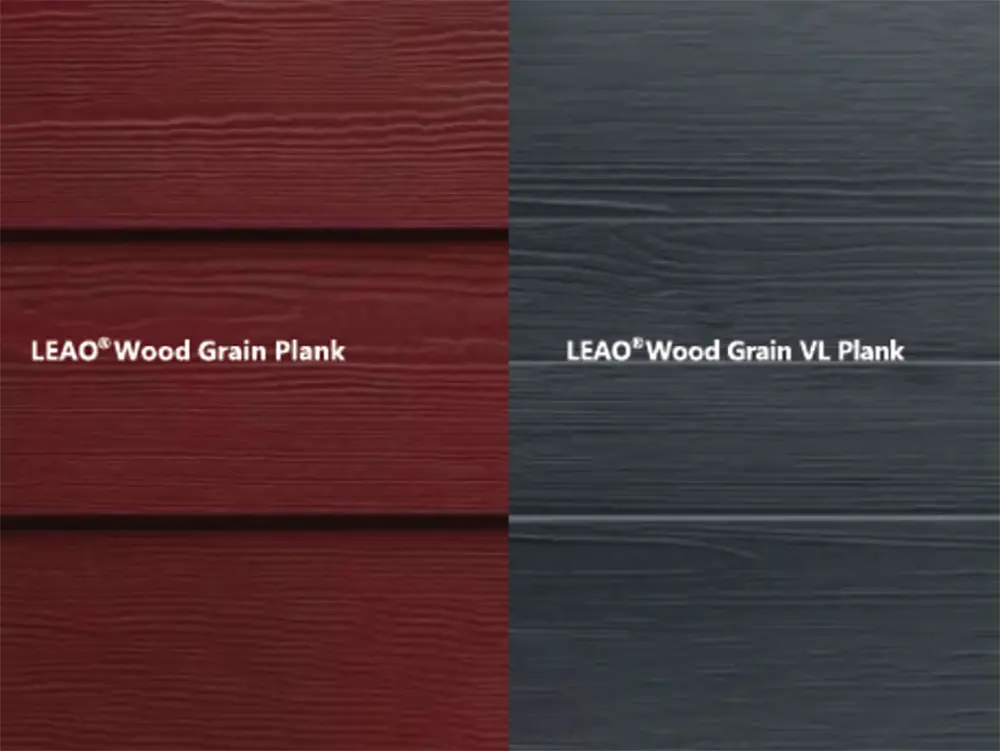
Finish changes more than appearance. Smooth surfaces provide clean lines but can reveal dust, dents, and uneven installation. Wood-grain finishes offer warmth without the maintenance demands of natural timber. Textured finishes can disguise minor surface variation and create stronger shadow lines. Pre-finished boards usually provide consistent color, while site-painted cladding allows closer color matching. However, paint performance depends on preparation, weather, and ongoing maintenance.
Climate and wall design should guide the final choice. In wet or coastal areas, a drained and ventilated cavity helps manage moisture behind the cladding. Check local fire requirements, wind exposure, fixing patterns, and the project’s substrate before ordering materials. Dark finishes may absorb more heat and show fading sooner. A common mistake is choosing by sample alone. View samples outdoors, inspect joint details, and test how light changes across the day. The most attractive finish may still be impractical when repairs, access, or future repainting are considered.
Choosing fiber cement cladding in 2026 starts with the exposure map, not the color chart. Inspect wind, driving rain, salt air, frost, and daily temperature changes around the building. Dense panels can resist impact well, but installation quality still controls long-term performance. On a coastal project, I look for sealed cut edges, corrosion-resistant fixings, and correctly formed joints. Small gaps matter. Water can reach the substrate through overlooked details.
Compare durability using verified test data, not broad marketing claims. Ask about impact resistance, moisture movement, freeze-thaw performance, and coating stability. Weather resistance also depends on drainage cavities, flashing, and ventilation behind the panels. Dark finishes may absorb more heat and show fading sooner in strong sunlight. “Low maintenance” needs a clear definition. It might mean washing every year, repainting after fifteen years, or simply replacing damaged boards.
Maintenance is not zero. Keep a practical inspection schedule. Check joints, corners, fixings, and sealants after severe storms. Wash dust and salt deposits with clean water and a soft brush. Avoid harsh pressure, which can damage coatings or force water behind the cladding. I once assumed thicker panels always offered better protection. That assumption was too broad. A thinner system with careful detailing can outperform a heavier one in difficult weather. Review local climate records, installer experience, and the manufacturer’s published maintenance instructions before choosing.
Choosing fiber cement cladding starts with your building’s climate, not its color. In wet regions, use a drained and ventilated cavity behind the panels. This space helps release trapped moisture after heavy rain. Check local wind loads, driving rain exposure, freeze-thaw cycles, and fire requirements before selecting a panel system. Coastal buildings need special attention. Salt air can challenge fixings, flashings, and exposed cut edges.
Thermal performance also matters. Cladding is not insulation by itself, so pair it with continuous insulation and carefully sealed joints. In hot climates, lighter finishes may reduce surface temperatures. Dark finishes can absorb intense solar heat and increase movement. Ask for tested movement limits, water-management details, and installation tolerances. Do not rely only on attractive sample boards. A small sample cannot show how joints behave after years of weather.
Look closely at the site. A low-rise wall under a roof overhang faces different risks from a tall façade on an open corner. Confirm the substrate, cavity depth, fasteners, and replacement method with a qualified designer or contractor. Follow current building codes and the panel manufacturer’s installation instructions. Maintenance is often underestimated; inspect sealants, joints, drainage paths, and damaged edges regularly. No material choice is perfect. Sometimes, the most expensive mistake is choosing a finish before understanding the climate.
How to Choose Fiber Cement Cladding in 2026?
A reliable installation starts with the wall, not the panel. Check whether the design uses a drained and ventilated cavity behind the cladding. This gap helps moisture escape after heavy rain. Confirm the installer will fit flashings around windows, doors, corners, and the roof line. Panels need correct joint spacing, edge sealing, and corrosion-resistant fasteners. Small mistakes can cause staining or movement later.
Ask for a written installation plan based on local building codes and the panel manufacturer’s technical data. On renovation sites, I have seen attractive boards fail because the substrate was uneven. A qualified installer should inspect the wall, record moisture conditions, and explain maintenance access. The estimate is rarely perfect. Allow extra material for cutting, damaged pieces, and difficult elevations.
Costs often include panels, trims, membranes, labor, scaffolding, and disposal. In many markets, installed fiber cement cladding may cost about 8 to 20 dollars per square foot, but regional labor changes this sharply. Request separate prices for each item. For environmental impact, check recycled content, product life, transport distance, and verified environmental declarations. Cement production carries a carbon burden, so durability matters. Choose low-waste cutting plans and coatings with low volatile emissions. Ask how offcuts will be handled. The greener option is not always the cheapest one.