2026 How to Choose Fiber Cement Woodgrain Board for Your Project?
Choosing the right materials for your construction project can be challenging. One popular option gaining traction is the Fiber Cement Woodgrain Board. This innovative material combines the aesthetic appeal of wood with the durability of cement. However, selecting the perfect board requires careful consideration.
When evaluating Fiber Cement Woodgrain Board, think about its characteristics. Look for various textures and finishes to match your project’s theme. Durability is essential; these boards should withstand harsh weather conditions. Consider maintenance efforts as well. Some boards require more upkeep than others, impacting long-term costs.
Reflecting on your project's specific needs is crucial. Are you aiming for sustainability? Fiber Cement Woodgrain Board may offer eco-friendly options. Be mindful of installation techniques too. Improper installation can lead to flaws and costly repairs later. Ultimately, understanding these factors will help ensure your project’s success.
Understanding Fiber Cement Woodgrain Board: Key Features and Benefits
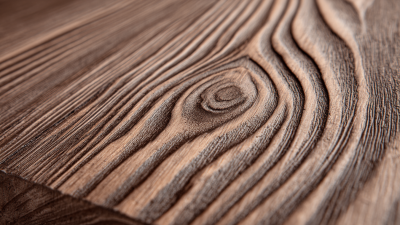
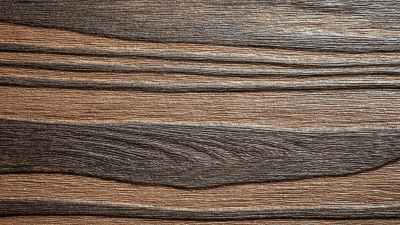
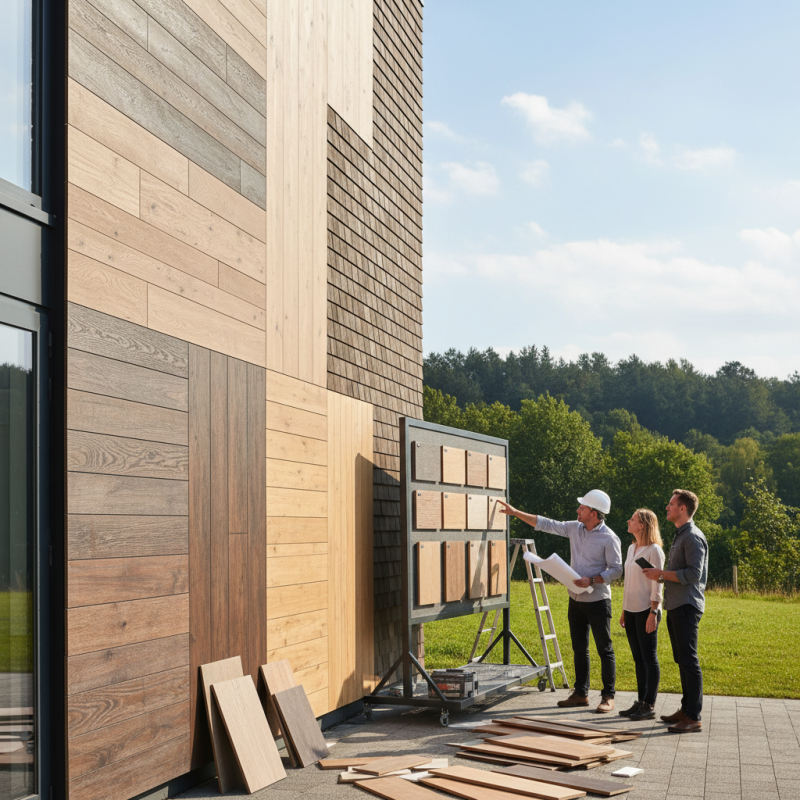
Fiber cement woodgrain boards are innovative building materials. They combine aesthetics with durability. You can achieve the look of wood without the maintenance. This board replicates the grain of wood, adding warmth and character to any project. It's a great choice for both exterior and interior applications.
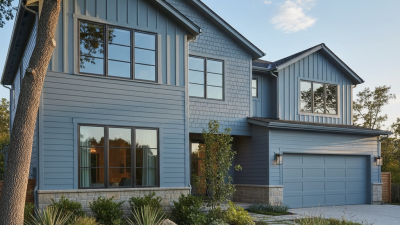
One of the key features is weather resistance. Fiber cement boards withstand harsh conditions. They resist rot, pests, and fire, making them reliable for various environments. Installation is straightforward, which reduces labor costs. However, some projects may require skilled tradespeople to ensure a proper fit and finish.
While aesthetics and durability are crucial, it's essential to consider sustainability. Fiber cement boards are often made from recycled materials. This eco-friendly aspect can appeal to environmentally conscious builders and homeowners. Still, a careful assessment is needed to ensure it aligns with your project goals. Balancing beauty and functionality can be challenging but rewarding.
2026 How to Choose Fiber Cement Woodgrain Board for Your Project?
This chart illustrates the key features and benefits of fiber cement woodgrain boards, rated on a scale from 1 to 10. The high durability and fire resistance ratings highlight the board's strengths, making it an excellent choice for construction projects.
Evaluating Durability and Lifespan of Fiber Cement Woodgrain Board
When considering fiber cement woodgrain boards for construction projects, durability and lifespan are crucial factors. Research shows that fiber cement materials can last for more than 50 years. This exceptional longevity often surpasses traditional materials like wood, which typically requires frequent maintenance and replacement. The resistance to rot, termites, and adverse weather conditions makes fiber cement an efficient choice.
Damage from moisture is a significant concern in many climates. Fiber cement boards are engineered to withstand extreme humidity without warping or swelling. Independent studies indicate that fiber cement exhibits less than 5% water absorption, significantly reducing the risk of mold growth. However, installation quality can greatly affect longevity. Poorly sealed edges or unprotected cut ends may lead to premature deterioration, emphasizing the need for skilled labor during installation.
Moreover, while fiber cement products boast impressive fire resistance, they are not entirely fireproof. Under intense conditions, they may still show signs of damage. In some instances, extreme exposure to sunlight can cause fading. Regular maintenance and inspections should be a part of any long-term project strategy to ensure optimal performance.
Comparative Analysis: Fiber Cement vs. Traditional Wood Boards
When choosing materials for construction, fiber cement boards are gaining traction against traditional wood boards. Fiber cement boards generally have a longer lifespan, averaging 50 years compared to wood's 20-30 years. This longevity leads to reduced maintenance costs, as they are less prone to warping, rotting, or insect damage, according to industry studies.
However, wood boards offer aesthetic value that some homeowners prefer. Natural wood provides a warmth and charm that fiber cement imitates but cannot fully replicate. Experts note that while wood requires regular treatment to maintain its appearance, the organic character can be worth the investment. It’s essential to evaluate your project's requirements and make a decision rooted in practicality and style.
Tips: Consider the environmental impact. Some fiber cement options use recycled materials, making them a more sustainable choice. Also, assess the cost-effectiveness. While fiber cement may have a higher upfront cost, its durability can translate to savings in the long run. Analyze your local climate too. In regions with severe weather, fiber cement may outperform wood in resisting damage.
2026 How to Choose Fiber Cement Woodgrain Board for Your Project? - Comparative Analysis: Fiber Cement vs. Traditional Wood Boards
| Feature |
Fiber Cement Board |
Traditional Wood Board |
| Durability |
High - resistant to rot, pests, and weather |
Moderate - susceptible to rot and pests |
| Maintenance |
Low - requires minimal upkeep |
High - needs regular painting and treatment |
| Cost |
Moderate - mid-range pricing |
Low - generally lower upfront costs |
| Installation |
Moderate - requires specific tools and skills |
Easy - can be installed with basic tools |
| Aesthetics |
Versatile - available in various finishes |
Classic - natural wood appearance |
| Environmental Impact |
Lower - made from sustainable materials |
Higher - deforestation concerns |
Installation Guide: Best Practices for Fiber Cement Woodgrain Board
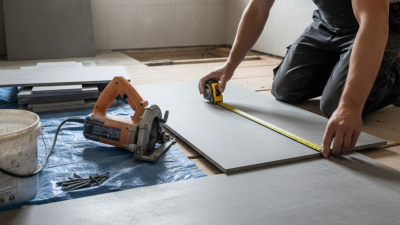
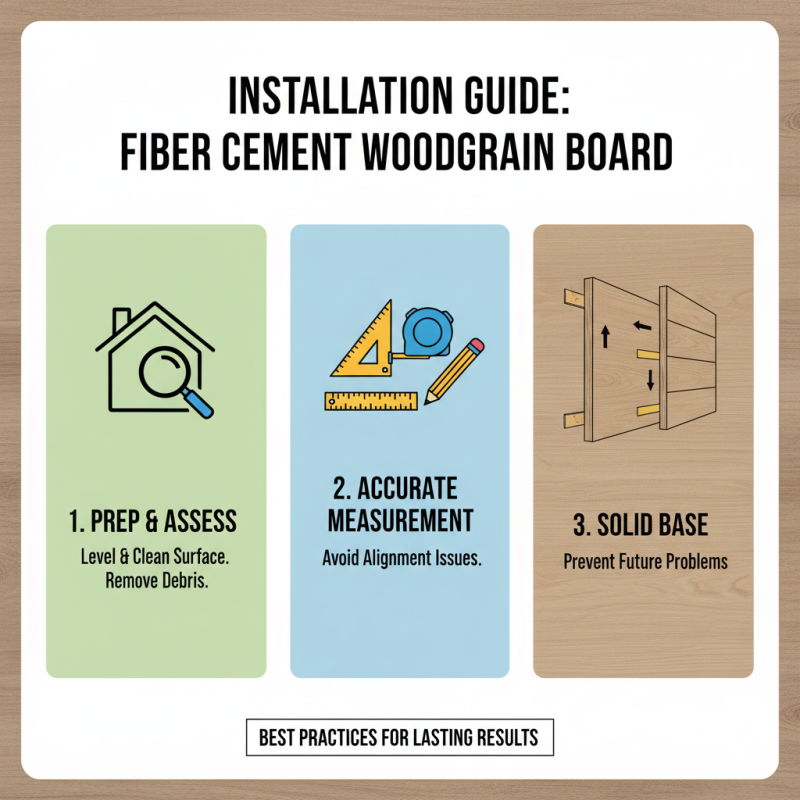
When installing fiber cement woodgrain boards, proper preparation is key. Start by assessing the area where the boards will be placed. Ensure that the surface is level and clean. Remove any debris or old materials that might interfere with the installation. This step is critical, as a solid base helps prevent future issues. Measuring accurately is also essential. Small miscalculations can lead to significant problems when aligning the boards.
Next, use quality tools for the installation process. A circular saw is often needed for cutting boards to fit specific dimensions. Always wear protective gear to ensure safety. It’s wise to check the manufacturer's guidelines for the best cutting techniques. Some installers may overlook this, leading to rough edges or improper fits. Pay attention to the spacing between each board. It allows for expansion and contraction with temperature changes, ultimately prolonging the lifespan of the installation.
After installation, take time to inspect your work. Gaps or misaligned joints can be common mistakes. Document these issues and plan for adjustments. This reflection can guide improvements in future projects. Learning from each installation will refine your skills over time. Remember, each installation teaches you something new, regardless of the challenges faced.
Cost Considerations and Return on Investment for Your Project
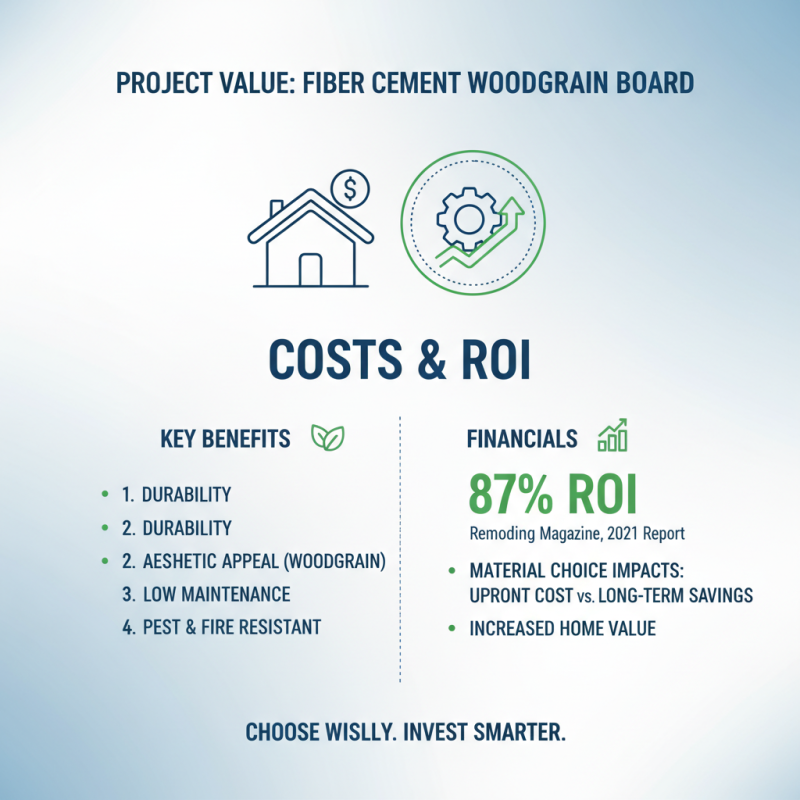
Choosing the right fiber cement woodgrain board can significantly impact your project's cost and return on investment. This material combines durability with aesthetic appeal. According to a 2021 report by the Remodeling Magazine, fiber cement siding typically yields a return on investment of about 87% when installed, making it a valuable choice for homeowners.
It's crucial to understand the initial costs associated with fiber cement woodgrain boards. The average cost per square foot ranges from $7 to $12, excluding installation. While the upfront investment may seem high, the lifespan of fiber cement can exceed 50 years. This longevity often results in lower maintenance costs over time, offering substantial savings.
Tips: Always consider local climate conditions. Fiber cement performs well in various environments, resistant to moisture, fire, and pests.
Another factor to evaluate is energy efficiency. Installing fiber cement may qualify you for energy rebates, further improving your ROI. While choosing materials, reflect on the long-term benefits versus the initial costs. Prospective buyers often value these features, enhancing your property's appeal.

 LEAO®Deco Ceiling
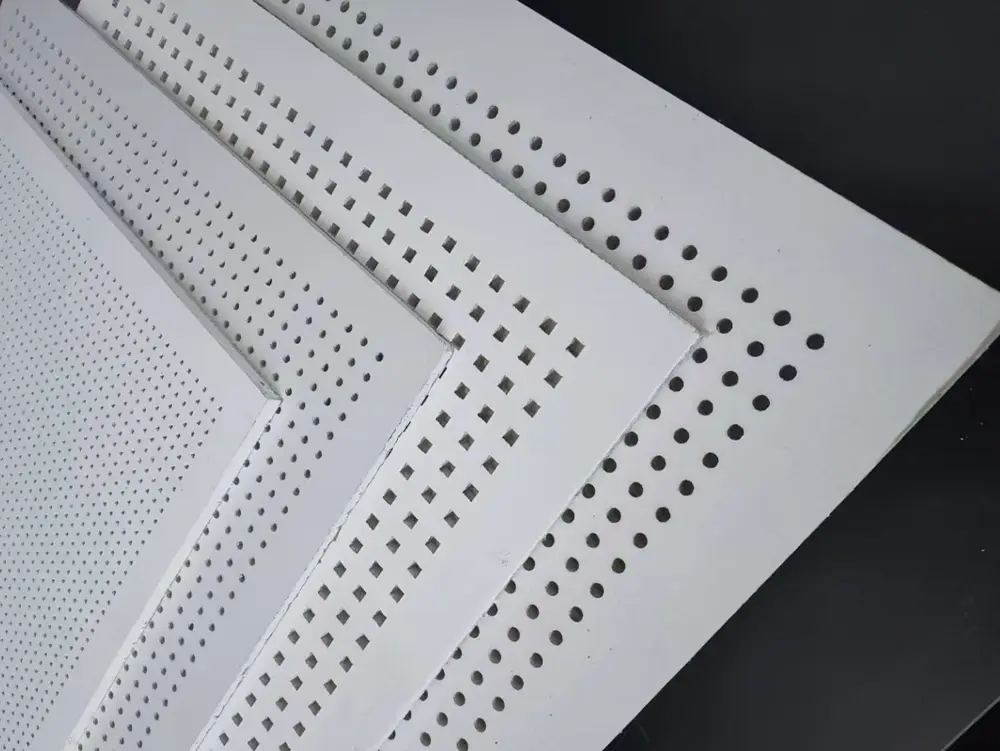 LEAO® Perforated Ceiling
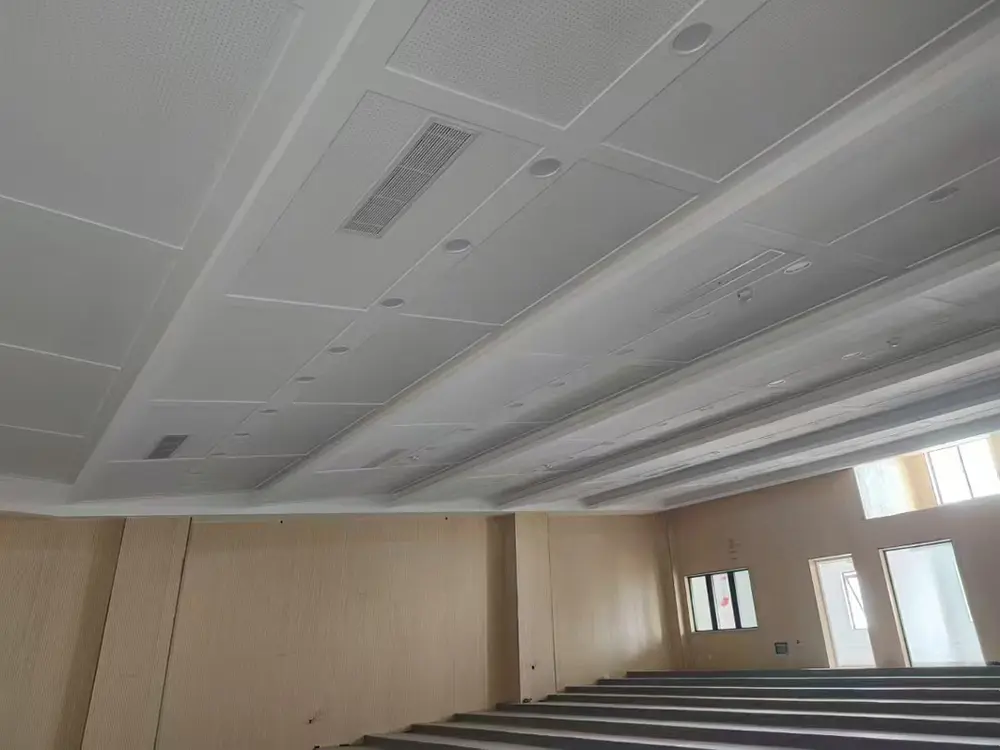 LEAO® Ceiling Board
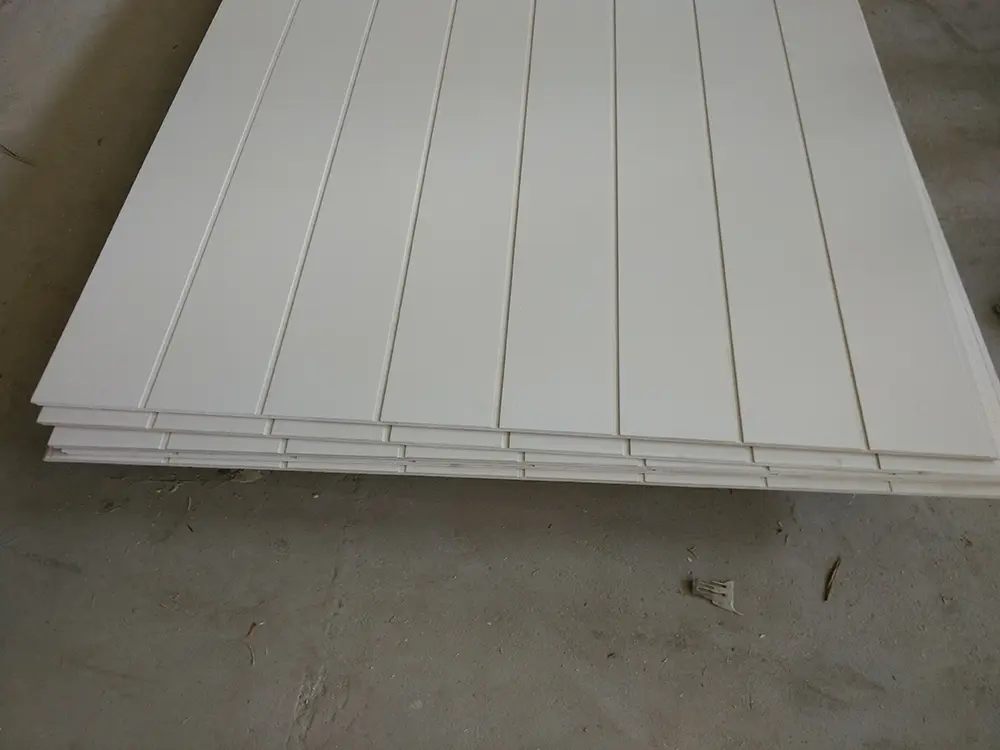 LEAO® Groove Interior Panel
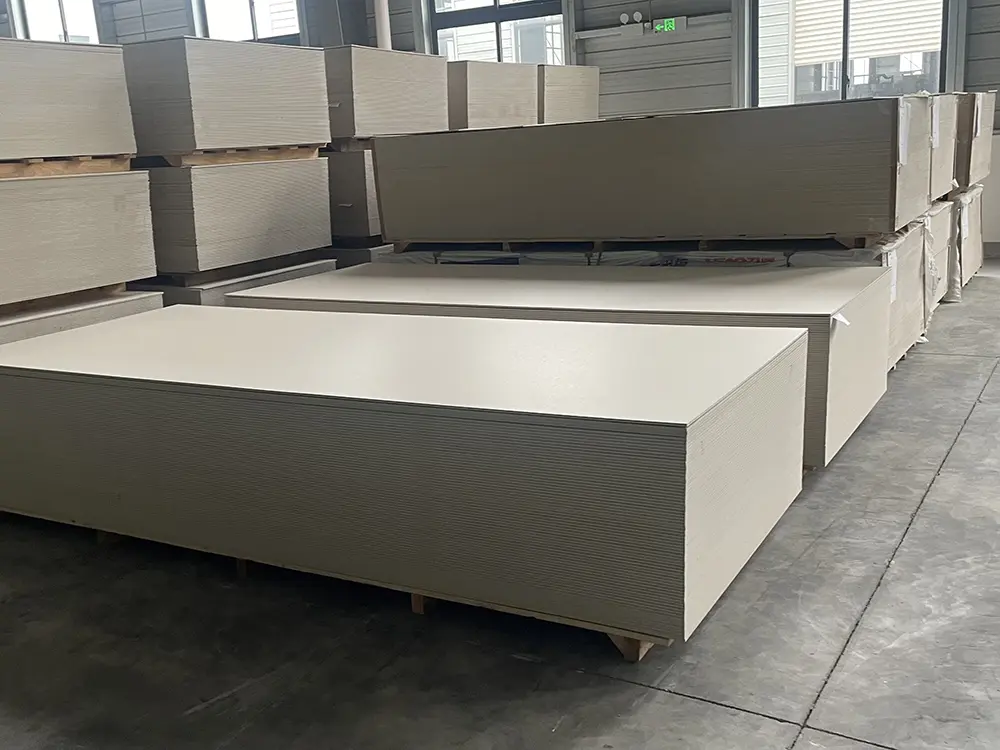 LEAO® Interior Board
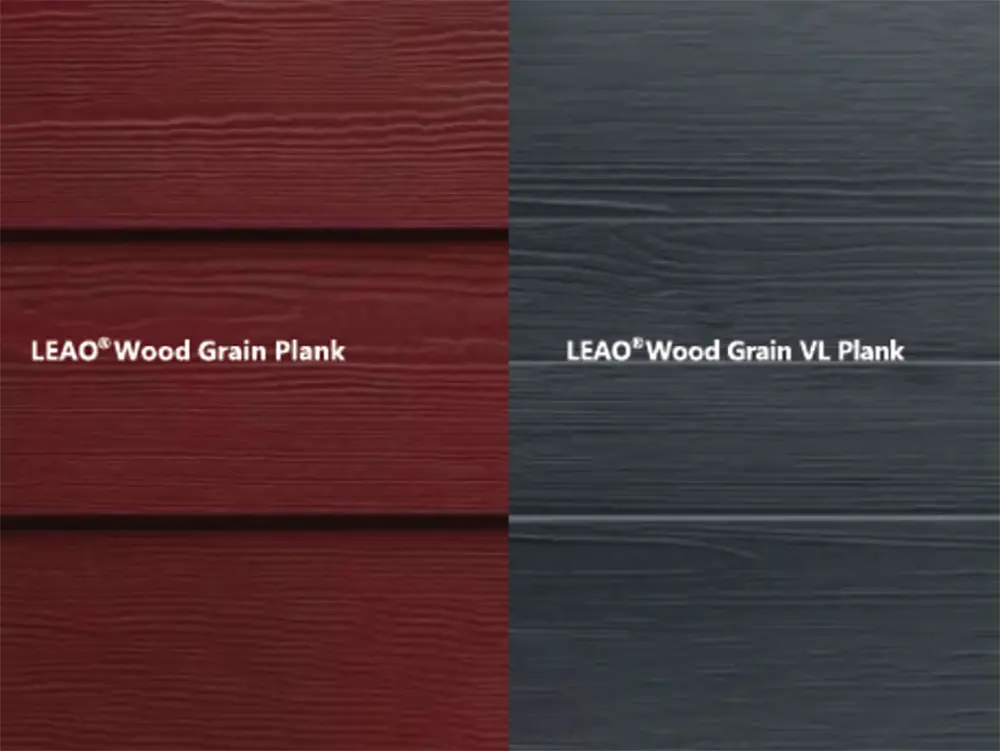 LEAO® Wood Grain Plank
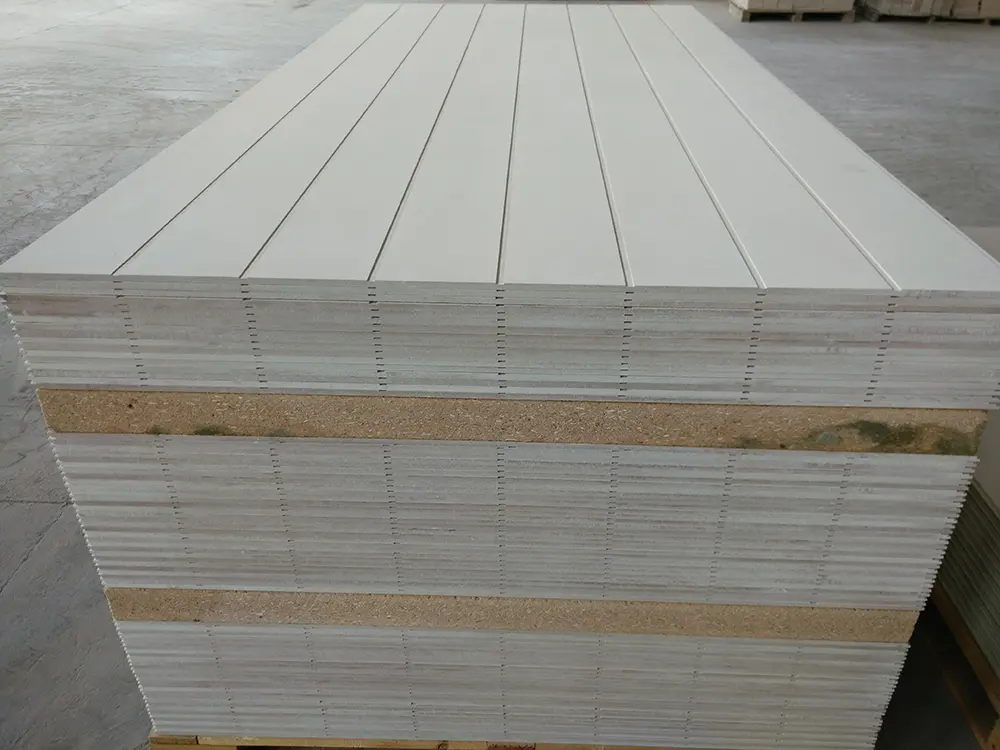 LEAO® Grooved Exterior Panel
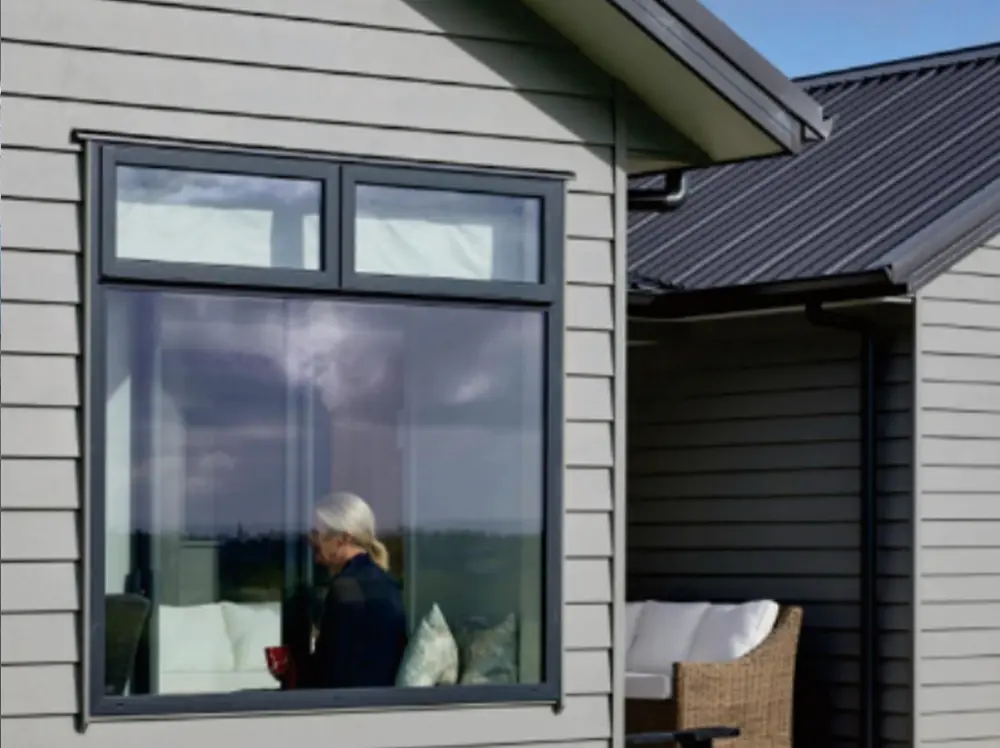 LEAO® Weatherboard
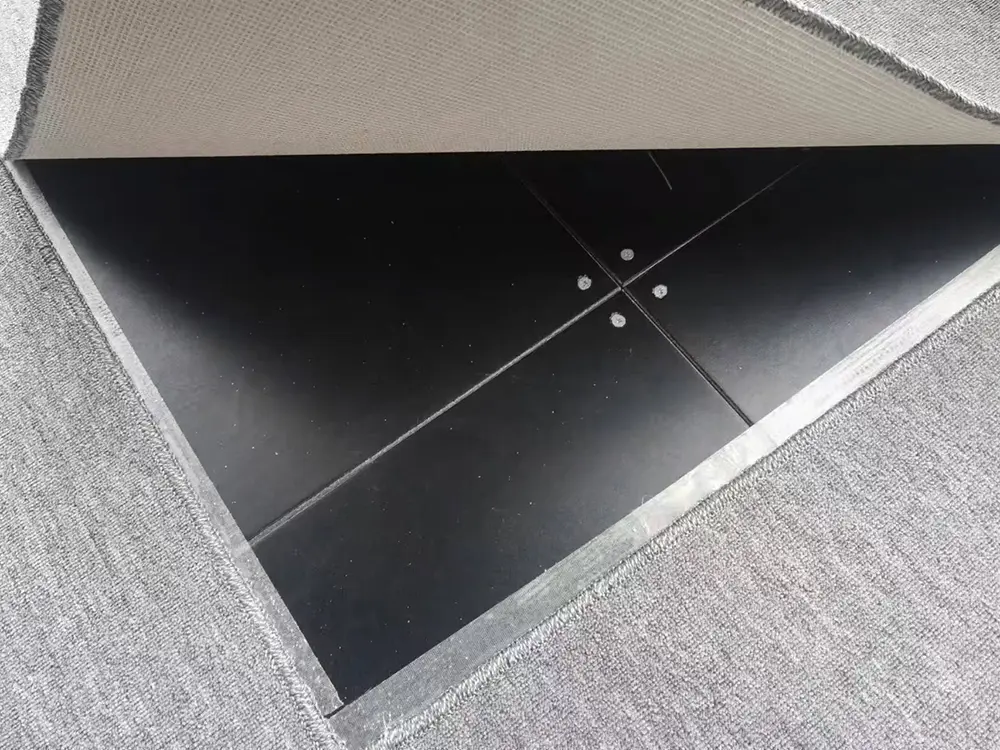 LEAO® Access Floors
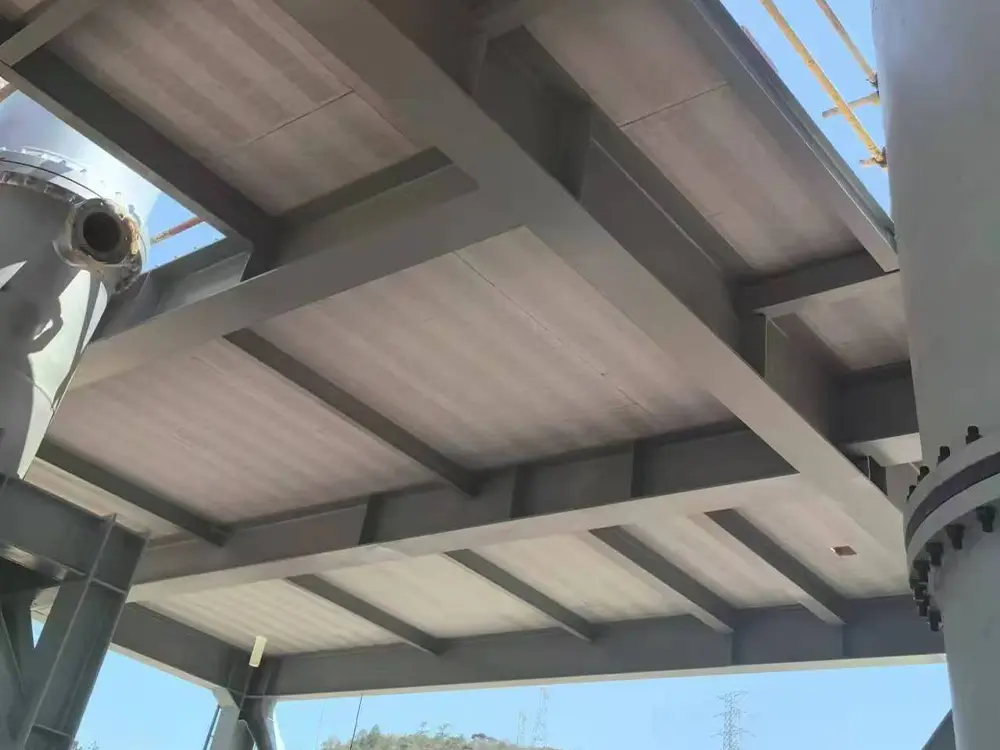 LEAO® Non-removable Formwork
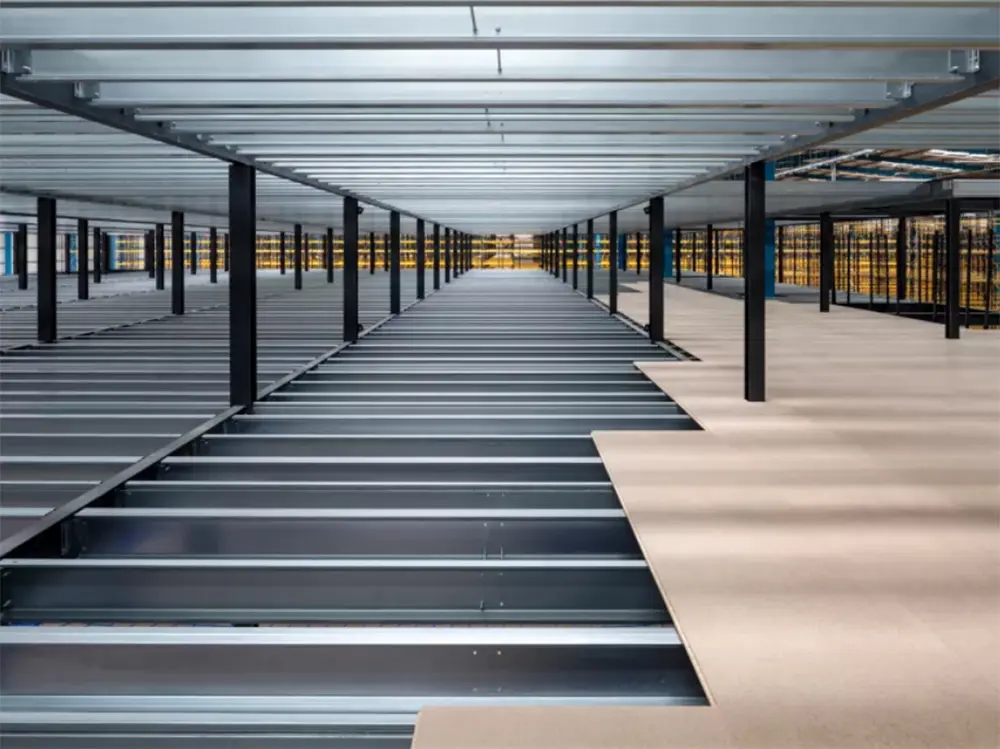 LEAO® Mezzanine Board
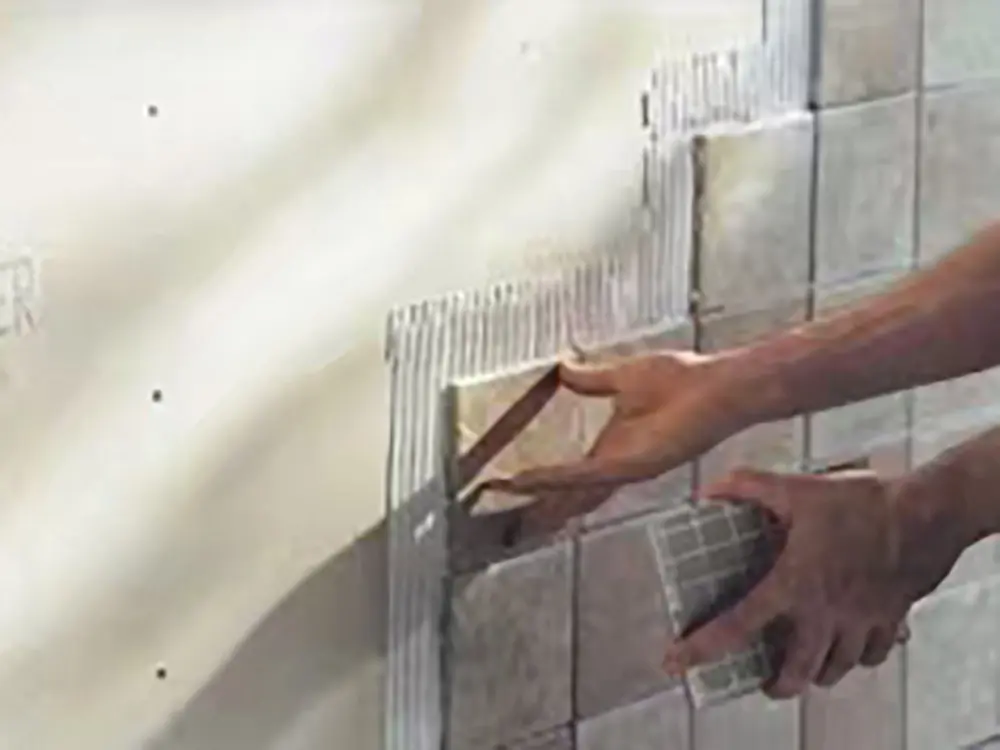 LEAO® Ceramic Tile Underlay
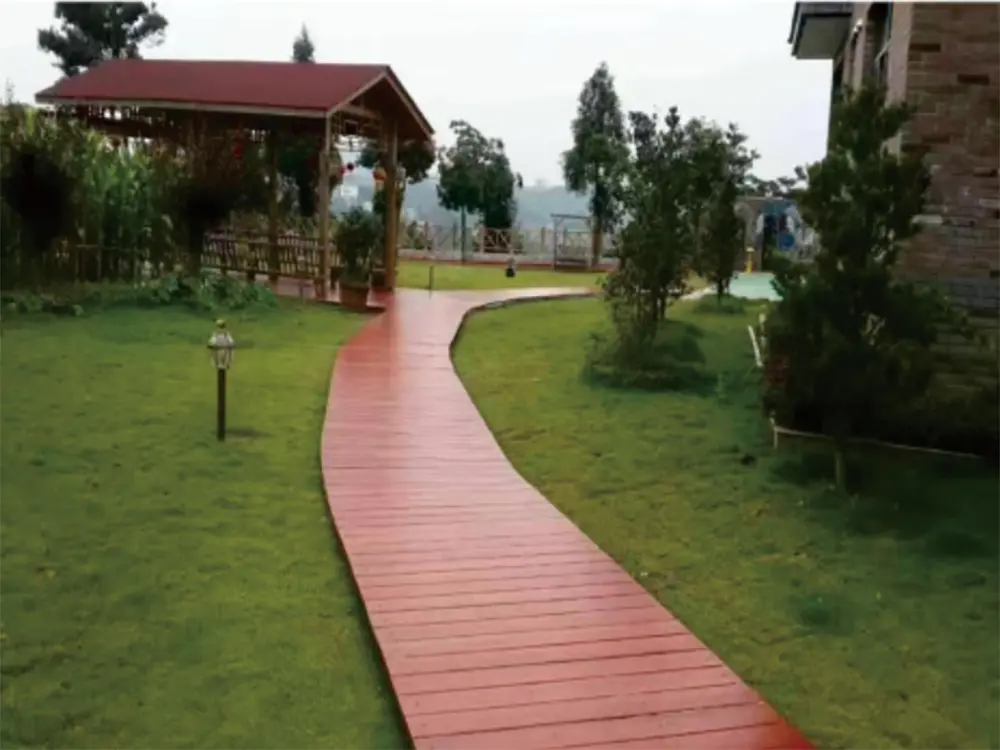 LEAO® Floor Plank
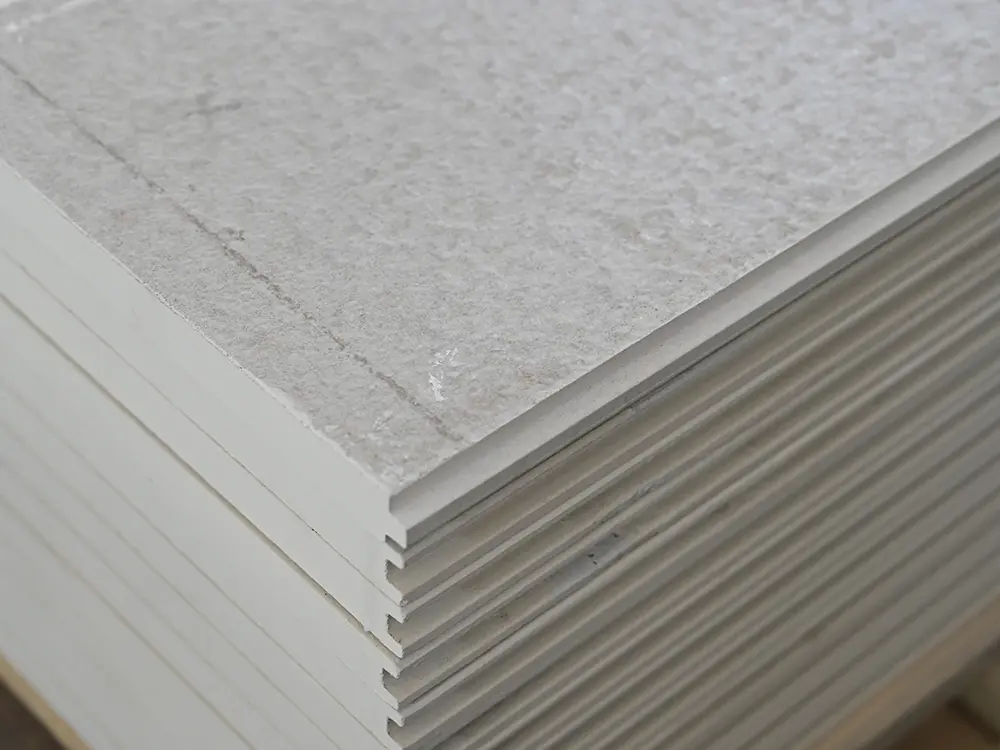 LEAO® Flooring
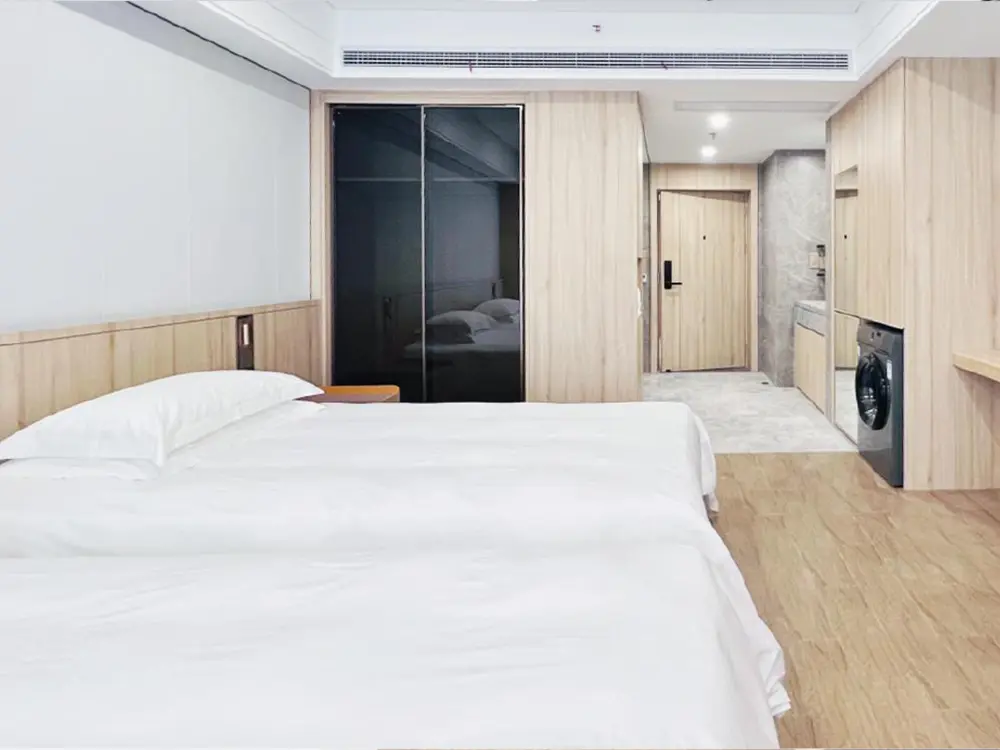 LEAO® Wood Style Decorative Panel
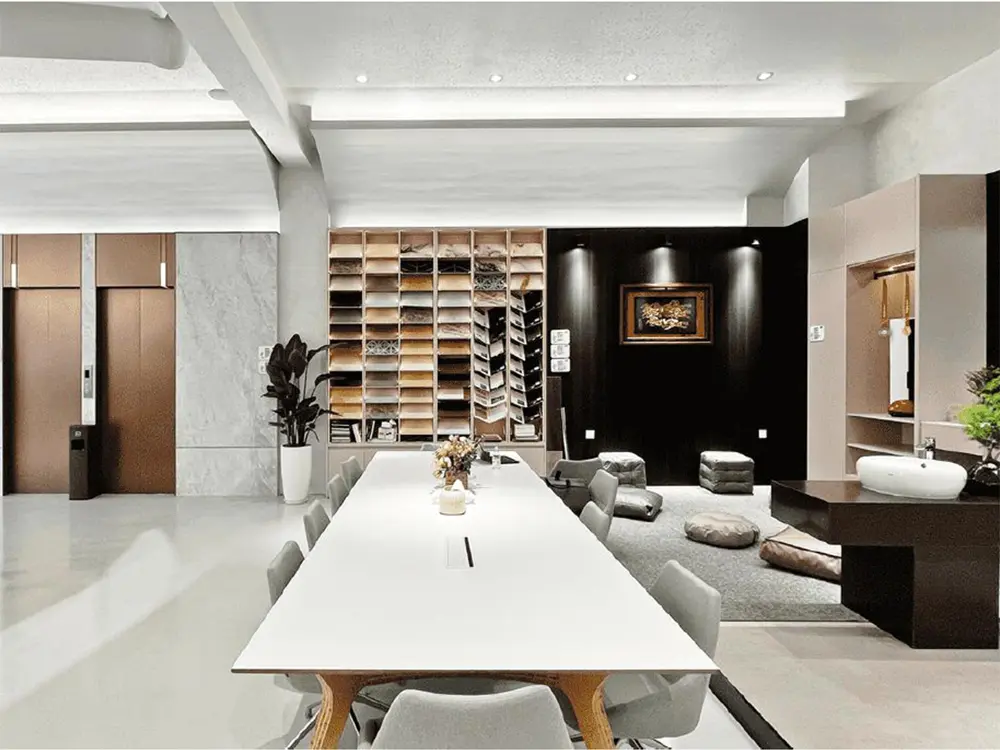 LEAO® Stone Style Decorative Panel
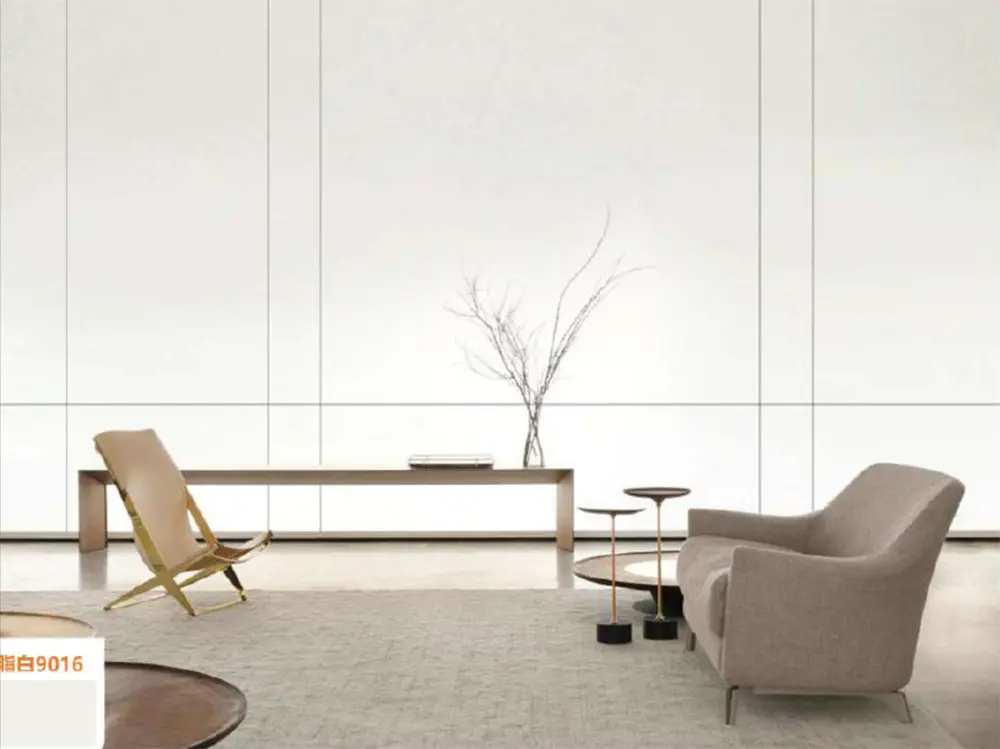 LEAO® Pure Style Decorative Panel