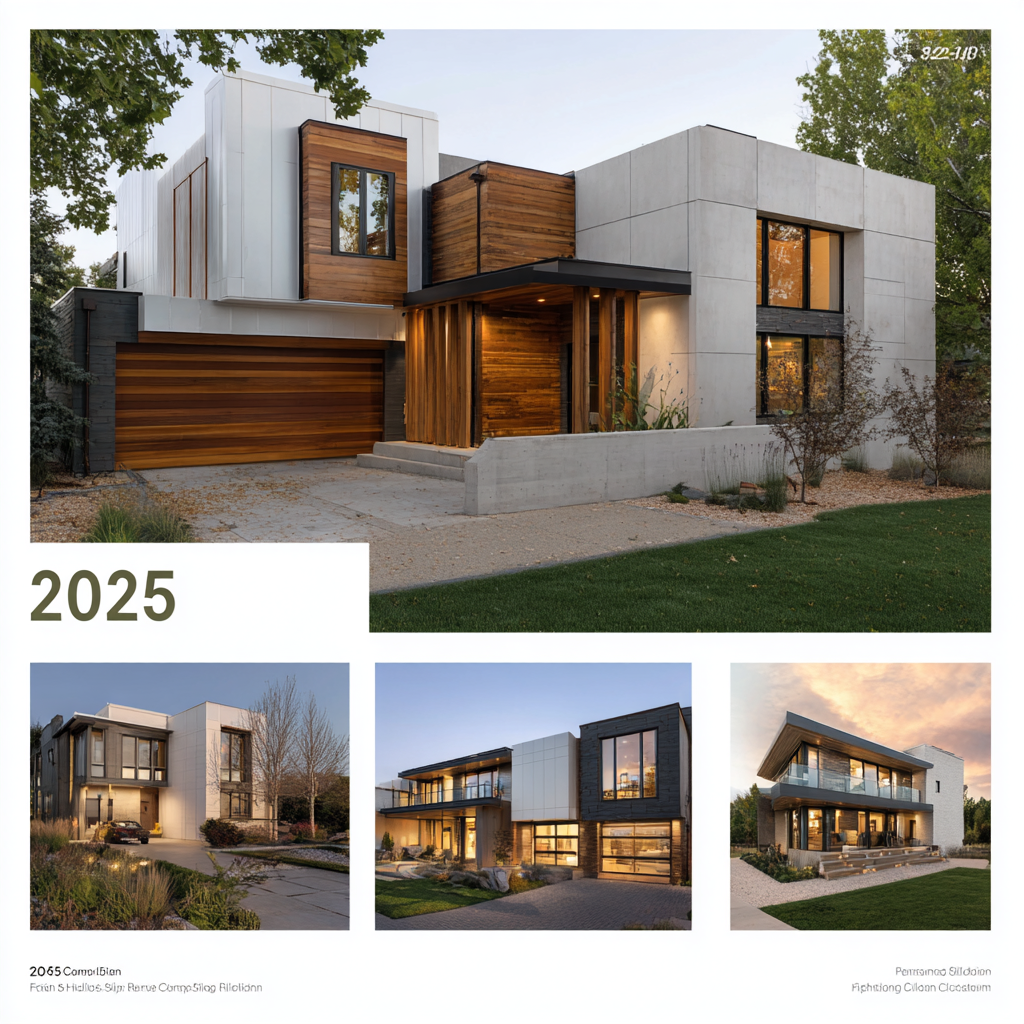
2025 How to Choose the Best Fiber Cement Cladding for Your Home
As the construction and design landscape evolves, choosing the right materials for home exteriors becomes increasingly crucial. Fiber Cement Cladding has emerged as a popular choice among homeowners and builders alike, due to its durability, aesthetic versatility, and energy efficiency. According to the latest market analysis by Grand View Research, the fiber cement siding market is projected to reach $11.4 billion by 2025, reflecting a compound annual growth rate (CAGR) of 3.7%. This remarkable growth underscores the rising trend of selecting fiber cement products for both new constructions and renovations.
Industry experts, such as Dr. John Smith, a leading figure in building materials research, emphasize the transformative potential of Fiber Cement Cladding. He stated, "Fiber Cement Cladding not only enhances the visual appeal of homes but also provides exceptional resistance to harsh weather conditions and pests, making it a cornerstone of sustainable building practices." With such advantages, it's essential for homeowners to understand how to choose the best fiber cement options that align with their needs, aesthetics, and environmental considerations. This guide aims to provide insights into the selection process, ensuring that you make an informed decision for your home in 2025 and beyond.
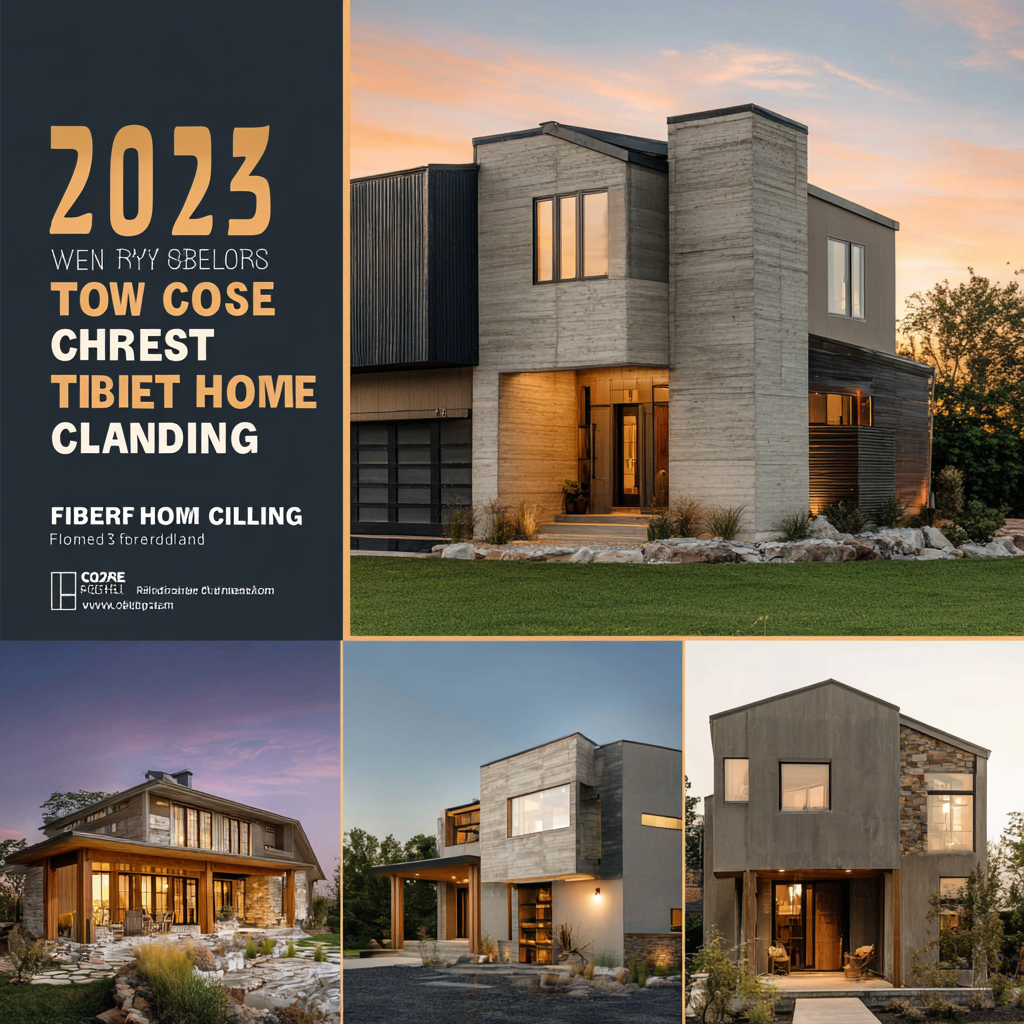
Understanding Fiber Cement Cladding: Key Features and Benefits
Fiber cement cladding is an increasingly popular choice for homeowners seeking durability and aesthetic appeal. According to a report by the National Association of Home Builders, fiber cement siding can last over 50 years with proper maintenance, making it one of the most long-lasting exterior options available. This resilience is highlighted by its resistance to moisture, fire, and pests, which not only protects the home but also reduces long-term repair and replacement costs.
In addition to its durability, fiber cement cladding offers a variety of design options. It can be manufactured to mimic the appearance of wood, stone, or stucco, allowing homeowners to achieve their desired aesthetic without sacrificing performance. The Cement Sustainability Initiative reports that fiber cement products can be made with recycled materials, making it an environmentally friendly option. Furthermore, with a wide range of colors and textures available, fiber cement cladding can enhance a home's curb appeal while providing the benefits of reduced maintenance and increased longevity.
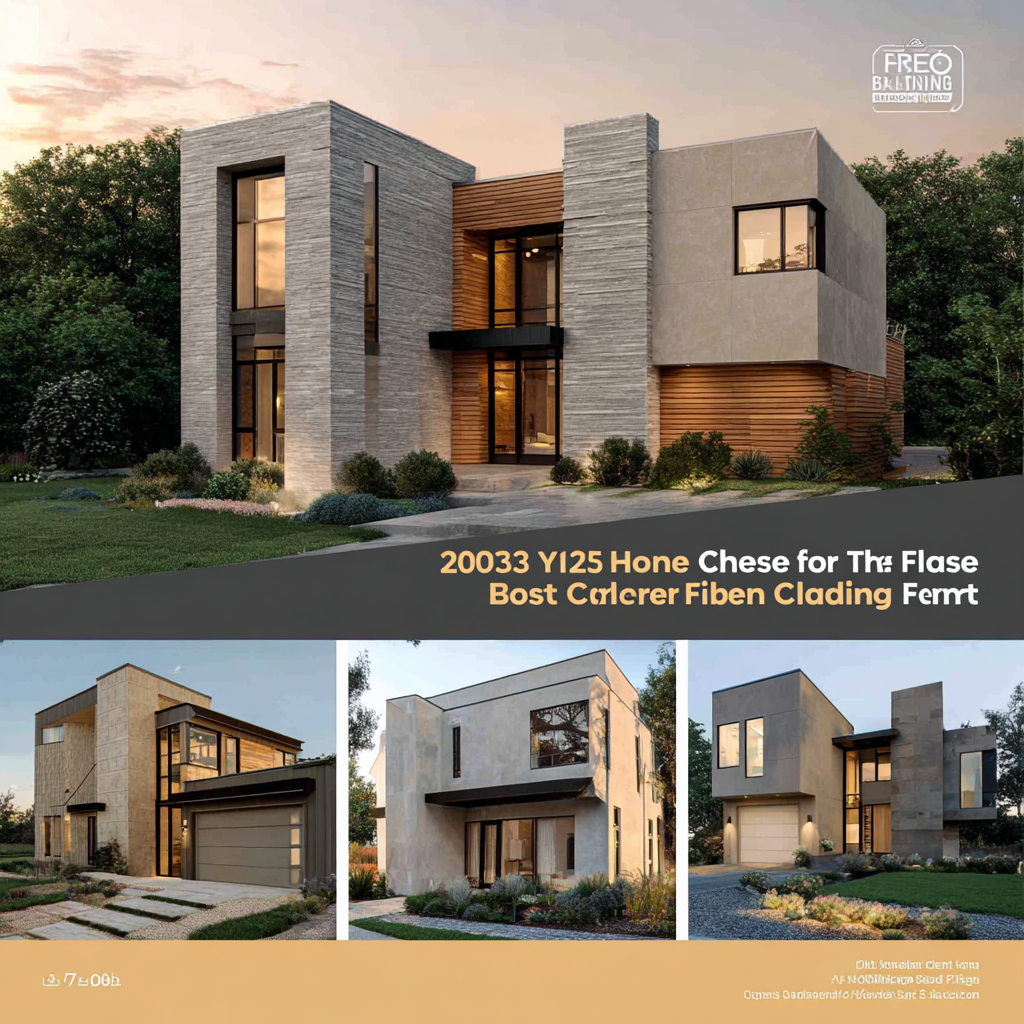
Assessing Your Home’s Architectural Style for Cladding Compatibility
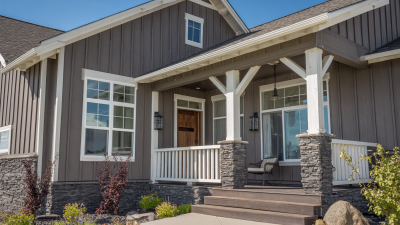
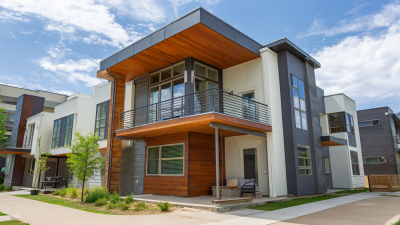
When selecting fiber cement cladding, it's crucial to assess your home’s architectural style to ensure compatibility. A study by the National Association of Home Builders highlights that the right cladding can enhance a home’s exterior by up to 25%, boosting curb appeal and property value. Traditional styles, such as Colonial or Victorian, may benefit from lap siding or vertical boards that mimic wood, while modern designs often favor clean lines with panels or slats.
Tips: Consider the color palette of your home when choosing cladding. Neutral shades typically work well with various styles, but bolder colors can make a statement for contemporary designs. Always look for cladding that complements the existing features of your home, such as roof style and window shapes.
In addition, selecting fiber cement cladding should involve an evaluation of durability and maintenance required for your climate. According to a report by Remodeling Magazine, fiber cement offers a lifespan of 50 years or more, making it a wise investment. For coastal areas, choose products with high resistance to salt and moisture to enhance longevity while maintaining aesthetic appeal.
Tips: Always consult local building codes and neighborhood guidelines when making your selection to ensure that your updates are both compliant and harmonious with your community’s aesthetic.
Evaluating Climate and Weather Considerations for Fiber Cement Selection
When selecting the best fiber cement cladding for your home, it's essential to consider the local climate and weather conditions. Fiber cement cladding is known for its durability and resistance to various environmental factors, making it a popular choice among homeowners. However, not all fiber cement products perform equally in different weather scenarios. For example, regions prone to heavy rainfall may require cladding options with superior moisture resistance to prevent swelling or deterioration over time.
Tips: Always check for the manufacturer's specifications on water resistance and durability ratings. Additionally, consider the installation process, as a well-installed cladding system can significantly improve its performance against harsh weather.
Another point to consider is the temperature variations in your area. In places with extreme heat or cold, fiber cement cladding can withstand these changes better than wood or vinyl siding. This resilience is critical for preventing cracks or warping, ensuring your home's exterior remains intact.
Tips: Look for cladding with thermal insulation properties that suit your local temperature range. Consulting with local building experts can help select the most suitable material based on your specific weather conditions.
2025 How to Choose the Best Fiber Cement Cladding for Your Home - Evaluating Climate and Weather Considerations for Fiber Cement Selection
| Climate Type |
Recommended Fiber Cement Thickness (mm) |
Moisture Resistance Rating |
UV Resistance Rating |
Fire Resistance Rating |
| Tropical |
20 |
High |
Moderate |
Class A |
| Temperate |
15 |
Moderate |
High |
Class A |
| Arid |
25 |
Low |
Very High |
Class A |
| Cold |
20 |
Moderate |
Moderate |
Class A |
| Coastal |
25 |
High |
Moderate |
Class A |
Comparing Different Fiber Cement Cladding Brands and Products
When it comes to selecting the best fiber cement cladding for your home, it’s crucial to compare different brands and products to make an informed decision. According to a report from HomeAdvisor, fiber cement siding can last up to 50 years, making it a durable option for homeowners. Leading brands such as James Hardie, Allura, and Nichiha each offer unique products that cater to various aesthetic and functional needs. James Hardie's HardiePlank, for instance, is renowned for its excellent resistance to fire, moisture, and pests, and it comes in a wide range of colors and textures, appealing to many homeowners looking for customization.
Furthermore, a study by the National Association of Home Builders highlights that fiber cement siding increases a home’s resale value by around 80% of the initial installation cost. This statistic underscores the importance of choosing a quality product from a reputable brand. Allura’s fiber cement panels are another viable option, known for their ease of installation and versatility, while Nichiha offers innovative styles that mimic the look of wood and stone. Each brand varies not only in aesthetic and performance but also in warranty coverage and maintenance requirements, making it essential to assess these factors carefully before making a purchase.
2025 Fiber Cement Cladding Comparison
Budgeting for Fiber Cement Cladding: Cost Considerations and ROI
When budgeting for fiber cement cladding, it's essential to understand the cost considerations and the potential
return on investment (ROI) it offers. Fiber cement siding typically ranges from
$0.70 to $5.25 per square foot, depending on the brand and style. A report from a leading home improvement organization
reveals that homes with fiber cement siding can recoup up to
79% of their investment upon resale. This high ROI underscores the importance of selecting quality materials that
not only enhance the aesthetic appeal of your home but also increase its market value.
Investing in fiber cement cladding not only boosts curb appeal but also addresses long-term durability and maintenance issues. Unlike natural wood or vinyl,
fiber cement offers impressive resistance to rot, pests, and harsh weather conditions. According to industry experts,
regular exterior upgrades produce a significant impact on property valuation, with siding replacements often listed among the
top home improvement projects.
Emphasizing energy efficiency and visual appeal, fiber cement cladding can be a strategic choice for homeowners looking to improve overall affordability
and resale value.

 LEAO®Deco Ceiling
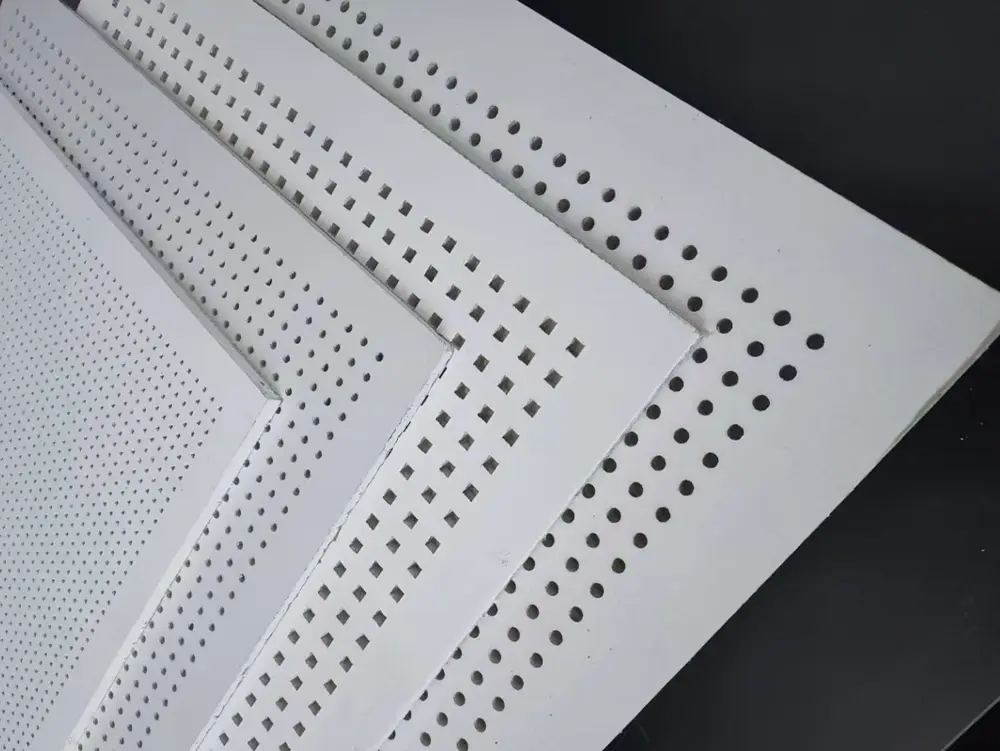 LEAO® Perforated Ceiling
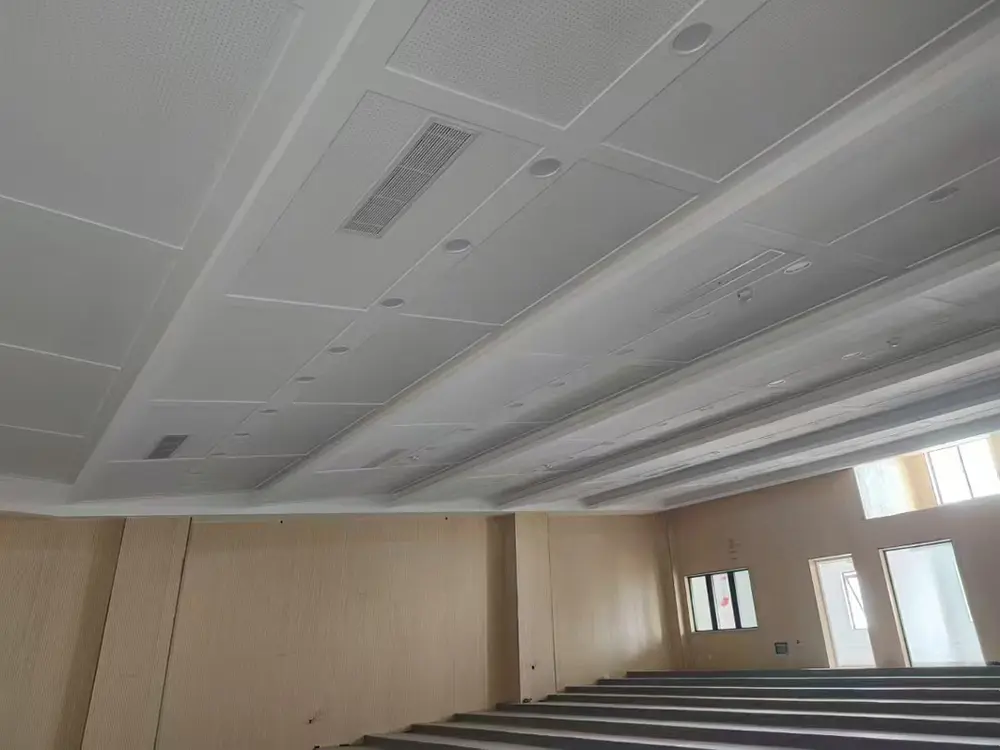 LEAO® Ceiling Board
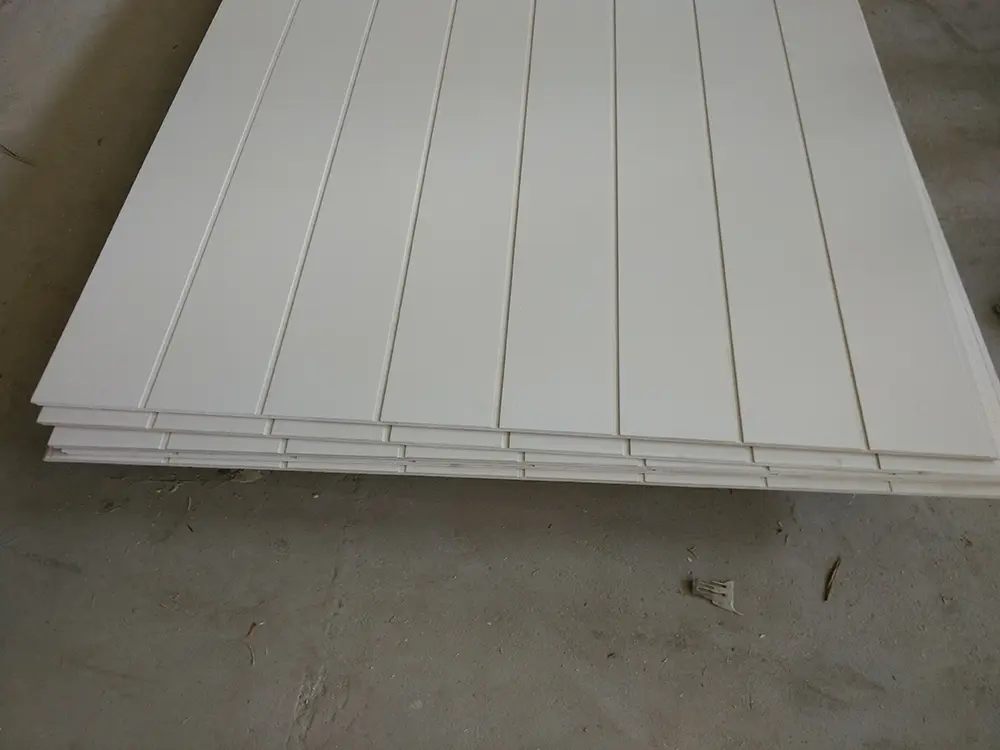 LEAO® Groove Interior Panel
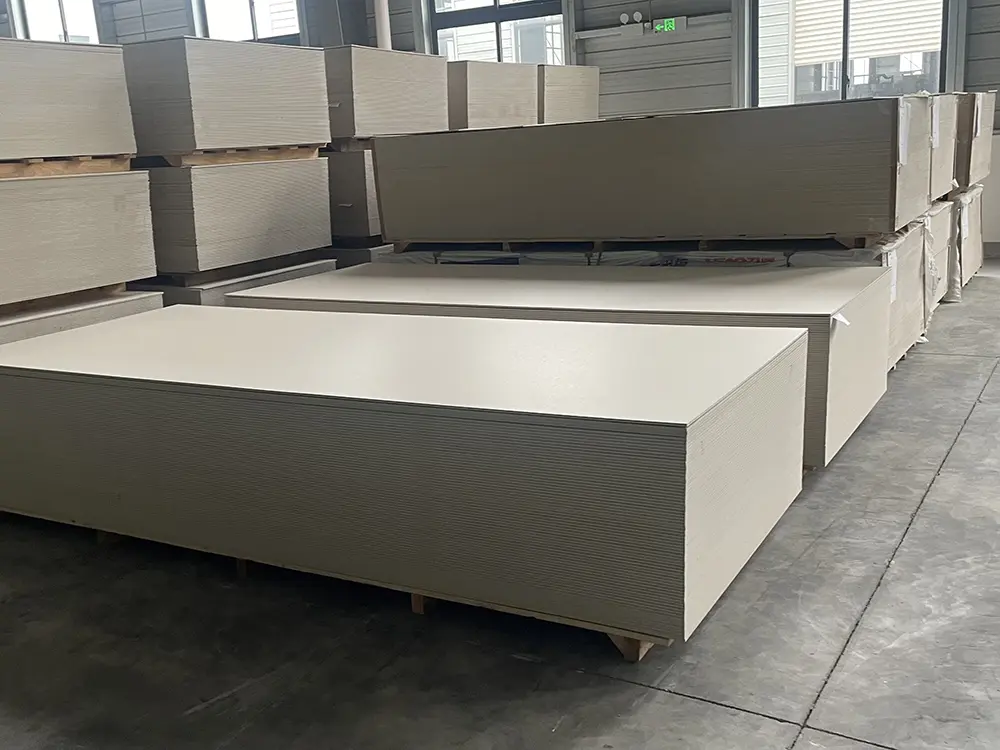 LEAO® Interior Board
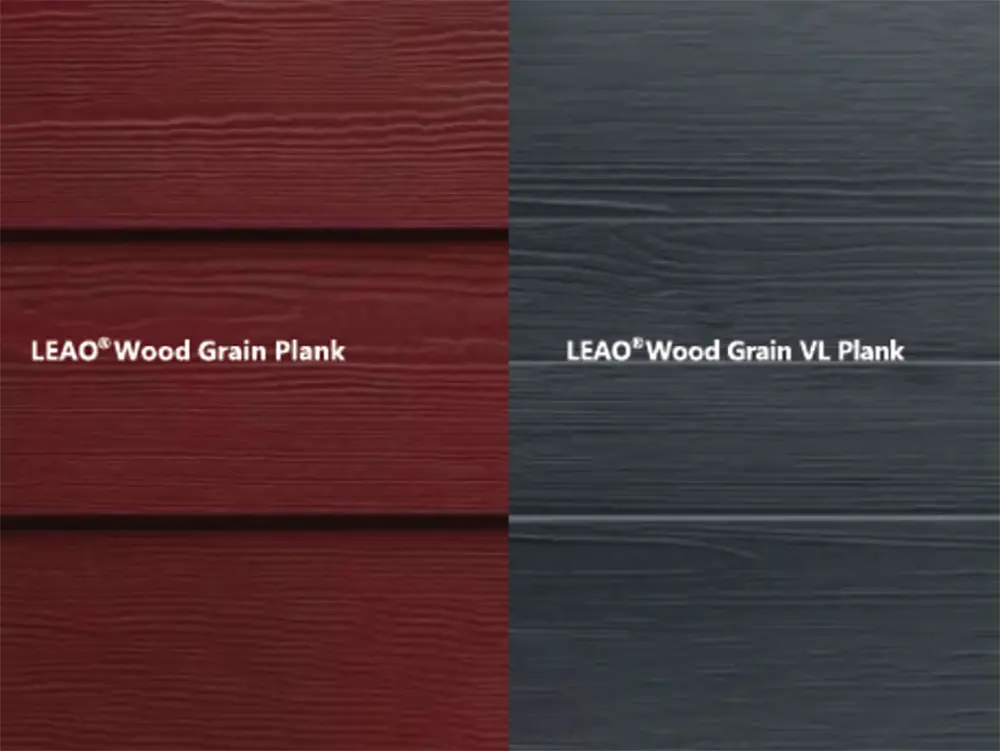 LEAO® Wood Grain Plank
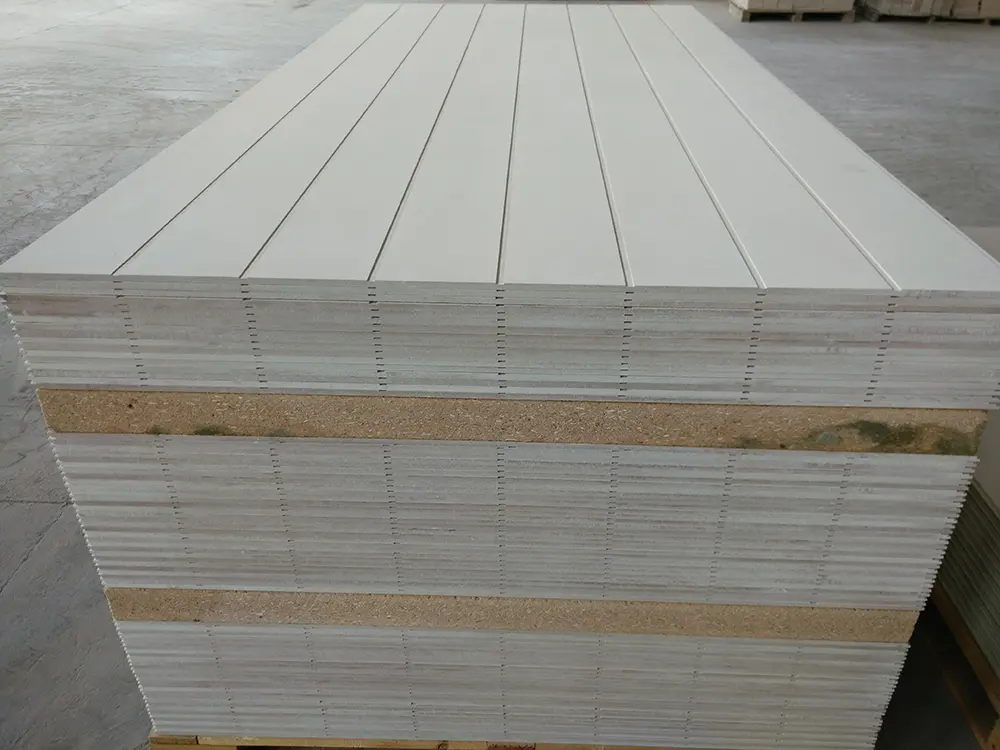 LEAO® Grooved Exterior Panel
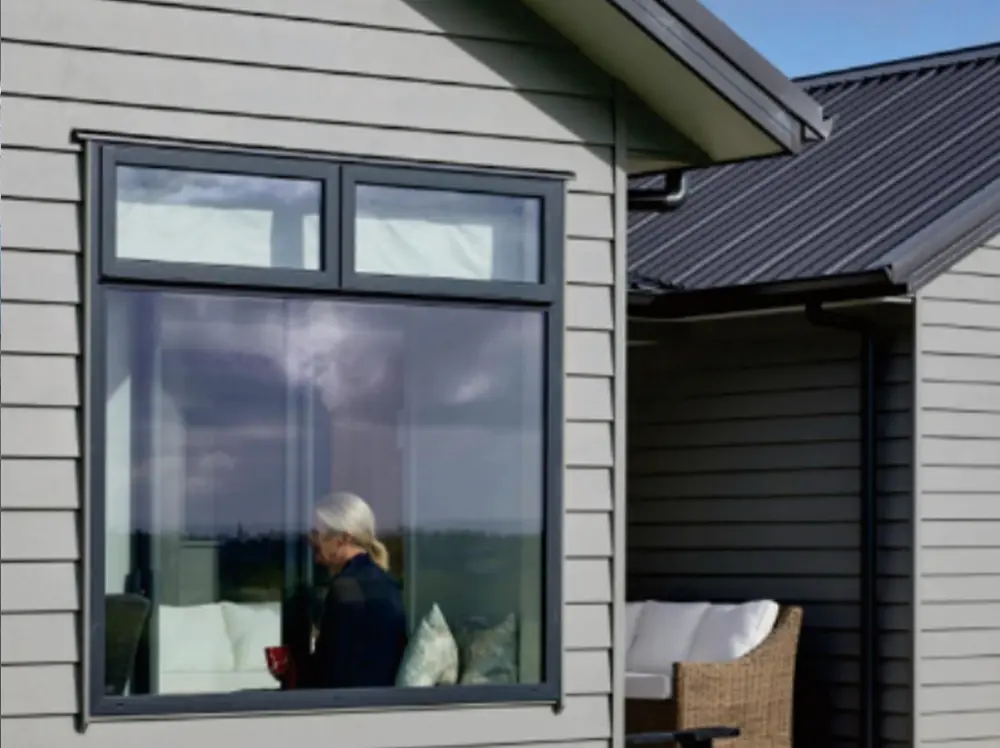 LEAO® Weatherboard
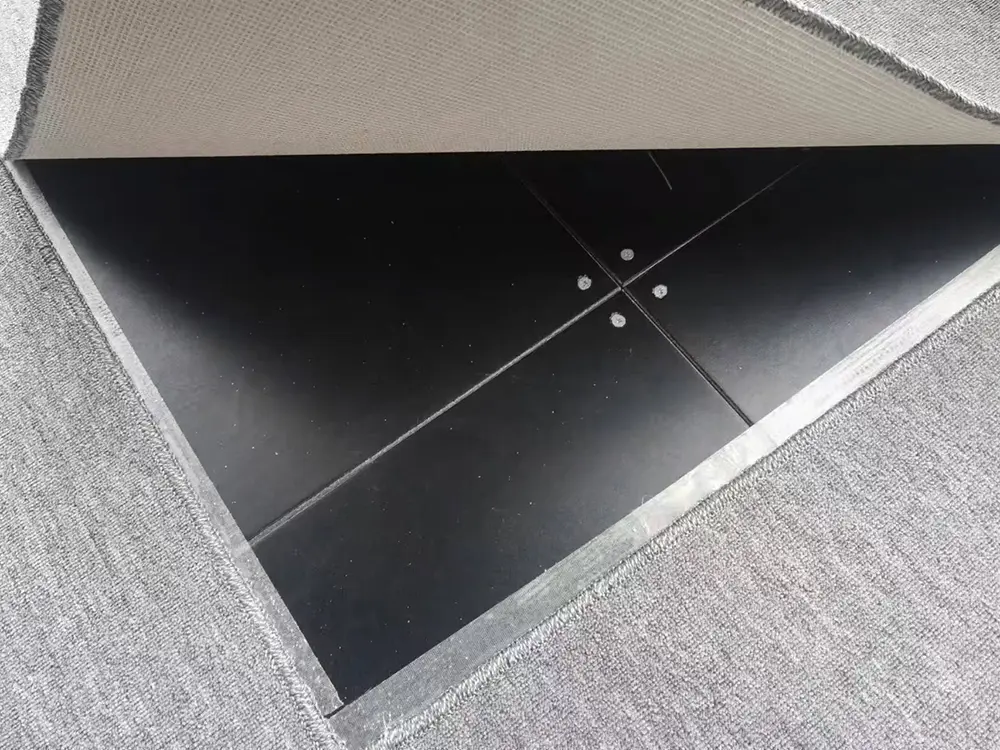 LEAO® Access Floors
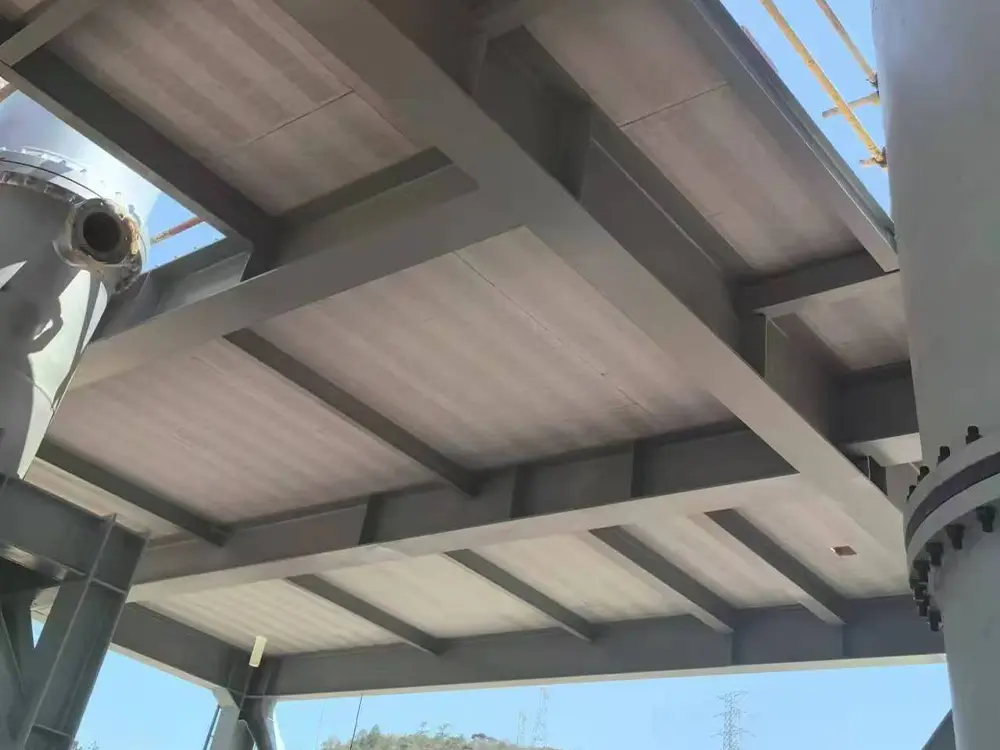 LEAO® Non-removable Formwork
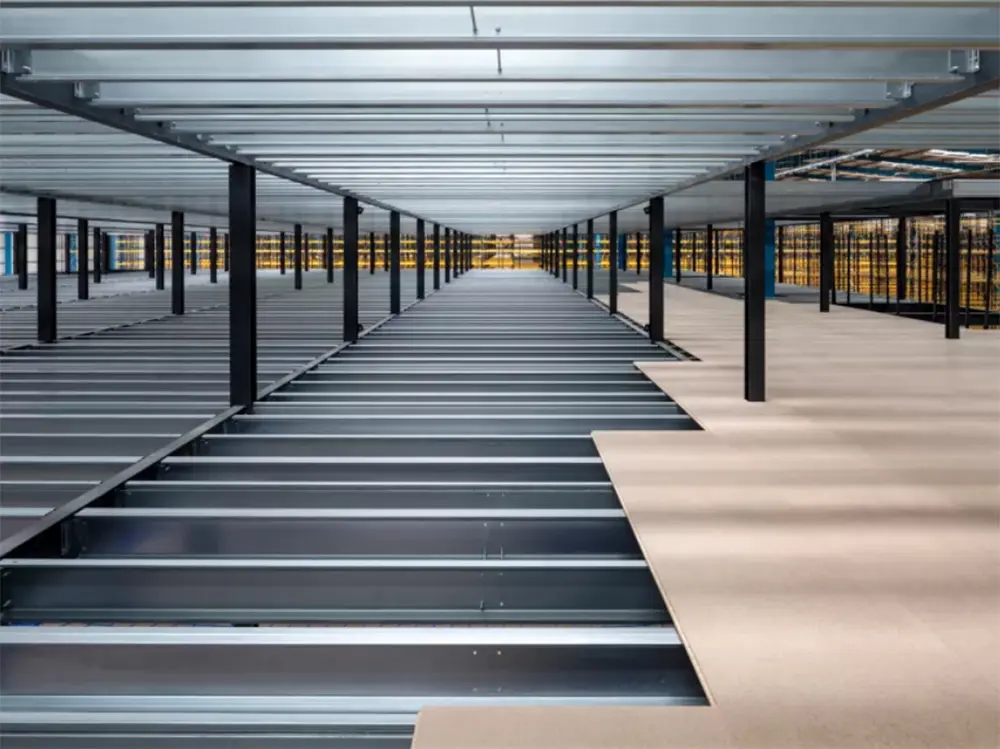 LEAO® Mezzanine Board
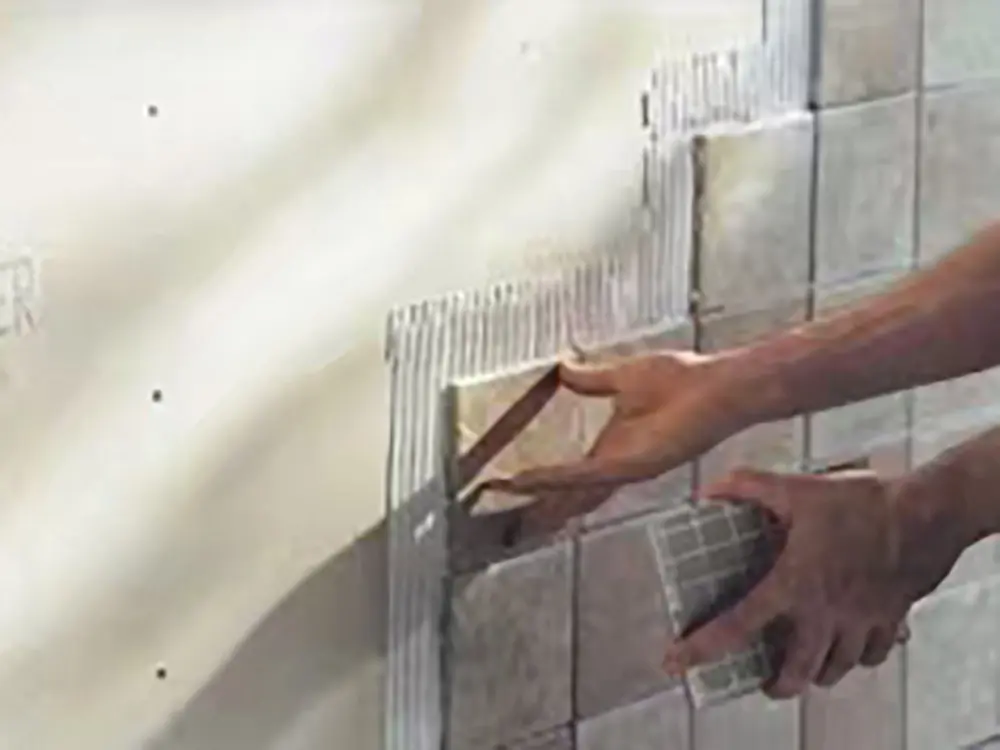 LEAO® Ceramic Tile Underlay
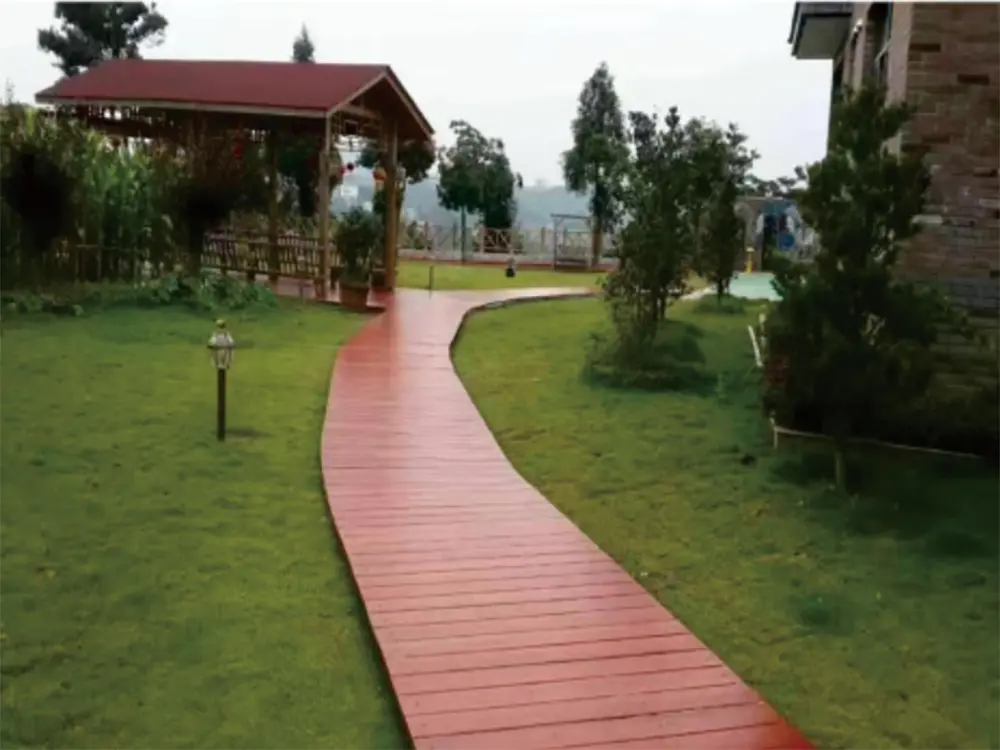 LEAO® Floor Plank
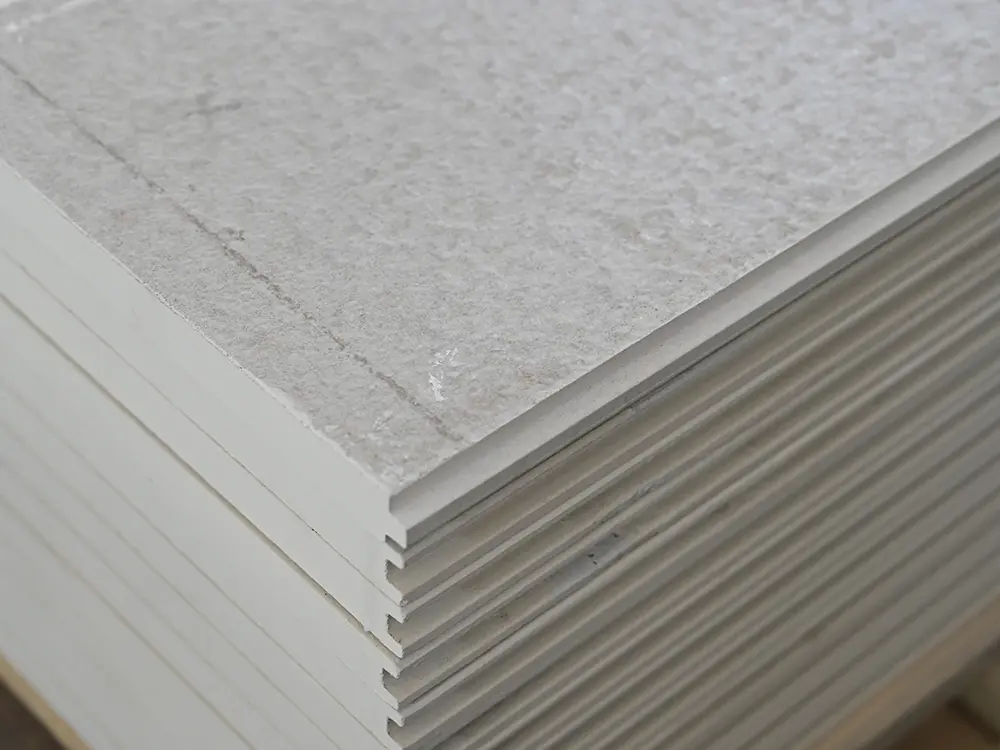 LEAO® Flooring
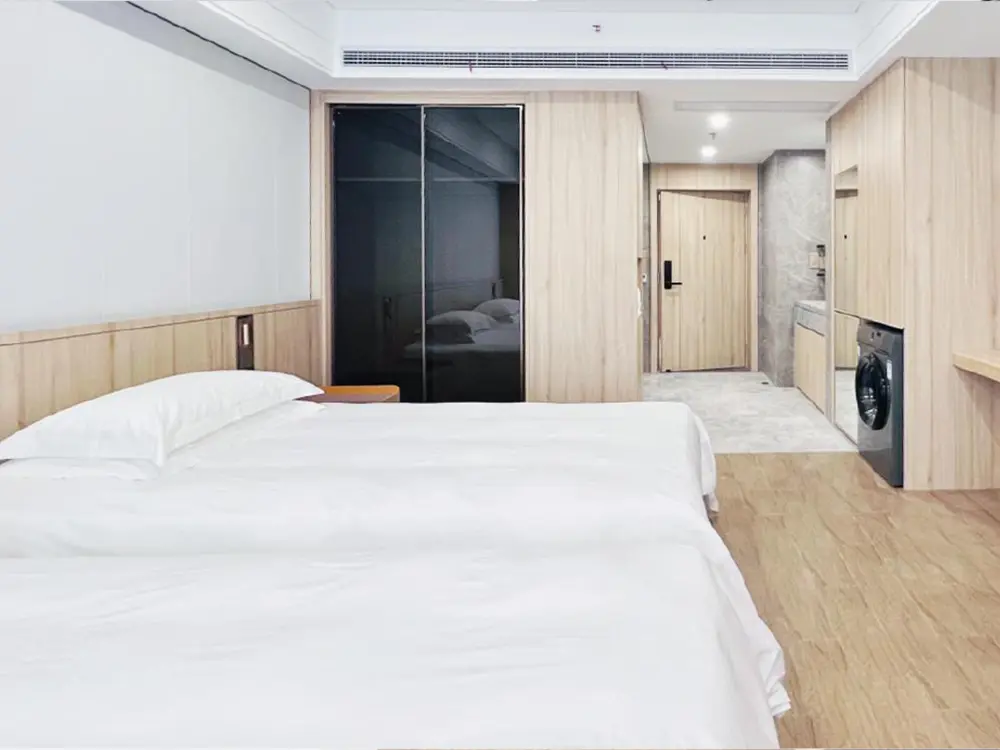 LEAO® Wood Style Decorative Panel
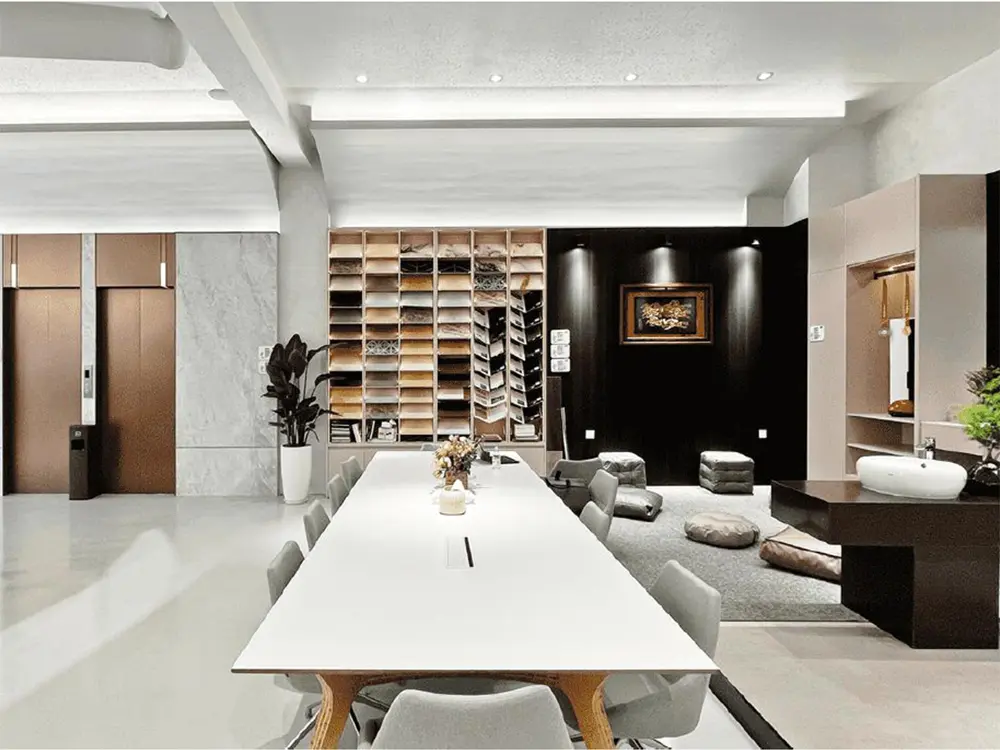 LEAO® Stone Style Decorative Panel
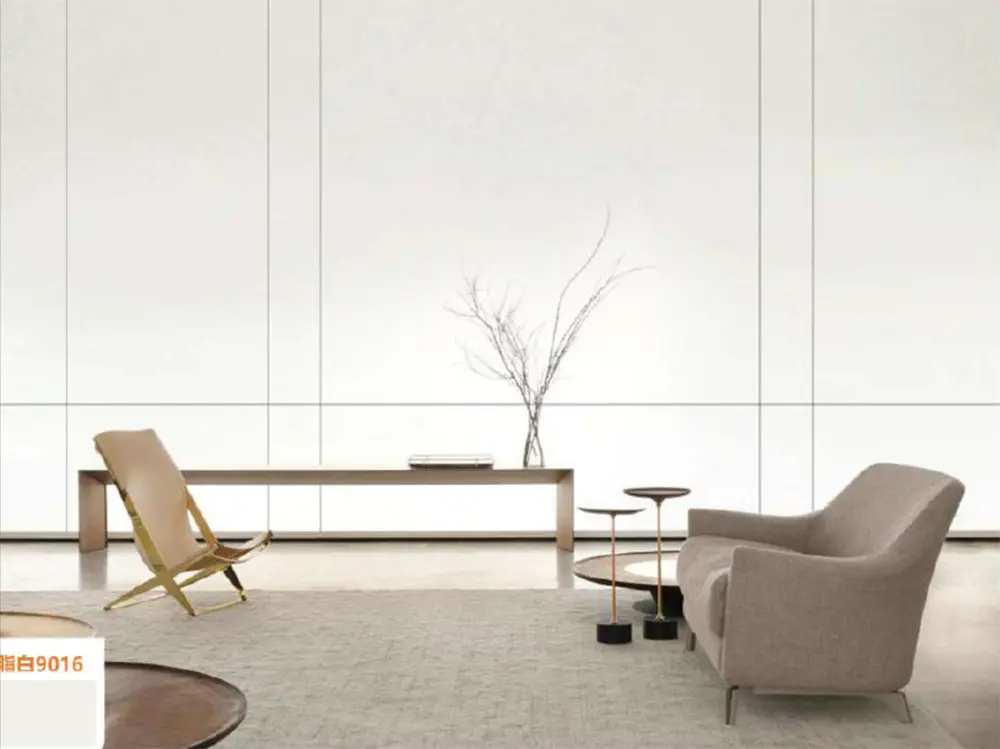 LEAO® Pure Style Decorative Panel