How to Choose the Best Fiber Cement Trim Board for Your Project?
Choosing the right Fiber Cement Trim Board for your project can be challenging. Recognized industry expert, Jack Reynolds, states, “The perfect trim board balances aesthetics and durability.” This insight highlights the importance of careful selection.
Fiber Cement Trim Boards offer strength and versatility. They resist moisture, rot, and pests, making them ideal for various climates. However, many fail to consider the specific requirements of their projects. For instance, color and texture can significantly impact a home’s look.
In a market filled with options, one must weigh the pros and cons. Not all Fiber Cement Trim Boards are created equal. Some may promise longevity but fall short in performance. Gathering expert opinions can greatly assist in making informed choices.
Factors to Consider When Selecting Fiber Cement Trim Boards
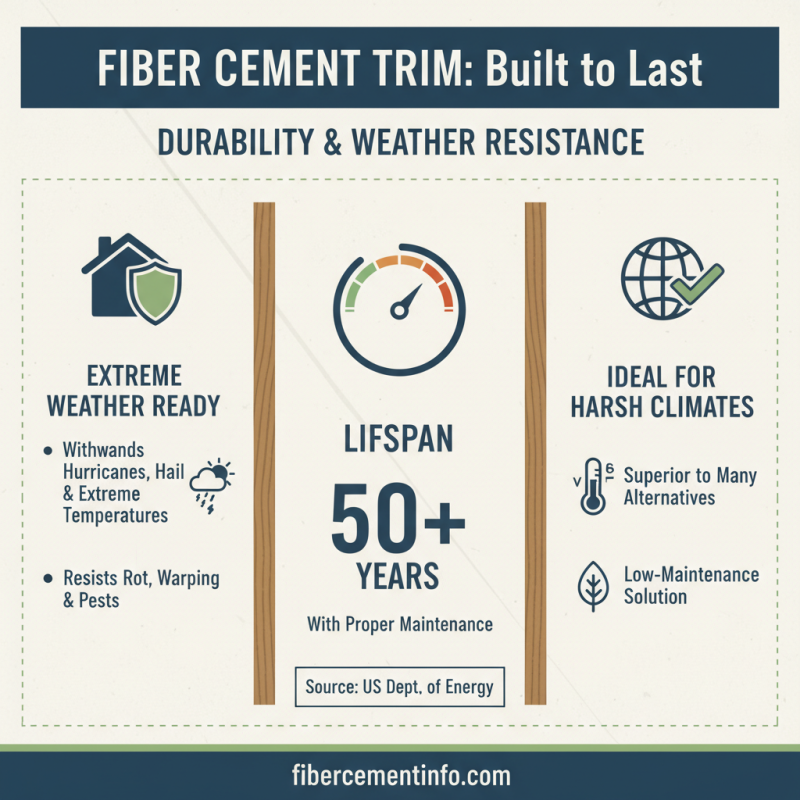
When selecting fiber cement trim boards for your project, consider key factors. The right board enhances durability and aesthetics. According to a recent industry report, fiber cement products can last up to 50 years. This longevity makes them a cost-effective choice for many applications.
Moisture resistance is crucial. Many homeowners face issues with warping and rotting in less durable materials. Fiber cement boards repel water effectively. This feature is particularly beneficial in humid climates. Additionally, the composition of the trim affects its resistance to pests like termites. Industry research shows that up to 25% of traditional wood products fail due to insect damage.
It's also important to consider the installation process. Some boards require specific tools and techniques, which can complicate the project. Ensure you have access to proper resources for installation. A well-thought-out approach can mitigate potential issues. Choosing the right color and finish is equally vital. The choice should complement your building design while standing up against environmental factors. Real-world applications reveal that aesthetic choices can impact property value significantly.
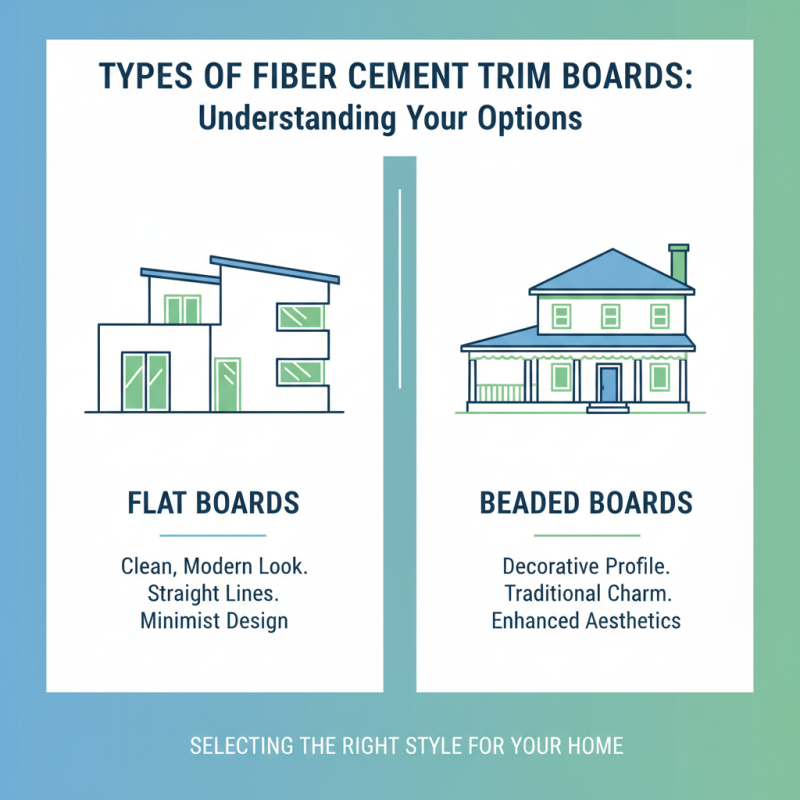
Types of Fiber Cement Trim Boards: Understanding Your Options
When selecting a fiber cement trim board, understanding the types available is crucial. Fiber cement trim boards come in various styles. Each style serves unique architectural needs. Flat boards offer a clean look, perfect for modern homes. They create straight lines that complement minimalist designs. Beaded boards feature a decorative profile that adds charm to traditional styles. These boards can enhance the aesthetic of your project significantly.
Another option is the scalloped trim, which provides a softer, more decorative touch. This type is ideal for coastal designs or cottages. Keep in mind that these design choices impact your overall project. The right trim board can elevate your home’s exterior, but the wrong choice may detract from its appeal. Consider the architectural style of your home, as it dictates the best match for your design intent.
In addition to style, gauge the thickness of the boards. Thicker boards offer better durability and protection. However, they may demand more effort during installation. You might find that the installation process requires careful planning. Take your time to ensure a seamless look. Remember, each trim board will interact with your home’s unique elements, so choose wisely.
Durability and Weather Resistance of Fiber Cement Trim Products
When choosing fiber cement trim products, durability and weather resistance are crucial. According to the U.S. Department of Energy, fiber cement siding and trim can withstand extreme weather conditions better than many alternatives. This resistance makes it ideal for regions facing harsh climates. Studies show these materials can last up to 50 years or longer when properly maintained.
Fiber cement trim resists moisture, rot, and even insect damage. A report from the American Concrete Institute highlights that fiber cement materials are less prone to cracking compared to traditional wood products. This is important for maintaining both aesthetic value and structural integrity over time. While the initial cost may be higher, the long-term benefits often outweigh the upfront investment.
However, not all fiber cement products are created equal. Variations in installation methods and local climate conditions can impact performance. Issues like improper sealing or inadequate drainage can lead to potential degradation. Homeowners should carefully consider local environmental factors and manufacturers' recommendations before making a choice. This thoughtful assessment can help avoid common pitfalls and ensure a successful project.
Cost Analysis: Comparing Fiber Cement Boards with Other Materials
When choosing trim boards for your project, cost is a key factor. Fiber cement boards usually offer a competitive price compared to wood and vinyl. According to industry reports, fiber cement can cost between $3 to $7 per square foot, while traditional wood trim often exceeds $5 to $10 per square foot. Vinyl may seem cheaper initially, priced at about $2 to $5 per square foot, but can incur long-term maintenance costs.
Tips: Consider the long-term durability of the material. Fiber cement boards are known for their resistance to rot and insects. This could save you money over time. On the other hand, wood trim, while aesthetically pleasing, may require regular painting and sealing.
While fiber cement boards are more expensive upfront than vinyl, they typically offer a longer lifespan. Reports indicate that fiber cement can last 50 years or more with minimal maintenance. This can lead to significant savings in the long run. Yet, it’s crucial to weigh these benefits against your project's needs and budget. Each material has its pros and cons, and understanding these nuances will guide your decision.
Installation Requirements and Maintenance Tips for Fiber Cement Trim
When selecting a fiber cement trim board, it is crucial to understand installation requirements and maintenance protocols. Proper installation ensures durability and performance. According to industry reports, improper installation can reduce the lifespan of fiber cement products by nearly 50%. Therefore, meticulous attention to detail during the fitting process is essential.
Ensure the trim boards are cut accurately to prevent gaps. These gaps can trap moisture, leading to rot and deterioration. It is advisable to maintain a minimal gap of 1/8 inch from the ground level. Additionally, use corrosion-resistant fasteners to avoid rusting, which can compromise the integrity of the boards.
Maintenance of fiber cement trim involves periodic checks for damage. Inspect for cracks or chipping caused by weather fluctuations. Cleaning with mild soap and water can help maintain its appearance. In colder climates, consider applying a sealant every few years to guard against moisture buildup. Keep in mind, neglect could lead to costly repairs down the line.
Tip: Regularly check your trim boards, especially after severe weather. A proactive approach can extend the life of your materials significantly.

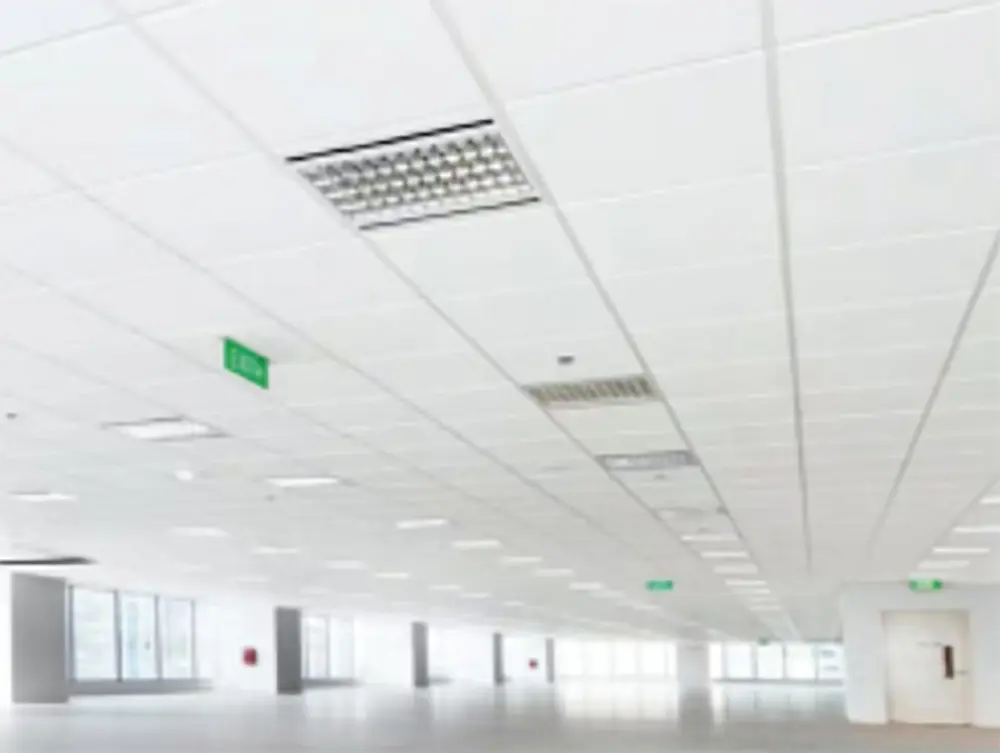 LEAO®Deco Ceiling
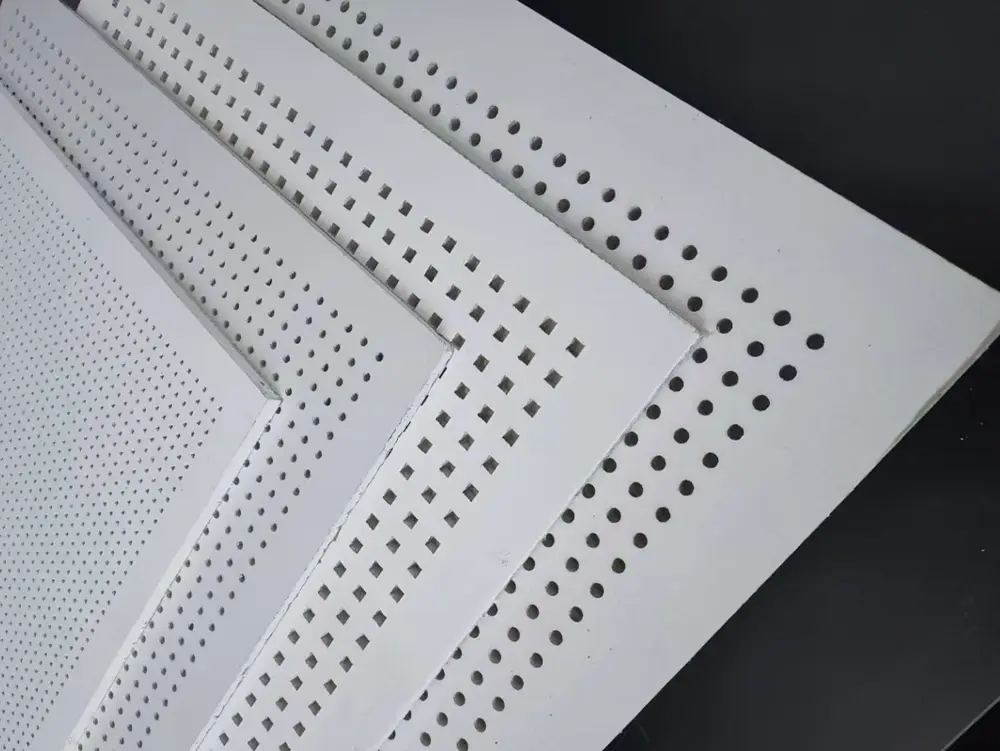 LEAO® Perforated Ceiling
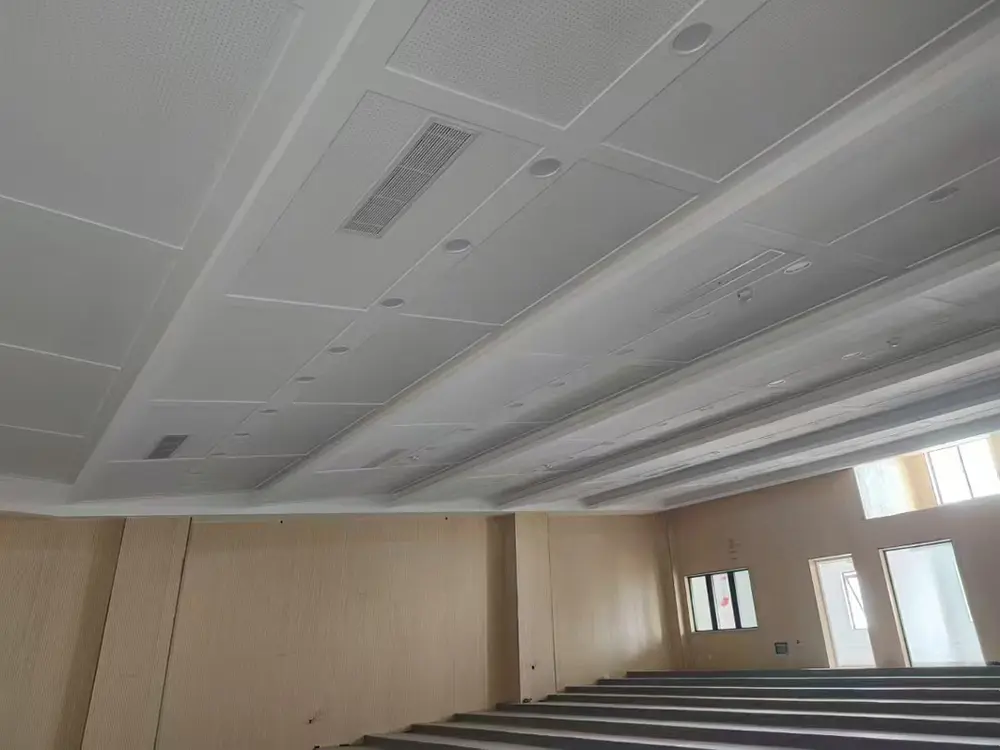 LEAO® Ceiling Board
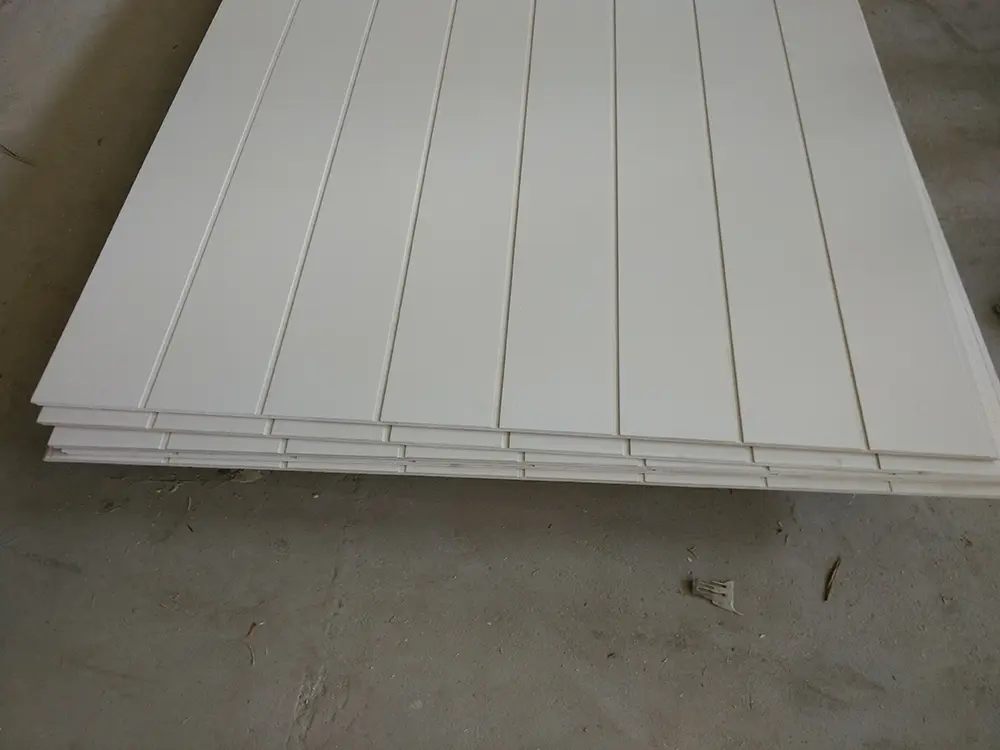 LEAO® Groove Interior Panel
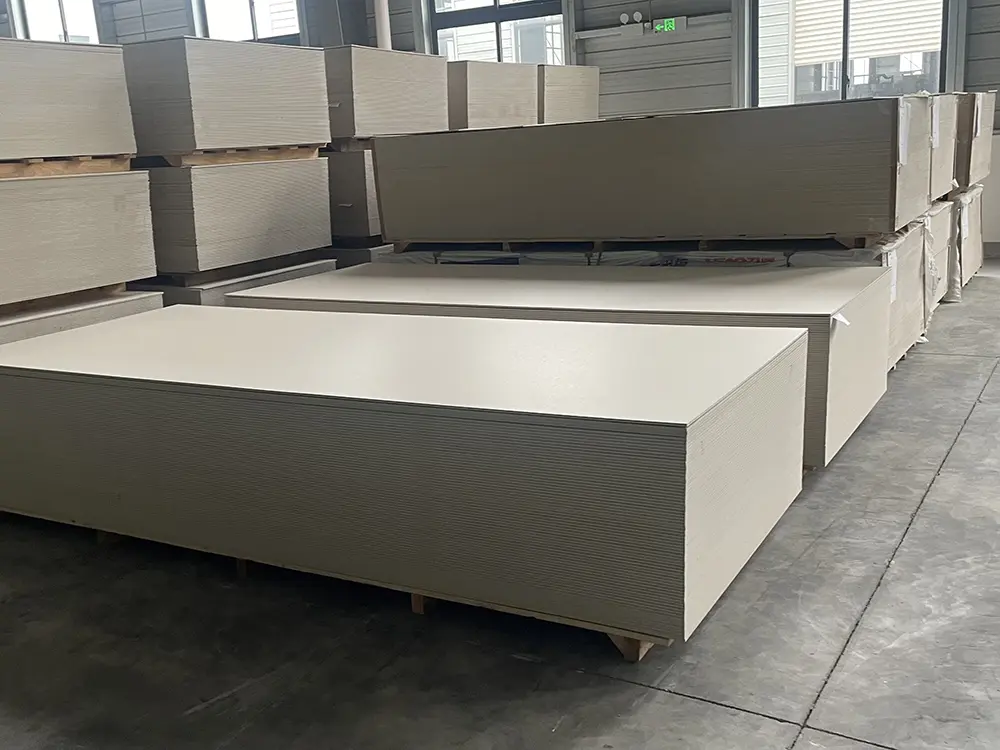 LEAO® Interior Board
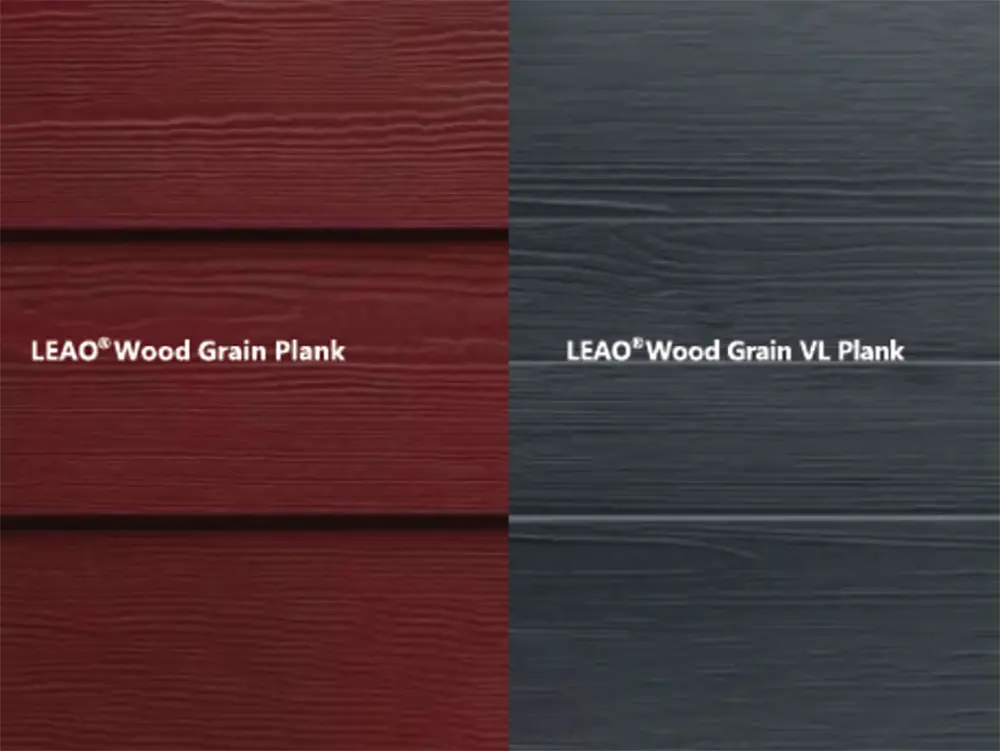 LEAO® Wood Grain Plank
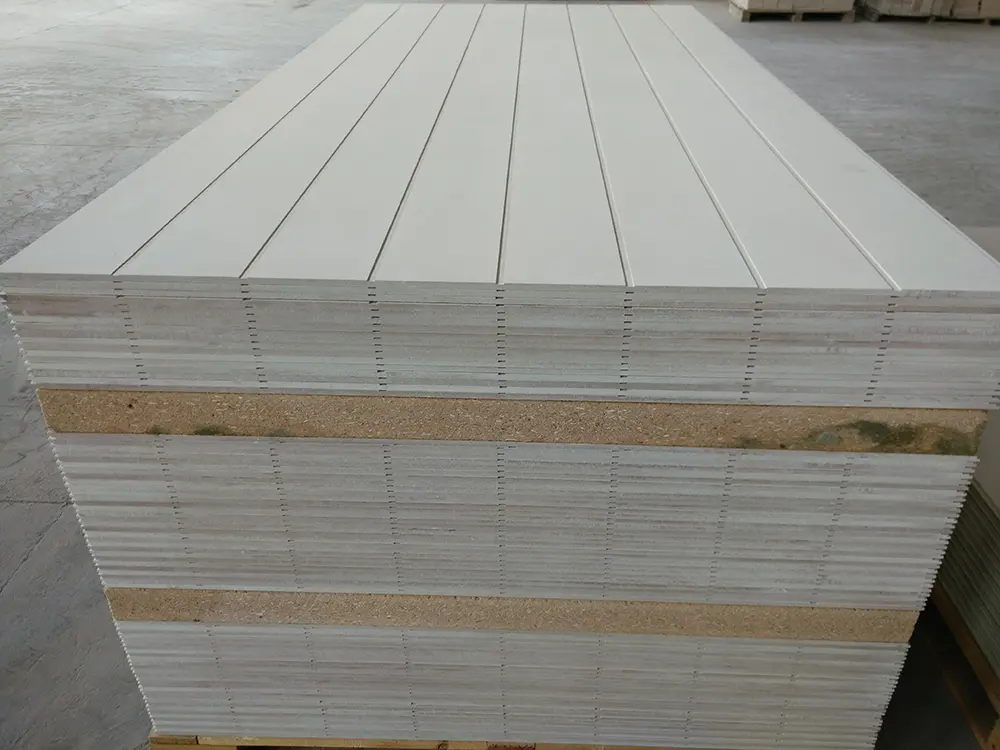 LEAO® Grooved Exterior Panel
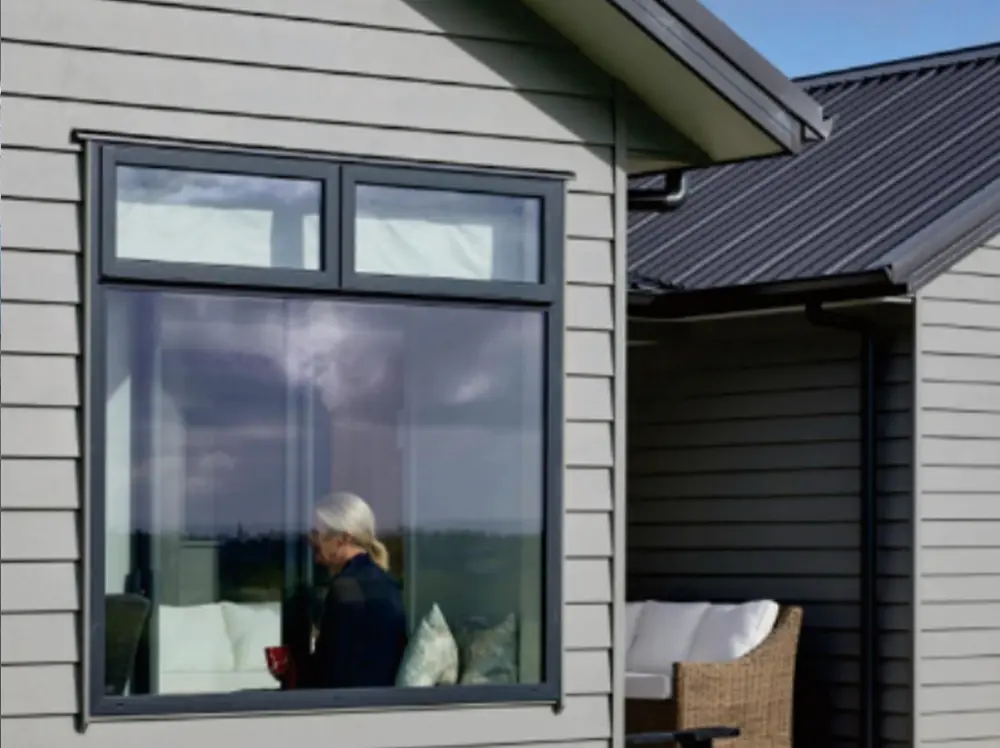 LEAO® Weatherboard
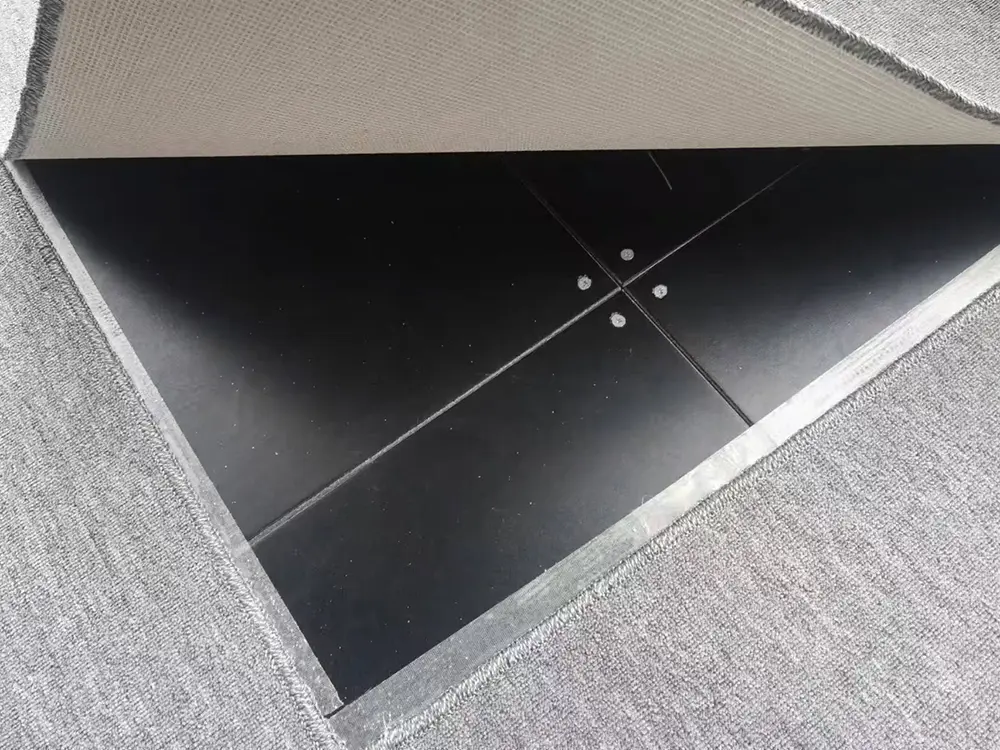 LEAO® Access Floors
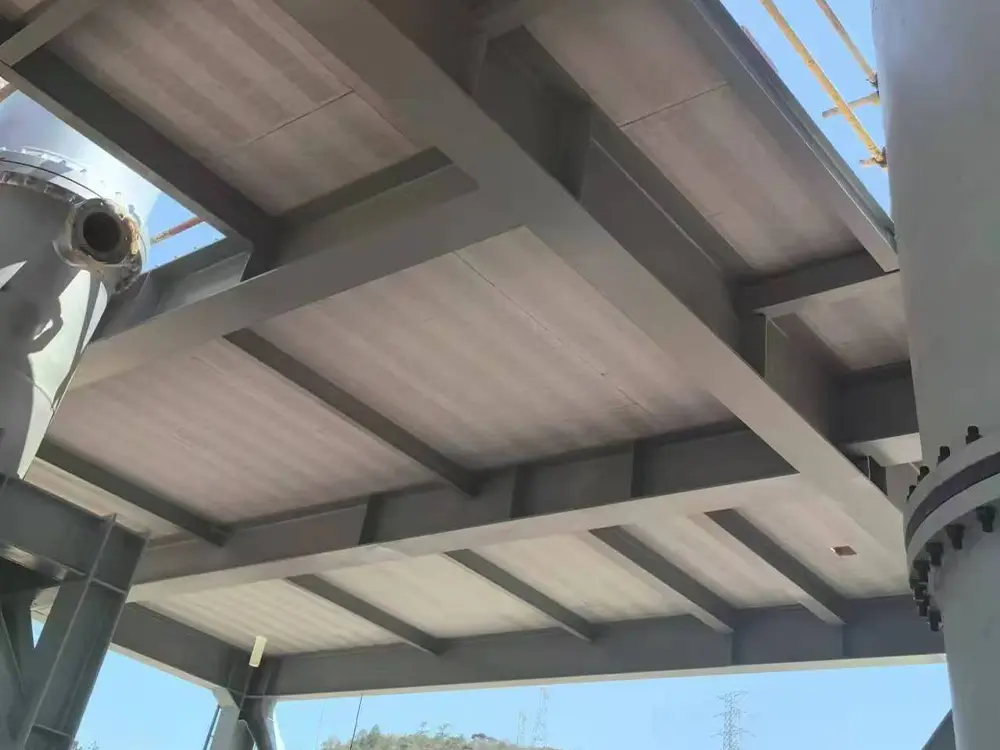 LEAO® Non-removable Formwork
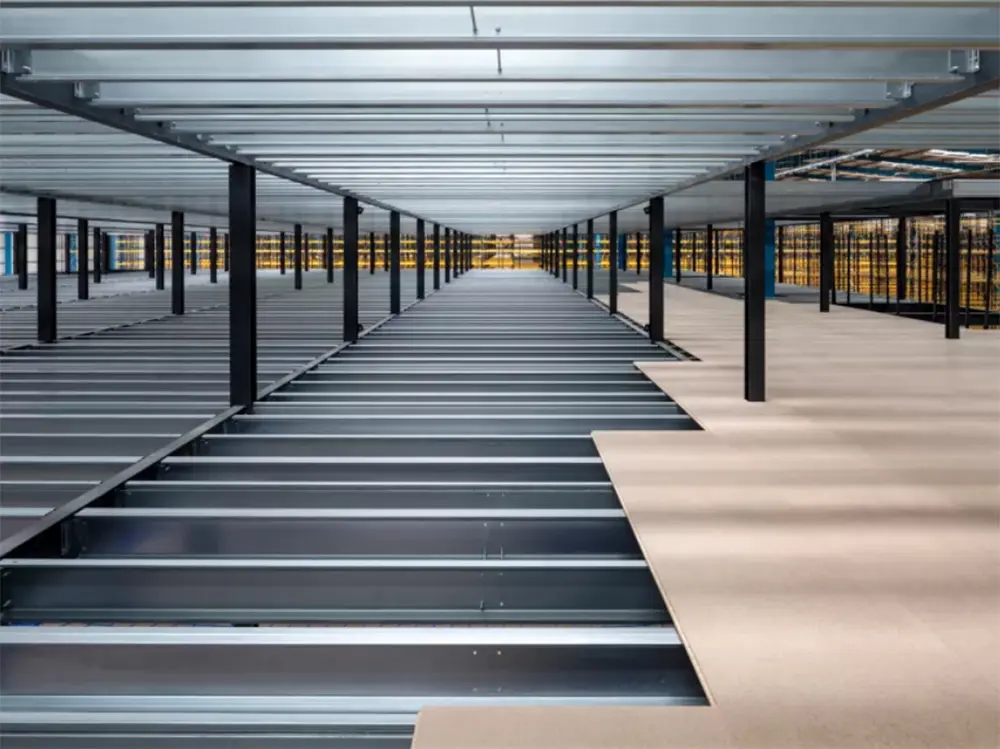 LEAO® Mezzanine Board
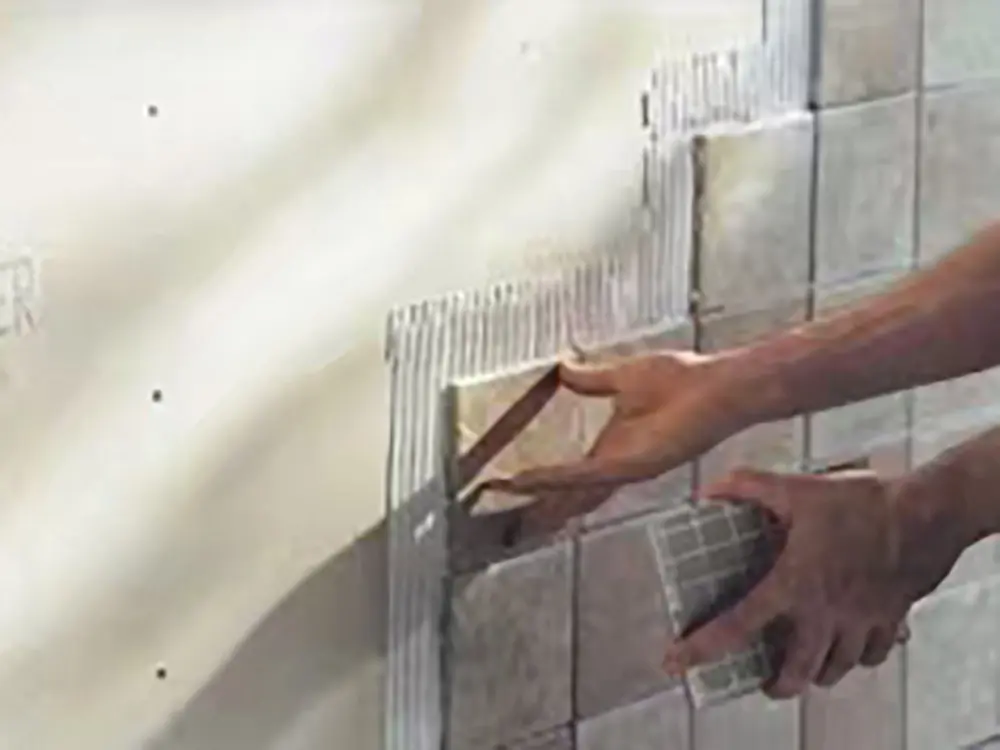 LEAO® Ceramic Tile Underlay
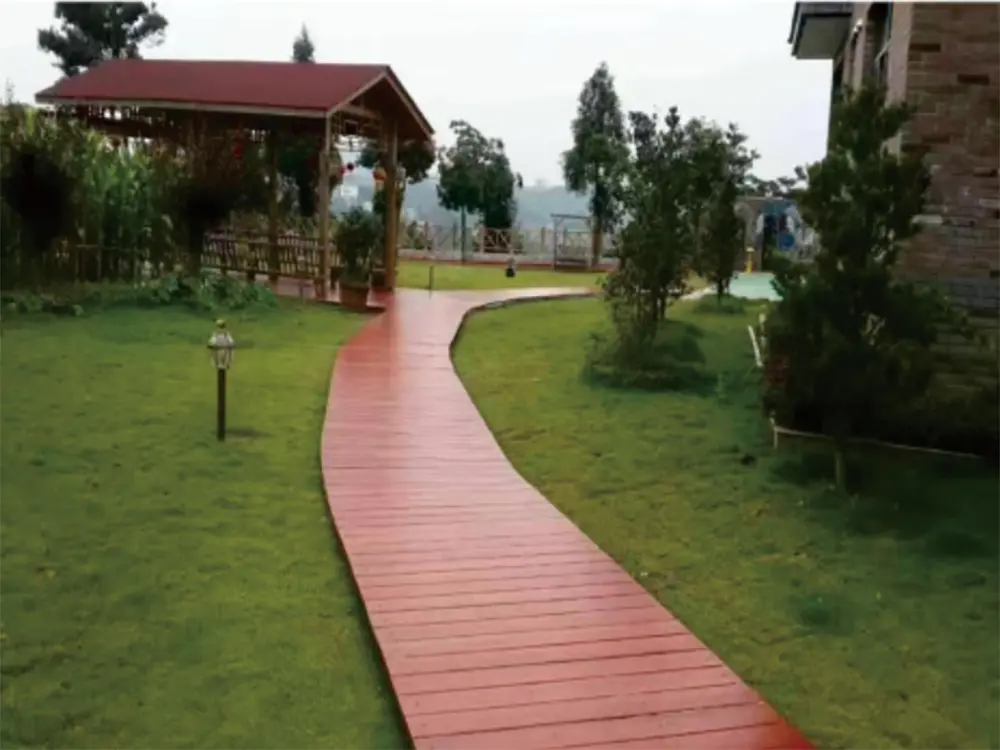 LEAO® Floor Plank
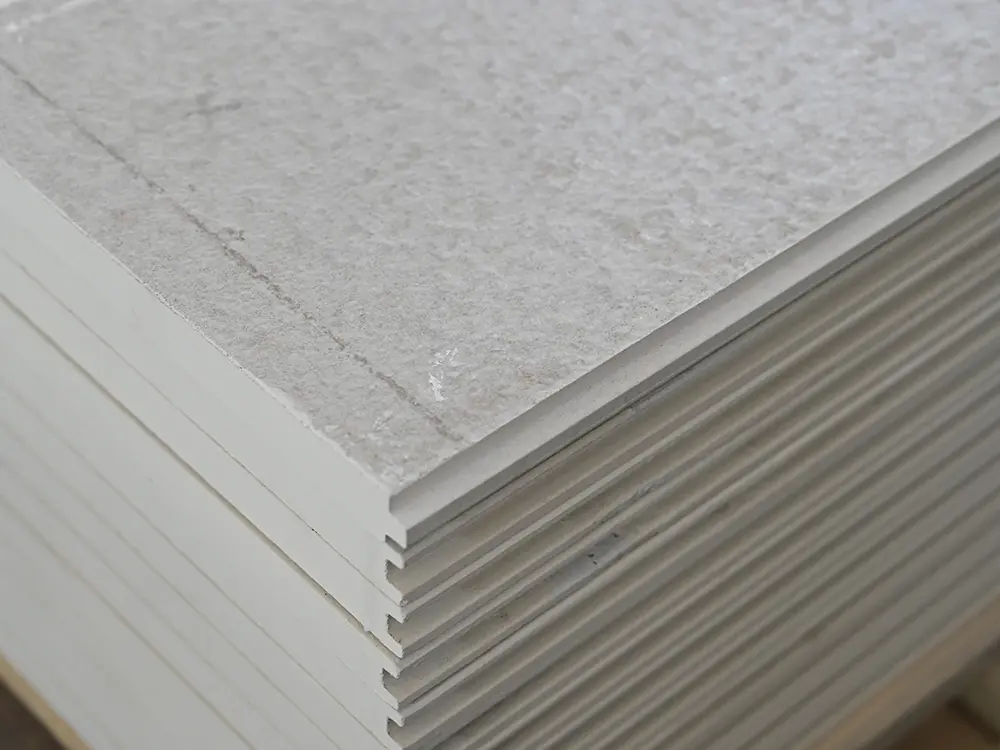 LEAO® Flooring
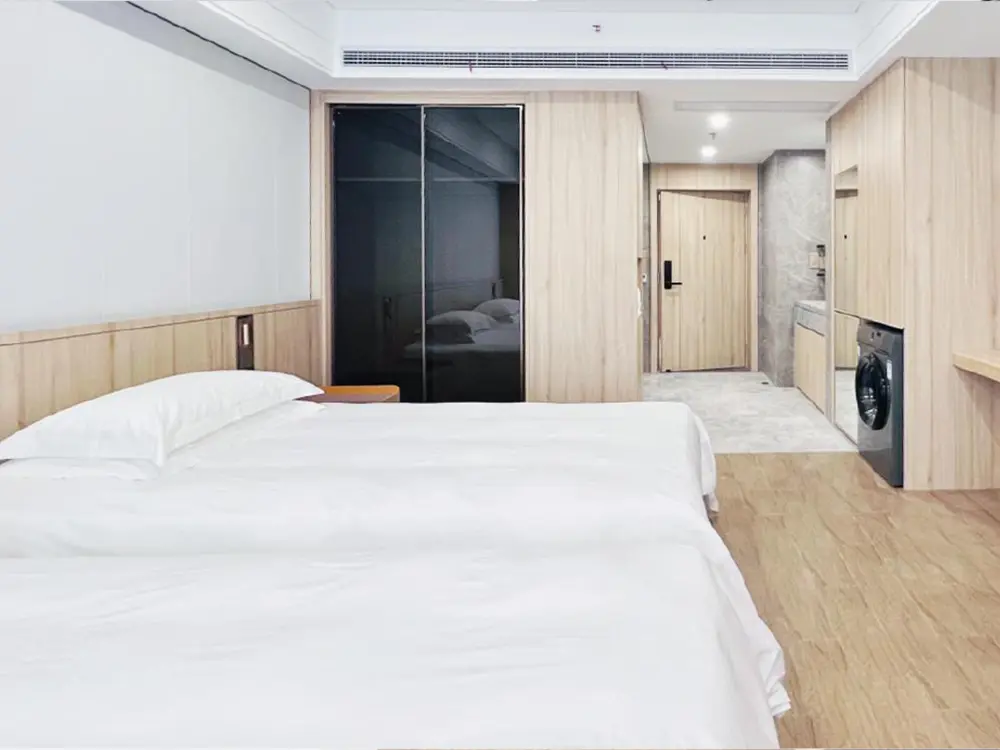 LEAO® Wood Style Decorative Panel
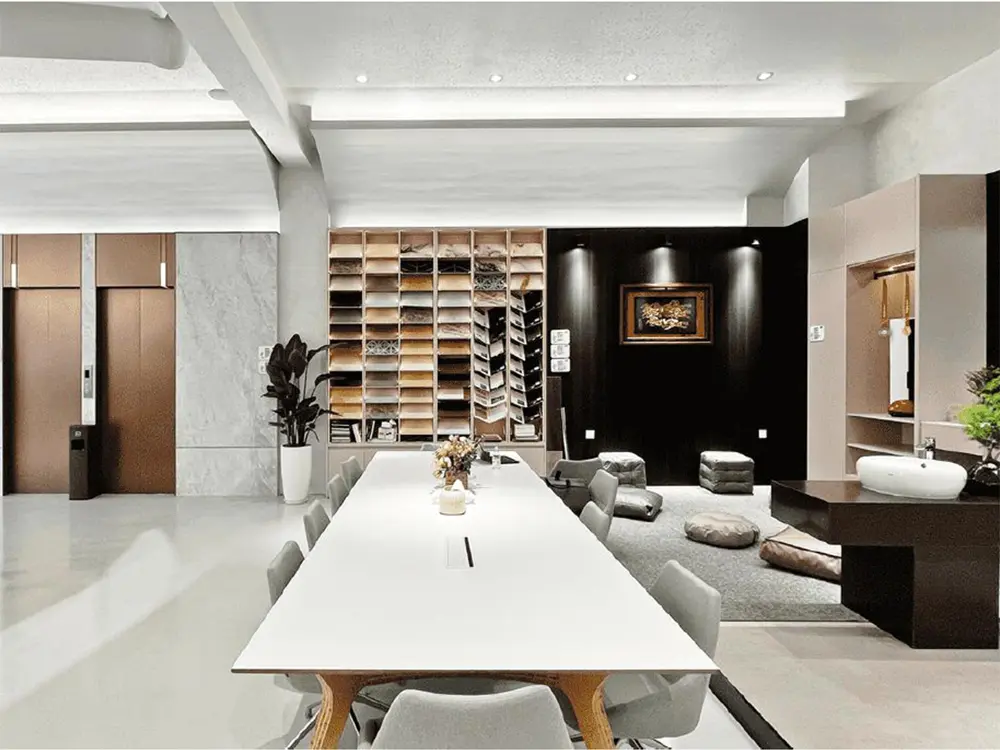 LEAO® Stone Style Decorative Panel
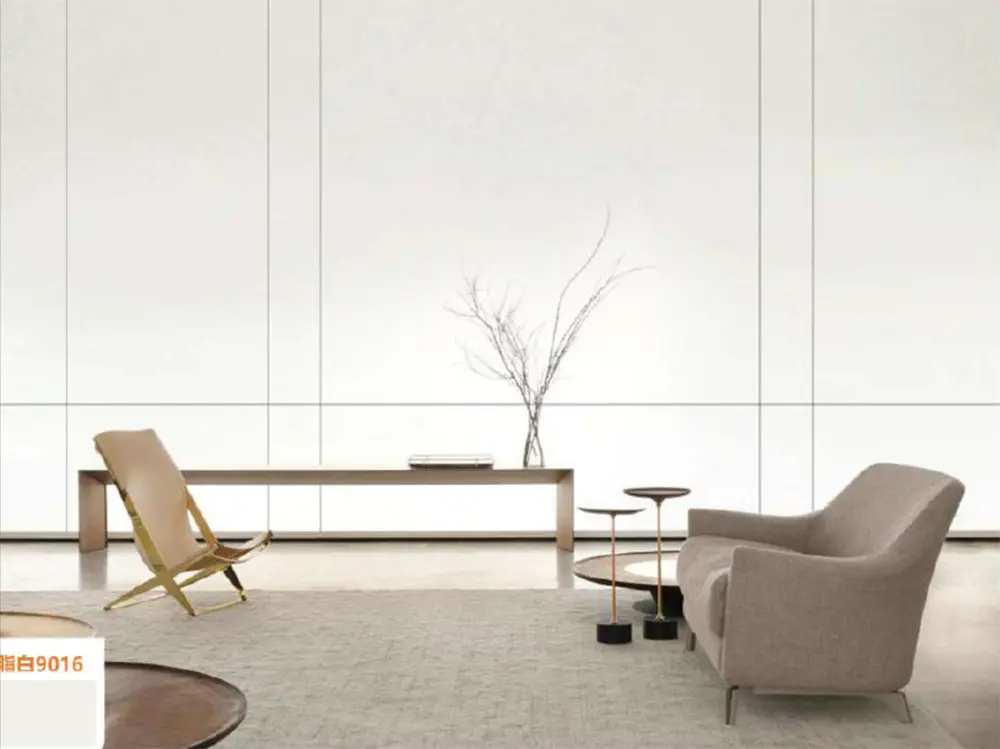 LEAO® Pure Style Decorative Panel