How to Choose the Right Digital Print Board for Your Needs?
Choosing the right Digital Print Board can be a daunting task. With various options available, it’s easy to feel overwhelmed. A Digital Print Board is essential for quality printing, but not all boards meet the same standards. Your specific needs will greatly influence your choice.
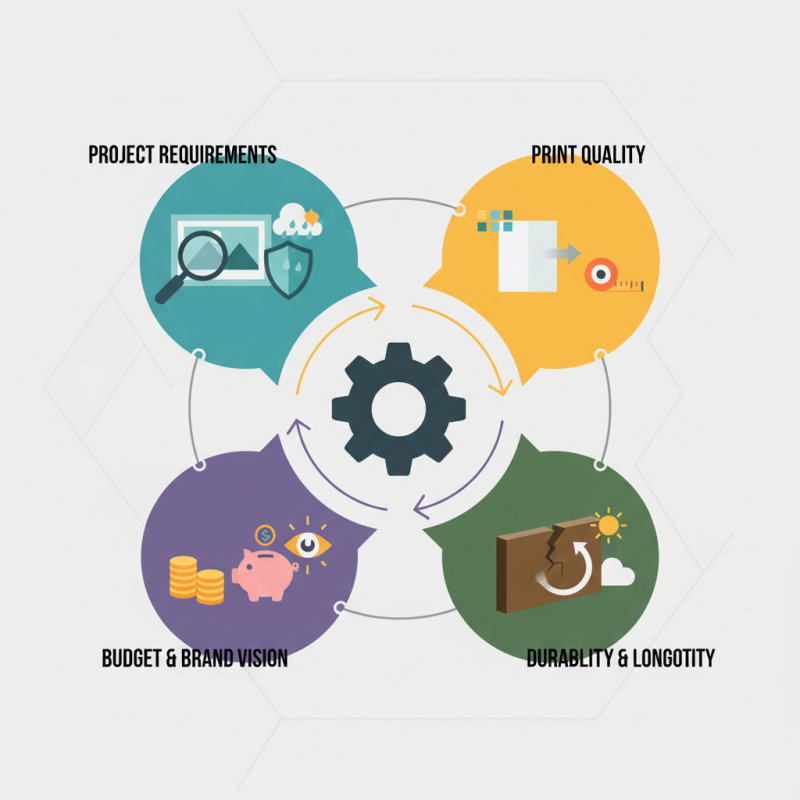
Consider your project's requirements. What type of print quality do you need? Some boards offer high-resolution images, while others may not. It's also important to think about durability. A Digital Print Board that withstands weather might be essential for outdoor displays.
Reflecting on your budget is crucial too. Higher quality often comes at a price. Sometimes, more affordable options may not provide the longevity you need. Take your time and evaluate not just the specs but also how a Digital Print Board fits your brand's vision.
Understanding Different Types of Digital Print Boards Available
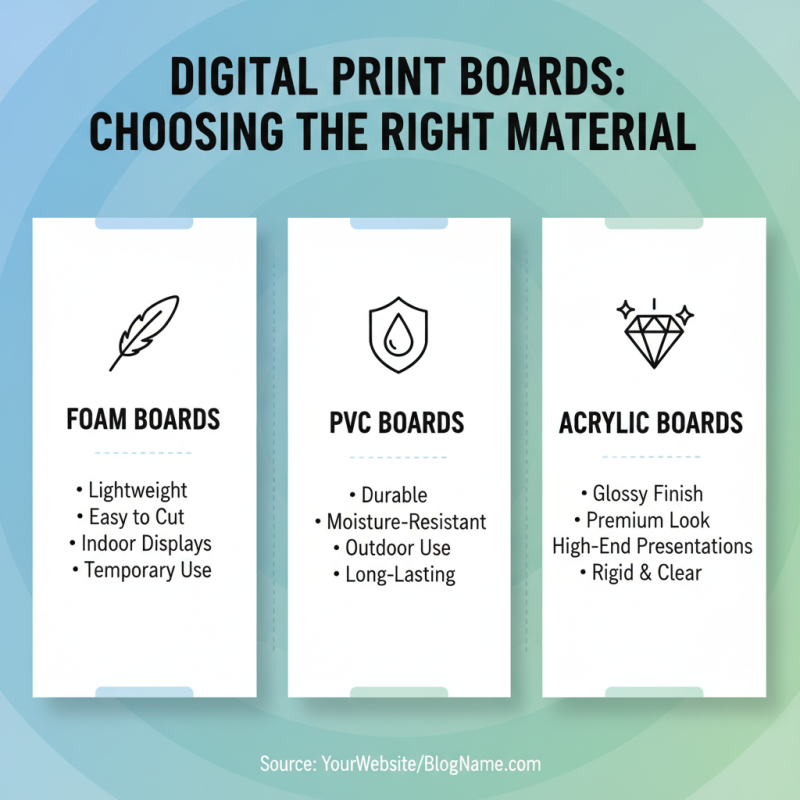
Understanding the different types of digital print boards is essential for making the best choice for your projects. Common options include foam boards, PVC boards, and acrylic boards. Each has its unique properties, making it suitable for various applications. Foam boards are lightweight and easy to cut, ideal for indoor displays. PVC boards are more durable and resistant to moisture, perfect for outdoor usage. Acrylic boards offer a glossy finish and better visual appeal, suitable for high-end presentations.
When choosing a board, consider both durability and cost. Sometimes, the cheapest option isn’t the best. A low-cost foam board might warp easily if exposed to moisture. On the other hand, investing in a quality acrylic board may lead to better long-term results. Think about where your prints will be displayed.
Tips: Always request samples before committing. Test the color and texture in real lighting. Don’t hesitate to ask for expert advice. Balancing your needs with available options can be challenging. Be clear about your requirements. Avoid getting overwhelmed by too many choices; sometimes less is more.
Assessing Your Specific Printing Needs and Requirements
When assessing your specific printing needs, consider the type of material you will print on. Different projects may require unique characteristics. For instance, banners need durability while art prints focus on color accuracy. Think about the texture, weight, and finish for each project. This selection influences the final outcome.
Next, evaluate the volume of printing you will execute. Small batches might allow for flexibility and experimentation. However, larger quantities demand efficiency. Reflect on your budget; high-quality prints often come with higher costs. Are you prepared to invest? Sometimes, cutting corners leads to disappointing results.
Additionally, think about the intended audience and purpose of your prints. Who will see them? Will they hang in a gallery or serve as marketing tools? Make sure your print board fits those needs. Remember, not every choice will deliver the desired effect. It's wise to trial different options and revisit your selections.
Evaluating Material Quality and Durability of Print Boards
When evaluating the material quality and durability of digital print boards, several factors come into play. The choice of materials can significantly impact the print's lifespan and appearance. Common materials include PVC, MDF, and corrugated plastic. Each option presents unique strengths and weaknesses. For instance, PVC is water-resistant but can warp under extreme temperatures. On the other hand, MDF offers a smooth surface but is more susceptible to moisture damage.
It's essential to assess durability based on the intended use of the print board. If the board will be exposed to harsh weather or frequent handling, a more robust material is necessary. Durability tests, like scratch resistance and weight support, can give insight into how well the print board will perform over time. Sometimes, users may overlook these tests, only to find their boards degrading faster than expected. This oversight can lead to disappointment, especially when the prints are meant for long-term use.
Moreover, consider the finish of the print board. A matte finish may prevent glare but might show fingerprints more easily. Glossy finishes, while vibrant, might chip more quickly. Balancing aesthetics with practical durability is crucial. It's a process that may require trial and error, and users are encouraged to ask themselves if the choices made truly align with their needs.
Material Quality and Durability of Digital Print Boards
Considering Size and Format for Your Digital Print Projects
When selecting a digital print board, size and format are crucial. Larger boards can give your project a bold presence. Think about where the print will be displayed. Is it a large wall or a small tabletop? A big board can dominate a space, while smaller formats are more versatile. However, larger prints can be challenging to transport and install. Consider how you'll manage these aspects.
The format is equally important. Digital prints can come in various shapes—rectangular, square, or custom cuts. Each has its own appeal. A square board may fit nicely in certain spaces, but a rectangular one can enhance specific designs. Visibility also plays a role. A landscape format may work better in wide spaces, whereas portrait formats are great for height. Reflect on the message you want to communicate. What format aligns with that vision? It’s essential to visualize the final product, even if it means going back to the drawing board.
Budgeting and Cost Analysis for Digital Print Board Selection
Choosing the right digital print board involves careful budgeting and understanding of costs. Digital print boards vary significantly in price. Low-cost options may meet basic needs but can compromise quality. Investing more may offer better durability and performance.
Here are some tips to help with budgeting:
1. Define your printing needs. Consider factors like print quantity, dimensions, and specialty printing requirements. Low-volume printing may justify cheaper boards, while high-volume projects often benefit from higher-quality materials.
2. Search for hidden costs. Look beyond the initial price tag. Factor in shipping, setup, and any additional accessories required. Sometimes, the cheapest option becomes more expensive when these costs are added.
3. Keep options open. It’s okay to reassess your choices. New materials and technologies emerge regularly, which can affect pricing and quality. Not every 'best-rated' option fits every project. Explore alternatives that might suit your needs better.
Avoid rushing your decision. Spend time evaluating your specific project requirements first. A hasty choice may lead to disappointing results down the line.
How to Choose the Right Digital Print Board for Your Needs? - Budgeting and Cost Analysis for Digital Print Board Selection
| Print Board Type |
Cost per Unit ($) |
Ideal Use Case |
Durability (Years) |
Print Quality Rating (1-10) |
| Standard PVC |
2.50 |
Indoor signage |
5 |
7 |
| Aluminum Composite |
5.00 |
Outdoor signage |
10 |
8 |
| Acrylic |
4.00 |
Decorative displays |
7 |
9 |
| Foam Board |
1.50 |
Event displays |
3 |
6 |
| Vinyl |
3.00 |
Banners and decals |
5 |
7 |

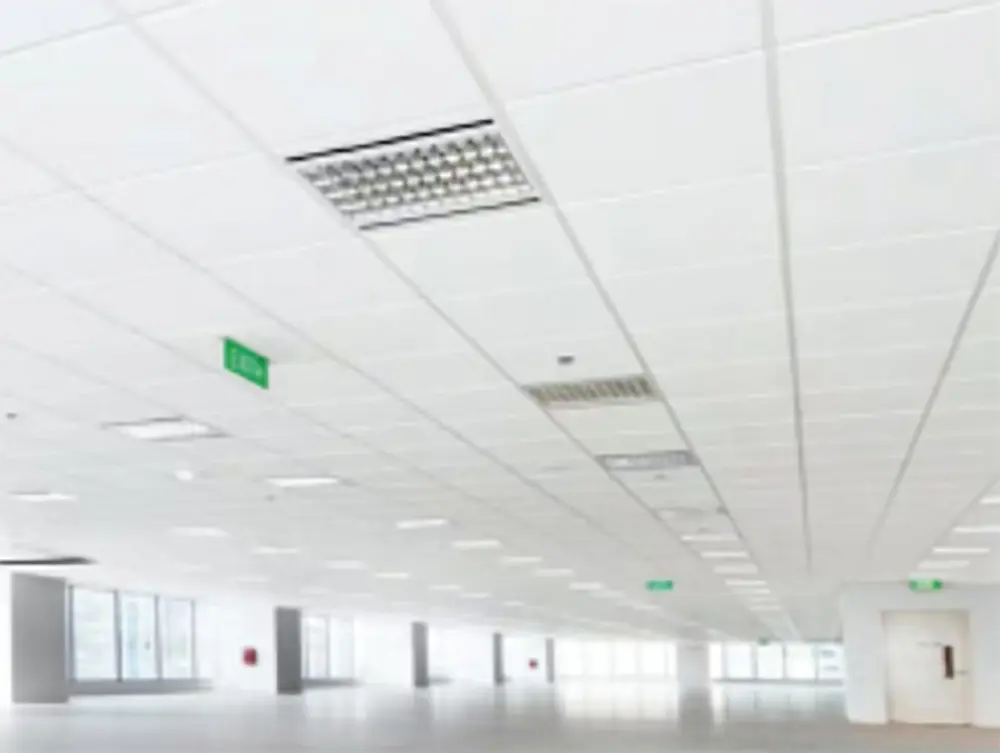 LEAO®Deco Ceiling
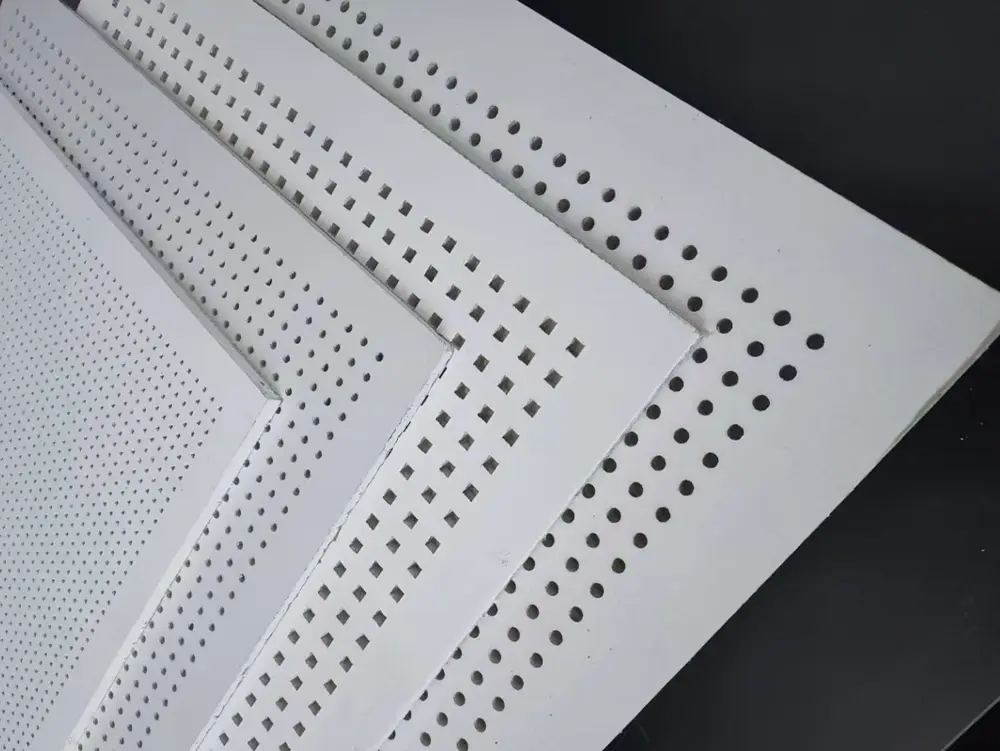 LEAO® Perforated Ceiling
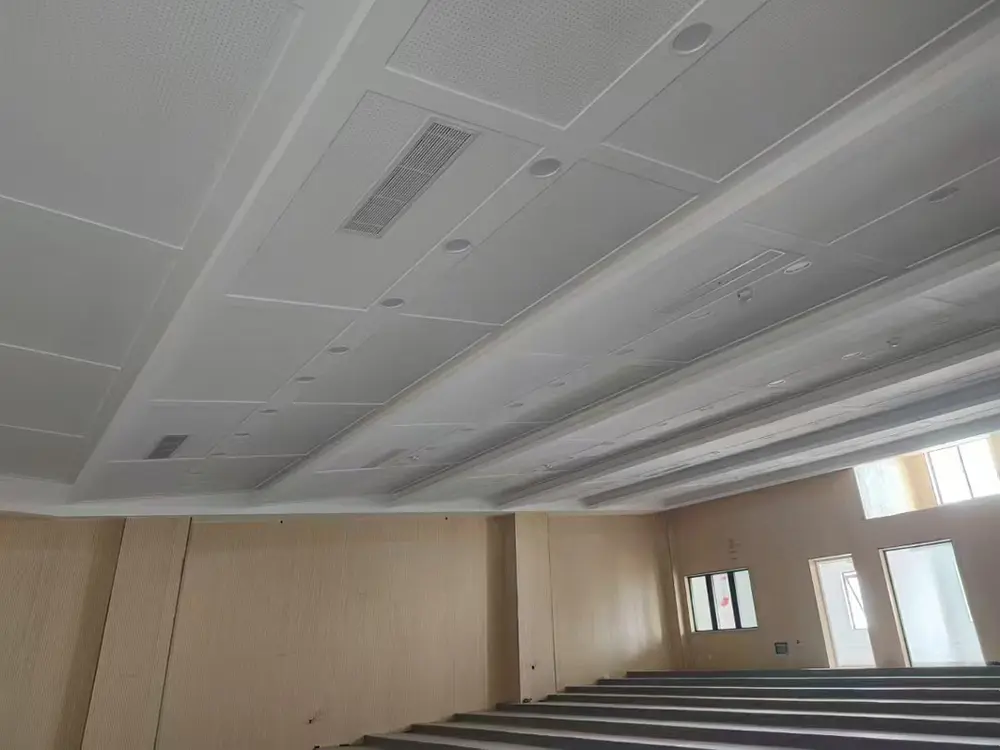 LEAO® Ceiling Board
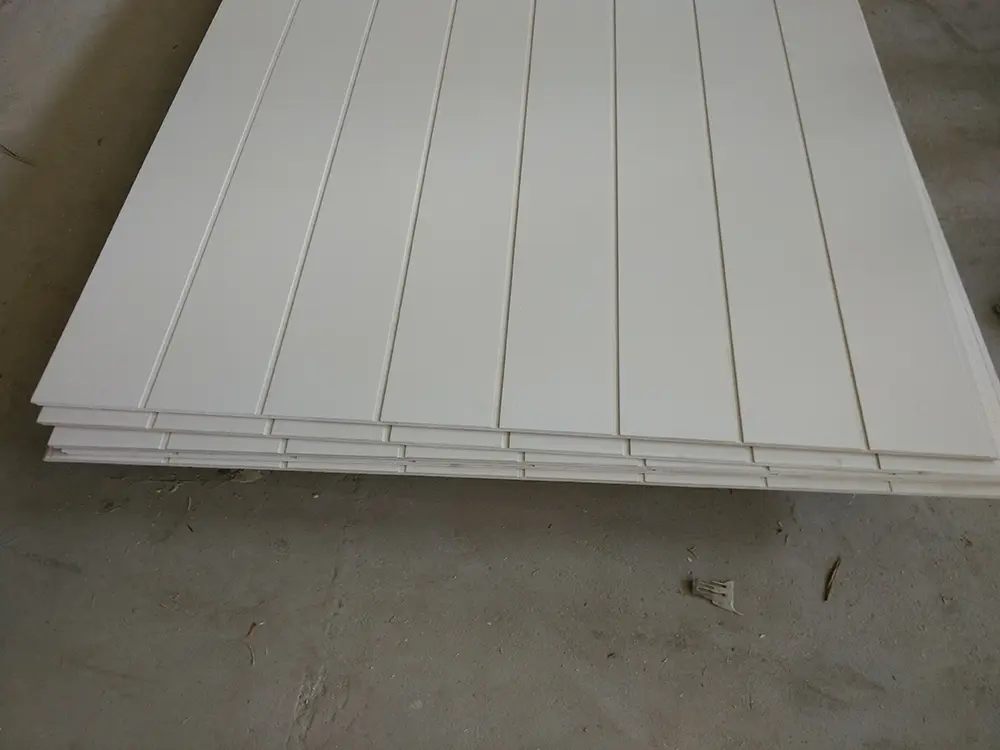 LEAO® Groove Interior Panel
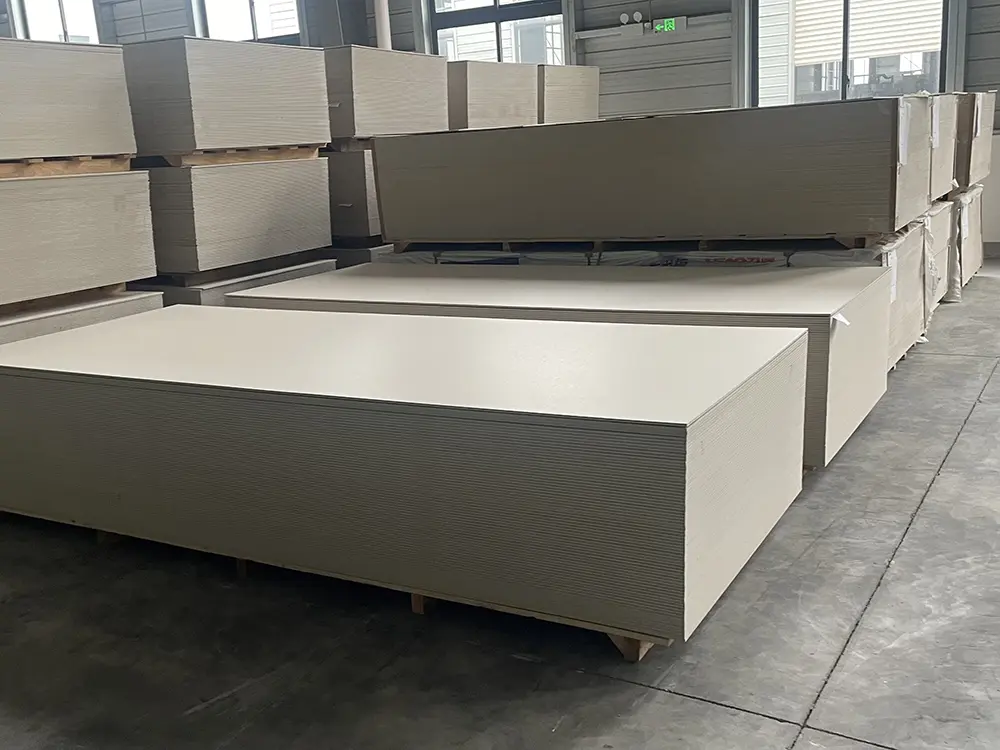 LEAO® Interior Board
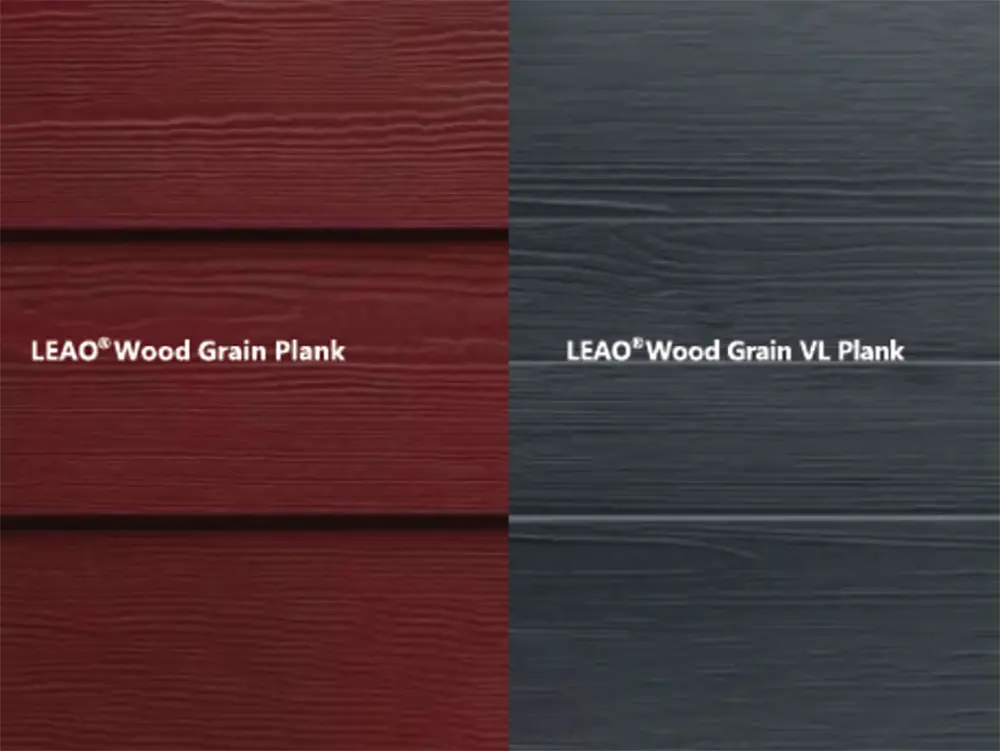 LEAO® Wood Grain Plank
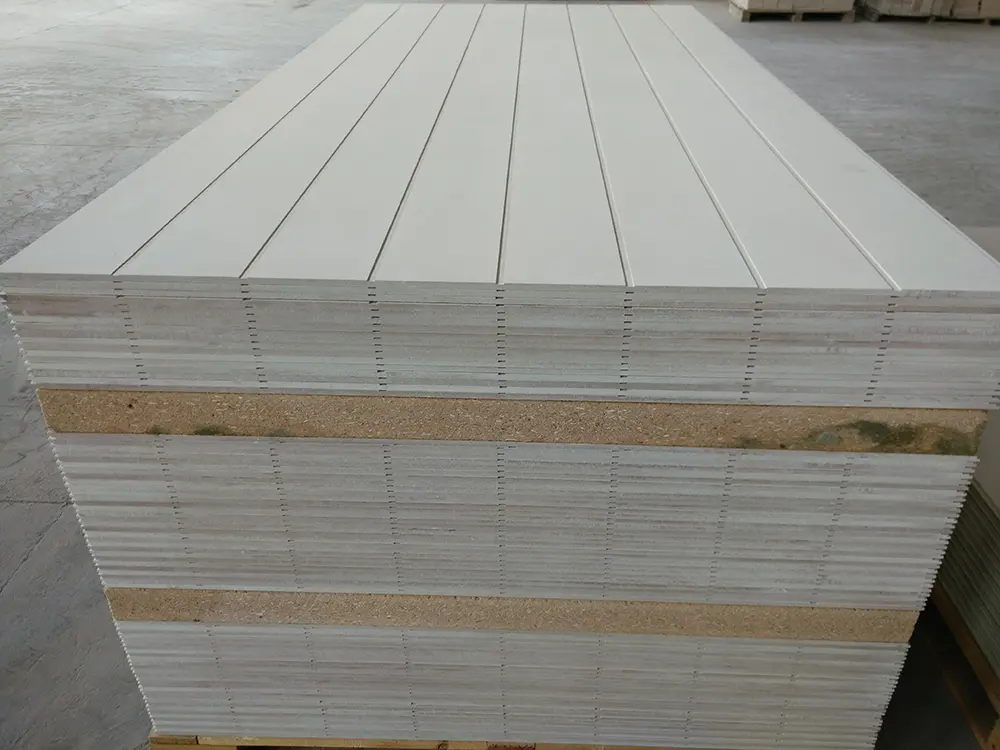 LEAO® Grooved Exterior Panel
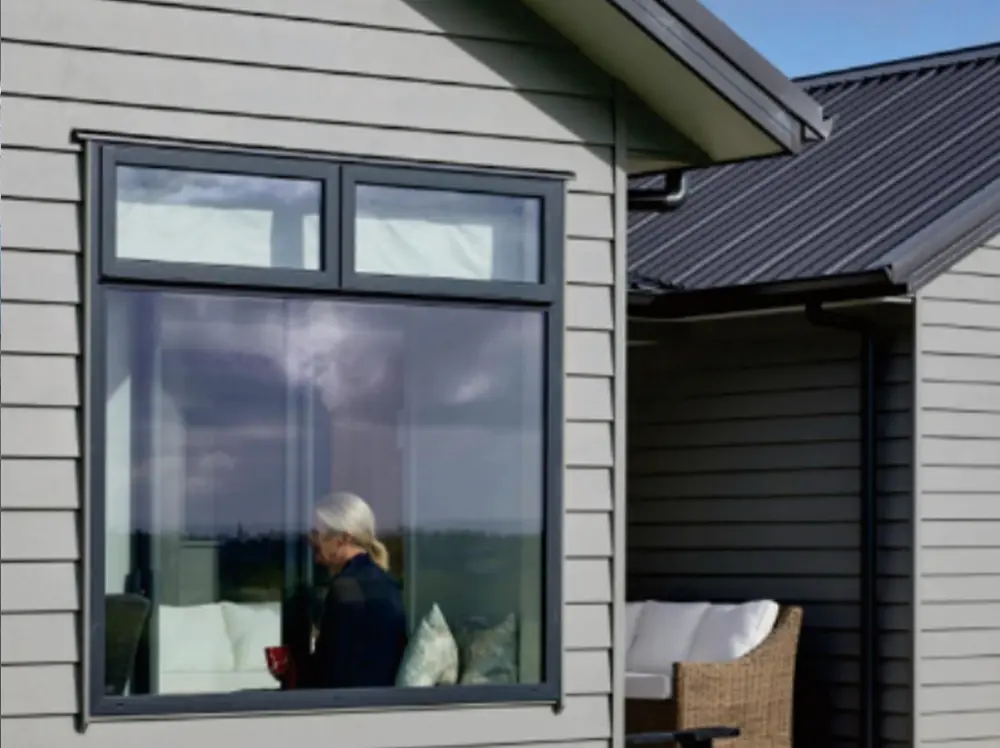 LEAO® Weatherboard
 LEAO® Access Floors
 LEAO® Non-removable Formwork
 LEAO® Mezzanine Board
 LEAO® Ceramic Tile Underlay
 LEAO® Floor Plank
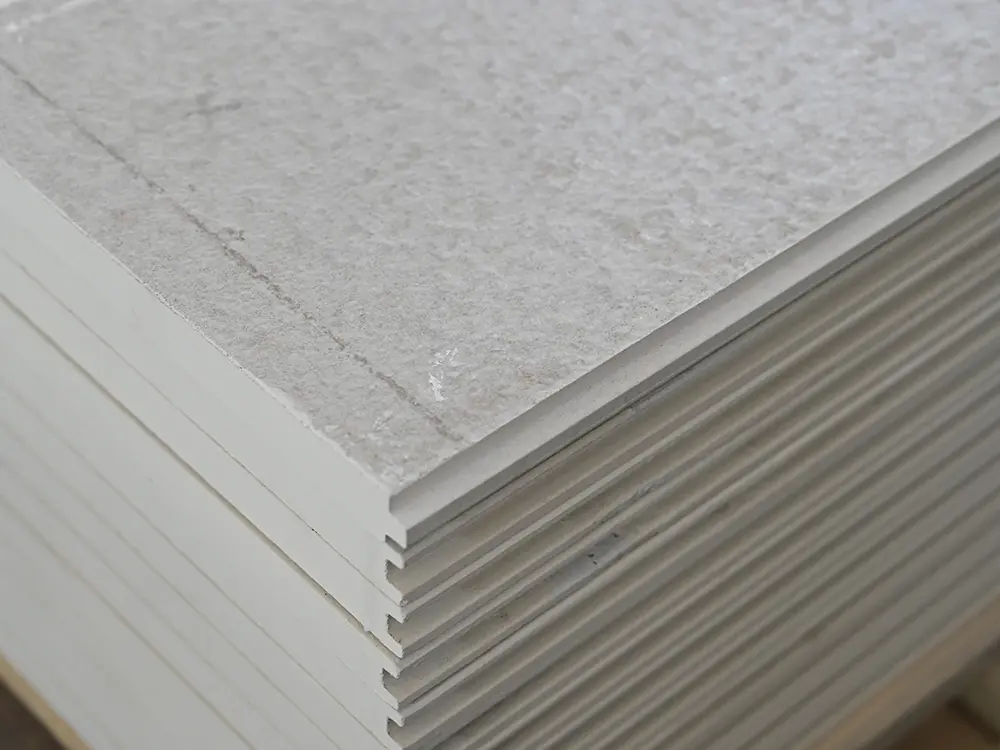 LEAO® Flooring
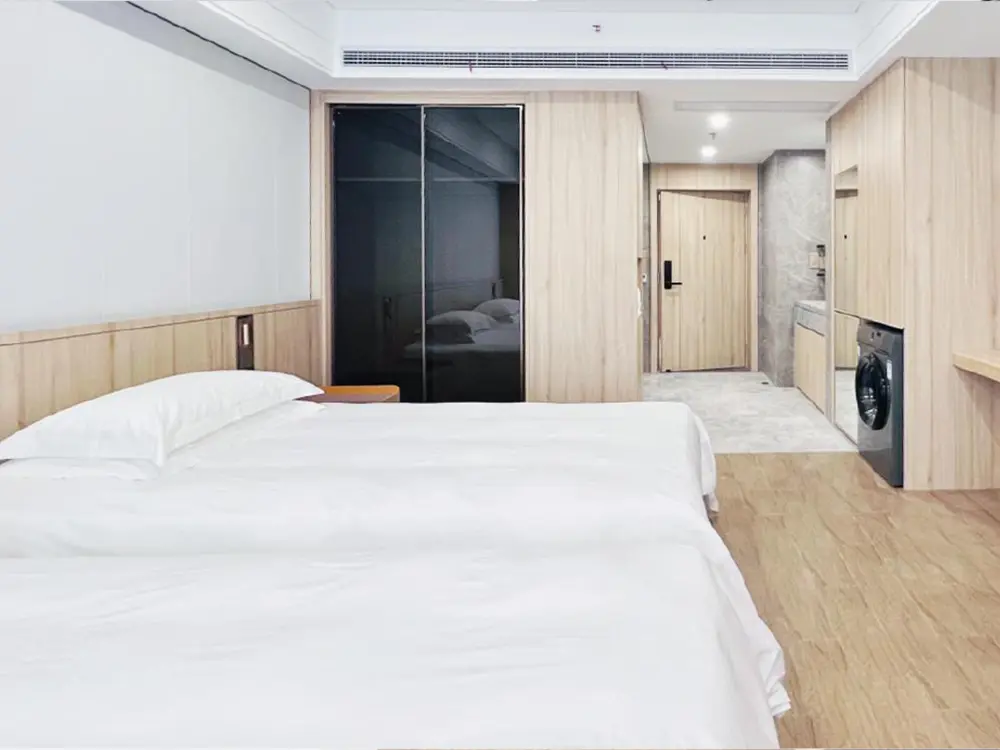 LEAO® Wood Style Decorative Panel
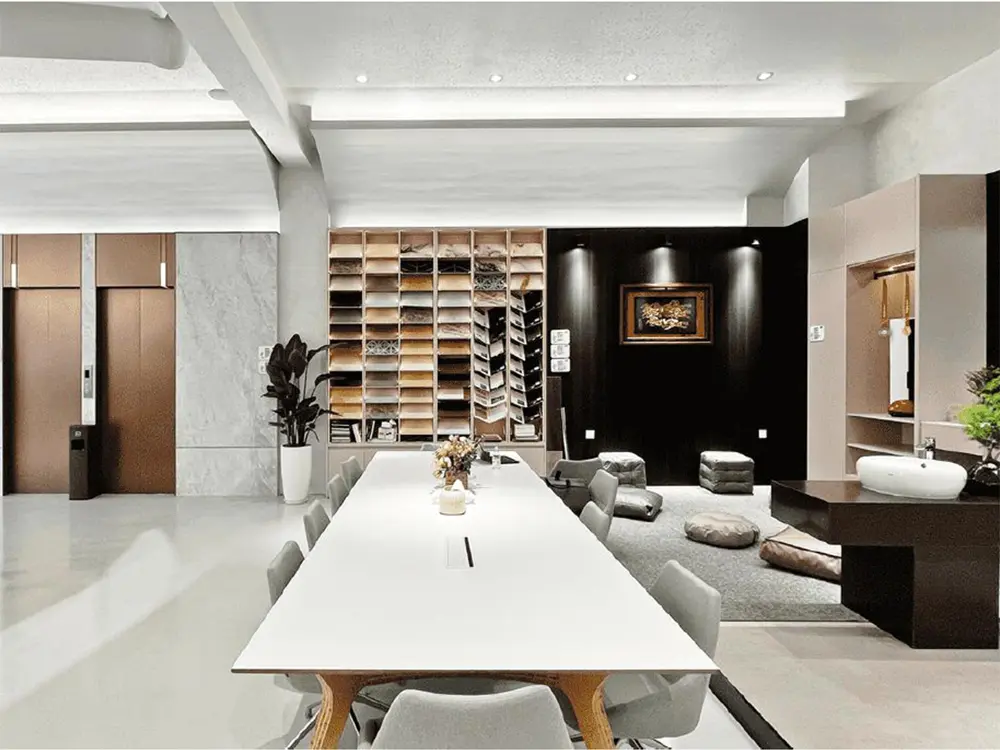 LEAO® Stone Style Decorative Panel
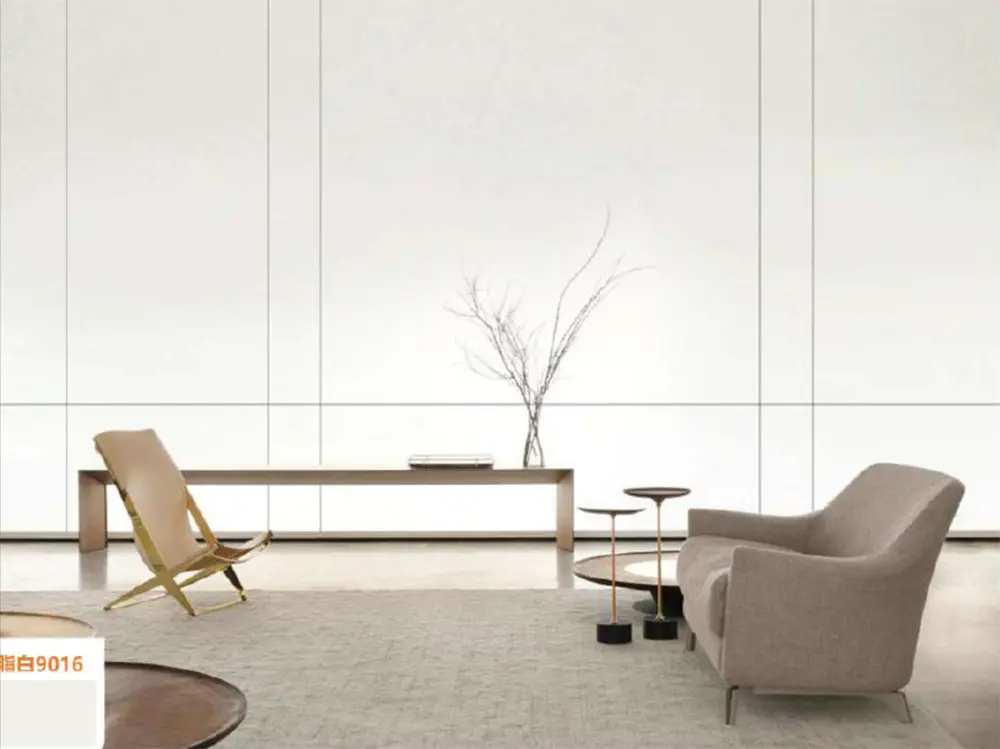 LEAO® Pure Style Decorative Panel