Top Digital Print Board Options for Modern Design Needs?
In the rapidly evolving world of design, finding the right materials is crucial. "Digital Print Boards have revolutionized how we create and interact with visuals," says Johnathan Grant, a leading expert in the Digital Print Board industry. His insights highlight the transformative role of these materials in modern design landscapes.
Digital Print Boards serve various applications, from advertising to interior design. They offer exceptional durability and vibrant print quality. However, designers sometimes overlook their potential. Choices can feel overwhelming when faced with multiple options on the market. Are all Digital Print Boards created equal?
Considering factors like texture, surface finish, and environmental impact can guide your selection. Each project demands a unique approach. Reflecting on the industry’s rapid advancements reminds us that continuous learning is essential. Adopting the right Digital Print Board can elevate a project, but the wrong choice might hinder creativity. Engaging with experts may provide clarity in this complex landscape.

Overview of Digital Print Board Technologies
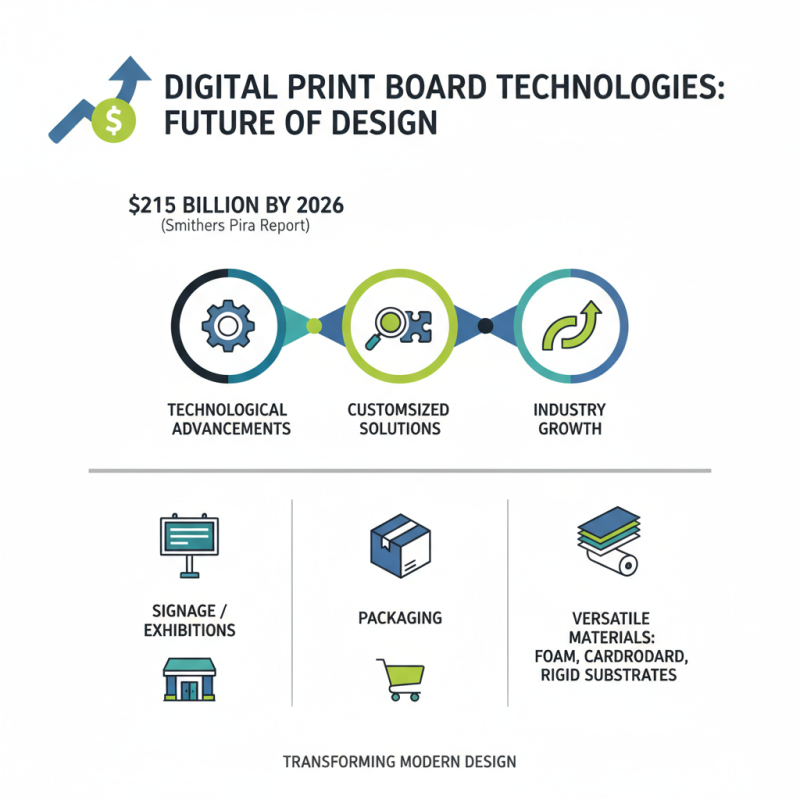
Digital print board technologies have transformed modern design across various sectors. A recent report from Smithers Pira indicates that the digital print industry is expected to grow to over $215 billion by 2026. This growth is fueled by advancements in technology and an increasing demand for customized solutions. Designers now have access to a range of materials, including foam boards, cardboard, and rigid substrates, allowing for versatile applications in signage, packaging, and exhibitions.
One important aspect of digital print boards is their adaptability. For example, boards made from eco-friendly materials are becoming more prevalent. In fact, a study by the Sustainable Green Printing Partnership found that companies focusing on sustainable signage saw a 30% increase in customer engagement. Yet, as the options expand, some designers may face challenges in selecting the right material for their specific needs. The fast pace of technology can sometimes overwhelm even seasoned professionals in the field.
Critical evaluation of available materials is essential. Not all digital print boards are created equal; differences in durability, finish, and compatibility with printing inks can lead to significant variations in final output. Industry analysts stress the importance of understanding the specific requirements of each project. A comprehensive assessment ensures that the chosen materials align well with the intended design vision.
Key Materials Used in Digital Print Boards
Digital print boards have become essential in modern design, influenced by the materials used. Various substrates offer unique characteristics, impacting both aesthetics and functionality.
One common choice is foam board, known for its lightweight and easy handling. It is ideal for indoor signage but may not withstand outdoor conditions. For enduring options, consider acrylic boards. They provide a sleek finish and are weather-resistant, suitable for both indoor and outdoor applications.
When selecting materials, think about the final use of the print board. If you need durability, materials like PVC or metal are reliable. They are robust and long-lasting, making them a prime option for outdoor displays.
**Tips:** Always request material samples before finalizing. This helps visualize how your design will look. Factor in the environment as well; some materials will fade or deteriorate under specific conditions. Understand the longevity of your choice to avoid unexpected replacements.
Top Digital Print Board Material Usage in 2023
Top Features to Consider for Modern Design
When selecting digital print board options for modern design, several key features deserve careful consideration. The material's durability is paramount. According to industry reports, nearly 70% of designers prioritize robust surfaces that withstand varying climates and wear. Digital print boards should resist fading and scratching to ensure longevity. This resilience supports both aesthetic appeal and functional necessity in high-traffic areas.
Another crucial aspect is color accuracy. Research indicates that 85% of consumers are influenced by visual elements. Precise color reproduction helps brands maintain consistency across different mediums. Designers should look for boards with high-resolution printing capabilities to enhance vibrancy. The compatibility of boards with different ink types also matters. Boards that accommodate both UV and solvent inks offer versatility for various projects.
Sustainability is becoming increasingly relevant in design choices. Reports show that 60% of consumers prefer eco-friendly products. Designers are urged to seek boards made from recycled or responsibly sourced materials. This trend not only reduces environmental impact but also resonates with a conscientious clientele. Overall, thoughtful selection of features enhances both practical use and creative potential in modern design endeavors.
Comparative Analysis of Leading Digital Print Board Brands
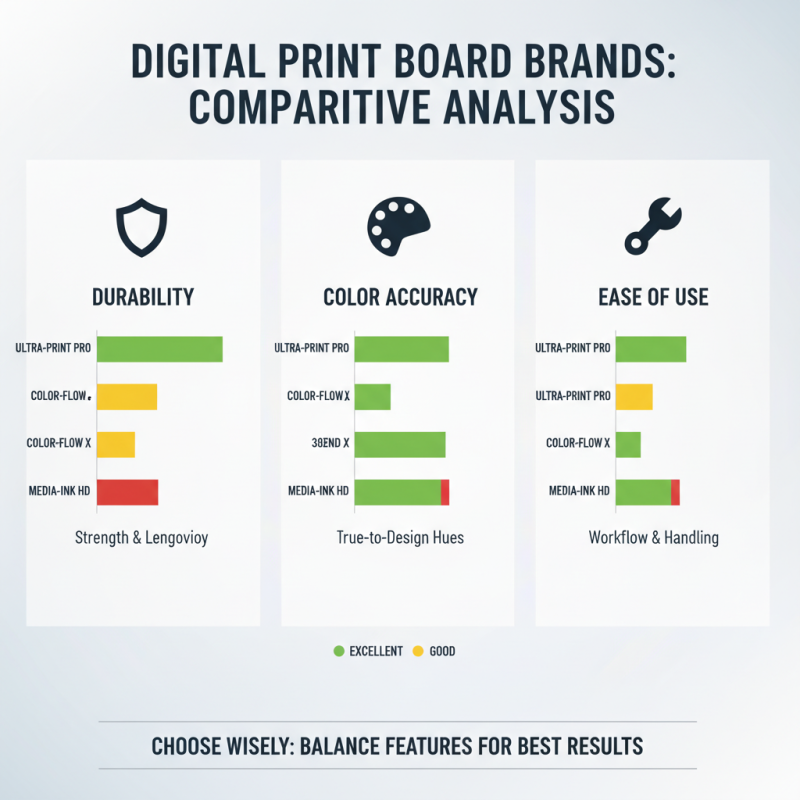
When exploring digital print board options, it's crucial to analyze the strengths and weaknesses of various brands. Each brand brings unique characteristics to the table. Durability, color accuracy, and ease of use are key features that designers prioritize. Some boards excel in color reproduction, making them ideal for vibrant graphics. However, others may lack the same performance, leading to potential disappointments.
User feedback often highlights the importance of user-friendliness. Many designers prefer boards that are easy to handle and intuitive. Yet, a few users report issues with installation. This disparity suggests that while one brand might be praised for its simplicity, another could lead to frustration. The learning curve can vary significantly, impacting design workflow.
Cost is another factor that influences choice. Higher prices often imply superior technology. Yet, some cheaper options perform just as well in specific contexts. Designers are challenged to find the right balance between budget and quality. A sophisticated understanding of material properties, fabrication techniques, and finishing options is essential. Without this knowledge, selecting a suitable digital print board can be a daunting task.
Applications of Digital Print Boards in Contemporary Design
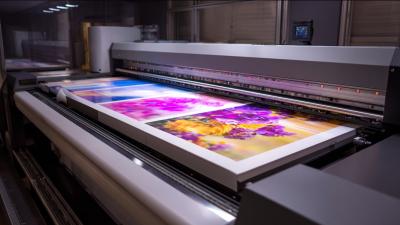
Digital print boards have transformed contemporary design. They offer versatile applications across various industries. From signage to interior decor, these boards cater to diverse aesthetic needs. Artists and designers appreciate their ability to reproduce vibrant colors and intricate details. This technology allows for quick prototyping and adjustments, fostering creativity. Yet, the challenge remains in optimizing materials for sustainability.
In architectural design, digital print boards serve as essential tools. They can enhance the visual appeal of public spaces. High-resolution images on these boards can communicate brand stories effectively. However, some designers find it challenging to strike a balance between durability and aesthetics. It's essential to consider environmental factors when selecting materials.
Moreover, in exhibitions, digital print boards are crucial. They deliver a polished look to displays and provide instant information. Many struggle with ensuring clarity amid busy designs. Effective design should prioritize legibility alongside creativity. Designers must continually evaluate how their choices impact audience engagement and perception.
Top Digital Print Board Options for Modern Design Needs
| Material |
Thickness (mm) |
Print Quality |
Durability |
Common Applications |
| PVC |
3 |
High |
Weather-resistant |
Signage, Displays |
| MDF |
19 |
Medium |
Moderate |
Furniture, Wall Panels |
| Acrylic |
5 |
Very High |
UV-resistant |
Retail Displays, Awards |
| Aluminium Composite |
4 |
High |
Strong |
Outdoor Signage, Banners |
| Cardboard |
2 |
Medium |
Low |
Packaging, Prototyping |

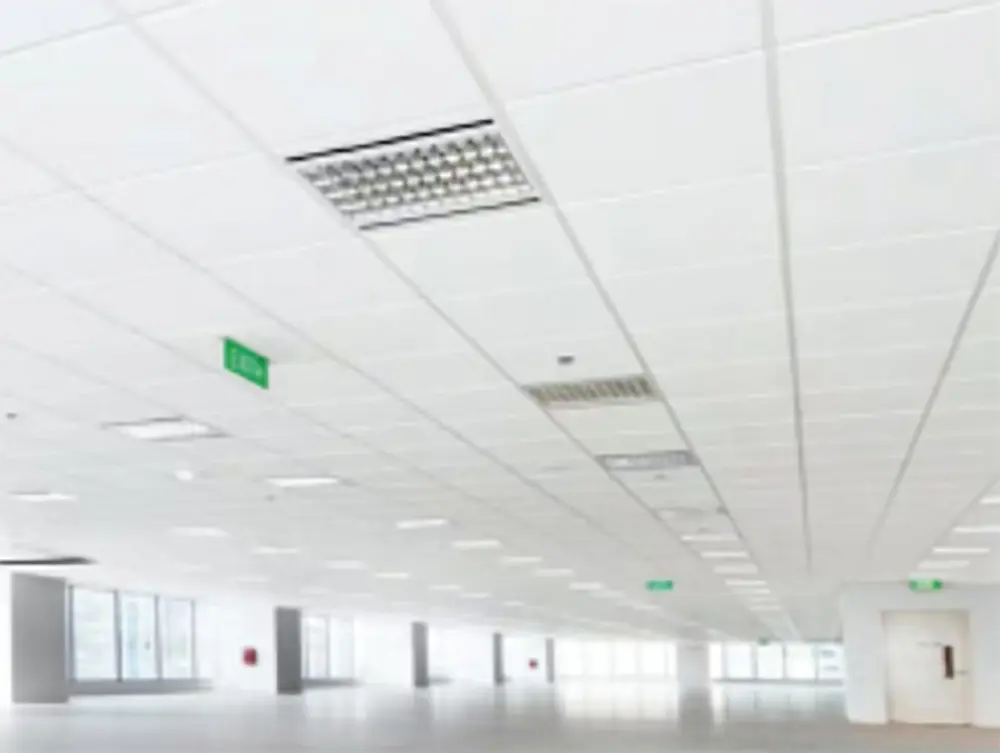 LEAO®Deco Ceiling
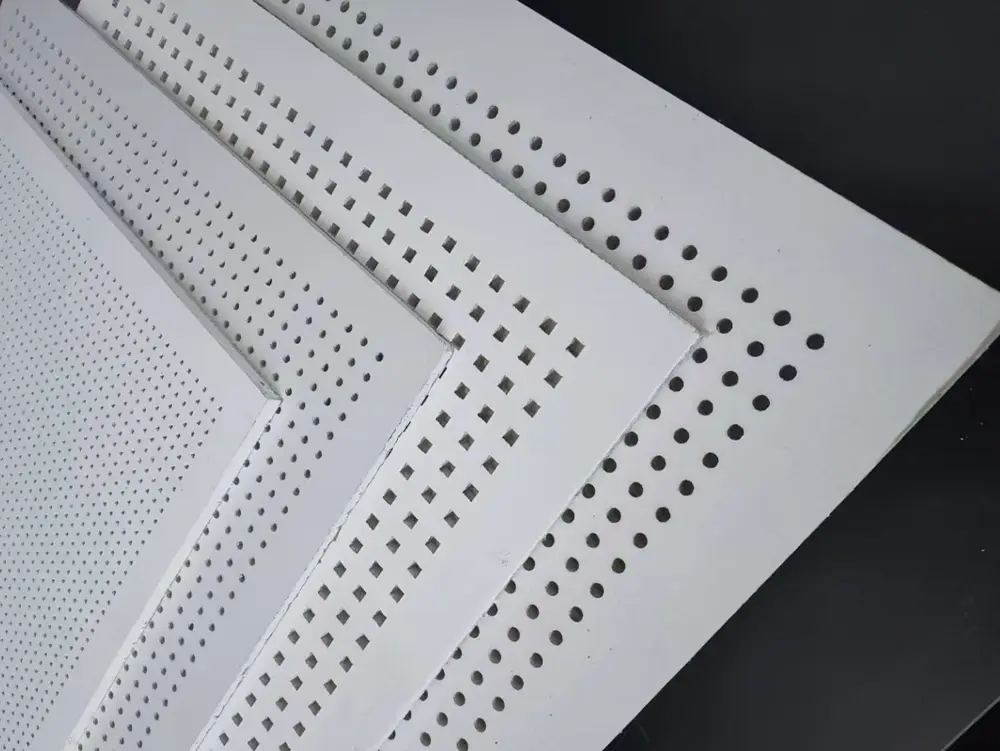 LEAO® Perforated Ceiling
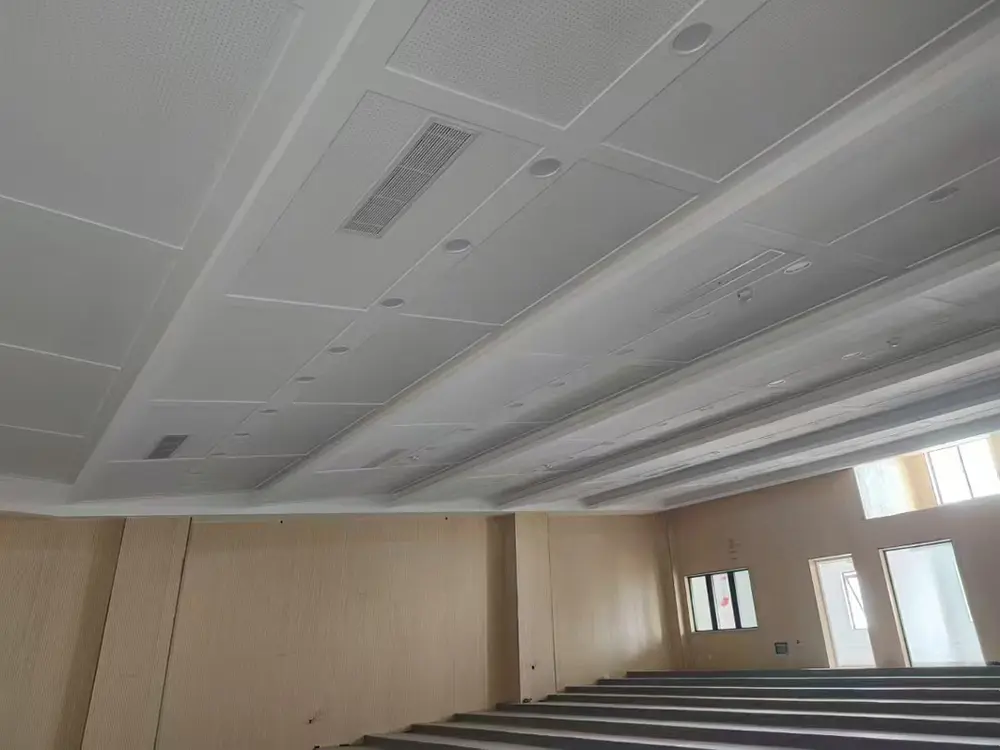 LEAO® Ceiling Board
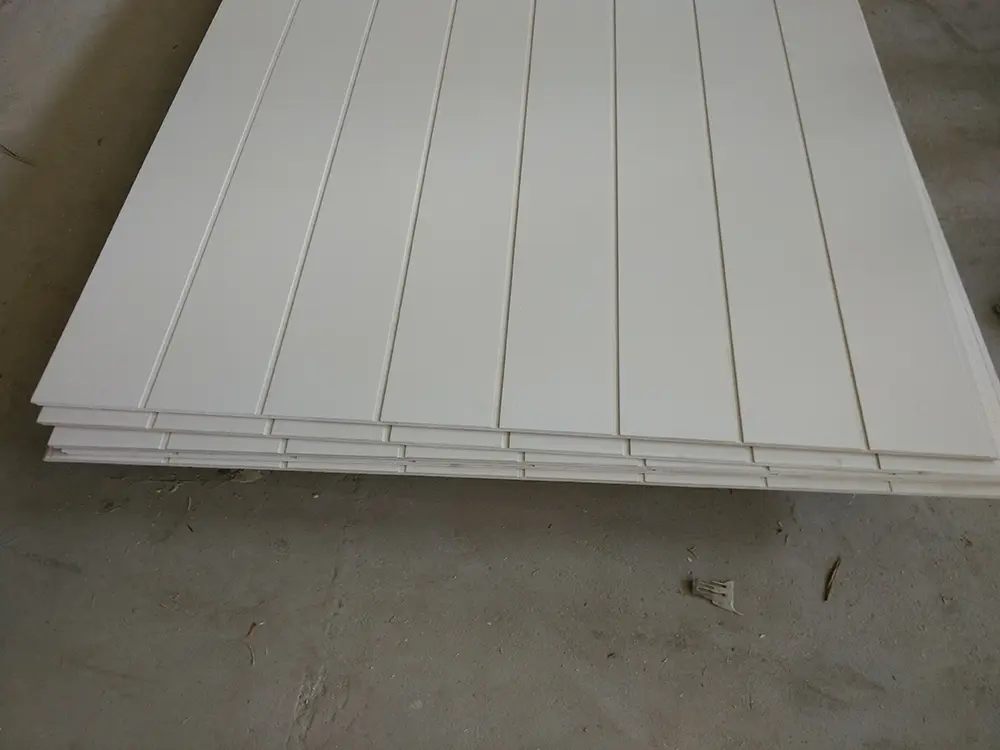 LEAO® Groove Interior Panel
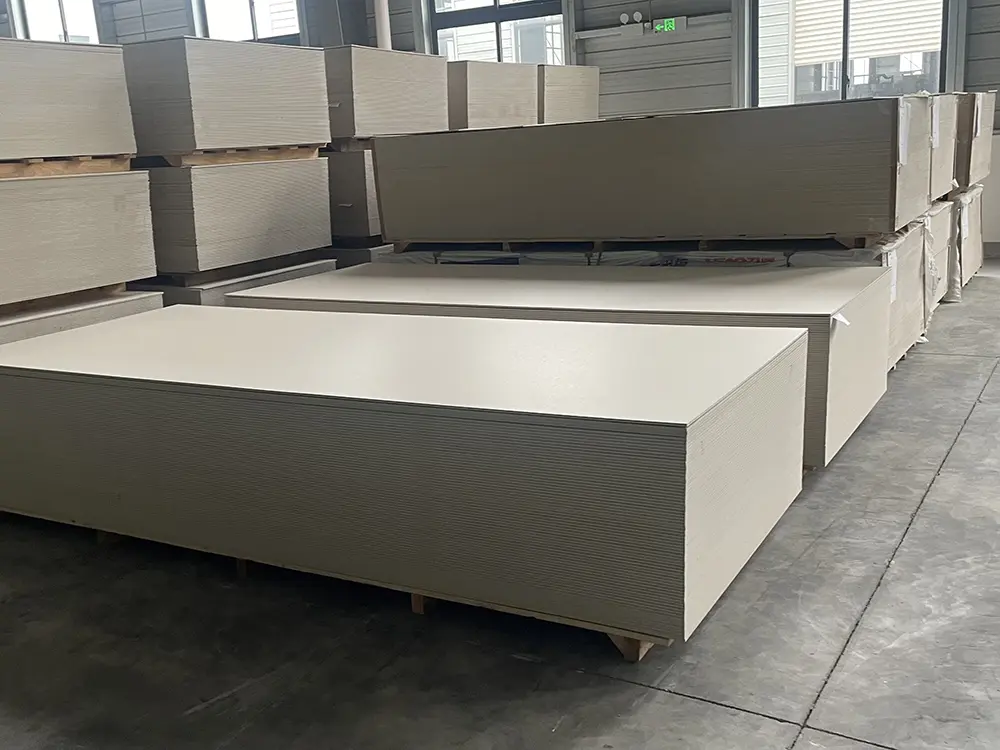 LEAO® Interior Board
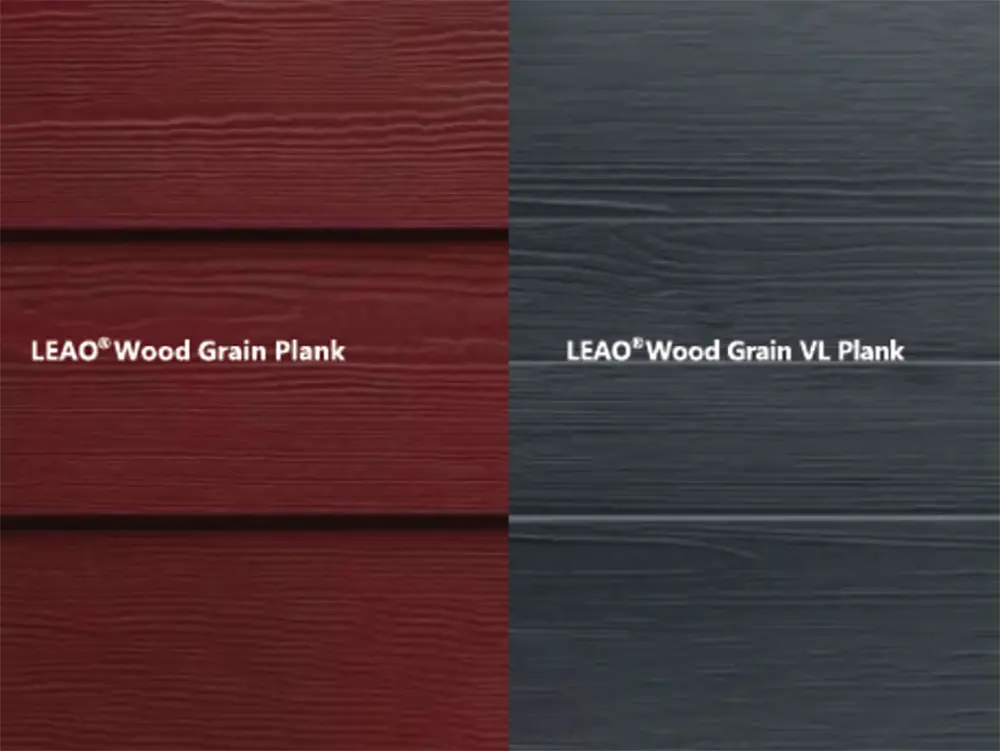 LEAO® Wood Grain Plank
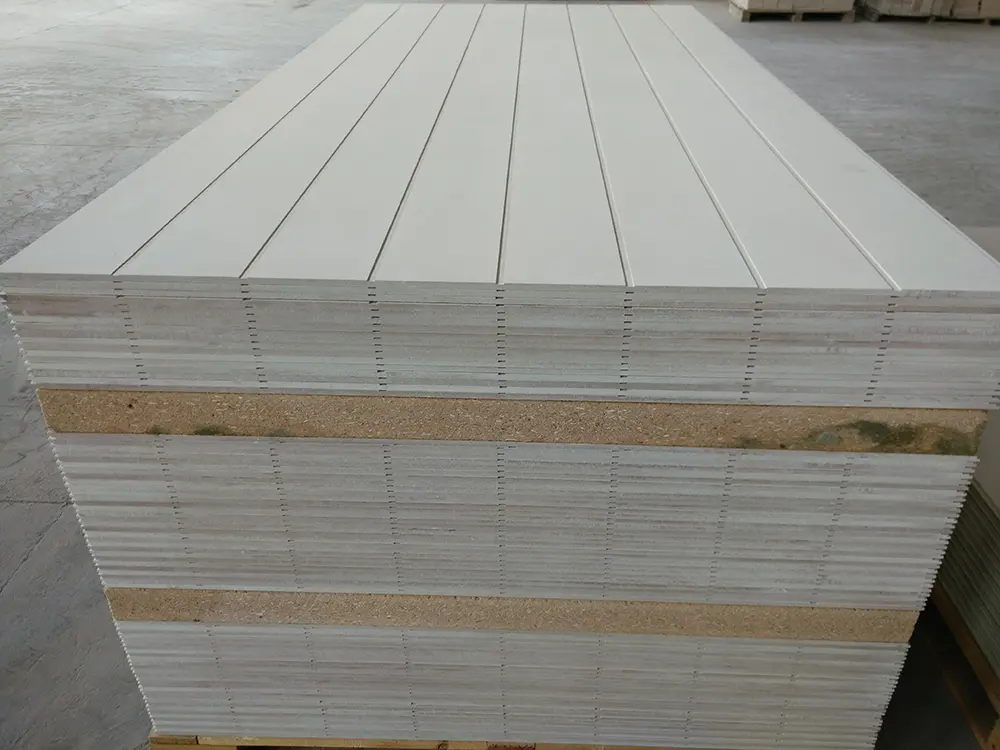 LEAO® Grooved Exterior Panel
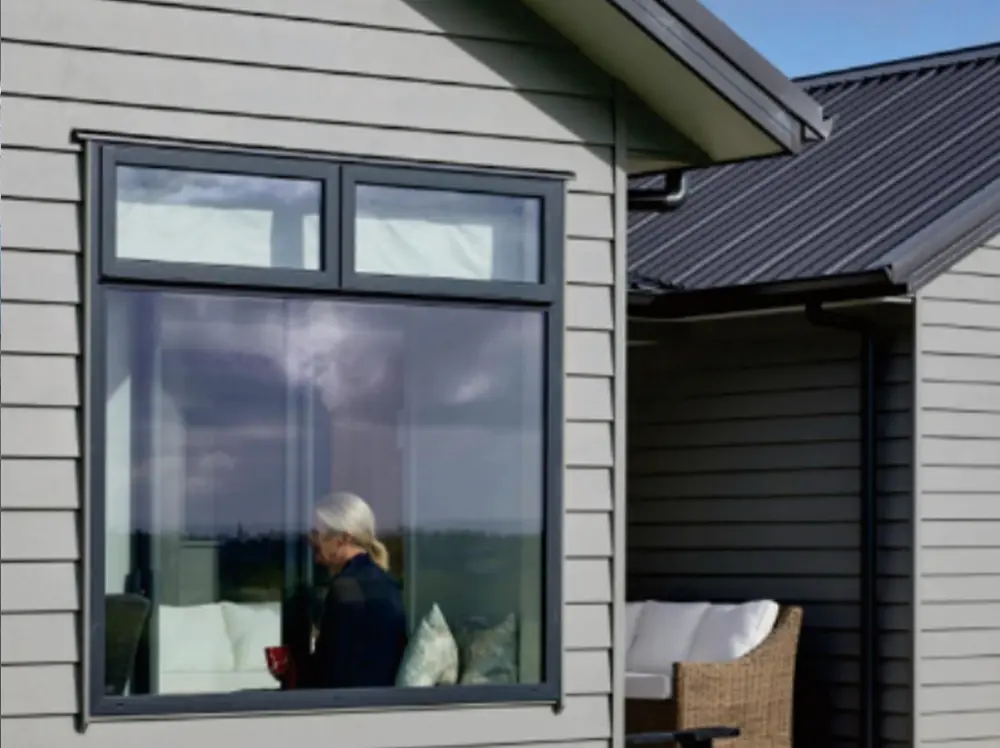 LEAO® Weatherboard
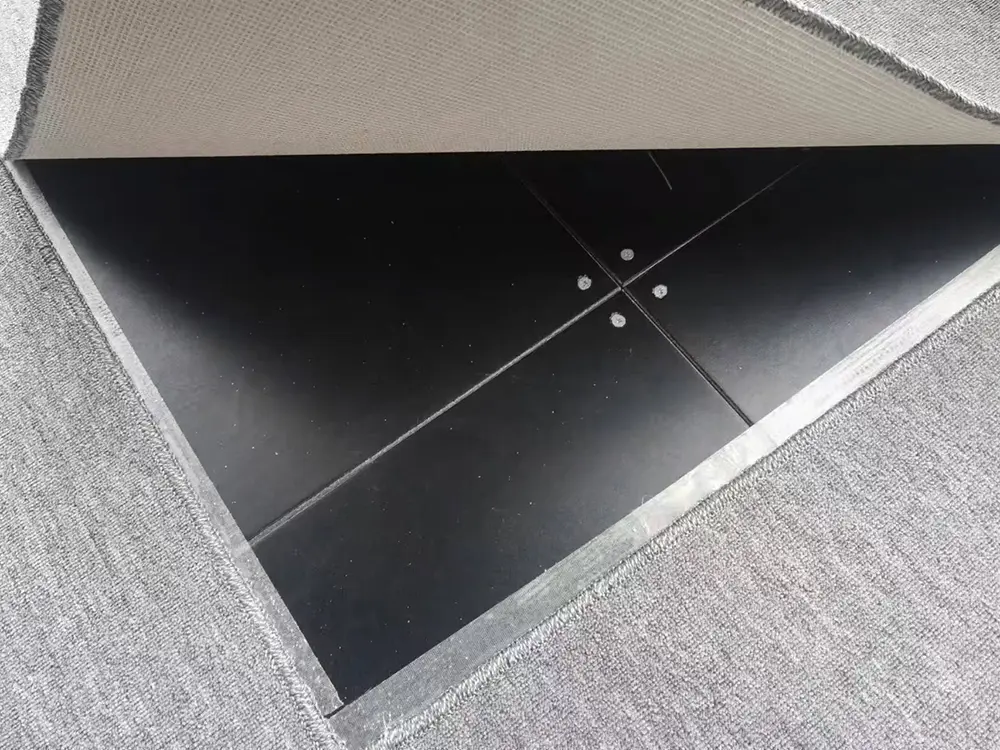 LEAO® Access Floors
 LEAO® Non-removable Formwork
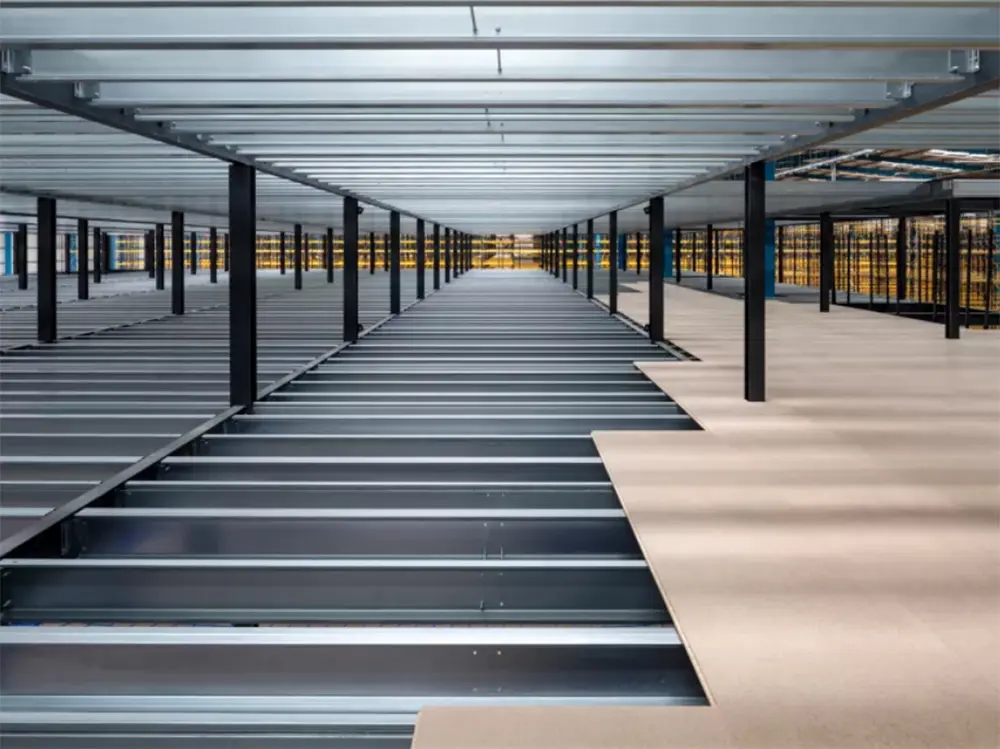 LEAO® Mezzanine Board
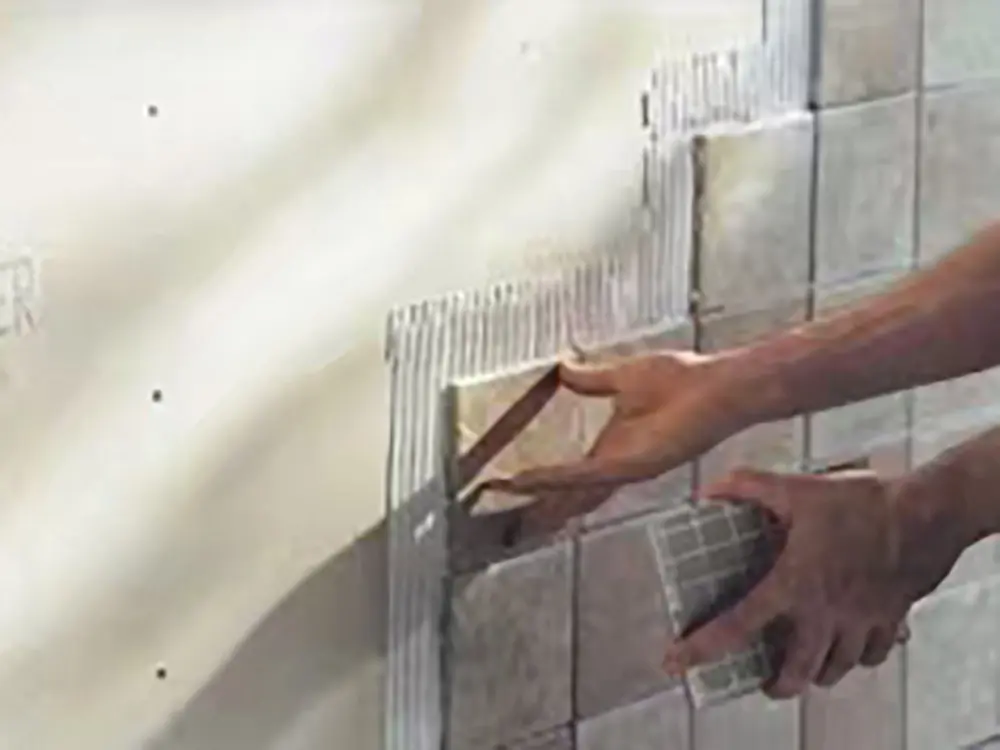 LEAO® Ceramic Tile Underlay
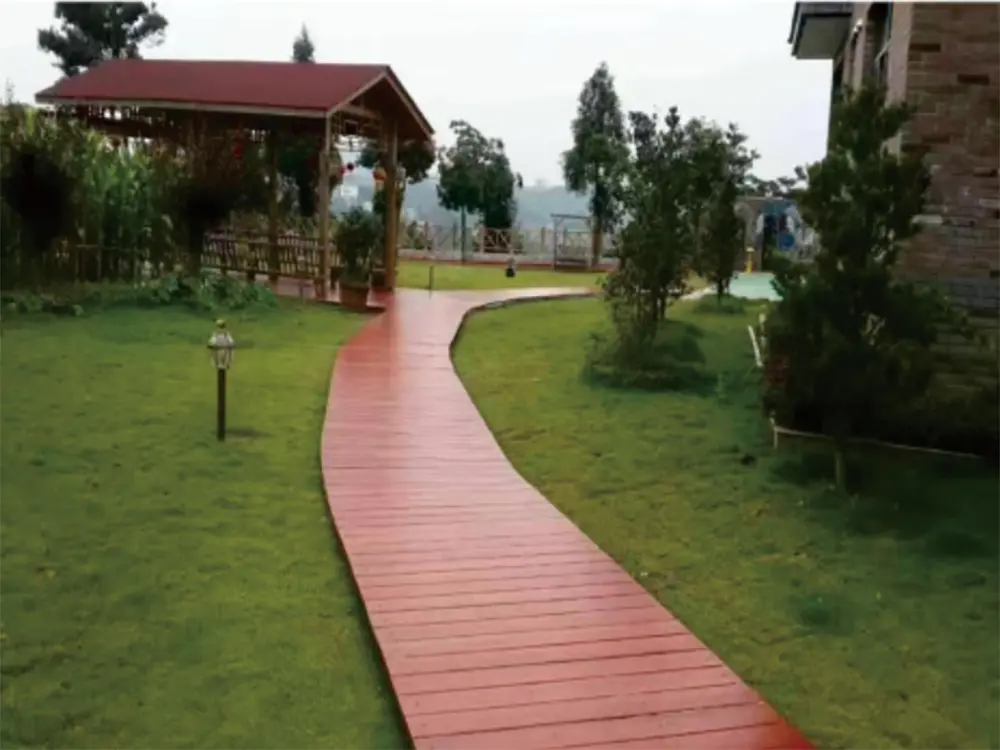 LEAO® Floor Plank
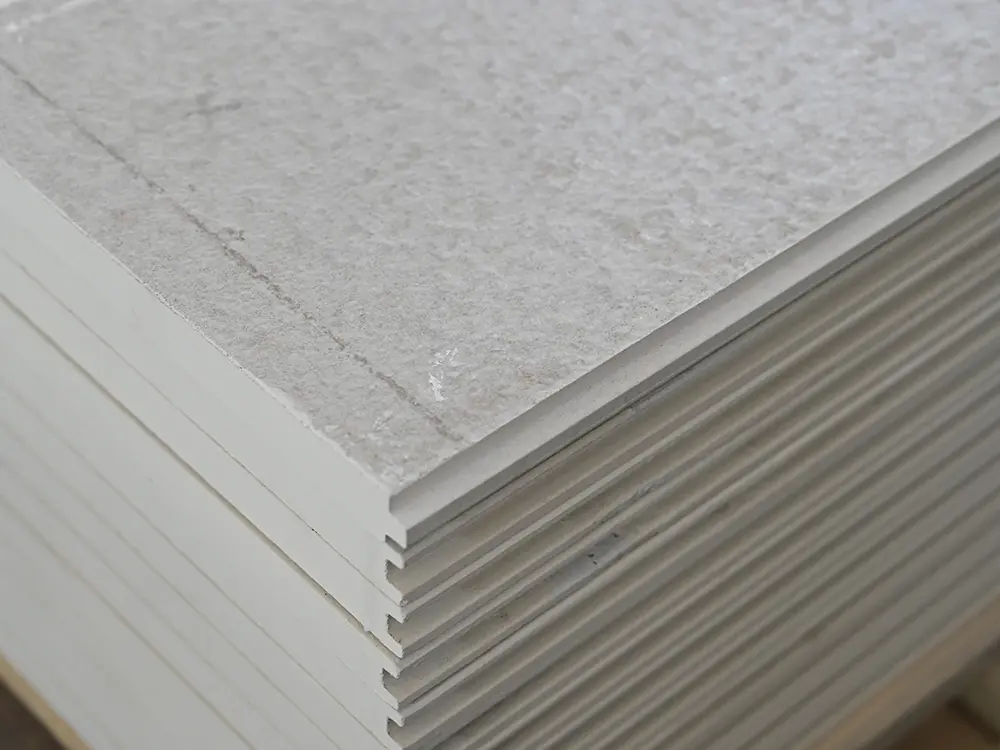 LEAO® Flooring
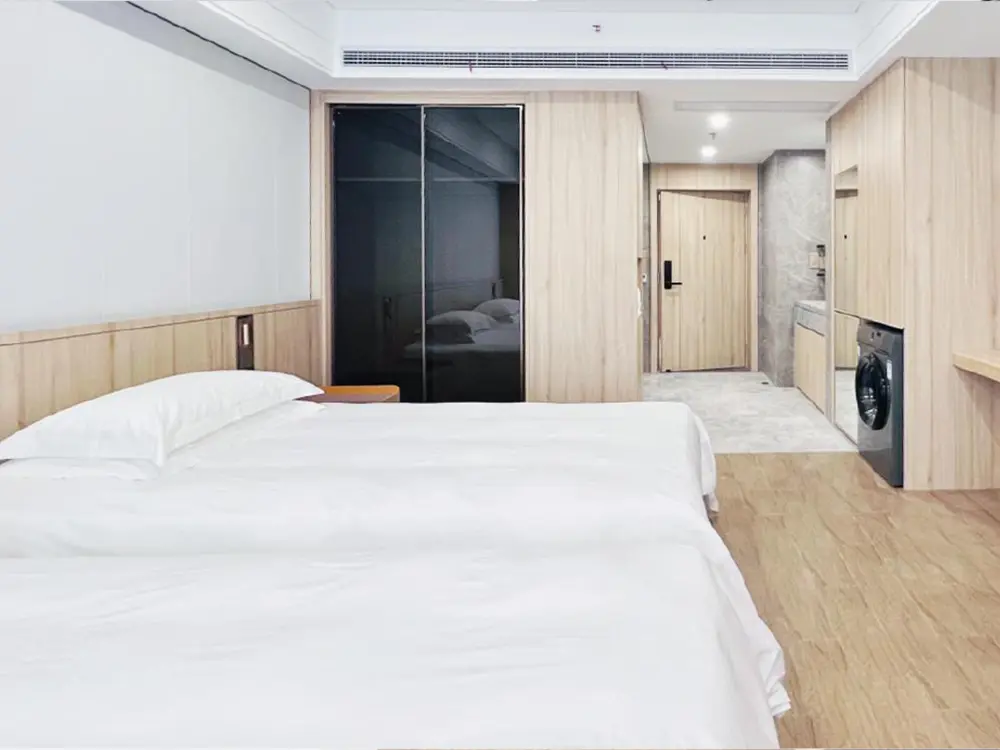 LEAO® Wood Style Decorative Panel
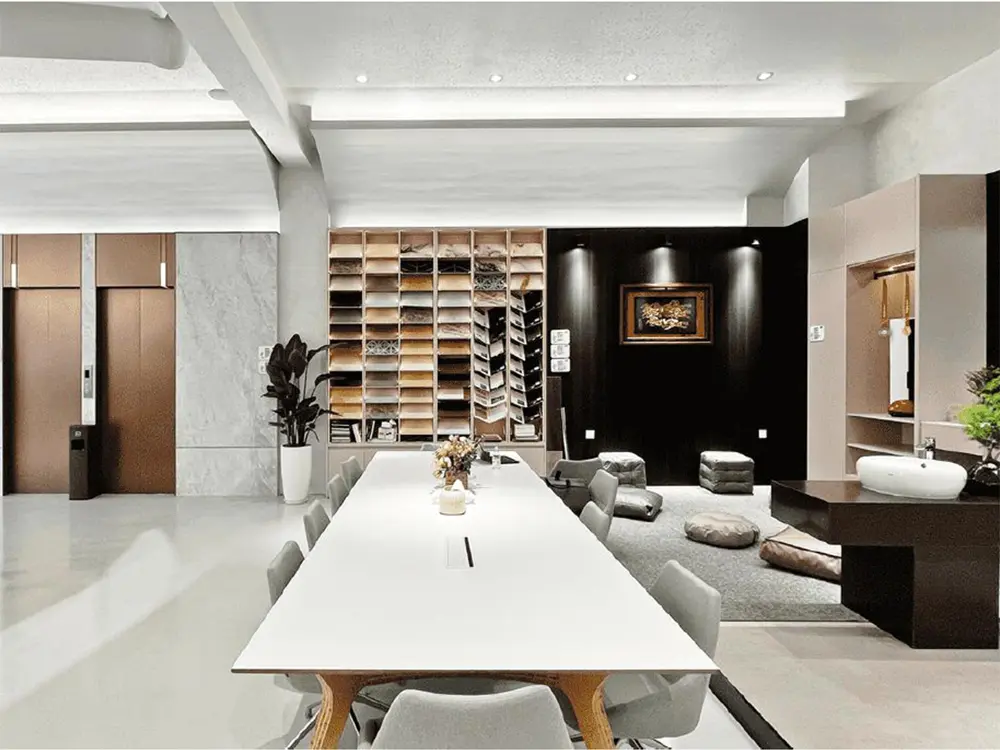 LEAO® Stone Style Decorative Panel
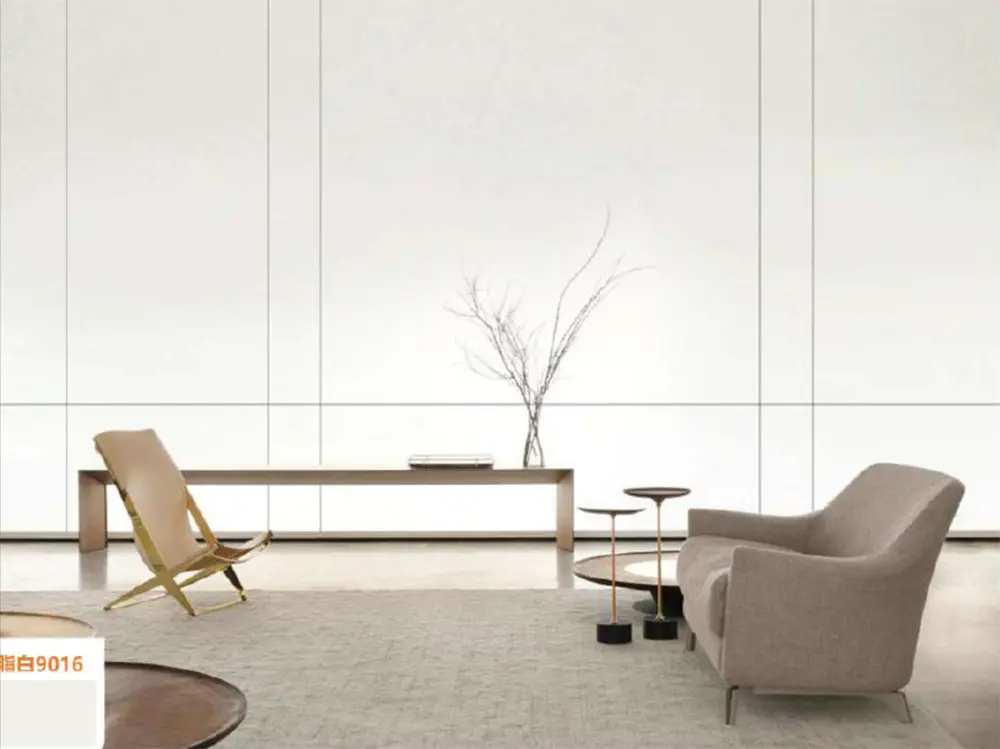 LEAO® Pure Style Decorative Panel