What is a Digital Print Board? Uses, Benefits, and Applications Explained
Digital Print Boards are becoming increasingly popular in various industries. These boards offer a modern solution for displaying vibrant graphics and information. Their versatility makes them suitable for both indoor and outdoor use.
With advancements in printing technology, Digital Print Boards are now more affordable and accessible. Businesses utilize them for advertising, information dissemination, and decorative purposes. Many organizations have noticed the engaging impact of these boards on audiences.
However, not every Digital Print Board is equally effective. Factors such as placement and design can significantly influence their success. It's crucial for users to reflect on these aspects to maximize the benefits they offer. Being aware of these details can improve the overall effectiveness of Digital Print Boards in any application.
Understanding Digital Print Boards: An Overview
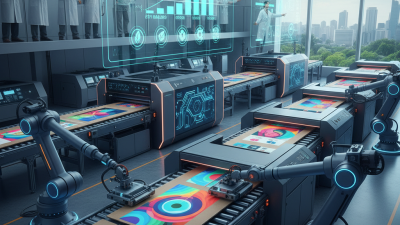
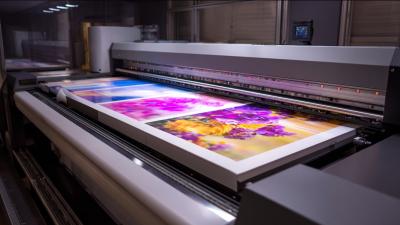
Digital print boards are an innovative tool in modern printing technology. They offer significant flexibility and efficiency. These boards facilitate high-quality printing, making them ideal for various applications. Businesses can use them for producing marketing materials, packaging, and more. The ability to create vibrant colors and detailed graphics is a key advantage.
These boards are used in diverse settings. Artists might use them for creative projects, while companies could employ them for product signage. However, not every print board performs equally. Some may struggle with color accuracy or durability. Understanding the board's limitations is crucial for optimal use. Proper maintenance can help extend its lifespan.
The benefits are substantial. Digital print boards can reduce waste by enabling print-on-demand operations. This method minimizes excess production and lowers costs. It’s a sustainable choice for companies aiming to reduce their environmental footprint. Yet, users must be mindful of the technology's evolving nature and stay updated on trends and practices.
Key Features of Digital Print Boards
Digital print boards are gaining traction across various industries. They come with a range of key features that enhance usability and performance. One of the most significant attributes is their high-resolution output. Studies indicate that digital printing can achieve 1200 dpi or more. This precision makes them suitable for applications needing clarity, such as signage and marketing materials.
Another defining characteristic is their versatility. Digital print boards can handle a variety of substrates, including fabrics, plastics, and metals. This adaptability opens doors for creative applications in fields like fashion design and art. According to industry reports, the digital printing market is projected to grow by 7% annually, reflecting a rising demand for such innovative solutions.
From an environmental standpoint, these boards also promote sustainability. They minimize waste by allowing for on-demand printing. However, challenges remain. Many users face issues related to initial setup costs and maintenance requirements. Balancing quality with affordability continues to be a point of reflection for many businesses. The potential of digital print boards is undeniable, but they necessitate careful consideration for optimal implementation.
Common Uses of Digital Print Boards in Various Industries
Digital print boards are increasingly popular across various industries. Their versatility allows for a wide range of applications. For instance, in the retail sector, they serve as eye-catching displays. Retailers can showcase promotions and attract customer attention. The vibrant graphics grab visitors' interest immediately.
In the educational field, digital print boards enhance learning. They facilitate engaging lessons through visual aids. Teachers can display interactive content easily. This method keeps students focused. However, it requires careful planning to ensure that the materials used are relevant and effective.
The corporate world also benefits from these boards. Companies use them for presentations and internal communications. They can convey messages clearly. Yet, it’s important to consider the audience’s needs. A poorly designed board may lead to confusion. Thus, constant refinement and feedback are essential for success in all applications.
Common Uses of Digital Print Boards in Various Industries
Benefits of Utilizing Digital Print Boards for Businesses
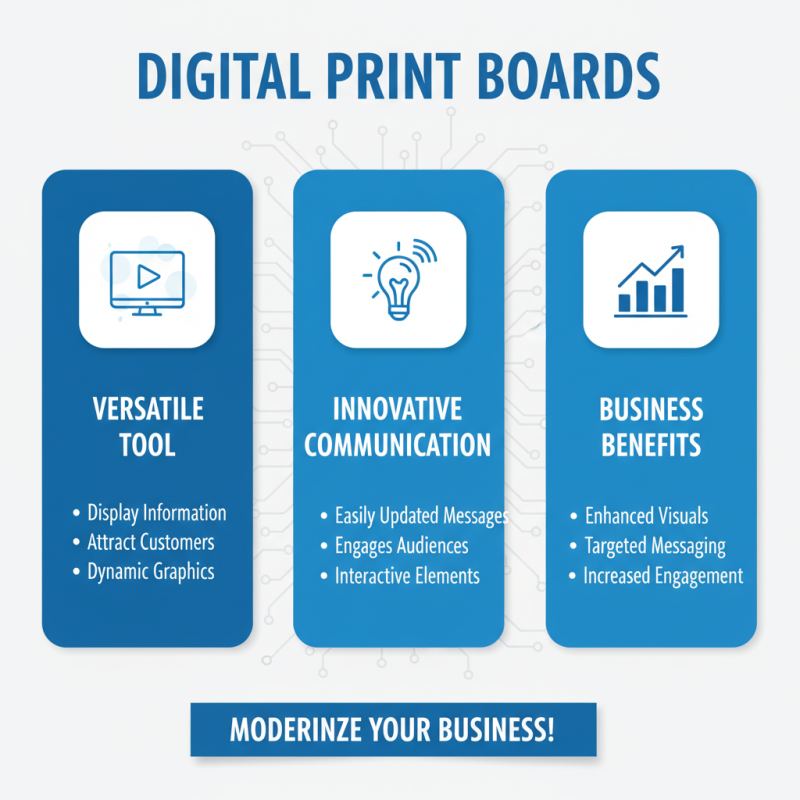
Digital print boards have emerged as a versatile tool for businesses. They provide an innovative way to display information and attract customer attention. This technology allows for dynamic graphics and messages that can easily be updated. It engages audiences through vibrant visuals and interactive elements.
One significant benefit is the cost-effectiveness of digital print boards. Unlike traditional signage, they reduce printing costs over time. Businesses can change content without incurring additional expenses. This flexibility can lead to quick adaptations to marketing strategies. However, not all companies maximize this potential. Some may struggle with technical aspects or content planning, leading to underutilization.
Moreover, digital print boards can enhance brand visibility. A well-placed board can capture attention in busy areas. Thoughtfully designed displays can influence consumer behavior and promote sales. Yet, it is crucial to ensure that the content is relevant and well-executed. Otherwise, the message may be lost. Balancing creativity with clarity is essential for effectiveness.
Real-World Applications and Case Studies of Digital Print Boards
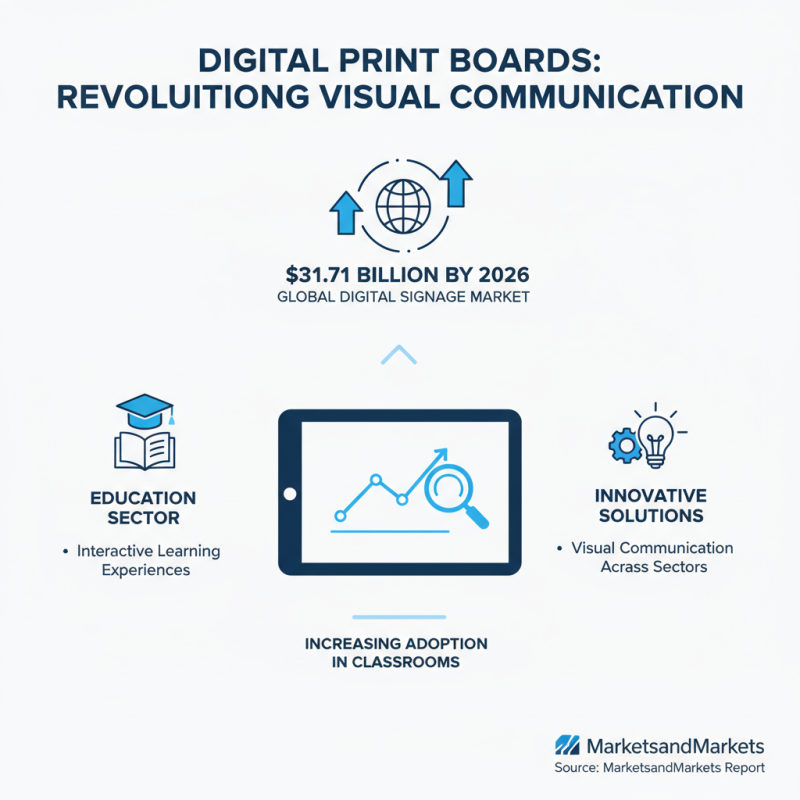
Digital print boards have gained traction in various sectors, offering innovative solutions for visual communication. In education, schools utilize these boards for interactive learning experiences. A report by MarketsandMarkets noted that the global digital signage market is anticipated to reach $31.71 billion by 2026. This growth reflects the increasing adoption of digital boards in classrooms.
Retail settings are also leveraging digital print boards to enhance customer engagement. Case studies reveal that stores using dynamic signage can boost sales by an average of 29.5%. This technology catches the eye and allows for instant updates. However, not all retailers see immediate success. Some struggle to implement effective content strategies, highlighting the need for thoughtful planning.
In corporate environments, digital print boards are utilized for presentations and team collaboration. They can streamline communication and improve productivity. Yet, challenges persist in the integration with existing systems. Many companies face technical difficulties. Such hurdles necessitate ongoing evaluations to refine usage strategies. Balancing technology and user experience remains an ongoing concern for many organizations.

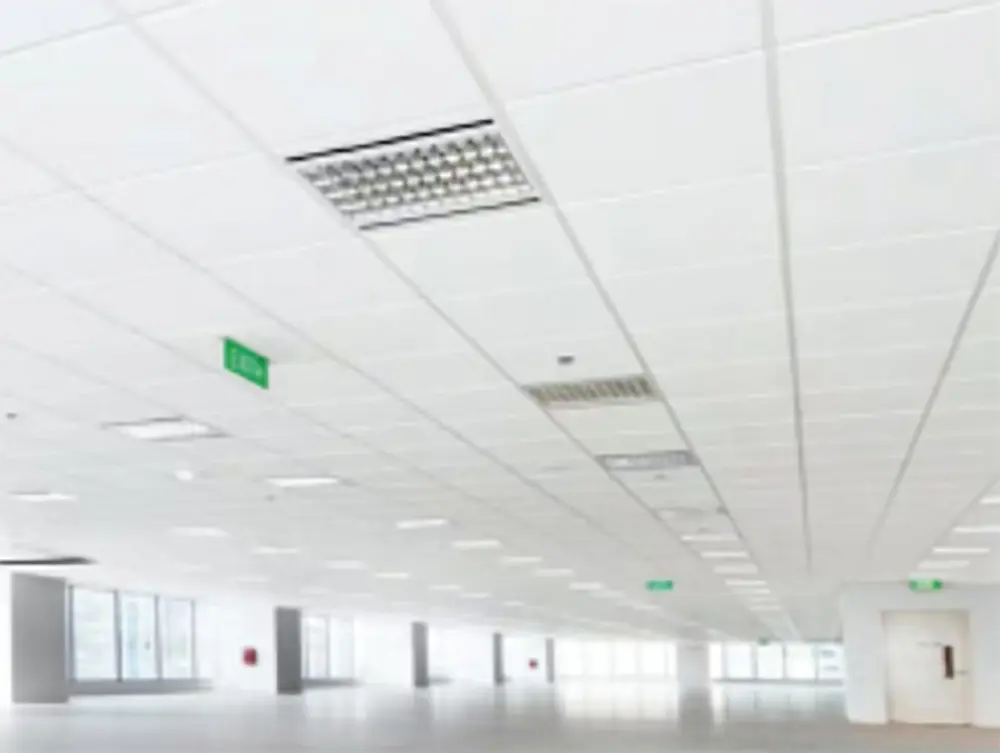 LEAO®Deco Ceiling
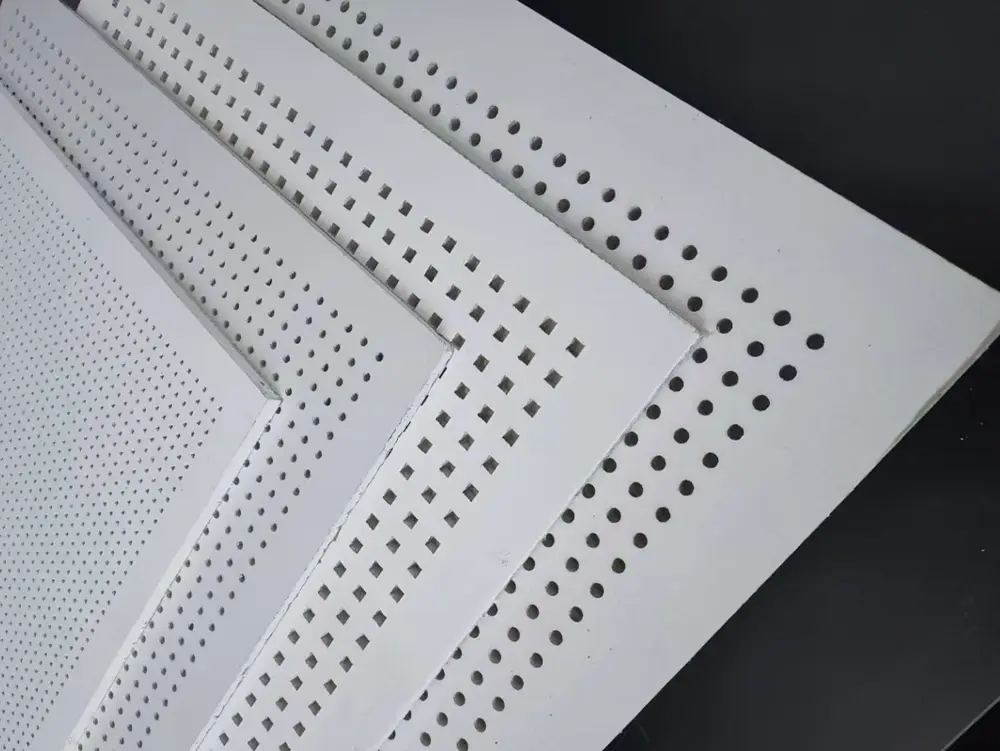 LEAO® Perforated Ceiling
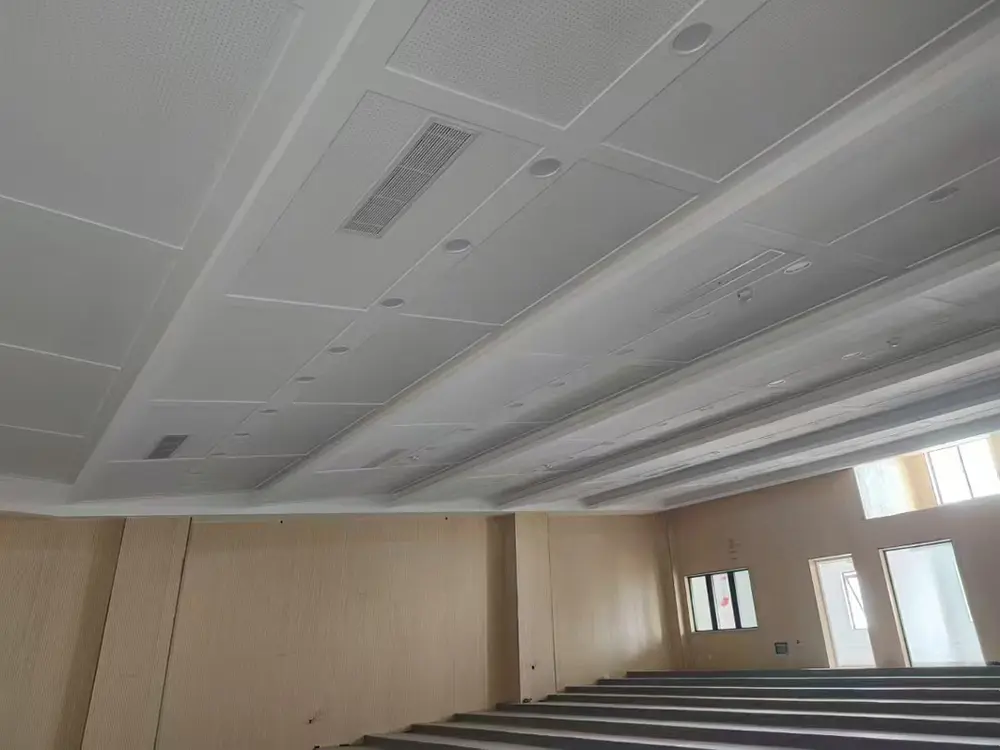 LEAO® Ceiling Board
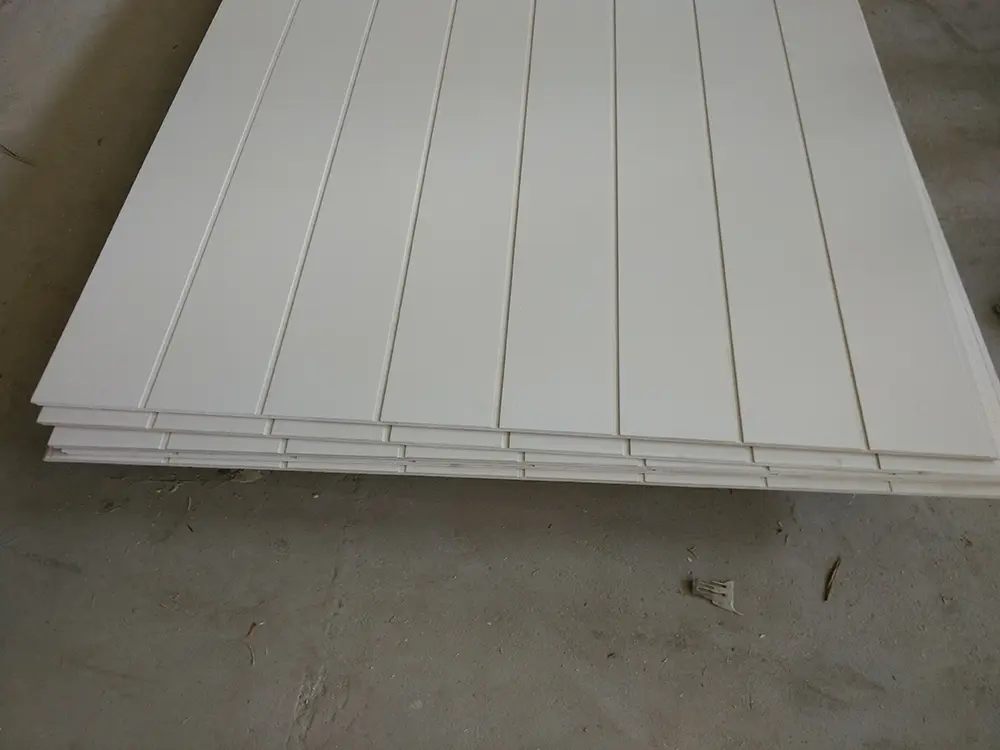 LEAO® Groove Interior Panel
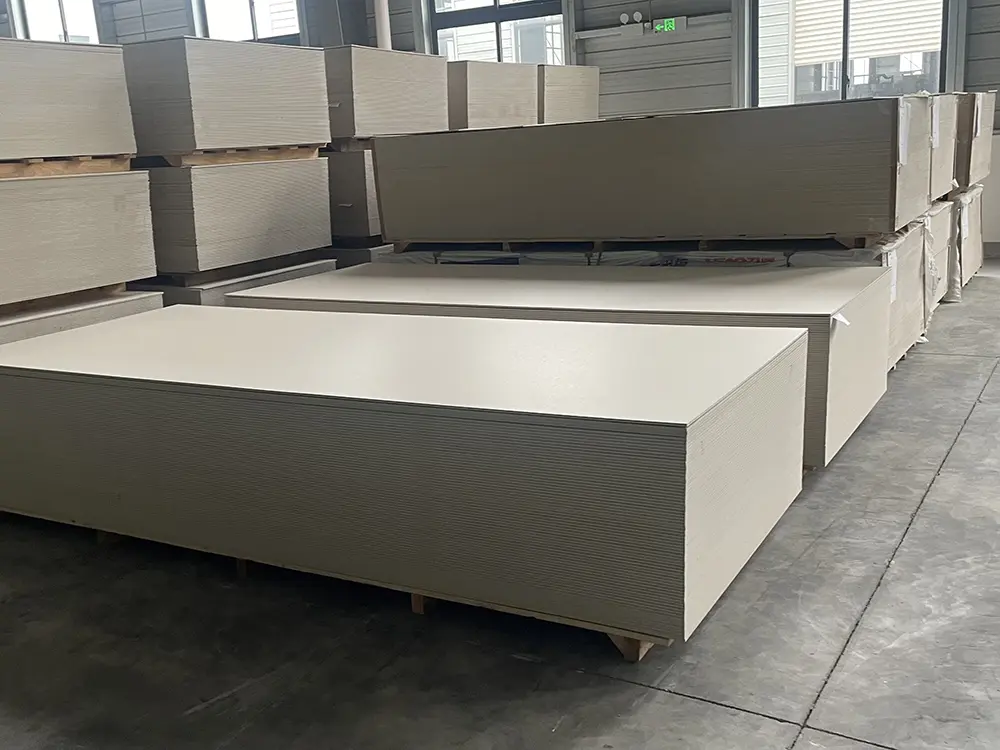 LEAO® Interior Board
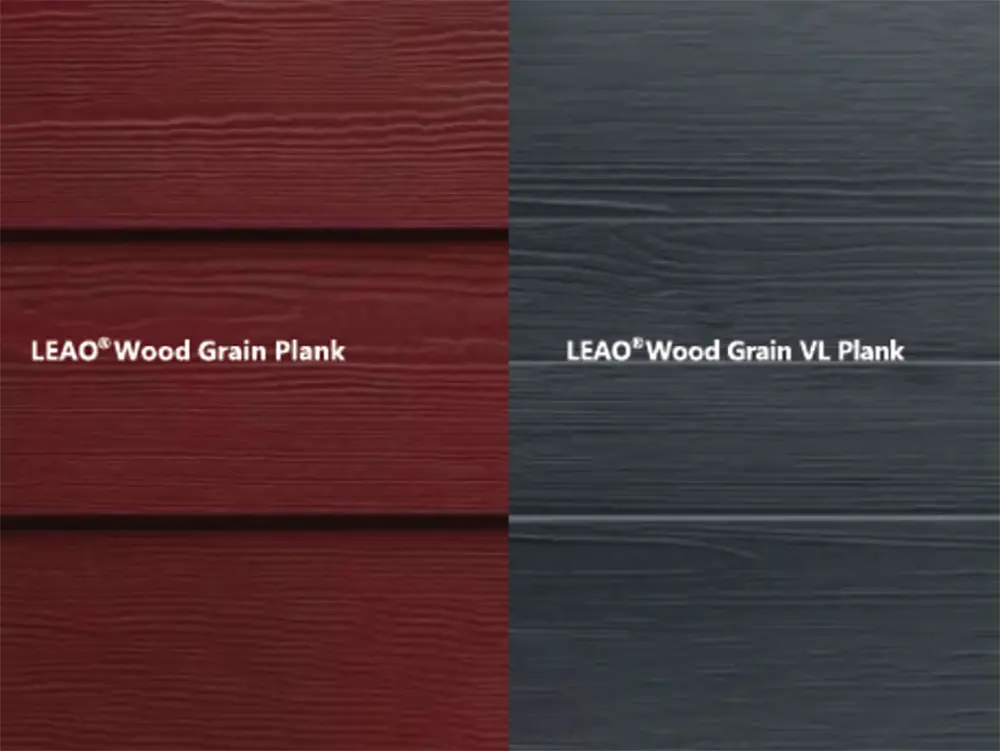 LEAO® Wood Grain Plank
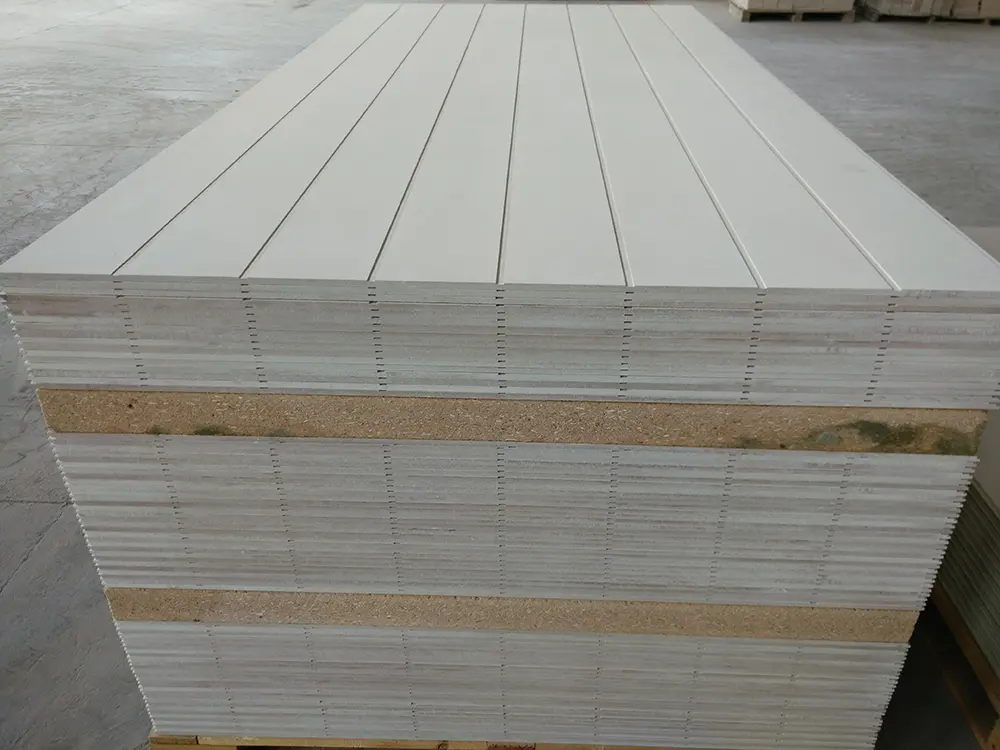 LEAO® Grooved Exterior Panel
 LEAO® Weatherboard
 LEAO® Access Floors
 LEAO® Non-removable Formwork
 LEAO® Mezzanine Board
 LEAO® Ceramic Tile Underlay
 LEAO® Floor Plank
 LEAO® Flooring
 LEAO® Wood Style Decorative Panel
 LEAO® Stone Style Decorative Panel
 LEAO® Pure Style Decorative Panel