How to Install Fiber Cement Floor Board Effectively and Easily?
Installing a Fiber Cement Floor Board can seem challenging. However, with proper guidance, it can be straightforward and rewarding. Fiber Cement Floor Boards are known for their durability and resistance to moisture, making them ideal for various spaces.
Preparation is key before beginning the installation. It’s essential to gather all necessary tools and materials ahead of time. Rushing this step may lead to complications later on. You will need a saw, a measuring tape, and screws. Having everything ready will smooth the process.
While placing the boards, be cautious of alignment. Improperly aligned boards can result in gaps and an uneven surface. Take your time to double-check measurements. Each mistake offers a learning opportunity. Reflecting on these experiences can enhance your skills for future projects.
Understanding Fiber Cement Floor Boards: Materials and Benefits
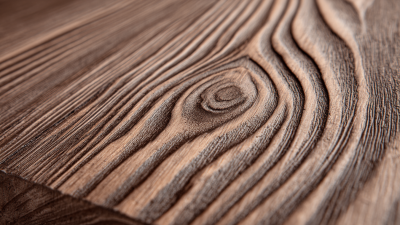
Fiber cement floor boards are gaining popularity for their durability and versatility. These boards are made from a blend of cement, cellulose fibers, and sand. This combination results in a robust product that is resistant to moisture and pests. They can mimic the look of wood, stone, or tile, making them suitable for various interior designs.
Installing fiber cement floor boards also offers environmental benefits since they are often made from recycled materials. However, it’s important to use proper safety equipment during installation. Dust from cutting can be harmful. An overlooked point is ensuring a level subfloor before installation; uneven surfaces can lead to complications down the line. Small mistakes can happen, like misalignment, that may require tearing up and restarting sections. Overall, while fiber cement boards present a solid flooring option, careful attention to detail is essential for successful installation.
Preparing the Installation Area: Best Practices for Optimal Results
Preparing the installation area is crucial for laying fiber cement floor boards successfully. Start by measuring the space accurately. Use a level to check for any uneven spots. Make adjustments as needed, as a flat surface ensures better board placement. According to industry studies, 75% of flooring issues stem from improper subfloor conditions.
Ensure the area is clean and free of debris. Dust, dirt, and any old adhesive can compromise adhesion. A vacuum can be handy here. Consider moisture levels, too. It's essential that the subfloor is dry, ideally under 15% moisture content. If humidity is a concern, using moisture barriers might be necessary. Many overlook this step, leading to problems like mold or warping later.
After preparing, lay the boards without overlapping. A standard gap of about 1/8 inch between boards is recommended for expansion. Some installers might cut corners, but this could lead to issues over time. Follow guidelines from professional sources, reminding yourself that attention to detail now can prevent hassle later. Consider the use of light and ventilation to help the boards acclimate, as fiber cement can react to its environment.
Measuring and Cutting Fiber Cement Boards: Techniques for Accuracy
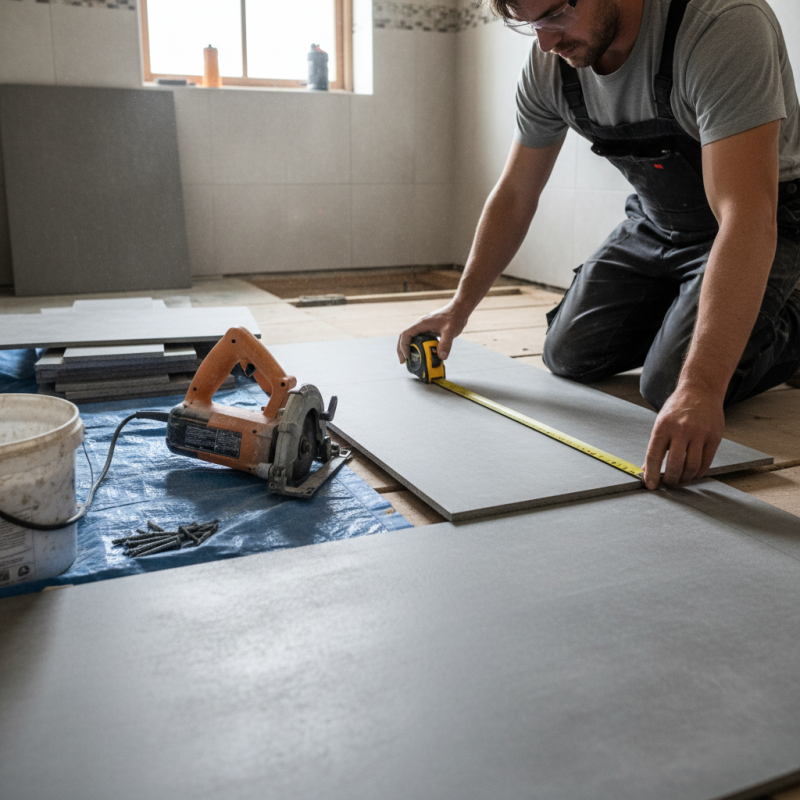
When measuring and cutting fiber cement boards, precision is crucial. Start by measuring the area where the boards will be installed. Use a long measuring tape for accuracy. Ensure you measure each side, as floors can sometimes be uneven.
Mark your measurements clearly on the board with a pencil. Double-check your marks before cutting. Cut the boards using a circular saw with a fine-tooth blade. This approach minimizes chipping. Wearing a mask and safety goggles is essential. The dust from cutting can irritate your lungs and eyes.
Tips: Use a straight edge as a guide when cutting. This ensures a clean, straight cut. If the cut isn't perfect, it's okay. You can often hide imperfections under trim or flooring material. Always keep a damp cloth handy to wipe away any dust that settles on your work surface. Check your measurements again after cutting. Mistakes happen, but taking momentary pauses for reflection can help prevent unnecessary waste.
Measuring and Cutting Fiber Cement Boards: Techniques for Accuracy
Securing Fiber Cement Boards: Recommended Fasteners and Methods
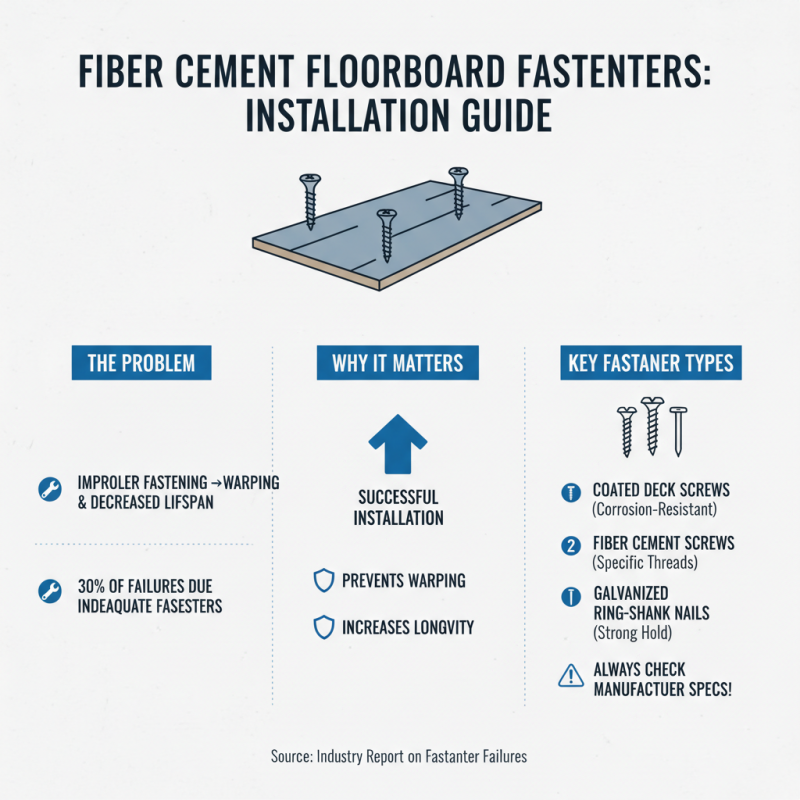
When installing fiber cement floor boards, selecting the right fasteners is crucial. Studies show that improper fastening can lead to board warping and decreased longevity. According to an industry report, nearly 30% of fiber cement board failures stem from inadequate fastening methods. Therefore, knowing which fasteners to use is paramount for a successful installation.
Recommended fasteners include corrosion-resistant screws and specific washers designed for fiber cement. These fasteners can effectively secure boards to various substrates. Standard practices dictate that screws should penetrate at least an inch into the substrate for optimal holding power. However, many installers overlook this detail, leading to insufficient support. Additionally, using too few fasteners can compromise the entire structure. Research indicates that spacing screws every 12 to 16 inches is ideal, yet some may choose wider gaps, risking weaker joints.
The installation method also plays a significant role. Many overlook the importance of pre-drilling holes to minimize cracking, a mistake that can drastically diminish board integrity. It's recommended to pre-drill at least 1/8 inch larger than the screw diameter. Unfortunately, professionals sometimes rush this step to save time, which may lead to costly repairs later. Prioritizing these methods fosters a stronger, more durable finish, ensuring that the fiber cement floor boards perform to their fullest potential.
Finishing Touches: Sealing and Maintaining Fiber Cement Flooring
Sealing fiber cement flooring is vital. According to industry reports, proper sealing can enhance durability by up to 50%. This is essential for maintaining the floor's appearance and functionality over time. Moisture resistance is key. When sealing, use high-quality sealants that are specifically designed for cement products. Application is straightforward, but care must be taken in all stages.
After installation, routine maintenance becomes crucial. Regular cleaning helps prevent dirt buildup, which can affect the sealant quality. Studies indicate that 30% of floor damage results from neglecting maintenance. Simple tasks, like sweeping and mopping, go a long way in upholding the integrity of the floor. Check for cracks or chips regularly; they can lead to bigger issues if ignored. Even the best flooring can suffer without attention.
Consider periodic resealing as part of your routine care. This prolongs the life span of the floor. Industry experts suggest resealing at least every three to five years, depending on traffic and exposure. Not all sealants are the same, and finding an appropriate one can be challenging. Research is key here. A little foresight can save time and expenses in the long run.
How to Install Fiber Cement Floor Board Effectively and Easily? - Finishing Touches: Sealing and Maintaining Fiber Cement Flooring
| Step |
Description |
Tools Required |
Maintenance Tips |
| 1 |
Prepare the subfloor by ensuring it's clean, dry, and level. |
Leveling compound, broom, vacuum cleaner. |
Regularly check for debris or loose materials. |
| 2 |
Measure and cut fiber cement boards to fit the area. |
Measuring tape, circular saw, safety goggles. |
Inspect edges for wear and make necessary repairs. |
| 3 |
Install the first board in the corner, ensuring it fits snugly. |
Nails or screws, hammer or drill. |
Clean up spills immediately to prevent stains. |
| 4 |
Continue laying the boards, leaving proper expansion gaps. |
Spacing spacers, level. |
Use coasters or mats under heavy furniture. |
| 5 |
Seal the seams to prevent moisture damage. |
Sealant, caulking gun. |
Re-seal periodically based on wear. |
| 6 |
Finishing touches, clean the floor and let it cure. |
Mop, bucket, cleaning solution. |
Regular cleaning and maintenance are key. |

 LEAO®Deco Ceiling
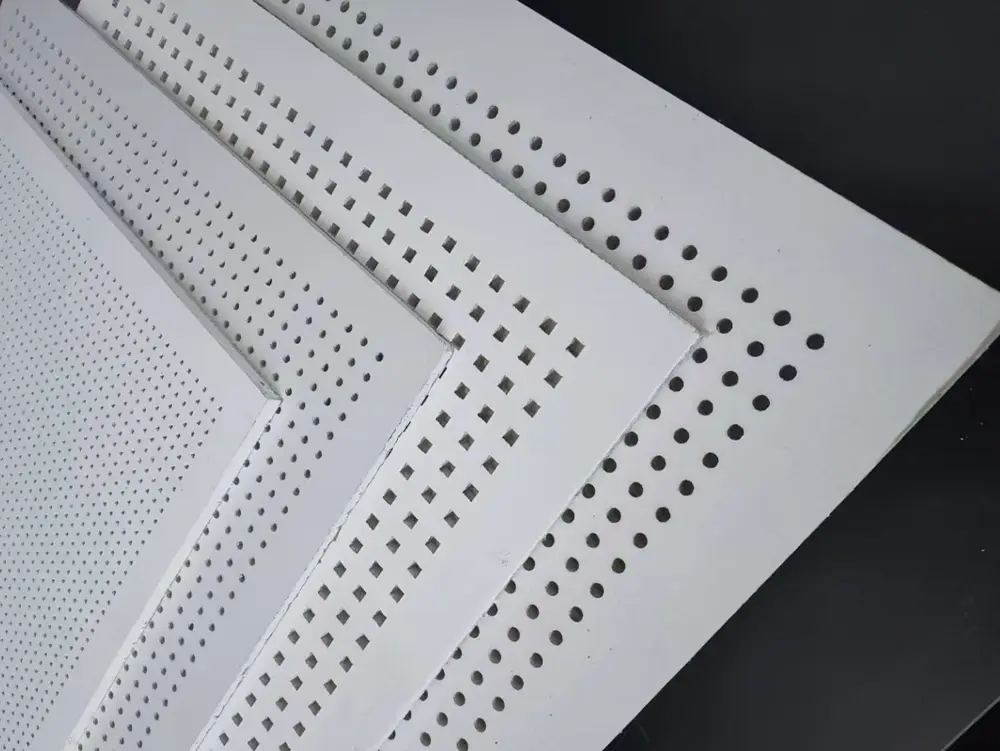 LEAO® Perforated Ceiling
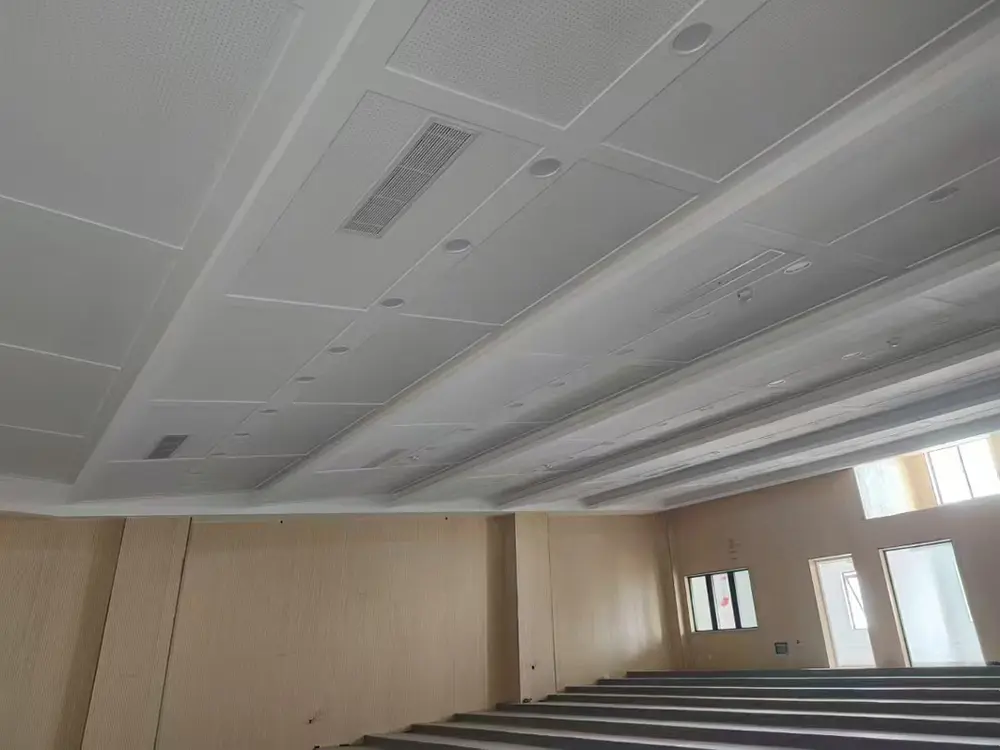 LEAO® Ceiling Board
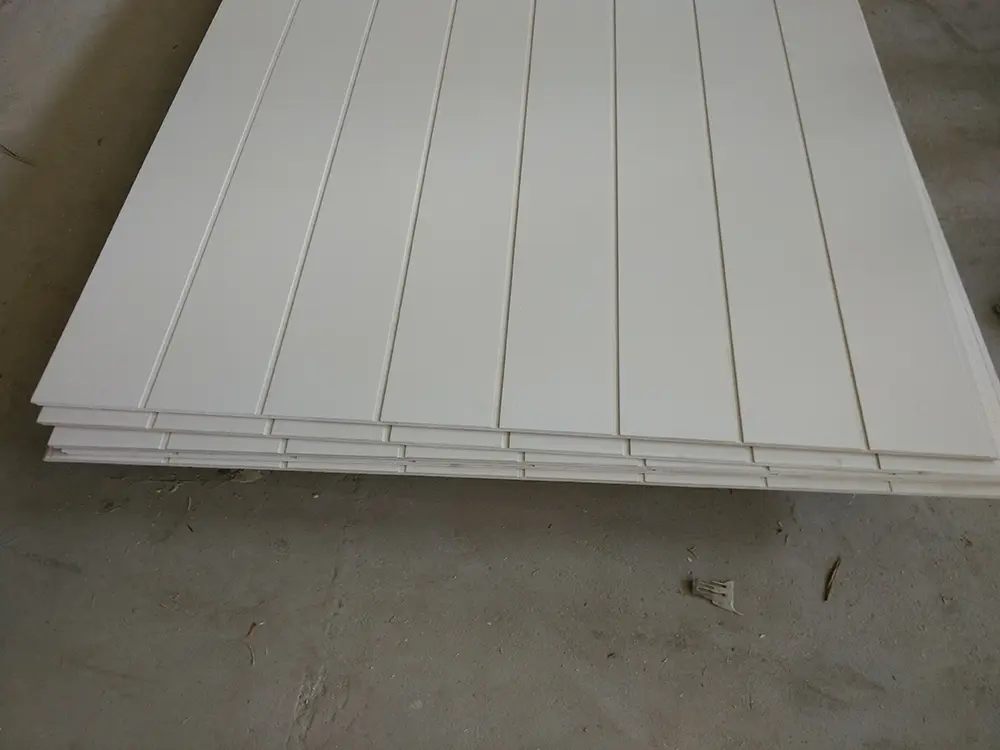 LEAO® Groove Interior Panel
 LEAO® Interior Board
 LEAO® Wood Grain Plank
 LEAO® Grooved Exterior Panel
 LEAO® Weatherboard
 LEAO® Access Floors
 LEAO® Non-removable Formwork
 LEAO® Mezzanine Board
 LEAO® Ceramic Tile Underlay
 LEAO® Floor Plank
 LEAO® Flooring
 LEAO® Wood Style Decorative Panel
 LEAO® Stone Style Decorative Panel
 LEAO® Pure Style Decorative Panel