How to Install Fiber Cement Board Siding Effectively?
Fiber Cement Board Siding is gaining popularity in the construction industry. According to a 2022 report by the National Association of Home Builders, over 30% of new homes now feature this durable material. Expert Mark Johnson states, "Fiber Cement Board Siding not only enhances aesthetics but also provides longevity."
The installation process of Fiber Cement Board Siding requires attention to detail and skill. Proper installation can significantly influence the product's performance and lifespan. Many homeowners overlook essential steps, leading to costly repairs. This underscores the need for best practices in application.
As the demand for sustainable and resilient building materials grows, Fiber Cement Board Siding stands out. Yet, improper handling or installation can undermine its benefits. More education is needed in the industry to ensure this exceptional material lives up to its potential.
Understanding Fiber Cement Board Siding: Properties and Benefits
Fiber cement board siding has gained popularity in construction due to its unique properties. This material combines sand, cement, and cellulose fibers. As a result, it offers excellent durability and resistance to harsh weather. According to a report by the National Association of Home Builders, fiber cement siding can last over 50 years with minimal maintenance.
One significant benefit is its fire resistance. It does not ignite easily and can withstand extreme temperatures. This feature is crucial for homes in wildfire-prone areas. A study by the American Society for Testing and Materials highlighted that this siding material withstands fire better than vinyl. Additionally, it is also resistant to termites and rot, reinforcing its longevity.
However, installing fiber cement board siding can present challenges. It is heavier than traditional siding, requiring proper handling. Poor installation can lead to water intrusion, affecting the material's lifespan. The siding also needs to be painted periodically, which some may view as a downside. There is a need for continuous assessment of the installation process to avoid costly repairs.
Essential Tools and Materials for Fiber Cement Board Installation
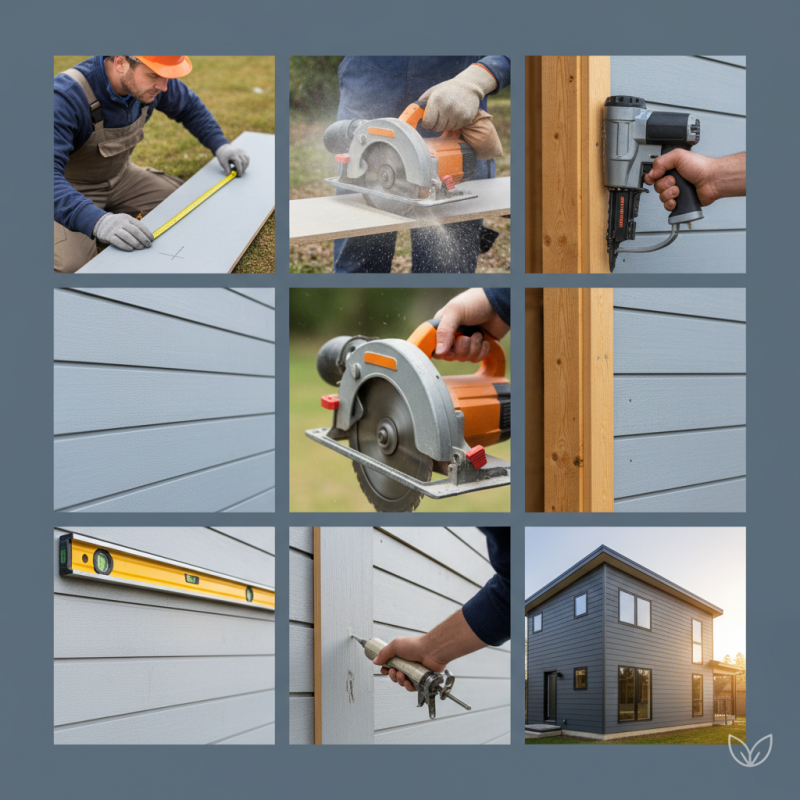
Installing fiber cement board siding requires specific tools and materials. It’s important to gather everything before you start. You’ll need a circular saw with a fine-tooth blade for cutting the boards. A dust mask is essential to protect your lungs from silica dust.
In addition, having a level and measuring tape ensures accurate placement. You may find a pry bar useful for adjusting any misaligned boards. It’s best to use galvanized nails or screws to prevent rusting issues. A chalk line can help you create straight edges for a professional look. Always double-check your measurements to avoid waste. Sometimes, mistakes happen, leading to cut boards that won’t fit.
While gathering materials, consider the weather. It can affect your installation process. High humidity might slow the drying of adhesives. Also, plan for cleanup. Dust and debris will accumulate, making the work area hazardous. Staying organized can improve efficiency during the process. Keep your tools within reach, and ensure everything is in good condition. Regular maintenance of tools is crucial for a smoother installation.
Step-by-Step Guide to Preparing Walls for Fiber Cement Siding
Preparing walls for fiber cement board siding is essential for a successful installation. Start by removing any old siding, paint, or debris. Ensure the wall surface is clean and free of moisture. Inspect for any damage or rot. Replace any problematic areas before proceeding. A solid foundation is crucial.
When measuring your walls, ensure precision. Use a level to confirm walls are straight. Uneven walls can lead to complications later. Mistakes in measuring can result in wasted materials. Double-check all dimensions before cutting the siding boards.
Tip: Always wear protective gear. Dust from cutting fiber cement can be harmful.
Consider the climate in your area. If your region experiences extreme temperatures, add insulation behind the boards. This will enhance energy efficiency. Ensure that drainage is proper to prevent moisture build-up.
Tip: Keep your workspace organized. It helps avoid accidents and misplaced tools.
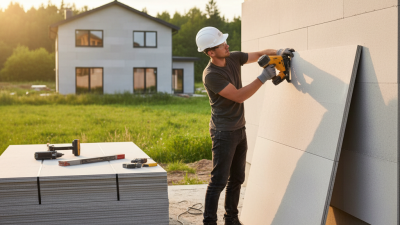
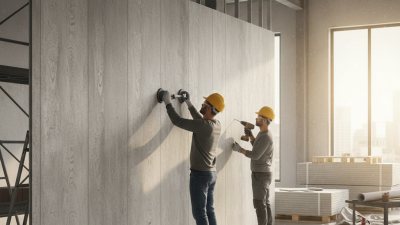
Fiber cement siding is heavy. Have a helper when lifting and installing boards. Securing them correctly will prevent issues down the line. Take your time, as rushing can lead to mistakes. Making adjustments later can be tedious.
How to Install Fiber Cement Board Siding Effectively? - Step-by-Step Guide to Preparing Walls for Fiber Cement Siding
| Step |
Action |
Tools Required |
Time Estimate |
| 1 |
Remove old siding and inspect walls |
Pry bar, utility knife |
2-3 hours |
| 2 |
Repair any damage to the wall structure |
Hammer, nails, wood filler |
1-2 hours |
| 3 |
Install a moisture barrier |
Stapler, moisture barrier material |
1 hour |
| 4 |
Measure and cut fiber cement boards |
Measuring tape, circular saw |
2 hours |
| 5 |
Attach fiber cement boards to the wall |
Screw gun, screws |
3-4 hours |
| 6 |
Install flashing and trim |
Screws, flashing material, saw |
2 hours |
| 7 |
Finish with caulking and paint if desired |
Caulking gun, paint |
3-5 hours |
Best Practices for Installing Fiber Cement Boards for Longevity
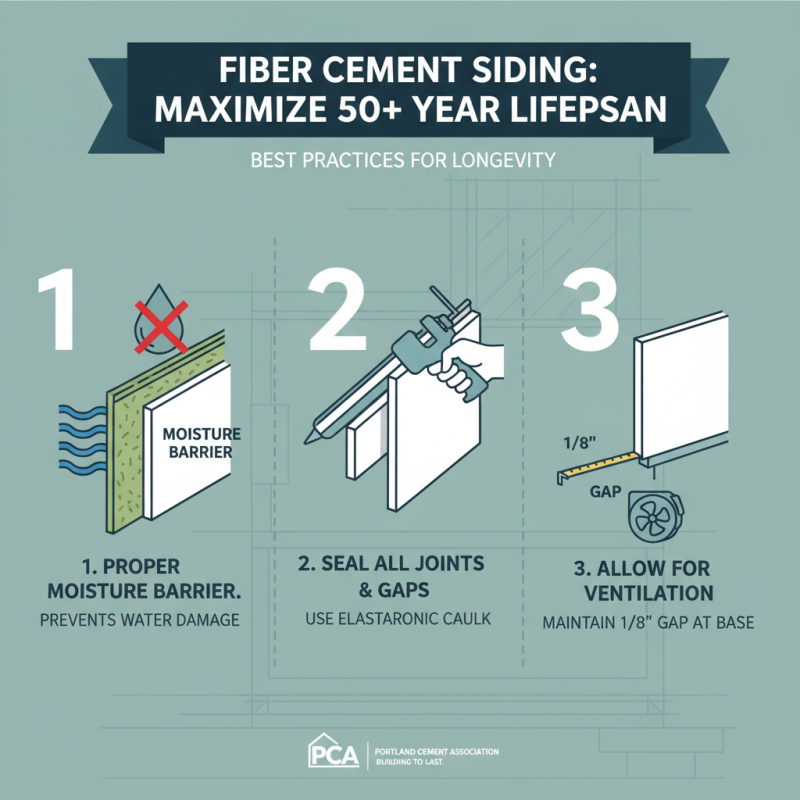
Fiber cement board siding is renowned for its durability and aesthetic appeal. When installed correctly, it can last over 50 years. According to the Portland Cement Association, proper installation techniques are crucial for maximizing lifespan. First, ensure an appropriate moisture barrier is in place. This prevents water damage and extends the board’s integrity.
Cutting fiber cement boards requires specialized tools. Using a power saw creates dust, which can be harmful. Wear a mask and ensure proper ventilation. The installation should incorporate a staggered pattern, avoiding aligned seams. Misalignment can lead to water penetration. Data from the National Association of Home Builders highlights that such approaches improve siding performance by up to 20%.
Fasteners play a critical role. Use corrosion-resistant screws to avoid rust, which weakens the boards. Flared nails may seem a quick fix, but they often cause issues with expansion and contraction. Aim for a gap at the bottom and between boards to allow for movement. Remember, imperfections in installation can lead to costly repairs later. Always double-check for any overlooked details.
Maintenance Tips for Ensuring Durability of Fiber Cement Siding
Fiber cement siding is praised for its durability and resistance to various weather conditions. However, proper maintenance is crucial for its longevity. According to industry studies, regular maintenance can extend the lifespan of fiber cement siding by up to 25%. This includes routine inspections for signs of wear, such as cracks or paint deterioration. It’s essential to address these issues early to prevent more significant problems, like moisture penetration.
Cleaning the siding annually helps maintain its appearance and effectiveness. A simple wash with a mild detergent and water can remove dirt and mildew. Some professionals recommend a power wash for stubborn stains. However, it’s important to avoid using a high-pressure setting, which can damage the surface. Furthermore, painting the siding every 5-10 years is vital. Using high-quality paint helps protect against UV rays and severe weather.
Neglecting maintenance can lead to costly repairs. A report indicated that homeowners who fail to inspect their siding regularly could face damage repairs averaging $1,500. Therefore, setting aside time for routine care is worthwhile. Not taking the necessary steps might bring regret later. Balancing aesthetics and functionality is essential for maintaining the value of your home.

 LEAO®Deco Ceiling
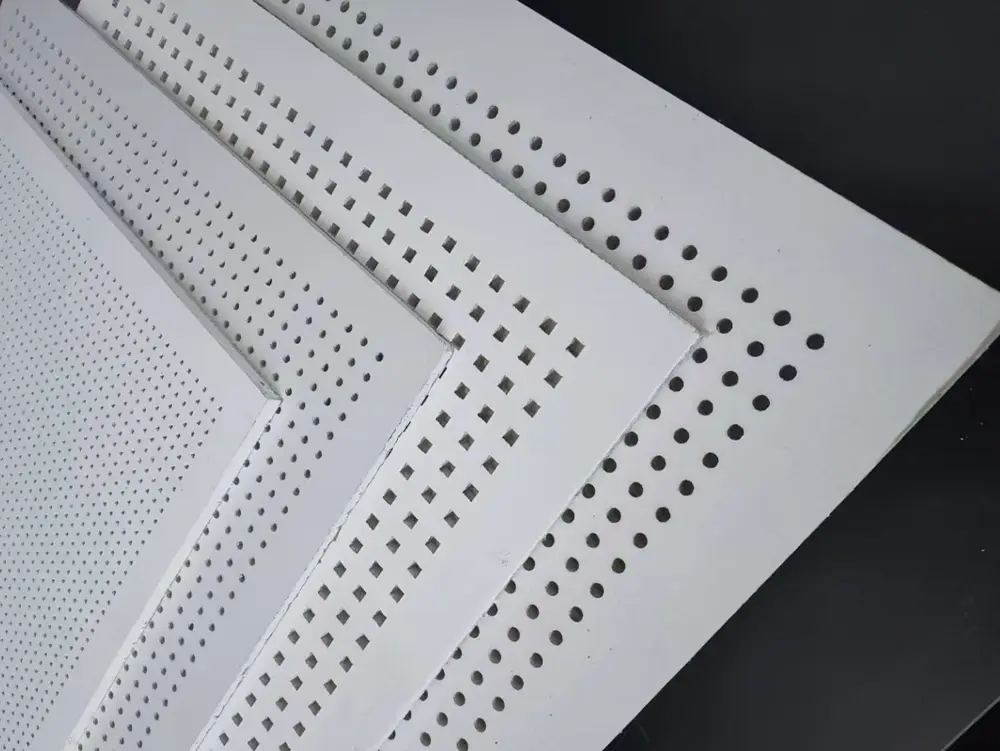 LEAO® Perforated Ceiling
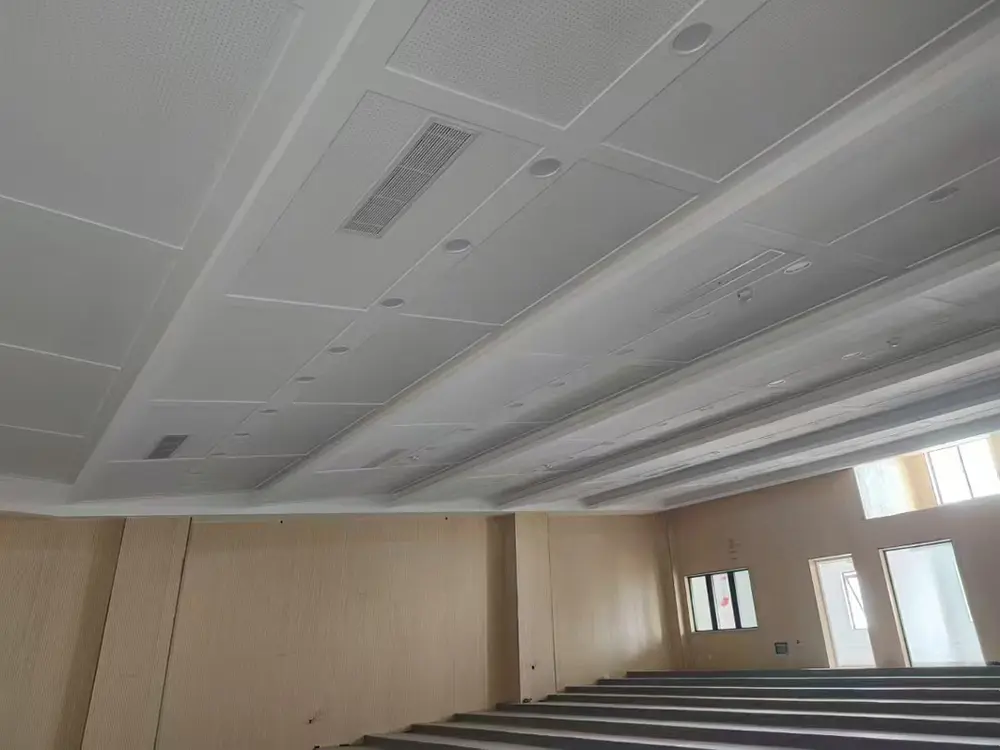 LEAO® Ceiling Board
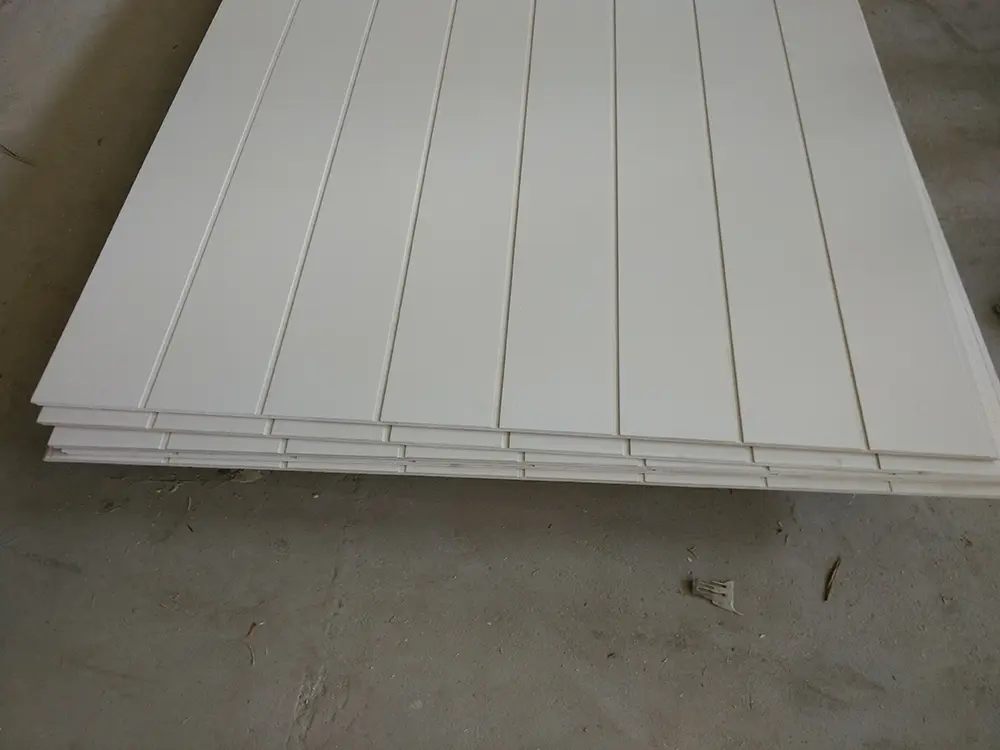 LEAO® Groove Interior Panel
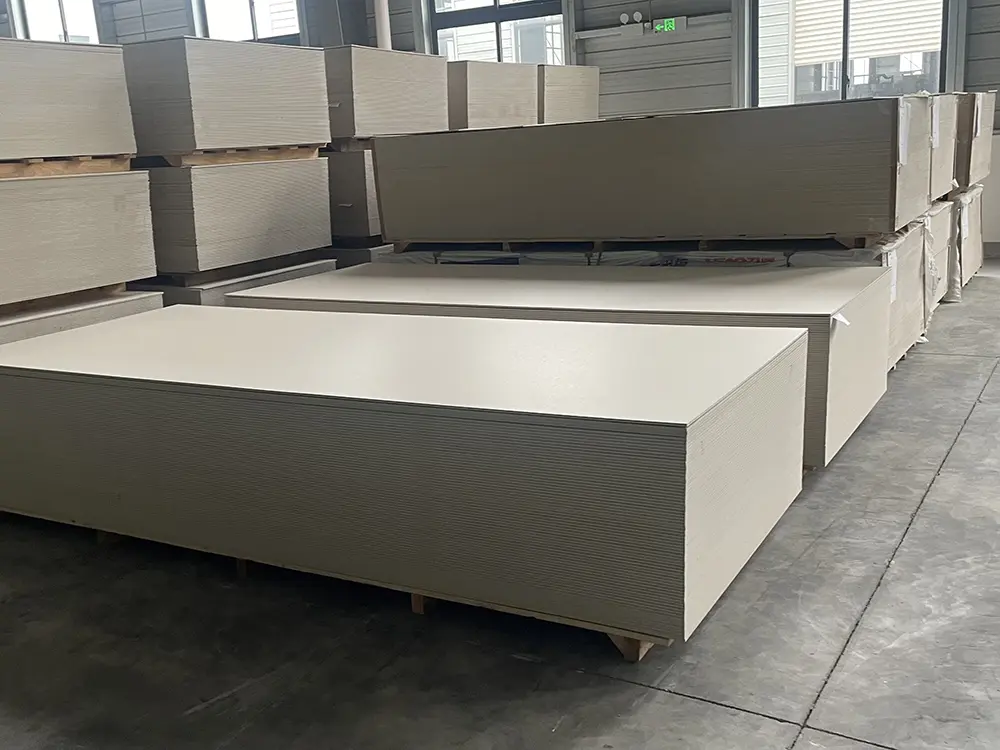 LEAO® Interior Board
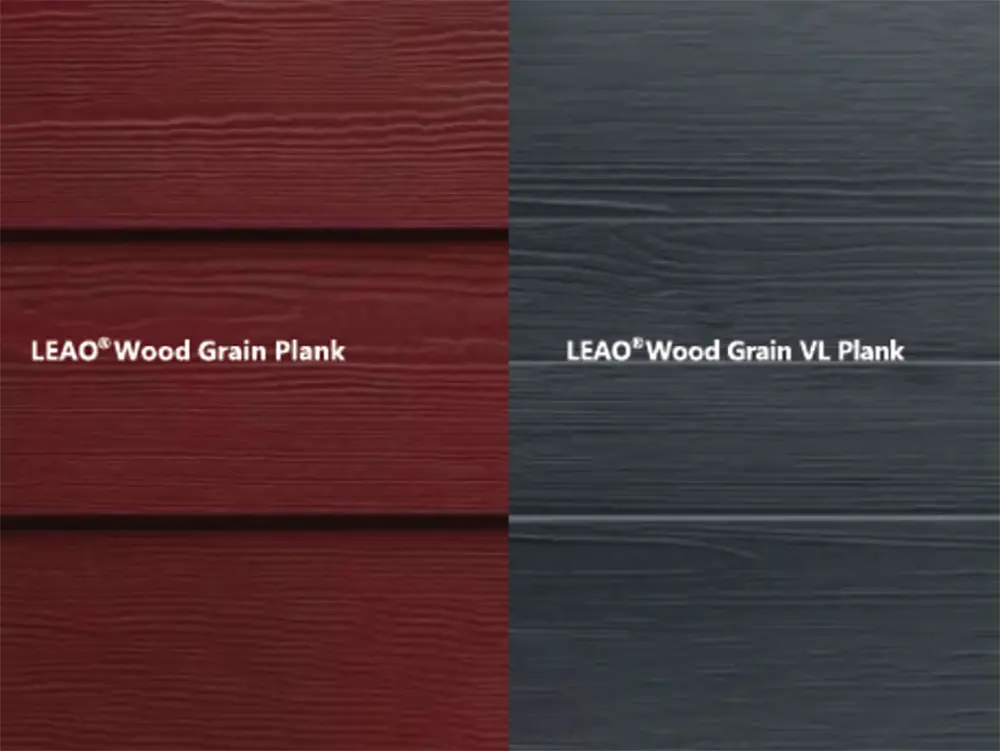 LEAO® Wood Grain Plank
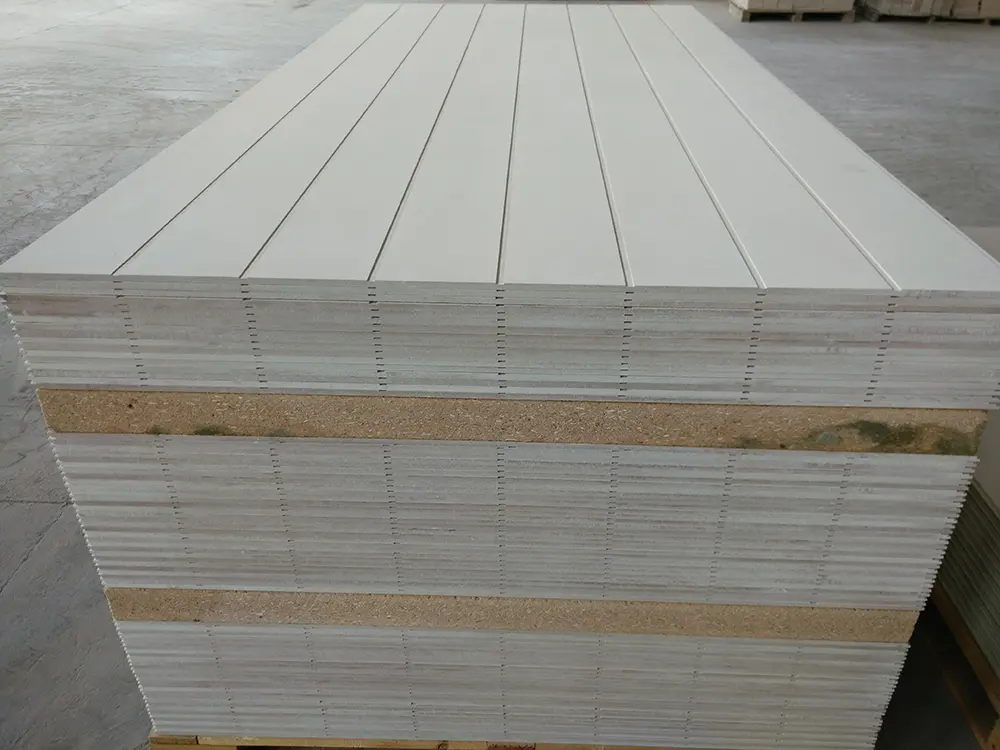 LEAO® Grooved Exterior Panel
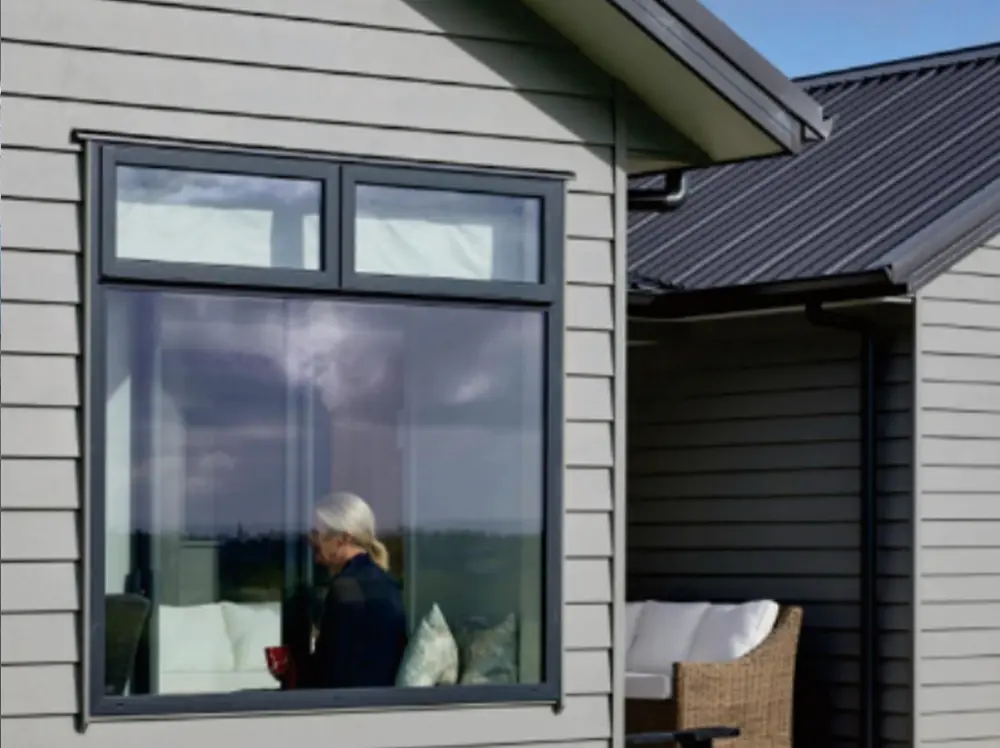 LEAO® Weatherboard
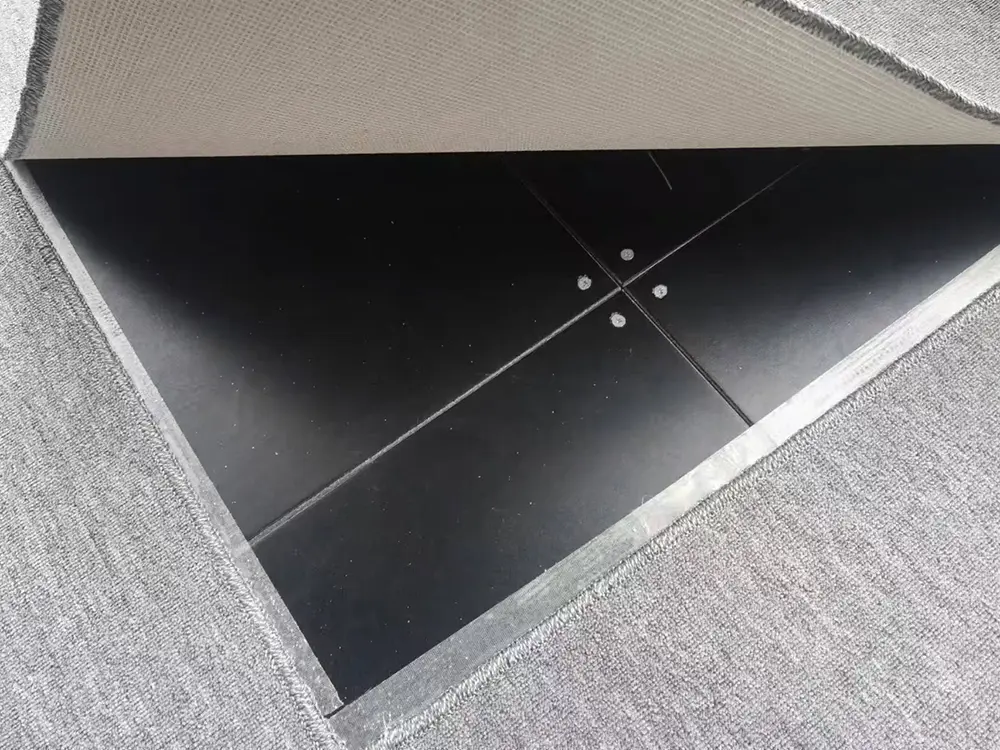 LEAO® Access Floors
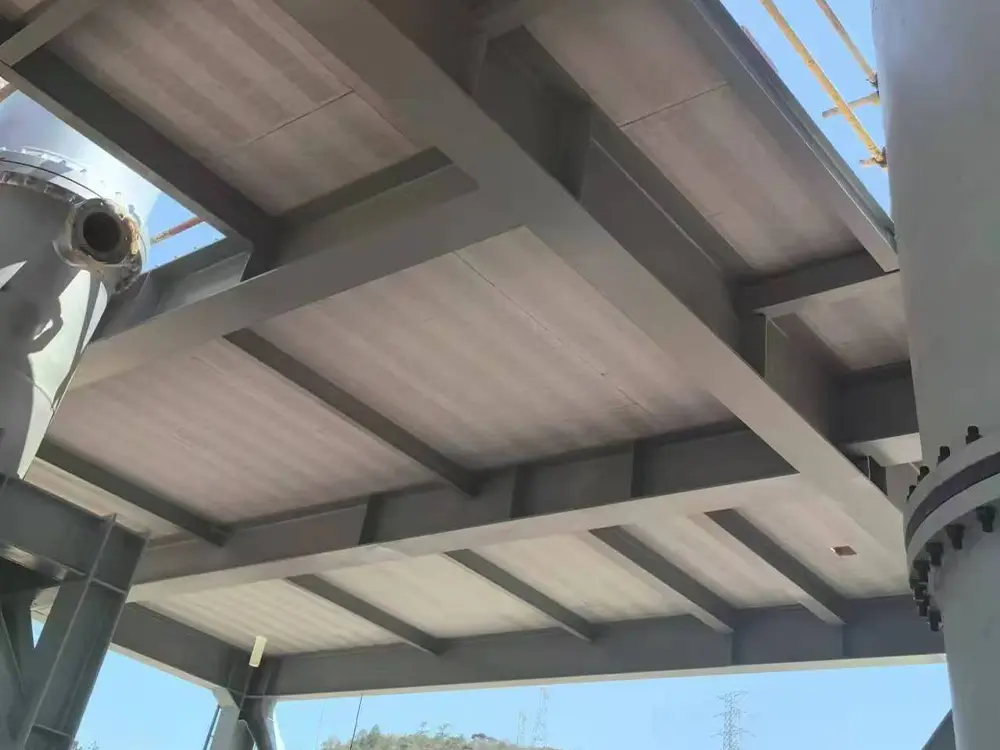 LEAO® Non-removable Formwork
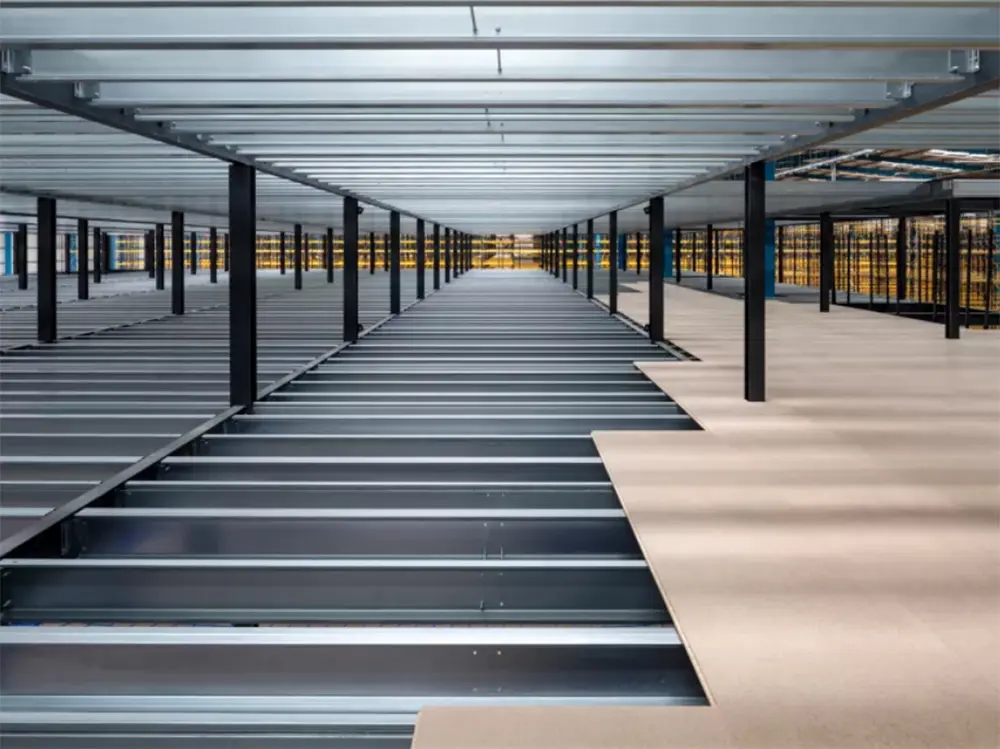 LEAO® Mezzanine Board
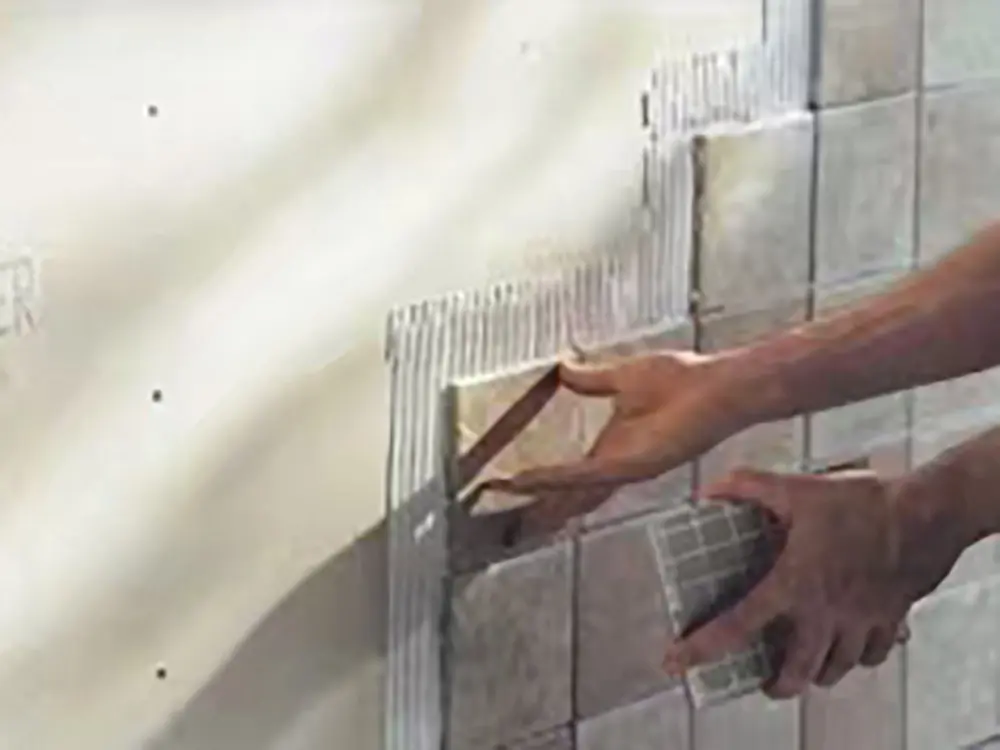 LEAO® Ceramic Tile Underlay
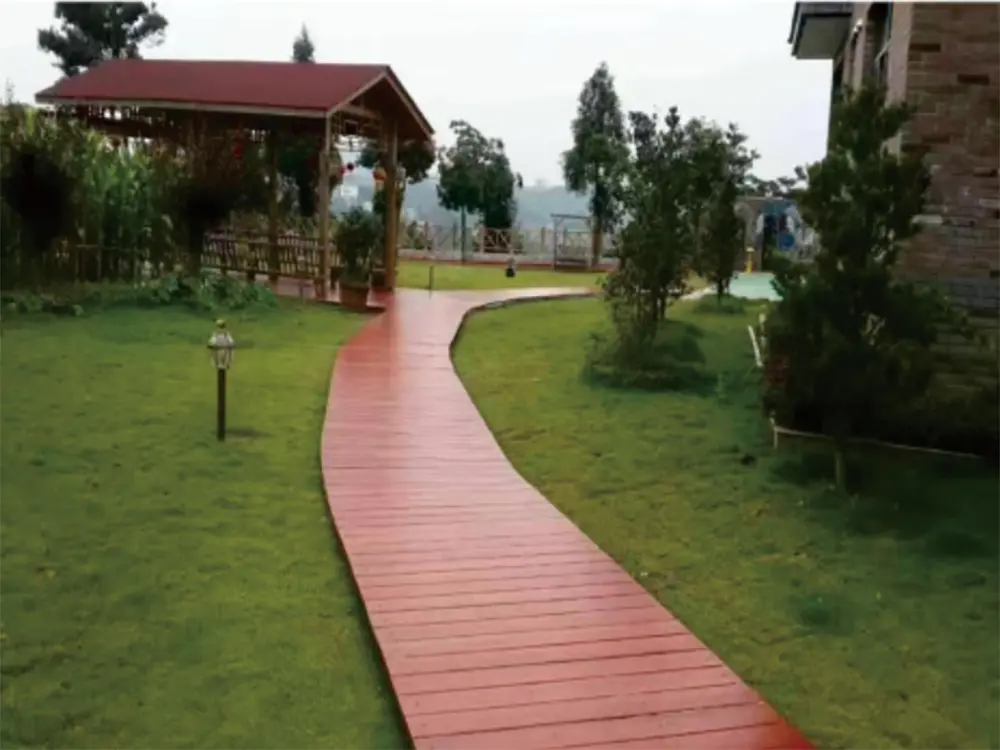 LEAO® Floor Plank
 LEAO® Flooring
 LEAO® Wood Style Decorative Panel
 LEAO® Stone Style Decorative Panel
 LEAO® Pure Style Decorative Panel