Exploring China Top Fiber Cement Panel Applications and Benefits?
In recent years, the use of Fiber Cement Panels has surged in construction and design. These innovative materials offer unique benefits, including durability and versatility. According to industry expert Dr. Emily Chen, "Fiber Cement Panels are revolutionizing how we approach both residential and commercial projects.” Her insights reflect the material’s growing popularity.
Fiber Cement Panels are not just strong but also resistant to fire, water, and pests. This makes them ideal for various applications. From exterior cladding to interior walls, they provide aesthetic appeal and long-lasting performance. However, some may question their environmental impact. The production process can be resource-intensive.
Thus, it is essential to consider the overall lifecycle of Fiber Cement Panels. While they offer impressive attributes, reflection on sustainability practices is vital. As the industry evolves, addressing these challenges will ensure Fiber Cement Panels remain a key player in modern construction solutions.
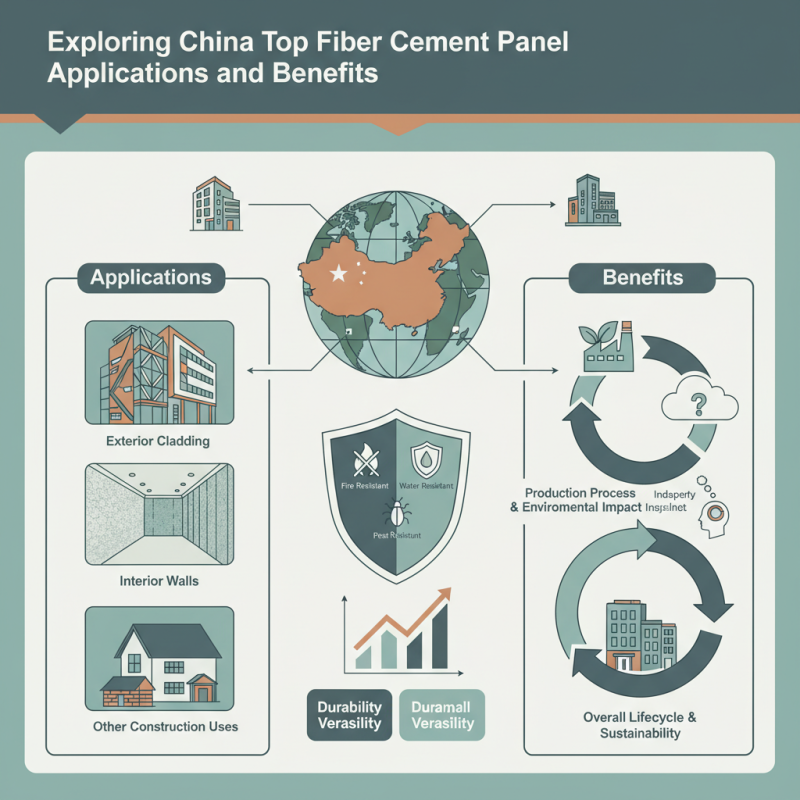
Overview of Fiber Cement Panels and Their Composition
Fiber cement panels have gained traction in modern construction due to their impressive durability and versatility. These panels are primarily composed of cement, cellulose fibers, and sand. This unique blend gives the panels their strength and resistance to various environmental factors. Unlike traditional materials, fiber cement panels can withstand moisture, fire, and pests.
The production process can often vary, which affects the final product's quality. Some manufacturers may prioritize cost over performance, leading to inferior panels. It’s essential to inspect the specifications and standards before purchase. Many professionals recommend seeking panels that have been locally sourced to ensure a minimal carbon footprint.
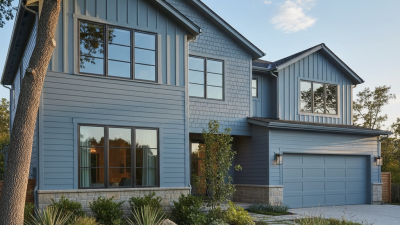
In terms of applications, fiber cement panels are used in a range of projects, from residential homes to commercial buildings. They can be designed to mimic the appearance of wood, stone, or other materials, providing aesthetic flexibility. However, some users report issues with installation, as these panels can be heavy and require skilled labor. Understanding these challenges is crucial for achieving the best results in any construction project.
Key Applications of Fiber Cement Panels in Construction
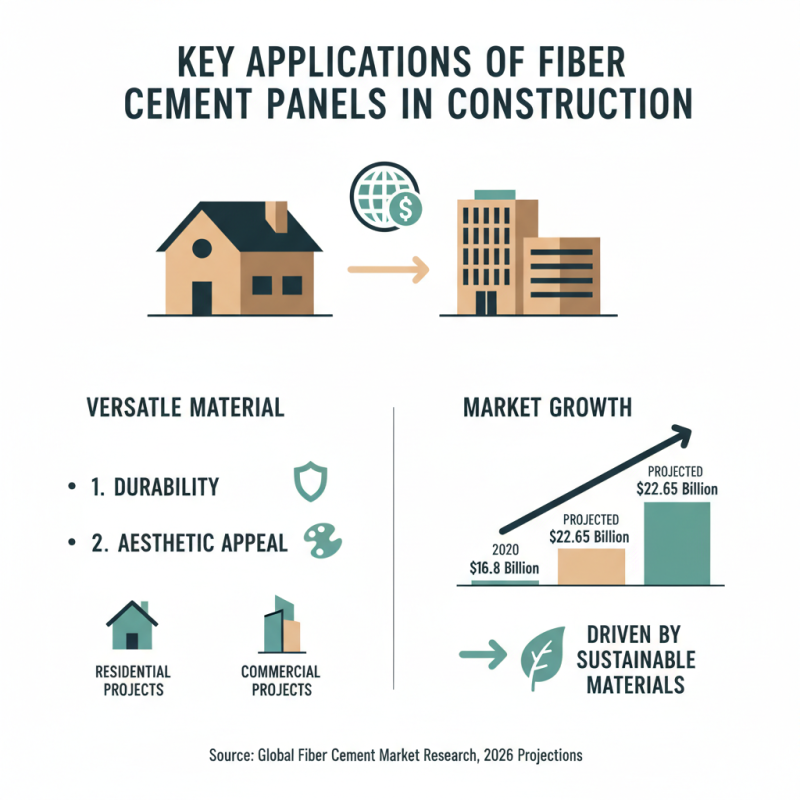
Fiber cement panels have emerged as a versatile material in modern construction. Mainly known for their durability and aesthetic appeal, these panels are increasingly popular in residential and commercial projects. Research indicates that the global fiber cement market is projected to reach approximately $22.65 billion by 2026, driven by the growing demand for sustainable building materials.
One of the key applications of fiber cement panels is in cladding systems. Their resistance to harsh weather conditions and fire makes them ideal for exterior wall coverings. The panels can mimic the appearance of wood or stone, offering design flexibility without compromising structural integrity. According to industry reports, around 60% of fiber cement is used for siding. This demonstrates their significance in both new builds and renovations.
Another application lies in interior spaces. Fiber cement panels are utilized for partition walls and ceiling tiles due to their sound-dampening properties. The ability to resist moisture makes them suitable for humid environments. However, some professionals raise concerns about installation challenges and the need for skilled labor. These factors highlight areas for improvement within the industry's workforce and training programs.
Benefits of Fiber Cement Panels in Building Projects
Fiber cement panels have gained popularity in construction due to their numerous benefits. They offer exceptional durability and resistance to various environmental elements. According to a market report, the use of fiber cement panels can reduce repair costs by 30% over the lifespan of a building. This long-lasting material withstands moisture, fire, and pests, making it ideal for diverse climates.
Another significant advantage is their versatility in design. Fiber cement panels can mimic other materials like wood or stone, allowing for aesthetic flexibility. This capability can enhance a building's appeal without compromising structural integrity. A survey indicates that 78% of architects prefer fiber cement for its design options.
Sustainability is another key benefit. Many fiber cement products are made from recycled materials, making them eco-friendly. They also have a longer lifespan compared to traditional materials, reducing waste over time. However, it’s essential to evaluate the energy costs for production, as they can vary. Balancing environmental impact with performance requires thoughtful consideration.
Exploring China Top Fiber Cement Panel Applications and Benefits
| Application |
Benefits |
Durability |
Cost Effectiveness |
| Residential Facades |
Aesthetic appeal and versatility in design. |
Highly durable, resistant to rot and pests. |
Long-term investment due to low maintenance costs. |
| Commercial Buildings |
Professional appearance and range of colors. |
Resistant to extreme weather conditions. |
Cost savings through energy efficiency. |
| Industrial Applications |
Robust and ideal for harsh environments. |
Long-life expectancy with minimal upkeep. |
Reduced repair and replacement costs. |
| Interior Wall Panels |
Customizable textures and finishes. |
Non-combustible material enhances safety. |
Affordable solution for high-impact areas. |
Environmental Impact and Sustainability of Fiber Cement Products
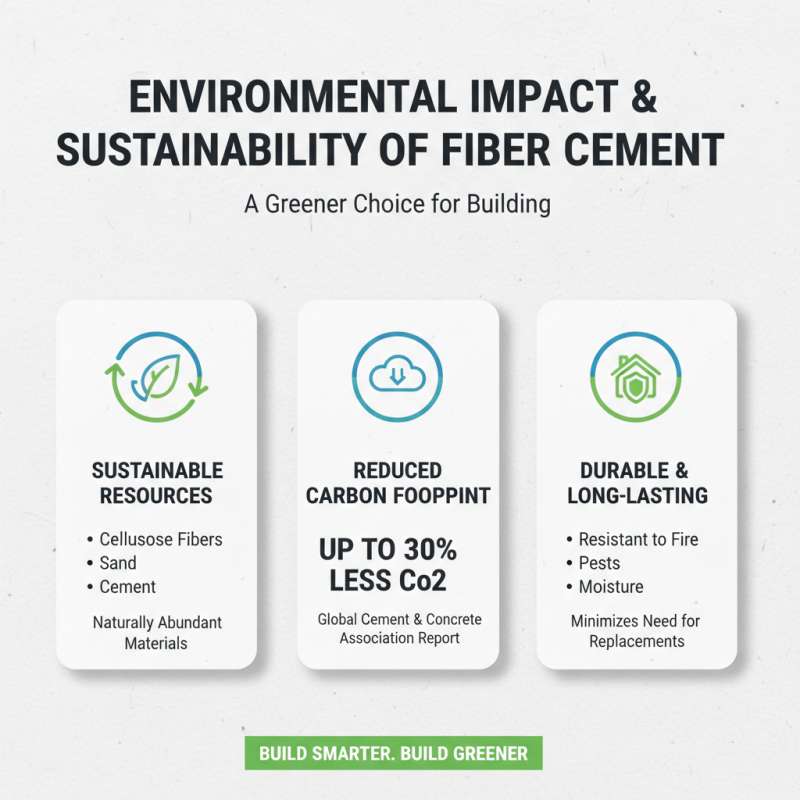
Fiber cement products have been gaining attention for their environmental benefits. These materials are made from sustainable resources, typically combining cellulose fibers, sand, and cement. A report by the Global Cement and Concrete Association states that using fiber cement can reduce a building's carbon footprint by up to 30%. This reduction is significant in an industry heavily scrutinized for its environmental impact.
In addition, fiber cement panels are non-toxic and contribute to indoor air quality. They contain no volatile organic compounds (VOCs), making them a healthier choice for residential and commercial buildings. However, the energy-intensive production process remains a concern. Manufacturing these panels requires substantial energy, often linked to fossil fuel use. Despite this, the longevity and durability of fiber cement can offset some of these initial environmental costs.
Overall, while fiber cement materials present promising advantages, continuous improvements in sustainability practices are necessary. The industry is exploring ways to lower energy use and enhance recyclability. Striking the right balance between performance and eco-friendliness is essential in harnessing the true potential of fiber cement products.
Future Trends in Fiber Cement Panel Technology and Usage
Fiber cement panels are evolving rapidly. Recently, there has been a noticeable shift towards more sustainable manufacturing processes. These methods reduce waste and energy consumption. Manufacturers are also exploring innovative designs. The focus is not just on functionality but also on aesthetics. Color options and textures are becoming diverse, appealing to modern architectural trends.
The rise of smart buildings is another captivating trend. Fiber cement panels can integrate advanced technologies. These technologies include sensors and environmental controls. This combination enhances energy efficiency and building performance. However, the implementation may pose challenges. Not all construction professionals are familiar with these technologies. Training and awareness are essential to ensure proper use.
Recycling and reusing materials in construction is another important aspect to consider. While fiber cement panels are durable, they still have an environmental footprint. Efforts must focus on developing circular economy strategies. Support for research and development is crucial for advancing fiber cement technology. Many professionals still hesitate about the cost and practicality of these innovations. Addressing these hesitations will be key to future adoption.

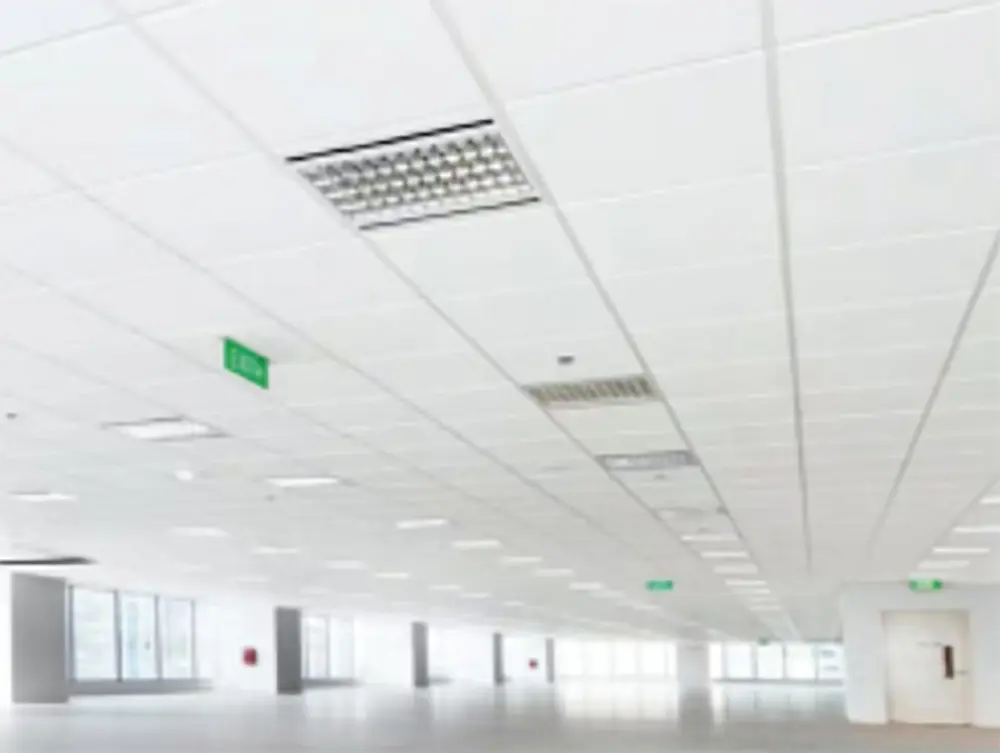 LEAO®Deco Ceiling
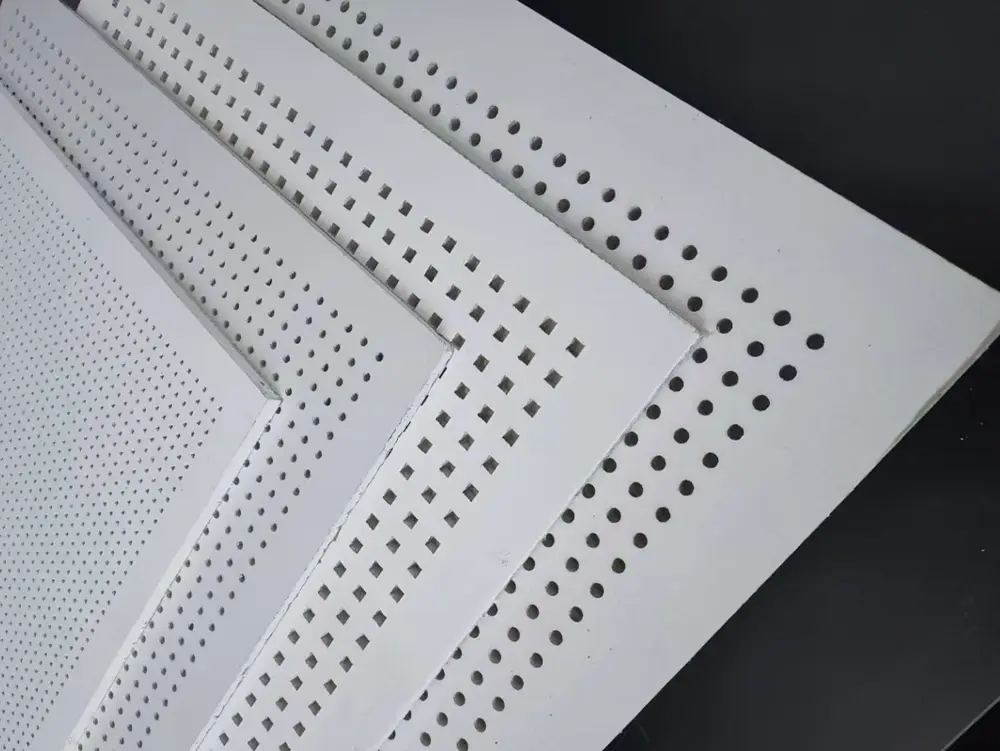 LEAO® Perforated Ceiling
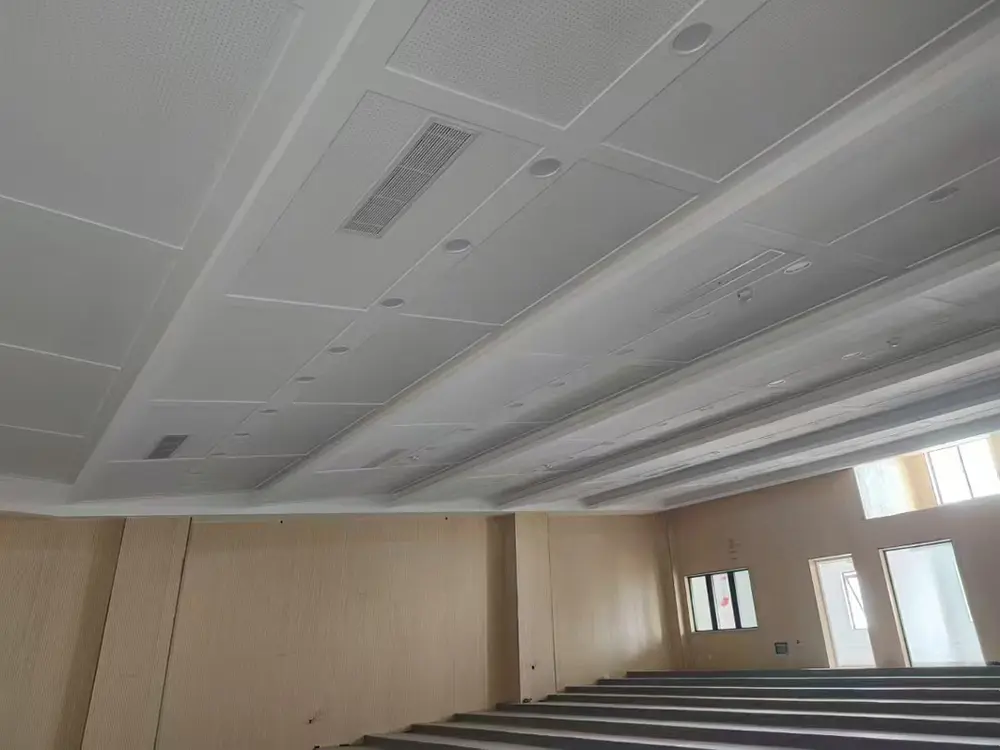 LEAO® Ceiling Board
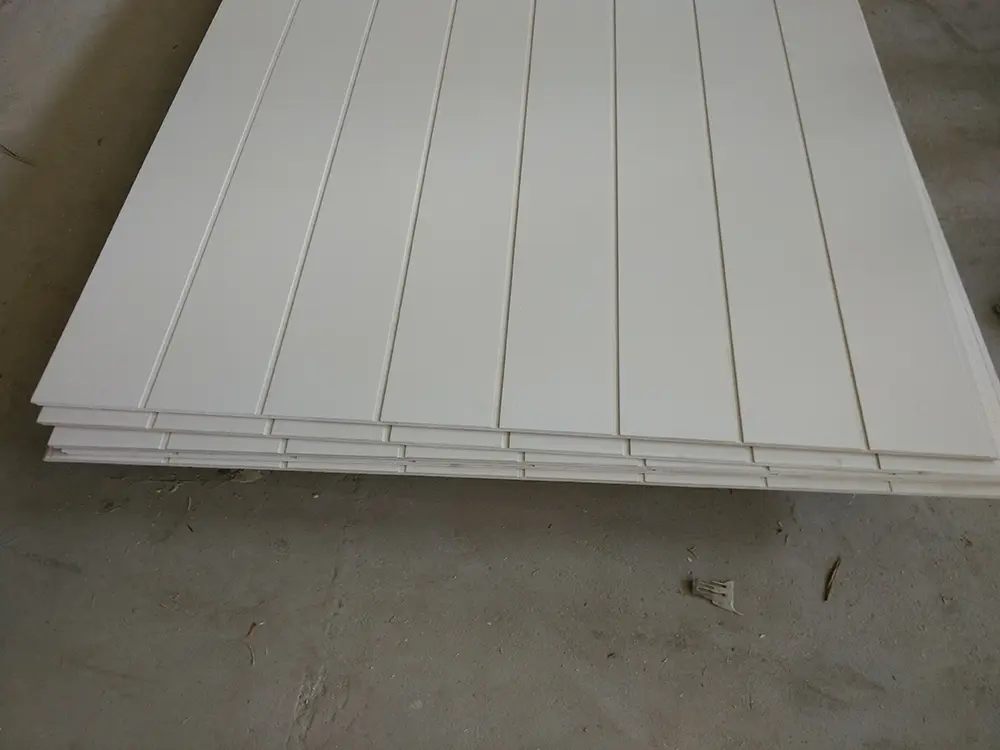 LEAO® Groove Interior Panel
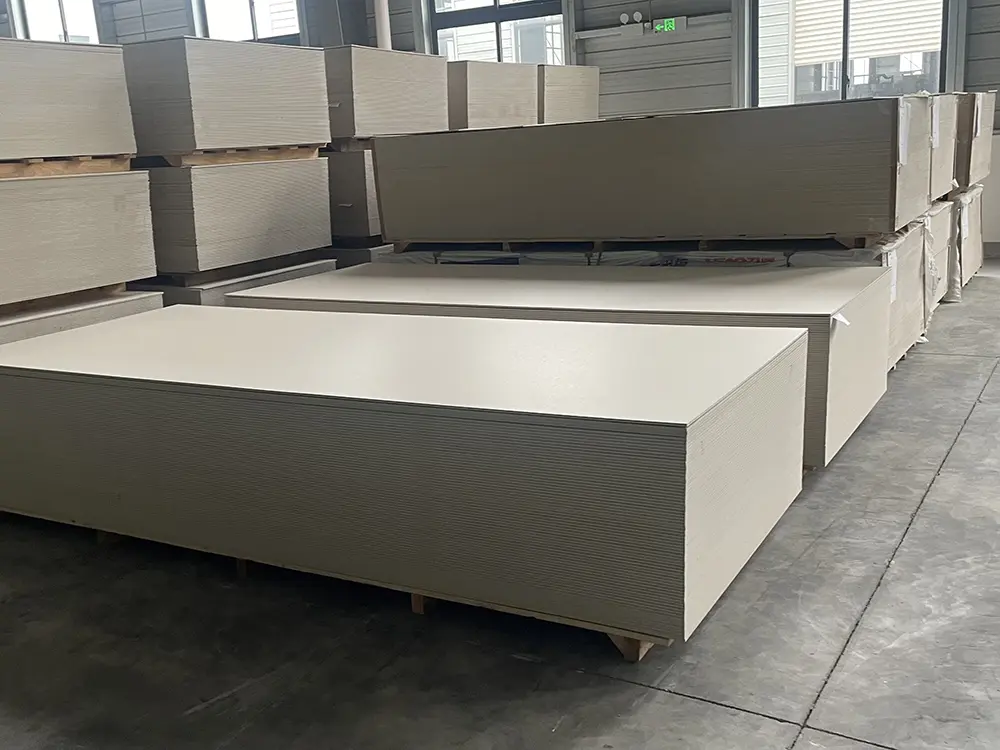 LEAO® Interior Board
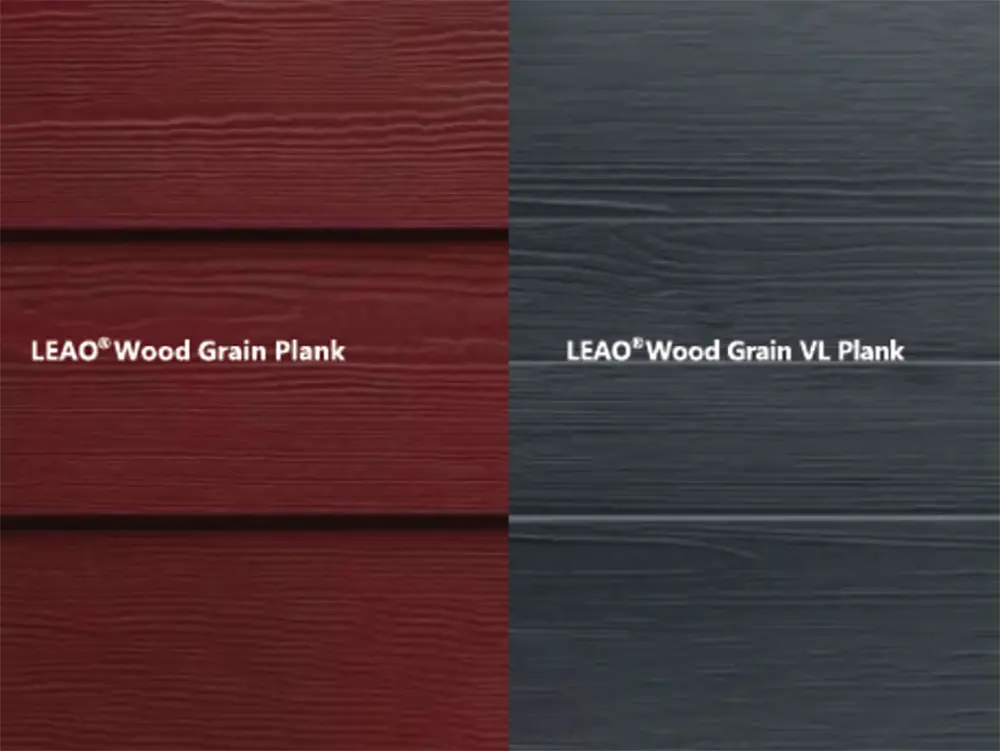 LEAO® Wood Grain Plank
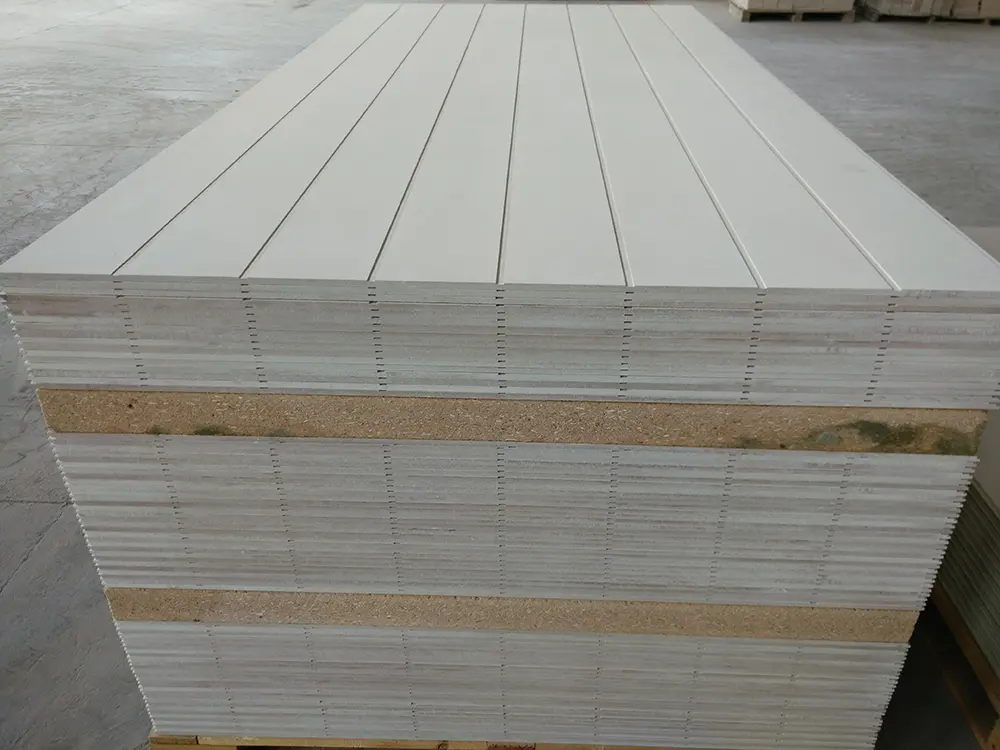 LEAO® Grooved Exterior Panel
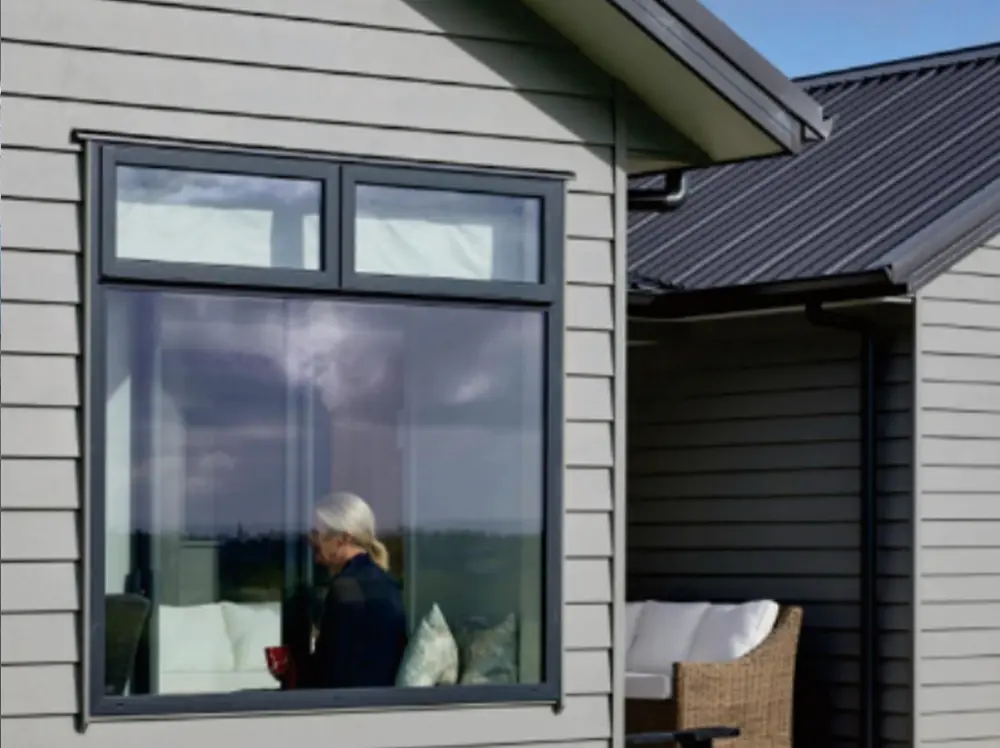 LEAO® Weatherboard
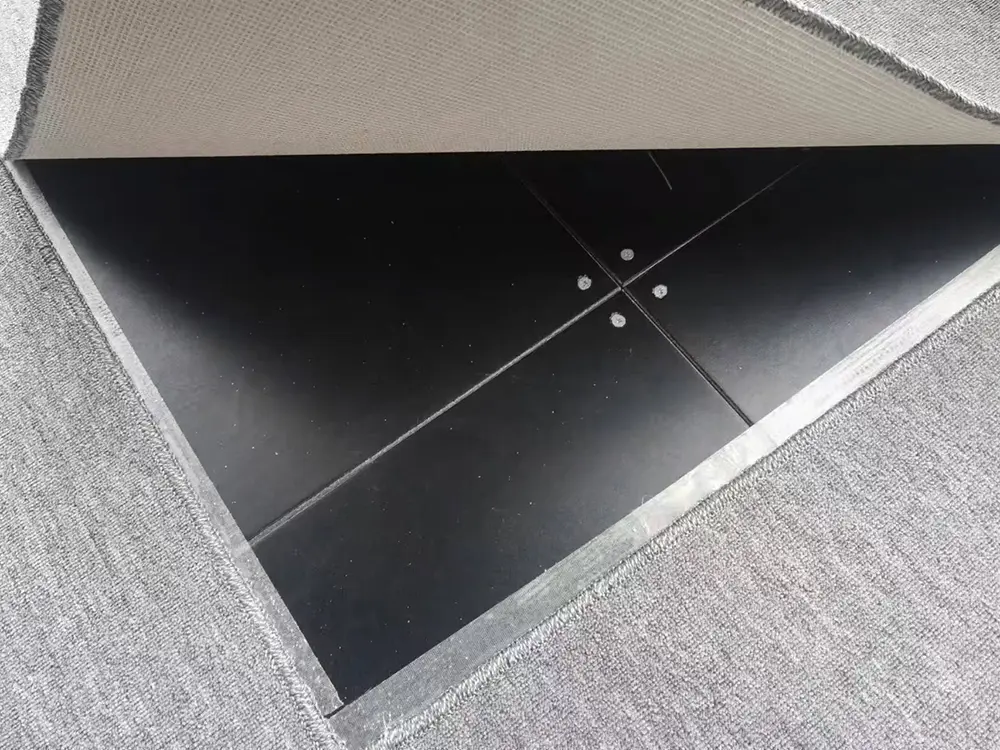 LEAO® Access Floors
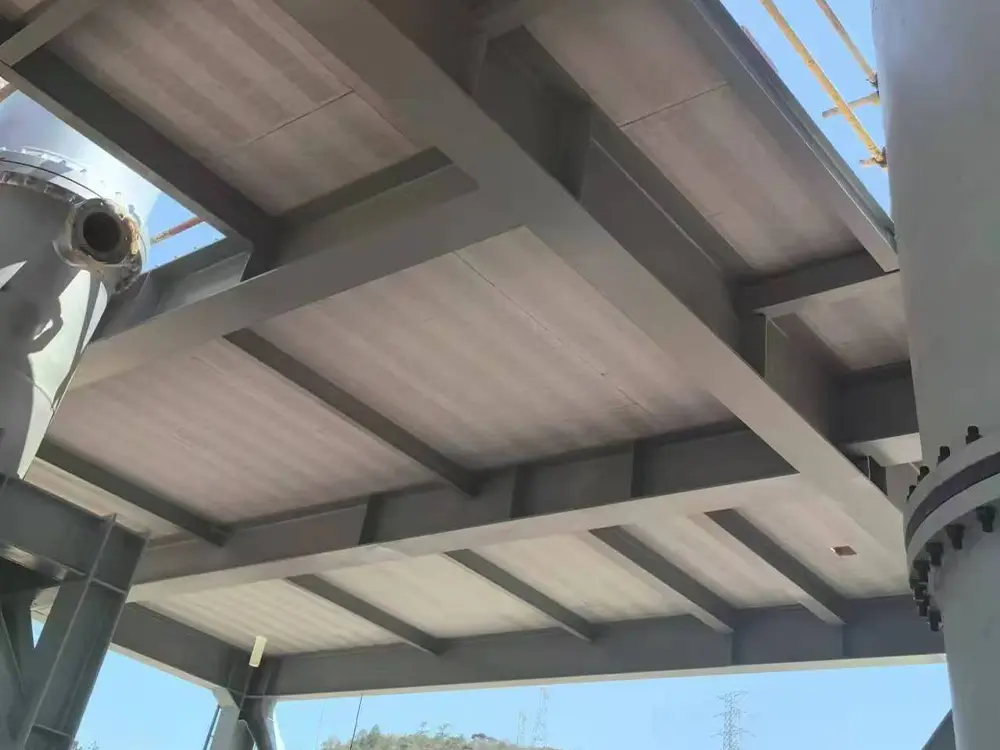 LEAO® Non-removable Formwork
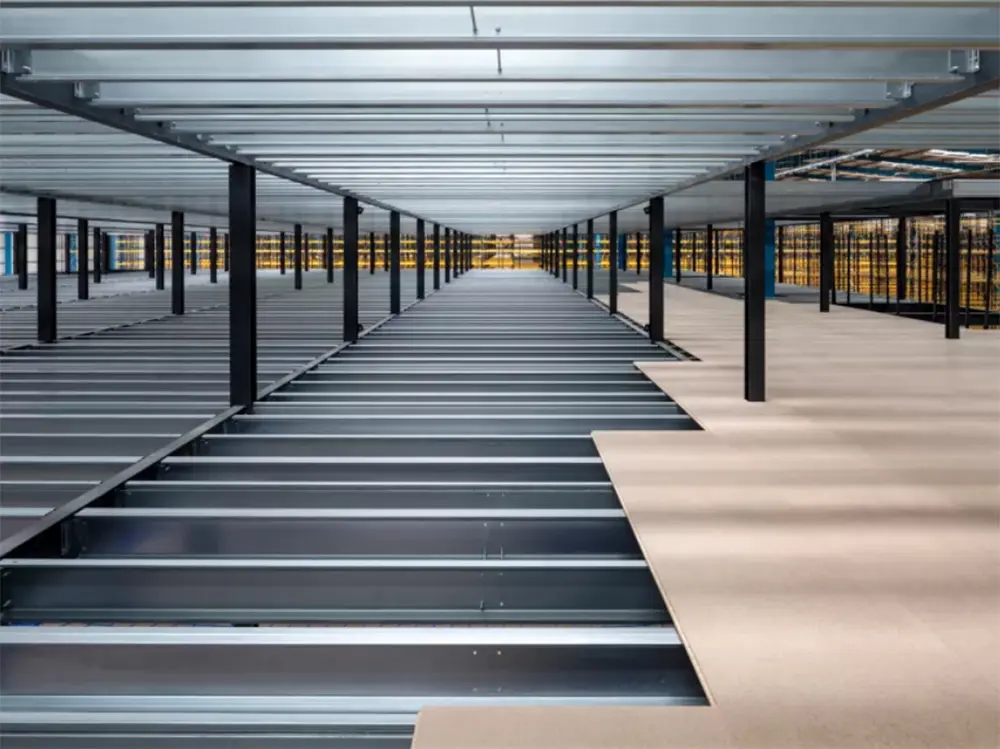 LEAO® Mezzanine Board
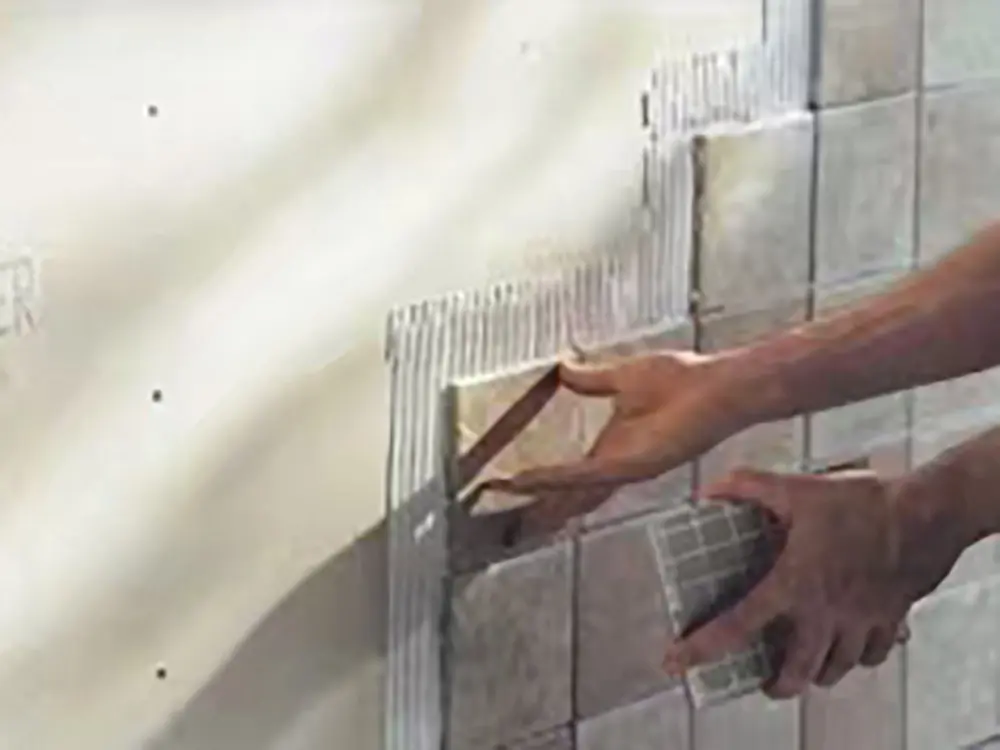 LEAO® Ceramic Tile Underlay
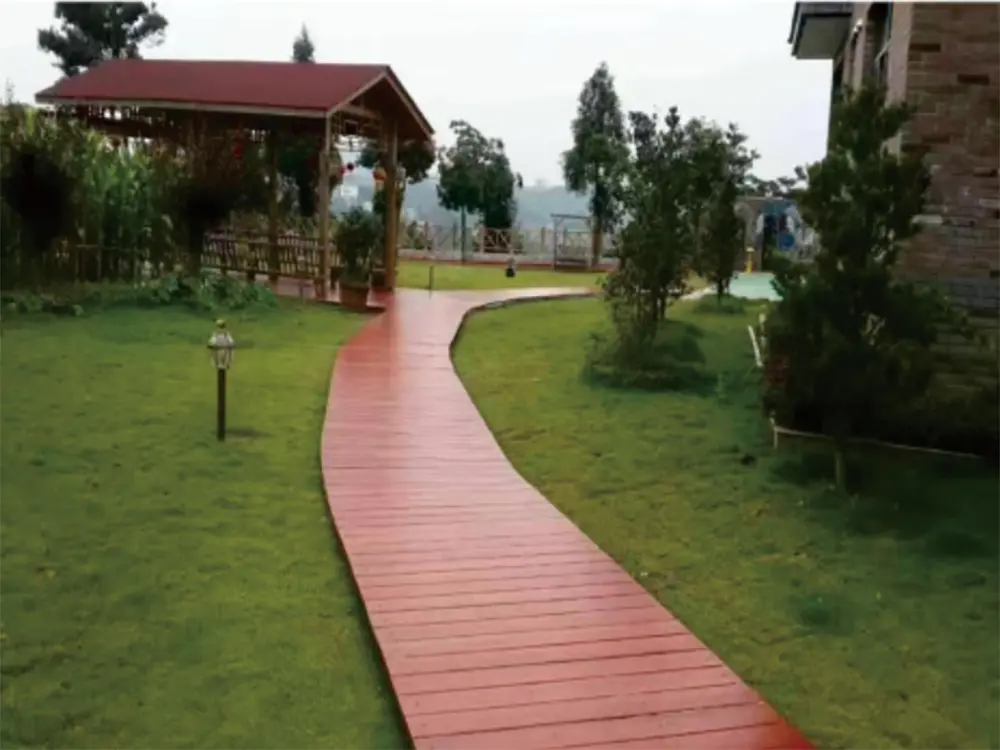 LEAO® Floor Plank
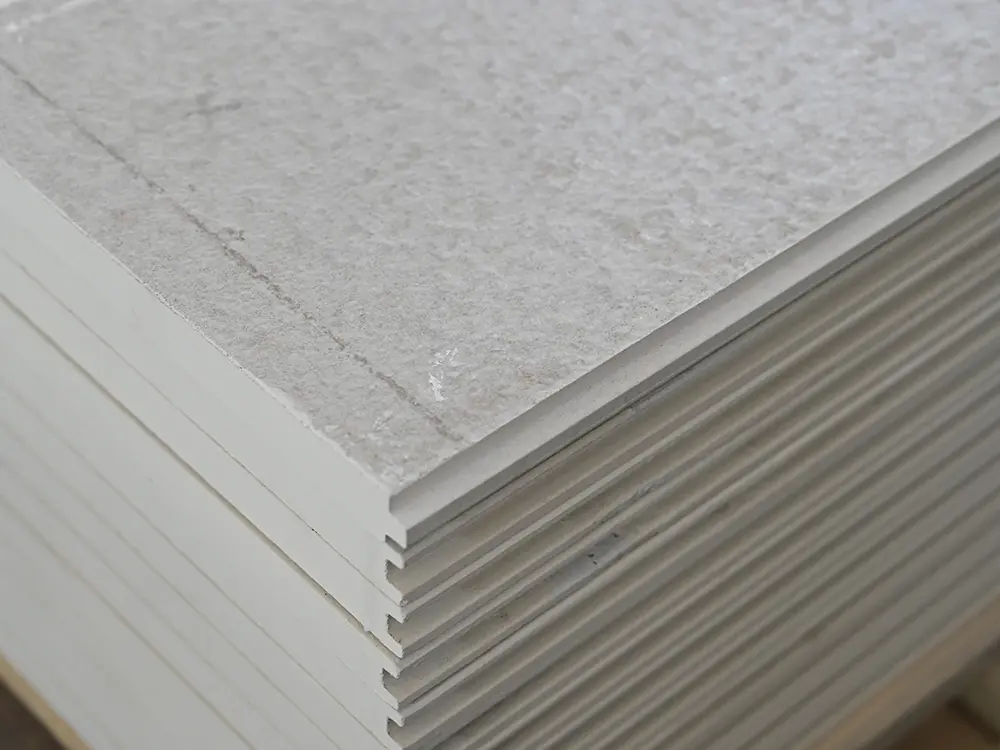 LEAO® Flooring
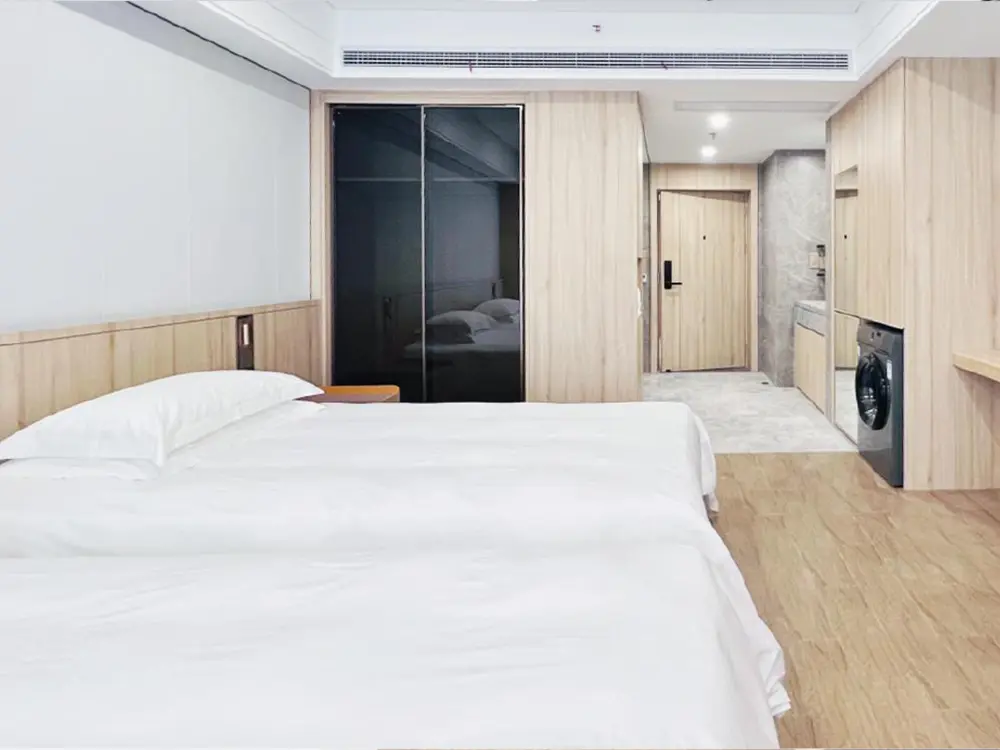 LEAO® Wood Style Decorative Panel
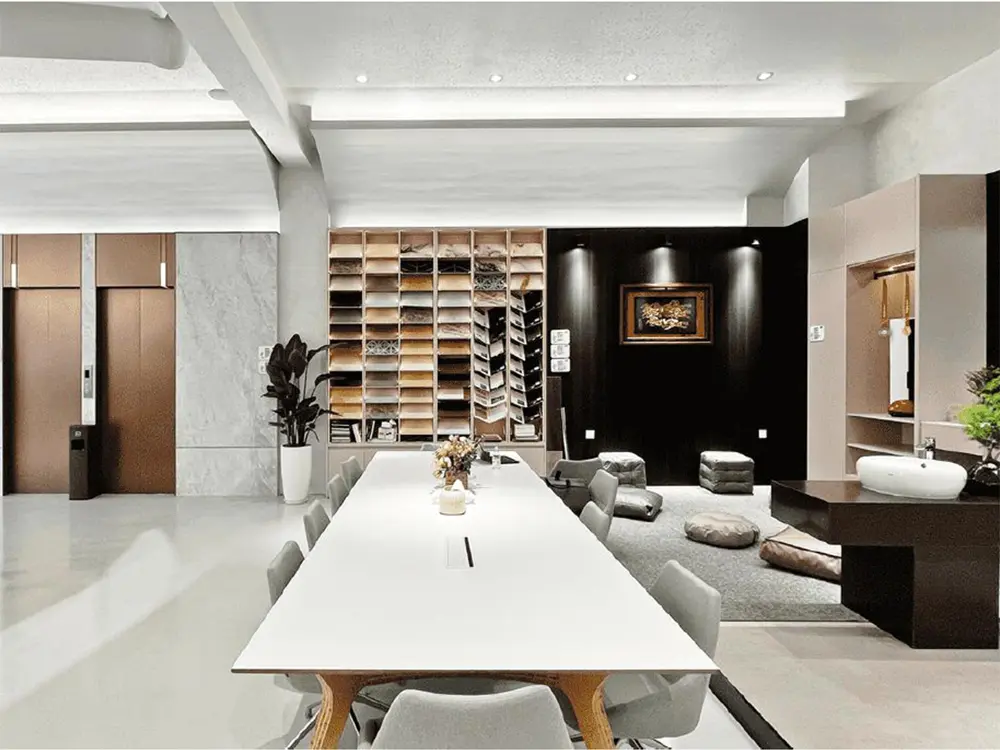 LEAO® Stone Style Decorative Panel
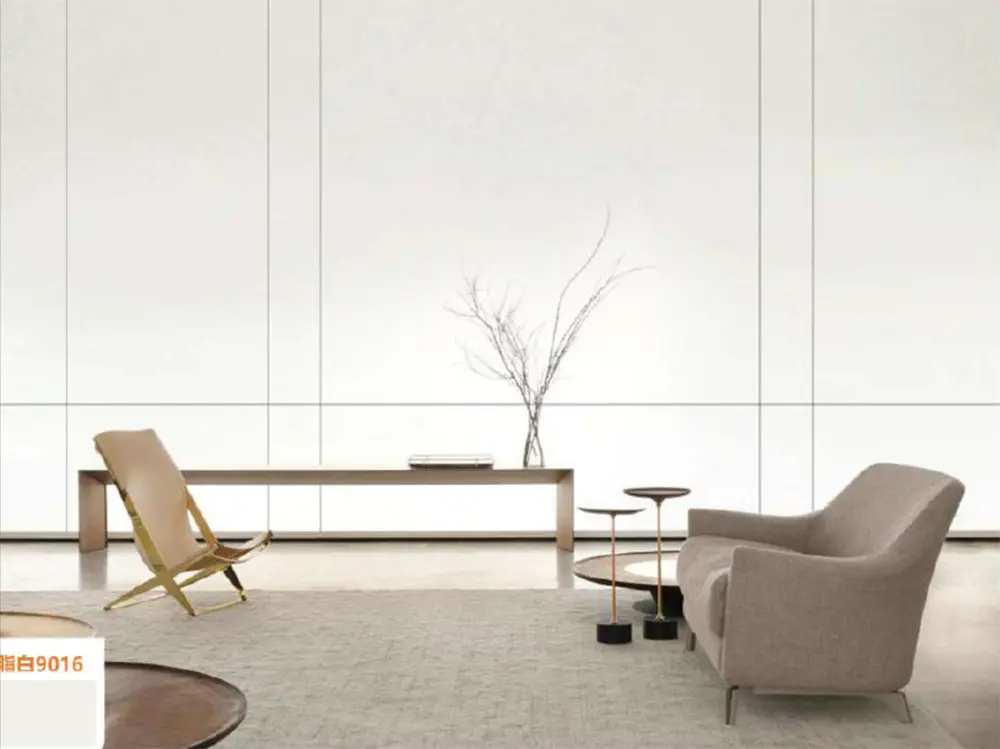 LEAO® Pure Style Decorative Panel