What is Fiber Cement Backer Board and Its Uses?
Fiber Cement Backer Board has become a vital component in modern construction. Experts emphasize its benefits. John Avery, a leader in construction materials, states, "Fiber Cement Backer Board excels in moisture resistance and versatility."
This material is known for its durability and strength. It is often used in areas exposed to water, like bathrooms and kitchens. Installing Fiber Cement Backer Board can prevent mold and damage. Many builders rely on its properties for long-lasting projects. Yet, not all installations meet high standards. Improper techniques can lead to issues.
While Fiber Cement Backer Board is superior, attention to detail is crucial. Its effectiveness depends on proper installation methods. Homeowners must choose experienced contractors for their projects. Even with the best materials, mistakes can happen. Therefore, understanding its properties is essential for anyone considering this option.
What is Fiber Cement Backer Board?
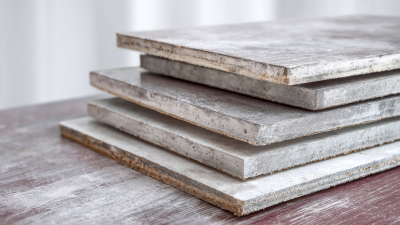
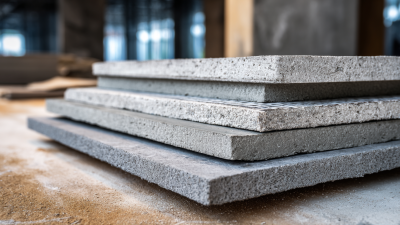
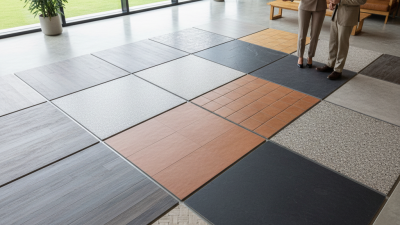
Fiber cement backer board is a type of building material made from a blend of cement, sand, and cellulose fibers. This composition gives it strength and versatility. It is commonly used in areas prone to moisture, such as bathrooms, kitchens, and outdoor spaces. Essentially, it acts as a reliable substrate for tiles, providing a solid foundation that resists warping and cracking.
One significant advantage of fiber cement backer board is its water resistance. Unlike traditional drywall, it does not easily deteriorate when exposed to moisture. However, installation can be challenging. Cutting it generates dust, which requires proper safety measures. It's crucial to use appropriate tools and protective gear.
Despite its benefits, some DIYers face difficulties with its heavy weight. This can complicate handling and installation. Not all installations are straightforward, as precise cutting is needed for a perfect fit. Acknowledging these challenges can lead to better project outcomes. Fiber cement backer board remains a favored option for its durability and performance in various applications.
Composition and Manufacturing Process of Fiber Cement Backer Board
Fiber cement backer board is an innovative building material. It is primarily composed of cement, sand, and cellulose fibers. This combination results in a durable and moisture-resistant board. The manufacturing process involves mixing these components, forming sheets, and curing them under controlled conditions. This makes the backer board strong and water-resistant, suitable for various applications.
During production, the careful balance of ingredients is crucial. Too much water in the mix can weaken the boards. Conversely, improper curing can lead to defects. The application of heat and pressure ensures consistent quality. This meticulous attention to detail sets fiber cement backer board apart from other materials.
Its uses extend beyond basic construction. It is commonly employed in wet areas, such as bathrooms and kitchens. It's known for its resistance to mold and mildew. However, improper installation can lead to failure. Skilled installation is vital for optimal performance. Understanding the manufacturing process enhances awareness of its strengths and limitations.
Common Applications of Fiber Cement Backer Board in Construction
Fiber cement backer board is an essential material widely used in construction. Its primary function is to provide a durable, moisture-resistant substrate. This is particularly crucial in areas exposed to high humidity, such as bathrooms and kitchens. According to the American Concrete Institute, over 60% of new residential projects employ fiber cement products for their superior performance.
In terms of applications, fiber cement backer board serves as a robust foundation for tiles. It helps reduce the likelihood of cracking and ensures longevity. Moreover, builders often use it as siding for exterior walls. A recent study indicated that fiber cement siding can last over 50 years, making it an efficient choice for long-term projects. While its benefits are clear, labor costs can rise when installing this heavier board compared to traditional materials.
Another significant application includes its use in fire-resistant systems. Fiber cement board can withstand high temperatures, offering protection in critical areas. Research shows that buildings using fiber cement backer boards have a 30% reduced risk of fire damage. However, some challenges exist in installation. Proper techniques must be followed to avoid issues like water infiltration. Reflecting on these factors is vital for professionals to maximize its benefits while addressing potential shortcomings.
What is Fiber Cement Backer Board and Its Uses? - Common Applications of Fiber Cement Backer Board in Construction
| Application Area |
Description |
Benefits |
| Bathroom Walls |
Used as a moisture-resistant backing for tile installations. |
Increased durability and resistance to mold and mildew. |
| Kitchen Countertops |
Serves as a solid substrate for countertop installations. |
Enhanced stability and resistance to heat and moisture. |
| Exterior Siding |
Provides a weather-resistant cladding option for homes. |
Long-lasting protection against harsh environmental conditions. |
| Fireplaces |
Used as a fire-resistant backing for installed fireplaces. |
Increased safety and compliance with building codes. |
| Floor Underlayment |
Acts as a stable base for tile or laminate flooring. |
Improved sound insulation and moisture control. |
Advantages of Using Fiber Cement Backer Board Over Other Materials
Fiber cement backer board is a versatile building material, ideal for areas exposed to moisture. It is composed of cement, sand, and cellulose fibers. This structure provides strength, durability, and resistance to water damage. Many professionals prefer this material for tile installations, especially in bathrooms and kitchens. The benefits of fiber cement board over traditional materials are significant.
One major advantage is its superior moisture resistance. Unlike gypsum boards, it doesn’t swell or degrade when wet. This quality helps maintain the integrity of installations in high-humidity areas. Fiber cement is also less susceptible to mold and mildew compared to other backer boards, making it a healthier choice for your home.
Tips: Consider using fiber cement backer board for outdoor projects. It stands up well against UV rays. Proper installation is key. Ensure it’s secured tightly and use the right fasteners. Remember that cutting fiber cement can create dust. Always wear a mask and eye protection during this process.
Another important aspect is its fire resistance. Fiber cement can withstand high temperatures, giving an added layer of safety in your home. This is a distinct edge over foam boards, which can ignite easily. However, be mindful that handling fiber cement requires care. It can be heavy and sharp, potentially leading to injuries if not managed properly.
Installation Tips and Best Practices for Fiber Cement Backer Board
Fiber cement backer board is essential for tiled areas. Its moisture resistance makes it ideal for kitchens and bathrooms. When properly installed, it provides a durable base for tile, enhancing both aesthetic appeal and function. According to a report by the Tile Council of North America, using cement backer board can increase tile longevity by 20%.
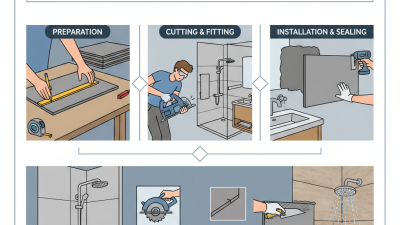
When installing fiber cement backer board, ensure a stable, dry surface. Always use thin-set mortar beneath the board for better adhesion. Cut the board with a carbide-tipped score knife to avoid jagged edges. Secure it with corrosion-resistant screws, ideally spaced every 8 inches. This creates a stable foundation that stands up to moisture and wear.
One tip: always check for local building codes before installation. Requirements can vary by region. Also, consider using a vapor barrier behind the board in wet areas. This adds extra protection against potential mold growth. While fiber cement boards are robust, neglecting proper installation can lead to issues. Take time to ensure all steps are followed correctly.
Fiber Cement Backer Board Uses and Installation Tips

 LEAO®Deco Ceiling
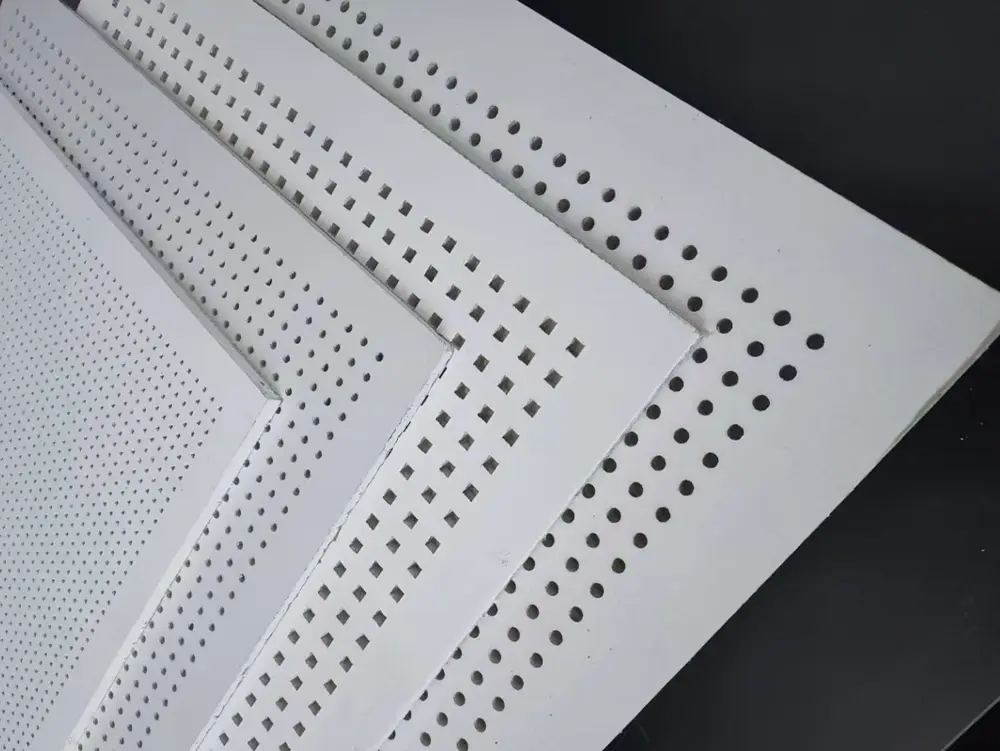 LEAO® Perforated Ceiling
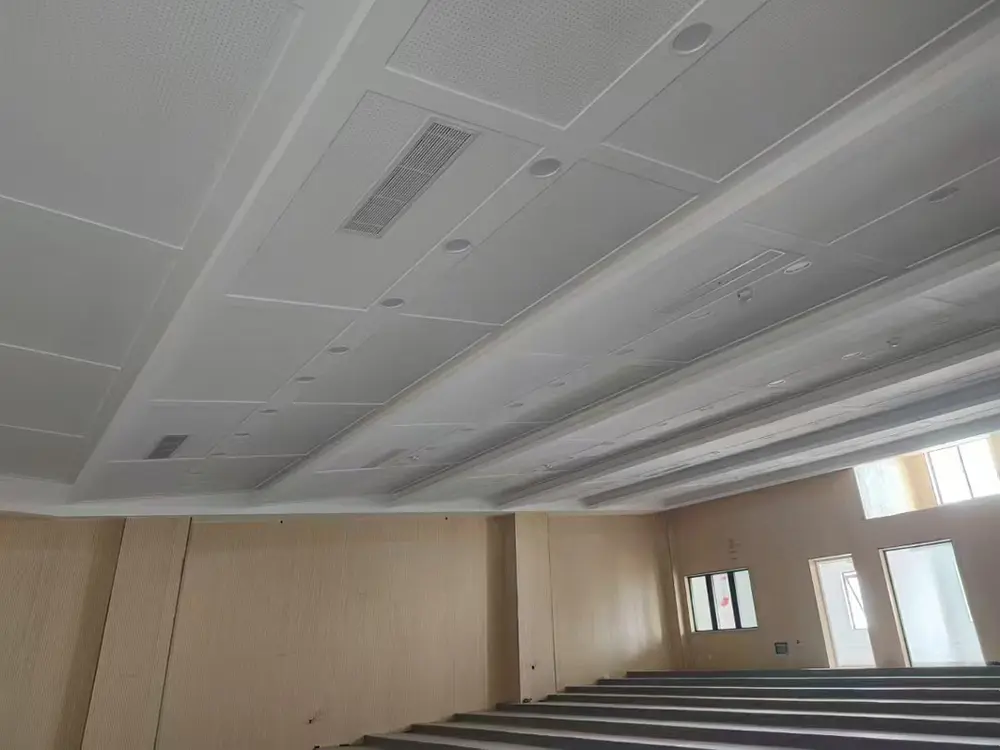 LEAO® Ceiling Board
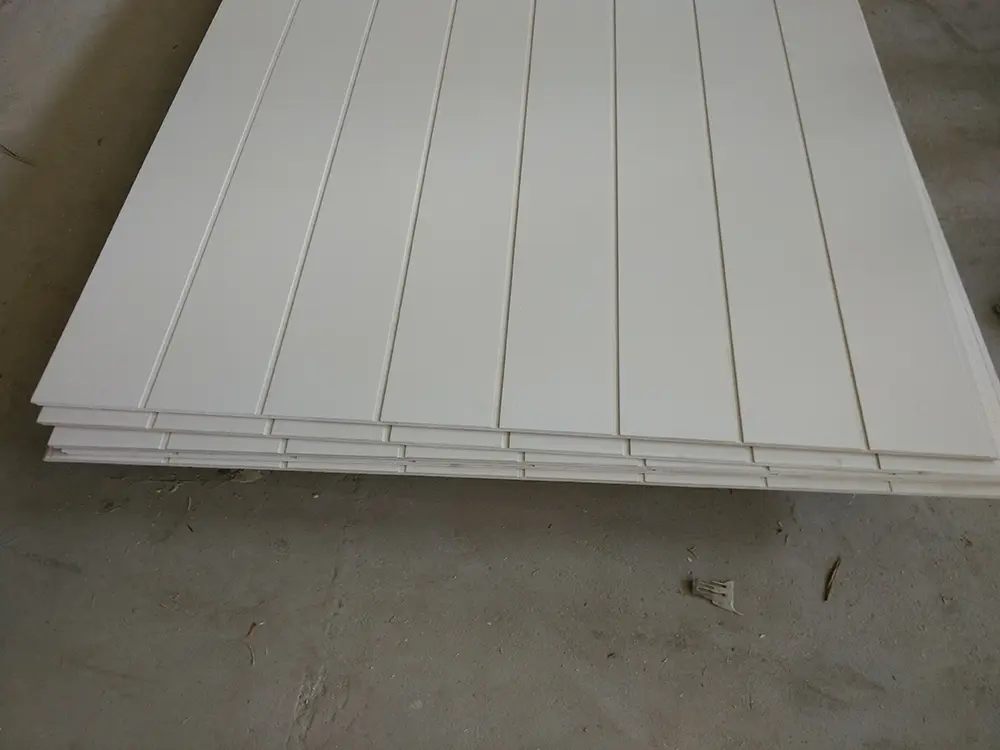 LEAO® Groove Interior Panel
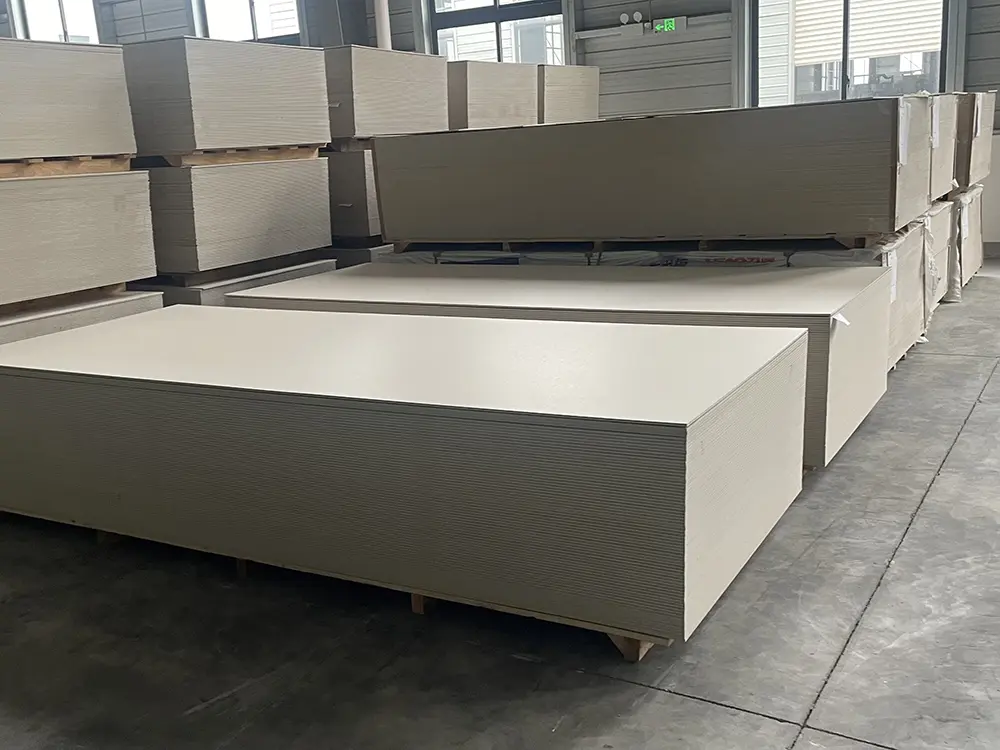 LEAO® Interior Board
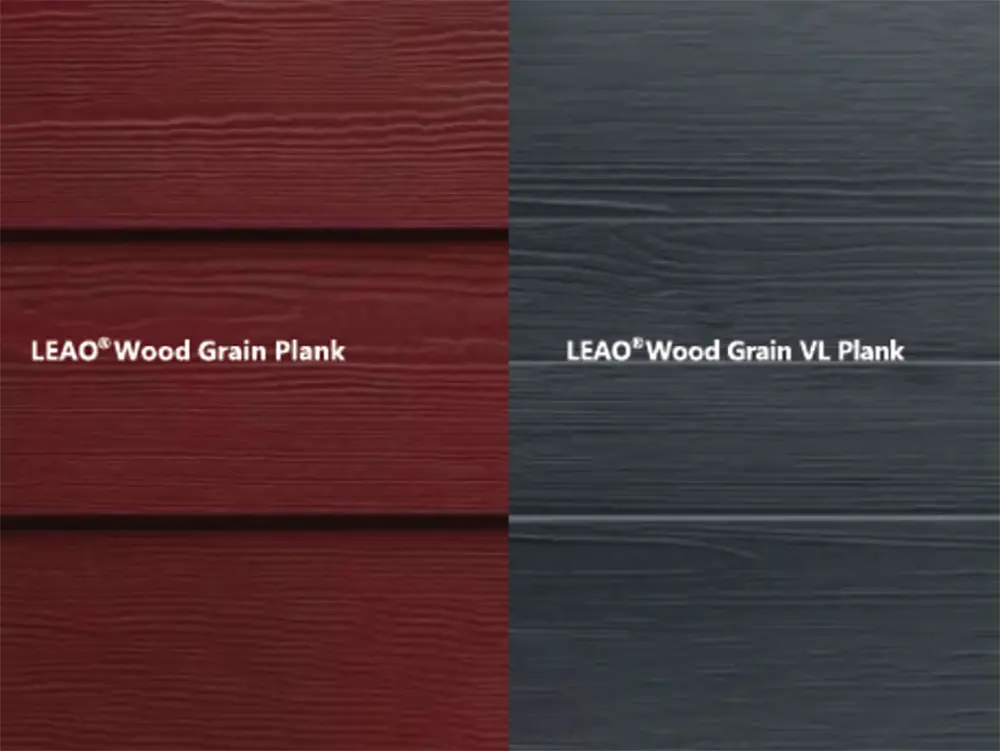 LEAO® Wood Grain Plank
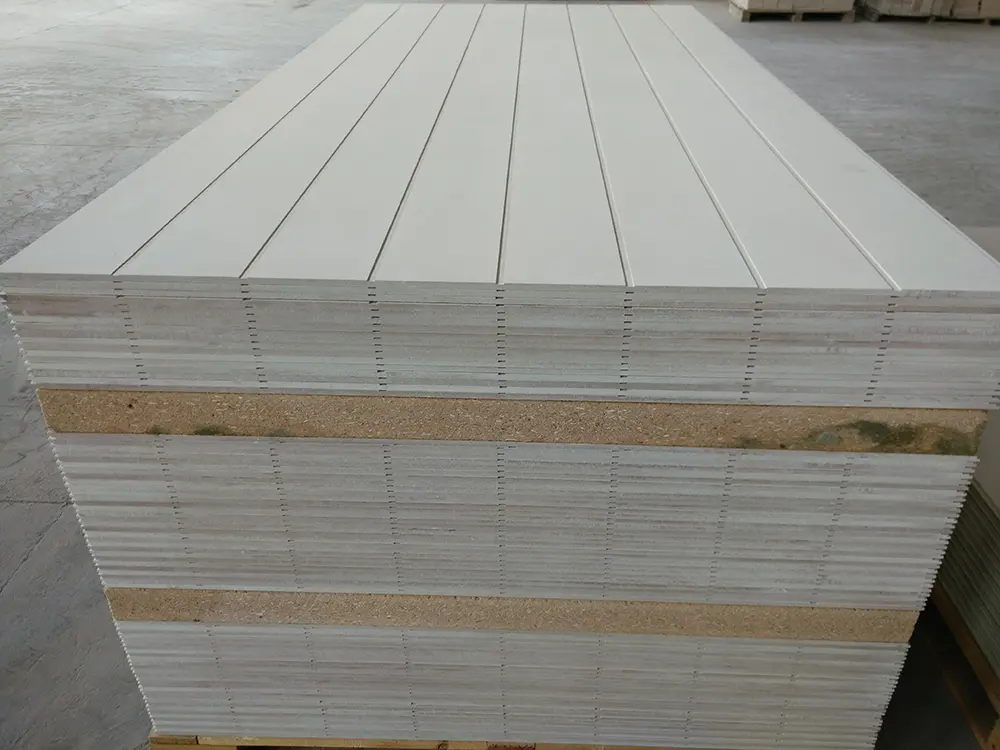 LEAO® Grooved Exterior Panel
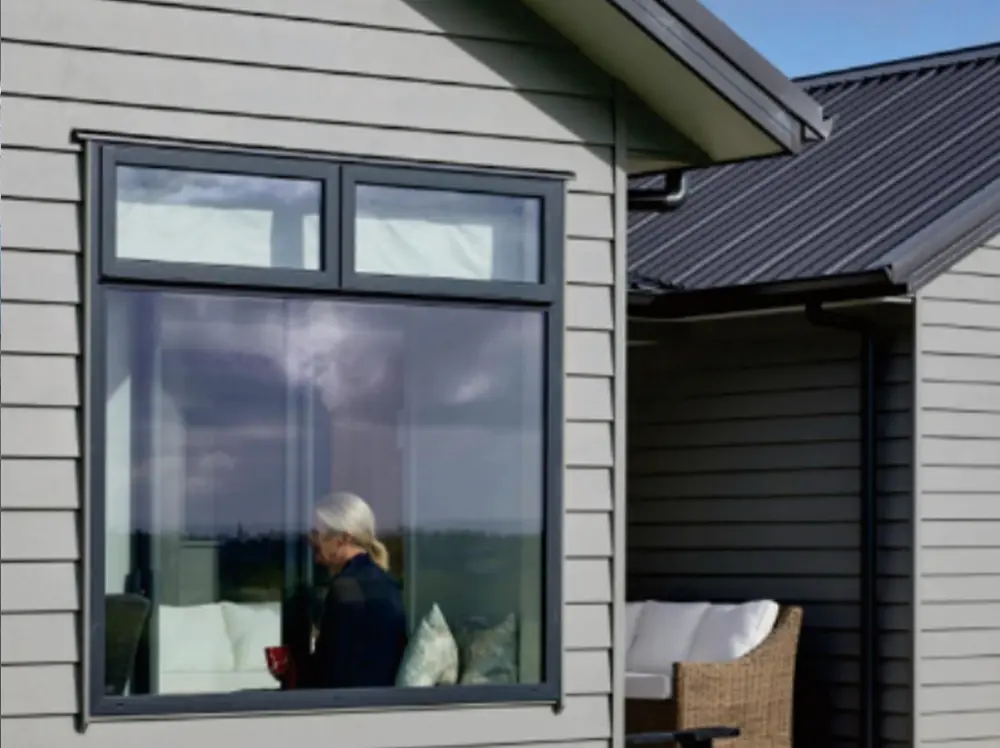 LEAO® Weatherboard
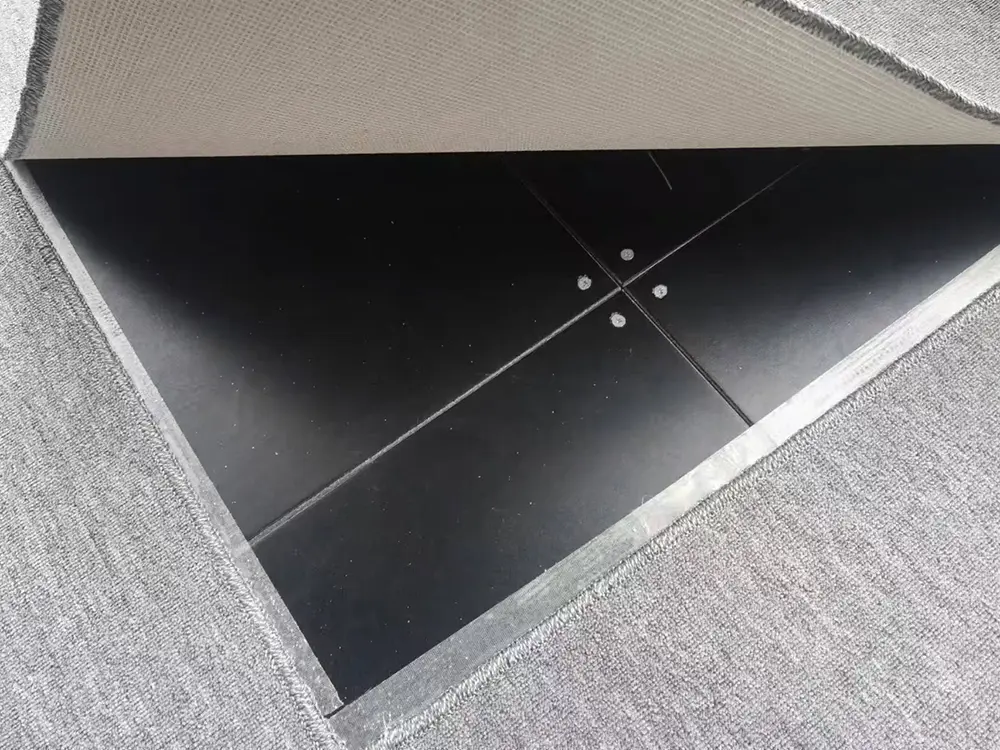 LEAO® Access Floors
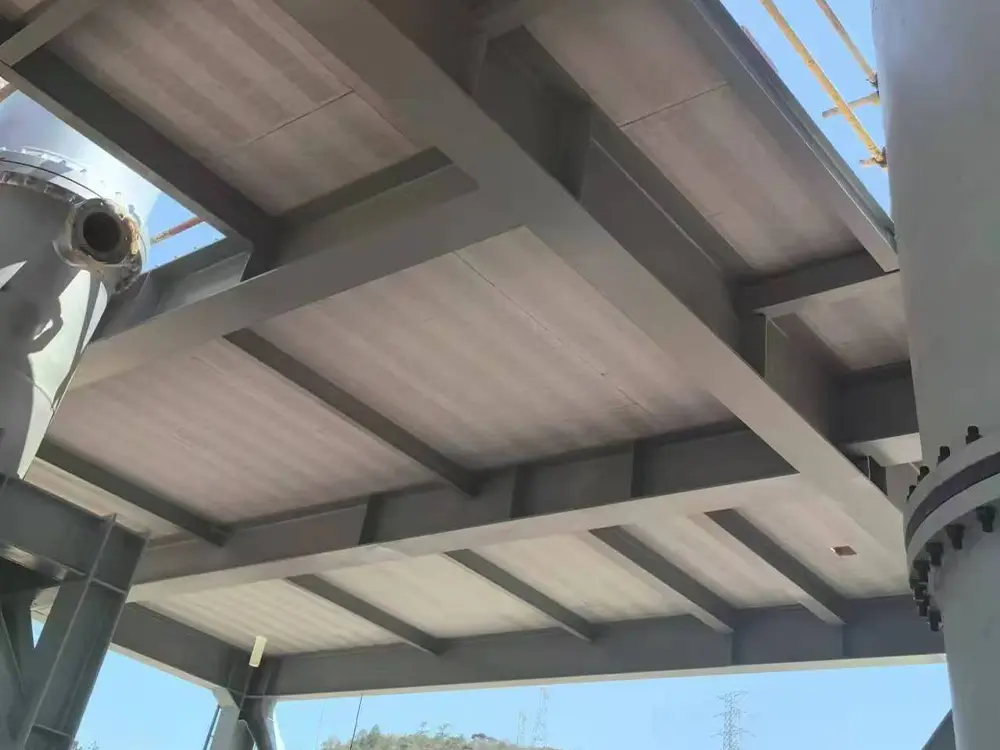 LEAO® Non-removable Formwork
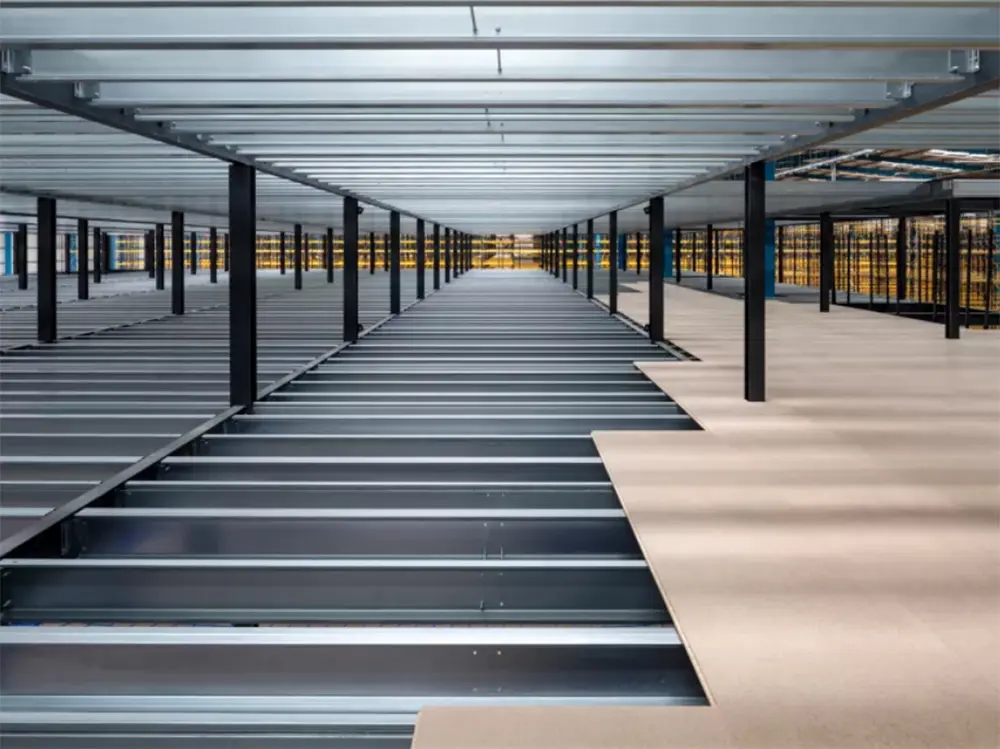 LEAO® Mezzanine Board
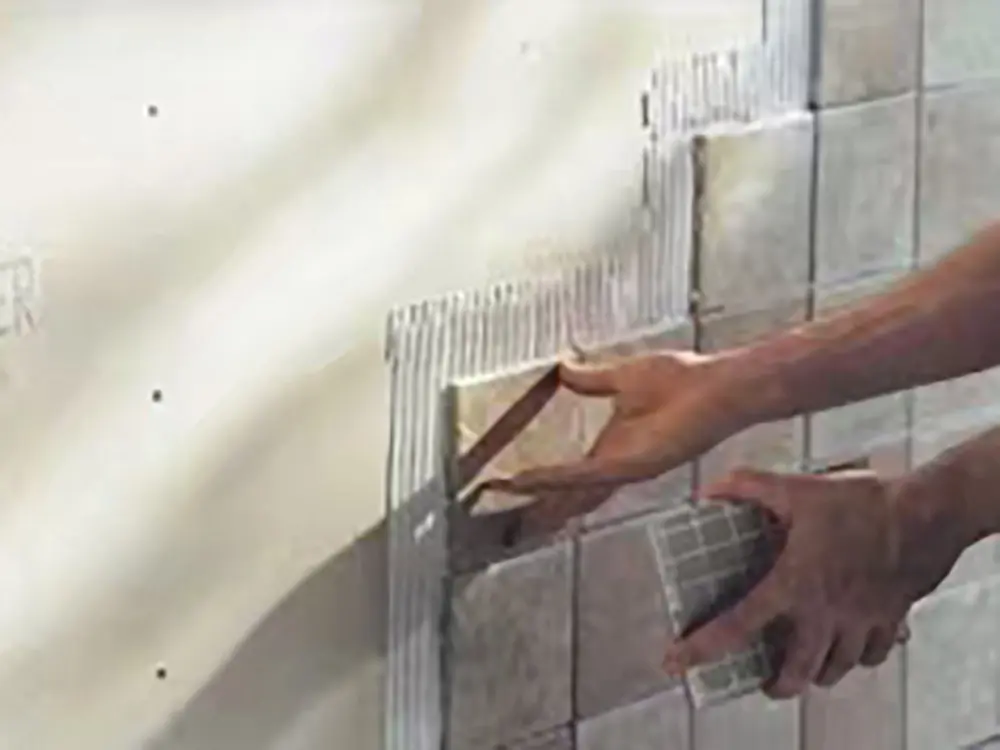 LEAO® Ceramic Tile Underlay
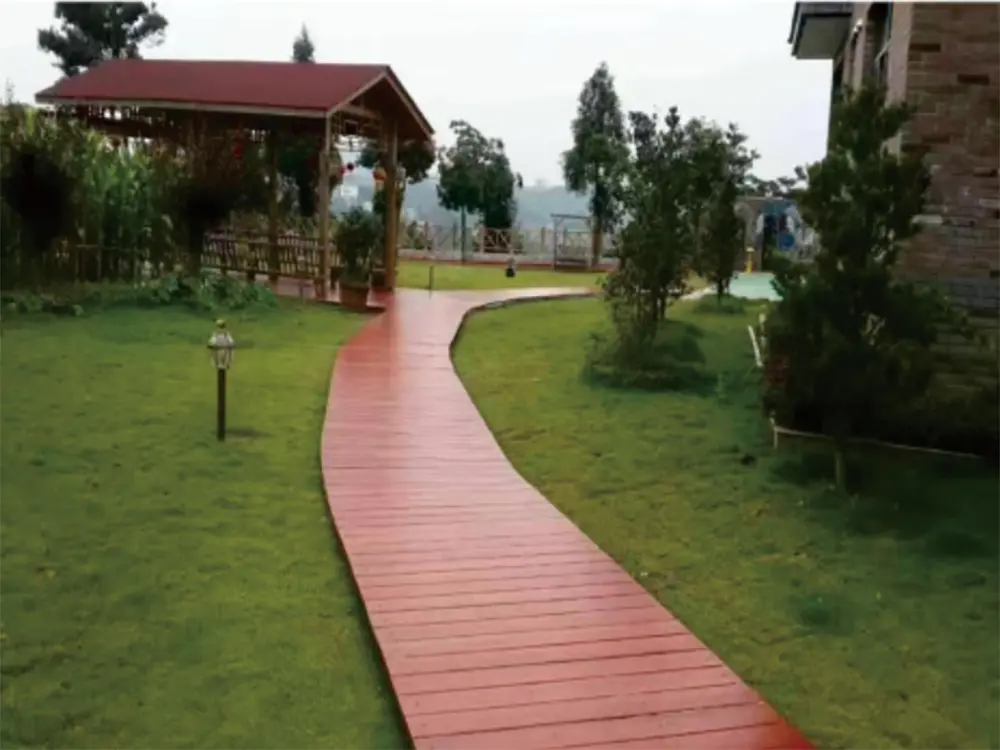 LEAO® Floor Plank
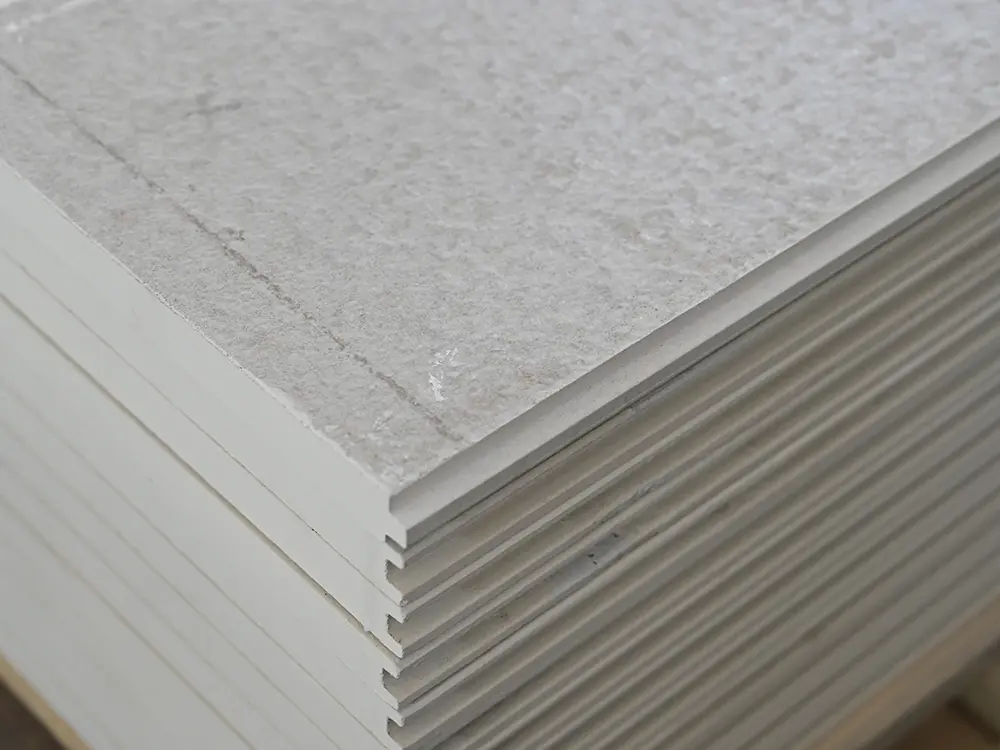 LEAO® Flooring
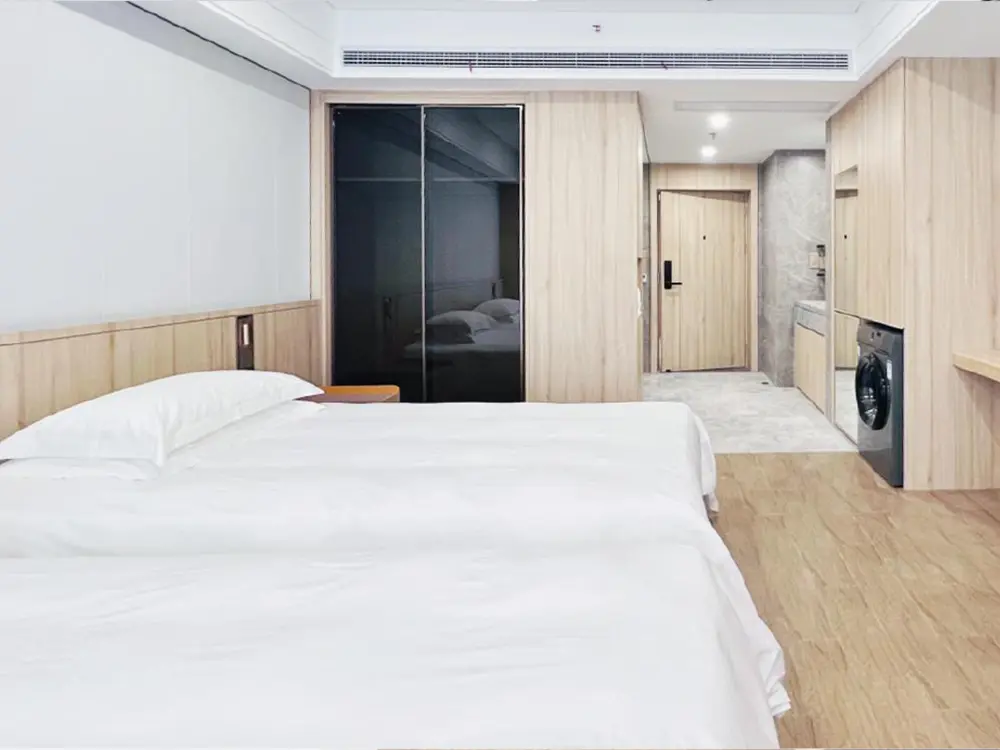 LEAO® Wood Style Decorative Panel
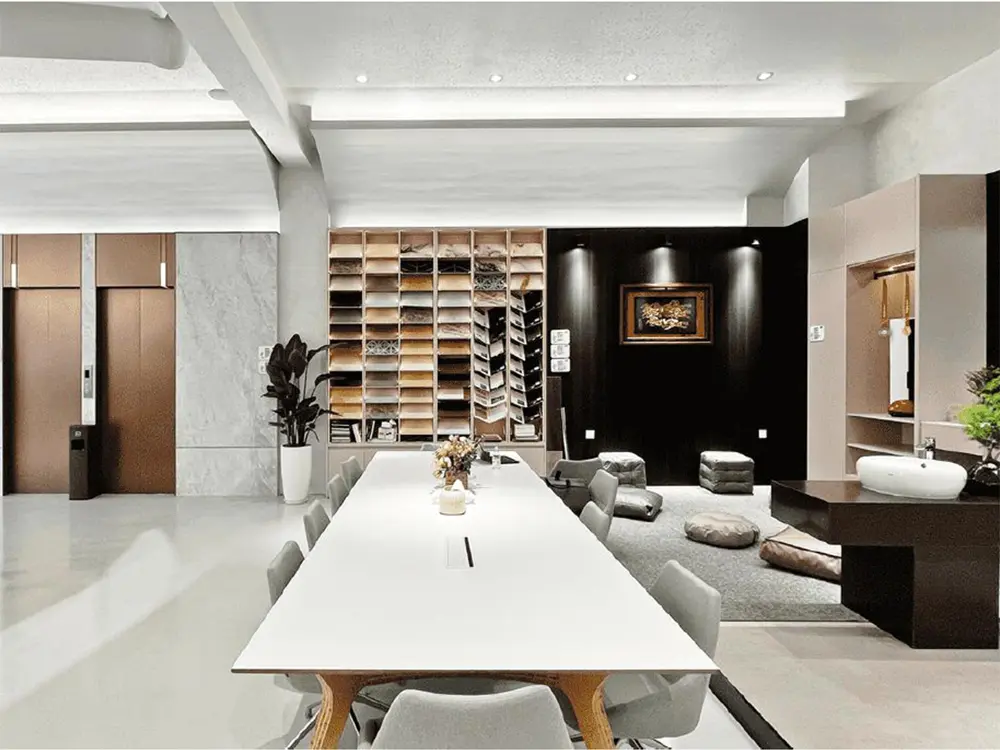 LEAO® Stone Style Decorative Panel
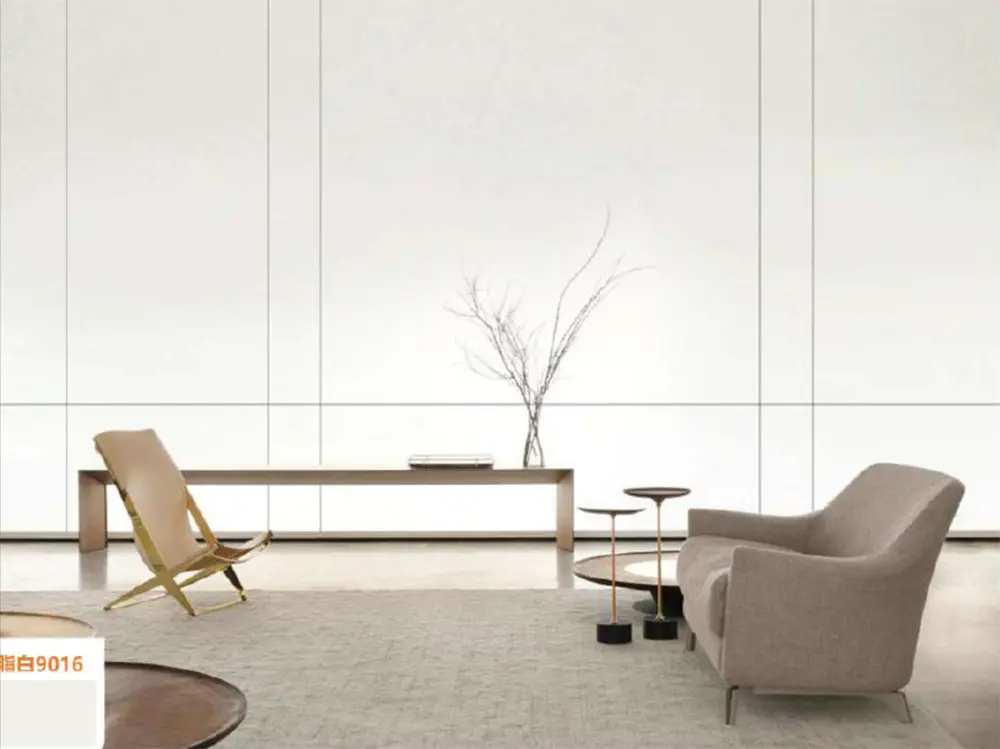 LEAO® Pure Style Decorative Panel