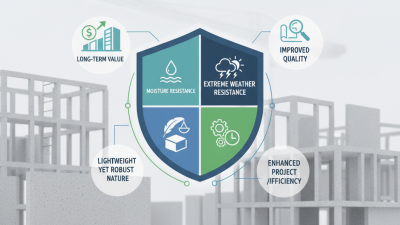
What is Fiber Cement Backer Board and its Benefits?
Fiber Cement Backer Board is a vital component in modern construction. As noted by industry expert Dr. Emily Carter, “This material enhances durability and moisture resistance in demanding environments.” This statement reflects the growing importance of Fiber Cement Backer Board in areas such as bathrooms and kitchens, where exposure to water is frequent.
The advantages of Fiber Cement Backer Board are numerous. It combines cement and cellulose fibers, creating a robust, fire-resistant surface. Unlike traditional materials, it resists mold and rot, making it a reliable choice for builders. However, its weight can be a concern during installation, requiring careful handling and knowledge.
Understanding the benefits and potential drawbacks of Fiber Cement Backer Board is essential for construction professionals. This knowledge leads to better decision-making when selecting materials. It’s crucial to stay informed about innovations in construction to ensure a balance between performance and practicality.
What is Fiber Cement Backer Board?
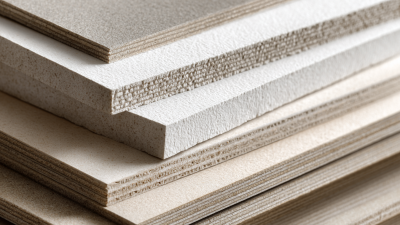
Fiber cement backer board is a versatile building material used primarily in wet areas like bathrooms and kitchens. Made from a mix of sand, cement, and cellulose fibers, it resists moisture, mold, and termites. This durability makes it a preferred choice among contractors and homeowners alike. It provides a sturdy base for tiles, enhancing the overall longevity of installations.
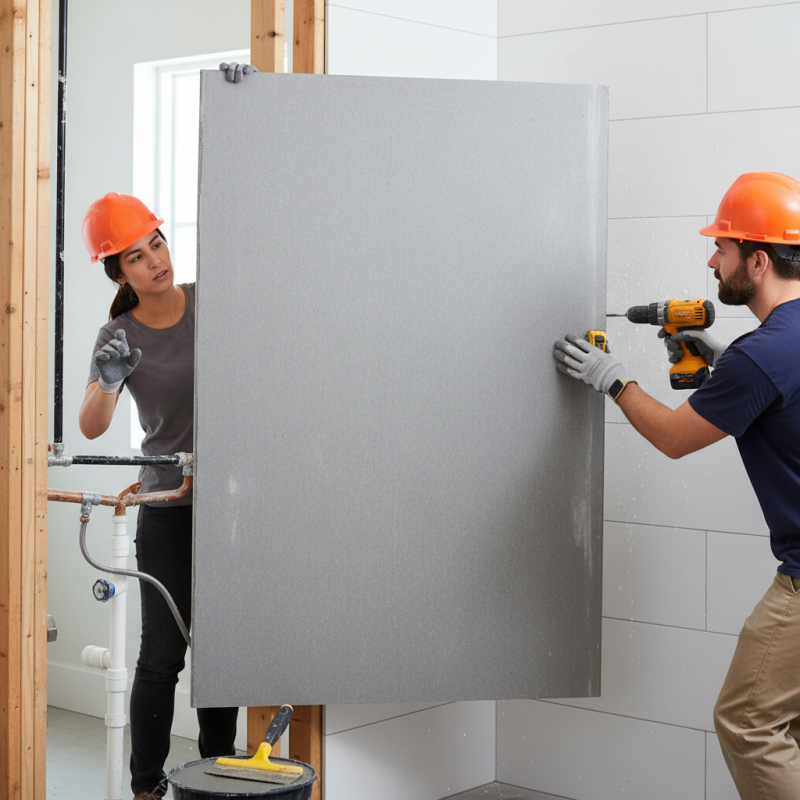
Installation of fiber cement board requires some skill. Its weight can be challenging for DIY enthusiasts. Cutting it accurately can be tricky, and improper installation may lead to issues down the line. While it offers superior performance, the initial work can seem daunting. It’s crucial to follow instruction guides or consult professionals for best results. Proper handling and an understanding of the installation process minimize potential problems.
What is Fiber Cement Backer Board and its Benefits?
| Dimension |
Specification |
Benefits |
| Thickness |
1/4", 1/2", 5/8" |
Strength and Durability |
| Size |
Commonly 3'x5' panels |
Easy Handling and Installation |
| Water Resistance |
Non-porous Material |
Prevents Mold and Mildew |
| Fire Rating |
Class A Fire Rating |
Enhanced Safety |
| Thermal Resistance |
Insulating Properties |
Energy Efficiency |
Composition and Manufacturing Process of Fiber Cement Board
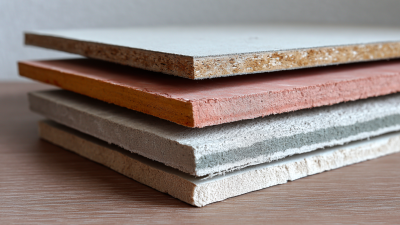
Fiber cement backer board is a popular building material, known for its durability and moisture resistance. Its composition primarily includes cement, cellulose fibers, and sand. This combination allows the board to withstand harsh environments, making it suitable for various applications like bathrooms and kitchens. The manufacturing process involves mixing these components, pressing them into sheets, and curing them to enhance strength. Reports indicate that fiber cement boards can last for decades when properly installed, outliving many traditional materials.
Understanding the manufacturing process can provide insights into the board's benefits. The high density achieved through pressure helps in fire resistance and impact strength. According to industry data, fiber cement board can reduce energy costs by improving insulation. Using recycled materials in its production also minimizes waste, contributing to sustainability.
Tips: Ensure proper installation to maximize the board’s lifespan. Use a moisture barrier for enhanced protection. Lastly, consider local climate conditions, as they can affect performance. Not all projects require fiber cement, so evaluate your specific needs carefully.
Benefits of Fiber Cement Backer Board
Key Benefits of Using Fiber Cement Backer Board
Fiber cement backer board is a versatile building material. It's widely used in areas exposed to moisture, like bathrooms and kitchens. This robust board offers several key benefits.
One major advantage is its resistance to mold and mildew. Unlike traditional materials, fiber cement does not easily absorb water. This makes it ideal for wet environments. Additionally, it is fire-resistant, providing an extra layer of safety in your home. The durability of this board ensures it can withstand harsh conditions without warping.
**Tips**: Always check the installation guidelines. Proper installation ensures longevity. Using the right tools can prevent damage during the process.
Another benefit is its compatibility with various finishes. Whether you're using tile, paint, or wallpaper, fiber cement supports your design choices. This flexibility allows for creative freedom in home decor. However, be cautious with heavy finishes as they may affect the underlying board.
**Tips**: It's essential to seal any joints properly. Unsealed edges can lead to issues over time. Periodic inspections can save you from more extensive repairs later.
Applications of Fiber Cement Backer Board in Construction
Fiber cement backer board is becoming increasingly popular in construction, particularly in wet areas like kitchens and bathrooms. Its design offers water and mold resistance, making it ideal for tile applications. Builders appreciate its ease of installation, allowing for efficient project timelines.
In residential and commercial settings, fiber cement backer board can be used as a substrate for tiles. This board provides a sturdy foundation, ensuring that tiled surfaces remain intact over time. In some cases, however, it can be challenging to cut accurately, leading to wasted materials. Attention to detail during installation can help minimize these issues.
Moreover, its durability makes it suitable for both interior and exterior applications. Architects and contractors can use it for siding, roofing, and even decorative purposes. Yet, some professionals still question its cost-effectiveness compared to other materials. This requires thorough analysis and consideration before making a decision. The benefits are significant, but weighing these against drawbacks is essential for informed choices.
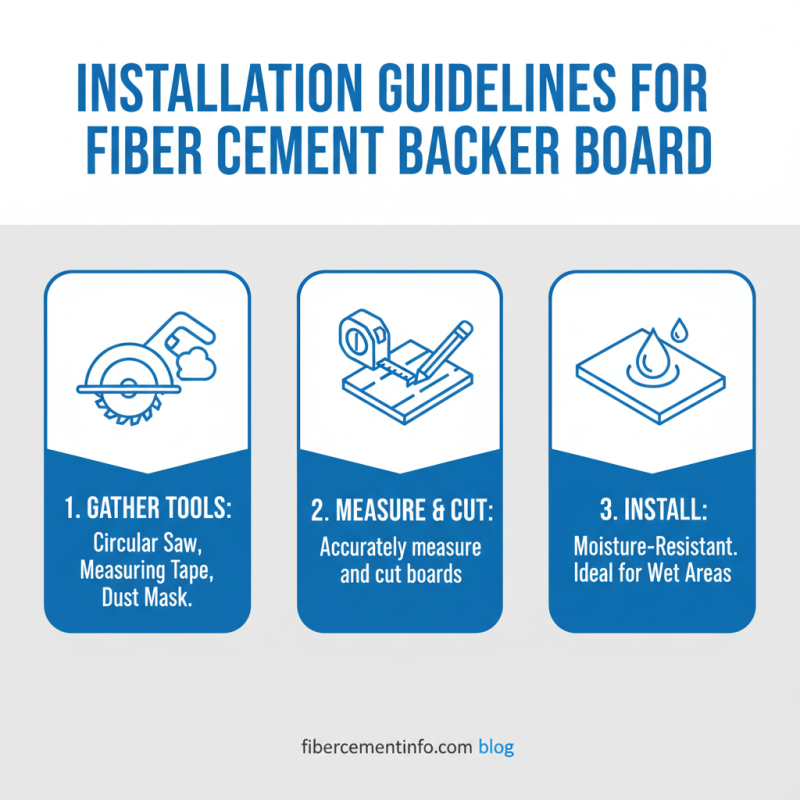
Installation Guidelines for Fiber Cement Backer Board
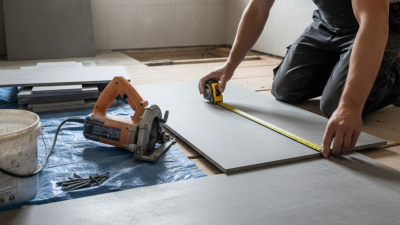
Installing fiber cement backer board is a straightforward process. It is essential to gather all necessary tools before starting. A circular saw, measuring tape, and dust mask are crucial for a successful installation. These materials are resistant to moisture, which makes them ideal for wet areas.
When cutting the board, ensure you wear a dust mask. The dust can be harmful if inhaled. Use a straightedge to score the board several times before snapping it cleanly. Cutting can be tricky, and mistakes may lead to waste. Take your time to measure accurately.
Consider using construction adhesive in addition to screws. This can enhance stability, especially in high-moisture places. It's useful to pre-drill holes for screws to avoid splitting. Measure distances carefully and maintain even spacing between screws.
After installation, check for any gaps. Fill these with appropriate mortar. This can prevent water from seeping through the seams. Remember, any overlooked detail can lead to future issues. Regular inspections can help maintain the integrity of the installation over time.

 LEAO®Deco Ceiling
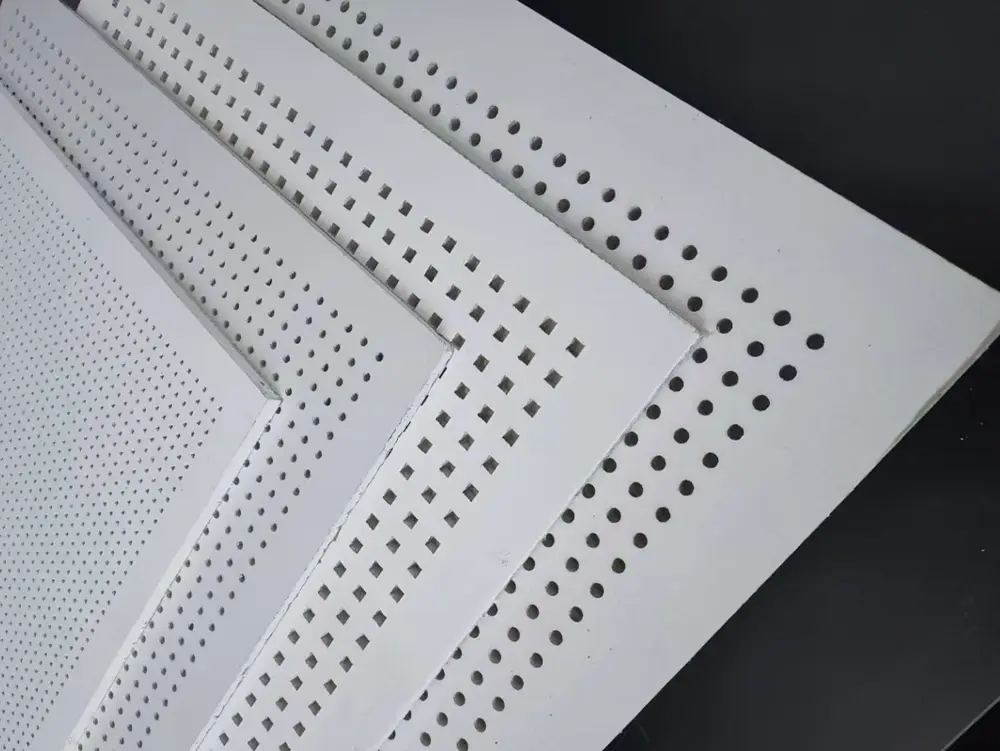 LEAO® Perforated Ceiling
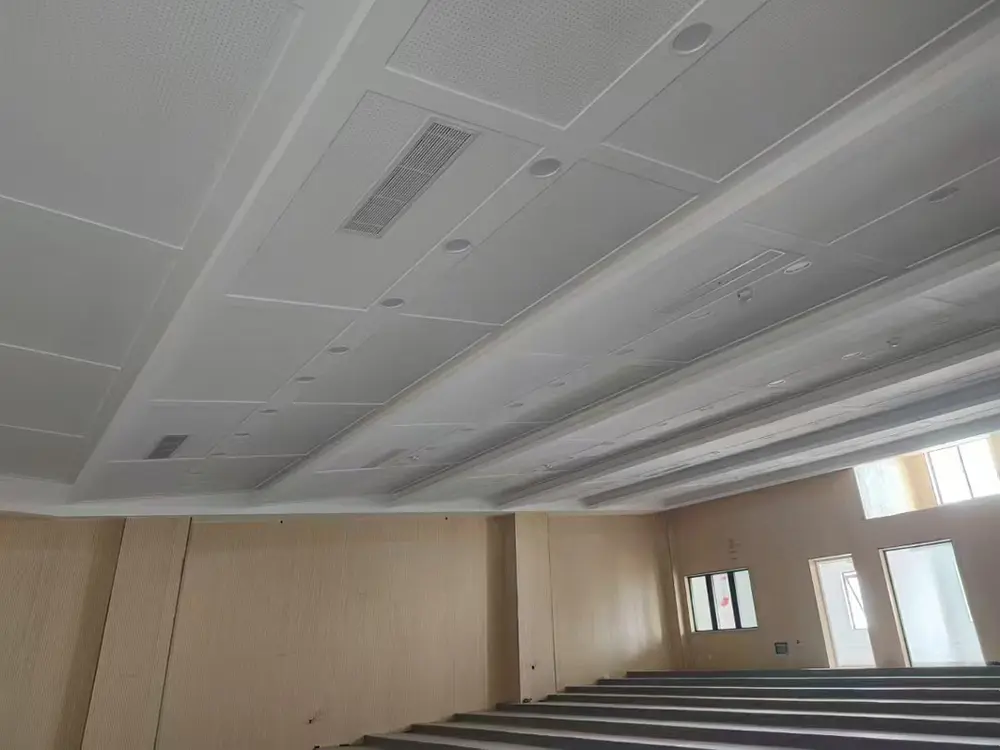 LEAO® Ceiling Board
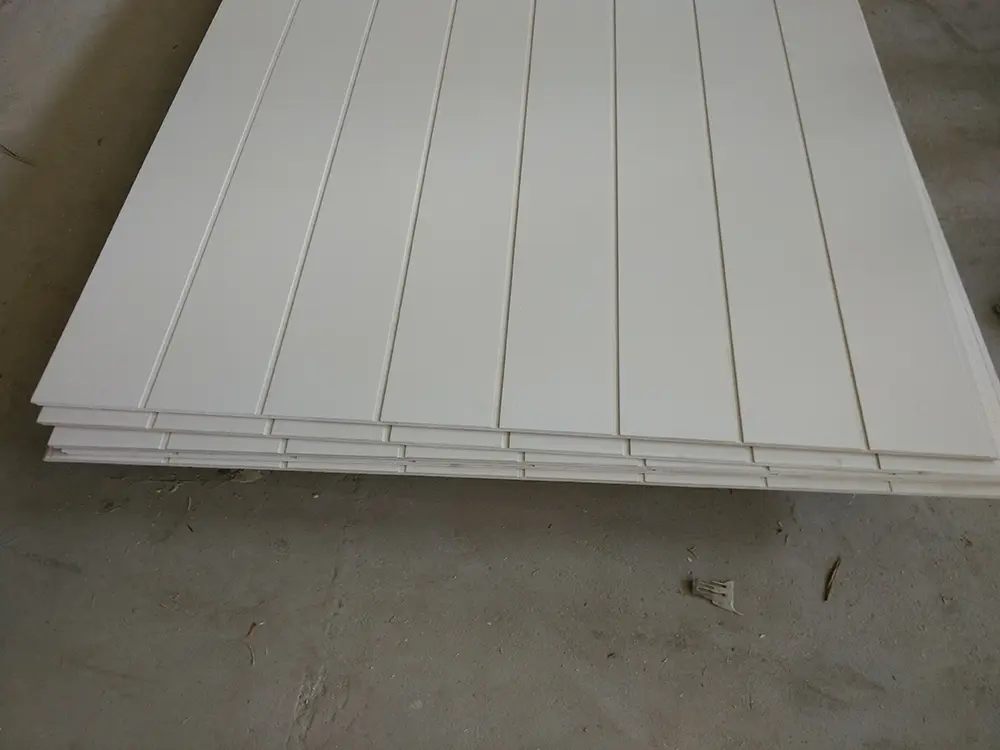 LEAO® Groove Interior Panel
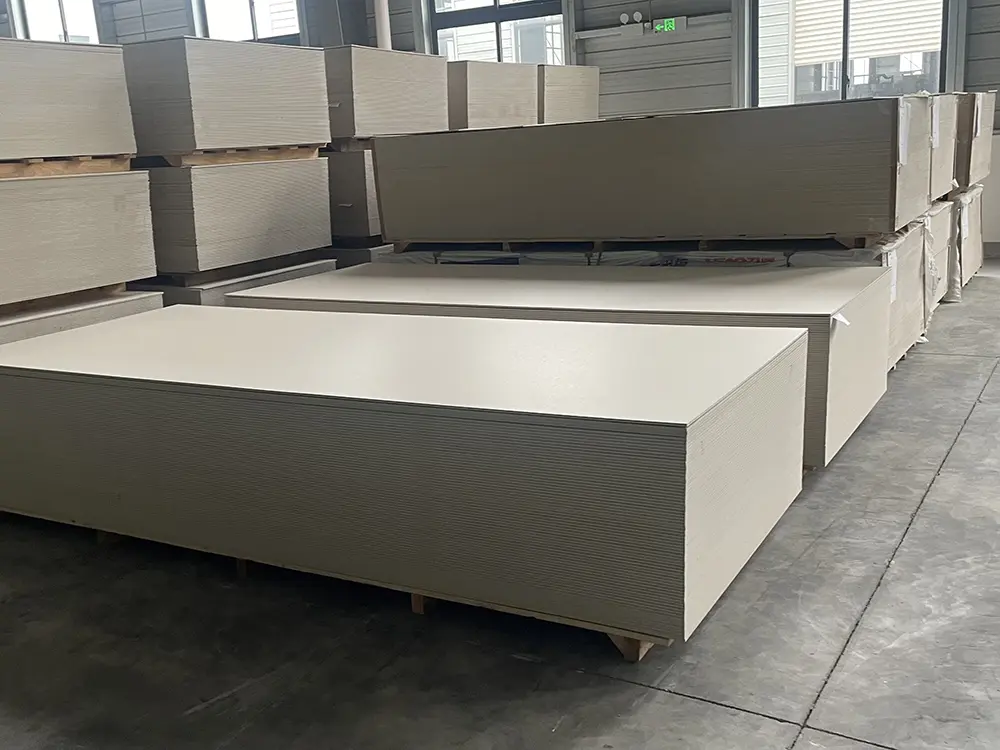 LEAO® Interior Board
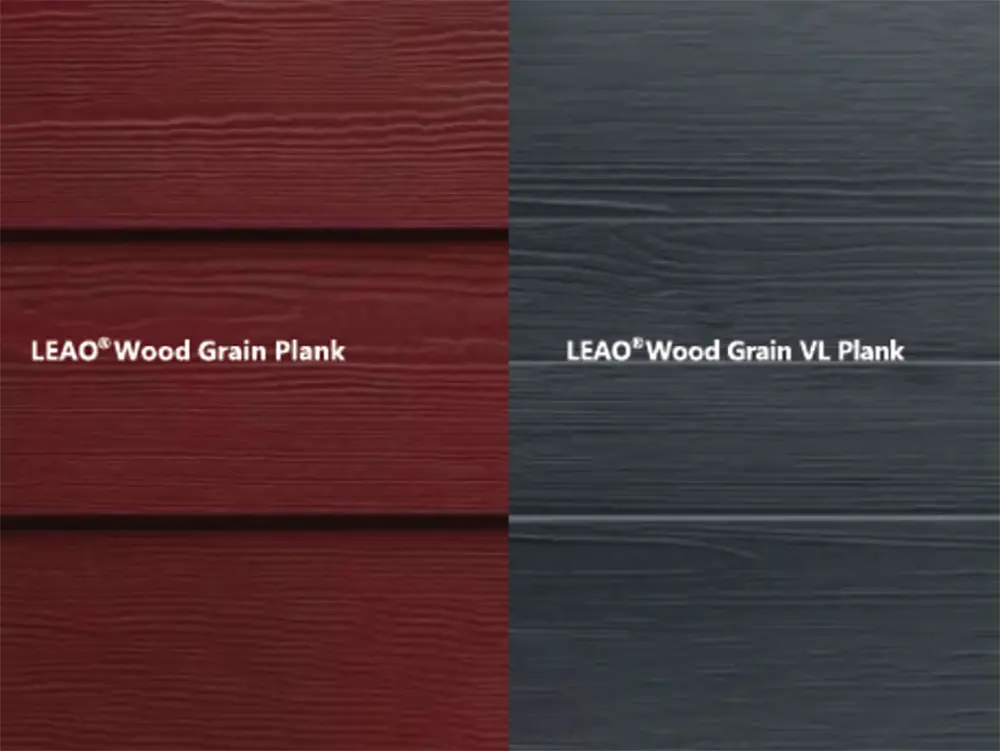 LEAO® Wood Grain Plank
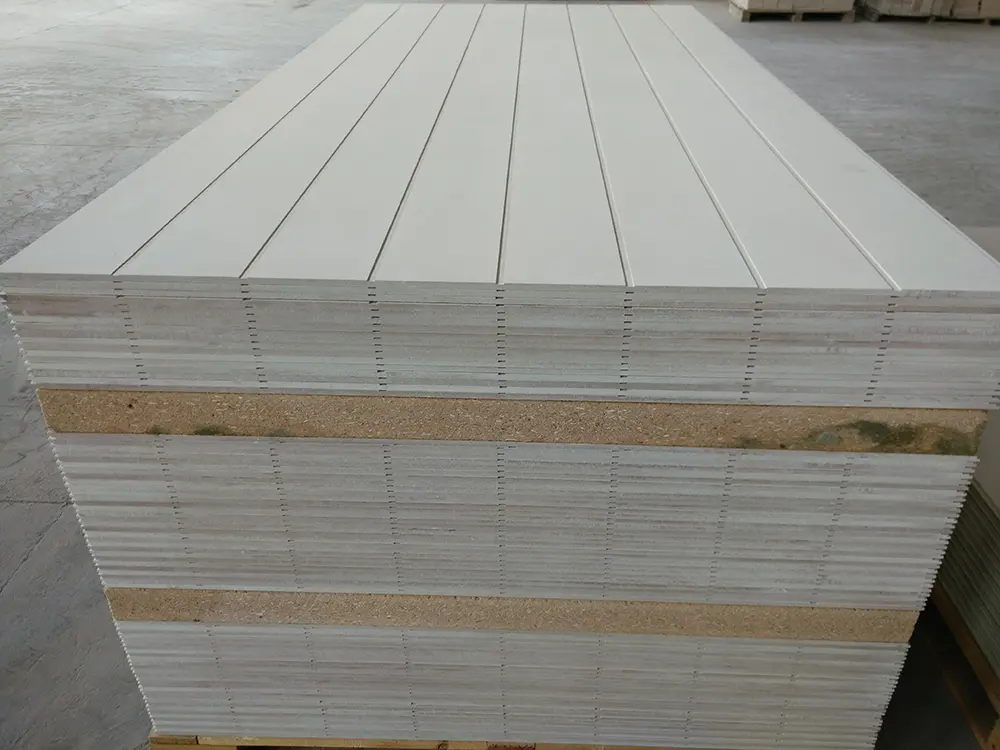 LEAO® Grooved Exterior Panel
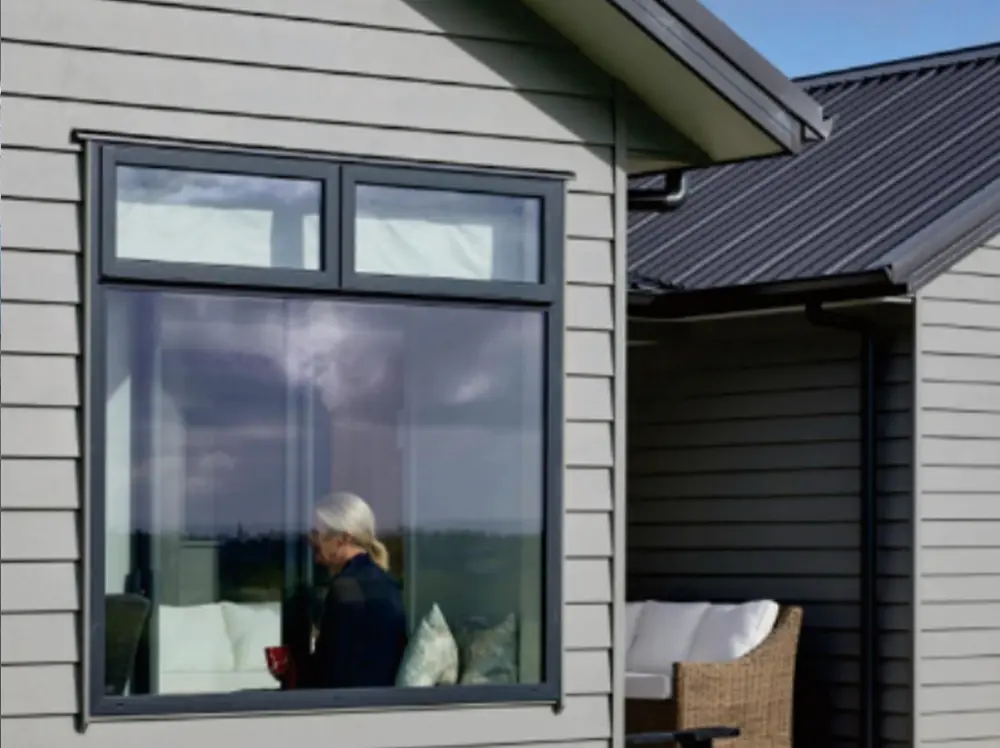 LEAO® Weatherboard
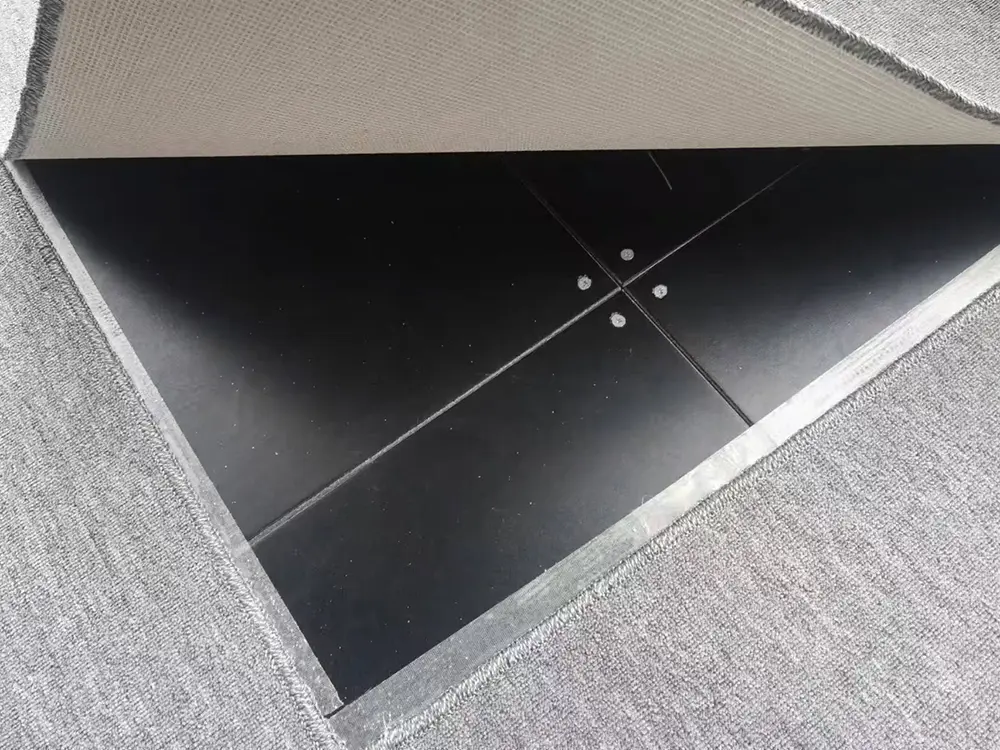 LEAO® Access Floors
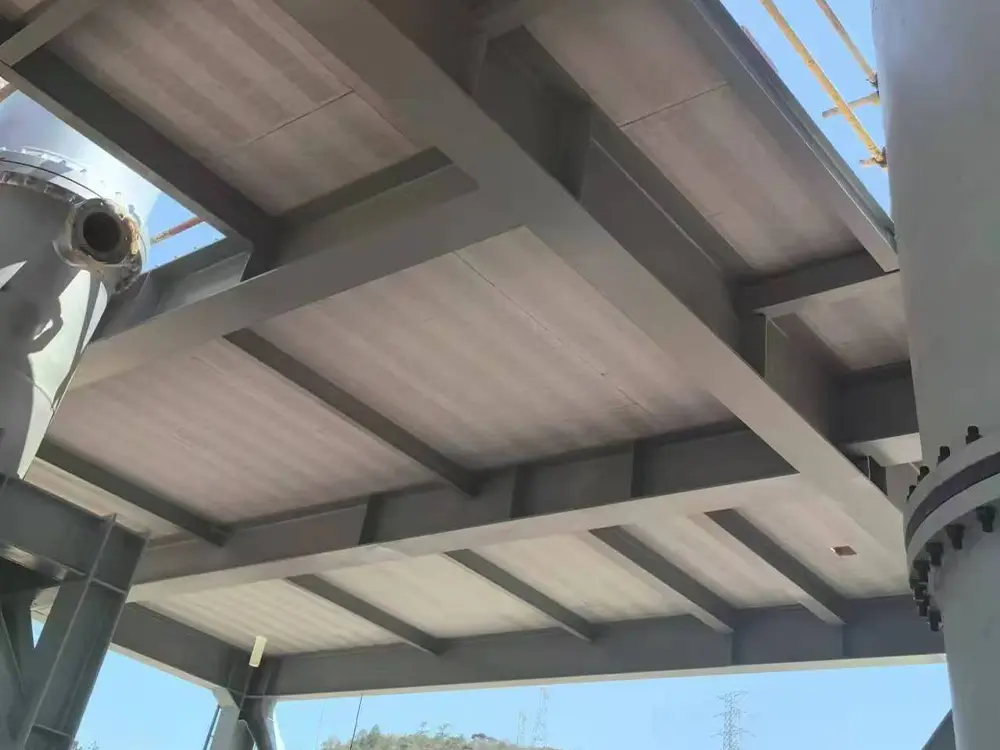 LEAO® Non-removable Formwork
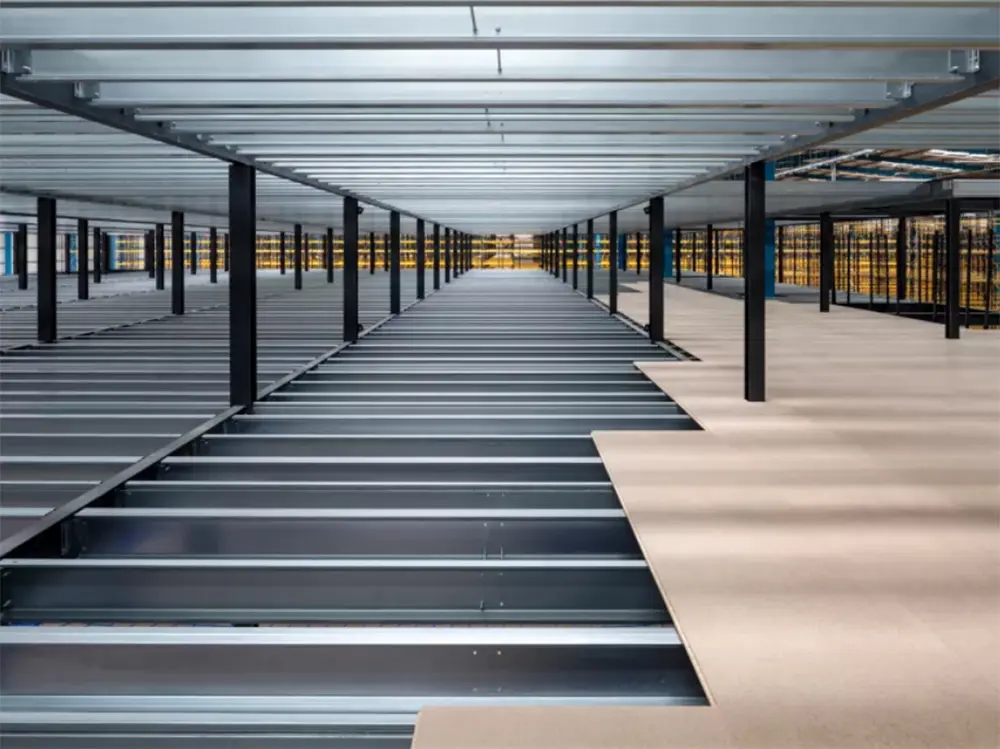 LEAO® Mezzanine Board
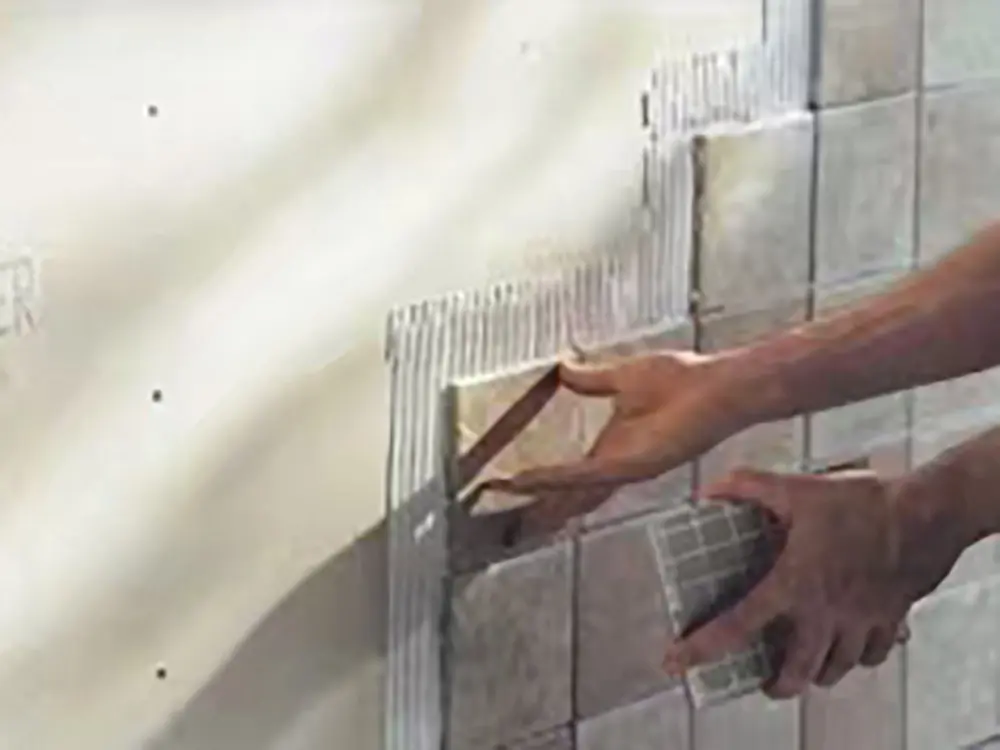 LEAO® Ceramic Tile Underlay
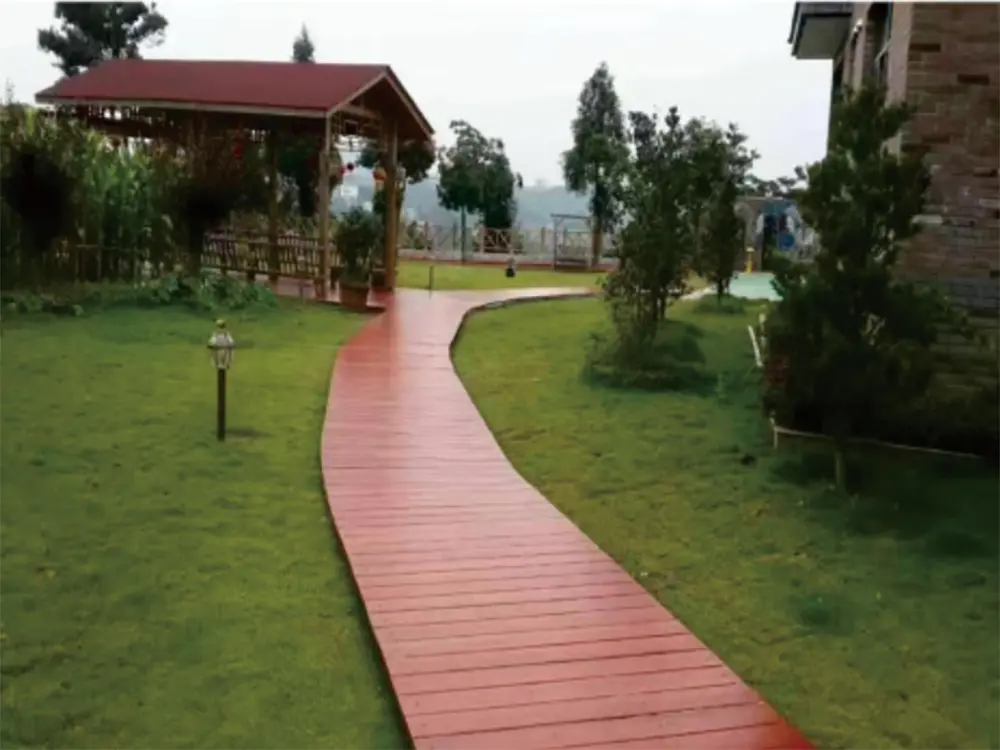 LEAO® Floor Plank
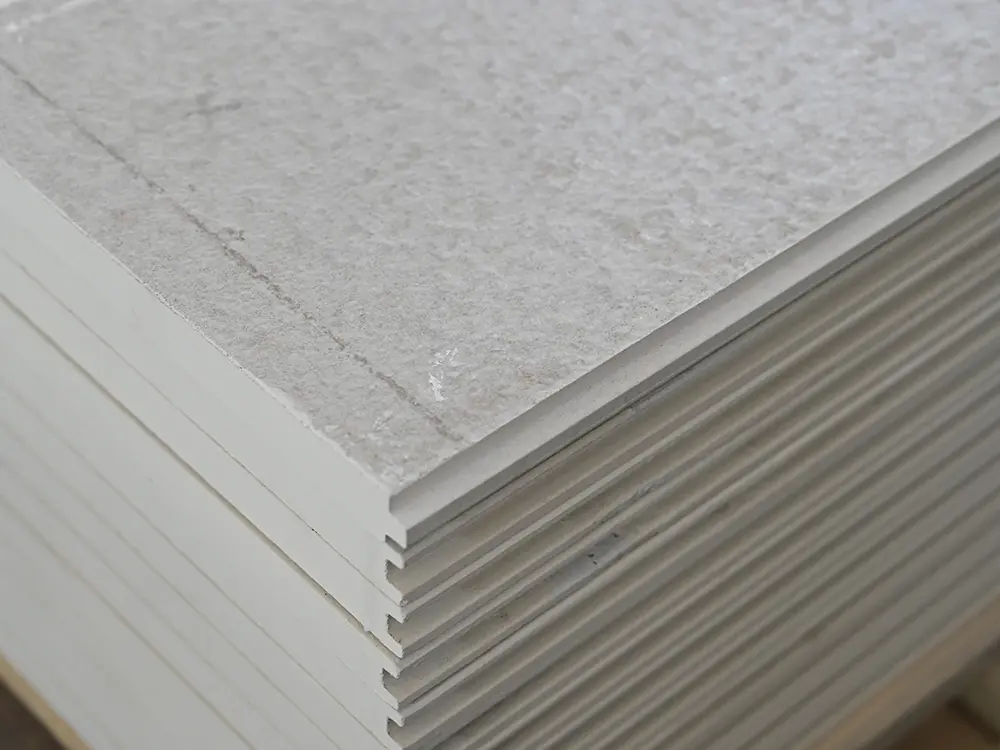 LEAO® Flooring
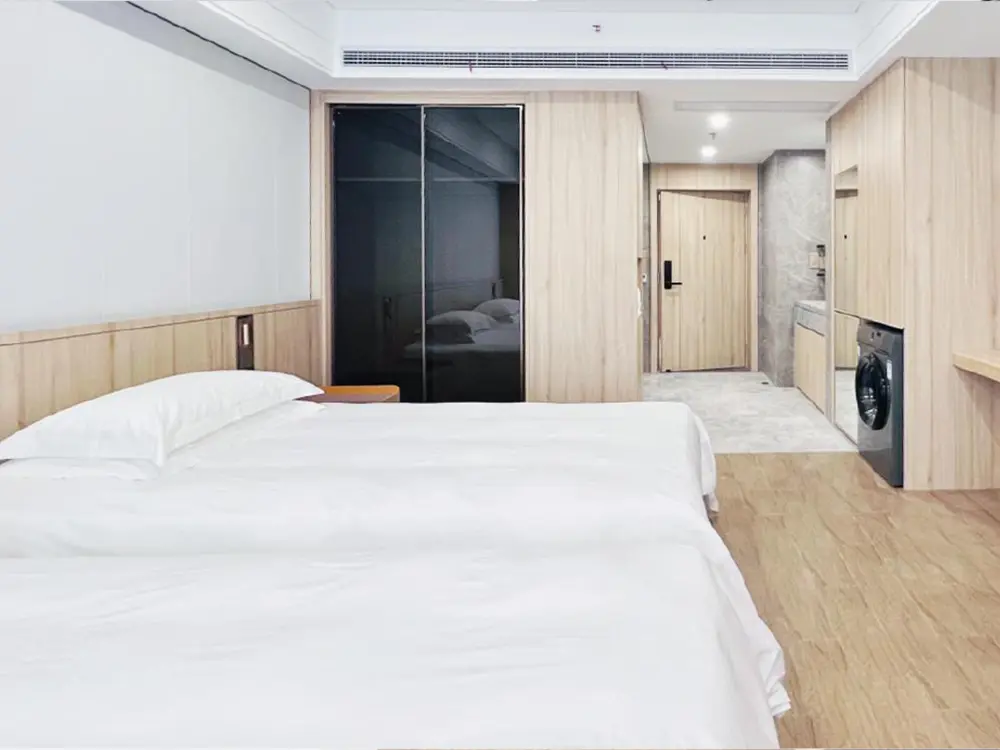 LEAO® Wood Style Decorative Panel
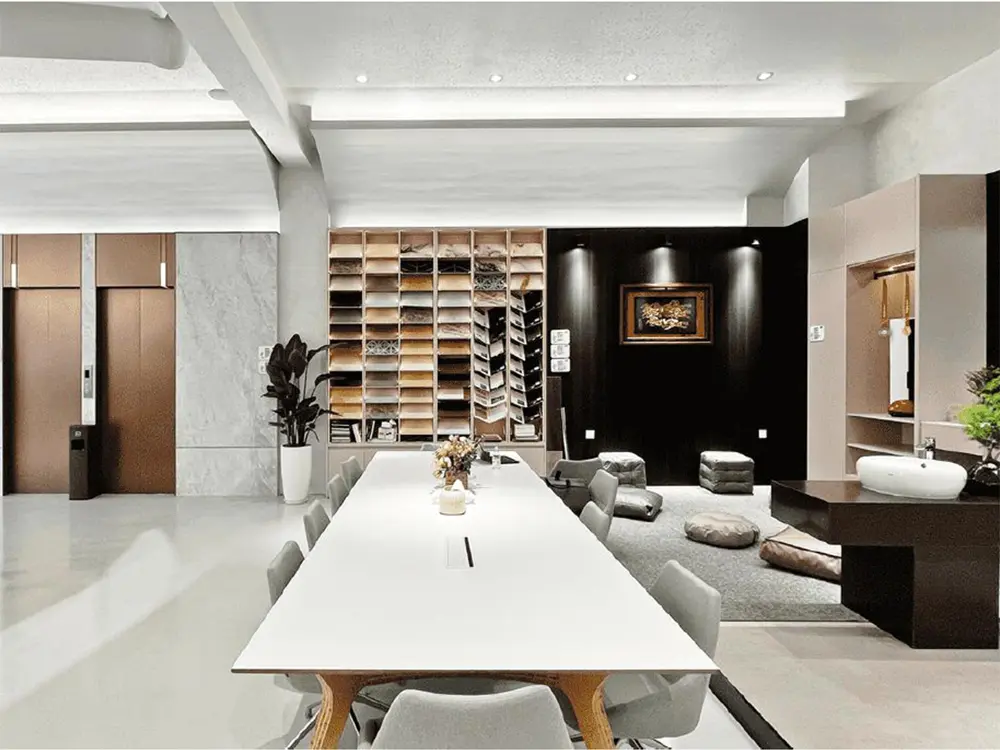 LEAO® Stone Style Decorative Panel
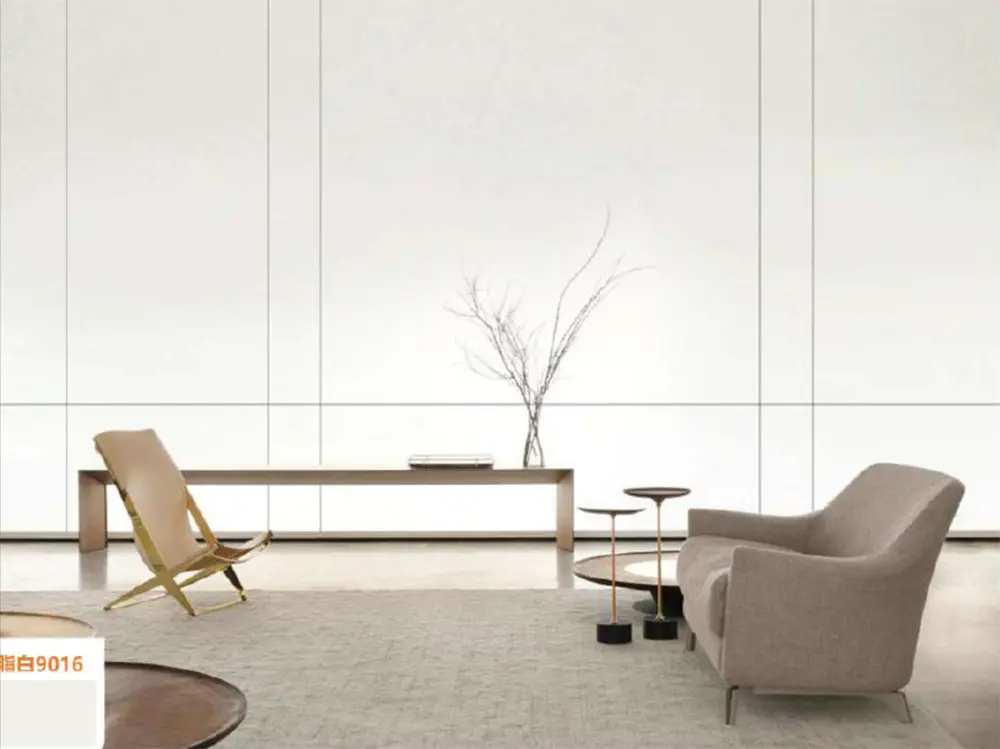 LEAO® Pure Style Decorative Panel