What is Fiber Cement Board Siding and Its Benefits for Homeowners?
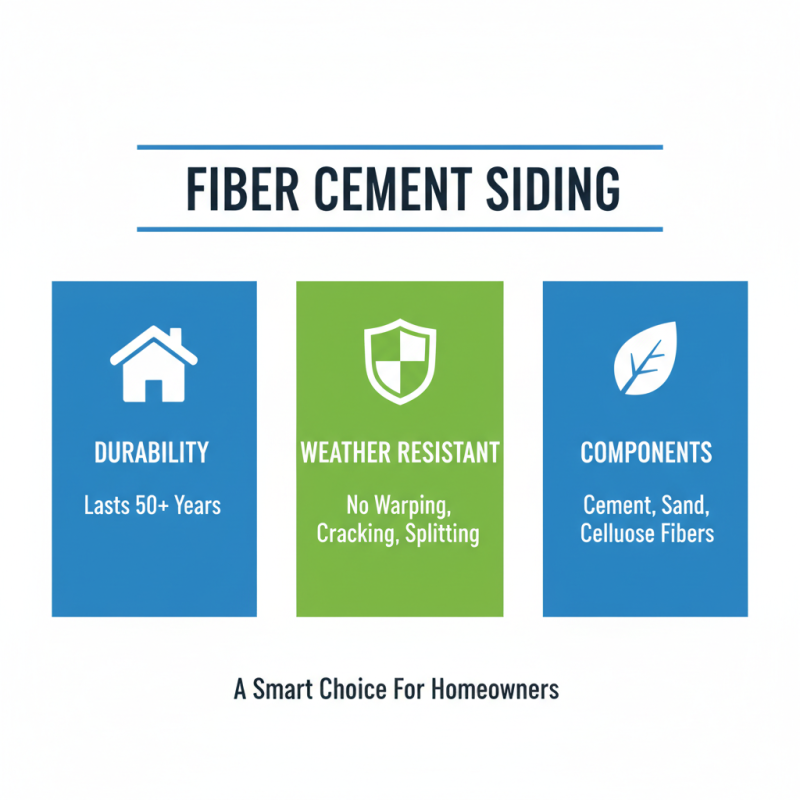
Fiber Cement Board Siding has gained popularity among homeowners for its durability and versatility. According to expert Sarah Johnson, “Fiber Cement Board Siding combines the best of both worlds: strength and beauty.” This material is made from a blend of cement, sand, and cellulose fibers, providing an effective alternative to traditional wood or vinyl siding.
Homeowners appreciate its resistance to harsh weather conditions. Fiber Cement Board Siding does not warp or swell, making it an ideal choice for varied climates. Its fire-resistant properties also offer an added layer of safety. However, application can be complex. Installation requires skilled labor and specific tools. Many homeowners may overlook these aspects during planning.
Moreover, the initial cost can be higher compared to other siding materials. It's essential for homeowners to weigh these factors carefully. Despite its benefits, not everyone may find Fiber Cement Board Siding to be the right choice. Informed decisions are crucial. Proper research can lead to a successful home renovation project that stands the test of time.
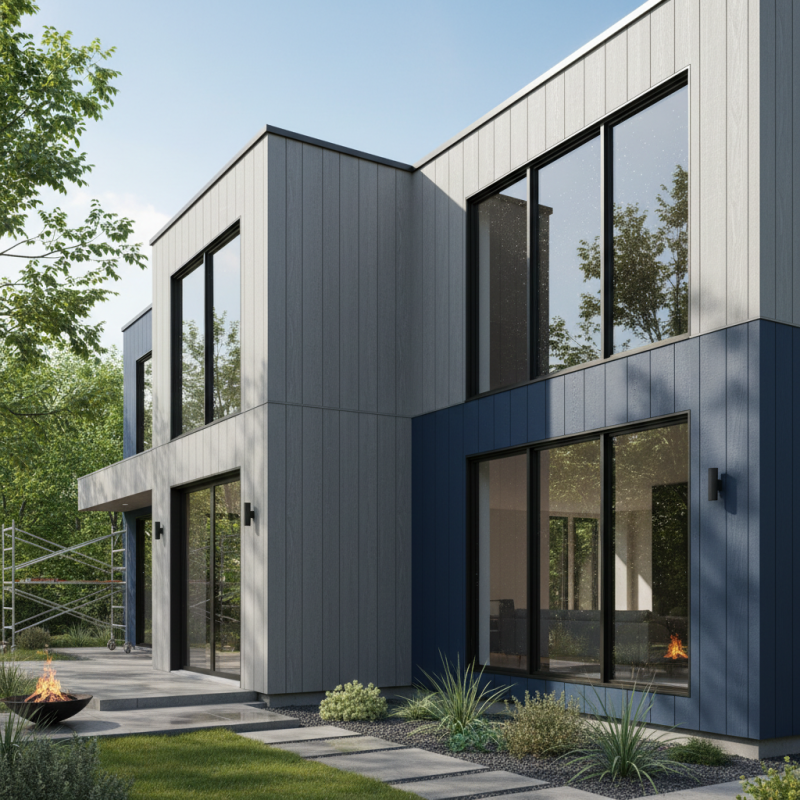
What is Fiber Cement Board Siding?
Fiber cement board siding is a building material gaining popularity among homeowners. Made from a mixture of cement, sand, and cellulose fibers, it provides a durable, weather-resistant option. Unlike wood, it does not warp, crack, or split. According to the National Association of Home Builders, fiber cement siding lasts over 50 years with proper maintenance.
One major benefit of fiber cement siding is its fire resistance. The American Insurance Association reports that homes with fiber cement siding may experience lower insurance premiums. This material also comes in various textures and colors, allowing homeowners to achieve their desired aesthetic. Its versatility suits a range of architectural styles, from traditional to contemporary.
Cost is a consideration. While it may have a higher initial price than vinyl siding, the longevity and minimal maintenance can offset these costs. However, some homeowners might underestimate installation challenges. Proper installation is crucial to maximize its benefits. Uneven surfaces or moisture can lead to issues. Understanding these factors is essential for making an informed decision about siding options.
Key Materials Used in Fiber Cement Board Production
Fiber cement board siding is an innovative material that offers several advantages for homeowners. Its production relies on a unique blend of key materials that enhance durability and aesthetic appeal. Primarily, cellulose fibers are used, which provide strength and flexibility. These fibers are often sourced from recycled paper products, contributing to sustainability.
Additionally, Portland cement is a crucial component. It acts as the binding agent, ensuring the board resists moisture and harsh weather conditions. Sand is also included in the mix, adding density and stability. This material combination results in a product that mimics the look of wood or stucco while requiring less maintenance.
However, not all fiber cement boards are created equal. Some may not meet quality standards, leading to issues over time. Homeowners should be cautious when selecting products. Researching the manufacturing process is essential. Balancing cost with quality can be a challenge, but doing so pays off in the long run.
Advantages of Fiber Cement Board Siding for Homeowners
Fiber cement board siding is gaining popularity among homeowners due to its many advantages. One notable benefit is its durability. This material can withstand harsh weather conditions, including storms and extreme temperatures. Unlike traditional wood siding, fiber cement does not rot or warp easily. This means less frequent repairs and replacements.
Another important aspect is fire resistance. Fiber cement is non-combustible, offering added safety for homes. This feature can provide peace of mind to homeowners worried about fire hazards. Additionally, it’s pest-resistant. Termites and insects do not damage this material. Homeowners can save money on pest control services and treatments.
In terms of aesthetics, fiber cement siding offers numerous design options. Homeowners can choose from various colors, textures, and styles. It can mimic the look of wood, stone, or stucco. However, installation may require skilled labor, which might increase costs. It’s crucial to consider this before making a final decision. Balancing appearance with practicality is essential for homeowners.
What is Fiber Cement Board Siding and Its Benefits for Homeowners?
| Feature |
Description |
Benefits |
| Durability |
Resistant to rotting, warping, and insects |
Long lifespan and low maintenance costs |
| Fire Resistance |
Non-combustible material |
Increased safety and lower insurance premiums |
| Aesthetic Variety |
Available in various styles, colors, and textures |
Enhances curb appeal and customization |
| Energy Efficiency |
Helps improve thermal insulation |
Lower energy bills |
| Environmental Impact |
Made from sustainable materials |
Eco-friendly building option |
Durability and Maintenance Requirements of Fiber Cement Siding
Fiber cement siding is known for its impressive durability. Made from a mix of cement, sand, and cellulose fibers, it withstands harsh weather conditions. Homeowners benefit from its resilience against rot, pests, and fire. This makes it a smart choice for various climates. However, its weight can be a challenge during installation, requiring careful handling.
Maintenance is straightforward but not effortless. Periodic cleaning is essential to prevent mold growth. Homeowners should inspect for any chipping or fading. While fiber cement siding doesn't require frequent painting, it may need updates every 10 to 15 years. Some find this timeframe reasonable, while others feel it’s too soon. Understanding these needs is crucial before deciding on this material. Ensure your choice aligns with personal maintenance preferences and the home’s aesthetic.
Benefits of Fiber Cement Board Siding
Cost Analysis: Fiber Cement vs. Traditional Siding Options
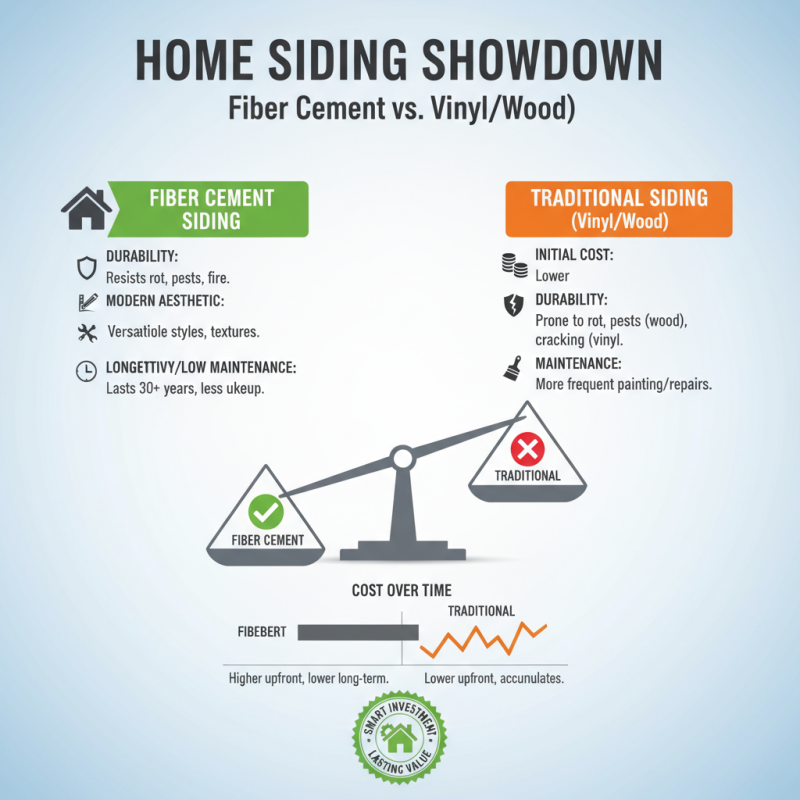
Fiber cement board siding offers durability and a modern look for homes. Homeowners often weigh the cost against traditional siding options like vinyl or wood. While fiber cement may have a higher initial price, its longevity can be a significant factor. This material often requires less maintenance over time.
Vinyl siding can be cheaper upfront, but it may not withstand harsh weather. Additionally, wood siding requires regular painting and treating, driving up costs. On the other hand, fiber cement boards resist rot and pests. They can last for decades with minimal upkeep.
Choosing fiber cement is a long-term investment. However, some may find the initial cost daunting. It’s essential to evaluate your needs. Homeowners should consider climate, maintenance, and aesthetics. Reflecting on these factors will help ensure a well-informed decision.

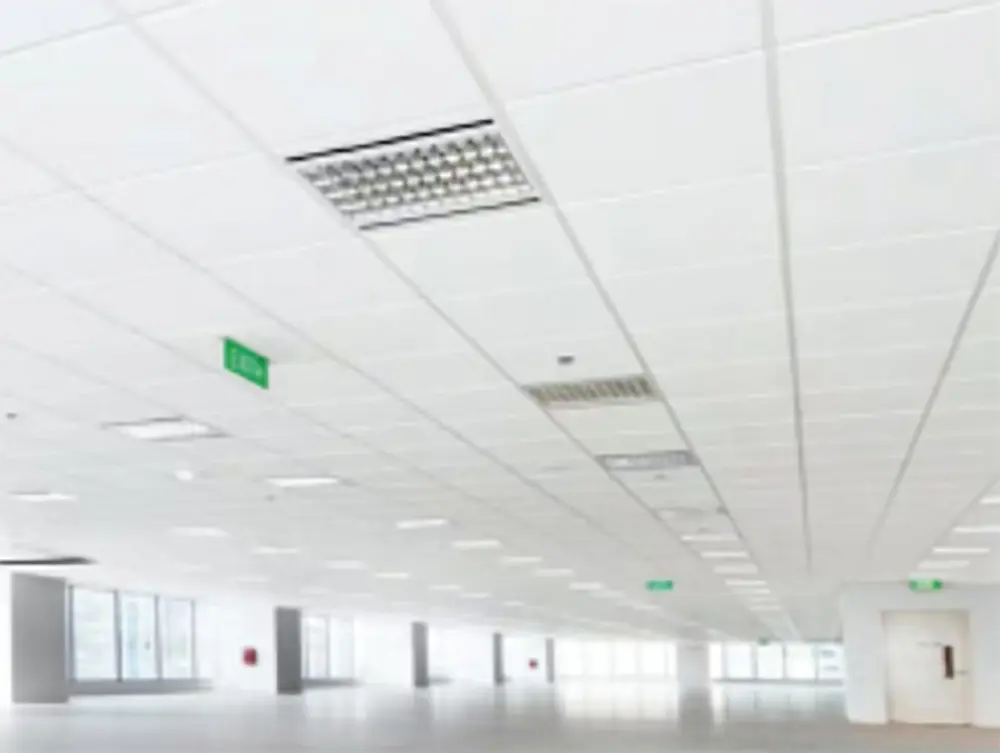 LEAO®Deco Ceiling
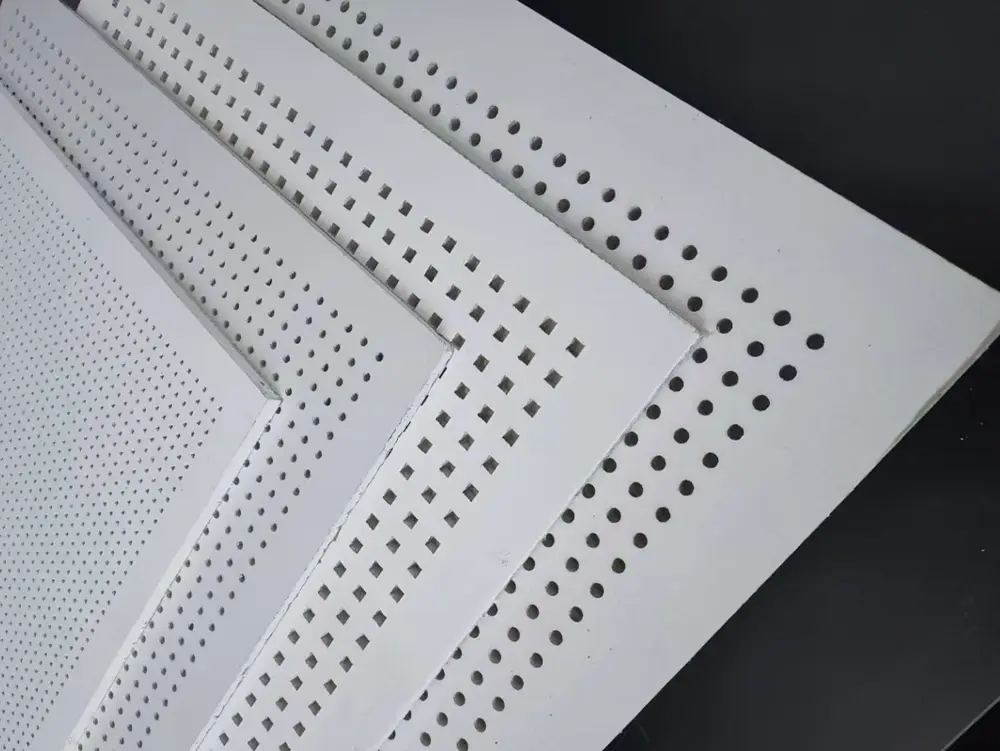 LEAO® Perforated Ceiling
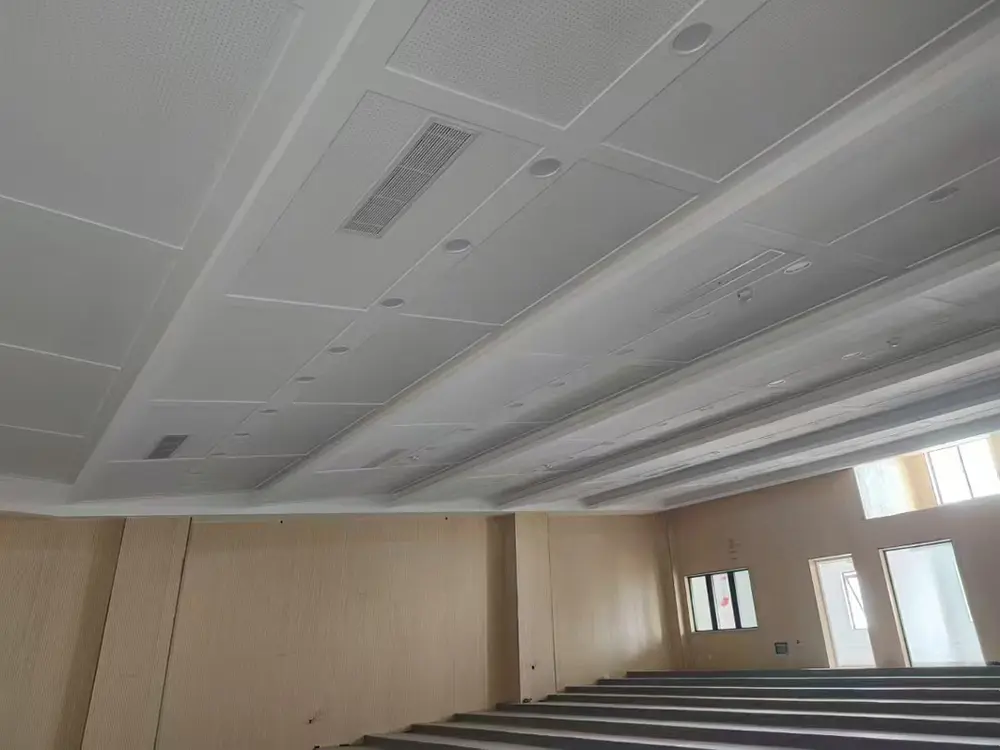 LEAO® Ceiling Board
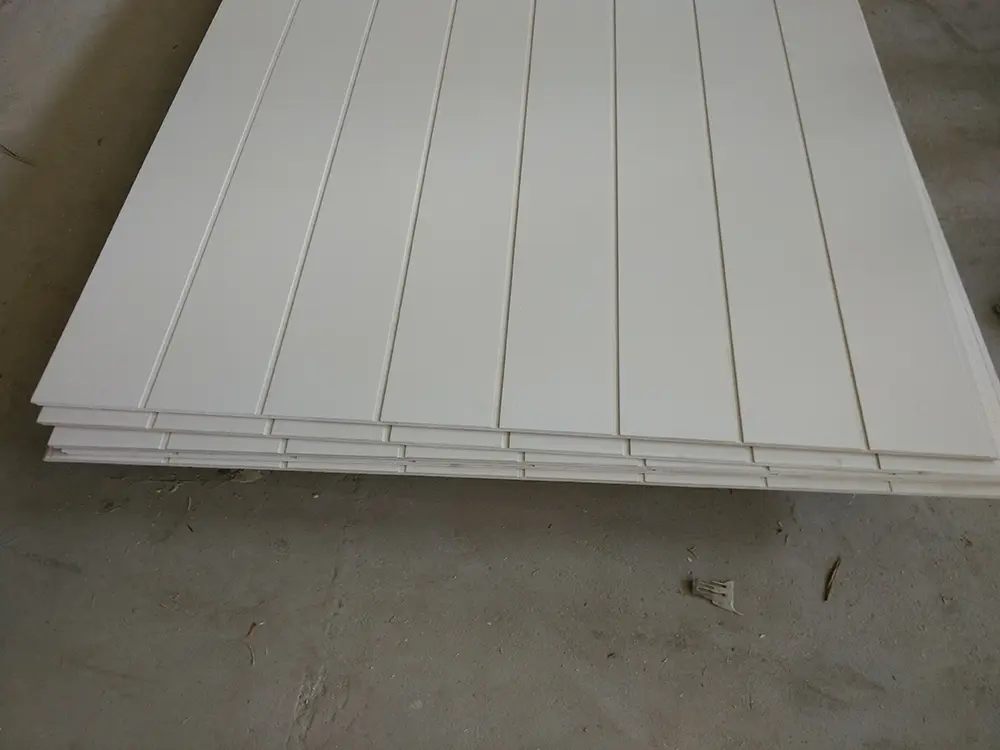 LEAO® Groove Interior Panel
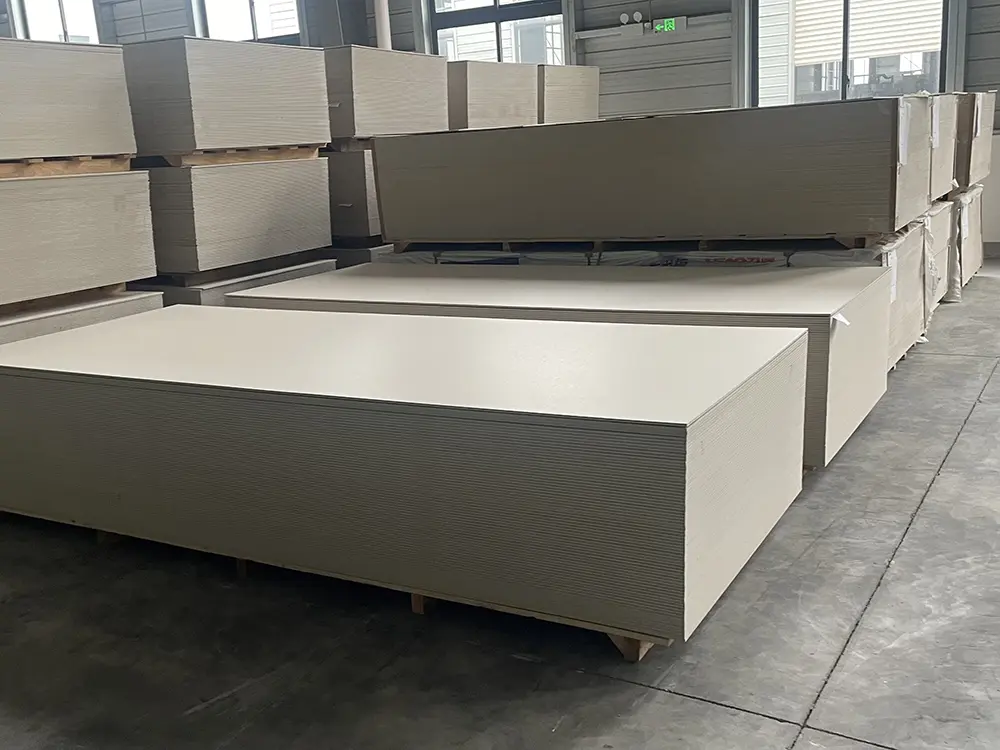 LEAO® Interior Board
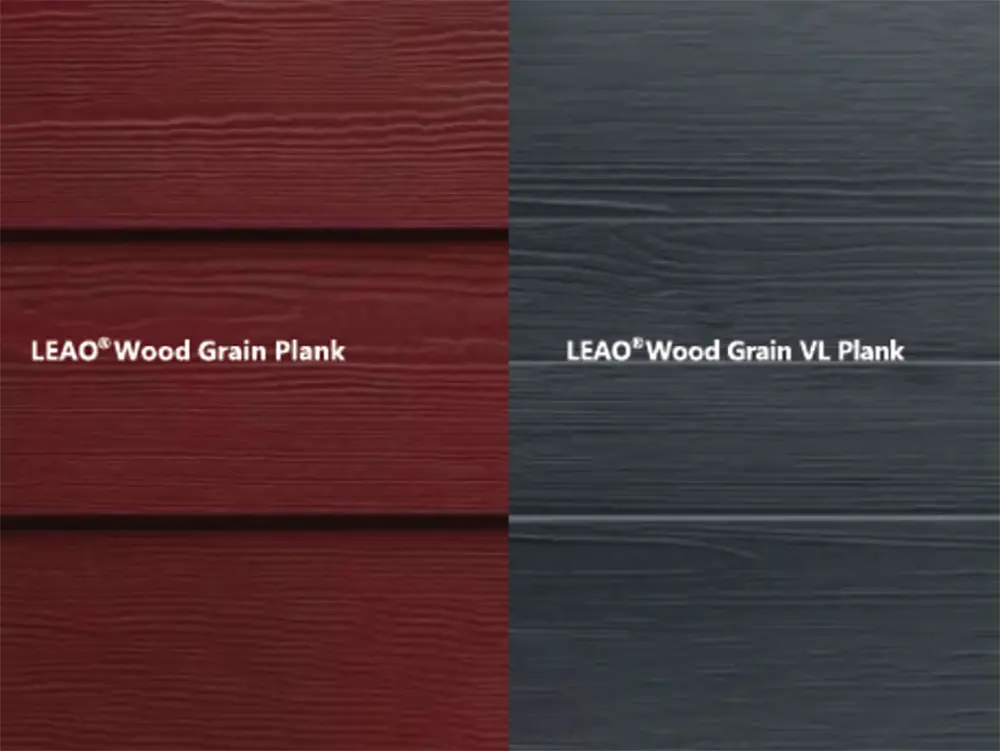 LEAO® Wood Grain Plank
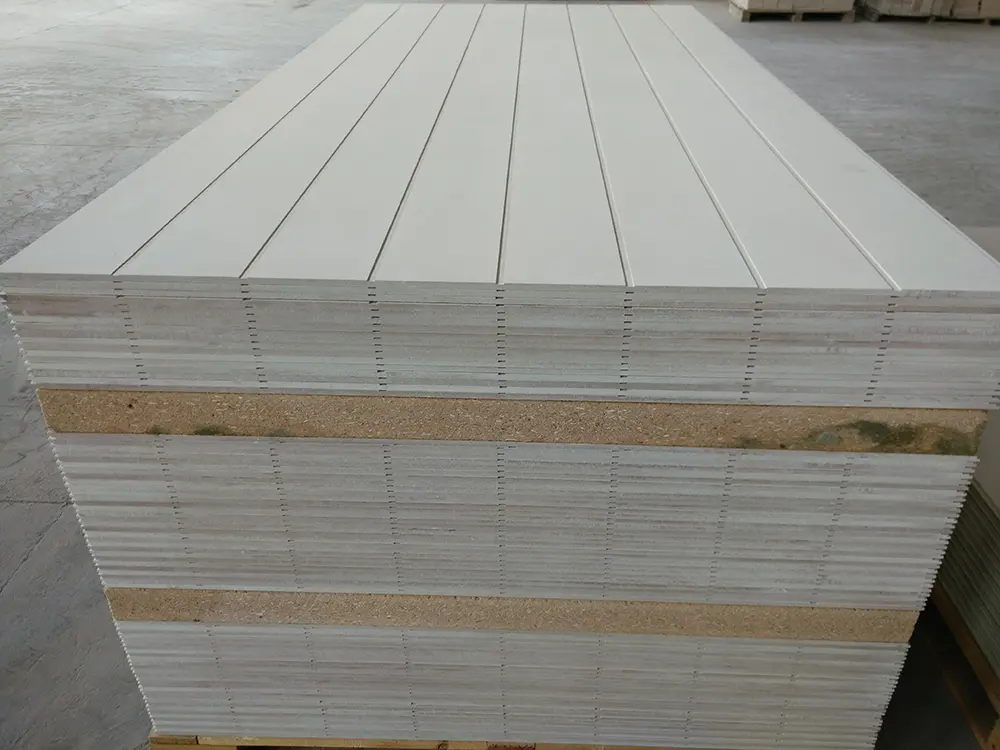 LEAO® Grooved Exterior Panel
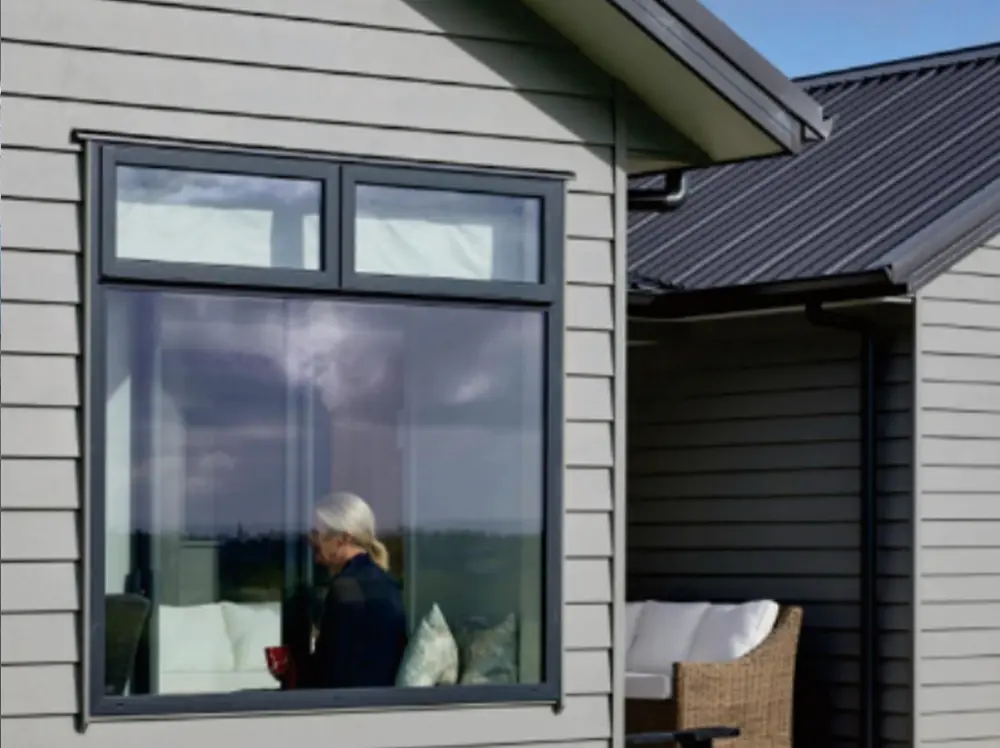 LEAO® Weatherboard
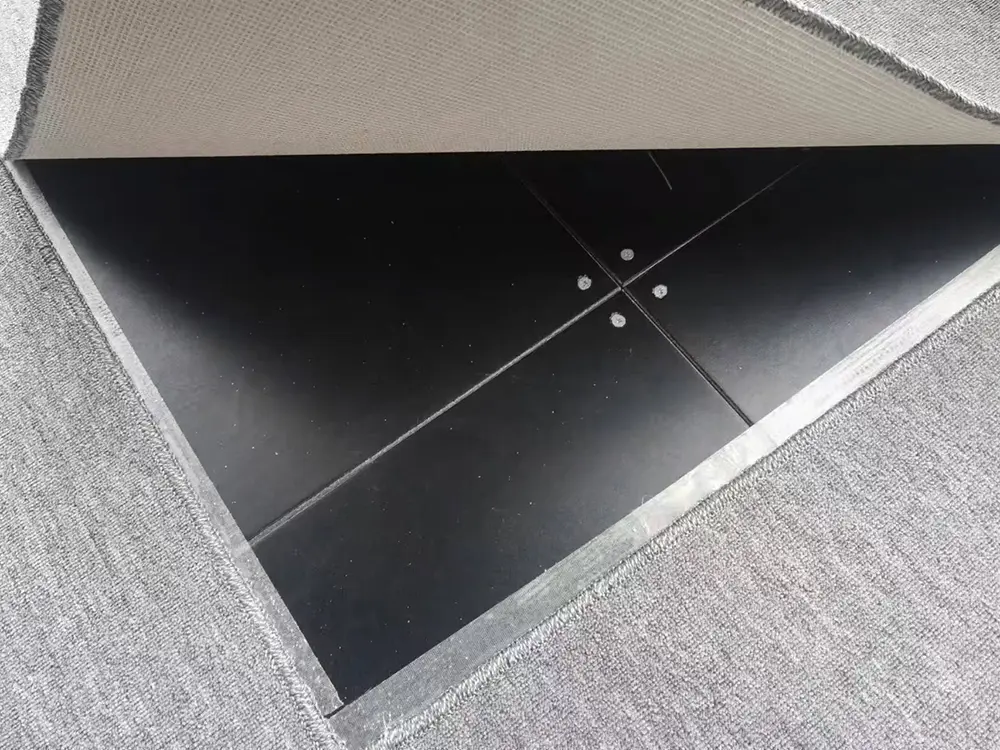 LEAO® Access Floors
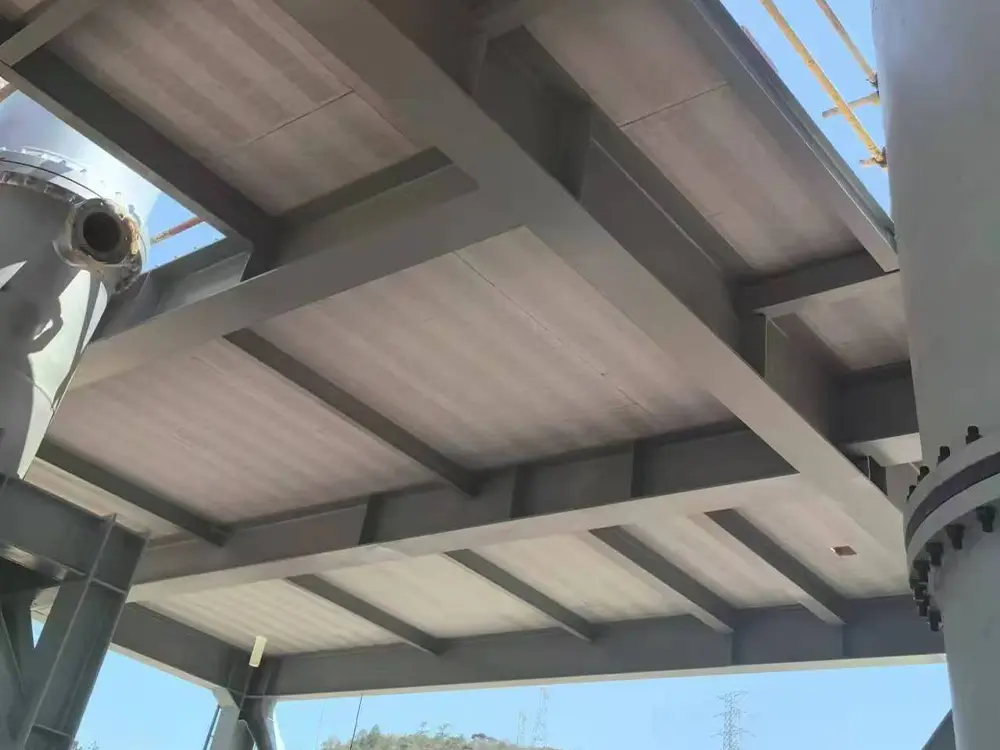 LEAO® Non-removable Formwork
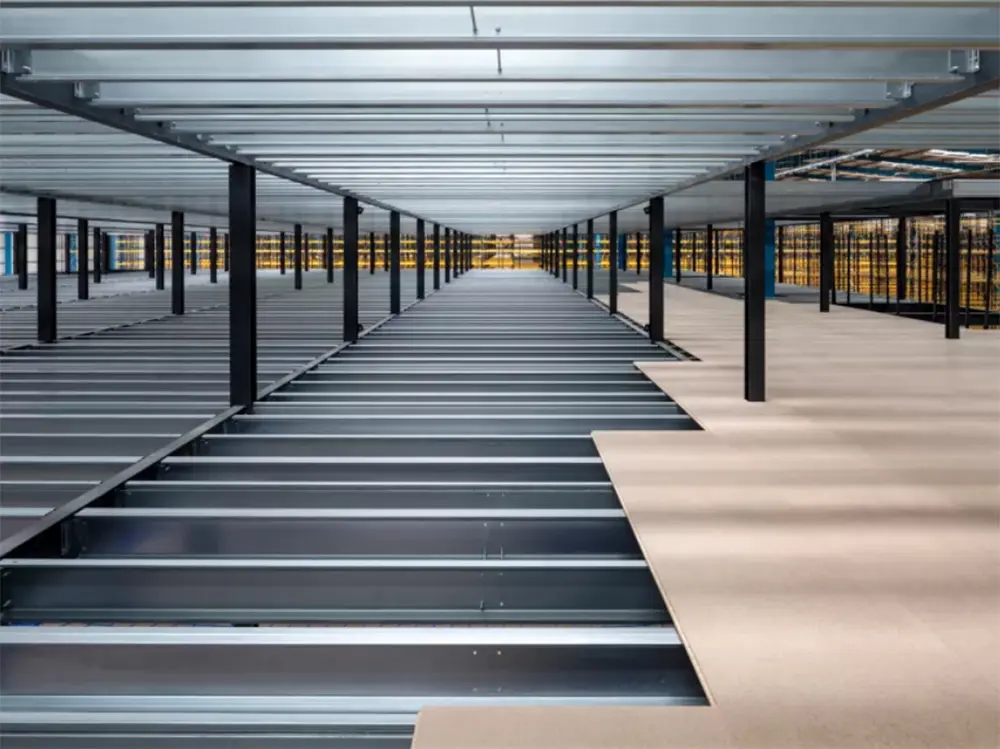 LEAO® Mezzanine Board
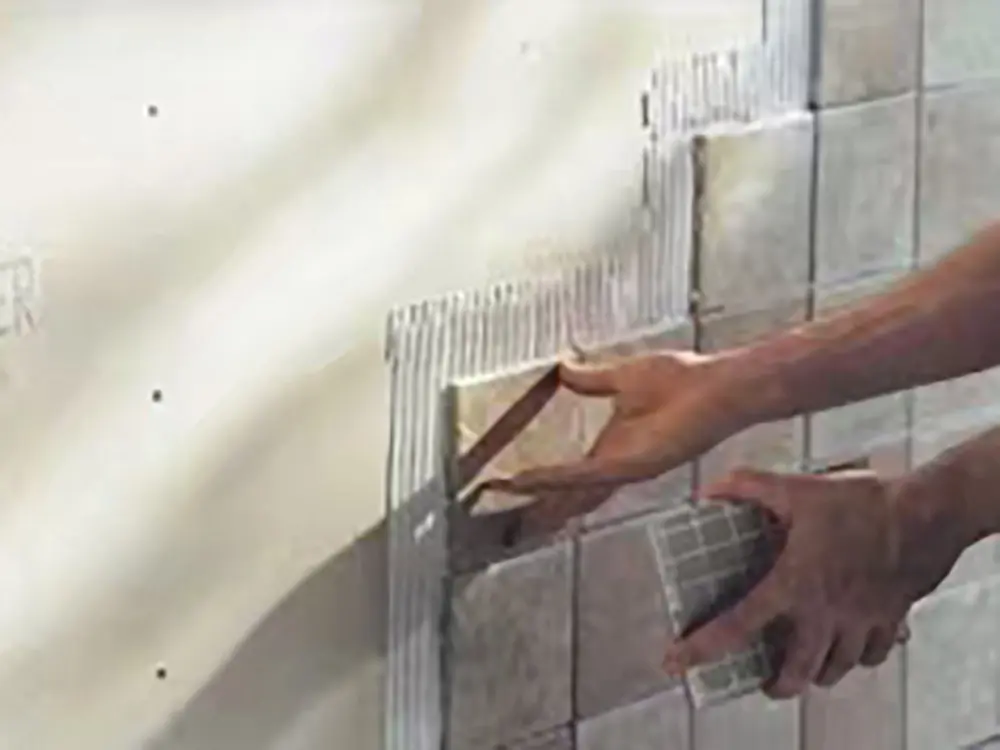 LEAO® Ceramic Tile Underlay
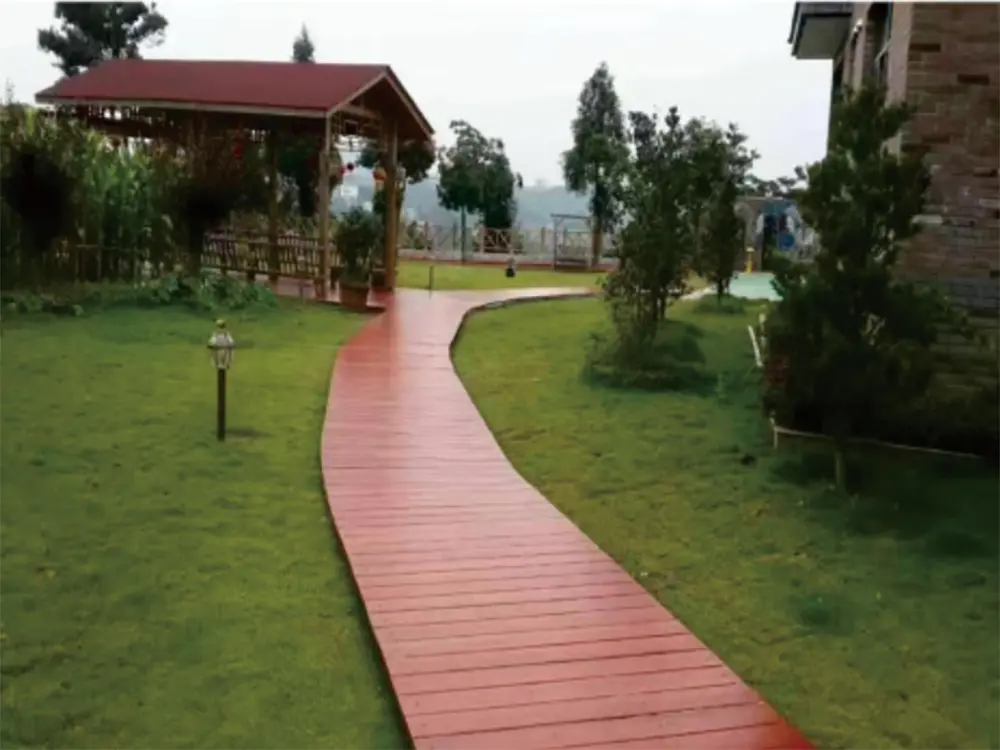 LEAO® Floor Plank
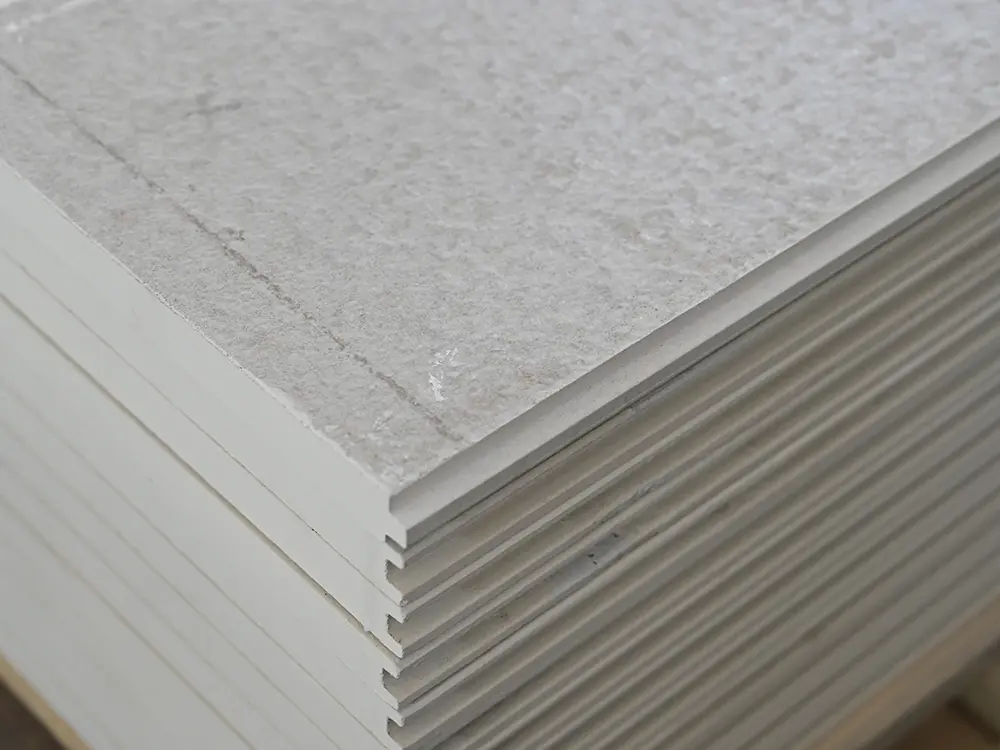 LEAO® Flooring
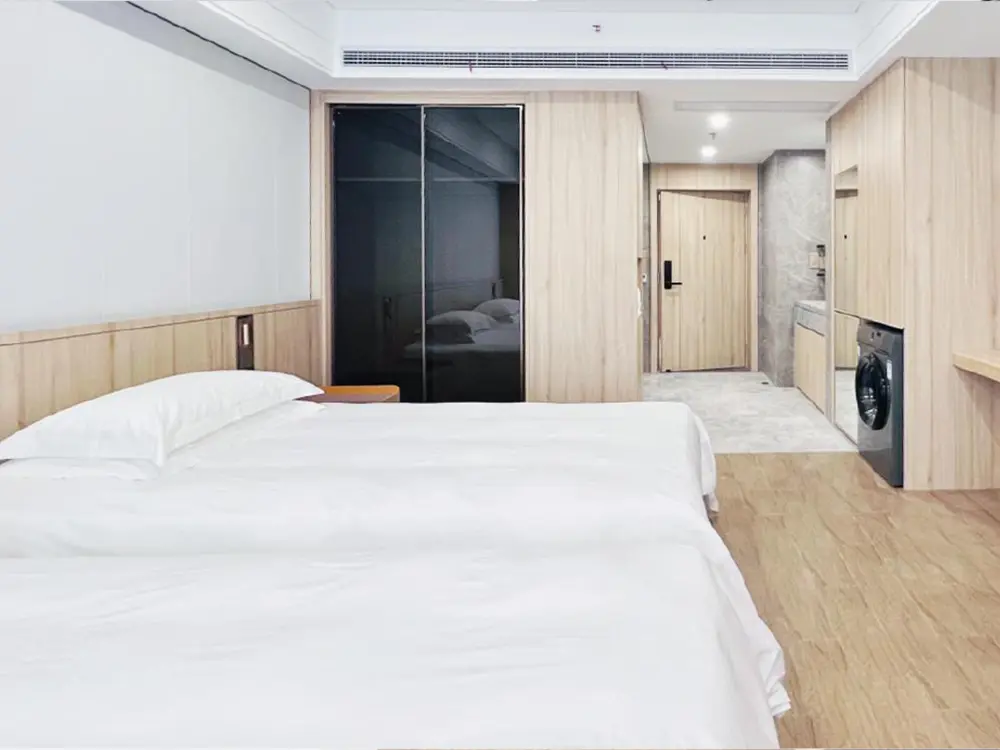 LEAO® Wood Style Decorative Panel
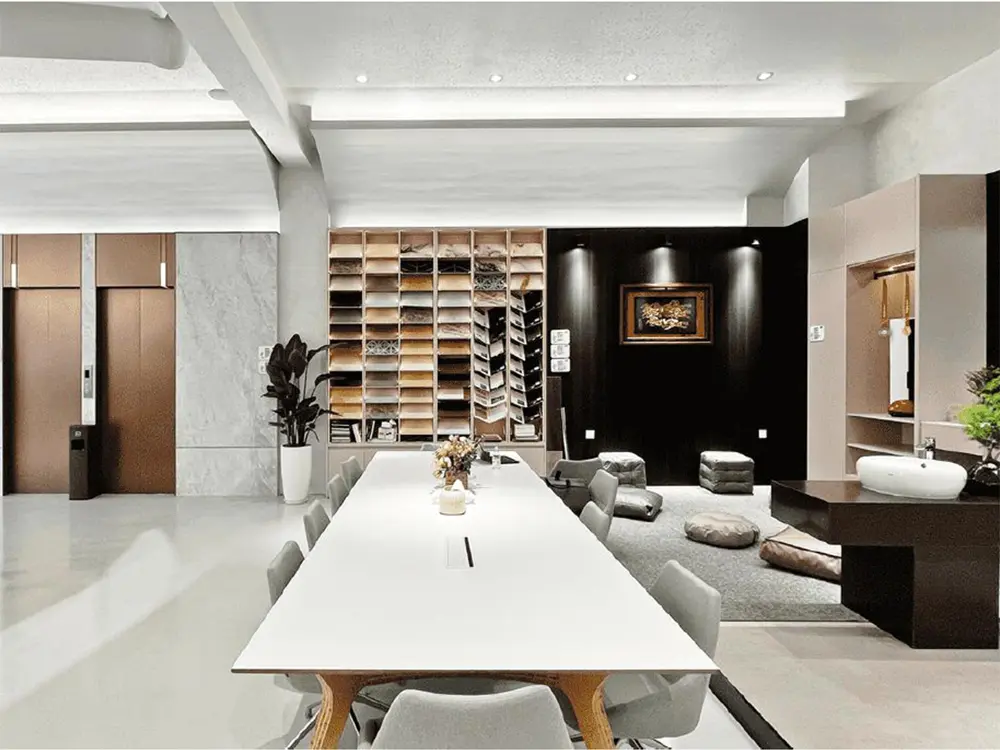 LEAO® Stone Style Decorative Panel
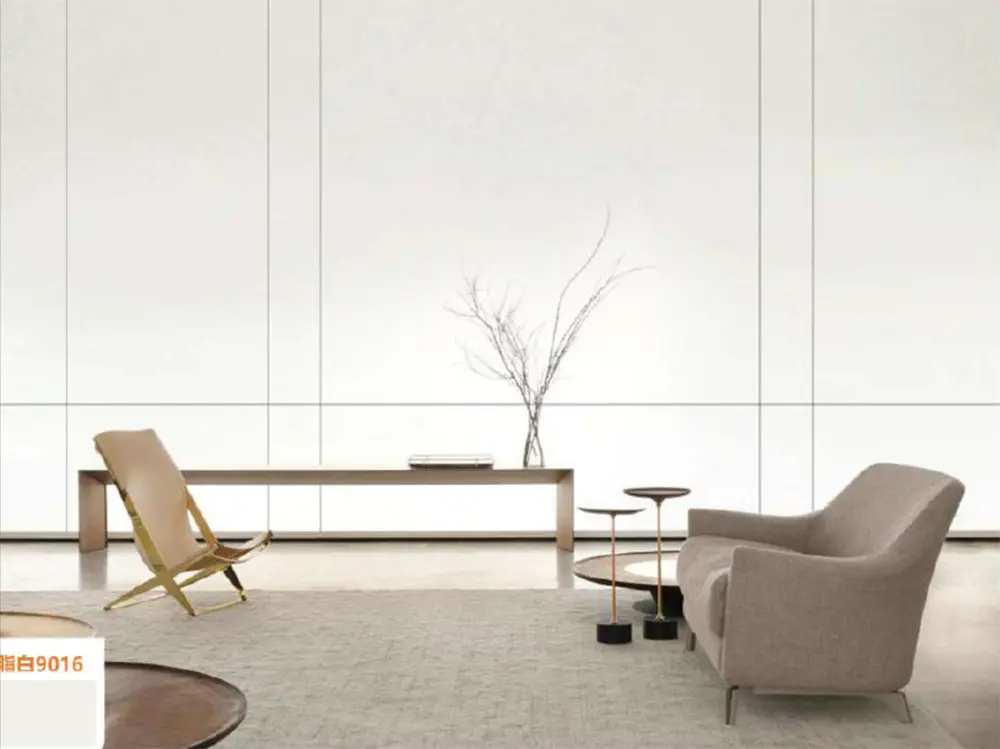 LEAO® Pure Style Decorative Panel