What is Fiber Cement Façade and Why Choose It?
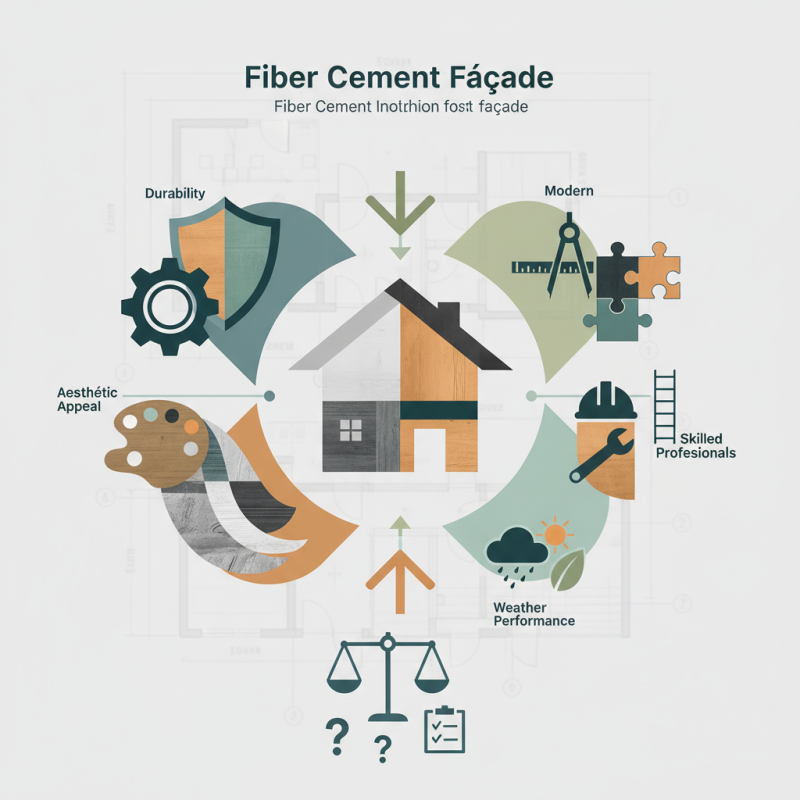
Fiber Cement Façade is an innovative building material, gaining attention in architectural design. It combines durability with aesthetic appeal. According to expert Jane Smith, "Fiber Cement Façade offers a perfect balance of strength and beauty." This makes it an ideal choice for modern constructions.
In recent years, many architects have shifted toward Fiber Cement Façade for its versatile design options. It comes in various colors and textures, allowing for creative freedom. However, it’s important to note that installation requires skilled professionals. Improper installation can lead to issues, which some have faced.
While the benefits are clear, challenges exist in maintaining the material. Harsh weather can affect performance if not monitored. Learning from past experiences helps fine-tune best practices in using Fiber Cement Façade. It’s crucial to weigh options thoroughly before making a choice in façade materials.
What is Fiber Cement Façade?
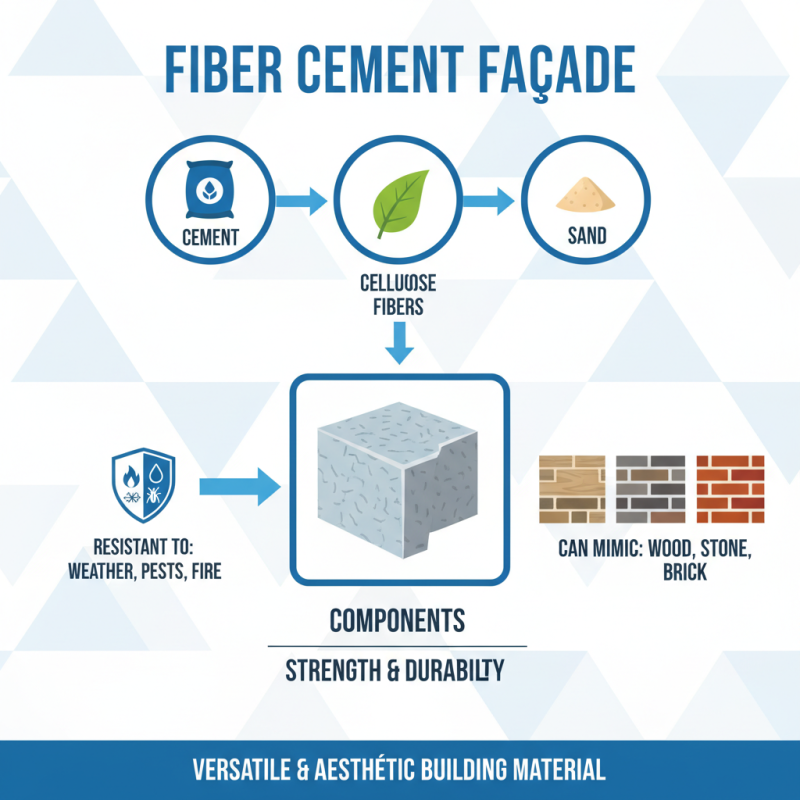
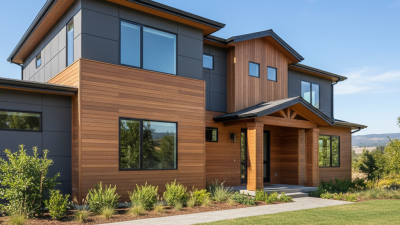
Fiber cement façade is a versatile building material. It consists of cement, cellulose fibers, and sand. This combination gives it strength and durability. The façade is designed to withstand harsh weather, pests, and fire. It can mimic the look of wood, stone, or brick, adding aesthetic value to buildings.
One advantage is its low maintenance. Unlike wood, it doesn’t need frequent painting or sealing. However, installation can be tricky. If not done properly, it can lead to moisture issues. It’s crucial to hire skilled professionals for the job. Some may overlook this detail, which can result in costly repairs later. The ability to customize colors and textures makes this material appealing, but that can lead to decision fatigue. Choosing the right style requires careful consideration of the surrounding environment and local architecture.
Composition and Properties of Fiber Cement
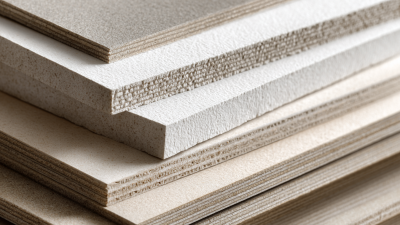
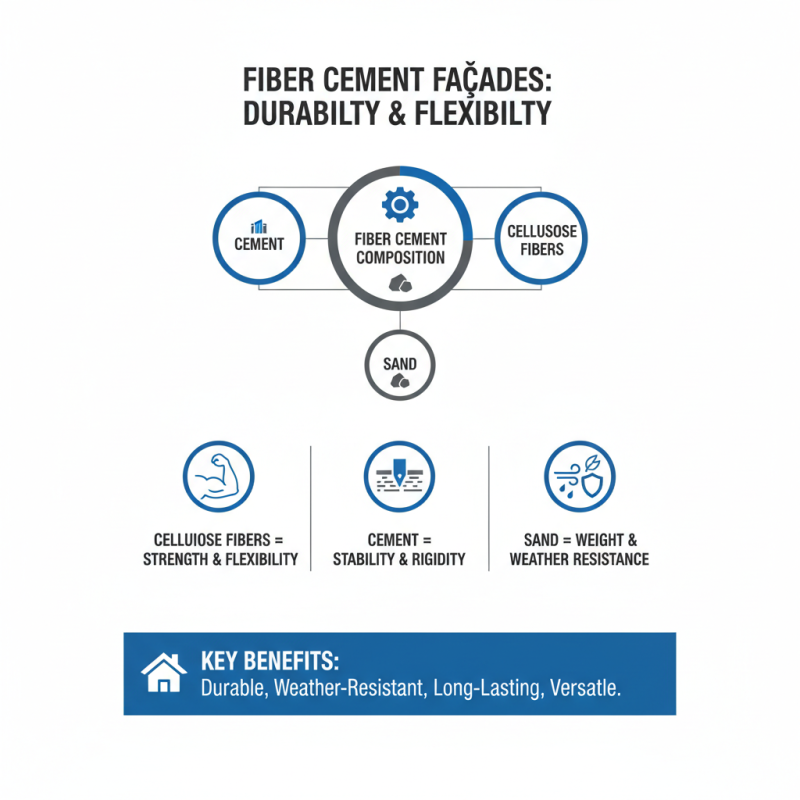
Fiber cement is gaining popularity for façades. Its composition includes cement, cellulose fibers, and sand. Each component contributes to its durability and flexibility. The cellulose fibers give it strength, while cement provides stability. Sand adds weight, helping the panels resist wind and weather.
The properties of fiber cement are impressive. It is fire-resistant and does not rot. This material can withstand harsh weather, making it suitable for various climates. Moreover, it is low-maintenance. However, installation can be tricky. Proper sealing is essential to prevent water damage.
Tip: Always check for local building codes before choosing fiber cement. This ensures compliance and durability. Consider hiring a professional for installation to avoid mistakes. Mistakes can lead to costly repairs later on. Be mindful of choosing the right color and texture, as this will impact your façade's final appearance.
Advantages of Using Fiber Cement for Facades
Fiber cement façades have gained popularity due to their durability and aesthetic appeal. They combine cement, sand, and cellulose fibers, resulting in a material that withstands harsh weather and provides excellent insulation. According to a report by Grand View Research, the global fiber cement market is expected to reach $10.4 billion by 2026, driven by increasing demand for sustainable building materials. This trend shows no signs of slowing.
One major advantage of fiber cement is its resistance to termites and rot. This adds longevity to structures, reducing maintenance costs. In a study by the National Institute of Standards and Technology, buildings with fiber cement façades showed a decrease in energy consumption by up to 30%. Furthermore, their ability to mimic natural materials adds an attractive element to both residential and commercial buildings. However, installation can be tricky, requiring skilled labor.
Color and design options are vast. While some homeowners appreciate these choices, others feel overwhelmed. Not every design suits every architecture style. The texture and finish of fiber cement can vary. Some may find it less appealing than traditional materials. Yet, this versatility allows for personal expression in building design. Fiber cement façades present exciting opportunities but also demand careful consideration.
Installation Process of Fiber Cement Façade
The installation process of fiber cement façade involves several critical steps. First, proper preparation of the wall surface is essential. This includes cleaning and ensuring it is dry and smooth. Once the surface is ready, installing a moisture barrier can help protect against water intrusion. This step is often overlooked, but it's vital for long-term durability.
Next, the fiber cement boards are cut to size. Precision is key here, as uneven cuts can lead to gaps and misalignment. Using the correct tools is crucial for achieving clean edges. The boards are then secured to the wall frame with screws or nails. It’s important to follow the manufacturer's guidelines for spacing and fastening. Many overlook the impact of temperature and humidity during installation, which can affect the material's performance.
Finally, sealing the joints and edges can greatly enhance the façade's lifespan. Caulking products will create a water-tight seal. This process, while simple, is often rushed and can lead to future issues. Regular inspection after installation is necessary to catch any potential problems early. Attention to these details can significantly improve the overall outcome of the installation.
Maintenance and Durability Considerations for Fiber Cement
Fiber cement façade is gaining popularity due to its durability and low maintenance. It withstands harsh weather, making it ideal for various climates. This material resists rot, termites, and fire. It is made from a mix of cement, cellulose fibers, and sand. The composition contributes to its solid structure.
Maintenance is straightforward. Regular cleaning is all that’s needed. A simple wash with soap and water keeps it looking new. However, some may find the cleaning process tedious. Stains or mold can develop over time, especially in damp climates. It’s essential to check the façade regularly for any signs of wear.
Durability is its strongest point. Fiber cement can last for decades without significant degradation. Unlike wood, it doesn’t warp or crack easily. However, poor installation can lead to issues. Correct installation is crucial to achieving the desired lifespan and performance. Neglecting this aspect might result in costly repairs down the line.
Comparison of Fiber Cement Façade Durability and Maintenance

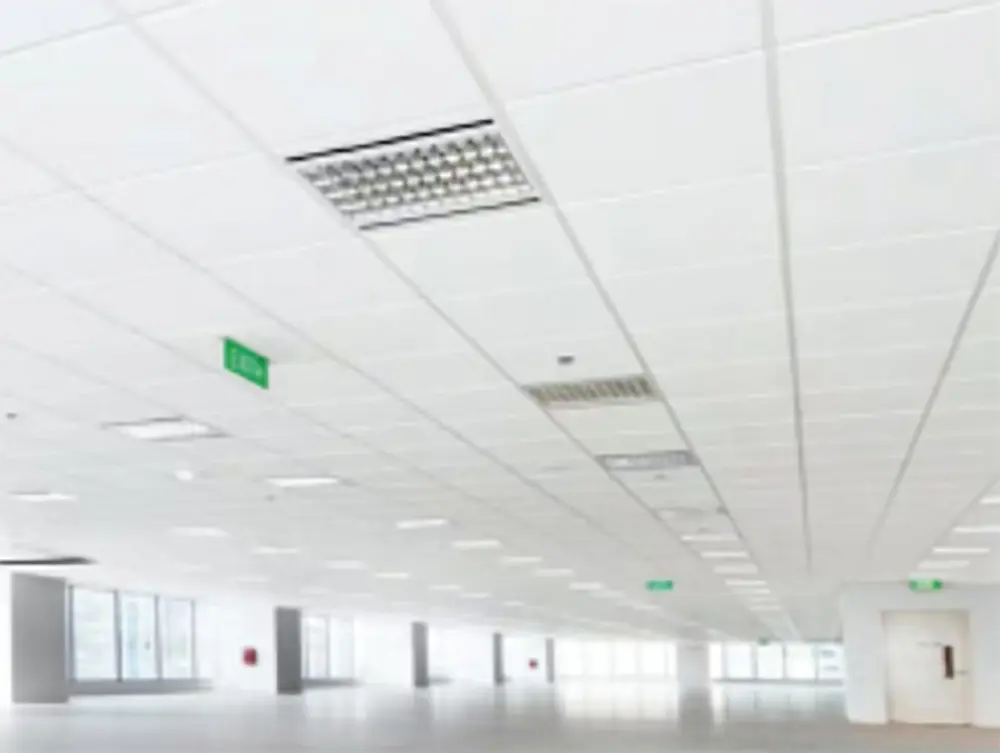 LEAO®Deco Ceiling
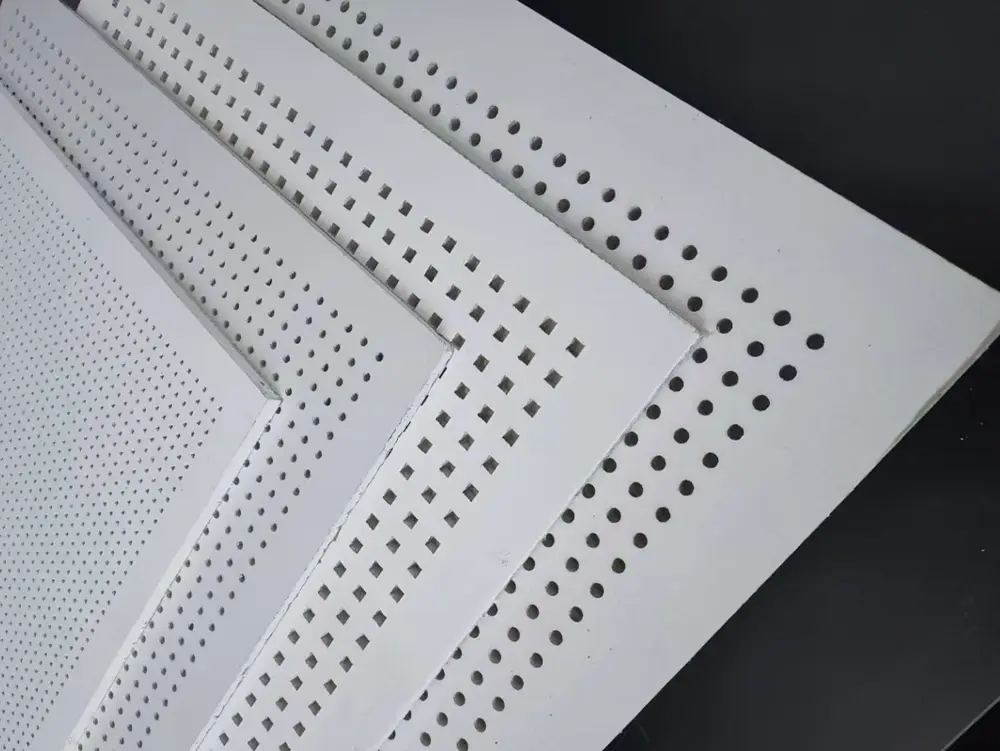 LEAO® Perforated Ceiling
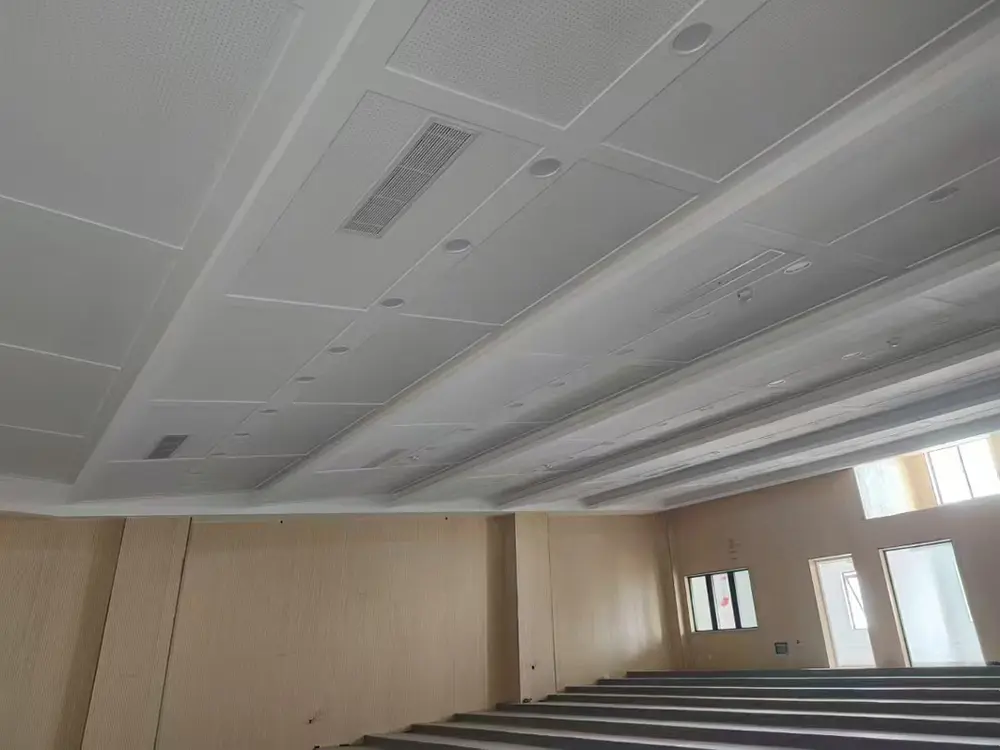 LEAO® Ceiling Board
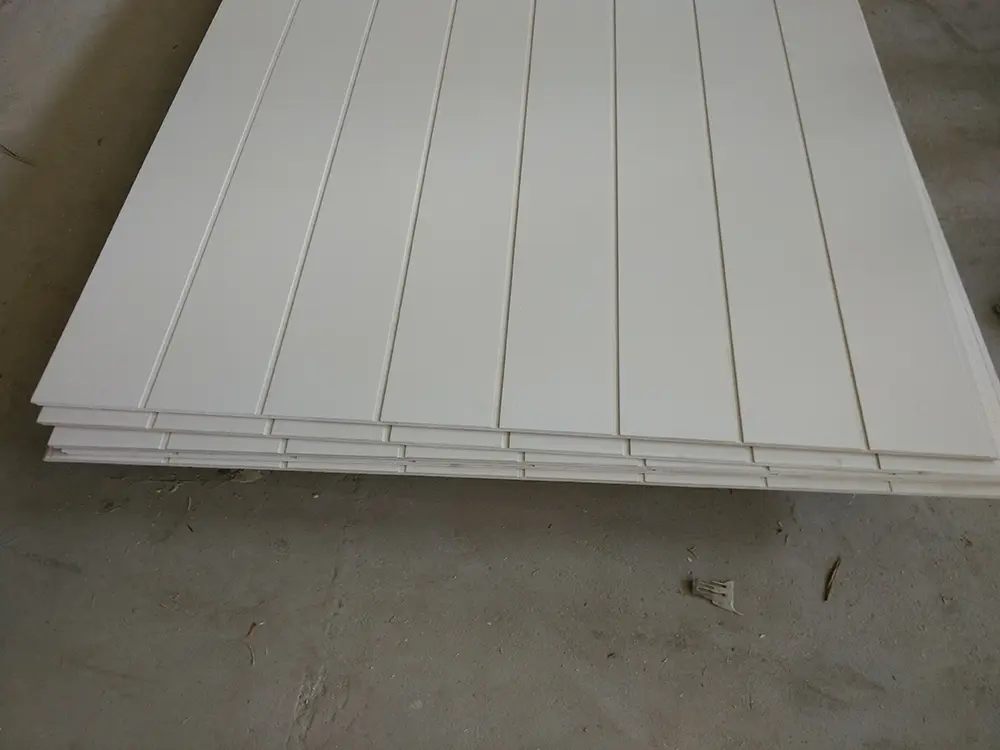 LEAO® Groove Interior Panel
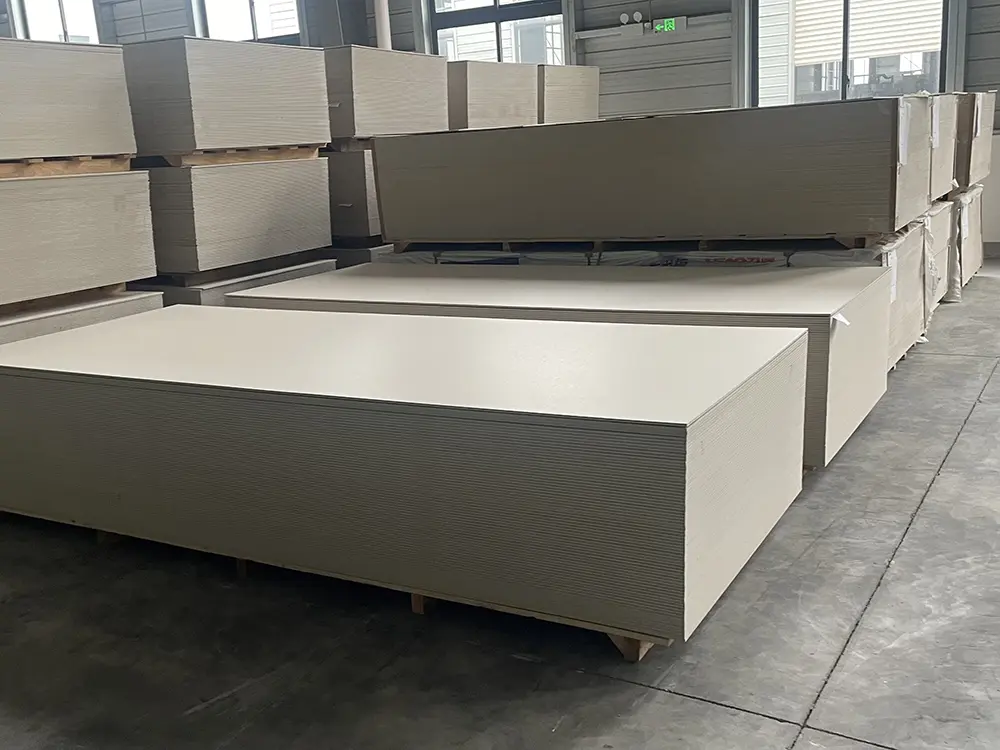 LEAO® Interior Board
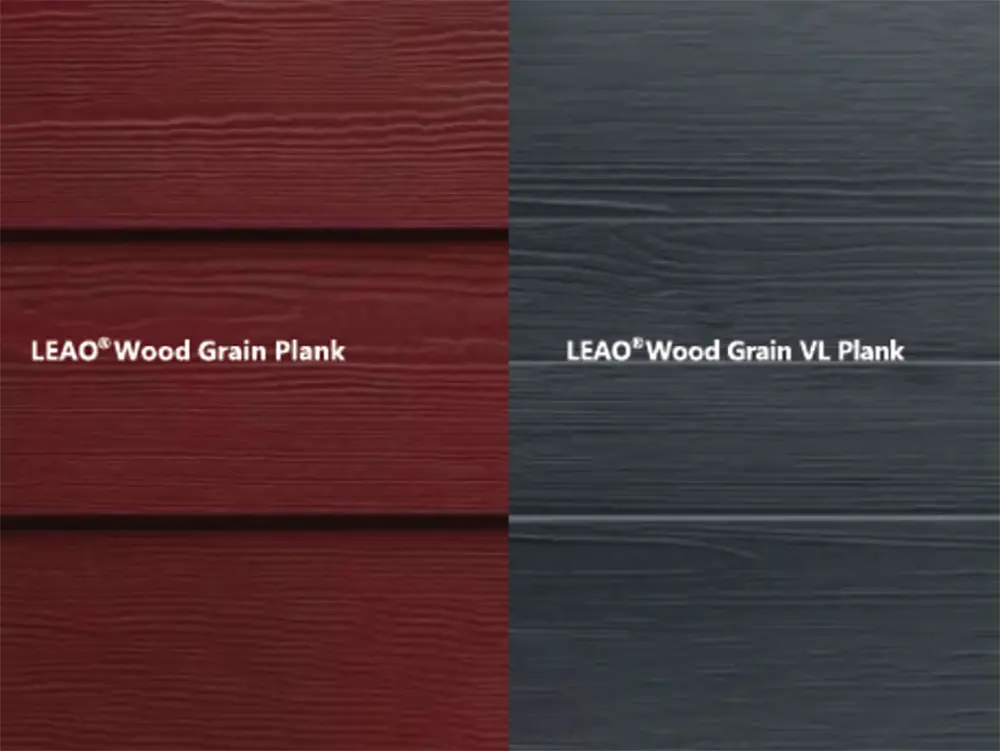 LEAO® Wood Grain Plank
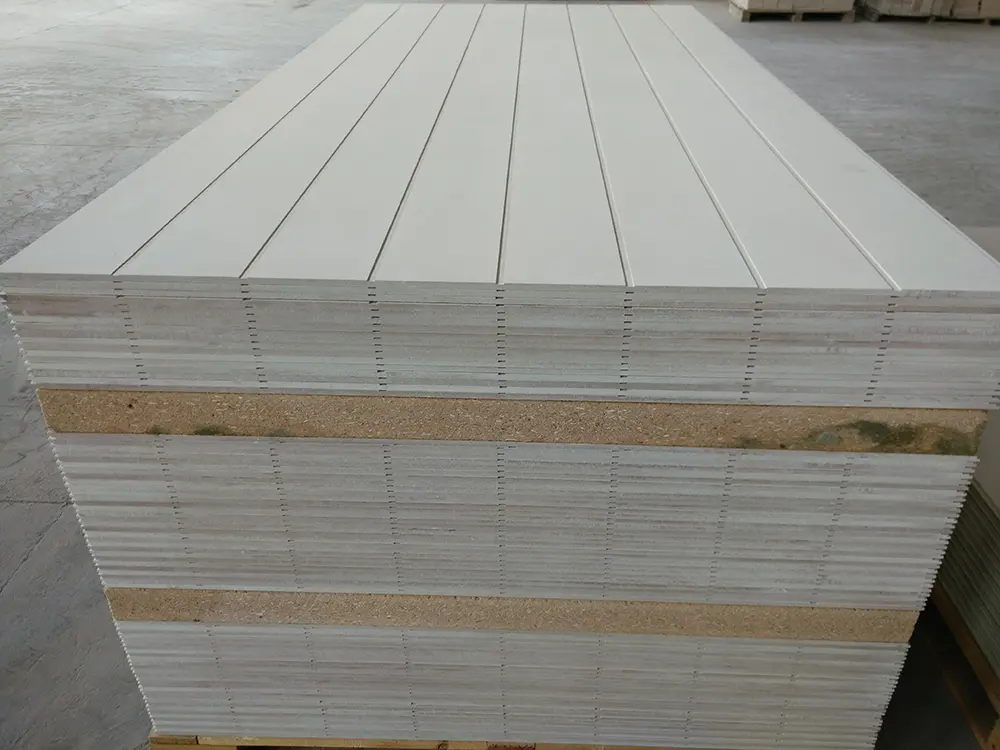 LEAO® Grooved Exterior Panel
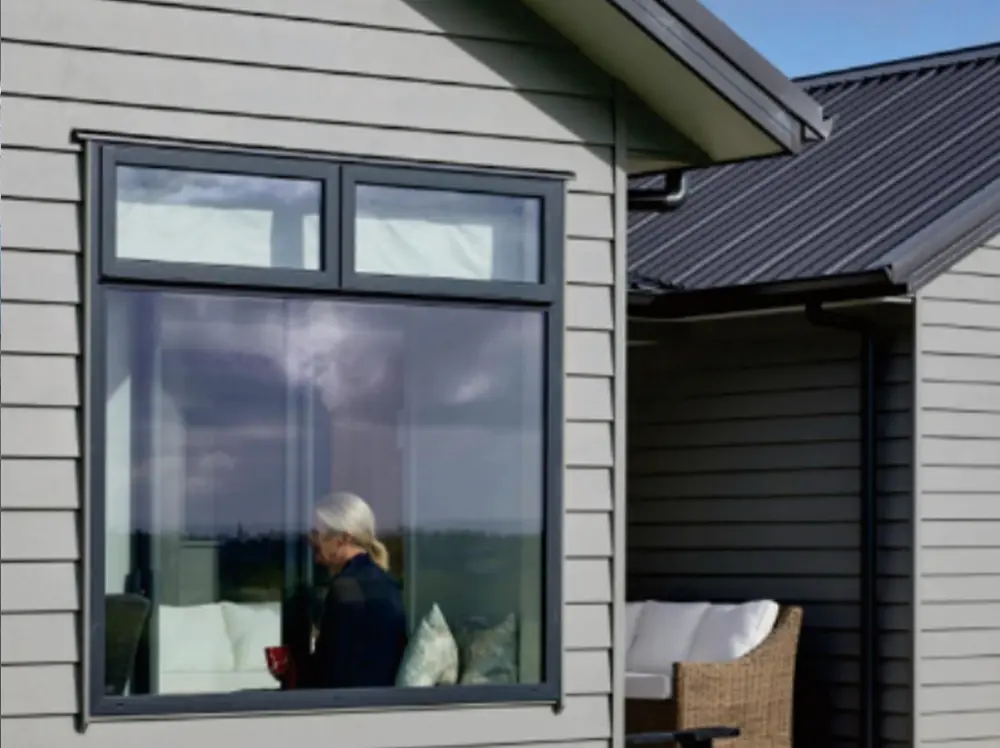 LEAO® Weatherboard
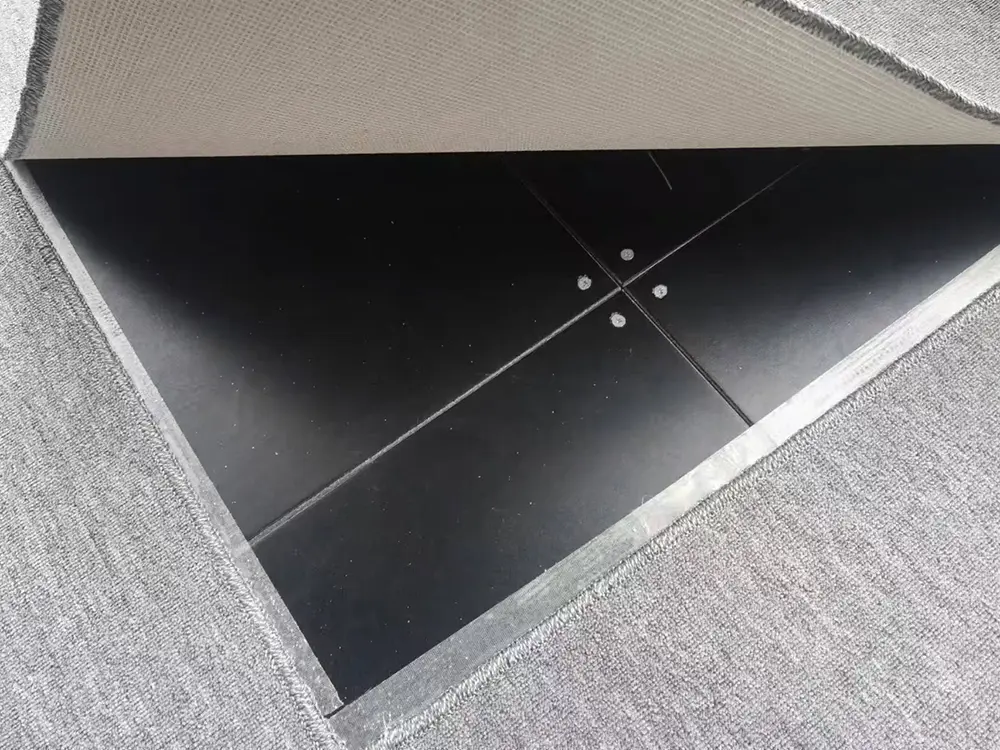 LEAO® Access Floors
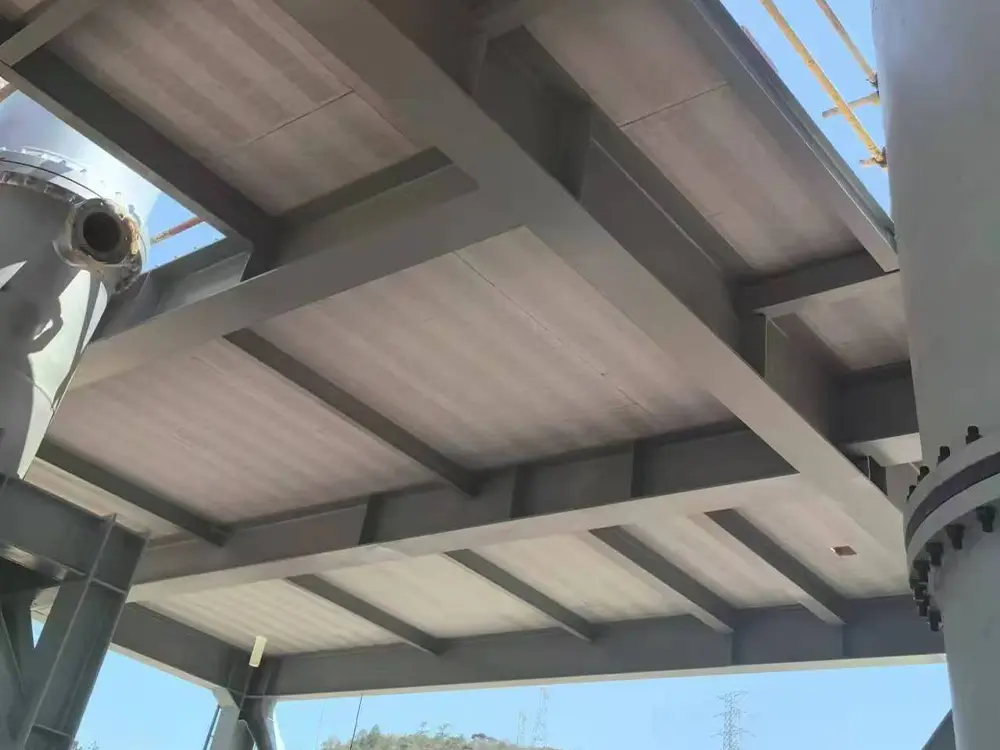 LEAO® Non-removable Formwork
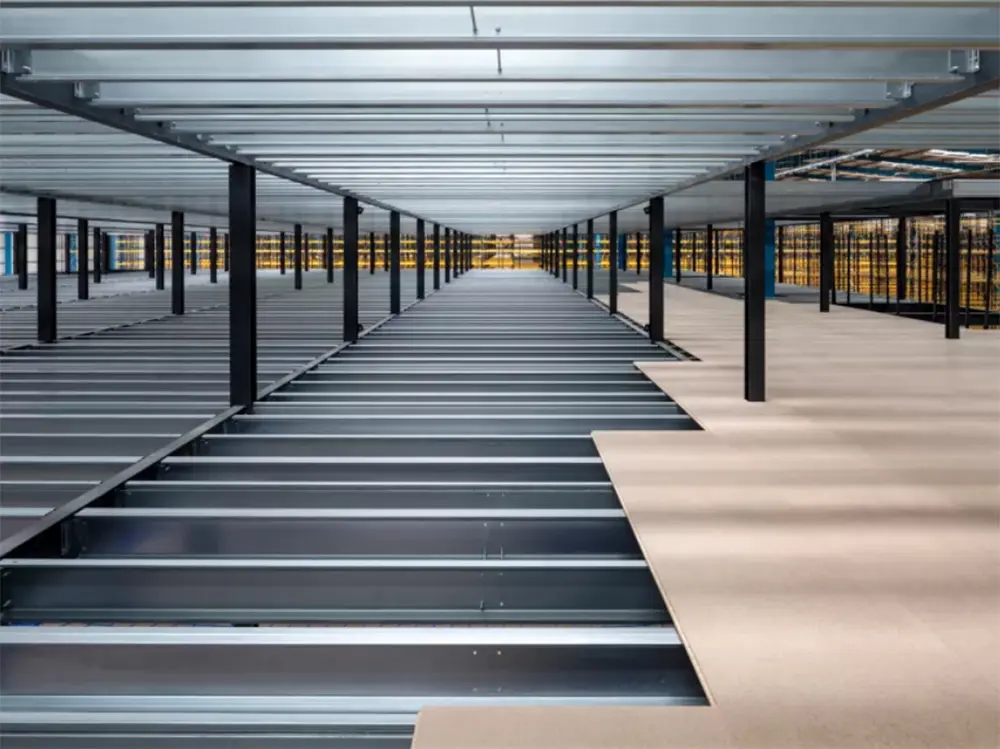 LEAO® Mezzanine Board
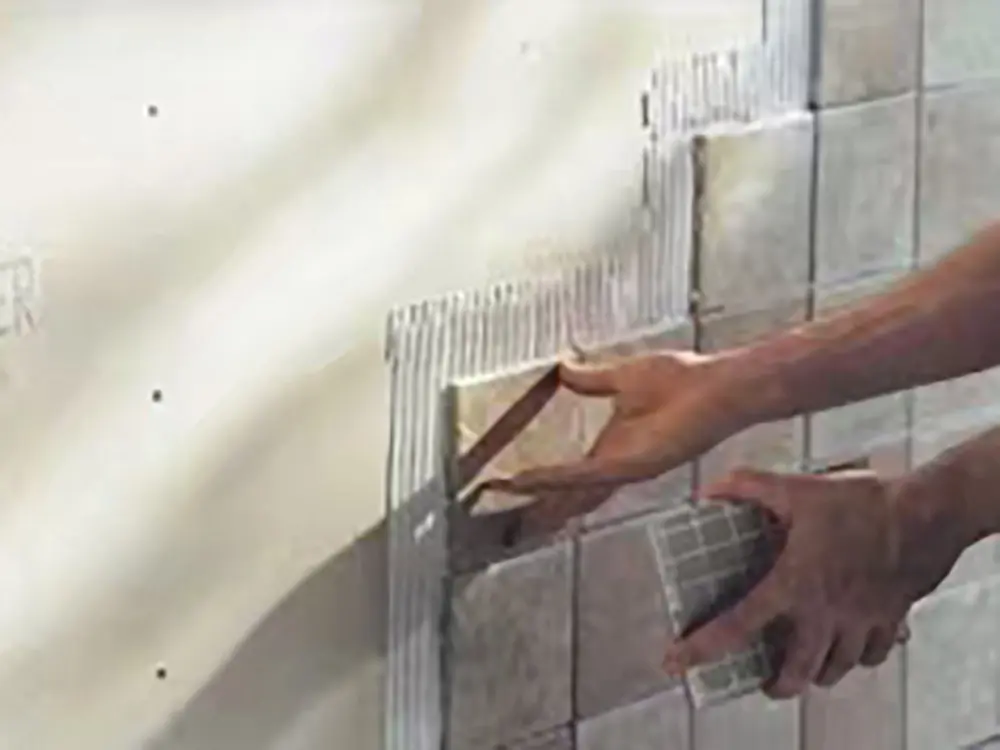 LEAO® Ceramic Tile Underlay
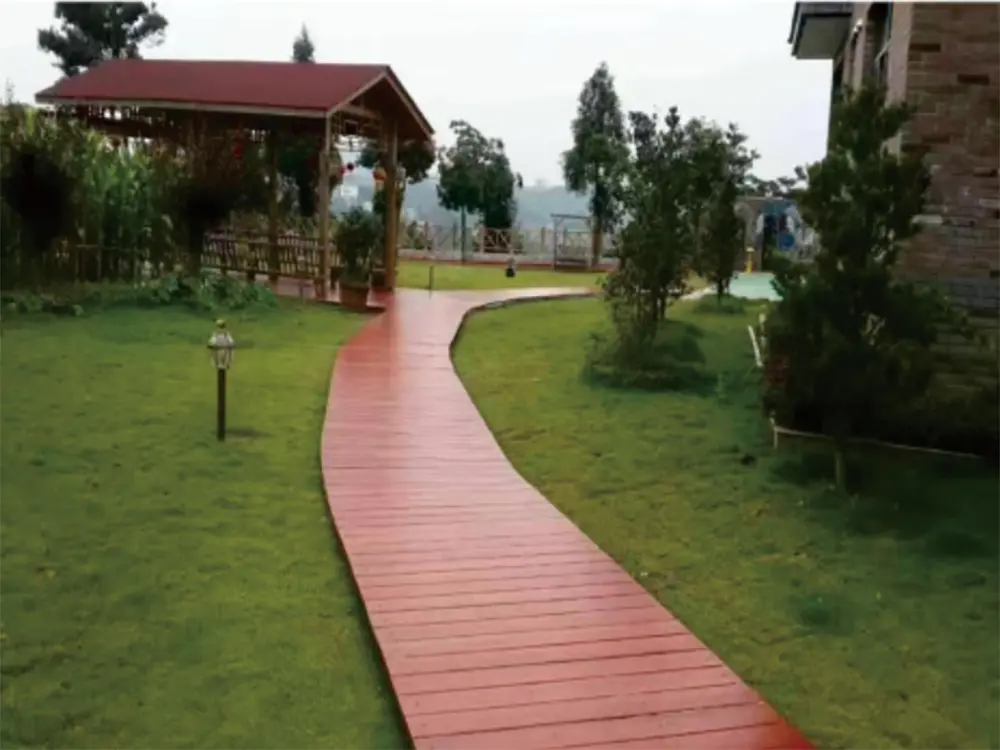 LEAO® Floor Plank
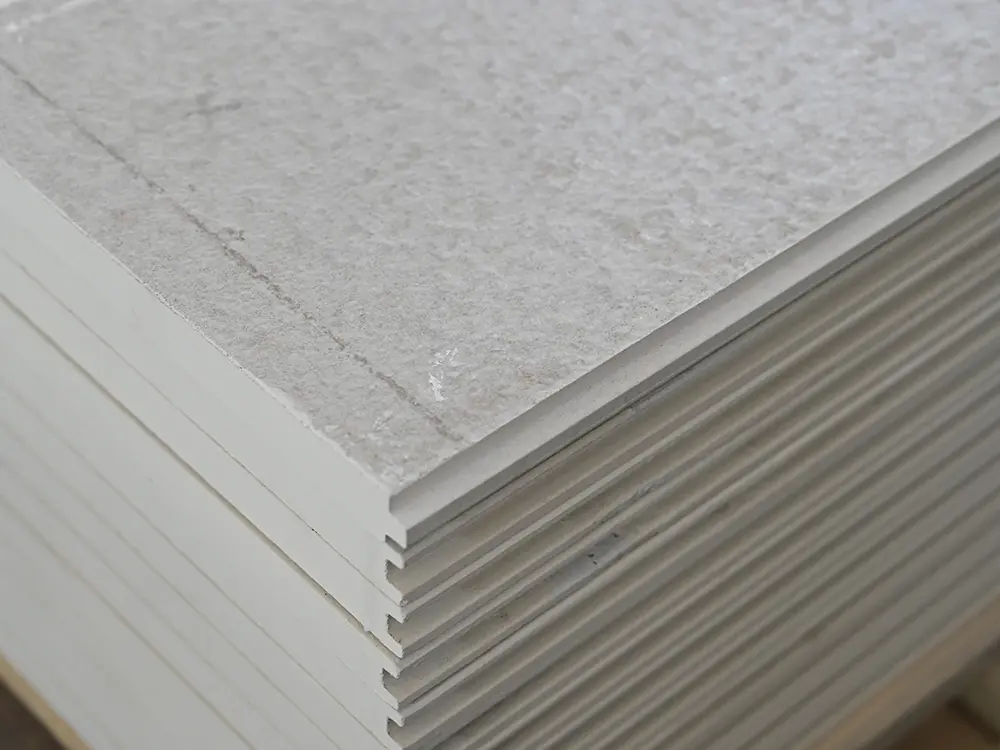 LEAO® Flooring
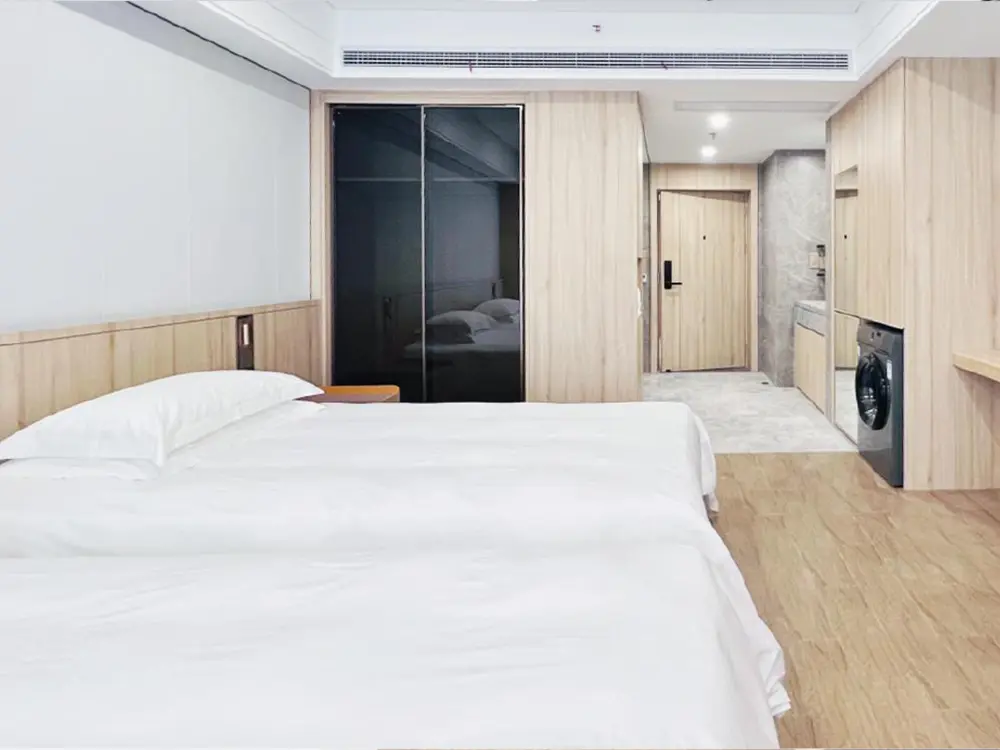 LEAO® Wood Style Decorative Panel
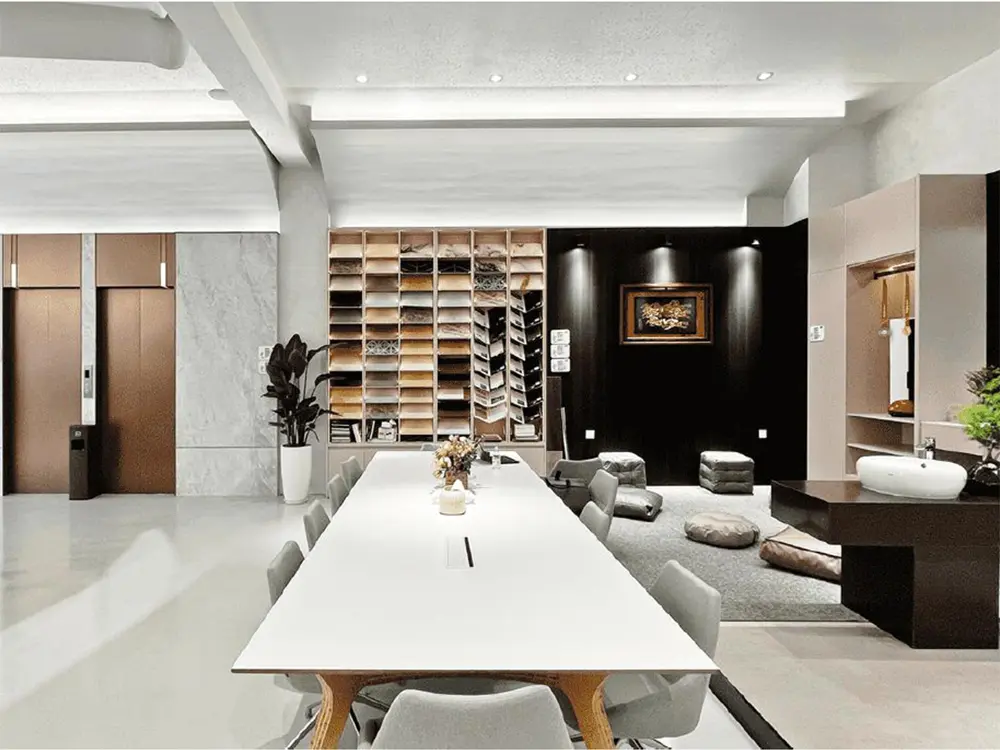 LEAO® Stone Style Decorative Panel
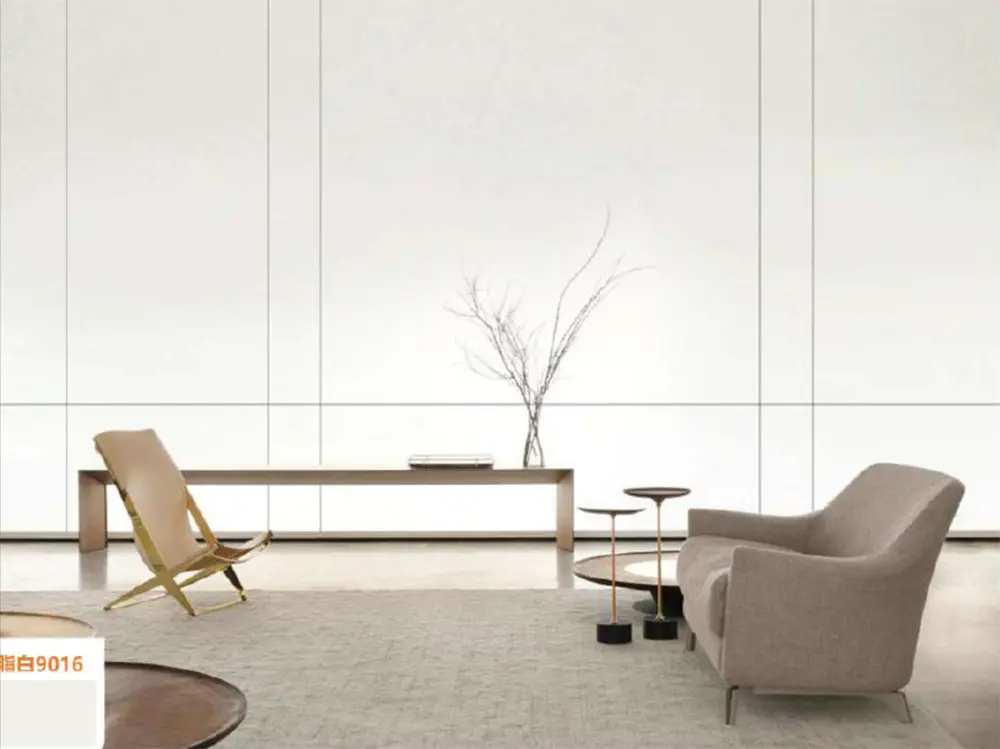 LEAO® Pure Style Decorative Panel