What is Fiber Cement Floor Underlay and Its Benefits for Buyers?
The increasing popularity of fiber cement floor underlay has caught the attention of homeowners and builders alike. This material offers numerous advantages, making it a valuable choice in construction. According to a report by the American Concrete Institute, fiber cement products have gained a market share of approximately 30% in flooring applications.
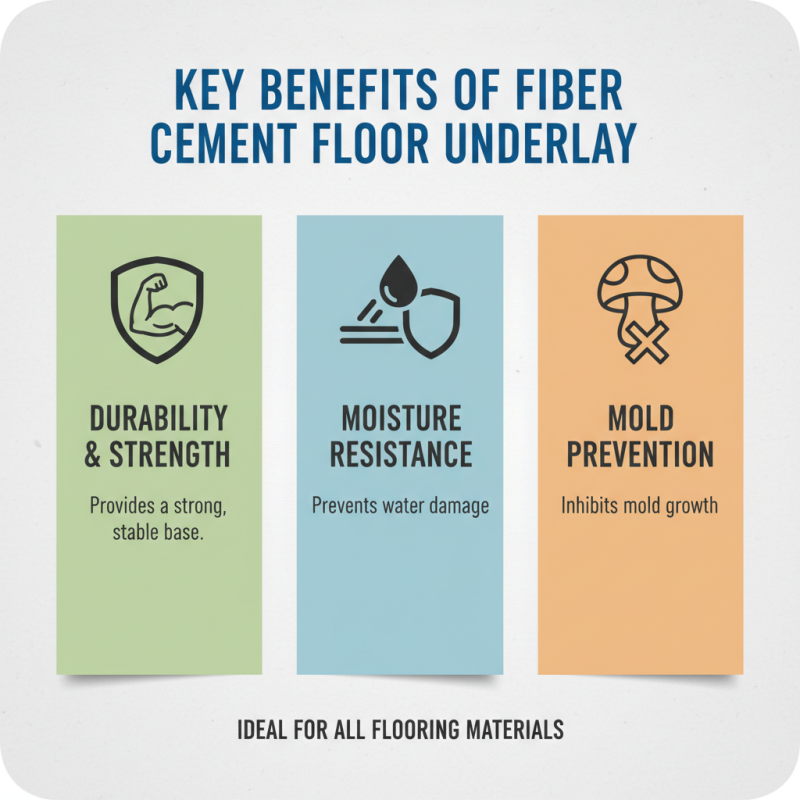
Fiber cement floor underlay enhances durability and resistance to moisture. This is crucial in preventing mold and mildew, especially in high-humidity areas. Its excellent thermal insulation properties can also reduce energy costs. While many may consider alternatives, fiber cement stands out for its superior performance over traditional materials.
It’s worth noting that not all fiber cement products are created equal. Some may lack the necessary certification or quality control. Buyers should research and choose products that meet industry standards. Understanding various options can help make informed decisions. The benefits of fiber cement floor underlay are clear but require careful consideration for optimal results.
What is Fiber Cement Floor Underlay?
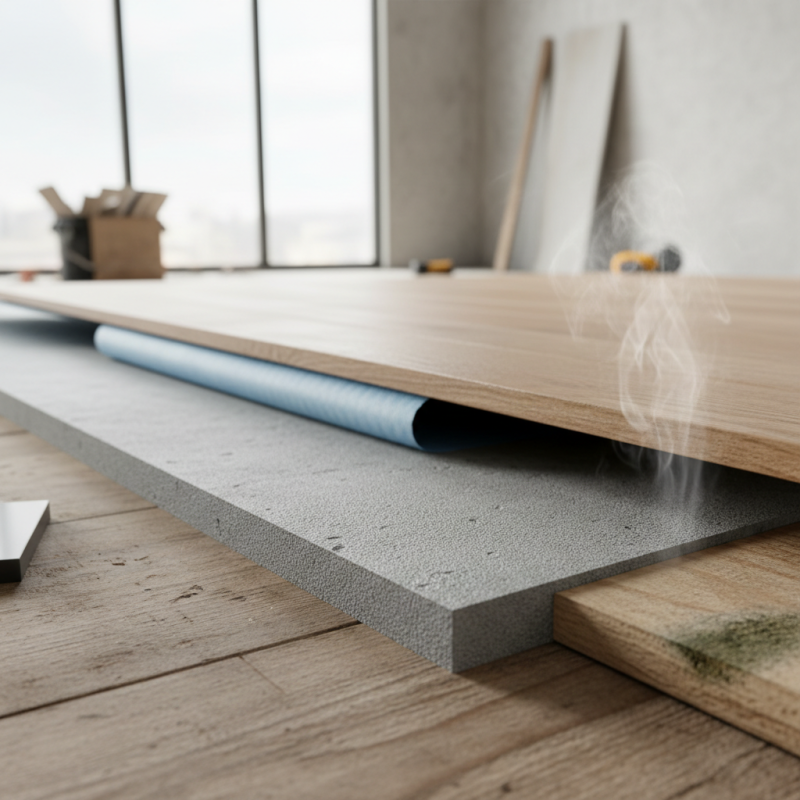
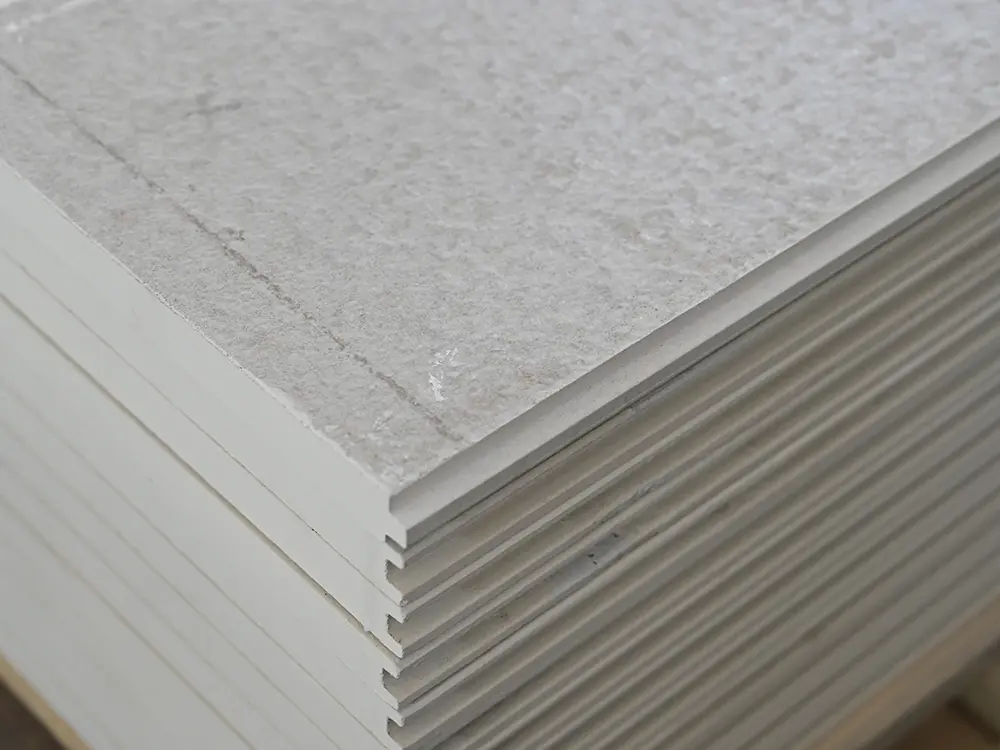
Fiber cement floor underlay is an innovative building material designed for various flooring applications. It comprises a mixture of cement, sand, and cellulose fibers, creating a dense and durable layer. This underlay provides a stable base for various types of flooring, such as tiles, hardwood, or laminate. Its composition offers excellent moisture resistance, essential in areas prone to humidity.
One significant benefit of fiber cement is its fire resistance. Homeowners can enjoy peace of mind, knowing their floors are safer in the event of a fire. Additionally, this material minimizes noise transmission between floors. For buyers, this translates to a quieter and more comfortable living environment. However, while fiber cement is incredibly robust, improper installation may lead to issues like cracking. Homeowners must ensure they follow proper guidelines for the best results.
Another advantage is its eco-friendliness. Fiber cement is made from recyclable materials, making it a sustainable choice for conscious consumers. Yet, not everyone might be aware of the proper recycling process for discarded underlay. Understanding the implications of disposal can lead to more responsible practices. Overall, fiber cement underlay offers numerous benefits for any flooring project.
Composition and Manufacturing Process of Fiber Cement Underlay
Fiber cement floor underlay is an innovative material that enhances flooring systems. Its primary components include cellulose fibers, cement, and silica. This combination results in a product that is sturdy and moisture-resistant. The manufacturing process involves mixing these materials, forming sheets, and curing them. This creates a durable and lightweight product, ideal for various floor types.
When considering fiber cement underlay, it’s essential to understand its benefits. This underlay offers excellent sound insulation and thermal properties. These features can help improve comfort in homes and commercial spaces. Additionally, it is resistant to mold and mildew. Buyers often appreciate materials that promote healthier living environments.
**Tip:** Always check local regulations before installation. Understanding building codes can save you from potential issues.
Another factor to consider is the installation process. While it can be DIY-friendly, some tasks may require professional help. This decision will depend on your confidence and experience level with home projects.
**Tip:** Measure your space accurately. Proper measurements lead to better fitting and reduced waste.
Key Benefits of Using Fiber Cement Floor Underlay
Fiber cement floor underlay serves as an excellent base for flooring materials. It is made from a combination of cement, cellulose fibers, and sand, providing a strong and stable platform. This type of underlay is known for its durability and resistance to moisture. As a result, it helps in minimizing the risk of mold and damage from water.
One of the key benefits is its soundproofing qualities. Fiber cement underlay significantly reduces noise transmission between floors, creating a quieter home environment. Moreover, it enhances thermal insulation. Homes equipped with this underlay can maintain a comfortable temperature, saving on energy costs in the long run.
While fiber cement underlay has many advantages, it does come with challenges. The installation process can be more technical compared to other materials. Homeowners might require professional assistance, adding to the initial cost. Additionally, its weight can be a concern for some. Despite these aspects, many still find it a worthwhile investment for lasting stability and performance in various flooring applications.
Comparison with Other Types of Floor Underlays
Fiber cement floor underlay offers unique advantages when compared to traditional options. It combines durability with moisture resistance. According to industry reports, 70% of homeowners prefer fiber cement due to its longevity and performance. Unlike more common materials like foam or rubber, fiber cement can withstand extreme temperatures and humidity variations.
When looking at cost-effectiveness, fiber cement typically has a higher initial price. However, it may prove to be less expensive over time. A report from the Flooring Association states that fiber cement’s life span can reach up to 50 years. This is significantly longer than other underlays, which often need replacing after a couple of decades.
However, the installation process can be challenging. Untrained users might encounter difficulties, making professional installation advisable. This adds to the overall expense. It's essential for buyers to weigh these factors carefully. Fiber cement's benefits are evident, but the upfront requirements might be daunting for some. Being informed and prepared can lead to a more satisfying flooring solution.
Installation Considerations and Best Practices for Buyers
When considering fiber cement floor underlay, installation practices are crucial for optimal performance. Proper preparation of the subfloor can make a significant difference. Industry research shows that a well-prepared subfloor reduces moisture and air pockets, leading to a longer-lasting floor. A level surface ensures even distribution of weight, minimizing cracks. According to the National Institute of Standards and Technology, improper installation could reduce flooring lifespan by up to 25%.
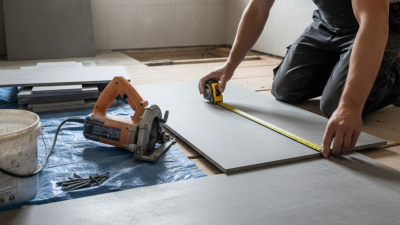
Selecting the right tools is also important. Using precision cutting tools allows for accurate fits and seamless installations. The right adhesive is key, too. It affects sound insulation and moisture resistance. Experts recommend incorporating a vapor barrier for additional protection against moisture. While some might skip this step, doing so may lead to increased maintenance costs in the future.
Installing fiber cement underlay requires attention to detail. It’s important to leave gaps around the edges for expansion. Many misunderstand this, leading to issues like buckling. Regular inspections during the installation process can help catch such mistakes. Understanding the material's properties is essential. Not all underlays are created equal; some perform better in specific conditions. Buyers should do their research and ensure their choice fits their unique needs.

 LEAO®Deco Ceiling
 LEAO® Perforated Ceiling
 LEAO® Ceiling Board
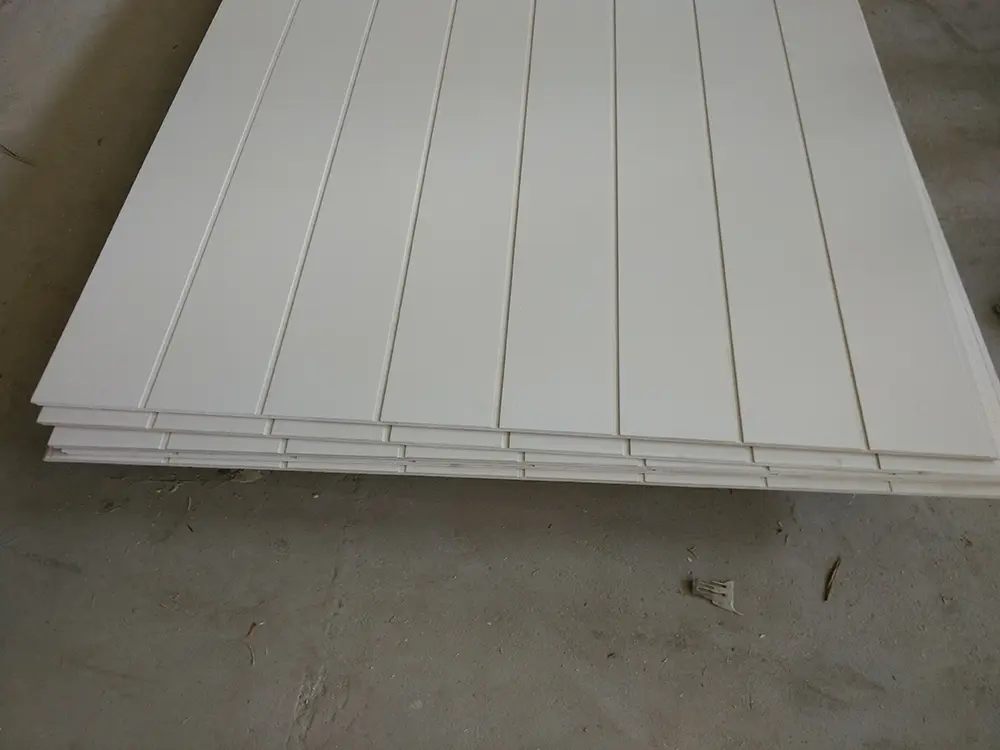 LEAO® Groove Interior Panel
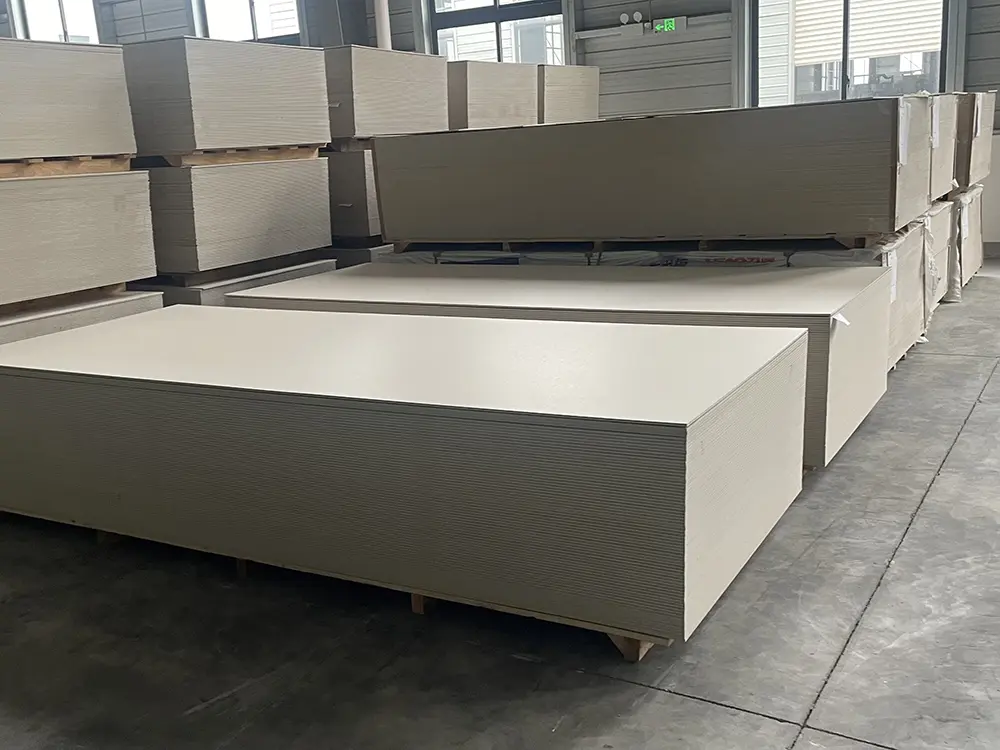 LEAO® Interior Board
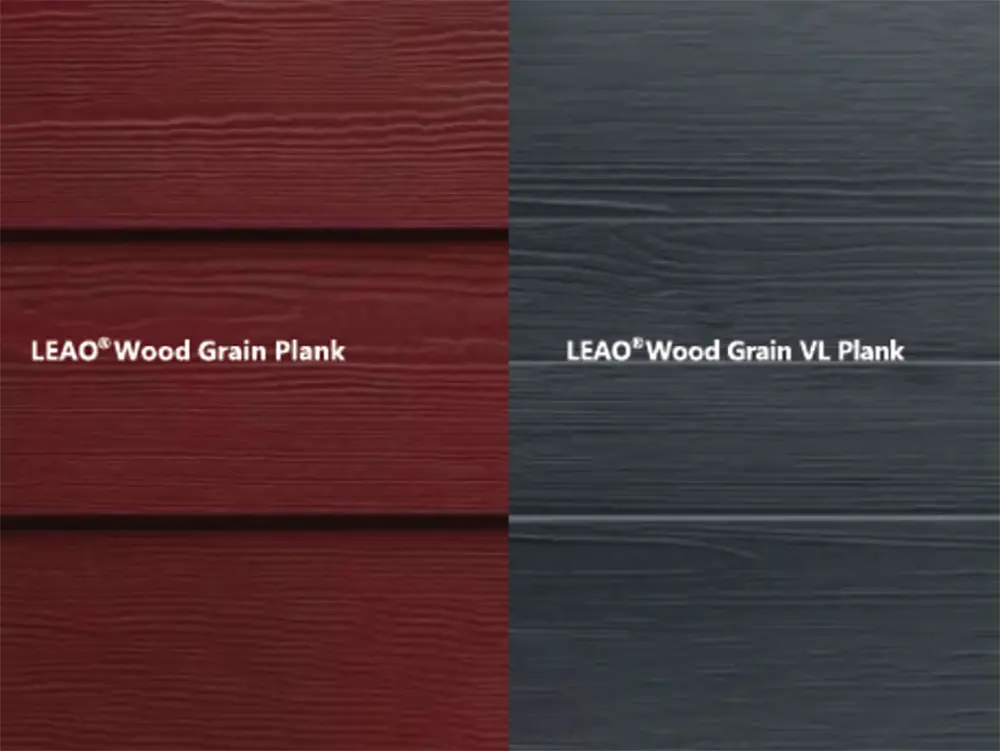 LEAO® Wood Grain Plank
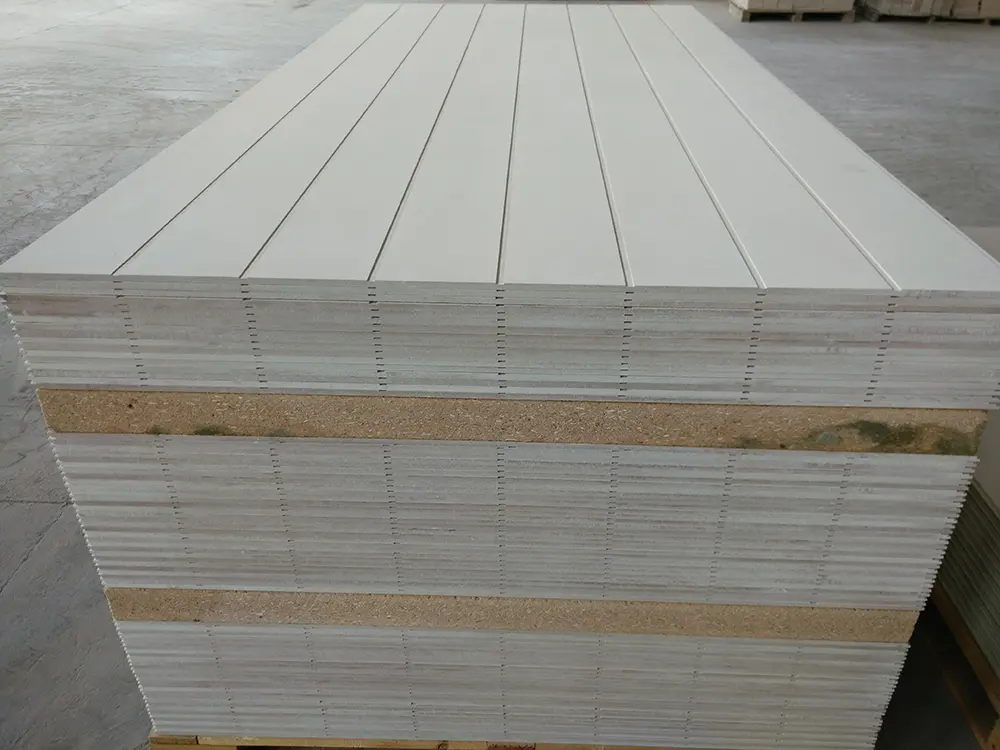 LEAO® Grooved Exterior Panel
 LEAO® Weatherboard
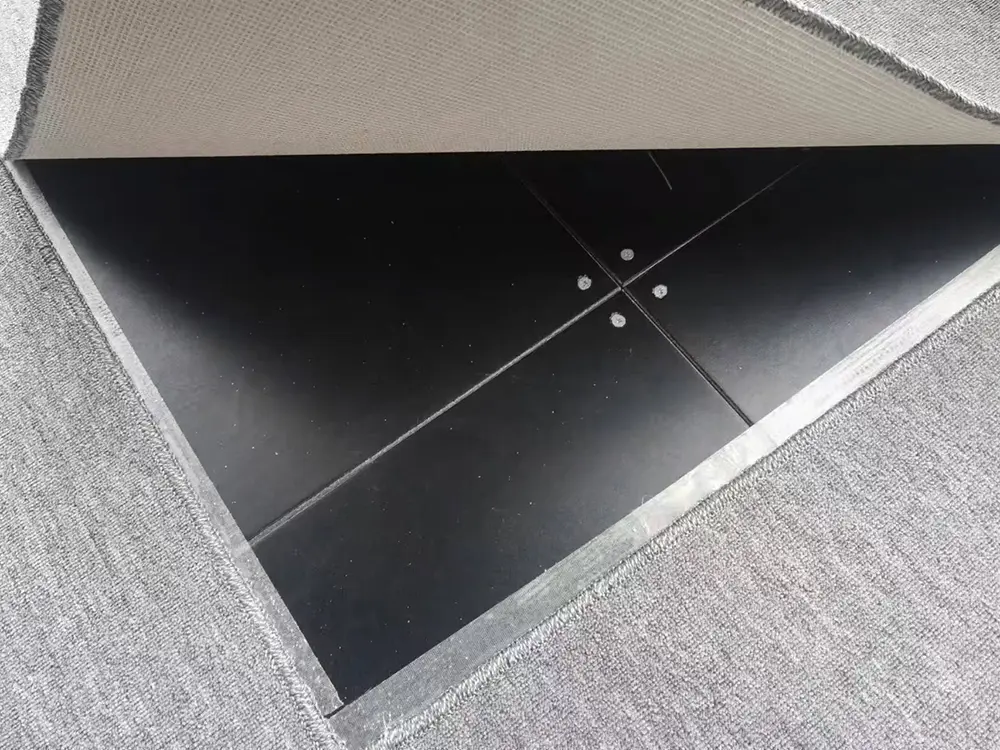 LEAO® Access Floors
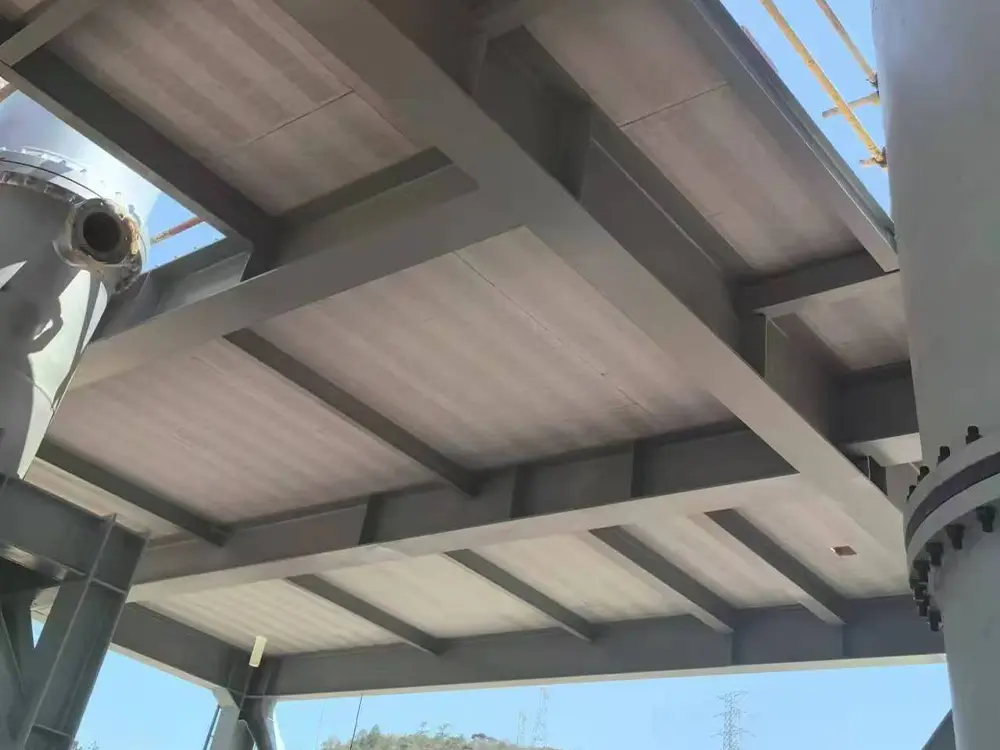 LEAO® Non-removable Formwork
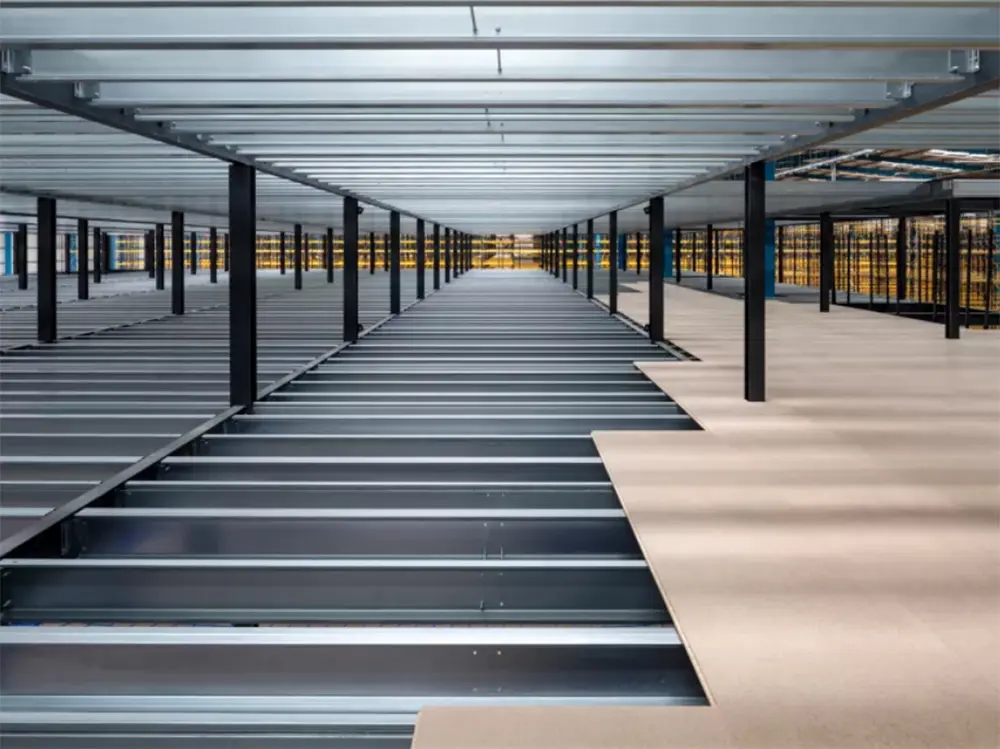 LEAO® Mezzanine Board
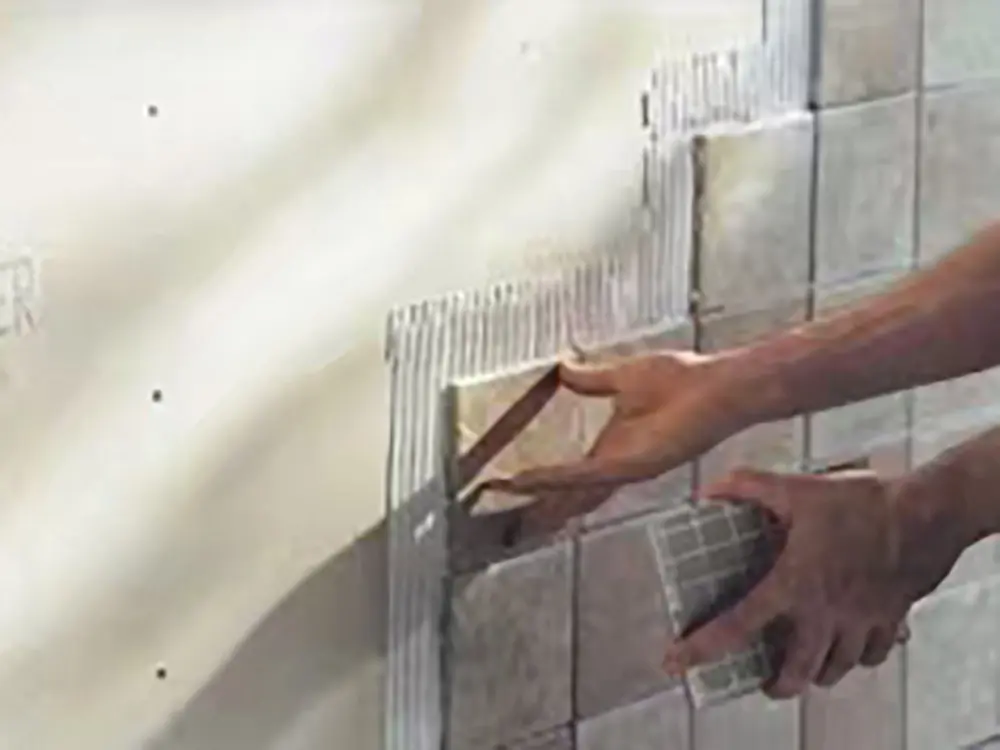 LEAO® Ceramic Tile Underlay
 LEAO® Floor Plank
 LEAO® Flooring
 LEAO® Wood Style Decorative Panel
 LEAO® Stone Style Decorative Panel
 LEAO® Pure Style Decorative Panel