What is Fiber Cement Formwork Board and its Benefits?
Fiber Cement Formwork Board is revolutionizing the construction industry. Recent market reports indicate that the global fiber cement market is projected to grow by over 12% annually until 2026. This remarkable growth highlights the increasing adoption of sustainable materials in construction.
The benefits of Fiber Cement Formwork Board extend beyond mere durability. It offers excellent fire resistance, moisture protection, and dimensional stability. These features significantly enhance the longevity of structures. A study by the International Journal of Construction Science and Technology found that using fiber cement can reduce maintenance costs by up to 30%.
However, the industry must continue to refine its practices. Not all manufacturers meet quality standards. Variability in product performance can lead to construction inefficiencies. Therefore, proper evaluation of suppliers is essential when selecting Fiber Cement Formwork Board for projects.
Definition and Composition of Fiber Cement Formwork Board
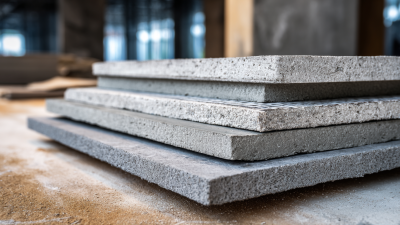
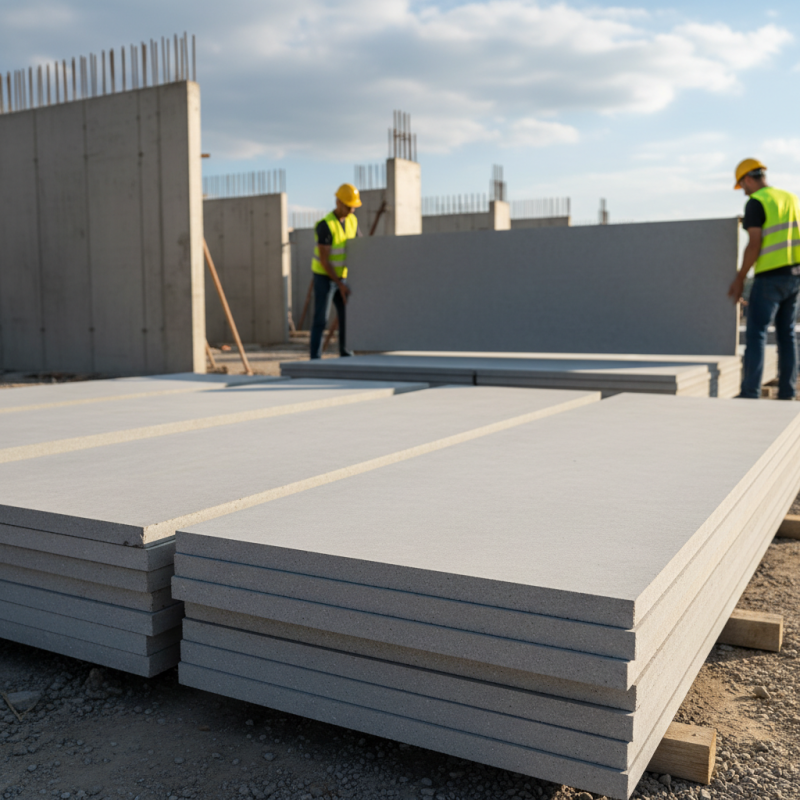
Fiber cement formwork board is gaining popularity in the construction sector. This material combines cellulose fibers, cement, and sand. The use of these components makes the board durable and resistant to moisture, fire, and pests. According to a recent market report, the global fiber cement board market is expected to grow at a CAGR of 4.9% from 2021 to 2028. This is a clear indication of its rising demand.
The composition of fiber cement formwork board contributes significantly to its benefits. The cellulose fibers provide tensile strength, allowing the board to withstand stress without cracking. Cement binds the materials, ensuring structural integrity. Sand adds density and stability to the mix. However, the manufacturing process can produce waste. Some reports indicate that about 10-15% of materials may go unused during production. This aspect raises concerns about sustainability in a rapidly growing market.
Fiber cement boards are commonly used in various applications. They are effective in forming walls, ceilings, and other structures. The boards are lightweight, which aids in easy handling and installation. On the flip side, improper handling may lead to chipping or cracking. Maintaining quality during production and usage is essential. A slight mistake can compromise the entire project, highlighting the need for constant improvement in manufacturing practices.
Key Advantages of Using Fiber Cement Formwork Boards
Fiber cement formwork boards have gained attention in the construction industry. These boards are made from a mix of cement, cellulose fibers, and silica. They are known for their durability and resistance to harsh weather conditions. This makes them ideal for both outdoor and indoor applications.
One key advantage of using fiber cement formwork boards is their exceptional strength. They can withstand heavy loads without bending or breaking. This attribute is particularly important in projects that require long-lasting structures. Additionally, they provide excellent thermal insulation. This helps maintain consistent temperatures in buildings, which can lead to energy savings.
Another benefit is their resistance to pests such as termites. This can reduce maintenance costs over time. However, it’s crucial to install them correctly. Improper installation can lead to issues like water infiltration. Overall, while fiber cement formwork boards offer many advantages, proper handling and installation are essential for optimal performance.
Applications of Fiber Cement Formwork Boards in Construction
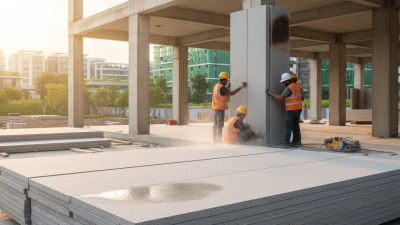
Fiber cement formwork boards are increasingly popular in construction due to their durability and versatility. They find applications in various areas, such as wall systems and flooring. These boards can withstand moisture and resist pests, which makes them ideal for different climates. Additionally, they provide excellent fire resistance, offering safety advantages on job sites.
In residential construction, fiber cement boards are used for foundations and exterior walls. Their strength allows for optimal support, even in harsh conditions. However, maintaining a proper installation process can be challenging. Workers may overlook specific details, leading to potential issues. Training and knowledge sharing are essential.
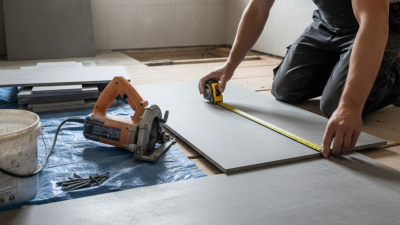
Commercial projects also benefit from fiber cement boards. They are often used in high-rise buildings and industrial facilities. Their lightweight nature eases handling and reduces transportation costs. Nevertheless, some constructors struggle with the cutting and shaping process. Accurate measurements are crucial but sometimes ignored. This can result in wasted materials and time on the job site.
Applications of Fiber Cement Formwork Boards in Construction
Comparative Analysis with Traditional Formwork Materials
Fiber cement formwork boards are gaining traction in construction. They offer durability and a longer lifespan compared to traditional materials. Traditional formwork, often made from wood or steel, can warp or rust. Reports indicate that fiber cement boards last up to 50% longer. This longevity reduces material costs over time.
Cost analysis reveals that using fiber cement can save up to 30% in labor costs. Steel formwork is heavy and often requires cranes for installation, increasing overall expenses. Fiber cement boards are lighter and easier to handle, which can speed up the construction process. However, professionals point out that the initial investment can be higher.
Despite these benefits, there are drawbacks. Some users report difficulty in cutting and shaping fiber cement boards accurately. This can lead to material wastage. Additionally, while these boards are resistant to water and fire, they are not completely impervious to severe weather. Therefore, careful consideration is needed when choosing the right formwork material for specific projects.
What is Fiber Cement Formwork Board and its Benefits? - Comparative Analysis with Traditional Formwork Materials
| Criteria |
Fiber Cement Formwork Board |
Traditional Formwork Materials |
| Material Composition |
Cement, cellulose fiber, sand, and additives |
Plywood, metal, plastic |
| Durability |
High resistance to moisture and termites |
Susceptible to rot and insect damage |
| Weight |
Moderate |
Usually heavier (especially metal) |
| Installation Ease |
Easy to handle and cut |
May require additional tools for cutting and handling |
| Cost |
Moderate initial investment, long-term cost-effective |
Varies widely; usually cheaper initially but higher maintenance costs |
| Environmental Impact |
Generally eco-friendly with recyclable components |
Plywood uses natural resources; metal recycling varies |
| Aesthetics |
Can be finished in various textures and colors |
Limited design options |
Maintenance and Durability Factors of Fiber Cement Formwork Boards
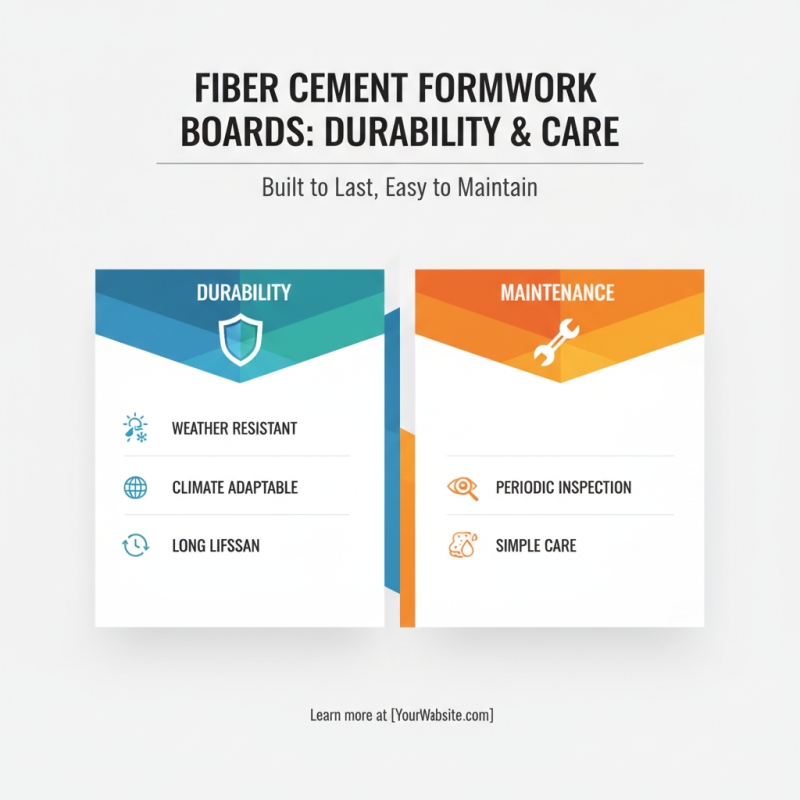
Fiber cement formwork boards are gaining popularity in construction. Their maintenance and durability are crucial factors to consider. These boards can withstand harsh weather, making them suitable for various climates. However, they still require periodic inspection and care.
One key aspect of maintenance involves checking for any signs of wear. Cracks or chips can occur over time, especially in high-stress areas. Addressing these issues promptly can prevent further damage. Additionally, cleaning the boards regularly helps maintain their integrity and appearance. A gentle wash with water can remove dirt and debris.
Durability is another noteworthy consideration. While fiber cement boards resist rot and insects, they are not invincible. Over time, exposure to moisture can cause issues. Therefore, ensuring proper sealing can extend their lifespan. Regular monitoring of joints and edges is also important. These simple maintenance steps can considerably enhance performance in the long run.

 LEAO®Deco Ceiling
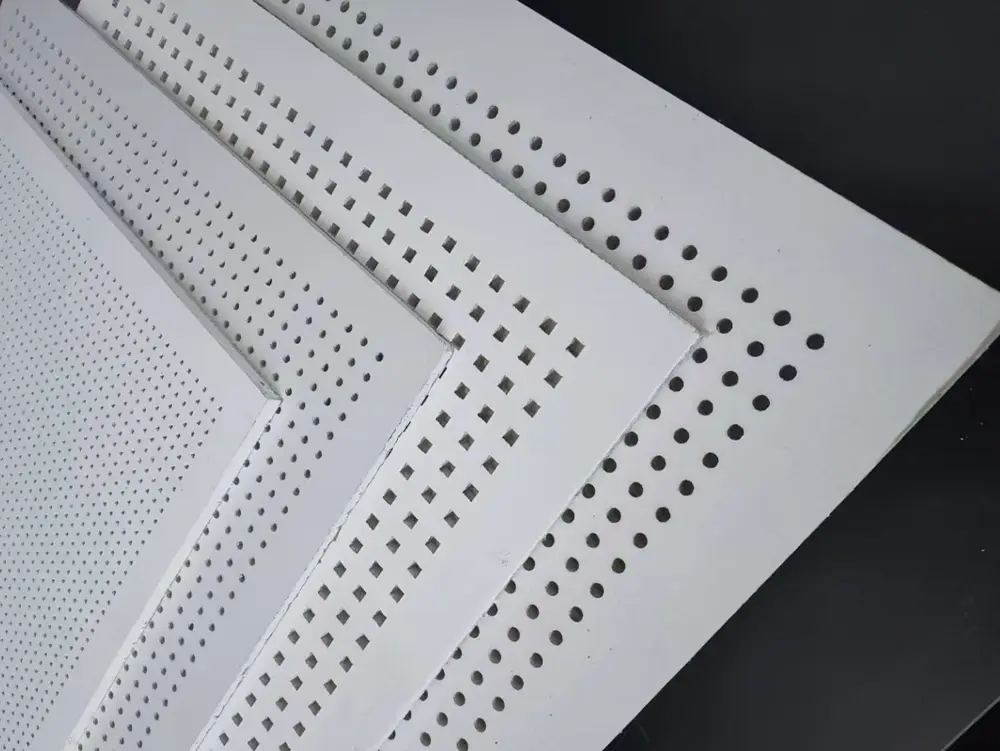 LEAO® Perforated Ceiling
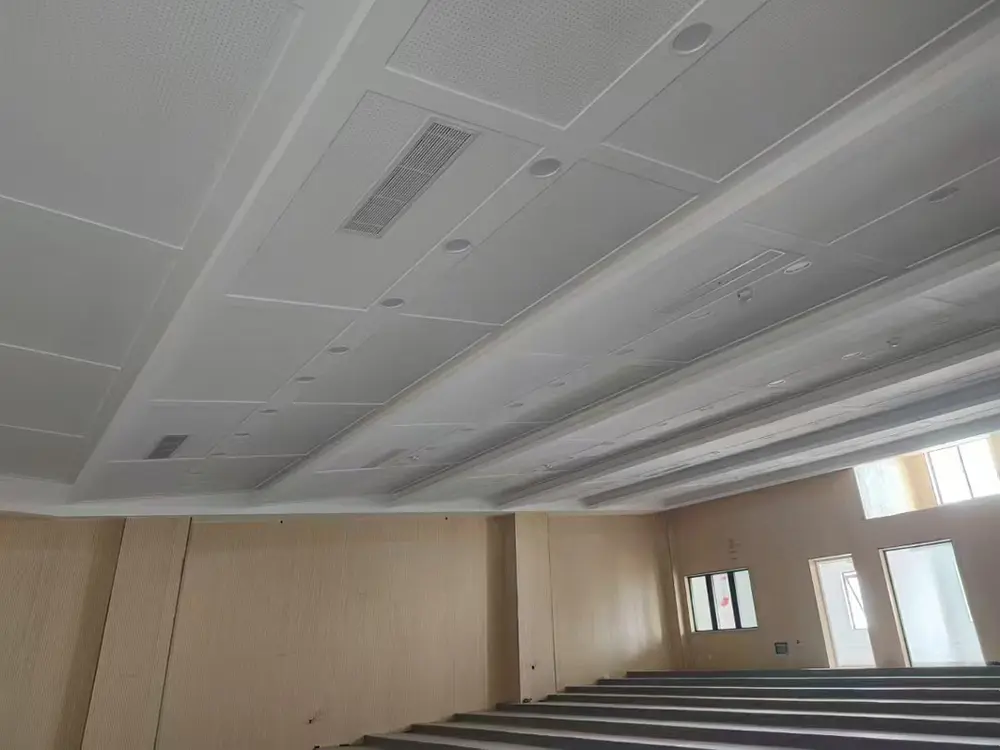 LEAO® Ceiling Board
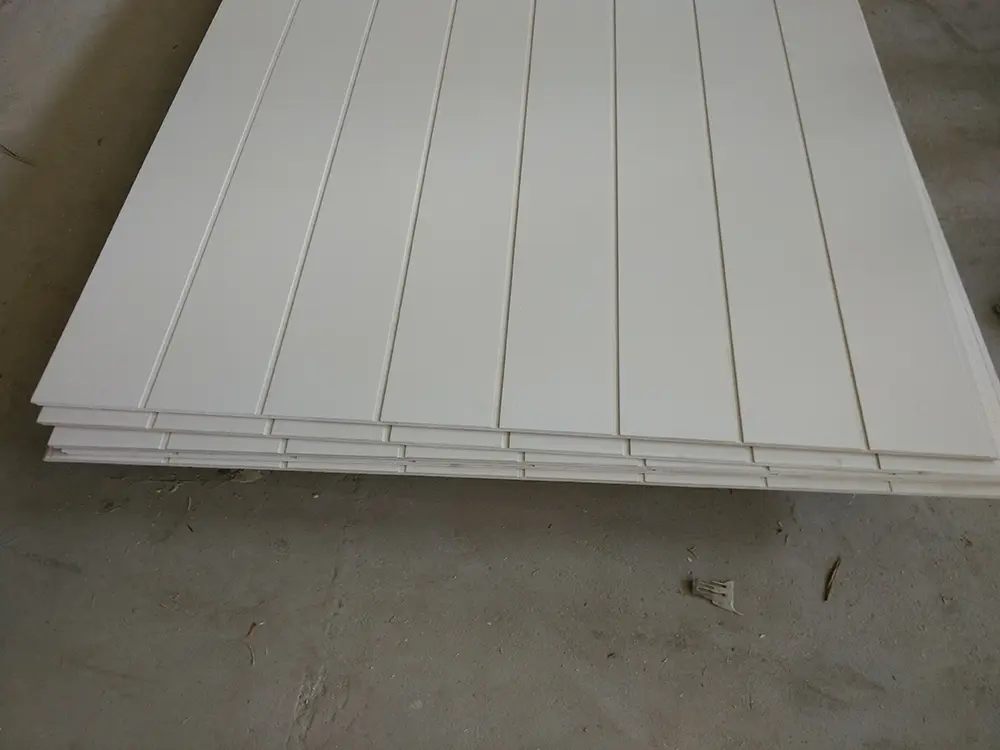 LEAO® Groove Interior Panel
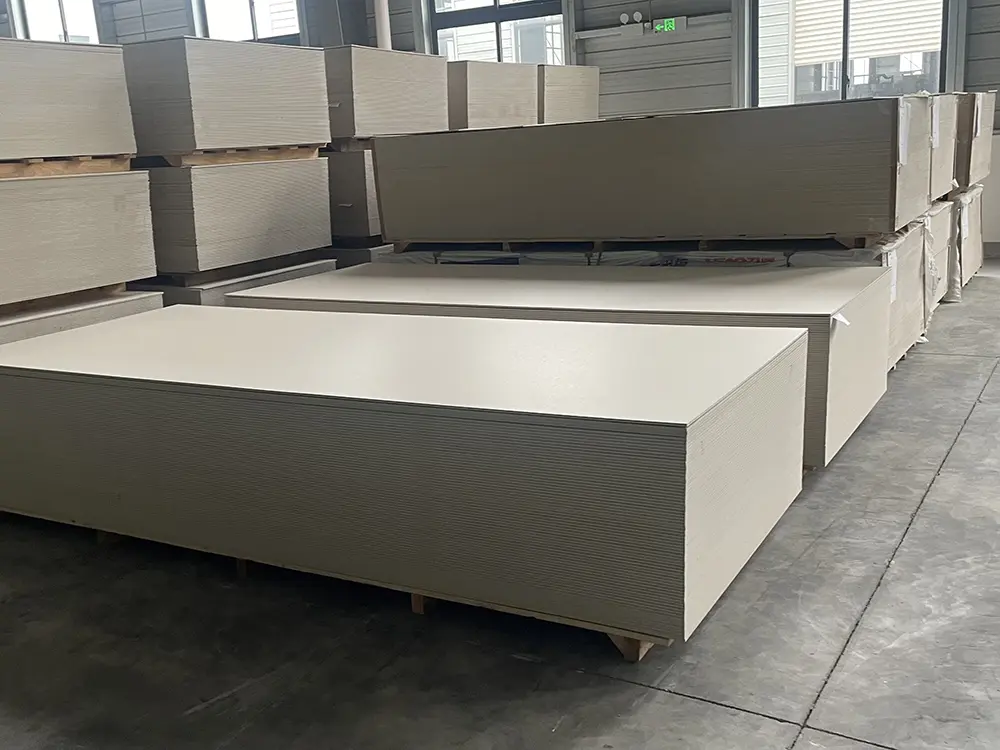 LEAO® Interior Board
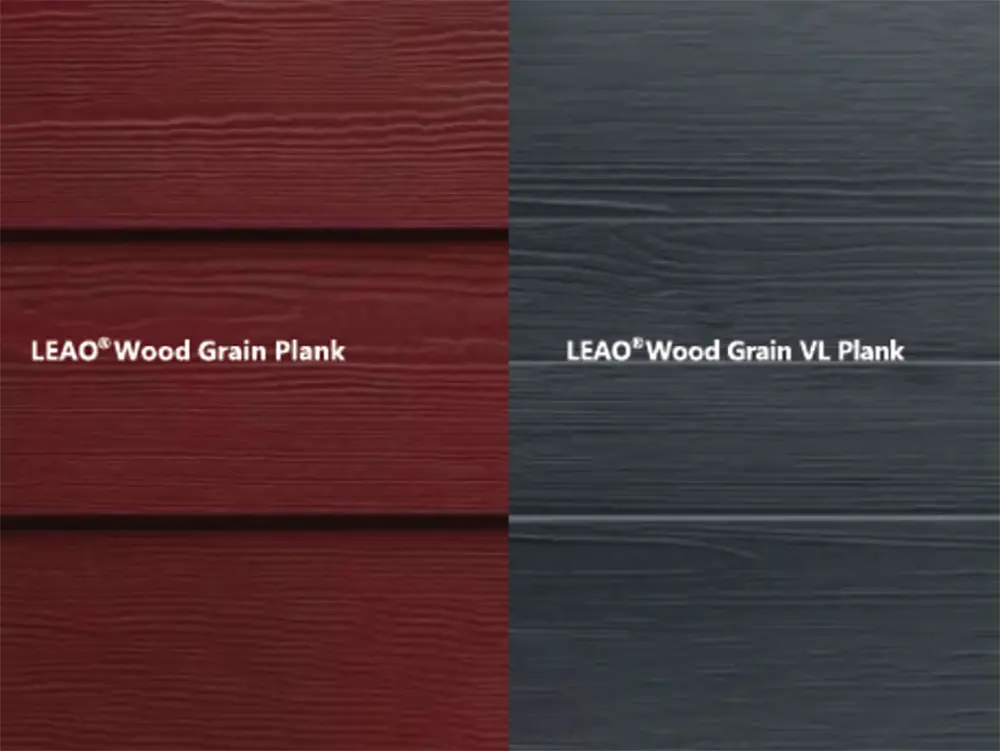 LEAO® Wood Grain Plank
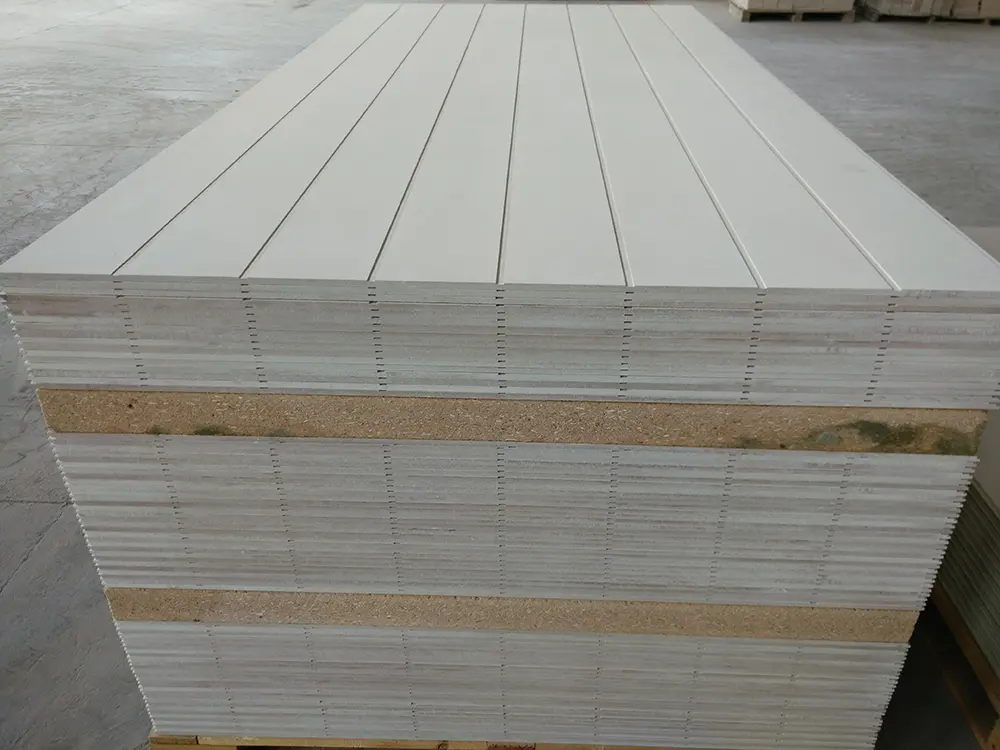 LEAO® Grooved Exterior Panel
 LEAO® Weatherboard
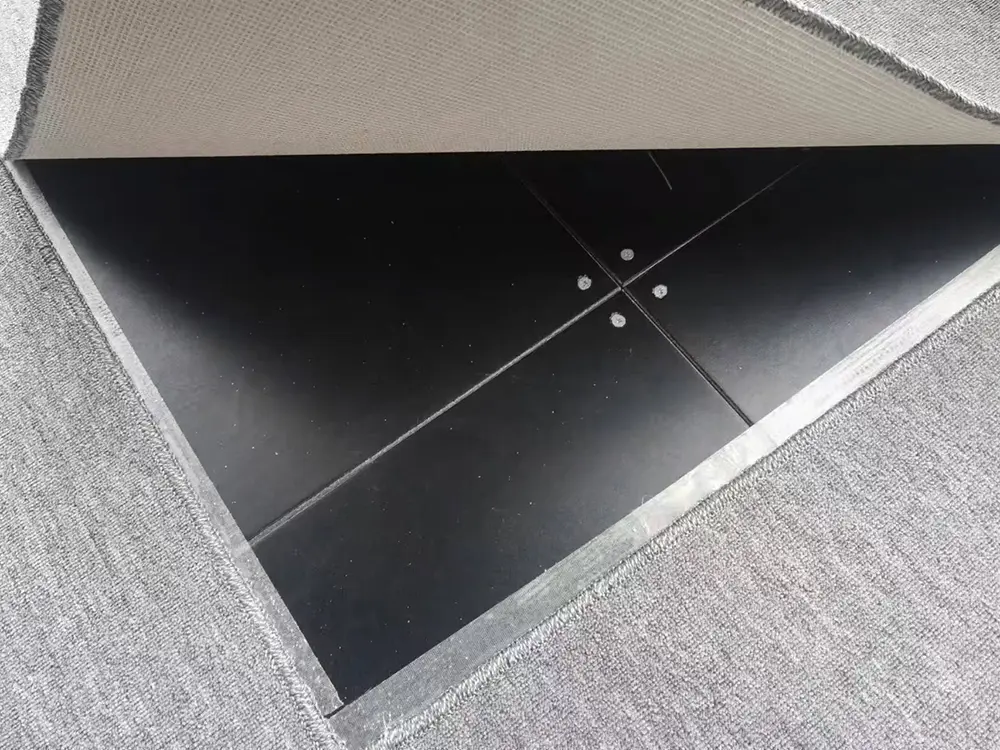 LEAO® Access Floors
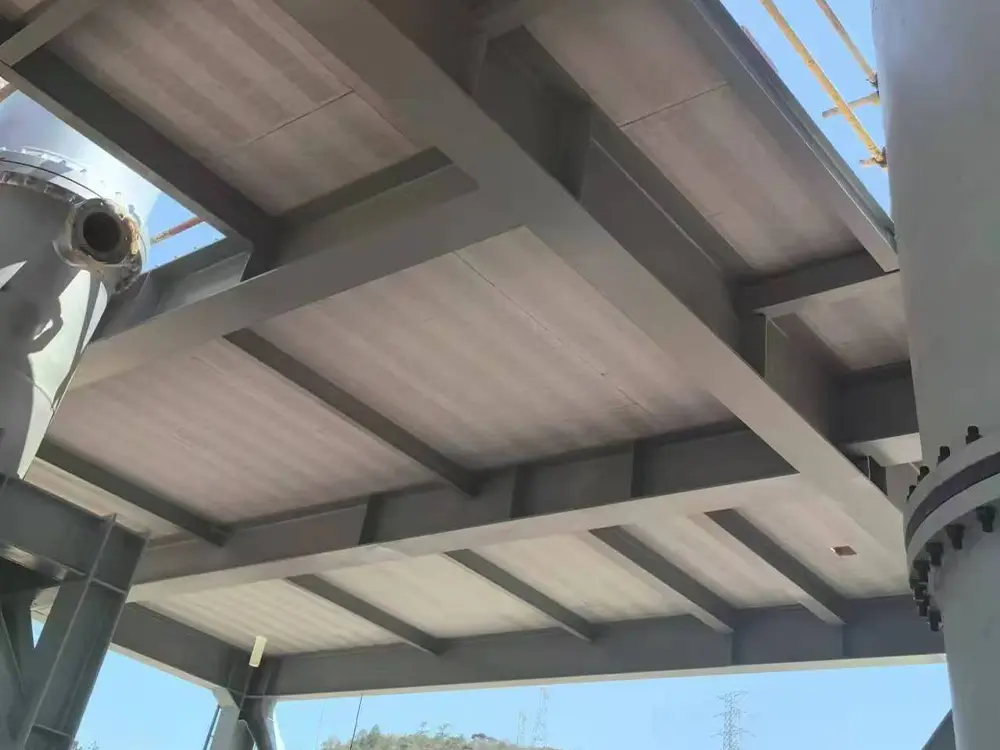 LEAO® Non-removable Formwork
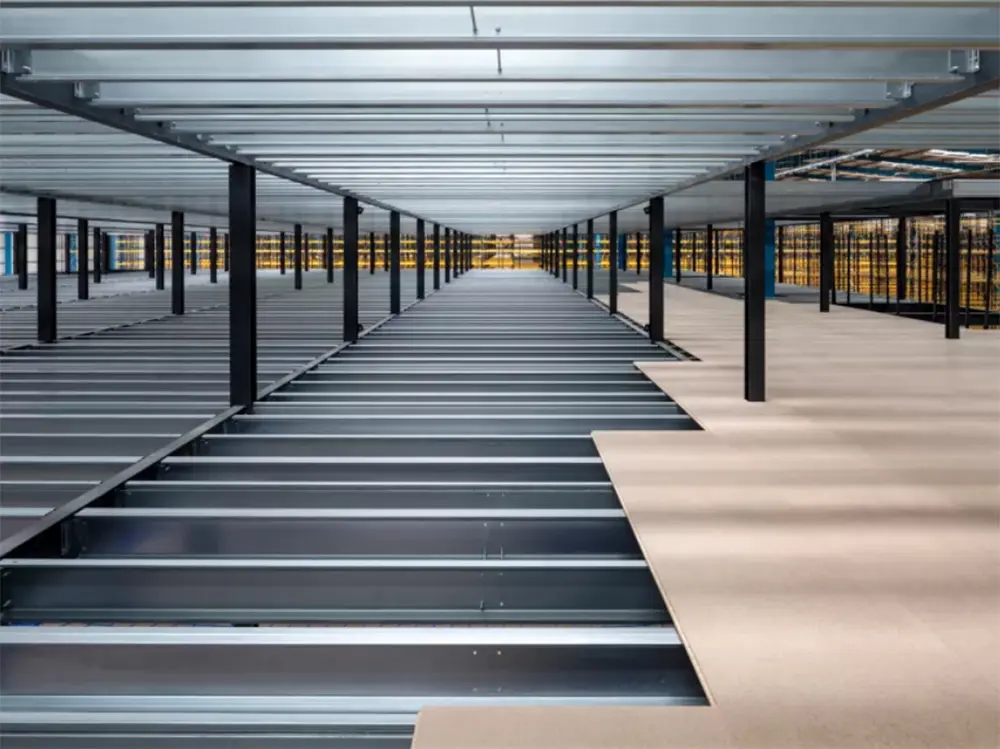 LEAO® Mezzanine Board
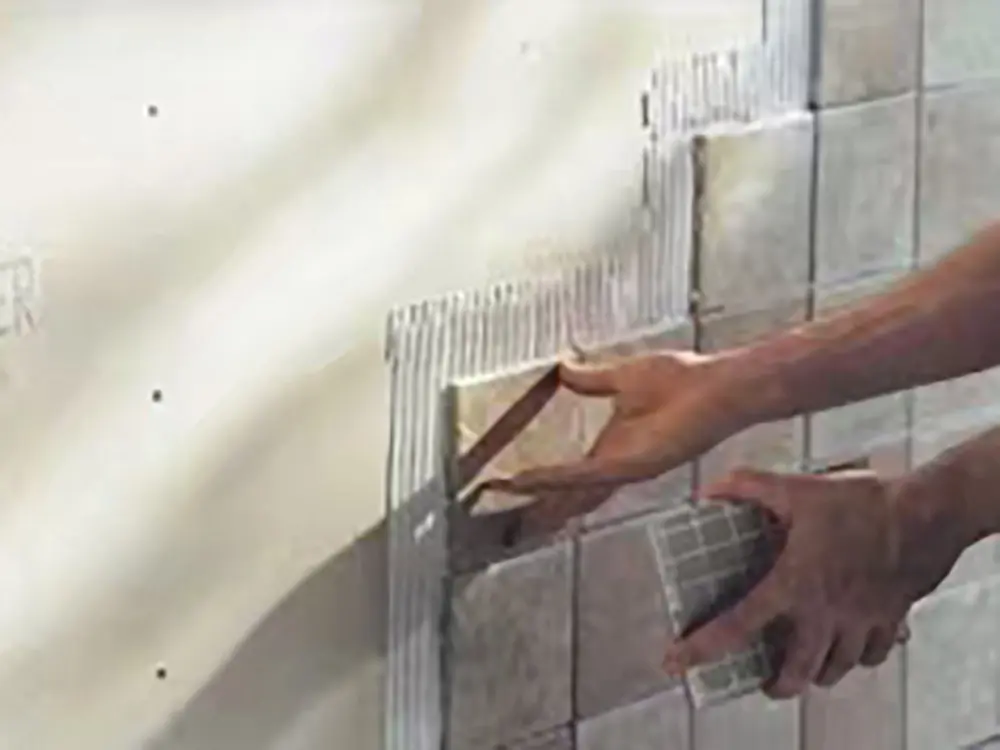 LEAO® Ceramic Tile Underlay
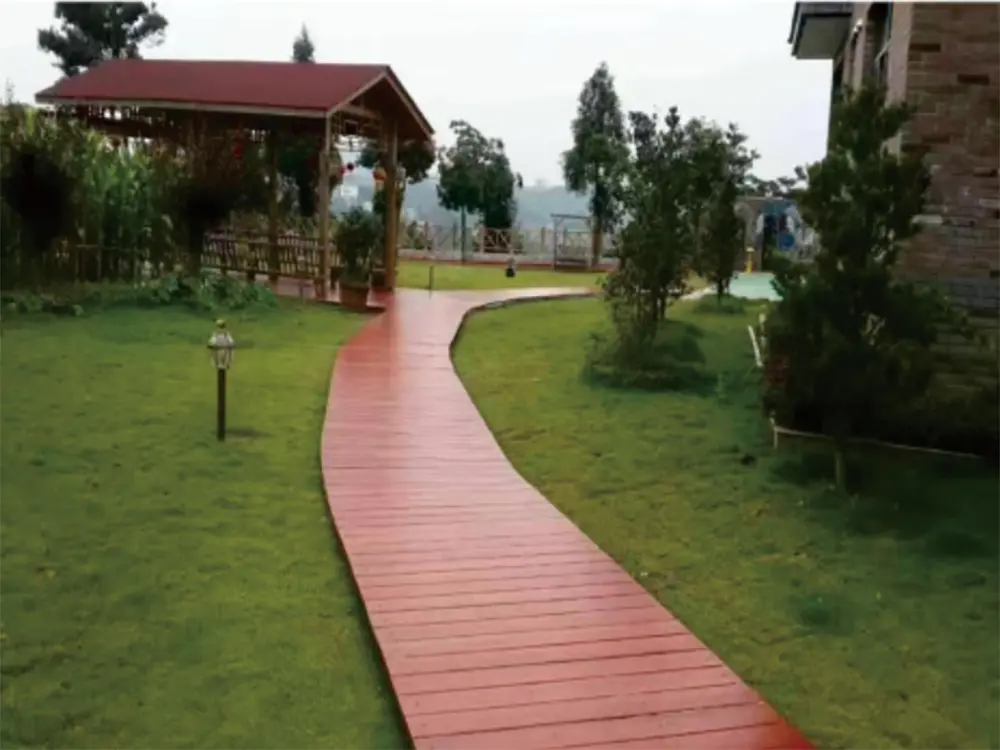 LEAO® Floor Plank
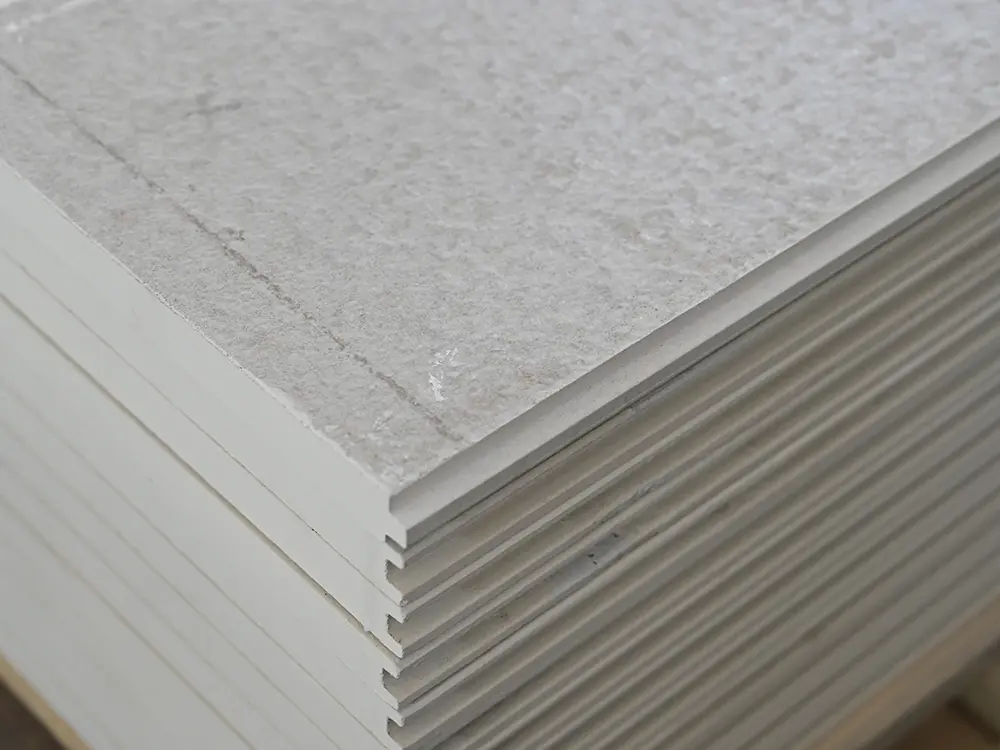 LEAO® Flooring
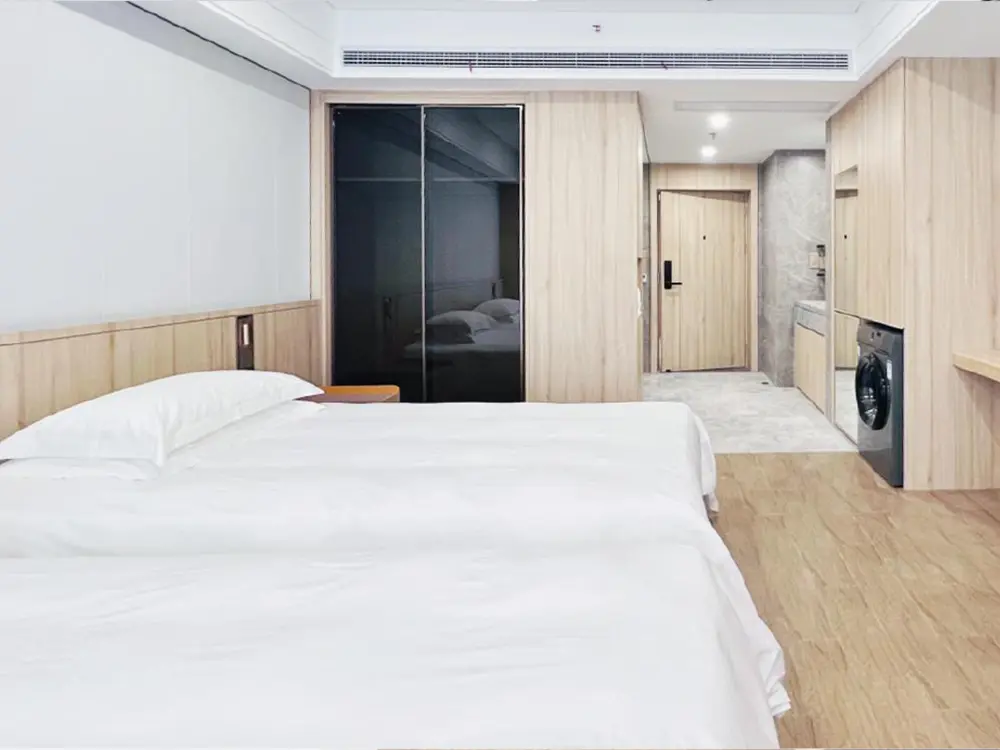 LEAO® Wood Style Decorative Panel
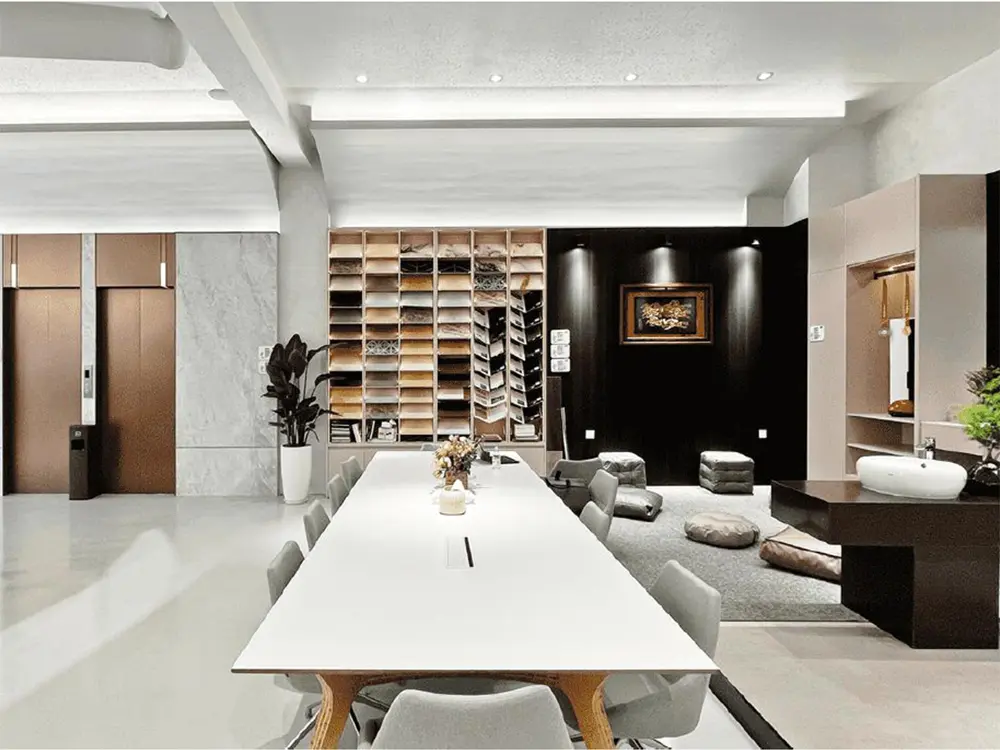 LEAO® Stone Style Decorative Panel
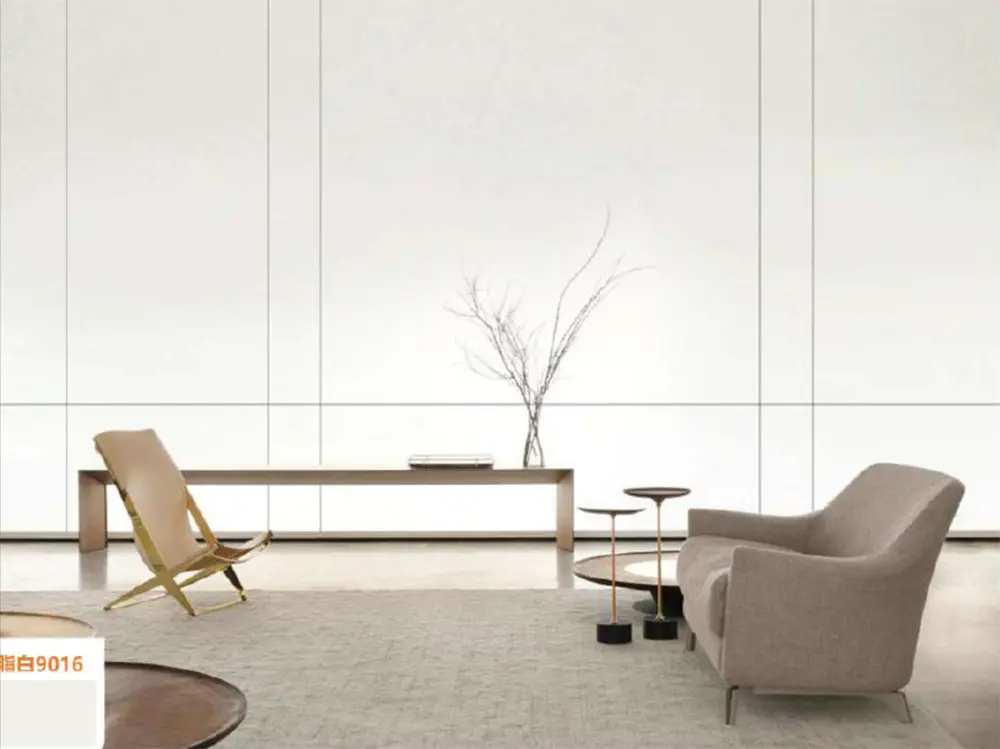 LEAO® Pure Style Decorative Panel