What is Fiber Cement Partition Board and Its Benefits?
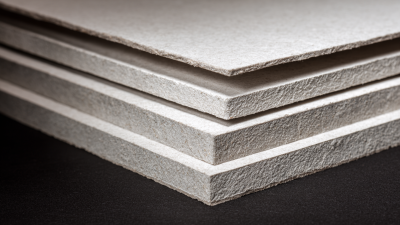
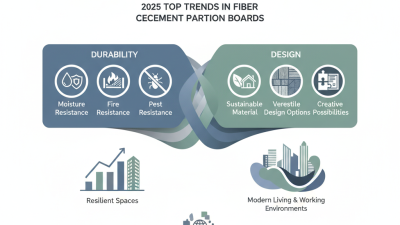
Fiber Cement Partition Board is gaining popularity in modern construction. This material combines cement and cellulose fibers, creating a durable and versatile building option. It stands out due to its fire-resistant properties and ability to withstand moisture. Many buildings now opt for Fiber Cement Partition Board, implementing it in both residential and commercial spaces.
The benefits of using Fiber Cement Partition Board extend beyond durability. Its lightweight nature facilitates easier installation. This can reduce labor costs and construction time. Furthermore, it offers excellent sound insulation, enhancing the privacy of different spaces within a property. However, while considering its application, one must reflect on the initial costs versus long-term savings.
Not all products are created equal. Some may not meet required standards, impacting performance. It's essential to choose high-quality Fiber Cement Partition Board. This decision can significantly influence the overall effectiveness in construction projects. Consequently, engaging with knowledgeable suppliers can ensure reliability and quality.
What is Fiber Cement Partition Board?
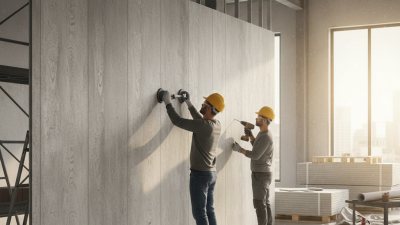
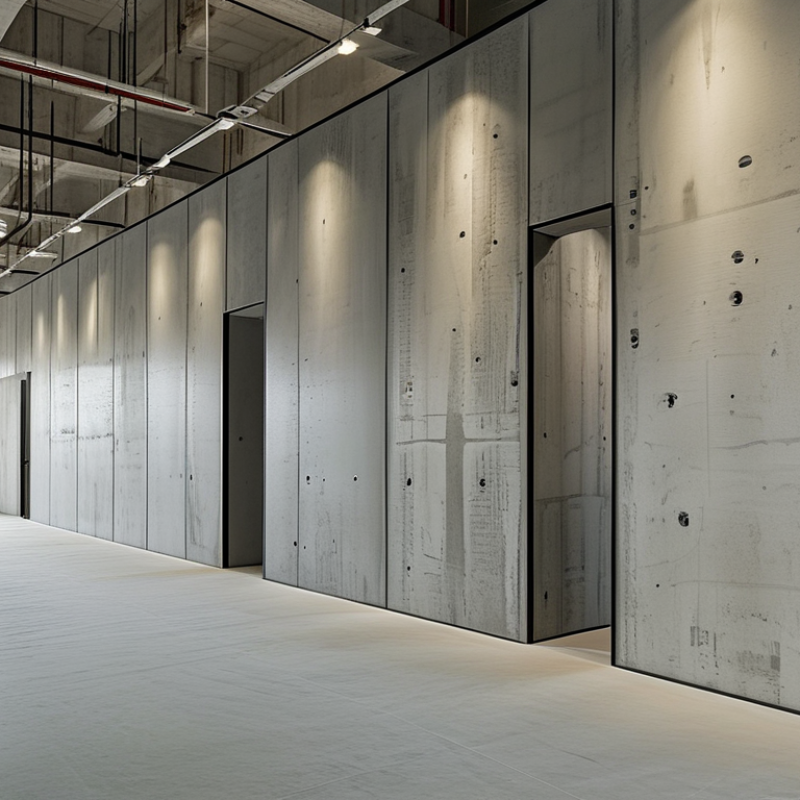
Fiber cement partition boards are versatile materials used in construction and interior design. Made from a blend of sand, cement, and cellulose fibers, these boards offer durability and strength. They are resistant to water, fire, and pests, making them a popular choice for various applications. In residential and commercial settings, they can be used to create non-load bearing walls, offering flexibility in layout design.
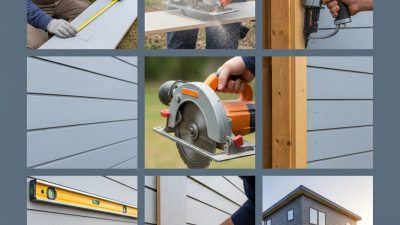
When considering fiber cement boards, it's essential to think about installation. Proper cutting and sealing can prevent moisture from seeping in. This will enhance their durability over time. Remember, not all boards are the same. The thickness and quality of the fiber cement can greatly affect performance. Choosing a reliable supplier can make a significant difference.
Creating walls with these boards can sometimes be tricky. Some installers may struggle with the boards' weight. Training on proper handling techniques is critical. Improper installation can lead to cracks or structural issues down the line. It’s worth investing time to ensure a solid foundation, as it pays off in longevity and durability.
Composition and Manufacturing Process of Fiber Cement Board
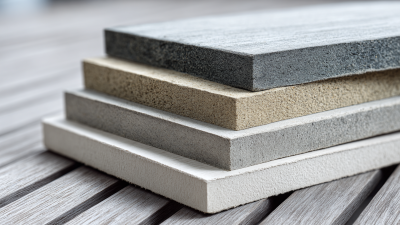
Fiber cement partition boards are innovative materials made from a blend of cement, cellulose fibers, sand, and water. This composition results in strong, durable panels that excel in various building applications. The manufacturing process starts with mixing raw materials. The mixture is then molded and cured under controlled conditions, enhancing its strength and durability. This careful process ensures the boards are resistant to moisture, fire, and pests, making them suitable for both indoor and outdoor use.
The versatility of fiber cement boards is noteworthy. They can be formed into various shapes and sizes, accommodating different design needs. This adaptability allows architects and builders to explore creative solutions while adhering to structural integrity. However, the production process can have environmental impacts, requiring careful attention to energy use and waste management.
It's important to acknowledge that while fiber cement boards offer numerous benefits, they can also have limitations. The weight of these boards may pose challenges during installation. Additionally, proper handling is essential to avoid damage. Understanding both the advantages and drawbacks of fiber cement boards is crucial for their effective application in construction projects.
Key Advantages of Using Fiber Cement Partition Boards
Fiber cement partition boards have gained popularity due to their numerous benefits. These boards are composed of cement, cellulose fibers, and silica. Their durability and resistance to moisture make them ideal for both residential and commercial applications. According to a recent report by Transparency Market Research, the fiber cement board market is expected to grow at a CAGR of 4.9% from 2021 to 2031. This growth indicates a strong demand and increasing recognition of their advantages.
One key advantage of fiber cement partition boards is their fire resistance. They have a non-combustible nature, which significantly enhances safety in buildings. In addition to fire resistance, these boards are also impervious to termites and other pests, which can compromise traditional materials. Research from the National Institute of Standards and Technology indicates that using fire-resistant materials can reduce damage during fire incidents by up to 50%. This aspect not only saves costs but also protects lives.
Another notable benefit is sound insulation. Fiber cement boards effectively reduce noise levels, creating quieter environments. This feature is particularly valuable in multi-family homes and commercial spaces. According to the American Society of Interior Designers, effective soundproofing can improve comfort and productivity in workplaces. While fiber cement boards have many advantages, potential issues include the need for proper installation to ensure maximum performance. If not installed correctly, the boards may not showcase their full range of benefits.
Applications and Uses in Construction and Interior Design
Fiber cement partition boards are gaining traction in the construction and interior design industries. Their durability and versatility make them an ideal choice for various applications. According to a recent report by Research and Markets, the global fiber cement board market is projected to reach USD 3.5 billion by 2026, indicating a steady growth trend. These boards are used extensively for indoor partitions due to their resistance to moisture and fire, which enhances safety and longevity.
In residential and commercial settings, fiber cement boards allow architects and designers to create flexible spaces. They can be easily installed and modified, fitting different layout needs. Retail spaces utilize these boards for partitioning areas without sacrificing aesthetic appeal. Additionally, their ability to mimic natural materials like wood and stone furthers their popularity. However, there are concerns. Some contractors note that installation can be labor-intensive. It requires skilled workers to ensure a seamless finish.
The acoustic properties of fiber cement boards are also notable. Their ability to reduce sound transmission makes them suitable for offices and educational institutions. According to the International Code Council (ICC), these boards meet stringent building codes for soundproofing. The boards have limitations too, primarily in environmental impact during production. Balancing material performance with sustainability continues to be a challenge for the industry.
Comparison with Traditional Partition Materials
Fiber cement partition boards have emerged as a popular choice in construction. They offer several advantages over traditional materials. For instance, fiber cement is highly resistant to moisture, which helps prevent mold growth. Unlike drywall, this material does not warp or degrade over time, making it a durable option for partitions.
When comparing fiber cement boards to traditional materials like wood or drywall, there are significant differences. Wood is prone to rot and insect damage. On the other hand, drywall often requires frequent repairs due to dents and holes. Fiber cement stands out with its robust structure. It can withstand impacts better than drywall, reducing long-term maintenance needs.
Moreover, installation of fiber cement boards is generally straightforward. This can lead to faster project timelines. However, one aspect to reflect on is the weight of fiber cement. It can be heavier than traditional options, which may complicate handling. This is an important consideration during construction. Understanding these differences can help builders make informed decisions for their projects.

 LEAO®Deco Ceiling
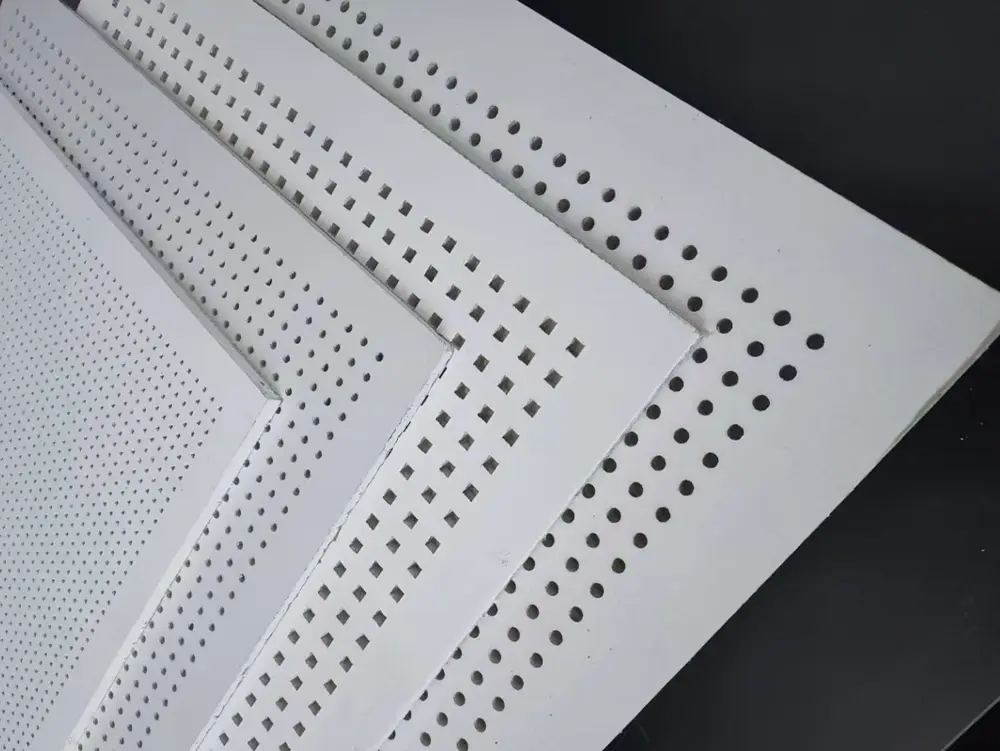 LEAO® Perforated Ceiling
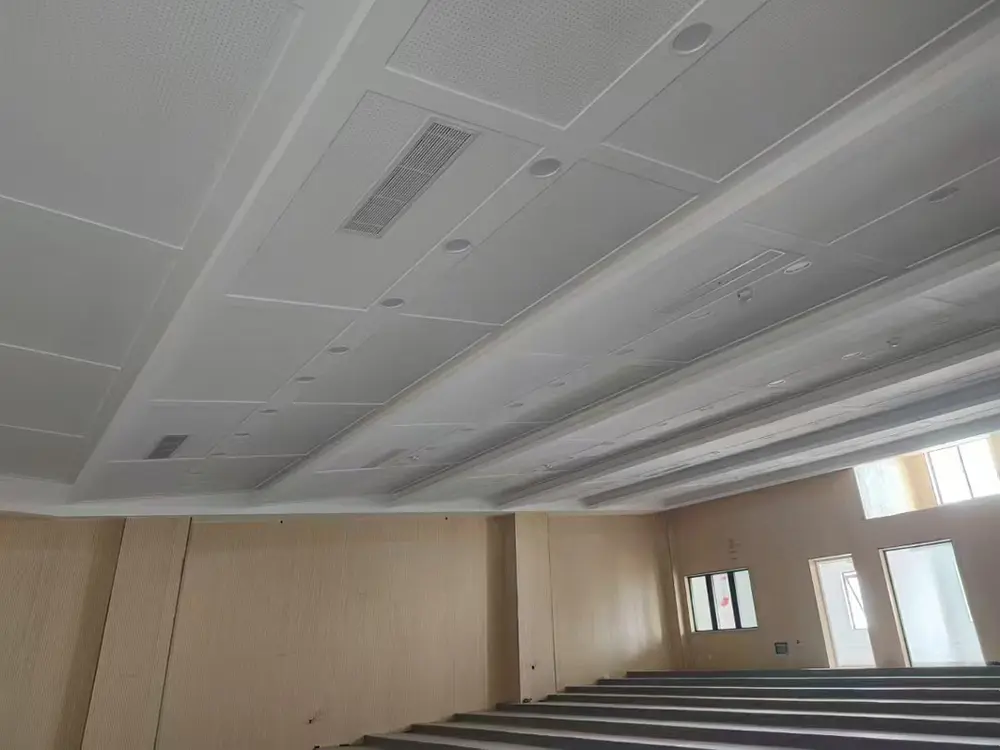 LEAO® Ceiling Board
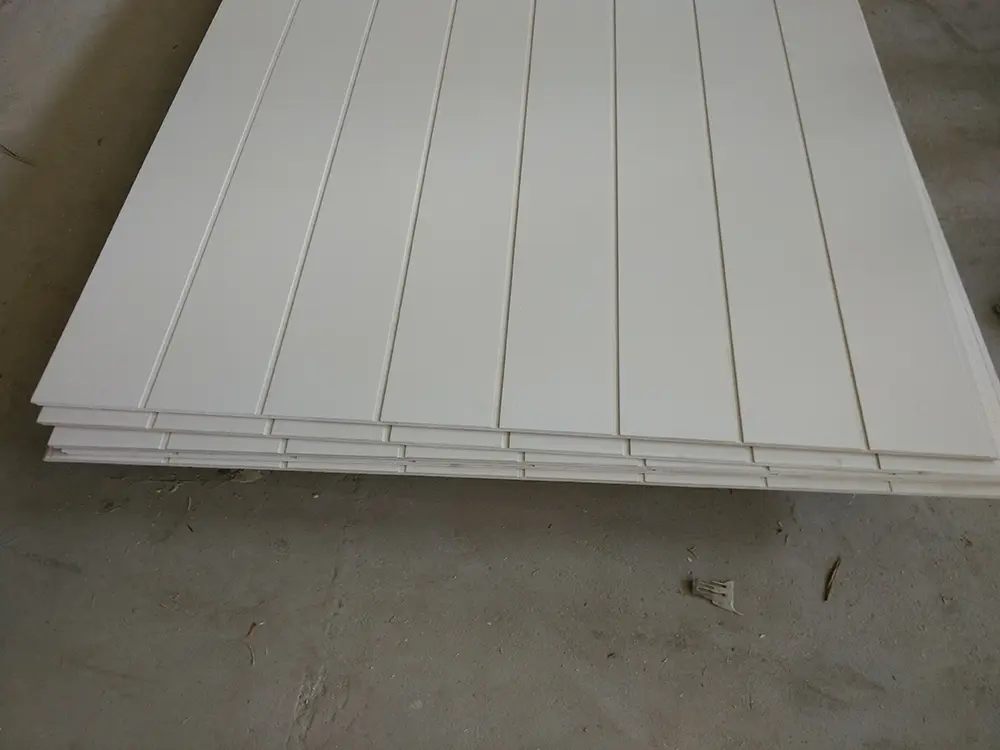 LEAO® Groove Interior Panel
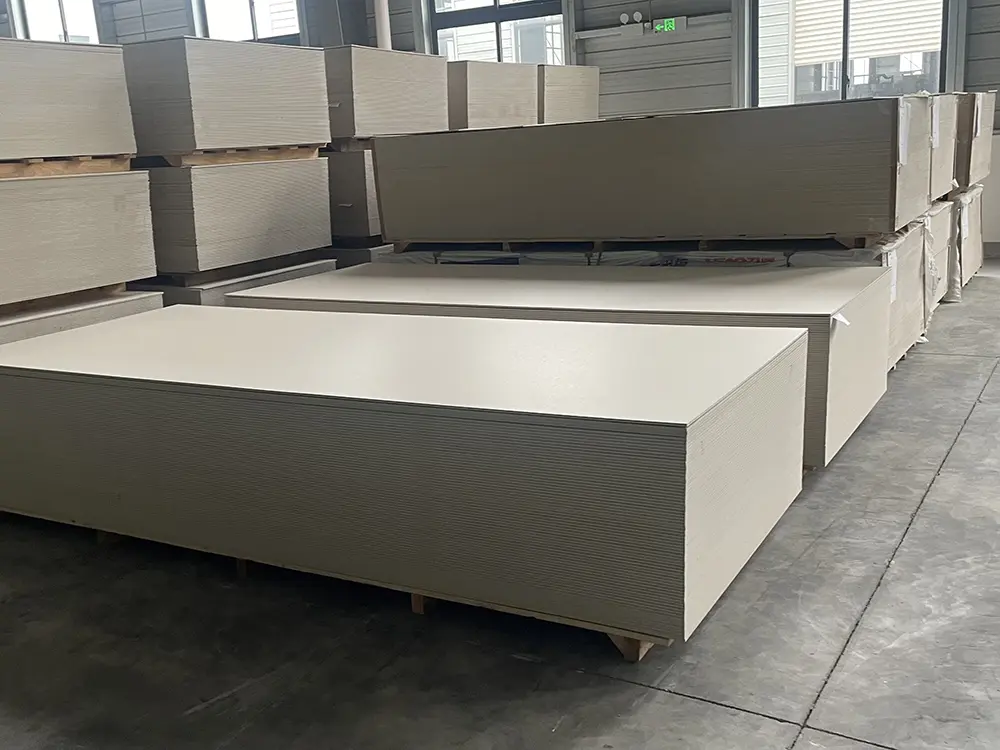 LEAO® Interior Board
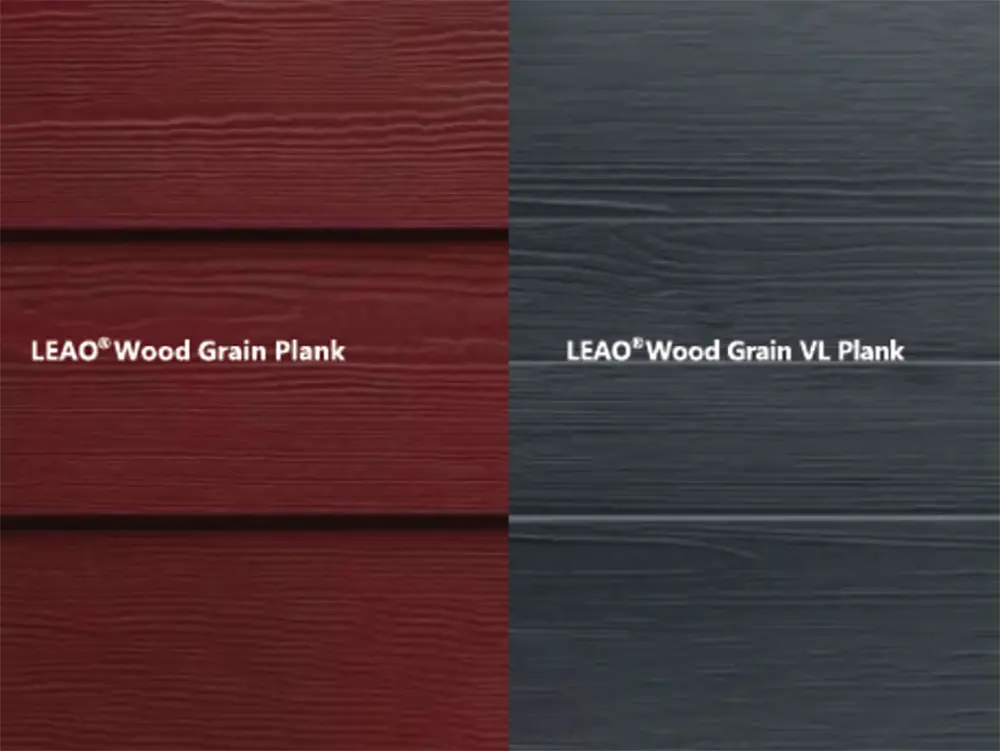 LEAO® Wood Grain Plank
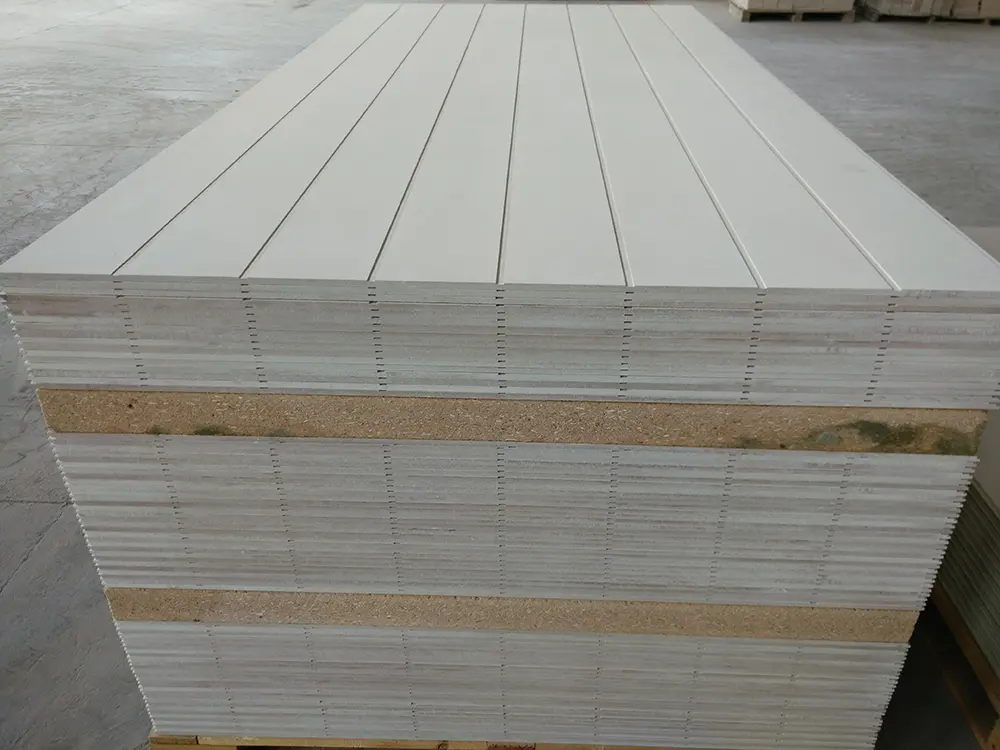 LEAO® Grooved Exterior Panel
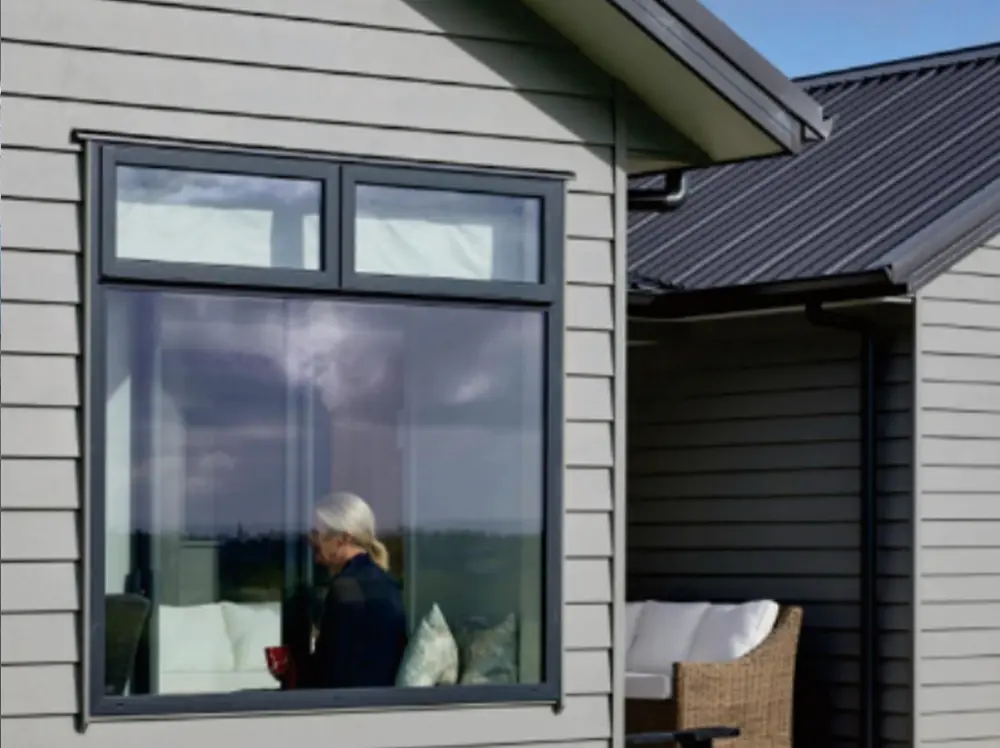 LEAO® Weatherboard
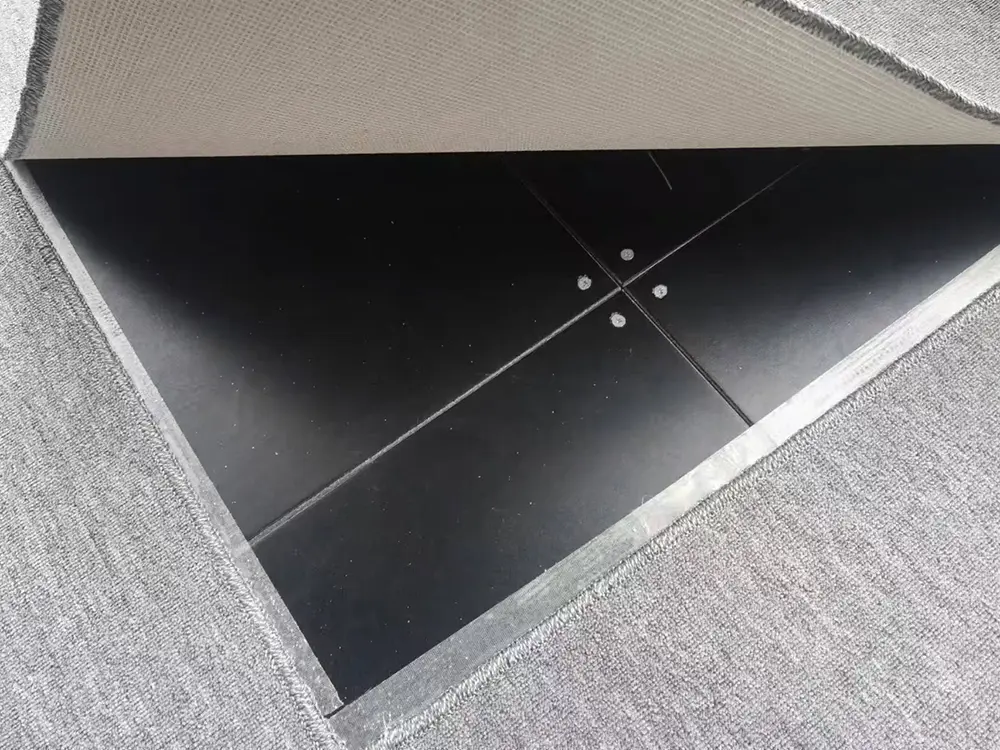 LEAO® Access Floors
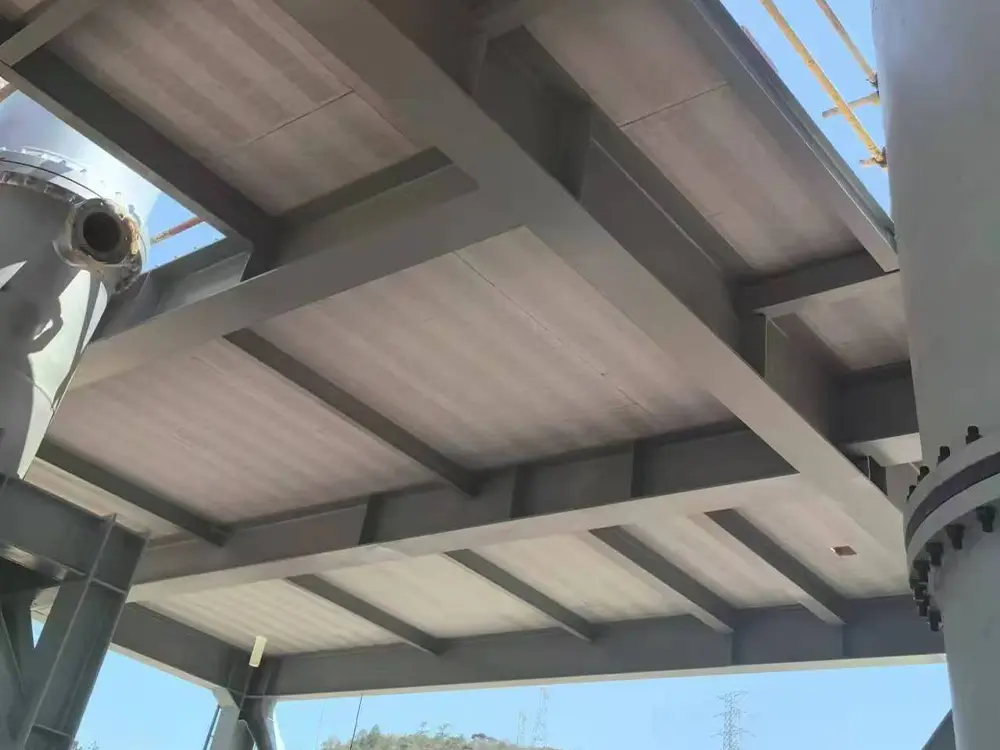 LEAO® Non-removable Formwork
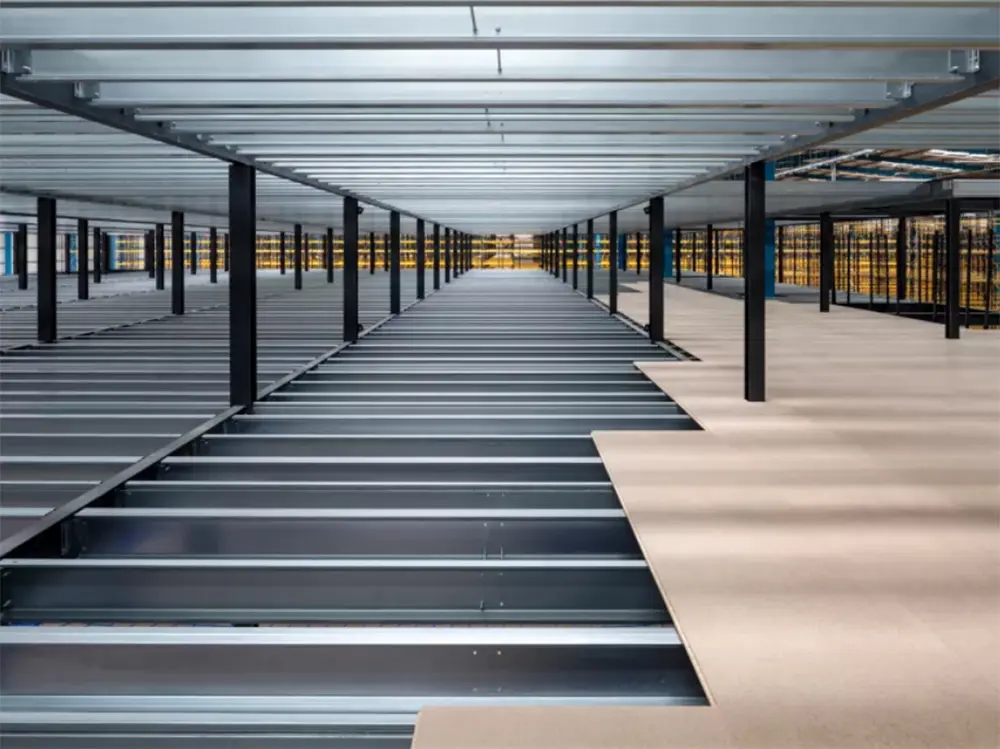 LEAO® Mezzanine Board
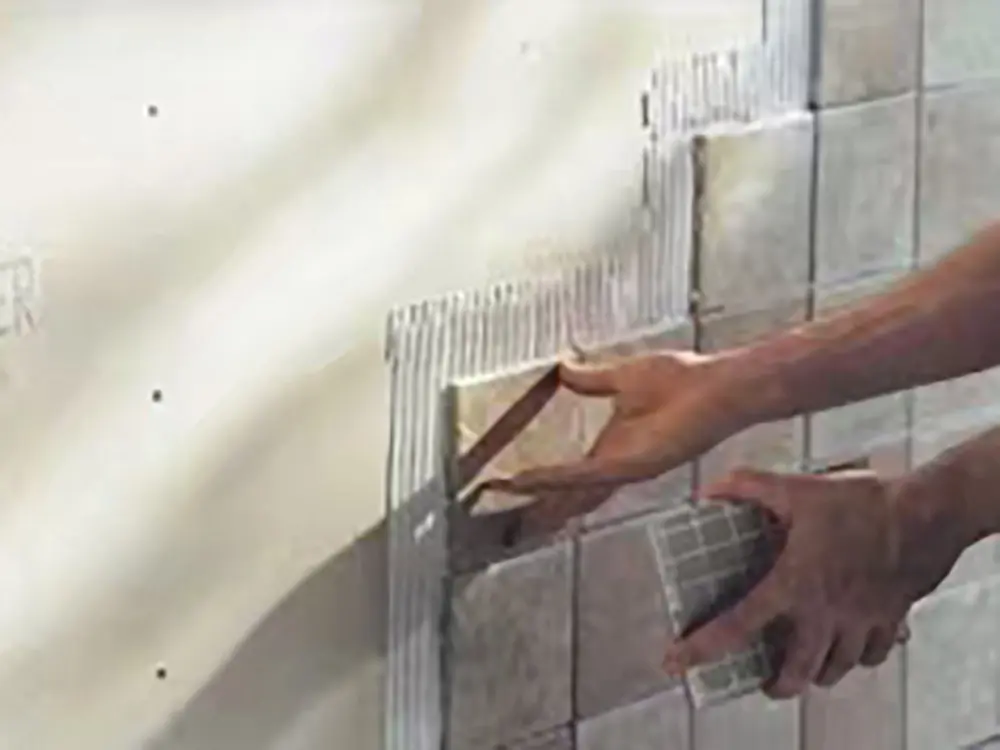 LEAO® Ceramic Tile Underlay
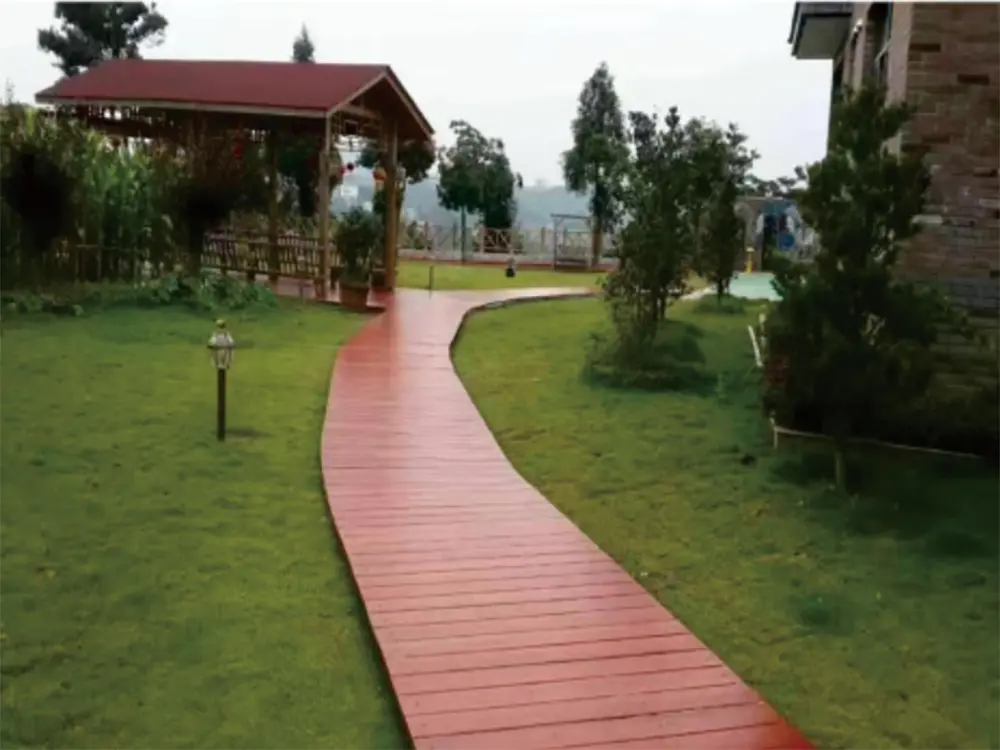 LEAO® Floor Plank
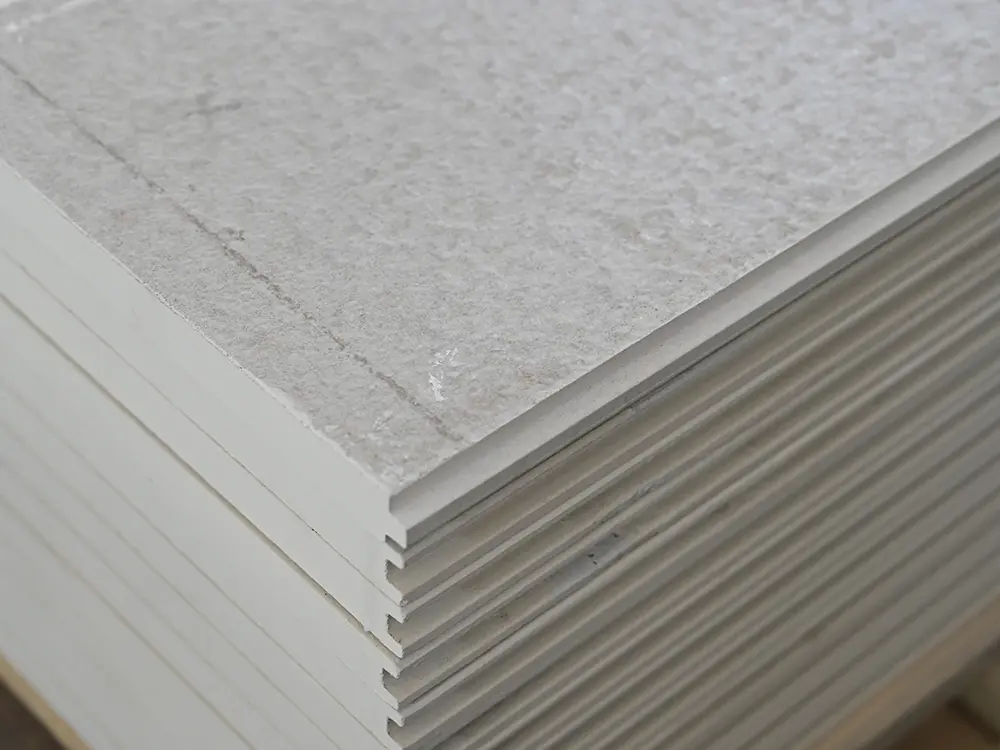 LEAO® Flooring
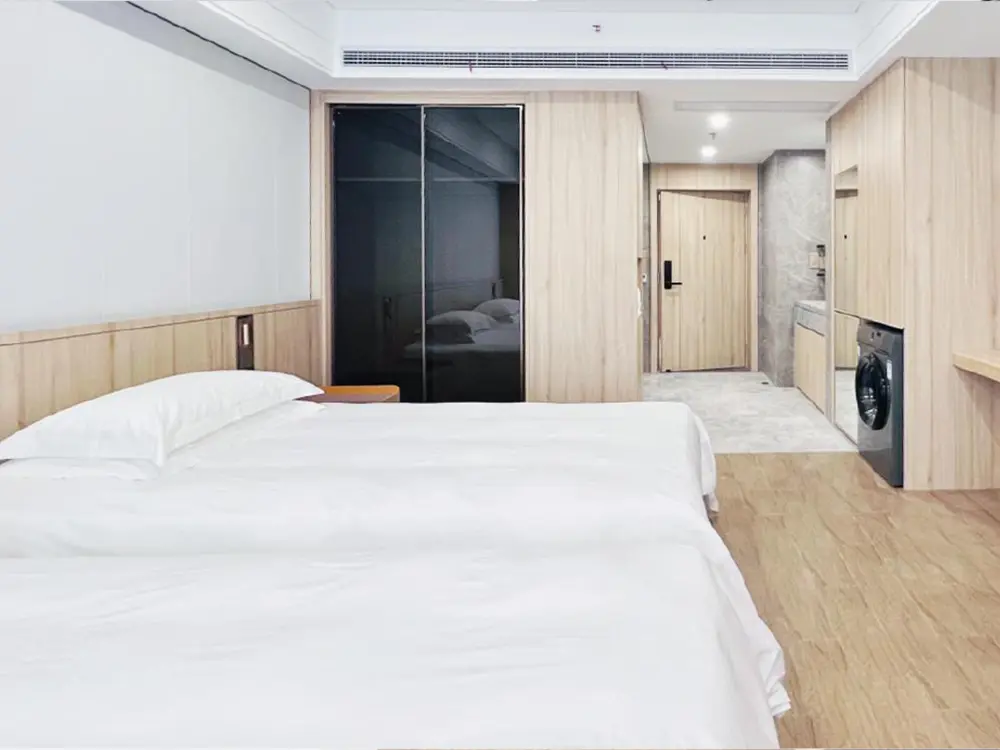 LEAO® Wood Style Decorative Panel
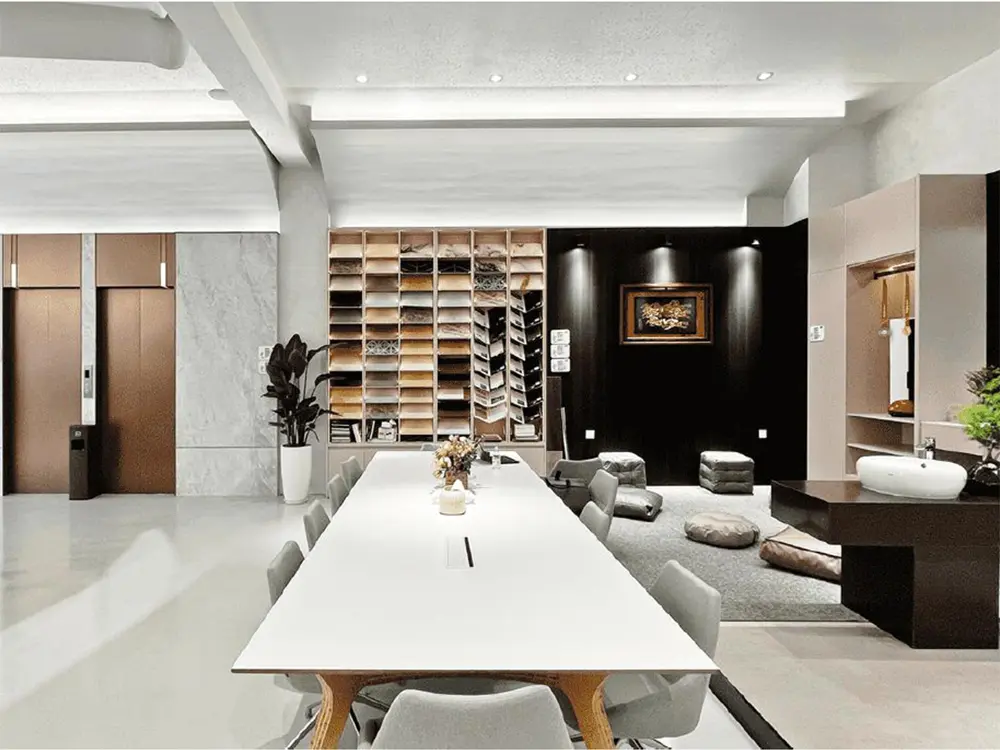 LEAO® Stone Style Decorative Panel
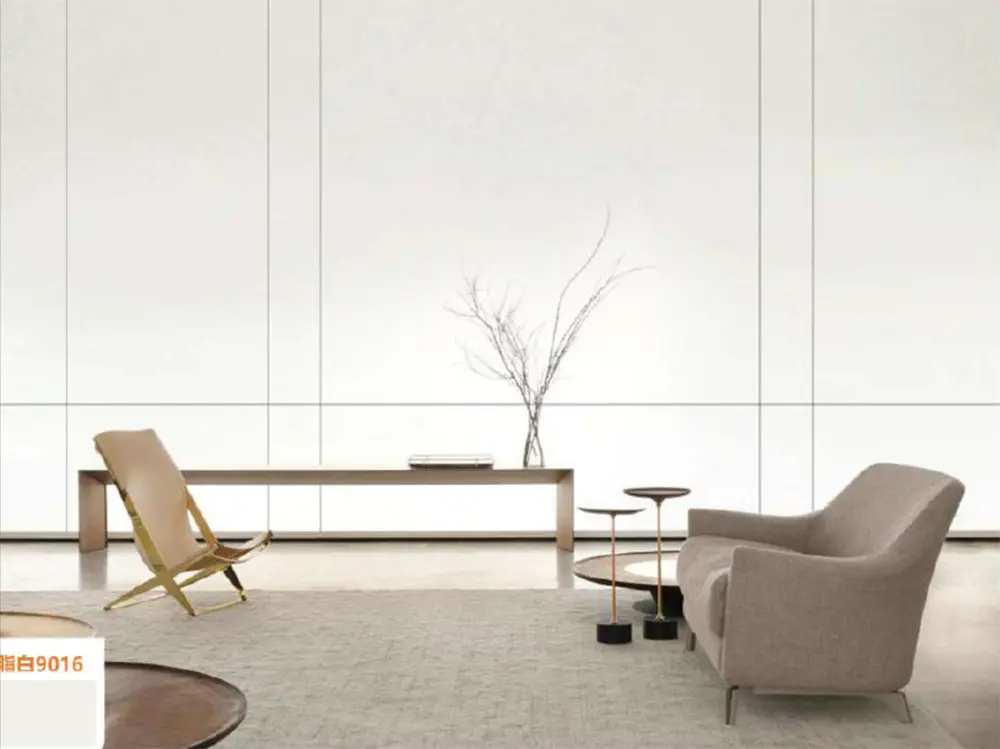 LEAO® Pure Style Decorative Panel