What is Fiber Cement Soffit Board and its Benefits?
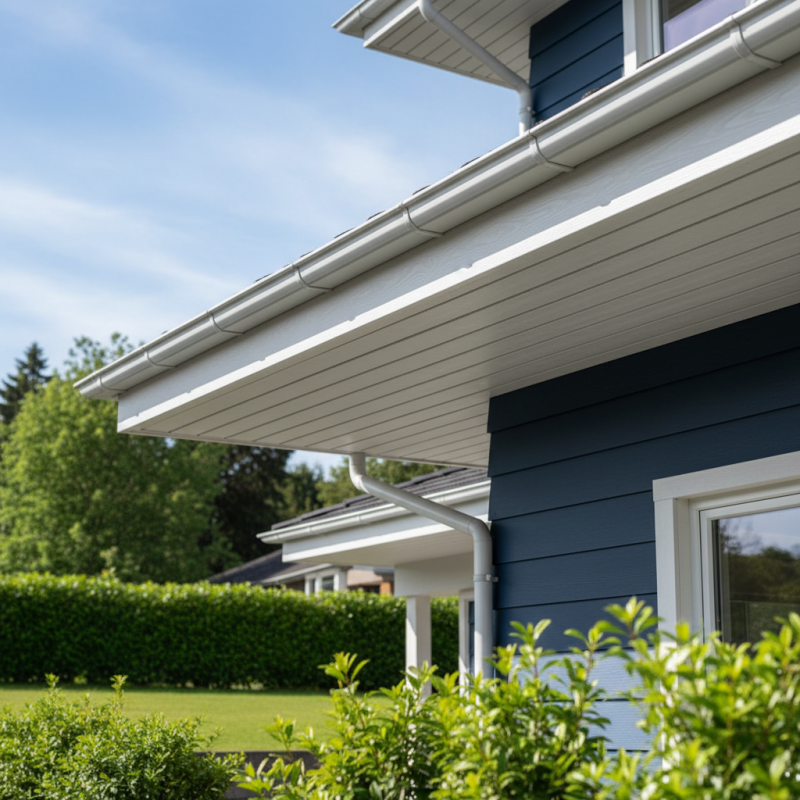
Fiber Cement Soffit Board is an innovative building material. It offers durability and aesthetic appeal. Many homeowners and builders choose it for various applications.
This board is made from a mixture of cement, cellulose fibers, and other additives. These materials ensure that it is resistant to rot, termites, and moisture. Such features make it ideal for areas exposing to the elements. Its visual versatility allows it to blend seamlessly with different architectural styles.
However, some might find the initial cost higher than other materials. It’s essential to weigh the long-term benefits against upfront expenses. Homeowners should consider maintenance and replacement costs. Reflecting on these factors helps make informed decisions. Overall, Fiber Cement Soffit Board provides valuable benefits, but careful consideration is necessary.
What is Fiber Cement Soffit Board?
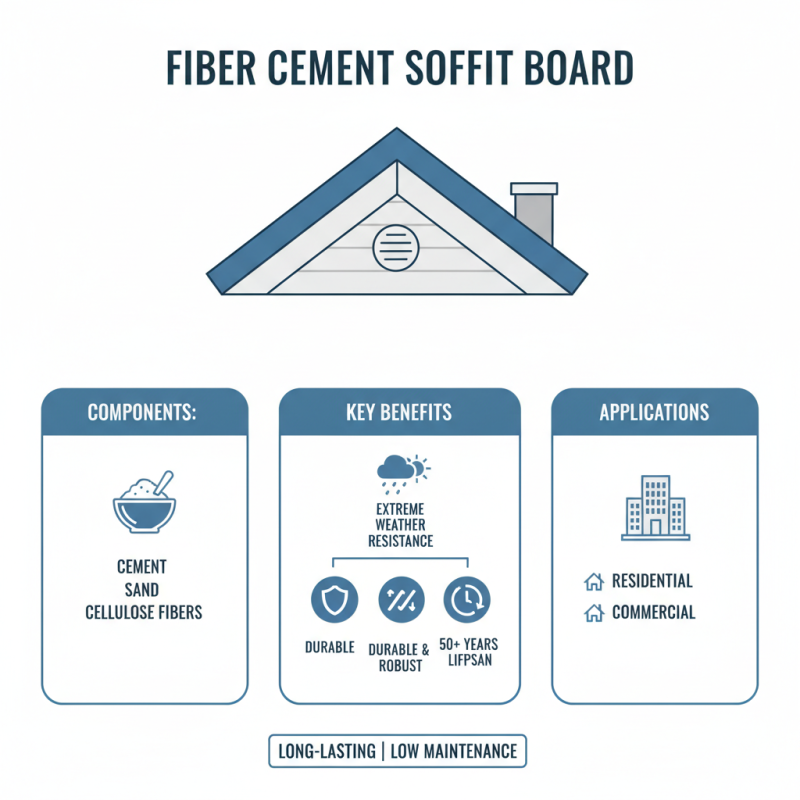
Fiber cement soffit board is a versatile building material, known for its durability and resistance to various environmental factors. Composed of cement, sand, and cellulose fibers, it offers a robust solution for soffit applications. The boards can withstand extreme weather conditions, making them suitable for both residential and commercial structures. Reports indicate that fiber cement can last over 50 years with proper maintenance, far exceeding traditional materials like wood.
One of the significant benefits of fiber cement soffit boards is their fire resistance. Research from industry sources notes that fiber cement can be classified as non-combustible, providing an added layer of safety for buildings. Additionally, they are less prone to rot and insect damage compared to wood. This feature can significantly reduce long-term maintenance costs for property owners. However, installation requires skilled labor and precise handling, which can pose challenges for some contractors.
Moreover, fiber cement’s aesthetic flexibility cannot be overlooked. The boards come in various finishes, allowing for customization to match different architectural styles. Yet, while the visual appeal is substantial, it’s essential to consider the environmental impact of production processes. The energy consumption during manufacturing raises questions about sustainability. Thus, balancing the benefits with ethical considerations is crucial for informed decision-making in construction.
Composition and Manufacturing Process of Fiber Cement Soffit Board
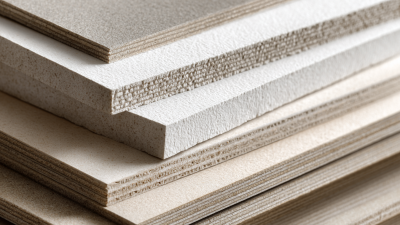
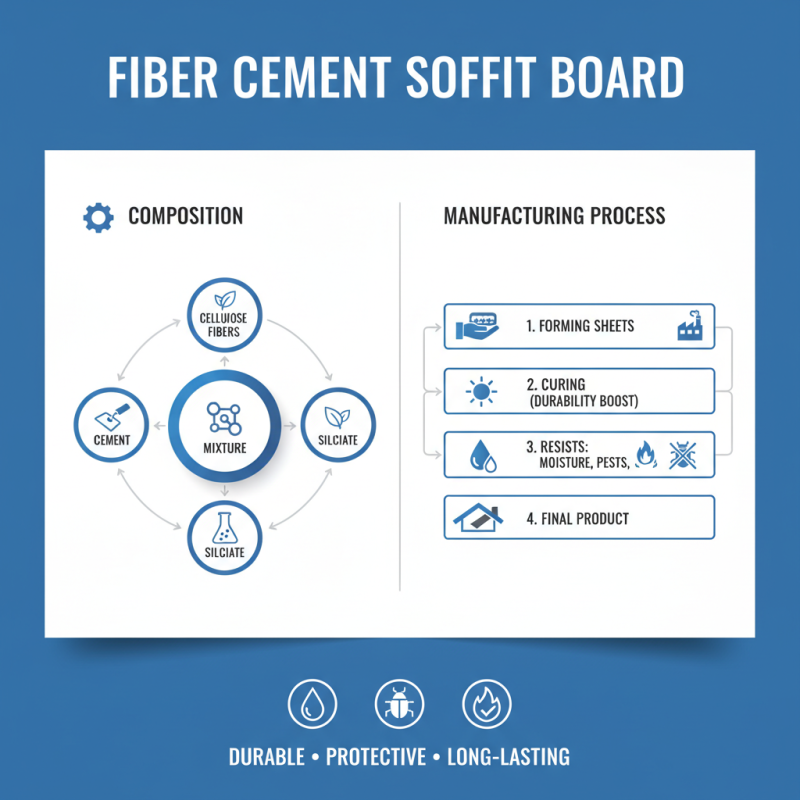
Fiber cement soffit board is a popular choice for building projects. Understanding its composition and manufacturing process can shed light on its benefits. This material is primarily made from cement, cellulose fibers, and silicate. The mixture is combined and formed into sheets. The process includes curing, which increases durability. As a result, fiber cement soffit boards resist moisture, pests, and fire.
During manufacturing, the ingredients are blended thoroughly. This ensures strength and stability in the final product. The sheets are then cut to specific sizes before undergoing a curing phase. This phase can take up to 24 hours. While the process seems efficient, variations can occur. Not all boards will perform identically.
**Tip:** Always check for quality standards. Not every fiber cement board is created equal. It pays to inspect your material. Consider potential imperfections during installation. They could impact performance. Planning for these challenges will save time and resources.
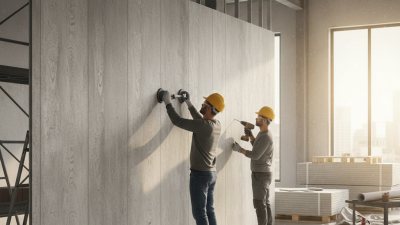
These soffit boards provide significant benefits, but installation requires care. Improper handling can lead to chips or cracks. Keeping these factors in mind will help you achieve the best results. Make informed decisions to ensure project success.
Key Benefits of Using Fiber Cement Soffit Board in Construction
Fiber cement soffit board is becoming a popular choice in construction. Its main appeal lies in several key benefits that contribute to enhanced durability and aesthetics. This material is designed to withstand severe weather conditions. Moisture and rot resistance make it suitable for various environments. The soffit board does not warp or crack easily. This resilience is crucial for areas with high humidity.
Installation is relatively straightforward. This allows for quicker construction timelines. However, attention to detail during installation is necessary. Proper sealing is essential to maximize the benefits. Fiber cement also offers an appealing finish. It can mimic the look of wood without the maintenance issues. This adds character to a building’s exterior, making it visually striking.
Additionally, fiber cement soffit board is environmentally friendly. It uses recyclable materials, reducing overall waste. While it may come at a higher upfront cost, the long-term savings on repairs are notable. Some might question its cost-effectiveness initially. A careful assessment of durability versus expense is essential. This decision requires thorough consideration as it affects future maintenance.
What is Fiber Cement Soffit Board and its Benefits?
| Dimension |
Description |
Benefits |
| Material Composition |
Composed of cement, cellulose fiber, and sand. |
Durable and resistant to termites and rot. |
| Durability |
Can withstand harsh weather conditions and impacts. |
Long-lasting investment for homeowners. |
| Maintenance |
Requires minimal maintenance over its lifespan. |
Saves time and costs in upkeep. |
| Aesthetic Versatility |
Available in various textures and colors. |
Enhances the visual appeal of buildings. |
| Fire Resistance |
Non-combustible material that protects against fire. |
Provides enhanced safety for structures. |
Comparative Analysis of Fiber Cement Soffit Board vs. Traditional Materials
Fiber cement soffit board is a versatile and durable building material. Compared to traditional materials like wood and vinyl, it offers several advantages. Fiber cement is resistant to rot, pests, and fire. In contrast, wood can warp and attract insects. Vinyl, while lightweight, may fade under prolonged sun exposure. Thus, fiber cement stands out for long-term performance.
When considering aesthetics, fiber cement can mimic the appearance of wood. Many homeowners prefer this feature. However, it might not have the same warmth that natural wood exudes. Remember, personal preference plays a key role in material choice.
Tips: Ensure proper installation for maximum benefits. Check for moisture levels in your environment. Regular maintenance can prolong the life of your soffit boards. Pay attention to your surroundings; installing in extreme weather areas may require special considerations. Be open to experimenting with various materials to find the best fit for your project.
Industry Trends: Adoption Rates and Market Growth for Fiber Cement Products
Fiber cement products are experiencing significant growth in the construction industry. According to a recent market report, adoption rates for fiber cement materials are expected to increase by over 8% annually until 2026. This surge is due to the material's durability and low maintenance needs. Contractors are increasingly turning to fiber cement soffit boards as they provide a resilient alternative to traditional options.
The appeal of fiber cement is also rooted in environmental concerns. Architects and builders are focused on sustainable construction practices. Data shows that nearly 30% of new residential projects are opting for fiber cement due to its eco-friendly attributes. With climate change in mind, more developers seek materials that reduce their carbon footprint. However, challenges remain in educating the market about these benefits. Many builders still rely on older materials, which can hinder faster adoption.
Consumer awareness is crucial to further market growth. Even though fiber cement products are gaining popularity, some users remain skeptical about their performance. It's essential for industry leaders to share success stories. As more professionals showcase fiber cement's long-term advantages, trust in the product will grow. This positive momentum could drive a more significant shift toward sustainable construction practices.

 LEAO®Deco Ceiling
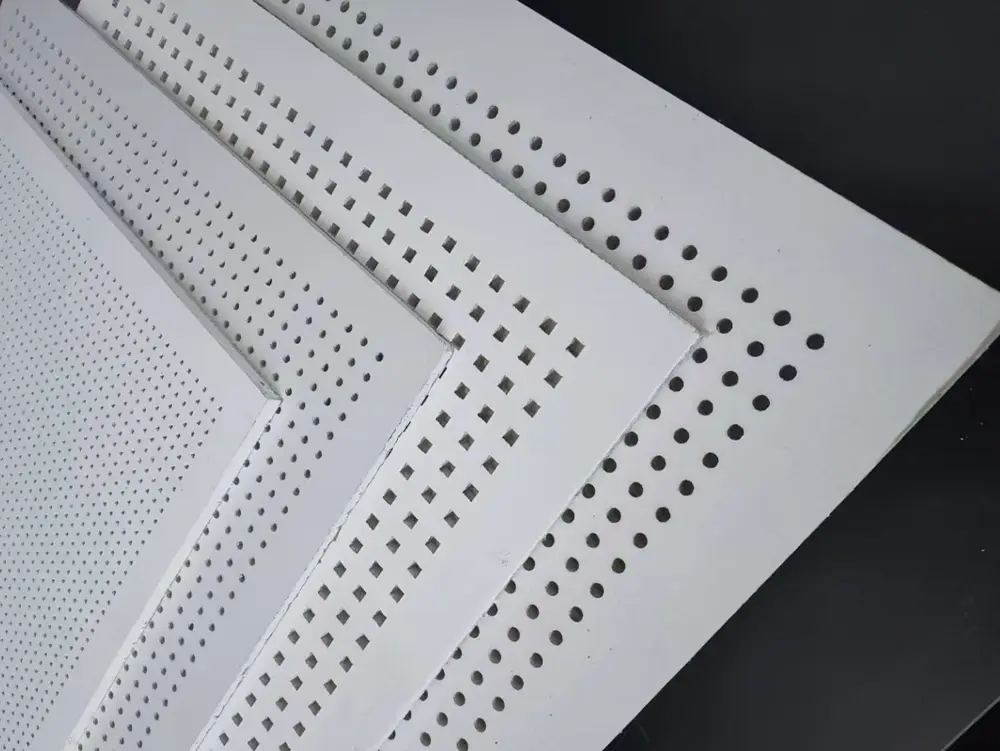 LEAO® Perforated Ceiling
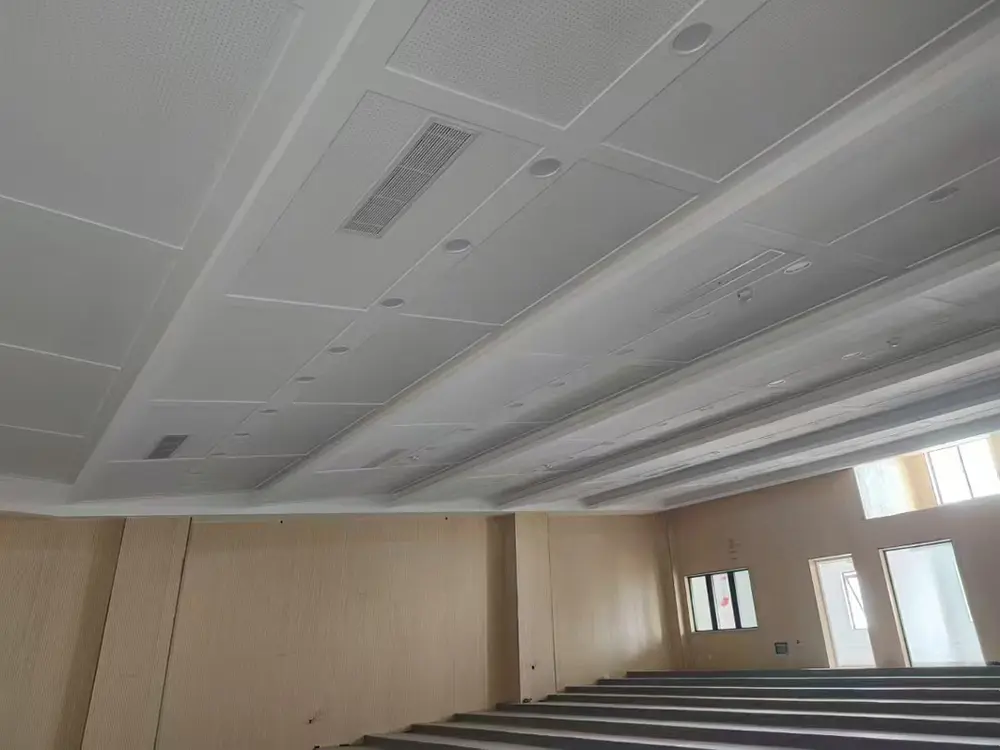 LEAO® Ceiling Board
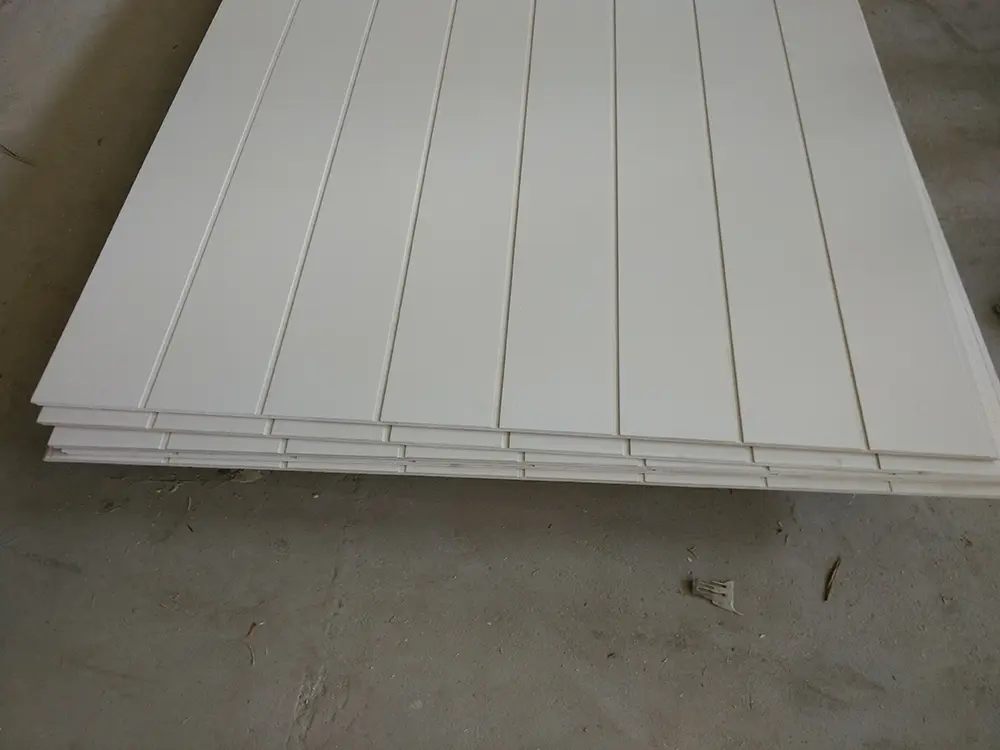 LEAO® Groove Interior Panel
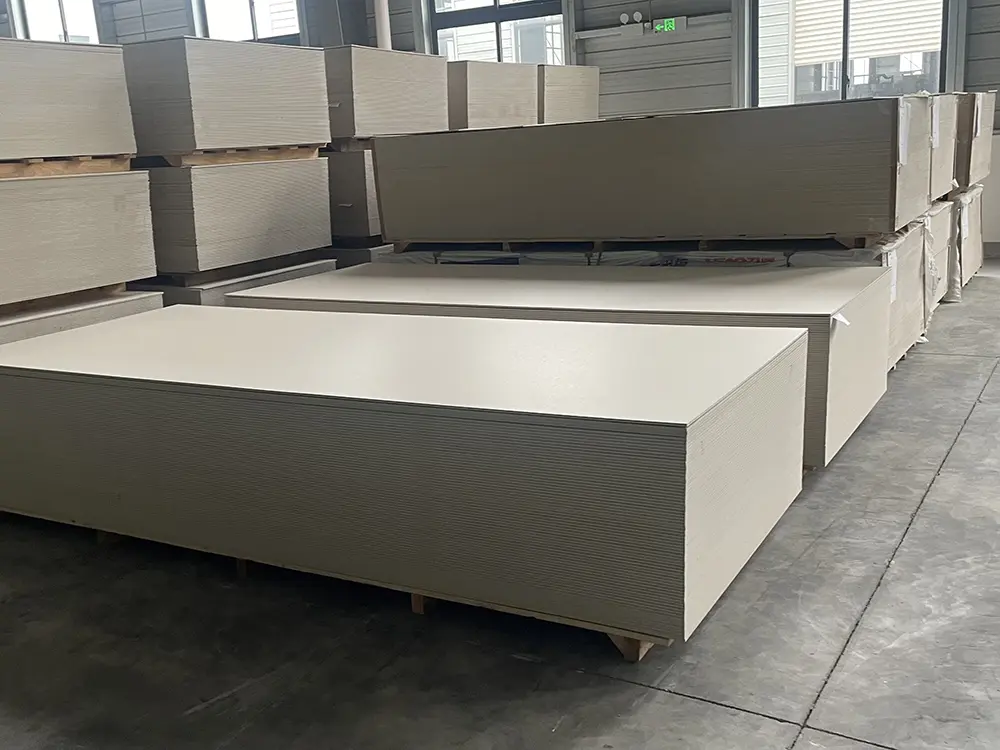 LEAO® Interior Board
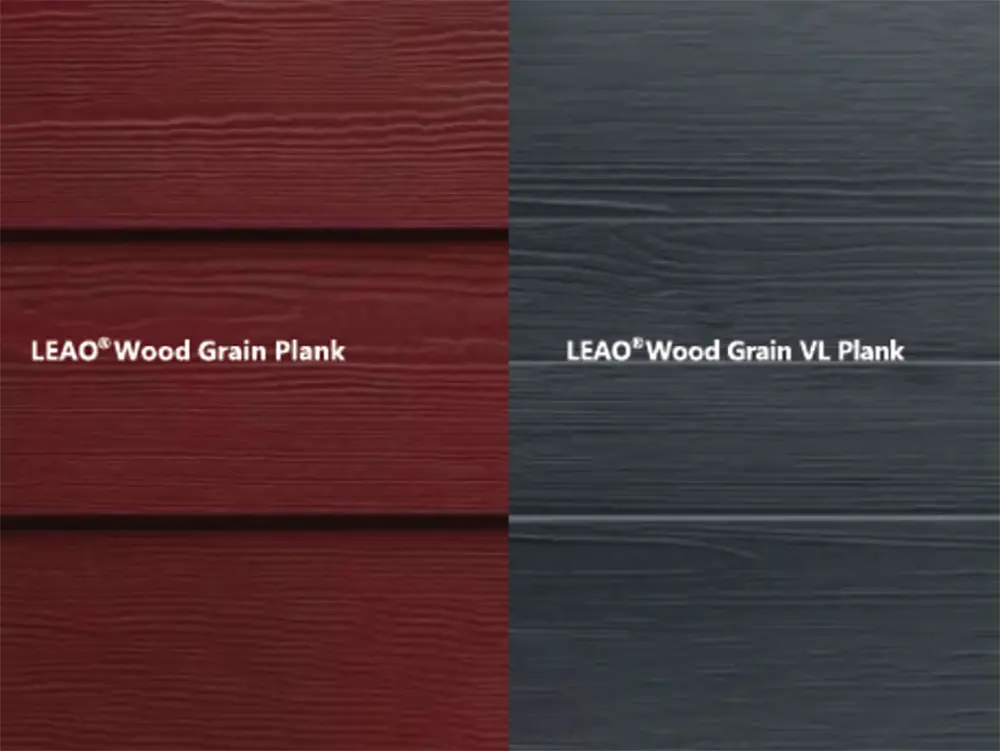 LEAO® Wood Grain Plank
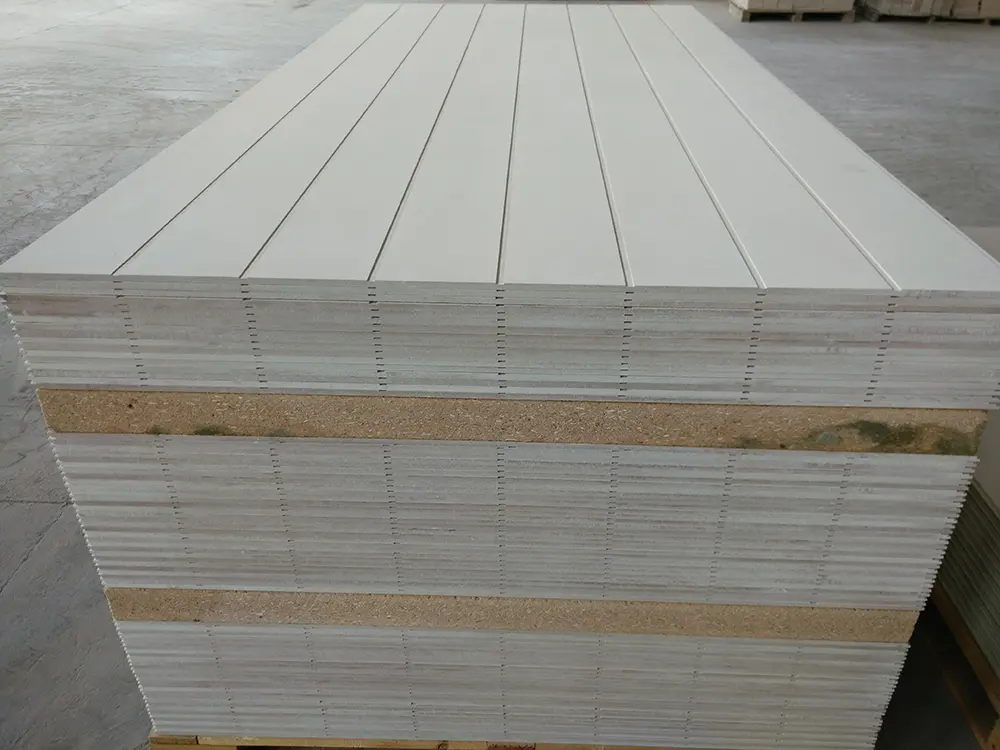 LEAO® Grooved Exterior Panel
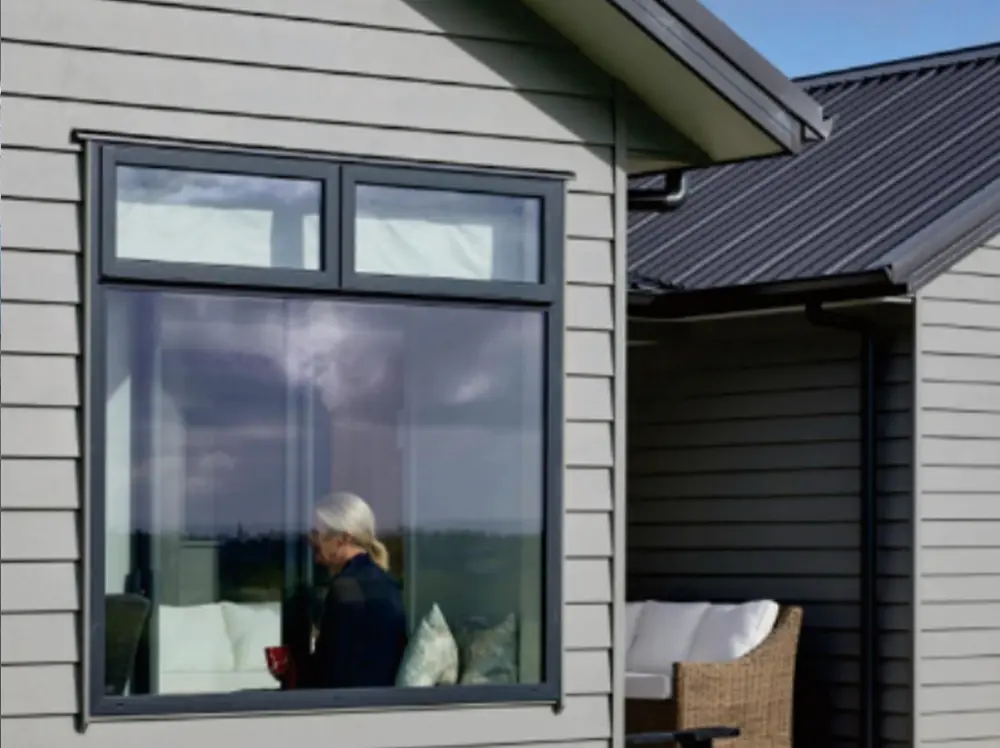 LEAO® Weatherboard
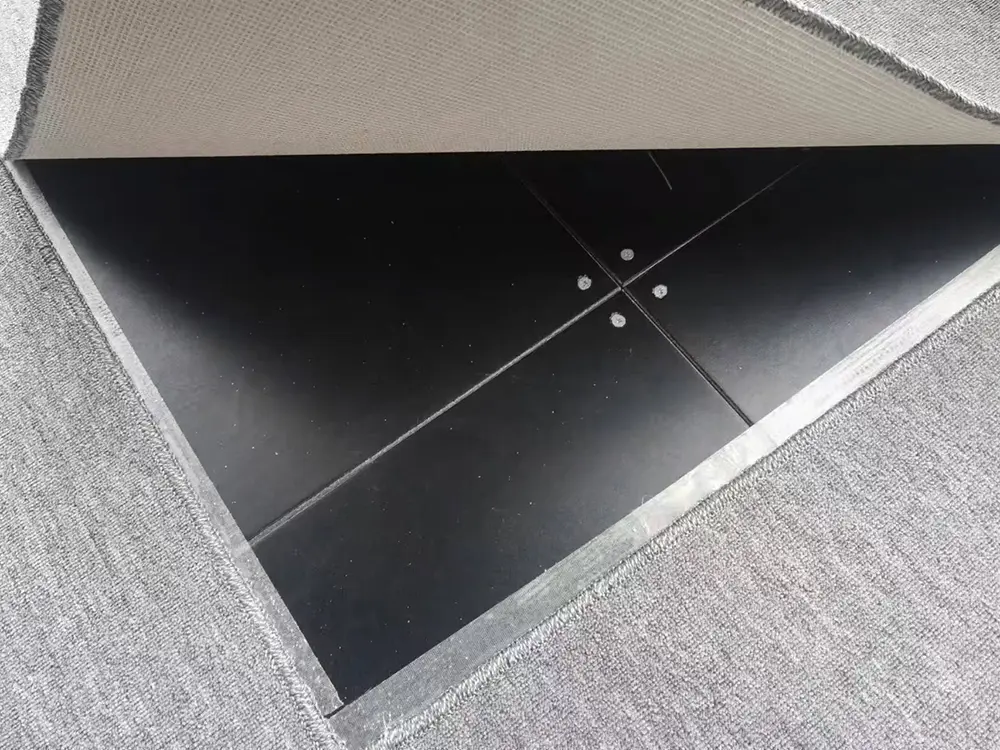 LEAO® Access Floors
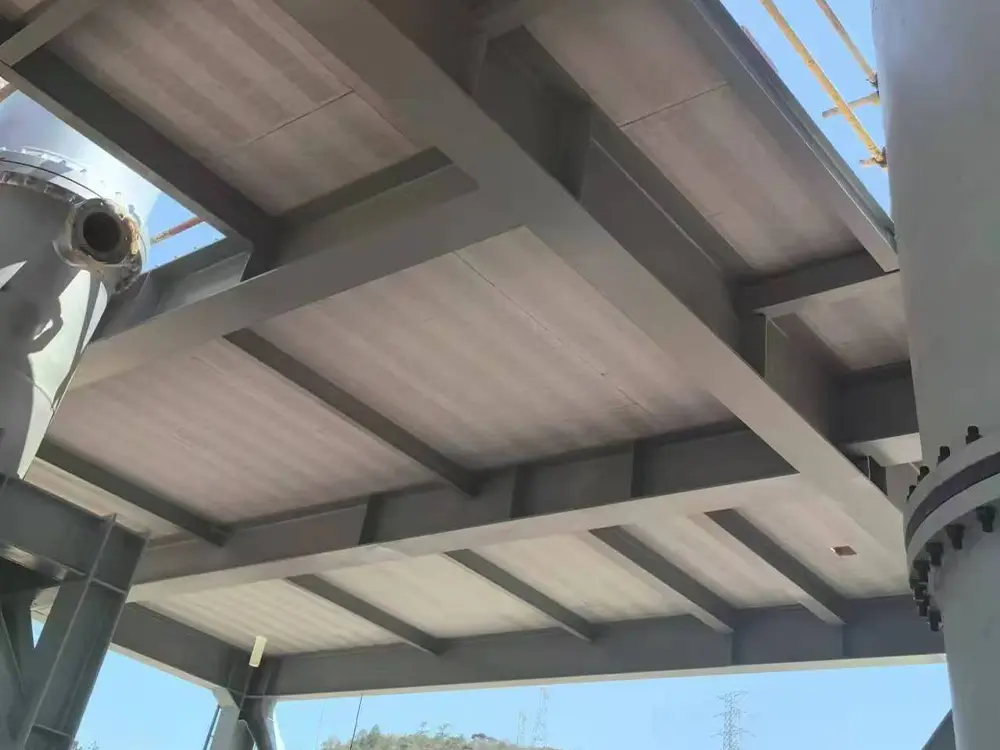 LEAO® Non-removable Formwork
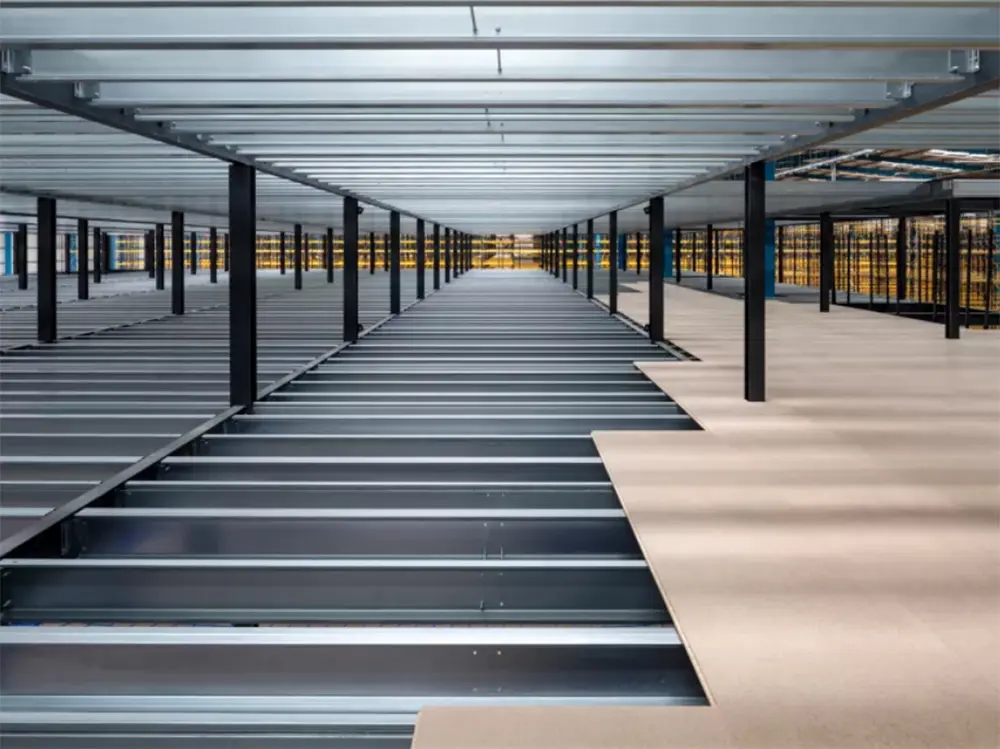 LEAO® Mezzanine Board
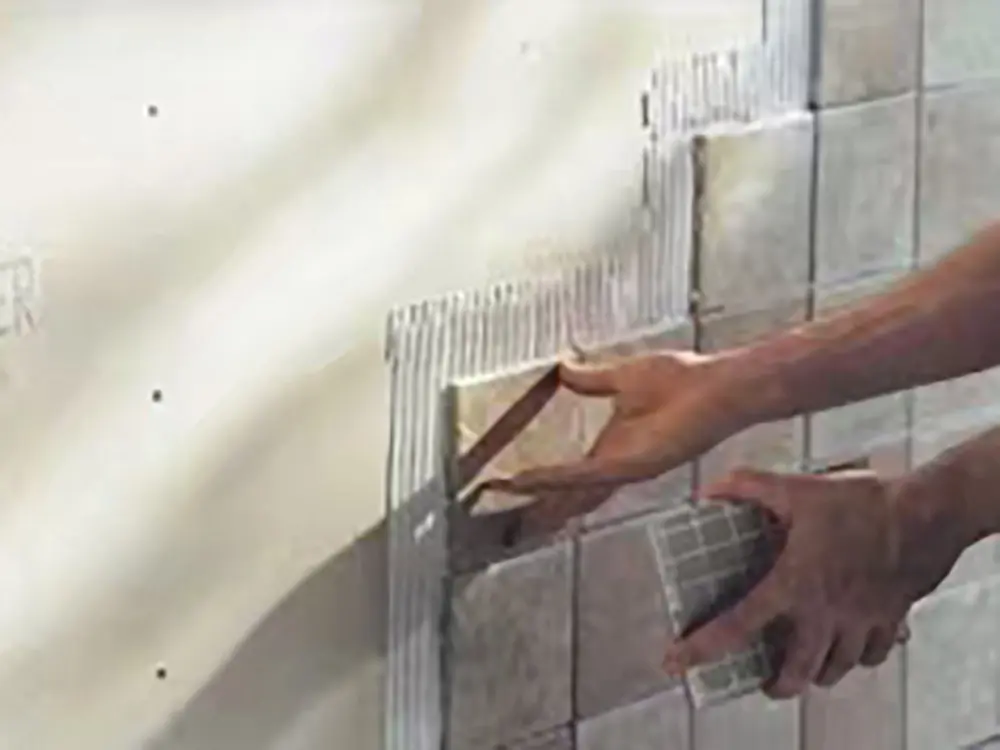 LEAO® Ceramic Tile Underlay
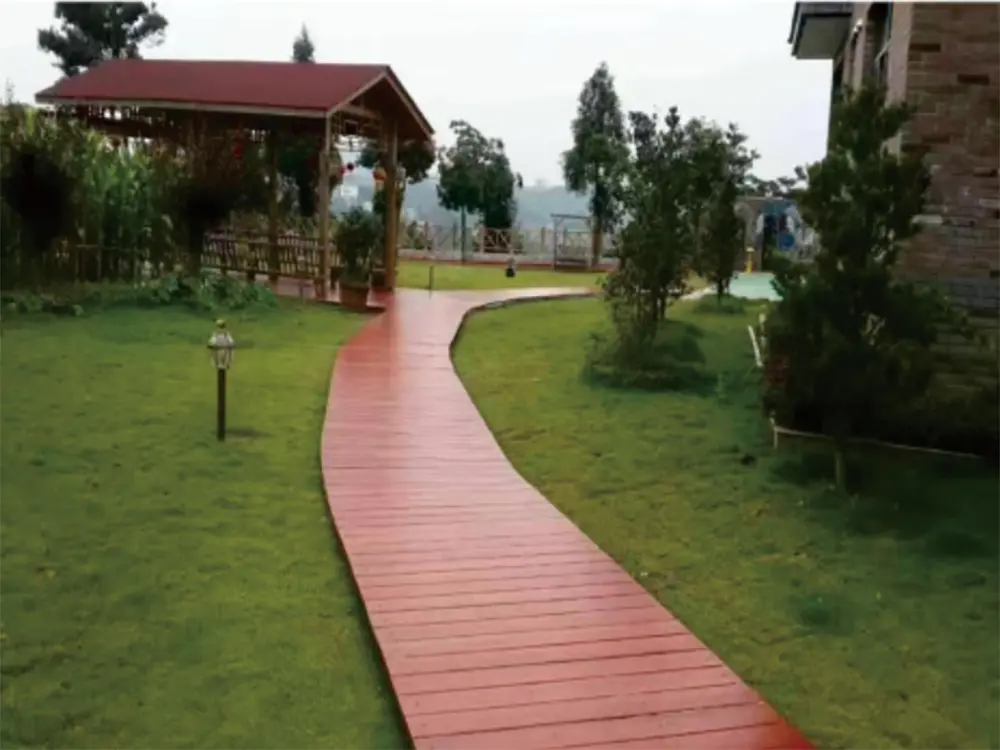 LEAO® Floor Plank
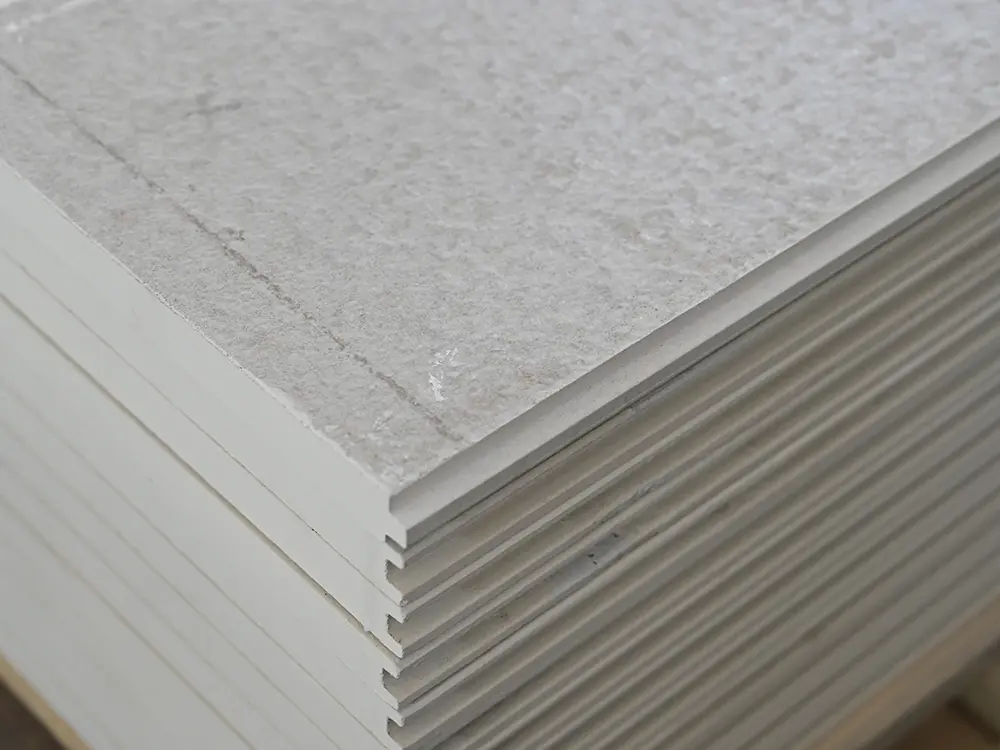 LEAO® Flooring
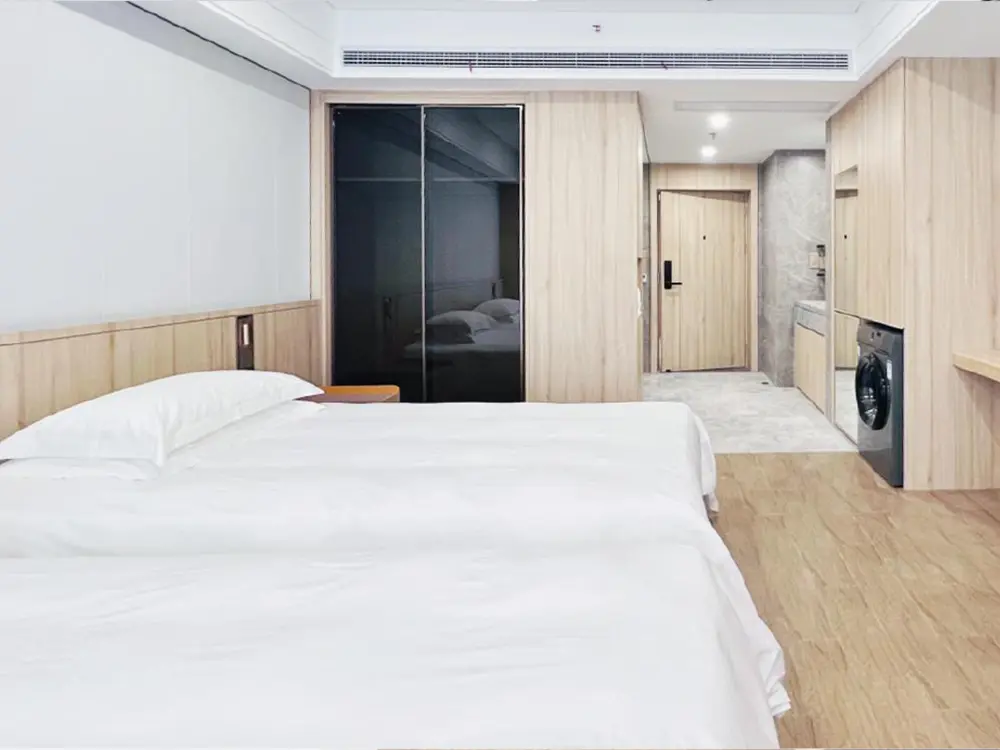 LEAO® Wood Style Decorative Panel
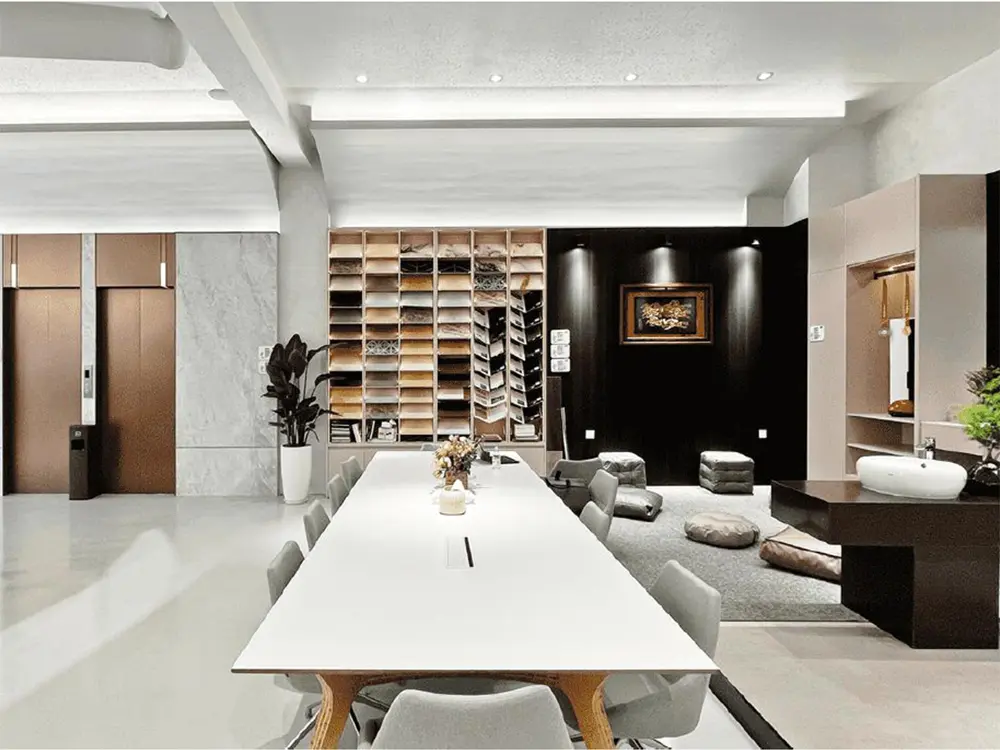 LEAO® Stone Style Decorative Panel
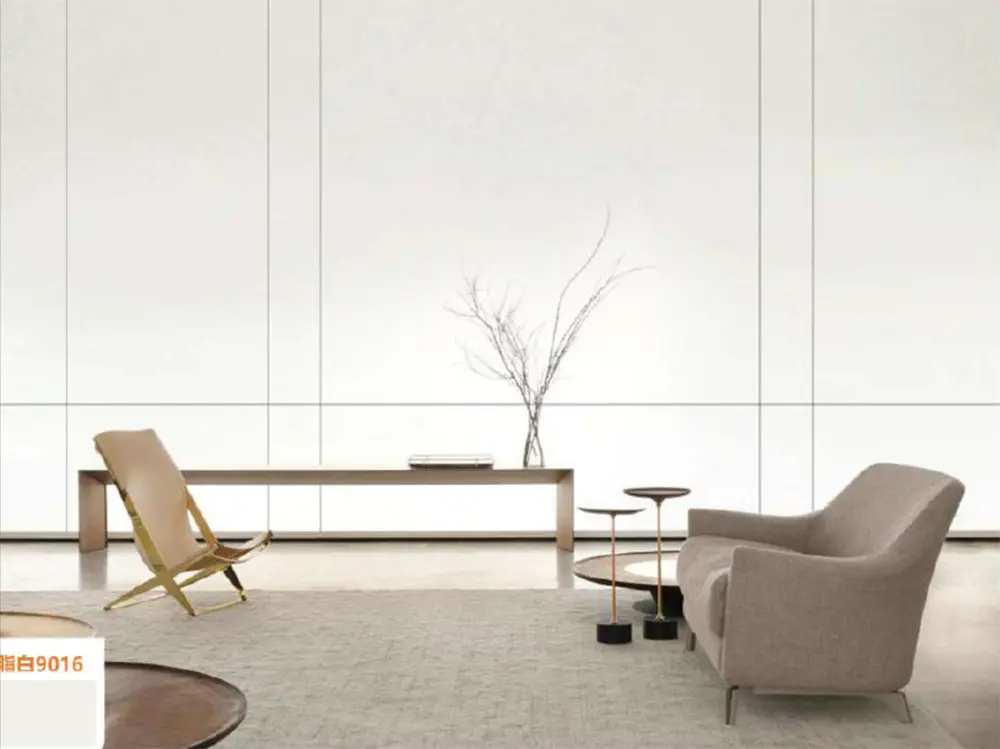 LEAO® Pure Style Decorative Panel