What is Fiber Cement Soffit Board Benefits and Uses?
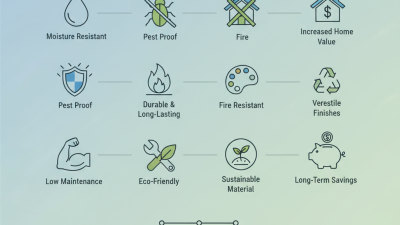
Fiber Cement Soffit Board is a versatile building material. It combines durability with aesthetic appeal. Often used in residential and commercial architecture, this material plays a crucial role in protecting eaves and soffit areas. Homeowners appreciate its low maintenance needs. It resists rot, pests, and severe weather conditions.
Installation of Fiber Cement Soffit Board requires expertise. Properly installed, it enhances the building's overall efficiency. However, improper installation can lead to issues like moisture buildup. It's essential to consult professionals for the best results. The material also allows for various design options, making it attractive.
While Fiber Cement Soffit Board offers many benefits, some challenges exist. Finding the right color and texture can be daunting. Additionally, the initial cost might deter some homeowners. Yet, its longevity and minimal upkeep often justify the investment. Understanding these aspects is crucial for making informed decisions.
What is Fiber Cement Soffit Board?
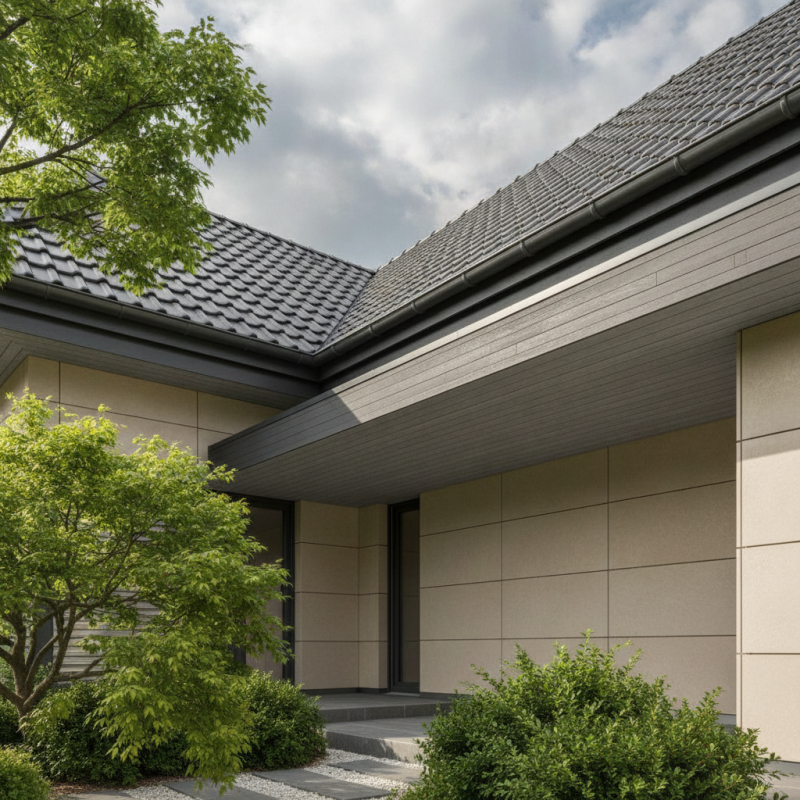
Fiber cement soffit boards offer versatile solutions for both functionality and aesthetics. These boards, made from a mixture of cement, sand, and cellulose fibers, provide excellent durability. They resist moisture, rot, and pests, making them ideal for areas prone to weather-related damage. Using fiber cement soffit boards can significantly enhance the lifespan of your building materials.
When installing fiber cement soffit boards, it's essential to follow manufacturer guidelines. Proper installation ensures a snug fit and can prevent potential issues. Be mindful of local climate conditions. For instance, areas with high humidity may require additional sealing to protect the boards.
Tips: Always wear protective gear while cutting the boards. Dust can be harmful. Consider using a dust mask and goggles to safeguard your health. Remember, precision is key in measurements. Taking time to measure accurately can save you resources and frustration down the line.
Key Benefits of Using Fiber Cement Soffit Board
Fiber cement soffit boards are increasingly popular in building and renovation projects. These boards provide numerous benefits that enhance both functionality and aesthetics. One significant advantage is their exceptional durability. According to the American Concrete Institute, fiber cement can withstand severe weather conditions, including harsh UV exposure and moisture. This means fewer replacements and lower maintenance costs over time.
Another key benefit is fire resistance. The National Fire Protection Association notes that fiber cement is non-combustible, offering peace of mind in fire-prone areas. This property can be crucial for homeowners and builders looking to improve safety standards. Moreover, fiber cement soffit boards are resistant to pests, such as termites. This feature can be particularly advantageous in regions where wood materials face a higher risk of infestation.
Sustainability is also a vital aspect of fiber cement soffit boards. They are made from natural materials, including cement, cellulose, and sand, contributing to lower environmental impact compared to vinyl alternatives. According to the U.S. Green Building Council, fiber cement products can earn points in green building certifications. Yet, it is essential to consider that improper installation can lead to issues such as moisture retention, which may compromise their benefits. Proper training and adherence to installation guidelines are crucial to maximize their performance and longevity.
What is Fiber Cement Soffit Board Benefits and Uses? - Key Benefits of Using Fiber Cement Soffit Board
| Benefit |
Description |
Use Cases |
| Durability |
Resistant to rot, pests, and weather conditions. |
Ideal for areas with extreme weather. |
| Low Maintenance |
Requires minimal upkeep compared to traditional materials. |
Great for residential and commercial buildings. |
| Fire Resistance |
Non-combustible and provides safety against fire hazards. |
Suitable for areas with fire code requirements. |
| Versatility |
Available in various styles and formats for design flexibility. |
Used in soffits, facades, and interior applications. |
| Eco-Friendliness |
Made from sustainable materials with a low environmental impact. |
Preferred choice for green building projects. |
Common Applications for Fiber Cement Soffit Board
Fiber cement soffit boards are gaining popularity in various construction projects due to their durability and versatility. These boards are commonly used in residential and commercial applications. Their resistance to moisture and pests makes them an excellent choice for soffit installations in areas with high humidity. A report by the Portland Cement Association highlights that the lifespan of fiber cement products can exceed 50 years, significantly reducing the need for frequent replacements.
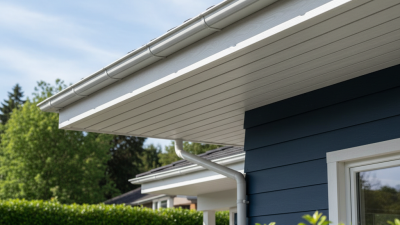
In homes, fiber cement soffit boards are often installed in overhangs and eaves. They provide proper ventilation while maintaining aesthetic appeal. Proper installation can prevent mold growth and moisture buildup in the attic. A study from the National Association of Home Builders found that nearly 40% of builders prefer fiber cement for its low maintenance needs. This preference is clear in new constructions and renovations alike.
Commercially, fiber cement soffit boards offer a reliable solution in environments where durability is crucial. They can withstand harsh weather and are fire-resistant. However, it’s essential to note that incorrect installation can still lead to issues. Some contractors report challenges in cutting and fitting these boards, highlighting a need for specialized training. This reflects the importance of skilled labor in maximizing the benefits of fiber cement products.
Comparison with Traditional Soffit Materials
When comparing fiber cement soffit boards to traditional soffit materials, the advantages become clear. Fiber cement is much more resistant to moisture and pests. Unlike wood products, it does not warp or rot. This makes it a preferred choice for areas with high humidity. Homeowners often express concerns about the lifespan of their building materials. Fiber cement can last over 50 years, providing peace of mind in terms of durability.
Traditional materials, such as aluminum or vinyl, have their own drawbacks. While they may be easier to install, they can dent or fade over time. Many builders note that this leads to higher maintenance costs. Fiber cement, in contrast, requires minimal upkeep. Yet, it is essential for homeowners to consider installation challenges. Fiber cement boards are heavier, which may complicate the installation process.
It’s worth noting that not all fiber cement products are created equal. Some may require specialized tools for cutting and fastening. It’s crucial to seek experienced professionals for installation. This can lead to added expenses, which might deter some from choosing this material. Balancing the long-term benefits with immediate costs is important when making a decision.
Installation and Maintenance Tips for Fiber Cement Soffit Board
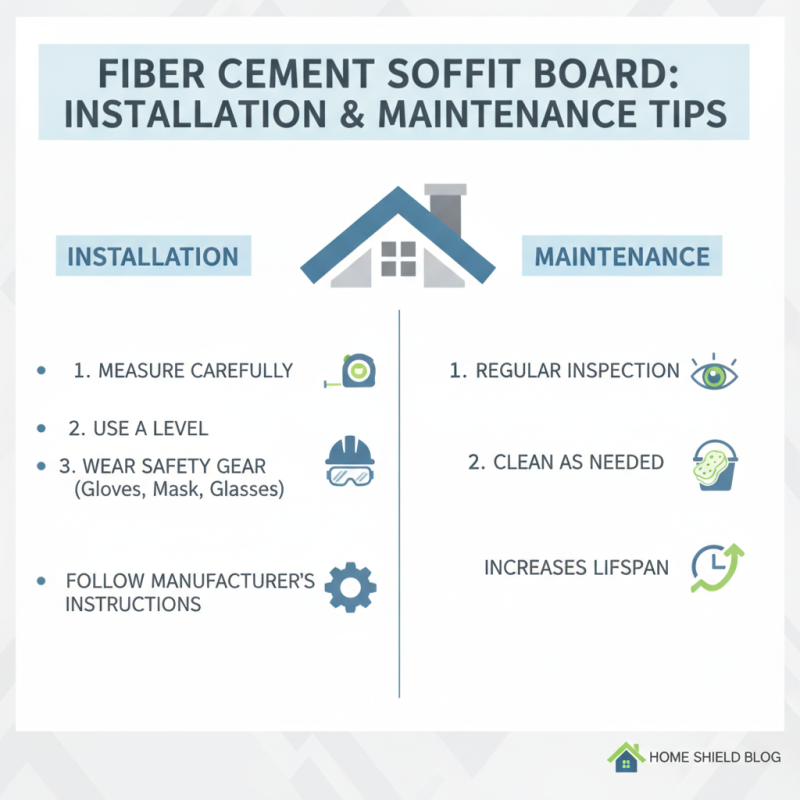
Fiber cement soffit board is a durable choice for homeowners. For proper installation, ensure that you measure your spaces carefully. Use a level to keep everything straight. Make sure to wear safety gear, as cutting can produce sharp edges. Follow manufacturer instructions closely during installation. This practice reduces mistakes and enhances the board's lifespan.
Regular maintenance is essential for fiber cement soffit board. Inspect it at least once a year. Look for signs of wear or damage, like cracks or peeling paint. Address minor issues immediately to avoid larger problems later. Clean it with a mild detergent and water to keep it looking fresh. If you notice serious damage, consider consulting a professional for repairs. By taking these steps, you protect your investment and maintain your home’s aesthetic appeal.

 LEAO®Deco Ceiling
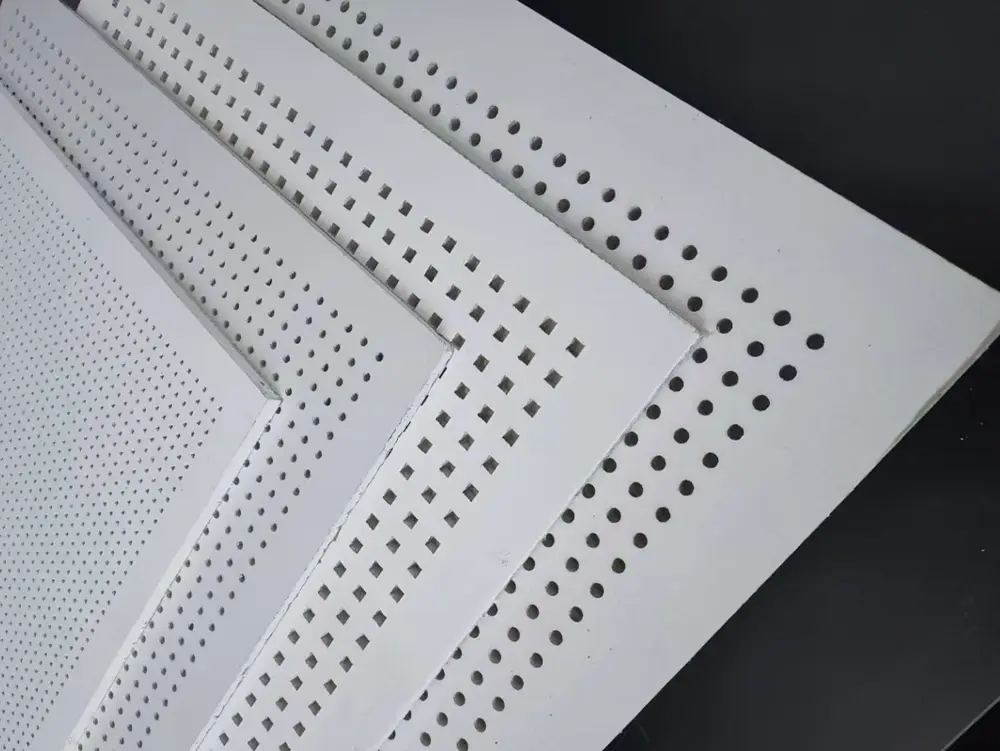 LEAO® Perforated Ceiling
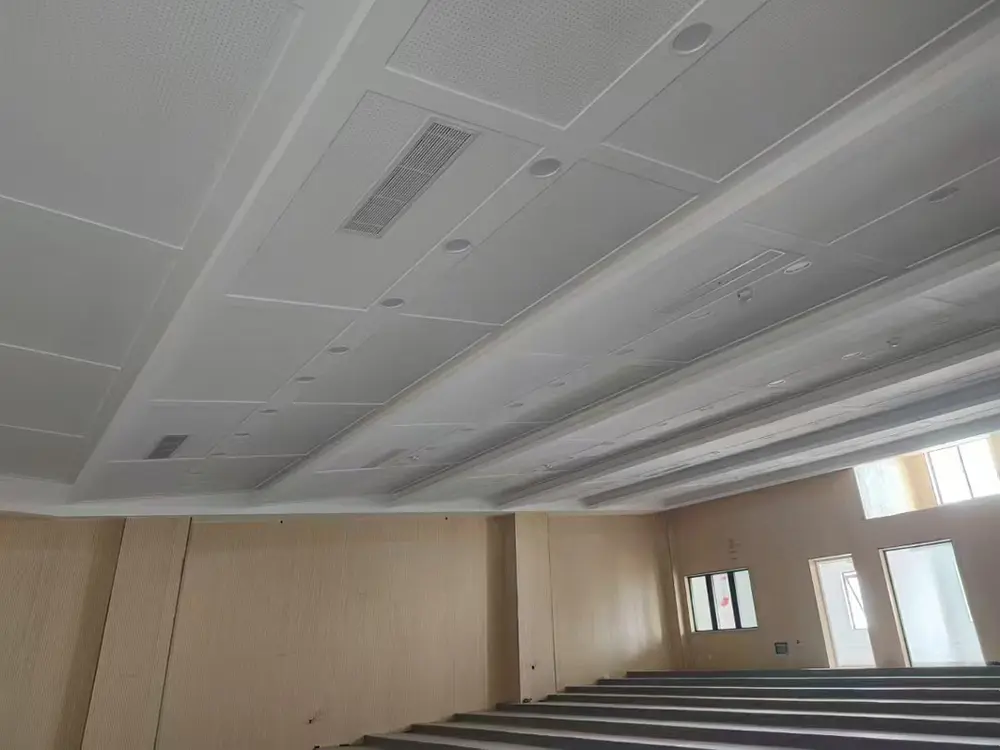 LEAO® Ceiling Board
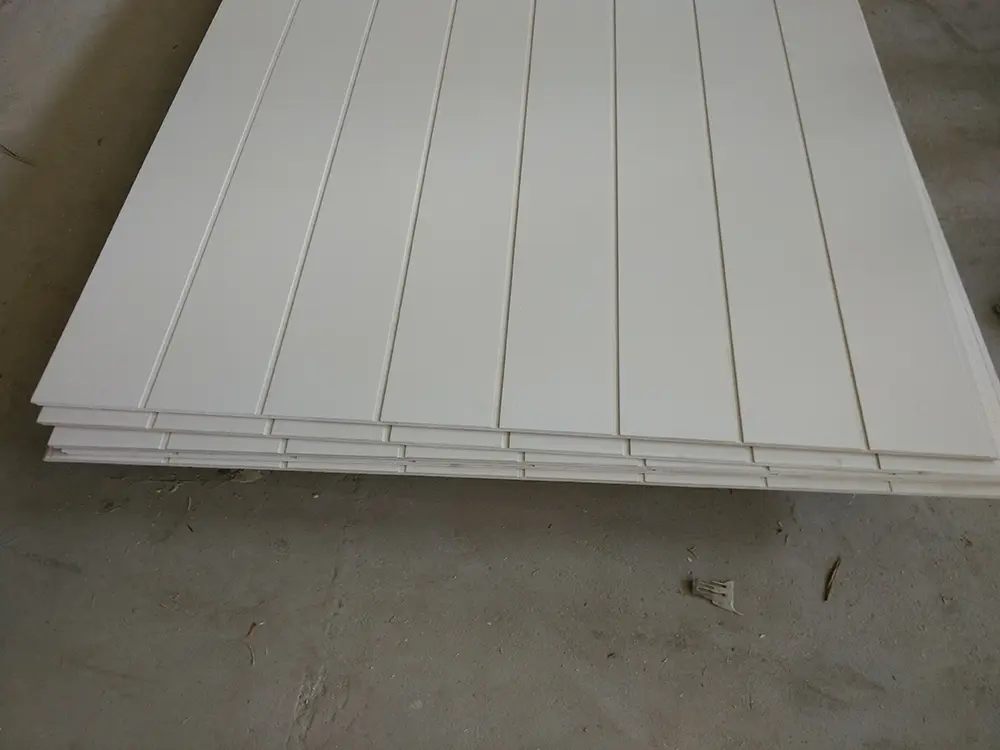 LEAO® Groove Interior Panel
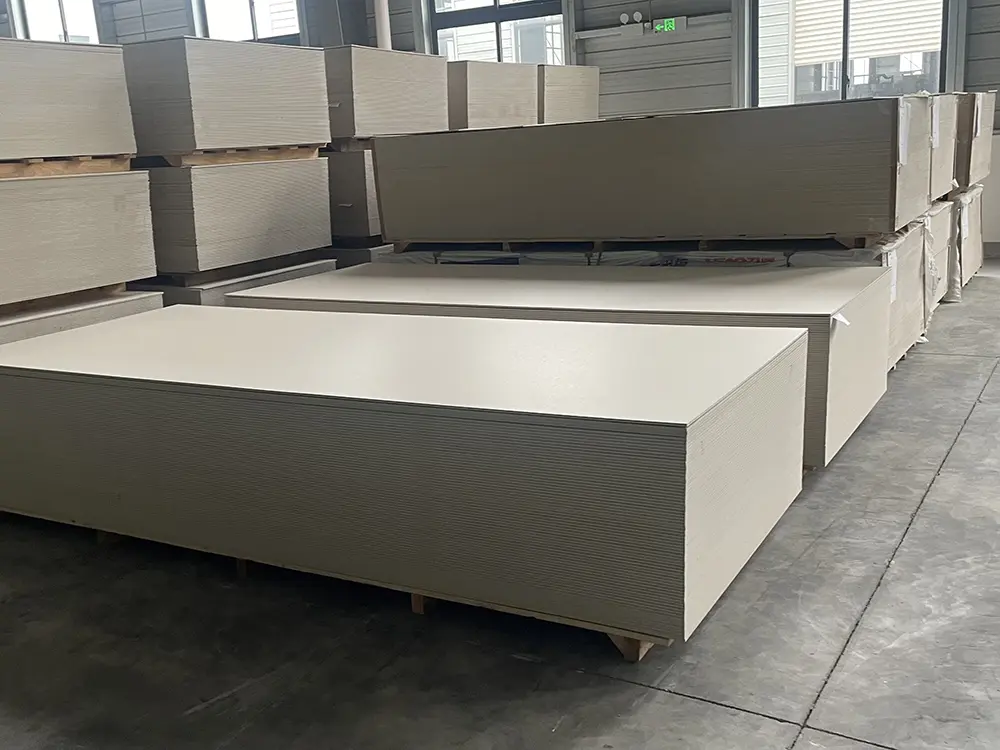 LEAO® Interior Board
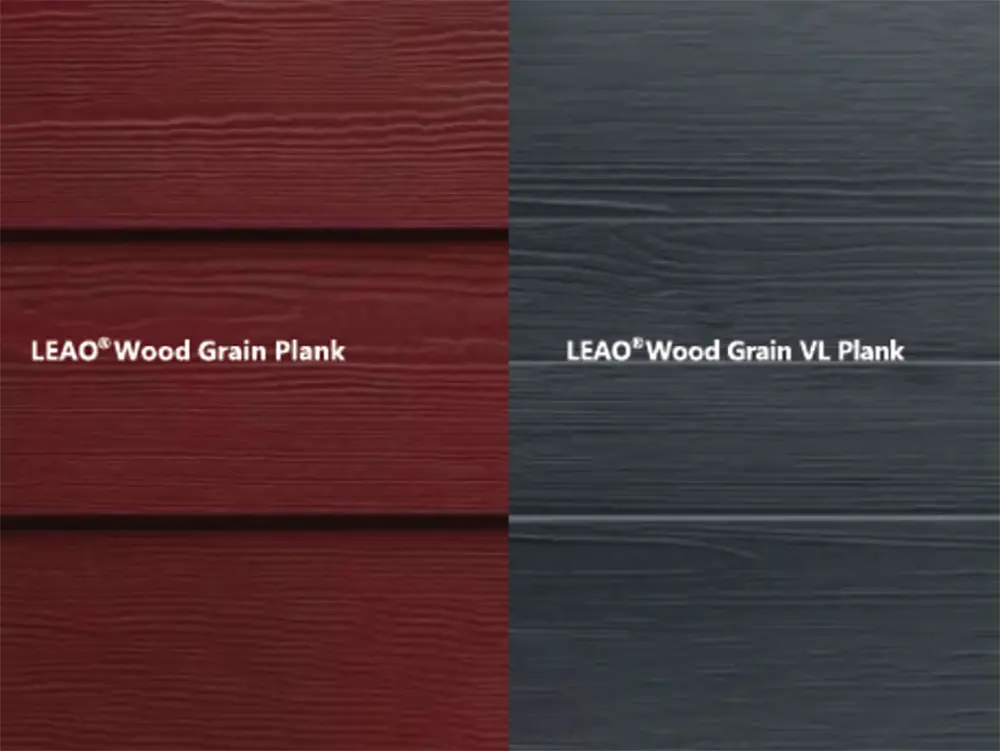 LEAO® Wood Grain Plank
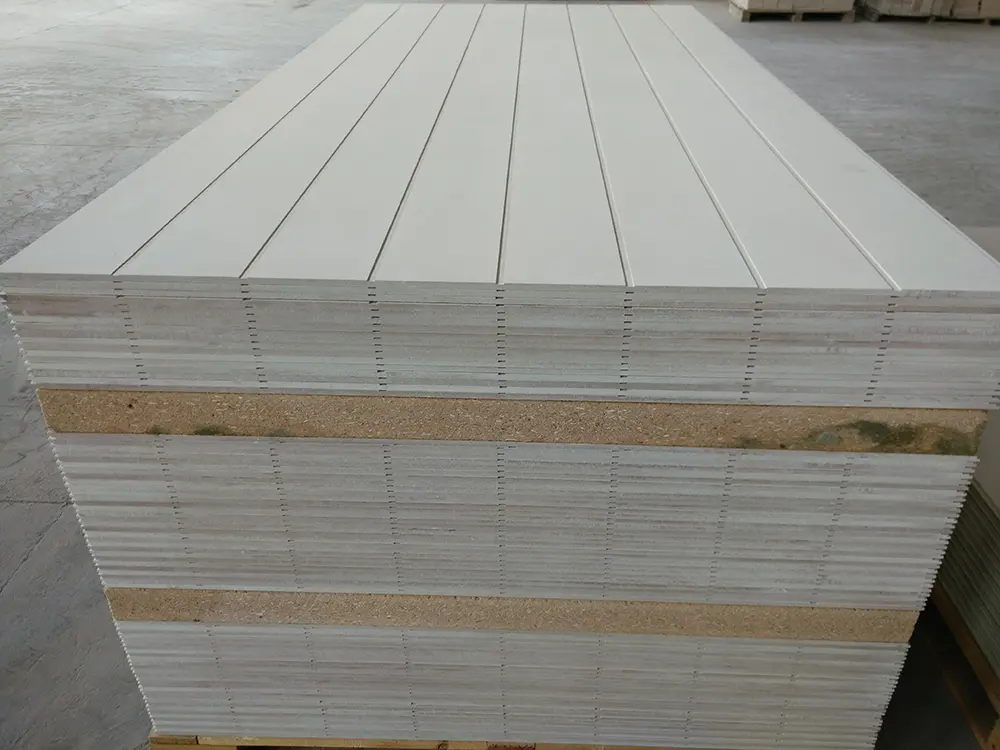 LEAO® Grooved Exterior Panel
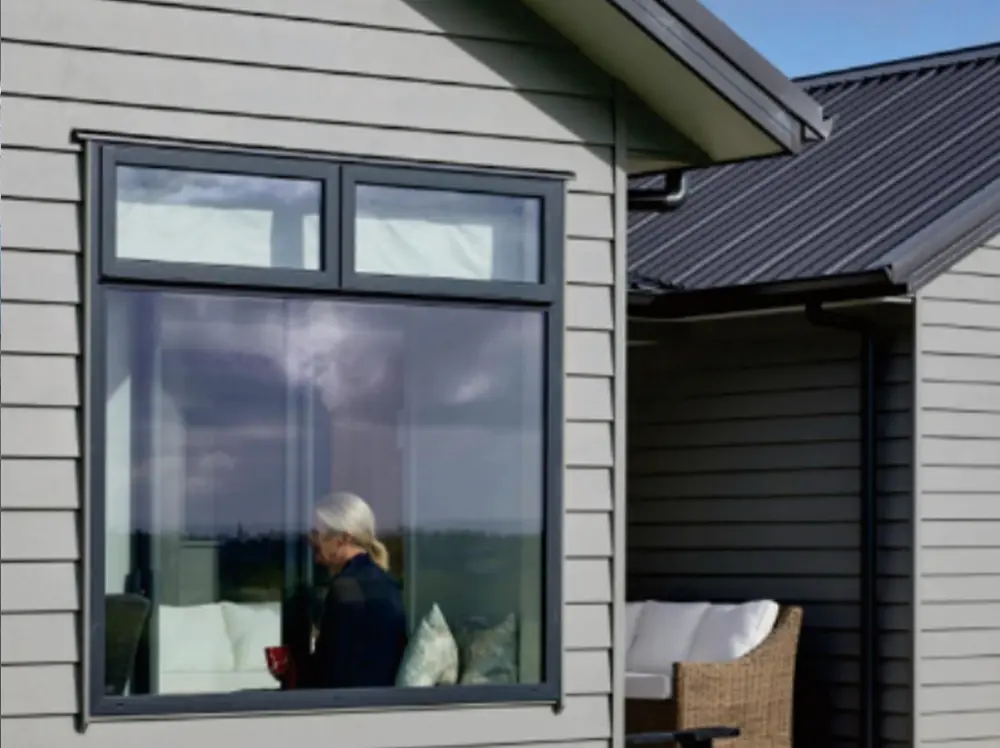 LEAO® Weatherboard
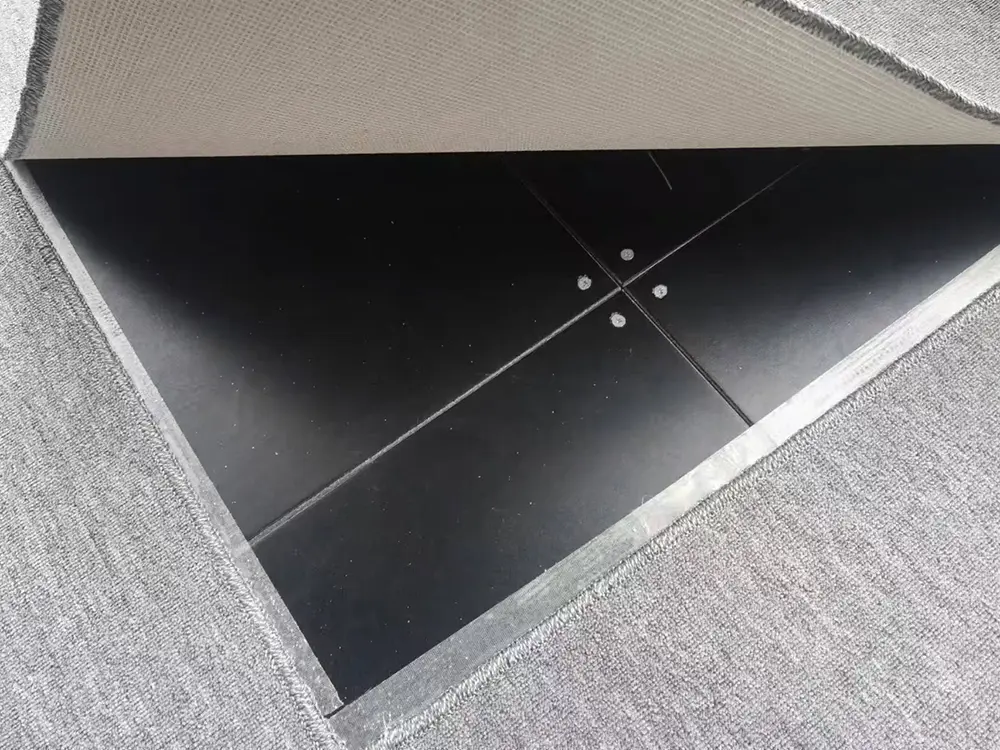 LEAO® Access Floors
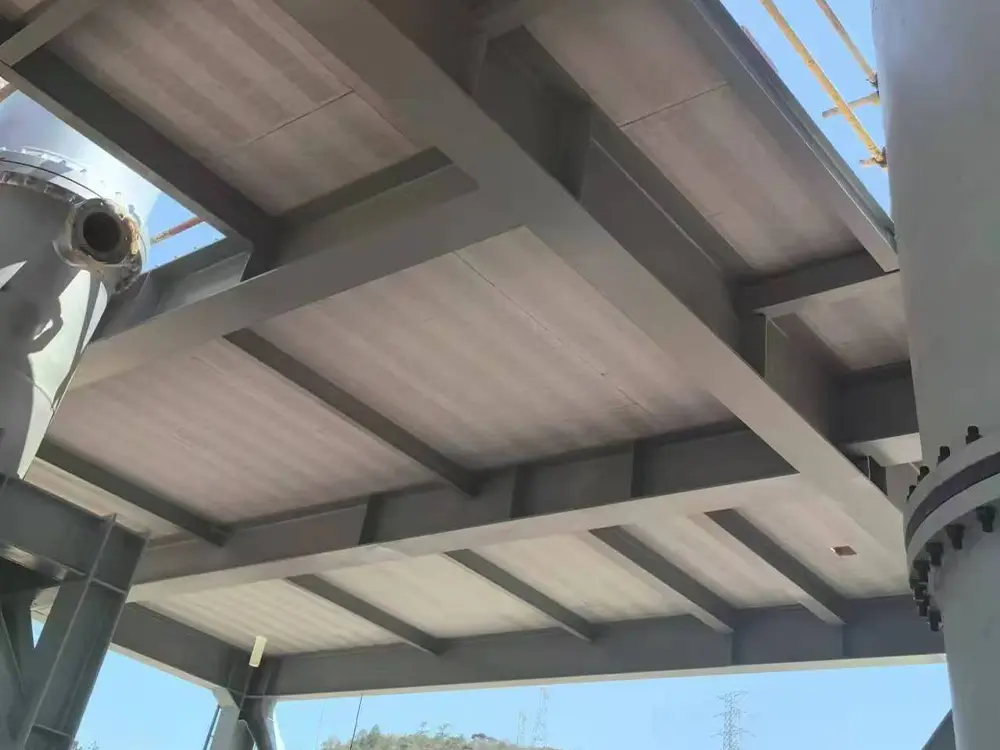 LEAO® Non-removable Formwork
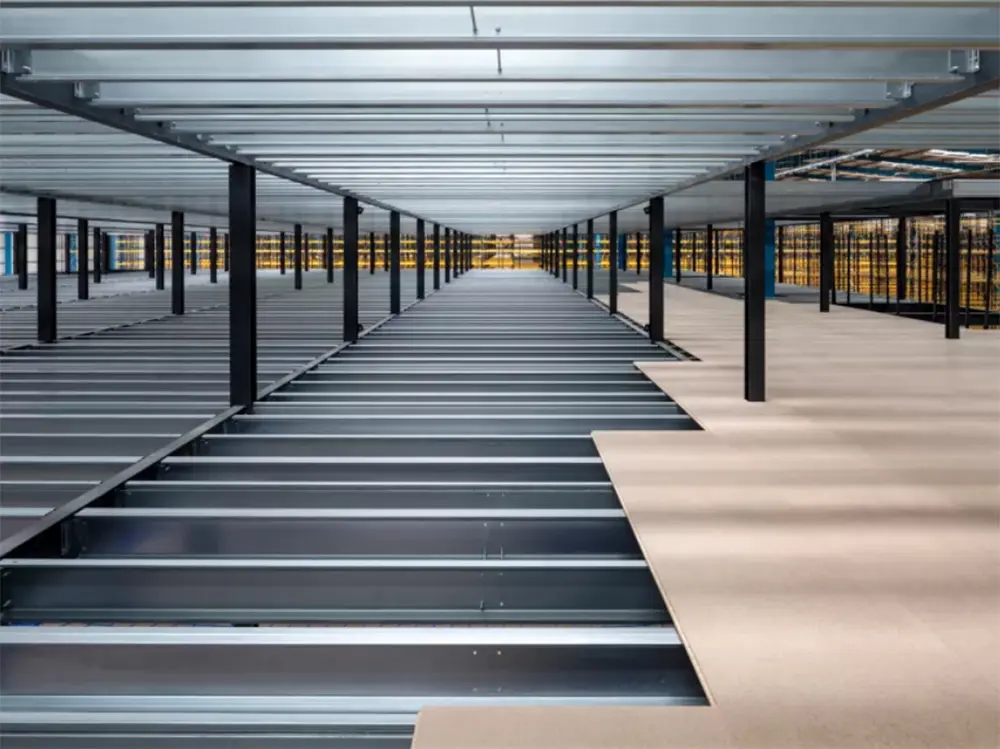 LEAO® Mezzanine Board
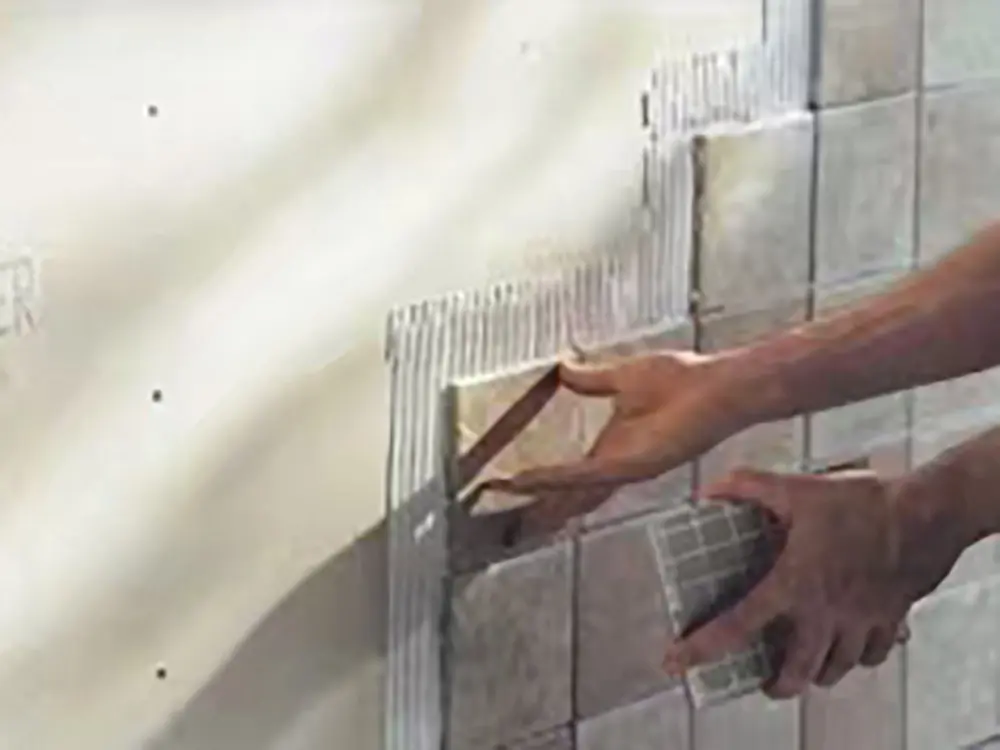 LEAO® Ceramic Tile Underlay
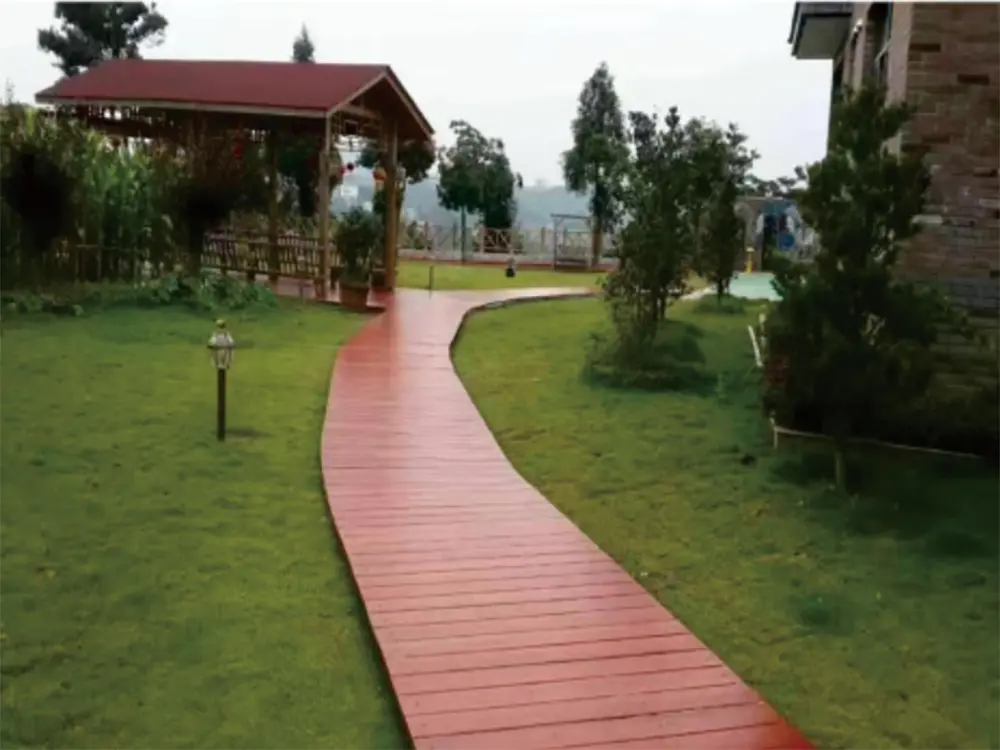 LEAO® Floor Plank
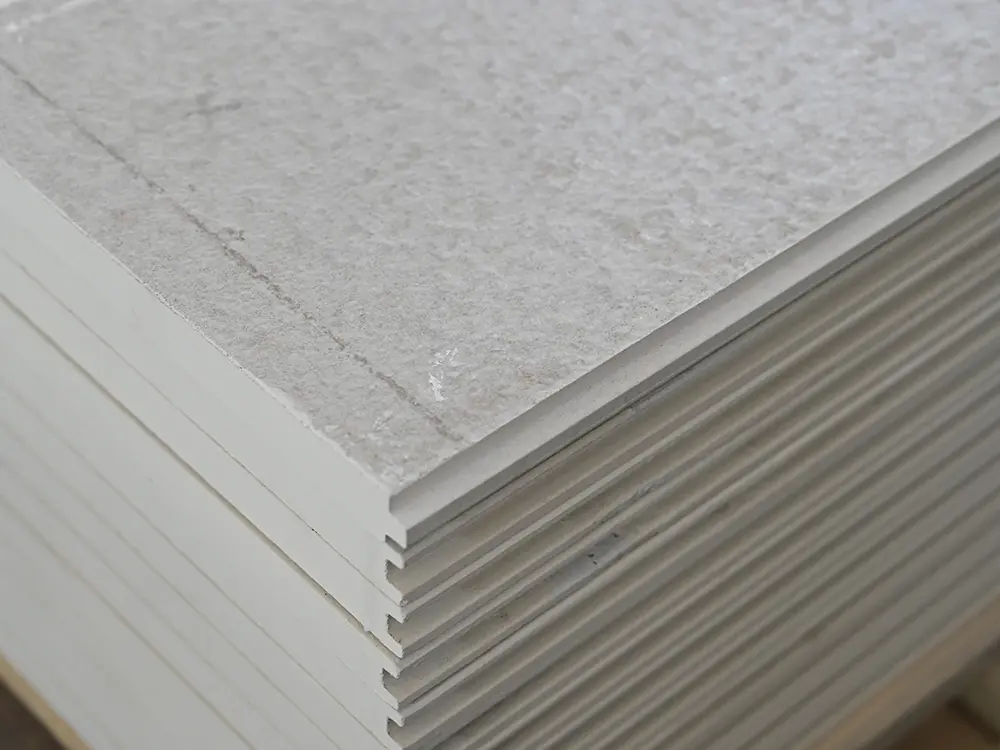 LEAO® Flooring
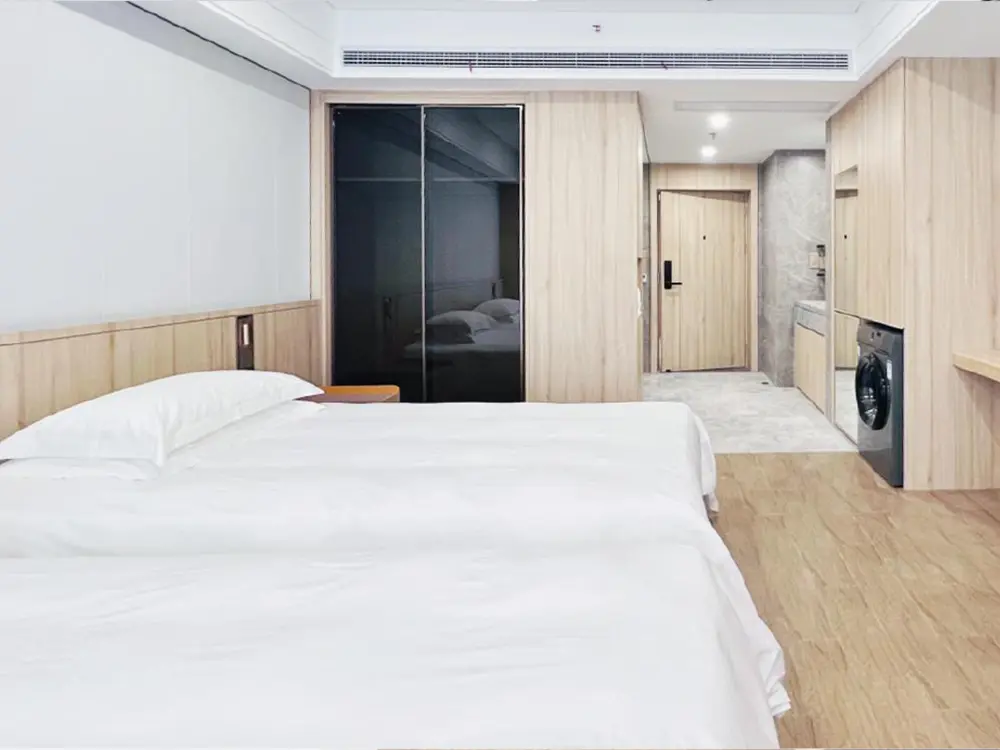 LEAO® Wood Style Decorative Panel
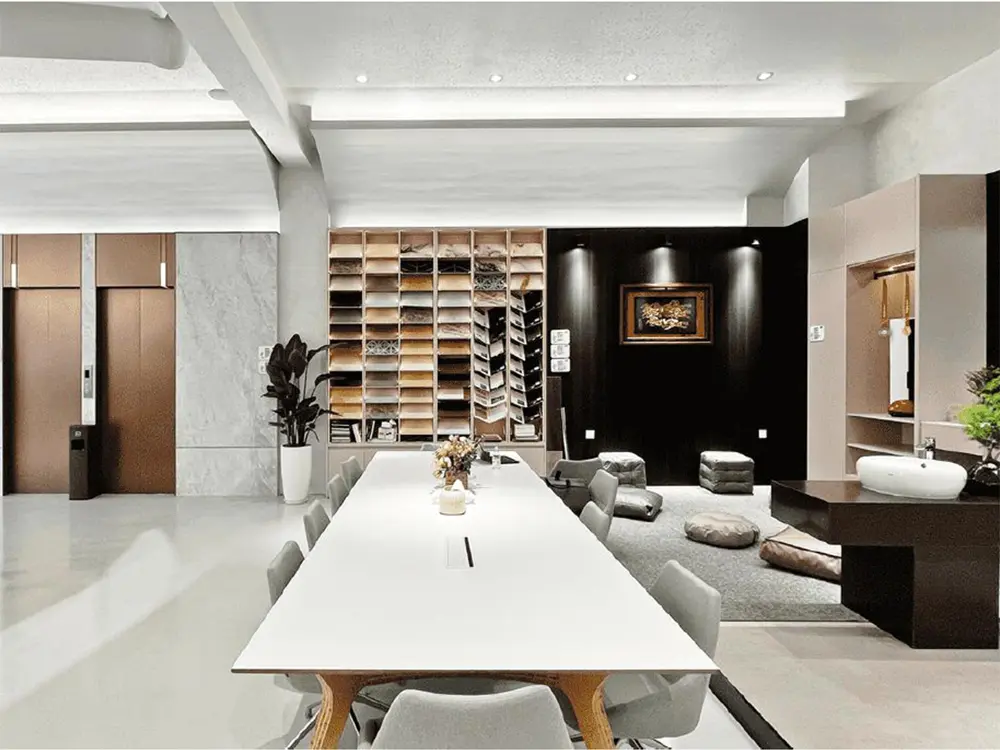 LEAO® Stone Style Decorative Panel
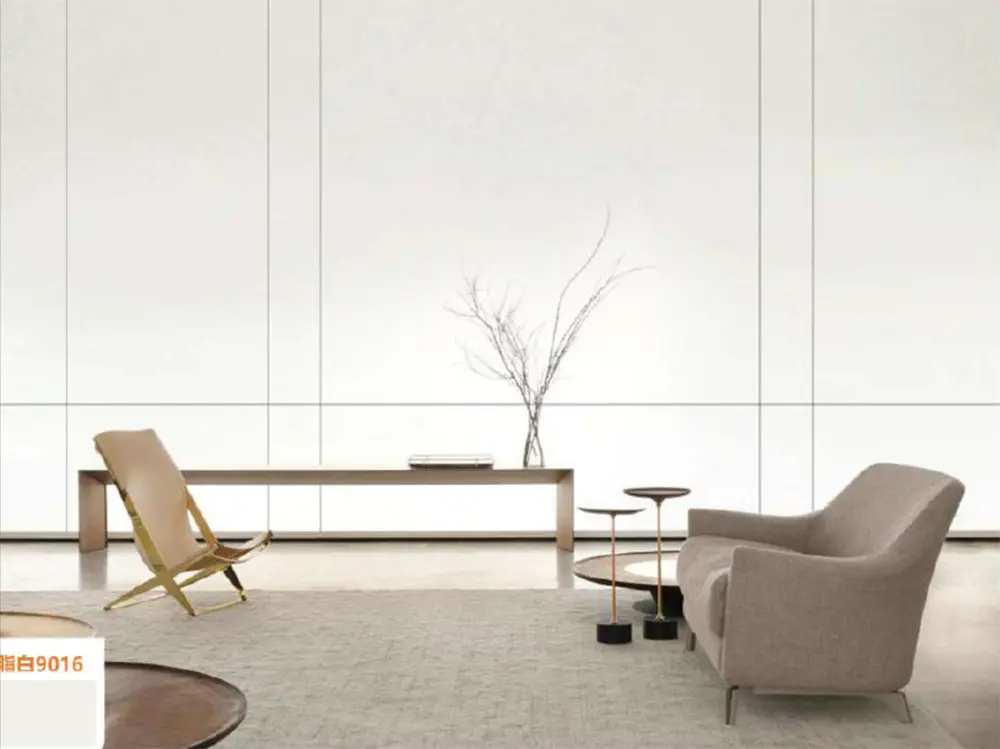 LEAO® Pure Style Decorative Panel