Why Choose Fiber Cement Soffit Board for Your Home Improvement Project?
When considering home improvement projects, choosing the right materials is crucial. Fiber Cement Soffit Board offers several advantages that make it an exceptional choice. According to the National Association of Home Builders, fiber cement products are increasingly favored for their durability and low maintenance needs. In fact, homes outfitted with fiber cement materials can see a return on investment of up to 78% upon resale, according to Remodeling Magazine's Cost vs. Value Report.
This material is not only resistant to rot and insects but also offers superior fire resistance. A study by the American Society for Testing and Materials indicated that fiber cement significantly outperforms traditional wood options in terms of longevity and resistance to environmental factors. However, potential buyers should be aware that installation requires skilled workmanship to avoid common pitfalls.
In evaluating your home improvement options, it's important to weigh the long-term benefits of Fiber Cement Soffit Board against initial installation costs. Neglecting to factor in installation quality can lead to issues that compromise its effectiveness. Ultimately, investing in this versatile material may enhance both the aesthetic appeal and structural integrity of your home.
What is Fiber Cement Soffit Board and Its Composition?
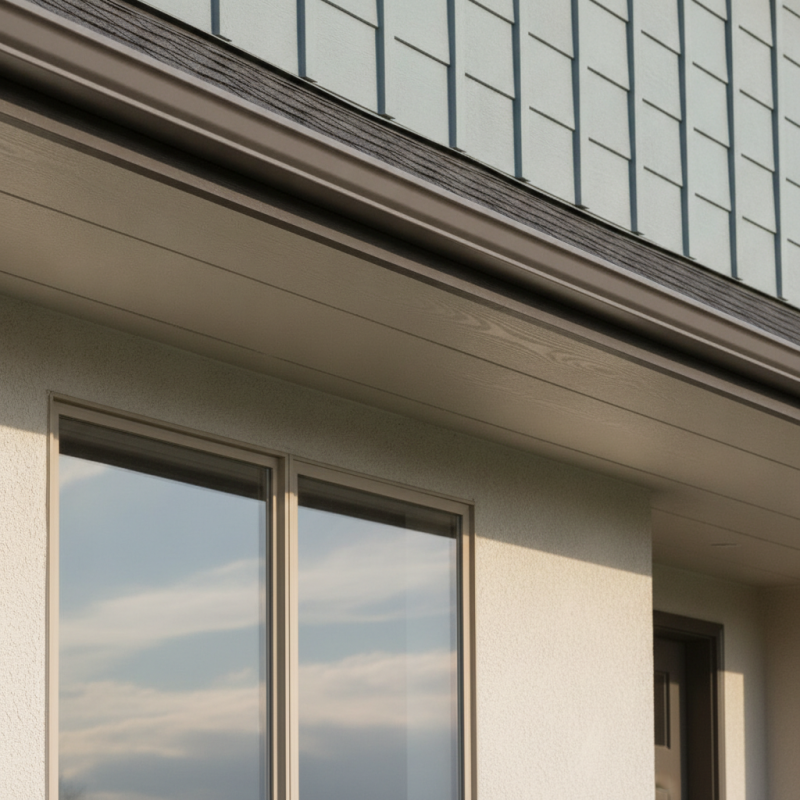
Fiber cement soffit board is a versatile material used in home improvement projects. Its composition primarily includes cement, cellulose fibers, and sand. This blend gives it strength and durability. Unlike traditional wood soffits, fiber cement is resistant to rot, termites, and harsh weather conditions. It withstands moisture and resists fading. This makes it a practical choice for homeowners seeking longevity.
The manufacturing process is crucial. During production, raw materials are thoroughly mixed. This creates a strong bond that enhances overall performance. The result is a board that mimics the appearance of wood but without the vulnerabilities. Homeowners appreciate its aesthetic value as well. It comes in various styles, allowing for customization of textures and colors.
While fiber cement soffit boards have many benefits, they are not without challenges. Installation can be labor-intensive. Proper cutting and handling require specific tools. It's essential to consider these factors during your project planning. Seeking professional advice can help avoid potential pitfalls.
Why Choose Fiber Cement Soffit Board for Your Home Improvement Project?
| Aspect |
Details |
| Material Composition |
Cement, cellulose fibers, sand, and silica |
| Durability |
Highly resistant to humidity, mold, and termites |
| Maintenance |
Requires minimal maintenance; resistant to fading |
| Fire Resistance |
Non-combustible; provides safety in case of fire |
| Aesthetic Appeal |
Can mimic wood, stone, or other materials; available in various colors |
| Environmental Impact |
Made from sustainable materials; recyclable |
| Installation |
Can be installed by professionals or skilled DIYers; lightweight |
Key Benefits of Using Fiber Cement Soffit Board in Home Projects
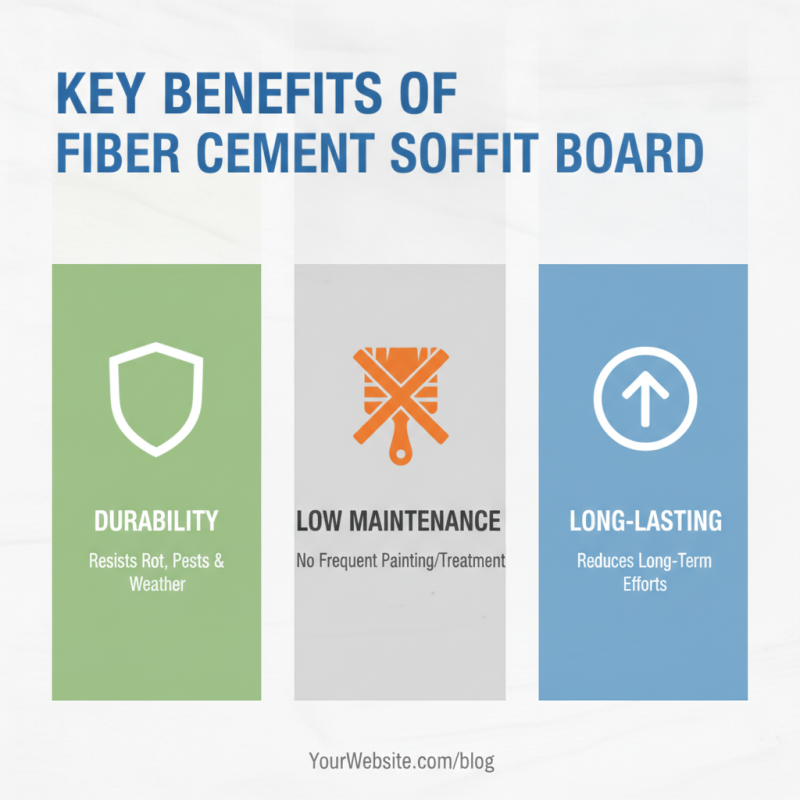
Fiber cement soffit boards offer numerous advantages for home improvement projects. One of their standout features is durability. They resist rot, insects, and weather damage, making them suitable for various climates. Homeowners appreciate this resilience, especially in environments with extreme conditions. Additionally, fiber cement does not require frequent painting or treatment, reducing long-term maintenance efforts.
Another key benefit is versatility. Fiber cement can mimic the look of wood or vinyl, giving homeowners appealing aesthetics without sacrificing performance. This flexibility allows for a unique exterior design that can elevate a home’s curb appeal. The boards can be painted in various colors, matching any home style.
However, installing fiber cement soffit boards requires precise handling. They can be heavy and may necessitate specialized tools. It’s essential to follow installation guides closely to avoid issues. Misalignment can lead to water damage, negating their benefits. Thus, weighing these factors before choosing fiber cement is crucial in any renovation project.
Comparison of Fiber Cement Soffit Board with Traditional Materials
When comparing fiber cement soffit boards to traditional materials, several key differences stand out. Traditional materials, like wood, may rot or warp over time. This can lead to costly repairs and replacements. In contrast, fiber cement offers enhanced durability. It resists moisture, pests, and extreme weather conditions, making it a reliable choice for various climates.
Another aspect is maintenance. Wood soffits require regular painting and staining. This can be tedious and time-consuming. Fiber cement, however, needs minimal upkeep. A simple hose-down can keep it looking fresh. This advantage can be particularly appealing for busy homeowners.
While fiber cement is generally more expensive upfront, its long-term benefits often outweigh the initial investment. However, it might not be as widely available as wood or vinyl in some regions. Homeowners should consider local material options and availability. This can affect both budget and project timelines.
Installation Process and Maintenance Tips for Fiber Cement Soffit Board
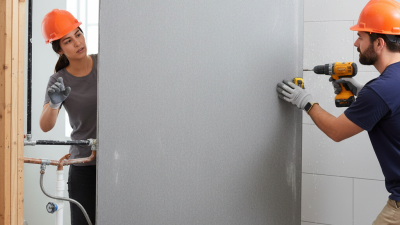
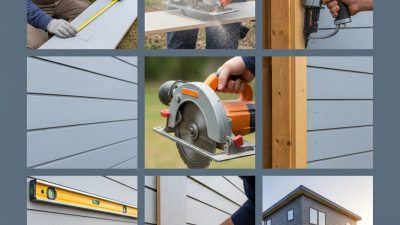
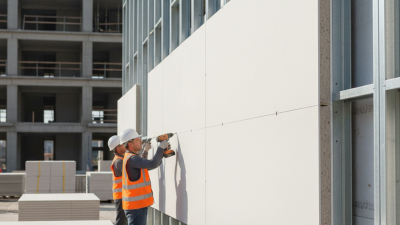
Installing fiber cement soffit boards can greatly enhance your home’s aesthetic appeal and durability. The installation process is quite straightforward, but it demands careful planning. Begin by measuring your soffit areas accurately. Cut the fiber cement boards to fit the designated spaces, using a circular saw equipped with a diamond blade. This helps to prevent chipping and ensures a smoother cut. Always wear protective gear, as dust can be harmful.
When attaching the boards, use galvanized nails or screws to prevent rusting. It's vital to leave a small gap between the boards for expansion due to weather changes. Failing to do this may cause warping or buckling over time. After installation, a proper sealing is essential. Choose a quality paint or sealant to ensure moisture resistance. Maintenance is simple; just clean the boards with a mild detergent regularly. However, watch out for any signs of cracks or damage. Early detection can save you from more extensive repairs later.
Benefits of Fiber Cement Soffit Board
The chart above illustrates the ratings of various benefits of fiber cement soffit board based on user feedback. It highlights its durability, maintenance, aesthetics, cost-effectiveness, and energy efficiency, providing insights for homeowners considering this material for their projects.
Environmental Impact and Sustainability of Fiber Cement Soffit Board
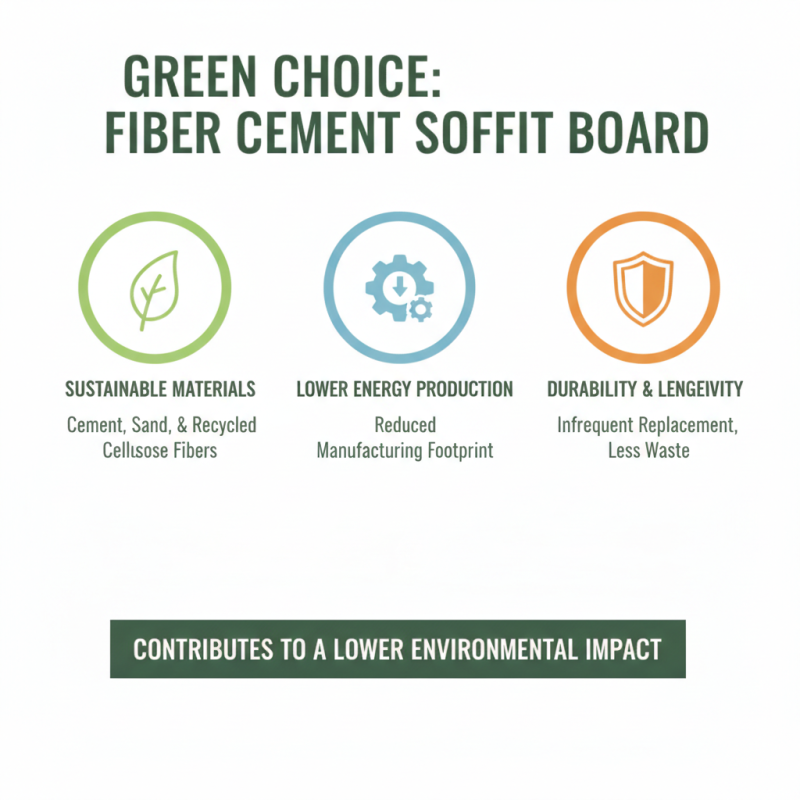
Fiber cement soffit board is a popular choice for homeowners focused on sustainability. This material is made from a blend of cement, sand, and cellulose fibers. Its production process generally consumes less energy compared to other materials. Additionally, fiber cement is highly durable, which reduces the frequency of replacements. This longevity contributes to a lower overall environmental impact.
Using fiber cement also minimizes waste. During installation, it generates less scrap than wood or vinyl alternatives. Beyond durability, it resists rot, insects, and harsh weather. This resilience means fewer resources are needed for maintenance and repair. However, the cost of initial installation can be higher, which may deter some homeowners initially.
Despite its many benefits, fiber cement does have some drawbacks. The production process still generates carbon emissions. Proper disposal can also be an issue if not managed. Some people worry about the water resistance of fiber cement in extreme conditions. Ensuring proper installation can help mitigate these concerns. Choosing fiber cement for home improvement could be a step towards a more sustainable future. However, each decision should consider both immediate needs and broader environmental impacts.

 LEAO®Deco Ceiling
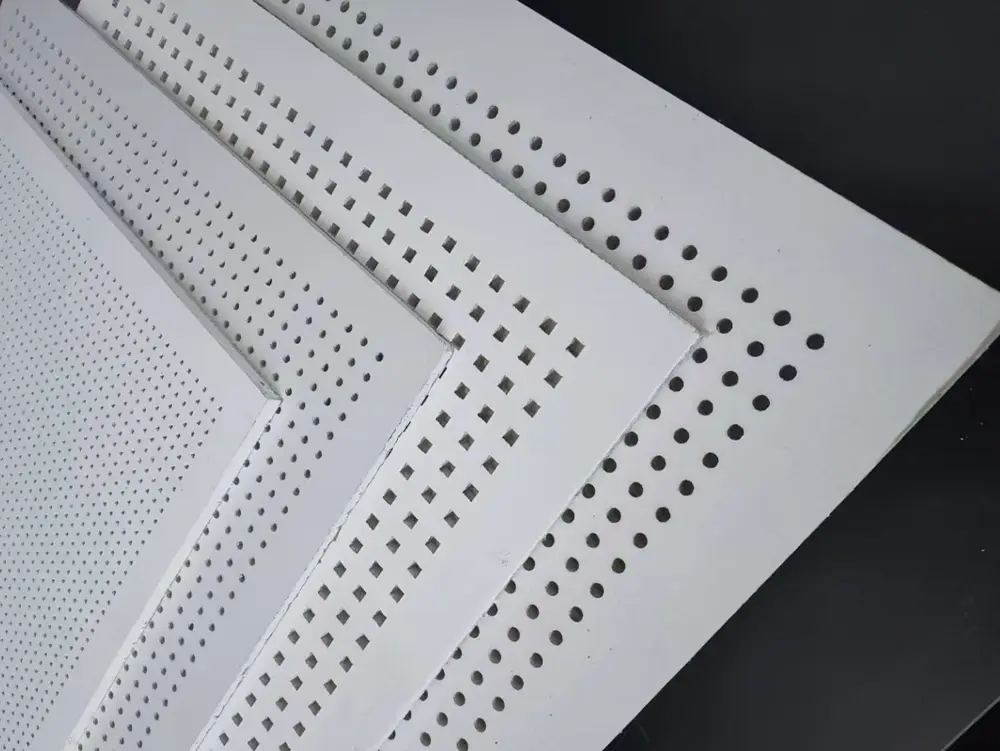 LEAO® Perforated Ceiling
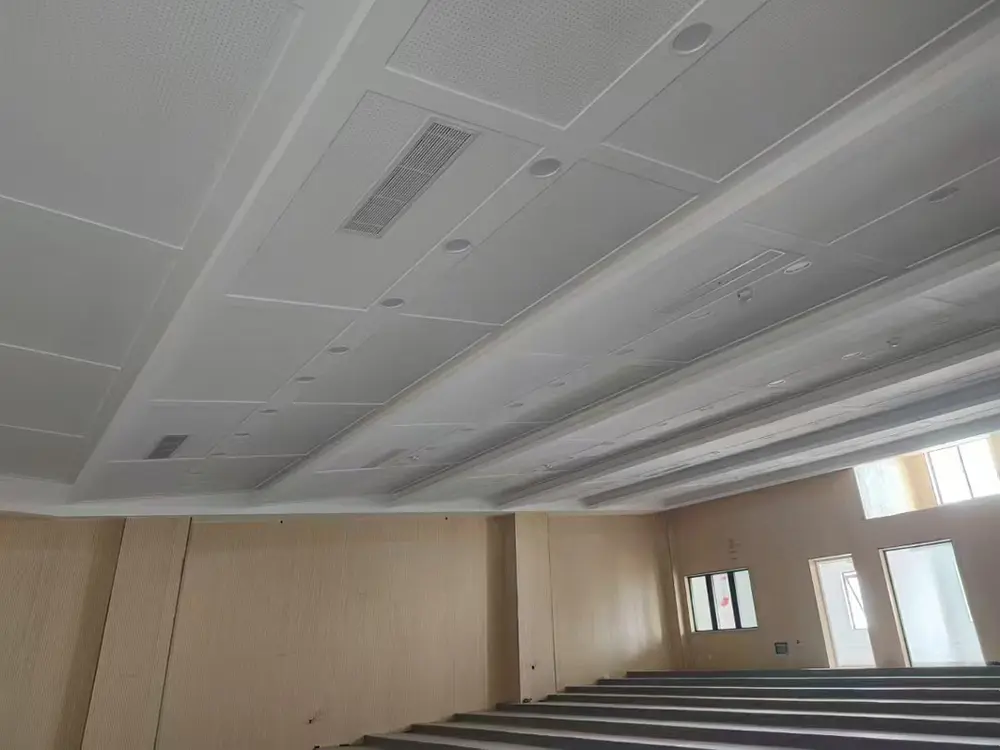 LEAO® Ceiling Board
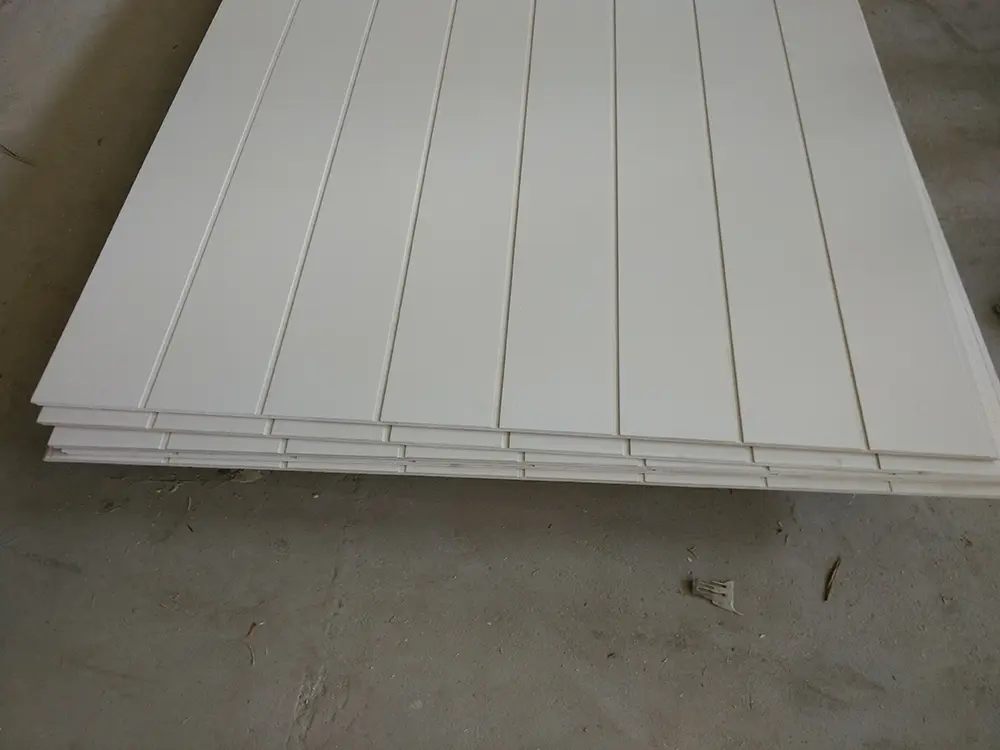 LEAO® Groove Interior Panel
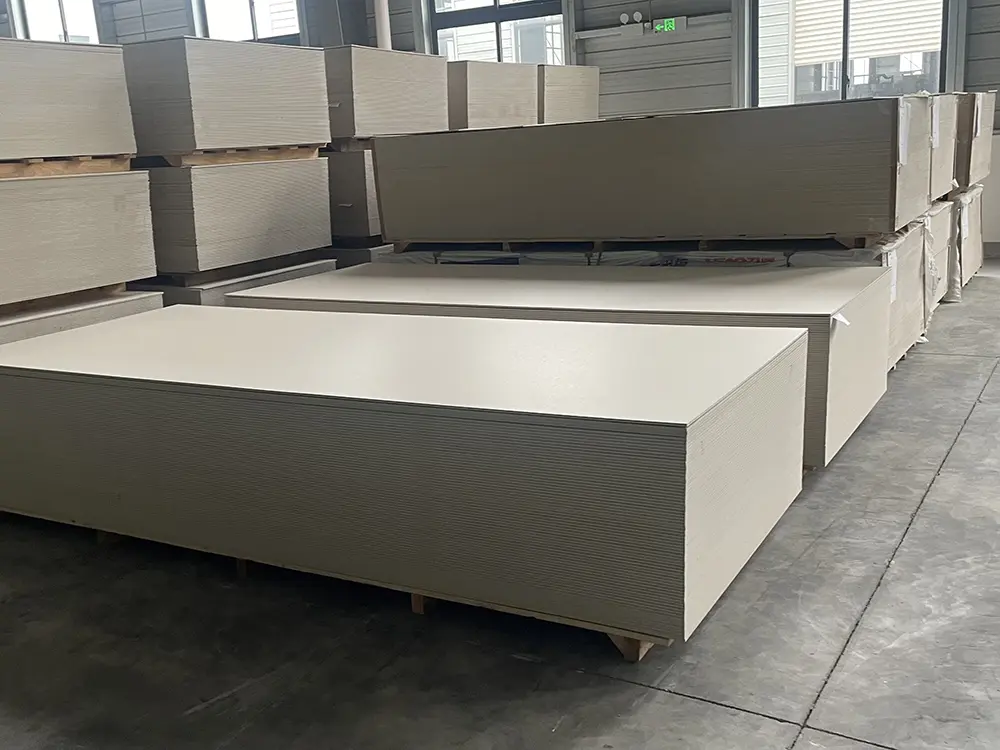 LEAO® Interior Board
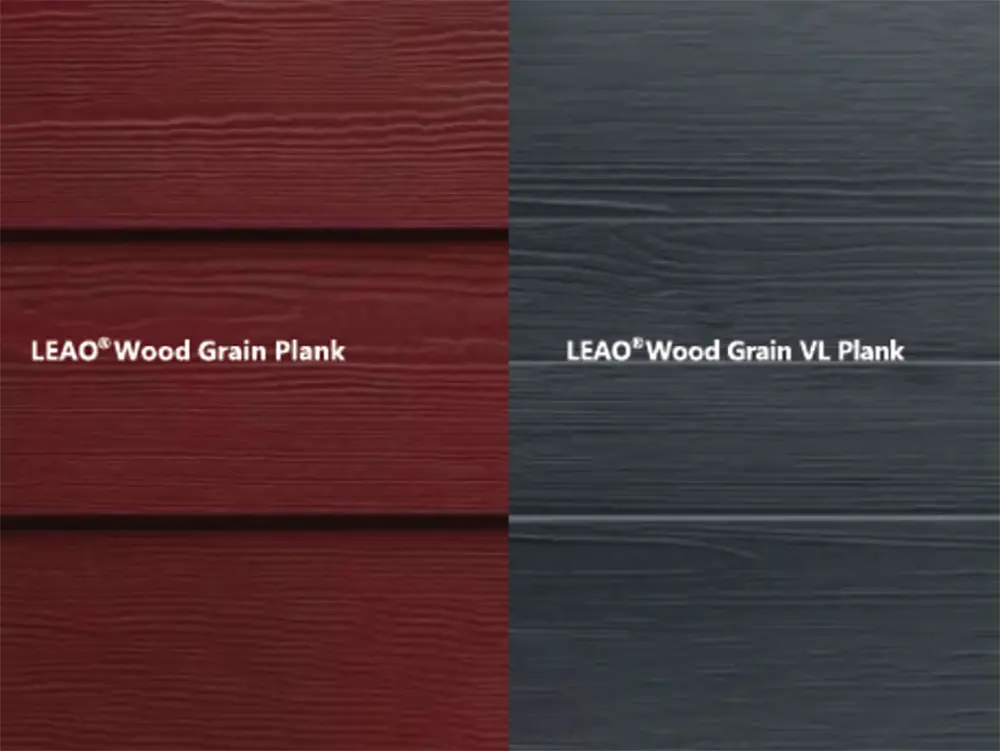 LEAO® Wood Grain Plank
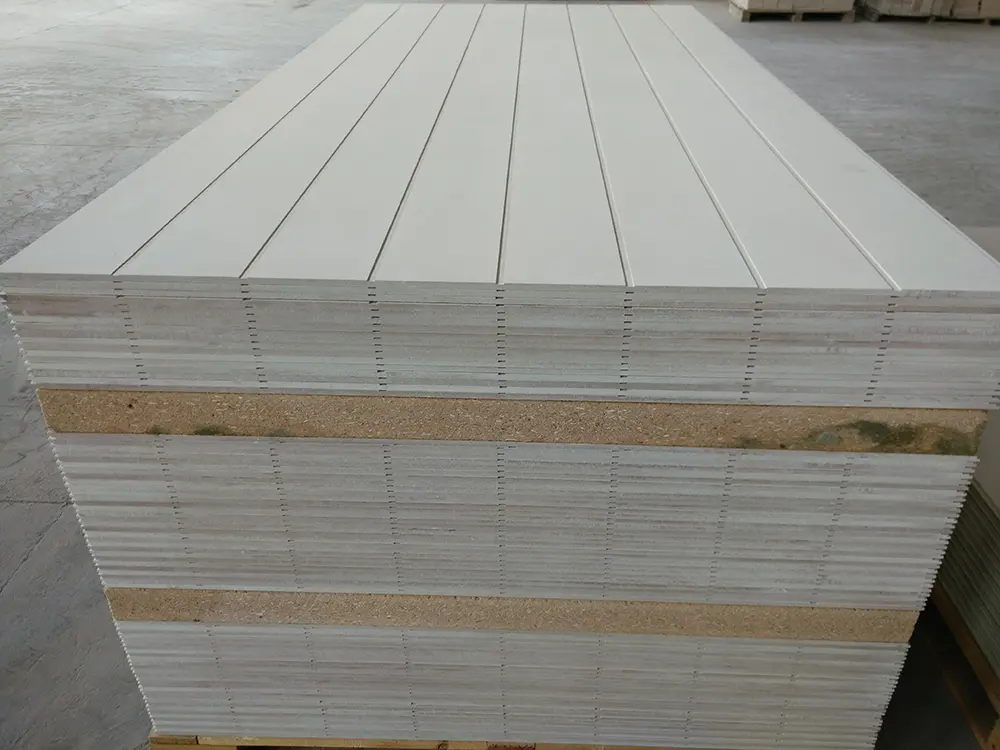 LEAO® Grooved Exterior Panel
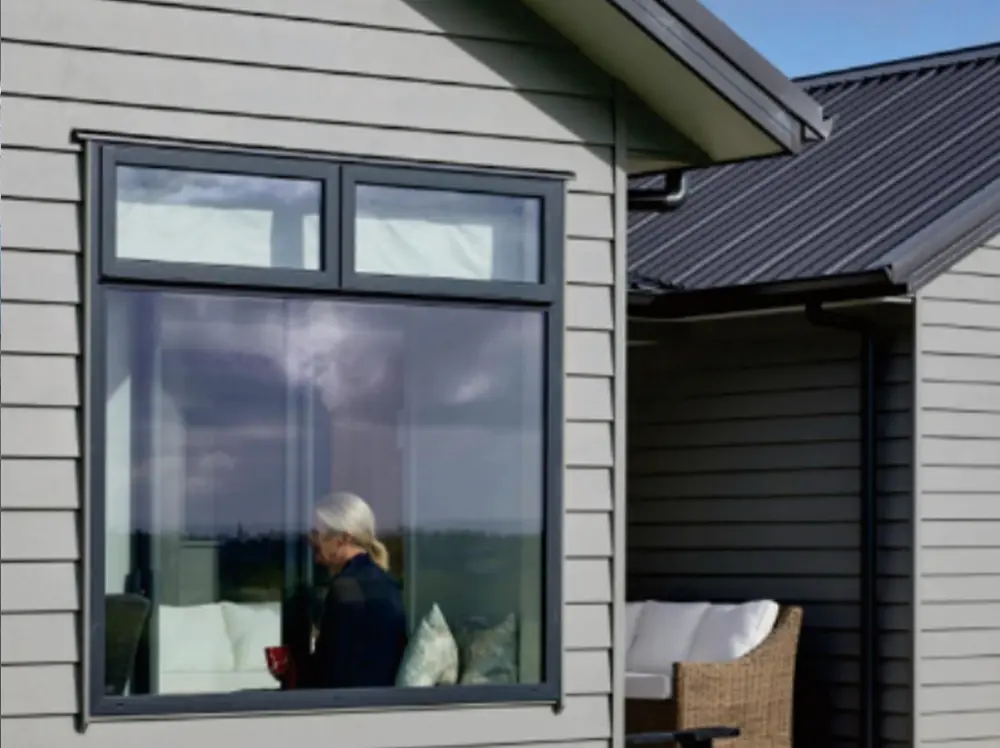 LEAO® Weatherboard
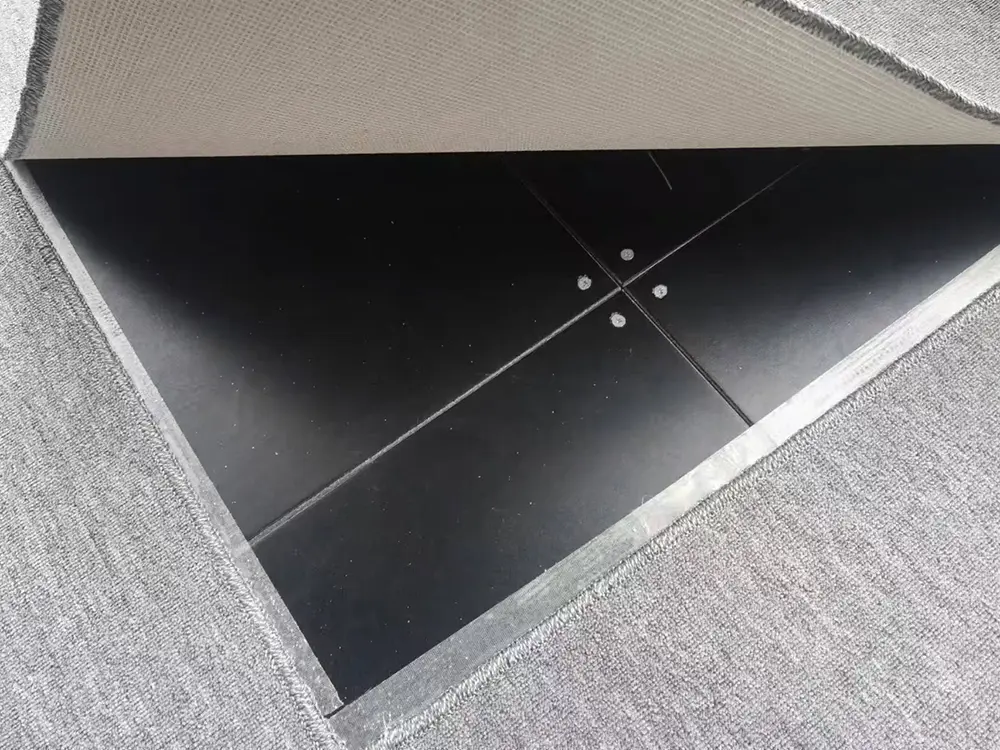 LEAO® Access Floors
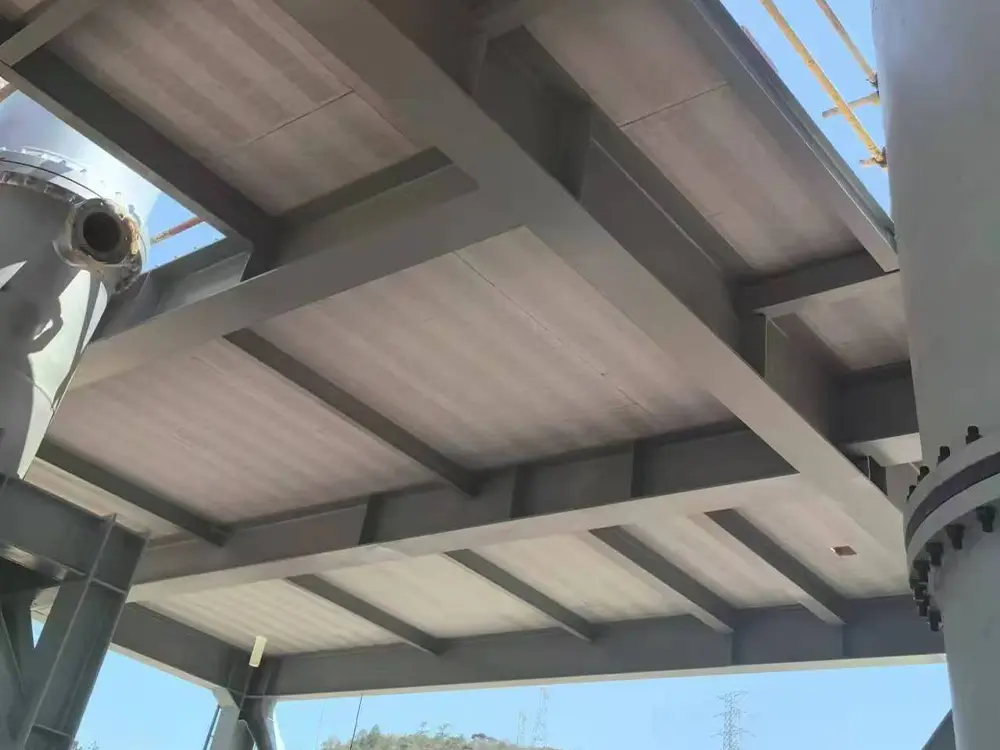 LEAO® Non-removable Formwork
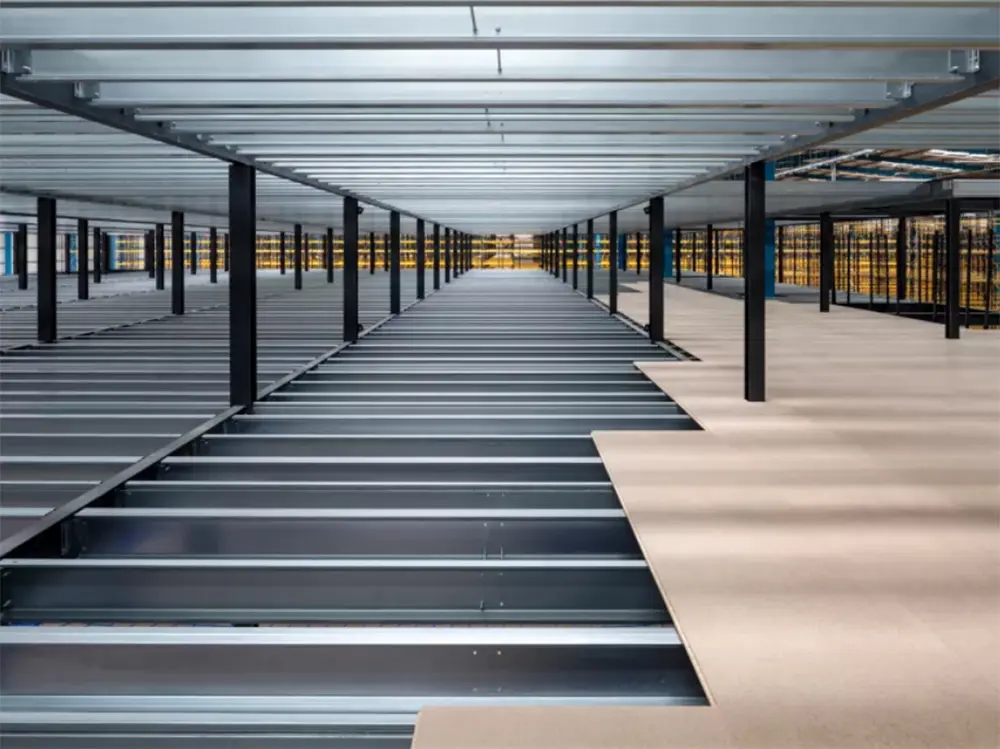 LEAO® Mezzanine Board
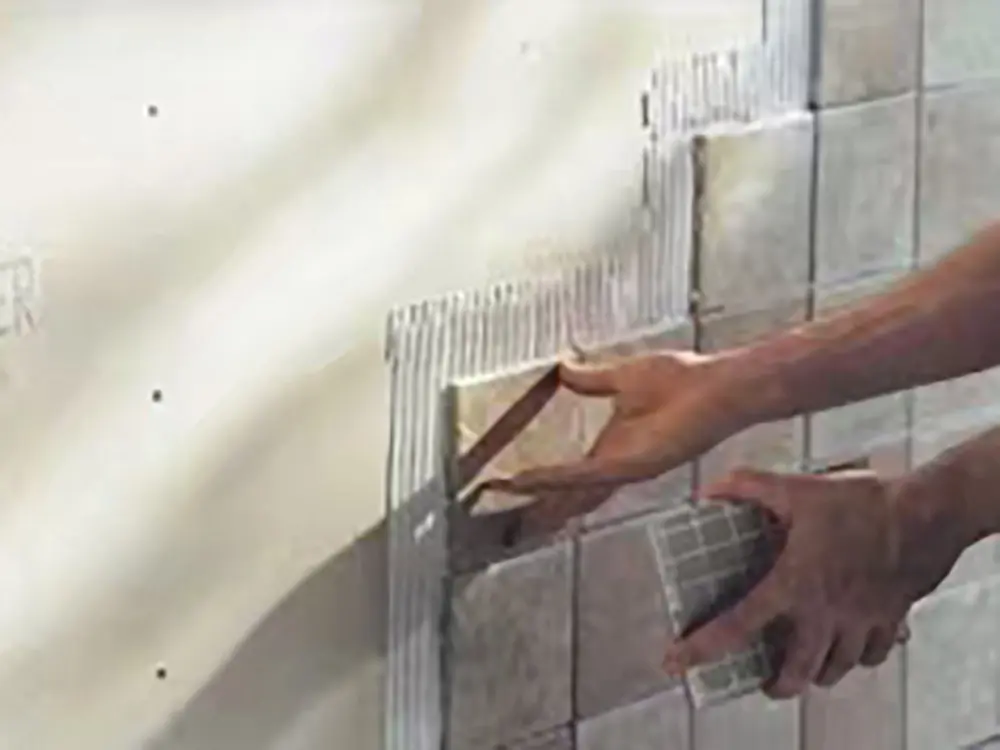 LEAO® Ceramic Tile Underlay
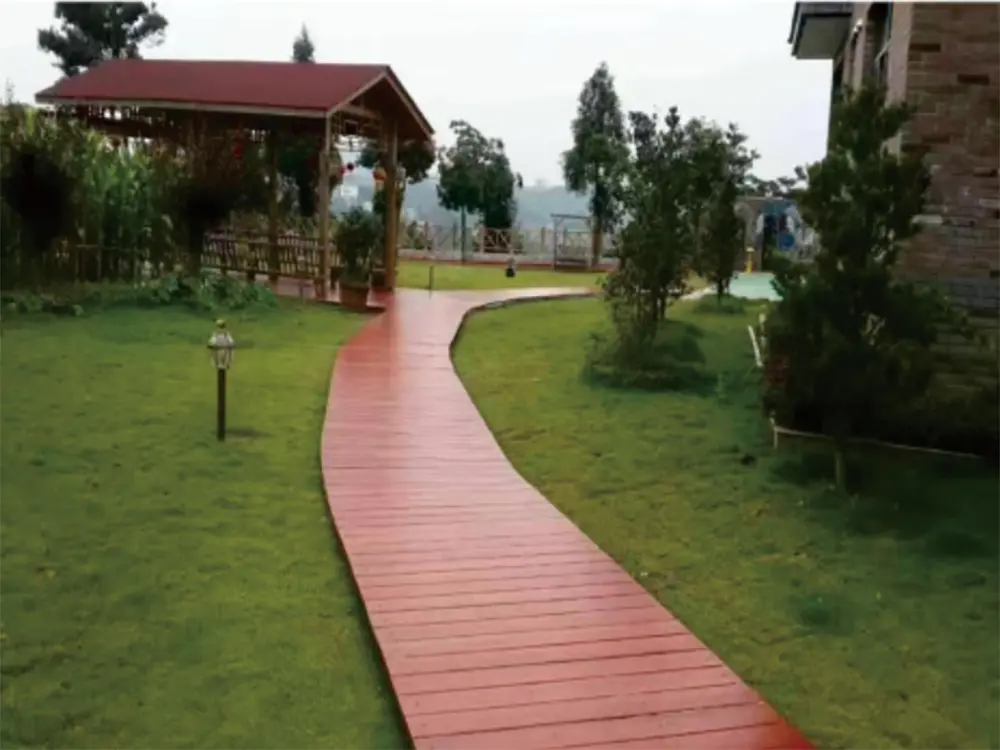 LEAO® Floor Plank
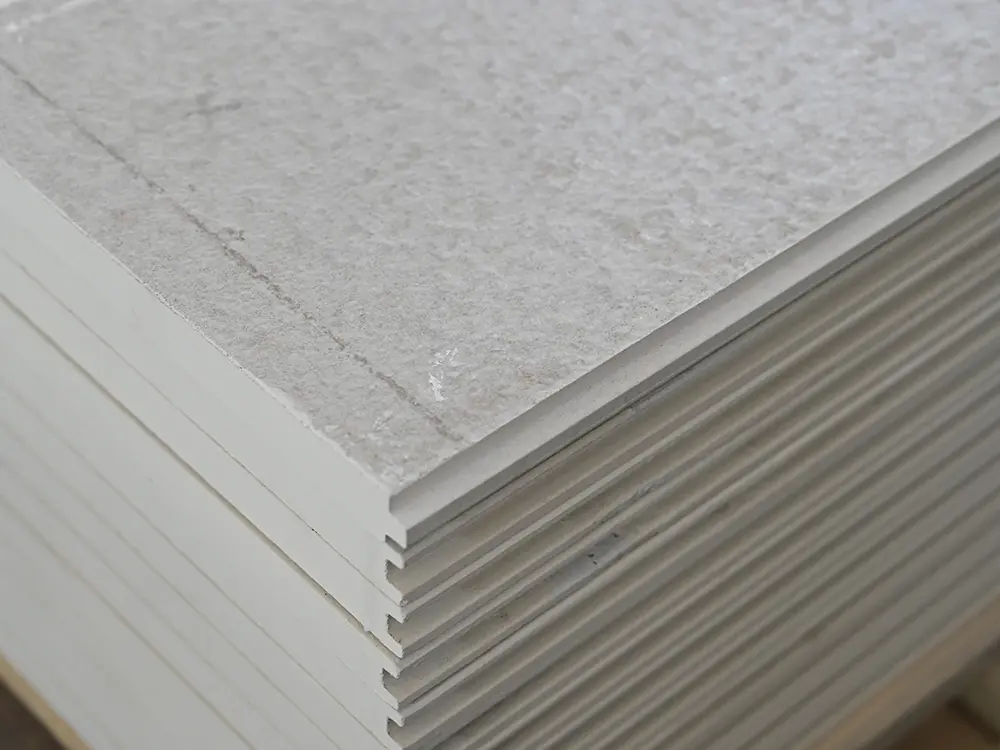 LEAO® Flooring
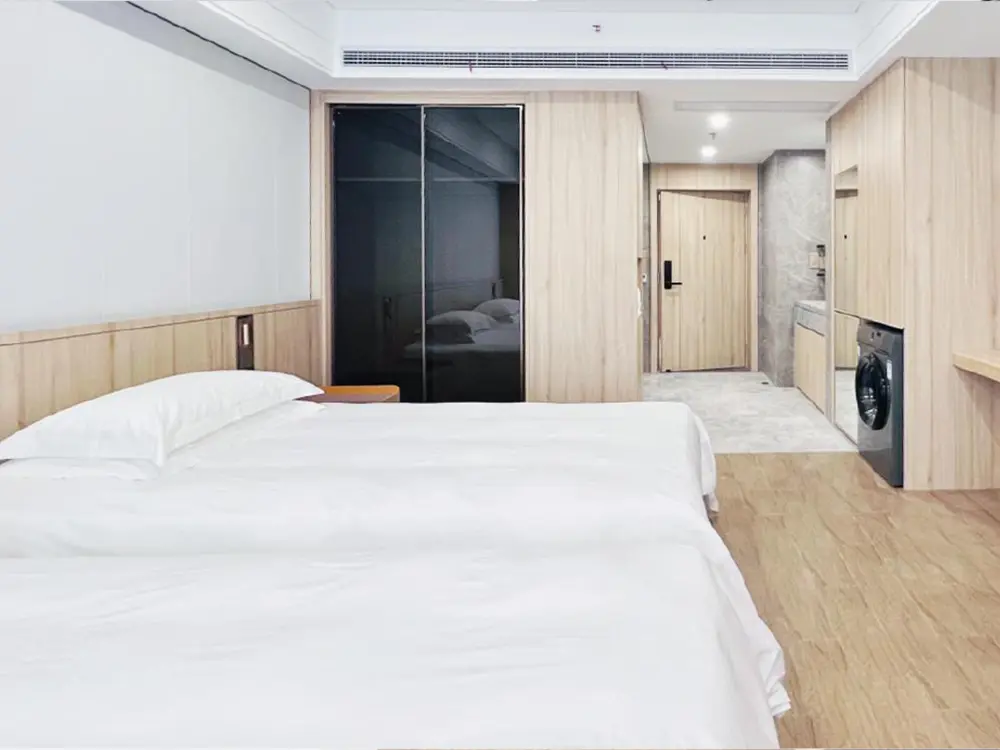 LEAO® Wood Style Decorative Panel
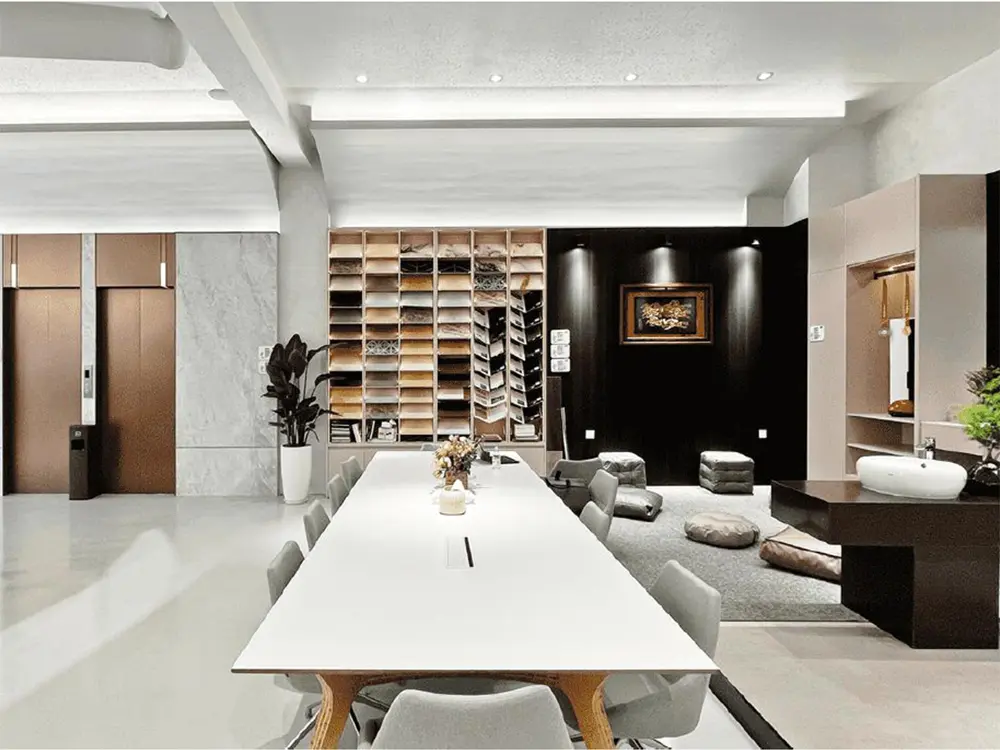 LEAO® Stone Style Decorative Panel
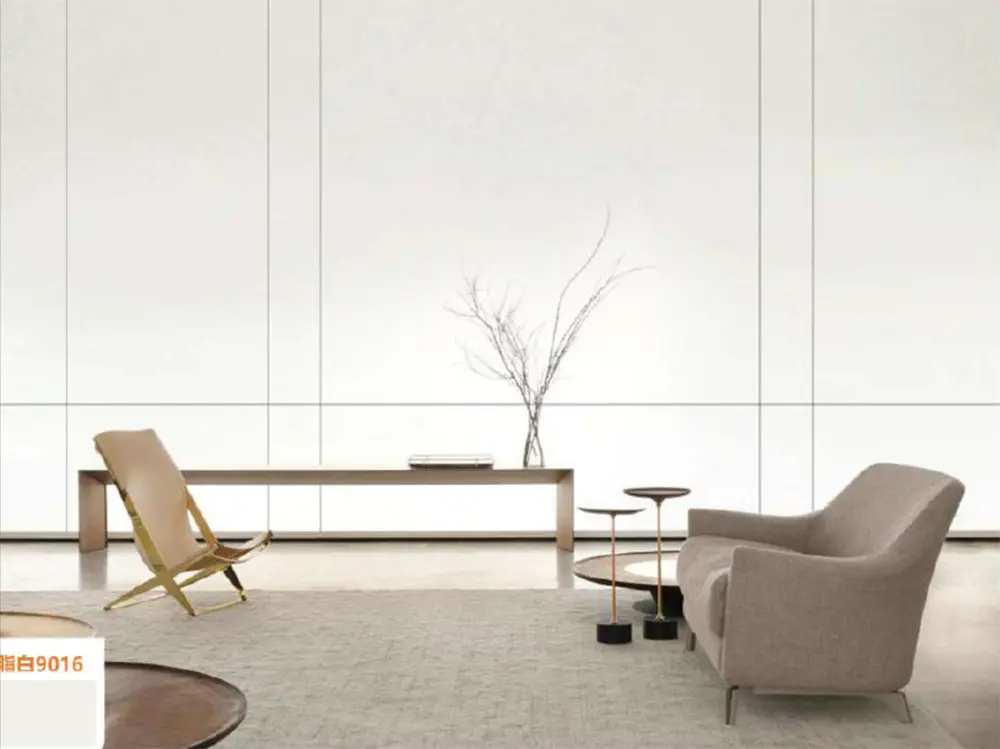 LEAO® Pure Style Decorative Panel