2026 How to Choose the Best Fiber Cement Trim Board for Your Home?
Choosing the right Fiber Cement Trim Board for your home is crucial. It impacts both aesthetics and durability. Research indicates that over 30% of homeowners prioritize long-lasting materials for their exterior projects. Fiber cement offers an appealing balance of beauty and strength.
In the past decade, the popularity of fiber cement products has surged. Reports show that fiber cement trim has gained nearly 25% market share among exterior siding options. Homeowners appreciate its resistance to weather, pests, and decay. However, choosing the best trim board can be challenging. Not all fiber cement options are created equal.
Understanding the specific needs of your home is essential. Factors such as climate, architectural style, and maintenance requirements play significant roles. Installing the wrong type can lead to regrets. The right Fiber Cement Trim Board enhances your home's overall appeal and value while ensuring longevity. Considering these aspects can help homeowners make informed decisions.

Understanding Fiber Cement Trim Boards: An Overview
Fiber cement trim boards are gaining popularity in home construction and renovation. They offer durability, versatility, and aesthetic appeal. Homeowners often appreciate their resistance to various weather conditions. This material can withstand moisture, rot, and insects better than wood products. However, some may find the initial cost a bit high. It's essential to weigh the long-term benefits against the upfront investment.
Understanding the properties of fiber cement is crucial. This composite material consists of sand, cement, and cellulose fibers. It replicates the look of traditional wood. However, its maintenance needs differ. For instance, it requires periodic painting or sealing to maintain its appearance. Some people assume it’s entirely maintenance-free, which is a misconception. Additionally, installing fiber cement trim boards can be complex. Proper techniques must be followed to avoid issues later on.
Selecting the right trim board also involves considering your local climate. Certain styles may perform better in humid conditions. Others may resist fading in sunny areas. Balancing aesthetics and functionality is not always easy. Some homeowners might focus too much on looks and overlook practicality. Reflecting on these aspects can lead to a more informed decision.
Key Factors to Consider When Choosing Fiber Cement Trim Boards
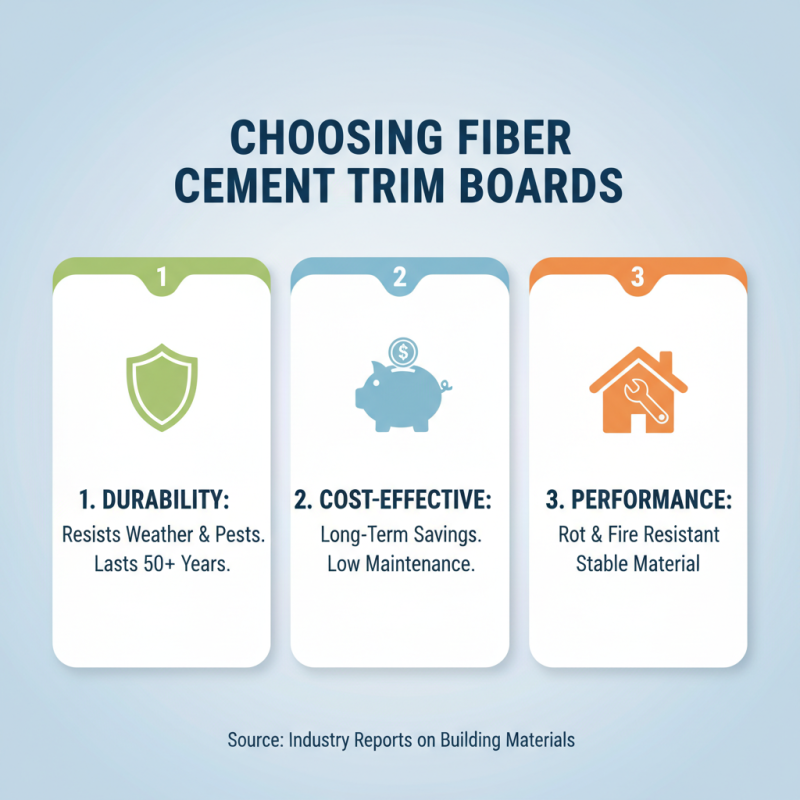
Choosing the right fiber cement trim board is crucial for your home. Several key factors should guide your decision. Consider durability, as fiber cement is known for its resilience against weather and pests. According to industry reports, fiber cement can last over 50 years with proper maintenance. This longevity can translate to cost savings in the long run.
Aesthetic appeal is also important. Fiber cement trim comes in various styles and finishes. You can choose from smooth to textured surfaces, allowing for customization to suit your home’s architecture. Opting for the right color can significantly impact your home's curb appeal. Darker colors may fade faster, so consider climate and exposure before deciding.
**Tip:** Always check local regulations regarding building materials. Some areas have specific requirements that may affect your options.
Installation ease should be part of your considerations too. Some products require specialized tools or skills. Assess your DIY capability honestly. If you need help, hiring a professional could save time and reduce mistakes.
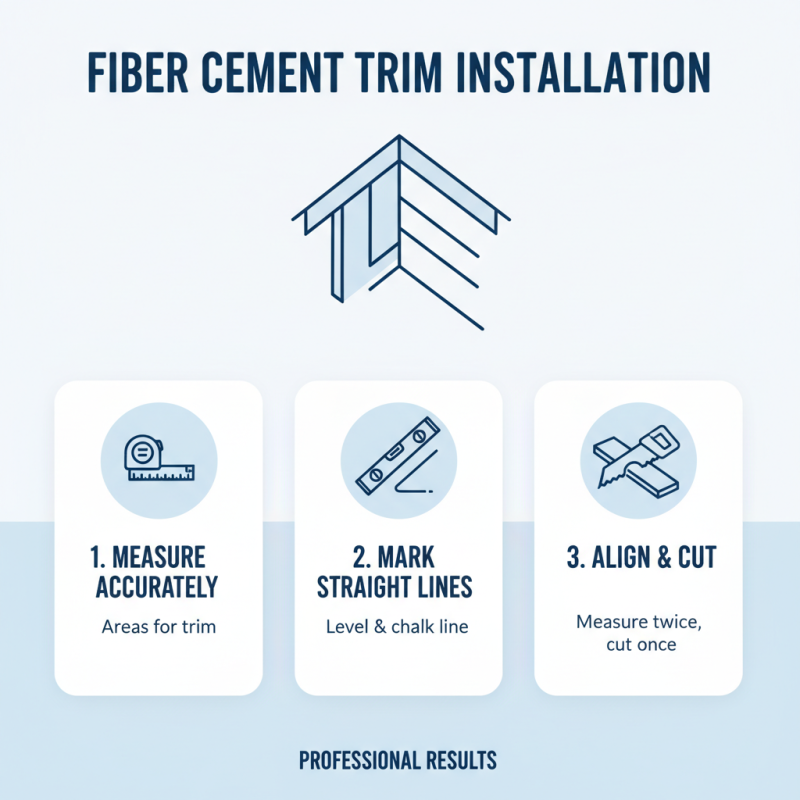
**Tip:** Measure twice and cut once. Accurate measurements can reduce waste and ensure a perfect fit.
Comparing Different Brands and Their Offerings
When choosing the right fiber cement trim board, exploring various brands is crucial. Different brands offer unique characteristics. For instance, some might emphasize durability, while others focus on aesthetic appeal. Industry reports indicate that fiber cement trim can last up to 50 years, making it a worthy investment for homeowners. Understanding each brand’s specific offerings helps in making an informed decision.
A recent survey revealed that nearly 70% of homeowners prioritize moisture resistance when selecting trim materials. This factor is essential in extending the lifespan of the trim. Additionally, color options vary significantly; some brands offer over 30 colors, while others focus on a more limited palette. This variety ensures that homeowners can find the perfect match for their home's exterior.
However, not all fiber cement trim is equal. Some products may have quality inconsistencies. It's essential to research product reviews thoroughly before purchasing. Checking for certifications can also provide insight into a brand’s commitment to quality. The right choice often depends on balancing aesthetic preferences with durability. This reflection on choices can transform a home’s appearance and resilience.
2026 How to Choose the Best Fiber Cement Trim Board for Your Home? - Comparing Different Brands and Their Offerings
| Feature |
Option A |
Option B |
Option C |
| Material Composition |
Cement, cellulose fibers |
Cement, sand, cellulose |
Cement, additives |
| Thickness Options |
0.75", 1" |
0.5", 0.75", 1" |
0.5", 1" |
| Primed Finish Availability |
Yes |
Yes |
No |
| Color Options |
Custom colors available |
Limited colors |
Basic colors only |
| Durability |
30 years warranty |
25 years warranty |
20 years warranty |
| Ease of Installation |
Moderate |
Easy |
Moderate to Hard |
| Cost per Linear Foot |
$1.50 |
$1.20 |
$1.00 |
Maintaining Fiber Cement Trim Boards for Longevity
Maintaining fiber cement trim boards is crucial for durability and performance. Regular inspection and cleaning are key. Experts suggest washing these boards at least once a year. Pressure washing with mild soap can help remove dirt and debris. This process prevents mildew, which may compromise the material over time.
Monitoring for signs of wear is essential. Small cracks and chips can lead to more significant issues if neglected. A report from the Building Materials Association indicates that routine maintenance can extend the lifespan of fiber cement products by up to 20%. Ensure that paint and finishes are in good condition, as they act as a protective barrier against moisture.
Additionally, proper installation influences longevity. Misalignment or insufficient sealing can expose boards to the elements. The same report highlights that nearly 30% of early failures are due to improper installation. Taking preventive measures can save homeowners money in the long run and ensure that fiber cement trim boards continue to enhance the aesthetic and structural integrity of the home.
2026 Fiber Cement Trim Board Longevity Factors
This chart illustrates the various factors influencing the longevity of fiber cement trim boards. Each factor is rated on a scale from 1 to 10, where a higher score indicates a more significant impact on the lifespan of the trim boards.

 LEAO®Deco Ceiling
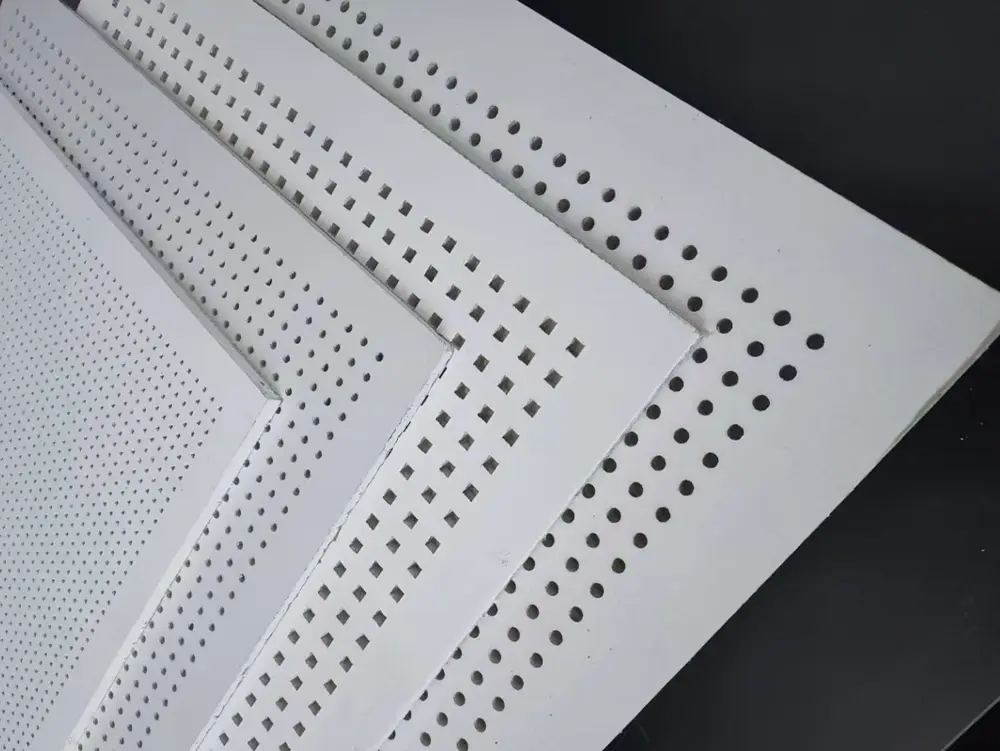 LEAO® Perforated Ceiling
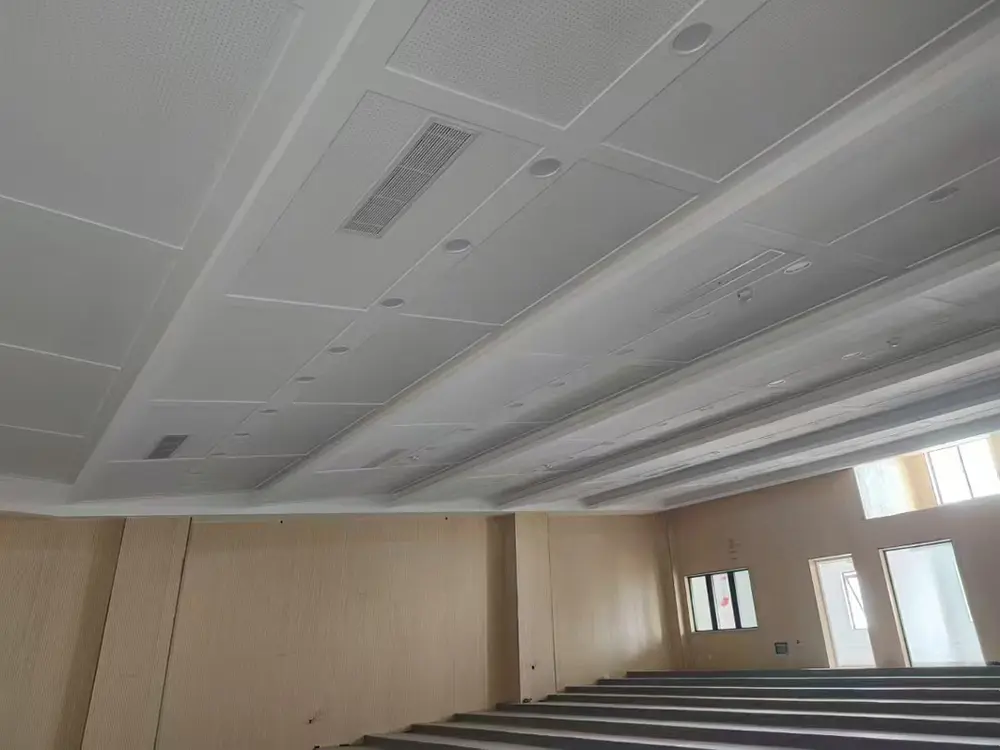 LEAO® Ceiling Board
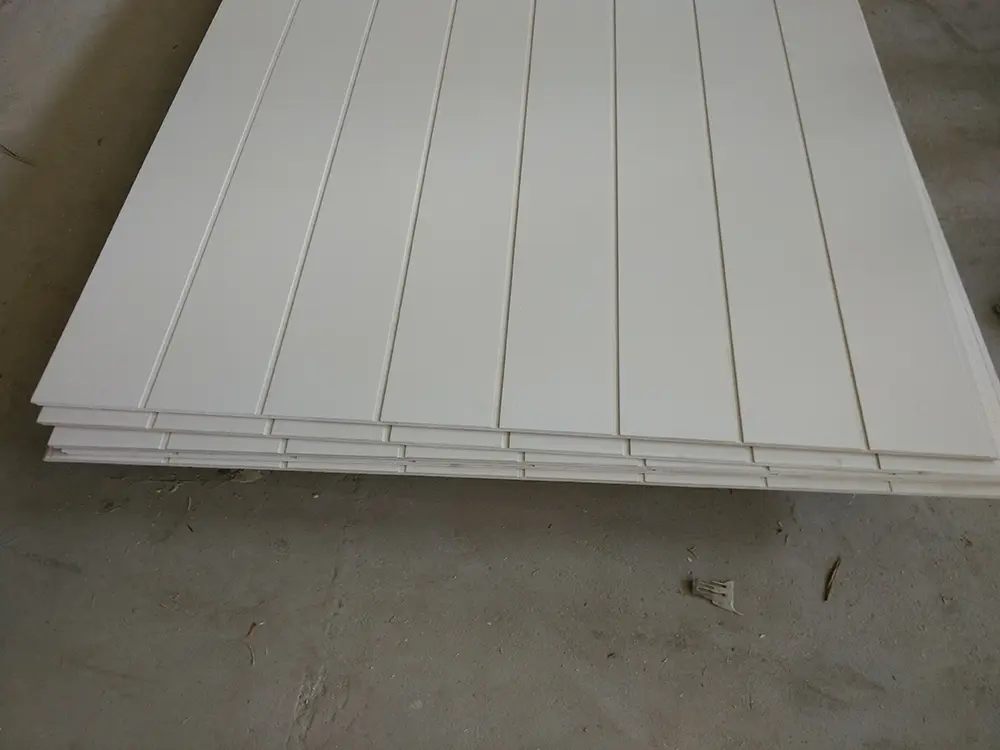 LEAO® Groove Interior Panel
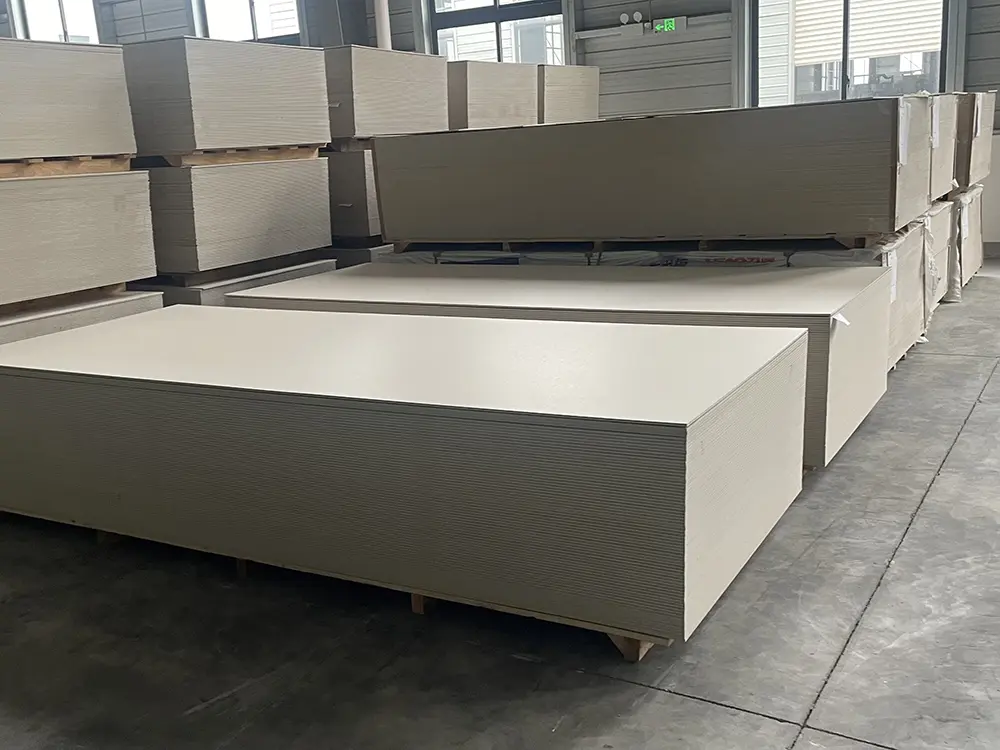 LEAO® Interior Board
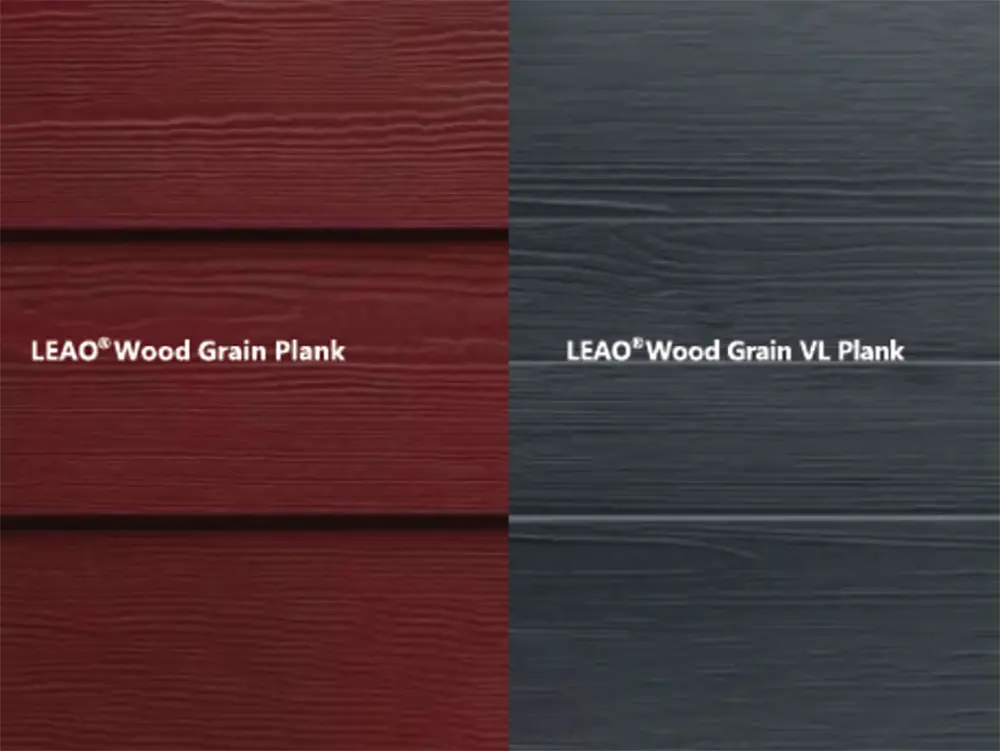 LEAO® Wood Grain Plank
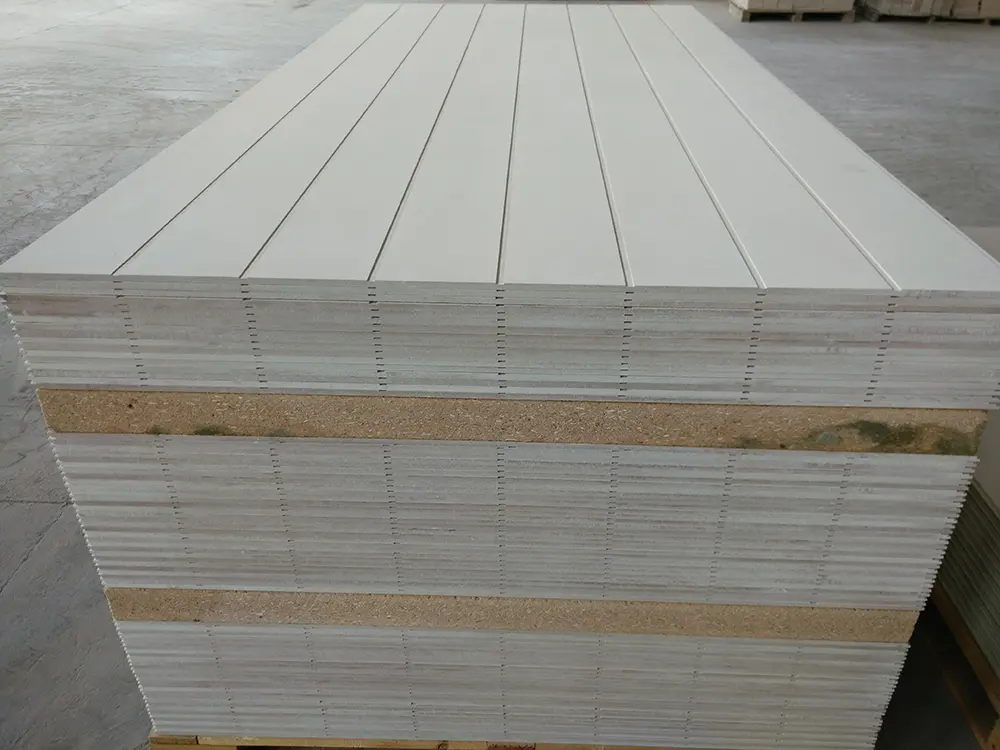 LEAO® Grooved Exterior Panel
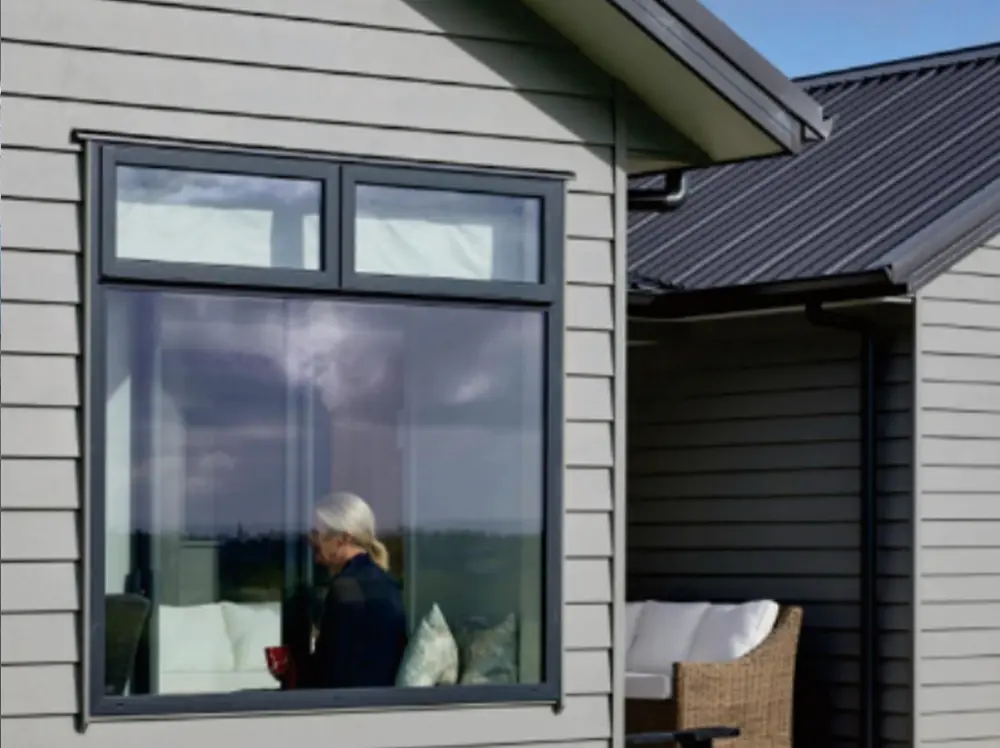 LEAO® Weatherboard
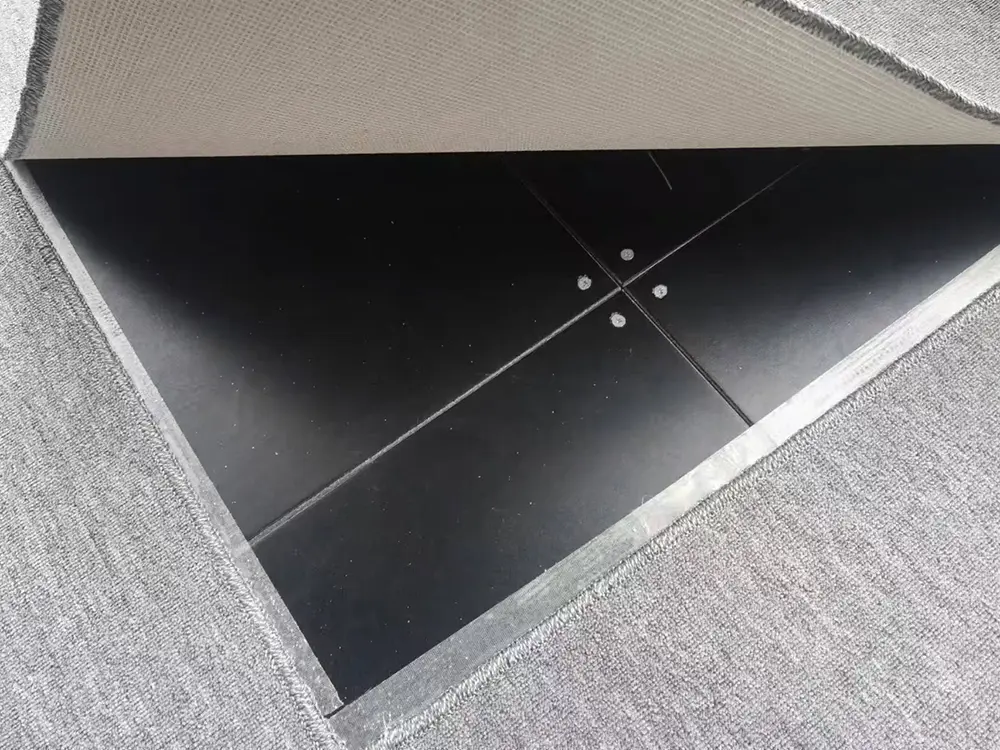 LEAO® Access Floors
 LEAO® Non-removable Formwork
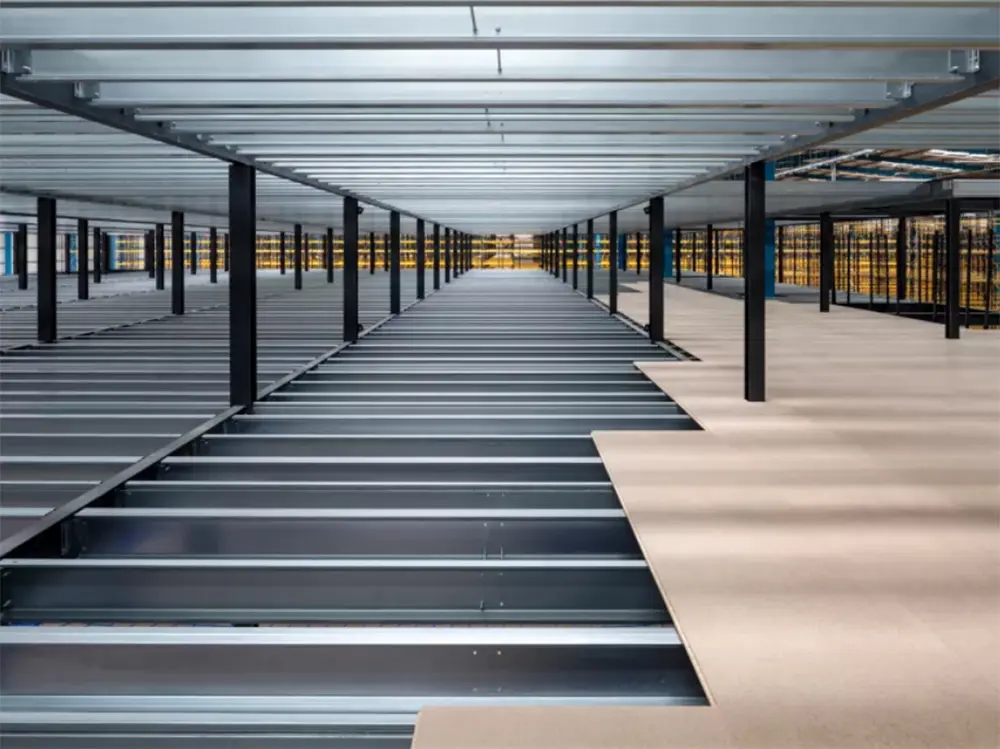 LEAO® Mezzanine Board
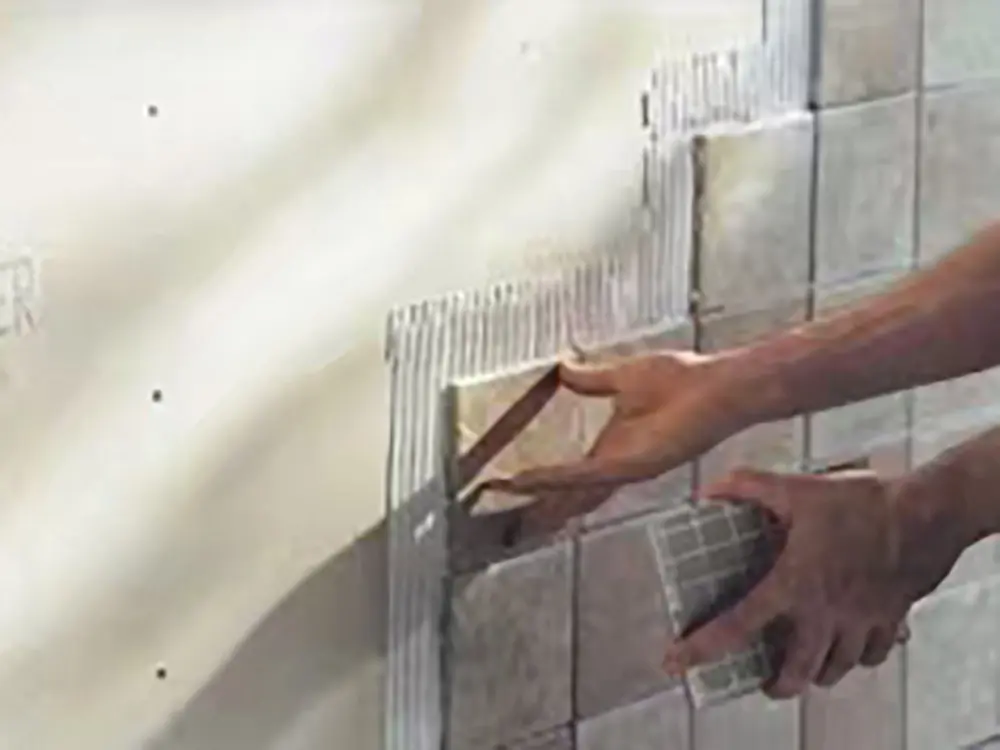 LEAO® Ceramic Tile Underlay
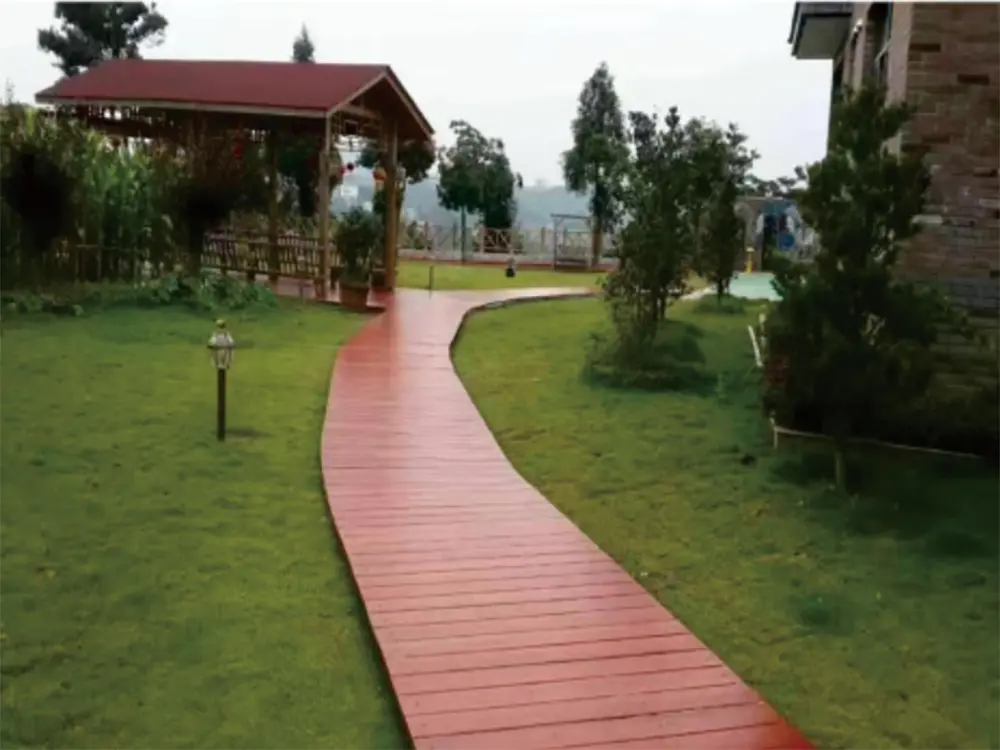 LEAO® Floor Plank
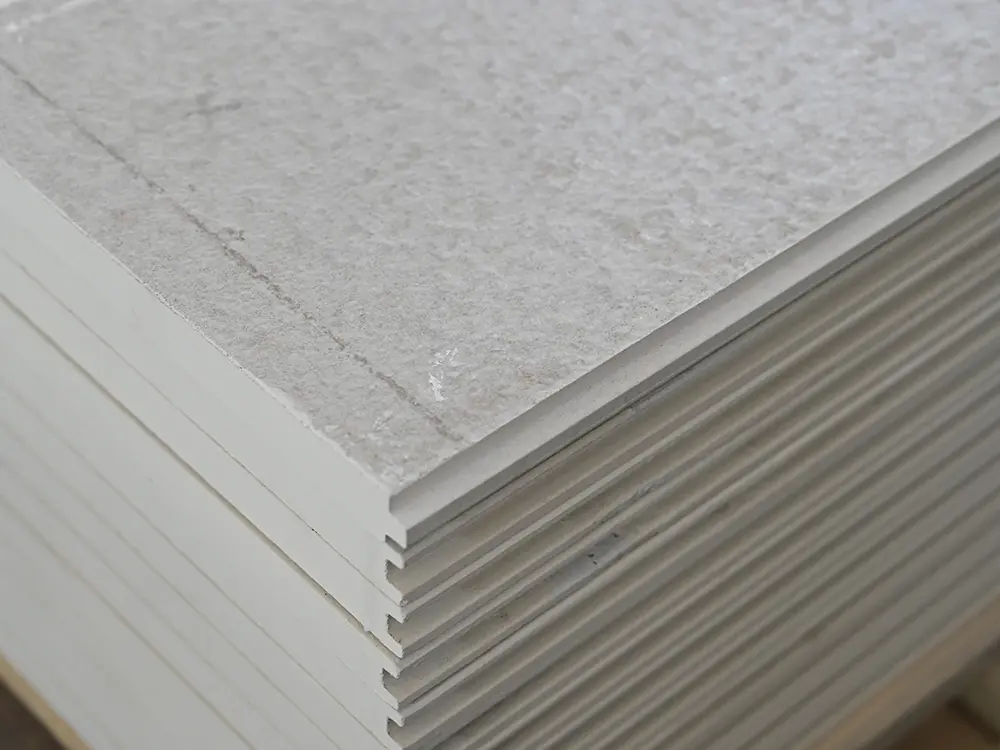 LEAO® Flooring
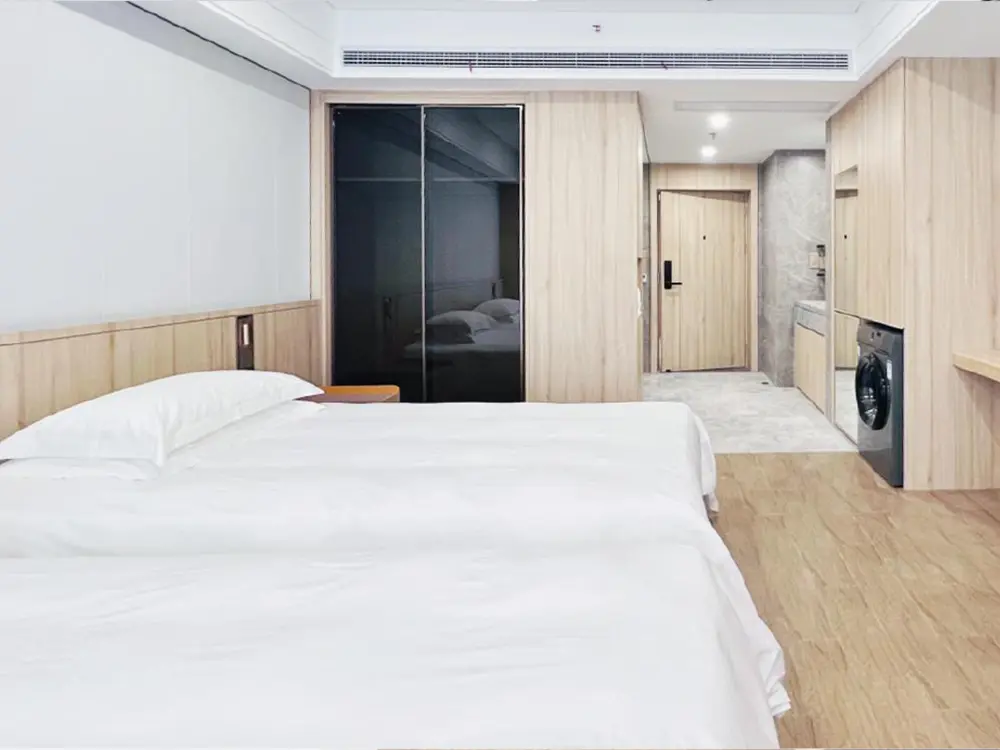 LEAO® Wood Style Decorative Panel
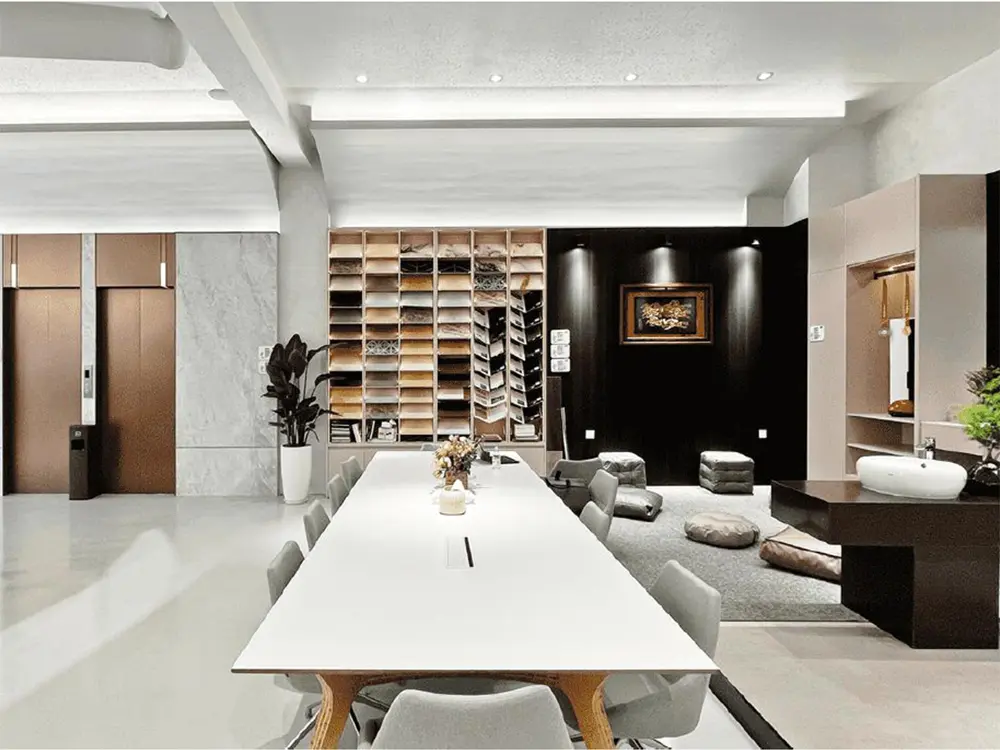 LEAO® Stone Style Decorative Panel
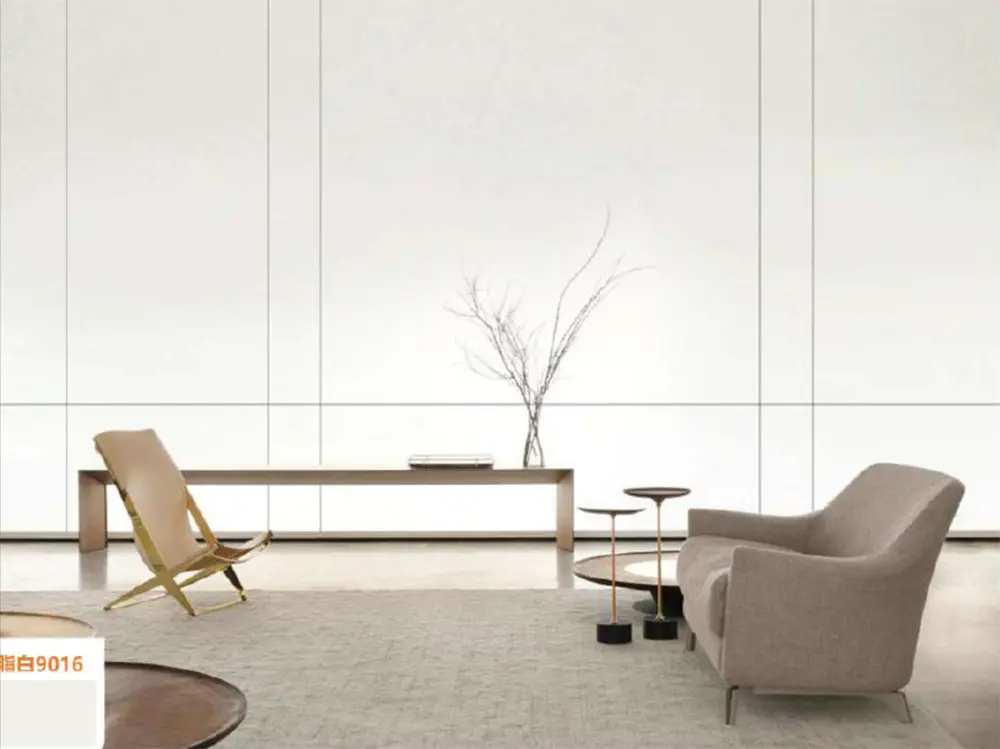 LEAO® Pure Style Decorative Panel