Top Tips for Sourcing Fiber Cement Partition Boards at Canton Fair?
The upcoming Canton Fair marks a significant opportunity for sourcing Fiber Cement Partition Boards, crucial in modern construction. As per industry reports, the global fiber cement market is projected to reach USD 25.75 billion by 2025, reflecting a substantial growth rate. This trend is driven by the rising demand for sustainable and durable building materials. Fiber Cement Partition Boards stand out due to their fire resistance, moisture control, and thermal efficiency.
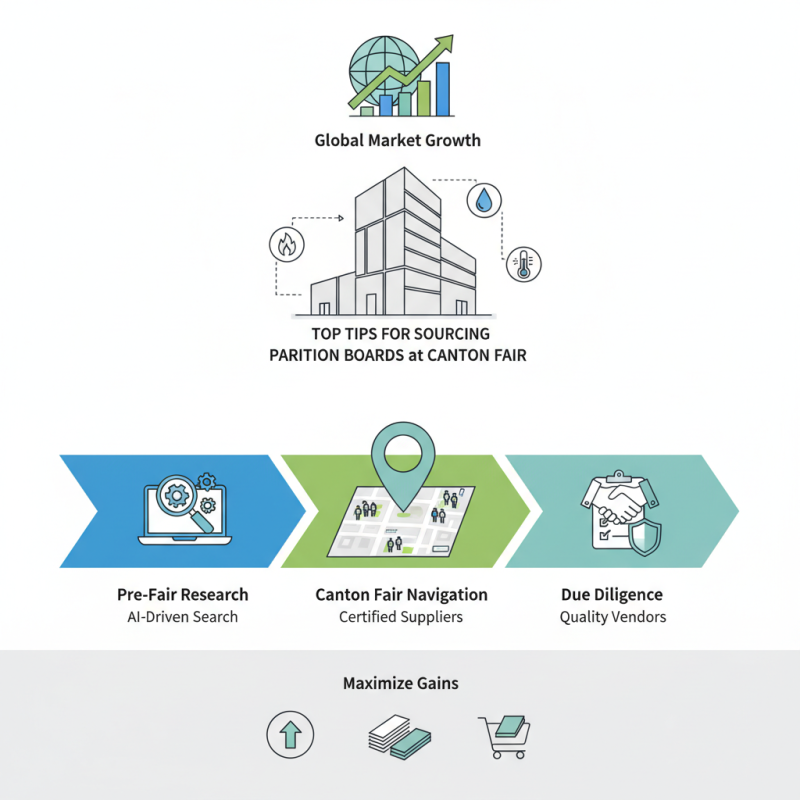
Navigating the expansive 1.55 million square meters of the Canton Fair can be challenging. The event’s new AI features allow buyers to find certified suppliers quickly. However, many still struggle with identifying quality vendors amidst numerous exhibitors. A lack of familiarity with certification criteria often leads to missed opportunities. Proper preparation is essential for maximizing gains from the fair.
Effective sourcing requires understanding market demands and supplier capabilities. Buyers should research potential vendors before the event. Utilizing AI-driven searches can streamline vendor selection. Yet, businesses must remain vigilant; not all attractive offers guarantee quality. Deliberate due diligence will foster better sourcing experiences for Fiber Cement Partition Boards at the Canton Fair.
Understanding Fiber Cement Partition Boards: Features and Benefits
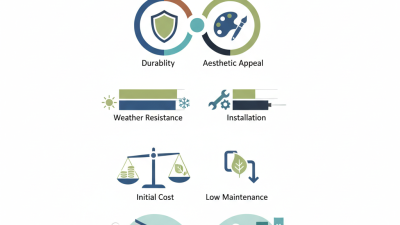
Fiber cement partition boards are increasingly popular in construction. They offer a variety of benefits that make them an attractive choice. One significant feature is their durability. According to a recent industry report, fiber cement boards can last up to 50 years with minimal maintenance. This longevity can lead to
cost savings over time.
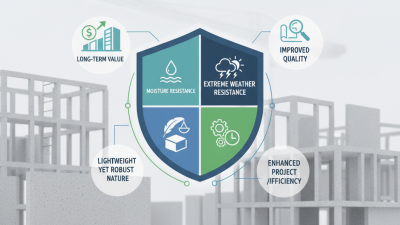
Another advantage is their resistance to fire and moisture. These boards do not warp or decay like traditional wood, making them ideal in varying climates. The same report indicates that fiber cement boards can withstand extreme temperatures and high humidity levels. This adaptability helps prevent health risks associated with
mold and mildew growth.
However, buyers should be aware of sourcing challenges. There may be variations in quality between manufacturers. Ensuring certifications and conducting thorough inspections is essential. The market can be confusing with many options available. It's important to ask questions and seek samples to evaluate the product before making a decision.
Key Considerations for Selecting Suppliers at the Canton Fair
When sourcing fiber cement partition boards at the Canton Fair, choosing the right suppliers is crucial.
Evaluate their reputation carefully. Look for reviews and previous buyer experiences. Many vendors may present themselves well but lack quality.
Do some research beforehand. Check if they have the necessary certifications. This ensures they meet safety and quality standards.
Communicate openly with potential suppliers. Ask them about their production processes and materials.
Understanding these aspects helps assess their reliability. Watch for red flags in their responses.
Be aware of vague answers. Engaging in discussions can reveal their willingness to work with you.
Trust your instincts during these interactions.
Lastly, consider the logistics. Ensure the supplier can meet your delivery timelines and quantities.
This can often be a point of contention later on. Have a backup plan in case a chosen supplier cannot deliver.
Sometimes, the best deals might not lead to the best outcomes. Reflect on your choices and adapt as needed, always aiming for
improvement in your sourcing strategy.
Strategies for Effective Negotiation with Fiber Cement Suppliers
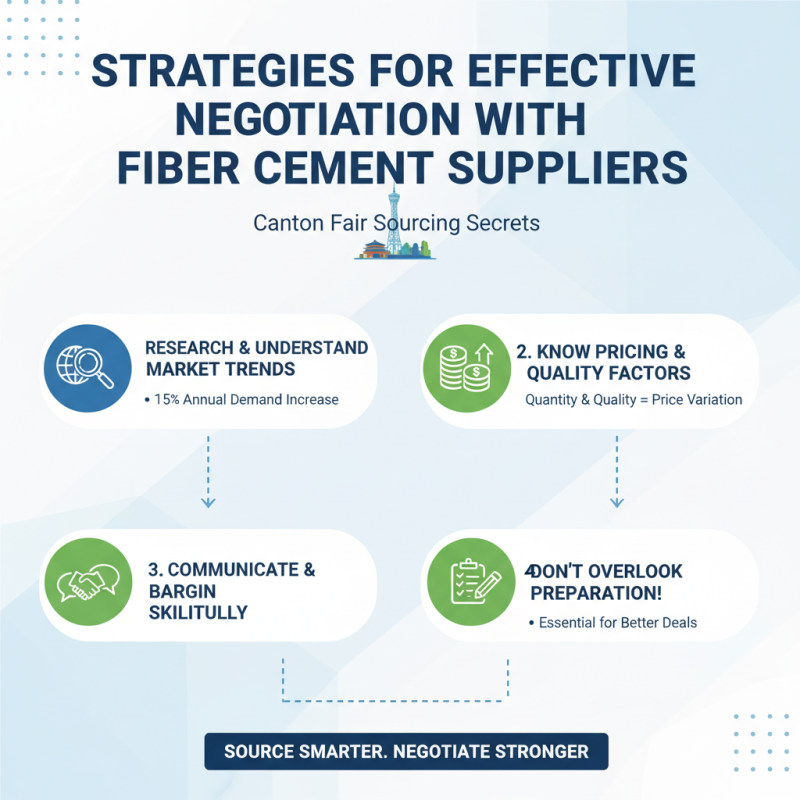
Negotiating with fiber cement suppliers at the Canton Fair can significantly impact your sourcing strategy. Research shows that fiber cement board demand has surged by over 15% annually. This highlights the need for effective communication and bargaining skills. Many buyers overlook preparation, which is essential. Understand the market trends and pricing before entering negotiations. You’ll find that prices can vary based on quantity and quality.
Building rapport can make a difference. Suppliers often appreciate long-term partnerships over one-time deals. It’s important to listen actively. Ask open-ended questions to gauge their flexibility and willingness to negotiate. A recent survey indicated that 45% of buyers felt they could have secured better prices with more open dialogue. Also, being clear about your needs can streamline the process. If there’s uncertainty, be ready to explore alternatives.
Data from industry reports suggests that transparent negotiations lead to better pricing outcomes, sometimes up to 10% lower than initial quotes. While many tend to rush this phase, slowing down can yield better results. Remember, negotiation is not just about winning. It’s about creating value for both parties. Being prepared to walk away can also put you in a stronger position.
Evaluating Quality Standards of Fiber Cement Products
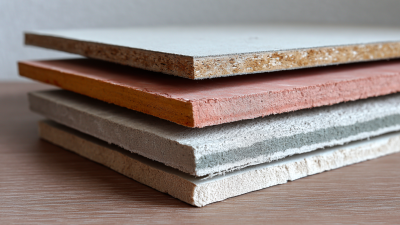
When sourcing fiber cement partition boards, quality is key. Assessing standards is crucial for ensuring durability and safety. Look for certifications that indicate compliance with industry norms. Focus on the materials used in production. High-quality cement and fiber enhance the board's strength.
Inspect the finish of the boards closely. Any uneven surfaces or visible defects can be a red flag. Pay attention to the weight; lighter boards may lack the necessary density. Physical tests can help during your evaluation. Ask suppliers for samples to verify quality before making a bulk order.
Do not overlook the environmental impact. Ensure that the products you consider are eco-friendly. Some fiber cement boards might contain harmful additives. Always inquire about the manufacturing process and source of materials. This diligence will pay off in long-term performance. Remember that quality sourcing is not just about immediate costs. It also involves considering future expenses on repairs and replacements.
Top Tips for Sourcing Fiber Cement Partition Boards at Canton Fair - Evaluating Quality Standards of Fiber Cement Products
| Criteria |
Description |
Standard Value |
Remarks |
| Thickness |
The thickness of the board affects its durability and insulation properties |
6-20 mm |
Choose based on application needs |
| Density |
Higher density boards offer better strength |
1200-1800 kg/m³ |
Check manufacturer specifications |
| Water Absorption |
Affects the board's resistance to moisture and durability |
< 20% by weight |
Lower values preferred for humid environments |
| Fire Resistance |
Evaluates how well the board withstands fire |
Class A (non-combustible) |
Essential for safety regulations |
| Surface Finish |
Impact on aesthetic appeal and paint adhesion |
Smooth, textured options |
Select based on design requirements |
Logistics and Import Regulations for Fiber Cement Boards
When sourcing fiber cement partition boards, understanding logistics is crucial. This includes transportation methods, packaging requirements, and predicting delivery timelines. It can be overwhelming. Always communicate clearly with suppliers about shipping terms. Confirm details like port charges and customs fees beforehand. These costs can add up quickly.
Import regulations also play a significant role in this process. Each country has unique rules for building materials. Some may require specific certifications or testing. Research these requirements early on. Failing to comply can lead to delays or additional costs. It's easy to overlook these details; however, they are essential for smooth importation.
Engaging with local experts can provide invaluable insights. They can guide you through the nuances of the regulations. This could save time and reduce headaches later. Remember, logistical errors might result in unexpected expenses. So, always double-check details before making commitments.

 LEAO®Deco Ceiling
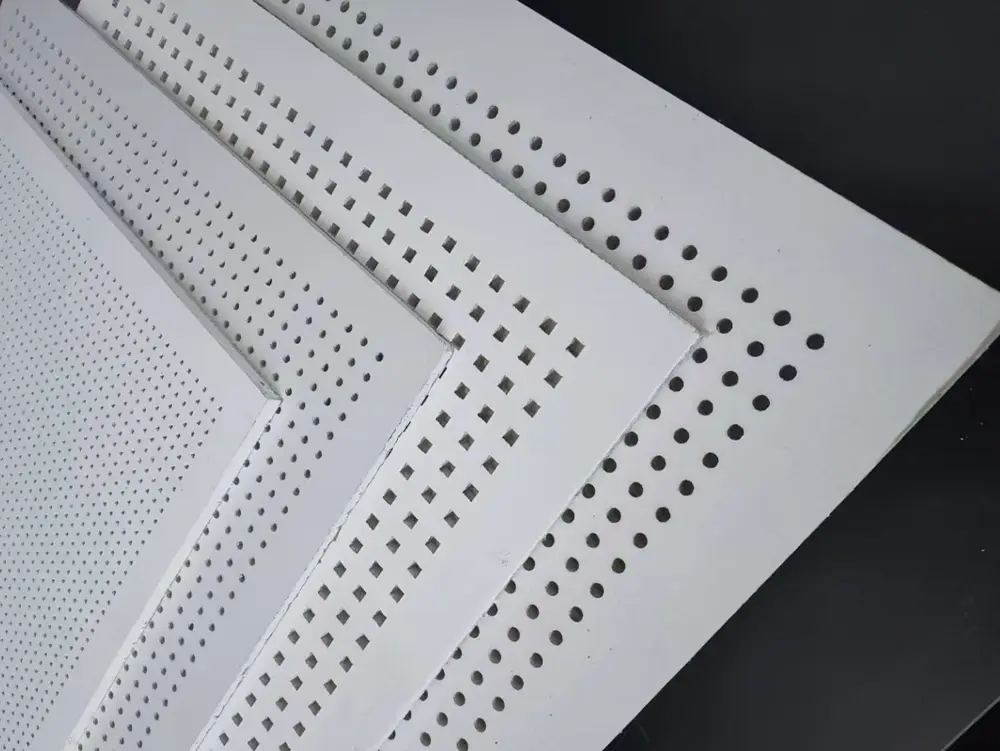 LEAO® Perforated Ceiling
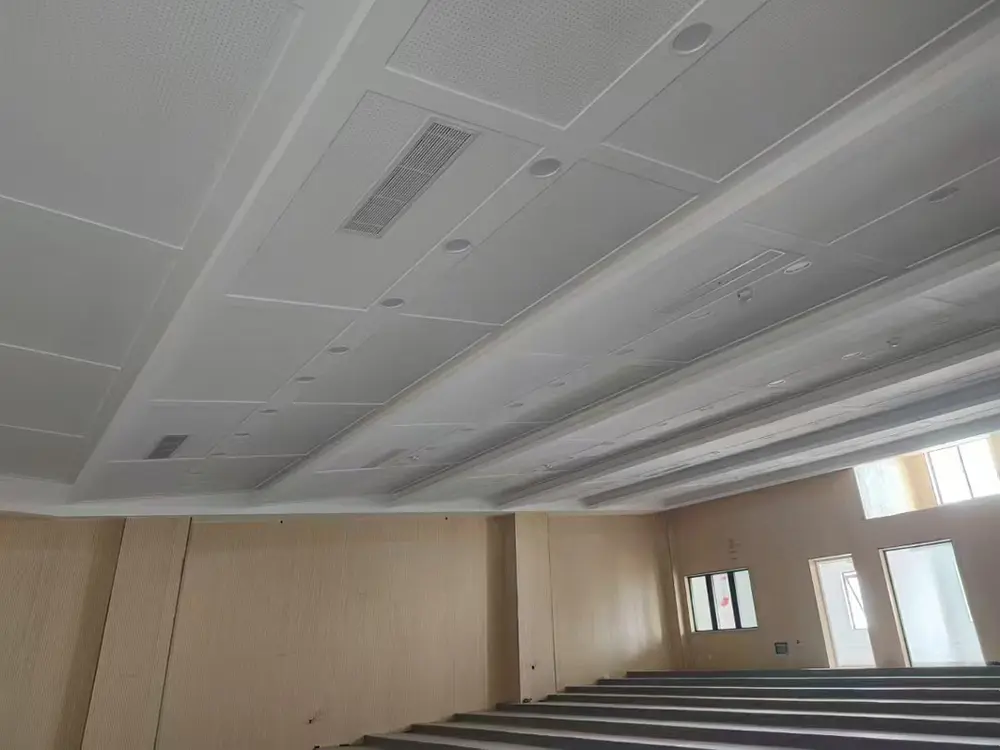 LEAO® Ceiling Board
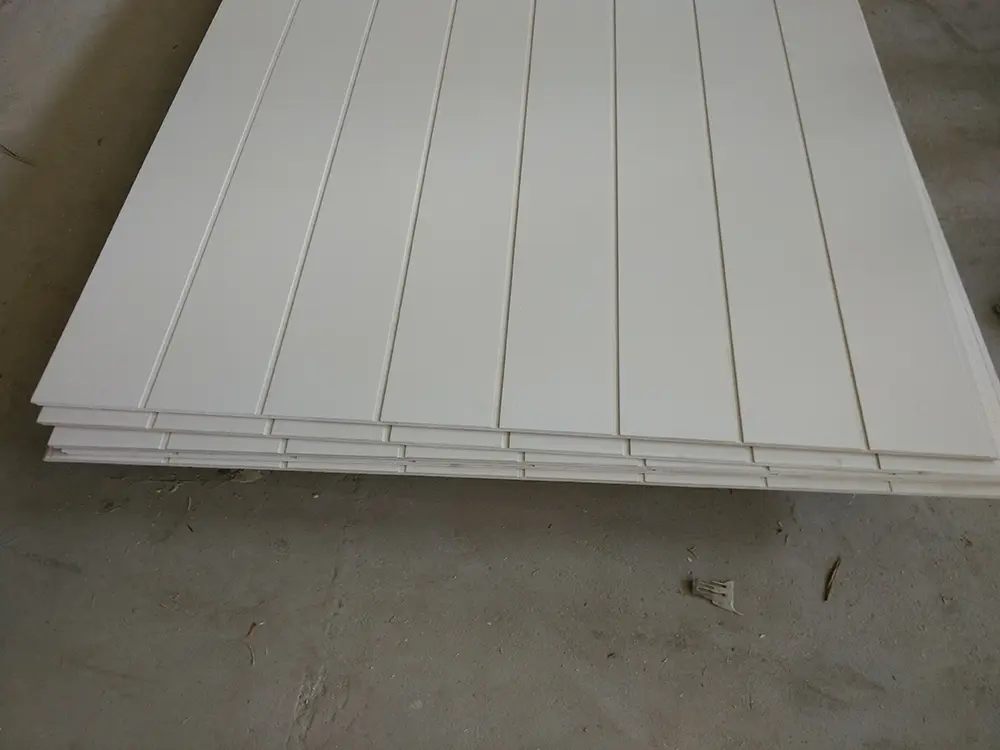 LEAO® Groove Interior Panel
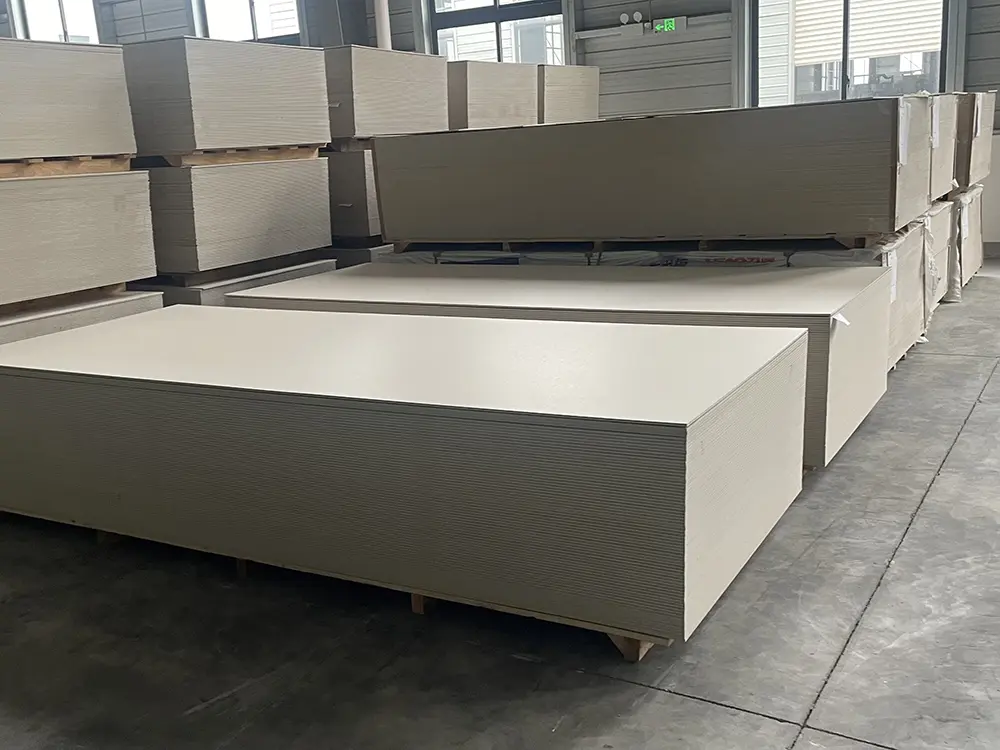 LEAO® Interior Board
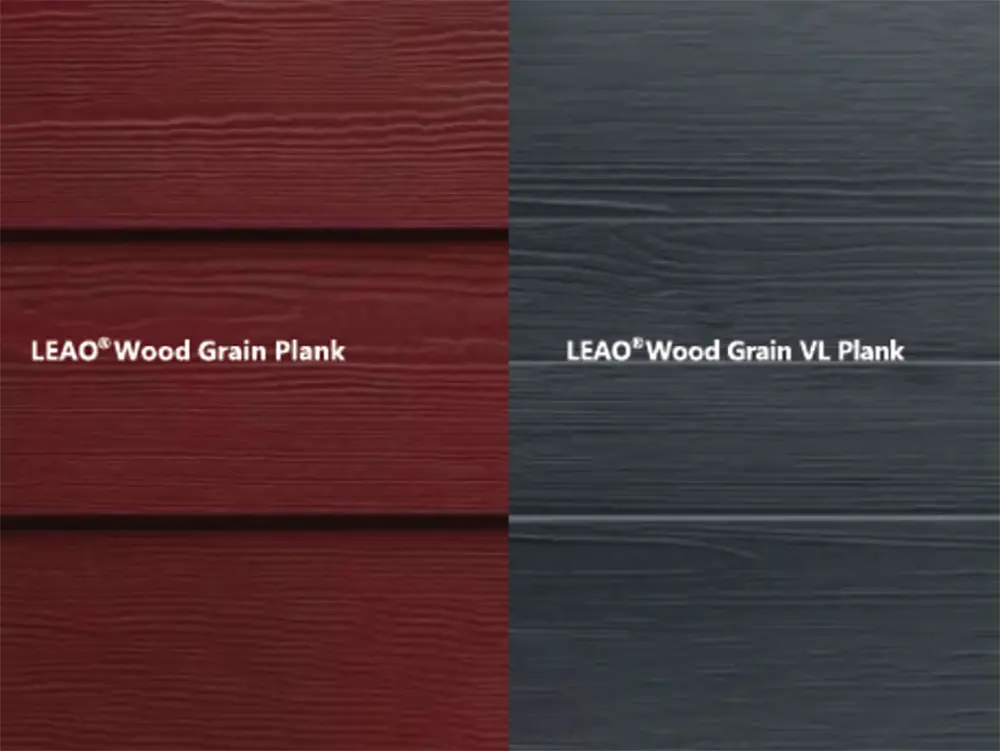 LEAO® Wood Grain Plank
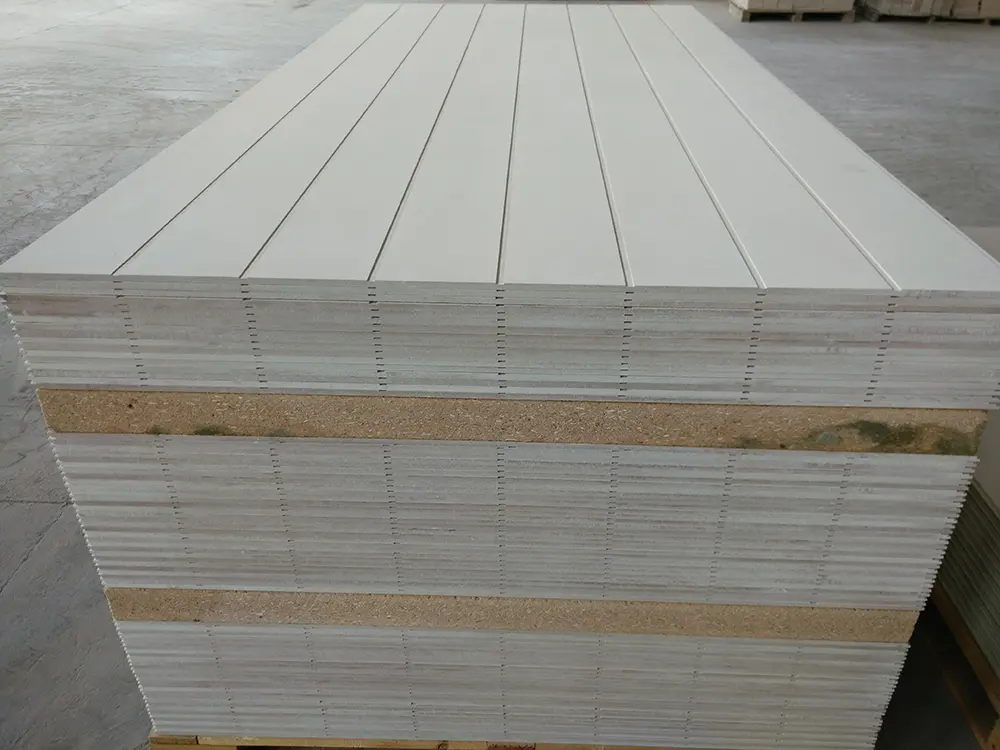 LEAO® Grooved Exterior Panel
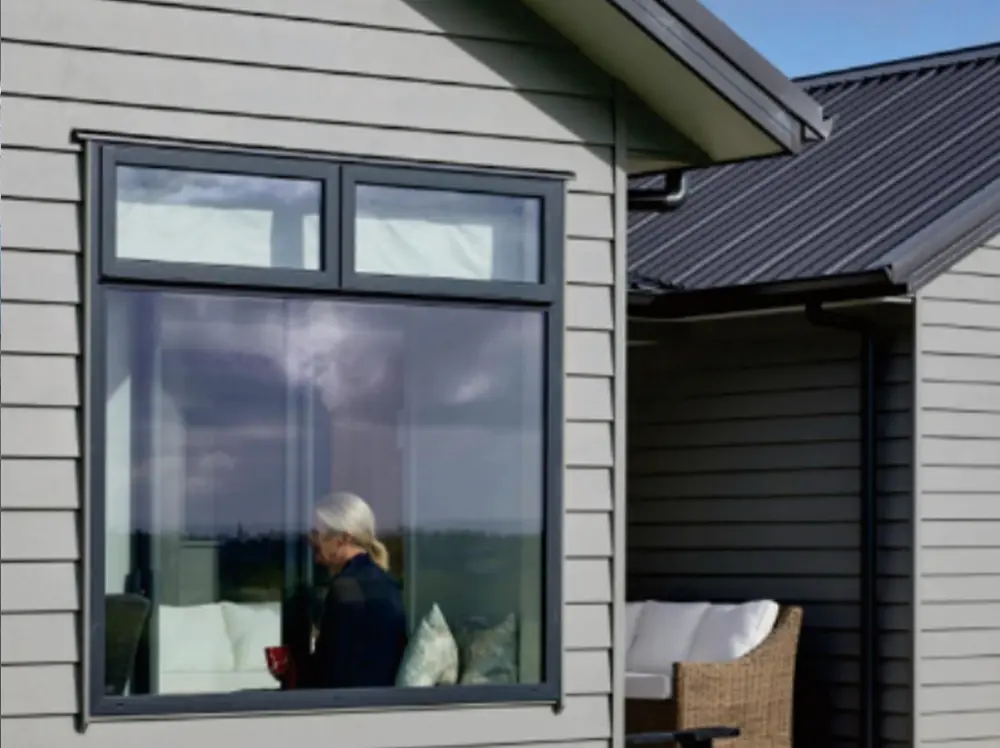 LEAO® Weatherboard
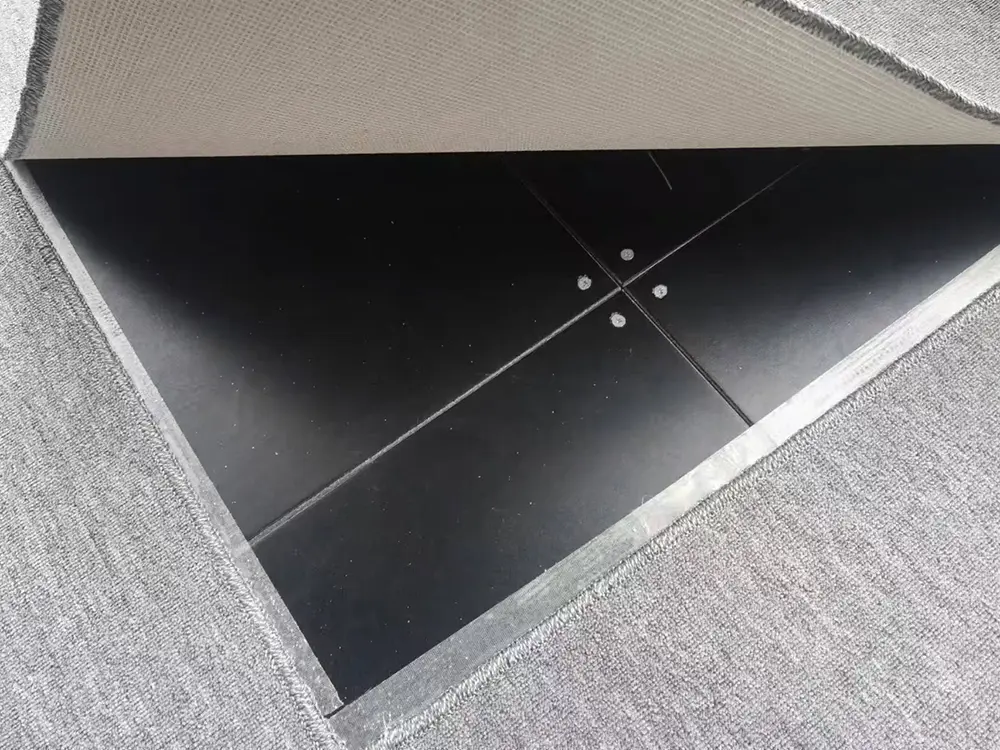 LEAO® Access Floors
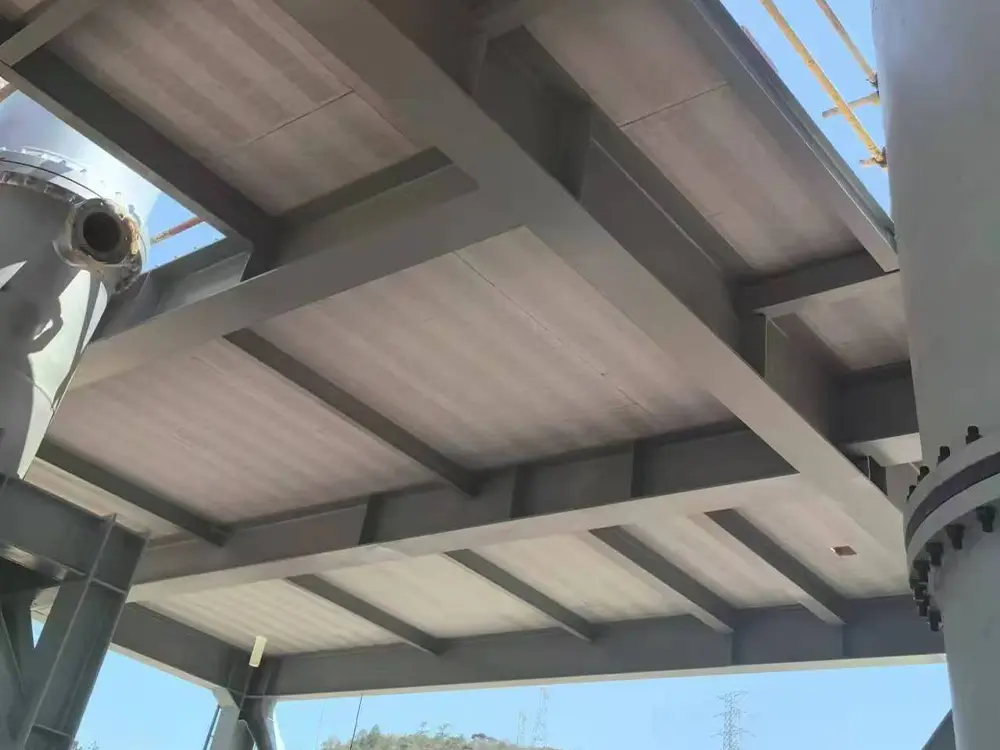 LEAO® Non-removable Formwork
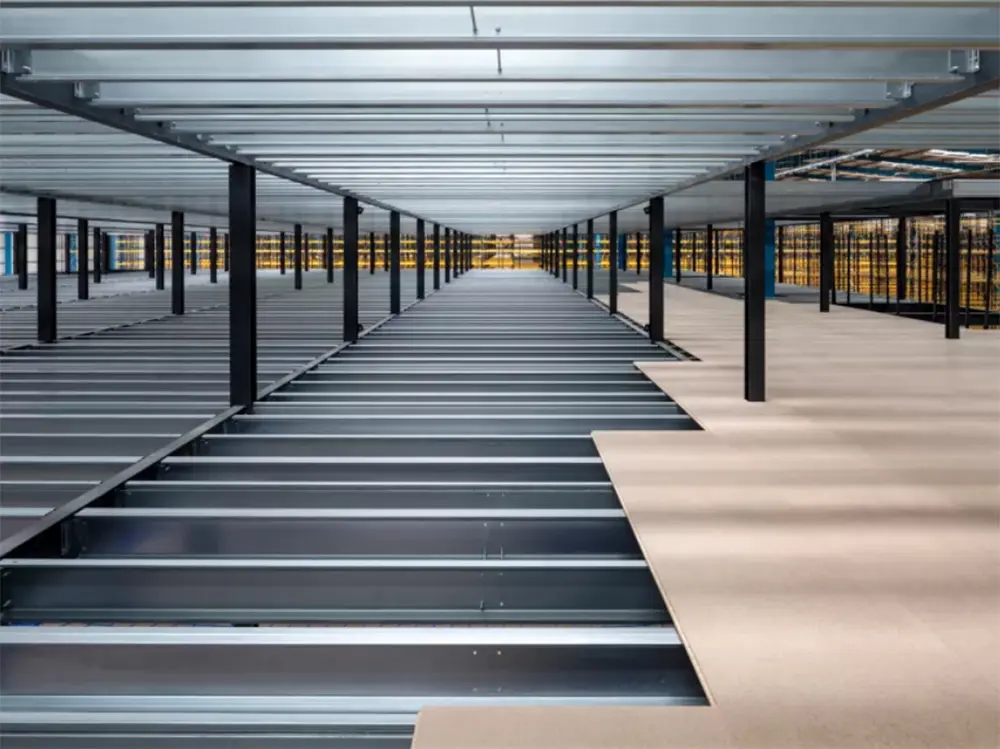 LEAO® Mezzanine Board
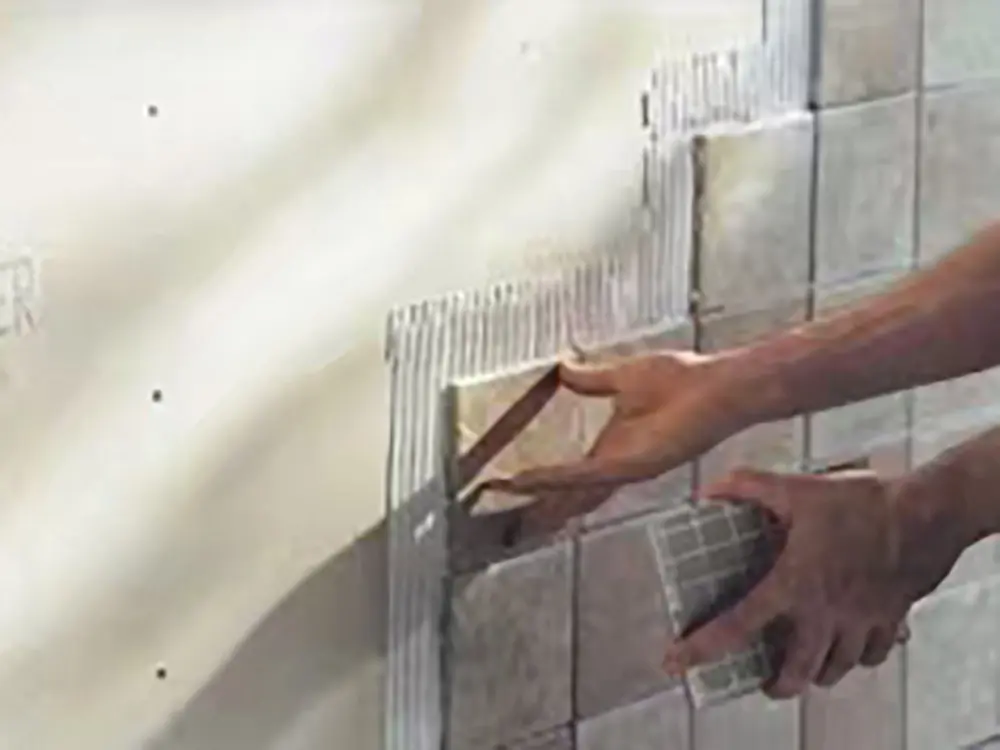 LEAO® Ceramic Tile Underlay
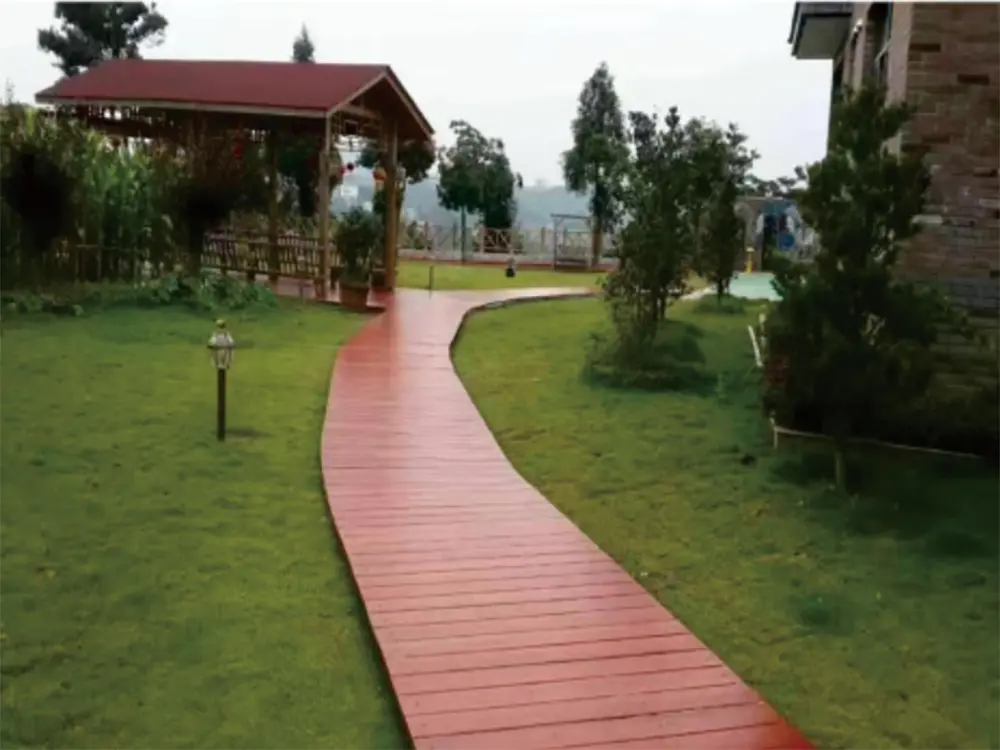 LEAO® Floor Plank
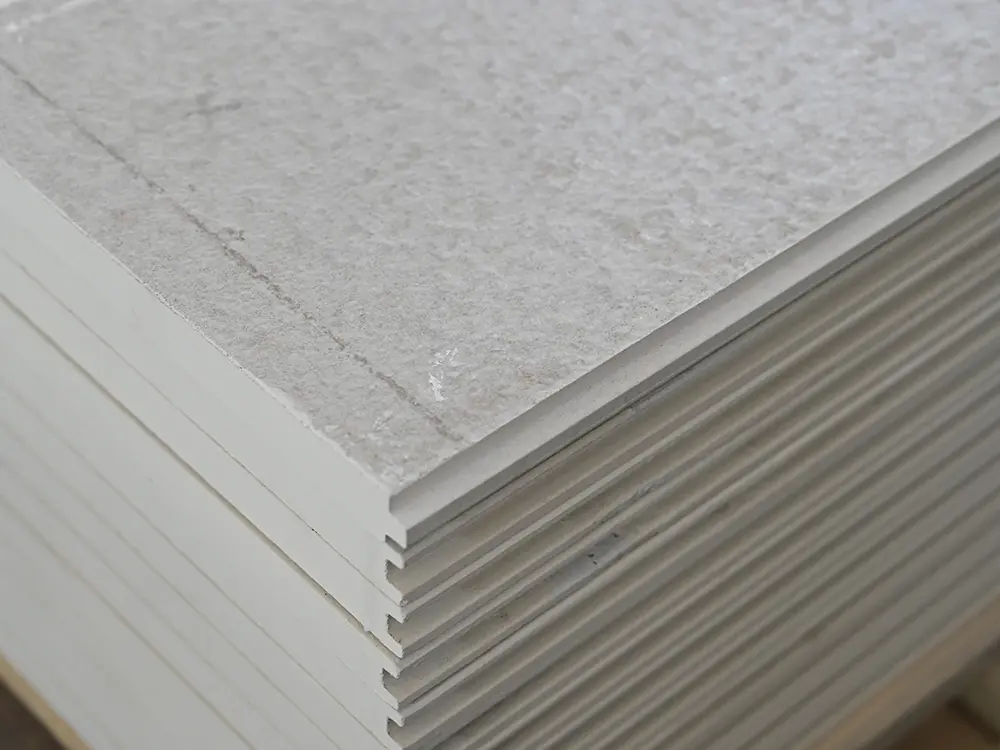 LEAO® Flooring
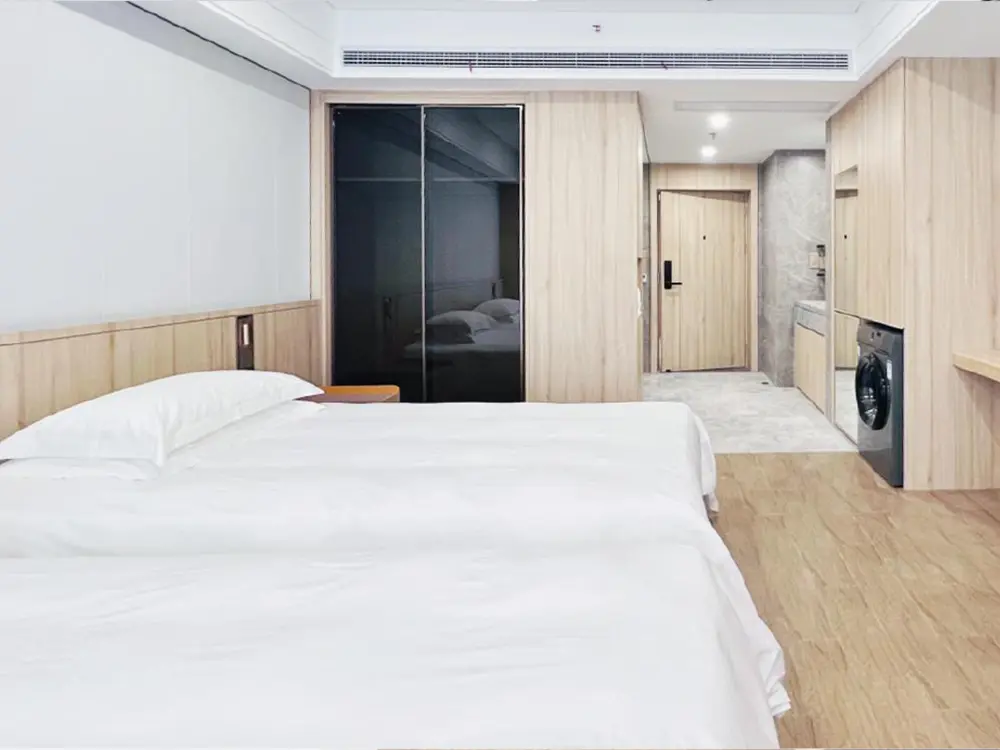 LEAO® Wood Style Decorative Panel
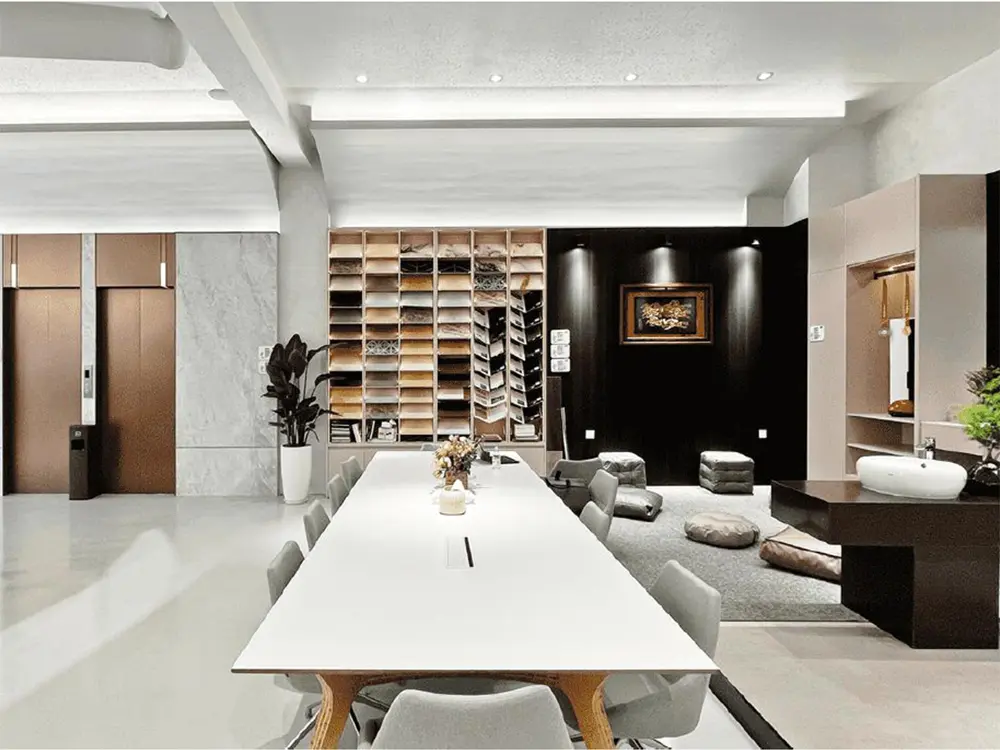 LEAO® Stone Style Decorative Panel
 LEAO® Pure Style Decorative Panel